Honoring Community Support: Guji Attire Gifted in Southern Oromia
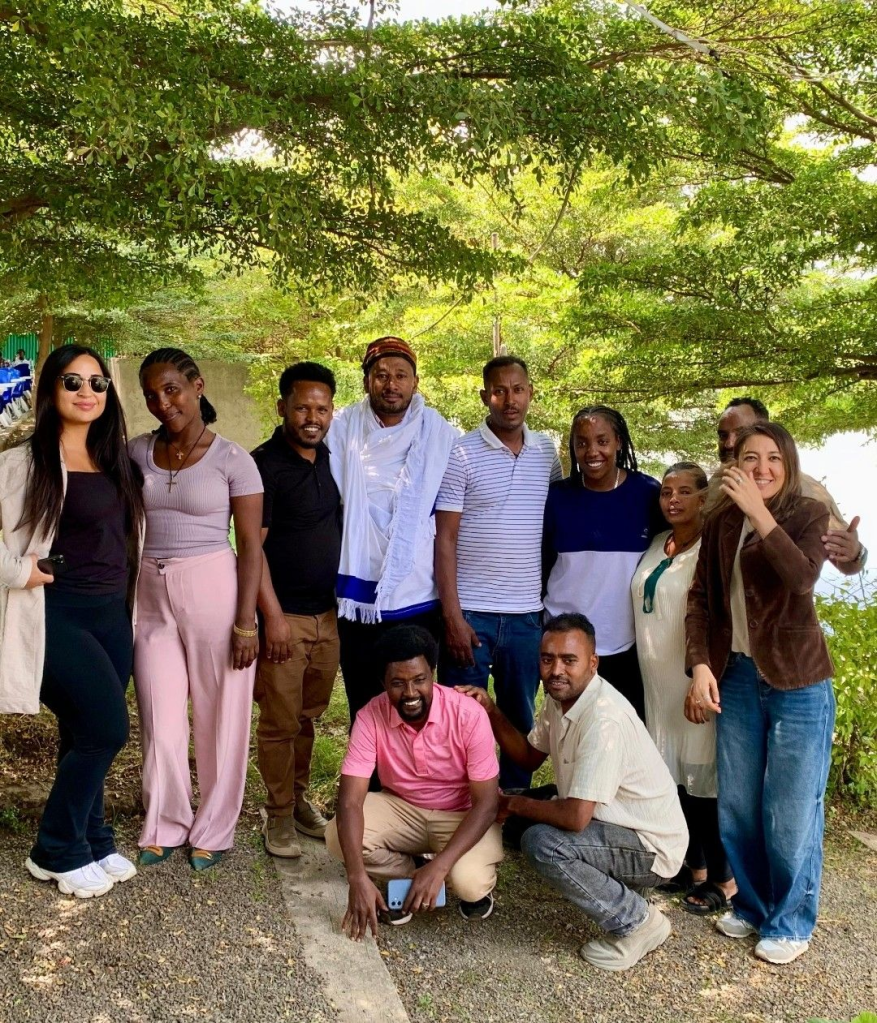
Recognition reflects deep appreciation for meaningful contributions to community development and cultural preservation
SOUTHERN OROMIA — In a heartfelt testament to the power of dedicated support, an individual whose contributions have significantly advanced operations in Southern Oromia has been honored with the prestigious gift of traditional Guji cultural clothing—a mark of outstanding respect and recognition from the local community .
Over the past six months, this meaningful supporter has played a vital role in various initiatives across Southern Oromia, earning not only the gratitude but also the deep admiration of those whose lives have been touched by their efforts. The recognition ceremony, marked by the presentation of exquisite Guji cultural attire, symbolized the community’s acknowledgment of contributions that go beyond material assistance to embrace genuine partnership and respect.
A Legacy of Cultural Appreciation
The Guji people, part of the larger Oromo nation, have a rich cultural heritage expressed through distinctive traditional clothing, ceremonies, and social structures. The presentation of Guji cultural clothes to a non-Guji or diaspora supporter represents far more than a ceremonial gesture—it signifies full acceptance, deep gratitude, and the honoring of someone who has demonstrated unwavering commitment to the community’s wellbeing .
Traditional Guji attire is characterized by vibrant colors, intricate patterns, and symbolic elements that carry deep cultural meaning. The clothing is typically reserved for elders, leaders, and those who have earned the community’s highest respect through years of service or exceptional contribution. Bestowing such attire upon a supporter reflects the community’s judgment that this individual has earned a place of honor within their social fabric.
Six Months of Meaningful Support
The achievements recognized span a six-month period during which the supporter contributed significantly to Southern Oromia operations. While specific operational details may remain confidential due to the sensitive nature of work in the region, the impact has been substantial enough to warrant this extraordinary recognition.
Community members and colleagues describe the supporter’s approach as characterized by:
- Genuine partnership: Working alongside local communities rather than imposing external solutions
- Cultural respect: Taking time to understand and honor local traditions and values
- Sustainable impact: Focusing on initiatives that create lasting benefits rather than temporary relief
- Humility: Approaching support as a learning opportunity and privilege rather than charity
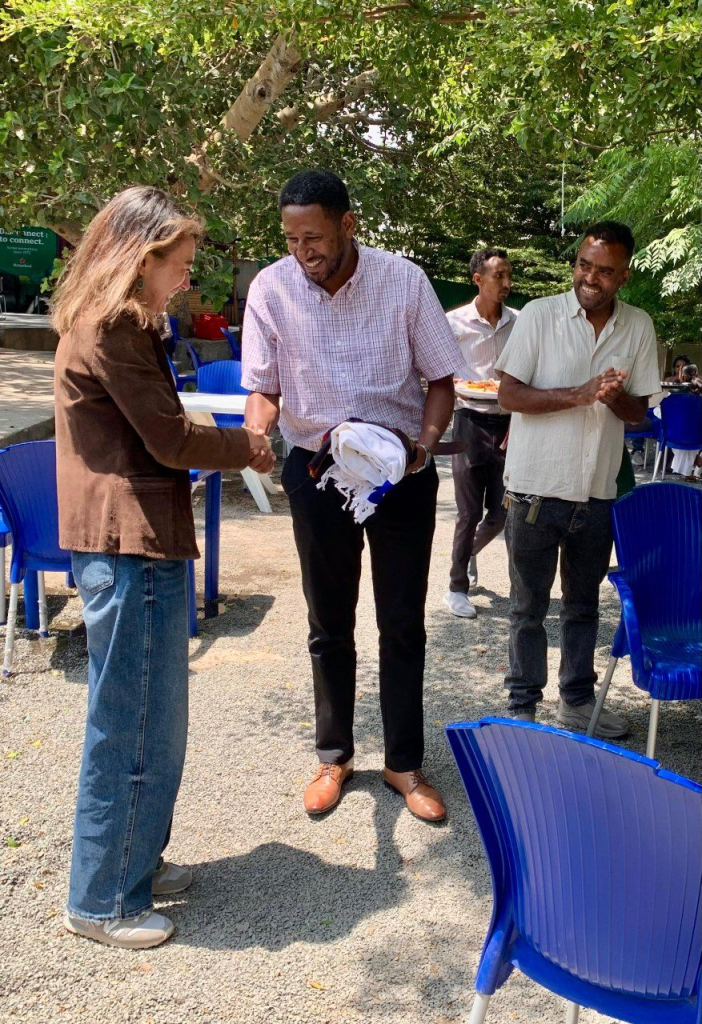
One local elder noted: “This is not someone who came to teach us or to save us. This is someone who came to walk with us, to learn from us, and to help us achieve what we already knew we needed. That is why we honor them today.”
The Significance of Cultural Recognition
In Oromo and particularly Guji tradition, clothing carries profound symbolic weight. The act of presenting traditional attire to an outsider or returnee represents a form of adoption—a declaration that this person is no longer a visitor or supporter but has become part of the community in a deep and lasting way .
For the recipient, wearing the Guji cultural clothes represents both an honor and a responsibility. It signifies that they are now expected to continue their support with even greater commitment, to serve as an ambassador for Guji and Oromo culture, and to maintain the relationships they have built over these six months.
Outstanding Respect: What It Means
The phrase “outstanding respect” in the recognition is not casual language. In Oromo society, respect (kabaja) is carefully calibrated and deliberately expressed. Outstanding respect—the kind that warrants ceremonial recognition and the gift of cultural clothing—is reserved for those who have demonstrated exceptional character, commitment, and contribution .
For this supporter, the respect shown reflects multiple dimensions of their engagement:
- Respect for the people: Treating community members with dignity and genuine care
- Respect for culture: Approaching traditions with humility and willingness to learn
- Respect for struggle: Understanding and honoring the historical and ongoing challenges facing the Oromo people
- Respect for partnership: Working as an equal rather than a savior
Community Response
The recognition ceremony drew community members from across Southern Oromia, including elders, local leaders, youth representatives, and women’s group organizers. Many spoke of the supporter’s willingness to listen, to learn, and to adapt their support based on community feedback.
One community member shared: “We have seen many people come to help. Some bring money and leave. Some bring ideas and tell us what to do. This one brought themselves—their time, their attention, their heart. They asked us what we needed and then helped us get it. That is why we honor them today.”
Another added: “The clothes we gave are not just cloth. They are our history, our identity, our love. When we put these clothes on someone, we are saying: you are one of us now. You belong to us, and we belong to you.”
Looking Forward
As this supporter enters the next phase of their engagement with Southern Oromia, they do so carrying both the honor of recognition and the responsibility it entails. The Guji cultural clothes they received are not merely a reward for past achievement but a call to continued commitment.
For the broader community, this recognition serves as a model of what meaningful partnership can look like: rooted in respect, sustained over time, and focused on genuine collaboration rather than top-down assistance.
A Message to Supporters Everywhere
The story of this recognition carries a message for all who seek to support communities in need: that the most meaningful contributions are those made with humility, cultural respect, and genuine partnership. It reminds us that communities are not merely recipients of aid but active agents in their own development, and that those who approach them as equals will find themselves welcomed not just as supporters but as family.
As one elder concluded: “May this story encourage others to come to us the same way—with open hearts, willing ears, and hands ready to work alongside us. That is how real change happens. That is how we all become family.”
Congratulations to the honored supporter. May your work continue, and may the bonds formed over these six months deepen and flourish in the years ahead.

Posted on February 21, 2026, in News. Bookmark the permalink. Leave a comment.




 Advocacy for Oromia
Leave a comment
Comments 0