Harmonizing Oromo Culture and Orthodox Faith During Lent
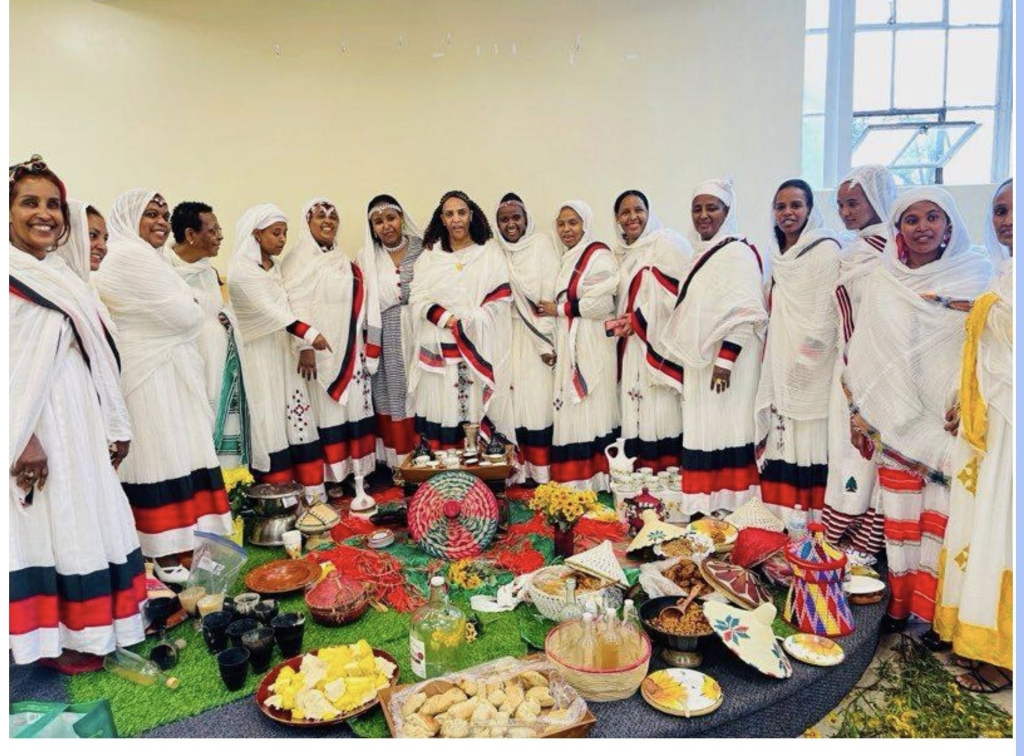
Abba Saamu’eel Jabeessaa emphasizes harmony between culture, identity, and religious observance during Great Lent
UNITED STATES — The Oromo people must live in harmony with their culture, identity, and faith, a prominent priest of the Ethiopian Orthodox Tewahedo Church has declared during a special interview with OMN. Abba Saamu’eel Jabeessaa, a globally recognized spiritual leader, made the remarks while discussing the observance of the Great Lent (Sooma Guddicha) among Orthodox faithful in the United States .
Speaking during an interview with Oromia Media Network (OMN), Abba Saamu’eel addressed the intersection of Oromo cultural identity and Orthodox Christian practice, emphasizing that the two are not mutually exclusive but can—and should—coexist harmoniously .
Observing Great Lent in America
The priest confirmed that followers of the Orthodox faith in the United States are actively observing the Great Lent, a period of fasting, prayer, and spiritual reflection leading to Easter. He noted that the faithful are celebrating the season with unity and devotion .
“When we honor this holy season, we do so by integrating our culture, values, and faith together,” Abba Saamu’eel stated. “The teachings of the church and the cultural identity of the Oromo people are not in opposition. They can walk together” .
Culture and Church Teaching: Finding Common Ground
Addressing questions about the relationship between Oromo cultural traditions and Orthodox Christian teachings, Abba Saamu’eel emphasized that there is no inherent conflict between the two. He noted that Oromo cultural values and church teachings can complement one another when properly understood .
However, he also acknowledged ongoing challenges within the Ethiopian Orthodox Tewahedo Church, particularly regarding the suppression of ethnic identity, culture, and language. He pointed out that some within the church continue to prioritize religious identity over ethnic identity, promoting a model that diminishes the cultural distinctiveness of Ethiopia’s diverse peoples .
“The problem of poor governance within the church—where religious identity is used to suppress the identity of nations and nationalities—must stop,” Abba Saamu’eel declared .
A Call to Good Works During Lent
The priest also used the occasion to remind the faithful of their spiritual obligations during the holy season. He emphasized that Lent is not merely about abstaining from food but about actively doing good works, helping those in need, and turning away from sin .
“During this fasting period, the community must engage in good deeds, support the needy, and pass the time in righteousness,” he urged .
Oromo Identity in the Diaspora
Abba Saamu’eel’s remarks carry particular significance for Oromo Orthodox Christians in the diaspora, who navigate questions of identity, faith, and cultural preservation in multicultural societies like the United States. For many, the challenge is maintaining both Oromo cultural identity and Orthodox Christian faith while living far from their homeland.
His message—that the two can coexist harmoniously—offers reassurance to Oromo faithful seeking to honor both their heritage and their religion without compromising either.
Broader Context: Identity and Faith in the Ethiopian Orthodox Church
The priest’s comments touch on a long-standing tension within the Ethiopian Orthodox Tewahedo Church, which encompasses diverse ethnic communities including Oromo, Amhara, Tigrayan, and many others. Historically, the church has been criticized by some for promoting Amhara cultural dominance and suppressing other ethnic identities .
Abba Saamu’eel’s acknowledgment of this problem—and his call for it to stop—represents a significant intervention from a prominent religious leader. His words suggest growing recognition within church circles that true unity requires respect for diversity, not its erasure .
A Message of Hope and Integration
For Oromo Orthodox Christians observing Great Lent in the United States and around the world, Abba Saamu’eel’s message offers both validation and guidance: validation that their cultural identity matters, and guidance on how to integrate it faithfully with their religious practice.
As one observer noted, the priest’s remarks affirm that “Oromo culture and Orthodox faith are not enemies. They are partners in shaping a people who know who they are and Whose they are.”
Looking Forward
As the Great Lent continues toward its conclusion with Easter celebrations, Abba Saamu’eel’s words will likely resonate throughout Oromo Orthodox communities in the diaspora and beyond. His call for harmony between culture and faith, his acknowledgment of past failures to respect ethnic identity, and his emphasis on good works during the holy season provide a framework for faithful observance that honors both heritage and religion.
In a world where identity questions grow increasingly complex, his message is clear: you do not have to choose between being Oromo and being Orthodox. You can be both—fully, faithfully, and with integrity.

Posted on February 21, 2026, in News. Bookmark the permalink. Leave a comment.




 Advocacy for Oromia
Leave a comment
Comments 0