Daily Archives: February 22, 2026

Bokkuu Becomes Oromo Liberation Front (ABO) Official Symbol for 7th Round Elections
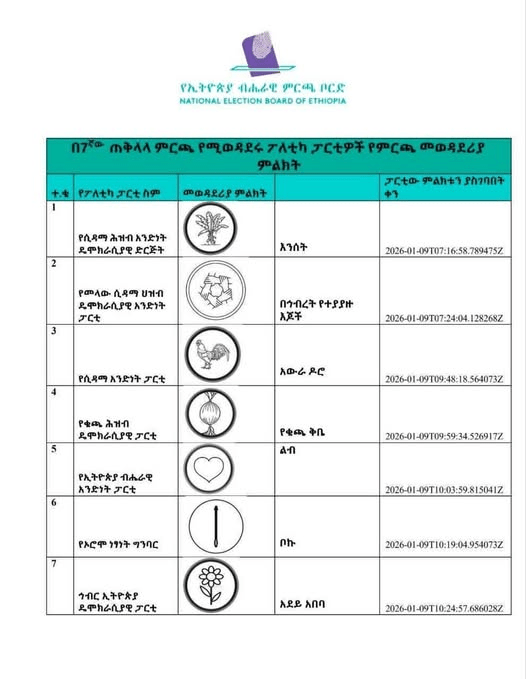
Ancient Gadaa symbol of justice, unity, and Oromo sovereignty to lead ABO’s historic electoral participation
FINFINNE — The Oromo Liberation Front (ABO) has officially adopted the Bokkuu as its electoral symbol for the upcoming 7th round national elections, marking a historic moment in the organization’s decades-long struggle for Oromo rights and self-determination.
On February 21, 2026, the National Election Board of Ethiopia (NEBE) formally approved and announced the Bokkuu as the registered symbol under which ABO will contest the elections.
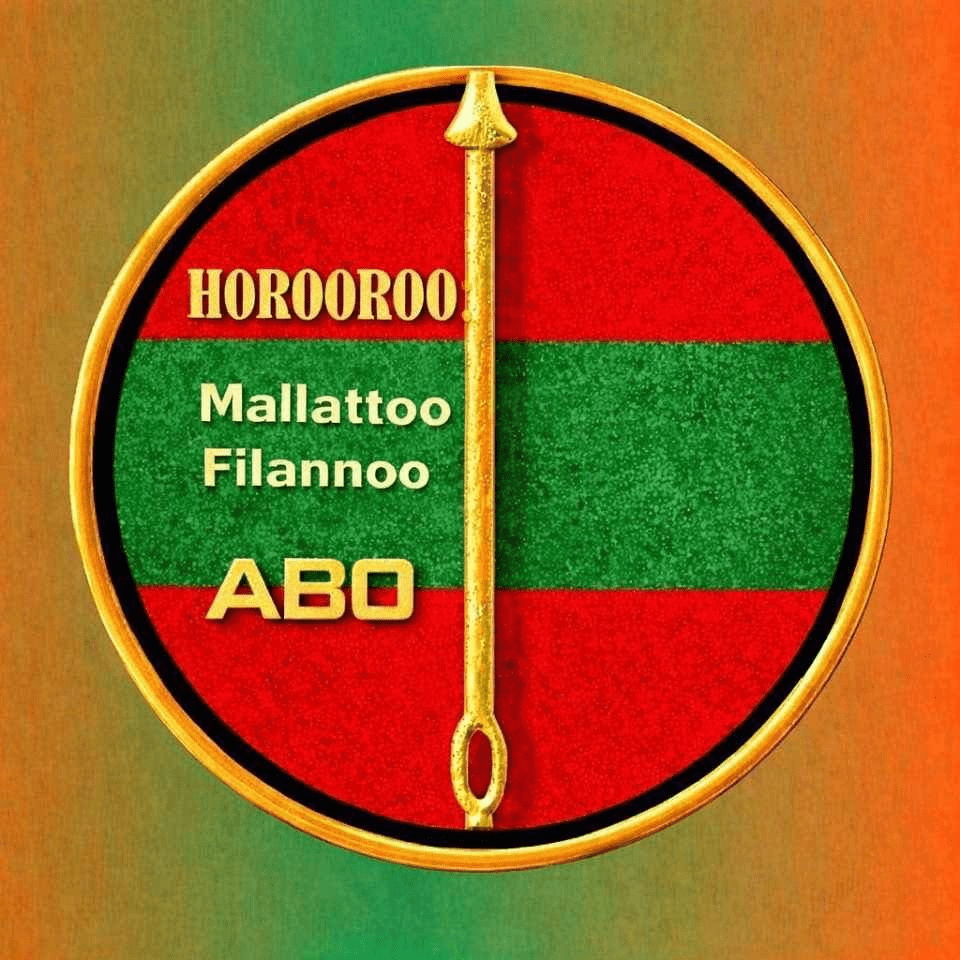
The Bokkuu is far more than a mere electoral logo—it is a sacred cultural symbol representing the authority, sovereignty, and democratic traditions of the Oromo people. Within the Gadaa system, one of the world’s oldest indigenous democratic governance structures, the Bokkuu serves as the ultimate symbol of justice, legitimate governance, and national unity.
A Symbol Rooted in Thousands of Years of Oromo Democracy
In Oromo culture and the Gadaa system, the Bokkuu holds profound significance:
- Symbol of legitimate authority: The Bokkuu is the scepter carried by elected Gadaa leaders, representing their mandate to govern with justice and wisdom
- Emblem of justice: It signifies fair and impartial rule, reminding leaders that their authority derives from the people’s consent
- Marker of unity: The Bokkuu represents the unity of the Oromo nation, transcending clan, regional, and religious divisions
- Sacred object: It is treated with deep reverence, often consecrated through ceremonies that invoke divine blessing upon the leader and the people
- Democratic mandate: The transfer of the Bokkuu from one Gadaa class to another every eight years symbolizes peaceful, regular leadership transition—a tradition of democratic governance millennia old
By choosing the Bokkuu as its electoral symbol, ABO is not merely selecting a logo—it is grounding its political project in the deepest traditions of Oromo civilization and asserting continuity between ancient Oromo democracy and contemporary struggles for self-determination.
From Armed Struggle to Peaceful Electoral Politics
ABO’s participation in the 2026 elections represents a significant evolution in the organization’s long history. Since its founding, ABO has been at the forefront of the Oromo liberation struggle, employing various methods—including armed resistance—in the face of successive Ethiopian regimes that denied Oromo rights.
Following the political changes of 2018, ABO leadership returned to the country with a commitment to pursuing the Oromo cause through peaceful, legal, and democratic means. However, the organization faced numerous obstacles that prevented its participation in the 6th round elections.
Now, after overcoming these challenges and completing extensive preparations, ABO has announced its readiness to participate in the 2026 elections for the first time in its history. The adoption of the Bokkuu as its electoral symbol formalizes this commitment and signals to Oromo voters the organization’s dedication to achieving their aspirations through the ballot box.
Sacrifice and Commitment: The Foundation of Participation
In announcing the approved symbol, ABO emphasized that its electoral participation is built upon enormous sacrifice—not only from its members and supporters but from the entire Oromo people. This sacrifice, rooted in unwavering commitment and dedication to ABO’s goals, has brought the organization to this historic moment.
The decision to participate electorally does not represent an abandonment of the struggle but rather its continuation through different means. ABO frames its electoral engagement as the peaceful, legal, and democratic dimension of a broader struggle for Oromo rights, dignity, and self-determination.
The Bokkuu: A Symbol for All Oromos
ABO has clarified that the symbol approved for the elections is specifically the Bokkuu—a variation that carries the same profound cultural significance while serving as a recognizable electoral emblem.
For Oromo voters, the Bokkuu on the ballot will represent:
- A connection to their ancestral democratic traditions
- A commitment to justice and fair governance
- The unity of the Oromo nation across all divisions
- The legitimate aspiration for self-determination
- The sacrifices of generations who fought for Oromo rights
As one ABO representative noted: “When Oromo voters see the Bokkuu on their ballot, they will know they are not merely casting a vote—they are reclaiming their heritage, honoring their martyrs, and building their future.”
Historic Context: First Electoral Participation
This election marks ABO’s first formal participation in a national electoral process since its founding. For an organization that has existed for decades, much of that time as an armed liberation movement operating in clandestinity or exile, this transition to electoral politics represents a profound strategic shift.
The decision to participate reflects both changed circumstances within Ethiopia and ABO’s assessment that peaceful, democratic struggle can now advance the Oromo cause in ways that were previously impossible. It also reflects the organization’s confidence that Oromo voters will embrace the Bokkuu as their symbol and ABO as their political home.
Challenges Ahead
Despite the historic nature of this participation, ABO faces significant challenges in the electoral arena. The political landscape remains complex, with multiple actors competing for Oromo votes and various forces potentially opposing ABO’s rise. Questions about electoral fairness, access to media, campaign freedoms, and the treatment of opposition parties remain unresolved.
ABO leaders acknowledge these challenges but express confidence that the Oromo people’s support will carry them forward. As one senior figure stated during recent consultations: “If we are people of truth, our people will never abandon us under any circumstances.”
A Call to the Oromo People
With the Bokkuu now officially registered and approved, ABO calls upon the Oromo people to:
- Recognize the Bokkuu as their symbol of hope and liberation
- Support ABO’s electoral campaign through active participation
- Exercise their democratic rights by voting on election day
- Protect the integrity of the electoral process
- Continue the struggle through peaceful, legal means
The message is clear: the Bokkuu has returned. The symbol of ancient Oromo democracy will now carry the aspirations of the Oromo people into the 21st-century political arena.
Conclusion: History in the Making
The approval of the Bokkuu as ABO’s electoral symbol marks a moment of profound historical significance. For the first time, an organization carrying the banner of Oromo liberation will compete in national elections under a symbol that embodies millennia of Oromo democratic tradition.
As Oromo voters prepare to go to the polls, they will find the Bokkuu waiting for them—a reminder of who they are, where they come from, and what they deserve. In that symbol, they will see not merely a political party’s logo but the face of their ancestors, the voice of their martyrs, and the hope of their children.
Bokkuu ABO — The symbol of Oromo justice, unity, and liberation.
Injifannoon Ummata Oromoo! (Victory to the Oromo People!)




 Advocacy for Oromia