Oromo Students in Sweden Celebrate International Mother Language Day with Pride and Purpose
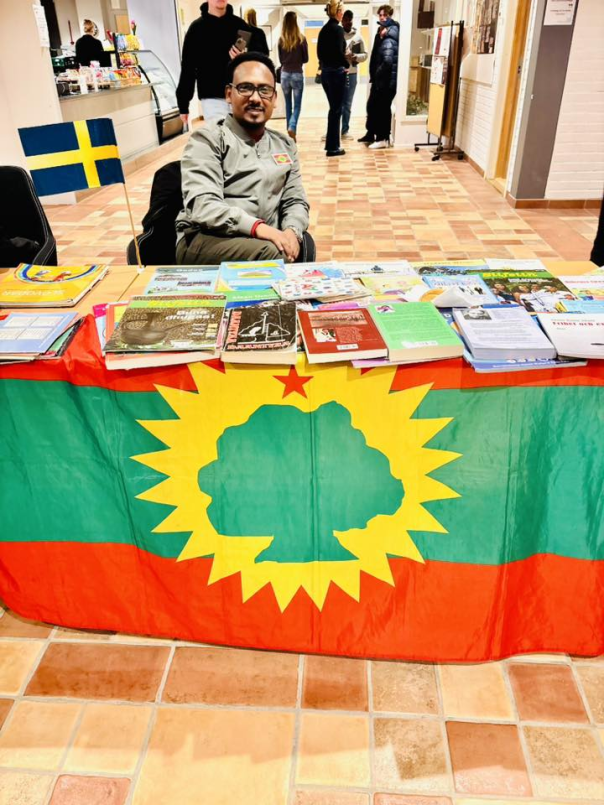
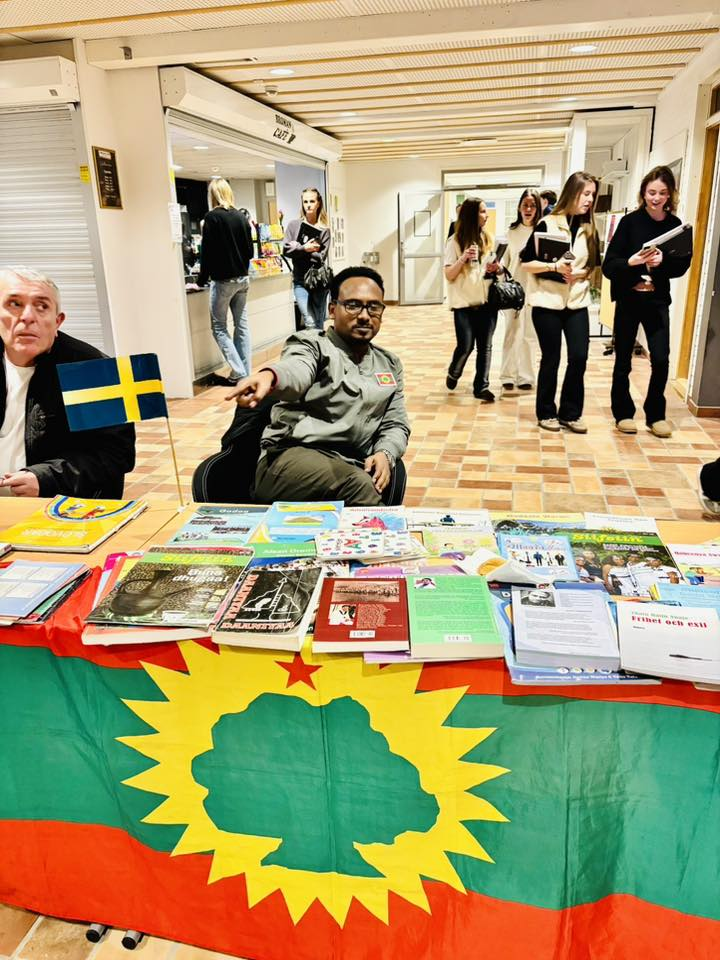
Bromangymnasiet hosts celebration highlighting the importance of preserving and strengthening mother tongues, especially for communities whose linguistic rights have been denied
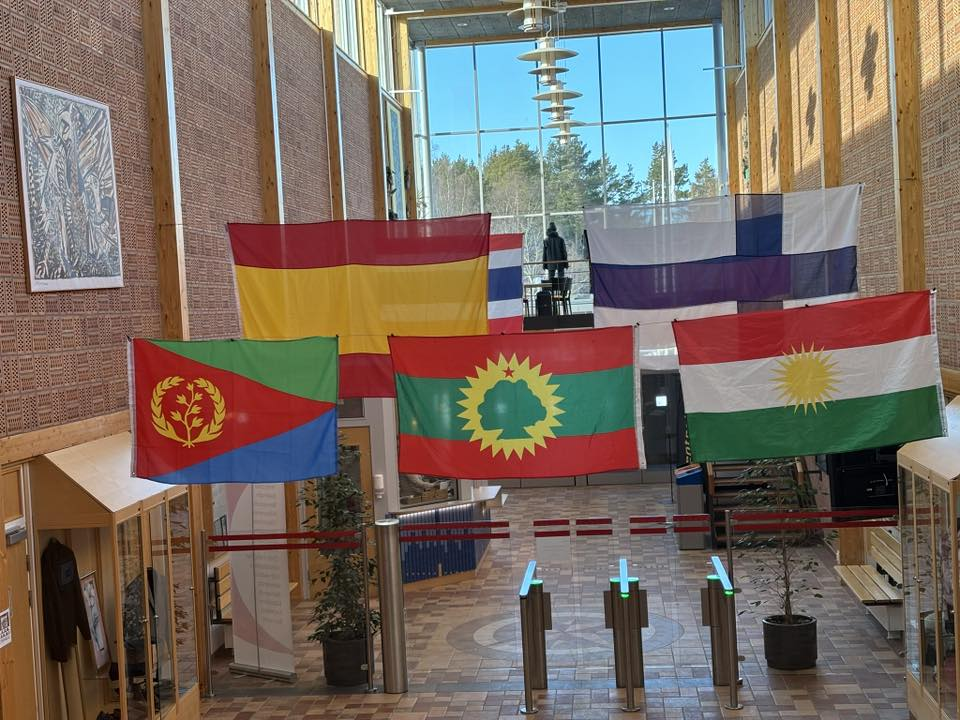
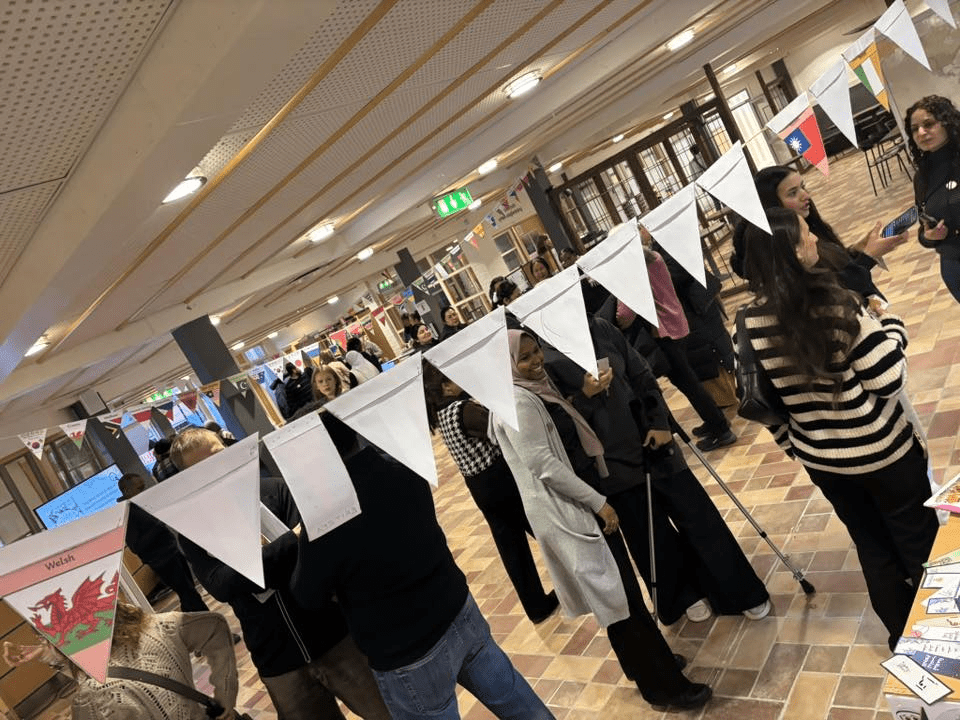
BRO, Sweden — Students and educators at Bromangymnasiet, a secondary school in Sweden, joined the global community in celebrating International Mother Language Day on February 21, recognizing the vital importance of linguistic diversity and the right to learn, write, and speak in one’s mother tongue .
The day, proclaimed by UNESCO in 1999 and observed annually on February 21, holds particular significance for communities whose languages have been marginalized, suppressed, or denied official recognition. For Oromo students at Bromangymnasiet and across the diaspora, the celebration represents both a affirmation of identity and a reminder of ongoing struggles for linguistic rights .
What Is Mother Language?
Mother language—the language a child first learns from their mother and father at birth, the language of their earliest thoughts and expressions—carries profound significance beyond mere communication. It is the medium through which identity is formed, culture is transmitted, and history is preserved .
For communities whose right to use their mother tongue has been violated—who have been denied education in their language, prohibited from publishing in it, or shamed for speaking it—Mother Language Day carries additional weight. It is both celebration and commemoration: celebration of linguistic diversity, commemoration of struggles to preserve languages against overwhelming pressure .
Language Expresses Identity, Culture, and History
As the students at Bromangymnasiet emphasized during their celebration, language is far more than a tool for communication. It is the vessel that carries a people’s identity, their culture, and their history across generations .
When a language dies, something irreplaceable is lost—not just words and grammar, but ways of seeing the world, relationships with nature, forms of humor, styles of prayer, patterns of storytelling, and connections to ancestors. Each language encodes unique knowledge and perspectives that cannot be fully translated into any other tongue .
For Oromo students celebrating in Sweden, this understanding is particularly acute. Many were born in or have grown up in diaspora, navigating between the Oromo language of their homes and communities and the Swedish language of their education and broader society. Maintaining Oromo language proficiency requires conscious effort, community support, and institutional recognition—none of which can be taken for granted.
The Global Context: Languages Under Threat
International Mother Language Day emerges from recognition of a global crisis in linguistic diversity. According to UNESCO estimates:
- More than 40% of the world’s 7,000 languages are currently at risk of disappearing
- A language dies approximately every two weeks
- 40% of the global population lacks access to education in a language they speak or understand
- Indigenous languages are disappearing at alarming rates, taking with them unique knowledge systems and cultural heritage
February 21 was chosen as International Mother Language Day to commemorate the 1952 Bengali Language Movement in Bangladesh, when students in Dhaka were killed by police while demonstrating for recognition of their mother tongue, Bengali. The day thus carries from its origins a connection to struggle—to the understanding that linguistic rights are not given but demanded, and that people have died defending their right to speak their own languages.
Oromo Language: A History of Suppression and Resilience
For Oromo people, the struggle for linguistic rights has been central to the broader struggle for recognition and self-determination. Under successive Ethiopian regimes, the use of Afaan Oromo was severely restricted:
- Education in Afaan Oromo was prohibited for decades
- Publishing in the language was suppressed
- Public use of Afaan Oromo was discouraged and sometimes punished
- Oromo children were educated in Amharic, a language many did not understand
- The Latin script (Qubee) for writing Afaan Oromo was banned, with the Ethiopic script imposed
Despite these pressures, Oromo language survived and has undergone remarkable revitalization since the 1991 change of government. The adoption of Qubee (Latin script) has facilitated writing and publishing. Afaan Oromo is now used in education, media, and government in Oromia. Oromo literature, music, and journalism have flourished.
Yet challenges remain. Within Ethiopia, the status and development of Afaan Oromo continues to be contested. In diaspora, parents struggle to pass the language to children growing up in English, Swedish, or other dominant languages. The work of strengthening Oromo language is ongoing.
Strengthen Our Language and Our Script!
The celebration at Bromangymnasiet carried a clear and powerful message: “Strengthen our language and our script! May Afaan Oromo grow!”
This call encompasses several dimensions:
For Oromo youth in diaspora: It means actively using Afaan Oromo at home, seeking out Oromo-language media, participating in community events where Oromo is spoken, and taking pride in linguistic heritage.
For parents and families: It means speaking Oromo to children from birth, creating environments where Oromo is valued and used, and transmitting not just language but the culture and history it carries.
For communities: It means establishing and supporting Oromo language programs, creating opportunities for youth to use the language, and celebrating linguistic achievements.
For educators and institutions: It means recognizing Oromo language as worthy of study and support, providing resources for Oromo language learning, and respecting students’ linguistic identities.
For advocates: It means continuing to press for full recognition and development of Afaan Oromo in Ethiopia and supporting Oromo language initiatives globally.
Celebration at Bromangymnasiet
The International Mother Language Day celebration at Bromangymnasiet brought together Oromo students and educators to honor their language and reflect on its significance. Activities likely included:
- Readings of Oromo poetry and literature
- Performances of Oromo music
- Discussions about the history and importance of Afaan Oromo
- Presentations on Oromo culture and traditions
- Reflections on the challenges and joys of maintaining Oromo language in diaspora
For students growing up between cultures, such celebrations serve multiple purposes: they affirm that Oromo language matters, that their heritage is worthy of recognition, and that they are part of a global Oromo community that spans continents.
The Universal Message
While the Bromangymnasiet celebration focused particularly on Afaan Oromo, the universal message of International Mother Language Day resonates across all linguistic communities:
- Every language deserves respect and recognition
- Every child deserves education in a language they understand
- Linguistic diversity enriches humanity
- Languages carry knowledge and perspectives that benefit everyone
- The loss of any language diminishes us all
As one student participant reflected: “When we celebrate Mother Language Day, we celebrate not just our own language but the principle that all languages matter. We stand with every community fighting to preserve its mother tongue—whether in Ethiopia, Sweden, or anywhere in the world.”
Looking Forward
The celebration at Bromangymnasiet represents both an ending and a beginning: the end of another year’s observation, and the beginning of renewed commitment to strengthening Afaan Oromo for the year ahead.
For Oromo students in Sweden, the work continues—learning, speaking, reading, and writing in their mother tongue; passing it to younger siblings and future children; advocating for its recognition and support; and ensuring that Afaan Oromo not only survives but thrives in diaspora as well as in the homeland.
As the students themselves declared: “Afaan keenya fi Qubee keenya jabeessaa! Afaan Oromoo haa guddatu!” —”Strengthen our language and our script! May Afaan Oromo grow!”
International Mother Language Day: February 21—celebrating linguistic diversity, honoring struggles for linguistic rights, and committing to strengthen every mother tongue.

Posted on February 24, 2026, in Events, Finfinne, Information, News, Oromia, Press Release, Promotion. Bookmark the permalink. Leave a comment.




 Advocacy for Oromia
Leave a comment
Comments 0