Amnesty Report Documents Sexual Violence in Oromia, But Critics Question Omissions
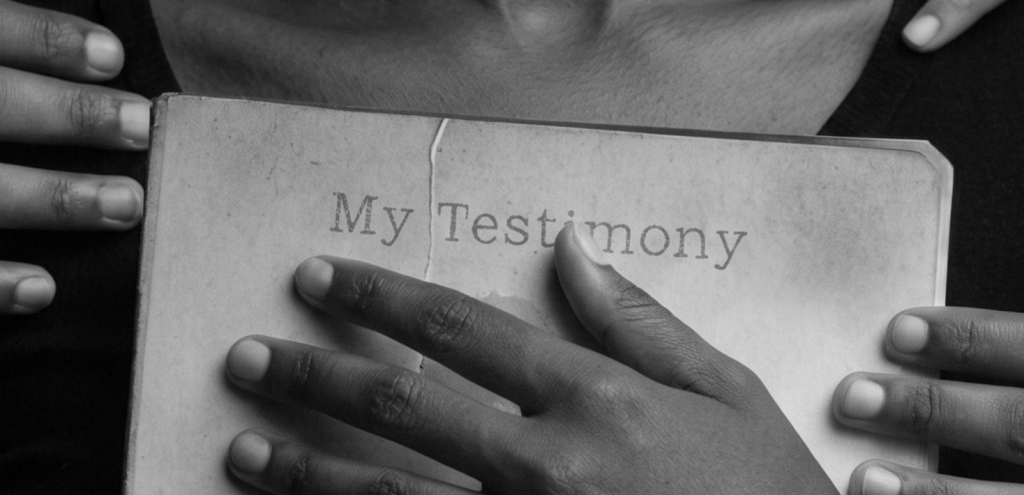
A new investigation from Amnesty International accuses OLA fighters of gang rape and sexual slavery, yet some argue the report fails to adequately address abuses committed by government forces.
NAIROBI/ADDIS ABABA — A highly anticipated report released yesterday by Amnesty International has documented horrific accounts of sexual violence, summary killings, and displacement in Ethiopia’s Oromia region—abuses the organization says may amount to war crimes. However, the findings have already drawn sharp criticism from some quarters, with detractors alleging the report is “filled with lies” and fails to properly investigate atrocities committed by government forces.
What the Amnesty Report Found
Titled “No One Came to My Rescue: Gang Rape, Sexual Slavery, and Mass Displacement of Women in Oromia, Ethiopia,” the briefing documents 10 cases of sexual violence in the Sayo and Anfillo districts of Kellem Wallaga zone—areas described as strongholds of the Oromo Liberation Army (OLA).
According to the report, nine of the survivors said they were raped or otherwise abused by OLA fighters, while one survivor reported sexual violence by both OLA fighters and a soldier from the Ethiopian National Defense Force (ENDF). Amnesty said five of the cases involved survivors who endured both gang rape and sexual slavery, sometimes over periods lasting days or weeks.
Seven of the survivors were under the age of 18 at the time of the assaults, Amnesty said, adding that three of them were 17 at the time they were interviewed by researchers. Two survivors became pregnant as a result of the assaults, one of whom was still pregnant during the interview.
The organization documented harrowing testimony from survivors. One mother told Amnesty: “For three weeks, 15 men raped my child and me. They took turns.” The mother and daughter were held for three weeks, “their hands tied to a tree where they were raped by multiple men from the OLA,” the report said .
“These May Amount to War Crimes”
Amnesty concluded that the conflict between the OLA and Ethiopian government forces—including the ENDF, Oromia Special Police, Oromia regional police, and local militias—meets the threshold of a non-international armed conflict under international law, governed by the rules of international humanitarian law including the Geneva Conventions.
“These repeated abuses are not only horrific but may amount to war crimes,” said Tigere Chagutah, Amnesty’s regional director for east and southern Africa.
The organization said several survivors reported being targeted because their male relatives were members of local government militias. Amnesty also documented cases in which survivors were forced to flee their homes after the attacks, fearing further violence from OLA fighters.
“Nine of the survivors are displaced from their homes after they were subjected to sexual violence,” the report said, noting that many feared fighters would return to rape them again or kill them. Amnesty added that fighters also burned homes in some cases, which it said contributed to the forced displacement of civilians.
Communication Blackout Enabled Abuses
The report raised concerns about limited documentation of abuses in Oromia, citing a year-long communications blackout in 2019 and subsequent restrictions on communications and access to conflict-affected areas by international and regional rights monitors. It also referenced what it described as increasing pressure on journalists and human rights defenders.
“These cowardly acts were partly enabled by a communication blackout that shut out the rest of world to the sustained atrocities against civilians,” Chagutah said.
Criticism: A One-Sided Narrative?
Despite the gravity of the findings, the report has already faced significant criticism from those who argue it presents an incomplete picture of the conflict. Detractors contend that the report is “filled with lies” and fails to properly investigate and expose abuses currently being committed by government forces.
The criticism centers on the disproportionate focus on OLA-perpetrated violence. Of the 10 documented cases, only one mentions abuses by government forces—and that single case involved violence by both an ENDF soldier and OLA fighters . Critics argue that government forces, including the ENDF, Oromia Special Police, and regional police, have been implicated in widespread abuses that deserve equal scrutiny.
This critique aligns with findings from other human rights organizations. The Oromia Support Group (OSG), in a comprehensive report submitted to the 61st session of the UN Human Rights Council just days before Amnesty’s release, documented a starkly different picture of the conflict. According to OSG, the organization has now recorded 7,511 Oromo civilian deaths under Prime Minister Abiy Ahmed’s rule, with most victims being young people from the Qeerroo generation.
OSG’s Report 72 documents horrific accounts of sexual violence perpetrated by government soldiers, stating that “children, prepubescent girls and young boys, and mothers of families have been cruelly raped. The rape and killing of teenage girls and girls aged as young as ten years are documented”.
The OSG report also details deliberate shooting of infants and children under ten years old by national defense forces, “for frivolous reasons”.
Broader Pattern of Violence
The Ethiopian Human Rights Commission (EHRC) has independently confirmed ongoing violence in Oromia. In a statement released just days before the Amnesty report, EHRC documented that since October 2025, renewed attacks by armed groups in multiple districts of Arsi Zone—including Shirka, Guna, Merti, Aseko, and Onkolo Wabe—have resulted in loss of lives, bodily injuries, and destruction of property, as well as the displacement of residents due to security concerns.
EHRC further confirmed that attacks perpetrated on February 26, 2026 in Jawi Kebele of Shirka District and Geba Kebele of Robe District resulted in killings, bodily injuries, abduction, and displacement of an as-yet-undetermined number of individuals.
EHRC Chief Commissioner Berhanu Adello stated that these attacks are making it “difficult for residents to exercise their right to life and carry out their daily activities in peace and security”.
OLA Responds to Allegations
In response to the Amnesty report, OLA leader Kumsa Diriba (also known as Jaal Marroo) rejected accusations that his fighters target civilians. “Our war is not against the people,” he told The Associated Press. “It is against the brutal regime that has occupied and oppressed the nation for generations”.
He added: “We are fighting to correct a system that treats the Oromo as subjects, rather than citizens. Our goal is to establish a democratic, inclusive political order based on the will of the people”.
International Response
Amnesty called on the OLA to immediately end attacks on civilians, publicly acknowledge abuses committed by its fighters, and cooperate with independent investigations. It also urged the Ethiopian government to conduct credible investigations into conflict-related sexual violence by all parties and to allow greater access to the region for human rights monitors, including UN investigators.
The organization further called on international mediators—including the Intergovernmental Authority on Development (IGAD) and the governments of Kenya, Norway, and the United States—to ensure that accountability for human rights violations is addressed in any peace negotiations between the parties to the conflict.
The Challenge of Documentation
All parties acknowledge the immense difficulty of documenting abuses in Oromia. The region has faced severe restrictions on communications and access, hampering the work of human rights organizations. Amnesty itself noted these challenges in its report.
The Oromia Support Group similarly highlighted that “poor access and communication continue to hinder data collection, especially from Guji and Borana zones”.
These access restrictions mean that any single report—whether focused on OLA abuses or government abuses—inevitably presents an incomplete picture of the conflict’s full human toll.
Conclusion: A Conflict in Need of Comprehensive Truth
The Amnesty International report represents a significant contribution to documenting the suffering of civilians caught in the Oromia conflict. The testimonies of survivors—particularly the seven minors who endured gang rape and sexual slavery—demand accountability and justice.
However, the criticism that the report fails to adequately address government-perpetrated abuses raises legitimate questions about the comprehensiveness of the investigation. The documentation by OSG and others of widespread abuses by government forces, including sexual violence, extrajudicial killings, and forced displacement, suggests that any complete accounting of the conflict must examine all parties equally.
As Ethiopia’s multifaceted conflicts continue to claim civilian lives, the challenge for the international community remains: how to piece together a complete picture of atrocities from fragments of testimony, restricted access, and competing narratives. The truth, as always, is likely more complex than any single report can capture.
Amnesty International’s full report, “No One Came to My Rescue: Gang Rape, Sexual Slavery, and Mass Displacement of Women in Oromia, Ethiopia,” is available on their official website. The Oromia Support Group’s Report 72 has been submitted to the 61st session of the UN Human Rights Council.

Posted on March 6, 2026, in Events, Finfinne, Information, News, Oromia, Press Release, Promotion. Bookmark the permalink. Leave a comment.




 Advocacy for Oromia
Leave a comment
Comments 0