The Revolutionary Seed: Remembering Ethiopia’s “Children of the Mountain” and Their Lost Legacy
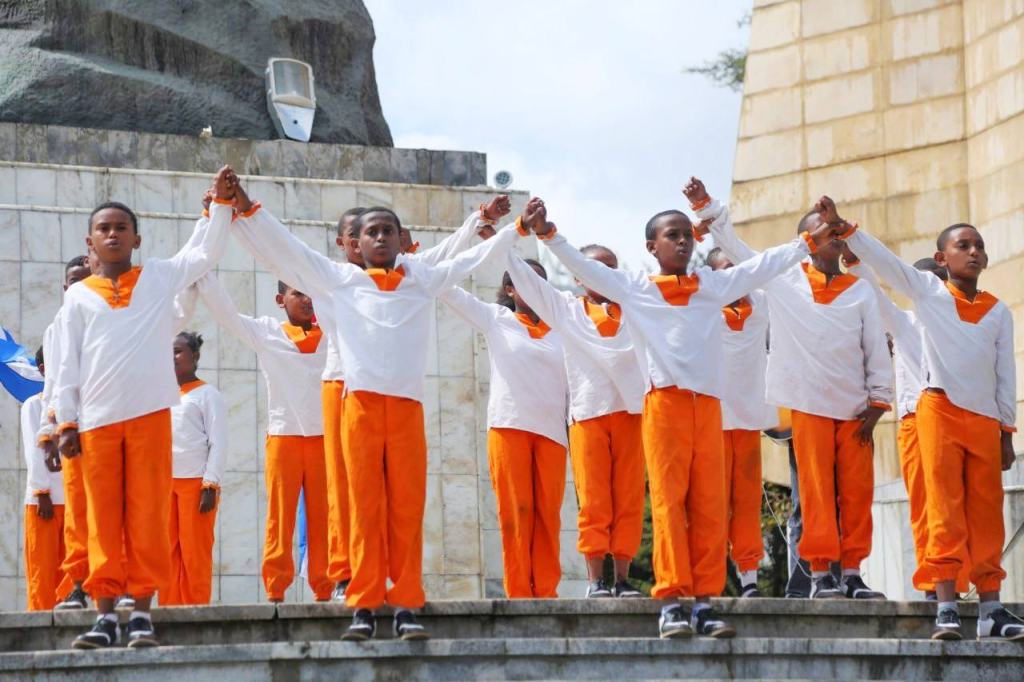
In the 1970s, a unique orphanage called “The Mountain of Revolutionary Ethiopia’s Children” was established to raise the sons and daughters of fallen soldiers. Its choir became legendary—then history forgot them.
The year was 1973 (Ethiopian Calendar), or 1980/81 in the Gregorian calendar. The country was engulfed in war on multiple fronts—fighting internal and external forces that claimed the lives of countless Ethiopian soldiers. Men fell on battlefields across the nation, leaving behind children with no guardians, no caregivers, no one to raise them.
The streets began to fill with orphans.
The Derg government, concerned by the growing number of abandoned children, took action. By special order of the country’s then-president, Mengistu Haile Mariam, an institution was established to shelter, educate, and raise these children. It was called “The Mountain of Revolutionary Ethiopia’s Children”—YeAbyotawi Ethiopia Children’s Amba.
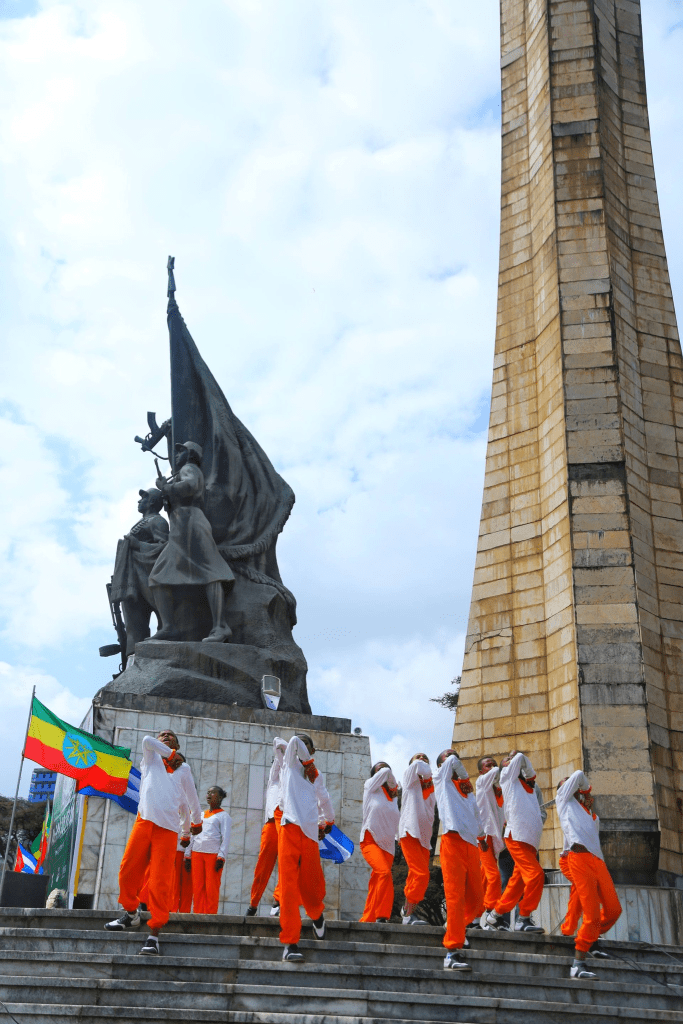
A City on a Hill
Located in what was then called Shoa Province, in the region of Lakes and Butajira, within the Alaba Kulito woreda, the Amba sat in an area known as Alage. It was here that children who had lost their parents to war, natural disasters, and other calamities found a new home.
The institution was divided into five “villages” or compounds: Seble Abiyot, Meskerem Two Ogaden, Zeray Deres, and Mengistu Haile Mariam—five communities that together formed a small city of children.
The Amba took in children of all ages, from newborns to adolescents. They were housed, fed, clothed, and educated within the institution’s walls. The mission was clear: raise these children with dignity, provide them education and moral guidance, and prepare them to re-enter society as whole human beings.
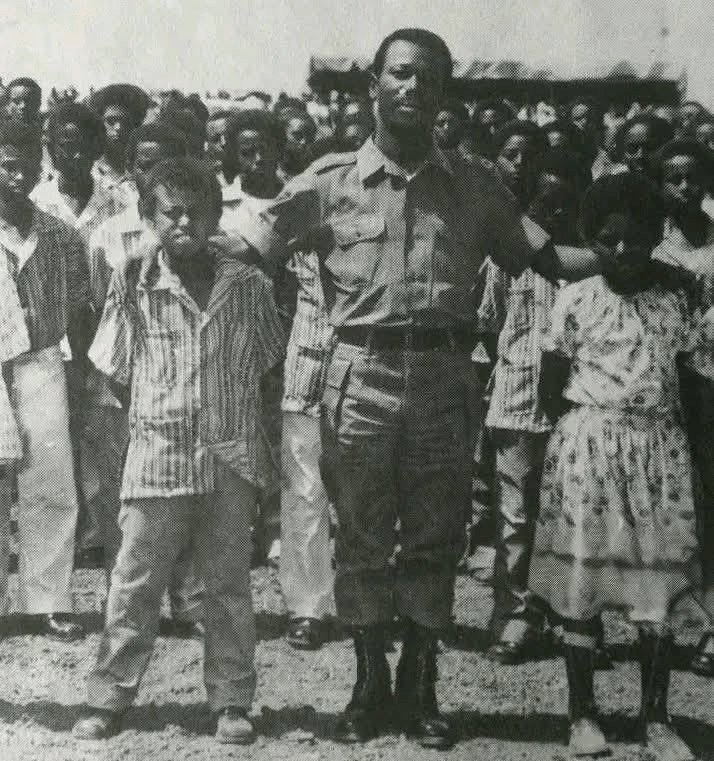
Growing Up on the Mountain
Former children of the Amba remember that when a child turned 18—or completed 12th grade—they would bid farewell to the institution that had raised them. But before departure, they received special counseling designed to ensure they left with strong moral character and, crucially, without the stigma of having grown up in an orphanage. The goal was integration, not isolation.
Those who excelled academically had paths forward. Some entered Ethiopia’s institutions of higher learning. Others were sent abroad—most often to Cuba or Russia—to continue their education. For children who had lost everything, the Amba offered not just survival but opportunity.
“Father” Departs, Shadows Fall
In 1983 (Ethiopian Calendar), disaster struck—not of the natural variety. President Mengistu Haile Mariam, whom all the children called “Our Father,” fled the country. For the children and staff of the Amba, his departure cast a long shadow. The man who had ordered their rescue, who had been the patron of their mountain, was gone.
What followed was a period of uncertainty. The institution continued, but the symbolic and practical support it had enjoyed evaporated with the regime that created it.
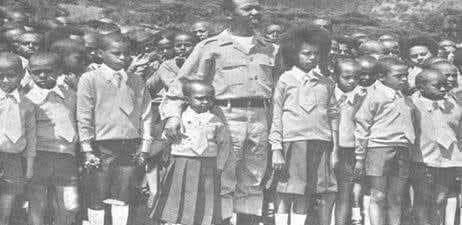
The Choir That Captured a Nation
But the Children of the Amba were known for something beyond their orphanage: their music. Under the tutelage of the renowned poet and artist Alemtsahay Wedajo, the children received artistic training that would make them famous across Ethiopia.
Gathered into a performance group called YeJegna Fire—”The Seed of Heroes”—the children regularly presented musical and artistic programs for audiences. Their choir performances were deeply moving, laden with messages about sacrifice, heroism, and national pride.
Among their most beloved works were songs that became anthems for a generation: “Tsehayé” (My Sun), “Yejegna Lij Jegna” (A Hero’s Child is a Hero), and “Ergibitu Hijji” (The Dove Hijji). These songs were not mere entertainment; they were the voice of children who had lost everything yet found purpose in serving their nation through art.
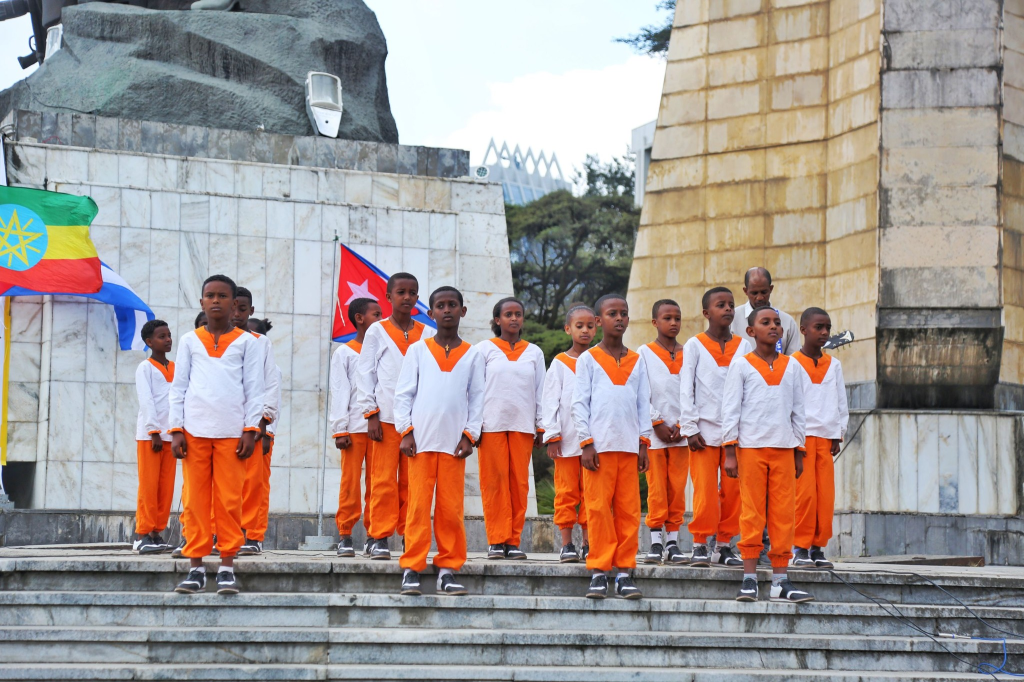
The Soundtrack of an Era
In the late 1970s and early 1980s (Ethiopian Calendar), these songs were everywhere. Young people across Ethiopia knew them by heart, singing them as if they were folk songs passed down through generations. Ethiopia Radio and Television broadcast them repeatedly. To hear a YeJegna Fire performance on the airwaves was not a novelty—it was a regular part of the cultural landscape.
The children’s choir had achieved something remarkable: they had transcended their origins to become a beloved national institution.
Erased by History
Then came 1991. The Derg fell. The transitional government that followed had no interest in preserving the cultural legacy of the fallen regime. The songs of YeJegna Fire were silenced. The children of the Amba scattered. Their music became, as one observer put it, “history, then forgotten.”
For decades, these recordings sat in archives, unheard by new generations. The voices of those orphaned children, raised up by a revolutionary government and trained by one of Ethiopia’s great artists, faded into silence.
A Flicker of Return
Recently, however, word has spread that a CD has been published containing some of these long-lost recordings. For those who grew up with these songs, it is a chance to hear their childhood again. For younger Ethiopians, it is an opportunity to discover a piece of their national heritage that was deliberately buried.
The songs of YeJegna Fire are more than propaganda artifacts. They are the voices of real children—orphans of war who found shelter, education, and purpose in a state-run institution. Their music carries the hopes, dreams, and resilience of a generation that history tried to forget.
The Mountain’s Legacy
Today, the Alage area where the Amba once stood continues its educational legacy in different form. The Alage Agricultural College, established in its own time, sits in the same region. But the children’s mountain—the YeAbyotawi Ethiopia Children’s Amba—exists now only in memory and in the fading recordings of a choir that once captivated a nation.
For the children who grew up there, now in their 50s and 60s, the Amba remains an indelible part of their identity. They were the seeds of heroes, planted on a mountain, scattered by history’s winds, but never entirely lost.
As Ethiopia continues to grapple with its complex political inheritance, stories like that of the Children of the Amba remind us that behind every regime, every ideology, every political transition, there are human beings—children who grew up, loved, lost, and longed for the homes they once knew.
The songs are returning. The children are now elders. And the mountain, though silent now, still echoes with the voices of those who once called it home.
This feature is part of the #Karamara48 and #Karamara_EthiopianVictoryDay series, commemorating Ethiopia’s complex and layered history.

Posted on March 6, 2026, in Events, Finfinne, Information, News, Oromia, Press Release, Promotion. Bookmark the permalink. Leave a comment.




 Advocacy for Oromia
Leave a comment
Comments 0