Women’s Journey of Resilience, Excellence, and Transformation: From History to the Cosmos
International Women’s Day is not merely a celebration of motherhood or sisterhood—it is a profound testament to human excellence, resilience, and the power to create change. Across centuries and continents, women have shattered every limitation imposed upon them, rising from the confines of domesticity to become leaders of nations, explorers of space, and architects of economies.
Once told that “their place was only in the home,” women today stand as presidents, astronauts, scientists, and visionaries reshaping the world. Their journey is one of triumph against impossible odds, and their stories illuminate the path for generations to come.
Oprah Winfrey: From Rural Poverty to Global Influence
In the rural Mississippi of the 1950s, a girl named Oprah was born into poverty and endured unspeakable abuse. The statistics said she would become another casualty of circumstance. Instead, Oprah Winfrey transformed her fractures into a bridge to success.
Without changing who she was—without denying her Blackness or her womanhood—she wielded her identity as her greatest weapon. She built a media empire that would make her one of the most influential figures on the planet. Her journey from a victim of horrific violence to a billionaire philanthropist and cultural icon stands as one of history’s most powerful testaments to resilience.
Oprah did not succeed despite her identity; she succeeded because she embraced it fully, proving that the very things society uses to marginalize women can become the foundation of unstoppable power.
Ethiopia’s Heroines: Legacy of Leadership and Courage
Turning to our own history, Ethiopia has produced women whose strength, intelligence, and vision shaped the nation’s destiny.
Empress Taytu Bitul: Diplomat and Strategist
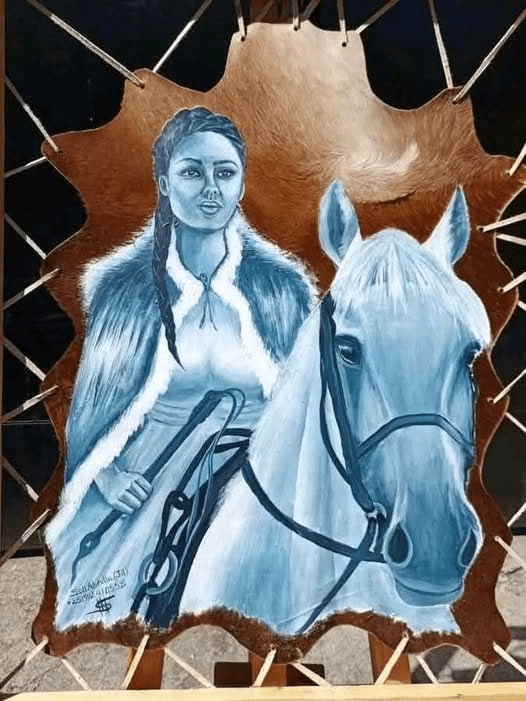
Empress Taytu Bitul was not merely the wife of Emperor Menelik II—she was a leader in her own right, a brilliant diplomat, and a military strategist whose contributions to Ethiopia’s survival cannot be overstated.
At the Battle of Adwa in 1896, where Ethiopian forces defeated Italian colonialism, Taytu’s role was decisive. She commanded her own cavalry unit, fought alongside her husband, and outmaneuvered European diplomats at the negotiating table. When Italian representatives attempted to trick Menelik into signing away Ethiopian sovereignty through linguistic manipulation, it was Taytu who saw through the deception and exposed it.
Her political acumen, her courage on the battlefield, and her unwavering commitment to Ethiopian independence make her one of the most remarkable women in African history. She proved that women’s intelligence and strategic thinking are essential to national survival.
Emahoy Abebech Gobena: Africa’s Mother Teresa
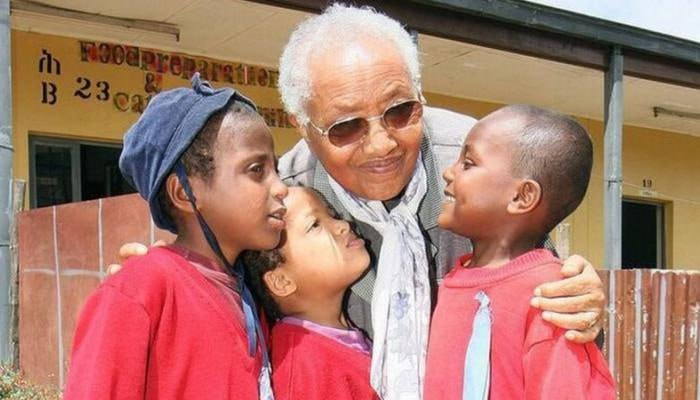
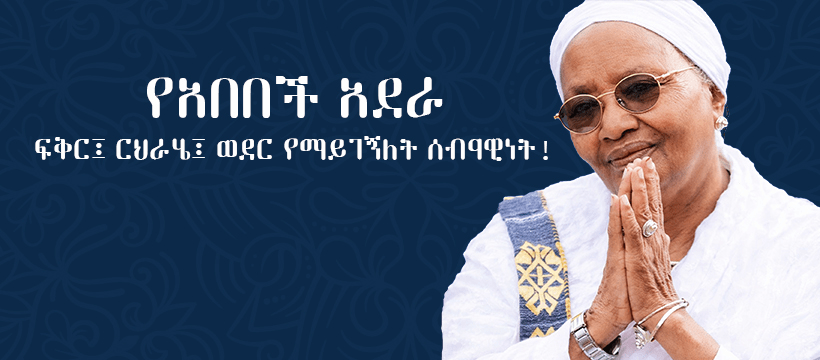
Known as “Africa’s Mother Teresa,” Emahoy Abebech Gobena dedicated her entire life to humanitarian service. Born in 1935, she founded the Abebech Gobena Children’s Care and Development Organization, which has provided shelter, education, and hope to thousands of orphaned children.
Her life was a living sermon on compassion. She did not seek fame or fortune—she sought only to serve. In a world that often measures success by accumulation, Emahoy Abebech measured hers by the lives she touched, the children she saved, and the love she gave freely.
Her legacy reminds us that women’s power is not only expressed in boardrooms or parliaments but in the quiet, relentless work of caring for the most vulnerable. She transformed grief into grace and turned her life into a gift for generations.
Keketch Worede Woldetensae: A 19th Century Revolutionary
In the mid-19th century, long before women’s rights were a global conversation, a woman named Keketch Worede Woldetensae rose to challenge the injustices of her time.
Keketch fought for women’s access to justice and equality in an era when such concepts were barely whispered. She was a revolutionary who refused to accept that women should be silent, that their grievances should be ignored, that their voices should be suppressed.
Her struggle in the 1800s laid groundwork that would take generations to build upon. She may not appear in many history books, but her spirit lives in every woman today who demands to be heard, who insists on justice, who refuses to accept “because you are a woman” as a reason for limitation.
From Earth to the Cosmos
The journey of women from the confines of domestic spaces to the vast expanse of space itself represents the arc of progress. Today, women are astronauts who have walked in space, scientists who have unlocked the mysteries of the universe, and engineers who design the technologies that will take humanity to Mars.
This trajectory—from being told “your place is in the home” to claiming a place among the stars—captures the essence of women’s struggle and triumph. It is not merely about individual achievement but about the collective assertion that women’s minds, ambitions, and contributions belong everywhere that humanity reaches.
The Unfinished Journey
For all the progress celebrated on International Women’s Day, the journey is far from complete. Around the world, women still face violence, discrimination, and barriers to participation. In conflict zones like Oromia and across Ethiopia’s regions, women bear the heaviest burdens of war while receiving the least recognition for their resilience.
The women of Oromia, in particular, continue to fight on multiple fronts: against the violence of armed conflict, against cultural barriers that limit their participation, against a world that often overlooks their sacrifices. From the Siinqee tradition of mutual protection to the Qarree movement of young activists, Oromo women demonstrate daily that resilience is not passive endurance but active resistance.
A Call to Remember and Act
As International Women’s Day 2026 is observed around the world, we are called to do more than celebrate—we are called to remember and to act.
Remember the women who came before: Empress Taytu, who fought at Adwa; Emahoy Abebech, who gave her life to orphans; Keketch, who demanded justice in the 1800s; Oprah, who turned trauma into triumph; and the millions of unnamed women whose quiet courage built the foundation for every achievement.
And act: to ensure that the women of today—in Oromia, in Ethiopia, across Africa and the world—receive the recognition, support, and opportunities they deserve. For when women rise, humanity rises. When women lead, nations prosper. When women are free, the world is transformed.
On this International Women’s Day, we honor the resilience, excellence, and transformative power of women everywhere—from the battlefields of Adwa to the cosmos beyond, from the villages of Oromia to the boardrooms of global corporations. Their journey is our journey. Their triumph is our hope.

Posted on March 9, 2026, in Events, Finfinne, Information, News, Oromia, Press Release, Promotion. Bookmark the permalink. Leave a comment.




 Advocacy for Oromia
Leave a comment
Comments 0