Daily Archives: March 10, 2026

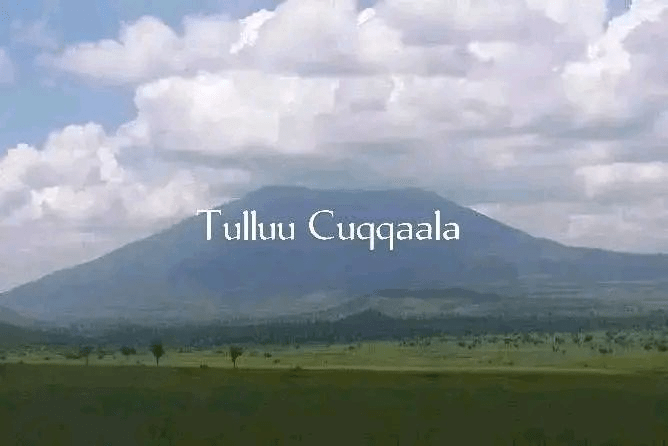
Celebrating Irreecha Afraasaa Tulluu Cuqqaalaa: A Festival of Thanksgiving and Resilience
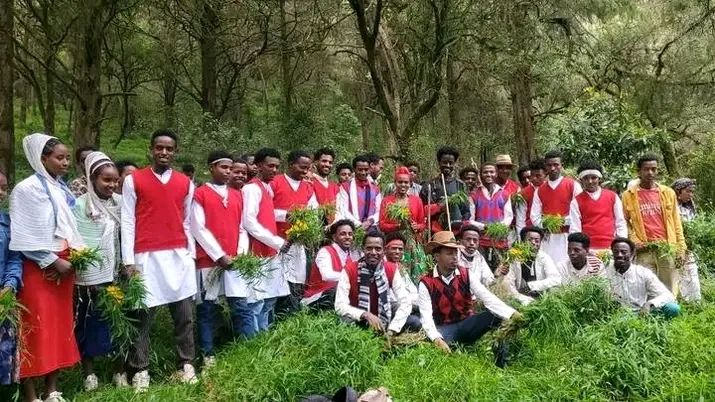
“A generation as strong as iron” — The Oromo community gathers to mark the weekly Tulluu Cuqqee Irreecha celebration with joy, devotion, and unshakeable unity.
As the sun rises over the sacred highlands, the Oromo people come together once again to observe Irreecha Afraasaa Tulluu Cuqqee—a cherished tradition of giving thanks to Waaqayyo (God) for the blessings of creation and the gift of life.
This week’s celebration, marked by the faithful gathered at Tulluu Cuqqee, carries special significance. It is a moment of collective gratitude, of cultural affirmation, and of the unbreakable bonds that tie the Oromo people to their land, their Creator, and one another.
“A Generation as Strong as Iron”
The prayer rises from the hearts of the faithful: “Dhaloota Akka Hadiidaa jabaatu” — “A generation as strong as iron.”
This is not merely a wish but a declaration. It speaks to the resilience that has carried the Oromo people through centuries of challenge, through displacement and oppression, through attempts to erase their identity and silence their voice. The generation that gathers at Tulluu Cuqqee declares: we are iron. We do not break. We endure.
Reaching the Week of Tulluu Cuqqaalaa Irreecha
The greeting echoes across the gathering: “Baga Torbee Irreecha Tulluu Cuqqaalaa geechan” — “Congratulations on reaching the week of Tulluu Cuqqee Irreecha.”
There is profound meaning in this simple greeting. To reach this sacred time is to have been granted life, health, and the opportunity to give thanks. It is to have survived another cycle of seasons, another year’s challenges, another journey through the uncertainties that life presents. Every person gathered at Tulluu Cuqqee is living proof of Waaqayyo’s mercy and protection.
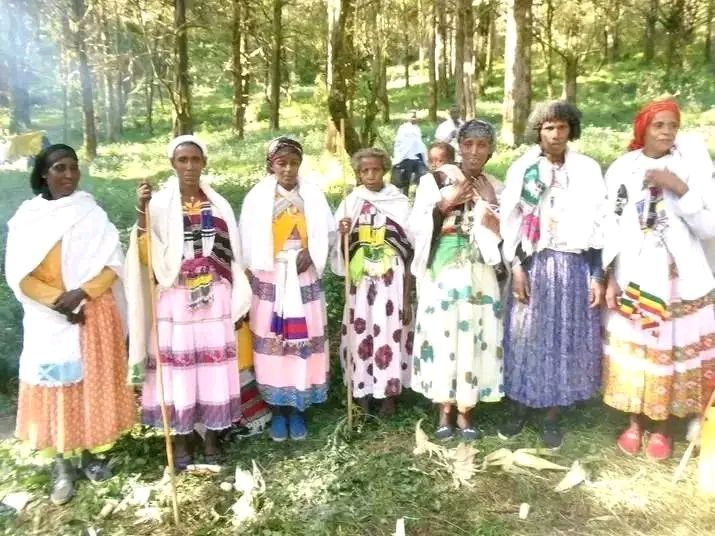
The Call of Cuqqee
The celebration’s spirit is captured in the joyful cry: “Hoo…… cuqqiyoo kootu na mararee jedha dhiichifni achirratti dhiichifamu qabadhu.”
This expression, rich in the poetry of the Oromo language, speaks to the deep emotional connection between the people and their sacred site. Cuqqee—the beloved highland—wraps itself around the hearts of those who gather there. It is not merely a location but a living presence, a witness to generations of prayer, a container of collective memory, and a symbol of the enduring bond between the Oromo people and the land that Waaqayyo gave them.
The Significance of Irreecha
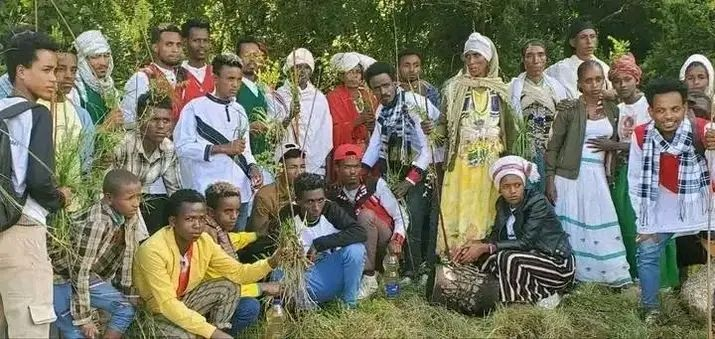
Irreecha is far more than a religious observance. It is the Oromo people’s annual thanksgiving festival, marking the end of the rainy season and the beginning of the new year. Celebrated at bodies of water—lakes, rivers, and springs—Irreecha symbolizes the purification of the heart and the renewal of the bond between the Creator and creation.
During Irreecha, the Oromo people offer thanks to Waaqayyo for the blessings of the past year and pray for peace, prosperity, and unity in the year ahead. It is a time when social distinctions fade, when rich and poor, young and old, stand together as equals before their Creator, adorned in traditional attire, carrying green grasses and flowers as symbols of peace and prosperity.
At Tulluu Cuqqee, these traditions take on particular significance. The highland setting, closer to the heavens, provides a fitting backdrop for prayers that rise toward Waaqayyo. The cool breeze carries the voices of the faithful, mingling with the rustle of grass and the songs of birds—all of creation joining in the thanksgiving.
Unity Across Boundaries
Irreecha has always been more than a religious festival—it is a powerful expression of Oromo unity. In a history marked by division and displacement, Irreecha brings the Oromo people together regardless of clan, class, or political affiliation. It reminds them that beneath all differences lies a shared identity, a shared history, and a shared hope.
At Tulluu Cuqqee this week, that unity is on full display. Families have traveled from near and far. Elders sit with youth, sharing wisdom and stories. Women in traditional attire lead songs that have been sung for generations. Children run among the crowds, learning the traditions they will one day pass to their own children.
A Prayer for the Future
As the celebration continues, the prayers of the faithful rise toward Waaqayyo:
For the generation: that it may be as strong as iron, able to bear the weight of struggle and emerge unbroken.
For the people: that they may continue to reach the sacred times, year after year, generation after generation.
For the land: that it may remain a place where Oromo identity can flourish, where children can learn their mother tongue, where traditions can be passed without fear.
For peace: that the conflicts that have brought so much suffering may end, and that the Oromo people may know the blessing of true peace in their homeland.
The Celebration Continues
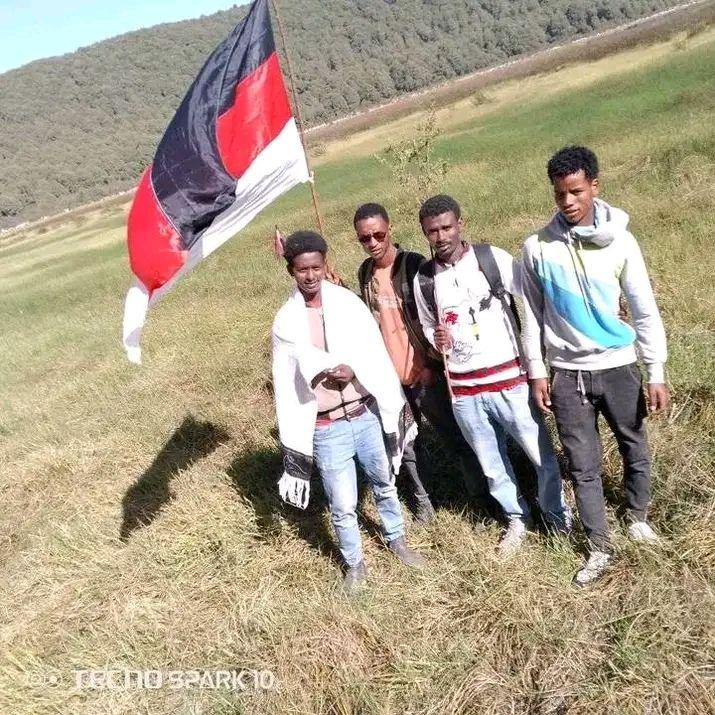
The Irreecha Afraasaa Tulluu Cuqqee celebration marks not an end but a continuation. The prayers offered this week will sustain the community through the seasons ahead. The bonds renewed at the sacred site will hold through challenges yet unknown. The identity affirmed in the gathering will be carried back to homes and communities across Oromia and the diaspora.
As the faithful depart from Tulluu Cuqqee, they carry with them more than memories. They carry the blessing of the sacred space, the strength of the community, and the assurance that Waaqayyo hears their prayers. They carry, too, the knowledge that they are part of something larger than themselves—a people with a history stretching back centuries and a future reaching toward horizons they may not live to see.
Conclusion
“Dhaloota Akka Hadiidaa jabaatu” — “A generation as strong as iron.”
This is the prayer for the Oromo people. This is the hope that fills Tulluu Cuqqee this week. This is the promise that the faithful make to one another and to the generations yet unborn: we will be iron. We will not break. We will continue to gather, to give thanks, to celebrate our identity, until the day when all Oromos can celebrate freely in a homeland at peace.
Baga Torbee Irreecha Tulluu Cuqqaalaa geechan!
Congratulations on reaching the week of Tulluu Cuqqee Irreecha!
Hoo…… cuqqiyoo kootu na mararee jedha dhiichifni achirratti dhiichifamu qabadhu.
May the beloved highland wrap itself around your heart, and may you receive the blessings poured out upon this sacred place.
Irreecha #TulluuCuqqee #Oromo #Thanksgiving #Culture #Tradition #Unity #Prayer #Resilience

The Enigmatic Kundudo Mountains: Guardians of Ethiopia’s Last Wild Horses
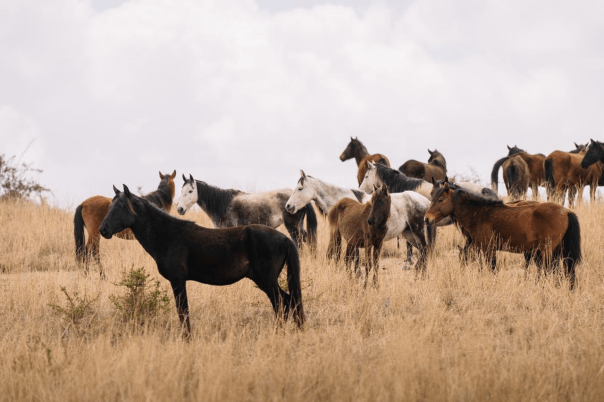
In the rugged highlands of eastern Oromia, a flat-topped mountain harbors one of Africa’s most remarkable treasures—the last remaining feral horse population on the continent.
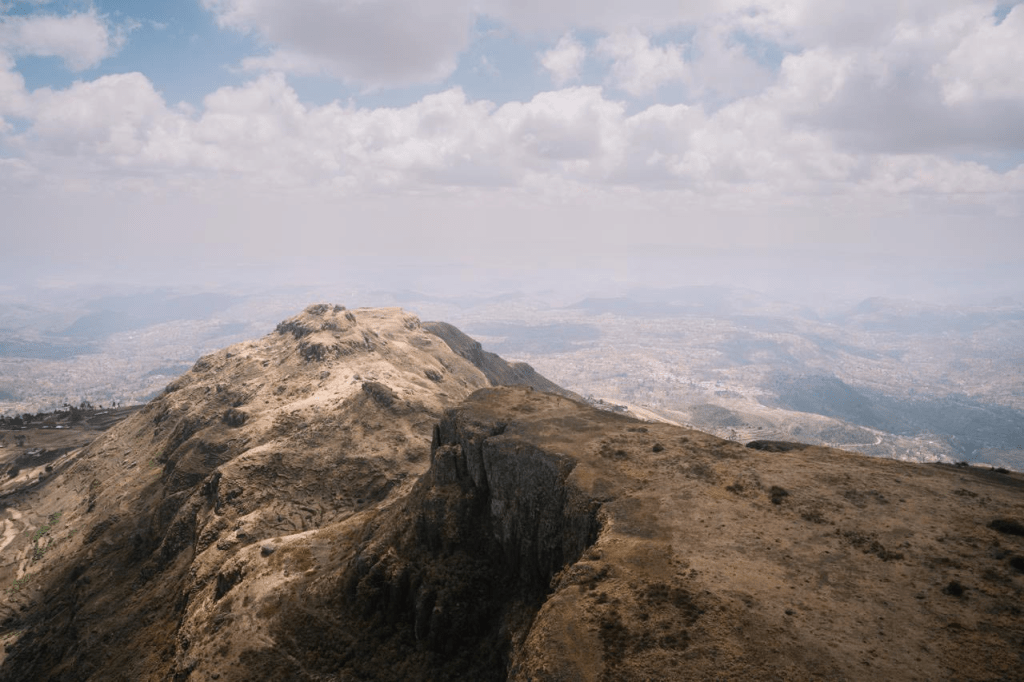
GURSUM DISTRICT, OROMIA — Rising nearly 3,000 meters above the plains of eastern Ethiopia, the Kundudo mountain range stands as a silent sentinel over a landscape rich in history, culture, and natural wonder. Known locally as the “W” mountain for its distinctive shape, this amba—a flat-topped mountain characteristic of the Ethiopian highlands—holds within its embrace a living legacy that has captured the imagination of scientists, conservationists, and travelers alike .
The Mountain Sanctuary
Located in Gursum District, a short distance from the town of Funyan Bira, Kundudo is part of a 13-kilometer range that includes other notable peaks such as Goba and Stinico . Its summit, a flat grassland of approximately 13 hectares, sits at an elevation of nearly 3,000 meters, accessible only by navigating steep cliffs and rugged terrain .
The mountain’s significance extends far beyond its geological features. Beneath its surface lie vast limestone caves, including one discovered in 2009 by Italian and French speleologists that ranks among the five most important caves on the African continent . At the southern end, the Stinico mountain holds ancient rock engravings in small open caves, unknown to the outside world until 2008 .
The Kundudo Horses: A Living Legacy
But Kundudo’s most celebrated inhabitants are its wild horses—the only remaining feral horse population in East Africa and one of only two on the entire continent . These magnificent creatures, known simply as the Kundudo horses, have roamed these highlands for centuries, their origins shrouded in mystery and legend.
Origins Shrouded in History
How did horses come to inhabit this remote mountain plateau? The question has sparked considerable scientific curiosity and local lore.
Oral traditions collected from the oldest local inhabitants suggest these horses have been known for over 200 years . One compelling hypothesis traces their ancestry to military mounts left behind during the Ethiopian-Adal War and subsequent Ottoman-Ethiopian conflicts of the 16th century (1528-1560) . According to this theory, a small group of 10 to 15 Abyssinian horses—perhaps separated from their riders during the chaos of battle—found refuge on the mountain’s summit and survived for decades despite the presence of predators like lions and cheetahs .
Genetic studies support this narrative, revealing that Kundudo horses are most closely related to domesticated Abyssinian horses, suggesting they represent a sub-population that returned to the wild in the relatively recent past. Their genetic distance from other Ethiopian horse breeds, combined with low genetic diversity, indicates a long period of isolation and a phenomenon of genetic drift due to the small number of founder individuals.
A Royal Connection
The horses’ historical significance received royal recognition when Emperor Haile Selassie I obtained his first mount from the Kundudo pack over a century ago . According to tradition, the future emperor, then just 10 years old, captured one of these horses with the assistance of his uncle . This connection lends the Kundudo herd the distinction of being the oldest known feral horse population in Africa .
Unique Characteristics and Adaptation
The Kundudo horses have evolved remarkable adaptations to their harsh environment. Their morphology reflects centuries of isolation and natural selection in a challenging habitat.
Physical Appearance
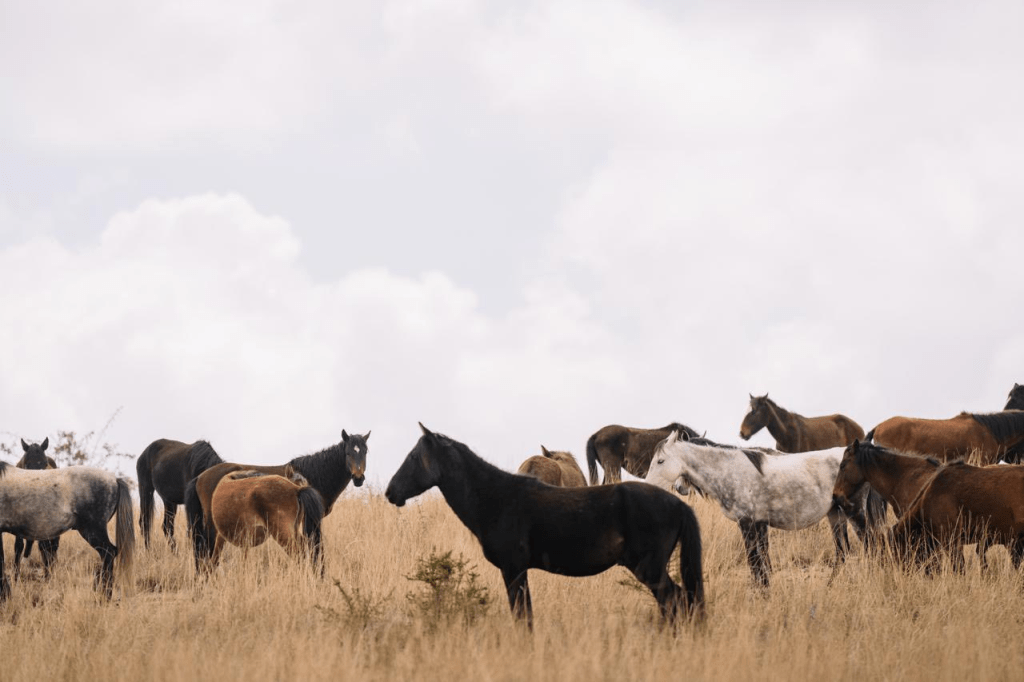
Described by some researchers as having “faulty” morphology with irregular shapes, short backs, plunging toplines, and paunchy bellies, these horses might not conform to idealized breed standards . However, these characteristics represent successful adaptations to their environment. They are generally medium-sized, with males slightly larger than females, displaying a range of coat colors predominantly in shades of brown, gray, and black, with thick, often disheveled manes that add to their wild appearance .
Behavior and Social Structure
Living in bands typically consisting of a dominant stallion, several mares, and their foals, Kundudo horses exhibit complex social behaviors . They are highly territorial, marking their ranges with scent and vocalizations. Their daily routines revolve around grazing on the summit’s 13-hectare grassland, seeking water from a perennial waterhole that never dries even during the hot season, and maintaining constant vigilance against predators such as hyenas, leopards, and jackals .
Perhaps their most striking characteristic is exceptional endurance and agility. These horses navigate steep cliffs and rugged terrain with remarkable ease—a skill honed by generations of evading predators and accessing scarce resources . This agility makes them valuable genetic reservoirs for equine conservation and potential breeding programs.
Conservation: A Story of Struggle and Hope
The survival of the Kundudo horses has been a precarious journey, marked by dramatic population fluctuations and determined conservation efforts.
Rediscovery and Initial Alarm
Rediscovered at the beginning of the 21st century, the horses became the focus of international attention when a team led by Ethiopian researcher Effa Delesa Kefena explored the ecozones of Ethiopian horses . On January 3, 2008, researchers found a single mare, approximately 11 years old, with hooves that had never been groomed and showing no signs of domestication. They nicknamed her “Basra” and took a DNA sample .
The situation was dire. By October 2010, researchers counted only 18 horses in the mountain area . By 2013, a survey by the Ethiopian Biodiversity Institute found just 11 horses remaining, leading to a classification of “critically endangered” . Some sources even suggested the breed was “potentially extinct,” with the 2013 population considered too low to ensure sustainability .
Threats to Survival
The horses face numerous threats, including:
- Habitat degradation due to overgrazing, agricultural expansion, and deforestation
- Climate change altering rainfall patterns and water availability
- Capture and domestication by local farmers, who occasionally tame and sell the docile colts
- Limited genetic diversity due to the small population and consanguinity
- Lack of formal protection and limited awareness about their ecological value
Conservation Efforts
Recognizing the urgency, various organizations and government agencies have initiated conservation programs. Since 2008, six Italian and Italo-British ecological missions have worked to save the herd and offer local communities economic alternatives to activities that damage the area.
The Ethiopian Environment Protection Agency, the Oromia Tourism Commissioner, and the Addis Ababa office of the UNEP have all been involved in monitoring and supporting these efforts. Local interest groups like the Addis Ababa-based GAG have worked to preserve the Kundudo range and promote the Gursum area.
The Ethiopian Biodiversity Institute has implemented conservation procedures, including the freezing of stallion semen to preserve genetic material for future breeding possibilities.
Signs of Recovery
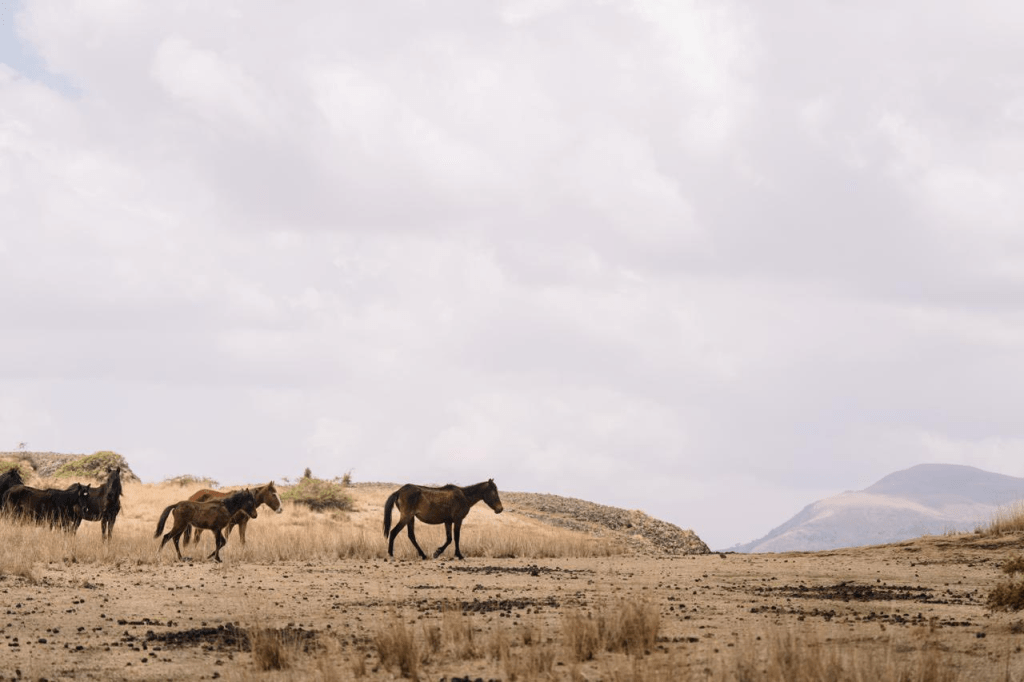
These efforts appear to be bearing fruit. According to recent data from the Oromia Culture and Tourism Bureau, the population of wild horses living in the forest and slopes of Kundudo has now reached approximately 50 individuals . The Wikipedia article on Kundudo horses also reports that by 2022, due to improved awareness, the horses prospered, with a total of 30 feral horses protected by guards on the mountain’s top . The number is expected to continue rising if protection measures are maintained.
Beyond the Horses: Ecological and Cultural Riches
Kundudo’s significance extends beyond its equine inhabitants. The mountain and its surrounding forests harbor a unique wealth of wildlife, including birds of prey, other bird species, mongooses, and monkeys . This biodiversity makes the mountain one of the significant attraction areas in the zone.
The region also holds deep cultural importance. Ancient rock paintings discovered in caves during the 2008 expeditions raise hopes for future tourism development . A shrine and a uniquely designed mosque named after Sheikh Adem Goba stand near the mountain, adding to its cultural tapestry .
A Vision for the Future
Plans are underway to transform the area into an Oromia State Park, recognizing its unique natural and cultural heritage . Conservationists envision developing the site as the endpoint of a tourist route named “the Extended East Route,” linking Harar, the Awash National Park, the Kuni-Muktar Mountain Nyala Sanctuary, and other destinations of cultural, nature, and historic interest in eastern Ethiopia .
Eco-tourism presents a promising avenue for sustainable conservation, allowing local communities to benefit economically while safeguarding their environment. When communities see tangible benefits from preserving these horses, they become active participants in protecting this natural heritage.
Conclusion
The Kundudo mountains and their wild horses represent an extraordinary chapter in Ethiopia’s natural and cultural history. These resilient creatures, descendants of horses that may have carried warriors into battle five centuries ago, continue to roam the high plateau, adapting, surviving, and inspiring all who learn of their story.
Their journey from near-extinction to gradual recovery mirrors the broader challenges of conservation in a rapidly changing world. As guardians of Hararge’s ecological integrity, these horses deserve recognition and protection. By valuing and conserving the Kundudo wild horses, Ethiopia can preserve an extraordinary piece of its natural heritage, ensuring that generations to come will continue to marvel at these majestic creatures roaming freely in the rugged landscapes of Kundudo.
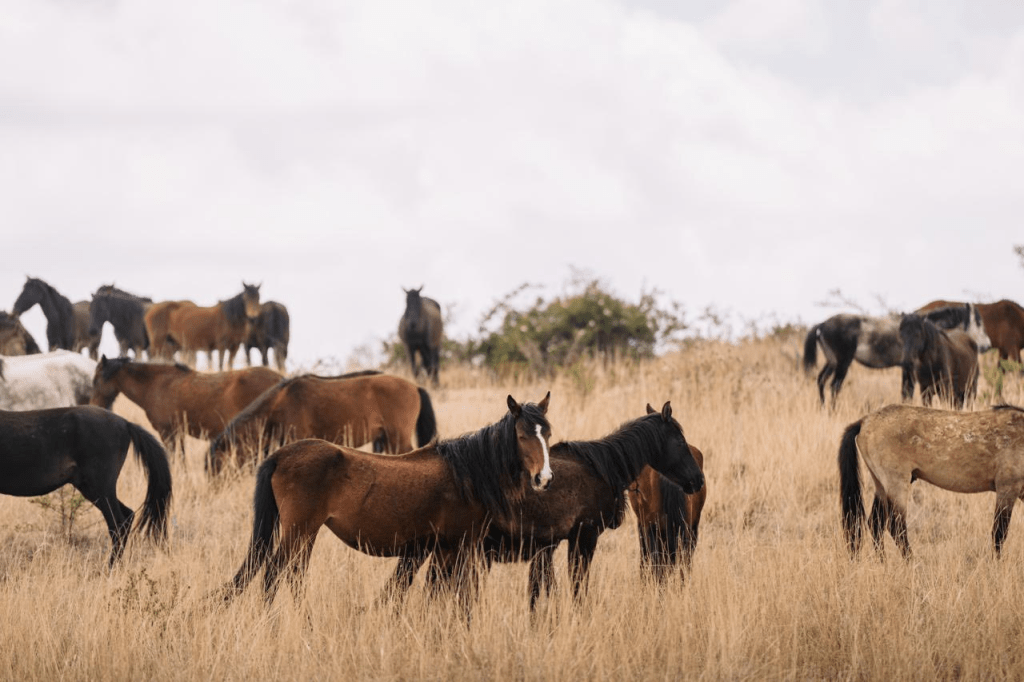
The Kundudo horses stand as living symbols of resilience, adaptation, and the profound connection between culture, history, and nature in the Oromia region. Their survival depends on continued conservation efforts, community engagement, and recognition of their unique value to Ethiopia’s natural heritage.




 Advocacy for Oromia