Daily Archives: March 22, 2026

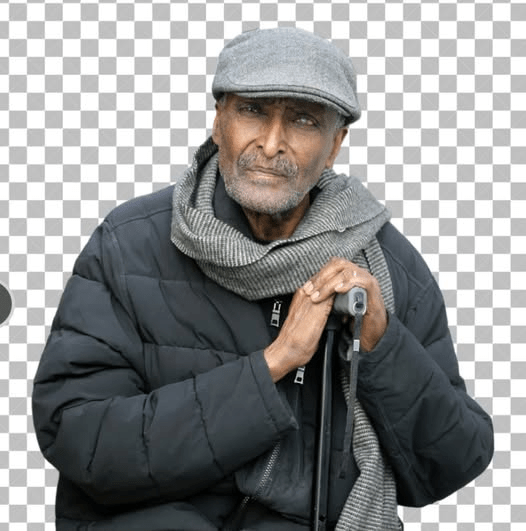
Abarraa Nafaa: The Father of Oromo Language Standardization
Bariisaa Gazette
Through this Iyyaafannoo (Remembrance) page, Bariisaa Gazette presents to its readers the story of individuals who, in their time, performed great and unforgettable services for their country and people.
With this publication, we share a brief interview with a scholar who laid a solid foundation for the development of the Oromo language—particularly its standardization—founded the Oromo Language Standardization Committee, and served in leadership for many years, continuing his work even into retirement. This is his story as told in his own words.
Place of Birth
Abarraa Nafaa was born in 1938 in Qarree Ittisaa, Gindabarat district, West Shewa Zone, Oromia Region. His upbringing was typical of rural children of that era.
When he reached school age, he attended grades 1–6 at Kaachisi Elementary School, grades 7–8 at Ginciit, and grades 9–10 at Amboo. He began his education in 1954.
After completing his secondary education at Ma’araga Hiywot Secondary School, he enrolled at TTI (Technical Teacher Institute) in Harar, where he trained for two years and received his teaching certification in 1964.
He began his teaching career in Sidama region at Kaasaa Barii Elementary School. He was later transferred to Yirgaalam town, where he taught for three years at Adaraash Elementary School. In total, he served as a teacher for seven years.
In 1971, he pursued higher education at Finfinne University in the field of linguistics, graduating with a Bachelor of Arts (BA) in 1974.
Work in Oromo Language Research
In 1975, under the assignment of the time, he was posted to the Academy of Ethiopian Languages at the Ministry of Culture and Information, where he was directly assigned to Oromo language research.
In 1978, seeking to further his education, he received permission to study while working and completed his Master of Arts (MA) in linguistics in 1980.
After the Derg regime took power, scholars working within the Ministry of Culture and Sports were reassigned to various regions based on their language skills and work performance. Abarraa was similarly transferred to the Oromia Bureau of Culture and Sports, where he began conducting research on the Oromo language.
The language research work involved extensive collection of data from across Oromia. They organized the linguistic studies on a house-to-house basis, entered the data into computers, and began publishing. He served as a senior editor and organizer for the published books. Among the works to which he contributed his expertise are:
- Proverbs (Mammaaksa) – Volumes 1–6, published by the Oromia Bureau of Culture and Tourism, for which he served as senior researcher and editor.
- Traditional Songs (Walaloo Sirba Warroommii, Faaruu, Geerarsa Tuulamaa) – Volume 1, published by the Oromia Bureau of Culture and Tourism, for which he served as senior researcher and editor.
- Dur durii – Volumes 1–5, and Hibboo – Volume 1, published by the Oromia Bureau of Culture and Tourism, for which he served as senior researcher and editor.
- Yeroo (Oromo–Oromo Dictionary) – Initially prepared in manuscript form and published, for which he served as senior researcher and editor.
- Amharic–Oromo–English Dictionary – Published by the Oromia Bureau of Culture and Tourism, for which he served as senior researcher and editor.
- Hirkoo (English–Oromo–Amharic Dictionary) – Published by Asteer Naggaa, for which he served as editor.
- Oromo Dictionary – Prepared and published by the Language Academy, for which he served as senior researcher and editor.
- Oromo Grammar (Caasluga Afaan Oromoo) – Volumes 1 and 2, published by the Oromia Bureau of Culture and Tourism, for which he served as senior researcher and editor.
- Wiirtuu – Volumes 1–7, published by the Oromia Bureau of Culture and Tourism, for which he served as senior researcher and editor.
Overall, he worked as a senior editor and organizer, ensuring that Oromo language research was carried out with great attention and dedication until his retirement. He retired from the Oromia Bureau of Culture and Tourism, where he had served in the Oromo language research department.
On the Standardization of Oromo
What does he say about the standardization of the Oromo language?
Abarraa explains:
“There was an institution called the Academy of Ethiopian Languages within the Ministry of Culture and Tourism. Many Oromo youth worked there. At that time, we were also conducting research, so we had knowledge about standardization.
In 1983, when we were told to go serve in our respective regions, I was transferred to Oromia. I was assigned to the language department. From there, believing that the language had now gained an opportunity and must be standardized, we began our work.
We decided that language research should start from the ground up, so I established the Oromo Language Standardization Committee. I was the one who founded that committee.
Members came from various bureaus. There was a representative from Bariisaa Gazette as well. There were also representatives from the Bureaus of Information, Education, and the Office of the Attorney General in Oromia.
Journalists like Huseen Badhaasoo and Bulloo Siibaa were among the committee members. At that time, there was great enthusiasm and dedication.
The Oromo Language Standardization Committee was established in 1983, and its work continued.
We traveled to bureaus and zones to collect data, prepared a project, and received a budget from the Oromia Regional Government to work with. I, in turn, organized the collected data. In this manner, we collected and published around 36,000 proverbs alone. The work was done well.”
On Standardization
Regarding standardization itself, he says:
“We recognized that there were challenges with standardization while I was working at the Ministry of Culture and Information, which motivated us to establish the standardization committee. Standardization means using common terms consistently.
For example, it means using the names of months and days in a uniform way. Even today, some people are careless and do not use them correctly. The names of the days from Wiixata to Jimaata were set by the standardization committee.
However, some people still refer to ‘great Sabbath’ and ‘small Sabbath.’ This is incorrect. The terms ‘great Sabbath’ and ‘small Sabbath’ come from religious influence. The standardization committee standardized them as Sanbata and Dilbata.
The Oromia Regional Council passed a decision on this matter. It changed the calendar to the Ethiopian numbering system. The names of the days and months standardized by the committee were officially ratified by the Oromia Regional Council through a directive.
At that time, there were people who said ‘let it be as it is,’ but we worked through consensus to achieve standardization.
Calling it ‘great Sabbath’ and ‘small Sabbath’ is religious, not originally Oromo. The Oromo tradition is Sanbata and Dilbata. The term Sanbata itself comes from Jewish tradition. Dilbata is Oromo.
We say Sanbata, Dilbata, Wiixata, Kibxata. Days have many names; for Kibxata, there were many options—we selected one and adopted it.
Political parties and the government have now agreed on using standardized terms.
I worked in the Standardization Committee for many years. I worked there from 1983 until I retired. The fact that the Wiirtuu series has been published up to 13 volumes is very encouraging. I have a great thirst for this language.
My work on the language and the results achieved feel to me like a person who was thirsty for water finally quenching their thirst.
What we worked on was standardizing pronunciation, writing, and vocabulary. Through this, we aimed for Oromo people everywhere to use a uniform standard.
For example, the word Wiixata should be recognized universally. Schools, courts, and offices should use it uniformly.
Those who seek to pull this language backward still exist today, so it is necessary to guard it carefully.
Authorities must use standardized terms. Writers and media must do the same.
If this is not done, those who write books must ensure that their works are not undermined. Their books must be written in full compliance with the rules of the Oromo language, verified by the relevant body.
For this reason, I have long called for the establishment of an Oromo Language Academy. Language develops culture, and culture develops language.
This can only be achieved by directly conducting research. Wiirtuu is a reference for Oromo language standardization. Other similar publications should also be printed.
Publications like the weekly Bariisaa Gazette and Kallachaa Oromiyaa should multiply. Without working in this way, the language will neither grow nor be standardized.
Children must learn it from the earliest levels. This effort, which had weakened, must regain its strength.
The language needs support and attention. Like a shepherd watches over livestock, the language must be tended. Now that it has gained momentum, scholars must work with focus.
Since there are those who, by writing the Oromo language incorrectly, seek to corrupt it, make it despised, and cause it to fail, strict control and vigilant care are essential.”
To enrich this article further and to provide this scholar’s story, we extend our deep gratitude to Aadde Dirribee Qana’aa (from the Oromo Research and Study Institute) for her assistance.
Charinnat Hundeessaatiin (By Foundation)
Bariisaa
Bitootessa 6, 2018

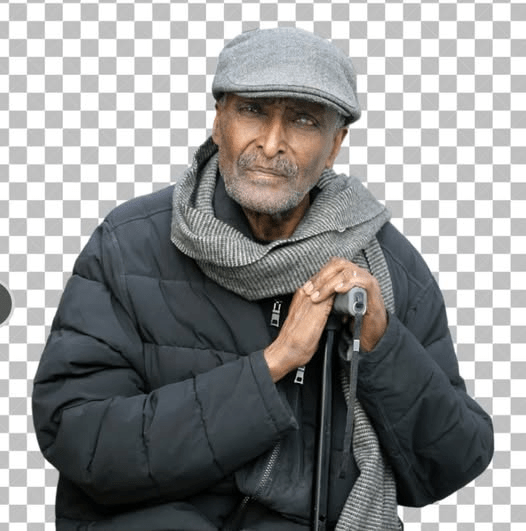
Obbo Abarraa Nafaa: Abbaa Waaltina Afaan Oromoo
Gaazexaa Bariisaa
Gaazexaan Bariisaa fuula Iyyaafannoo kanaan namoota yeroo ta’e tokko biyyaafi ummataaf hojii guddaafi seenaan hin daganne raawwatan barbaadee dubbistootasaatiif dhiyeessa.
Maxxansa kanaan hayyuu guddina Afaan Oromoo keessatti keessumaa waaltina afaanichaatiif bu’uura guddaa buusan, koree waaltina Afaan Oromoo hundeessuufi waggoota dheeraaf dura taa’ummaan tajaajilaa turaniifi ammaan tana sooramarra jiran waliin turtii gabaabaa taasise. innis haala ittaanuun dhiyaateera. Jalqabarratti waa’eesaanii.
Bakka Dhalootaa
Obbo Abarraa Nafaa Naannoo Oromiyaa, Godina Shawaa Lixaa, Aanaa Gindabarat, iddoo Qarree Ittisaa jedhamutti bara 1938 dhalatan. Haalli guddisaanii haaluma ijoollee baadiyyaa kamiiti.
Oggaa umriinsaanii barnootaaf ga’u kutaa 1ffaa hanga 6ffaatti mana barnootaa sadarkaa tokkoffaa Kaachisiitti, 7ffaafi 8ffaa Ginciitti, 9ffaafi 10ffaa Ambootti baratan. Bara 1954 barnoota eegalan.
Erga barnootasaanii sadarkaa lammaffaa Mana Barnootaa Ma’araga Hiywotitti xumuranii booda kolleejjii ‘TTI’ Harar galuun waggoota lamaaf leenji’anii bara 1964tti barsiisummaan eebbifaman.
Hojii barsiisummaa kutaa Sidaamoo, Mana Barnootaa Sadarkaa Tokkoffaa Kaasaa Barii jedhamutti tokko jedhanii eegalan. Ittaansuunis gara magaalaa Yirgaalamitti jijjiramuun Mana Barnootaa Sadarkaa Tokkoffaa Addaraashitti waggoota sadiif walumaagalatti hojii kanarra waggaa torbaaf tajaajila kennaniiru.
Bara 1971tti barnoota olaanaaf Yunivirsiitii Finfinnee, damee barnoota saayinsii afaanii ykn xiinqooqaa (‘linguistics’) jedhamuun bara 1974 digrii jalqabaatiin (‘BA’) eebbifaman.
Hojii Qormaata Afaan Oromoo
Bara 1975tti akka moggaasa yeroo sanaatti Ministeera Aadaafi Beeksisaatti Akkaadaamii Afaan Saboota Itoophiyaatti kallattiidhaan hojii qormaata Afaan Oromoorratti ramadaman.
Bara 1978tti dheebuu barnootaasaanii guuttachuuf digrii lammaffaa (MA) fi hayyamsiisuun hojii hojjechaa akka barataniif hayyama argatanii bara 1980tti barnoota xiinqooqaatiin xumuran.
Akkuma ADWUI aangoo qabateen hayyoonni Ministeera Aadaafi Ispoortii keessa hojjetaa jiran haala dandeettii afaaniifi akkaataa hojiisaaniitiin gara naannoleetti ramadamanii hojiitti bobba’an. Obbo Abarraanis haaluma kanaan Biiroo Aadaafi Ispoortii Oromiyaatti ramadamanii qormaata Afaan Oromoo eegalan.
Hojii qormaata afaanichaa bal’inaan ragaa godinaalee Oromiyaarraa walitti qabamuun eegalame. Qorannoo afaanii mana manasaatiin qindeessuun kompitararra galchuun maxxansiisuu eegalan. Kitaaba maxxanfamu keessaatti gulaalaa olaanaafi qindeessaa ta’uun hojjechaa turan.
Hojiiwwan Ogummaasaatiin Gumaachan
Haaluma kanaan hojiiwwan ogummaasaaniitiin gumaachan keessaa:
- Mammaaksa (proverb) Jildii 1-6 Biiroo Aadaafi Turizimii Oromiyaan maxxanfaman keessatti qorataa olaanaafi gulaalaa.
- Walaloo Sirba Warroommii, faaruu, geerarsa Tuulamaa jildii 1 Biiroo Aadaafi Tuurizimii Oromiyaan maxxanfaman keessatti qorataa olaanaafi gulaalaa.
- Dur durii jildii 1-5, Hibboo jildii-1 Biiroo Aadaafi Turizimii Oromiyaan maxxanfaman keessatti qorataa olaanaafi gulaalaa.
- Yeroo Galmee Jechootaa Afaan Oromoo Afaan Oromootti hiiku jalqabaaf qubeedhaan hojjetame maxxanfamanii turan keessatti qorataa olaanaafi gulaalaa.
- Galmee Jechootaa Afaan Amaaraa-Oromoo-Inglizii Biiroo Aadaafi Turizimii Oromiyaatiin maxxanfaman keessatti qorataa olaanaafi gulaalaa.
- Hirkoo Galmee Jechoota Afaan Ingilizii –Oromoo-Amaaraa Asteer Naggaa maxxanse keessatti gulaalaa.
- Galmee Jechoota Afaan Oromoo Akkaadaamiin Afaanii qopheesse keessatti maxxanfaman keessatti qorataa olaanaafi gulaalaa.
- Caasluga Afaan Oromoo Jildii 1, 2 Biiroo Aadaafi Turizimii Oromiyaan maxxanfaman keessatti qorataa olaanaafi gulaalaa.
- Wiirtuu Jildii 1-7 Biiroo Aadaafi Turizimii Oromiyaan maxxanfaman keessatti qorataa olaanaafi gulaalaa.
Waliigalatti hojii qormaata Afaan Oromoo karaa qabsiiuu giddugalaan xiyyeefannoon akka hojjetamu hanga soorama bahan itti gulaalaa olaanaafi qindeessaa ta’anii hojjetaa turaniiru.
Biiroo Aadaafi Turizimii Oromiyaarraa soorama kan bahan yoo ta’u, biirichatti damee qormaata Afaan Oromoorra hojjetaa turan.
Waa’ee Waaltina Afaan Oromoo Maal Jedhan?
Obbo Abarraa waaltina Afaan Oromoo ilaalchisee akkana jedhu:
“Ministeera Aadaafi Turizimii keessatti Akkaadaamiin Afaan Saboota Itoophiyaa jedhamu maqaadhaan dhaabatee ture. Ijoolleen Oromoo baay’een achi keessa turre. Yeroo sana qormaatuma gaggeessaa ture. Kanaaf waa’ee waaltinaas hubannoo qabnaayyu.
Oggaa bara 1983 namni naannoo naannoosaatti haa tajaajila jedhamu nuti gara Oromiyaatti ramadamne. Anis Oromiyaa dhaqeen damee afaaniirrattii ramadame. Achumarraan erga afaan kun carraa akkasii argatee ammuma waalteffamuu qaba jennee hojiisaa jalqabne.
Hojii qormaata afaaniis bu’uurarraa jalqabuu wayya jennee koree Waaltina Afaan Oromoo hundeessine. Koree kana natu dhaabsise.
Biirolee adda addaarraa namoonni garagaraas dhufan. Gaazexaa Bariisaarraas namni bakka bu’e jiraayyu. Akkasumaa Biirolee Beeksisarraa, Barnootaafi, Abbaa Alangaa Oromiyaarraa bakka buutonni koricha keessa turaniiru.
Gaazexeessitoonni Huseen Badhaasoofi Bulloo Siibaa fa’is miseensota koree waaltinaa turan. Yeroo sana namni fedhii guddaafi addaa qaba ture.
Koree Waaltinaa Afaan Oromoo bara 1983 hundeeffame. Haala kaanis hojiinsaas ittifufe.
Biiroleefi godinaaleerra deemamee ragaan funaanuun pirojektii qopheessinee Mootummaan Naannoo Oromiyaa bajata eeyyamee isaan wajjin hojjetaa turre. Nuti ammoo as teenyee ragaa funaaname qindeessaa turre. Haala kanaan mammaaksa qofa gara kuma 36 walittiqabnee maxxansiisneerra. Yeroo sana hojiin akkuma gaariitti hojjetame.”
Waaltina
Obbo Abarraa waaltina irrattis akkana jedhu:
“Waaltinarratti rakkoon akka jiru oggaa Ministeera Aadaafi Beeksisaa hojjechaa turretti waan hubannetu akka koree waaltinaa dhaabnuuf nu kakaase. Koree waaltina jechuun jechoota giddugalaatti fayyadamuu jechuudha.
Fakkeenyaaf maqaalee ji’ootaafi guyyootaa haala walfakkaatuun fayyadamuu jechuudha. Ammayyuu namoonni tokko tokko borcaa jiru. Sirriitti fayyadamaa hinjiran. Maqaa guyyootaa Wiixataa kaasee hamma Jimaataatti jiran koreen waaltinaa kaa’eera.
Garuu ammayyuu namoonni tokko tokko Sanbata guddaa, Sanbata xiqqaa jechaa jiru. Kun sirrii miti. Sanbata xiqqaafi guddaan dhiibbaa amantiirraa kan dhufeedha. Koreen Waaltinaa garuu Sanbata, Dilbata… jedhee waaltesse.
Dhimma kanarratti Caffeen Oromiyaas murtiisaa dabarseera. Guyyaasaa akka lakkoofsa Habashaatti fooyyesse. Maqaa guyyootaafi ji’ootaa koreen waaltesse Caffee Oromiyaatu sarkulaariidhaan raggaasise.
Yeroo sana namoonni kan koo haata’u jechaa turan jiraatanillee walamasiisuudhaan akka waalteffamu gochaa turre.
Sanbata guddaa Sanbata xiqqaa jechuun kan amantiiti malee kan Oromodurii miti. Kan Oromoo Sanbataafi Dilbata. Jechi Sanbata jedhamu uumamasaatiin kan Yuhudotaati. Dilbanni kan Oromooti.
Sanbata, Dilbata, Wixata, Kibxata jenna. Guyyoonni maqaan baay’ee qaban jiru. Keessumaa Kibxanni maqaalee hedduu qaba; keessumaa filannee fudhanne malee.
Jechoota waalta’ootti fayyadamuurratti paartiileen siyaasaafi mootummaan waliigalaniiru.
Koree Waaltinaa keessa waggoota dheeraafin hojjedhe. Bara 1983 eegalee hangan soorama bahutti hojjechaan ture. Kitaabni wiirtuu hanga jildii 13ffaatti maxxanfamuun baay’ee nama gammachiisa. Ani waa’ee afaan kanaatiif dheebuu guddaan qaba ture.
Waa’ee afaanicharratti hojjechuufi bu’aa argamee akka nama bishaan dheebotee dheebuusaa kutatuuttin ilaala.
Kanirratti hojjechaa turre waaltina sagaleessuu, qubeessuufi jechootaarratti. Kanaan Oromoon qe’eewwan hundatti argamu akka haala walfakkaatuun fayyadamuuf tattaafataa turre.
Fakkeenyaaf jechi Wiixata jedhamu eessumattuu beekamuu qaba. Manneen barnootaa, manni murtiifi waajjiraaleen haala walfakkaatuun hojjechuu qabu.
Warri afaan kana duubatti harkisuu barbaadan ammayyuu waan jiraniif sirriitti eeguu barbaachisa.
Aanga’oonnis jechoota waaltaanitti fayyadamuu qabu. Barreessitoonniifi miidiyaaleenis akkasuma.
Kun ta’uu baannaan warri kitaaba barreessan akka kitaabnisaanii hinbaane gochuu barbaachisa. Kitaabnisaanii seera Afaan Oromoo guutee barreeffamuunsaa qaama dhimmi ilaaluun mirkanaa’uu qaba.
Kanaafis Akkaadaamiin Afaan Oromoo akka hundaa’uuf gaafachaa turre. Afaan aadaa guddisa, aadaanis afaan guddisa.
Kun kan ta’u kallattiidhaan qormaata irratti gaggeessuudhaani. Wiirtuunn barruulee waaltina Afaan Oromooti. Kanneen biroos maxxansuun barbaachisaadha.
Maxxansaaleen akka Gaazexaa Bariisaa hangaftichaafi Kallachaa Oromiyaa baay’achuu qabu. Yoo haala kanaan irratti hojjetame malee afaan hinguddatu, hinwaalta’u.
Ijoolleen sadarkaa gadiirraa kaaftee ittiin barachuu qabdi. Kun jidduutti laafee kan ture deebi’ee jabaachuu qaba.
Afaanichi deeggarsaafi xiyyeeffannaa argachuu qaba. Akkuma tikseen horii eegdu afaanichi eegamuu qaba. Amma waan karaa qabateef hayyoonni xiyyeeffannaan irratti hojjechuu qabu.
Warri Afaan Oromoo jallisanii barreessuun afaanicha doomsuu, jibbisiisuufi akka qancaru gochuu barbaadan waan jiraniif to’annoofi tika cimsuu barbaachisa.”
Barreeffama kana caalaatti gabbisuuf keessumaa seenaa hayyuu kanaa nuu erguun kan nu gargaaran Aadde Dirribee Qana’aa, (Inistiitiyuutii Qorannoo fi Q’anno Oromoorraa) guddisnee galateeffanna.
Charinnat Hundeessaatiin
Bariisaa
Bitootessa 6, bara 2018

Fifteen Doctors Graduate from Oromia Development Association School
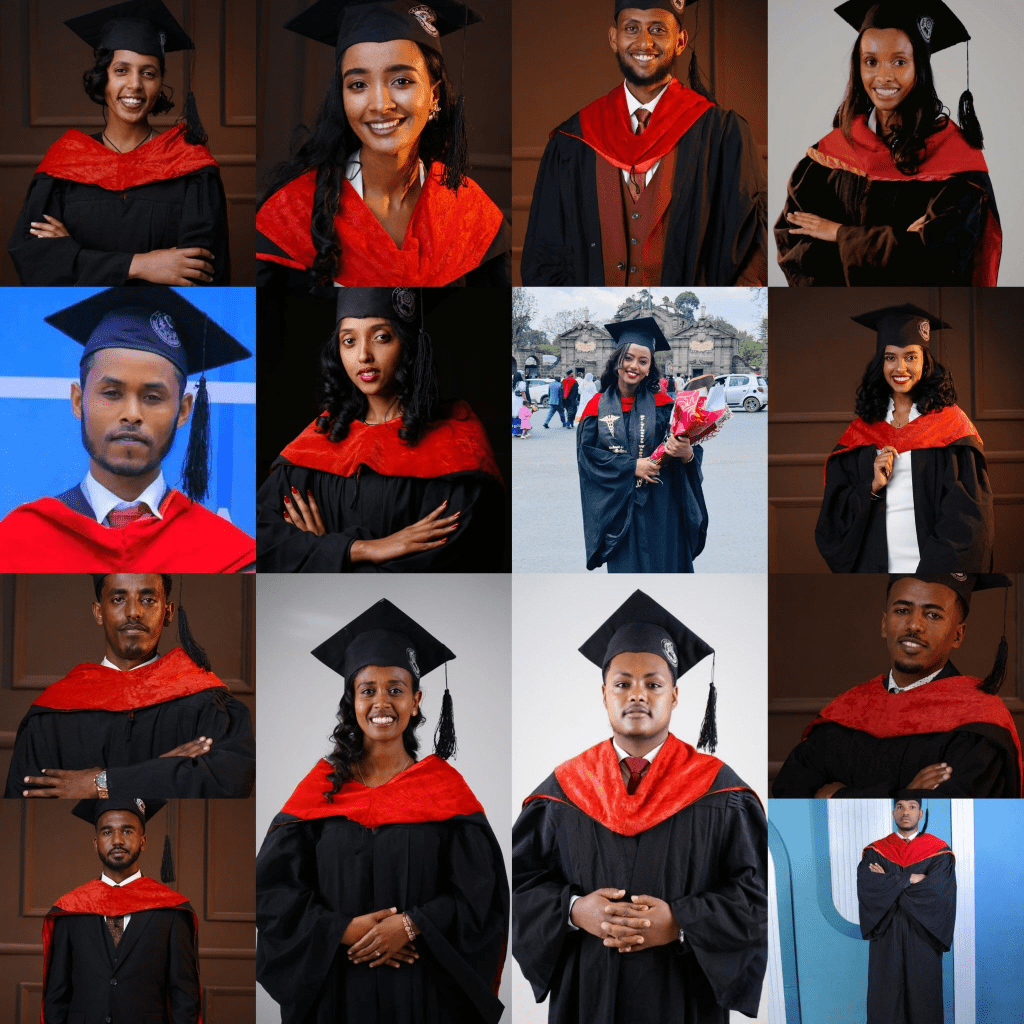
Finfinne, March 22, 2026 – The Oromia Development Association (ODA) Bultii Addaa Secondary School is celebrating a remarkable achievement as fifteen of its former students have successfully graduated with Medical Doctor (MD) degrees from Finfinne University.
The fifteen graduates—Dr. Araaree Irreessoo, Dr. Aliyyii Huseen, Dr. Beteliyeem Girmaa, Dr. Ermiyaas Tagan, Dr. Hiroowaaq Kabbadaa, Dr. Ibsaa Mohammed, Dr. Jibril Xaahir, Dr. Musee Birhaanuu, Dr. Obsinaan Tarreessaa, Dr. Phaawulos Gammadaa, Dr. Radi’eet Birhaanuu, Dr. Saaloomee Taammanaa, Dr. Tinsaayee Waggaarii, Dr. Yoonaas Hiikaa, and Dr. Zalaalam Simee—have all recorded outstanding scores in the national 2010 entrance examination, which paved the way for their medical studies.
These accomplished individuals have now completed their rigorous medical training with distinction, earning the right to be called medical doctors. Their journey from the classrooms of ODA Bultii Addaa to the halls of Finfinne University Medical School represents years of dedication, hard work, and perseverance.
The Oromia Development Association, in a statement celebrating the achievement, expressed immense pride in the graduates. The organization highlighted that the students’ success is a shining example of the fruits of commitment and integrity. The ODA emphasized that these new doctors carry with them the trust of the Oromo people and urged them to serve their nation and community with honor, faithfulness, and the expertise they have acquired.
“The success of our students is a testament to the fact that ODA nurtures a generation that upholds dignity and makes significant contributions to our country and people,” the statement read.
The ODA extended its heartfelt congratulations to all the graduates, acknowledging the collective effort behind their success. The organization also recognized the vital roles played by the ODA Board members, school leadership, teachers of Bultii Addaa Secondary School, families, and all stakeholders who supported the students along their academic journey.
“As you complete your education with excellent results, your victory is great,” the ODA stated, celebrating the milestone.
The achievement of these fifteen medical doctors marks a proud moment for the institution and serves as an inspiration for current and future students of ODA Bultii Addaa Secondary School. The organization reaffirmed its commitment to fostering excellence and contributing to the development of skilled professionals dedicated to serving the community.
“Congratulations once again. We are truly proud of you!” the ODA concluded, celebrating the success of its alumni and the bright future they represent for the Oromo people and beyond.
Unity for Development!




 Advocacy for Oromia