Monthly Archives: March 2026

Advocacy for Oromia: Mourning Gamo Landslide Victims
PRESS RELEASE
Advocacy for Oromia Expresses Deep Grief Over Fatal Landslide in Gamo Zone
March 13, 2026 – For Immediate Release
The Advocacy for Oromia has expressed its profound sorrow following a devastating landslide in the Gamo Zone of the South Ethiopia Region.
The disaster occurred on the evening of March 10, 2026, in the Laka Kebele of the Gacho Baba district, triggered by heavy rainfall that caused the hillside to collapse onto the community below.
According to reliable sources confirmed by local authorities and humanitarian partners on the ground, the lives of 52 individuals have been confirmed lost in this tragic event. Search and rescue operations continue, with fears that the death toll may rise as teams work to locate missing persons.
Advocacy for Oromia extends its heartfelt condolences to the families of the deceased, their relatives, and the people of the Gamo Zone and the entire South Ethiopia Region. We share in your grief during this devastating time of loss.
Government Response Underway
In the wake of the disaster, high-ranking federal and regional officials have arrived at the scene. They are closely overseeing relief and support efforts and are working to console the affected communities. Emergency response teams have been deployed to provide immediate assistance, including medical aid, shelter, and food supplies to survivors who have lost their homes and livelihoods.
Urgent Call for Precautionary Measures
Given the ongoing rainy season, which heightens the risk of similar incidents across the region’s mountainous terrain, Advocacy for Oromia has urged citizens—particularly those living in mountainous and landslide-prone areas—to heed all precautionary messages and directives with the utmost seriousness.
We call upon relevant authorities to:
- Strengthen early warning systems in high-risk areas
- Conduct public awareness campaigns about landslide safety
- Consider temporary relocation of communities in the most vulnerable areas during the rainy season
- Ensure adequate emergency response resources are prepositioned in disaster-prone zones
A Time for Solidarity
This tragedy reminds us of our shared humanity and the importance of standing together in times of crisis. Advocacy for Oromia stands in solidarity with all Ethiopians mourning this loss, regardless of region or background. When disaster strikes, our common humanity must transcend all boundaries.
Conclusion
Advocacy for Oromia’s statement concluded by wishing the deceased eternal peace and offering strength to the bereaved families. May the souls of those who perished rest in peace, and may their families find the strength and support needed to endure this unimaginable loss.
We urge all who are able to support relief efforts through recognized humanitarian organizations working in the affected area.
#GamoLandslide #SouthEthiopia #HumanitarianAid #AdvocacyForOromia #StandWithGamo #Ethiopia #LandslideRelief
Issued by: Advocacy for Oromia
Date: March 13, 2026

Traditional Courts: The Foundation of Peace and Community Cohesion in Oromia
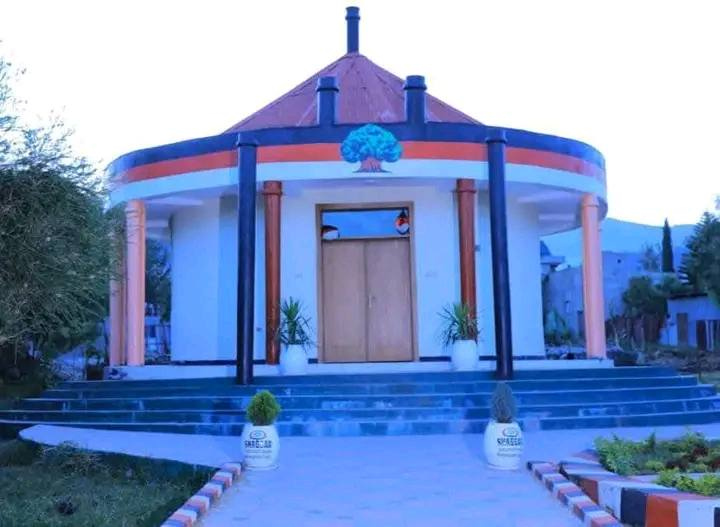
For generations, the Oromo people have relied on an institution that predates modern legal systems—the traditional courts (Manneen Murtii Aadaa)—to resolve disputes, maintain harmony, and preserve the social fabric of their communities.
These customary courts, rooted in the rich cultural heritage and values of the Oromo people, play an indispensable role in maintaining community peace by resolving disputes through frameworks grounded in tradition and cultural wisdom. Whether addressing family conflicts, neighborly disagreements, or broader community tensions, these institutions offer reconciliation and dialogue-based solutions that heal rather than divide.
Justice Rooted in Culture
The Manneen Murtii Aadaa operate on principles fundamentally different from formal court systems. Rather than adversarial proceedings that produce winners and losers, traditional courts emphasize reconciliation, restoration of relationships, and community harmony. The goal is not punishment but healing—not victory but peace.
This approach reflects deep Oromo values embedded in the culture for centuries. The famous Oromo saying “Nageenyi badhaadhummaadha” (Peace is wealth) captures the understanding that without harmony, material prosperity means nothing. Traditional courts exist to protect this most precious wealth.
Efficiency and Accessibility
One of the most significant advantages of traditional courts is their accessibility. Community members can bring disputes before elders without the burden of excessive time and cost that often characterizes formal legal proceedings. A matter that might take months or years in the formal court system can often be resolved in days through traditional mechanisms.
This efficiency preserves community relationships that might otherwise be destroyed by prolonged conflict. When neighbors or family members can resolve their differences quickly and return to normal life, the entire community benefits.
The Wisdom of Elders
Central to the functioning of traditional courts is the involvement of Jaarsolii Biyyaa—community elders whose wisdom, accumulated over lifetimes, guides the resolution process. These elders carry within them the knowledge of generations, understanding not only the specific dispute before them but the broader context of community relationships and history.
By involving elders, traditional courts ensure that the cultural knowledge and values passed down through generations are preserved and applied. Young people who participate in these processes learn not only about the specific dispute but about the deeper values that hold their community together.
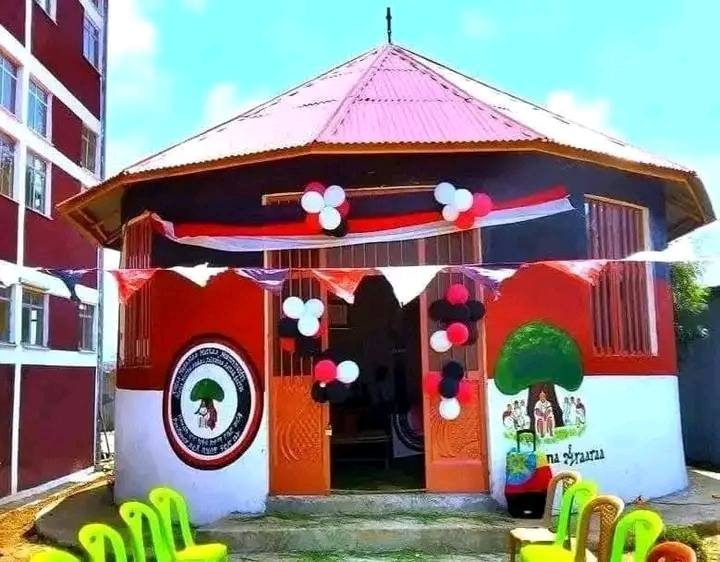
A Bridge Between Past and Future
The continued operation of Manneen Murtii Aadaa represents more than a practical mechanism for dispute resolution—it is a living connection to Oromo heritage. In a world of rapid change and external pressures, these institutions maintain continuity with the wisdom of ancestors while adapting to contemporary needs.
They demonstrate that tradition is not static but dynamic—capable of addressing modern challenges while remaining grounded in enduring values. The elders who preside over these courts carry forward a torch lit by those who came before, ensuring that future generations will inherit not only problems but the tools to solve them.
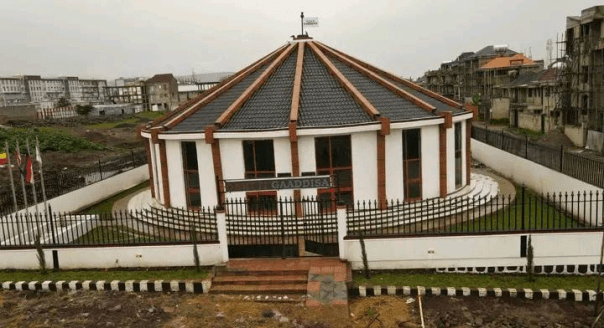
Strengthening Peace and Unity
Perhaps most importantly, traditional courts actively strengthen peace, consensus, and unity within communities. By resolving disputes through dialogue rather than confrontation, they model the very harmony they seek to create. The process itself—requiring disputing parties to sit together, listen to elders, and work toward mutual understanding—builds the skills and relationships necessary for long-term community cohesion.
When a dispute is resolved through Manneen Murtii Aadaa, the resolution carries moral weight that formal court judgments often lack. Because the community has participated in the process and the elders have spoken, the outcome is accepted not because it is enforced but because it is recognized as just.
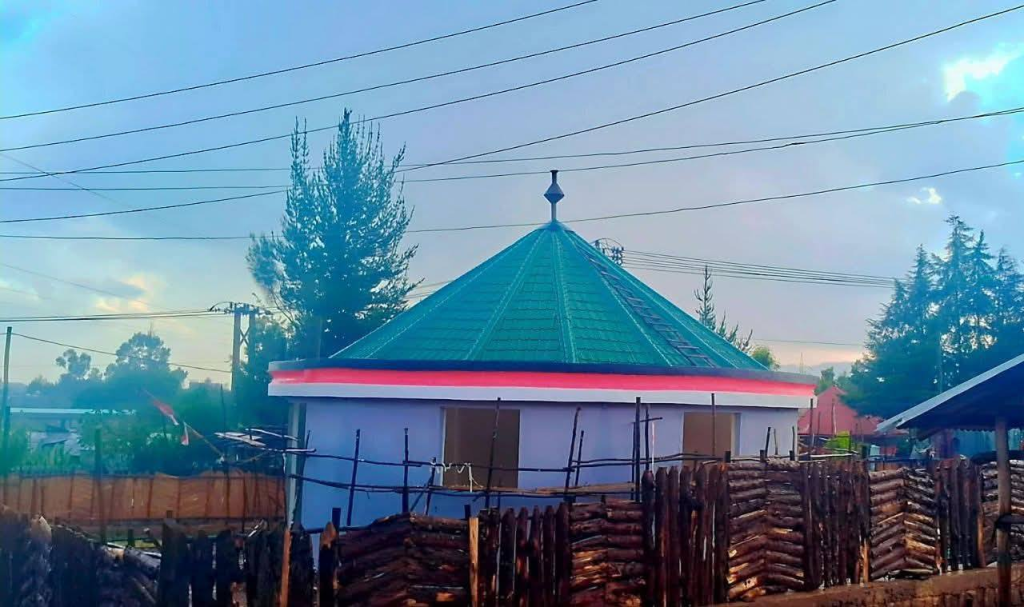
A Living Tradition
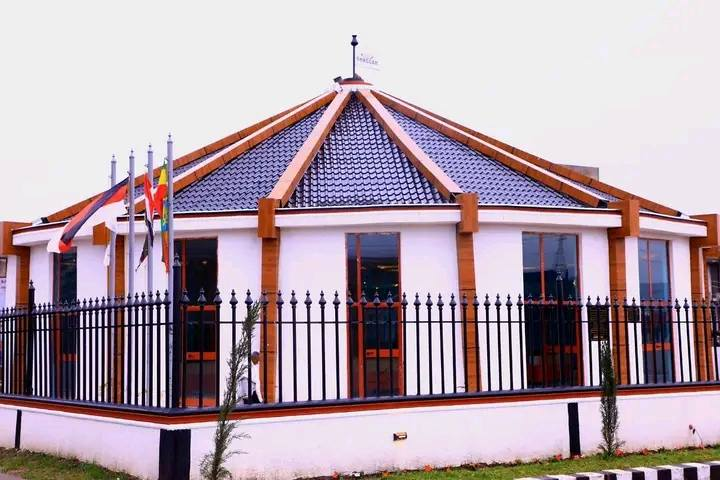
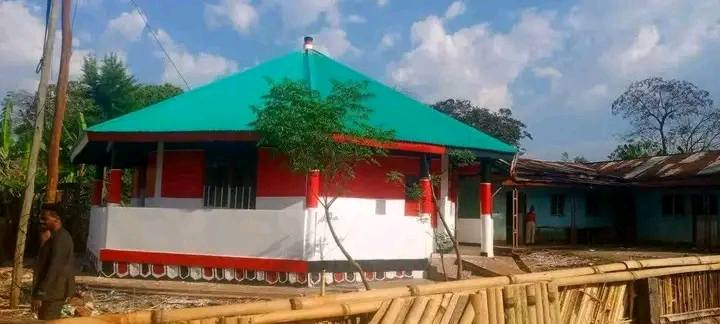
The photographs accompanying this feature offer glimpses into actual traditional court proceedings across Oromia. They show elders gathered under trees, community members seated in circles, the informal but deeply structured processes that have resolved disputes for centuries. These are not museum pieces but living institutions, actively shaping community life today.
Each image captures a moment in the ongoing work of peace—elders listening, disputants speaking, community members observing, and together weaving the fabric of social harmony that makes community life possible.
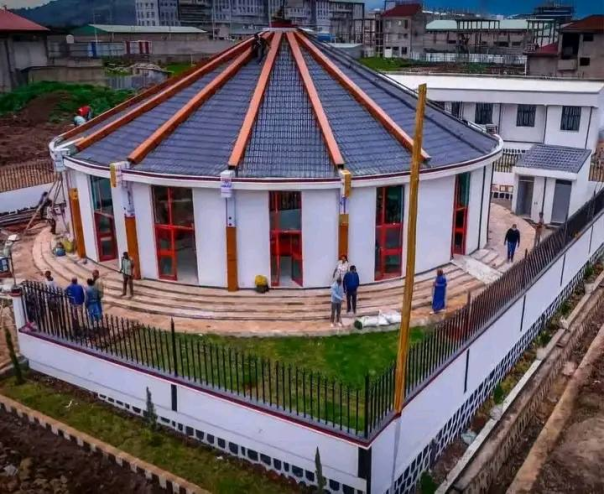
Conclusion
Manneen Murtii Aadaa represent one of the Oromo people’s most valuable institutions—a culturally grounded system of justice that preserves peace, strengthens unity, and maintains connection to ancestral wisdom. In a world often dominated by impersonal formal systems, these traditional courts offer a model of justice that is close to the people, rooted in community, and focused on healing rather than punishment.
As Oromia continues to navigate the challenges of the present and build toward the future, these institutions remain essential. They remind us that justice is not only about laws and procedures but about relationships and reconciliation—not only about rights but about harmony.
By strengthening Manneen Murtii Aadaa, communities strengthen themselves. By honoring the wisdom of elders, they ensure that future generations will inherit not only problems but the tools to solve them. By resolving disputes through dialogue and consensus, they build the peace that is, as the ancestors knew, the truest wealth.
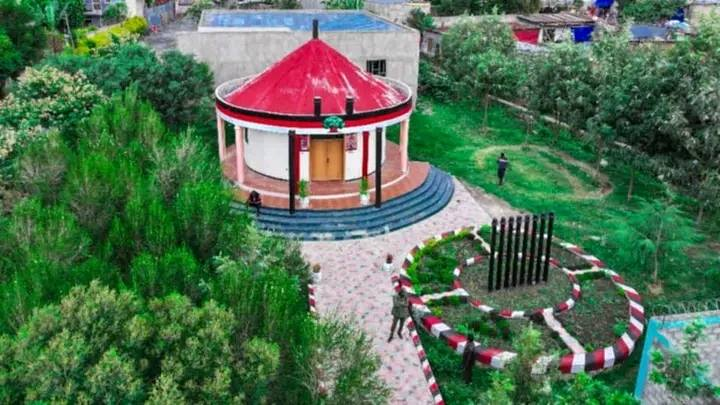
The images above show a selection of traditional court proceedings from various parts of Oromia, capturing the living tradition of community-based justice. 🤝
Oromia #TraditionalJustice #CommunityPeace #EldersWisdom #CulturalHeritage #ManneenMurtiiAadaa #OromoValues #Reconciliation

Celebrating Irreecha Afraasaa Tulluu Cuqqaalaa: A Festival of Thanksgiving and Resilience
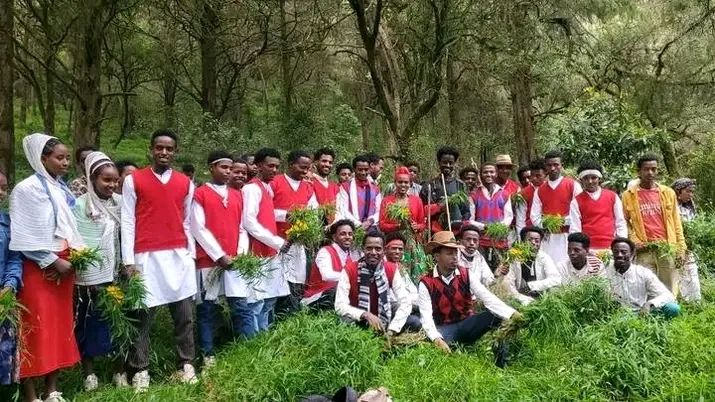
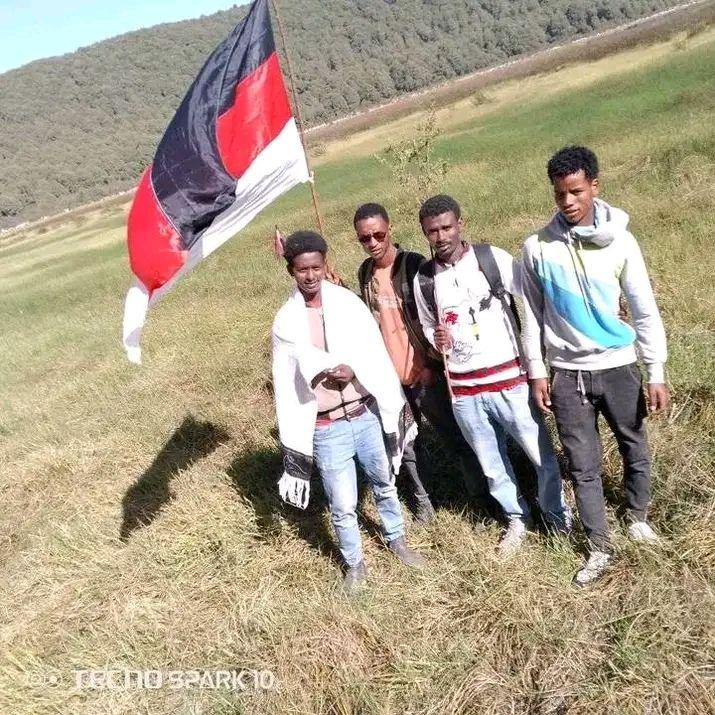
“A generation as strong as iron” — The Oromo community gathers to mark the weekly Tulluu Cuqqee Irreecha celebration with joy, devotion, and unshakeable unity.
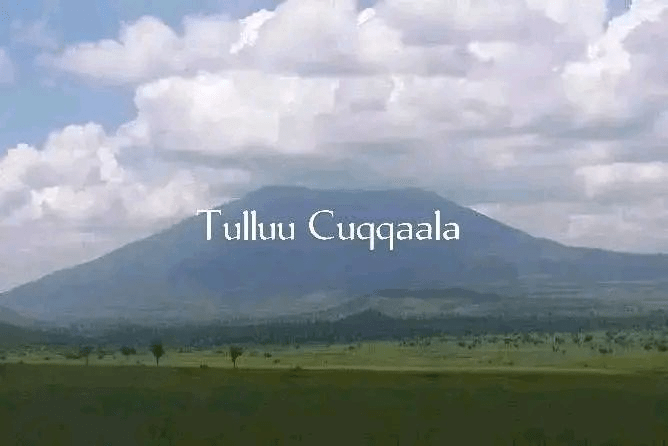
As the sun rises over the sacred highlands, the Oromo people come together once again to observe Irreecha Afraasaa Tulluu Cuqqee—a cherished tradition of giving thanks to Waaqayyo (God) for the blessings of creation and the gift of life.
This week’s celebration, marked by the faithful gathered at Tulluu Cuqqee, carries special significance. It is a moment of collective gratitude, of cultural affirmation, and of the unbreakable bonds that tie the Oromo people to their land, their Creator, and one another.
“A Generation as Strong as Iron”
The prayer rises from the hearts of the faithful: “Dhaloota Akka Hadiidaa jabaatu” — “A generation as strong as iron.”
This is not merely a wish but a declaration. It speaks to the resilience that has carried the Oromo people through centuries of challenge, through displacement and oppression, through attempts to erase their identity and silence their voice. The generation that gathers at Tulluu Cuqqee declares: we are iron. We do not break. We endure.
Reaching the Week of Tulluu Cuqqaalaa Irreecha
The greeting echoes across the gathering: “Baga Torbee Irreecha Tulluu Cuqqaalaa geechan” — “Congratulations on reaching the week of Tulluu Cuqqee Irreecha.”
There is profound meaning in this simple greeting. To reach this sacred time is to have been granted life, health, and the opportunity to give thanks. It is to have survived another cycle of seasons, another year’s challenges, another journey through the uncertainties that life presents. Every person gathered at Tulluu Cuqqee is living proof of Waaqayyo’s mercy and protection.
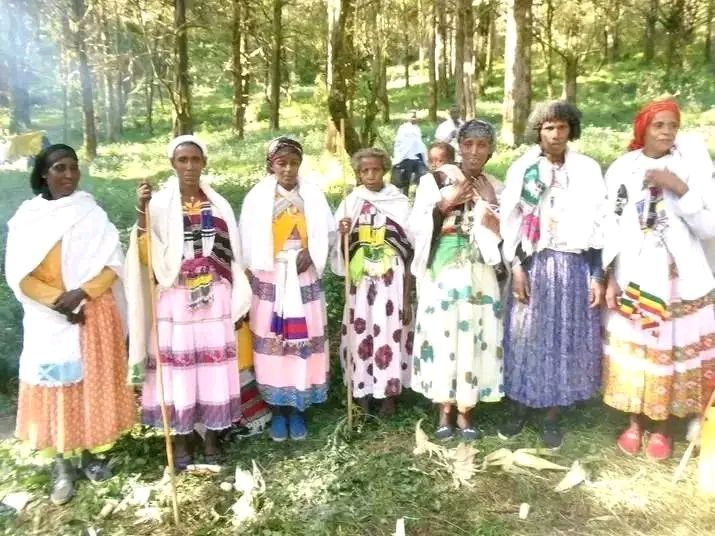
The Call of Cuqqee
The celebration’s spirit is captured in the joyful cry: “Hoo…… cuqqiyoo kootu na mararee jedha dhiichifni achirratti dhiichifamu qabadhu.”
This expression, rich in the poetry of the Oromo language, speaks to the deep emotional connection between the people and their sacred site. Cuqqee—the beloved highland—wraps itself around the hearts of those who gather there. It is not merely a location but a living presence, a witness to generations of prayer, a container of collective memory, and a symbol of the enduring bond between the Oromo people and the land that Waaqayyo gave them.
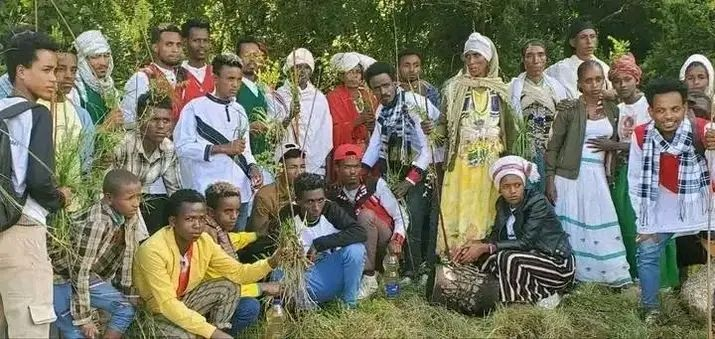
The Significance of Irreecha
Irreecha is far more than a religious observance. It is the Oromo people’s annual thanksgiving festival, marking the end of the rainy season and the beginning of the new year. Celebrated at bodies of water—lakes, rivers, and springs—Irreecha symbolizes the purification of the heart and the renewal of the bond between the Creator and creation.
During Irreecha, the Oromo people offer thanks to Waaqayyo for the blessings of the past year and pray for peace, prosperity, and unity in the year ahead. It is a time when social distinctions fade, when rich and poor, young and old, stand together as equals before their Creator, adorned in traditional attire, carrying green grasses and flowers as symbols of peace and prosperity.
At Tulluu Cuqqee, these traditions take on particular significance. The highland setting, closer to the heavens, provides a fitting backdrop for prayers that rise toward Waaqayyo. The cool breeze carries the voices of the faithful, mingling with the rustle of grass and the songs of birds—all of creation joining in the thanksgiving.
Unity Across Boundaries
Irreecha has always been more than a religious festival—it is a powerful expression of Oromo unity. In a history marked by division and displacement, Irreecha brings the Oromo people together regardless of clan, class, or political affiliation. It reminds them that beneath all differences lies a shared identity, a shared history, and a shared hope.
At Tulluu Cuqqee this week, that unity is on full display. Families have traveled from near and far. Elders sit with youth, sharing wisdom and stories. Women in traditional attire lead songs that have been sung for generations. Children run among the crowds, learning the traditions they will one day pass to their own children.
A Prayer for the Future
As the celebration continues, the prayers of the faithful rise toward Waaqayyo:
For the generation: that it may be as strong as iron, able to bear the weight of struggle and emerge unbroken.
For the people: that they may continue to reach the sacred times, year after year, generation after generation.
For the land: that it may remain a place where Oromo identity can flourish, where children can learn their mother tongue, where traditions can be passed without fear.
For peace: that the conflicts that have brought so much suffering may end, and that the Oromo people may know the blessing of true peace in their homeland.
The Celebration Continues
The Irreecha Afraasaa Tulluu Cuqqee celebration marks not an end but a continuation. The prayers offered this week will sustain the community through the seasons ahead. The bonds renewed at the sacred site will hold through challenges yet unknown. The identity affirmed in the gathering will be carried back to homes and communities across Oromia and the diaspora.
As the faithful depart from Tulluu Cuqqee, they carry with them more than memories. They carry the blessing of the sacred space, the strength of the community, and the assurance that Waaqayyo hears their prayers. They carry, too, the knowledge that they are part of something larger than themselves—a people with a history stretching back centuries and a future reaching toward horizons they may not live to see.
Conclusion
“Dhaloota Akka Hadiidaa jabaatu” — “A generation as strong as iron.”
This is the prayer for the Oromo people. This is the hope that fills Tulluu Cuqqee this week. This is the promise that the faithful make to one another and to the generations yet unborn: we will be iron. We will not break. We will continue to gather, to give thanks, to celebrate our identity, until the day when all Oromos can celebrate freely in a homeland at peace.
Baga Torbee Irreecha Tulluu Cuqqaalaa geechan!
Congratulations on reaching the week of Tulluu Cuqqee Irreecha!
Hoo…… cuqqiyoo kootu na mararee jedha dhiichifni achirratti dhiichifamu qabadhu.
May the beloved highland wrap itself around your heart, and may you receive the blessings poured out upon this sacred place.
Irreecha #TulluuCuqqee #Oromo #Thanksgiving #Culture #Tradition #Unity #Prayer #Resilience

The Enigmatic Kundudo Mountains: Guardians of Ethiopia’s Last Wild Horses
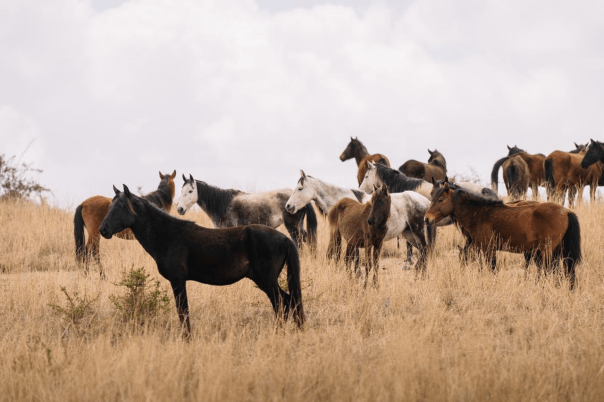
In the rugged highlands of eastern Oromia, a flat-topped mountain harbors one of Africa’s most remarkable treasures—the last remaining feral horse population on the continent.
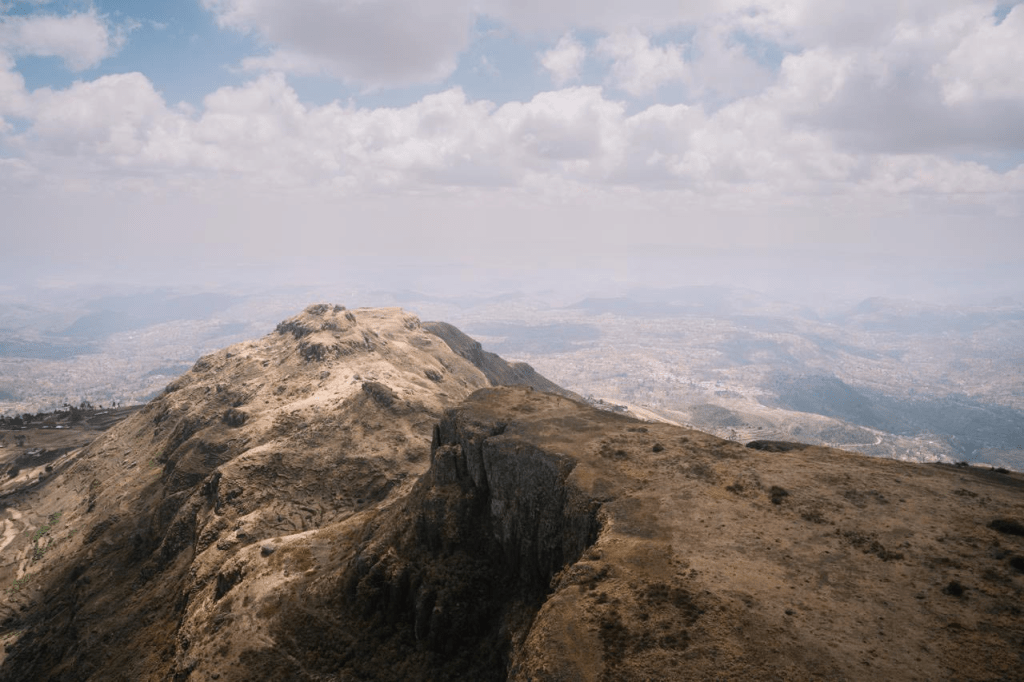
GURSUM DISTRICT, OROMIA — Rising nearly 3,000 meters above the plains of eastern Ethiopia, the Kundudo mountain range stands as a silent sentinel over a landscape rich in history, culture, and natural wonder. Known locally as the “W” mountain for its distinctive shape, this amba—a flat-topped mountain characteristic of the Ethiopian highlands—holds within its embrace a living legacy that has captured the imagination of scientists, conservationists, and travelers alike .
The Mountain Sanctuary
Located in Gursum District, a short distance from the town of Funyan Bira, Kundudo is part of a 13-kilometer range that includes other notable peaks such as Goba and Stinico . Its summit, a flat grassland of approximately 13 hectares, sits at an elevation of nearly 3,000 meters, accessible only by navigating steep cliffs and rugged terrain .
The mountain’s significance extends far beyond its geological features. Beneath its surface lie vast limestone caves, including one discovered in 2009 by Italian and French speleologists that ranks among the five most important caves on the African continent . At the southern end, the Stinico mountain holds ancient rock engravings in small open caves, unknown to the outside world until 2008 .
The Kundudo Horses: A Living Legacy
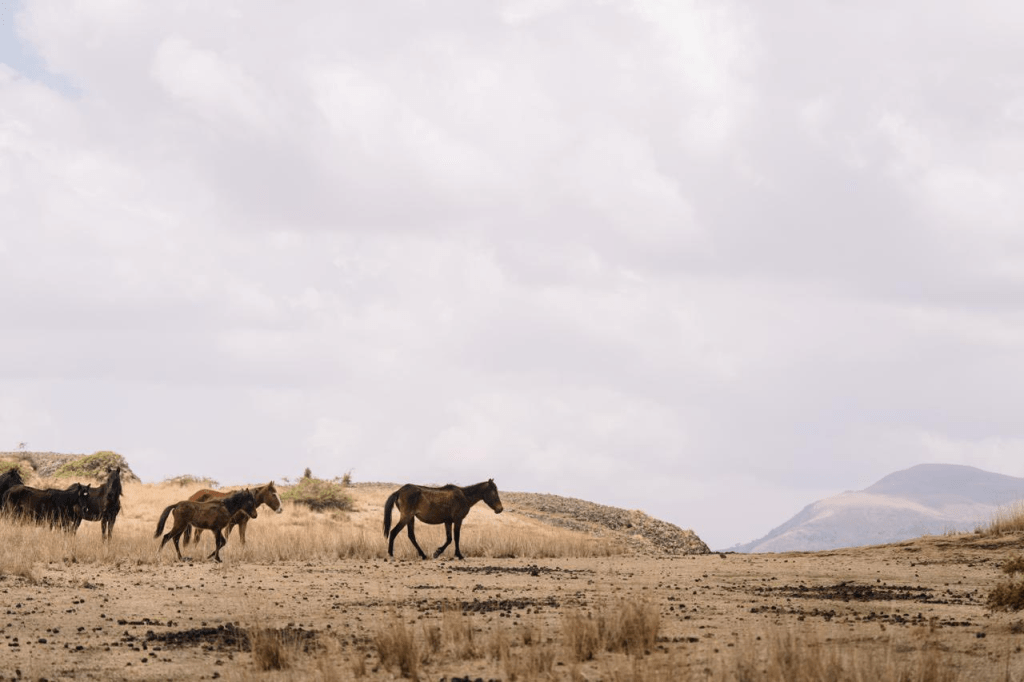
But Kundudo’s most celebrated inhabitants are its wild horses—the only remaining feral horse population in East Africa and one of only two on the entire continent . These magnificent creatures, known simply as the Kundudo horses, have roamed these highlands for centuries, their origins shrouded in mystery and legend.
Origins Shrouded in History
How did horses come to inhabit this remote mountain plateau? The question has sparked considerable scientific curiosity and local lore.
Oral traditions collected from the oldest local inhabitants suggest these horses have been known for over 200 years . One compelling hypothesis traces their ancestry to military mounts left behind during the Ethiopian-Adal War and subsequent Ottoman-Ethiopian conflicts of the 16th century (1528-1560) . According to this theory, a small group of 10 to 15 Abyssinian horses—perhaps separated from their riders during the chaos of battle—found refuge on the mountain’s summit and survived for decades despite the presence of predators like lions and cheetahs .
Genetic studies support this narrative, revealing that Kundudo horses are most closely related to domesticated Abyssinian horses, suggesting they represent a sub-population that returned to the wild in the relatively recent past. Their genetic distance from other Ethiopian horse breeds, combined with low genetic diversity, indicates a long period of isolation and a phenomenon of genetic drift due to the small number of founder individuals.
A Royal Connection
The horses’ historical significance received royal recognition when Emperor Haile Selassie I obtained his first mount from the Kundudo pack over a century ago . According to tradition, the future emperor, then just 10 years old, captured one of these horses with the assistance of his uncle . This connection lends the Kundudo herd the distinction of being the oldest known feral horse population in Africa .
Unique Characteristics and Adaptation
The Kundudo horses have evolved remarkable adaptations to their harsh environment. Their morphology reflects centuries of isolation and natural selection in a challenging habitat.
Physical Appearance
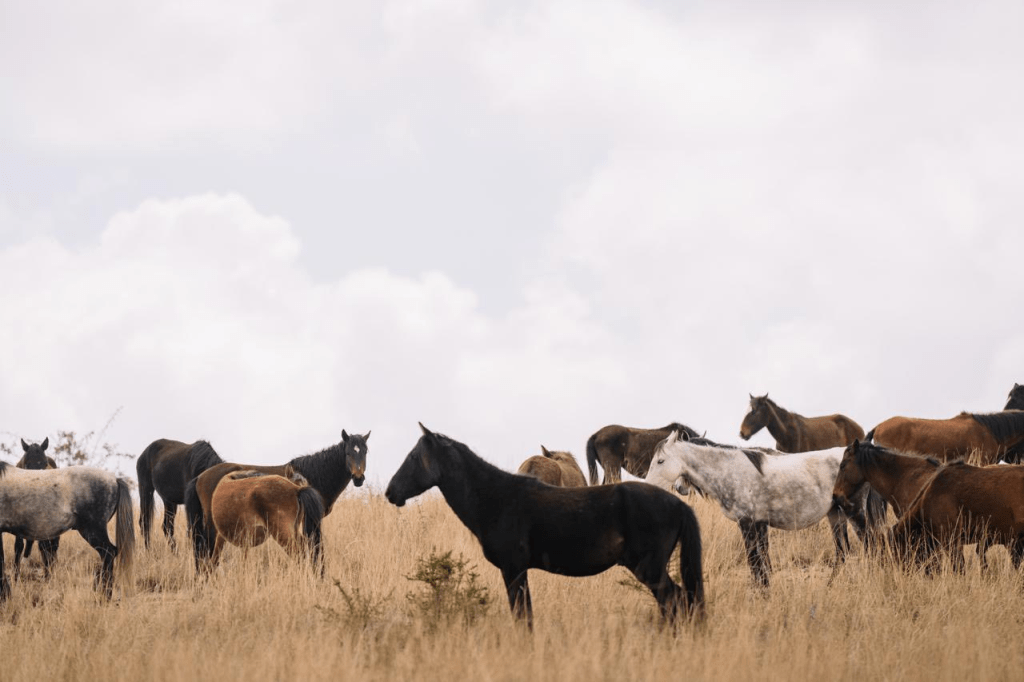
Described by some researchers as having “faulty” morphology with irregular shapes, short backs, plunging toplines, and paunchy bellies, these horses might not conform to idealized breed standards . However, these characteristics represent successful adaptations to their environment. They are generally medium-sized, with males slightly larger than females, displaying a range of coat colors predominantly in shades of brown, gray, and black, with thick, often disheveled manes that add to their wild appearance .
Behavior and Social Structure
Living in bands typically consisting of a dominant stallion, several mares, and their foals, Kundudo horses exhibit complex social behaviors . They are highly territorial, marking their ranges with scent and vocalizations. Their daily routines revolve around grazing on the summit’s 13-hectare grassland, seeking water from a perennial waterhole that never dries even during the hot season, and maintaining constant vigilance against predators such as hyenas, leopards, and jackals .
Perhaps their most striking characteristic is exceptional endurance and agility. These horses navigate steep cliffs and rugged terrain with remarkable ease—a skill honed by generations of evading predators and accessing scarce resources . This agility makes them valuable genetic reservoirs for equine conservation and potential breeding programs.
Conservation: A Story of Struggle and Hope
The survival of the Kundudo horses has been a precarious journey, marked by dramatic population fluctuations and determined conservation efforts.
Rediscovery and Initial Alarm
Rediscovered at the beginning of the 21st century, the horses became the focus of international attention when a team led by Ethiopian researcher Effa Delesa Kefena explored the ecozones of Ethiopian horses . On January 3, 2008, researchers found a single mare, approximately 11 years old, with hooves that had never been groomed and showing no signs of domestication. They nicknamed her “Basra” and took a DNA sample .
The situation was dire. By October 2010, researchers counted only 18 horses in the mountain area . By 2013, a survey by the Ethiopian Biodiversity Institute found just 11 horses remaining, leading to a classification of “critically endangered” . Some sources even suggested the breed was “potentially extinct,” with the 2013 population considered too low to ensure sustainability .
Threats to Survival
The horses face numerous threats, including:
- Habitat degradation due to overgrazing, agricultural expansion, and deforestation
- Climate change altering rainfall patterns and water availability
- Capture and domestication by local farmers, who occasionally tame and sell the docile colts
- Limited genetic diversity due to the small population and consanguinity
- Lack of formal protection and limited awareness about their ecological value
Conservation Efforts
Recognizing the urgency, various organizations and government agencies have initiated conservation programs. Since 2008, six Italian and Italo-British ecological missions have worked to save the herd and offer local communities economic alternatives to activities that damage the area.
The Ethiopian Environment Protection Agency, the Oromia Tourism Commissioner, and the Addis Ababa office of the UNEP have all been involved in monitoring and supporting these efforts. Local interest groups like the Addis Ababa-based GAG have worked to preserve the Kundudo range and promote the Gursum area.
The Ethiopian Biodiversity Institute has implemented conservation procedures, including the freezing of stallion semen to preserve genetic material for future breeding possibilities.
Signs of Recovery
These efforts appear to be bearing fruit. According to recent data from the Oromia Culture and Tourism Bureau, the population of wild horses living in the forest and slopes of Kundudo has now reached approximately 50 individuals . The Wikipedia article on Kundudo horses also reports that by 2022, due to improved awareness, the horses prospered, with a total of 30 feral horses protected by guards on the mountain’s top . The number is expected to continue rising if protection measures are maintained.
Beyond the Horses: Ecological and Cultural Riches
Kundudo’s significance extends beyond its equine inhabitants. The mountain and its surrounding forests harbor a unique wealth of wildlife, including birds of prey, other bird species, mongooses, and monkeys . This biodiversity makes the mountain one of the significant attraction areas in the zone.
The region also holds deep cultural importance. Ancient rock paintings discovered in caves during the 2008 expeditions raise hopes for future tourism development . A shrine and a uniquely designed mosque named after Sheikh Adem Goba stand near the mountain, adding to its cultural tapestry .
A Vision for the Future
Plans are underway to transform the area into an Oromia State Park, recognizing its unique natural and cultural heritage . Conservationists envision developing the site as the endpoint of a tourist route named “the Extended East Route,” linking Harar, the Awash National Park, the Kuni-Muktar Mountain Nyala Sanctuary, and other destinations of cultural, nature, and historic interest in eastern Ethiopia .
Eco-tourism presents a promising avenue for sustainable conservation, allowing local communities to benefit economically while safeguarding their environment. When communities see tangible benefits from preserving these horses, they become active participants in protecting this natural heritage.
Conclusion
The Kundudo mountains and their wild horses represent an extraordinary chapter in Ethiopia’s natural and cultural history. These resilient creatures, descendants of horses that may have carried warriors into battle five centuries ago, continue to roam the high plateau, adapting, surviving, and inspiring all who learn of their story.
Their journey from near-extinction to gradual recovery mirrors the broader challenges of conservation in a rapidly changing world. As guardians of Hararge’s ecological integrity, these horses deserve recognition and protection. By valuing and conserving the Kundudo wild horses, Ethiopia can preserve an extraordinary piece of its natural heritage, ensuring that generations to come will continue to marvel at these majestic creatures roaming freely in the rugged landscapes of Kundudo.
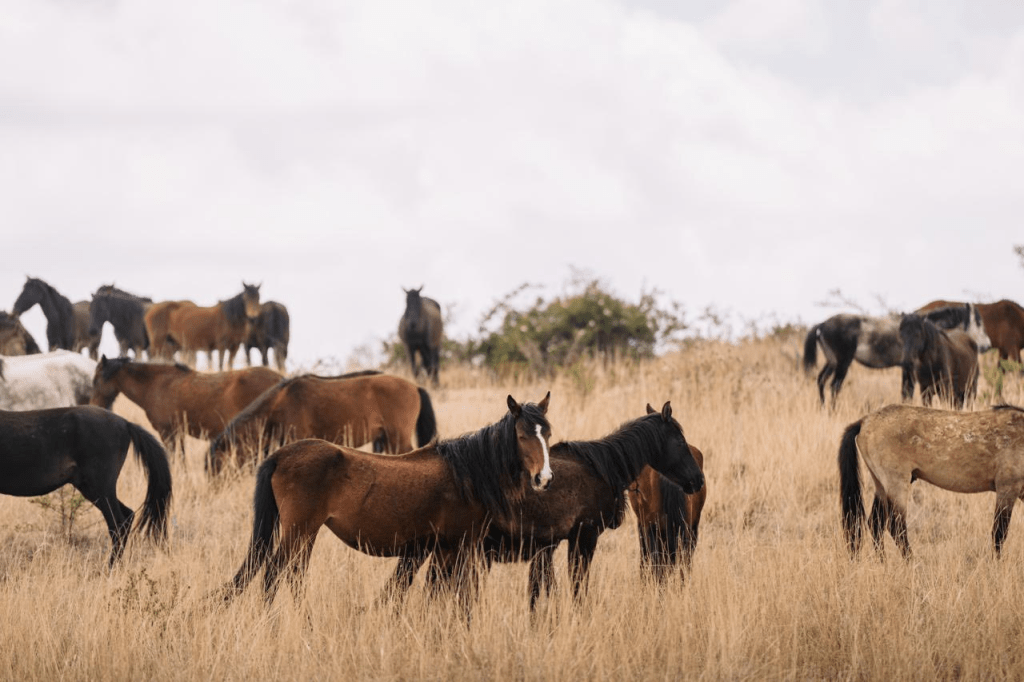
The Kundudo horses stand as living symbols of resilience, adaptation, and the profound connection between culture, history, and nature in the Oromia region. Their survival depends on continued conservation efforts, community engagement, and recognition of their unique value to Ethiopia’s natural heritage.

Oromo Women Celebrate International Women’s Day with Beauty and Strength at ABO Headquarters in Gullallee
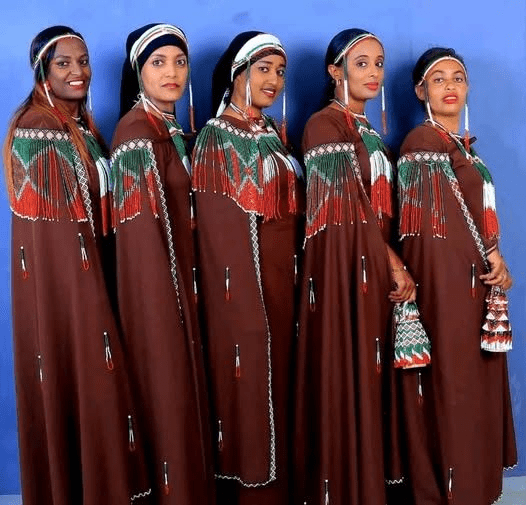
A historic celebration unfolds as Oromo women gather in their cultural attire to honor International Women’s Day, marking a moment that will be recorded in the annals of the struggle.
GULLALLEE, OROMIA — In a powerful display of cultural pride and unwavering determination, Oromo women gathered at the ABO Main Headquarters in Gullallee to celebrate International Women’s Day, adorning themselves in traditional attire that spoke to both their heritage and their resilience.
The celebration was not merely a commemoration—it was a declaration. Dressed in the vibrant colors and intricate patterns of Oromo cultural clothing, the women who gathered represented the heart of the Oromo liberation struggle. Their beauty, both external and internal, reflected the dignity of a people who have refused to be erased.
Beauty as Resistance
In the context of Oromo history, the act of gathering in cultural dress carries profound meaning. For generations, Oromo identity was suppressed, their language marginalized, their traditions denigrated. To stand today, openly and proudly wearing the clothing of their ancestors, is itself an act of resistance.
The women who filled the ABO headquarters in Gullallee demonstrated that the struggle for Oromo liberation is not only fought in the forest or through political organizing—it is also fought through the preservation and celebration of culture. Every traditional garment worn, every Oromo song sung, every dance performed strengthens the cultural foundation upon which the political struggle rests.
A Celebration Rooted in Tradition
The International Women’s Day celebration at the ABO headquarters was distinctively Oromo. While the world marks March 8 as a day to recognize women’s achievements and advocate for gender equality, the women of Gullallee infused the global observance with their own cultural particularity.
They came carrying not only the aspirations of women everywhere but the specific hopes of Oromo women—hopes for a liberated Oromia where their children can grow up speaking Afaan Oromo without shame, where their daughters can wear traditional clothing without fear, where their voices will be heard in the councils of the nation they are building.
A Day Recorded in History
According to organizers, this celebration at the ABO Main Headquarters in Gullallee has been recorded as a unique chapter in the history of the struggle. It will be remembered not only as an International Women’s Day event but as a moment when Oromo women collectively demonstrated their centrality to the liberation movement.
The gathering sent a clear message: the struggle for Oromia’s freedom cannot succeed without the full participation of its women, and those women are ready, willing, and determined to play their part.
Women at the Heart of the Struggle
The celebration in Gullallee reflects a broader recognition within the Oromo liberation movement of women’s indispensable role. From the ancient Siinqee institution—a traditional women’s system of mutual protection and conflict resolution—to the Qarree movement of young women activists today, Oromo women have always been at the forefront of resistance.
Yet their contributions have too often been overlooked in historical accounts. Events like this International Women’s Day celebration serve as correctives—public acknowledgments that the struggle could not continue without the women who fight, organize, endure, and sacrifice alongside their male counterparts.
Looking Forward
As the women of Gullallee dispersed after their celebration, they carried with them more than memories of a pleasant gathering. They carried renewed commitment to the cause, strengthened bonds with one another, and the knowledge that their participation is not merely welcomed but essential.
The celebration at the ABO headquarters will indeed be recorded in history—not as an isolated event but as part of a continuum of Oromo women’s resistance that stretches back generations and will continue until Oromia is free.
The Oromo women who gathered at ABO Main Headquarters in Gullallee on International Women’s Day 2026 have added their names to the long roll of heroines who have sustained the Oromo struggle. Their beauty, their strength, and their determination will not be forgotten.

Ilfinash Qannoo: A Voice That Sustained the Struggle, A Face That Inspires Generations
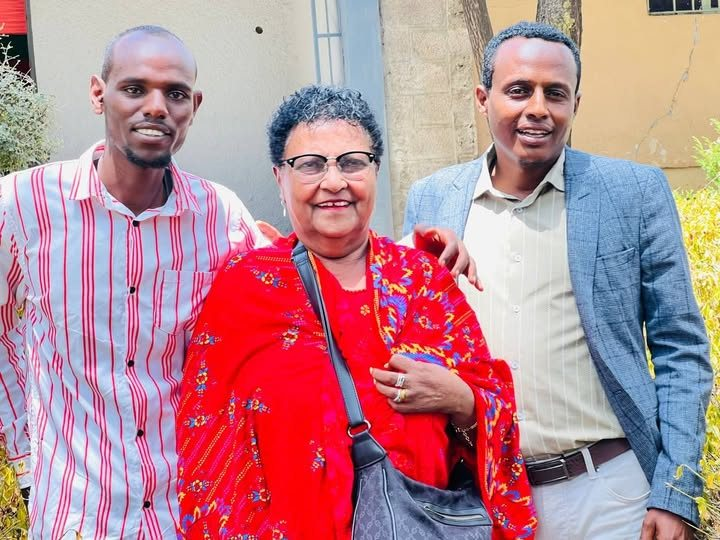
The power of art in times of struggle is immeasurable. It sustains the weary, emboldens the fearful, and etches the faces of heroes into the collective memory of a people. Artist Ilfinash Qannoo embodies this truth.
Just as her voice has supported the national struggle for decades, this image of her now reveals something profound: she has become a lasting legacy and a source of inspiration for today’s generation. She is a symbol of resilience and a heroic figure of unwavering determination.
The Voice That Never Weakened
For years, Ilfinash Qannoo’s voice has been inseparable from the Oromo struggle. Through periods of intense repression, through moments of hope and despair, through the long, grinding years when liberation seemed impossibly distant—her songs have been there.
Her music has not been mere entertainment. It has been sustenance for fighters in the forest, comfort for mothers who lost sons, encouragement for students risking imprisonment, and a thread connecting the diaspora to the homeland. When words failed, when hope flickered, when the cause seemed lost, her voice reminded Oromos why they fight and what they fight for.
This is the power of the artist in a liberation struggle: to articulate what cannot be said in political statements, to reach what cannot be touched by organizational structures, to heal what weapons cannot protect.
The Face That Speaks to Youth
In this photograph, something additional is visible. On the faces of the young people surrounding Ilfinash Qannoo, one reads a clear and undiminished determination. These are not casual admirers posing with a celebrity. These are youth who have learned from the history of those who came before and dedicated themselves to the hope of tomorrow.
Their expressions carry a vision—one that is clear, focused, and unshakeable. They represent a generation that refuses to accept the limitations imposed by oppression. They are the living proof that the struggle did not die with previous generations but was passed like a torch to hands ready to carry it forward.
The Symbol of Endurance
Ilfinash Qannoo has become more than an individual artist. She is now a symbol—a representation of what it means to endure, to persist, to remain faithful to a cause across decades. Her very presence in this photograph, surrounded by young people whose parents may not have been born when her career began, speaks to the continuity of the Oromo struggle.
She has witnessed phases of the movement that today’s youth only read about. She has sung through regimes that came and went, through victories and setbacks, through hope deferred and hope renewed. And still she sings. Still she stands. Still she inspires.
The Legacy Multiplies
What makes this image particularly powerful is the multiplication of legacy it captures. Ilfinash Qannoo’s voice and presence have inspired these young people. But they, in turn, will inspire others. The legacy does not end with her—it branches, grows, and reaches into futures she may never see.
This is the nature of true impact. Not to create followers but to create leaders. Not to build a monument but to plant seeds. Not to be remembered but to ensure that remembering becomes a living practice passed from generation to generation.
The Heroic Determination
Ilfinash Qannoo embodies a particular kind of heroism—not the heroism of the battlefield, though equally essential. Hers is the heroism of remaining creatively alive in conditions designed to crush the spirit. The heroism of continuing to produce beauty when ugliness surrounds. The heroism of giving voice to a people determined to be silenced.
This is gootittii jadbumma—heroic determination. It is the quality that refuses to accept defeat, that finds ways to express when expression is dangerous, that keeps creating even when creation seems futile. It is the quality that liberation movements cannot survive without.
A Vision for Tomorrow
On the faces of the young people in this photograph, we see the future of Oromia. They carry in their eyes the vision of a free homeland. They carry in their hearts the lessons taught by artists like Ilfinash Qannoo. They carry in their hands the responsibility to complete what previous generations began.
The struggle continues. The voice still sings. The faces still shine with determination. And in this image, captured in a single moment, the entire story of the Oromo people’s resilience is told: the elder who never gave up, the youth who will never surrender, and the unbreakable bond between them that ensures the struggle will outlast any oppression.
Ilfinash Qannoo’s legacy is not only in the songs she has sung but in the generations she has inspired. May her voice continue to sustain the struggle, and may the faces of today’s youth one day look back on this moment as the time they received the torch and carried it forward.

“Our Name is ‘Oromo Liberation Front.’ Freedom from Whom?”
A thoughtful examination of the question at the heart of the Oromo struggle—and why it reveals more about the asker than the answer.
The question arrives with predictable regularity, often from those who have never troubled themselves to understand Oromo history, never read a book on Ethiopian politics, never listened to an Oromo voice speak of their own experience. It is posed as a challenge, sometimes as a trap, occasionally as genuine curiosity wrapped in skepticism:
“Our name is ‘Oromo Liberation Front.’ Freedom from whom?”
The question deserves an answer—not because the asker is entitled to one, but because the answer reveals the fundamental injustice that has shaped Oromo existence for over a century.
The Historical Record
Freedom from whom? Let us consult the historical record.
Freedom from the Abyssinian empire that began incorporating Oromo lands through conquest in the late 19th century, imposing Amharic language, Orthodox Christian religion, and a feudal system that reduced Oromo farmers to tenants on their own ancestral lands.
Freedom from the Haile Selassie regime that systematized land alienation, that declared Oromo language and culture backward, that sent Oromo students to prison for speaking their mother tongue, that told an entire people their identity was a shame to be shed.
Freedom from the Derg that massacred thousands of Oromo civilians, that executed General Tadesse Birru—the father of Oromo nationalism—on March 19, 1975, that tortured Oromo intellectuals in Maikelawi prison, that waged war on Oromo peasants who dared to demand recognition.
Freedom from the EPRDF regime that continued the same project under new rhetoric, that created ethnic federalism as a cage rather than a liberation, that responded to peaceful Oromo protests with bullets and mass arrests, that killed hundreds of Oromo youth in the 2016-2018 uprising.
Freedom from the current Prosperity Party government that has overseen the deaths of over 7,500 Oromo civilians according to documented counts, that runs clandestine death squads called Koree Nageenyaa, that arms “counterfeit OLA” forces to commit atrocities that can be blamed on the liberation movement.
The Structural Reality
Freedom from a political system designed explicitly to subordinate Oromo interests to those of a ruling elite that has never, in over a century, permitted an Oromo to lead the country except as a figurehead serving non-Oromo masters.
Freedom from an economic order that extracts Oromo resources—coffee, gold, agricultural wealth—while leaving Oromo communities in poverty.
Freedom from a cultural hierarchy that continues to treat Oromo identity as provincial, Oromo language as less-than, Oromo traditions as primitive survivals to be replaced by “national” culture.
Freedom from a security apparatus that arrests Oromo activists without charge, that tortures Oromo prisoners with impunity, that shoots Oromo protesters as though their lives cost nothing.
The Personal Dimension
Freedom from the specific, intimate violence that Oromos have endured generation after generation:
The father taken away and never seen again. The daughter raped by soldiers. The son shot during a peaceful protest. The grandmother whose land was “redistributed” to settlers. The child forbidden to speak Afaan Oromo at school. The student imprisoned for organizing a cultural event. The journalist tortured for writing the truth. The singer assassinated for giving voice to a people’s pain.
What Liberation Means
So yes: Oromo Liberation Front. Freedom from all of this. Freedom from the political, economic, cultural, and military domination that has defined Oromo existence for over a century.
But the question also carries an implicit assumption worth examining: that the struggle for Oromo liberation is somehow exceptional, somehow unreasonable, somehow suspect. The asker rarely poses similar questions to other movements:
“South African freedom from whom?” From apartheid.
“Palestinian liberation from whom?” From occupation.
“Kurdish freedom from whom?” From denial of nationhood.
“Tibetan independence from whom?” From Chinese domination.
Only when Oromos seek freedom does the question become, in the mouths of some, an accusation.
The Counter-Question
So let us turn the question around: Why does the struggle of 40 million people—Ethiopia’s largest ethnic group—for self-determination strike some as inherently illegitimate?
Why is it that when Oromos demand the right to speak their language, govern their affairs, develop their resources, and live in dignity, they are met with suspicion rather than solidarity?
Why is the Oromo Liberation Front named as it is, while liberation movements everywhere else are understood as natural responses to oppression?
The Answer We Deserve
Perhaps the questioner genuinely does not know. Perhaps they have only ever encountered the official narrative—the one that presents Ethiopia as an eternal, harmonious nation where all peoples live in equal dignity, and any challenge to that narrative is by definition “divisionist” or “terrorist.”
To such a questioner, we offer an invitation: Learn. Read the history written by Oromo scholars, not only by Abyssinian chroniclers. Listen to Oromo voices, not only to government pronouncements. Visit Oromia and speak with farmers, students, mothers. Understand what it means to be a people whose entire existence has been shaped by the denial of the very thing the question assumes they already have: freedom.
The Simple Truth
The Oromo Liberation Front exists because Oromos are not free.
Not free in the fundamental sense that every people deserves: to live on their land without fear, to speak their language without shame, to govern their affairs without external domination, to develop their resources for their own benefit, to pass their identity to their children without apology.
Freedom from whom? From every system, structure, and force that denies Oromos these freedom rights.
The question is not “freedom from whom?” but rather: After all this history, after all this suffering, after all this resistance—how could there not be an Oromo Liberation Front?
The struggle for Oromo liberation continues. And one day, when Oromia is free, the question “freedom from whom?” will have an answer so obvious that no one will need to ask it.

Women’s Journey of Resilience, Excellence, and Transformation: From History to the Cosmos
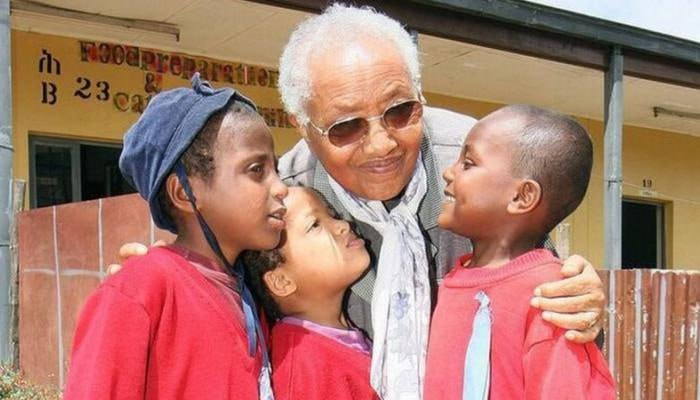
International Women’s Day is not merely a celebration of motherhood or sisterhood—it is a profound testament to human excellence, resilience, and the power to create change. Across centuries and continents, women have shattered every limitation imposed upon them, rising from the confines of domesticity to become leaders of nations, explorers of space, and architects of economies.
Once told that “their place was only in the home,” women today stand as presidents, astronauts, scientists, and visionaries reshaping the world. Their journey is one of triumph against impossible odds, and their stories illuminate the path for generations to come.
Oprah Winfrey: From Rural Poverty to Global Influence
In the rural Mississippi of the 1950s, a girl named Oprah was born into poverty and endured unspeakable abuse. The statistics said she would become another casualty of circumstance. Instead, Oprah Winfrey transformed her fractures into a bridge to success.
Without changing who she was—without denying her Blackness or her womanhood—she wielded her identity as her greatest weapon. She built a media empire that would make her one of the most influential figures on the planet. Her journey from a victim of horrific violence to a billionaire philanthropist and cultural icon stands as one of history’s most powerful testaments to resilience.
Oprah did not succeed despite her identity; she succeeded because she embraced it fully, proving that the very things society uses to marginalize women can become the foundation of unstoppable power.
Ethiopia’s Heroines: Legacy of Leadership and Courage
Turning to our own history, Ethiopia has produced women whose strength, intelligence, and vision shaped the nation’s destiny.
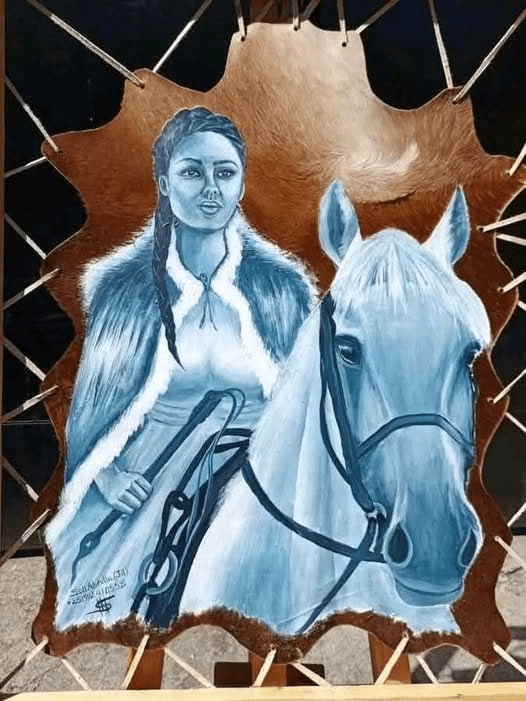
Empress Taytu Bitul: Diplomat and Strategist
Empress Taytu Bitul was not merely the wife of Emperor Menelik II—she was a leader in her own right, a brilliant diplomat, and a military strategist whose contributions to Ethiopia’s survival cannot be overstated.
At the Battle of Adwa in 1896, where Ethiopian forces defeated Italian colonialism, Taytu’s role was decisive. She commanded her own cavalry unit, fought alongside her husband, and outmaneuvered European diplomats at the negotiating table. When Italian representatives attempted to trick Menelik into signing away Ethiopian sovereignty through linguistic manipulation, it was Taytu who saw through the deception and exposed it.
Her political acumen, her courage on the battlefield, and her unwavering commitment to Ethiopian independence make her one of the most remarkable women in African history. She proved that women’s intelligence and strategic thinking are essential to national survival.
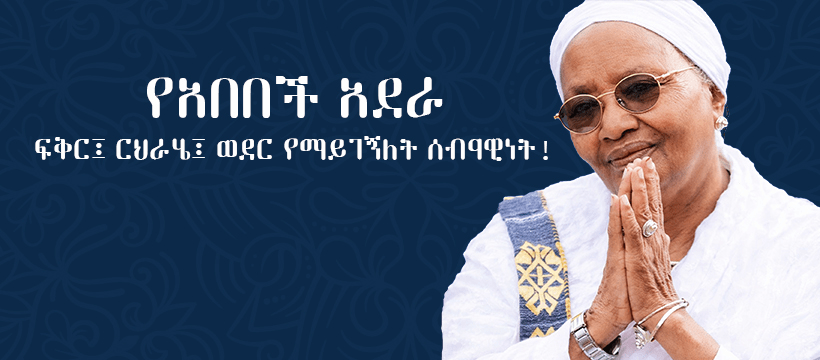
Emahoy Abebech Gobena: Africa’s Mother Teresa
Known as “Africa’s Mother Teresa,” Emahoy Abebech Gobena dedicated her entire life to humanitarian service. Born in 1935, she founded the Abebech Gobena Children’s Care and Development Organization, which has provided shelter, education, and hope to thousands of orphaned children.
Her life was a living sermon on compassion. She did not seek fame or fortune—she sought only to serve. In a world that often measures success by accumulation, Emahoy Abebech measured hers by the lives she touched, the children she saved, and the love she gave freely.
Her legacy reminds us that women’s power is not only expressed in boardrooms or parliaments but in the quiet, relentless work of caring for the most vulnerable. She transformed grief into grace and turned her life into a gift for generations.
Keketch Worede Woldetensae: A 19th Century Revolutionary
In the mid-19th century, long before women’s rights were a global conversation, a woman named Keketch Worede Woldetensae rose to challenge the injustices of her time.
Keketch fought for women’s access to justice and equality in an era when such concepts were barely whispered. She was a revolutionary who refused to accept that women should be silent, that their grievances should be ignored, that their voices should be suppressed.
Her struggle in the 1800s laid groundwork that would take generations to build upon. She may not appear in many history books, but her spirit lives in every woman today who demands to be heard, who insists on justice, who refuses to accept “because you are a woman” as a reason for limitation.
From Earth to the Cosmos
The journey of women from the confines of domestic spaces to the vast expanse of space itself represents the arc of progress. Today, women are astronauts who have walked in space, scientists who have unlocked the mysteries of the universe, and engineers who design the technologies that will take humanity to Mars.
This trajectory—from being told “your place is in the home” to claiming a place among the stars—captures the essence of women’s struggle and triumph. It is not merely about individual achievement but about the collective assertion that women’s minds, ambitions, and contributions belong everywhere that humanity reaches.
The Unfinished Journey
For all the progress celebrated on International Women’s Day, the journey is far from complete. Around the world, women still face violence, discrimination, and barriers to participation. In conflict zones like Oromia and across Ethiopia’s regions, women bear the heaviest burdens of war while receiving the least recognition for their resilience.
The women of Oromia, in particular, continue to fight on multiple fronts: against the violence of armed conflict, against cultural barriers that limit their participation, against a world that often overlooks their sacrifices. From the Siinqee tradition of mutual protection to the Qarree movement of young activists, Oromo women demonstrate daily that resilience is not passive endurance but active resistance.
A Call to Remember and Act
As International Women’s Day 2026 is observed around the world, we are called to do more than celebrate—we are called to remember and to act.
Remember the women who came before: Empress Taytu, who fought at Adwa; Emahoy Abebech, who gave her life to orphans; Keketch, who demanded justice in the 1800s; Oprah, who turned trauma into triumph; and the millions of unnamed women whose quiet courage built the foundation for every achievement.
And act: to ensure that the women of today—in Oromia, in Ethiopia, across Africa and the world—receive the recognition, support, and opportunities they deserve. For when women rise, humanity rises. When women lead, nations prosper. When women are free, the world is transformed.
On this International Women’s Day, we honor the resilience, excellence, and transformative power of women everywhere—from the battlefields of Adwa to the cosmos beyond, from the villages of Oromia to the boardrooms of global corporations. Their journey is our journey. Their triumph is our hope.
Special Report: ABO Women’s and Children’s Affairs Wing (DDD) Celebrates International Women’s Day in Gullallee
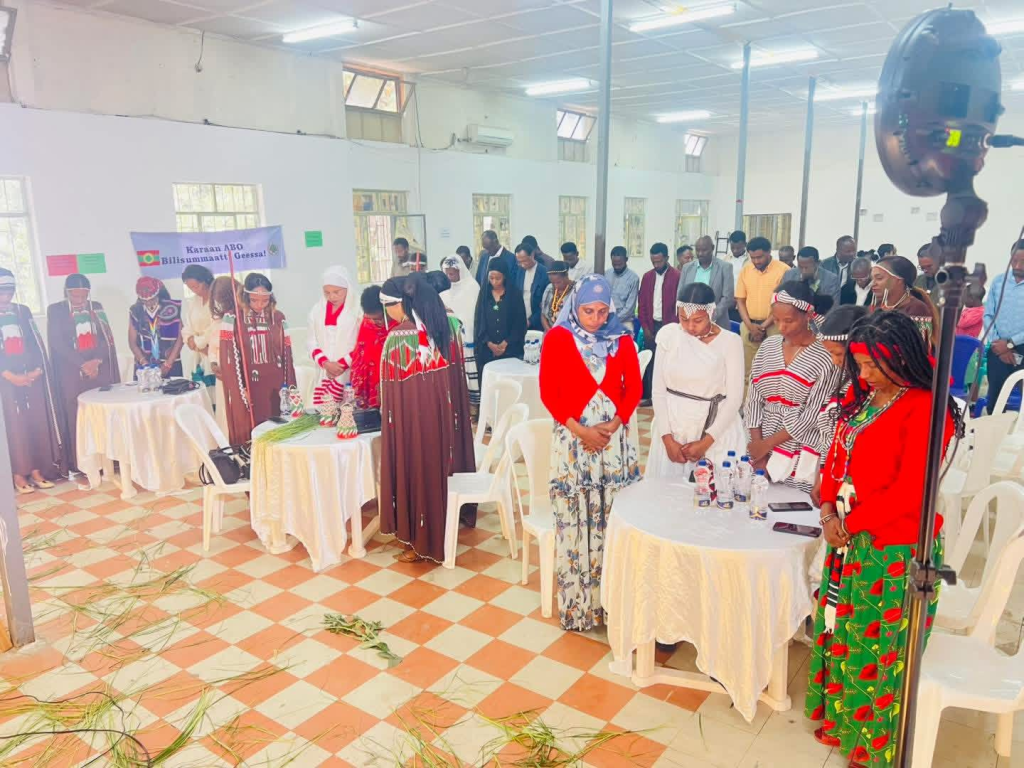
Under the powerful theme “Women’s Participation in Politics is Fundamental to Peace, Justice, Unity, and Nation-Building,” the Women’s Wing honors the indispensable role of women in the Oromo struggle.
GULLALLEE, March 7, 2026 — The Women’s and Children’s Affairs Wing (DDD) of the Oromo Liberation Front (ABO) celebrated International Women’s Day today at the ABO Main Office in Gullallee, gathering under a theme that left no doubt about the centrality of women to the liberation movement.
The event, held on March 7—one day ahead of the global observance—carried the resonant theme: “Women’s Participation in Politics is Fundamental to Peace, Justice, Unity, and Nation-Building.”
A Celebration of Recognition
The gathering in Gullallee brought together women fighters, community members, and leaders to honor not only International Women’s Day but specifically to recognize the contributions of Oromo women to the ongoing struggle for liberation.
The Women’s Wing organized the celebration with deliberate timing—ensuring that the message of women’s indispensable role would echo through the community before the world turned its attention to International Women’s Day on March 8.
The Theme: Participation as Foundation
The chosen theme reflects a profound understanding within the ABO: women are not merely participants in the struggle—they are its foundation. Without their full political participation, peace cannot be lasting, justice cannot be complete, unity cannot be achieved, and the nation cannot be properly built.
This recognition moves beyond rhetoric. It acknowledges that the liberation of Oromia cannot be separated from the liberation of Oromo women, and that any future Oromo state must be built with women’s full and equal participation from the ground up.
Women at the Heart of the Struggle
The celebration in Gullallee comes at a moment when the role of women in the Oromo liberation movement is receiving increasing attention. From the ancient Siinqee institution—a traditional women’s system of mutual protection and conflict resolution—to the Qarree movement of young women activists today, Oromo women have always been at the forefront of resistance.
Yet their contributions have too often been overlooked in historical accounts. Events like this International Women’s Day celebration serve as corrective acts—public acknowledgments that the struggle could not continue without the women who fight, organize, endure, and sacrifice alongside their male counterparts.
A Message to the World
By celebrating International Women’s Day with this particular theme, the Women’s and Children’s Affairs Wing sends a clear message to the international community: any engagement with the Oromo question must take seriously the role and rights of Oromo women. Peace processes that exclude women will fail. Political settlements that ignore gender equality are illegitimate. Nation-building that sidelines half the population builds on sand.
Looking Forward
As the world marks International Women’s Day on March 8, the women of the ABO and the broader Oromo community stand as living proof that the struggle for national liberation and the struggle for women’s liberation are one and the same. Their participation in politics is not a concession to be granted—it is a right to be recognized and a necessity to be embraced.
The celebration in Gullallee on March 7, 2026, will be remembered as a moment when the ABO affirmed, clearly and publicly, that the future Oromia they are fighting to build will be one where women’s voices are heard, their contributions honored, and their leadership embraced.
The Women’s and Children’s Affairs Wing (DDD) of the ABO extends warm International Women’s Day greetings to all Oromo women and to women around the world fighting for justice, equality, and liberation.

Honoring Oromo Women: A Celebration of Strength and Sacrifice
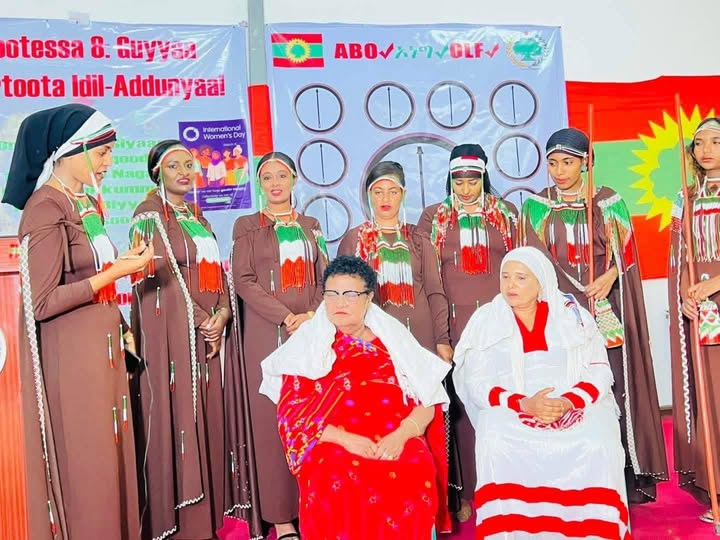
In a ceremony marked by deep respect and gratitude, the Women’s and Children’s Affairs Wing of the Oromo Liberation Army (ABB) in Gullallee honored two remarkable women for their enduring contributions to the Oromo struggle.
GULLALLEE, OROMIA — As the world celebrated International Women’s Day, the Women’s and Children’s Affairs Wing of ABO in Gullallee turned the occasion into a powerful moment of recognition for two women whose artistic and personal sacrifices have left an indelible mark on the Oromo liberation movement.
In a formal ceremony, the Women’s Wing presented a ceremonial shawl (Gaabii) to Artist Ilfineesh Qannoo and Aadde Olaantuu Gammachuu, wife of the late artist Zarihuun Wadaajoo. The gesture was more than symbolic—it was a public acknowledgment of women whose contributions to the struggle have often been carried out away from the spotlight, yet whose impact resonates through generations.
Ilfineesh Qannoo: The Mother of Love and Resistance
Artist Ilfineesh Qannoo, widely known as “Haadha Jaalalaa” (Mother of Love), represents a unique convergence of art and activism in the Oromo experience . Her life and voice have become intertwined with the identity and aspirations of her people, making her far more than an entertainer—she is a symbol of resilience, a living archive of Oromo cultural expression, and a quiet warrior whose medium has always been melody and meaning.
Throughout her decades-long career, Ilfineesh’s songs have carried the deep cultural motifs and subtle yearnings of the Oromo people, serving as a soundtrack to both everyday life and collective struggle . She did not simply perform; she gave voice to history, to joys, to sorrows, and to an enduring hope that has never dimmed despite the challenges faced by her people.
In the words of those who have documented her legacy, Ilfineesh became a “mallattoo cichoominaati”—a symbol of identity and steadfastness . Her music has been a vessel carrying the language, the pain, and the beauty of her community, affirming its existence and its right to be heard. The title “Haadha Jaalalaa” speaks to the nurturing quality of her presence, both personal and public. For her biological family, she has been the center of love and care. For her wider community, she has offered a maternal embrace through her art, providing comfort, strength, and a profound sense of belonging.
One tribute to Ilfineesh captured her essence powerfully: “Her life is a triptych of resistance—the body as battleground and banner, the art as weapon and compass, the bridge between fronts” . She has stood with the Oromo Liberation Army in spirit and solidarity, strengthening their resolve, while also being the soulful voice reaching diaspora halls, university students, and international audiences. She has connected the armed vanguard to the cultural heartland, proving that the struggle is fought with both conviction and culture, in both the forest and the concert hall.
Aadde Olaantuu Gammachuu: Strength Through Sacrifice
The ceremony also honored Aadde Olaantuu Gammachuu, widow of the esteemed artist Zarihuun Wadaajoo. Her recognition speaks to a different but equally vital dimension of the struggle: the quiet, often invisible sacrifice of women who support, sustain, and survive alongside those who take up the public mantle of resistance.
As the wife of Zarihuun Wadaajoo—an artist whose own contributions to Oromo culture and consciousness remain cherished—Aadde Olaantuu has carried the weight of personal loss while continuing to embody the resilience that defines Oromo womanhood. Her presence at the ceremony, honored alongside Ilfineesh Qannoo, served as a reminder that the struggle is not fought by individuals alone, but by families, by partners, by those who endure separation, worry, and grief while their loved ones answer the call of their people.
The Women’s Wing’s decision to honor both women together reflects a profound understanding: the artist who gives voice and the woman who gives strength through her quiet endurance are two sides of the same coin. Both are essential. Both deserve recognition.
The Significance of the Gaabii
The presentation of the Gaabii—a traditional ceremonial shawl—carries deep cultural meaning. In Oromo tradition, draping a respected figure with a shawl is an act of profound honor, a public acknowledgment of dignity, worth, and gratitude. It says: “We see you. We value you. We thank you.”
For the Women’s and Children’s Affairs Wing of ABO in Gullallee to bestow this honor on International Women’s Day amplifies its significance. It declares that the struggle for Oromo liberation cannot be separated from the struggle for women’s recognition, and that the women who have carried the movement—as artists, as mothers, as widows, as quiet pillars of strength—must be honored not in abstract but in tangible, public ways.
Women in the Oromo Struggle
The ceremony in Gullallee reflects a broader recognition of women’s indispensable role in the Oromo liberation movement. From the ancient Siinqee institution—a traditional women’s system of mutual protection and conflict resolution—to the Qarree movement of young women activists today, Oromo women have always been at the forefront of resistance .
Yet their contributions have too often been overlooked, their sacrifices minimized, their names omitted from the roll of honor. Events like this International Women’s Day ceremony serve as corrective acts—small but significant gestures toward setting the historical record straight.
A Call for Continued Recognition
As the Gaabii was draped around Ilfineesh Qannoo and Aadde Olaantuu Gammachuu, the message was clear: this honor is not merely for them, but for all the women whose names may never be recorded but without whom the struggle could not continue.
The Women’s and Children’s Affairs Wing of ABO in Gullallee has set an example that deserves emulation across Oromia and the diaspora. By taking the time to identify, honor, and thank the women who have given so much, they remind us all that gratitude is not merely a feeling but an action—and that honoring those who came before is essential work for those who carry the struggle forward.
Ilfineesh Qannoo and Aadde Olaantuu Gammachuu join a growing list of Oromo women being formally recognized for their contributions to the liberation movement. May their examples inspire gratitude and recognition for women everywhere who give, sacrifice, and endure for the sake of their people.




 Advocacy for Oromia