By Daandii Ragabaa Author’s Note on Attribution: The following feature story is based on a reflection written by Giiftii Waaqoo. Daandii Ragabaa has engaged with that reflection as a commentator, and the present feature draws substantially from the themes, observations, and framing originally articulated by Giiftii Waaqoo. This story is offered as a synthesis and […]
“Yeroo namoota si humneessan, jajjabeessanii fi deeggaraniin marfamtu, akka milkooftu shakkiin hin jiru.”
“When you are surrounded by people who empower you, encourage you, and support you, there is no doubt that you will succeed.”
—
By Dhabessa Wakjira*
The Circle of Success: Why No One Rises Alone
There is a quiet truth that survivors know, that athletes whisper before championships, that artists carry into their studios, and that revolutionaries feel in the dark hours before dawn: success is never a solitary act.
The Oromo people, with their deep wisdom of community, have long understood this. Their proverb rings like a bell across generations: “Yeroo namoota si humneessan, jajjabeessanii fi deeggaraniin marfamtu, akka milkooftu shakkiin hin jiru.”
When you are surrounded by people who empower you, encourage you, and support you, your success is not a matter of hope. It is a matter of certainty.
This feature story explores the anatomy of that circle—what it means to be empowered, what it looks like to be encouraged, and why support is not a luxury but a necessity for any human being daring to achieve something meaningful.
The Three Pillars of the Circle
The proverb names three distinct gifts that others bestow upon us. They are not the same. And each is indispensable.
Humneessan: Those Who Empower You
To empower is not merely to praise. It is to provide the tools, the resources, the access, and the authority that a person needs to act. Empowerment says, “I believe in you—and here is what you need to prove me right.”
Think of the mother who sells her last chicken to buy a notebook for her daughter. Think of the teacher who stays after school to explain a difficult lesson for the third time. Think of the community that pools its meager savings to send one promising student to university. These are acts of empowerment. They are not abstract. They are hands reaching down to lift another up.
Jajjabeessan: Those Who Encourage You
Encouragement is the oxygen of the human spirit. It costs nothing materially, yet it is often the rarest gift of all. The encourager says, “You are not alone. You are not wrong to try. You are not foolish to dream.”
In the long journey of any struggle—whether against political oppression, personal trauma, or professional failure—there are moments when the only thing keeping a person moving forward is a voice saying, “You can do this. I have seen you do hard things before. You will see the other side.”
The Oromo struggle, like all liberation movements, has been sustained not only by weapons and strategies but by songs, by poems, by whispered words of encouragement passed from cell to cell, from village to village, from mother to child.
Deeggaraniin: Those Who Support You
Support is the scaffolding. It is not flashy. It does not seek recognition. But without it, the entire structure collapses. Supporters show up. They cook meals when you are too exhausted to cook. They watch your children when you must attend a meeting. They contribute money when your resources run dry. They defend your name when you are not in the room to defend yourself.
Support is the quiet architecture of every successful life. And it is almost always invisible to the outside world.
The Myth of the Self-Made Person
Western culture, in particular, has elevated the myth of the “self-made” individual—the lone genius, the solitary warrior, the entrepreneur who pulled himself up by his own bootstraps. It is a seductive story. It is also a lie.
No one is self-made. Every successful person stands on a foundation laid by others. Every champion was once a beginner who was coached. Every leader was once a follower who was mentored. Every revolutionary was once a child who was fed, protected, and taught to dream.
The Oromo proverb cuts through this myth with the precision of a blade. It does not say “if you are strong, you will succeed.” It does not say “if you work hard enough, you will succeed.” It says: when you are *surrounded*—by empowerers, encouragers, and supporters—success is inevitable.
The focus is not on the individual. The focus is on the circle.
What Happens in the Absence of the Circle
To understand the power of the circle, one must also understand the devastation of its absence.
What happens to a child who is never empowered? They grow into an adult who does not believe they have the right to act, to speak, to claim space.
What happens to a person who is never encouraged? They become paralyzed by self-doubt, convinced that their efforts are worthless, that their dreams are ridiculous, that failure is the only possible outcome.
What happens to a community that receives no support? It fragments. It turns inward. It cannibalizes its own hope.
The absence of the circle is not merely disappointment. It is a form of slow death. It is the death of potential, the death of possibility, the death of the future.
This is why oppression is so effective. Oppressive systems do not merely take away resources. They isolate. They silence. They ensure that the empowered, the encouraged, and the supportive are removed from your side. They leave you alone—because a person alone is a person easily defeated.
The Circle in the Oromo Struggle
The history of the Oromo people is a history of circles. Under successive regimes that sought to divide, conquer, and erase, the Oromo have survived precisely because they have refused to let each other stand alone.
Think of the Gadaa system—an indigenous democracy built not on individual ambition but on collective responsibility. The Gadaa circle rotates power, shares knowledge, and ensures that no leader governs without the counsel of elders, the wisdom of the Qaalluu, and the consent of the assembly.
Think of the Siinqee institution—women gathering under the sacred staff to demand justice, to halt conflicts, to protect the vulnerable. That is a circle of empowerment, encouragement, and support.
Think of the afooshaa (burial societies) and buusaa gonofaa (savings rotations)—grassroots institutions where ordinary people pool their meager resources to ensure that no family faces death or poverty alone.
These are not charities. These are circles of survival. And they have kept the Oromo people alive through conquest, through famine, through imprisonment, and through exile.
The Modern Circle: Rebuilding What Was Broken
In the contemporary world, the forces that break circles have only grown stronger. Urbanization scatters families. Economic pressure forces migration. Social media creates the illusion of connection while eroding the substance of community.
Many Oromo today find themselves far from the villages of their ancestors, far from the elders who carry the oral histories, far from the physical presence of those who speak their language and share their struggles. The circle has been stretched thin.
But the proverb does not despair. It insists on a truth that cannot be broken: when the circle is present, success is certain. The task, then, is to rebuild the circle. To find new forms of empowerment, new voices of encouragement, new structures of support.
This is happening. In diaspora communities across the globe, Oromos are gathering in living rooms, in community centres, in virtual meeting spaces. They are teaching their children the language that was once forbidden. They are creating media, art, and scholarship that centre Oromo experience. They are sending money home, advocating for justice abroad, and refusing to let distance destroy the bonds of mutual care.
What the Circle Asks of You
If the proverb describes the conditions for success, it also implies a responsibility. To be surrounded by empowering, encouraging, supportive people, you must also be willing to be that person for others.
You cannot demand a circle that you are unwilling to join.
The circle asks: Whom have you empowered today? To whom have you spoken words of encouragement? Whose burdens have you lightened through your quiet, unglamorous support?
Success is not a trophy you receive. It is a current that flows through a network of relationships. You are either part of that current—receiving and giving—or you are standing outside, wondering why the water never reaches you.
Stories from the Circle
Consider the young Oromo woman who wanted to become a doctor. Her family had no money. Her village had no clinic. But her mother empowered her by selling the family’s only cow. Her teacher encouraged her by staying late to tutor her in science. Her community supported her by raising funds for her university application. Today, she is a physician. She did not succeed alone. She succeeded because a circle held her.
Consider the political prisoner who spent seven years in a dark cell. He was tortured. He was isolated. But he later said that the reason he survived was the letters—smuggled, infrequent, but relentless—from his wife. She empowered him by reminding him of his worth. She encouraged him by describing the future they would build together. She supported him by keeping the children alive on the outside. His survival was not his alone. It was hers, too.
Consider the artist whose work was ridiculed by critics. She nearly gave up. But a friend—just one friend—said, “This is important. Do not stop.” That friend spent months helping her find galleries, connecting her with other artists, sitting with her through rejection after rejection. Today, that artist’s work hangs in museums. The friend’s name appears nowhere. But the friend was the circle.
The Certainty of Success
The proverb ends with a bold claim: *shakkiin hin jiru* — there is no doubt.
This is not the language of wishful thinking. It is the language of empirical observation. The proverb is not saying “if you have a circle, you might succeed.” It is saying “if you have a circle, you will succeed.”
Why such certainty? Because human beings are not islands. We are not designed to achieve alone. When the conditions of empowerment, encouragement, and support are present, failure becomes nearly impossible. Not because the path is easy—it never is—but because the circle absorbs the blows that would otherwise destroy the individual.
When you stumble, the circle catches you. When you despair, the circle lifts you. When you are attacked, the circle defends you. With such a structure around you, how could you not eventually reach your goal?
Conclusion: Building the Circle, Securing the Future
The Oromo people are engaged in a long struggle for recognition, justice, and self-determination. There will be setbacks. There will be betrayals. There will be moments when the darkness seems absolute.
But the proverb offers a strategy and a promise.
The strategy: surround yourself—and surround each other—with empowerment, encouragement, and support. Build the institutions that sustain the circle. Be the person who empowers, encourages, and supports, even when you are tired, even when you have received nothing in return.
The promise: when that circle is in place, success is not a question of *if*. It is only a question of *when*.
*Yeroo namoota si humneessan, jajjabeessanii fi deeggaraniin marfamtu, akka milkooftu shakkiin hin jiru.*
When you are surrounded by people who empower you, encourage you, and support you, there is no doubt that you will succeed.
Let the circle hold. And let the success come.
—
No one rises alone. But when we rise together, no power on earth can keep us down.
*Dhabessa Wakjira is a journalist, social worker, community worker, and interpreter who writes commentary, features, analysis, and reflections on issues that build and empower the Oromo people and their affairs. Dhabessa Wakjira can be reached at dabessa@socialworker.net
By Dhabessa Wakjira* (based on a reflection by Najat Sakaye Hamza)
“My life is about standing for my dreams even if it means standing alone sometimes.”
—
There is a photograph that Najat Sakaye Hamza keeps on her phone, not as a screensaver but as a secret talisman. In it, she is young—perhaps nineteen—sitting on a worn suitcase in a bus station somewhere between Oromia and the unknown. Her face is tired. Her eyes are not. She is leaving something behind, though she is not yet sure what she is walking toward.
Years later, she would find the words to describe that moment. “My life,” she would write, “is about standing for my dreams even if it means standing alone sometimes.”
Najat Sakaye Hamza is not a politician. She is not a general or a public intellectual in the traditional sense. She is, by her own definition, a woman who decided that the cost of kneeling was higher than the risk of standing. And in that decision, she has become something quietly revolutionary: an example.
This is her story—not of power, but of persistence. Not of armies, but of a single voice that refused to be absorbed into the noise.
—
The Education of a Dreamer
Born into an Oromo family that valued resilience over complaint, Najat learned early that dreams require rent. They do not live in the mind for free. They demand time, sacrifice, and the ability to endure the puzzled looks of those who cannot see what you see.
She was a curious child in a world that often punished curiosity in girls. She asked questions that made elders uncomfortable. She wanted to study when marriage was the expected path. She wanted to speak when silence was the safer option. And so, early on, she learned to stand alone.
“Representing who I am everywhere I am and in any situation,” she would later reflect, “is my quiet protest and my pride.”
That quiet protest took many forms. In classrooms where her language was dismissed, she learned two more. In workplaces where her identity was questioned, she performed her duties with an excellence that left no room for debate. In social settings where Oromo women were expected to be seen and not heard, she spoke—not loudly, but clearly.
The Loneliness of the Standing Woman
There were years when standing alone felt less like courage and more like punishment. Friends drifted away, unable to understand why she could not simply “fit in.” Relatives suggested she was too proud, too political, too difficult. There were nights, she has admitted privately, when she wondered if they were right.
But she kept standing. Not because it was easy, but because the alternative—sitting down, blending in, disappearing—was a kind of death she refused to accept.
She found sustenance in her faith. Alhamdullilah, she would whisper. Thank God for this moment, for this day. Gratitude became her anchor. Not gratitude for the struggle itself—that would be romantic nonsense—but gratitude for the fact that she was still upright, still breathing, still capable of taking the next step.
And then, the steps began to lead somewhere.
A Family That Stands Together
The photograph on her phone now is different. In the newer image, Najat is not alone. She is holding a baby—her daughter, Seran—and beside her stands her husband, Sabsib. There is a softness in this picture that the bus-station photo lacks. The tired eyes have been replaced by something warmer: not rest, but purpose.
“I get to share this moment with my baby, Seran, and my amazing husband Sabsib,” she wrote. The word amazing is not casual. It is the recognition that finding a partner who does not ask you to shrink is a miracle as profound as any in scripture.
Sabsib, by all accounts, is a man who never asked Najat to be smaller. He met her when she was already standing, and he chose to stand beside her rather than in front of her. Together, they have built a home where Seran is being raised to know that her mother’s quiet protests are not embarrassments but inheritances.
The Work Behind the Dream
Najat is careful to demystify her own journey. She has no patience for the myth of the self-made dreamer who simply wished upon a star.
“Dream realization belongs to those who work to achieve it,” she insists.
The work was unglamorous. Early mornings. Late nights. Jobs that had nothing to do with her passions but paid for the rent while she pursued her passions on the side. Rejection letters. Doors that closed. People who said “no” so many times that the word lost its sting.
But she kept working. And eventually, the work began to answer back.
She found platforms to speak about the Oromo experience, about the specific weight that Oromo women carry, about the need for community and also for the courage to stand outside the community when the community is wrong. She wrote. She organized. She showed up to meetings where she was the only Oromo face in the room—and spoke anyway.
Quiet Protest as a Way of Life
There is a phrase in the Oromo language: of-beekuu—to know oneself. Najat Sakaye Hamza has made of-beekuu her compass. To represent who she is, everywhere she is, regardless of the situation, requires a deep and unshakable self-knowledge. It requires knowing what you believe before the test arrives.
That is her quiet protest. Not shouting from a rooftop (though she has done that too, when necessary). But living, daily, as a visible, proud, unapologetic Oromo woman who happens to also be a mother, a wife, a professional, and a believer.
“Pride,” she says, “is not the opposite of humility. Pride is knowing that your existence has value, and refusing to act as if it doesn’t.”
The Moment She Is Living Now
On the day she shared her reflection, Najat was not marking a major public victory. There was no award ceremony, no signed legislation, no standing ovation. She was simply pausing—with her baby in her arms and her husband nearby—to say Alhamdullilah. Thank God for this moment. Thank God for this day.
It is a radical act, in a world that demands constant striving, to stop and give thanks. To acknowledge that the dream is not only in the future but also in the present—in the weight of a child, the steadiness of a partner, the simple fact of still being here, still standing.
The Legacy of the Standing Woman
Najat Sakaye Hamza is not famous. You will not find her name in the headlines of major newspapers, nor her face on the covers of magazines. She is, in the best sense, ordinary—an ordinary woman who decided that ordinary was not the same as invisible.
And that is precisely why her story matters. Because most of us will never be revolutionaries with monuments. Most of us will never speak before the United Nations. Most of us will struggle, in quiet and unglamorous ways, to hold onto our dreams in the face of pressure to let them go.
Najat’s life is a letter to those people. It says: Stand. Even if you stand alone. Even if no one applauds. Even if the only witness to your standing is God and the child sleeping in the next room.
And then, when the moment comes, stop standing long enough to say thank you.
Epilogue: The Unfinished Sentence
At the end of her reflection, Najat does not declare victory. She does not announce the completion of her dreams. She simply shares the moment—a moment that contains her daughter, her husband, her faith, and her own still-standing self.
The sentence is not finished, because her life is not finished. There will be more lonely days. More quiet protests. More mornings when the dream feels distant and the work feels endless.
But there will also be more Alhamdullilahs. More moments of sharing. More proof that standing for your dreams, even alone, eventually brings others to stand with you.
Najat Sakaye Hamza is still standing. Her daughter, Seran, is learning to stand. And somewhere, in a bus station or a boardroom or a quiet living room, someone who reads her words will decide to stand too.
That is not a small thing. That is everything.
—
Alhamdullilah for this moment. For this day. For the women who stand alone and discover they were never truly alone.
*Dhabessa Wakjira is a journalist, social worker, community worker, and interpreter who writes commentary, features, analysis, and reflections on issues that build and empower the Oromo people and their affairs. Dhabessa Wakjira can be reached at dabessa@socialworker.net
FINFINNEE– The Oromo Liberation Front has announced, with profound grief and a sense of irreplaceable loss, the passing of Jaal Waldee Hundee Hurrisoo (also known as Waldayuhaannis) – a founding pillar of the Oromo struggle, a prisoner of conscience, a teacher, a journalist, and a lifelong servant of his people. He was 82 years old.
The news, delivered on 16th Caamsaa, 2026 (May 16, 2026), has sent waves of sorrow across Oromia and the wider Oromo diaspora. For those who knew him – and for countless more who knew only his name and his sacrifice – the death of Jaal Waldee is not merely the loss of an elder. It is the falling of a great tree under whose shade generations of Oromo freedom fighters found rest and resolve.
From the Highlands of Arsii: A Humble Beginning
Jaal Waldee was born in 1944 (Ethiopian calendar 1937) in Ona Boqqojji, East Arsi, in the highlands of Oromiya. His father, Obbo Hundee Hurrisoo, and his mother, Aadde Ayeetuu Gammadaa, were simple farmers. Like any rural child of his time, young Waldee grew up herding cattle and working the land alongside his family. There was no prophecy of greatness, no early sign of the revolutionary he would become – only the quiet dignity of a people who knew their worth long before the world acknowledged it.
But even among those humble beginnings, something burned. A hunger not just for food, but for knowledge.
The Path of Education, The Call of Conscience
Jaal Waldee completed his primary education in Boqqojji and other local schools, then enrolled at the Teacher Training Institute (TTI) in Dabra Birihan, graduating in 1966. For five years, he served as a teacher in Bale Province – a region that would later become a crucible of the Oromo liberation struggle. He taught children to read and write, but the classroom could not contain him. The injustices he witnessed – land alienation, cultural suppression, the daily humiliations of the Oromo people – planted seeds that would soon sprout into activism.
In 1971, he entered Haile Selassie I University (now Finfinnee University). It was there that he found his political voice. Joining an underground student movement, he began organizing Oromo students, discussing not just grades but grievances, not just textbooks but tyranny. The university became his second battlefield – quieter than the forests, but no less dangerous.
The 1975 Campaign: Bullets and Bread
When the “Idigat Bahibrati” (Development through Cooperation) campaign was launched in 1975, Jaal Waldee volunteered to go to Wallo Province. The region was ravaged by famine, and the official response was a cruel mixture of neglect and propaganda. He did not go as a soldier. He went as a human being – distributing food, organizing relief, and bearing witness to the starvation that the state refused to see. He saw children die in his arms. He saw mothers sell their last possessions for a handful of grain. And he swore that such suffering would never be forgotten.
The Birth of the OLF: A Brotherhood of Struggle
Returning to university after the campaign, Jaal Waldee deepened his commitment to the Oromo cause. Alongside his comrade and closest friend, Magarsaa Bari, he became one of the founding members of the Oromo Liberation Front (OLF) – Adda Bilisummaa Oromoo. Together, they dreamed of an independent Oromia, a nation where Oromo children would never again be ashamed of their language, their name, or their land.
After graduation, Jaal Waldee worked as a journalist for the newspaper Bariisaa (The Dawn), eventually rising to the position of assistant editor. He understood that the pen could be as powerful as the gun. His articles gave voice to the voiceless, exposed abuses, and called Oromos to unity. But the Derg regime – the brutal military junta that had seized power – had no tolerance for Oromo journalism.
Twelve Years in Hell: The Prisoner of Conscience
In 1980 (Amajjii), Jaal Waldee was appointed to a position in the government as a continuing official. But two days later, without trial, without charge, without even the pretense of justice, he was arrested and thrown into prison.
For twelve years, he remained behind bars. Twelve years of torture. Twelve years of solitary confinement. Twelve years of watching comrades die from untreated wounds and deliberate neglect. The Derg’s interrogators wanted confessions, names, betrayals. They received only silence and the occasional smile from a man who had already decided that his body could be broken but his soul would not negotiate.
When he was finally released in May 1991 (Caamsaa), as the Derg collapsed, Jaal Waldee emerged a different man. The torture had left permanent physical damage. For the rest of his life, he would suffer from the consequences of those years – chronic pain, weakness, and the ghosts of a dozen deaths he had witnessed. But he never spoke of revenge. Only of justice.
A Brief Season in Parliament, A Lifetime of Service
After the fall of the Derg, the Transitional Government of Ethiopia was established. Jaal Waldee served as a member of parliament representing the OLF for one year. It was a frustrating time – he saw the compromises of power, the betrayals of principle, the slow strangulation of the very ideals for which he had been imprisoned. When the OLF withdrew from the transitional government, he withdrew with it.
But he never withdrew from his people. He traveled extensively through Bale and Arsi, educating communities about their rights, organizing political awareness, and reminding Oromos that liberation was not a gift to be received but a struggle to be waged. Later, he worked within the OLF’s external affairs department, helping to raise funds, build solidarity, and keep the flame alive during years of exile and repression.
The Juba Award: A People’s Gratitude
The Oromo community recognized his sacrifices. He was honored with the Juba Award, a tribute to those who have given everything to the Oromo struggle. For a man who had received nothing from the state but chains and suffering, this recognition from his own people meant more than any title.
He also left behind a written legacy – most notably a work titled “The Ten-Minute Mission,” along with many other unpublished manuscripts. He was a historian of his own times, determined that the truth of the Oromo struggle would survive even if its tellers did not.
The Final Goodbye
In recent months, Jaal Waldee’s health – already fragile from decades-old torture wounds – declined sharply. On the appointed day, 16th May 2026, he finally laid down the burden that he had carried since 1944. He left this world not as a defeated man, but as a soldier who had fought to his last breath and now, at 82, had earned his rest.
The OLF’s grief statement captures the sentiment of millions: “Addi Bilisummaa Oromoo du’aan addunyaa kanarraa godaanuu jaala keenya Jaal Waldee… dhagahutti gadda guddaa itti dhagahame ibsata.” (The Oromo Liberation Front expresses its profound sorrow upon hearing of the passing of our beloved Jaal Waldee…)
A Legacy That Will Not Fade
What do you say about a man who gave twelve years of his youth to a dungeon, who emerged with his principles intact, and who then spent the remaining decades of his life serving a people who could offer him nothing in return but love?
You say: Qabsaawaan ni kufa, qabsoon itti fufa. (A fighter may fall, but the struggle continues.)
Jaal Waldee is gone. His voice is silent. His hands, which once held chalk in a Bale classroom and a pen at Bariisaa and a smuggled manuscript in a prison cell, have finally stilled. But the Oromo nation he helped to awaken will not go back to sleep.
To his family, his friends, his comrade Magarsaa Bari (who now walks alone), and to the millions who never met him but knew that his survival was their survival – we offer the only comfort that truth allows: He lived for you. He suffered for you. And because of him, you stand taller than you would have.
Farewell, Jaal Waldee Hundee Hurrisoo. The dawn you wrote for has not yet fully broken. But your ink has made it certain.
Injifannoo ummata bal’aaf.
Victory to the broad masses.
— Adda Bilisummaa Oromoo, 16 May 2026
Rest in power, Jaal Waldee. The struggle continues.
“Jabduu-dhiibbaan keessaa fi alaa kamiyyuu gadhinqabne.”
— “She did not bow to any pressure, from inside or outside.”
—
WASHINGTON, D.C. – In the polished corridors of the U.S. State Department, she speaks with the measured precision of a public health expert. In the dusty highlands of rural Oromia, she kneels beside girls who have never seen a classroom, handing them pencils and hope. And in the pages of her own writing, she dissects the lonely space between two worlds—the Oromo homeland she loves and the American life she built.
Her name is Seenaa G-D Jimjimo. For those who know only her acronym—OLLAA, the Oromo Legacy Leadership & Advocacy Association—she is the Executive Director who has briefed the White House, lobbied the U.K. Parliament, and helped steer House Resolution 128 into law. For those who know her heart, she is something rarer: a leader who has never forgotten that the loudest pressure comes not from external enemies, but from the whispers inside one’s own community to be silent, to be small, to bow.
And she has never bowed.
—
The Roots of Resistance
Born and raised in Oromia, Seenaa G-D Jimjimo grew up watching the slow, systematic strangulation of her people. The Oromo—the largest nation in the country—had been subjected to land confiscation, linguistic suppression, and political marginalization for generations. But it was the violence against Oromo women that carved the deepest wound into her young consciousness.
She saw neighbors dragged from their homes by Ethiopian security forces. She heard stories of girls, barely teenagers, who were arrested, abused, and never seen again. And she made a quiet promise to herself: I will learn. I will speak. And I will never look away.
That promise carried her across an ocean.
In the United States, she pursued higher education with a ferocity that astonished her professors. She earned an undergraduate degree in political science—the tool for understanding power. Then graduate degrees in public health and public administration—the tools for healing and organizing. At the University of Illinois, her peers elected her Senator at Large for the Graduate Student Association and treasurer for the African Student Organization. She was awarded the Dr. Martin Luther King Jr. Scholarship and the Whitney M. Young Fellowship—honors that recognized not just her intellect, but her commitment to justice.
But she was not content to remain in classrooms. The lessons she learned, she brought back to her people.
Forging a Leadership Legacy
Today, as Executive Director of the Oromo Legacy Leadership & Advocacy Association (OLLAA), Seenaa G-D Jimjimo oversees a global apparatus of advocacy. The organization does not simply issue press releases; it builds coalitions. It does not merely condemn human rights abuses; it documents them, presents them to international bodies, and demands accountability.
Under her leadership, OLLAA has engaged directly with the White House, the U.S. State Department, and the United Kingdom’s All-Party Parliamentary Group on Africa. She has sat across tables from diplomats who once could not locate Oromia on a map—and left those tables with commitments to investigate atrocities, support democratic reforms, and amplify Oromo voices.
One of her most significant achievements came through House Resolution 128. Introduced in 2017 and passed in 2018, the resolution urged respect for human rights and encouraged democratic changes in Ethiopia. It was not a sweeping victory—no single piece of legislation could undo a century of oppression—but it was a crack in the wall. And Seenaa G-D Jimjimo was among the key figures who pried that crack open, lobbying members of Congress, mobilizing the diaspora, and refusing to let the issue die.
“People think advocacy is glamorous,” she once told a young organizer. “It is not. Advocacy is showing up to the same office forty-seven times until someone finally agrees to listen. Advocacy is being told ‘no’ so often that the word loses its meaning. And then showing up again.”
The Danboobiduu Foundation: Building What Advocacy Cannot
But Seenaa G-D Jimjimo knows that laws and resolutions are not enough. They do not put food on a child’s table. They do not keep a rural girl in school when her family needs her labor.
That understanding gave birth to the Danboobiduu Foundation in 2014. Named after a cherished Oromo concept of nurturing and empowerment, the foundation focuses on one deceptively simple goal: keeping girls in school.
In rural parts of Oromia, young girls are often pulled from classrooms to work—in the fields, in domestic labor, sometimes in conditions that amount to exploitation. Early marriage remains a threat. Poverty makes education seem like a luxury. Danboobiduu intervenes with scholarships, mentorship, and community engagement, convincing families that a girl with a diploma is worth more than a girl with a dowry.
The foundation does not make headlines. It does not appear in congressional testimony. But for the hundreds of girls who have stayed in school because of its work, it is the difference between a future and a sentence.
The Writer as Truth-Teller
Beyond the boardrooms and the village paths, Seenaa G-D Jimjimo is also a writer. Her work is not the polished propaganda of a movement; it is the raw, searching reflection of a woman trying to diagnose her people’s wounds without romanticizing them.
Her book, The In-Between, addresses the cultural and social fractures that her community faces—the clash between tradition and modernity, the silence around internal problems, the difficulty of building a future when the past is still on fire. She writes about the Oromo Gadaa system, the ancient democratic governance model that predates many Western constitutions, and asks how its principles might be revived for a new generation.
She also writes about the pressures from inside—the fear of criticizing one’s own community, the reluctance to hold fellow Oromos accountable, the temptation to present a flawless front to the world. “We must tell the truth about our struggles,” she has written, “including the ones we inflict on ourselves. Only then can we be truly free.”
The Unfinished Work
Today, Seenaa G-D Jimjimo continues to balance multiple roles: Executive Director, public health specialist, keynote speaker, mentor, and commentator on African intellectual traditions. She is as comfortable discussing epidemiological trends as she is debating Oromo nationalism. She moves between Finfinnee and Washington, between the Gadaa council and the House Foreign Affairs Committee, with a fluency that seems almost effortless—until one remembers the weight she carries.
That weight is the memory of every Oromo woman who was silenced. Every political prisoner who did not emerge from the dungeon. Every child who never learned to read because her school was burned and her language banned.
And yet, she does not bow. Not to the pressure of despair. Not to the cynicism that says change is impossible. Not to the internal critics who accuse her of being too radical or not radical enough. Not to the external forces—states, lobbies, powerful men—who would prefer that she simply disappear.
“I did not bow to any pressure, from inside or outside.” Those words, carved into the identity of Seenaa G-D Jimjimo, are not a boast. They are a discipline. A daily decision to stand, even when standing requires more than one person should have to give.
The Legacy She Is Building
She will tell you, if you ask, that she is not a hero. She is a daughter of Oromia who happened to learn English, earn degrees, and find herself in rooms where decisions are made. She will tell you that the real heroes are the girls in the Danboobiduu program who walk two hours to school each morning, the mothers who hide Oromo books under their beds, the prisoners who refuse to name their comrades under torture.
But those girls and mothers and prisoners would say something different. They would say: She gave us a voice when we had none. She took our whispers and shouted them into the halls of power. She did not bow, and because she did not bow, we can stand.
Seenaa G-D Jimjimo’s story is not finished. The Oromo struggle is not finished. But every morning, in an office in the United States or a village in Oromia, she wakes up and chooses to continue. The pressure will come again—from inside, from outside, from the thousand small deaths of hope deferred. And she will refuse, again, to bow.
That is not a story of suffering. That is a story of unbending grace.
And to the woman who taught them to stand—honor upon honor.
(Finfinne, May 14, 2026) — In a landmark moment for Ethiopia’s legal history, the very first Oromo language law dictionary—titled the Walabu Oromo Law Dictionary (Walaabuu Guuboo Jechoota Seeraa Afaan Oromoo)—was officially inaugurated today in a vibrant ceremony at Ras Mekonnen Hall, Addis Ababa University.
This monumental legal reference work, which opens an entirely new chapter in Ethiopian jurisprudence, is the result of a collaborative effort between the Federal Law and Justice Institute (FLJI), the Ethiopian Studies Institute at Addis Ababa University, and Justice for All – PFE Ethiopia (JFA-PFE).
A Ceremony of Significance
The inauguration ceremony was attended by high-ranking government officials, leaders of justice institutions, legal scholars, researchers, and distinguished invited guests. The atmosphere was one of collective pride and historical awareness—those present understood that they were witnessing not merely the launch of a book, but the solidification of a language’s place in the formal legal architecture of the nation.
The President of the Federal Supreme Court Speaks
Honorable Mr. Tewodros Mihret, President of the Federal Supreme Court, addressed the gathering with particular gravity. He emphasized the profound utility of the dictionary in resolving one of the persistent challenges within the justice system: inconsistency.
President Tewodros explained that until today, legal professionals had been translating legal terminology into Afaan Oromo according to their individual understandings and preferences. This ad hoc approach, he noted, had a negative impact on the quality of justice delivery. Different judges, prosecutors, and lawyers might interpret the same legal concept differently, leading to confusion, contradiction, and ultimately, a erosion of public trust in the fairness of the legal system.
The Walabu Oromo Law Dictionary, the President declared, will serve as an authoritative reference work that eliminates fragmented translations and divergent interpretations. By establishing a unified legal vocabulary, the dictionary will enable consistent justice services and strengthen the rule of law. It is, he said, a major achievement.
Ambassador Degife Bula: A Testament to Dedication
Following the President’s remarks, Ambassador Degife Bula, Director General of the Federal Law and Justice Institute, delivered a message that traced the dictionary’s journey from conception to completion.
Ambassador Degife emphasized that the dictionary will play an irreplaceable role in harmonizing the linguistic and conceptual differences that have long been observed within the legal and justice systems. He noted that the work is not only significant because it is the first of its kind in Oromo history. Its distinction is further elevated by the fact that it was prepared in collaboration with Addis Ababa University—Ethiopia’s most venerable institution of higher learning—and inaugurated within its very premises.
The Director General acknowledged that the project took considerable time. However, he stressed that its quality was assured by the dedication of Oromo legal scholars and professionals with exceptional linguistic expertise—individuals who committed themselves tirelessly to the task. He extended his profound gratitude to the media, religious institutions, and political organizations that played supportive roles in ensuring the work’s successful completion, whether directly or indirectly. Most of all, he thanked the scholars who labored day and night in their respective fields.
A Dictionary Rooted in Oromo Reality
A particularly noteworthy aspect of the Walabu Oromo Law Dictionary, as explained by Ambassador Degife, is its methodological grounding. The preparation process made significant efforts to harmonize the dialectal variations and terminological usage patterns from all regions of Oromia. Rather than privileging one dialect over others, the dictionary seeks to represent the richness of the Oromo language in its full diversity.
Furthermore, the dictionary’s foundation and explanatory framework are entirely in Afaan Oromo. This is not a translation of a foreign legal dictionary into Oromo; it is a legal dictionary born in Oromo, for Oromo, from Oromo conceptual frameworks. This approach, Ambassador Degife argued, greatly enhances understanding of legal terminology because users are not forced to think through a second language.
The Practical Impact on Justice
Given that Afaan Oromo is currently serving as the working language of education and administration across all three branches of government in the Oromia region, the Walabu Oromo Law Dictionary will provide an indispensable resource for the region’s judicial and justice institutions.
For the ordinary citizen—the farmer, the market woman, the teacher, the patient—access to justice has often been blocked by language barriers. Legal proceedings conducted in a language they do not fully understand leave them vulnerable, dependent on interpreters, and disconnected from the proceedings that determine their lives. With this dictionary, judges, lawyers, and legal aid providers can now communicate legal concepts to Afaan Oromo speakers with precision, consistency, and clarity.
The dictionary will also serve as a vital resource for legal professionals at the federal level who speak, write, and read Afaan Oromo. As Ethiopia continues to navigate the complexities of its federal system, the availability of authoritative legal references in multiple languages is not a luxury—it is a necessity for genuine equality before the law.
A Broader Meaning: Language as Justice
Beyond its immediate utility, the inauguration of the Walabu Oromo Law Dictionary carries a deeper symbolic weight. For centuries, Afaan Oromo was systematically excluded from formal legal, educational, and administrative domains. It was relegated to the private sphere—the home, the market, the oral tradition—while Amharic dominated the courts, the parliament, and the classroom.
The presence of a comprehensive law dictionary in Afaan Oromo, inaugurated at Addis Ababa University and supported by federal institutions, signals a shift. It is a tangible acknowledgment that justice cannot be truly blind if it is also monolingual. A citizen who cannot understand the language of their own trial is not receiving justice; they are receiving procedure.
This dictionary is a tool of decolonization. It is an act of epistemic justice. It says, in the most concrete terms possible: the Oromo language is not inferior. The Oromo language can carry the full weight of legal reasoning, of complex jurisprudence, of the rights and responsibilities of citizenship.
The Road Ahead
The launch of the Walabu Oromo Law Dictionary is not the end of the journey. It is a beginning. Legal terminology evolves as societies change, as new laws are written, and as new legal challenges emerge. The dictionary will require updates, expansions, and continuous refinement.
Moreover, the model established by this project—collaboration between federal institutions, universities, and civil society—can and should be replicated for other Ethiopian languages. A truly multilingual legal system, where every citizen can access the law in their mother tongue, remains an unfinished project. But the Walabu Oromo Law Dictionary has laid the first bricks.
Conclusion: A Day to Remember
May 14, 2026 (Ginbot 6, 2018 E.C.) will be remembered as the day when the Oromo language took another decisive step toward full institutional equality. It will be remembered as the day when legal professionals gained a tool that will enable them to serve their Oromo-speaking fellow citizens with greater precision, consistency, and dignity.
The scholars who labored day and night, the institutions that provided support, the leaders who championed the project—all of them have earned the gratitude of a people who have waited too long to see their language honored in the halls of justice.
The Walabu Oromo Law Dictionary is here. May it serve justice. May it serve truth. May it serve the Oromo people—and all Ethiopians—in the relentless pursuit of equality before the law.
“When a citizen understands the law in their own language, justice is no longer a distant promise. It becomes a daily reality.”
There is a proverb in many African cultures: “When a woman stumbles, the whole household trembles.” But the corollary is rarely spoken: when a woman rises, the entire nation ascends with her.
For generations, the story of nation building has been told as a masculine epic—a tale of warriors, kings, negotiators, and generals. Yet the quiet truth, known in every village and every home, is that nations are not built by speeches alone. They are built by hands that grind grain, by backs that bend over rivers, by voices that sing children into sleep and then rise at dawn to plant the seeds of tomorrow.
This feature story turns the lens on the women of Oromia and Ethiopia—not as victims, not as symbols, but as architects. It is a reflection on what it means to say dubartootaafi ijaarsa biyyaa: women and the construction of a country.
The Invisible Foundation
Walk into any rural household in Oromia before the sun has touched the horizon. Who is awake? The woman. She has already fetched water, kindled the fire, and begun preparing the marqaa that will fuel the day’s labor. By the time the first light breaks, she has completed a morning’s work that would exhaust a city dweller by noon.
This is not a scene from the past. This is the present. And it is the foundation upon which the national economy rests—unpaid, unacknowledged, and utterly indispensable.
Yet when we speak of “nation building,” we speak of parliaments, budgets, roads, and treaties. We speak of the visible architecture of power. The invisible architecture—the reproductive labor, the agricultural toil, the social cohesion woven through kinship networks—is left to women, and left out of the story.
Beyond the Domestic Sphere
To say “dubartootaafi ijaarsa biyyaa” is to make a claim that challenges this erasure. It is to insist that women are not merely beneficiaries of development or recipients of aid. They are active agents in the creation of the nation.
Consider the Gadaa system, the indigenous Oromo democracy. For centuries, it has been understood primarily as a male institution—five parties, eight years each, a cycle of power passed between generations of men. But what of the Siinqee? The institution of the Siinqee staff, carried by Oromo women, was not a decoration. It was a check on power. When a woman raised the Siinqee, disputes stopped. When women marched together, decisions were delayed until justice could be heard. The Siinqee was not outside the Gadaa; it was the conscience of the Gadaa.
This is the deeper meaning of women and nation building. It is not about “including women” in structures designed by men. It is about recognizing that women have always possessed their own structures, their own forms of authority, their own ways of holding the nation together when men—with their armies and their ambitions—pulled it apart.
The War Women Fight
In times of conflict, women are called the “first victims.” They bear the weight of displacement, of sexual violence, of watching their children starve. But they are also the first responders, the first rebuilders, the first to gather the scattered pieces of a shattered community.
The women of Oromia know this intimately. They have buried sons who fell in the struggle. They have visited husbands in prisons built by regimes that feared their names. They have fled across borders with infants on their backs and nothing else in their hands. And then, when the shooting stopped—or even before it stopped—they began to rebuild.
They formed iddir (burial associations) to ensure that the dead were honored. They formed iqqub (rotating savings groups) to send children back to school. They turned refugee camps into marketplaces, turning nothing into something, turning survival into life.
This is nation building. This is ijaarsa biyyaa.
The Politics of Presence
In recent years, the political landscape of Oromia and Ethiopia has shifted. Women have taken seats in parliament, ministries, and regional councils. The language of gender equality has entered the constitution, the party platforms, and the international donor reports.
These are victories. They are not empty.
But presence is not power. A woman sitting in a chair designed by a patriarchal system, following rules written by that same system, speaking a language that was never her mother tongue—this is not liberation. It is a foot in the door. And a foot in the door, while necessary, is not the same as building a new house.
The true work of dubartootaafi ijaarsa biyyaa lies deeper. It lies in asking: What would a nation look like if it were built not on competition but on care? Not on extraction but on cultivation? Not on the logic of the battlefield but on the logic of the kitchen—where resources are shared, where no one eats until everyone is served, where waste is a sin and generosity is survival?
These are not soft questions. They are revolutionary ones. And they are questions that women, who have been excluded from the official story of nation building, are uniquely positioned to ask.
The Double Burden
No honest reflection on women and nation building can ignore the double burden. Women are expected to build the nation while also building the home. They are told to lead, but only after they have cooked, cleaned, raised the children, and cared for the elderly. They are praised for their strength while being denied the rest that strength requires.
This is not sustainable. A nation that demands everything from its women while giving them nothing—no shared domestic labor, no affordable childcare, no protection from violence, no recognition for unpaid work—is a nation that is eating its own seed corn.
Ijaarsa biyyaa requires the bricks of justice. And justice begins at home.
The Young Girl and the Future
Imagine a girl born today in a rural village of Oromia. If she is lucky, she will go to school. If she is very lucky, she will finish. If she is extraordinarily lucky, she will find work, marry by choice, and live without fear of violence.
But luck is not a policy. And nation building is not a lottery.
The question before the Oromo people—before all Ethiopians—is whether they will continue to build their nation on the backs of women, or whether they will finally build with them, for them, through them.
The girl in that village has her hand on the future. She does not yet know the word “feminism.” She may never read a book about “gender and development.” But she knows what her mother knows: that the country will be what women make it. Because women have always made it. They have just never been given the credit.
Conclusion: The Unfinished House
Dubartootaafi ijaarsa biyyaa is not a slogan. It is a description of reality. Women have been building this nation since the first seed was planted, since the first child was named, since the first council gathered under the sycamore tree.
The house is not yet finished. The roof leaks. The walls have cracks. Some rooms are still locked to those who built them.
But the builders are still here. They are waking before dawn. They are fetching water. They are raising the Siinqee. They are sitting in parliament and sleeping in refugee camps. They are doing two jobs, three jobs, the work of generations compressed into a single day.
The question is not whether women can build a nation. They already have.
The question is whether the nation will finally acknowledge their hands—and let them help design the blueprints.
When a woman rises, the entire nation ascends with her. Let her rise. Let the nation rise.
*Note on Attribution: The feature story is based on the author,Lediya K Jarso, the book reflection. Dhabessa Wakjira engaged with that reflection as a commentator, and the present reflection draws substantially from the ideas, themes, and framing originally articulated by the author. This feature story is offered as a synthesis and expansion of that shared conversation, with full acknowledgment of the original source.
“Akkuma mootummaa Hayilasillaasee, Dargiifi Wayyaanee lolaa turetti lolla taanaan gaarii hinta’u.” Like the governments of Haile Selassie, the Derg, and the Woyane that were fought, it is not good for this one to become a battlefield.
These words belong to Obbo Leencoo Lataa. They were spoken not in the heat of revolution, nor in the shadows of exile, but at a book launch in Finfinnee—a ceremony celebrating the publication of his own memoir, “Leencoo Lataa: Jireenya Qabsoo” (Leencoo Lataa: A Life of Struggle). The book, written by Zufaan Urgaati and published in both Afaan Oromo and Amharic, was unveiled on a recent Saturday to an audience of federal and regional officials, members of parliament, scholars, ambassadors, artists, political leaders, Gadaa elders, Siinqee mothers, family members, and ordinary citizens.
It was a gathering of memory. And at its center sat a man who has spent more than fifty years in the trenches of the Oromo liberation struggle.
A Life Forged in Struggle
Obbo Leencoo Lataa is not a newcomer to the stage of Oromo politics. He is a well-known figure, a seasoned political intellectual, a man who has dedicated more than half a century to the cause of Oromia and the Oromo people. He was among the founders of the ABO (Afran Qallo Oromo) and one of the original architects of Gaazexaa Bariisaa—a publication that has served as a voice for the Oromo struggle across decades.
His memoir, spanning three volumes, eleven chapters, and 447 pages, is priced at 1,200 Ethiopian Birr. It is not a light read in any sense—neither in weight nor in content. It is the record of a life lived on the edge, a chronicle of sacrifice, imprisonment, exile, and unyielding commitment to a people who have known generations of subjugation.
The Family That Struggle Built
The book launch was not merely a political event. It was also a family reunion—of a family shaped in profound ways by the struggle.
Obbo Leencoo is married to Professor Kuwee (Maartaa) Kumsaa, herself a scholar and activist of considerable stature. Together, they have three children: two daughters, Huriyaa and Goolii, and one son, Roobaa. Their family story is not one of quiet domesticity. It is a story of separation, of longing, of children growing up without fully knowing their father, of a mother who endured her own imprisonment while her husband was in the forests.
Huriyaa Leencoo, the eldest daughter, spoke at the event. Her testimony cut through the political rhetoric and landed like a stone dropped into still water:
“In my childhood, I do not remember my father very much. But I remember the suffering my mother went through. My mother and father were married for only three years, and in that time they had three children.
My father—the husband, the lover of struggle, the father of her children—left home without proper farewell and went into the battlefield. When he left, my mother was heartbroken. I remember her lying on the sofa, tears flowing, repeating, ‘Beenu ka’ii, beenu ka’ii, allaattii koo joobiraa beenu sifaanan bu’aa’ — ‘Let’s go, get up, let’s go, my bird, my joobira, let’s go down from here.’
At that age, I did not understand why she was crying. I tried to ask her, but I was afraid.
Before my father left for the battlefield, he used to play with us as a father plays with his children. We experienced his love. Then he left. After he was gone, my brother and I would constantly trouble our mother, asking, ‘Where is our father?’
Finally, our mother printed a poster of his photograph and hung it on the wall. She told us, ‘From today onward, do not ask me about your father! This is your father!’ But whenever we had the chance, we still wanted to talk about him.
After our mother was imprisoned, we hardly spoke of him at all. When she was released and we fled the country, crossing into Kenya, we finally heard his voice on the phone. He was at a conference in London. I listened as he spoke. The voice on the other end said, ‘Who is this?’ I said, ‘A wild animal told me to call.’ I felt in my heart that it was my father’s voice. I handed the phone to my mother. It was him.
For three months after that, we talked about him constantly at home. Then, just days before we left for Canada, he came and saw us.
We knew our father as Yohaannis Lataa. We had to learn to call him Leencoo Lataa. That name—Leencoo—appeared in my mind as someone very tall, very great. When he stepped out of the car to speak to us, the first thing that came out of my mouth was, ‘Why are you so short?’
The audience laughed. But the laughter carried tears. This is what struggle does to families. It steals the ordinary moments—the graduations, the birthdays, the simple act of a father coming home for dinner. And it replaces them with phone calls from London, with posters on walls, with children who must learn their father’s revolutionary name as if meeting a stranger.
Roobaa Leencoo, the son, added his own testimony:
“I did not know my father in my early childhood. Our family came together in Canada. Because we had not grown up together, my father once gathered the family and said, ‘Let’s start as friends, beginning with me.’ Slowly, patiently, we built our relationship. He became a good father to us. He is a man of great patience and strong determination.”
And Goolii Leencoo, the youngest daughter, reflected on the uniqueness of their family:
“My family is different from others—I have known this my entire life. When we were children, our parents were not with us. Our father was in the forest. Our mother was in prison.
The three of us grew up among relatives. Only after we had grown and gained some independence did I understand why we were separated from our mother and father. Our mother would tell us, ‘I was not imprisoned because I hated anyone or killed anyone. I was imprisoned because of Oromummaa.’
After we came to know our father, he would tell us why he fought. We came together as a family after we had already grown. But the love between us, the way we came to know each other, the patience, the mutual respect, the way we corrected and advised one another—for me, that is what makes us unique.”
The Scholar’s Reflection: Professor Kuwee Kumsaa
Professor Kuwee Kumsaa, wife of Leencoo and a distinguished intellectual in her own right, addressed the gathering with characteristic gravity:
“I want to speak briefly about the history of Obbo Leencoo’s struggle. When we entered the struggle in the early years, we knew that the struggle would take a long time—that it would span generations. The oppression and enslavement of our people was not a matter of one hundred or two hundred years. It was the work of many generations.
When we entered that struggle, we did not think we would live to see this moment.
Leencoo committed himself to the fight for justice. He met me as a fighter and an activist. A true fighter lives for the truth of his cause and does not harm his own people. A true fighter puts himself aside in order to pass the cause on to his nation. Leencoo’s purpose in entering the struggle was not for himself—it was to pass something on to his people. His purpose was made visible through his actions and his work. The spirit within us that seeks freedom, justice, and equality—that spirit is what endures.”
The Warning from a Veteran
Then Obbo Leencoo himself spoke. His words were not triumphant. They were measured, reflective, and laced with warning.
“The gratitude truly belongs to those who were sacrificed on this struggle. For those of us still living, any recognition we receive is enough. In my life, there are certainly those I have angered. Much criticism has come my way.
When we entered Finfinnee during the transition period, the Oromo language had reached the point of near disappearance. And the disappearance of the language, I say, means the disappearance of the nation itself.
Today, however, the Oromo is insulted as ‘Baala Gizee’—a leaf of the season. That kind of insult is good. Previously, we were not even able to be insulted like that. The struggle has a record of where it started and what it has accomplished. There is still work remaining.
If we only analyze what is missing and do not move forward, that is not good.
Like the governments of Haile Selassie, the Derg, and the Woyane that were fought, it is not good for this one to become a battlefield. We must adapt our strategy to the times. We must ask ourselves: What has been accomplished by the struggle we have waged? What is missing? We must complete what is lacking—not start again from zero.”
The Heart of the Warning
This is the core of Leencoo’s message—and the core of Natsaannat Taadsasaa’s reporting, as reflected upon by Daandii Ragabaa.
The Oromo struggle has known three regimes: the Imperial monarchy of Haile Selassie, the Marxist Derg, and the Woyane (TPLF) regime. Each was met with resistance. Each was fought. And each, eventually, fell or transformed.
Now, a new political order exists. Leencoo’s warning is clear: it is not good for this new order to become yet another battlefield. The Oromo people have spilled enough blood. They have filled enough prisons. They have raised enough children on posters and phone calls.
But this is not a call for surrender. It is a call for strategic evolution. Adaptation, not abandonment. Completion, not restarting from zero. The struggle has a record. It has accomplishments. It has sacrifices that cannot be forgotten. But it also has gaps—and those gaps must be filled.
The Unfinished Work
Huriyaa asked her father, through her testimony, why he was so short when she had imagined him so tall. It is a metaphor for the gap between the legend and the man, between the hero of the struggle and the father who missed his children’s childhoods.
But perhaps there is another meaning. Perhaps the struggle itself has been imagined as something larger, taller, more imposing than it has turned out to be. Not because it has failed—but because the mountain is still being climbed. The summit is not yet visible. And the climbers are tired.
Leencoo’s message, as carried through Natsaannat Taadsasaa’s reporting, is that the path forward is not to throw away the map and start over. It is to study the map, see where the journey has gone wrong, and correct the course.
Like the governments of Haile Selassie, the Derg, and the Woyane that were fought, it is not good for this one to become a battlefield.
Conclusion: The Legacy and the Road Ahead
The book launch was a celebration—of a life, of a struggle, of a memoir that will preserve Leencoo Lataa’s experiences for future generations. But it was also something rarer: a moment of honest reckoning.
Professor Kuwee spoke of the spirit that seeks freedom, justice, and equality. That spirit, she said, endures.
Huriyaa spoke of a mother crying on a sofa, of a poster on a wall, of a phone call from London, of meeting a father who was shorter than she had imagined.
Roobaa spoke of patience and determination.
Goolii spoke of love built slowly, carefully, through mutual correction and advice.
And Leencoo himself—the man who spent fifty years in the struggle—spoke not of victory but of adaptation. Not of the end but of the unfinished.
The Oromo people have not yet reached their destination. But they have traveled far. They have paid a price that cannot be calculated in Birr or in years. And they have, in Leencoo Lataa and his family, a living testament to what the struggle costs—and what it is worth.
Galanni kan maluuf namoota qabsoo kanarratti wareegaman qofaafi. The gratitude truly belongs to those who were sacrificed on this struggle.
May their sacrifice not be in vain. May the unfinished work be completed. And may the children of the struggle—Huriyaa, Roobaa, Goolii, and all the others who grew up on posters and phone calls—inherit a world where no father has to choose between the battlefield and the dinner table.
The struggle continues. But it must not continue forever as it has been. Adaptation. Completion. Liberation. That is the message of Leencoo Lataa
*Author’s Note on Attribution: The feature story is based on a post written by Natsaannat Taadsasaa and published in Gaazexaa Bariisaa on May 5, 2018 (according to the Ethiopian calendar). That post reported on the book launch event for Obbo Leencoo Lataa’s memoir, including remarks from Obbo Leencoo Lataa himself, Professor Kuwee Kumsaa, and his children Huriyaa, Roobaa, and Goolii Leencoo. Daandii Ragabaa has engaged with that reporting as a commentator, and the present reflection draws substantially from the ideas, testimonies, and framing originally presented by Natsaannat Taadsasaa. This feature story is offered as a synthesis and expansion of that shared conversation, with full acknowledgment of the original source.
Introduction: Language, Power, and the Unfinished Multilingual Project
Language is not merely a tool for communication. It is the backbone of identity, the engine of governance, and the very medium through which a citizen accesses justice, opportunity, and dignity. In multilingual nations, language policy determines not only how people speak to their government but also who receives power, who finds justice, and who is consigned to the margins.
Ethiopia, one of the world’s most linguistically diverse nations, enshrines equality for all languages in Article 5 of its constitution. On paper, it is a model of multicultural federalism. But between the constitutional promise and the lived reality lies a vast chasm—a gap where Amharic has continued to enjoy structural dominance at the expense of other languages, most notably Afaan Oromo, the most widely spoken language in the country.
This feature story explores how Amharic supremacy was forged during imperial expansion (which many scholars directly term colonization), how it has been perpetuated through institutional mechanisms, and the profound political, social, and economic consequences for the Oromo people. More critically, it examines this struggle through the lens of decoloniality—the understanding that true liberation requires not merely political independence but the dismantling of colonial power structures that persist in knowledge production, governance, and identity.
For the Oromo people, whose lands were incorporated into the Ethiopian Empire through military conquest in the late 19th century, the struggle against Amharic dominance is not a request for administrative convenience. It is an act of decolonial resistance.
The Historical Foundations of Amharic Supremacy: The Colonization of Oromia
The dominance of Amharic was forged in the crucible of empire. During the late 19th and early 20th centuries, the expanding Ethiopian Empire absorbed Oromia through military conquest. Amharic was imposed as the language of administration, military command, taxation, and the courts.
This was not a neutral or practical choice. It was a political weapon—a tool for centralizing power, assimilating cultures, and controlling subjugated populations. The policy was explicit. In 1933, Education Minister Sahle Tsedalu called for the suppression of so-called “pagan languages.” In 1968, the renowned British anthropologist Paul Baxter documented that in Arsi, the speaking of Afaan Oromo was actively suppressed. Publishing, preaching, teaching, or broadcasting in Afaan Oromo was forbidden.
While Amharic was institutionally elevated, Afaan Oromo was relegated to the informal sphere—the home, the oral tradition, the market. This historical process established a linguistic hierarchy that persisted through the Imperial era, the socialist Derg, and even into the current federal system. After Ethiopia adopted ethnic federalism in 1991, the structural advantages of Amharic remained largely untouched. The constitution embraced diversity, but the daily machinery of the state continued to reflect older, colonial norms.
For the Oromo people, this history is not abstract. The Gadaa system—an indigenous democratic governance structure and knowledge system—was suppressed. The language was erased from public life. Stripped of meaningful representation and denied the ability to govern their own social existence, the Oromo were subjected to what scholars Asafa Jalata and Mohammed Hassen have described as a condition of landlessness, rightlessness, and systematic exploitation on their own soil.
As decolonial theory teaches, colonialism does not end with a change in political structure. It continues in the organization of knowledge, in education, and in the daily interactions between state and citizen. The continued dominance of Amharic is a living scar—proof that the colonization of the Oromo has never been fully undone.
Institutional Mechanisms of Linguistic Hierarchy: Coloniality in Practice
Decolonial thinkers, including Anibal Quijano, argue that colonialism created a global system of power organized around three interconnected hierarchies: the coloniality of power (racial/ethnic ranking), the coloniality of knowledge (the suppression of indigenous ways of knowing), and the coloniality of being (the imposition of foreign values of humanity). In Ethiopia, these hierarchies are embodied in the dominance of Amharic over Afaan Oromo.
The Civil Service and Employment Structures
The most glaring evidence of linguistic inequality lies in federal employment. A study cited by Bulto shows that while Afaan Oromo speakers constitute approximately 34.5 percent of the population, they hold only 7.9 percent of federal civil service positions. In stark contrast, Amharic speakers, representing 29 percent of the population, occupy 68.5 percent of these jobs.
This is not an accident. Civil service examinations are administered in Amharic. Hiring processes require Amharic proficiency. Internal communications—including policy documents and performance evaluations—are conducted in Amharic. Career advancement is contingent upon navigating a bureaucratic environment that assumes Amharic fluency. The language requirement has become a systematic filter that disadvantages Afaan Oromo speakers and restricts their access to state power.
Access to Justice and Legal Communication
The right to justice is fundamental, yet language barriers have systematically excluded Afaan Oromo speakers from equitable participation in Ethiopia’s legal system. Laws, regulations, and the official legal gazette (Negarit Gazeta) are published primarily in Amharic alone. For citizens whose primary language is Afaan Oromo, understanding the law, participating in legal proceedings, and defending their rights presents an overwhelming obstacle.
The absence of a consistent multilingual legal framework undermines the principles of fairness and equal protection under the law. This is a manifestation of what decolonial theory terms epistemicide—the systematic destruction of other knowledge and communication systems by rendering them invisible before the law.
Symbolic and Ceremonial Dominance
Beyond formal institutions, language carries symbolic power. Amharic has long been associated with state authority, national identity, and political legitimacy. Major national ceremonies, government announcements, and presidential addresses are predominantly conducted in Amharic. This symbolic supremacy reinforces the perception that “serious” national affairs belong to Amharic speakers, while other languages—and their speakers—are secondary.
For the Oromo, these symbolic structures are daily reminders of their colonial subjugation. They are not abstract grievances; they are concrete triggers that reinforce feelings of exclusion and second-class citizenship.
Educational Structures and Language Hierarchy: The Coloniality of Knowledge
The education system plays a central role in reproducing linguistic inequality. While mother-tongue education expanded under the federal system, higher education and professional advancement remain tightly linked to Amharic and, to a lesser extent, English. Students who fail English proficiency exams cannot enter university regardless of their knowledge in other subjects.
Students educated primarily in Afaan Oromo face a sudden barrier when transitioning to Amharic-dominated systems, limiting their competitiveness and access to opportunity. The language hierarchy is thus reproduced in educational outcomes and professional trajectories.
This echoes the critique of Kenyan writer Ngũgĩ wa Thiong’o, who argued that the colonial education model ensures that a child sees himself not through his own culture but through the lens of London and New York. In the Oromo context, a child is taught to see the state through Amharic—to internalize the colonizer’s language as natural and their own as inferior.
Decolonial “epistemic liberation” requires rejecting these internalized narratives and reclaiming an identity shattered by colonial structures. A genuine educational policy would allow students first to study their own community’s culture and environment, then to relate it to others. In Ethiopia, however, Oromo students are rarely afforded that equal foundation.
The Wider Consequences of Linguistic Inequality
Barriers to a Shared Civic Identity
A shared civic identity depends on inclusive communication. When major national debates occur primarily in Amharic, large segments of the Oromo population are forced to participate indirectly—through translation or second-hand interpretation. This asymmetry diminishes democratic engagement and prevents the emergence of a truly inclusive national conversation.
Social Mobility and Economic Opportunity
Language competence profoundly affects individual life chances. Oromo citizens who do not speak Amharic face additional barriers when seeking federal employment or pursuing higher education. Professional networks among lawyers, doctors, engineers, and civil servants are constrained by language differences, limiting inter-regional mobility and integration.
Tensions Between Regional and Federal Authorities
Regional governments like Oromia have developed administrative systems based on Afaan Oromo, yet they must interact with federal institutions that operate primarily in Amharic. This creates an unequal burden: regional officials must be bilingual, while their federal counterparts operate monolingually. Such asymmetry contributes to tensions between regional self-governance and federal centralism—tensions that a properly functioning federal system should have resolved by requiring federal officials to speak at least two languages.
The Mind in the Structure
Even within Oromia’s cities and bureaucracy, Amharic retains its dominance. No language in the world can develop its full capacity if confined to rural areas alone. Worse, in Finfinnee (Addis Ababa)—a city Oromia claims as its “capital”—Afaan Oromo is not even the working language. Ethiopia remains the only country in the world where the most widely spoken language is neither the federal working language nor a recognized national language.
If there exists anywhere in the world a city where the language of the majority of its inhabitants is spoken only as a foreign tongue, an island of alien speech, that city is Finfinnee. This reality exposes the failure within Oromia itself: Afaan Oromo has not achieved the institutional status and development it requires, even within the region’s own boundaries.
This failure is partly due to a leadership shaped by colonial mentality—leadership that has continued to maintain Amharic dominance through both policy and inaction—and partly due to colonial structures that were never dismantled. As Ngũgĩ argued, “decolonizing the mind” is a personal and collective project of rejecting the colonizer’s language, values, and internalized narratives. For the Oromo, this begins with their own institutions and leadership.
Emancipation vs. Liberation: A Critical Distinction
To properly address the Oromo condition, one must understand the difference between emancipation and liberation.
Emancipation means achieving reforms within an existing oppressive system—securing a few more government jobs, amending a few laws, while the overall colonial structure remains intact. Liberation, by contrast, demands radical political and economic freedom, including epistemic freedom.
Post-1994 South Africa serves as a cautionary tale. The liberation movement transformed into an emancipation project, embracing liberal democracy rather than genuine decolonization. The Black majority remains mired in poverty, and the colonial economy continues unchanged. Similarly, Ethiopia’s post-1991 ethnic federalism was emancipation, not liberation. It granted limited cultural recognition but left intact the Amharic-based federal power structure.
Indigenous elites—the adbarayoch—regardless of their ethnic identity, remain captives of colonial modernity. They learned Amharic systematically, internalized colonial administrative logic, and seek not to transform the system but merely to replace the old elite. For the Oromo people, genuine liberation means breaking free from the coloniality of power entirely—rejecting the assumption that federal affairs must be conducted in Amharic, making Afaan Oromo a full language of education, research, law, and administration as a matter of right, not a favor.
Decolonial theory demands “peripheral thinking”—producing knowledge from the colonized context. Oromo scholars, teachers, and citizens must not translate their concepts into Amharic or Western frameworks. They must stand on their own validity.
Consider a simple metaphor: A bird in a cage is not free. Opening the cage and removing the bird is emancipation—a concrete act that ends captivity. But when the bird flies through the sky, going wherever it chooses, that is liberation—the result of that act. The Oromo people will be truly liberated only when they secure self-determination through free popular participation.
Toward a Decolonial Language Policy
Breaking free from Amharic dominance requires more than symbolic recognition. It demands structural transformation grounded in decolonial principles. Ethiopia—and particularly Oromia—needs a comprehensive language policy that includes the following elements:
First, institutionalizing multilingualism. Federal institutions must accommodate multiple working languages in daily operations, provide translation and interpretation services, and ensure that internal communications are accessible in Afaan Oromo and other major languages.
Second, civil service reform. Hiring and promotion processes should treat multilingual competence as a valuable asset, eliminate unnecessary language barriers, and ensure that the civil service reflects Ethiopia’s actual linguistic diversity.
Third, expanding multilingual public services. Health facilities, legal aid, administrative services, and commercial transactions must be accessible in Afaan Oromo and other major languages.
Fourth, legal and judicial reform. Laws must be published in Afaan Oromo. Court proceedings must guarantee interpretation services.
Fifth, educational transformation. Mother-tongue education must be strengthened at all levels—including higher education—ensuring that Afaan Oromo becomes a language of research and professional service.
Sixth, building multilingual public platforms. Media, civic education, and political debates must not only be conducted in multiple languages but must also ensure proportional representation based on population size and economic contribution. Given the number of Afaan Oromo speakers and the Oromo people’s critical role in the national economy, Afaan Oromo deserves proportional attention and space in media, education, and political discourse.
The Unfinished Multilingual Project
Ethiopia’s constitution dreams of a multilingual federal system built on language equality. But in practice, the state remains trapped within a historical colonial framework that privileges Amharic. This linguistic gap is not a mere operational issue. It reflects a deep tension between federal aspirations and the persistence of colonial inheritance.
Decolonial theory teaches that colonialism does not end—it updates itself, changing form but not substance. In the Oromo context, decolonization means questioning the very foundations of the Ethiopian state: its linguistic hierarchy, its health service accessibility, its commercial and religious languages, its education system, its access to justice, and the very meaning of citizenship.
It means actively building new structures—schools, courts, media, and bureaucracies—grounded in Oromo perspectives and practices. It is a project of “living again” for a people told they had no right to exist on their own terms.
A reimagined language policy—rooted in equity, inclusivity, and the practical realities of decolonial thought—can transform language from a source of division into a foundation for cooperation. For Oromia and for Ethiopia as a whole, the path forward lies not in replacing one dominance with another but in building a system where all languages and their speakers can participate equally in the nation’s comprehensive life.
This is the unfinished multilingual project. This is the call to liberation. And this struggle continues—in the schools, in the courts, in the civil service offices, and in the daily conversations of millions who dare to dream not merely of dreaming, but of changing the world.
Language is not only a cultural expression. It is economic power. It is diplomacy. It is technology. It is global influence. And for the Oromo people, it is the final frontier of freedom.
The unfinished project calls. The struggle continues. And liberation, once chosen, cannot be undone.
*Author’s Note on Attribution: The above feature story is based on a social media post written by Jaal Daawwiit Abdataa Hundeessaa. Dhabessa Wakjira engaged with that post as a commentator, and the present reflection draws substantially from the ideas, analysis, and historical framing originally articulated by Jaal Daawwiit Abdataa Hundeessaa. This feature story is offered as a synthesis and expansion of that shared conversation, with full acknowledgment of the original source.
From Clandestine Radio to Digital Resistance – How Communication Became a Weapon
By: Dhabessa Wakjira
PROLOGUE: The Unseen Battlefield
The Oromo freedom struggle has been fought on many fronts: in the forests with weapons, in the streets with protests, in the prisons with endurance, and in the hearts with hope. But there is another battlefield – invisible, yet essential. It is the battlefield of information.
Media – whether printed on paper, broadcast through radio waves, or shared across digital networks – has been the oxygen of the Oromo national movement. Without it, the struggle would have been fragmented, silenced, and easily erased. With it, the Oromo people have informed, organized, and inspired generations of resistance.
This feature examines the role of media in the Oromo freedom struggle – from the early print experiments of the Derg era, to the iconic radio broadcasts of the OLF, to the digital mobilization of the Qeerroo generation, and to the challenges that remain.
PART ONE: The Printed Word – Bariisaa and the Battle for Language
Afaan Oromo as a Site of Resistance
Before the internet, before satellite radio, before social media, there was the newspaper. And for the Oromo struggle, one newspaper stands out: Bariisaa.
Published between 1975 and 1991 under the Derg regime, Bariisaa was an Afaan Oromo newspaper that became, according to scholarly research, “the main forum for issues of social justice, including linguistic rights, economic and cultural values as well as political representation” .
The newspaper was published in a context of extreme repression. The Derg regime, like the Imperial regime before it, had systematically marginalized Afaan Oromo. The language of tens of millions was excluded from education, from government, from official communication. To write in Oromo was itself an act of defiance.
Bariisaa provided a space – however constrained – for Oromo intellectuals, poets, and activists to exchange ideas. The newspaper published arguments about how to deal with the disrespect for Oromo national identity, and about the sabotage made to paralyze the Oromo press .
Crucially, Bariisaa also became a forum for one of the most sensitive issues in Oromo identity politics: orthography. What script should be used to write Afaan Oromo? The government attempted to impose the Geez script, which was ill-suited to represent Oromo sounds. Oromo writers and intellectuals debated alternatives, seeking a writing system that could faithfully represent their language and, by extension, their identity .
The regime knew the power of what they were censoring. According to historical research, Bariisaa‘s contents were “strictly censored and systematic efforts were made to limit the number of copies and centres of distributions” . The government did not merely tolerate the newspaper; they feared it.
Yet Bariisaa survived. And it served as “important sources of information for the contemporary radio broadcasts in Afaan Oromo” . The printed word laid the foundation for the spoken word – broadcast across borders, beyond the reach of Ethiopian censors.
PART TWO: The Voice That Could Not Be Silenced – Sagalee Bilisummaa Oromoo
A Radio Station That Became a Movement
On June 15, 1988, a new voice entered the airwaves of the Horn of Africa. It was not the voice of the Derg, which controlled all media inside Ethiopia. It was the voice of the Oromo Liberation Front (OLF) , broadcasting from outside the country’s borders. Its name was Sagalee Bilisummaa Oromoo (SBO) – the Voice of Oromo Liberation .
For the Oromo people, who had been denied any media in their own language for decades, hearing Afaan Oromo on the radio was not merely informative. It was transformative. It was a confirmation that they existed, that their language was real, that their struggle was heard.
The OLF’s statement, marking the 35th anniversary of SBO in 2023, captured the radio’s significance:
*”Launched on June 15th 1988, SBO/VOL has been contributing a lot in the long journey of Oromo struggle for freedom, despite several relentless attempts of the enemy to quit the media. This quarter-a-century contribution of SBO in informing, organizing and [inspiring] the Oromo nation for the struggle to self-determination”* enabled the OLF media organ to be the first Oromo media launched to serve the Oromo cause .
SBO was not a neutral news source. It was a weapon of the struggle. It reported on Oromo grievances that Ethiopian state media ignored. It called for resistance. It organized the diaspora. It inspired young Oromo to join the liberation front.
The Ethiopian government, of course, tried to stop it. Jamming, threats, diplomatic pressure – all were deployed. But SBO remained on air. And it remains on air today, still broadcasting, still informing, still organizing, still inspiring .
The radio’s contribution is incalculable. For Oromo refugees in camps in Somalia and Kenya, SBO was a connection to home. For Oromo students in Ethiopian universities, it was a secret education in their own history. For Oromo farmers in the countryside, it was proof that someone, somewhere, was fighting for them.
PART THREE: The Predecessors – Early Oromo Broadcasting in Exile
Mogadishu, Nairobi, and the Birth of Oromo Airwaves
While SBO is the most famous Oromo radio, it was not the first. The history of Oromo broadcasting goes back much further – to 1962, to a small radio station in Mogadishu, Somalia.
According to historical research, “Afaan Oromoo broadcasting for which only five minutes allowed was begun by a few exiled Oromoo at Mogadishu in 1962” . Five minutes. That was all. But those five minutes were revolutionary.
The exiled Oromo broadcasters had a clear mission: “to reveal the Oromoo grievances and their rejection, and to call on the Oromoo masses in Ethiopia to rise up against the severe oppression they were subjected to” .
The Somali government, engaged in a border dispute with Ethiopia, soon increased the broadcasting time to one hour daily. They had their own political motives, but the result was the same: Oromo voices were finally being heard internationally.
The Kenyan government, facing its own Oromo-related conflicts in the northern region during the Shifta War, launched its own Afaan Oromo broadcast in 1963, allocating four hours daily. This created a peculiar situation: the Oromo language, which had been suppressed inside Ethiopia, was being broadcast from both Somalia and Kenya.
It was this external pressure that forced the Ethiopian government to act. In 1972, the Imperial regime launched its first radio broadcast in Afaan Oromo from Harar – not out of a sudden commitment to Oromo rights, but to “impress on the large Oromoo masses in Ethiopia” and to counter the propaganda from Mogadishu .
Through this process, Afaan Oromo became “the contested language in the identity politics of the Horn of Africa” . The linguistic politics of radio broadcasting “not only brought Afaan Oromoo to become the language of radio broadcastings but also contributed to the consolidation of Oromoo Nationalism” .
The stage was set for SBO. And SBO took that foundation and built a movement upon it.
PART FOUR: The Digital Revolution – Qeerroo and Social Media
From Radio Waves to Hashtags
If the 1960s through the 1990s were the era of radio, the 2010s became the era of digital media. And the Oromo struggle adapted once again.
The Qeerroo (Oromo youth movement) that emerged in the 2010s was not a traditional political party or armed front. It was a decentralized, digitally native movement – and social media was its nervous system.
The academic literature describes how the Qeerroo movement, which launched mass protests in 2014, exploited “unpopular political decisions and a weakened federal government” and employed “an ethnic discourse, university campuses, and social media to mobilize mass protests” .
The 2015 Oromo protests, in particular, have been studied as a case of “the use of the Internet as an alternative communication platform and a site of political resistance” . When the Ethiopian government blocked websites, shut down internet access, and arrested journalists, the Qeerroo found ways around the censorship.
The protests were not only urban. One of the remarkable features of the Oromo digital mobilization was its ability to create “a shared vision between the urban-digital activists and the rural-offline protesters” . This bridge – between those with smartphones and those without – was crucial to the movement’s success.
Social media platforms like Facebook, Twitter, and Telegram became: bulletin boards for protest coordination, archives of government violence (shared globally), sites of Oromo cultural affirmation, and spaces for diaspora Oromo to contribute financially and politically.
The Qeerroo movement, as the Wikipedia entry notes, “is a movement of the Oromo youth in Ethiopia seeking political changes” . Within traditional Oromo culture, the term means “bachelor” or “unmarried youth,” but within the movement, it symbolizes “the struggle of the Oromo for greater political freedom, greater ethnic representation in the government and the recovery of Ethiopia under the government of the Qeerroo” .
The movement was instrumental in the political changes that led to the resignation of Prime Minister Hailemariam Desalegn in 2018 and the coming to power of Prime Minister Abiy Ahmed . While the ultimate outcomes of those changes remain contested, the power of Oromo digital mobilization had been proven beyond doubt.
PART FIVE: The Diaspora Mediascape – Amplifying the Struggle Abroad
When the World Becomes a Studio
The Oromo media landscape is not confined to Ethiopia. It is global. The diaspora – Oromo communities in the United States, Canada, Europe, Australia, and elsewhere – have created their own mediascape.
Scholarship on Oromo media cultures describes “the translocal dimensions of media and cultural flows among the Oromo” and focuses on “the important interlocutory roles of artists, media and cultural workers in diaspora contexts” . Oromo people, the research indicates, “performatively conjoin with and chaotically produce their own mediascapes – at the various sites called the loci of affirmation – in the process of imagining themselves to be members of a global diaspora” .
This diaspora media includes: satellite television channels broadcasting in Afaan Oromo, online radio stations, YouTube channels dedicated to Oromo history and culture, social media influencers who blend entertainment with political commentary, and digital archives preserving Oromo oral traditions.
Consecutive Ethiopian regimes have tried to curb the influence of these diaspora mediascapes, but with limited success . The internet does not respect borders. And Oromo voices, once silenced, have found global amplification.
PART SIX: The Challenge of State Media – Representation and Distortion
The Ethiopian Broadcasting Corporation and the Politics of Erasure
Not all media has served the Oromo struggle. In fact, state media has historically been a tool of suppression rather than liberation.
A recent study published in the Journal of African Media Studies examined how the Ethiopian Broadcasting Corporation (EBC) represented the Oromo and Amhara protests. The findings are sobering: “despite the existence of foundational national instruments and laws for freedom of the media, the EBC’s representations of political, economic, cultural and social inquiries of the Oromos and Amharas remain largely determined by the Tigre People’s Liberation Front/Ethiopian People’s Revolutionary Democratic Front authorities instead of the media professionals” .
In other words, state media did not report on the Oromo protests objectively. Instead, “media professionals in the EBC were forced to marginalize, ignore and distort the voices of the protesters instead of advancing freedom of expression” .
This is not a minor footnote. It is central to understanding why the Oromo struggle needed its own media. When the state controls the narrative, the oppressed must create alternative platforms. SBO, Bariisaa, and the Qeerroo’s social media networks were not luxuries. They were necessities – the only way for the Oromo story to be told at all.
PART SEVEN: Language as the Core of the Struggle
Why Afaan Oromo Media Is Not Just Communication – It Is Resistance
Underlying all of this – the newspapers, the radio broadcasts, the social media posts – is a single, fundamental issue: language.
The suppression of Afaan Oromo has been a consistent policy of Ethiopian regimes for over a century. As one scholarly article notes, “the suppression of ethnic identities in order to create homogeneous nation-states is an old strategy used by rulers of multi-ethnic and multilingual states. Perceived as salient markers of ethnic identities and as obstacles to the cultivation of the feeling of belonging and loyalty to the state by the policy makers, minority languages become the objects of suppression and replacement by the languages of the dominant groups” .
The Oromo have resisted this suppression. And media has been their primary tool of resistance. Writing in Afaan Oromo, broadcasting in Afaan Oromo, posting in Afaan Oromo – these are not merely technical choices. They are political acts. They assert that Oromo identity matters, that Oromo voices deserve to be heard, that Oromo culture will not be erased.
The same research notes that “ethnic opposition to linguistic homogenization is triggered by objective as well as subjective existential concerns” . The Oromo are not fighting for a privilege. They are fighting for survival. And media is a weapon of survival.
CONCLUSION: The Battle Continues
The role of media in the Oromo freedom struggle has evolved over six decades, but its function has remained constant: to inform, to organize, and to inspire.
In the 1960s, a few exiled Oromo fought for five minutes of radio time from Mogadishu.
In the 1970s and 1980s, Bariisaa newspaper provided a forum for Oromo intellectuals to debate their identity under the nose of the Derg.
In 1988, Sagalee Bilisummaa Oromoo began broadcasting, becoming the voice of the Oromo liberation movement for over three decades.
In the 2010s, the Qeerroo movement turned social media into a battlefield, organizing mass protests that changed Ethiopian politics.
And today, diaspora Oromo continue to build a global mediascape that amplifies their struggle beyond the reach of any censor.
Each era has had its own technology. But the purpose has never changed: to ensure that the Oromo story is told, that Oromo suffering is witnessed, that Oromo aspirations are known, and that Oromo heroes are remembered.
The Ethiopian state has tried, repeatedly, to control the narrative. It has censored newspapers, jammed radio signals, shut down the internet, and arrested journalists. But the Oromo have always found a way to speak.
Because the alternative – silence – is death.
EPILOGUE: A Call to Remember and to Continue
As we remember the role of media in the Oromo struggle, we must also recognize that the battle is not over. State media in Ethiopia still distorts Oromo voices. International media still often ignores Oromo issues. And the digital divide means that many Oromo – especially in rural areas – are still cut off from the information they need.
But the foundation has been laid. The infrastructure of Oromo media – from print to radio to digital – exists. It is fragile, often underfunded, and constantly under threat. But it exists.
And as long as it exists, the Oromo struggle will not be silenced.
“Sagalee Bilisummaa Oromoo – the Voice of Oromo Liberation – will remain on air.”
Nagaatti to all the journalists, broadcasters, writers, poets, and social media activists who have risked everything to tell the Oromo story. You are warriors. And your words are weapons.
SIDEBAR: Timeline of Oromo Media in the Struggle
Year
Event
Significance
1962
First Afaan Oromo broadcast (5 minutes) from Mogadishu, Somalia
Exiled Oromo begin using radio to reach the Oromo masses in Ethiopia
1963
Kenya launches Afaan Oromo broadcast (4 hours daily)
Oromo language becomes a tool in regional geopolitics
1972
Imperial Ethiopia launches first Afaan Oromo broadcast from Harar
Ethiopian regime responds to external pressure, not internal commitment
1975–1991
Bariisaa newspaper published under Derg
Oromo intellectuals debate identity, language, and resistance in print
1988
Sagalee Bilisummaa Oromoo (SBO) radio launched
OLF’s media organ becomes the primary voice of Oromo liberation
2014–2018
Qeerroo movement uses social media to organize mass protests
Digital media enables decentralized,大规模 mobilization
A activist, advocate, and patriot who fought for Oromo rights, language, and self-determination under Empire and Derg
By: Dhabessa Wakjira
Category: History / Oromo Struggle / Biography
He was not a general. He did not command armies. He did not sit on thrones or sign treaties. But Obbo Ibraahim Malkaa was a warrior nonetheless – a warrior of words, of ideas, of relentless advocacy for Oromo rights during the darkest decades of Ethiopian history.
Born and active during the 1970s and 1980s, Ibraahim Malkaa is remembered as one of the key figures connected to the Oromo liberation movement. He was a student, a thinker, an activist, and a man who refused to accept the marginalization of his people – whether under the ancient Imperial regime of Haile Selassie or the revolutionary terror of the Derg.
His story is not written in official archives. It is carried in the oral histories of the Oromo people. And it is time that story was told.
The Era of Darkness
To understand Ibraahim Malkaa, one must understand the world in which he lived.
During the Imperial era and continuing through the Derg regime, the Oromo people suffered systematic marginalization. The Afaan Oromo language – spoken by millions – was banned from education, from government offices, from official communication. Oromo culture, traditions, and religious practices were suppressed. Oromo political expression was criminalized.
In this environment, speaking Afaan Oromo in public could be dangerous. Writing about Oromo rights could mean imprisonment. Organizing for self-determination could mean death.
Yet there were those who did it anyway.
Ibraahim Malkaa was one of them.
The Student Movement and the Rise of Oromo Consciousness
Ibraahim Malkaa emerged from the Oromo student movement – a generation of young intellectuals who, in the 1960s, 1970s, and 1980s, began to question the foundations of Ethiopian imperialism. They read. They debated. They wrote. They organized.
Their goals were clear:
Recognition of Oromo culture – not as a folkloric relic, but as a living, equal civilization.
Official status for Afaan Oromo – the right to be educated, judged, and governed in one’s own mother tongue.
Self-determination – the right of the Oromo people to control their own political destiny.
These were not radical demands. They were basic human rights. But under the Imperial and Derg regimes, they were treated as treason.
Ibraahim Malkaa became part of this wave. He connected with other activists, thinkers, and organizers who shared the vision of an Oromo nation that would no longer be silent, no longer be invisible, no longer be oppressed.
The Nature of the Struggle
The Oromo liberation movement during this period was not a conventional war. It was a hidden struggle – conducted in secret meetings, in underground publications, in whispered conversations behind closed doors.
The risks were immense:
Imprisonment – often without trial, often for years.
Exile – forced to flee the country, leaving behind family, home, and identity.
Death – extrajudicial killings, disappearances, executions.
Many of Ibraahim Malkaa’s generation chose one of these paths. Some were caught and never seen again. Others escaped to build the Oromo cause from abroad. Still others survived inside Ethiopia, carrying the flame of resistance in their hearts while pretending to conform.
Ibraahim Malkaa is remembered as one who participated – not as a bystander, not as a distant sympathizer, but as an active agent in the struggle for Oromo rights.
The Core Issues – Language, Culture, and Self-Determination
What did Ibraahim Malkaa and his generation fight for? Three interconnected causes:
1. Afaan Oromo – The Right to Speak
During the Imperial and Derg periods, Afaan Oromo was excluded from formal education and government business. Oromo children were forced to learn in Amharic – a language many did not speak at home. This was not merely inconvenient. It was educational violence – designed to assimilate Oromo into a dominant culture while erasing their own.
Ibraahim Malkaa and his peers demanded that Afaan Oromo be recognized, respected, and institutionalized. This was not separatism. It was linguistic justice.
2. Oromo Culture – The Right to Exist
Oromo customs, religious practices, and social institutions – including the Gadaa system, one of the world’s most ancient democratic systems – were dismissed as primitive or suppressed altogether. The activists of Ibraahim Malkaa’s generation fought for the right of Oromo culture to be seen, celebrated, and passed down to future generations.
3. Self-Determination – The Right to Choose
The most politically charged demand was for self-determination – the right of the Oromo people to govern themselves, to control their own resources, to decide their own future within or outside the Ethiopian state. This demand was, and remains, the heart of the Oromo struggle.
The Legacy – Remembering a Forgotten Hero
Oral history and community memory tell us that Ibraahim Malkaa was one of the early figures in this struggle. He worked alongside a network of Oromo activists and advocates. He participated in the difficult, dangerous, clandestine work of building a movement.
Many of his contemporaries were imprisoned. Some were killed. Some fled into exile. Some survived to see the fall of the Derg and the opening of political space in the 1990s.
But Ibraahim Malkaa’s name, like so many others, has not been widely recorded. Official histories of Ethiopia – written from the center – ignore him. Academic studies often focus on leaders, not on the foot soldiers of the struggle. And the Oromo themselves, busy with the demands of survival, have not always preserved the names of every hero.
This feature news is a small correction to that neglect.
What the 1970s and 1980s Generation Achieved
It would be a mistake to think that Ibraahim Malkaa and his generation failed. They did not achieve independence. They did not see Afaan Oromo become the language of government overnight. They did not live to see an Oromo head of state.
But they laid the foundation.
The student activists of the 1960s and 1970s created the intellectual framework for the Oromo liberation movement. Their writings, their debates, their clandestine organizing – all of this prepared the ground for the armed struggle that followed and for the political movements that emerged after 1991.
Without Ibraahim Malkaa and his peers, there would have been no Oromo political consciousness. There would have been no Qeerroo. There would have been no international Oromo diaspora advocacy. There would have been no one to demand that Afaan Oromo be written, published, and taught.
They were the roots. We are the branches. And we should not forget who put us in the ground.
A Call to Remember
Ibraahim Malkaa is no longer with us – though the exact date of his passing is not widely recorded. But his legacy lives on in every Oromo child who learns to read and write in Afaan Oromo. In every Oromo cultural festival. In every political demand for self-determination.
He is remembered, in the words of the community:
“Ibraahim Malkaa is considered among those who made a great contribution to history and is one of the remembered figures of the Oromo struggle.”
But memory is not automatic. It requires effort. It requires telling stories like this one. It requires naming the names that regimes tried to erase.
Let this article be one small act of remembrance.
Nagaatti, Ibraahim Malkaa. Your work was not in vain.
Subject
Detail
Name:
Obbo Ibraahim Malkaa
Era active:
1970s – 1980s
Role:
Activist, student leader, advocate for Oromo rights
Key issues:
Afaan Oromo language rights, Oromo cultural recognition, self-determination
Regimes opposed:
Imperial Ethiopia (Haile Selassie) and Derg
Methods:
Clandestine organizing, student movement participation, advocacy
Legacy:
Remembered in oral history as one of the early figures of the Oromo struggle
Status:
Deceased (exact date not widely recorded)
Dhabessa Wakjira is a social worker dedicated to advocating for the stories of Oromo freedom fighters whose sacrifices have been overlooked or erased from official narratives. Through careful research and a commitment to oral history, he brings to light the lives and legacies of those who fought for Oromo rights, language, and self-determination during the darkest decades of Ethiopian history.This is a feature news article honouring the memory and legacy of Obbo Ibraahim Malkaa, a notable figure in the Oromo liberation movement during the 1970s and 1980s.
The Gentle Giant Who Gave Land and Dignity – Honoring Commissioner Zegeye Asfaw Abdi (1942–2026)
By: Dhabessa Wakjira (Based on the Statement of Condolence of the Ethiopian National Dialogue Commission) Date: May 13, 2026 Category: Obituary / Tribute / National Legacy
PROLOGUE: A Life That Spanned Eras, A Legacy That Transcends Them
On May 11, 2026, Ethiopia lost more than a former minister, more than a commissioner, more than a lawyer, more than a philanthropist. Ethiopia lost a bridge – between feudalism and reform, between oppression and liberation, between north and south, between government and the governed.
Commissioner Zegeye Asfaw Abdi passed away at the age of 84. He was born in 1942 in West Shoa – a time when the land he would later help liberate was still under the yoke of feudal bondage. He died in 2026 – leaving behind a nation where millions of farmers till soil they can finally call their own.
The Ethiopian National Dialogue Commission, where he served with distinction since February 2021, released a statement of condolence that captures the weight of his departure. But no official statement, however eloquent, can fully measure the hole left by a man who was simultaneously a lawyer, a revolutionary, a prisoner, a minister, a grassroots organizer, and – above all – a servant.
This is his story.
PART ONE: The Making of a Reformer
From West Shoa to Wisconsin
Zegeye Asfaw was born in 1942 in West Shoa, into a family of the nobility. He was, by birth, a balabat – a member of the very class that owned the land and the people upon it. But Zegeye was not content to inherit privilege. He chose, instead, to dismantle it.
He pursued his legal studies at the former Haile Selassie I University, where he encountered the radical student movements of the 1960s. He heard the cries of the landless. He saw the contradiction between his own birth and the suffering of the millions who tilled the soil beneath his feet.
He did not turn away.
He continued his education at the University of Wisconsin–Madison, where he obtained a Master’s Degree in Law. But his real education came from the land itself – from the gebar (serf) who gave half his harvest to a landlord, from the golle (tenant) who had no right to the hut he built, from the shimaglle (elder) who whispered of a time when the Oromo were masters of their own earth.
Zegeye returned to Ethiopia not as a defender of the old order, but as its gravedigger.
PART TWO: The Proclamation That Changed Everything
“Land to the Tiller”
During the Derg regime, Zegeye Asfaw served his country in several senior government positions:
The former Ministry of Land Administration
The Ministry of Agriculture and Settlement
The Ministry of Justice
The Ministry of Labour and Social Affairs
But he is particularly remembered – as the National Dialogue Commission’s statement notes – for his instrumental role in crafting the historic “Land to the Tiller” proclamation.
This was not a bureaucratic exercise. It was a seismic shift in Ethiopian history. For centuries, the land of Ethiopia – especially in Oromia and the south – had been owned by a tiny aristocracy. The millions who worked it had no rights, no security, no dignity. They were gebar (tribute payers), golle (tenants at will), serf (bound to the soil and the master).
The 1975 proclamation changed all of that. It transferred ownership from the few to the many. It declared that the person who tills the land shall own the land. It broke the backbone of feudalism in one stroke.
And Zegeye Asfaw was its architect.
He did not merely sign it. He crafted it. He fought for it. He paid for it – with imprisonment, with exile from power, with decades of obscurity.
PART THREE: Beyond Public Office – The Heart of a Servant
Hunde and Busa Gonfa – Lifting the Vulnerable
Zegeye Asfaw was not a man who only served from the top down. When he left government, he did not retire to a quiet life. He went deeper.
Through the establishment of the local NGO Hunde, he worked tirelessly to improve the lives of vulnerable communities and combat poverty. Hunde was not a showcase project. It was a quiet, persistent effort to put food on tables, to send children to school, to give hope where hope had been crushed.
He also founded a microfinance institution – Busa Gonfa – focused on empowering women in rural Ethiopia and expanding economic opportunities at the grassroots level. He understood that land reform was only the first step. Without credit, without training, without the means to work the land productively, the farmer remained poor even if no longer a serf.
Busa Gonfa was his answer. It remains his legacy.
PART FOUR: The Environmentalist – A Steward of the Earth
Working with Farmers and Pastoralists
Zegeye Asfaw was equally committed to environmental protection and sustainable development. He understood that land, once freed, must also be preserved.
He closely collaborated with farmers and pastoralist communities in advancing environmental conservation initiatives. He worked with them to prevent soil erosion, to manage water resources, to plant trees, to practice responsible stewardship of natural resources.
He did not see a contradiction between development and conservation. He saw a partnership. The land gives to the people; the people must give back to the land. This was not ideology for Zegeye. It was lived experience.
PART FIVE: The Commissioner – Service Until the End
Integrity, Diligence, Humility, and Unwavering Commitment
Since February 2021, Zegeye Asfaw had been serving as a Commissioner of the Ethiopian National Dialogue Commission. He was appointed in his late seventies – an age when most people have long since retired to their villages or their memories.
But Zegeye did not retire. He served.
Throughout his tenure, he distinguished himself through:
Integrity – He could not be bought, could not be bent.
Diligence – He worked as hard as any junior staff member, often harder.
Humility – He never pulled rank, never demanded deference.
Unwavering commitment – He believed that dialogue was the only path to a stable, just Ethiopia.
The National Dialogue Commission’s statement captures this perfectly:
“Throughout his tenure, he distinguished himself through his integrity, diligence, humility, and unwavering commitment to the national dialogue process and the service of his country.”
He served until his body would serve no more. On May 11, 2026, at the age of 84, he laid down his burdens.
PART SIX: A Death That Is Not an End
What Remains When a Giant Falls
The Ethiopian National Dialogue Commission extended its deepest condolences to his family, friends, colleagues, and all those whose lives were touched by his service and generosity.
But condolences, however sincere, are not enough. They must be accompanied by a determination to continue his work.
What remains of Zegeye Asfaw?
Every farmer who owns their land today – that is Zegeye.
Every woman in rural Ethiopia who has received a microfinance loan to start a business – that is Zegeye.
Every tree planted by a pastoralist community that learned sustainable land management – that is Zegeye.
Every conversation at the National Dialogue Commission that seeks common ground rather than victory – that is Zegeye.
He is not gone. He is distributed – across the fields, across the villages, across the institutions he built and the lives he touched.
The funeral service will take place on May 14, 2026 at 12:00 PM at Holy Trinity Cathedral, 4 Kilo, Addis Ababa.
It is fitting that he will be laid to rest in a place that holds the remains of Ethiopia’s great patriots. Holy Trinity is where emperors and revolutionaries, poets and generals, saints and sinners find their final rest. Zegeye Asfaw belongs there – not because he sought honor, but because honor sought him.
He would not have wanted a grand funeral. He was a humble man. But the nation owes him a grand farewell – not for his sake, but for ours. We need to say goodbye. We need to weep. We need to promise, over his grave, that we will not forget.
EPILOGUE: A Prayer for the Commissioner
But for Zegeye Asfaw, we might add something more:
“The land you freed remains free. The people you lifted remain standing. The institutions you built remain working. And your name – spoken with gratitude by millions you never met – will not be erased.”
Rest, Commissioner. Rest, architect of the land. Rest, servant of the people.
Your work is done. Your rest is earned. And Ethiopia is better because you lived.
— End of Feature Condolence Story —
By: Dhabessa Wakjira (Based on the Statement of Condolence of the Ethiopian National Dialogue Commission, dated May 13, 2026)
In honor of Commissioner Zegeye Asfaw Abdi (1942 – May 11, 2026)
In a world often torn by endless vengeance and unresolved grievances, the ancient Oromo tradition offers a radical alternative: a structured, ceremonial path to forgiveness, reconciliation, and lasting peace.
This is Guyyaa Araaraa—the Day of Forgiveness.
Rooted deeply in the aadaa fi seera Oromoo (Oromo culture and customary law), this tradition provides a formal mechanism for resolving conflicts of all magnitudes, from minor misunderstandings to the heaviest of trespasses. It is a system that does not simply sweep disputes under the rug. Instead, it confronts them publicly, ritually, and restoratively.
Different Harms, Different Paths to Peace
Oromo customary law recognizes that not all conflicts are the same. Therefore, not all reconciliations follow the same procedure. The Guyyaa Araaraa tradition carefully distinguishes between different types of harm and prescribes specific rituals for each:
For those who have taken a life: The path to peace passes through Sirna Gumaa—the blood wealth or compensation ceremony. Under this system, the family of the slain person and the family of the killer are brought together by elders. Through negotiation, payment of compensation (usually in cattle), and public ritual, forgiveness is granted, and the cycle of revenge is broken. Peace descends upon both clans.
For those in dispute over various matters: Not all conflicts involve bloodshed. Land disputes, marital conflicts, inheritance disagreements, and community feuds are resolved through the wisdom of the jaarsummaa (council of elders). The elders do not impose foreign laws. They apply Oromo customary law, listening to both sides, investigating the truth, and issuing a binding decision that restores harmony.
For those who have simply grown weary of each other: Sometimes, there is no specific crime. Neighbors or relatives simply drift apart, accumulate petty grievances, and stop speaking. The Oromo tradition addresses even this. Through ceremonies of walitti araaramuu (mutual reconciliation), those who have become estranged are brought together. They share coffee, break bread, and publicly declare an end to their cold war.
For those who have slandered or insulted one another: Words can wound as deeply as weapons. When verbal battles have poisoned a community, the elders require aagii baafannaa—a ritual cleansing of the tongue. The offenders confess their words publicly, ask for forgiveness, and perform symbolic acts of apology. Only then is the air cleared and normal relations resumed.
The Deeper Purpose: Strengthening the Social Fabric
Why does the Oromo tradition place such immense importance on araara (reconciliation)? The answer lies in the Oromo understanding of society.
For the Oromo, a community is not a collection of individuals pursuing their own interests. It is a living web of mutual dependence. When one thread snaps, the whole web weakens. Therefore, restoring broken relationships is not merely a moral good—it is a practical necessity for survival.
“This tradition exists so that social relationships grow stronger,” explains one elder familiar with the custom. “It ensures that mutual help and mutual support (walgargaarsaa fi waldeeggarsaa) continue uninterrupted. A community that does not forgive is a community that will eventually collapse.”
The Conditions of True Reconciliation
But the Guyyaa Araaraa is not naive. It does not demand forgiveness without accountability. For peace to be genuine and lasting, certain conditions must be met:
The injured party must receive appropriate acknowledgment of the harm done to them. In cases of grave injury, this includes material compensation (beenyaa) as a tangible sign of remorse.
The one who caused harm must publicly recognize their wrongdoing. They must understand, according to Oromo custom, that they have committed a breach (balleessaa). They must state clearly what they have done wrong and what they will do to make it right.
Only when both accountability and compensation have been fulfilled does the araara (reconciliation) descend. And only then does nagaa (peace) take root.
A Radical Alternative for Today
In an era of social media outrage, cancel culture, and political polarization, the Oromo tradition of Guyyaa Araaraa offers a powerful counter-model. It says: Do not nurse your grievance forever. Do not seek infinite revenge. There is a time for justice, but there is also a time for closure.
The tradition acknowledges that harm has been done. It does not pretend away pain. But it insists that human communities cannot function on perpetual anger. At some point, forgiveness must be extended. At some point, peace must be chosen.
Living Tradition
Across Oromia, in villages and towns, in diaspora communities and refugee camps, the Guyyaa Araaraa is still practiced. Elders still sit under trees. Compensation is still counted in cattle or its cash equivalent. Offenders still confess. The injured still—sometimes after long struggle—say the words: I forgive you.
And when they do, the Oromo believe, nagaa (peace) literally descends upon the gathering. It is not just a feeling. It is a tangible presence, a renewed contract, a shared breath.
As one elder put it: “We do not forgive because we are weak. We forgive because we wish to live. And the living must be at peace with their neighbors.”
DAAMAA, GUJI ZONE – In the rolling highlands of Guji Zone, where the ancient rhythms of the Oromo Gadaa system continue to pulse through generations, a significant cultural ceremony known as Jila Quufii has been successfully conducted in the Daamaa district.
The event, a powerful reaffirmation of Oromo indigenous governance and spiritual practice, was led by the revered Abbaa Gadaa Uraagaa Jaarsoo. Under his guidance, the community gathered to perform the rites and rituals of Jila Quufii—a ceremony deeply embedded in the cyclical transition of Gadaa power.
A Government That Honors Tradition
What makes this year’s Jila Quufii particularly noteworthy is the evolving relationship between the regional government and traditional institutions. Officials from the Oromiya regional government, working within the framework of cultural renewal (Haaromsa Aadaa), have increasingly recognized the importance of respecting and promoting the Gadaa system.
According to sources present at the ceremony, the government has been actively working to ensure that Gadaa institutions (Sirnootni Gadaa) are honored and that the communities (Ardaaleen) that host Jila ceremonies are developed.
“The government’s journey of cultural renaissance is bearing fruit,” one elder observed. “The wealth that lies in our traditions is finally being fulfilled.”
Two Years of Teaching Through Travel
The Jila Quufii ceremony conducted in Daamaa is not a spontaneous event. It follows a deliberate, two-year process. The current Gadaa generation, known as Roobalee Baallii, received its mandate two years ago. Since then, they have not remained in one place.
Instead, the Abbaa Gadaa and his council have been traveling from one community (Ardaa) to another. This peripatetic journey has served a clear purpose: to teach the people. Through motion and encounter, the Gadaa leaders have been instructing the Oromo public in the values, laws, and spiritual principles of the ancient system.
“The mandate of Me’ee Bokkoo was received,” explained a participant, referring to the supreme Gadaa council. “And since then, the Abbaa Gadaa have been conducting Jila ceremonies across different communities. Their goal is to ensure that the coming generations return to the wisdom of culture, dignity (safuu), and mutual respect (safeeffannaa).”
More Than Ritual: A School of Life
The Jila Quufii ceremony in Daamaa was not merely a spectacle of traditional dress and chanting. Those who conducted it focused deliberately on education through action (hojiin barsiisuu).
The key themes of the gathering included:
Teaching culture (aadaa barsiisuu): Explaining the meanings behind rituals so the youth understand, not just observe.
Promoting love and unity (jalaalafi tokkummaa dagaagsu): Emphasizing that Gadaa is not a system of division but one of shared identity.
Standing together (waliin dhaabbachuu): Reinforcing the idea that community survival depends on collective action.
Struggling together (waliif birmachuu): Acknowledging that the Oromo people face challenges but will face them shoulder to shoulder.
Sharing experience (muuxannoo qooduu): Ensuring that the wisdom of elders is transferred to the young through direct lived experience, not just oral tales.
A Bridge Across Generations
The ultimate goal of the Daamaa Jila Quufii, as articulated by the Gadaa leaders, was to ensure that the ancient Oromo tradition continues uninterrupted from one generation to the next. In a world of rapid change—where globalization, migration, and state-centric governance often erode indigenous systems—the Gadaa leaders of Roobalee Baallii are making a stand.
They are saying, through their ceremonies and their travels: We will not forget. We will not let our children forget.
As the sun set over the hills of Daamaa, the sounds of chanting, the rhythms of drums, and the sight of elders blessing the youth painted a picture of resilience. The Jila Quufii was not a funeral for an old system. It was a birthday for a living one.
The Road Ahead
The Roobalee Baallii Gadaa generation has several years remaining in its term. According to tradition, the Jila ceremonies will continue, moving from Ardaa to Ardaa, until the entire community has been touched, taught, and transformed.
For the Oromo people, both at home and in the diaspora, the ceremony in Daamaa sends a clear message: The Gadaa is not a museum piece. It is a government. It is a school. It is a family. And it is very much alive.
Here is a feature story compiled from multiple social media posts and tributes, honoring the life, legacy, and monumental contribution of Obbo Zegeye Asfaw Abdi(1942-2026) – the architect of Ethiopia’s historic land reform.
Voices from across generations unite in grief and gratitude for Zegeye Asfaw Abdi, the mastermind behind Ethiopia’s 1975 Land Proclamation
Compiled By: Dhabessa Wakjira Date: 12 May 2026 Sources: Multiple social media tributes (Abba Malka-Goota bara dukkanaa, Beyan H. Asoba, Lammi Begna-Qabsoo, Yaadasaa Badhaasaa Kutuu, Alemayehu Diro, Dejene Gutema, Dereje Hawas, and others)
PROLOGUE: A Chorus of Gratitude
When a giant falls, the earth shakes. But when a giant who gave land to the landless falls, the earth does not merely shake – it weeps. Every furrow, every field, every harvest carried out on soil that was once feudal domain and is now free – these are the tears of the land itself.
Zegeye Asfaw Abdi has left this world in 2026. But before he departed, he did something that few in history have accomplished: he changed who owns the earth.
This is his story – told not in one voice, but in many. From Oromo farmers who remember the days of serfdom, to intellectuals who studied his proclamation, to friends who knew him personally, to scholars who analyzed his legacy. Their words, gathered from social media in the days following his passing, form a chorus of grief – and of undying gratitude.
PART ONE: The Argument That Began in Lower Cimaa
From Serf to Owner – The Great Demand
Before the land could be freed, an argument had to be won. And that argument was fought first in the hearts and mouths of the Oromo people.
Abba Malka-Goota bara dukkanaa (a name meaning “Father of Heroes of the Dark Era”) reminds us where the struggle began:
“Oromoo argued from the Lower Cimaa region that they should move from the Adaharii system (client/tenant farming) or Cissanyaa (serfdom) to becoming owners of their own land. From this world, many have mourned the passing of Obbo Zegeye, a guiding rock.”
The Adaharii and Cissanyaa systems were not merely economic arrangements. They were chains. Millions of Oromo farmers tilled land they would never own. They planted seeds they would never fully harvest. They worked, they sweated, they starved – and the fruit of their labor flowed upward to landlords who never touched a plow.
But the people of Lower Cimaa argued. They demanded. They refused to accept that the land beneath their feet could never be theirs.
Zegeye Asfaw heard that argument. And he did not just hear it. He became its champion.
PART TWO: The Proclamation That Changed Ethiopia Forever
1975 – Land to the Tiller
In 1975, one of the most extensive land reform programmes in history was enacted in Ethiopia. The Land Proclamation took land from the centuries-old aristocracy and returned it to the people who actually worked the soil. It was a revolution – not of bullets alone, but of justice.
Beyan H. Asoba places Zegeye exactly where he belongs in this history:
“Brother Zegeye Asfaw will always be remembered as one of the leading architects of the 1975 historic Land Proclamation of Ethiopia.”
Not a bystander. Not a signature on a document someone else wrote. An architect. One of the minds that designed the foundation upon which millions of Ethiopian farmers now stand.
Lammi Begna-Qabsoo (a voice from the 1960s student movement) adds deeper context:
“The student movement of the 1960s campaigned so that the land question – ‘Land to the Tiller’ – would receive a meaningful answer. Zegeye ensured that the 1975 Land Proclamation was issued. By causing the land to be returned to the cultivator, he laid the cornerstone for the transformation of the lives of the Oromo people and the peoples of the south.”
The student movement had demanded. The people had argued. But it was Zegeye – sitting inside the halls of power, bearing the weight of decision – who made it law.
PART THREE: A Personal Encounter with the Giant
The Lawyer, The Prison Visitor, The Respected Man
Not everyone knew Zegeye Asfaw through history books or proclamations. Some knew him through direct, personal encounter – and those stories reveal the man behind the giant.
Yaadasaa Badhaasaa Kutuu shares a memory that cuts through all abstraction:
“I saw this Zegeye Asfaw with my own eyes, on that very day. He came to the prison to visit someone. Even the Tigrayan guards knew him and respected him. He was a great man who served his people with full knowledge. He was a renowned lawyer. He led a great struggle to return land to the tiller. A strong and knowledgeable man.”
Consider this image: a prison yard, armed guards, the tension of a regime that imprisoned its enemies. And walking through that yard, calm and unafraid, is Zegeye Asfaw. Even the guards – from a different ethnic background, serving a different master – knew his name. They respected him.
That is not power given by title. That is authority earned by character.
PART FOUR: The Personal Cost of Principle
What He Sacrificed for the Land
Great deeds are never free. Every proclamation that changes a nation comes with a price. Zegeye Asfaw paid that price – in ways that the history books rarely record.
Dereje Hawas, who grew up hearing Zegeye’s name as a “giant of history,” points to a book review by Ann Oosthuizen that captures the personal dimension:
“In this 2012 interview, Zegeye tells the story of his life, of the struggle for land reform, and of the personal cost of that struggle for himself and others. The interview informs our understanding of current issues, and provides a very accessible introduction to recent Ethiopian history. It tackles the tensions between the North and South of Ethiopia; it throws light on the student movements that shaped the politics of the last fifty years; and it provides insights from inside the governments of three very different regimes. Most of all, it is a story of the land itself.”
Three very different regimes. Zegeye served under each of them – not out of political opportunism, but out of a single-minded commitment to the land and its tillers. The personal cost was immense: enemies on all sides, constant threats, nights of sleepless worry, and the loneliness of standing for principle in a world that often rewards compromise.
He bore all of it.
PART FIVE: The Lion’s Share
A Role Worthy of a Lion
Abba Malka-Goota bara dukkanaa describes Zegeye’s role in striking terms:
“Obbo Zegeye prepared the proclamation that said ‘the land shall belong to the tiller.’ He played a role worthy of a lion in freeing the cultivator from serfdom and making him the owner of his own land.”
In Oromo culture, the lion (Leencaa) is not just an animal. It is a symbol of courage, of leadership, of protection. To say someone played the role of a lion is to say they stood between danger and the people – and did not flee.
Zegeye played that role.
The land reform proclamation was not popular with the powerful. It threatened every landlord, every noble, every system that depended on the exploitation of the poor. To champion such a cause was to make enemies of the mighty. But Zegeye did not waver. He prepared the proclamation. He defended it. He implemented it.
That is the lion’s share. Not the share the lion takes – but the share the lion gives.
PART SIX: A Hero and a True Man of the People
The Humanity Behind the Title
Dejene Gutema speaks with direct and powerful simplicity:
“Obbo Zegeye Asfaw was a hero, the true man of the people, who championed, as a cabinet minister, Ethiopia’s historic and defining ‘Land to the Tiller’ proclamation during the Derg era. He was the true man of his people! REST IN POWER.”
Not a hero in a cape. A hero in a suit, sitting in a cabinet meeting, pushing a document across a table. That is where real history is made – not on battlefields, but in rooms where decisions are weighed and signed.
Alemayehu Diro expands on this:
“I was profoundly saddened to hear of the passing of Zegeye Asfaw Abdi. His departure is not only a heartbreaking loss to his beloved family and close friends, but also to the countless people whose lives were touched and transformed by his decades of selfless and devoted service.”
Alemayehu captures the essence of Zegeye’s character:
“Throughout his distinguished life, he served his people in various capacities with extraordinary passion, humility, integrity, and unwavering commitment. He stood as a symbol of dedication and patriotism, tirelessly working for the betterment of his people.”
And then, a line that should be carved somewhere permanent:
“He will be remembered not only for the positions he held, but for the humanity, kindness, and sense of responsibility with which he carried them.”
PART SEVEN: The Silence That Hurts
Gratitude That Came Too Late
One of the most poignant passages from the tributes comes again from Abba Malka-Goota bara dukkanaa:
“If Oromo had ever stood up and thanked him while he was still alive, his death would be a different kind of grief for me. But they did not. His death is another kind of sorrow.”
These words sting because they are true.
How often do we wait until the grave is dug before we speak the words of gratitude? How often do we let our heroes walk among us unrecognized, only to build statues after they are gone?
Zegeye Asfaw was not a man who sought praise. He was humble. He was quiet. He did his work without fanfare. But that does not excuse the silence of those who benefited from his labor.
The mourner continues:
“I wish for patience and strength for his family, relatives, and all friends.”
It is a wish born of grief – and of regret.
PART EIGHT: Rest in Power, Not Just in Peace
A Final Salute to the Architect
Across all the tributes, one phrase recurs: Rest in Power.
Not “Rest in Peace” – though peace he deserves. But “Rest in Power” – because his power was not the power of weapons or wealth. It was the power of principle. And that kind of power does not die.
Dereje Hawas ends his tribute with this:
“Rest in power, Obbo Zegeye!!!”
Dejene Gutema echoes:
“REST IN POWER.”
And Alemayehu Diro, in the Oromo tradition, offers a final blessing:
(Gash Zegeye, Chief, Father of the Land – go in peace. May your soul rest and be refreshed in paradise.)
EPILOGUE: The Land Remains
Zegeye Asfaw Abdi has left this world. But the land he helped liberate remains.
Every morning, when a farmer in Oromia walks out to his field and knows – truly knows – that the soil beneath his feet is his own, that is Zegeye’s legacy.
Every harvest, when a family eats from the crop they planted on their own land, that is Zegeye’s legacy.
Every child born on land that was once feudal domain, now free, that is Zegeye’s legacy.
Every student of Ethiopian history who reads the 1975 Land Proclamation and asks, “Who wrote this?” – the answer is Zegeye Asfaw.
The giant is gone. But the earth he moved is still shifted.
And that, perhaps, is the only monument he would have wanted.
Compiled from social media tributes by:
Abba Malka-Goota bara dukkanaa
Beyan H. Asoba
Lammi Begna-Qabsoo
Yaadasaa Badhaasaa Kutuu
Alemayehu Diro
Dejene Gutema
Dereje Hawas (with Ann Oosthuizen’s book review)
Rest in power, Obbo Zegeye Asfaw Abdi (1942-2026).
Nagaatti. Lubbuun kee jannataan haa qananiitu.
This feature story compiled by Dhabessa Wakjira from multiple social media posts and tributes, honoring the life, legacy, and monumental contribution of Obbo Zegeye Asfaw Abdi (1942-2026) – the architect of Ethiopia’s historic land reform.
PROLOGUE: A Name Heard in Childhood, a Legacy Felt Forever
There are names that children hear whispered around dinner tables. Names that grown men speak with a mixture of reverence and awe. Names that are not merely remembered but are felt – across generations, across regions, across the very soil of a nation.
For Dereje Hawas, growing up, the name Zegeye Asfaw was such a name.
“Growing up, I heard the name ‘Zegeye Asfaw’ as a giant of history, a mastermind behind a proclamation that changed the land-based feudal Ethiopia for good.”
Not a politician hungry for titles. Not a general thirsty for power. A giant – because giants are not measured by their height, but by the weight of what they move. And Zegeye Asfaw moved the very earth beneath Ethiopia’s feet.
PART ONE: The Proclamation That Changed Everything
1974 – The Year Land Returned to the People
In 1974, Ethiopia was a country of sharp divides. A small aristocracy held vast tracts of land. Millions of peasants – the very people who tilled the soil – owned nothing. They were tenants on their own birthright. They grew food they could not eat, on land they could not claim.
Then came one of the most extensive land reform programmes in history.
The land was taken from the aristocracy and returned to the people who tilled it. It was a seismic shift – a political earthquake that changed the foundation of Ethiopian society forever.
And overseeing this historic transformation was a man named Zegeye Asfaw.
He was not a loud man. He was not a man who sought the front page or the parade. He was, as those who knew him describe, inspiring but humble – an Oromo, an Ethiopian, and a servant of the land itself.
PART TWO: A Book Review That Speaks Volumes
Anne Oosthuizen’s Tribute to a Giant
In her review of Zegeye Asfaw’s 2012 interview, scholar Anne Oosthuizen captured the essence of the man and his mission:
“In 1974, one of the most extensive land reform programmes in history returned the land from the Ethiopian aristocracy to the people who tilled it. Overseeing this land reform was an inspiring but humble figure, Zegeye Asfaw – Oromo and Ethiopian.”
The interview, Oosthuizen notes, tells the story of his life, of the struggle for land reform, and of the personal cost of that struggle – for himself and for others.
It is not a story of easy victories. It is a story of sacrifice. Of sleepless nights. Of enemies made on all sides. Of a man who stood between the old guard and the hungry masses and chose, again and again, to stand with the landless.
PART THREE: More Than a Reformer – A Bridge
Tackling the Tensions Between North and South
Oosthuizen’s review highlights that Zegeye’s story is not only about land. It is about Ethiopia itself.
“It tackles the tensions between the North and South of Ethiopia; it throws light on the student movements that shaped the politics of the last fifty years; and it provides insights from inside the governments of three very different regimes. Most of all, it is a story of the land itself.”
Zegeye Asfaw lived through three very different regimes. He served under each with the same principle: the land belongs to those who work it. He navigated the treacherous waters of Ethiopian politics not for personal power, but for the plow in the farmer’s hand.
He understood that the tensions between North and South, between aristocracy and peasant, between tradition and reform – all of these converged on a single question: Who owns the earth?
And his answer never wavered: The people.
PART FOUR: The Personal Cost of Principle
What He Sacrificed for the Land
Great deeds are not free. Every proclamation that changes a nation comes with a price. Zegeye Asfaw paid that price – in ways that the history books rarely record.
The personal cost was immense:
Friends turned enemies – those who benefited from the old order did not forgive easily.
Constant threats – power does not surrender without a fight.
Sleepless nights – the weight of millions of hopes rested on his decisions.
Loneliness – standing for principle can be a solitary road.
He bore all of it. Not for glory. Not for wealth. But because, as Dereje Hawas wrote, he was a mastermind – not of schemes, but of justice.
PART FIVE: An Oromo and an Ethiopian
A Identity That Bridged Worlds
In a country where identity is often used to divide, Zegeye Asfaw refused to choose between being Oromo and being Ethiopian. He was both – fully, proudly, and without apology.
He understood that love for one’s own ethnic nation and love for the broader Ethiopian family are not contradictions. They are harmonies.
His life demonstrated that an Oromo can lead national transformation. That an Ethiopian can honor his specific heritage while serving the whole. That land reform – so often a source of ethnic tension – can also be a source of unity when guided by a just hand.
PART SIX: A Legacy Etched in Soil
What Remains After the Giant Falls
Zegeye Asfaw passed from this world in 2026. He was born in April 1942. His body will return to the earth – the same earth he fought to liberate.
But what remains?
Every farmer who owns their land today – in Oromia, in Amhara, in Tigray, in the South – owes a debt to his vision.
Every family that eats from the soil they till – their security is built on the foundation he helped lay.
Every student of Ethiopian history – will encounter his name and learn what one determined person can achieve.
As Dereje Hawas wrote:
“Rest in power, Obbo Zegeye!”
Not rest in peace – though peace he deserves. Rest in power – because his power was not the power of weapons or wealth. It was the power of principle. And that kind of power does not die.
EPILOGUE: A Prayer for the Giant
Nagaatti, Lubbuun Keet Jannataan Ha Qananiitu
We close with a prayer – inadequate, perhaps, for a life so immense, but sincere:
“May the Almighty grant Ob Zegeye Asfaw Abdi eternal peace among the righteous. May his family, friends, and all who mourn find strength in his legacy. May the land he loved continue to nourish the people he served. And may his name be spoken with gratitude for generations yet to come.”
The giant has fallen. But the earth he moved remains shifted. The proclamation he masterminded remains law. The land he returned to the people remains in their hands.
And that is a legacy that no grave can contain.
Rest in power, Obbo Zegeye Asfaw Abdi (1942-2026).
Nagaatti. Lubbuun kee jannataan haa qananiitu.
This Feature Condolence Story is written by Dhabessa Wakjira based on the grief post of Dereje Hawas and the book review of Anne Oosthuizen.
By: Dhabessa Wakjira (Based on the grief post of Alemayehu Diro)
PROLOGUE: When a Giant Falls
(Finfinne, Oromia, 12 May 2026)-There are departures that echo far beyond the walls of a family home. There are losses that are felt not only by blood relatives, but by entire communities, by strangers who were once strangers no more because of a single act of kindness.
The passing of Zegeye Asfaw Abdi is one such departure.
When the news broke, grief swept across families, villages, and offices where this great man once walked. His death is not merely an obituary to be read and forgotten. It is a chapter closing in the book of selfless service – a chapter written not with ink, but with decades of sacrifice, humility, and unwavering love for his people.
Alemayehu Diro, in his heartfelt grief post, captured what so many feel but struggle to put into words: “I was profoundly saddened to hear of the passing of Zegeye Asfaw Abdi.”
And indeed, sadness is the only proper response when a beacon of light is extinguished.
PART ONE: A Life of Distinguished Service
More Than Titles – A Servant of the People
Throughout his distinguished life, Zegeye Asfaw Abdi wore many hats. He served his people in various capacities – from local leadership to broader national roles. But he was never defined by the positions he held. Rather, he defined those positions by the way he held them.
He served with:
Extraordinary passion – not the passion of ambition, but the passion of purpose.
Humility – rare in a world where power often inflates the ego.
Integrity – unwavering, even when compromise would have been easier.
Unwavering commitment – to the betterment of his people, not to personal gain.
Those who worked alongside him speak of a man who never asked others to do what he would not do himself. Those who were led by him speak of a chief who listened before he decided. Those who were served by him speak of a heart that never closed its door.
PART TWO: The Symbol He Became
A Patriot Without Performance
In an era where patriotism is often performative – worn as a badge for cameras and crowds – Zegeye Asfaw Abdi was a different kind of patriot. He stood as a symbol of dedication not because he sought the spotlight, but because the spotlight found him through his actions.
He worked tirelessly for the betterment of his people. Not for recognition. Not for reward. But because something deep within him demanded it.
His wisdom guided many through difficult times. His leadership steadied ships in stormy waters. His contributions – too numerous to count, too humble to be catalogued – have left an unforgotten mark on the landscape of his community.
That mark will not fade. It will inspire not only this generation, but generations yet unborn.
PART THREE: The Legacy That Time Cannot Erase
Honor, Compassion, and Exemplary Service
What is a legacy? For some, it is a building with their name carved in stone. For others, it is a bank account passed to children.
For Zegeye Asfaw Abdi, legacy is something far more lasting.
He leaves behind:
Honor – a name that was never stained by corruption or selfishness.
Compassion – a heart that felt the pain of others as his own.
Exemplary service – a standard against which other public servants will be measured.
This is a legacy that time will never erase. Not because it is written in history books, but because it is written in the hearts of the countless people whose lives were touched and transformed by his decades of selfless and devoted service.
He will be remembered not for the titles he carried, but for the humanity with which he carried them. Not for the power he wielded, but for the kindness that tempered that power. Not for the authority he commanded, but for the sense of responsibility that commanded him.
PART FOUR: The Hole Left Behind
A Heartbreaking Loss to Family, Friends, and Strangers Alike
When a man like Zegeye Asfaw Abdi departs, the loss is not contained within one household.
His beloved family has lost a father, a husband, a brother, a guide. His close friends have lost a confidant, a counselor, a companion in laughter and in struggle.
But the loss extends further.
The countless people whose lives were touched by his service – some whose names he may never have known, some whose faces he may never have seen – have also lost something precious. They have lost a defender. They have lost an advocate. They have lost proof that leadership can be both powerful and pure.
The hole he leaves behind is shaped like a giant. And giants are not easily replaced.
PART FIVE: A Prayer for Eternal Peace
Gash Zegeye, Chief, Abbaa Lafaa – Rest Among the Righteous
In the Oromo tradition, a chief is called Abbaa Lafaa – Father of the Land. It is a title not given lightly. It is earned through years of service, through nights spent worrying about the welfare of others, through days spent building what will outlast oneself.
Zegeye Asfaw Abdi earned that title many times over.
And now, as he journeys from this world to the next, we offer a prayer:
“May Almighty God grant his noble soul eternal peace and rest among the righteous. May his family, loved ones, colleagues, and all who mourn this great loss find strength, comfort, and solace during this difficult time.”
The prayer is simple. But the hope behind it is immense: that a life so well lived finds a reward so well deserved.
PART SIX: Though He Is Gone, He Remains
A Legacy That Lives On in Hearts
There is an old saying: A person dies twice – once when the breath leaves the body, and again when the last person speaks their name.
By that measure, Zegeye Asfaw Abdi will never truly die.
His name will be spoken around dinner tables. His stories will be told to children who never met him. His values will be passed down like heirlooms more precious than gold.
“Though he may no longer be with us in person, his remarkable legacy, values, and memories will forever live on in the hearts of many.”
His body may return to the earth. But his spirit – that fire of service, that warmth of compassion, that light of integrity – will continue to burn in everyone he ever touched.
Mr. Zegaye Asfaw was the veteran Oromo leader, champion of the ‘land for tiller” struggle who authored the 1975 Land Act. He was born in April 1942.
EPILOGUE: A Final Salute to the Chief
Nagaatti, Lubbuun Keet Jannataan Ha Qananiitu
In the Oromo language, when a great person departs, we say:
He once held immense power. A high-ranking official within the Oromiya regional state apparatus, he was a man with a comfortable life, a respected position, and a future paved with privilege. But in 2001, Obbo Yonaatoon made a choice that would strip everything away—and make him a legend.
He joined the struggle.
Today, decades later, that same hero lives without a home of his own. Without a car. Without the support his decades of sacrifice deserve. This is his story.
From the Inside to the Underground
Before the rebellion, there was the system. Obbo Yonaataan was no ordinary civil servant. He held a powerful mandate within the Oromiya regional government, serving as the head of the Oromiya Justice Bureau (ittigaafatamaa biiroo haqa Oromiyaa). He was inside the very apparatus that, at the time, was built upon the political architecture of the Woyyee regime (the EPRDF-led government).
But power did not blind him to injustice. In 2001, witnessing the deepening oppression of the Oromo people, he made a decision that few in his position would dare. He abandoned the system. He abandoned his safety. And he crossed over to the armed struggle, joining the Oromo Liberation Front (ABO).
For the Oromo liberation movement, this was more than a recruitment. It was an inspiration. When a man of Obbo Yonaataan’s rank—someone who had seen the inner workings of the regime, who had tasted the comforts of power—voluntarily leaves it all behind to face the wilderness, the bullets, and the exile, it sends a thunderclap through the ranks of ordinary fighters.
“He became a source of energy for many,” recalls one comrade who served alongside him. “If he could leave everything, then the cause must be worth everything.”
The Eritrean Years and the Long Road to Cairo
Obbo Yonaataan’s defection had a ripple effect. Once he joined the ABO’s leadership structure, his example encouraged many other Woyyee-era officials and soldiers to abandon the regime and join the liberation struggle. In the training camps and political offices of Eritrea—where the OLF had a significant presence at the time—his name became synonymous with principled defection.
But exile is never kind. After years in Eritrea, the political winds shifted. Obbo Yonaataan, like many others, was forced to move again, this time to Cairo, Egypt. There, he lived in conditions that were, by any measure, difficult and sorrowful (haalaan gaddisiisaa fi ulfaataa). A man who once directed justice for millions now navigated the precarious life of a political refugee—without status, without resources, and far from home.
And yet, he never broke. Through every danger that befell the Oromo people, he remained a voice of clarity. Through every wave of repression, displacement, and massacre, he documented, he organized, and he bore witness.
The Return: An Unfinished Homecoming
When Dr. Abiy Ahmed came to power and extended a general amnesty to exiled opposition groups, Obbo Yonaataan was among those who chose to return. He believed, perhaps hopefully, that a new Ethiopia had opened its doors. He came back to Oromiya, not as a powerful official, but as a returning soldier who had given his prime years to the cause.
But the homecoming has not been kind.
Today, Obbo Yonaataan lives without adequate support. He does not own a private house. He does not own a car. The very system he once served, and then fought against, has not seen fit to honor his sacrifice. The comrades who still struggle remember him. But material support—the kind that would allow an aging revolutionary to live out his years with dignity—has been slow or nonexistent.
A Call to the Wealthy and the Faithful
The author of this reflection, speaking to Daandii Ragabaa, makes a pointed and urgent appeal.
“People like Obbo Yonaataan need encouragement and support,” the source argues. “They serve as a good example for those who wish to join the struggle in the future. When the younger generation sees that revolutionary heroes are abandoned, what message does that send?”
The message is clear: The Oromo nation, and particularly the wealthy Oromo business class and diaspora elite, must remember.
“When we talk about building a nation, we do not only build roads and offices,” the appeal continues. “We build memory. We build gratitude. The Oromo wealthy (abbootiin qabeenyaa Oromoo) must remember people like Obbo Yonaataan. That is what we demand.”
The Fighter’s Quiet Dignity
What makes Obbo Yonaataan’s story even more remarkable is his silence. He does not march in protest. He does not give bitter interviews. He lives quietly, having offered his time, his skills, and his experience to the Oromo struggle without demanding a receipt.
But history demands that receipts be kept.
The struggle is not only about the future. It is also about honoring those who mortgaged their present for that future. Obbo Yonaataan gave up a life of power for a life of purpose. Now, in his twilight years, it is the Oromo people’s turn to show that purpose is not ungrateful.
“Qabsaawaan ni kufa, qabsoon itti fufa” – The fighter may fall, but the struggle continues. But before the next fighter falls, let them know that their nation will be there to catch them.
The Oromo liberation movement has lost one of its most steadfast and loyal comrades. Jaal Tasfaayee Hordofaa, a veteran member of the Oromo Liberation Front (ABO) and a tireless advocate for his people, passed away on May 2, 2026, after succumbing to a prolonged illness. He was 70 years old.
Jaal Tasfaayee’s journey from the rural highlands of western Oromia to the diaspora politics of the United States is a story of unwavering commitment. Born in 1956 in the Horro Guduru Zone of western Oromia, he came of age during some of the most repressive decades in modern Ethiopian history. It was a time when speaking the Oromo language openly or asserting Oromo identity could invite severe punishment.
Yet, rather than be silenced, Tasfaayee chose the path of resistance.
Underground Roots and Unbroken Resolve
At the height of the Derg regime and later under the successive Ethiopian governments, Jaal Tasfaayee became an active member of the ABO (Oromo Liberation Front) inside the homeland. He operated within the clandestine underground structure of the movement in Oromia itself—a role that demanded immense courage, absolute secrecy, and a willingness to sacrifice everything.
Comrades who knew him describe a man of cichoomina (an anchor-like steadfastness). He was not a fair-weather revolutionary. Whether in the shadows of the underground or later, in the open political spaces of the diaspora, his loyalty to the cause of Oromo self-determination never wavered.
After relocating to North America, Jaal Tasfaayee did not retire from the struggle. Instead, he channeled his energy into the ABO Washington DC chapter. There, he became a pillar of the Oromo community, organizing, educating, and advocating until the very moment his body was overcome by the illness that eventually claimed him.
A Legacy of Fatherhood and Struggle
Beyond the politics, the family of Jaal Tasfaayee Hordofaa mourns a patriarch. He leaves behind a profound personal legacy: nine children and sixteen grandchildren. For those who knew him not just as a comrade but as a father, grandfather, and brother, the loss is deeply intimate.
His funeral was held on May 9, 2026, in Philadelphia, Pennsylvania. Members of the Oromo community, fellow ABO leaders, friends, and family gathered to pay their final respects, to honor a life lived not for personal gain, but for collective liberation.
“The Fighter Falls, the Struggle Continues”
In the condolence announcement released by the ABO External Branch (Caaasaa ABO Biyya Alaa), the mood is one of solemn mourning mixed with defiant resolve. “For losing such a strong comrade, we express our grief,” the statement reads. “May his soul find eternal rest. We extend strength to his family, relatives, loved ones, and friends.”
And then, the uncompromising closing line that captures the spirit of the man they laid to rest: “Qabsaawaan ni kufa, qabsoon itti fufa!” (“The fighter may fall, but the struggle continues!”)
Jaal Tasfaayee Hordofaa has rested. He has concluded his earthly journey. But for those who carry the flag forward, his quiet courage, his underground years, and his diaspora leadership will remain a flame that refuses to die.
Rest in struggle, Jaal Tasfaayee Hordofaa (1956 – 2026).
By Daandii Ragabaa (Based on a social media post by Robsan Mako)
OSLO, Norway – For over a century, a peculiar silence has hung over one of the most fascinating relationships in the annals of Ethiopian history: the profound bond between Johann Ludwig Krapf, the German missionary and explorer, and the Oromo people. That silence, according to a chorus of scholars and advocates, was no accident. But as the saying goes, there is a time for everything. And now, finally, that time has come.
A groundbreaking new book, penned by the esteemed historian, linguist, church leader, and human rights advocate Melkamu Duresso, has officially been released, promising to shatter the historical omerta surrounding Krapf’s work. The announcement was made with palpable excitement by Robsan Mako, who expressed deep honor at having written both the foreword and the back cover blurb for what he calls a “valuable and timely” work.
The Man Who Loved the Oromo
Johann Ludwig Krapf is a name known to many students of Ethiopian history. He arrived in the early 19th century, famed for his travels and his linguistic feats. But according to Melkamu Duresso’s research, the standard narratives have long downplayed a critical dimension of Krapf’s legacy: his profound love and respect for the Oromo people.
Unlike many European travelers of his era who viewed African societies through a colonial lens, Krapf was different. He immersed himself in Oromo history, meticulously studied the Oromo language, celebrated the rich culture, and defended the identity of the nation. He wrote extensively and positively—a rarity for his time.
Yet, for many years, this story was denied proper publicity. Why? The answer, Robsan Mako suggests in his announcement, lies in the corridors of power.
“Certain groups within the Ethiopian power elite during different periods of history were not comfortable with Krapf’s positive writings,” Robsan notes. A missionary who saw the Oromo as a people with a glorious past and a distinct identity did not fit the political narratives of successive regimes that sought to marginalize or assimilate the nation. To publicize Krapf’s work would be to validate a counter-historical truth—that the Oromo have always been a proud, distinct, and historically significant people.
A Scholar’s Life’s Work
Melkamu Duresso is uniquely qualified to resurrect this history. A graduate of Addis Ababa University in History and English, he later pursued advanced studies at the prestigious Hamburg University in Germany, delving into History, Political Science, English Literature, and Culture. It was at Hamburg that he also served as a lecturer of the Oromo language, further cementing his role as a bridge between Oromo culture and European academia. He is already widely respected as the author of a highly authoritative Oromo-German Dictionary.
Drawing from years of research and deep reflection, Melkamu’s new book does more than simply re-tell Krapf’s biography. It weaves together several crucial threads: the life and mission of the explorer himself, critical new insights into Oromo history, and the fascinating story of the spread of Evangelical Christianity among the Oromo people—a movement in which Krapf played an instrumental role.
A Witness to Dedication
For Robsan Mako, the publication is not just an academic achievement; it is a moral victory. “This publication is another witness to his lifelong dedication to scholarship, language, faith, history, and human rights,” he wrote from Oslo, where he shared the news alongside the Oromo Bible Society (OBiS) and others.
The book arrives as a powerful intervention in contemporary Ethiopian debates about identity, history, and national unity. By reclaiming the story of a 19th-century German who saw dignity where others saw savagery, Melkamu Duresso is offering the Oromo people a reflection of themselves as seen through the eyes of an admiring outsider—a validation written in the amber of historical record.
An Urgent Call to the Youth
As the announcement circulates through diaspora communities and back to Ethiopia itself, Robsan Mako has issued a passionate plea, particularly to the younger generation.
“I encourage everybody—especially the younger generation—to read this valuable and timely book,” he urges. In an era of social media snippets and forgotten pasts, the book stands as a monument to deep research and the long struggle for historical truth. It is a reminder that the stories which are silenced are often the most important ones to tell.
While the official sales channels are still being finalized—with announcements expected soon for readers both in Ethiopia and abroad—one thing is already clear: the long wait is over.
Congratulations have poured in for Melkamu Duresso on his remarkable achievement. At last, Johann Ludwig Krapf’s true legacy, and his love for the Oromo people, can step out of the shadows and into the light of a new day.
By Daandii Ragabaa (Based on the report of Bariisaa Newspaper by Natsaannat Taaddasaa)
FINFINNEE – In the annals of Ethiopia’s turbulent political history, certain names rise above the fray, etched not just into the memory of a single generation but into the very bedrock of the nation’s long quest for change. Obbo Leencoo Lataa is one such name. A revered intellectual, a seasoned revolutionary, and a witness to nearly a century of upheaval, his life story has now been captured between the covers of a new book.
The much-anticipated biography, titled “Leencoo Lataa:Jireenya Qabsoo” (Leencoo Lataa: A Life of Struggle), was officially unveiled this past week in a ceremony held at the Skylight Hotel in Finfinnee. The event was more than a simple book launch; it was a gathering of comrades, historians, and young admirers, all coming together to honor a legacy forged in the crucible of Ethiopia’s most dramatic decades.
The ceremony began with a powerful and symbolic touch: a traditional blessing performed by Gadaa elders and the Haadha Siinqee (the revered mothers and custodians of Oromo democratic traditions). This invocation set a somber yet celebratory tone, reminding all present that the struggle documented within the book’s pages is rooted in the deep, pre-colonial values of justice and equality.
A Life Through the Lens
To truly understand the man, the audience was first taken on a visual journey. The launch featured a poignant slideshow of rare photographs and a screening of a short documentary tracing Obbo Leencoo’s footsteps. From his early days as a student activist to his years as a prominent figure in the Oromo Liberation Front (OLF), and later as a leading opposition politician in a changing Ethiopia, the images told a story of resilience, sacrifice, and unwavering conviction.
Following the film, a panel discussion brought together veteran comrades and scholars who have walked alongside Obbo Leencoo. They dissected key moments of his revolutionary journey—the clandestine meetings, the ideological battles, the imprisonments, and the long years in exile. The panel did not shy away from the complexities of his career, instead painting a portrait of a man who has consistently placed the liberation of his people above personal ambition.
Giving a Voice to History
The author of this definitive biography is Zufaan Urgaa, a writer already well-known to those familiar with Ethiopia’s revolutionary literature. Zufaan is the same author who previously chronicled the life of another giant, General Taaddasaa Birru, in a celebrated work. In “Leencoo Lataa: Jireenya Qabsoo,” Zufaan applies his meticulous eye for detail and deep understanding of the period to capture the half-century-long struggle of Obbo Leencoo.
Speaking at the launch, Zufaan explained that the book is not merely a chronological list of events, but an attempt to understand the soul of a revolutionary. “A struggle is not made of ideologies alone; it is made of the sweat, the doubt, the pain, and the hope of human beings,” he said. “I wanted to show Leencoo Lataa—the man behind the history book.”
A Legacy for Tomorrow
As the formal proceedings drew to a close, the consensus among the attendees was clear: this book arrives at a critical juncture. Ethiopia is still navigating the rapids of political reform and ethnic federalism, often forgetting the hard-won lessons of the past. The younger generation, born into a different Ethiopia, risks losing touch with the sacrifices that made their present reality possible.
“Leencoo Lataa: Jireenya Qabsoo” serves as a vital bridge. It is a reminder that today’s political landscape was watered by the tears and blood of those who came before. It is a call to memory, urging the youth to not only recall yesterday’s struggles but to use that knowledge to build a more just tomorrow.
For Obbo Leencoo Lataa, now in the twilight of his life, the book stands as a testament that his journey—with all its victories and defeats—has not been forgotten. As the guests lined up to receive their signed copies, one young university student summed up the feeling in the room: “This is not just his story. This is our map.”
Addis Ababa, May 10, 2026 (ONA) — She was a mother of two. A worker at the Aleltu branch of the Commercial Bank of Ethiopia. A resident of Sendafa Beke town. Her name was Adanech Kumsa.
And on the night of December 14, 2018 (Ethiopian calendar), her life was taken in the most brutal manner imaginable.
Today, after months of hiding, the man accused of her murder—Tegegaye Asalfew Gonte, also known as “Segaye”—has finally been captured.
The Night of the Killing
According to police investigation records, on the fateful evening, Adanech and Segaye were dining together at a hotel. At some point, an argument erupted between them. Adanech, feeling unsafe or simply unwilling to remain in his presence, left the table and walked away.
But Segaye followed her.
He forced her into a car and drove to an area known locally as “Gomata.” There, in a secluded spot far from help or witness, he pulled out a gun and shot her. Then he fled, leaving her body behind.
A Mother’s Remains, Scattered by Wild Animals
Adanech was not found for some time. By the time police located her remains, wild animals had already devoured much of her body. Only her head was recovered.
The investigation file describes a scene of profound horror—not just for law enforcement, but for a family that had to bury only part of their beloved mother and daughter.
A Trail of Clues
Segaye did not simply vanish. He abandoned the car used in the murder, along with the gun, in the town of Aleltu. Inside the vehicle, police discovered blood traces—critical evidence linking him to the crime.
With the car, the gun, and the blood evidence in hand, federal investigators began a painstaking manhunt. But Segaye had no intention of surrendering easily.
The Hunt: Fake IDs and Hidden Movements
For months, the Ethiopian Federal Police, working in close coordination with the National Intelligence and Security Service (NISS), other security forces, and the Sendafa Beke town administration, tracked Segaye across multiple cities.
He had assumed a quiet, peaceful appearance, mingling with ordinary citizens while carrying fake identification documents. He moved from Debre Berhan to Kemise, from Shewa Robit to Ataye—always one step ahead, always under a new name.
But on Thursday, May 10, 2026, in the city of Debre Berhan, his flight ended. Police placed him under formal arrest.
Justice, but Not Closure
The Ethiopian Federal Police have stated that investigations will continue with renewed intensity. They also issued a firm warning: no criminal who attempts to flee from justice can escape the law forever.
In an official statement, police expressed gratitude to all partner institutions and local administrations whose cooperation made the arrest possible.
For the family of Adanech Kumsa—especially her two young children—the arrest brings a measure of justice, but not healing. No arrest can return a mother. No conviction can undo the horror of December 14.
But as the suspect now faces the full weight of the law, there is at least this: the man who tried to hide from his crime has been found. The long arm of justice has reached him.
And a mother’s memory, however painfully, will not be forgotten.
Reported by Daandii Ragabaa, based on official police statements and investigation records.
A Global Celebration of Oromo Motherhood: Strength, Sacrifice, and Unbroken Love
By Dhabessa Wakjira
Happy Mother’s Day to you all, beautiful Oromo moms across the globe.
From the highlands of Oromia to the streets of Minneapolis, from the pastoral plains of Borana to the bustling suburbs of Melbourne, from the ancient soils of Jimma to the immigrant neighborhoods of Stockholm and Washington, D.C.—today, the world turns its gaze to you.
Not because the calendar demands it. But because your love demands it.
The Hands That Hold the Nation Together
An Oromo mother is not simply a parent. She is a living archive. She is the first teacher of the Afaan Oromo, the keeper of the sirba (traditional songs), the storyteller who whispers the names of heroes like Abdissa Aga, Elemo Qiltu, and Haile Fida into the ears of children who have never seen the homeland.
She is the one who cooks marqaa before the sun rises, who walks miles for water, who sits late into the night sewing uniforms for children whose school fees she can barely afford. She is the one who leaves her own plate empty so that others may eat.
And in the diaspora—far from the eebbisa (blessings) of elders and the shade of odaa trees—she becomes something else entirely: a bridge between two worlds.
The Diaspora Oromo Mother: A Bridge of Tears and Hope
For Oromo mothers raising children in America, Europe, Australia, and beyond, the journey is different but no less difficult.
She wakes up to speak Afaan Oromo to children who answer back in English. She drives them to school, then drives to her own job—perhaps cleaning offices, caring for the elderly, or working a night shift at a hospital cafeteria, just like the immigrant mother who became Dr. Iftu (Hawi) in yesterday’s story.
She carries the weight of two cultures. She wants her children to succeed in the West, but she also desperately wants them to know who they are—to understand Oromummaa (Oromo identity), to respect the Gadaa, to never be ashamed of their name or their skin or their language.
Some nights, she cries when no one is watching. The loneliness of being far from her own mother, far from her aadaa (culture), far from the familiar smell of buna (coffee) roasted by hand—it settles into her bones.
But every morning, she rises again. Because that is what Oromo mothers do.
A Legacy of Resilience
History has not been kind to the Oromo people. But Oromo mothers have never surrendered. They have buried sons and daughters in struggles for justice. They have raised revolutionaries on their laps. They have marched, sung, prayed, and persisted through regimes that tried to erase their language and deny their identity.
And still, they teach their children: “Oromo ta’uu kee hin ilaalu. Oromo ta’uu kee eenni hin beeku. Ati Oromo ti. Kunis badhaasa guddaadha.”
(“Do not be ashamed of being Oromo. Let no one make you ashamed. You are Oromo. That is a great gift.”)
Today, We Honor You
So today, on Mother’s Day, we see you.
We see you, haadha manaa (housewife) in Adama, who has never had a day off in twenty years. We see you, single mother in Seattle, working two jobs and still attending every school play. We see you, refugee mother in Kakuma camp, who tells your children stories of a homeland they have never seen. We see you, grandmother in Asella, who raised your grandchildren after their parents were taken by politics or poverty. We see you, stepmother, adoptive mother, spiritual mother—whose love chose rather than merely followed blood.
Baga Ayyaana Haadhaa! (Happy Mother’s Day!)
A Prayer for Oromo Mothers Everywhere
May your burdens become lighter. May your children rise and call you blessed. May your tears—whether of joy or sorrow—water the seeds of a better tomorrow. May the world finally know the depth of what you have given.
And may every Oromo mother, whether in Finfinnee or Fargo, Haromaya or Houston, Bishoftu or Berlin, feel seen, celebrated, and deeply loved.
Because you are not just raising children. You are raising the future of a nation.
Happy Mother’s Day to you all, beautiful Oromo moms in the globe.
With deepest respect and love,
This feature story is dedicated to every Oromo mother who has sacrificed, survived, and loved beyond measure.
A significant new book documenting the remarkable half-century political journey and struggle of veteran politician Mr. Lencho Leta has officially been launched. Titled “Lencho Leta: Struggle and Life,” the work was unveiled today in a ceremony that was as much a celebration of Oromo culture as it was a literary milestone.
Authored by Zufan Urga, the book is published in both Afaan Oromo and Amharic. It offers readers a deep and expansive analysis of Mr. Lencho Leta’s life—his rises and falls, his decades of political commitment, and the personal and collective sacrifices that defined his path.
A Ceremony Rooted in Ancient Tradition
The launch event was not a typical book signing. It was a powerful homage to Oromo heritage. The ceremony officially opened with a traditional blessing and recognition performed by Abba Gedas (wise elders) and Haadha Siinqee (women leaders holding the symbolic Siinqee staff), keepers of the Oromo’s ancient Gadaa system. Their presence grounded the event in values of justice, wisdom, and community—principles that have guided Lencho Leta’s own life of service.
From the outset, it was clear that this was not merely the launch of a book. It was the honoring of a living struggle.
A Panel of Witnesses
Following the official unveiling, a thought-provoking panel discussion was held, focusing on Mr. Lencho Leta’s long years of political struggle. The panel brought together notable figures—some who fought alongside him, others who have been shaped by his example. They reflected on his resilience, his consistency, and the price he paid for standing by his convictions.
The discussions moved beyond biography. They explored what Lencho Leta’s journey means for the present generation of Oromo and Ethiopian political actors, and what lessons his life offers for the future.
Dignitaries, Artists, and Family Gather
The event drew a distinguished audience. Senior government officials, celebrated authors, artists, and intellectuals were in attendance. But perhaps most moving were the presence of Mr. Lencho Leta’s former comrades in struggle—men and women who shared the difficult roads and dark nights of political opposition. Family members and specially invited guests filled the hall, creating an atmosphere of both celebration and reflection.
More Than a Man, More Than a Book
“Lencho Leta: Struggle and Life” is not a hagiography. By all accounts, it is a measured, detailed account of a life lived in the trenches of Ethiopian and Oromo politics. It seeks to document, to teach, and to preserve a memory that might otherwise fade.
For the Oromo people and for all Ethiopians who value political courage, the book arrives at a critical moment—when remembering the past is essential to navigating the future.
As the Abba Gadaa and Haadha Siinqee opened the ceremony with their ancient blessings, they reminded everyone present: a people who do not honor their strugglers are a people without a compass.
Today, through Zufan Urga’s words, Lencho Leta’s compass points forward.
Reported by Dhabessa Wakjira, based on the launch event of “Lencho Leta: Struggle and Life.”
From an ESL Classroom to a Doctorate: A Mother’s Day Gift That Took Years to Unwrap
By Dhabessa Wakjira (based on the reflection of Dr. Bedassa Tadesse)
Today is Mother’s Day. Across the United States, families are celebrating with flowers, brunches, and handwritten cards. But for one family in Minnesota, this particular Mother’s Day will forever carry a second meaning—one written in years of sacrifice, silence, and stunning triumph.
It is the day a wife and mother of two walked across a graduation stage to receive her Doctor of Nursing Practice (DNP) degree.
This is not merely a graduation announcement. This is the story of a woman who refused to give up on herself, her family, or her dreams—even when the dream seemed impossibly distant.
A Beginning in a Downtown Duluth Classroom
The journey did not begin in a prestigious lecture hall or even inside a nursing program. It began in 2004, in a modest downtown Duluth building, where a young immigrant woman sat among other newcomers learning the most basic tools of survival: how to ask for help, how to understand, how to be understood, and how to slowly find her voice in a new country.
At that time, where the family lived, the English course was not even offered at the local college. But she showed up anyway.
Her English was very limited. She carried hope in her heart, but little else. She did not come to America with privilege. She came with humility, faith, and a quiet, stubborn belief that something better was possible.
Building a Family While Building a Future
While she learned the language of her new home, life did not pause. She and her husband, Dr. Bedassa Tadesse, were raising two young boys. They were building a life, working, surviving, and trying to find their footing in a strange land.
There were long days and late nights. There were bills to pay. There was work that was often physically exhausting—mopping floors, cleaning, standing on tired feet for hours in a hospital cafeteria.
But even while serving food and wiping tables, she never let go of the dream of becoming a nurse.
She did not begin at the top. She began with whatever honest work was available. And in the quiet hours after the children were asleep and her body ached from the day’s labor, she opened her books.
The Unseen Years
Those who only see the graduation photos will never see the thousands of unseen moments.
Her husband watched her come home exhausted and still sit down to study. He watched her doubt herself—wondering if she was too old, too slow, too far behind—and then watched her rise again. He watched her choose discipline when exhaustion would have been a perfectly acceptable excuse.
She carried so much, often silently. And still, she moved forward.
Their two boys grew up watching this. Today, one son is 19, finishing his first year of college. The other is a sophomore in high school. They did not just hear about perseverance. They watched their mother live it—day after day, year after year.
From Mopping Floors to Authoring Research
Now, the woman who once began by learning the English alphabet as a second language has earned a doctoral degree in nursing.
She is now Dr. Iftu (Hawi).
But that is not all. Beyond earning her DNP, she has also authored a published research article and an op-ed. She has not simply entered the nursing profession—she has added her voice to it. She has moved from learning the language to using that language to care, to lead, to write, to teach, and to contribute.
That is what makes this day so powerful.
A Message to Every Immigrant and Every Working Parent
Her journey is a reminder to every immigrant, every mother, every working parent, and every person who feels they started too late or too far behind: where you begin does not define where you can go.
To those immigrants who look at dreams like this—a doctoral degree, a published article, a seat at the professional table—and feel that those goals are too far away, too difficult, or even impossible, let this journey be proof that it can be done.
The road may be longer than you imagined. It may require years of sacrifice, humility, and patience that nobody sees. But do not give up on yourself.
If a woman who began in a small ESL classroom in downtown Duluth, while cleaning floors and working in a hospital cafeteria, can one day become Dr. Iftu, then your dreams are possible too.
A Husband’s Tribute
Today, on this Mother’s Day, Dr. Bedassa Tadesse honors his wife not only as a graduate, not only as a nurse, not only as a scholar—but as the heart of their family.
“She has shown our children what perseverance looks like,” he says. “She has shown me what strength looks like. She has shown all of us that dreams do not die when the road is difficult. Sometimes they simply take longer to bloom.”
As Nelson Mandela once said: It always seems impossible until it’s done.
Happy Mother’s Day, Dr. Iftu. Congratulations, Doctor.
They are proud of you. They love you more than words can say.
This feature story is based on a personal reflection shared by Dr. Bedassa Tadesse, as told by Dhabessa Wakjira.
Nation building is about creating a shared identity, fostering unity among diverse groups, and building trust in institutions. Media—news, radio, TV, and social platforms—is not just a bystander in this process. It is an active architect. Here is how media helps build nations.
1. Creating a Common Space
Before people can unite, they must be able to talk to one another. Media provides that public square. National broadcasts of sports, holidays, or even graduation ceremonies create collective experiences. When the Dargaggoota Oromoo honor leaders like Abdissa Benti, media coverage transforms a community celebration into a national story of pride and excellence.
2. Celebrating Diversity, Building Unity
A strong nation does not erase differences—it respects them. Responsible media showcases the music, heroes, and traditions of all ethnic groups. This fosters mutual respect. Without balanced coverage, however, media can deepen divisions. The goal is to highlight what unites while honoring what makes each culture unique.
3. Holding Power Accountable
Trust in government is the foundation of any stable nation. Investigative journalism exposes corruption, injustice, and policy failures. When media speaks truth to power, it pressures leaders to reform. A free press is not the enemy of the state; it is the guardian of the people.
4. Educating Citizens
Democracy requires informed participants. Media explains how government works, covers elections fairly, and breaks down complex policies. Social media can especially mobilize youth to engage in advocacy and civic action—not just celebration.
5. Driving Development
Media grows economies by advertising businesses, showcasing innovation, and attracting investment. News programs on farming, technology, or entrepreneurship build a skilled workforce. An informed public is a productive public.
The Bottom Line
Media builds nations when it is independent, ethical, and pluralistic. It weaves a shared identity from many threads, trains citizens in democracy, demands accountability, and honors heroes from every community.
Media does not just report on the nation—it helps shape it.
This topic is particularly relevant when considering the social and political dynamics mentioned in your previous request (Oromo culture, honoring leaders, youth engagement), as media serves as the bridge between cultural identity and national unity.
The Role of Media in Nation Building
Nation building is the process of constructing a shared national identity, fostering unity among diverse groups, establishing functional institutions, and promoting economic and social development. Media—comprising television, radio, newspapers, digital platforms, and social media—acts as the nervous system of this process. Below are the key roles media plays.
1. Creating a Shared Public Sphere
Media provides a common space where citizens, regardless of ethnicity, religion, or region, can discuss national issues.
Example: National broadcasts of major events (graduations, national holidays, sports) create collective experiences.
Impact: When Dargaggoota Oromoo celebrate their leaders, media coverage shares that pride nationwide, transforming a cultural moment into a national story.
2. Promoting National Identity and Cultural Understanding
In multi-ethnic nations, media can celebrate diversity while reinforcing common civic values.
Positive Role: Documentaries, news features, and entertainment programming that showcase the traditions, music, and heroes of various groups (like Abdissa Benti and Bonsen Dhabessa) foster mutual respect.
Caution: Without balanced representation, media can also amplify divisions. Responsible media highlights what unites rather than only what differentiates.
3. Holding Power Accountable (Watchdog Function)
Nation building requires trust in institutions. Media investigates corruption, policy failures, and human rights abuses.
Why it matters: When media exposes injustice, it pressures leaders to reform. This strengthens the rule of law—a cornerstone of stable nations.
Example: Investigative journalism on land grabs, election fraud, or police brutality can lead to policy changes and restore public faith.
4. Facilitating Democratic Dialogue and Civic Education
Media educates citizens on their rights, government policies, and how to participate in governance.
Elections: Media covers candidates, debates, and voting processes.
Public Policy: Explanatory journalism helps people understand budgets, laws, and development plans.
Youth Engagement: Social media campaigns can mobilize young people (like Dargaggoota Oromoo) to engage in nation building through advocacy, not just celebration.
5. Driving Economic Development
Media advertises businesses, reports on markets, and showcases innovation. It also enables the knowledge economy.
Role: A free press attracts foreign investment by signaling stability and transparency.
Example: Tech blogs, agricultural news programs, and entrepreneurship features build a skilled, informed workforce.
6. Crisis Communication and Social Cohesion
During conflicts, natural disasters, or pandemics, media is essential for coordinated response.
Positive: Accurate, timely information saves lives (e.g., COVID-19 updates).
Negative: Hate speech or disinformation can ignite violence. Responsible media adheres to ethical guidelines, especially during ethnic or political tensions.
7. Amplifying Marginalized Voices
True nation building includes all citizens. Media gives platforms to women, youth, ethnic minorities, and rural communities.
Example: Community radio in local languages (e.g., Afaan Oromo) ensures that pastoralists or small-scale farmers are heard in national conversations.
Connection to your previous post: Honoring Oromo graduates and leaders through media signals that Oromo contributions are valued in the national story.
Challenges and Risks
State Control: Government-owned media may serve ruling parties, not the public.
Disinformation: Fake news weakens trust and fractures national unity.
Commercialization: Sensationalism sells, but it distracts from serious nation-building issues.
Ethnic Fragmentation: Media that exclusively caters to one group can deepen divides.
Conclusion: The Balance
Media builds nations when it is independent, pluralistic, and ethical. It does not merely report on nation building—it actively participates by:
Weaving a shared identity from diverse threads.
Training citizens in democracy.
Demanding accountability.
Celebrating heroes from all communities, from Abdissa Benti to future leaders graduating today.
“Media is not just a mirror of society; it is a hammer and chisel shaping the stone of the nation.”
Finfinnee — The city they call Finfinnee—hot, restless, and full of the ghosts of a hundred forgotten treaties—has seen many kinds of political theater. But rarely has it seen anything quite like this: an old man, his back still straight, his voice still a blade, walking the very streets where power once tried to bury him.
It is known simply as Adda Bilisummaa Oromoo — The Oromo Liberation Front.
For weeks now, the streets of Finfinnee have become its stage. Not the polished halls of conference centres, not the air-conditioned studios of state media. But the real Finfinnee: the dusty bus stops, the crowded kella markets, the tea stalls where taxi drivers debate politics between fares. Here, ABO has brought its campaign—a “choose me” movement that refuses to beg and refuses to bow.
The electoral field for the coming year is crowded. Names rise and fall like the morning mist over Mount Entoto. Old parties rebrand themselves overnight. New coalitions promise salvation before lunch. But among the many candidates presented to the Oromo people, ABO stands apart—not because it is louder, but because it is older. Older than the current constitution. Older than many of the political parties now scrambling for relevance. Older, some say, than the wounds it carries.
It does not speak in hashtags. It does not chase viral moments. Instead, it speaks in seera—the unwritten law of the land, the memory of a people who have not forgotten what it means to be free.
Before it took to the streets, ABO fought on a different front: the media.
For months, the political parties of Oromia waged war not with bullets but with broadcasts. Television studios became propaganda pits. Radio waves crackled with accusations. Social media timelines turned into battlefields of bots and bile. Every party claimed to be the true voice of the people. Every analyst claimed to have the only solution.
And in the middle of this noise stood ABO/OLF.
It did not dodge the debates. It entered them. With the calm of a man who has seen regimes rise and fall, it took its place at the table—or the microphone, or the livestream—and spoke. Not as a candidate seeking votes, but as a father reminding his children of a promise not yet kept.
“It participated strongly,” one journalist recalls. “Not by shouting. By remembering. The other candidates spoke about tomorrow. OLF spoke about yesterday. And somehow, that felt more urgent.”
ABO left the studios. It left the debates. It left the carefully managed political events.
It walked.
From the bustling crossroads of Megenagna to the historic weight of Arat Kilo. From the alleys of Merkato—where commerce never sleeps—to the quiet residential lanes where families whisper political hopes behind locked doors. Everywhere it goes, the slogan follows: “Na filadhaa” — Choose me.
Not vote for me. Choose me.
There is a difference, its supporters say. A vote can be bought. A vote can be stolen. A vote can be cast in fear. But a choice? A choice is personal. A choice is an act of the soul.
The Man Behind the Title
Who is this ABO, really? To some, it is a hero—the living embodiment of a freedom struggle that predates the current political order. To others, it is a relic—a man whose time has passed, whose stories belong in history books, not on campaign posters. To its enemies, it is a threat.
But to those who stop it on the street—the old women selling incense, the young men with university degrees and no jobs, the taxi driver who has been arrested twice for speaking Oromo in public—itis something simpler: ABO. OLF.
Not because it has all the answers. But because it still remembers the questions.
A Quiet Promise
At a recent stop in the neighborhood of Lafto, ABO was surrounded by a small crowd. No banners. No microphones. Just tired faces holding hope by a thread.
A young man asked: “Why should we choose you when so many have promised and failed?”
ABO did not smile. It did not recite a manifesto. It simply said:
“Ani waadaa seeraan kenne hin cabsine. Ani waadaa dhiigaan kenne hin irraanfatne. Yoo na filattan, hin qaanoftanu.”
“I have never broken a promise made by law. I have never forgotten a promise made by blood. If you choose me, you will not regret it.”
The crowd was silent.
Then, one woman—her face weathered by decades of displacement—raised a hand and said softly:
“ABO, si filanneerra.”
“ABO, we have already chosen you.”
The Days Ahead
The campaign continues. Finfinnee’s streets are long, and the opposition is fierce. The old parties do not intend to surrender their space quietly. The new powers do not intend to share their table.
But ABO walks.
One step at a time. One street corner at a time. One handshake, one story, one quietly whispered promise at a time.
“Duula na filadhaa magaalaa Finfinnee keessatti adeemsisuutti jira.”
It is conducting the “choose me” campaign in the city of Finfinnee.
And whether it wins or loses at the ballot box, something has already shifted. ABO has returned to the streets. A people have remembered they have a choice. And a city—ancient, wounded, resilient Finfinnee—has become, once again, a stage for the unfinished business of freedom.
A People’s Assembly is Born: The Conferences That Forged Oromia’s Government
In the mid-1990s, the Oromo people, Ethiopia’s largest ethnic group, took a historic step toward self-governance. Two landmark gatherings—the Oromia Regional State Formation Conference and its first regular session—laid the legislative and political foundation for what would become one of Africa’s largest subnational governments.
The Formation Conference (June 9-15, 1987 E.C.)
From Sene 9 to 15, 1987, in the Ethiopian calendar (mid-June 1995 in the Gregorian calendar), hundreds of Oromo delegates gathered at Finfinne. This week-long Formation Conference marked the first time Oromo representatives came together to design their regional state, its administrative structure, and its legislative body—the Caffee Oromia. For a people whose culture and language had long been suppressed, this was a moment of historic empowerment, officially establishing Oromia as a federal region within Ethiopia’s new ethnic-based system.
The First Regular Conference (November 6-9, 1988 E.C.)
Just over a year later, from Hidar 6 to 9, 1988 (mid-November 1996), the newly formed Caffee Oromia convened in Finfinne for its first regular session. While the formation conference was about creation, this meeting was about governance. Delegates focused on the practical work of drafting regional laws, building administrative capacity, and addressing the needs of Oromia’s growing population.
A Delicate Balance
The timing of these conferences was crucial. The conferences emphasized that the Oromo people’s struggle was for justice within a reformed Ethiopian state, not secession. The Caffee Oromia, established at the formation conference, grew to represent over 30 million Oromo people, making it a key player in Ethiopia’s complex ethnic federal system—a role it continues to navigate to this day.
A Note on the Dates
The conference dates are recorded in the Ethiopian calendar (E.C.), which is approximately 7–8 years behind the Gregorian calendar. Thus:
· Formation Conference: Sene 9-15, 1987 E.C. ≈ June 1995 G.C.
· First Regular Conference: Hidar 6-9, 1988 E.C. ≈ November 1996 G.C.
The original post by Negash Qemant states that the Oromia Regional State was formed in 1987 E.C., and notes that the Formation Conference (Sene 9-15, 1987 E.C.) and the First Regular Conference (Hidar 6-9, 1988 E.C.) both took place in Finfinne.
WALMARAA, OROMIA – At dawn, the mountain holds its breath. A thin mist clings to its peculiar flat summit, rising like an earthen vessel turned upside down against the sky. This is Tulluu Eegduu—known to the elders as Tulluu Tuulamaa—and for generations, it has stood as both witness and sanctuary to the spiritual heartbeat of the Oromo people.
To call Tulluu Eegduu merely a mountain would be to call the ocean a puddle. Its shape alone defies expectation. Unlike the conical peaks that punctuate the landscape, this mountain spreads across the horizon with a flattened crown so vast and sheer that no path leads directly to its summit. Only the most determined climbers, equipped with ropes and resolve, can scale its steep flanks.
Those who make the ascent discover a world unto itself. The summit hosts ancient flora—juniper trees bent by centuries of wind, wild olive and eucalyptus standing as silent sentinels—plants so aged that their gnarled branches seem to whisper secrets from another time. Above, the air runs pure and damp, for the sun rarely penetrates this high place. Visitors find themselves standing on a plateau where nothing grows beneath their feet except the earth itself, raw and exposed to the heavens.
The Eight Mountains of Faith
For the Oromo people of Tuulamaa, Tulluu Eegduu belongs to a sacred constellation. Eight mountains—Boosat, Cuqqaalaa, Erar, Barrak, Mogloo (also called Wococaa), Waatoo Dallachaa, Foo’ata Algee, and Eegduu itself—form the spiritual geography of their world. Among these siblings of stone, Eegduu holds a unique position. It is here, during the season of Arfaasaa, that the Tuulamaa Oromo gather for Irreessa—the sacred thanksgiving ceremony—and depart for Muuda, the ritual of anointment that connects the living with the divine and the ancestral.
Yet Tulluu Eegduu is no stranger to turbulent history. Before the expansion of Emperor Menelik in the late 19th century, the mountain’s summit hosted the Qe’ee Ayyaantuu of the Maram clan. According to elders from the Waajuu lineage, this was a place of powerful spiritual authority—a sanctuary where the Ayyaantu, the ritual leaders, communed with Waaqa (God) on behalf of the people. That sanctuary, they say, was destroyed by none other than Empress Zawditu herself, Menelik’s daughter, who brought the mountain’s sacred enclosures crashing down.
Where Roots Run Deep
What truly sets Tulluu Eegduu apart, however, is its claim as the cradle of identity. Elders and Gadaa leaders affirm that within this mountain’s domain—specifically in a place called Malkaa Fuudhaa beneath Eegduu’s slopes—lies the origin point of the Handhuuraa, the foundational root from which both the Maccaa and Tuulamaa Oromo lineages sprouted. This is not merely a mountain. It is a womb of stone, a place where genealogy and geography become one.
This explains its original name: Tulluu Tuulamaa—the Mountain of the Tuulamaa people. Only later did it become known as Tulluu Eegduu, the Mountain of Guardians, for it watched over the very birthplace of a nation.
The Sanctuary That Healed a People
In the cosmology of the eastern Oromo, Tulluu Eegduu served as more than a ritual site. It was a court of last resort, a spiritual emergency room where broken souls came to be mended. When drought scorched the earth and famine followed, when plague swept through villages, when rains failed or children sickened, when the fragile web of safuu—the moral-spiritual order that governs Oromo life—was torn—the people climbed to this mountain.
From Walmaraa they came. From Muloo, Barrak Alaltuu, Aqaaqii Gumbichuu, Sabbataa Awwash, Guullallee, Abbichuu, Galaani, and beyond. They ascended Tulluu Eegduu not for conquest but for healing. They came to make offerings, to beseech Waaqa for mercy, to restore balance to their fractured world. And because the mountain’s summit was flat, they gathered in great numbers, finding not only divine audience but human communion.
The Marketplace in the Sky
In the time of the emperors, this communion evolved. The mountain’s flat crown became a meeting ground for something unexpected: commerce. Traders journeyed from as far as Jimma and Wallaggaa, carrying goods that had traveled from the Arabian Peninsula. They came to exchange Amoole—blocks of salt that served as currency—for other wares. They gathered at a place called Malkaa Fuudhaa, where water flowed and deals were struck.
But these merchants needed shelter, food, drink, and rest. And so the people of the surrounding lands, particularly those from Mana Gasaa—the name given to the temporary dwellings that children or herders occupied during the rainy season—extended their hospitality. “Let us meet at Mana Gasaa,” the traders would say, and the name stuck. Elders still recount that the very word “Mannaagashaa” (መናገሻ), a place of meeting and speech, was born from these gatherings on Tulluu Eegduu’s slopes.
The 22-Year Silence
For twenty-two years, Tulluu Eegduu stood silent.
The Irreessa ceremony, the lifeblood of Oromo spiritual practice, had been suppressed. The mountain that had witnessed countless generations of prayer, healing, and thanksgiving became a place where Oromo voices could no longer rise in collective worship. The flat summit that had once held thousands of worshippers remained empty.
But traditions buried do not die. They wait.
On September 24, 2018 (according to the Ethiopian calendar, though elders mark time differently), the mountain awoke. Under the guidance of Gadaa leaders, local elders, Ayyaantu ritual experts, and the Abbaa Tulluu—the “Father of the Mountain” who serves as its earthly custodian—the Irreessa ceremony returned to Tulluu Eegduu. The Association of Maccaa and Tuulamaa played a crucial role, their members working tirelessly to ensure that the sacred site would reclaim its place in Oromo spiritual life.
On that morning, the sun rose over the mountain’s flat crown for the first time in two decades to find it occupied once again—by worshippers, by drummers, by the faithful who had waited a generation to stand on that summit and lift their voices to Waaqa.
Mysteries Carved in Stone
But Tulluu Eegduu does not give up its secrets easily. Scholars, archivists, and the simply curious who climb its heights return with more questions than answers.
The Empress and the Enclave: How exactly did Zawditu destroy the sanctuary on the summit? And what connects her struggle with Lij Iyasu—the deposed emperor who embraced Islam and challenged the Christian establishment—to the shadow of Tulluu Eegduu? Oral traditions hint at connections, but written records remain elusive.
The Sunken House: After Zawditu demolished the Ayyaantu’s sanctuary, she reportedly built a house for herself on the mountain. That house, elders say, was later swallowed by the earth, dragged down into the mountain itself. Was this allegory, or did a structure truly sink into the volcanic soil? When did this happen? No one can say for certain.
The Birthplace Beneath: Repeatedly, those who know—the argaa-dhageettii, the “seers and hearers” who carry Oromo memory—speak of Malkaa Fuudhaa as the precise location where the Handhuuraa Oromo emerged. Is this the literal birthplace of the Maccaa and Tuulamaa nations? Previous studies have neither confirmed nor denied this claim. The earth beneath the mountain may hold answers that archaeology has yet to uncover.
The Gadaami Plateau and the Governor’s Archives: Upon Tulluu Eegduu’s summit stands a plateau called Gadaami. According to the protocols of the Orthodox Christian faith, only those properly authorized may reside there—yet people do live there, within the very ceremonial spaces that once hosted Oromo rituals. More intriguingly, local tradition holds that the administrative records of Habtagoorgis Diinagdee, a powerful governor from a bygone era, remain somewhere on this mountain. What connects this governor to Tulluu Eegduu? And what of his relationship with Tulluu Waatoo Daalachaa, the mountain’s neighbor in the sacred eight? The archives, if they exist, wait in silence.
A Prayer for Return
As the sun sets behind Tulluu Eegduu’s flattened crown, casting long shadows across the valleys below, a group of elders gathers at the mountain’s base. They have come to offer evening prayers, to pour libations, to speak the names of ancestors who stood on this same ground centuries ago.
An elder, his white hair catching the last light, raises his hands and speaks a simple blessing: “Nagaa ta’aa. Duudhaan Oromoo bakka isaatti yaa deebi’u.”
Let there be peace. May Oromo tradition return to its rightful place.
The mountain listens. And in the morning, the people will climb again.
For researchers, archivists, and all who preserve the thread of history: Tulluu Eegduu awaits. Its stories are etched not in paper but in stone, in memory, in the wind that moves across its flat summit. The questions are many. The answers lie beneath the surface, waiting for those who would dig—not only into the earth, but into the living tradition that never truly died.
MELBOURNE, Australia – The Oromo community in Melbourne came together in warmth and splendor to celebrate Irreecha Arfaasaa, the annual thanksgiving festival rooted in Oromo tradition.
The event, held at Dandenong Mountain (Tulluu Dandenong), began with the customary blessing of elders, followed by a vibrant display of cultural pride as attendees adorned themselves in traditional Oromo attire, adding profound beauty and dignity to the occasion.
The community leader, Ob Abdeta Homa, called for a renewed emphasis on:
Damboobummaa – cultural ethics
Naamusa lammummaa – civic dignity
These are core Oromo values that promote honor, mutual respect, and integrity.
The leader further stressed:
“The Oromo liberation movement must ensure that Oromo culture flourishes, that dignity and modesty prevail, and that mutual support and love for one another grow stronger.”
As the Melbourne Oromo community observed Irreecha Arfaasaa with songs, prayer, and reflection, the ultimate message was clear:
Thanksgiving is essential
Protecting the environment is urgent
Upholding cultural values is non-negotiable
Preserving the moral fabric of the people is everyone’s responsibility
The gathering concluded:
“We must strengthen the protection of our community and ensure Oromo culture grows ever stronger.”
Irreecha is traditionally a time of gratitude, renewal, and connection with nature. However, this year’s gathering also carried a deeper, sobering message. Amid the celebrations, community leaders and participants issued a strong call to action—urging Oromo people everywhere to resist growing challenges of theft, hypocrisy, and lawlessness that they say are taking root within society.
‘Our Tradition Is Built on Respect, Not Corruption’ – Obbo Danye Dafarsa
Speaking exclusively to this outlet, Obbo Danye Dafarsa, a respected community elder and cultural advocate, emphasized that Irreecha is more than a ritual—it is a moral compass.
“Irreecha is not only about giving thanks; it is a reminder of who we are as Oromo people. At a time when our liberation struggle is achieving political gains, we must not allow theft, hypocrisy, and lawlessness to become our new tradition. Our culture is built on honesty, mutual respect, and dignity. If we lose that, we lose everything.”
Obbo Danye also warned that corruption within community circles threatens to erode hard-won trust.
“We see some individuals exploiting the name of Oromo struggle for personal gain. This must stop. The elders have a duty to speak, and the youth have a duty to listen. Damboobummaa (cultural ethics) is not an old word—it is a living practice.”
‘We Must Strengthen Namusa Lammummaa’ – Obbo Dhabessa Wakjira
Obbo Dhabessa Wakjira, another prominent community figure, echoed similar concerns and called for urgent action to reinforce naamusa lammummaa (civic dignity).
“Acts of deception, theft, and selfishness are appearing in some circles of our community. If we do not confront them now, they will spread. The Oromo struggle was built on sacrifice and integrity—not on greed. We call upon every Oromo person, both at home and in the diaspora, to strengthen damboobummaa and naamusa lammummaa. Mutual support and love for one another must grow stronger, not weaker.”
Obbo Dhabessa also stressed the role of Irreecha in community accountability.
“This festival brings us together in beauty, but also in truth. We cannot sing songs of gratitude in the morning and commit acts of dishonesty in the afternoon. Our ancestors taught us that a person without naamusa has no place in Oromo society.”
Voices from the Community: ‘Let This Day Be a Turning Point’
Beyond the leaders, ordinary attendees (miseensota hawaasaa) also shared their reflections.
Human beings are suffering because they have forgotten how to love one another.
Loving one another is connected to connection.
Three Pillars (The Core Truth)
“Waan sadiitti hidhaa qaba. Tokko, dhugaa dha. Kan biraa, integrity dha. Kan sadaffaa, confidentiality dha.”
Translation:
It is connected to three things:
Truth
Integrity
Confidentiality
“Obbo Aliye Geleto – Words to Live By
These words remind us that Irreechaa is not just a ceremony. It is a way of life built on:
Identity – Knowing and celebrating who we are
Love – Relearning how to care for one another
Truth – Speaking honestly
Integrity – Living with moral wholeness
Confidentiality – Honoring trust and privacy
“When we lose these, we lose ourselves. When we return to these, we return to Irreechaa.”
Ob Oluma Qube, a community leader who has lived in Melbourne for over a decade, added:
“We teach our children about Oromo culture, but if we adults do not live by damboobummaa, our words mean nothing. This year’s Irreecha felt different—more serious. And that is a good thing. Our community needs both celebration and accountability.”
A Call for Environmental Protection and Cultural Growth
As the Melbourne Oromo community observed Irreecha Arfaasaa with songs, prayer, and reflection, the ultimate message was clear: while thanksgiving is essential, protecting the environment, upholding cultural values, and preserving the moral fabric of the people are equally urgent responsibilities.
“We must strengthen the protection of our community and ensure Oromo culture grows ever stronger,” read a consensus message from the gathering.
The event concluded with a unified commitment: that Irreecha would remain not only a day of beauty and gratitude but also a day of truth, renewal, and collective responsibility.
Melbourne Oromo Community to Celebrate Irreecha Arfaasaa on April 26 with Warmth, Beauty, and a Call for Cultural and Environmental Renewal
MELBOURNE, Australia – The Oromo community in Melbourne is preparing to celebrate Irreecha Arfaasaa, the annual thanksgiving festival rooted in Oromo tradition, on Sunday, April 26, 2026, with warmth, beauty, and profound cultural significance.
The event will be held at Dandenong Mountain (Tulluu Dandenong) and, according to organizers, will follow traditional Oromo customs — beginning with the blessing of elders. Community members have been called upon to attend adorned in traditional Oromo attire, adding vibrant color, dignity, and cultural pride to the occasion.
A Festival of Gratitude and Renewal
Irreecha is traditionally a time of gratitude, spiritual renewal, and connection with nature. It is one of the most cherished celebrations in Oromo culture, marking the beginning of the spring season and expressing thanks to Waaqaa (God/Creator) for the blessings of life, rain, and harvest.
This year’s gathering in Melbourne carries special significance, as organizers emphasize not only the joy of celebration but also the responsibility to protect both the environment and Oromo cultural heritage.
A Call for Environmental Protection and Cultural Growth
Organizers have repeatedly reminded participants that as the community observes Irreecha Arfaasaa, strengthening the protection of our environment and ensuring that Oromo culture continues to flourish are essential commitments.
“When we celebrate Irreecha, we are not only giving thanks — we are also reminded of our duty to protect nature and to pass our traditions to the next generation,” one organizer stated.
The community has been urged to respect the natural surroundings of Dandenong Mountain, to leave no waste behind, and to celebrate in a manner that reflects the core Oromo values of damboobummaa (cultural ethics) and naamusa lammummaa (civic dignity) .
Traditional Attire and Community Unity
A special call has been made for all attendees to wear traditional Oromo clothing. Organizers believe that seeing the community gathered in cultural dress will serve as a powerful visual statement of identity, resilience, and pride — especially for younger generations growing up in the diaspora.
“When we wear our traditional attire together at Tulluu Dandenong, we are telling the world: Oromo culture is alive, it is beautiful, and it is growing stronger every day.”
Event Details
Detail
Information
Date
Sunday, April 26, 2026
Location
Dandenong Mountain (Tulluu Dandenong), Melbourne
Time
Morning (exact time to be announced)
Attire
Traditional Oromo clothing encouraged
Bring
Water, flowers (for Irreecha tradition), and a spirit of gratitude
A Lasting Message
As the Melbourne Oromo community prepares to gather in thanksgiving, the message remains clear:
“Irreecha Arfaasaa is a time to come together — to give thanks, to protect our environment, and to ensure that Oromo culture grows ever stronger, both at home and in the diaspora.”
Organizers have extended a warm invitation to all Oromo community members, friends, and supporters of Oromo culture to join the celebration.
Oromo Martyrs Day – April 15 is more than just a date on the calendar. It’s a moment for all of us to stop, reflect, and remember the men, women, and countless heroes who have served our people and our cause – especially those who never made it home.
Their courage knew no bounds. Their loyalty was tested in ways most of us will thankfully never know.
If you can, attend a local Oromo Martyrs Day service this year. There’s something deeply powerful and moving about standing together in quiet reflection. When I hear that sad, lonely sound of “The Last Post,” I break out in goosebumps.
Please, don’t let the day pass without saying thank you – to those who served, those still serving, and the families who carry that pain and loss alongside them every single day.
Thank you to all who have served and to those who still do. We see you. We appreciate you.
This Impact Statement articulates the logical framework through which interventions are designed, implemented, and evaluated. It establishes the causal relationship between identified problems, strategic responses, target populations, outcomes, and long-term impact.
PROBLEM STATEMENT
Whereas the Oromo people consistently encounter structural and systemic barriers and challenges that impede their full participation in political, economic, social, and cultural life;
Whereas these barriers include, but are not limited to, political marginalization, economic exploitation, cultural suppression, legal discrimination, and historical erasure;
Whereas such systemic obstacles have persisted across successive regimes and continue to affect Oromo communities both within Ethiopia and across the global diaspora;
Therefore, a coordinated and sustained response is required to address these entrenched inequities.
STRATEGIC RESPONSE
In response to the aforementioned challenges, we provide:
Strategic Pillar
Definition
Advocacy
The systematic representation of Oromo interests and rights before local, national, and international bodies, including governmental institutions, human rights mechanisms, and policy-making forums.
Engagement
The deliberate cultivation of relationships and dialogue among community members, stakeholders, decision-makers, and allied organizations to foster mutual understanding and collaborative action.
Knowledge Sharing
The dissemination of accurate, timely, and relevant information concerning legal rights, available resources, historical context, and strategic opportunities to empower informed decision-making.
Training
The structured development of skills and competencies in leadership, advocacy, legal literacy, media production, community organizing, trauma-informed practice, and organizational governance.
Leadership Development
The identification, cultivation, and support of emerging and existing leaders from within the Oromo community and other marginalized groups to assume positions of influence and responsibility.
TARGET POPULATION
The intended beneficiaries of these strategic interventions are:
Primary Population: The Oromo people, both within Ethiopia and across the global diaspora, encompassing all regions, clans, religions, and generations.
Secondary Population: Other oppressed nations and ethnic groups within Ethiopia, including but not limited to Amhara, Tigray, Sidama, Somali, Gambella, Benishangul-Gumuz, Afar, and other marginalized communities facing analogous structural barriers.
Tertiary Population: The broader civil society sector, including community-based organizations, non-governmental organizations, advocacy networks, and human rights institutions working toward justice and equity.
INTENDED OUTCOMES
The immediate results of these interventions are:
Outcome
Operational Definition
Enhanced Social Inclusion
The measurable increase in Oromo participation across social, economic, political, and cultural domains; the reduction of exclusionary practices; and the active welcoming of Oromo voices into public discourse and decision-making spaces.
Increased Access to Support
The availability and utilization of legal aid, mental health services, economic resources, educational opportunities, housing assistance, and advocacy networks by Oromo individuals and communities.
Increased Access to Knowledge
The equitable dissemination of accurate information concerning rights, resources, history, culture, and strategies, enabling informed individual and collective action.
LONG-TERM IMPACT
The sustained realization of these outcomes leads to:
A socially cohesive Oromia where people from all backgrounds fully participate in society, contribute, and thrive.
Impact Component
Definition
Social Cohesion
A condition of mutual trust, shared identity, respectful coexistence, and peaceful conflict resolution within and across communities, transcending divisions of clan, religion, region, and political affiliation.
Full Participation
The active and equitable engagement of all individuals and groups – including women, youth, elders, displaced persons, diaspora returnees, and persons with disabilities – in the social, economic, political, and cultural life of Oromia.
Contribution
The opportunity and capacity for every person to offer their skills, labor, creativity, knowledge, and wisdom toward the collective flourishing of their communities and nation.
Thriving
A state beyond mere survival, characterized by educational attainment, economic security, physical and mental health, cultural vitality, and the exercise of fundamental rights and freedoms.
LOGICAL FRAMEWORK SUMMARY
Component
Statement
Problem
Oromo people face structural and systemic barriers and challenges.
Intervention
We provide advocacy, engagement, knowledge sharing, training, and leadership development.
Target Population
Oromo people, other oppressed nations, and the civil society sector.
Immediate Outcomes
Enhanced social inclusion and increased access to support and knowledge.
Long-Term Impact
A socially cohesive Oromia where all people fully participate, contribute, and thrive.
This Impact Statement serves as both a framework for action and a measure of accountability. It affirms the following commitments:
To the Oromo People
To Partner Organizations
To the Broader Community
We pledge to serve with integrity, transparency, and unwavering dedication to your liberation.
We pledge to collaborate respectfully, sharing credit and responsibility equitably.
We pledge to conduct our work ethically, lawfully, and in pursuit of justice for all.
CONCLUSION
The barriers facing the Oromo people are real, deep, and persistent. They are the product of historical injustice and ongoing systemic discrimination. No single intervention can dismantle them overnight.
However, through sustained advocacy, authentic engagement, strategic knowledge sharing, rigorous training, and courageous leadership, meaningful progress is possible.
The vision of a socially cohesive Oromia where people from all backgrounds fully participate, contribute, and thrive is not an abstraction. It is a practical goal toward which every action, every resource, and every partnership is oriented.
This Impact Statement is both a roadmap and a promise.
“This Impact Statement is grounded in the lived experience of the Oromo people, informed by the expertise of community advocates, and directed toward the realization of a just, inclusive, and thriving Oromia.”
In a heartwarming cultural demonstration, young students proudly showcase the traditions of Oromo thanksgiving.
A Feature Story | Education & Cultural Preservation | April 2026
PROLOGUE: The Future Honoring the Past
In a small but powerful ceremony, a group of Grade 3 students recently demonstrated how the sacred Oromo festival of Irreecha is celebrated. With grass in their hands, traditional attire on their shoulders, and songs on their lips, these young children proved a timeless truth:
Culture does not die when it is taught to the young.
The demonstration was not merely a school performance. It was an act of cultural preservation. It was a statement that the Oromo identity – suppressed for generations – is alive, thriving, and being passed deliberately to the next generation.
PART ONE: What Is Irreecha?
Before understanding the significance of the students’ demonstration, one must understand Irreecha itself.
Aspect
Detail
Name
Irreecha (also known as Irreessa or Thanksgiving)
Occasion
Annual Oromo thanksgiving festival
Timing
End of rainy season / beginning of spring (September/October)
Location
Near bodies of water (rivers, lakes, springs)
Purpose
To thank Waaqa (God) for the passing year, for rain, for harvest, for life
Cultural significance
One of the largest indigenous festivals in Africa
Modern celebration
Celebrated in Oromia and globally by Oromo diaspora
Irreecha is not merely a festival. It is the spiritual and cultural heartbeat of the Oromo people. For centuries, even when it was suppressed, Oromos found ways to gather at water bodies, raise their hands in prayer, and thank their Creator.
Today, Irreecha is celebrated openly – in Finfinne’s Hora Finfinne, in Bishoftu’s Hora Arsadi, and in cities across North America, Europe, Australia, and the Middle East.
PART TWO: The Demonstration – What the Students Did
The Grade 3 students, dressed in traditional Oromo attire, gathered to reenact the Irreecha celebration.
What They Wore
Item
Significance
Traditional clothing (Uffata Aadaa)
Woolen cloaks, colorful wraps, and cultural garments that connect them to their ancestors
Wet grass (Marga jiidhaa)
Fresh grass is traditionally carried or worn during Irreecha as a symbol of life, fertility, and connection to the earth
Ceremonial items (Meeshaalee barbaachisan)
Traditional instruments, prayer items, and symbolic objects used during the festival
What They Did
The students:
Carried wet grass (marga jiidhaa) – a central element of Irreecha representing new life and gratitude
Wore traditional clothing with pride and respect
Sang Irreecha songs (sirba guyyaa ayyaanichaa) that have been passed down through generations
Demonstrated the proper way to approach water bodies for thanksgiving
Raised their hands in symbolic prayer – imitating the elders who bless Waaqa for the harvest
The demonstration was not a mockery or a simplified “children’s version.” It was a faithful, respectful reenactment – showing that even the youngest Oromos can carry the weight of their heritage.
PART THREE: The Significance of Children Celebrating Irreecha
Why does it matter that Grade 3 students – children of approximately 8-9 years old – are learning and demonstrating Irreecha?
Reason One: Breaking the Cycle of Erasure
For generations, Oromo culture was suppressed.
Era
Suppression
Imperial era
Afaan Oromo banned in schools; Irreecha prohibited
Derg era
Cultural festivals monitored or forbidden
Early EPRDF era
Limited recognition, but fear remained
When children are not taught their culture, culture dies within one generation. When children are taught their culture, culture lives forever.
“The grave is not the end of a people. The end comes when the children no longer know the songs.”
Reason Two: Pride Over Shame
Older generations of Oromos grew up feeling shame about their identity. They were told their language was “backward,” their traditions “primitive,” their festivals “pagan.”
When young children stand proudly in traditional clothing, singing traditional songs, carrying grass to honor Waaqa – that is decolonization in action. That is the replacement of shame with pride.
Reason Three: Cultural Continuity
Irreecha is not a static relic of the past. It is a living tradition. Living traditions require living practitioners. By teaching Grade 3 students how to celebrate Irreecha, the community ensures that:
The songs will be sung next year
The grass will be carried next generation
The hands will be raised in gratitude forever
PART FOUR: The Role of Schools in Cultural Preservation
The fact that this demonstration took place in a school setting is significant.
Traditional Learning
School-Based Learning
Elders teach children informally
Structured curriculum ensures all children learn
Limited to certain families
Accessible to all students
Vulnerable to disruption
Institutionalized and protected
Oral transmission
Combined with written and visual resources
When schools teach Oromo culture – including Irreecha – they:
Legitimize traditions that were once banned
Ensure equal access to cultural knowledge
Create a permanent place for Oromo heritage in formal education
Prepare students to be proud, knowledgeable Oromos in a globalized world
“The classroom is not separate from culture. Culture belongs in the classroom – especially for children whose culture was once forbidden there.”
PART FIVE: The Songs of Irreecha – A Living Archive
The students sang sirba guyyaa ayyaanichaa – the songs of Irreecha. These songs are not mere entertainment.
Function of Irreecha Songs
Purpose
Praise Waaqa
Thanksgiving and prayer
Remember ancestors
Honor those who came before
Teach values
Courage, gratitude, community, resilience
Transmit history
Events, heroes, struggles encoded in lyrics
Unite participants
Collective singing builds solidarity
When children learn these songs, they inherit not just melodies – but worldviews, values, and memory.
PART SIX: What the Demonstration Represents
The Grade 3 students’ Irreecha demonstration is a small event with enormous meaning.
It Represents
Because
Resilience
Despite generations of suppression, Irreecha survives
Hope
The next generation is learning and will continue the tradition
Pride
Young Oromos are not ashamed – they are proud
Continuity
The chain of transmission remains unbroken
Freedom
Oromos can now celebrate openly, without fear
Education
Schools are embracing, not erasing, Oromo culture
PART SEVEN: A Message to the Oromo Community
To the parents, elders, teachers, and community leaders who made this demonstration possible:
Thank you.
Thank you for ensuring that the children know their songs. Thank you for dressing them in traditional clothing. Thank you for teaching them to carry the grass. Thank you for showing them how to raise their hands to Waaqa.
You are not just teaching culture. You are securing the future.
To the Grade 3 students who demonstrated Irreecha:
You are the future.
One day, you will be the elders. One day, you will teach your own children. One day, you will explain to them what Irreecha means.
And you will remember: I learned this when I was young. I have always known who I am.
PART EIGHT: A Call to Other Schools
This demonstration should not be an exception. It should be a model.
Action
Why It Matters
Teach Irreecha in schools
Normalize Oromo cultural education
Include Oromo songs in music classes
Preserve musical heritage
Encourage traditional dress on cultural days
Build pride through wearing
Invite elders to speak to students
Connect generations
Celebrate Irreecha as a school event
Institutionalize the tradition
Every school with Oromo students has a responsibility to teach Oromo culture. Not as a token “multicultural day” – but as core curriculum.
CONCLUSION: The Grass Will Never Wither
The wet grass (marga jiidhaa) that the Grade 3 students carried is a symbol of life, fertility, and gratitude.
But there is another meaning.
The grass is green because it is connected to the earth. It draws life from the soil of Oromia. It bends in the wind but does not break.
That is the Oromo people.
We have bent. We have not broken. We have suffered. We have survived. We have been suppressed. We have risen.
And as long as our children carry the grass, sing the songs, and raise their hands to Waaqa – we will never be erased.
Final Tribute
To the Grade 3 students who demonstrated Irreecha:
You are young. But you are already carrying something heavy – the weight of your ancestors, the hope of your people, the future of your culture.
Do not let go.
Sing the songs until your voice is hoarse. Wear the clothing until the fabric fades. Carry the grass until your hands are green.
And when you have children of your own, teach them.
Because Irreecha is not a memory. It is a living prayer. And you are the ones who keep it alive.
“The children carried grass. They sang songs. They wore their culture on their shoulders. And in doing so, they proved: the Oromo spirit does not fade. It is passed from hand to hand, from heart to heart, from generation to generation.” 🌿🇴🇲
Waaqni isin haa eegu. May God protect you.
Irreecha keessan haa fudhatamu. May your thanksgiving be accepted.
Aadaan Oromoo haa jiraatu. May Oromo culture live forever.
An exclusive interview with the ABO’s Head of Leadership, Ethics, and Control Committee on preparation, manifesto, and the path to Oromo self-determination.
By Natsaannat Taaddasaa | Bariisaa Newspaper | April 16, 2018 E.C. (April 24, 2026)
PROLOGUE: A Movement at a Crossroads
The Oromo Liberation Front (OLF or ABO) – one of the political parties contesting the upcoming 7th National Election – has made a strategic decision to participate in the electoral process. But not as an end in itself. Rather, as a tactical step within the broader Oromo liberation struggle.
In an exclusive interview, the Bariisaa Newspaper sat down with Jaal Alamaayyoo Diroo, Head of the ABO’s Leadership, Ethics, and Control Committee, to discuss preparations, the party’s manifesto, and the challenges ahead.
This is what he told us.
PART ONE: Why Participate in the Election?
Q: The ABO has decided to participate in the 7th National Election. Why now?
Jaal Alamaayyoo Diroo: Before proceeding with the 7th National Election, the ABO believes it would be better if the country’s internal problems were discussed first, and a conducive environment for the election was created.
However, we have serious concerns.
The ongoing security crises in Oromia, Amhara, and Tigray regions make it difficult to hold a free and fair election. The people living in these three regions constitute 70% of the electorate who should participate in the election. Under the current circumstances, we do not believe a lawful and orderly election can be conducted.
Nevertheless, the government has decided that the election must proceed. Therefore, the ABO has resolved to participate.
PART TWO: The Preparation – Limited but Determined
Q: How would you describe the ABO’s readiness for the election?
Jaal Alamaayyoo Diroo: The preparations the OLF is making for the 7th National Election are inadequate – if compared to the time spent in struggle and the breadth of the Oromo people.
Why? Because more than 230 branch offices – including the head office – have been closed for the past four years.
Currently, only the head office is open. Many members and leaders of the party are still in prison. Some have been killed. Others have fled the country.
Despite this situation, the OLF is preparing to compete in six regions:
Two cities: Finfinne (Addis Ababa) and Dirre Dhawaa
Four regions: Oromia, Harari, Amhara (Oromo Special Zone), and Benishangul-Gumuz
We have submitted 163 candidates to the National Election Board of Ethiopia. Half are running for federal seats; the remaining are contesting in the four regions.
PART THREE: The Conditions Are Not Favorable
Q: Do you believe the current environment is conducive for a fair election?
Jaal Alamaayyoo Diroo: Many of the conditions for a fair election are not in place.
Elections are meant to create conditions for building a people’s government. But before an election can be held – before a government can be formed – there must be:
Peace
An end to hostilities
A stable and calm population
Political parties with grievances must come together, negotiate, bring about peace, and seek political solutions.
You cannot build a lawful and orderly people’s government by holding an election in the absence of peace.
The ABO cannot operate openly where its members and supporters are located, given the current security situation. Operating outside Finfinne and Adama – beyond media channels – is extremely difficult for a political campaign.
PART FOUR: The Manifesto – Core Demands and Vision
Q: What is the ABO’s manifesto for this election?
Jaal Alamaayyoo Diroo: The ABO has prepared a manifesto and is moving forward with participation in the 7th National Election.
Our goal is to secure the right to self-determination for the Oromo people.
The OLF (Oromo Liberation Front) transformed its 1991 program into a charter, and in 1995, it became the constitution. The party’s program is now enshrined in Articles 39 and 40 of the constitution. Land issues are also addressed in the constitution.
The party’s current struggle is to ensure that the rights granted by the constitution are implemented for the people.
To date, the Oromo people have never had the opportunity to decide what kind of country and government they want. Our struggle from now on is to ensure that the people get that opportunity.
Oromia is a member of the Ethiopian federal government. As a member of the federation, it is necessary that Oromia fulfills its conditions and succeeds in securing its right to self-determination.
Our manifesto states that the ABO will struggle until Oromia emerges as a center of democracy, development, prosperity, and peace.
PART FIVE: Economic Agenda – Agriculture, Industry, and Jobs
Q: What are the ABO’s economic priorities?
Jaal Alamaayyoo Diroo: Our priority is to address the economic crisis facing the Oromo people.
Agriculture is the backbone of the country’s economy. It contributes 40% of GDP and over 70% of foreign export earnings. Agriculture also creates 70-80% of employment opportunities and plays a major role in reducing unemployment.
The agricultural sector needs serious attention – but currently, it is not getting the attention it deserves. Since the current government came to power, we believe attention has shifted away from agriculture.
The ABO’s goal is to modernize agriculture, enable smallholder farmers to access technology, and ensure food self-sufficiency – at the very least, to lift people out of begging.
On industry, we focus on creating enterprises – government-owned, private, and revitalizing those that have fallen behind. We aim to strengthen industries such as textiles, leather, and ceramics.
Youth unemployment is at 70%. We must create widespread job opportunities for young people, expand infrastructure, and expand agro-processing.
PART SIX: Social Justice – Women, Rights, and Rule of Law
Q: What about social issues?
Jaal Alamaayyoo Diroo: The ABO’s manifesto addresses:
Protecting the rights of women and nationalities
Strengthening women’s organizations (Siiqqee)
Ensuring the rule of law
An independent judiciary – free from executive control
A national bank run by professionals
Freeing the economy from the influence of the IMF and World Bank
Stabilizing the cost of living
PART SEVEN: The Cost of Living Crisis
Q: The cost of living is skyrocketing. What is the ABO’s solution?
Jaal Alamaayyoo Diroo: The cost of living crisis is caused by a mismatch between demand and supply, combined with currency devaluation.
This inflation cannot continue. The country’s strength cannot withstand inflation driven by rising fuel prices.
A country like Ethiopia needs a strong economy to withstand fuel-related inflation. But Ethiopia’s economy does not appear to be at a level that can withstand the current fuel-driven inflation.
The ABO’s solution includes:
Modernizing agriculture
Expanding agro-processing and enterprises
Creating widespread employment for youth
Fulfilling the basic infrastructure investments needed
PART EIGHT: Education – Language Policy and Digital Learning
Q: What is the ABO’s education policy?
Jaal Alamaayyoo Diroo: The ABO has a broad education policy.
We focus on making Afaan Oromo a language of science and education. In addition to Afaan Oromo, we want students to learn international languages such as Arabic, Swahili, Chinese, English, French, and others.
Knowing other Ethiopian languages is also important. We focus on expanding languages in our education policy and ensuring students learn multiple languages.
We also need to reform the education system. What is important is not just memorizing and repeating what is read. The current education system must focus on creativity.
Education should be delivered in a way that enables people to do and make things – not just through memorization as in the past.
Therefore, the education system must be reformed and balanced. Since education is a right, I believe citizens should receive education free of charge.
PART NINE: The WBO – A Brother Organization
Q: What is the relationship between the ABO and the WBO?
Jaal Alamaayyoo Diroo: The WBO was previously part of the ABO.
The ABO is currently pursuing a peaceful struggle. Since the government – and government bodies at various levels – see the WBO and ABO as interconnected, it is difficult for us to inform the people about our program and manifesto without causing concern.
Therefore, we are waiting for a favorable situation through the National Election Board of Ethiopia.
We have decided to participate in the upcoming national election because this election will serve as a tactical strategy to communicate our goals and agenda to the people.
We will use every opportunity to exert pressure and achieve our objectives.
PART TEN: The Right to Self-Determination – Non-Negotiable
Q: What is the bottom line?
Jaal Alamaayyoo Diroo: The ABO will struggle to ensure that the rights of the Oromo people – as well as other nations and nationalities – are respected.
The foundation of the party’s struggle is built on equality among people and nations. Our goal is to ensure that the Oromo people fully exercise their right to self-determination.
The ABO has good experience in both politics and struggle. The question of rights will never be abandoned. We have come this far paying a heavy price in sacrifices.
Therefore, the people must understand our program, vote for us, exercise their right to self-determination, and bring to completion the struggle for which many of our heroes and ancestors sacrificed.
PART ELEVEN: The Symbol – Horooroo
Q: What does the ABO’s symbol represent?
Jaal Alamaayyoo Diroo: Our symbol is Horooroo (a traditional Oromo headrest/stool).
Horooroo is sacred. Horooroo is a symbol of law, peace, equality, development, and prosperity.
We ask the Oromo people to choose the party.
PART TWELVE: A Legacy of Victory
Q: How has the ABO survived for over 50 years of struggle?
Jaal Alamaayyoo Diroo: The struggle has continued for over 50 years because what the party fights for is true – and because the struggle has achieved victories.
We believe this party is not just a national party but the greatest in Africa. It has registered strong victories:
In 1991, the administrative border of Oromia was recognized
The Oromo people were established as one nation
This is a great victory.
Through the party’s struggle:
Land that was once in the hands of landlords became, by the constitution, the property of the government and the people
Afaan Oromo became the working and educational language of the Oromia regional government, and a media language
Oromo culture and traditions – such as Irreecha at Hora Harsade – were allowed to be celebrated in 1991
Today, Irreecha is celebrated in Finfinne and wherever Oromos live around the world
The Gadaa system – which had been forgotten – was revived and has now gained recognition at the UNESCO level
We believe these are great victories registered by the ABO’s struggle.
PART THIRTEEN: The Final Phase
Q: Where is the struggle now?
Jaal Alamaayyoo Diroo: The party is now in the final phase of the struggle.
The remaining struggle is to ensure that the rights enshrined in the constitution are exercised by the people, and that the people give their final decision.
The decision the party makes as a political organization is not necessarily final. The people themselves must be given responsibility.
The people must decide.
CONCLUSION: A Tactical Step in a Longer Struggle
The ABO’s participation in the 7th National Election is not an abandonment of the liberation struggle. It is a strategic tactic – a way to bring the party’s message to the people, to exert pressure, and to advance the cause of Oromo self-determination.
The conditions are far from ideal. The party has been weakened by prison, exile, and death. The security situation in Oromia, Amhara, and Tigray remains volatile.
Yet, the ABO moves forward.
As Jaal Alamaayyoo Diroo said: “The question of rights will never be abandoned. We have come this far paying a heavy price in sacrifices.”
“Horooroo is sacred. Horooroo is a symbol of law, peace, equality, development, and prosperity. We ask the Oromo people to choose the party.” — Jaal Alamaayyoo Diroo, Head of ABO Leadership, Ethics, and Control Committee
“Until peace, justice, and freedom for our people are achieved, the Oromo struggle will continue with strength!!”
🖤 HONOR LALISEE. HONOR ALL SURVIVORS.
Lalisee Roobaa Galmoo is one face among thousands. One story among millions. One survivor among a nation of wounded but unbroken people.
“She lost her legs. But her voice, her story, and her people will not be silenced. Lalisee Roobaa Galmoo — we honor you. We will not stop until justice is done.”
We see you. We remember. We will not stop.
“How do we ensure that the suffering of survivors like Lalisee is never forgotten — and never repeated?”
A landholder, a warrior, and a martyr of the anti-colonial struggle.
By Staff Writer | April 2026
PROLOGUE: A NAME THAT LIVES
Some men are remembered for the wealth they accumulated. Others for the offices they held. File Mandara – known also as Qanyaa – is remembered for something rarer: he chose death over surrender.
Born in 1873 in the Horro Guduru Wallagga region, File grew up as a landholder (abbaa lafaa) and became a warrior leader (abbaa duulaa). When Italian colonial forces invaded Ethiopia in the 1930s, he did not flee. He did not bow. He fought.
And when capture was certain, he chose to die.
This is his story – preserved not in government archives, but in the living oral history of the Oromo people.
PART ONE: BIRTH AND BLOODLINE
File Mandara was born in 1873 near the banks of the Miixaa River, in what is today the Guduru district of Horro Guduru Wallagga.
Father
Mandara Guddaa
Mother
Yaadatee Aliimaa
From his father, a respected landholder, File learned the duties of protecting land and community. From his mother, he learned the stories, customs, and moral code of the Oromo people. Like every Oromo boy of his era, he grew up following his father – learning warfare, leadership, and the sacred duty of resistance.
PART TWO: FAMILY LIFE
When File reached marriageable age, he took Warqituu Lamuu as his first wife. Together, they had three children: two sons and one daughter.
As a landholder, he also took a second wife – Lataa – according to Oromo tradition. From this union, he had two more children: one son and one daughter.
In total, File was father to five children – a legacy that would carry his name forward.
PART THREE: THE CALL TO WAR
By the late 1920s and early 1930s, Fascist Italy was preparing for a second invasion of Ethiopia. The first invasion (1895-96) had ended in Italian defeat at Adwa. The second would be far more brutal – using poison gas, aerial bombardment, and scorched-earth tactics.
File Mandara answered the call. He became a warrior leader and joined the resistance.
Battle Locations
Role
Guduru, Amuru, Jaartee
Resistance fighter
Jaardagaa, Giddaa, Jimma Raaree
Resistance fighter
File did not merely fight. He also captured enemy weapons – rifles, machine guns, mortars – and turned them against the colonial forces. This made him a constant thorn in the side of the Italian army and their local collaborators.
PART FOUR: THE BROTHERHOOD OF LAMMAA HEENII
File fought alongside his closest comrade, Lammaa Heenii. The two men were inseparable in battle. They trusted each other with their lives. Their names would become linked in Oromo oral history as examples of true warrior brotherhood.
Together, they led their fighters against the colonial army, never retreating, never surrendering.
PART FIVE: THE BATTLE OF DANNABAA RIVER
The fiercest battle of File’s life took place near the Dannabaa River in the Jimma Raaree and Guduru areas. This battle was unlike any they had faced before.
The Situation
The Italian forces – backed by air support, artillery, and machine guns – surrounded File and his men. The Oromo fighters ran out of ammunition. The enemy was closing in.
The Enemy’s Move
A colonial soldier – armed with a bayonet and a mortar – rushed directly at File Mandara. His goal was not to kill, but to capture the prominent resistance leader alive. Taking File as a prisoner would be a great prize.
The Choice
File faced an impossible choice: surrender or die.
He chose death.
Before the colonial soldier could reach him, File’s comrade Lammaa Heenii took his last remaining bullet and fired it directly into the enemy’s mortar. The explosion engulfed the soldier in smoke and flames.
The Escape
File seized the moment. He captured the colonial soldier’s weapons – the mortar, the bayonet, and ammunition – and turned them against the enemy. He and his surviving fighters cut down many colonial troops and broke through the encirclement.
“He captured the man who came to capture him – and used his own weapons to destroy his men.”
PART SIX: THE AFTERMATH – A HERO’S REPUTATION
After the battle, File’s surviving fighters praised his courage. Oral historians report:
“The forest scattered. The Mosoloon (colonial militias) burned. But File did not break. He stood like a lion.”
File Mandara did not survive the war. But he did not die as a prisoner. He did not die on his knees. He died fighting – a warrior’s death, an Oromo patriot’s death.
PART SEVEN: THE FUNERAL – HONORING A HERO
File Mandara’s funeral was held on October 1, 1955 (Ethiopian calendar: Fulbaana 1, 1955 A.L.I.). The ceremony took place at a location chosen by his family and relatives.
The funeral was conducted in a manner worthy of a hero – with all the rites and traditions that an Oromo patriot deserved. His body was laid to rest in the land for which he had fought, in the soil watered by his sweat and his blood.
PART EIGHT: ORAL HISTORY – HOW HIS STORY SURVIVED
File Mandara is not found in official Ethiopian government archives. The regimes that followed – imperial, Derg, and EPRDF – did not celebrate Oromo resistance heroes who fought against central authority.
Instead, File’s story survives in Oromo oral tradition. Elders pass it to youth. Parents tell it to children. In villages across Wallagga, his name is still spoken with reverence.
This is how the Oromo people have preserved their history for centuries – not through foreign archives, but through living memory.
PART NINE: WHAT FILE MANDARA REPRESENTS
For the Oromo people today, File Mandara is more than a historical figure. He is a symbol:
Symbol
Meaning
Resistance
He refused to accept foreign domination
Courage
He fought despite impossible odds
Sacrifice
He gave his life for his land and people
Dignity
He chose death over capture
Oromummaa
He embodied Oromo identity and pride
He was not fighting for an emperor. He was not fighting for a political party. He was fighting for his land, his people, and his way of life.
PART TEN: LESSONS FOR TODAY
What can contemporary Oromos learn from a warrior who died nearly a century ago?
Lesson
Application Today
Know your land
Understand Oromia’s history, resources, and rights
Know your enemy
Recognize forces that oppose Oromo self-determination
Stand with comrades
Unity among Oromos is essential
Use available weapons
Adapt, organize, and resist with what you have
Never surrender
Maintain dignity even in the face of overwhelming power
File’s life asks every Oromo a question: What are you willing to sacrifice for your freedom?
PART ELEVEN: A PHOTOGRAPH – IF IT EXISTS
The original bio mentions a photograph of File Mandara. If such an image exists, it would be a priceless artifact – a rare visual record of an Oromo resistance fighter from the late 19th or early 20th century.
That face would show not just a man, but an era – a time when Oromo warriors stood against colonial armies with rifles and courage, long before modern weapons and mass armies.
That face would be a testament: We were here. We fought. We did not bow.
CONCLUSION: A HERO FOR ALL SEASONS
File Mandara (Qanyaa) was born in 1873, when Oromia was still largely independent. He fought in the 1930s, when colonial wolves were at the door. He died on the battlefield, refusing to be taken alive.
He did not win the war. The Italians were eventually driven out by a combination of Allied forces and Ethiopian resistance – but not before they had killed hundreds of thousands.
But File Mandara won something else: the memory of a people.
And that memory, unlike colonial regimes, does not die.
FINAL TRIBUTE
To File Mandara (Qanyaa) – landholder, warrior leader, Oromo patriot:
You were born free. You lived as a protector. You died as a warrior. You refused to bow to any foreign flag. You chose death over chains. May the land for which you fought remember your name. May the people for whom you died honor your sacrifice. May every Oromo who hears your story find in it the courage to stand – as you stood – for Oromia.
May God have mercy on this hero. May his story live forever. May the Oromo struggle reach its goal.
Prime Minister Abiy Ahmed unveils massive twin-road network to tackle capital’s traffic crisis.
By Staff Writer | Published: April 2026
ADDIS ABABA – In a major infrastructure announcement that promises to reshape the capital’s transport landscape, Prime Minister Dr. Abiy Ahmed has revealed that modern expressway projects stretching 100 kilometers each are under construction at all five gates of Addis Ababa.
The announcement was made during the Prime Minister’s message at the inauguration ceremony of the Haro Dendi Lodge, a new tourism development located west of the capital.
“At all five gates of Addis Ababa, expressway projects are being constructed,” the Prime Minister said.
Five Gates, Five Highways
The ambitious plan places Addis Ababa at the center of a modern, high-speed road network radiating outward in five directions. Each corridor will feature approximately 100 kilometers of modern expressway designed to international standards.
Gateway
Destination
Status
East
Adama
Existing expressway + new twin road
West
Ambo
Existing road + new twin road
North
Debre Berhan
Additional twin road under construction
Southwest
Fiche
Construction underway
South
Woliso
Construction underway
Solving the Capital’s Traffic Nightmare
Addis Ababa, home to over four million residents and serving as Ethiopia’s economic and political hub, has long struggled with severe traffic congestion. Commuters regularly spend hours in gridlock, and the city’s aging road infrastructure has struggled to keep pace with rapid urbanization and rising vehicle ownership.
The Prime Minister made clear that these new highways are designed to address this crisis directly.
“The highways being built are intended to reduce the severe traffic congestion observed with Addis Ababa at the center, and they are modern roads leading to all five directions of the country,” he said.
The Twin Road Concept
A key feature of the announcement is the twin road (dual carriageway) approach being adopted for several corridors.
Adama Route: While an expressway to Adama already exists, an additional twin road is now under construction.
Ambo Route: “In addition to the existing road leading to Ambo, another twin road is being constructed,” the Prime Minister said. Once completed, the two roads will function as a true highway system – one dedicated to inbound traffic, the other to outbound traffic.
Debre Berhan Route: Similarly, the northern gateway is receiving an additional road, with the same twin configuration planned.
Fiche and Woliso Routes: The Prime Minister confirmed that similar road construction projects are underway at the gates leading to Fiche (southwest) and Woliso (south), completing the five-gate vision.
Economic and Social Impact
The new expressway network is expected to deliver significant benefits across multiple sectors.
For daily commuters, the project promises reduced travel time, less congestion, and safer roads. For logistics and trade, faster movement of goods and lower transportation costs will boost economic efficiency. Regional integration will be strengthened through stronger economic links between Addis Ababa and surrounding zones. Tourism will benefit from easier access to destinations like Haro Dendi, Ambo, and beyond. Additionally, thousands of direct and indirect jobs will be created during the construction phase.
An Ongoing, Expanding Project
The Prime Minister emphasized that this is not a one-time effort but an ongoing, expanding program.
“As the results become visible, hundreds and hundreds of kilometers will continue to be added step by step, and the construction will continue forward,” he said.
This suggests that the initial 100-kilometer corridors may be extended further in the future, creating an even more extensive network connecting Addis Ababa to the regions.
The Occasion: Haro Dendi Lodge
The Prime Minister’s message was delivered during the inauguration of the Haro Dendi Lodge, a new tourism and hospitality development located west of Addis Ababa along the Ambo corridor.
The choice of venue is significant. It highlights the link between infrastructure and tourism development, demonstrates the government’s commitment to unlocking Ethiopia’s natural beauty for visitors, and showcases the Ambo corridor, which will directly benefit from the new twin road.
Part of a Broader Infrastructure Push
The five-gate expressway project is the latest in a series of major infrastructure initiatives under Prime Minister Abiy’s administration.
The Addis Ababa–Adama Expressway is already operational. The Addis Ababa–Ambo Twin Road and the Addis Ababa–Debre Berhan Twin Road are both under construction. The Fiche and Woliso corridors are also under construction. Additionally, the Addis Ababa Corridor Development project, the REST (Riverside) Project, and various inter-city highways are either ongoing or in planning stages.
Challenges Ahead
While the announcement has been welcomed, significant challenges remain.
Building 100-kilometer highways through populated and agriculturally valuable land requires extensive land acquisition – a process that has historically involved disputes over compensation and displacement.
Major infrastructure projects also require enormous financial resources. Questions remain about funding sources, debt sustainability, and budget allocation.
The Prime Minister did not provide specific completion dates. Given the scale of the work, these projects may take years to fully realize.
Furthermore, highways alone cannot solve traffic congestion if not integrated with public transit, land-use planning, and alternative transportation options.
Public Reactions
Early reactions to the announcement have been mixed.
“This is exactly what Addis needs. The traffic is unbearable, and these roads will make a huge difference,” said one Addis Ababa resident.
A transport analyst added, “The twin road concept is smart. Separating inbound and outbound traffic will dramatically improve flow.”
However, some expressed caution. “What about the people who will be displaced? Will they be fairly compensated?” asked a civil society observer.
An urban planner noted, “I hope they also invest in public transit. More highways can mean more cars.”
What Comes Next
Key milestones to watch in the coming months and years include the completion of the Ambo and Debre Berhan twin roads, progress on the Fiche and Woliso corridors, and the ongoing land acquisition and compensation processes. Further announcements regarding additional extensions are expected in future phases.
Conclusion: A Capital Transformed?
If fully realized, the five-gate expressway project will fundamentally reshape Addis Ababa and its relationship with the surrounding regions.
The vision is clear: five modern highways radiating from the capital, twin roads separating inbound and outbound traffic, reduced congestion, faster travel, safer journeys, economic integration between Addis Ababa and its hinterlands, and a foundation for continued infrastructure expansion.
The questions that remain include whether funding will materialize, whether land acquisition will be handled fairly, whether the projects will be completed on time and on budget, and whether they will be integrated with public transit and smart urban planning.
Only time will answer these questions. But for now, the announcement represents one of the most ambitious infrastructure undertakings in Ethiopia’s recent history.
As the Prime Minister himself said, the work is already underway – and it will continue, kilometer by kilometer, gate by gate, road by road.
At a glance:
Aspect
Summary
Scope
Five expressways, each 100 km, at all five gates of Addis Ababa
Destinations
Adama, Ambo, Debre Berhan, Fiche, Woliso
Design
Twin roads separating inbound and outbound traffic
A vibrant ceremony of remembrance, cultural pride, and unwavering commitment to the Oromo liberation struggle.
Special Feature News – St. Paul, Minnesota
DATELINE: ST. PAUL, MINNESOTA – APRIL 2026
The city of St. Paul, home to one of the largest Oromo diaspora communities in the United States, witnessed a powerful and moving celebration this week as the Oromo community gathered to commemorate GGO/Oromo Patriots’ Day 2026.
The event, held under a canopy of red, green, and red – the colors of the Oromo flag – brought together hundreds of Oromos from across Minnesota and beyond. Elders, youth, parents carrying children, and activists who have carried the struggle across oceans stood shoulder to shoulder in a shared act of remembrance and resistance.
It was a day of tears and laughter, of songs and speeches, of prayer and defiance.
It was a day to remember those who fell – and to recommit to the cause for which they gave their lives.
PART ONE: A DAY OF REMEMBRANCE – GGO/OROMO PATRIOTS’ DAY
What Is GGO/Oromo Patriots’ Day?
GGO – an acronym that carries the weight of Oromo history – stands as a solemn reminder of the men and women who sacrificed everything for the liberation of the Oromo people. The day is observed annually by Oromos across the globe to honor:
Honored
Significance
Patriots who fell in armed struggle
Those who took up arms against successive oppressive regimes
Political prisoners
Those who languished – and often died – in Ethiopian prisons
Martyrs of peaceful protests
Those shot, killed, or disappeared during Oromo demonstrations
Exiles and diaspora activists
Those who carried the struggle abroad when it was impossible at home
The 2026 observance in St. Paul was particularly significant, coming after a year of continued challenges for the Oromo cause in Ethiopia – but also a year of growing international awareness and solidarity.
The Setting
The event was held in a hall decorated with Oromo cultural motifs. The Oromo flag – with its distinctive blue, red, white, and green – was displayed prominently. Attendees dressed in traditional Oromo attire, with many wearing the iconic qooccoo (Oromo scarf) or callaa (traditional Oromo clothing for women).
The atmosphere was described by participants as “beautiful and warm” (haala miidhagaa fi hoo’aa) – not just the weather, but the spirit of the gathering.
PART TWO: THE CEREMONY – HONORING THE FALLEN
The Moment of Remembrance
The centerpiece of the ceremony was the dungoo yaadannoo – a memorial tribute or “pillar of remembrance” – dedicated to the Oromo patriots who have fallen in the struggle for liberation.
Attendees observed a moment of silence, their heads bowed, as the names of known martyrs were read aloud. For many, this was a deeply emotional moment. Some wept openly. Others held their children closer, whispering in Afaan Oromo: “Isaan kun sababiin ati bilisaan jiraattu.” – “They are the reason you live free.”
Prayers and Blessings
“Ayyaana alaabaa Oromoon faayame kana irratti abbootiin Oromoo eebbaan gaggeessan…” “On this Oromo flag day, the Oromo elders performed blessings…”
Oromo elders – the custodians of tradition and memory – stepped forward to offer blessings. In accordance with Oromo custom, they raised their hands and invoked Waaqa (God) to protect the Oromo people, to grant paradise to the fallen martyrs, and to hasten the day of liberation.
The blessings were not merely religious rituals. They were acts of cultural preservation – a reminder that the Oromo struggle is not only political but spiritual, rooted in generations of resistance and resilience.
Songs of Struggle
“Faaruun Oromoos daa’imman Oromoo alaabaa qabataniin faarfamee jira.” “Oromo songs were sung by Oromo children holding the flag.”
Perhaps the most moving moment of the day came when Oromo children – some as young as five or six – took the stage. Clutching small Oromo flags, they sang Oromo patriotic songs with voices that were both innocent and powerful.
For the diaspora elders watching, this was the fulfillment of a dream: to see a generation born in exile, far from the land of their ancestors, still singing the songs of their people, still holding the flag high.
The children did not know the prisons, the torture, the blood. But they knew the songs. And in that knowing, the struggle lived on.
PART THREE: THE MESSAGE – PAST, PRESENT, AND FUTURE
Remembering the Patriots
“Seenaan gootota Oromoo fi haala yeroo ammaa qabsoon bilisummaa Oromoo irratti argamus sirna kana irratti dhiyaateera.” “The history of Oromo patriots and the current situation of the Oromo liberation struggle were presented at this ceremony.”
Speakers took turns recounting the history of Oromo resistance – from the battles of the 19th century, through the armed struggles of the 1970s and 1980s, to the Qeerroo (Oromo youth) protests of 2014-2018, and up to the present day.
Era
Key Events Mentioned
Pre-20th Century
Independent Oromo societies, Gadaa system, resistance to Abyssinian expansion
Imperial Era
Conquest, language suppression, land alienation
Derg Era (1974-1991)
Armed struggle, Red Terror, Oromo Liberation Front (OLF) resistance
EPRDF Era (1991-2018)
Continued marginalization, Qeerroo protests, Hachalu Hundessa’s music and assassination
Current Era (2018-present)
Ongoing repression, political arrests, diaspora mobilization
The message was clear: the struggle is not over. The patriots of the past paved the way. The current generation must continue the march.
The Situation Today
Speakers also addressed the current state of the Oromo struggle in Ethiopia. They spoke of:
Political prisoners still languishing in Ethiopian jails
Families displaced by ongoing conflicts
Activists silenced by arrests, torture, and extrajudicial killings
International indifference that allows the repression to continue
But they also spoke of hope: growing international solidarity, the power of the diaspora to advocate for Oromo rights, and the unbreakable spirit of the Oromo people.
PART FOUR: THE DIASPORA – CARRYING THE STRUGGLE ABROAD
The St. Paul Oromo community is part of a larger diaspora that has become increasingly influential in advocating for Oromo rights on the international stage.
Why St. Paul?
Minnesota is home to one of the largest Oromo populations in the United States. Thousands of Oromos have settled in the Twin Cities (Minneapolis-St. Paul) over the past three decades, fleeing political persecution, seeking economic opportunity, and building new lives while never forgetting the homeland.
Fact
Detail
Estimated Oromo population in Minnesota
Tens of thousands
Key organizations
Oromo Community of Minnesota, Oromo Media Network, various cultural and political associations
Annual events
Oromo Flag Day, GGO Patriots’ Day, cultural festivals, protests and rallies
The diaspora serves multiple roles:
Advocacy – Lobbying U.S. officials to address human rights abuses in Ethiopia
Awareness – Educating Americans about the Oromo cause
Remittances – Sending financial support to families and activists in Oromia
Cultural preservation – Ensuring Oromo language, music, and traditions survive in exile
Political organizing – Supporting Oromo political parties and liberation movements
The 2026 GGO event in St. Paul was a powerful demonstration of the diaspora’s continued commitment to the Oromo cause.
PART FIVE: THE FLAG – A SYMBOL OF IDENTITY AND RESISTANCE
The Oromo flag – with its five colors – was everywhere at the ceremony.
Color
Symbolism
Red
The blood of martyrs shed for liberation
Green
The fertile land of Oromia, prosperity, and growth
Red
The blood of martyrs shed for liberation
Yellow (central emblem)
The sun, representing the Oromo cultural centerpiece – the Bakkalcha (throne)
Odaa
Odaa (the sacred sycamore tree / symbol of Oromo democracy, justice, and the Gadaa system
For decades, the Oromo flag was banned in Ethiopia. Carrying it could lead to arrest, torture, or death. In the diaspora, it flies freely – a powerful symbol of what is possible.
At the St. Paul ceremony, children waved the flag. Elders wrapped themselves in it. Speakers stood beneath it. The flag was not just decoration; it was a declaration.
“We are Oromo. We have a flag. We have a history. We have a future. And we will never abandon any of them.”
PART SIX: THE CHILDREN – HOPE FOR TOMORROW
Perhaps the most hopeful image of the day was the children.
Born in America, speaking English as their first language, attending American schools – these children could easily have been completely assimilated, disconnected from the Oromo struggle.
But the community has worked hard to ensure otherwise.
Effort
Purpose
Oromo Saturday schools
Teaching Afaan Oromo to diaspora children
Cultural camps
Immersing youth in Oromo music, dance, and traditions
Youth organizations
Building leadership and political awareness
Family transmission
Parents telling stories of the homeland
At the GGO ceremony, these efforts bore visible fruit. The children who sang the Oromo patriotic songs, holding the Oromo flag, were not being forced to perform. They were participating willingly, proudly, as Oromo youth.
In their faces, the elders saw the future.
“Daa’imman kunniin boru qabsoo Oromoo fudhatu. Yeroo isaan faarfatan, nu abdii arganna.” “These children will carry the Oromo struggle tomorrow. When they sing, we see hope.”
PART SEVEN: SPEECHES – ECHOES OF THE STRUGGLE
Several speakers addressed the gathering, each bringing a unique perspective.
An Elder’s Lament and Hope
One elder, who had lived through the Derg era and fled Ethiopia in the 1980s, spoke of his memories:
“Ani yeroo ani dargaggeessa ture, nama Oromoo ta’uu kiyyaaf hidhame. Ani waan ani hubadhu: haala ammaan jiru rakkisaa dha. Garuu haala kanaan duraa caalaa fooyya’aa jira. Sababiin isaa? Nu walitti dhufne. Nu yaadannoo goone. Nu ija jabeessinee jirra.” “When I was a young man, I was imprisoned for being Oromo. What I know is this: the current situation is difficult. But it is better than before. Why? Because we have come together. We have remembered. We have strengthened each other.”
A Youth Activist’s Call
A young Oromo-American activist, born in Minnesota, spoke passionately:
“Ani Oromiyaa hin argine. Garuu onneen koo Oromiyaa keessa jiraata. Ani sababiin ani har’a as jiraadhu? Sababiin warri ana duraan wareegaman. Ani osoo ani hin dhalin dura, dhiigni isaanii dhangala’e. Gaafni amma: maaltu nuu hafe?” “I have never seen Oromia. But my heart lives in Oromia. Why am I here today? Because those who came before me sacrificed. Their blood was spilled before I was born. The question now is: what remains for us to do?”
The answer came from the crowd: “Qabsoo itti fufuu!” – “To continue the struggle!”
PART EIGHT: THE OROMO CAUSE IN 2026 – A MOMENT OF BOTH CRISIS AND OPPORTUNITY
The St. Paul ceremony took place against a backdrop of ongoing challenges for the Oromo cause in Ethiopia.
The Crisis
Issue
Current Status (2026)
Political repression
Continued arrests of Oromo activists and journalists
Armed conflict
Ongoing clashes between Oromo liberation forces and Ethiopian military
Displacement
Hundreds of thousands of Oromos internally displaced
Economic marginalization
Oromia’s wealth continues to be extracted without fair return
International inaction
Limited diplomatic pressure on Ethiopia
The Opportunities
Opportunity
Potential
Diaspora mobilization
Growing political influence in the U.S. and Europe
Global awareness
Increased media coverage of Oromo issues
Pan-African solidarity
Connections with other liberation movements
Youth leadership
A new generation of educated, connected Oromo activists
The speakers at the St. Paul ceremony acknowledged both the crisis and the opportunities. The message was not despair, but determination.
PART NINE: THE POWER OF REMEMBRANCE – WHY GGO DAY MATTERS
Some might ask: why gather in St. Paul, thousands of miles from Oromia, to remember patriots who died decades ago?
The answer was evident in every moment of the ceremony.
Remembrance Preserves Identity
A people who forget their heroes are a people who lose their way. GGO Day ensures that the names of the fallen are spoken, their stories told, their sacrifices honored.
Remembrance Builds Unity
In the diaspora, Oromos come from different regions, different clans, different political affiliations. But on GGO Day, they stand together. The martyrs belong to no faction – they belong to all Oromos.
Remembrance Inspires Action
Remembering the dead is not an end in itself. It is a call to the living. Every speech, every song, every prayer at the St. Paul ceremony ended with the same message: The struggle is not finished. It is our turn now.
Remembrance Passes the Torch
The children who sang at the ceremony will grow up. They will have children of their own. And one day, they will tell their children about the GGO Day they attended in St. Paul, about the elders who blessed them, about the flag they held.
In that way, the memory of the martyrs lives forever.
PART TEN: A DAY OF BEAUTY AND WARMTH – THE SPIRIT OF THE GATHERING
The original text described the ceremony as “haala miidhagaa fi hoo’aan kabajame” – conducted in a beautiful and warm manner.
Element
Description
Beauty
The visual splendor of Oromo attire, the flag, the decorations, the music
Warmth
The emotional atmosphere – tears, embraces, shared grief and joy
Respect
The solemnity of the moment of silence, the dignity of the elders’ blessings
Joy
The smiles of the children, the pride in the singing, the hope in the speeches
It was not a protest. It was not a rally. It was a celebration of survival – a declaration that despite everything, the Oromo people are still here, still proud, still fighting.
CONCLUSION: THE FLAG FLIES HIGH IN ST. PAUL
On a day in April 2026, in St. Paul, Minnesota, the Oromo flag flew high.
Children held it. Elders blessed it. Singers praised it. Speakers stood beneath it.
And for a few hours, in that hall far from the hills of Oromia, the Oromo people were not a persecuted minority. They were a nation – remembering its heroes, singing its songs, planning its future.
The martyrs who fell in the struggle could not be present. But they were honored.
The patriots still in Ethiopian prisons could not attend. But they were remembered.
The children who will carry the struggle forward were there – learning, singing, becoming.
“Guyyaa yaadannoo GGO, magaalaa St. Paul Minnesota keessatti, alaabaan Oromoo ol fudhatame. Daa’immani isa qabatan. Abboonni isaan eebbisan. Faaruun isa faarfate. Qabsoon Oromoo – jiraata.” “On GGO Patriots’ Day in St. Paul, Minnesota, the Oromo flag was raised high. Children held it. Elders blessed it. Songs praised it. The Oromo struggle – lives on.”
“From the hills of Oromia to the streets of St. Paul, the cry is the same: Oromummaa lives. The struggle continues. The flag will never fall.”
May the martyrs rest in peace. May the prisoners be freed. May the struggle reach its goal. May the Oromo flag fly forever – in Oromia, and around the world.
From the coffee shops of Dire Dawa to the battlefields of Carcar – the story of the wealthy trader who gave everything for the Oromo cause.
A Feature Story – Oromo History, Resistance, and Sacrifice
PROLOGUE: A NAME WHISPERED IN REVERENCE
In the city of Galamsoo – a place steeped in history, a land of memory – there was once a man named Ahmad Taqii.
To those who knew him well, he was called Hundee.
He was not a soldier by training. He was not a politician by profession. He was, by trade, a businessman – a man of wealth, a man of property, a man who could have lived comfortably, quietly, safely.
But history does not always choose the obvious heroes. Sometimes, it reaches into the marketplace, into the coffee shop, into the ordinary life – and calls forth the extraordinary.
Hundee answered that call.
He gave his wealth. He gave his time. He gave his connections. And in the end, he gave his life.
This is his story. It is a story of courage, of conspiracy, of secret meetings and midnight escapes. It is a story of how a merchant from Galamsoo became a pillar of the Oromo liberation struggle – and how, in the end, he paid the ultimate price.
Supporter and active participant in the Oromo liberation struggle
Era
Early to mid-1970s (pre-revolutionary Ethiopia)
Fate
Killed in battle or executed; body paraded through Galamsoo to break the people’s spirit
Hundee was not a poor man. He was not an outsider or a marginal figure. He was a man of means, a man of standing. He had everything to lose – and yet, he chose to risk it all.
Why?
Because, as the original text suggests, his wealth became a tool for liberation. He used what he had to support Oromo patriots, to fund resistance, to build networks. He did not hoard his fortune. He invested it in freedom.
PART TWO: THE MANY FACES OF HUNDEE – A LIFE OF CONNECTIONS
Hundee was not a one-dimensional figure. He moved through many worlds.
The Businessman
“Daldalaaf gaafa Finfinnee bahu nama hunda dura sirboota qabsoo kan Ali Birraan sirbaman dhandhamu qofa osoo hin taane…” “When he left Addis Ababa for business, it was not only to hear the revolutionary songs of Ali Birra first…”
Ali Birra – the legendary Oromo singer whose music became the anthem of Oromo consciousness – was more than entertainment. His songs carried the hopes and pains of a people. Hundee, the businessman, made sure he was there, listening, connecting, understanding the mood of his people.
The Political Activist
“…walgahii waldaa Maccaa fi Tulamaa itti hirmaatee nama haasawa Haylmariyam Gammadaa dhagahuuf carraa argate ture.” “…he participated in the meetings of the Maca and Tulama association and had the opportunity to hear the speeches of Haylmariyam Gammadaa.”
The Maca and Tulama association was a crucial Oromo political organization. Hundee was there – not as a spectator, but as a participant. He listened. He learned. He committed himself to the cause.
The Young Man in Dire Dawa
“Isaa dargaggummaa qabu gaafa buna gurguruuf Dire Dawa dhaqaa ture nama jaarmaya hawwiiso Afran Qalloo hordofuu qofa osoo hin taane nama dinagdeen gargaaraa ture.” “In his youth, when he went to Dire Dawa to sell coffee, he was not only someone who followed the Afran Qalloo organization – he was someone whose wealth supported them.”
Even in his youth, Hundee understood that money was power. He used his resources to support Oromo organizations when such support was dangerous.
The Radio Listener
“Bara 1973 gaafa dura Raadiyoon Harar qilleensarra oolu kaasee…” “In 1973, before the radio waves of Radio Harar went silent…”
He listened. He stayed informed. He knew what was happening in the region, in Somalia, in the broader Horn of Africa. This knowledge would prove crucial.
The Networker
“Hundeen yeroo daldalaaf magaala Harar dhaqu mana Abubaker Muussaatii fi mana Artistii hangafa Abdii Qophee hanqate hinbeeku.” “When Hundee went to Harar for business, he never missed the house of Abubaker Muusaa or the house of the great artist Abdii Qophee.”
He built relationships. He cultivated allies. He understood that liberation required more than weapons – it required trust, friendship, and shared purpose.
The Ubiquitous Presence
“Hundumaafuu yeroo san keessatti iddoo dhimmi Oromoo jiru hunda Hundeen nijira yoo jannee irra salphaadha.” “For all of that, it is not an exaggeration to say: wherever the Oromo cause was present in that era, Hundee was there.”
This is the summary of his life. He was everywhere. He was always present. He never missed a meeting, an opportunity, a chance to serve.
PART THREE: THE GENERAL – HUNDEE’S CONNECTION TO TADDASAA BIRRU
One of the most significant relationships in Hundee’s life was with General Taddasaa Birru – a towering figure in Oromo military and political history.
The Context of 1974
By 1974, Ethiopia was in turmoil. The Derg had not yet fully consolidated power, but the old imperial order was crumbling. General Taddasaa Birru – an Oromo patriot and military leader – was imprisoned in Galamsoo.
“Ganaraal Taaddassaa Birruu yeroo san hidhaa dhaabataa magaalaa Galamsootti hidhamee guyyaa guyyaa magaala keessa sosohus basaastuun mootummaadha miilla miila isaa jala waan hordoofaa turaniif…” “General Taddasaa Birru was imprisoned in the Galamsoo detention center. He was walked through the city daily, with state informants following his every step…”
A Trust Forged in Adversity
Despite the surveillance, Hundee and General Taddasaa found ways to communicate. Hundee, with his wealth and connections, could obtain information that the General could not. A mutual trust grew between them – a bond that would shape the course of Oromo resistance.
“Yeroo hedduu jeneraal Taddasaan odeeffannoo adda addaa wan gama hundeetiin argachaa tureef jecha jeneraal Taddasaa fi Hundee jidduu wal amantiin guddachaa dufte.” “Because General Taddasaa was receiving various information from Hundee’s side, the mutual trust between them grew stronger and stronger.”
The Plan to Escape
Hundee promised the General: “I will get you to Addis Ababa.”
He had the means. He had the connections. He had the will.
But then – something changed.
PART FOUR: THE SHEIKH – HOW SHEIKH BAKRII SAPHALOO CHANGED EVERYTHING
The Arrival in Galamsoo
Sheikh Bakrii Saphaloo – a name that carries its own weight in Oromo and Somali history – arrived in Galamsoo. He came to the house of Sheikh Muhammad Rashid Bilaal (the father of Hundee).
The connection was deep. Sheikh Bakrii had studied with Sheikh Umar Aliyyee Balableeyti – the same teacher under whom the family of Sheikh Muhammad Rashid Bilaal had studied. There was a long history of scholarship and mutual respect.
The Meeting
Hundee and Sheikh Bakrii Saphaloo sat together. They talked. They debated. They planned.
Sheikh Bakrii brought news: Somalia was changing. The political situation there was volatile, but also potentially supportive of Oromo liberation efforts.
The original plan – to move General Taddasaa to Addis Ababa – was reconsidered.
Sheikh Bakrii proposed an alternative: Move the General to Mogadishu.
The Shift
Hundee listened. He trusted Sheikh Bakrii’s assessment. He agreed.
The plan changed. The destination was no longer Addis Ababa – it was Mogadishu, Somalia.
PART FIVE: THE ESCAPE – HUNDEE AND THE GENERAL ON THE RUN
The Breakout
In February 1974 (Bitootessa 1974), General Taddasaa Birru escaped from detention in Galamsoo.
“Ganaraal Taaddasaa Birru mana hidharraa badee Galamsoorraa ka’ee miilaan Bookeen, Saaqataan godhe magaalaa Harar seene.” “General Taddasaa Birru escaped from prison. From Galamsoo, he traveled on foot – using a book as a saddle, making a rope from a sack – and entered the city of Harar.”
But the state’s informants were relentless. In Harar, he was recaptured and returned to Galamsoo.
The New Plan
The authorities in Addis Ababa had learned of the plan to move the General to Mogadishu. That route was now compromised.
A new plan emerged – this time led by Hundee.
“Ji’a Ebla 1974 keessa Hundeen, Jenaraal Taaddasaa Birruu akka qotee bulaa fakkeessuun marxoo itti uffisee imaamata mataa isattii maruudhaan halkan keessa Finfinnee geesse.” “In April 1974, Hundee disguised General Taddasaa Birru as a farmer – wrapping a turban around his head, dressing him in a farmer’s cloak – and smuggled him through the night to Addis Ababa.”
It was a daring operation. Hundee risked everything – his wealth, his freedom, his life – to get the General to safety.
PART SIX: THE MEETING WITH ELEMO – THE STRUGGLE TAKES SHAPE
The Meeting in Addis Ababa
In May 1974 (Caamsaa 1974), Hundee met Elemoo Qilxuu in Addis Ababa.
Elemoo was a key figure in the emerging Oromo armed struggle. At that time, he was guarding the Kara Affaari route – but the armed struggle had not yet officially begun.
The Decision
Hundee and Elemoo traveled together to Galamsoo. They assessed the situation. They made a decision:
“Gubbaa Qorichaa akka madheeffatan murteessanii…” “They decided that Gubbaa Qorichaa would be their base…”
Hundee pledged his wealth and his life to the struggle. He promised to stand with the resistance.
They parted ways – but their paths would cross again.
PART SEVEN: THE TRAGEDY – ARREST, ESCAPE, AND DEATH
The Arrest
In July 1974 (Waxabajjii 1974), Elemoo Qilxuu and 19 others began the armed struggle at Gubbaa Qorichaa. They had killed a landlord named Mulaatuu Tegegn.
The state responded with fury. The bodies of Mulaatuu Tegegn were paraded through Galamsoo – a gruesome display meant to terrify the population.
Suspicion fell on Hundee. His connection to General Taddasaa Birru was known. He was arrested.
The Escape
But Hundee was not a man who waited for death.
“Hundeen mana hidhaa keessa taa’ee waa’ee Elemoofaa waan hordoofa tureef hiree argatteetti fayyadamudhaan mana hidhaatii badee gaara Bubbee dhaquudhaan Elemoofaatti makamee.” “While sitting in prison, Hundee continued to follow news of Elemoo. Using an opportunity that came to him, he escaped from prison, went to Mount Bubbee, and joined Elemoo’s forces.”
He had escaped the state’s cage. He was now a fighter.
PART EIGHT: THE BATTLE OF CARCAR – THE END OF A HERO
The Clash
On October 6, 1974 (Fulbaana 6, 1974), the forces of the state and the forces of Elemoo Qilxuu met at Carcar Xirroo.
Hundee was there. He was not a professional soldier. He was a merchant who had become a fighter. But he did not hide. He did not flee.
The Death
“Hundeen osoo inni offirraa hin eegin tasa isaa goojjoo keessa jiru ajjeefamuus…” “Before he could protect himself, suddenly, he was killed – shot while he was in a trench…”
He died not as a wealthy man, not as a merchant, but as a soldier – in a trench, facing the enemy, fighting for his people.
The Aftermath
The state wanted to break the spirit of Galamsoo. They took Hundee’s body – the body of a respected merchant, a beloved figure – and put it on a vehicle.
“Hundee ajjeefamuu amanuu dadhabanii ummata naannoo Galamsoo abdii murachiisuu dhaaf reefka isaa konkolaataa irra kaayanii magaalaa keessa naanneessaa turan.” “Those who could not believe that Hundee had been killed – to crush the hope of the people of Galamsoo – put his body on a vehicle and paraded it through the city.”
They wanted the people to see. They wanted the people to despair. They wanted the people to understand: This is what happens to those who resist.
But they did not understand the Oromo people.
Parading a martyr’s body does not crush hope. It plants seeds.
PART NINE: THE PHOTOGRAPH – A FACE, A LEGACY, A SACRIFICE
The photograph that accompanies this story – a historical image of immense value – was taken by Obbo Abdallaa Alii (also known by his nickname, Abdallaa Footoo).
The Photographer
Obbo Abdallaa Alii risked everything to capture this image. He hid from the enemy for years, preserving this visual record of Oromo history. He understood that images matter – that a photograph can outlive empires, that a face can inspire generations.
His Fate
For taking this photograph, for preserving this history, for refusing to let the Oromo struggle be erased – Obbo Abdallaa Alii was killed by the state.
He died for a photograph. He died for history. He died so that we, today, could see the face of a hero and remember.
“Obbo Abdallaa Aliin sababa suraa kana kaasuu fi bara dheeraaf diina jalaa dhoksee seenaaf nuuf kaahuuf jecha mootummaa dargiitiin ajjeefame.” “Obbo Abdallaa Alii was killed by the state’s cruelty for taking this photograph and for hiding from the enemy for years to preserve history for us.”
PART TEN: THE LEGACY – WHAT HUNDEE REPRESENTS
Hundee was not a general. He was not a famous intellectual. He was not a politician with a grand vision.
He was a merchant – a man who sold coffee, who traveled for business, who had a house and property and wealth.
And yet, he became a pillar of the Oromo liberation struggle.
What His Life Teaches Us
Lesson
Meaning
Wealth is a tool
What you have can be used for liberation – not just for comfort
Connections matter
Hundee’s network – from Ali Birra to Sheikh Bakrii to General Taddasaa – was essential
Courage is contagious
One person’s bravery can inspire others
Sacrifice is necessary
Freedom is not free; someone must pay the price
The struggle continues
Even after death, martyrs inspire the living
What His Death Teaches Us
The state paraded his body through Galamsoo. They thought they were demonstrating their power.
Instead, they demonstrated their cruelty – and created a martyr whose memory would outlast their regime.
“Hunda isaanii jannataan Rabbiin haa qananiisu. Qabsoo isaan irratti wareegaman galmaan haa gahu Jenna.” “May God grant all of them paradise. May the struggle for which they sacrificed reach its goal. Amen.”
CONCLUSION: THE MERCHANT WHO BECAME A MARTYR
Ahmad Taqii – Hundee – lived a life that defies easy categorization.
He was wealthy, but he gave his wealth away. He was a businessman, but he became a fighter. He was a family man, but he left his family for the cause. He was captured, but he escaped. He was killed, but he lives.
His body was paraded through the streets of Galamsoo – but his spirit walked free.
His photograph, preserved at great risk by a photographer who was also killed, remains as a testament: This man existed. This man fought. This man died for Oromia.
And because of that, he will never be forgotten.
FINAL TRIBUTE
To Hundee – the merchant of Galamsoo, the smuggler of generals, the fighter of Carcar, the martyr of the Oromo cause: You gave what you had. You risked what you owned. You paid the ultimate price. May the earth rest lightly upon you. May God grant you paradise. And may the Oromo struggle – for which you gave everything – one day reach its goal.
“He was a merchant. He became a martyr. His body was paraded through Galamsoo – but his name was paraded through history. And history, unlike regimes, does not forget.”
Waaqni hundee haa rahmate. May God have mercy on Hundee.
Waaqni Abdallaa Alii haa rahmate. May God have mercy on Abdallaa Alii.
Waaqni qabsoo Oromoo haa eegu. May God protect the Oromo struggle.
Qabsoon isaan irratti wareegaman galmaan haa gahu. May the struggle for which they sacrificed reach its goal.
Tortured for his Oromo identity, scarred for life, yet still standing – Hussein Ahmed embodies the price of resistance and the resilience of a people.
A Feature Story – Human Rights, Resistance, and Unbreakable Will
PROLOGUE: A PHOTOGRAPH THAT SPEAKS VOLUMES
The image is stark. It is painful. It is necessary.
Taken on April 15, 2026 (Ebla 15, GGWO), the photograph captures a man who has been broken by the state – but not defeated. His body bears the evidence of cruelty. His eyes carry the weight of suffering. And yet, he stands.
This is Jaal Hussein Ahmed.
He is a fighter for the Oromo cause. He is a man who paid for his Oromummaa (Oromo identity) with his own flesh. He was tortured in Huurso – forced to carry 70 kilograms of stone on his back until his body was permanently disfigured.
Today, even now, he is described as someone who “walks as if broken” – leaning, limping, carrying forever the physical memory of what was done to him.
But he walks. He still walks. He still stands. He still fights.
This feature article tells his story – not as a tragedy, but as a testament. A testament to the brutality of oppression. And a testament to the unbreakable spirit of those who refuse to bow.
PART ONE: THE MAN – WHO IS JAAL HUSSEIN AHMED?
Fact
Detail
Name
Jaal Hussein Ahmed
Identity
Oromo patriot, political activist, prisoner of conscience
Affiliation
Oromo liberation movement (exact affiliation not specified in available record)
Known For
Enduring extreme torture for his Oromo identity; surviving; continuing the struggle
Current Status
Living – “still in the struggle”
Jaal Hussein Ahmed is not a general. He is not a politician. He is not a wealthy man or a famous figure. He is, by most measures, an ordinary Oromo – except for one thing: he refused to deny who he was.
And for that refusal, the state made him pay.
PART TWO: THE TORTURE – HUURSO AND THE 70 KILOGRAM STONE
The Location: Huurso
Huurso is a name that strikes fear into the hearts of many Oromos. It is associated with detention, interrogation, and systematic torture – a place where the state has, for years, attempted to break the bodies and spirits of those who dare to demand Oromo rights.
The Method: Carrying Stone
The torture inflicted on Jaal Hussein Ahmed was not subtle. It was not psychological warfare or sleep deprivation or the more “sophisticated” methods of modern interrogation.
It was primitive. It was brutal. It was physical.
“Nama Oromummaa isaan yakkamee Huursotti Dhagaa 70 KG dugdatti fe’uun qaamaa hir’isanii dha.” *”He was accused of Oromummaa (Oromo identity/nationalism). In Huurso, they made him carry a 70 KG stone on his back, and in doing so, they mutilated his body.”*
Seventy kilograms. That is roughly the weight of an adult human. That is more than many people can lift, let alone carry on their backs.
And he was made to carry it – not for a moment, not for a minute – but as an act of torture designed to break his spine, to crush his organs, to destroy his body so completely that he would never again be able to stand up straight.
The Result: Permanent Disfigurement
The torture worked – not in breaking his spirit, but in breaking his body.
Today, Jaal Hussein Ahmed walks “as if broken” (“akka cabanitti hokkolan”). He leans. He limps. His back, once straight, now carries the permanent memory of the stone. His body is a living archive of state cruelty.
But he is alive. And he is still standing.
PART THREE: THE MEANING OF TORTURE – WHAT THE STATE TRIED TO DO
The Purpose of Torture
Torture is never random. It is never merely about inflicting pain. Torture has specific political purposes:
Purpose
How It Was Applied to Jaal Hussein Ahmed
Punishment
Punishing him for his Oromo identity and political beliefs
Deterrence
Sending a message to other Oromos: “This is what happens to those who resist”
Confession extraction
Attempting to force him to renounce his Oromummaa or inform on others
Dehumanization
Reducing a proud man to a broken body, to show that the state has power over everything
Erasure
Trying to destroy not just the individual, but what he represents
Why They Failed
The state succeeded in breaking Jaal Hussein Ahmed’s body. They did not succeed in breaking his spirit.
He did not renounce his identity. He did not betray his comrades. He did not stop fighting.
The torture ended. The pain remained. But the man – the Oromo patriot – continued.
That is the failure of torture. It can destroy flesh. It cannot destroy conviction.
PART FOUR: THE PHOTOGRAPH – APRIL 15, 2026
The photograph mentioned in the original text is dated April 15, 2026 (Ebla 15, GGWO).
It is a recent image. It shows Jaal Hussein Ahmed not as a young man at the peak of his physical strength, but as a survivor – bearing the marks of what was done to him decades ago.
What the Photograph Shows
Element
What It Conveys
His posture
Bent, leaning, “as if broken” – the permanent legacy of the 70 KG stone
His face
Worn, aged by suffering, but not defeated
His eyes
Still alive. Still watching. Still resisting.
His presence
Still standing. Still here. Still fighting.
The Power of the Image
A photograph of a tortured man is not easy to look at. It demands something of the viewer: discomfort, empathy, recognition of shared humanity.
But the photograph of Jaal Hussein Ahmed is not merely a document of suffering. It is a document of survival.
It says: They tried to destroy me. I am still here.
It says: The Oromo struggle is not a slogan. It is written on bodies like mine.
It says: Do not look away.
PART FIVE: THE BROADER CONTEXT – TORTURE AS STATE POLICY
Jaal Hussein Ahmed is not alone. His story is one among thousands.
The Pattern of Torture in Ethiopia
Human rights organizations have documented systematic torture in Ethiopian detention facilities for decades. Methods include:
Method
Description
Beatings
With fists, batons, cables, and rifle butts
Suspension
Hanging prisoners by their wrists or ankles for hours or days
Electric shock
Applied to sensitive areas of the body
Burning
With cigarettes, hot metal, or chemicals
Sexual violence
Rape and genital mutilation
Weight-bearing torture
Forcing prisoners to carry heavy loads, as in Jaal Hussein Ahmed’s case
The Target: Oromo Identity
What makes Jaal Hussein Ahmed’s case particularly significant is the stated reason for his torture: Oromummaa – Oromo identity.
He was not accused of a crime. He was not charged with murder, theft, or violence. He was accused of being Oromo – of identifying with his people, of believing in Oromo rights, of refusing to assimilate into a state that has historically sought to erase Oromo distinctiveness.
This is not torture for a specific act. This is torture for identity.
And that is a crime against humanity.
PART SIX: THE SURVIVOR – LIFE AFTER TORTURE
Walking “As If Broken”
The phrase “akka cabanitti hokkolan” – “he walks as if broken” – is heartbreaking in its simplicity.
Every step Jaal Hussein Ahmed takes is a step of pain. Every movement reminds him of what was done to him. He cannot stand straight. He cannot run. He cannot carry heavy loads. He cannot forget.
And yet, he walks. He still walks.
The Psychological Toll
Torture does not only damage the body. It damages the mind.
Psychological Effect
How It May Manifest
Post-traumatic stress
Nightmares, flashbacks, hypervigilance
Depression
Hopelessness, withdrawal, loss of joy
Anxiety
Constant fear, difficulty trusting others
Chronic pain
Physical pain that never ends, affecting mental health
Jaal Hussein Ahmed likely carries these invisible wounds as well. And yet, he is described as someone who is “still in the struggle” (“namni qabsoorra jiruu dha”).
He is not just surviving. He is still fighting.
PART SEVEN: THE STRUGGLE – CARRIED ON THE BACKS OF THE BROKEN
“Qabsoon Oromoo namoota akka isaa kanaan tikfamee as gahe.” “The Oromo struggle has been carried forward by people like him, preserved and brought this far.”
This is a profound statement. It acknowledges a difficult truth:
The Oromo liberation movement has not been carried forward by the healthy, the comfortable, the powerful. It has been carried forward by the broken – by those who have been beaten, imprisoned, tortured, exiled, and killed.
They are the ones who have paid the price. They are the ones who have refused to give up. They are the ones who have ensured that the struggle continues from one generation to the next.
Jaal Hussein Ahmed is one of those people. His broken body is a foundation stone of Oromo resistance.
The Debt of Gratitude
Every Oromo who enjoys any measure of cultural freedom, political space, or linguistic recognition today owes a debt to people like Jaal Hussein Ahmed.
He did not benefit. He suffered. He did not grow rich. He was broken. He did not receive awards. He received stones.
And yet, because of him – and thousands like him – the Oromo cause remains alive.
PART EIGHT: THE QUESTION OF JUSTICE
What Has Been Done to Jaal Hussein Ahmed?
He was tortured.
His body was permanently disfigured.
His health was destroyed.
His life was shortened by years of suffering.
What Has Been Done to His Torturers?
Unknown. Likely nothing. In Ethiopia, as in many countries, torturers rarely face consequences. They are protected by their superiors, by the system, by a culture of impunity.
What Justice Would Require
Action
Why It Is Necessary
Investigation
Identify who ordered and carried out the torture
Prosecution
Bring torturers to trial, under Ethiopian and international law
Compensation
Provide medical care, financial support, and official acknowledgment to Jaal Hussein Ahmed
Memorialization
Ensure that his story – and the stories of others – are recorded and remembered
Systemic reform
End torture as a tool of state policy
None of these have happened. Yet.
PART NINE: THE SYMBOL – WHAT JAAL HUSSEIN AHMED REPRESENTS
Jaal Hussein Ahmed is one man. But he is also a symbol.
He Represents
Meaning
The cost of Oromummaa
Oromo identity is not free; it has been paid for in blood and broken bodies
The cruelty of the state
The Ethiopian state has used torture systematically against Oromo patriots
The resilience of resistance
Torture can break bodies; it cannot break spirits
The debt owed by the living
Current generations stand on the shoulders of the tortured
The unfinished struggle
As long as men like Jaal Hussein Ahmed are not healed, the struggle is not over
He is not a hero in the conventional sense – not a warrior with medals, not a speaker with crowds. He is a hero in the deeper sense: a man who suffered and did not break.
PART TEN: A CALL TO ACTION
The story of Jaal Hussein Ahmed demands a response.
For the Oromo People
Know his name. Do not let him be forgotten.
Honor his sacrifice. Acknowledge that your freedom – however limited – was paid for by people like him.
Continue the struggle. Do not let his suffering be in vain.
Care for the wounded. Torture survivors need medical care, psychological support, and community.
For Human Rights Organizations
Document his case. Add his testimony to the record of state torture.
Advocate for justice. Demand investigation and prosecution of his torturers.
Provide support. Medical, legal, and psychological assistance.
For the International Community
Condemn torture. Not in general statements, but in specific cases like this.
Apply pressure. Use diplomatic and economic leverage to demand accountability.
Support survivors. Fund programs for torture rehabilitation.
CONCLUSION: THE BROKEN WHO STAND
Jaal Hussein Ahmed was made to carry 70 kilograms of stone on his back. His body was permanently disfigured. He walks today “as if broken.”
But he walks.
He still stands. He still fights. He is still here.
The Oromo struggle has been carried forward on the backs of the broken. Jaal Hussein Ahmed is one of those backs – bent, scarred, but still bearing the weight of hope.
The photograph taken on April 15, 2026, shows a man who has been through hell and emerged – not unscathed, but unvanquished.
Let that image be seared into the memory of all who see it.
Let his name be spoken with reverence.
Let his torturers be named – and one day, judged.
And let the Oromo people remember: freedom is not free. It is paid for by people like Jaal Hussein Ahmed.
FINAL TRIBUTE
To Jaal Hussein Ahmed: You carried the stone. You bore the weight. You lost the straightness of your back but not the strength of your spirit. We see you. We honor you. We will not forget what was done to you – and we will not stop fighting until justice is done.
“They broke his back. They could not break his will. He walks as if broken – but he walks. And as long as he walks, the struggle walks with him.”
Waaqni jireenya kee haa eegu. May God protect your life.
Waaqni qaama kee haa fayyisu. May God heal your body.
Waaqni qabsoo Oromoo haa eegu. May God protect the Oromo struggle.
In an age of opportunists and betrayals, the OLF chairman stands as a rare monument to steadfastness, wisdom, and unwavering loyalty to the Oromo people.
A Feature Story – By Maatii Sabaa-Political Tribute & Reflection
PROLOGUE: WHEN THE WIND CHANGES DIRECTION
History has a cruel habit of exposing people when the wind shifts. When power is secure and the future seems certain, the crowd is full of loyalists. Everyone claims to have been there from the beginning. Everyone offers their hand, their voice, their allegiance.
But when the storms come—when the powerful turn their backs, when the path becomes narrow and dangerous, when loyalty becomes a liability rather than an asset—that is when the real ones are revealed.
That is when the pretenders scatter like leaves before a gale.
And that is when a rare few stand firm.
Jaal Dawud Ibsa is one of those rare few.
As Chairman of the Oromo Liberation Front (OLF)—a movement that has carried the weight of Oromo aspirations for half a century—Dawud Ibsa has witnessed the full spectrum of human character: the brave and the cowardly, the faithful and the treacherous, the steadfast and the fleeting.
And in an era when many in power turned their backs on the Oromo people, when former allies bartered their loyalty for personal gain, when the currency of betrayal flowed freely—Jaal Dawud Ibsa did not move.
He stood.
He stands.
And he will continue to stand.
PART ONE: THE FATHER WHO DOES NOT FLEE
“When many in power turned their backs, you stood unshaken beside your people, as a father stands, steadfast and true, never wavering in his duty.”
The Image of Fatherhood
There is a particular kind of courage that belongs to fatherhood. Not the courage of battle—though that has its place. But the courage of presence. The courage of staying when staying is hard. The courage of standing between danger and those who depend on you.
A father does not flee when the house catches fire. A father does not abandon his children when the enemies gather at the gate. A father does not negotiate away the future of his family for personal comfort.
Jaal Dawud Ibsa has been that kind of father to the Oromo people.
Not because he sought the title. Not because he craved the attention. But because when the moment came—when many in power turned their backs on the Oromo cause—he simply refused to leave.
The Turning of Backs
The history of the Oromo struggle is littered with fair-weather friends. Politicians who used Oromo votes to gain office, then forgot Oromo needs. Allies who accepted Oromo sacrifices on the battlefield, then denied Oromo rewards at the negotiating table. Leaders who promised liberation, then settled for personal enrichment.
The Oromo people know this pattern. They have tasted betrayal more often than victory.
But through it all—through the cycles of hope and disappointment, through the eras of open war and fragile peace—one figure has remained constant.
Not perfect. Not infallible. But constant.
Jaal Dawud Ibsa.
PART TWO: THE AGE OF OPPORTUNISTS
“In an age of opportunists, where some bartered loyalty for gain, like Judas Iscariot for thirty pieces of silver, you remained rare one in a million – unbought, unwavering, real.”
The Thirty Pieces of Silver
The name Judas Iscariot has echoed through two thousand years of human history as the ultimate symbol of betrayal. A man who walked with his teacher, ate with him, called him “Rabbi”—and then sold him for the price of a slave.
Thirty pieces of silver.
The tragedy of Judas is not that he was weak. It is that he was bought. His loyalty had a price. And when that price was offered, he accepted.
The past decades of Ethiopian politics have produced more than a few Judases. Men and women who began as champions of the Oromo cause—who spoke the right words, attended the right meetings, carried the right flags—and then, when the opportunity for personal advancement appeared, they traded their principles for positions, their people for power.
The One Who Could Not Be Bought
What is the price of Jaal Dawud Ibsa?
That question has been asked by every Ethiopian regime, every would-be mediator, every foreign power that sought to “manage” the Oromo question.
And the answer has always been the same: There is no price.
Not because he is immune to temptation. Not because he lacks human desires. But because he has understood something that opportunists never grasp: Some things are worth more than any payment.
The dignity of the Oromo people. The future of Oromo children. The truth of Oromo history. The dream of Oromo self-determination.
These cannot be bought. They cannot be sold. They can only be defended.
And Jaal Dawud Ibsa has defended them with a consistency that, in an age of constant flip-flopping, appears almost supernatural.
“Unbought, Unwavering, Real”
Three words. Three rare qualities.
Quality
Meaning
How Dawud Ibsa Embodies It
Unbought
Cannot be purchased, bribed, or compromised
Decades in power without accumulating personal wealth at the expense of the movement
Unwavering
Does not shift with political winds
Remained committed to OLF principles through imprisonment, exile, war, and peace
Real
Authentic; not a performance; substance over show
Lives the struggle; does not merely speak about it
In a political culture where performance often substitutes for substance, where social media presence matters more than on-the-ground organizing, where slogans replace strategy—Jaal Dawud Ibsa represents something increasingly rare: the real thing.
PART THREE: WISDOM BEYOND PAGES
“Your wisdom runs deeper than pages, beyond what Niccolò Machiavelli could ever capture, for it is lived, not written – something we witness, and learn.”
The Limits of Books
Niccolò Machiavelli, the Renaissance philosopher who wrote The Prince, is often cited as the ultimate authority on political cunning. His advice to rulers—be feared rather than loved, break promises when convenient, imitate both the lion and the fox—has shaped the thinking of power-seekers for five centuries.
But Machiavelli wrote from observation, not from experience. He was a civil servant who lost his position, wrote a book about how to gain and keep power—and then watched as his own advice failed to restore him to office.
Jaal Dawud Ibsa has not merely observed power from a distance. He has lived it. He has been imprisoned. He has been exiled. He has led armed struggle. He has negotiated peace. He has seen allies become enemies and enemies become allies. He has watched movements rise and fall.
And through all of it, he has developed a wisdom that no book can teach.
Lived Wisdom
What is lived wisdom?
Book Knowledge
Lived Wisdom
Learns from reading
Learns from suffering
Theoretical
Practical
Can be taught
Must be experienced
Static
Adaptive
Safe
Costly
Jaal Dawud Ibsa’s wisdom has been purchased at a high price. It is written not on pages, but on the lived experience of decades of struggle. It is etched not in ink, but in the memory of sleepless nights, difficult decisions, and the weight of responsibility for millions of people.
What We Witness and Learn
Those who have spent time with Jaal Dawud Ibsa speak of a man who listens more than he speaks. Who asks questions more than he issues commands. Who seeks consensus without abandoning principle.
These are not qualities that can be faked. They are not strategies to be deployed. They are the natural outgrowth of a man who has learned, through decades of trial and error, that leadership is not about domination—it is about service.
The Oromo people do not need to read Machiavelli to understand power. They have Jaal Dawud Ibsa.
And they learn from him—not from his lectures, but from his example.
PART FOUR: THE SYMBOL OF ROYALTY WITHOUT A CROWN
“Though Oromo know no crown nor king, you rise as a symbol of true royalty, a leader shaped by truth and loyalty, an example for generations yet to come.”
The Oromo Tradition of Leadership
The Oromo people have never been ruled by kings in the European or Abyssinian sense. The Gadaa system—one of the most sophisticated democratic systems ever developed by a pre-industrial society—governed Oromo life for centuries. Leaders were elected for fixed terms, held accountable by assemblies, and retired after eight years.
There were no dynasties. No divine right. No crowns passed from father to son.
Leadership, in Oromo tradition, was earned—not inherited. And it was temporary—not permanent.
A Different Kind of Royalty
When the poem says that Jaal Dawud Ibsa rises as “a symbol of true royalty,” it is not suggesting that he seeks to become a king. It is using royal imagery to convey something deeper: dignity, steadfastness, and a sense of sacred duty.
True royalty—in the best sense of the word—is not about bloodlines or palaces. It is about:
Nobility of character – Doing the right thing when no one is watching
Sacrifice for others – Putting the needs of the people above personal comfort
Consistency – Being the same person in private as in public
Accountability – Answering for one’s actions
By these measures, Jaal Dawud Ibsa is indeed a kind of royalty—a leader who has earned his place not through birth or wealth, but through decades of faithful service.
Shaped by Truth and Loyalty
Two forces have shaped Jaal Dawud Ibsa’s leadership:
Truth – Not the truth that is convenient, but the truth that is uncomfortable. The truth about Oromo history, about the failures of previous leadership, about the challenges that remain. He has never been a man of easy lies.
Loyalty – Not blind loyalty, but principled loyalty. Loyalty to the Oromo people, not to any faction or individual. Loyalty to the cause, not to the trappings of power.
These are the forces that have kept him standing when others fell. These are the forces that will continue to guide him.
An Example for Generations
The ultimate test of any leader is what happens after they are gone. Do their achievements crumble? Does their movement collapse? Are they forgotten?
Or do they leave behind an example—a model of leadership that future generations can study, admire, and emulate?
Jaal Dawud Ibsa is building that example now. Not through self-promotion. Not through a cult of personality. But through the quiet, persistent work of showing what it means to lead with integrity.
Decades from now, when young Oromos ask, “What did a real leader look like?” the answer will be available.
They will look at the life of Jaal Dawud Ibsa.
PART FIVE: THE GRATITUDE OF A PEOPLE
“For all you have given, we thank you Jall Daud Ibssa. May God bless you, and grant you a life both long and full.”
What He Has Given
The poem lists no specific achievements. It does not need to. The gratitude it expresses is not for any single victory, any particular policy, any one moment of triumph.
It is gratitude for a life lived in service.
Jaal Dawud Ibsa has given:
His youth – To the struggle, when he could have pursued personal ambition
His freedom – To imprisonment, when he could have compromised
His safety – To exile, when he could have made peace with power
His time – Decades of patient organizing, negotiating, leading
His example – A model of integrity in a corrupt age
These are not small gifts. They are the substance of a life fully given to a cause greater than oneself.
A Blessing for the Future
The poem closes with a blessing: “May God bless you, and grant you a life both long and full.”
This is not merely a polite sentiment. It is a recognition that the Oromo people still need Jaal Dawud Ibsa. His wisdom is still required. His leadership is still necessary. His example is still being written.
May he live long—not for his own sake, but for the sake of the movement he has guided.
May his life be full—not with riches or ease, but with the satisfaction of seeing the Oromo people move closer to their rightful place in the world.
PART SIX: THE CONTEXT – WHO IS JAAL DAWUD IBSA?
For readers who may not be familiar with the Oromo struggle, some context is necessary.
The Oromo Liberation Front (OLF)
Fact
Detail
Founded
1973
Purpose
Self-determination for the Oromo people
Status
Political party and former armed liberation movement
Historical Role
Fought against the Derg regime (1974-1991) and later against successive Ethiopian governments
Current Status
Legal political party operating within Ethiopia after a 2018 peace agreement
Jaal Dawud Ibsa’s Role
Fact
Detail
Position
Chairman of the OLF
Tenure
Multiple decades
Background
Spent years in exile, imprisoned under previous regimes
Reputation
Known for principled leadership, unwillingness to compromise on core Oromo rights
The Challenges He Has Faced
Imprisonment – Held by the Derg regime for his political activities
Exile – Operated from outside Ethiopia during periods when the OLF was banned
Assassination attempts – Targeted by successive Ethiopian governments
Internal dissent – Navigated factional disputes within the OLF
Peace process – Led the OLF through the 2018 peace agreement with the Ethiopian government
Through every challenge, he has remained.
PART SEVEN: COMPARISONS – THE RARITY OF SUCH LEADERSHIP
To appreciate Jaal Dawud Ibsa, one must understand how rare his kind of leadership has become.
The African Context
Across Africa, liberation movement leaders have often followed a predictable pattern:
Stage
Typical Behavior
Dawud Ibsa’s Path
Struggle
Fight against colonialism/oppression
Fought for Oromo liberation
Victory
Take power, often as president
Did not seek presidency of Ethiopia
Consolidation
Eliminate rivals, extend term limits
Remained focused on Oromo cause, not personal power
Enrichment
Accumulate wealth for self and family
No known accumulation of personal wealth
Legacy
Often leave behind corruption, dynasties
Leaving behind an example of integrity
Jaal Dawud Ibsa broke the mold. He did not become another African “big man.” He did not trade the liberation struggle for a palace. He remained what he had always been: a servant of the Oromo people.
The Global Context
In global politics, the pattern is similar. Revolutionaries become authoritarians. Freedom fighters become oppressors. Idealists become cynics.
The list is long: from Zimbabwe’s Robert Mugabe to Eritrea’s Isaias Afwerki, from Nicaragua’s Daniel Ortega to Venezuela’s Nicolás Maduro—the story is tragically familiar.
Jaal Dawud Ibsa has avoided this fate. Not because he is a saint. But because he has never forgotten who he serves.
PART EIGHT: CRITICAL REFLECTION – NO LEADER IS BEYOND SCRUTINY
This feature article is a tribute, not a hagiography. No leader is perfect. No movement is without flaws. And the Oromo people, like all peoples, must maintain the right to critique their leaders even as they honor them.
Fair Questions
Any honest assessment of Jaal Dawud Ibsa’s leadership must grapple with legitimate questions:
Question
Context
Has the OLF achieved its core goals under his leadership?
The struggle continues; complete self-determination remains unrealized
Have there been internal disputes within the OLF?
Yes, as in any political organization
Has the 2018 peace agreement delivered for Oromos?
Mixed results; some progress, continued repression
Could different strategies have yielded better outcomes?
Always a matter of debate
These are not attacks. They are the normal questions that any people should ask of their leaders.
The Balance
The tribute poem does not claim that Jaal Dawud Ibsa has been perfect. It claims that he has been steadfast, unbought, unwavering, and real.
These claims can stand alongside critical questions. A leader can be imperfect and still be rare. A movement can have unfinished business and still have a chairman worthy of respect.
The Oromo people do not need to choose between gratitude and critical thinking. They can honor Jaal Dawud Ibsa for what he has been—and still demand more for the future.
PART NINE: THE LEGACY IN PROGRESS
Jaal Dawud Ibsa is still alive. His story is not finished. His legacy is still being written.
What He Represents Today
Symbol
Meaning
Continuity
A link between the OLF of the 1970s and the Oromo movement of today
Integrity
Proof that political leadership need not corrupt
Hope
Evidence that the Oromo cause is not abandoned
Warning
A reminder to opportunists that not everyone can be bought
What the Future Holds
The Oromo people will one day face a future without Jaal Dawud Ibsa. That day, whenever it comes, will be difficult. But the example he has set will remain.
Young Oromos will ask: What did he do that made him so respected?
The answer will be simple: He stayed. He did not sell out. He did not give up. He was real.
And that answer will be enough to inspire the next generation of leaders—not to copy him, but to follow his example in their own way.
CONCLUSION: A PRAYER AND A PROMISE
Jaal Dawud Ibsa.
The name itself has become a kind of prayer for many Oromos—a prayer of gratitude for what has been, and a prayer of hope for what may yet be.
In an age of betrayals, he remained loyal. In a marketplace of sellouts, he remained unbought. In a sea of performances, he remained real.
For that, the Oromo people thank him.
Not with statues or monuments—those can be torn down. Not with official titles or ceremonies—those can be revoked. But with the only tribute that truly matters: the memory of a life lived well, and the determination to carry forward the cause he never abandoned.
“Some leaders are remembered for what they built. Others are remembered for what they refused to destroy. Jaal Dawud Ibsa will be remembered for both.”
“For all you have given, we thank you Jall Daud Ibssa. May God bless you, and grant you a life both long and full.”
When security forces record their own brutality and celebrate it, is this policy – or a collapse of all rules of engagement?
Exclusive Investigative Feature
INTRODUCTION: THE NAME THAT BECOMES A CONFESSION
Kun Dukam.
“THIS IS DUKAM.”
Three words. Spoken like a signature. Uttered not in a courtroom, not in an interrogation room, not in a formal report – but on the scene of an act so shocking, so brazen, that it forces every observer to ask a single, terrifying question:
Was this ordered? Or has something far more dangerous been unleashed?
The act in question – a “suukanneessaa” (shocking, astonishing, almost unbelievable) deed – was captured on video or recounted by witnesses. And the perpetrators did not hide their faces. They did not whisper. They did not flee.
Instead, they announced themselves.
Kun Dukam.
This is Dukam.
As if the name itself were a badge of honor. As if the brutality were a brand. As if somewhere, someone had given them permission – not just to commit the act, but to own it, to record it, to boast about it.
This article investigates what happened at the Chaaynota Dukam office – a business establishment where this shocking event unfolded – and explores the deeper implications for Ethiopia’s security apparatus, its rules of engagement, and the very concept of justice.
PART ONE: THE SCENE – WHAT HAPPENED AT CHAAYNOTA DUKAM?
The Location
The incident took place at the Waajjira Chaaynota Dukam – the Dukam Chain Office, a business establishment whose exact nature remains under investigation. What is clear is that this was not a battlefield. This was not a remote forest or a clandestine detention center.
This was a place of business.
People were there to work, to trade, to live their ordinary lives – until the moment ordinary life ended.
The Act
The details of the “gocha suukanneessaa” (astonishing act) are still emerging. But according to available information:
The act was so extreme, so outside the bounds of normal human behavior, that witnesses struggled to process what they had seen
The perpetrators did not act in secret
The act was recorded or documented in a way that left no doubt about who was responsible
Those responsible then identified themselves openly – not as anonymous operatives, but as “Dukam”
The Signature
The phrase “Kun Dukam” – “This is Dukam” – appears to have been used as a kind of declaration.
In criminal underworlds, such signatures are common: cartels leave their marks on bodies; gangs spray-paint their names on walls. But those are criminals – people who operate outside the law.
The question haunting this case is: Was Dukam operating outside the law – or with the law’s protection?
PART TWO: THE PERPETRATORS – WHO IS “DUKAM”?
The name “Dukam” is not yet publicly identified as belonging to any known official security unit. This raises several possibilities:
Possibility
Implication
A rogue unit
A group of individuals acting on their own, without official authorization, using a code name to conceal their identities
An unofficial “death squad”
A unit that exists in the shadows, known to superiors but not formally recognized, given informal permission to operate outside the rules
A criminal group impersonating security forces
Ordinary criminals who have adopted a name to create fear and intimidate victims
A nickname for an existing official unit
An established police or military unit that has acquired (or given itself) a street name
Without further investigation, it is impossible to say which possibility is true. But the fact that the perpetrators announced themselves – “Kun Dukam” – suggests they are not afraid of being identified.
And that suggests protection.
PART THREE: THE CENTRAL QUESTION – ORDERED OR ROGUE?
“Waan akka qajeelfamaa (rule of engagement) wahiitu akkas godhaa jedhee itti kenname moo?” “Is there something like a rule of engagement that was given to them, telling them to do this?”
This is the heart of the matter.
What Are Rules of Engagement?
Rules of engagement (ROE) are the guidelines that govern how security forces – police, military, intelligence operatives – may use force. They are supposed to ensure that force is used:
Proportionally (not excessive)
Legally (within the law)
Necessarily (only when required)
Accountably (those who use force can be investigated)
In functioning democracies, ROE are written, trained, and enforced. Violations lead to prosecution.
What If the ROE Themselves Are Corrupt?
The question posed in the original text goes deeper: not just “Did they follow the rules?” but “Were the rules themselves written to permit this?”
If the answer is yes – if someone in authority gave a unit called “Dukam” permission to commit shocking acts, to announce themselves, to operate with impunity – then the problem is not rogue actors.
The problem is state policy.
And that is far more dangerous.
The Spectrum of Possibility
Scenario
Description
Accountability
Rogue actors
Individual officers acted without orders, violating their training and the law
Arrest and prosecute the individuals
Tacit approval
Superiors knew but did nothing; a culture of impunity allowed the act
Remove superiors; reform the unit
Written authorization
Someone gave written or verbal orders permitting such acts
That someone must face trial for crimes against humanity
Systemic policy
The act is not exceptional but routine; “Dukam” is one unit among many operating this way
The entire system must be dismantled and rebuilt
PART FOUR: THE ACT ITSELF – WHAT MAKES IT “SUUKANNEESSA”?
The Oromo word suukanneessaa carries a specific weight. It describes something that:
Shocks the conscience
Defies normal explanation
Leaves witnesses stunned and horrified
Goes beyond ordinary cruelty into something almost surreal
Not every violent act is suukanneessaa. A shooting, a beating, an arrest – these are terrible but understandable within the framework of state violence.
A suukanneessaa act is different. It is the kind of act that makes people ask: How could a human being do this to another human being?
And when the perpetrators then brag about it – “Kun Dukam” – the shock deepens.
The Psychology of Bragging
Why would someone commit a brutal act and then announce their identity?
Possible Reason
Explanation
Intimidation
To terrorize the community into submission
Competition
To prove superiority over other units or groups
Impunity
Because they believe (correctly) that they will never face consequences
Ideology
Because they believe their cause justifies any means
Orders
Because someone told them to make their identity known
Each possible reason points to a different level of organization and authority. The most frightening is the last: if they were ordered to announce themselves, then the order came from someone who wanted the act to be seen – and feared.
PART FIVE: THE LOCATION – WHY A BUSINESS ESTABLISHMENT?
The fact that this act took place “waajjira Chaaynota Dukamitti business qababii keessatti” – at the Dukam Chain Office, inside a business establishment – is highly significant.
What This Tells Us
This was not a battlefield. No one can claim this was collateral damage in a firefight.
This was not a remote location. Business establishments are in towns, cities, areas with other people present.
There were witnesses. Civilians saw what happened.
The act was intentional. Going to a specific business location, targeting that place, committing an act there – this was planned.
There may have been a commercial or economic motive. Was this about money? About control of a business? About sending a message to other business owners?
The Intersection of Security Forces and Business
In many conflict zones, security forces become entangled with business interests. They provide “protection” (or extortion). They take sides in commercial disputes. They use their authority to seize assets, settle debts, or eliminate competitors.
If the act at Chaaynota Dukam was connected to business, the implications are enormous: security forces may be operating as armed wings of commercial interests, using state power for private gain.
PART SIX: THE PATTERN – IS DUKAM A REPEATED NAME?
The information provided does not specify whether this is the first known act by “Dukam” or part of a longer pattern. Investigative journalists and human rights monitors should examine:
Question
Action Required
Has “Dukam” been mentioned in other incidents?
Search databases, social media, witness testimonies
Do other units have similar “signature” behaviors?
Compare with known practices of other security units
Are there videos, photos, or recordings?
Forensic analysis of available media
Have victims or families come forward?
Outreach to communities where Dukam operates
If “Dukam” is a known entity with a history of such acts, then this incident is not an anomaly – it is a data point in a system of terror.
PART SEVEN: THE LEGAL FRAMEWORK – WHAT SHOULD HAPPEN
Under Ethiopian Law
Extrajudicial killings, torture, and acts of shocking cruelty are prohibited by:
The Ethiopian Constitution (right to life, dignity, and due process)
The Ethiopian Criminal Code (murder, assault, illegal detention)
Ethiopia’s international obligations (ratified treaties including ICCPR, CAT, etc.)
Under International Law
Acts of shocking brutality, if widespread or systematic, may constitute:
Crimes against humanity (if part of a state-directed attack on a civilian population)
War crimes (if committed in a context of armed conflict)
Torture (defined as severe pain or suffering inflicted with state involvement)
The fact that perpetrators announced themselves – “Kun Dukam” – could be evidence of intent to terrorize a civilian population, a key element of crimes against humanity.
What Justice Would Require
Step
Responsible Body
Identify the individuals in the “Dukam” unit
Ethiopian police, with international oversight if necessary
Ethiopian courts or, if unwilling, international mechanisms (ICC)
Compensate victims
State budget, with international assistance if needed
Disband the unit if found to be systematically abusive
Executive order
PART EIGHT: THE CULTURE OF IMPUNITY – WHY “DUKAM” BELIEVES IT CAN BOAST
The most chilling aspect of “Kun Dukam” is not the act itself – terrible as it may be.
It is the boasting.
Perpetrators of atrocities throughout history have often tried to hide their identities. They wear masks. They operate at night. They destroy evidence.
Not Dukam.
Dukam announces itself. Dukam records itself. Dukam leaves its signature like an artist signing a canvas – except the canvas is a crime scene.
What This Boasting Reveals
A belief in impunity – They do not believe they will ever be held accountable.
A sense of authorization – They believe someone above them approves.
A desire for reputation – They want to be known, feared, respected (in their own twisted understanding).
A collapse of professional standards – No professional security force allows its members to “sign” their operations.
The Danger of Normalized Brutality
When acts of shocking cruelty become routine – when perpetrators brag rather than hide – a society has crossed a threshold. The taboo against extreme violence has broken. What was once unthinkable becomes thinkable. Then it becomes doable. Then it becomes celebrated.
“Kun Dukam” is not just a statement of identity. It is a declaration of a new normal – one in which the state’s agents can commit any act, anywhere, against anyone, and then announce it to the world without fear.
PART NINE: THE RESPONSIBILITY OF WITNESSES AND JOURNALISTS
Acts like the one attributed to “Dukam” depend on silence. They depend on fear. They depend on witnesses looking away.
What Witnesses Can Do
Document – Write down what you saw. Take photos if safe. Record audio.
Preserve evidence – Keep any physical evidence in a safe place.
Find others – You are likely not the only witness. Corroboration is powerful.
Contact journalists – Investigative reporters can protect your identity while exposing the truth.
Seek legal help – Human rights organizations may provide legal support.
What Journalists Must Do
Investigate – Do not rely on official statements. Go to the scene. Find witnesses.
Protect sources – Anonymity is not cowardice; it is survival.
Name names – When evidence supports it, name the perpetrators, the commanders, the enablers.
Follow the pattern – One incident is a story. A pattern is an exposé.
PART TEN: THE QUESTION THAT REMAINS – AND THE ANSWER WE DEMAND
The original text asks:
“Waan akka qajeelfamaa (rule of engagement) wahiitu akkas godhaa jedhee itti kenname moo?” “Is there something like a rule of engagement that was given to them, telling them to do this?”
This is not a rhetorical question. It is a demand for information.
The Ethiopian people – and the international community – have a right to know:
Who is Dukam?
What unit do they belong to?
Who commands them?
Were they acting on orders?
If so, whose orders?
What rules of engagement – written or unwritten – govern their actions?
Will anyone be held accountable for the act they committed and then boasted about?
Until these questions are answered, every Ethiopian citizen must assume that any security officer could be Dukam – could commit any act, anywhere, and then announce “Kun Dukam” without consequence.
That is not a state. That is a reign of terror.
CONCLUSION: THE NAME THAT MUST BECOME A VERDICT
Kun Dukam.
Today, those words are a boast – a signature of impunity, a declaration of power without accountability.
But tomorrow, those same words could become something else.
They could become evidence.
They could become indictment.
They could become conviction.
Every time a perpetrator announces “Kun Dukam,” they are writing their own confession. They are providing their own name. They are creating the record that will one day be used to put them in prison.
The hyenas ate Tomas Getacho’s body, but the truth survived. Dukam may believe its acts will be forgotten, its name will fade, its crimes will be buried.
But the truth has a long memory.
And the truth is this: No one who commits an act of shocking cruelty – and then boasts about it – can hide forever.
Kun Dukam.
Yes. This is Dukam.
And one day, this will be Dukam’s downfall.
To the victims of Dukam: May your suffering be acknowledged. To the witnesses: May your courage be honored. To the perpetrators: May justice find you.
And to those who gave the orders – if orders were given: May you face a court that does not recognize your name.
“INSPECTOR BAYISA KILLED TEACHER TOMAS GETACHOO AND FED HIM TO HYENAS”
Exclusive Investigative Report
INTRODUCTION: A DEATH THAT COULD NOT BE BURIED
Teacher Tomas Getacho was a man who educated children, served his community, and lived a quiet life in Buraayyu. He was not a soldier. He was not a politician. He was not accused of any crime—at least, not any crime that has ever been presented in a court of law.
Yet, on a fateful day in 2021, he was taken from his home, beaten, shot, and thrown into a river. His body was not returned to his family for proper burial. Instead, according to multiple witnesses and official sources, his remains were devoured by hyenas.
This is the story of Inspector Bayisa—a man who wore a badge, carried a gun, and used both to commit an act of unspeakable brutality.
This is the story of Teacher Tomas Getacho—a man whose only crime may have been being in the wrong place at the wrong time, or knowing something that someone in power wanted buried.
And this is the story of how the truth—buried, denied, and fed to wild animals—has finally been unearthed.
PART ONE: THE VICTIM – WHO WAS TEACHER TOMAS GETACHOO?
Tomas Getacho was a teacher. In rural Ethiopia, particularly in the Oromia region, teachers are more than educators—they are community pillars. They are the people who bring literacy, who advocate for children, who often know the secrets of the villages where they serve.
Fact
Detail
Name
Tomas Getacho
Profession
Teacher
Residence
Buraayyu area
Community Role
Educator, respected figure
Date of Incident
February 24, 2021 E.C. (or 16/08/2013 A.L.I. – Ethiopian Calendar)
The exact reason for his targeting remains unclear. What is clear is that someone in power—someone with authority over life and death—decided that Tomas Getacho should not continue living.
PART TWO: THE ACCUSED – INSPECTOR BAYISA
The man named as the principal perpetrator is Inspector Bayisa. According to sources, Bayisa was not acting alone. He was accompanied by another police officer named Nugusee.
Together, these two men—agents of the state, sworn to protect and serve—allegedly became executioners.
Alleged Perpetrator
Role
Inspector Bayisa
Lead perpetrator; accused of orchestrating the killing
Nugusee
Accomplice; fellow police officer
The information available suggests that Bayisa and Nugusee were not rogue actors operating in secret. They appear to have acted with the authority of their positions—perhaps even with the knowledge or approval of higher officials.
PART THREE: THE DAY OF THE KILLING – WHAT HAPPENED?
The Date
The incident occurred on February 24, 2021 (Ethiopian Calendar equivalent: 16/08/2013 E.C).
The Location
The events unfolded in Buraayyu, near an area known as Keellaa, and the victims were taken to the Mogor River.
The Victims
Three young men were targeted that day:
Name
Fate
Tomas Getacho (teacher)
Killed immediately; body fed to hyenas
Taarikuu Milkiyaas
Shot six times; survived after being found and taken to hospital
Eebbisaa Taaddasaa
Not shot that day; arrested and taken to Awash Arba prison
The Sequence of Events
According to witness testimony and corroborating sources:
Capture: Bayisa, Nugusee, and other police officers rounded up Tomas Getacho, Eebbisaa Taaddasaa, and Taarikuu Milkiyaas from Buraayyu, near the area called Keellaa.
Transport to Mogor: The three young men were taken to the Mogor River—a remote location, far from witnesses, far from help.
Brutal Beating: At the river, they were beaten severely, until their bodies weakened and their resistance collapsed.
Shooting: Tomas Getacho was killed immediately. Taarikuu Milkiyaas was shot six times but, miraculously, did not die.
Abandonment: The bodies (or, in Taarikuu’s case, his barely living body) were left at the scene.
Survival: Taarikuu Milkiyaas was found the next morning by passersby who took him to a hospital. He survived—a living witness to the atrocity.
PART FOUR: THE FATE OF EEBISAA TAADDASAA – A CASE OF MISTAKEN IDENTITY?
Eebbisaa Taaddasaa was not shot that day. Instead, he was taken alive to Awash Arba prison.
Here, the story takes a dark and bizarre turn.
A Family’s Grief
The family of Eebbisaa Taaddasaa believed their son had died. They had been told—or had assumed—that he was among the killed. In their grief, they traveled to identify a body.
The Wrong Corpse
At the morgue, the family was shown a body that had been partially eaten by hyenas. The remains were so disfigured, so consumed by wild animals, that positive identification was impossible.
Nevertheless, the family was told: This is your son.
They took the body—believing it to be Eebbisaa—and buried it in his homeland: Godina Qeellam Wallaggaa, Aanaa Gawoo Qeebbee, ganda baadiyyaa Leeqaa Golboo.
The Twist: Eebbisaa Was Alive
Months later, Eebbisaa Taaddasaa was released from Awash Arba prison.
He was alive.
The body the family had buried—the body eaten by hyenas—was not Eebbisaa.
Whose Body Was It?
The evidence points to a horrifying conclusion: The body fed to hyenas and then buried by Eebbisaa’s family was actually the body of Teacher Tomas Getacho.
The hyenas had done what the killers could not fully accomplish themselves: they had destroyed the evidence. The body was unrecognizable. And in that confusion, a family grieved for the wrong son while the real victim’s remains were interred under a false name.
PART FIVE: THE FINAL RESTING PLACE OF TOMAS GETACHO
Once the truth began to emerge—once Eebbisaa walked out of prison alive—the mistake could no longer be ignored.
The body buried in Leeqaa Golboo was exhumed. It was not Eebbisaa.
It was Tomas Getacho.
His remains were then moved to his true homeland: Godina Wallagga Lixaa, Aanaa Qilxuu Kaarraa, ganda Akkachee.
There, finally, Teacher Tomas Getacho was laid to rest—not as a stranger, but as a son of that soil.
PART SIX: THE WITNESSES – THOSE WHO LIVED TO TELL THE STORY
This investigation has been corroborated by multiple sources:
Source Type
Contribution
Taarikuu Milkiyaas
Survived six gunshot wounds; witnessed the killing of Tomas; can identify the perpetrators
Eebbisaa Taaddasaa
Survived imprisonment; his mistaken “death” and burial revealed the truth
Other survivors
“Warra lubbuun hafee” – those who remained alive
Police sources
Some within the security apparatus have confirmed the events
Court/legal sources
“Mana haakimaa” – judicial officials have provided information
The evidence is not based on rumor. It is based on testimony from living witnesses and officials who know what happened.
PART SEVEN: THE PATTERN – STATE-SANCTIONED KILLINGS IN OROMIA
The killing of Tomas Getacho is not an isolated incident. It fits a broader pattern documented across Oromia:
Element
Present in This Case
Security forces as perpetrators
Yes (Inspector Bayisa and Nugusee)
Extrajudicial killing
Yes (no trial, no charges)
Remote location
Yes (Mogor River)
Attempt to destroy evidence
Yes (body fed to hyenas)
Cover-up
Yes (false identification, wrong burial)
Survivors silenced or threatened
Likely
Lack of accountability
To be determined
This is not justice. This is not policing. This is death squad activity carried out by those sworn to uphold the law.
PART EIGHT: THE QUESTIONS THAT REMAIN
Despite the evidence, despite the witnesses, despite the exhumation and reburial—many questions remain unanswered.
1. Why Was Tomas Getacho Killed?
What did he do? What did he know? Who gave the order?
The information available does not specify a motive. Was he targeted for his political beliefs? For his role as a teacher? For protecting students? For refusing to cooperate with security forces?
These questions demand answers.
2. Who Ordered the Killing?
Inspector Bayisa and Nugusee may have pulled the triggers. But who gave the order? Who authorized the operation? Who covered it up?
Without accountability at higher levels, arresting Bayisa alone would be treating a symptom, not the disease.
3. What Happened to Inspector Bayisa?
Has he been arrested? Is he still serving as a police officer? Has he been promoted? Disciplined? Protected?
The public has a right to know.
4. What Compensation Has Been Given to the Families?
Tomas Getacho’s family buried the wrong body. They grieved for months—perhaps years—believing their son was someone else’s child. They have suffered unimaginable trauma.
Has the state offered anything? An apology? Financial compensation? Justice?
5. How Many Others Have Suffered the Same Fate?
If hyenas ate Tomas Getacho’s body, how many other victims have been disposed of in the same way—consumed by animals, their remains never identified, their families never knowing the truth?
PART NINE: A CALL FOR JUSTICE
The evidence in the case of Teacher Tomas Getacho is clear:
He was extrajudicially killed by state security officers
His body was fed to wild animals in an attempt to destroy evidence
His remains were misidentified and buried under another name
Survivors exist who can testify to these events
What Must Happen Now
Action
Why It Is Necessary
Independent investigation
The same institutions that protected Bayisa cannot investigate him fairly
Arrest and prosecution of Inspector Bayisa and Nugusee
Those who pull the trigger must face the law
Investigation of superiors
Who ordered this? Who covered it up?
Compensation for families
Tomas’s family, Eebbisaa’s family, Taarikuu’s family have all suffered
Public acknowledgment
The state must admit what happened
Systemic reform
This pattern must end
PART TEN: A MESSAGE TO THE FAMILY OF TOMAS GETACHOO
To the wife, the children, the parents, the siblings, the students, and the community of Teacher Tomas Getacho:
You have suffered what no family should ever suffer. You buried a body you were told was your son—only to discover it was someone else’s child. You grieved for the wrong person. You waited for answers that did not come.
Your pain is seen. Your loss is acknowledged.
The world may not know Tomas’s name. But those who read this report will know it. And those who value justice will demand accountability.
“Maatiifi firoottan barsiisaa Toomaasiif jajjabina hawwaa, waaqni gumaa isaa haa baasu.” “To the family and relatives of Teacher Tomas, we wish strength. May God bring forth his blood price.”
CONCLUSION: THE TRUTH WILL NOT BE EATEN
They tried to erase Tomas Getacho. They shot him. They threw his body to hyenas. They let wild animals consume the evidence. They buried his remains under another name.
They thought the truth would die with him.
But Taarikuu Milkiyaas survived six bullets. Eebbisaa Taaddasaa walked out of prison alive. Witnesses spoke. Officials confirmed. And now, this report exists.
The hyenas may have eaten Tomas’s flesh. But they could not eat the truth.
The truth is this: Inspector Bayisa killed Teacher Tomas Getacho. He fed him to hyenas. And he must be held accountable.
The cry of Tomas’s blood rises from the soil of Mogor River, from the stomachs of hyenas, from the grave in Akkachee.
And that cry will not be silenced.
May Teacher Tomas Getacho rest in peace. May his family find justice. May God bring forth his blood price.
This article is based on testimony from survivors, police sources, and judicial officials. The names of certain sources have been withheld for their protection. Further investigation is ongoing.
A nation that cannot distinguish between its internal wounds and external threats will never be truly free.
By a Socio-Political Analyst July 2026
INTRODUCTION: A PEOPLE WEIGHED DOWN
“Dhimmooti akka sabaatti nu rakkaa jiran hedduu dha.” “The issues that trouble us as a people are many.”
This single sentence captures the truth of our era. Walk into any village, any city street, any refugee camp, and you will hear the same lament. We are a people surrounded by problems—some visible, some invisible; some self-inflicted, some imposed.
But here is the truth that too many of us fail to grasp: our problems are not one. They are two.
And until we learn to separate them—to name them, to understand them, to fight them accordingly—we will remain trapped in the same cycle of suffering.
This article is an attempt to do just that: to break down the crisis of our nation into its two fundamental categories—internal problems and external problems—and to chart a way forward that is neither naive nor self-destructive.
PART ONE: THE ENEMY WITHIN
“Rakkoon keessoo keenyaa kan humna keenya laaffisaa fi galii qabsoo keenyaa naaffessaa jiruu dha.” “Our internal problem is what weakens our strength and renders the fruits of our struggle worthless.”
What Is the Internal Problem?
The internal problem is the cancer that grows from within. It is not imposed by any foreign power, though foreign powers may exploit it. It is not the result of invasion or occupation, though invaders may celebrate it. It is the product of our own failures, our own divisions, our own weaknesses.
The internal problem includes:
a) Disunity and Fragmentation A people divided against themselves cannot stand. Today, our nation is fractured along ethnic, political, generational, and even familial lines. We have become experts at fighting each other while our real enemies watch and laugh. The question is no longer “How do we defeat our oppressors?” but rather “Which faction of us is more correct?”
b) Lack of Accountability When leaders lie with impunity, when officials steal without consequence, when those who commit crimes against their own people walk free—the internal problem deepens. Accountability is the glue that holds a society together. Without it, everything falls apart.
c) The Death of Truth We live in an age where truth has become optional. Propaganda, misinformation, and deliberate lies have poisoned our public discourse. When no one trusts anyone, when every fact is disputed, when every hero is also a villain—the internal problem has won.
The Cost of the Internal Problem
The internal problem does not just hurt us—it destroys us from the inside out:
It weakens our collective strength. A people fighting among themselves cannot fight their real enemies.
It renders our sacrifices meaningless. Blood spilled by martyrs is forgotten when we turn on each other.
It turns us into prey. Every division is an invitation for external enemies to enter, to exploit, to conquer.
PART TWO: THE ENEMY WITHOUT
“Rakkoon alaa immoo kan jiraachuu keenya haaluun nu balleessuuf halkanii guyyaa hojjachaa jiruu dha.” “The external problem is what works day and night to erase our very existence.”
What Is the External Problem?
The external problem is the enemy that does not sleep. It is the colonial power, the occupying army, the hostile neighbor, the international conspiracy. It is the force that does not want us to exist—not as a free people, not as a proud nation, not as a dignified society.
The external problem includes:
a) Ideological Warfare Our enemies have understood something that we have forgotten: wars are won not with bullets alone, but with ideas. They have flooded our minds with narratives of inferiority, with histories that erase us, with futures that exclude us. They have made us doubt ourselves.
b) Economic Exploitation The external problem takes our resources, our labor, our land. It extracts wealth from our soil and sends it across oceans. It leaves us with poverty while it grows rich on what was once ours.
c) Political Manipulation External enemies fund our divisions. They arm one faction against another. They sit in comfortable offices thousands of miles away and watch us kill each other over borders they drew, over resources they stole, over identities they invented.
The Cost of the External Problem
The external problem is relentless:
It threatens our very existence. Not just our freedom, but our survival as a people.
It works day and night. There is no ceasefire, no holiday, no moment of rest for those who want us erased.
It exploits our internal weaknesses. Every internal division is a door that the external enemy walks through.
PART THREE: THE FATAL BLINDNESS
“Dhimmoota kunneen hubachuun of-eeggannoon adeemuu fi hojjachuun nu barbaachisa.” “Understanding these things, and proceeding and working with caution, is necessary for us.”
Why We Fail to Distinguish
The greatest danger we face is not the internal problem alone, nor the external problem alone. It is our inability to tell the difference between the two.
When we mistake an internal problem for an external one, we become paranoid and self-destructive. We see enemies everywhere, even in our own brothers and sisters. We refuse to criticize ourselves because we think every critique is a foreign plot.
When we mistake an external problem for an internal one, we become naive and vulnerable. We blame ourselves for what has been done to us. We internalize the propaganda of our enemies. We fight each other instead of fighting those who truly wish us harm.
The Path of Caution
To proceed with caution means:
To ask, before every conflict: Is this enemy inside or outside?
To prioritize: Internal problems must be solved internally. External problems must be confronted externally.
To refuse manipulation: Do not let external enemies exploit internal divisions. Do not let internal failures be blamed on external forces.
To build discernment: Not every critic is a traitor. Not every friend is loyal.
PART FOUR: WE ARE NOT SHEEP
“Bakka amma geenye kan akka laayyootti hin geenye.” “The place we have reached is not the place of sheep.”
The Metaphor of the Sheep
The sheep is the ultimate symbol of helplessness. Sheep do not fight. Sheep do not organize. Sheep do not resist. They wait to be slaughtered, and they do not even know it.
The speaker declares: We have not arrived at the place of sheep.
This is a statement of defiance. It is a declaration that despite our internal problems, despite our external enemies, despite everything—we are still a people of courage, of resistance, of dignity.
What It Means to Refuse Sheephood
To refuse to be sheep means:
To wake up. No more waiting for someone else to save us.
To organize. No more fighting alone or in small, isolated groups.
To fight. No more accepting defeat as inevitable.
To die standing. No more kneeling before those who would destroy us.
PART FIVE: STRENGTHEN WHAT YOU HAVE, COMPLETE WHAT REMAINS
“Waantota argannes jabeeffachaa, kanneen hafan guuttachuutti xiyyeeffachuun barbaachisaa dha.” “Strengthening what we have already achieved, and focusing on completing what remains, is essential.”
The Two Movements of Struggle
Every successful struggle has two movements: consolidation and advancement.
First, consolidation: We must look at what we have already built. Our culture. Our language. Our history. Our heroes. Our moments of unity. Our acts of resistance. Our victories—however small. These are not nothing. These are foundations. And foundations must be strengthened before they can support more weight.
Second, advancement: We must look at what remains undone. Our political freedom. Our economic independence. Our social justice. Our true unity. These are not dreams. These are tasks. And tasks must be completed one by one, stone by stone, day by day.
What We Have Already Achieved
We have achieved:
Awareness that we are a distinct people with rights
Resistance that has shaken oppressive systems
Cultural revival that has reconnected generations
Global solidarity that has put our cause on world maps
These must be strengthened. Not taken for granted. Not abandoned for the next shiny thing.
What Remains to Be Completed
What remains:
True political self-determination
Economic liberation from exploitation
Social healing from trauma and division
Permanent victory over both internal and external enemies
These must be completed. Not postponed. Not negotiated away.
CONCLUSION: THE TWO-FRONT WAR
We are fighting a war on two fronts.
Inside: Against our own weakness, our own division, our own lack of accountability, our own death of truth.
Outside: Against those who would erase us, exploit us, manipulate us, and destroy us.
To win this two-front war, we must:
Distinguish between the two enemies. Do not confuse them.
Prioritize internal healing before external confrontation. A broken army cannot win.
Stay vigilant against manipulation. External enemies will use internal divisions. Internal failures will be blamed on external plots.
Refuse sheephood. We are not helpless. We are not waiting for slaughter.
Strengthen what we have. Our culture, our unity, our resistance.
Complete what remains. Our freedom, our justice, our victory.
FINAL WORD: A CALL TO DISCERNMENT
“Bakka amma geenye kan akka laayyootti hin geenye.”
The sheep does not know the difference between the shepherd and the wolf. The sheep follows anyone who makes noise. The sheep walks calmly to the slaughterhouse.
We are not sheep.
We are a people who have survived centuries of attempts to erase us. We are a people who still speak our language, sing our songs, tell our stories, and dream our dreams. We are a people who have not given up.
But survival is not enough. Survival is not victory. Survival is not freedom.
To be truly free, we must win the war on two fronts. We must heal ourselves while fighting our enemies. We must strengthen what we have while completing what remains. We must see clearly—with eyes wide open—the difference between the enemy within and the enemy without.
May we have the wisdom to distinguish. May we have the courage to fight. May we have the unity to win.
“The issues that trouble us as a people are many. But they are not infinite. And they are not invincible. They are two. And two can be defeated.”
Author’s Note: This article is based on a reflective text analyzing the dual nature of a nation’s struggles—internal and external. It serves as both a warning and a roadmap for any people seeking liberation from both self-inflicted wounds and imposed oppression. The principles discussed apply universally, though the specific context remains rooted in the Oromo experience and the broader Ethiopian reality.
These words are not mere syllables. They are not poetry for the sake of beauty. They are not casual prayers whispered in passing.
They are a cry.
A cry from the depths of a people who have been silenced for too long. A cry from mothers who have buried their children. A cry from young men and women who have seen their dreams crushed by the boot of oppression. A cry from elders who remember a time before the wounds—and who fear that healing may never come.
And at the end of that cry, a plea directed not to any human power, not to any political party, not to any international body—but to the highest authority that any Oromo knows:
Waaqa.
God.
“May God find our truth for us.”
This is not a prayer of the weak. This is a prayer of those who have exhausted every earthly option—and who still refuse to give up.
PART ONE: THE MEANING BEHIND THE WORDS
What Is “Imimmaan Ummataa”?
In Afaan Oromo, imimma carries a weight that English struggles to capture. It is not simply “cry” or “shout” or “lament.” It is the specific sound of a people in collective anguish. It is the wail that rises from a village after a massacre. It is the groan of a farmer watching his harvest burn. It is the sob of a child who has lost both parents to a conflict they never understood.
Imimmaan ummataa = The cry of the people.
Not one person. Not one family. Not one clan.
The people.
The collective. The multitude. The nation.
When an Oromo says “imimmaan ummataa,” they are saying: I am not alone in my suffering. My pain is the pain of millions. And together, our cry rises louder than any gun, any prison, any lie.
What Does “Waaqni Dhugaa Keenya Nuu Haa Barbaadu” Mean?
This second half of the invocation is both a prayer and a challenge.
Waaqni – God (the supreme Creator, the Waaqa of the Oromo traditional religion, the same God known by many names across faiths)
Dhugaa keenya – Our truth (not “the truth” in abstract, but our truth—the specific, lived, historical reality of the Oromo people)
Nuu haa barbaadu – May He find for us (or “may He locate on our behalf”)
Put together: “May God find our truth for us.”
Why “find”? Because truth, for a people who have been systematically erased from history, from textbooks, from political representation, from economic opportunity—that truth has been buried. Hidden. Denied.
The speaker is asking God to dig up that buried truth. To unearth it. To present it to the world in a way that no human power can deny.
PART TWO: THE CONTEXT – WHY THIS PRAYER NOW?
A People Exhausted
The Oromo cause is not new. It stretches back generations:
Era
Oppression
Oromo Response
Pre-19th Century
Independent Oromo societies with their own governance (Gadaa system)
Flourishing
Menelik’s Expansion (late 1800s)
Conquest, occupation, incorporation into Abyssinian Empire
Armed resistance
Haile Selassie Era
Cultural suppression, language ban, land alienation
Continued resistance, marginalization
Derg Era (1974-1991)
Mass atrocities, forced resettlement, Red Terror
Emergence of armed liberation fronts
EPRDF Era (1991-2018)
Ethnic federalism on paper, continued marginalization in practice
Mass protests (2014-2018)
Current Era (2018-present)
New promises, old patterns, renewed repression
Ongoing struggle
After all of this—after the deaths, after the displacements, after the broken promises—what do the people have left?
Their cry. And their God.
When Earthly Justice Fails
The invocation “Waaqni dhugaa keenya nuu haa barbaadu” is spoken most often when all human systems have failed:
Courts that refuse to prosecute those who killed Oromo protesters
Parliaments where Oromo voices are outnumbered and ignored
International bodies that issue statements but take no action
Media that either ignores Oromo suffering or distorts it
Even Oromo leaders who have betrayed the trust of their own people
When every door is closed, when every judge is bought, when every diplomat looks away—where does a people turn?
Upward.
Not out of resignation. Out of faith.
The prayer is not “God, do everything for us.” The prayer is “God, find our truth—and then let that truth do what truth always does: set the captives free.”
PART THREE: THE THEOLOGY OF OROMO RESISTANCE
Waaqa in Oromo Tradition
Long before Christianity or Islam arrived in Oromia, the Oromo people believed in a supreme Creator: Waaqa Tokkicha (the One God). This was not a distant, uninvolved deity. Waaqa was present in the rhythms of nature, in the justice of the Gadaa system, in the blessings of rain and the warning of drought.
The traditional Oromo prayer begins with:
“Waaqa, Waaqa, Waaqa – kan biyya fi samii uume, kan nama uume, kan beeylada uume…” “God, God, God – who created the earth and the sky, who created humanity, who created animals…”
This Waaqa is a God of dhugaa (truth) and haqa (justice). The Gadaa system, which governed Oromo society for centuries, was built on the belief that leaders must be accountable to Waaqa and to the people. A leader who lied, who stole, who killed innocents—such a leader had lost the favor of Waaqa and could be removed.
The Integration of Faith
Today, most Oromos are either Muslim or Christian. But the deep structure of Oromo spirituality remains: the belief that God is on the side of truth, and that truth will eventually triumph.
When an Oromo Muslim says “Waaqni dhugaa keenya nuu haa barbaadu,” they are calling upon Allah by one of His names (Al-Haqq, The Truth).
When an Oromo Christian says the same, they are echoing the Psalmist: “Vindicate me, O God, and plead my cause against an ungodly nation” (Psalm 43:1).
When an Oromo follower of the traditional religion says it, they are calling upon Waaqa in the oldest way—as the witness to all covenants, the judge of all wrongs, the restorer of all balance.
The prayer unites. The cause unites. The God of truth is one.
PART FOUR: WHAT DOES IT MEAN FOR GOD TO “FIND OUR TRUTH”?
This is the heart of the invocation. Let us break it down.
1. Truth That Has Been Buried
For over a century, the Oromo story has been told by non-Oromos. Oromo history has been erased or rewritten. Oromo heroes have been forgotten or vilified. Oromo language was banned from schools and courts for generations.
“Finding our truth” means excavating history—bringing to light what was deliberately buried.
2. Truth That Has Been Denied
When Oromos say “We are marginalized,” the response from Addis Ababa is often denial. “Look at the constitution,” they say. “Look at the ministries,” they say. “Look at the prime minister’s ethnicity,” they say.
But the lived reality of ordinary Oromos tells a different story: land alienation, political arrests, economic exclusion, cultural contempt.
“Finding our truth” means validating lived experience—declaring that what Oromos have suffered is real, is wrong, and must be addressed.
3. Truth That Has Been Mocked
The world has a long history of laughing at the suffering of the weak. Oromo activists are called “terrorists.” Oromo protests are called “instability.” Oromo deaths are called “collateral damage.”
“Finding our truth” means vindication—proving to a skeptical world that the Oromo cry is not propaganda, not exaggeration, not victimhood theater. It is blood. It is tears. It is real.
4. Truth That Sets Free
Jesus of Nazareth said: “You will know the truth, and the truth will set you free” (John 8:32).
The Qur’an says: “And say, ‘The truth has come, and falsehood has perished. Indeed falsehood is ever bound to perish'” (Surah Al-Isra 17:81).
Oromo tradition says: “Dhugaan du’uu hin danda’u” – Truth cannot die.
“Finding our truth” means liberation—not because truth has magical powers, but because truth, once fully known, demands action. It demands justice. It demands change.
PART FIVE: THE CRY AS A POLITICAL ACT
Is This Prayer an Escape from Politics?
Some might say: “Prayer is fine, but what about organizing? What about protests? What about armed struggle?”
The Oromo invocation does not reject political action. It grounds it.
Throughout history, oppressed peoples have prayed before they fought. The enslaved Africans in America sang spirituals before they escaped. The Jews in Egypt cried out before the Exodus. The early Christians prayed in catacombs before they transformed an empire.
Prayer is not the opposite of action. Prayer is the source of action that is sustainable, ethical, and rooted in something deeper than rage.
When an Oromo says “Waaqni dhugaa keenya nuu haa barbaadu,” they are not sitting passively. They are:
Naming their suffering as truth, not as fate
Calling a witness higher than any human court
Refusing despair – because if God is for us, who can be against us?
Building community – because the cry is collective, not individual
Claiming hope – because truth, once found, cannot be hidden again
The Cry That Cannot Be Silenced
Governments can shut down newspapers. They can arrest journalists. They can block websites. They can ban protests.
But they cannot stop a people from crying out to God.
That is why the invocation is so powerful. It operates in a realm that no earthly power can fully control. It is the voice of the voiceless. It is the prayer of the prisoner. It is the last weapon of the unarmed.
And history shows: that weapon works.
PART SIX: RESPONSES TO THE CRY
What Happens When Oromos Cry Out?
Response
Description
From the State
Arrests, violence, denial, propaganda – the state fears the cry because it cannot fully control it.
From the World
Mostly silence. Sometimes a statement. Rarely action. But the cry plants seeds that may grow over time.
From God
This is not for any human to say. But those who cry out in faith believe that God hears – and that hearing is the first step toward answering.
From Within the Oromo Community
Solidarity. Shared grief. Renewed commitment. The cry reminds Oromos that they are not alone.
A Warning to the Oppressor
To those who have caused the Oromo people to cry out – whether in Addis Ababa, in regional capitals, or in international boardrooms:
The cry has been heard.
Not just by other Oromos. Not just by human rights groups. Not just by journalists.
By Waaqa.
And Waaqa, in the end, is not mocked. Every tear has a witness. Every drop of innocent blood has a voice. Every buried truth has a resurrection day.
The cry of the Oromo people is not a threat you can shoot. It is not a protest you can disperse. It is not a story you can delete.
It is a prayer.
And prayers have a way of being answered.
PART SEVEN: LIVING THE INVOCATION – WHAT OROMOS CAN DO
Saying “Imimmaan ummataa – Waaqni dhugaa keenya nuu haa barbaadu” is not a magical formula. It is a way of life.
1. Tell the Truth
Do not lie about the Oromo cause. Do not exaggerate. Do not spread propaganda. Do not hate. The truth is strong enough on its own. Speak it. Write it. Live it.
2. Bear Witness
When you see injustice, do not look away. Take photos. Write names. Record dates. Build archives. The truth needs evidence. Be a witness.
3. Support the Cry
Financially support Oromo media, Oromo legal aid, Oromo human rights documentation. The cry needs resources to reach the world.
4. Pray – And Act
Pray as if everything depends on God. Act as if everything depends on you. These are not contradictions. They are the two wings of the same bird.
5. Forgive – But Do Not Forget
The cry of the Oromo people is not a cry for revenge. It is a cry for justice. Forgiveness is possible without forgetting. And justice is possible without hatred.
6. Unite
The single greatest obstacle to the Oromo cause is Oromo disunity. The cry is one cry. Let it come from one mouth, one heart, one people.
The cry of the people – may God find our truth for us.
This is not a prayer of desperation. It is a prayer of certainty.
Certainty that truth exists, even when it is buried. Certainty that God exists, even when He seems silent. Certainty that justice exists, even when it is delayed.
The Oromo people have cried out for generations. And each generation has added its voice to the cry. Sons and daughters. Mothers and fathers. Farmers and teachers. Fighters and poets.
One day – perhaps not today, perhaps not tomorrow, but one day – that cry will be answered.
The truth will be found.
The buried will be unearthed.
The silenced will speak.
The dead will be remembered.
And Waaqa – the God of truth, the Creator of heavens and earth, the One who hears every cry – will say:
“I have heard. I have seen. I have found your truth. Now – be free.”
Until that day, the Oromo people will not stop crying out.
His name is Nimoonaa Caalii. He is a resident of Ambo city—a town whose very name has become synonymous with Oromo resistance, with political awakening, and with the heavy hand of state security.
On a recent morning, at exactly 6:20 AM, Nimoonaa Caalii was taken.
He was not alone. According to sources, he was arrested alongside “many other people” in an operation that has sent shockwaves through the community. They were detained at Police Station of Kebele 02 in Ambo.
The official reason? Unclear.
The accuser? The city’s security chief, Obboo Hacaaluu Gammachuu—a name that carries a painful irony for anyone familiar with recent Oromo history.
This article investigates what is known about the arrests in Ambo, the pattern of crackdowns targeting Oromo activists and residents, and the deeper questions these events raise about justice, accountability, and the rule of law.
PART ONE: WHO IS NIMOONAA CAALII?
The information available about Nimoonaa Caalii is limited—by design, perhaps, on the part of those who wish to keep his story hidden. What is known:
Name: Nimoonaa Caalii
Status: Resident of Ambo city
Occupation: Not publicly confirmed, but described by community sources as a local activist or involved in community organizing
Date of Arrest: Recent (exact date not specified in available reporting)
Time of Arrest: 6:20 AM
Location of Arrest: Ambo city
Detention Location: Police station, Kebele 02, Ambo
The early morning hour—6:20 AM—is significant. This is not the time of a spontaneous arrest. This is the time of a coordinated operation: security forces moving before dawn, targeting specific individuals, catching them at home, often before families are awake.
This pattern is familiar across Oromia. It is the signature of a state that prefers to act in darkness.
PART TWO: THE ACCUSER – OBBOO HACAALUU GAMMACHUU
The man reportedly leading or authorizing these arrests is Obboo Hacaaluu Gammachuu, the security chief (kantiibaa) of Ambo city.
The name Hacaaluu carries enormous weight in Oromo memory.
Hachalu Hundessa (also spelled Hacaaluu Hundeessaa) was the beloved Oromo singer, activist, and “voice of the revolution” who was assassinated in Addis Ababa on June 29, 2020.
Who Was Hachalu Hundessa?
Fact
Detail
Born
1985 or 1986, in Ambo, Oromia
Died
June 29, 2020 (age 33-34), shot in Addis Ababa
Profession
Singer, songwriter, political activist
Known As
“Artist of the Revolution”
Imprisonment
Arrested at age 17, spent nearly five years in Karchale Prison, Ambo
Legacy
His music became the anthem of Oromo protests (2014-2018); his songs united Oromos and encouraged resistance against injustice
Hachalu’s music gave voice to the pain, hope, and aspirations of the Oromo people. His songs—like “Maalan Jira” (“What Is Mine”)—spoke directly to issues of land alienation, displacement from Addis Ababa, and the struggle for dignity .
His assassination in 2020 sparked massive protests across Ethiopia, leading to dozens of deaths, internet shutdowns, and political instability .
The Irony of the Name
That the security chief of Ambo—the very city that produced Hachalu Hundessa—shares the name Hacaaluu is a bitter irony.
Whether Obboo Hacaaluu Gammachuu is named in honor of the late singer or not is unknown. What is clear is that the man bearing that name is now using state power to arrest residents of the same city—including, reportedly, activists and “sabboontota” (patriots or fighters) who may share the political consciousness that Hachalu Hundessa represented.
It is as if the spirit of resistance that Hachalu embodied is being policed by someone who carries his name.
PART THREE: THE PATTERN – WHAT IS HAPPENING IN AMBO?
The arrest of Nimoonaa Caalii is not an isolated incident. According to the information provided, Obboo Hacaaluu Gammachuu has been “following the mafia group and their actions” and has been sending “many sabboontota and residents” to prison.
Key Questions
Question
What We Know
Who is the “mafia group”?
Unclear. The term could refer to organized criminal networks, political opposition groups, or a label applied by authorities to discredit activists.
What are the charges?
Not publicly disclosed.
How many arrested?
“Many” – exact number unknown.
Legal process?
Unclear if detainees have access to lawyers, family visits, or courts.
Status of Nimoonaa Caalii?
Detained at Kebele 02 police station as of last report.
A Broader Context
Ambo has a long history as a center of Oromo political consciousness. It is the birthplace of Hachalu Hundessa. It is home to Karchale Prison, where generations of Oromo political prisoners have been held and tortured . It is a town that has seen protests, crackdowns, and the heavy presence of security forces for decades.
The current arrests fit a pattern seen across Oromia:
Early morning raids – Security forces target homes before dawn
Vague accusations – Detainees are often not told the specific charges against them
Prolonged detention – Many are held without trial for weeks or months
Lack of transparency – Families are not notified; lawyers are denied access
Use of labels – Activists are called “terrorists,” “mafia,” or “saboteurs” to justify arrests
PART FOUR: THE HUMAN COST – BEYOND THE NAMES
Behind every name—Nimoonaa Caalii, and the “many others” arrested alongside him—is a human story.
A Family’s Morning Destroyed
Imagine: 6:20 AM. The sun is just rising over Ambo. A family is asleep. Children are in their beds. Then—banging on the door. Flashlights. Uniformed men. Demands. Confusion. Fear.
A father is taken. A son is handcuffed. A breadwinner disappears.
The family is left behind: a wife who does not know where her husband has been taken; children who do not understand why their father is gone; parents who age overnight from worry.
This is the reality of political arrest in Ethiopia today. It is not abstract. It is not statistics. It is human life interrupted by state power.
The Prison Cell
Kebele 02 police station in Ambo is now holding Nimoonaa Caalii and others. What happens inside?
History suggests: interrogation. Possibly torture. Denial of medical care. Isolation from the outside world. Pressure to confess to crimes that were never committed.
This is not speculation. It is the documented pattern of Ethiopian security forces in Oromia, as reported by human rights organizations and survivor testimonies for decades.
PART FIVE: THE DEEPER QUESTION – WHO IS THE REAL “MAFIA”?
The information provided states that Obboo Hacaaluu Gammachuu has been “following the mafia group and their actions.”
But the term “mafia” is slippery. In the context of Ethiopian state discourse, it has been used to describe:
Political opposition groups (including Oromo activists)
Organized criminal networks (actual criminals)
Anyone the state wishes to discredit
A Question Worth Asking
If security forces arrest people without charge, hold them without trial, and deny them legal representation—who is acting like a “mafia”?
The state has a monopoly on legitimate violence. But when that power is used arbitrarily, without due process, to suppress political dissent—it ceases to be legitimate. It becomes its own form of organized lawlessness.
The real “mafia” may not be the activists being arrested. It may be the system that arrests them.
PART SIX: THE LEGACY OF HACHALU HUNDESSA
It is impossible to write about Ambo, about arrests, about the name “Hacaaluu,” without invoking the memory of the singer who changed everything.
What Hachalu Sang
Hachalu Hundessa did not just sing love songs. He sang about:
Land rights – The displacement of Oromos from their ancestral lands
Political freedom – The right to speak, to assemble, to govern oneself
Dignity – The refusal to be treated as second-class citizens in one’s own homeland
Resistance – The obligation to fight injustice, even at great personal cost
His music was the soundtrack of the Qeerroo (Oromo youth) movement that shook Ethiopia between 2014 and 2018. His songs were banned from state media. He was harassed, threatened, and ultimately killed .
What Hachalu Said About His Imprisonment
As a teenager, Hachalu was arrested and spent nearly five years in Karchale Prison in Ambo—the same city where Nimoonaa Caalii is now detained .
His father’s advice to him during that imprisonment is worth remembering:
“Jabaadhu gurbaa, hidhaan qoraasuma dhiiraati.” “Be strong, boy. Prison is the crucible of manhood.”
Hachalu emerged from prison not broken, but determined. He wrote his first album while incarcerated. He turned suffering into art. He turned oppression into anthem.
The Question for Today
Would Hachalu Hundessa be arrested today, if he were still alive?
The answer is almost certainly yes.
The same state that could not tolerate his songs cannot tolerate those who carry his legacy. The arrests in Ambo—including of Nimoonaa Caalii—are part of the same dynamic: the state’s fear of Oromo political consciousness, and its willingness to use force to suppress it.
PART SEVEN: WHAT MUST BE DONE
For the sake of Nimoonaa Caalii, for the “many others” arrested, and for the future of justice in Oromia and Ethiopia, several actions are urgently needed:
1. Immediate Legal Access
Detainees must be allowed to see lawyers
Families must be notified of charges and locations
Medical care must be provided for any detainee who needs it
2. Transparency
The charges against Nimoonaa Caalii and others must be made public
The basis for the “mafia” label must be explained
The number of detainees and their identities must be disclosed
3. Accountability
If crimes were committed, the accused deserve fair trials
If no crimes were committed, the accused deserve immediate release
Security officials who violate the law must face consequences
4. International Attention
Human rights organizations should investigate the arrests in Ambo
Diplomatic pressure should be applied to ensure due process
The Oromo diaspora should document and publicize these cases
5. Community Solidarity
Families of detainees should not be left alone
Legal funds should be established
The stories of the arrested must be told
CONCLUSION: A NAME THAT MUST NOT BE FORGOTTEN
Nimoonaa Caalii jedhama.
His name is Nimoonaa Caalii.
He is a resident of Ambo. He was arrested at 6:20 AM. He is held at Kebele 02 police station. He is one among many.
His name may not be known to the world. It may not trend on social media. It may not be spoken in parliaments or written in human rights reports.
But it is a name. And behind that name is a human being. And behind that human being is a family, a community, a people who have suffered too much and waited too long for justice.
The security chief who shares the name of Hachalu Hundessa—Obboo Hacaaluu Gammachuu—has power over Nimoonaa Caalii’s fate today.
But history has a way of reversing such power.
The name Hachalu is remembered not because of the authority he held, but because of the truth he spoke and the injustice he opposed.
The same will be true of Nimoonaa Caalii—and all the others arrested in the darkness of 6:20 AM.
Their names will be remembered. Their stories will be told. And one day, the system that took them will answer.
May justice come to Ambo. May the detainees see freedom. May the cry of the people never be silenced.
“Jabaadhu. Hidhaan qoraasuma dhala namaati.” —“Be strong. Prison is the crucible of human being.”
This applies to Nimoonaa Caalii as well. And to all who are held for the crime of seeking justice.
The Oromo Graduation Day is a significant event for the Oromo community in Australia, particularly for Oromo students. It serves as a platform to celebrate academic achievements, foster unity, and inspire the younger generation. Here are some ways it motivates and brings Oromo students together:
1. Celebration of Achievements: The event recognizes and honors the hard work and success of Oromo students, providing them with a sense of pride and accomplishment. This recognition can be a powerful motivator for both the graduates and their peers.
2. Community Support: It strengthens the sense of community among Oromo students, offering them a network of support. This camaraderie can be crucial for students who may feel isolated or face challenges in their academic journey.
3. Cultural Connection: The event often includes cultural elements, such as traditional music, dance, and food, which help students stay connected to their heritage. This cultural affirmation can boost their confidence and sense of identity.
4. Role Models: Graduates serve as role models for younger students, showing them that academic success is attainable. Hearing the stories and experiences of those who have succeeded can inspire others to pursue their educational goals.
5. Networking Opportunities: The event provides a platform for students to network with each other, as well as with professionals and community leaders. These connections can be valuable for future academic and career opportunities.
6. Encouragement and Motivation: Speeches and presentations during the event often focus on the importance of education, perseverance, and community involvement. These messages can motivate students to stay focused on their studies and strive for excellence.
7. Unity and Solidarity: By bringing together Oromo students from different universities and regions, the event fosters a sense of unity and solidarity. This collective spirit can be empowering and reassuring, especially in a foreign country.
Overall, the Oromo Graduation Day plays a crucial role in motivating Oromo students, celebrating their achievements, and strengthening their bonds as a community in Australia.
Advocacy for Oromia was established in 2010 with the purpose of enabling and empowering Oromo people by providing accurate and timely information that will help to make better choices to create the kind of future in which they wish to live.
It also provides information focus on the major issues facing us in the 21st century and it is going to try and bring a balanced approach with factual information that is positive and solution based.
The website has been in operation for the last nine years with the mission of promoting and advancing causes of Oromo people through advocacy, community education, information service, capacity building, awareness raising and promotion.
The website is also the official site of Advocacy for Oromia Association in Victoria Australia Inc., a non-profit organisation, registered under the Associations Incorporation Reform Act 2012 in Victoria as April 2014.
Our team already had considerable community development experience and expertise. Our various projects helped to develop our confidence and the capacity of our agency. Our team used every gained knowledge, skills and experiences as an opportunity to design and develop new approaches, to documenting progress, supporting positive employment outcomes, liaising with community stakeholders, and conduct evaluation.
Advocacy for Oromia is devoted to establishing Advocacy for Oromia organisation to close the gaps where we can stand for people who are disadvantaged and speaking out on their behalf in a way that represents the best interests of them. We are committed to supporting positive settlement and employment outcomes for Victoria’s Oromo community.
Advocacy for Oromia Office
Addresses:
39 Clow St,
Dandenong VIC 3175
=====================
247-251 Flinders Lane
Melbourne VIC 3000
Activities Address
Springvale Neighbourhood House Inc
Address: 46-50 Queens Ave, Springvale VIC 3171
Postal Address:
P. O. Box 150
Noble Park, Vic 3174
With your support, we can continue to help community build a better future.
Advocacy for Oromia Mental Health Program
The aim of the program is to improving the mental health and well-being of Oromo community in Victoria. It aims to assist those experiencing, mental ill-health, their families and carers of all ages within this community to address the social determinants of mental health for Oromo community. It helps:
Identify and build protective factors,
Reduce stigma and discrimination
Build capacity for self-determination
Better understand mental wellbeing, mental ill-health and the impacts of trauma
The goal of the project is to increase mental health literacy of Oromo community that aims:
To assist people with mental health issues
To increase the capacity of mental health worker
To better understand mental wellbeing
To provide mental health education and information
To address the social and cultural causes of mental health issues
Advocacy for Oromia will organise information session, women performance, radio programs, culturally adopted conversations on Oromo Coffee Drinking ceremony, providing training for mental health guides and forum and producing educational materials on the selected groups and geographical area.
Human Rights Education Program
The Human Rights Education Program is a community based human rights program designed to develop an understanding of everyone’s common responsibility to make human rights a reality in each community.
Human rights can only be achieved through an informed and continued demand by people for their protection. Human rights education promotes values, beliefs and attitudes that encourage all individuals to uphold their own rights and those of others.
The aim of the program is to build an understanding and appreciation for human rights through learning about rights and learning through rights. We aimed at building a universal culture of human rights. Thus, we aimed:
To build an understanding and appreciation for human rights through learning about rights and learning through rights.
To build capacities and sharing good practice in the area of human rights education and training
To develop human rights education and training materials and resources
The goal of the project is to increase human rights literacy of Oromo community that aims:
To better understand human rights
To increase the capacity of human rights worker
To analyse situations in human rights terms
To provide human rights education and information
To develop solidarity
To strategize and implement appropriate responses to injustice.
The ultimate goal of education for human rights is empowerment, giving people the knowledge and skills to take control of their own lives and the decisions that affect them.
Human rights education constitutes an essential contribution to the long-term prevention of human rights abuses and represents an important investment in the endeavour to achieve a just society in which all human rights of all persons are valued and respected.
Advocacy for Oromia will organise information session, performance, radio programs, culturally adopted conversations on Oromo Coffee Drinking ceremony, providing training for Human Rights guides and forum and producing educational materials on the selected groups and geographical area.
Community Safety Program
The program aims to strengthen existing collaborations and identify opportunities for the development of partnerships aimed at community safety and crime prevention activities. This approach seeks to improve the individual and collective quality of life by addressing concerns regarding the wider physical and social environment. Importantly, community safety means addressing fear of crime and perceptions of safety as without this any actions to address the occurrence of crime and anti-social behaviour are of less value.


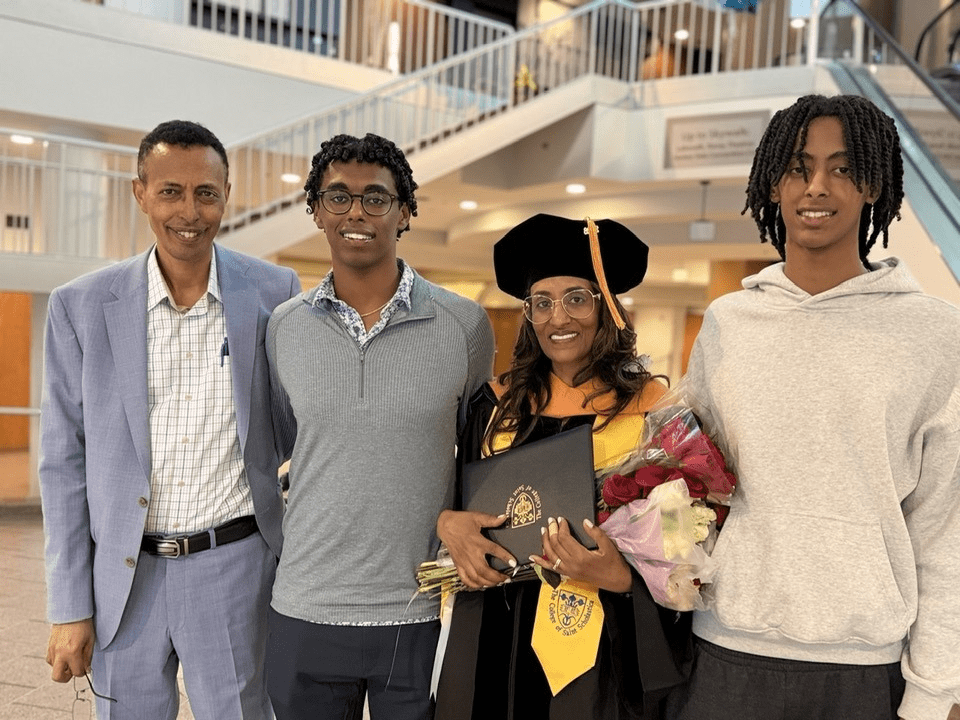

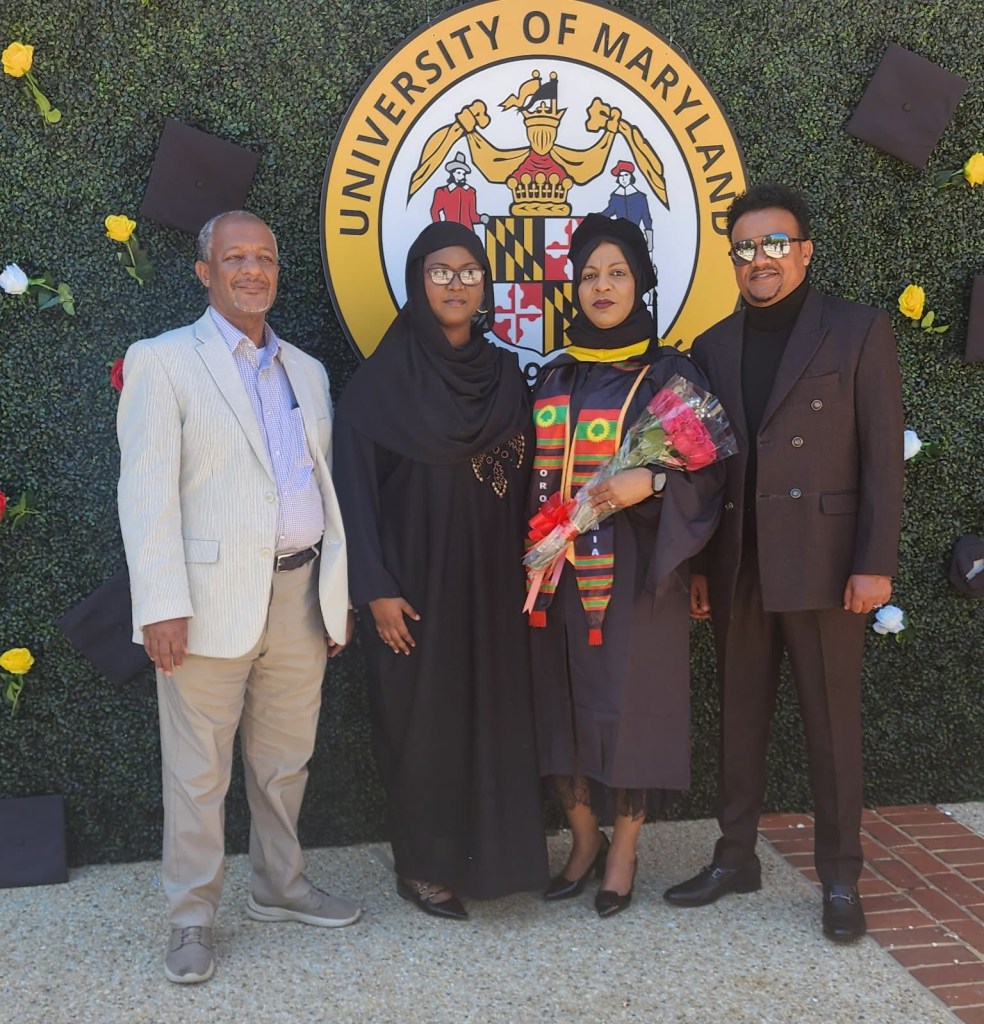

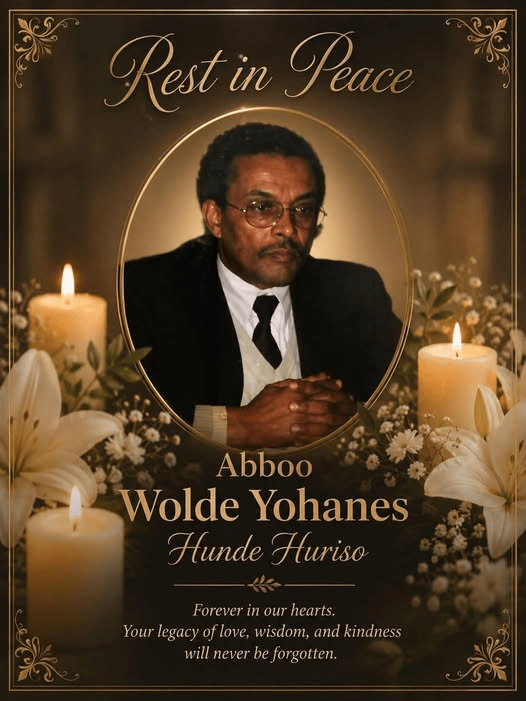

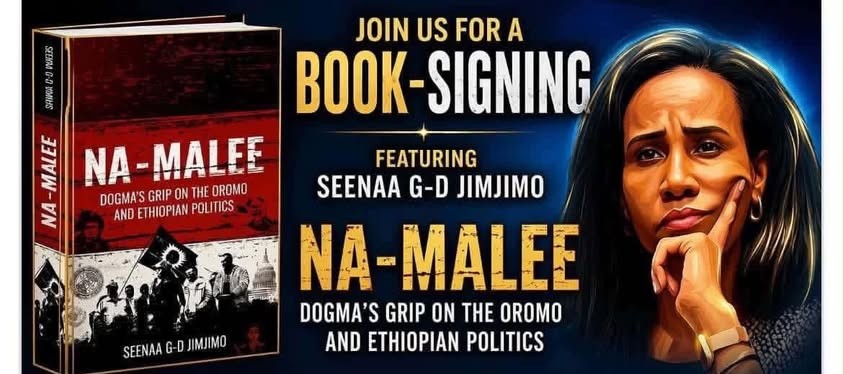

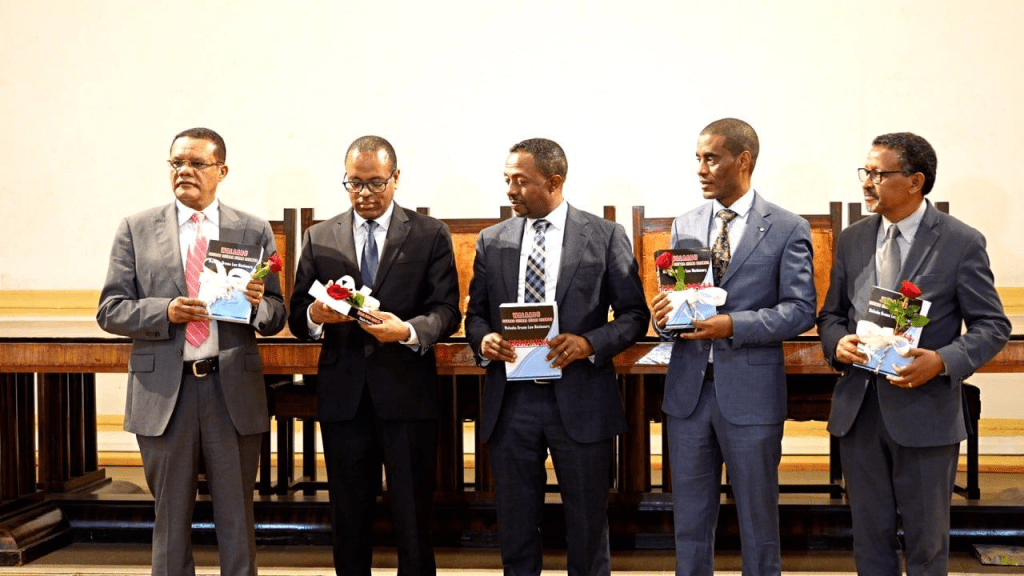
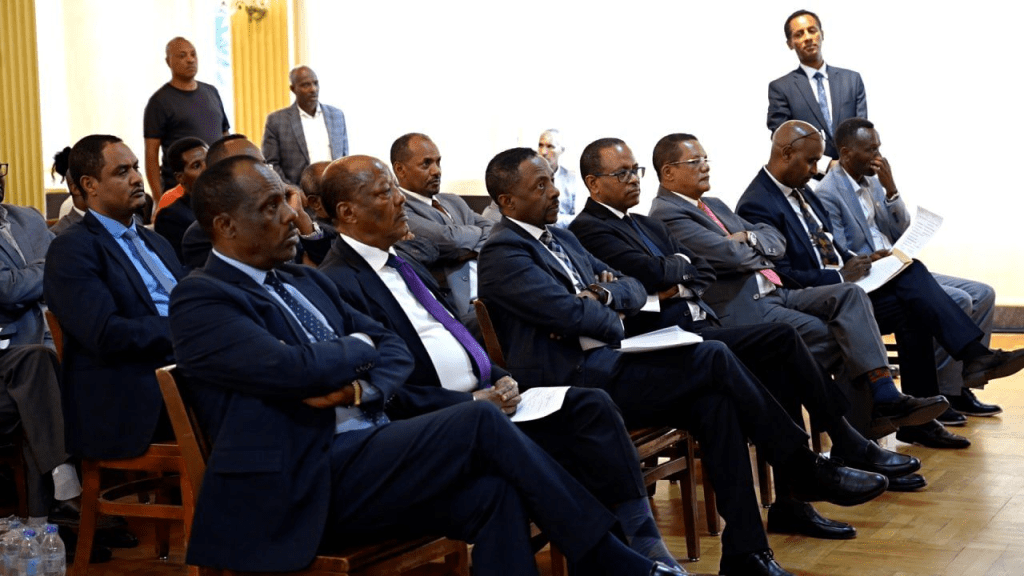
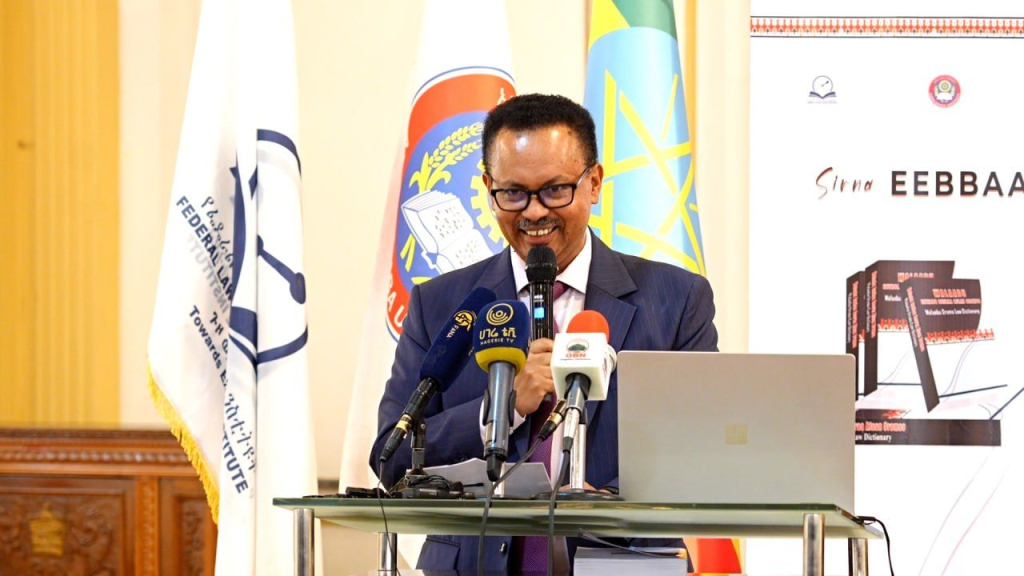
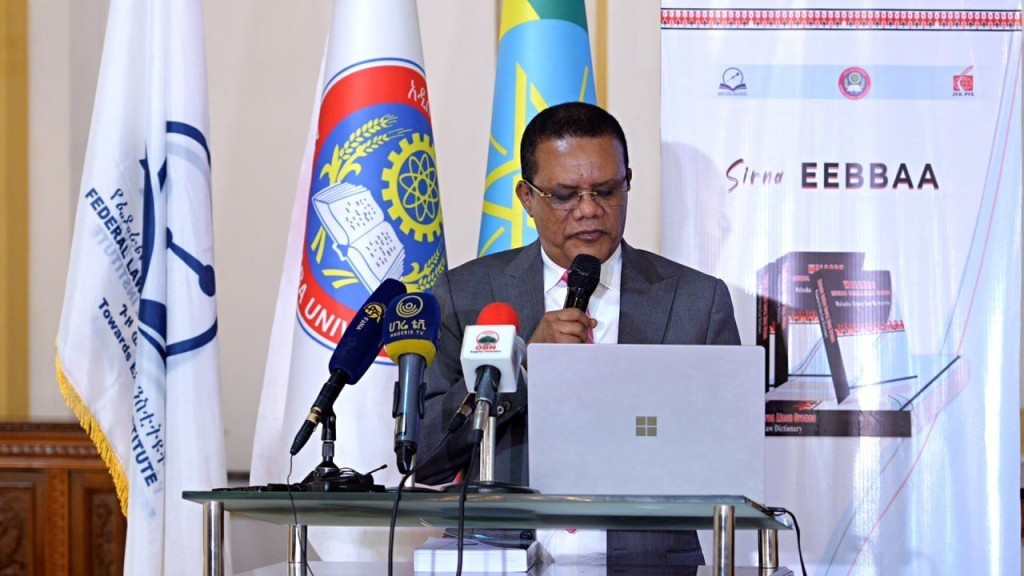

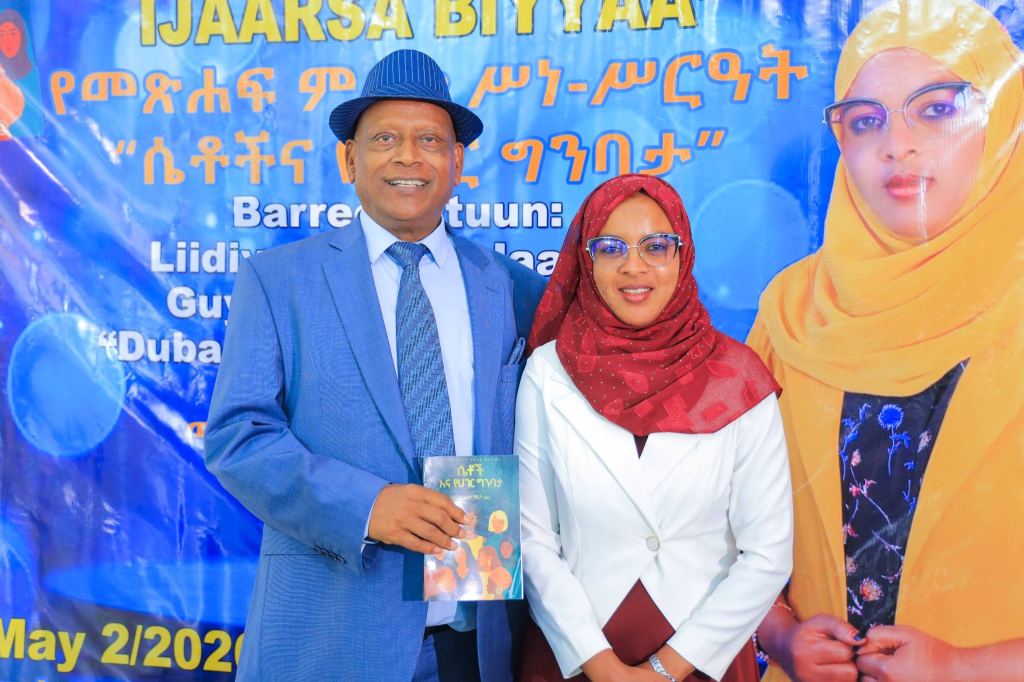
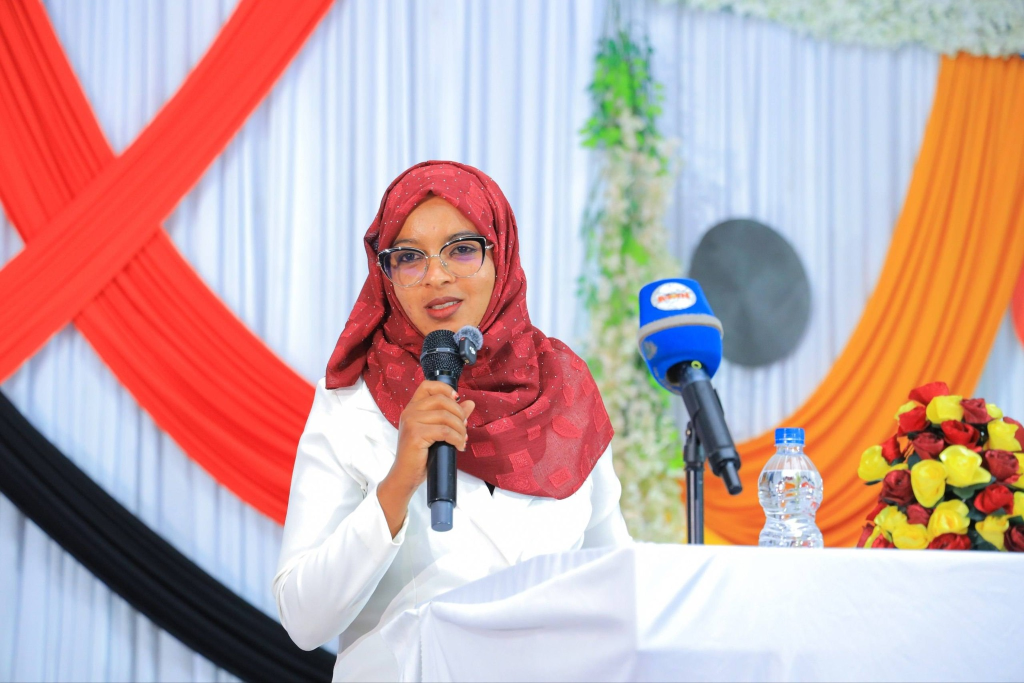
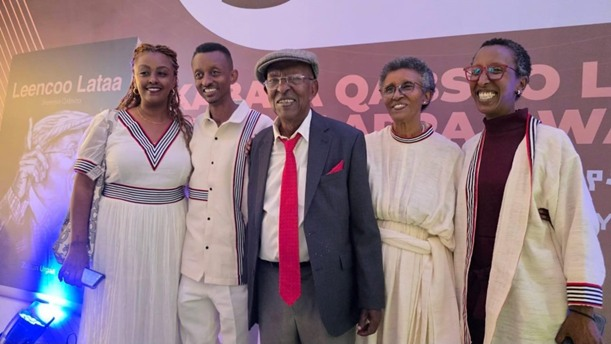
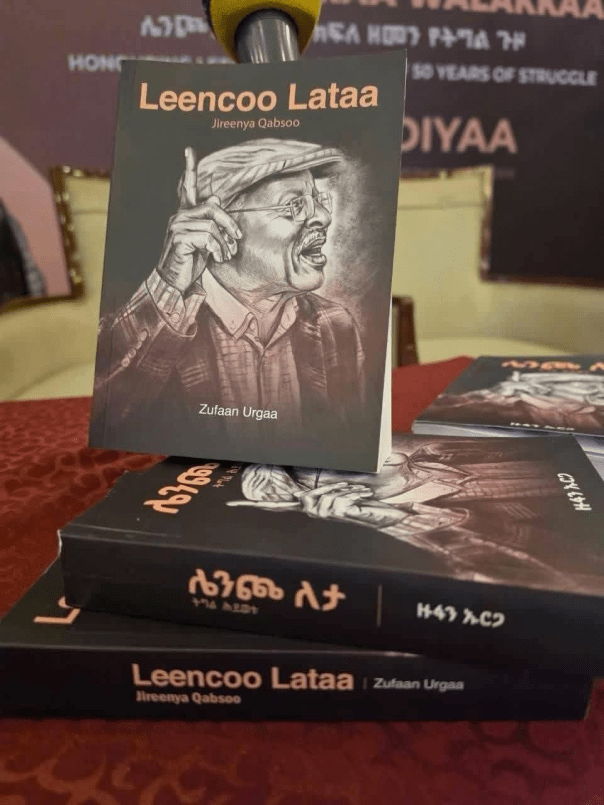

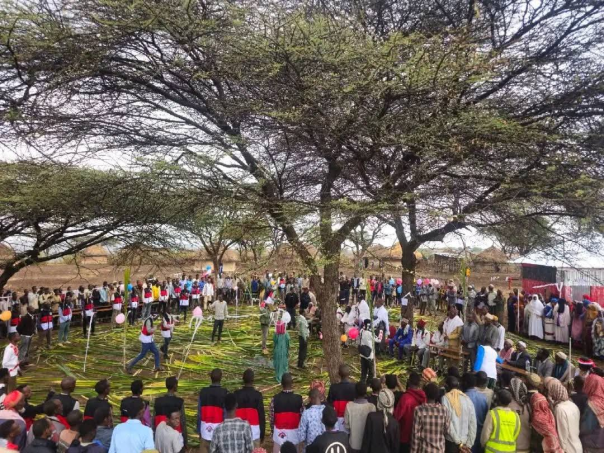


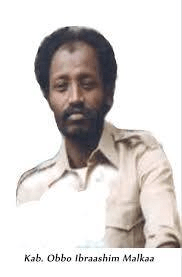

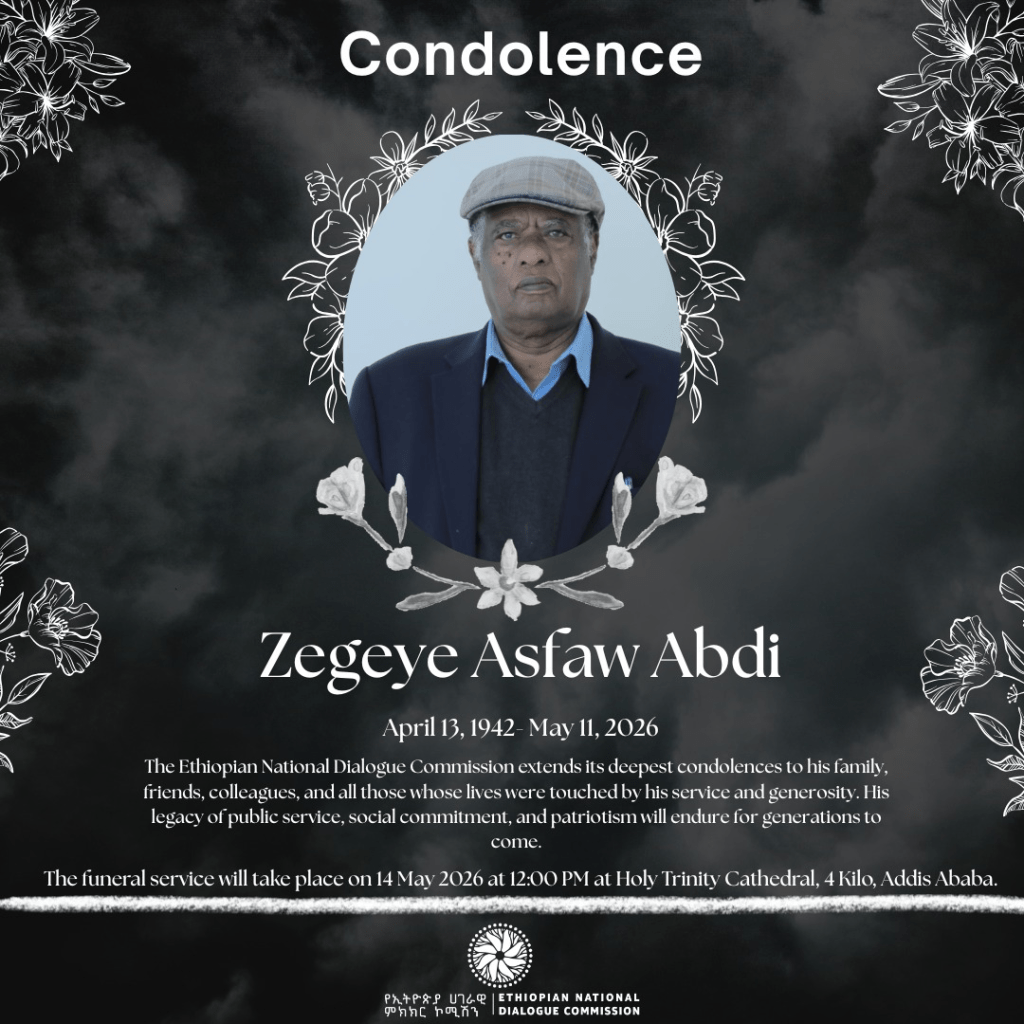

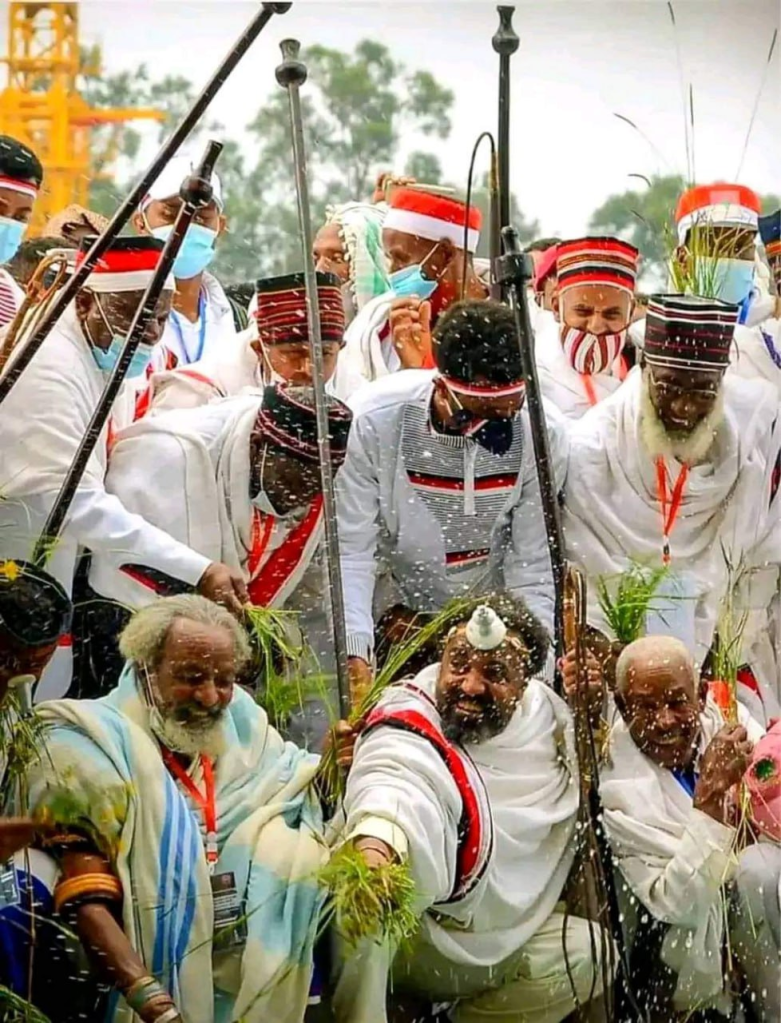

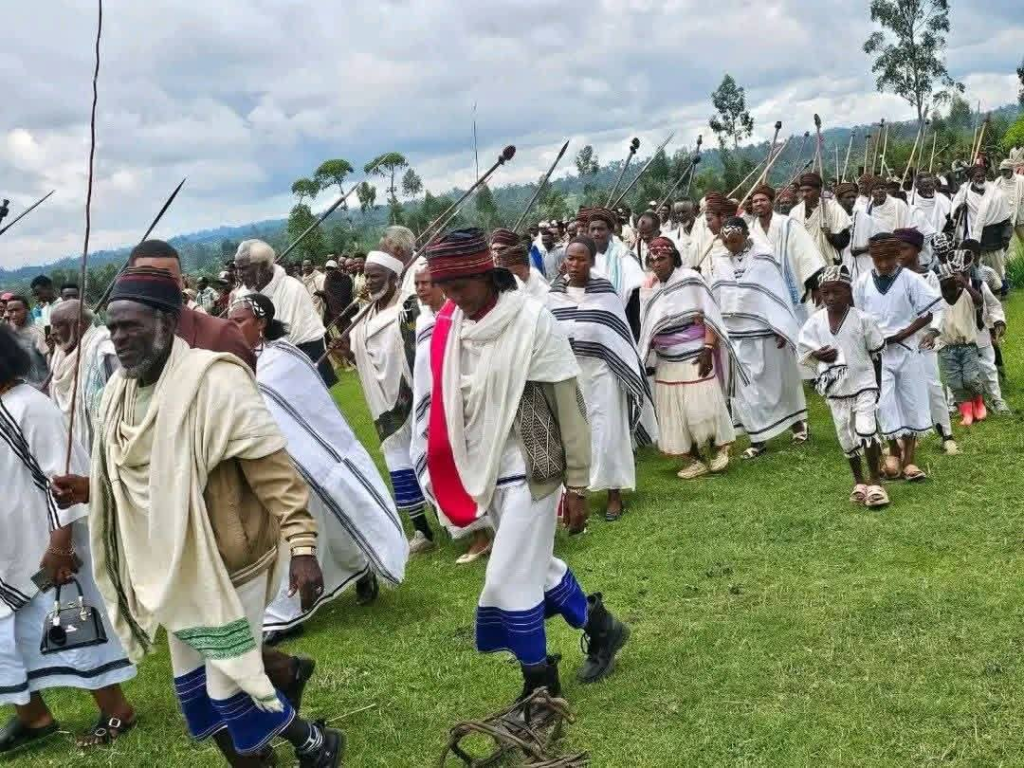
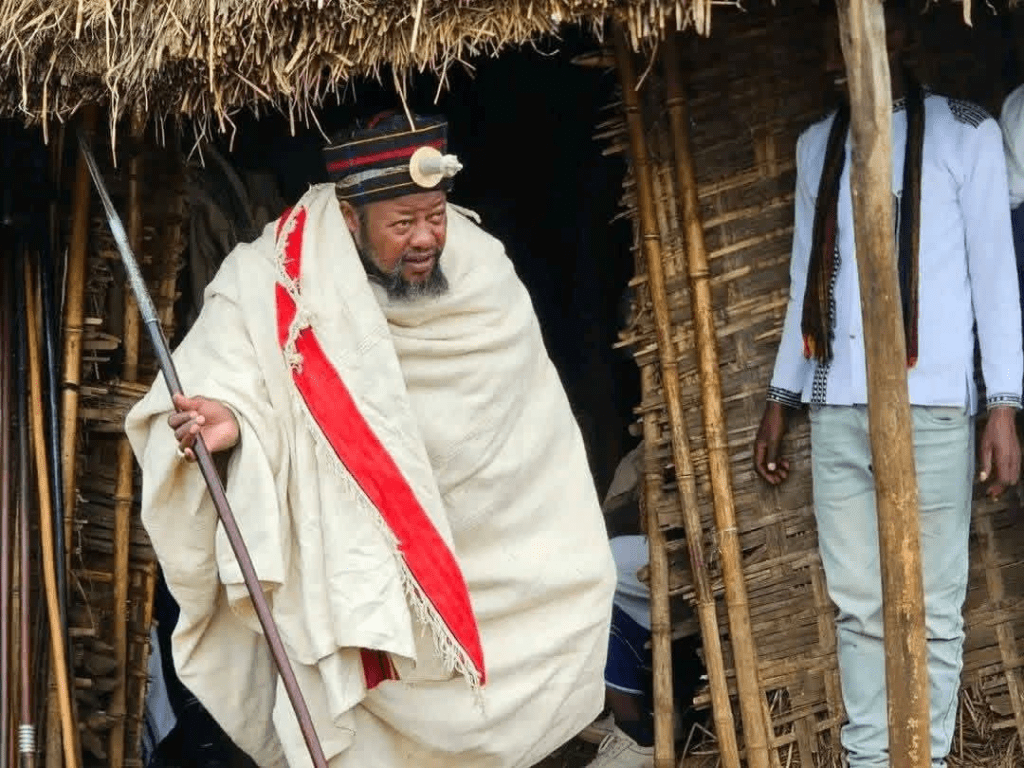
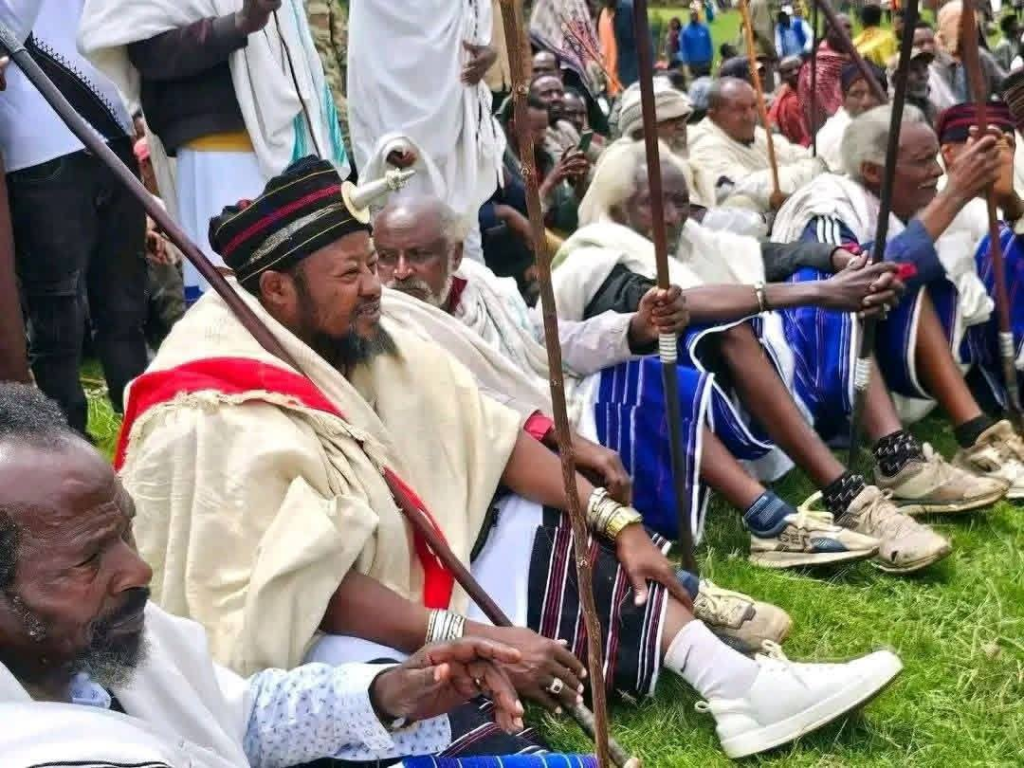
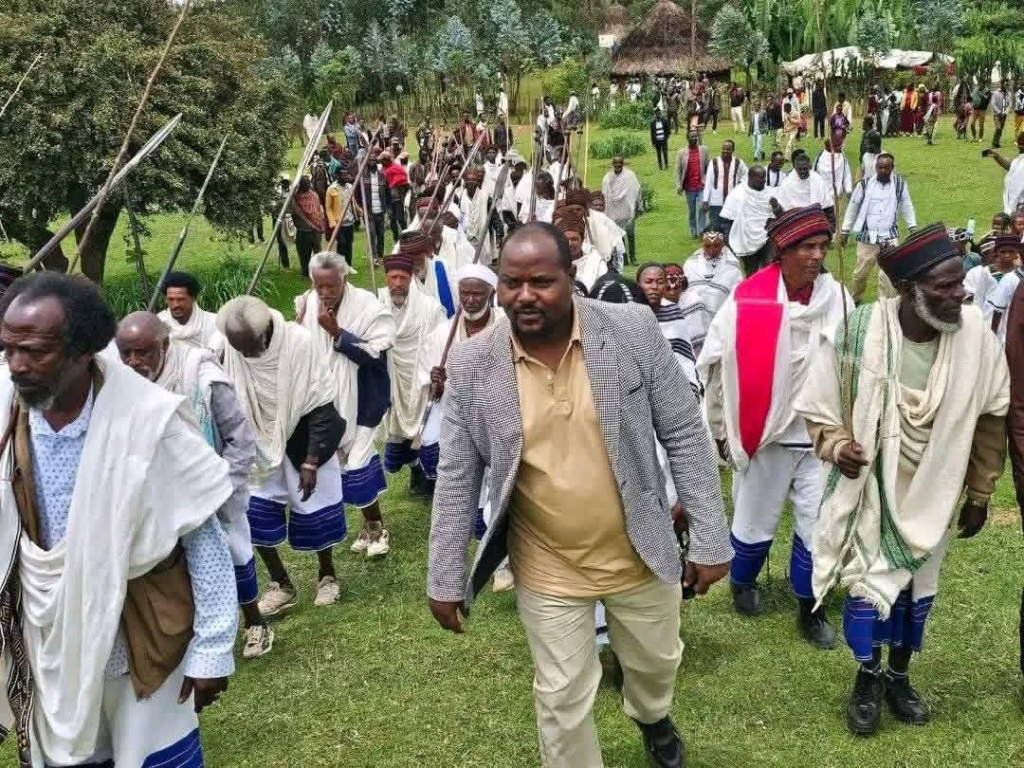


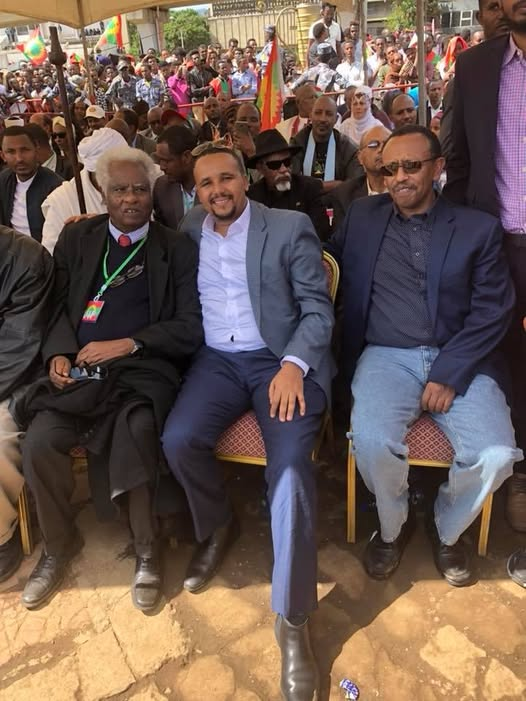
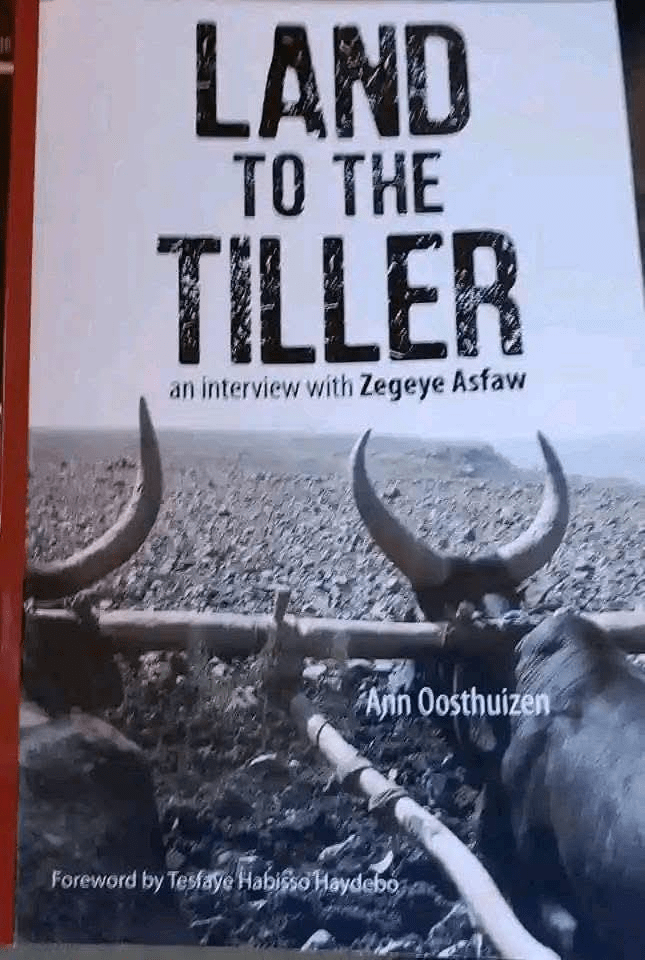

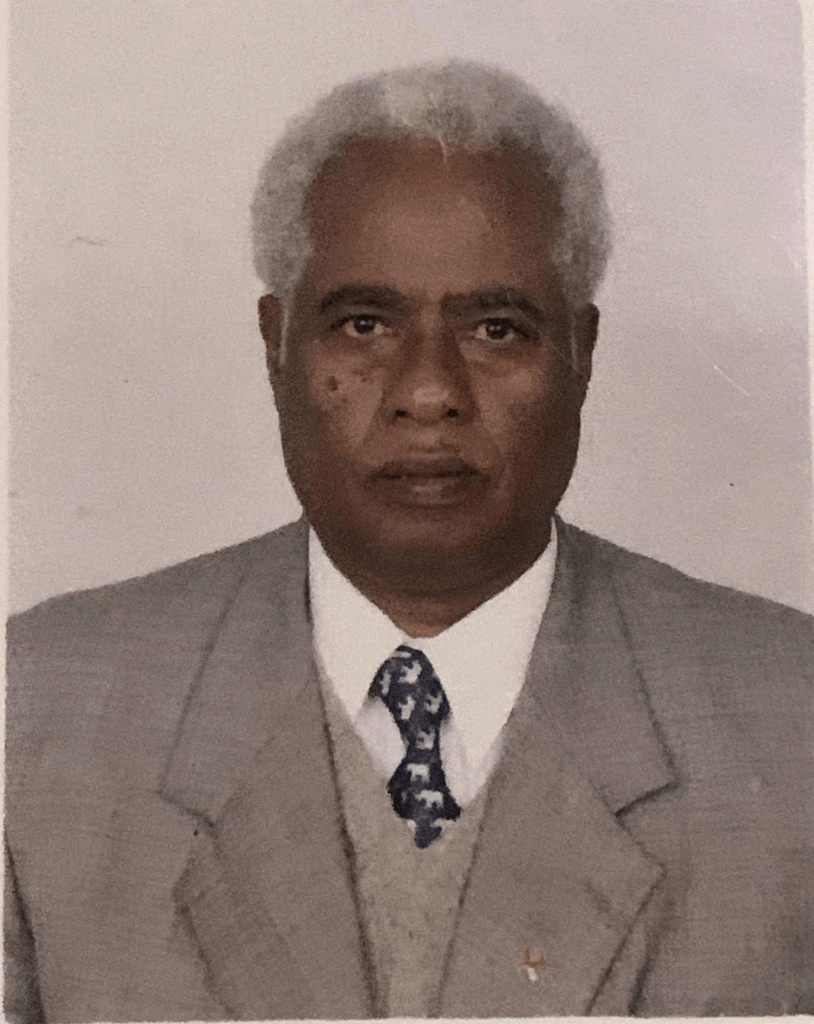

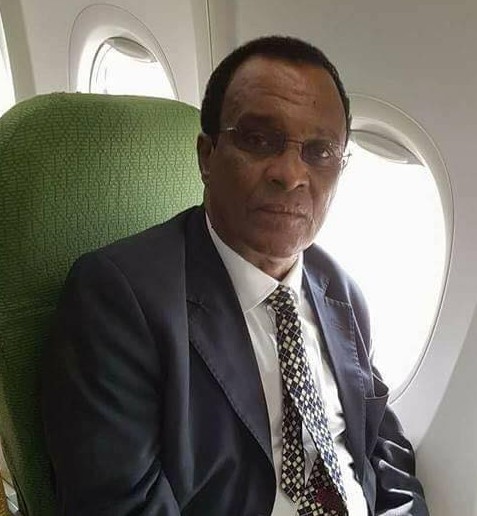
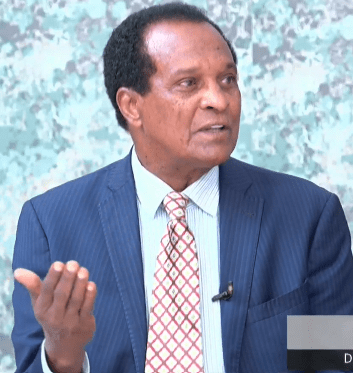

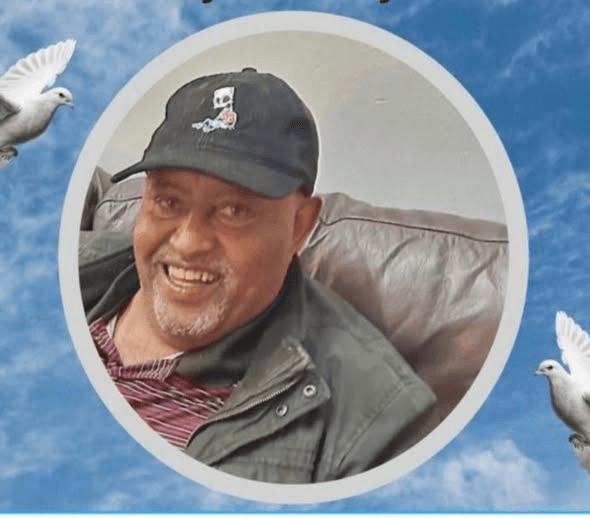

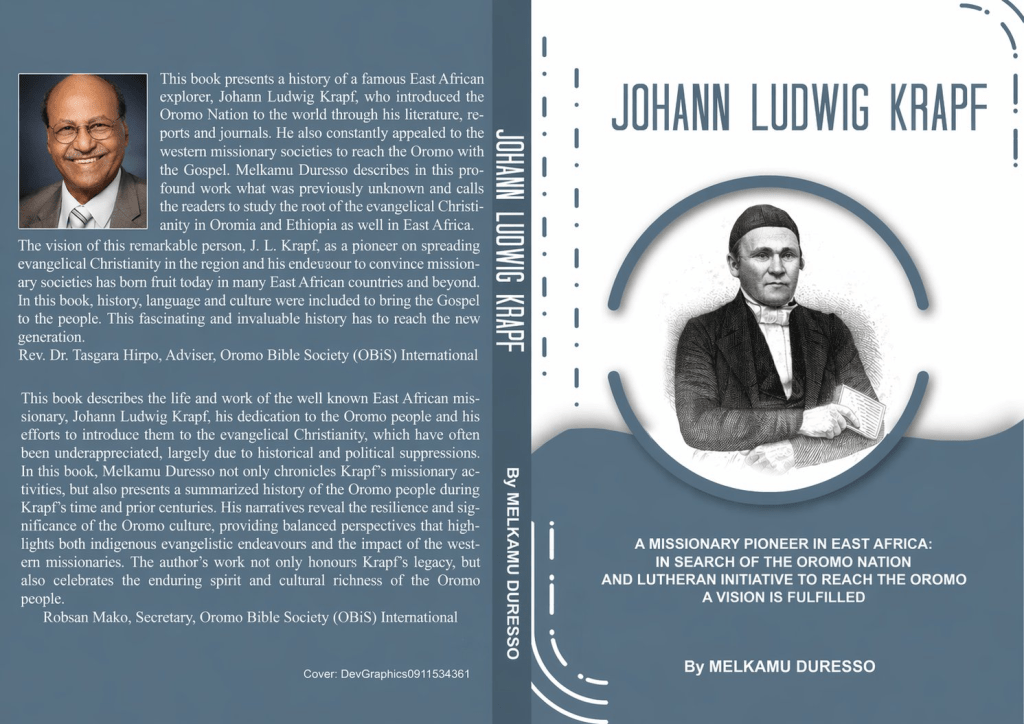

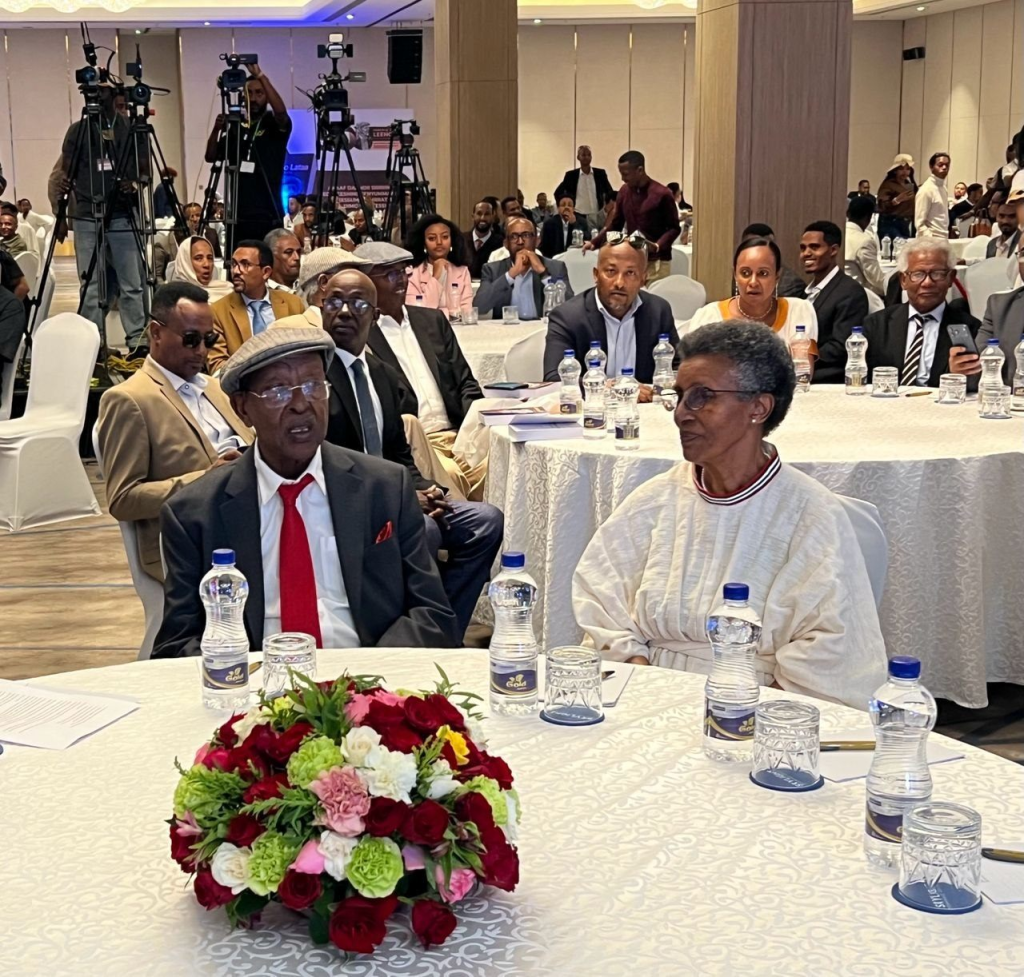
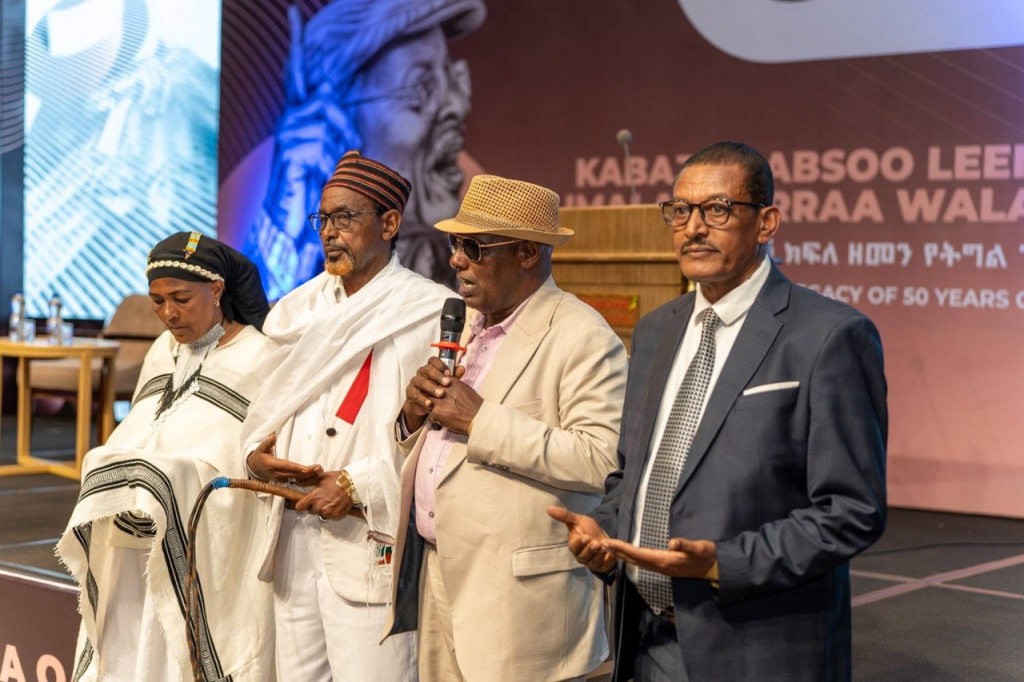
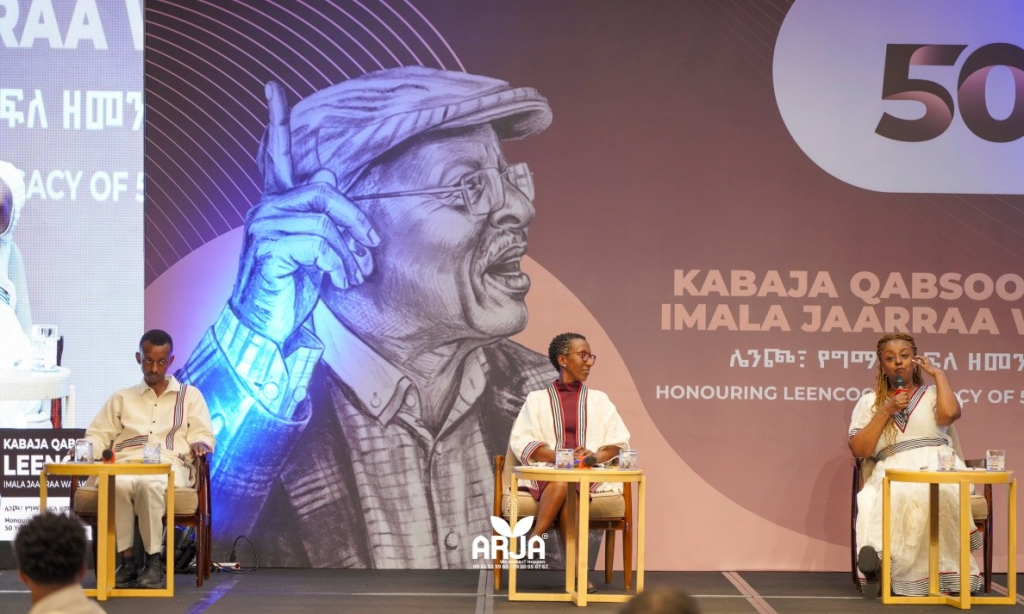
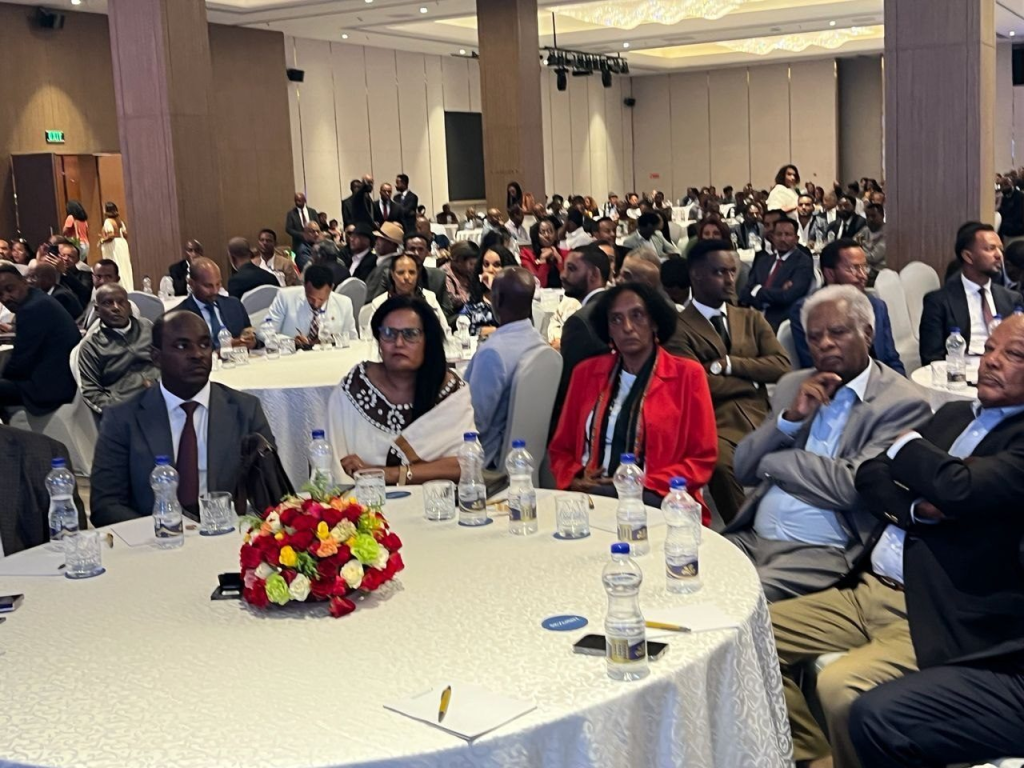
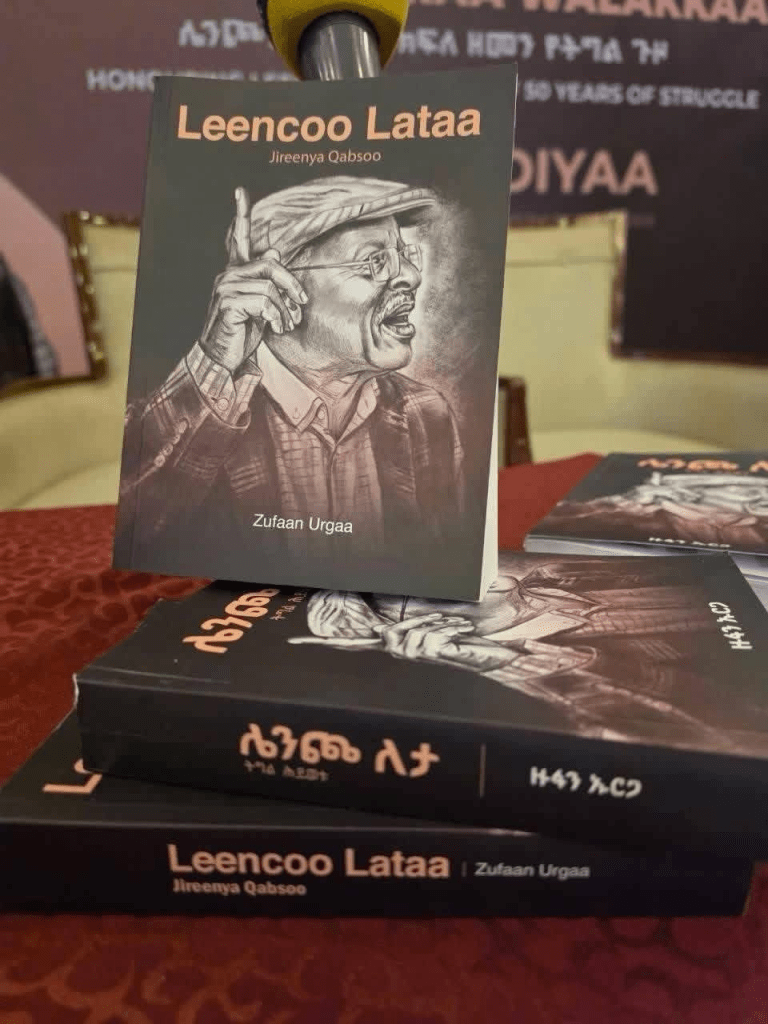


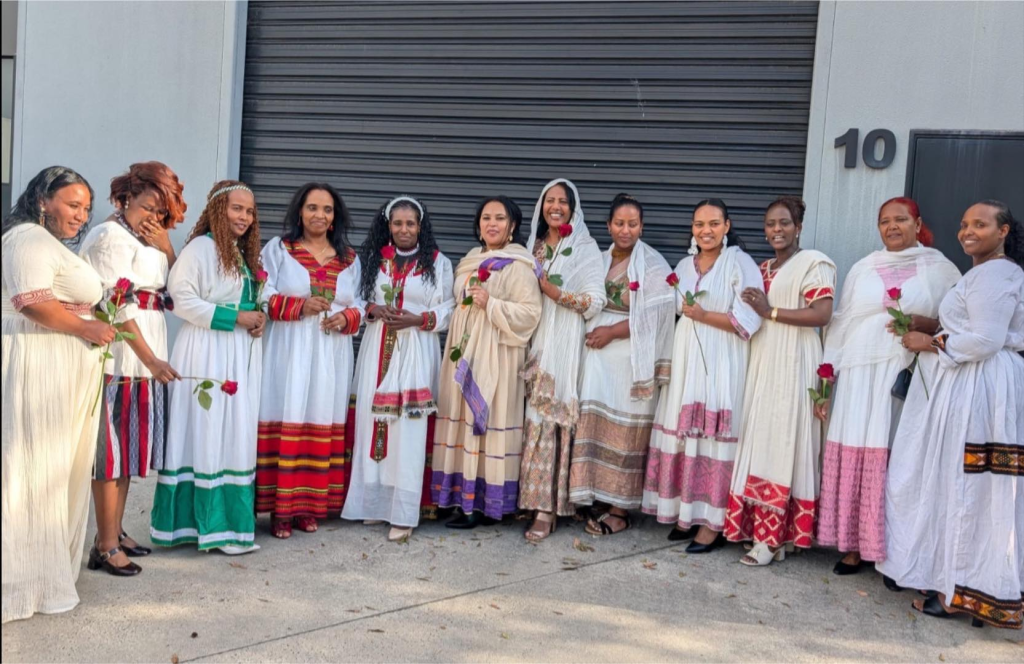
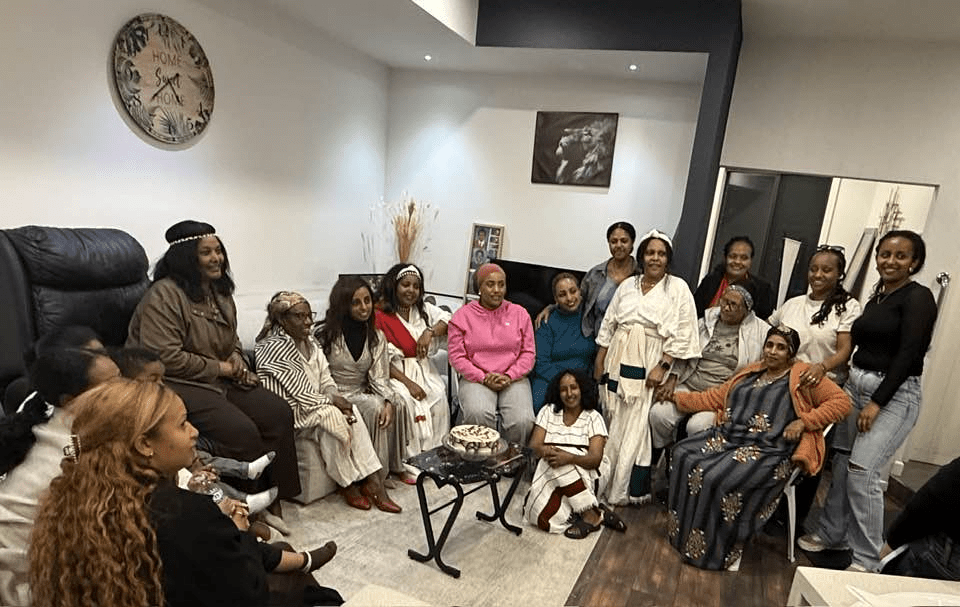
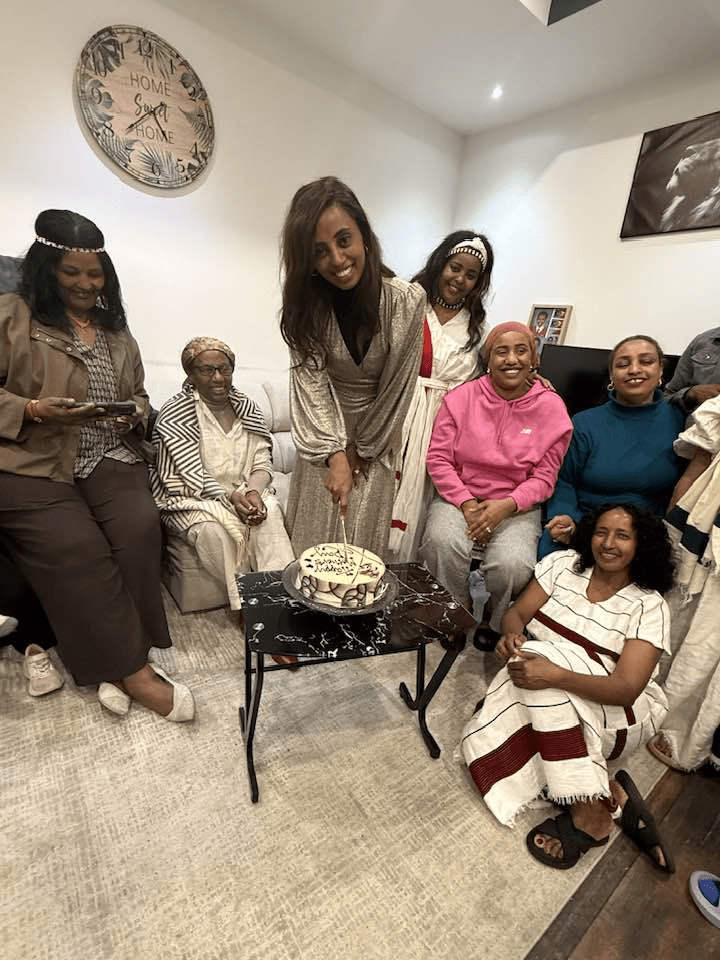
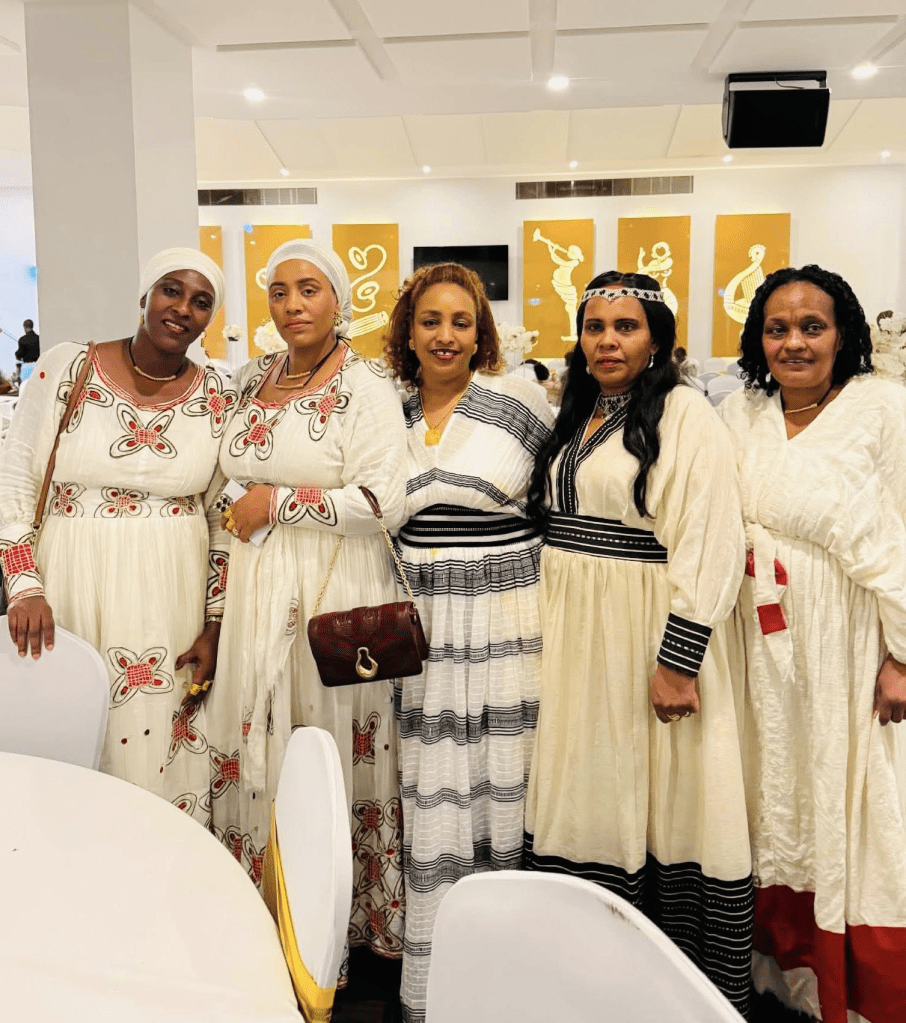
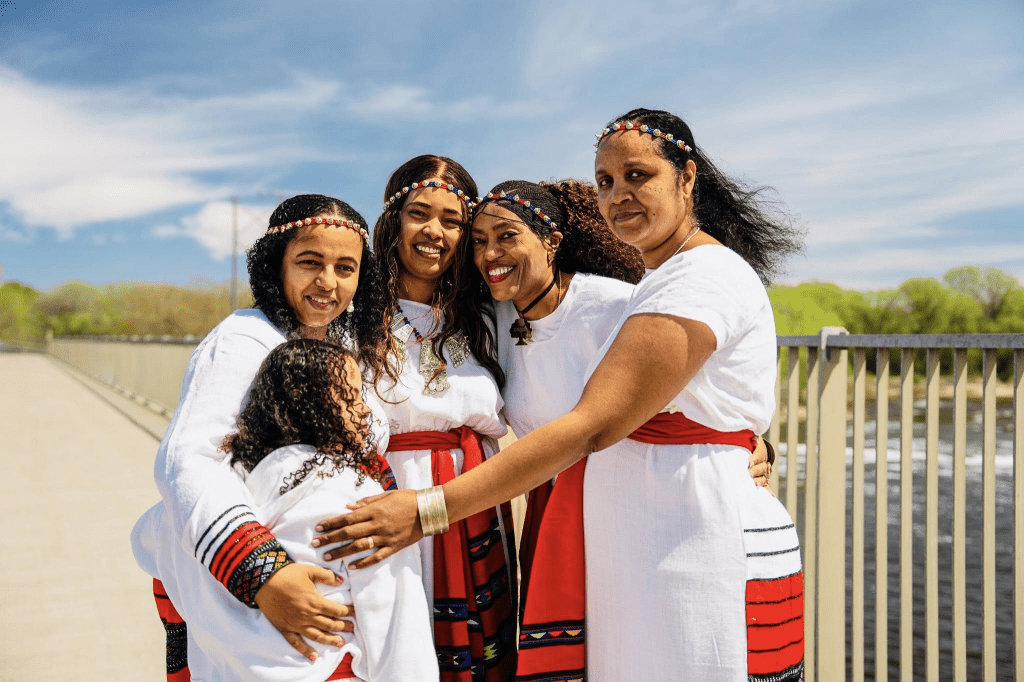
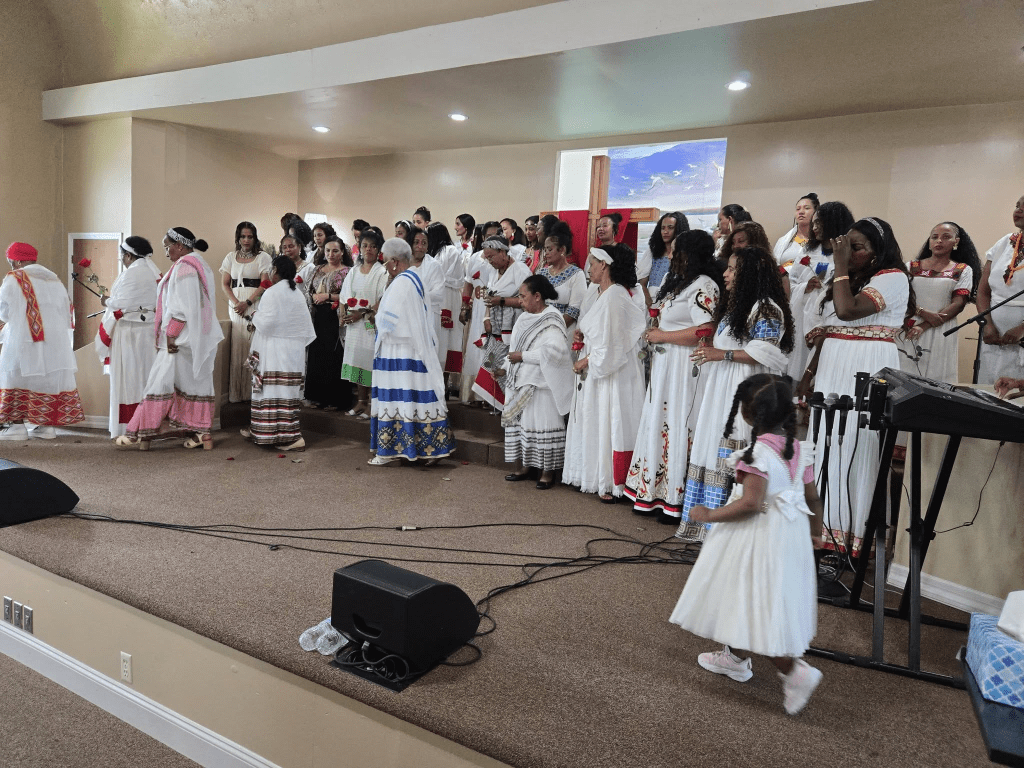
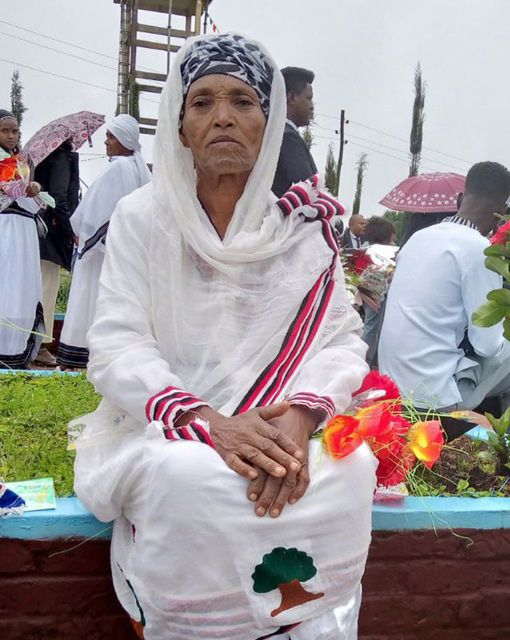
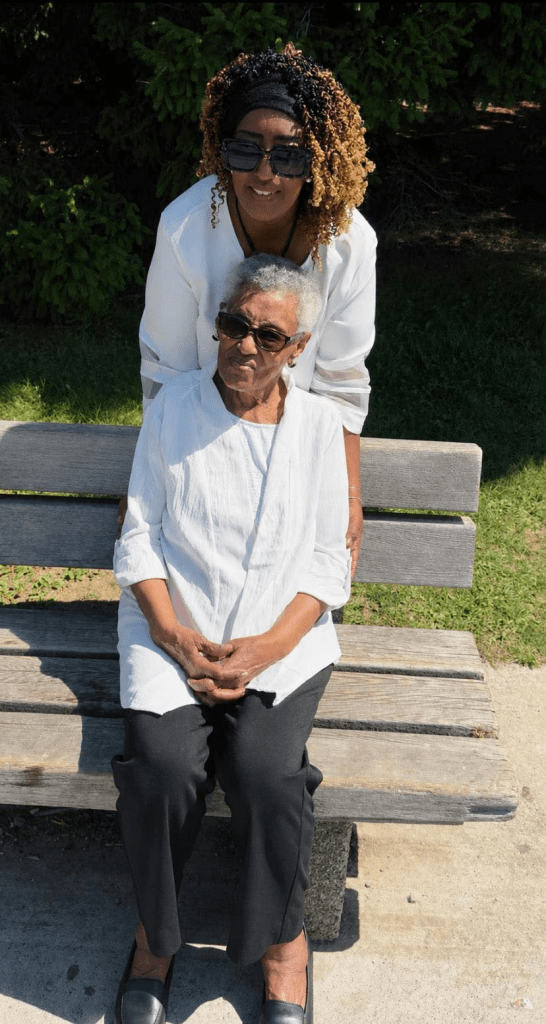
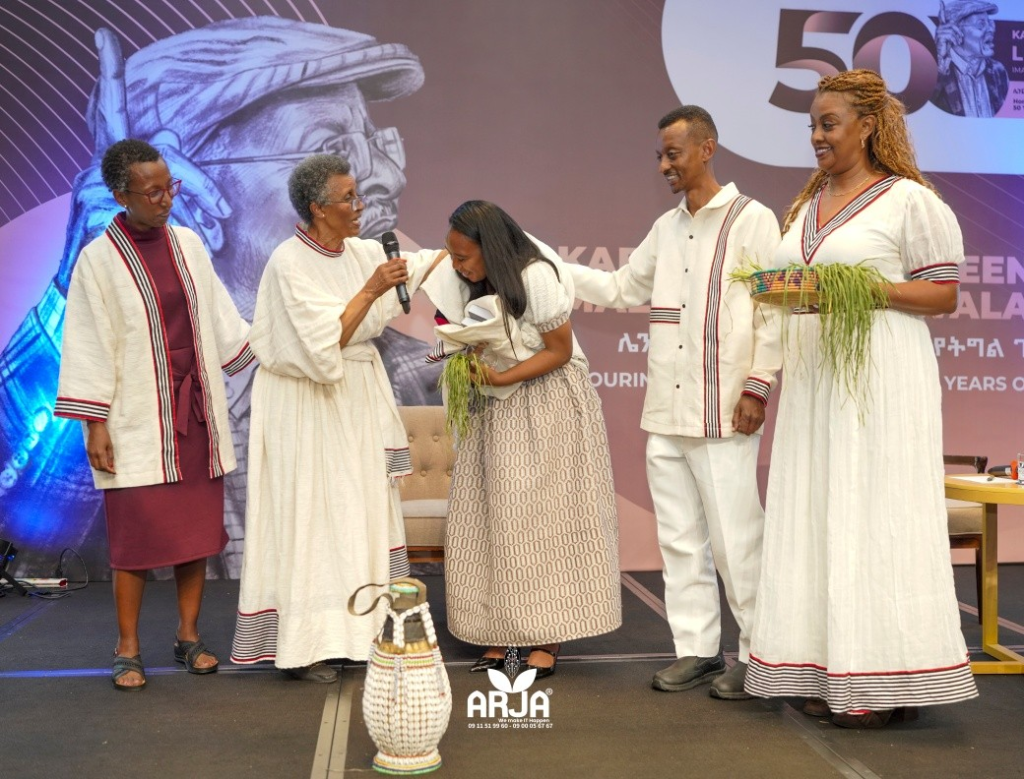

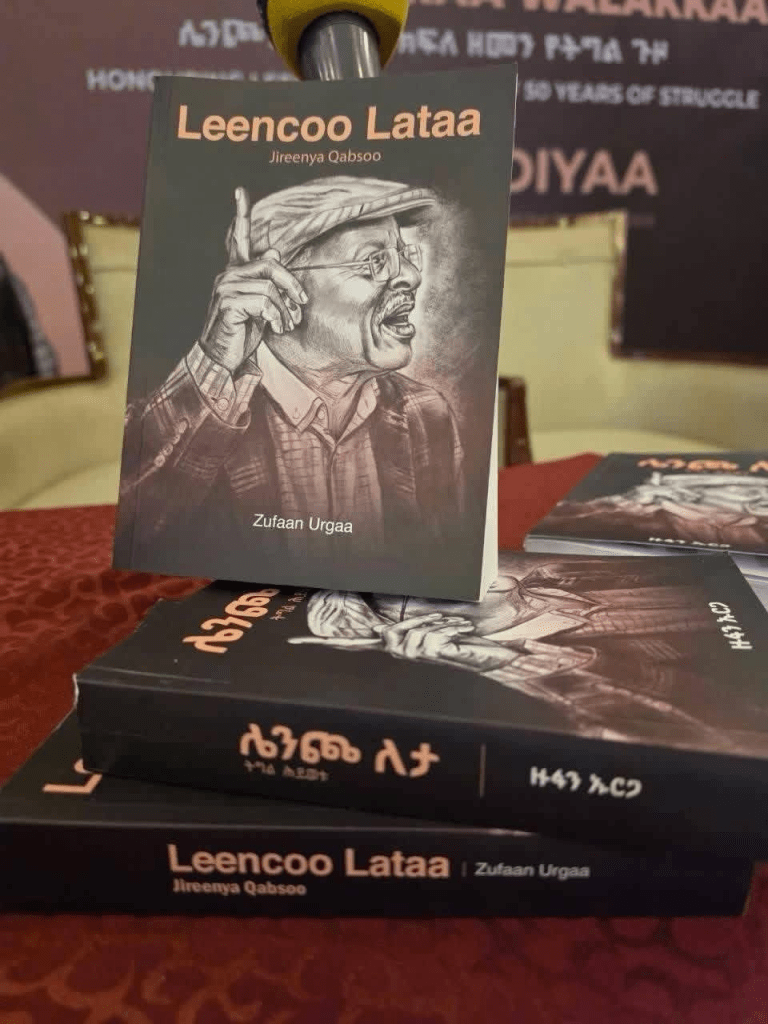
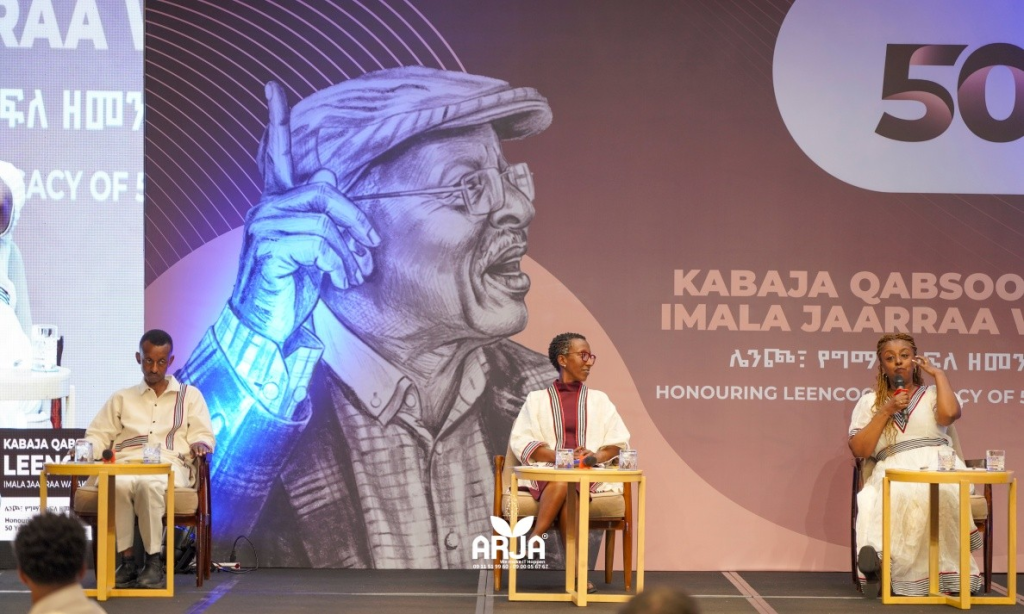
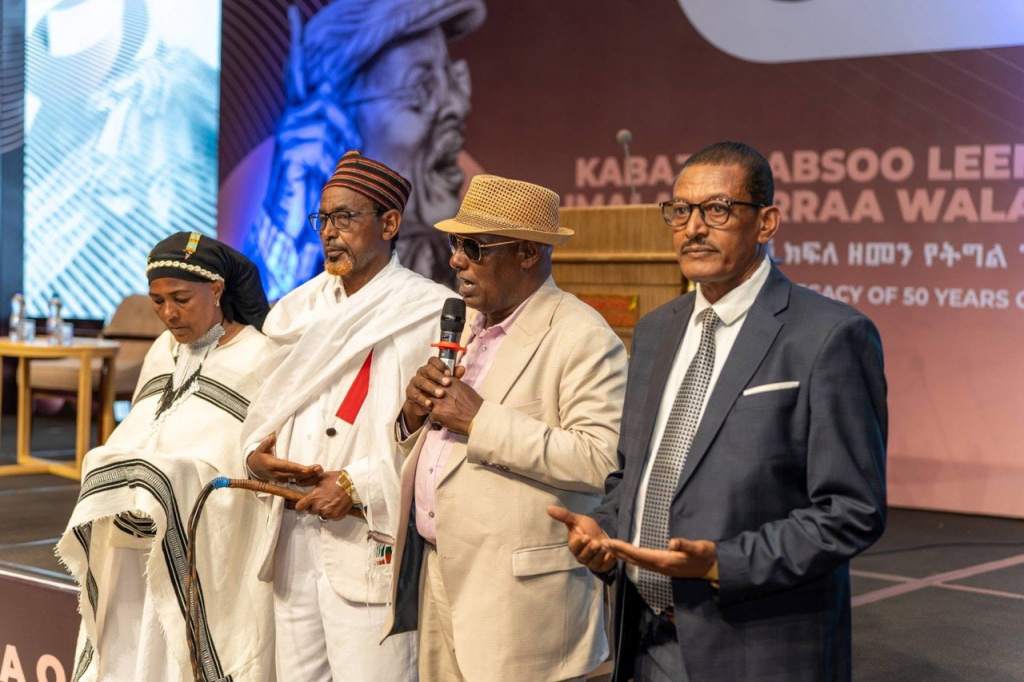
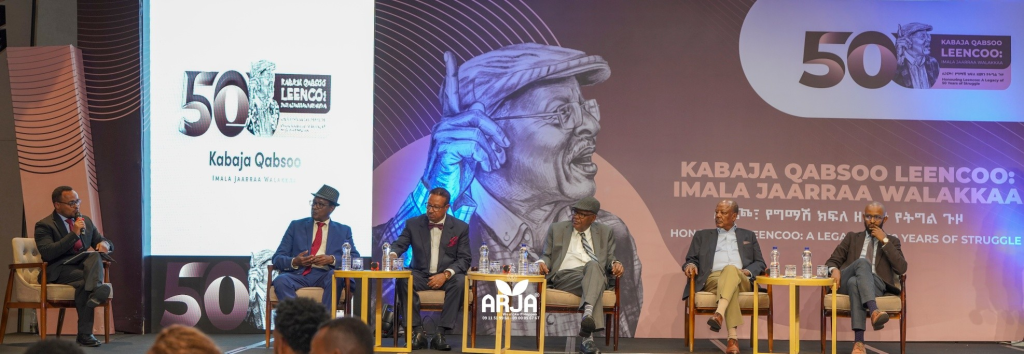
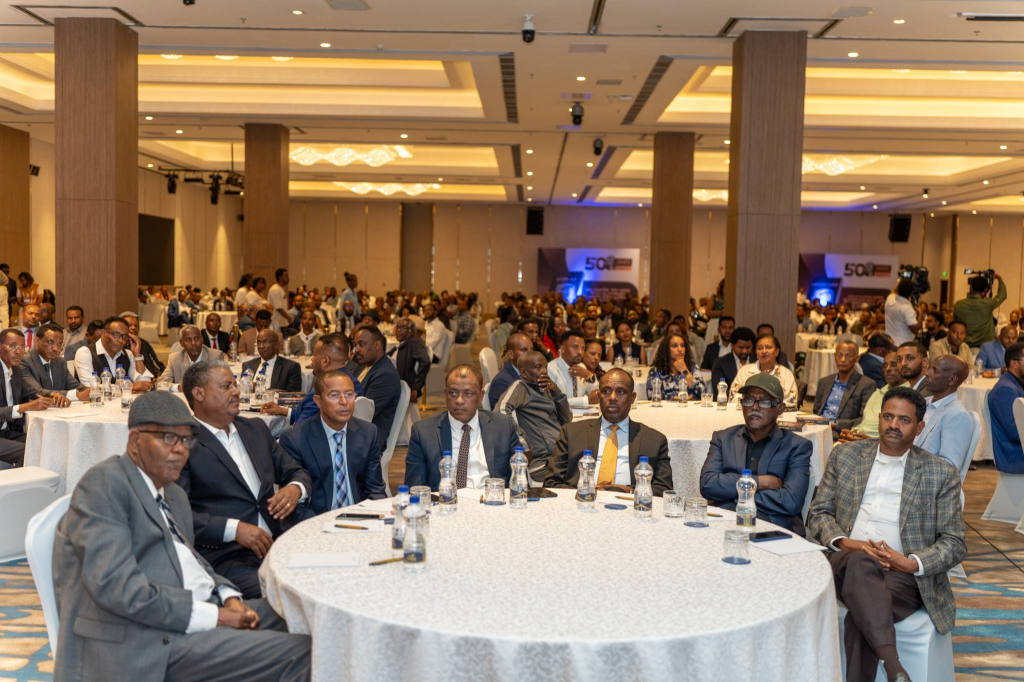
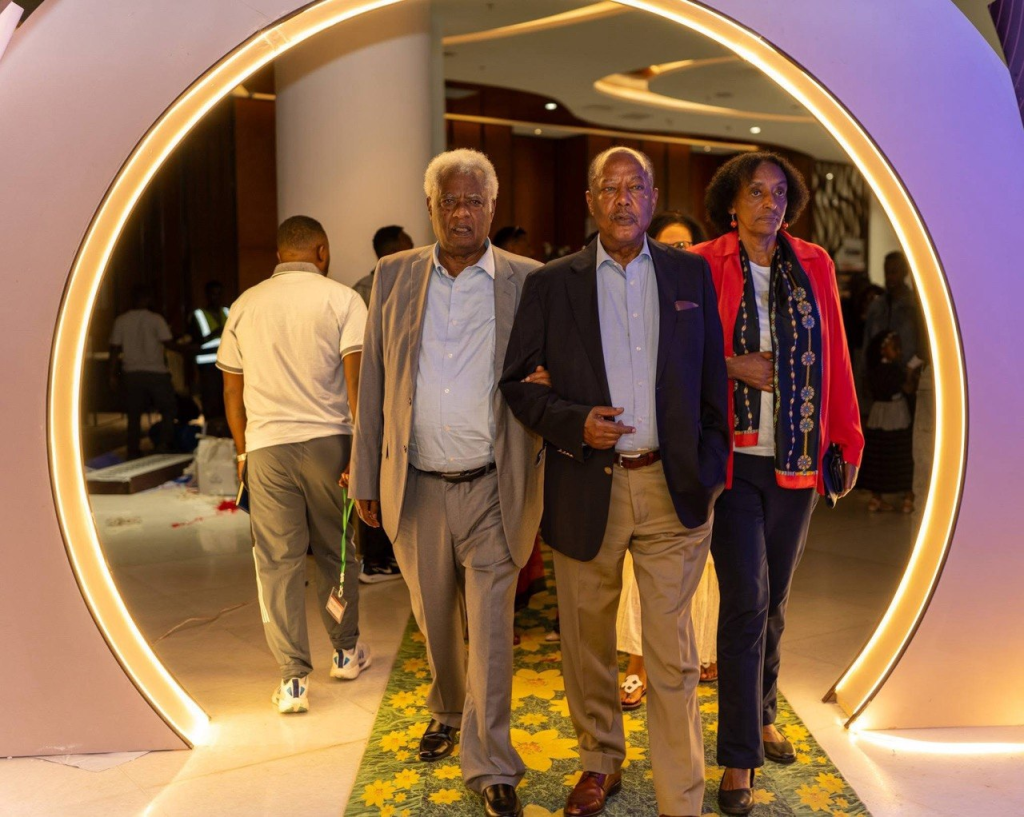
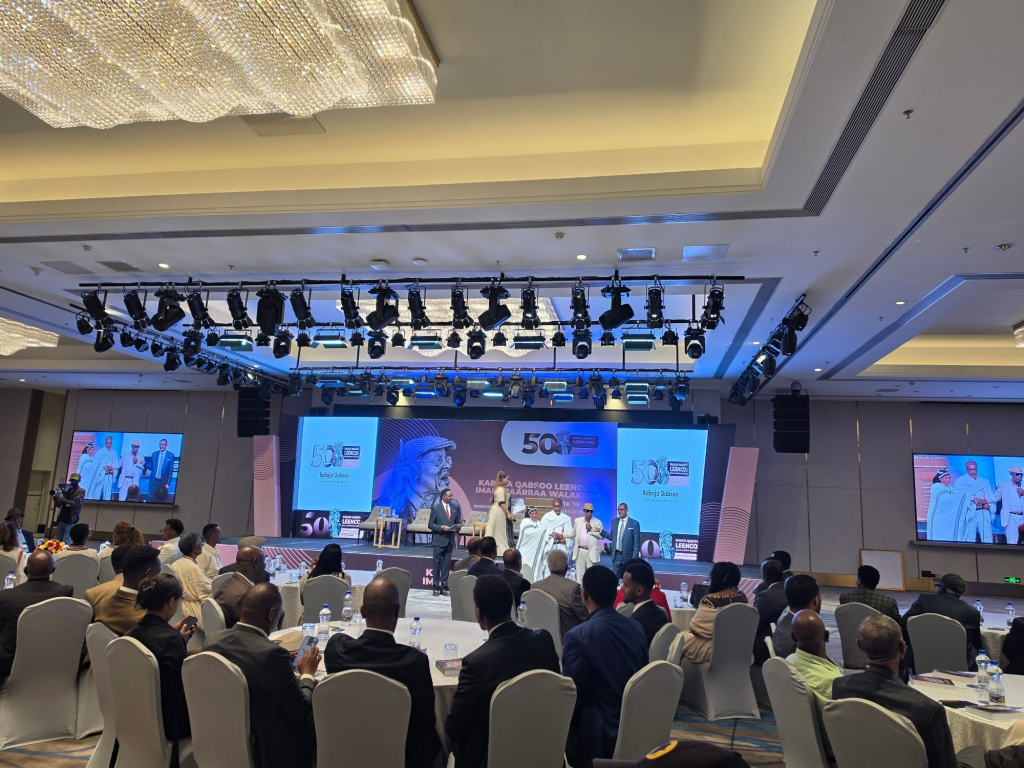

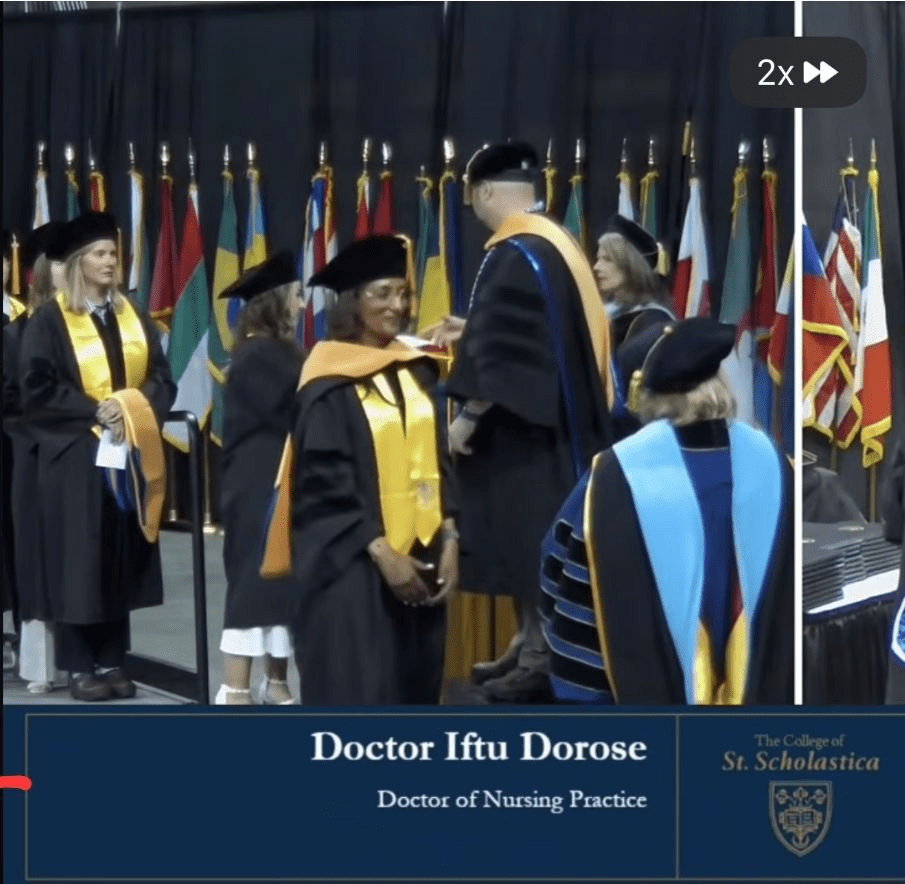

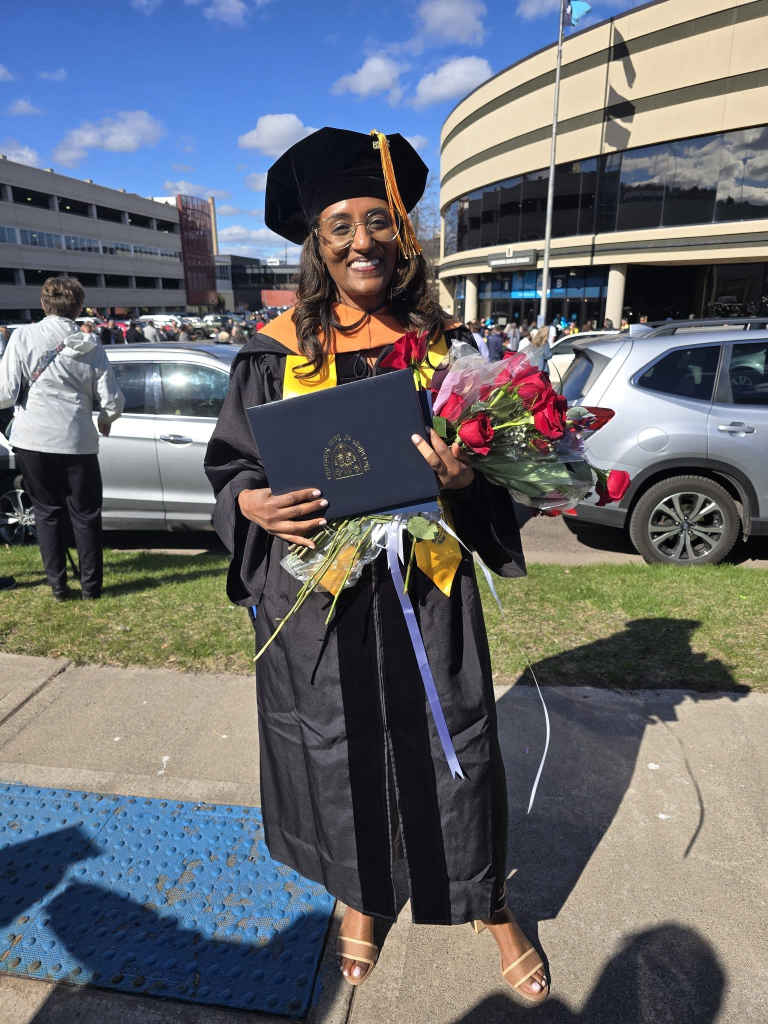
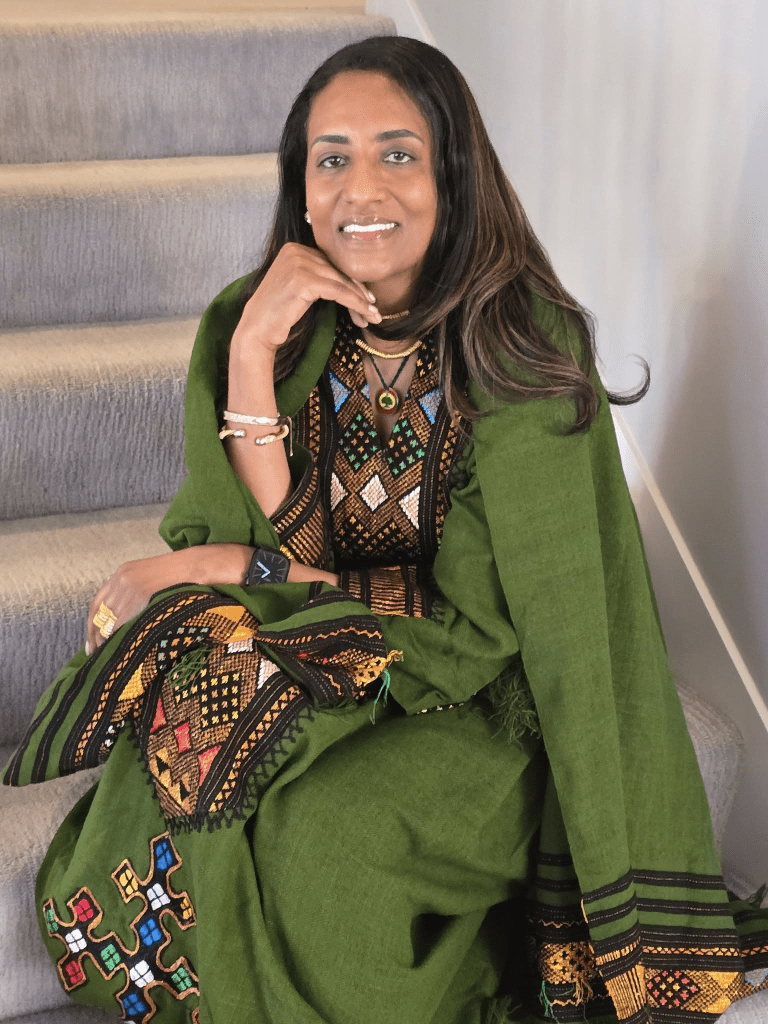
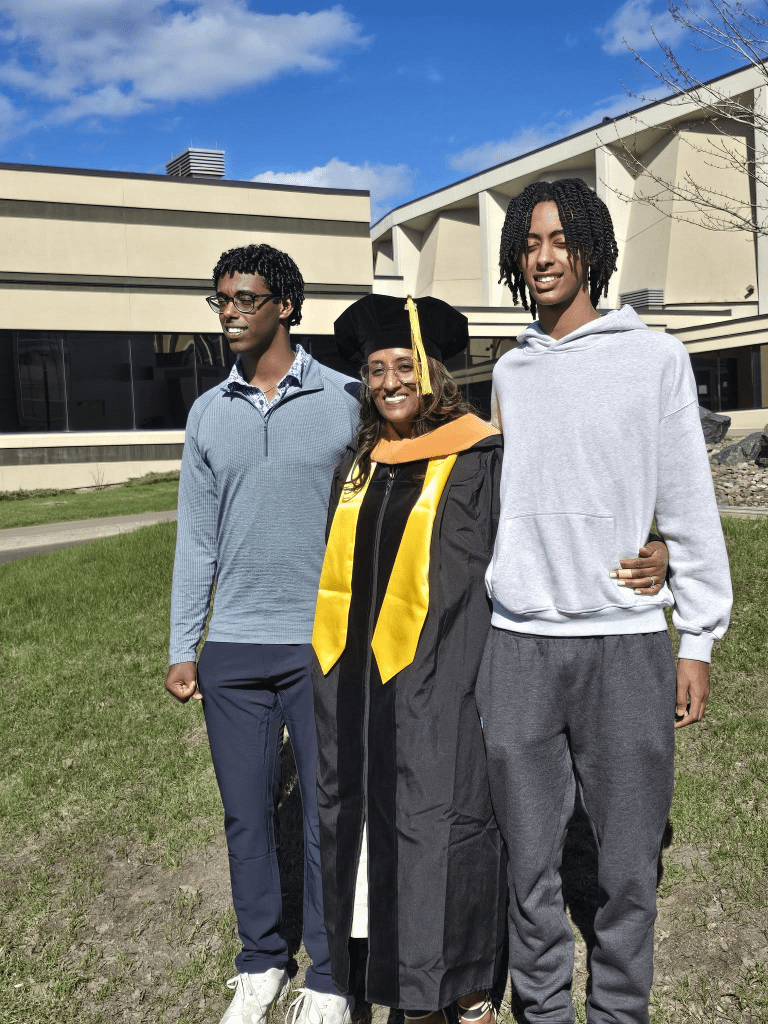






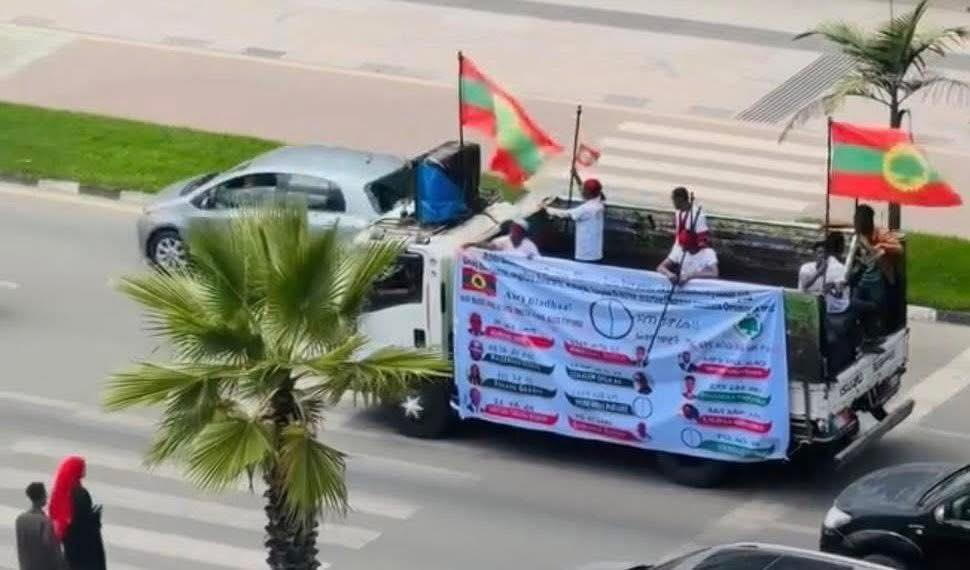
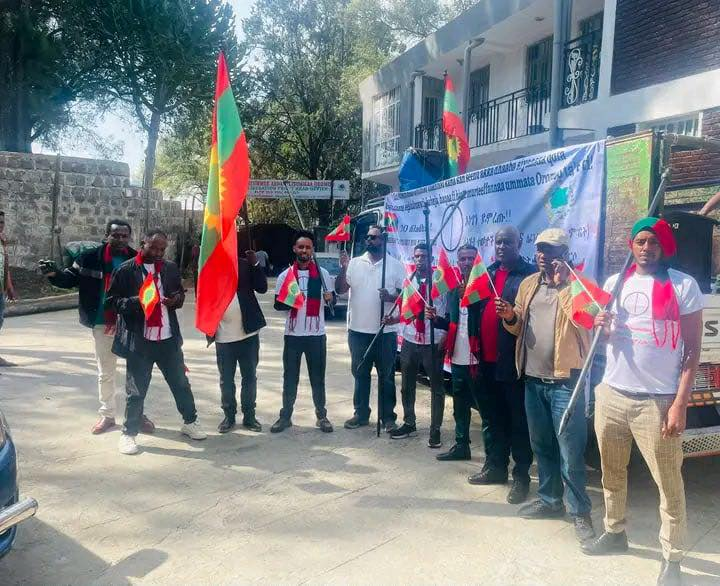
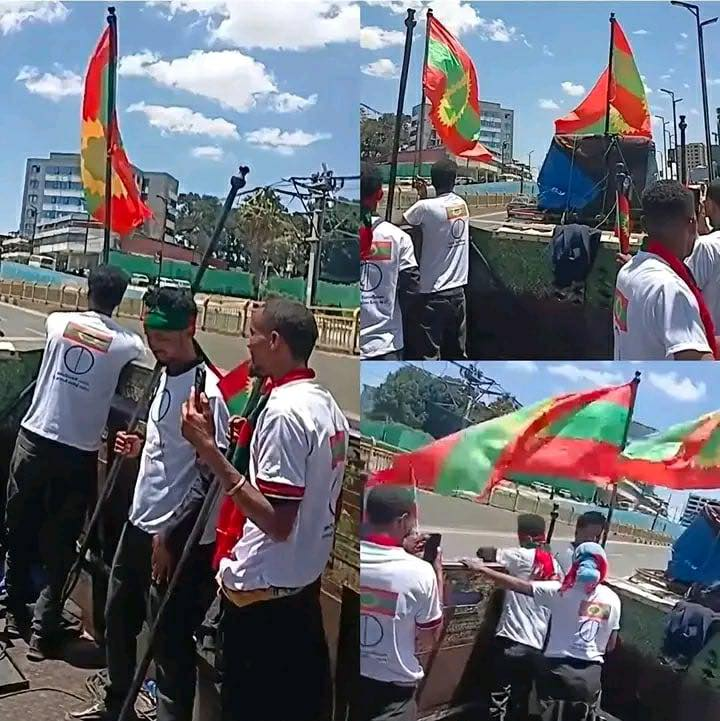

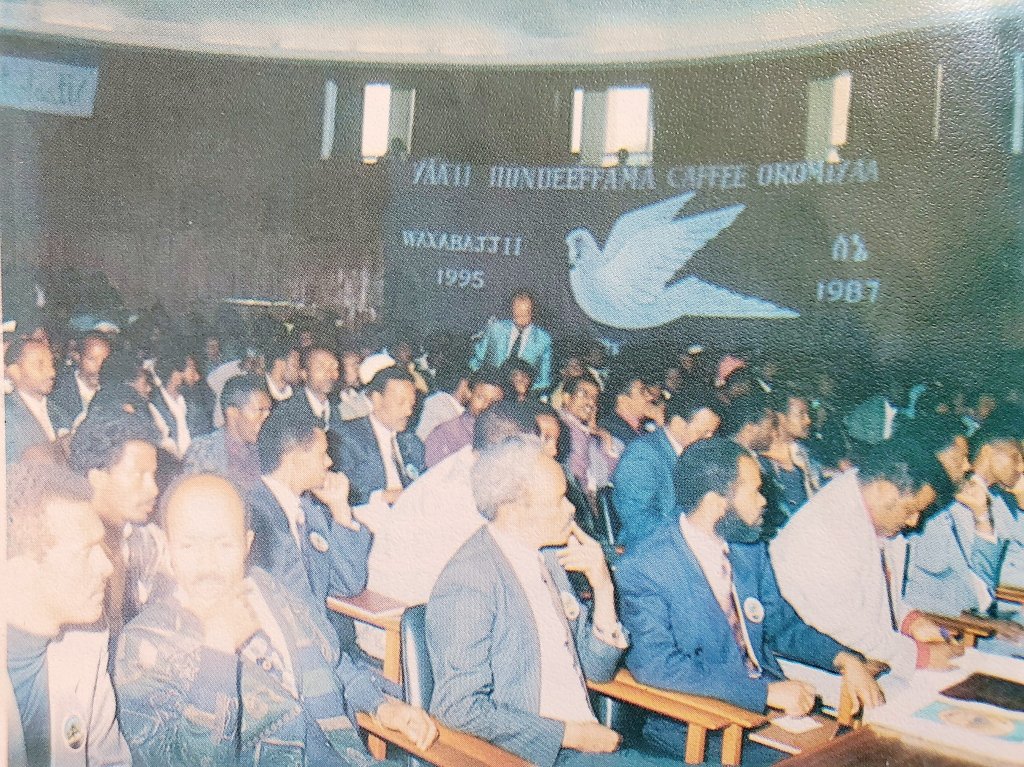
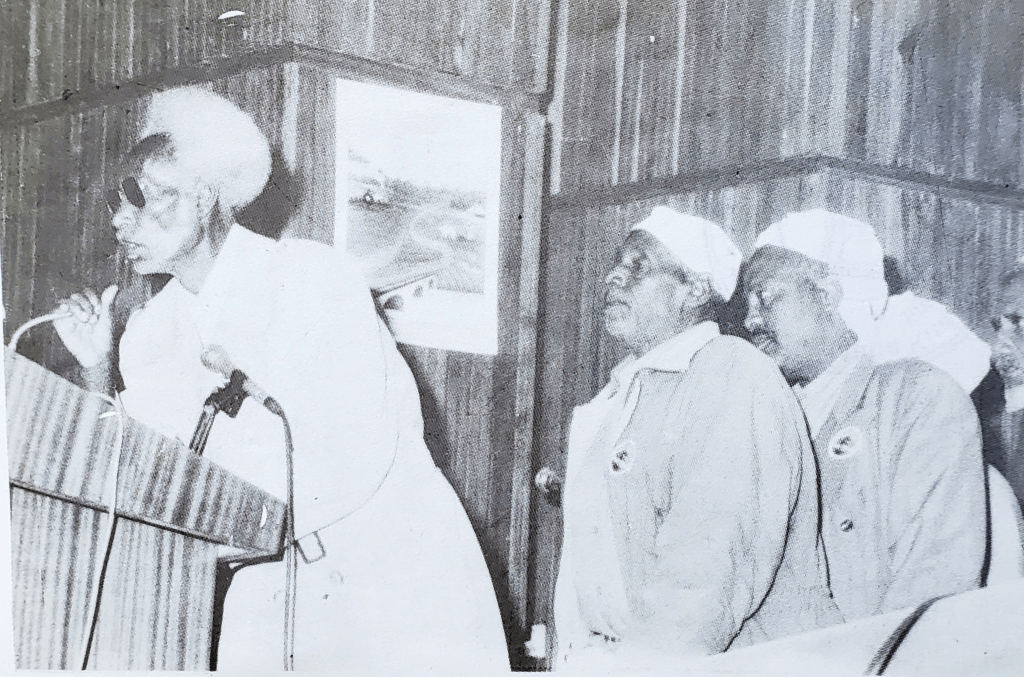
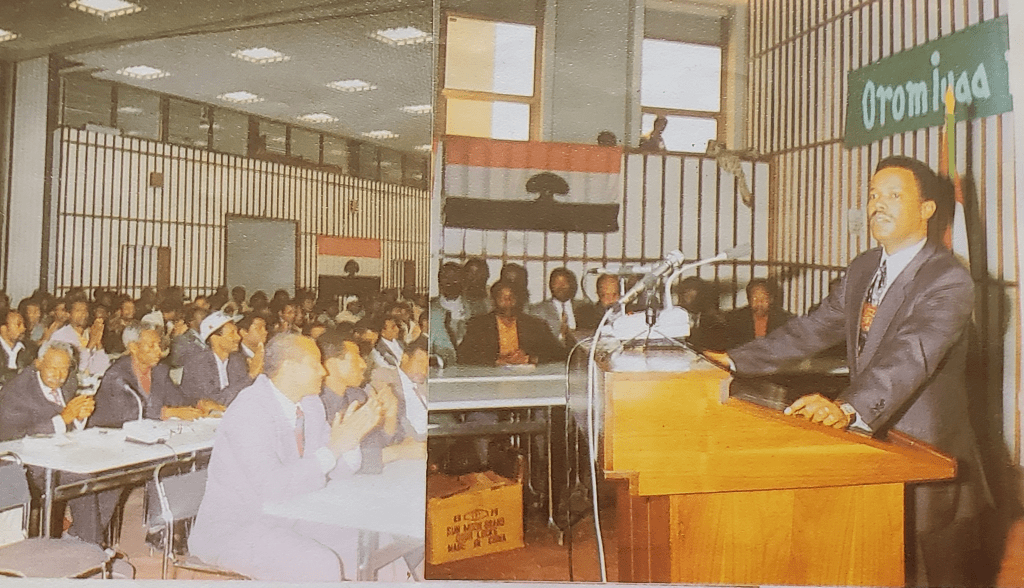
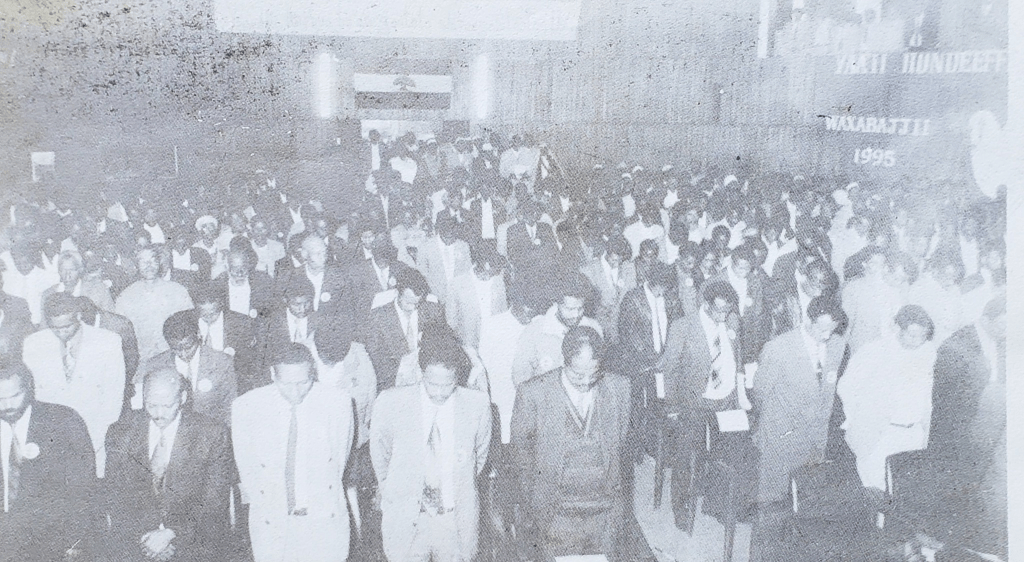
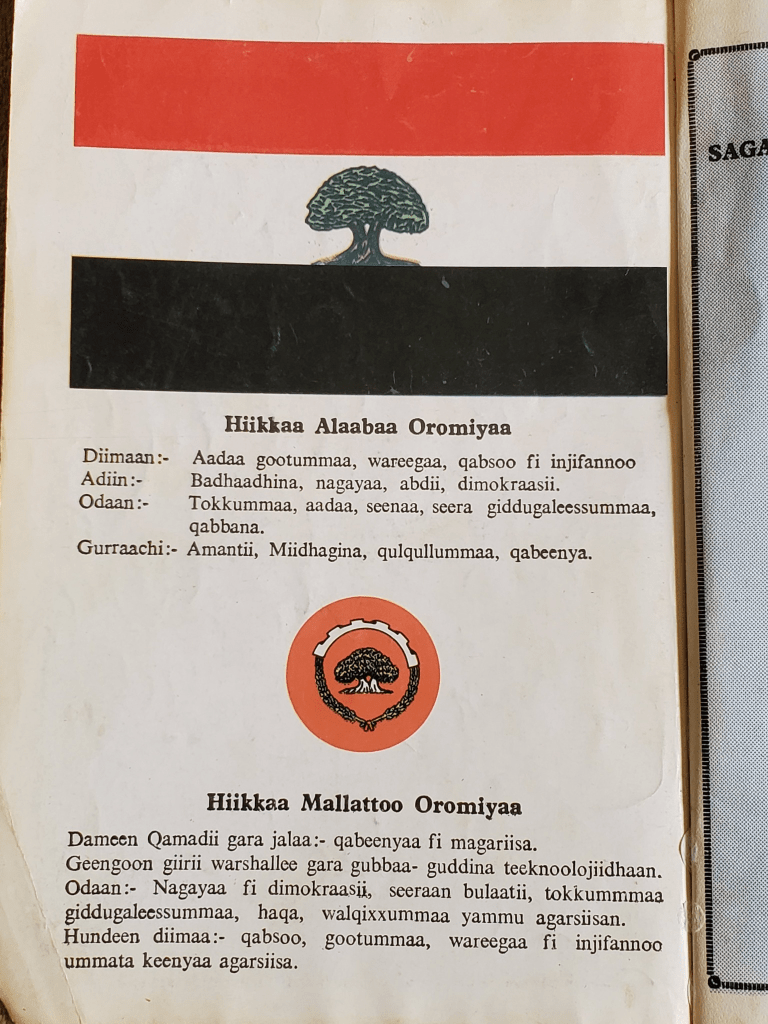
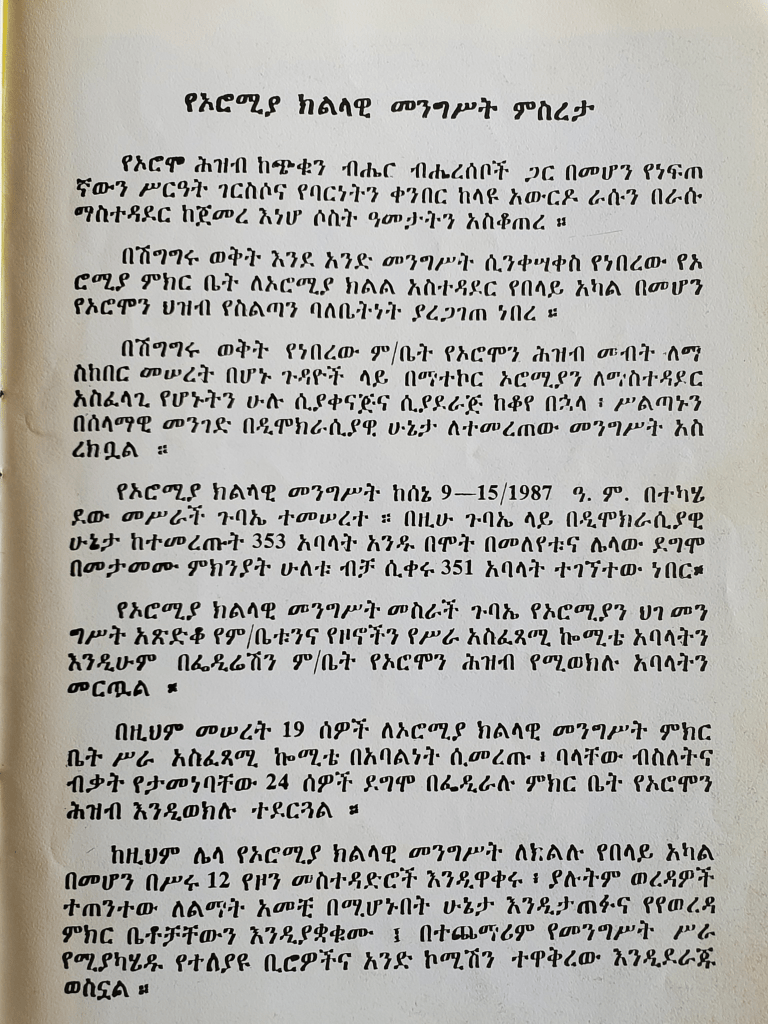
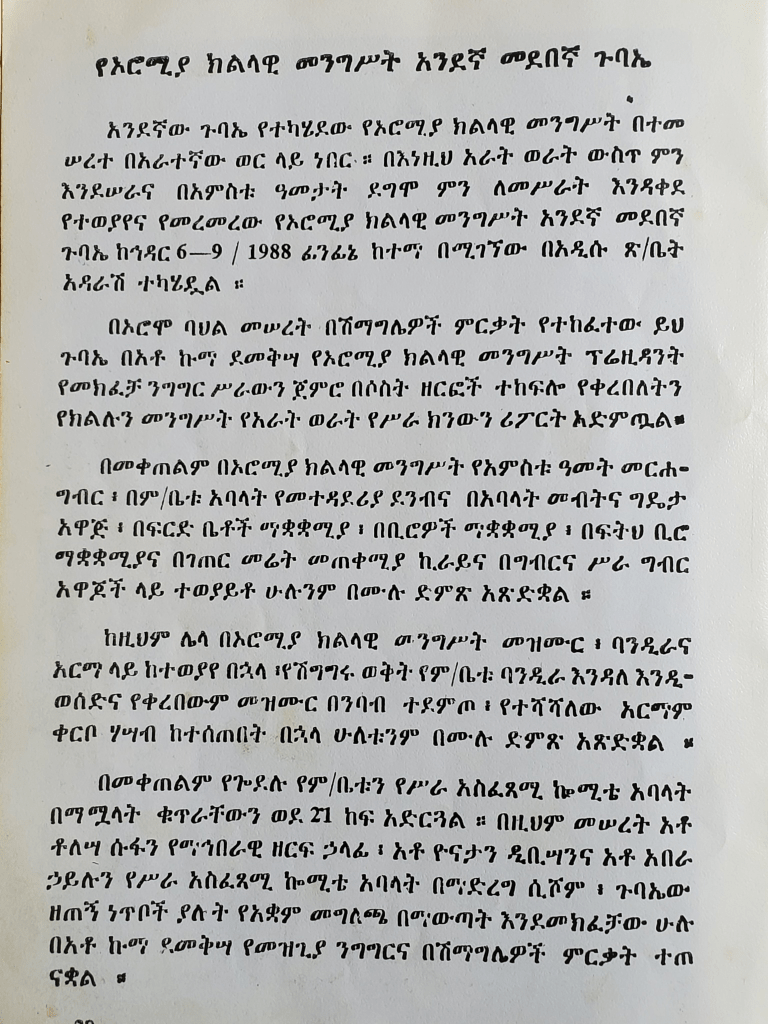
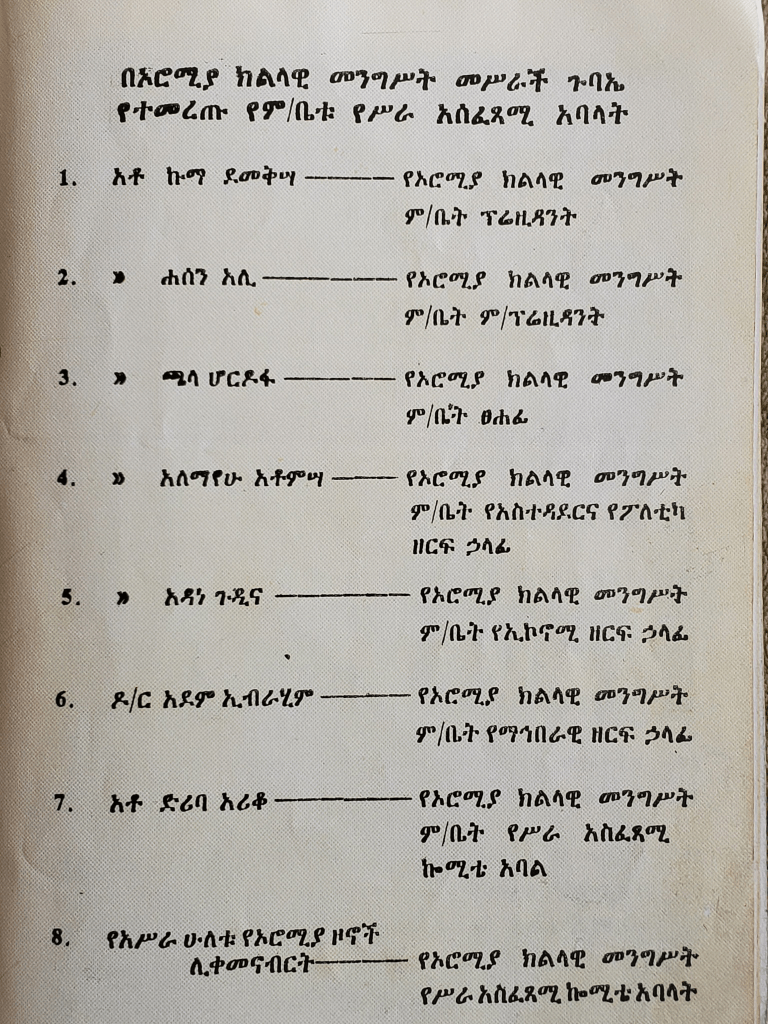
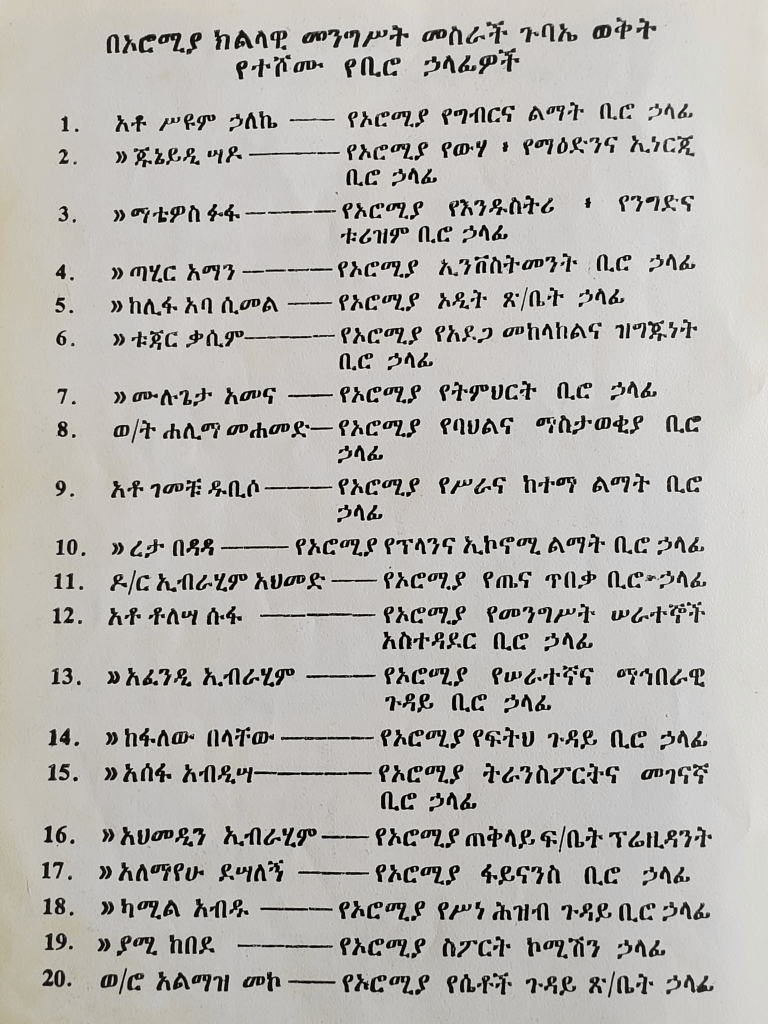
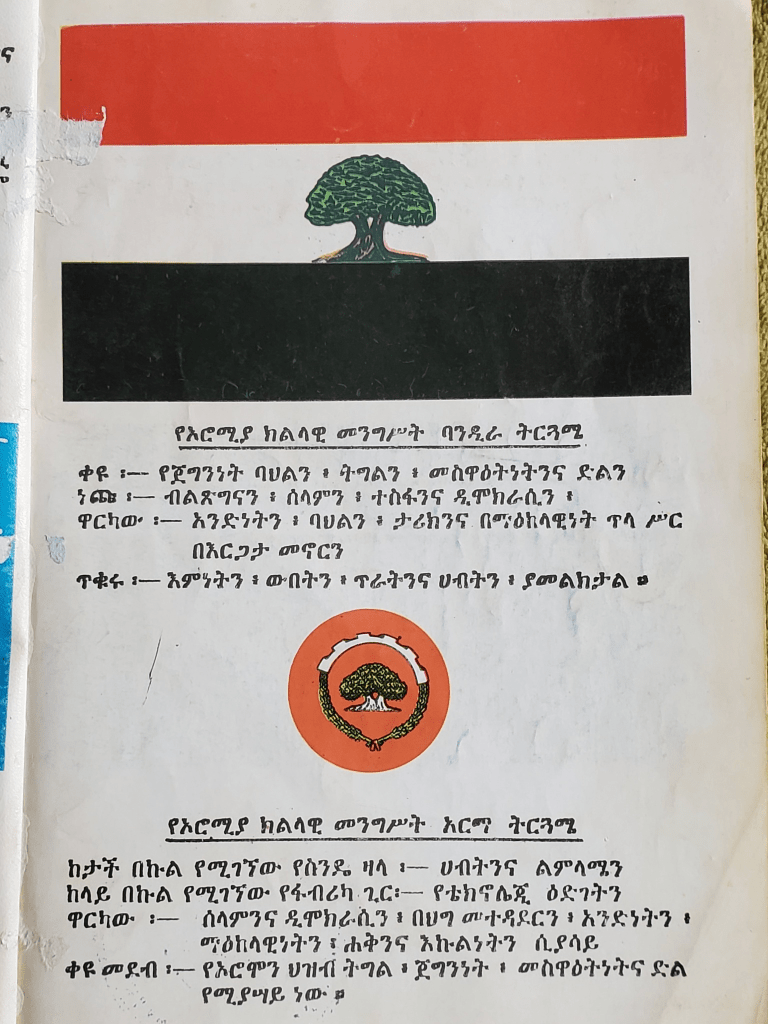

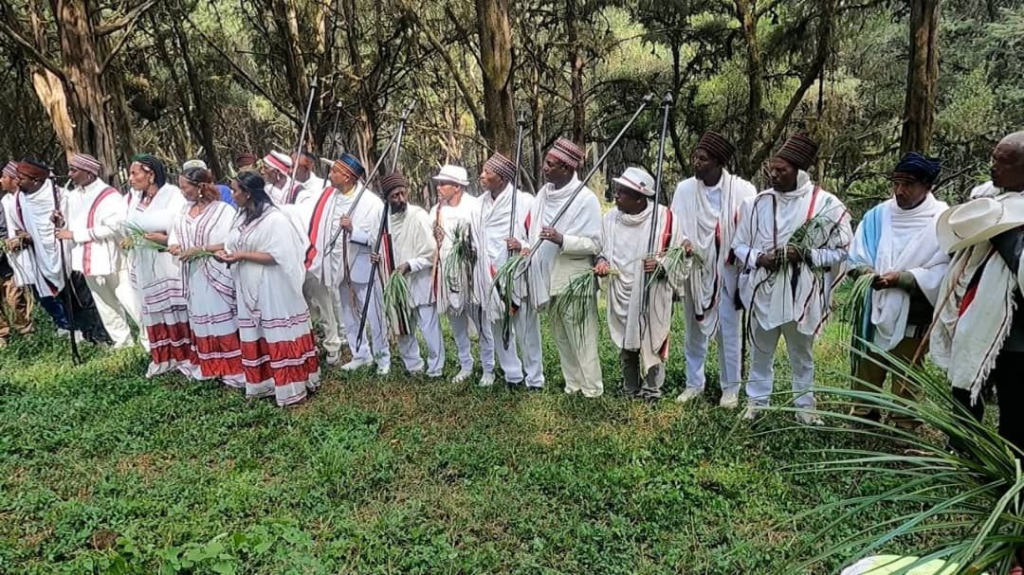
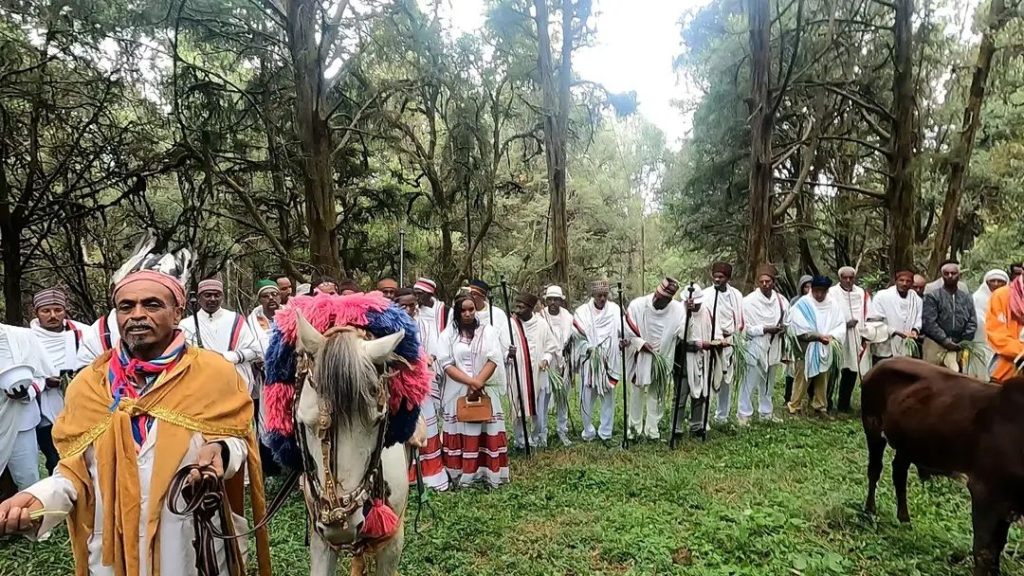
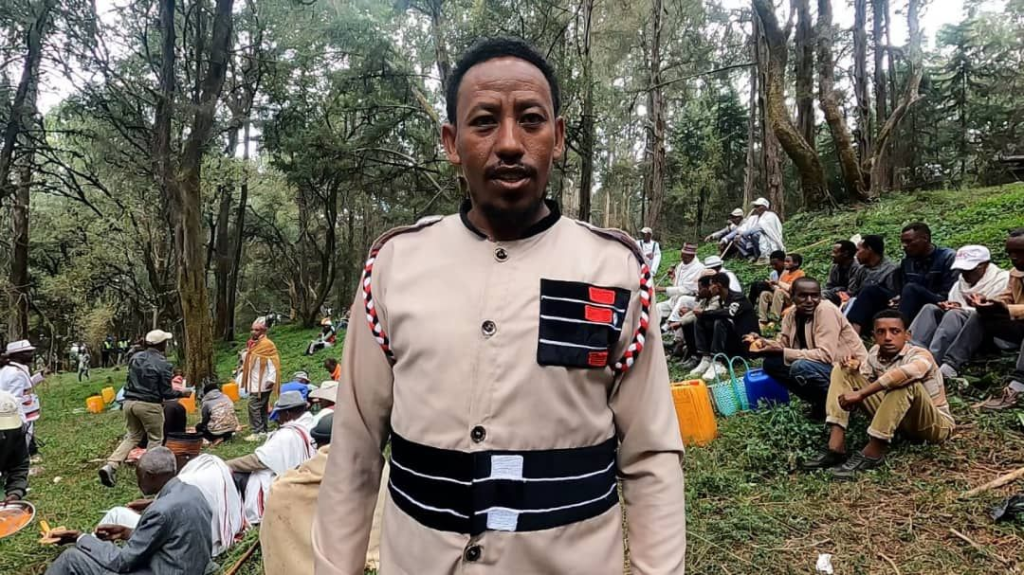
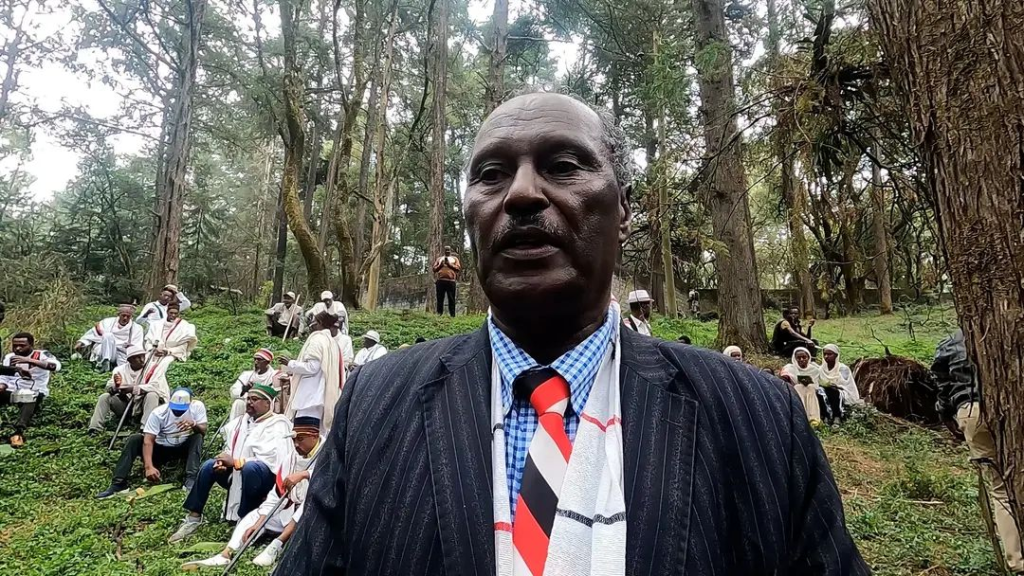
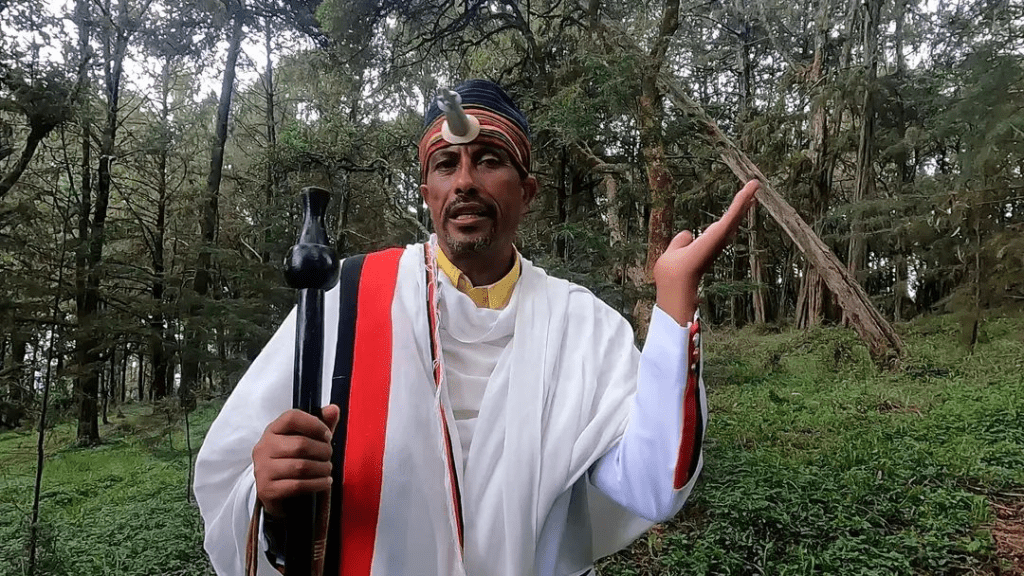

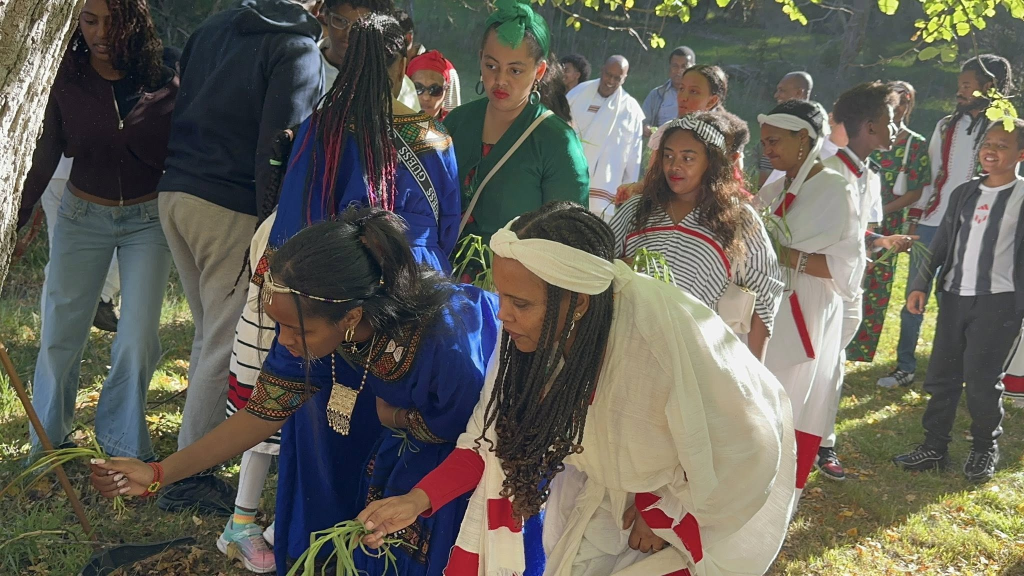
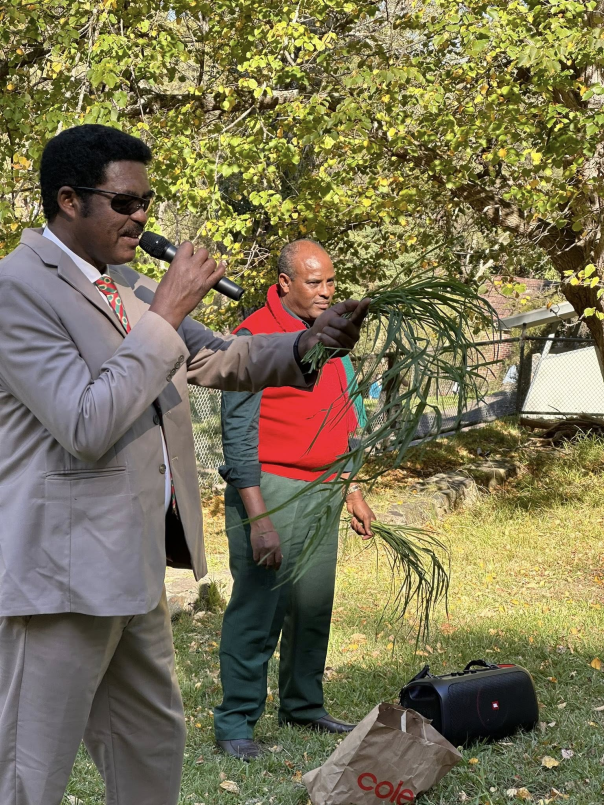
 Damboobummaa – cultural ethics
 Thanksgiving is essential
 The gathering concluded: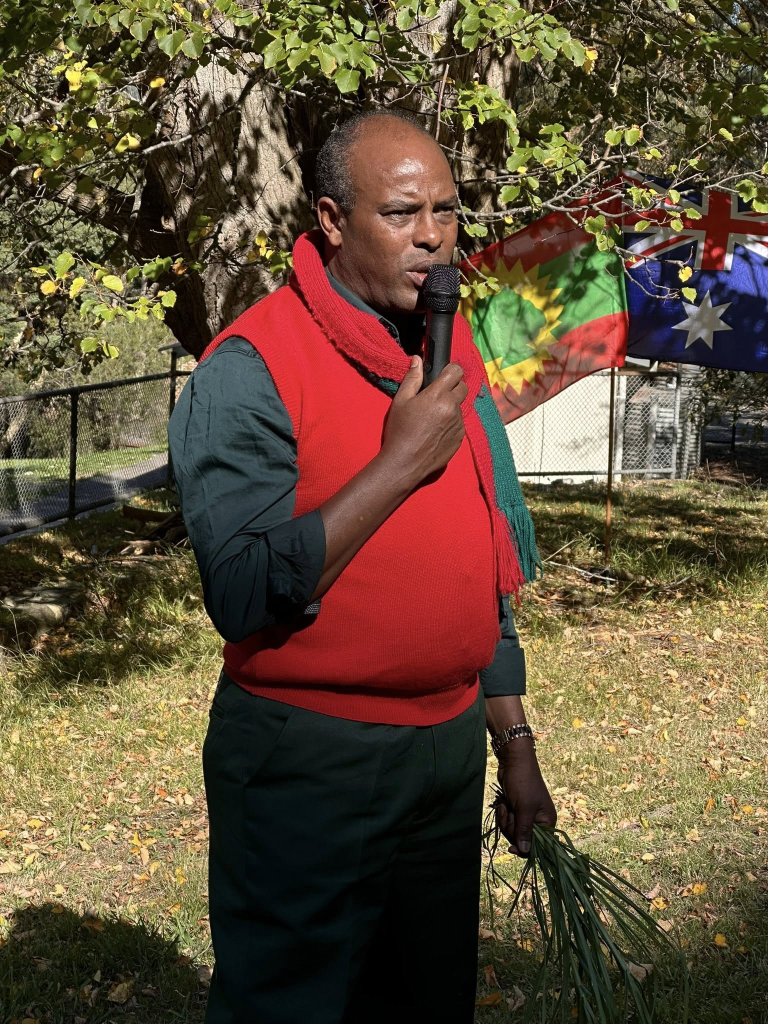
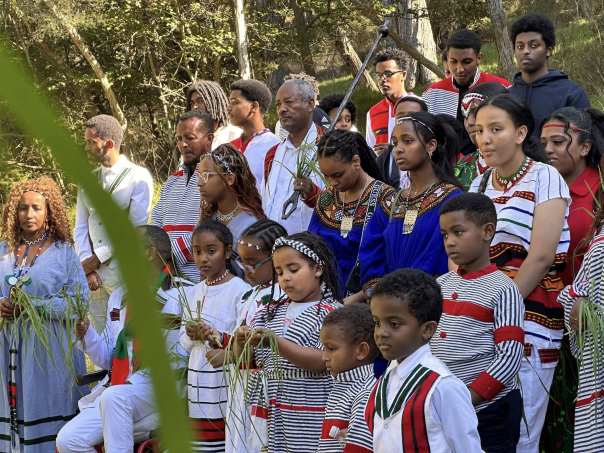
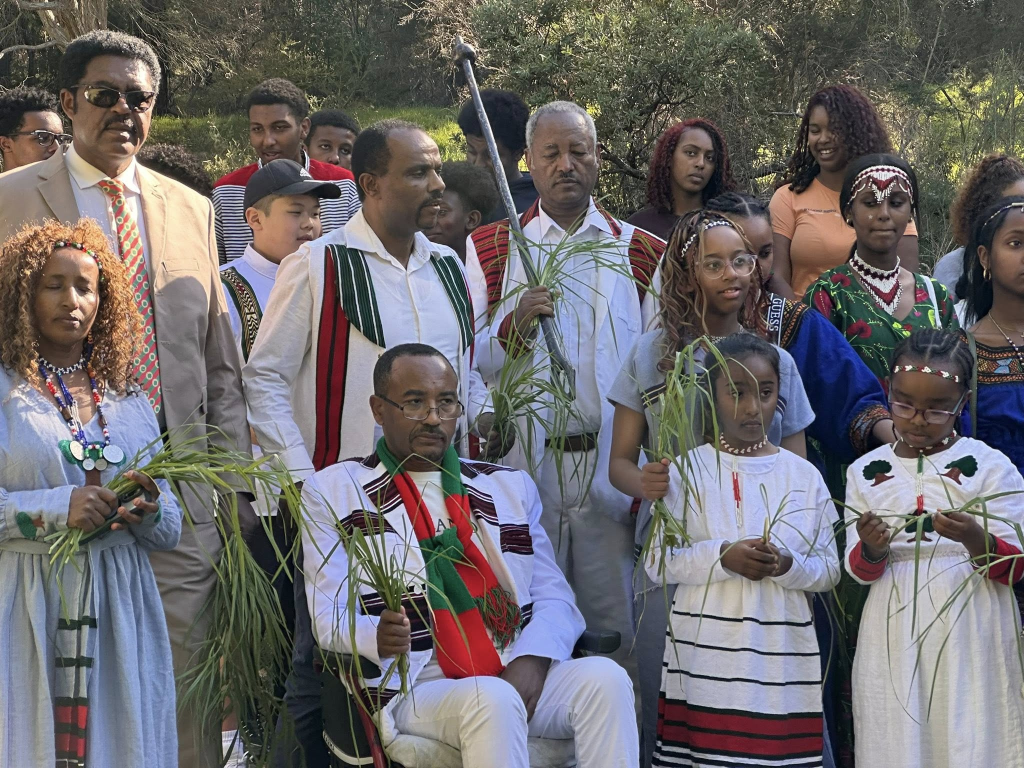
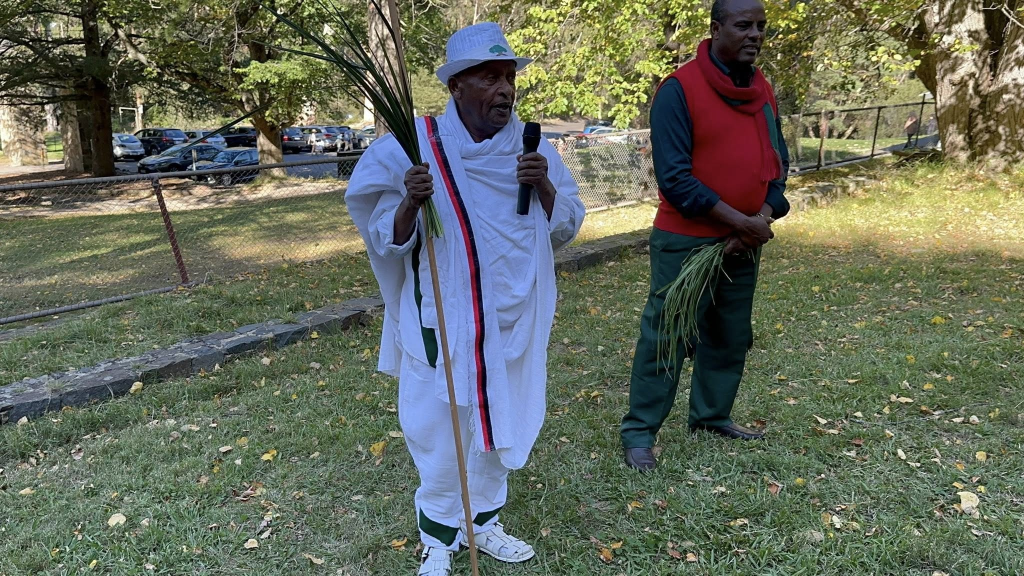
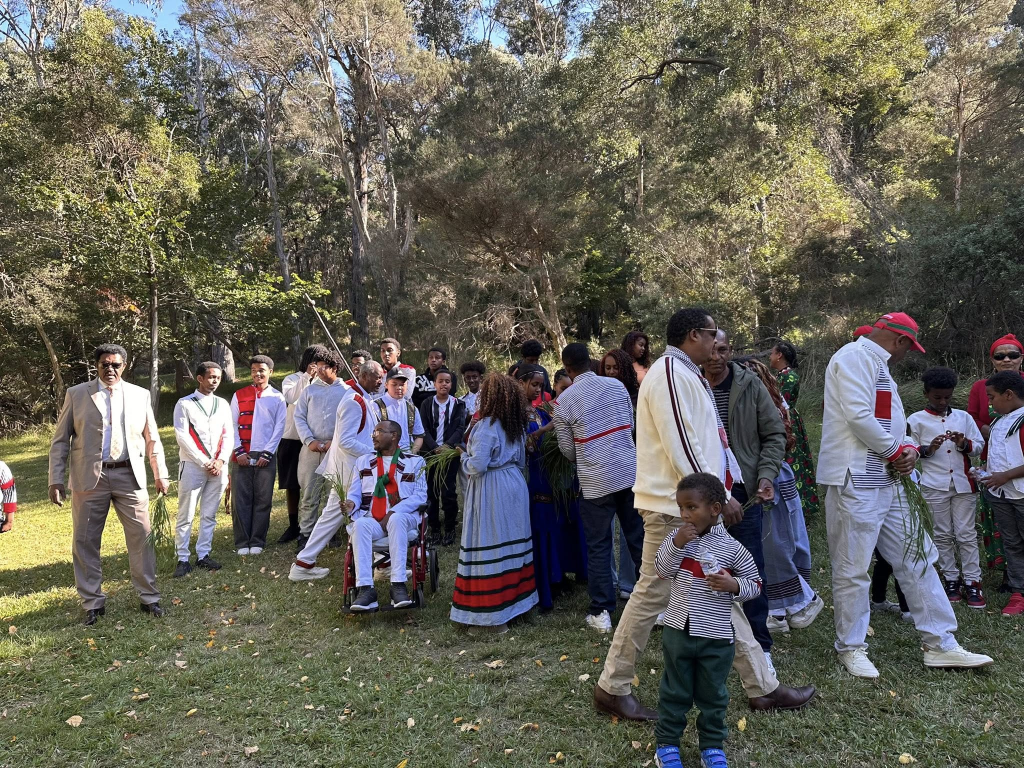

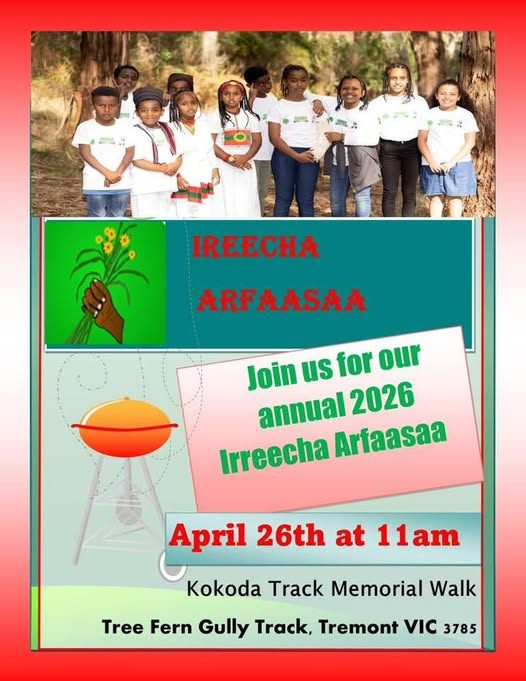

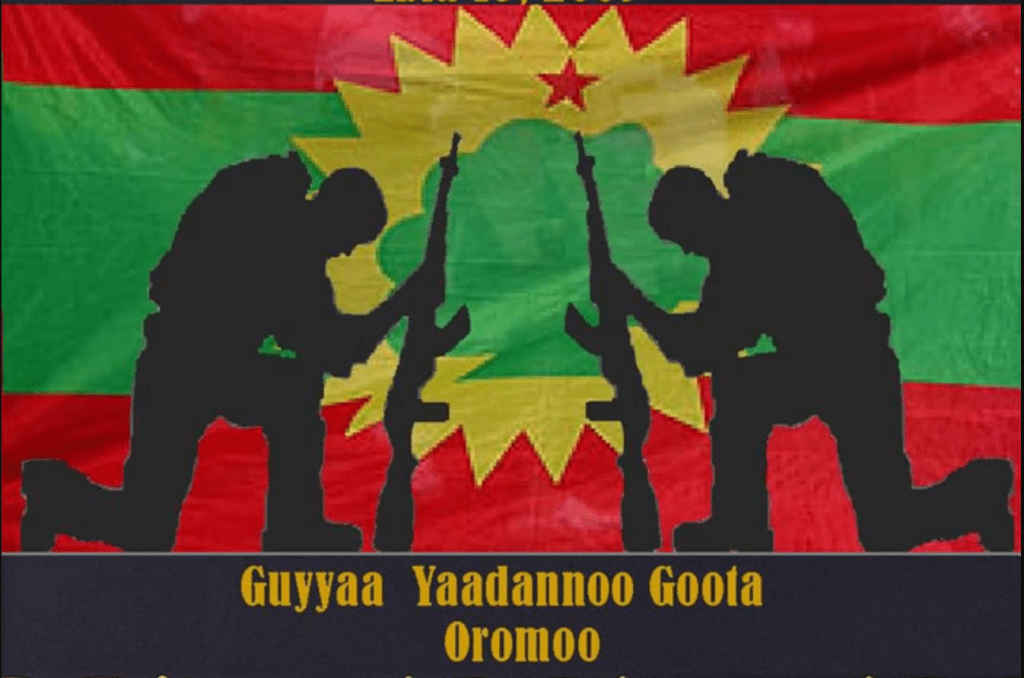


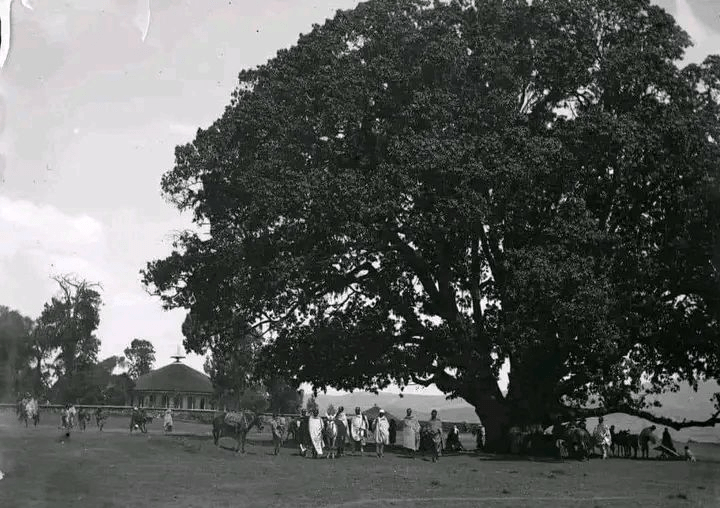

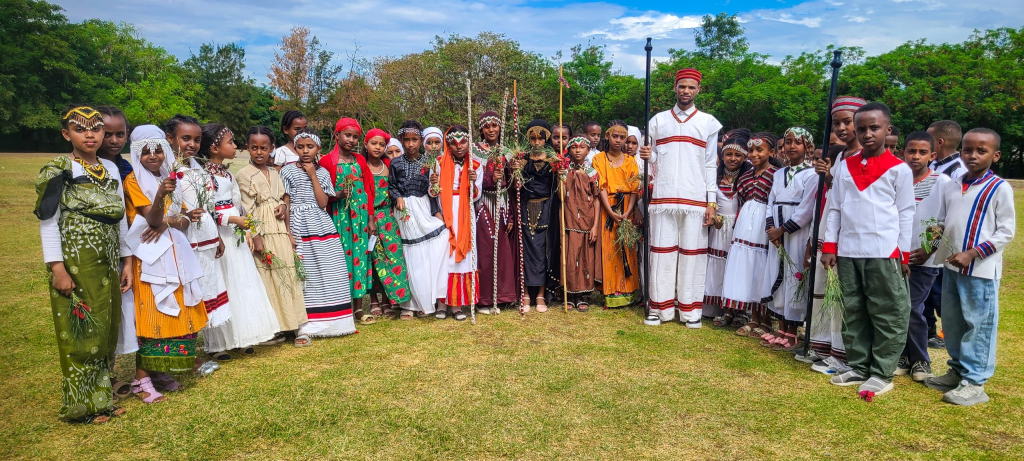
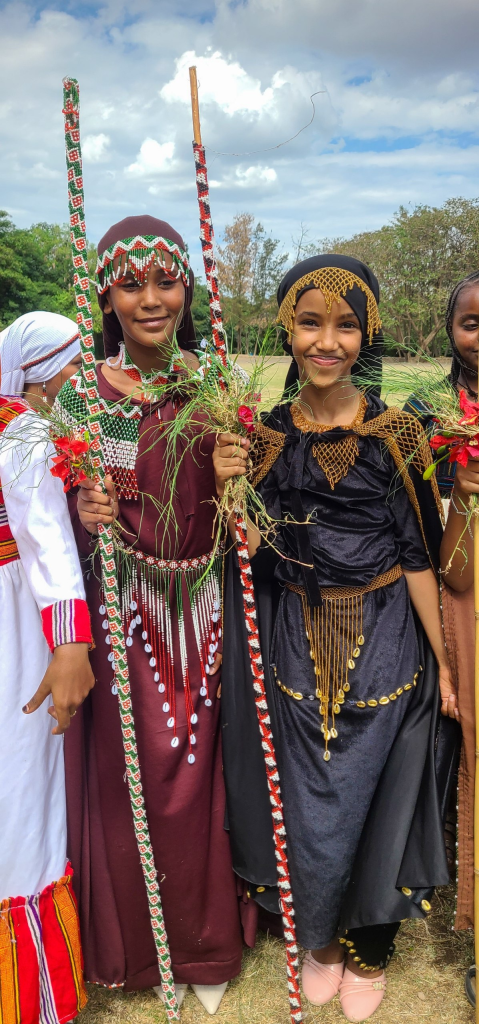
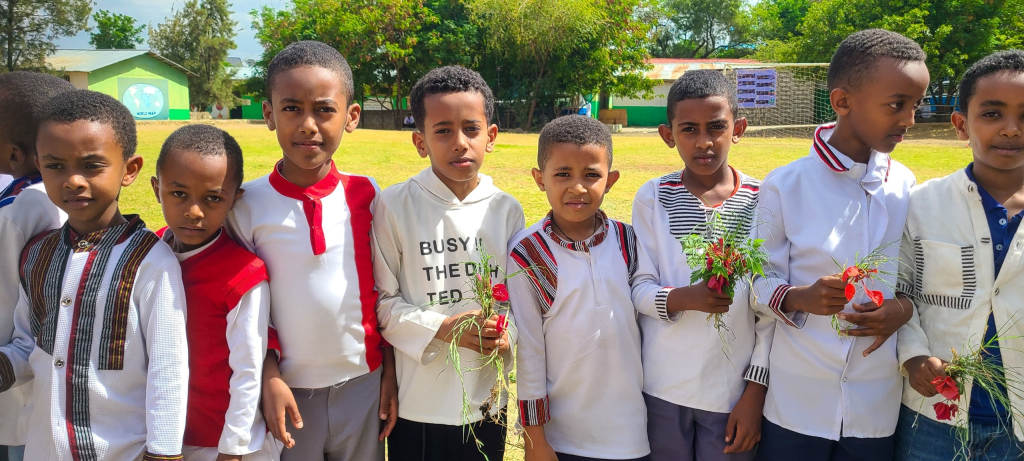
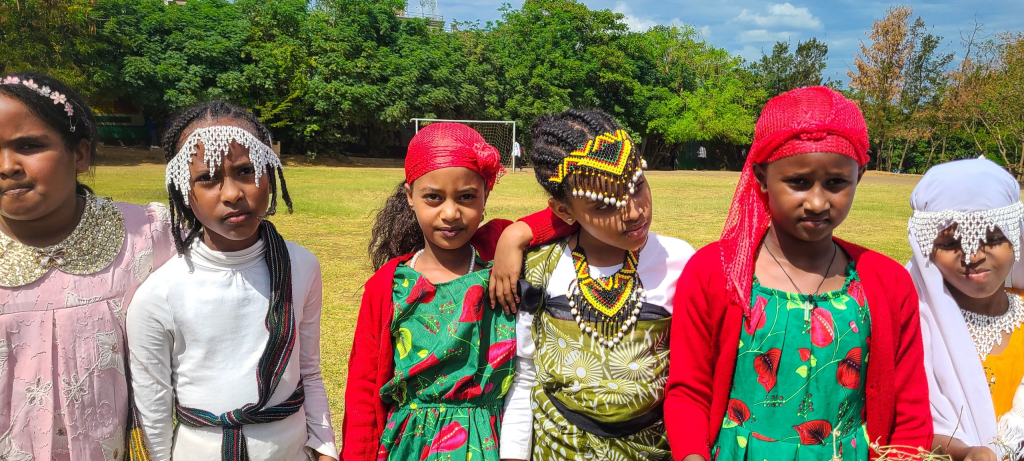
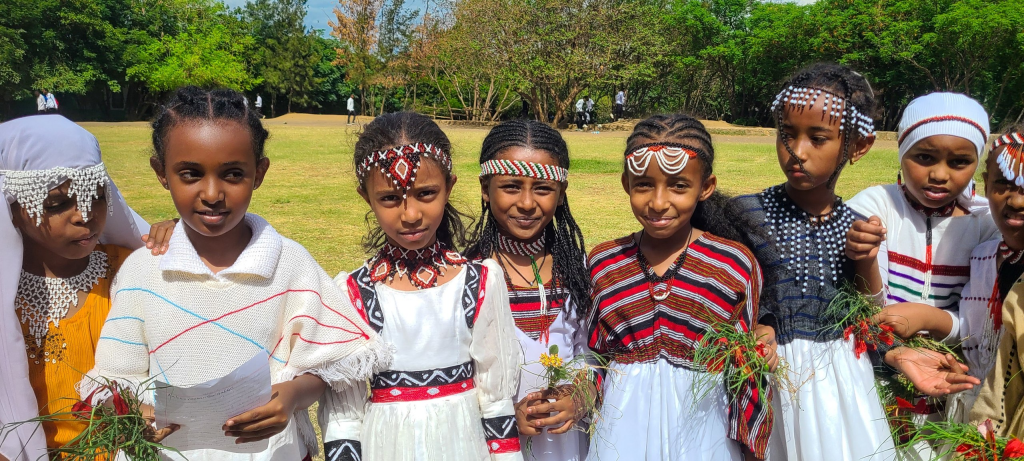
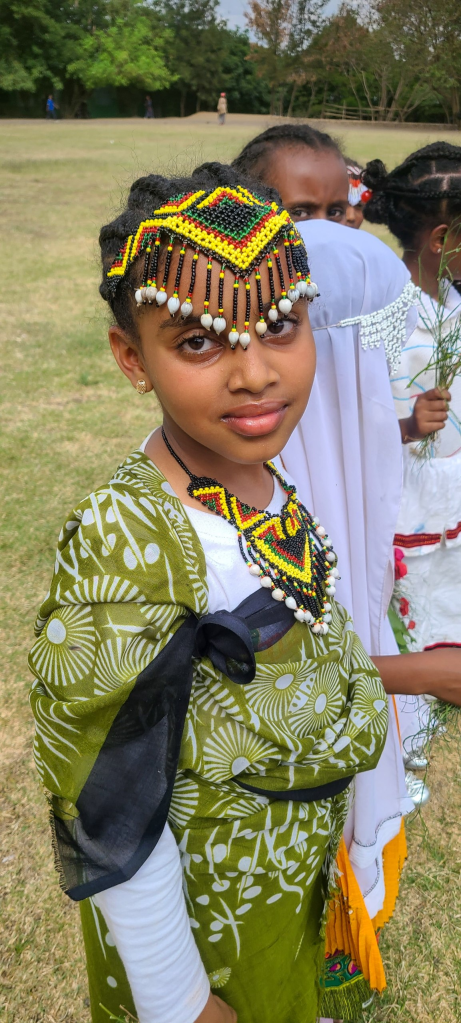
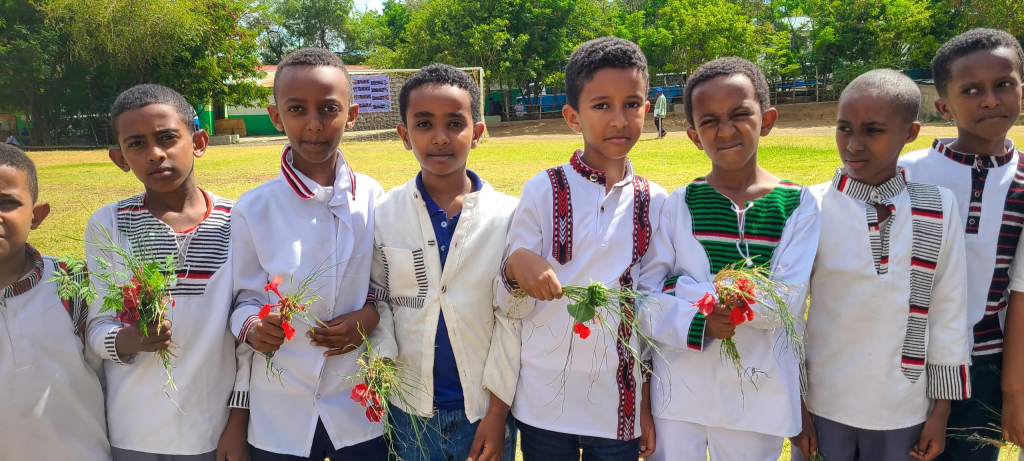

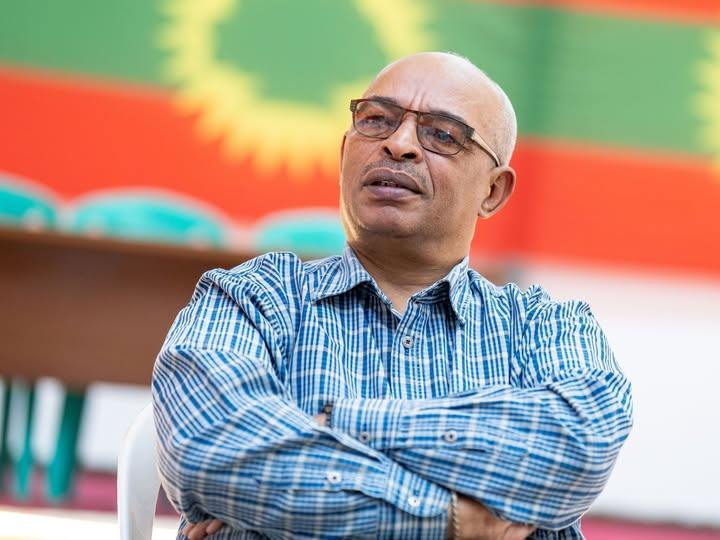


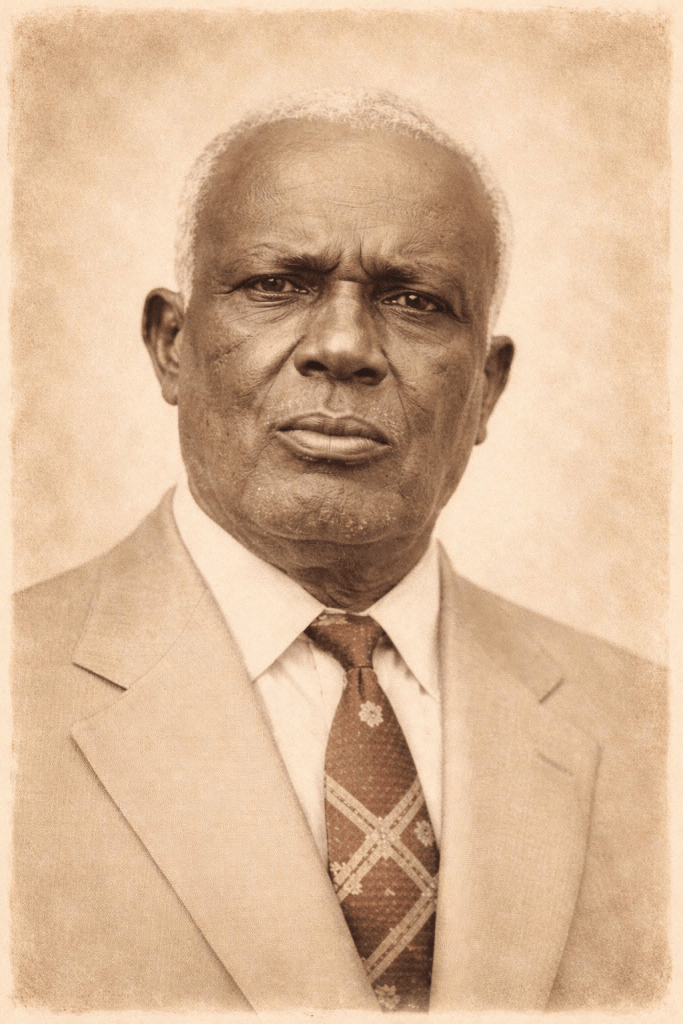

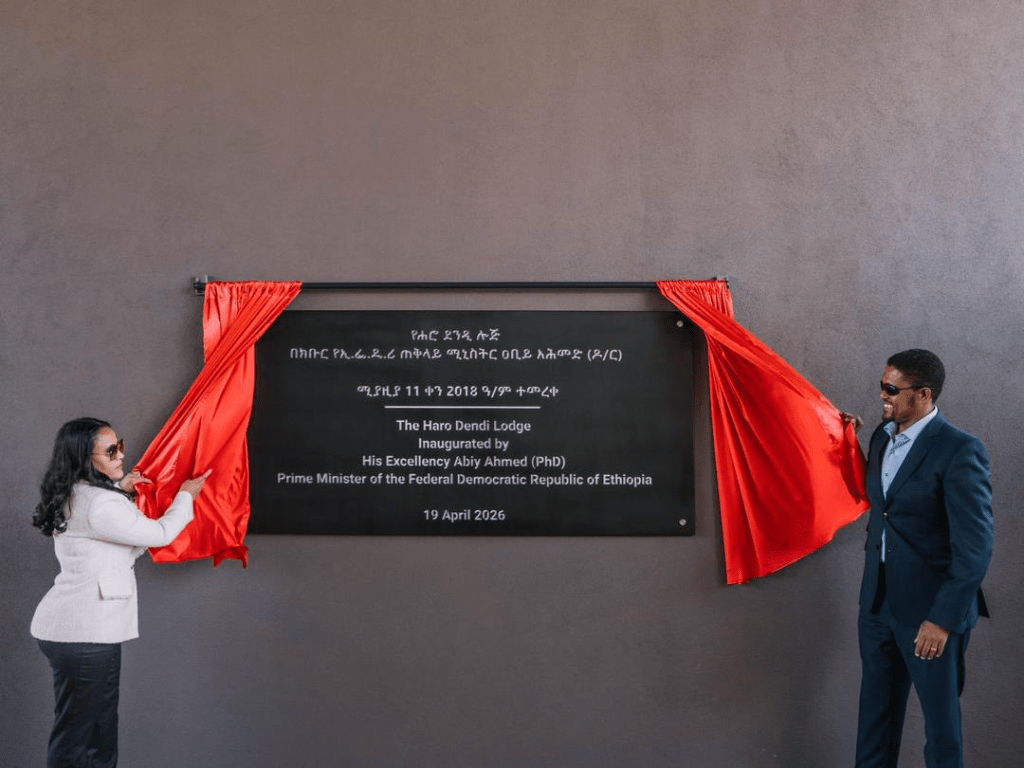
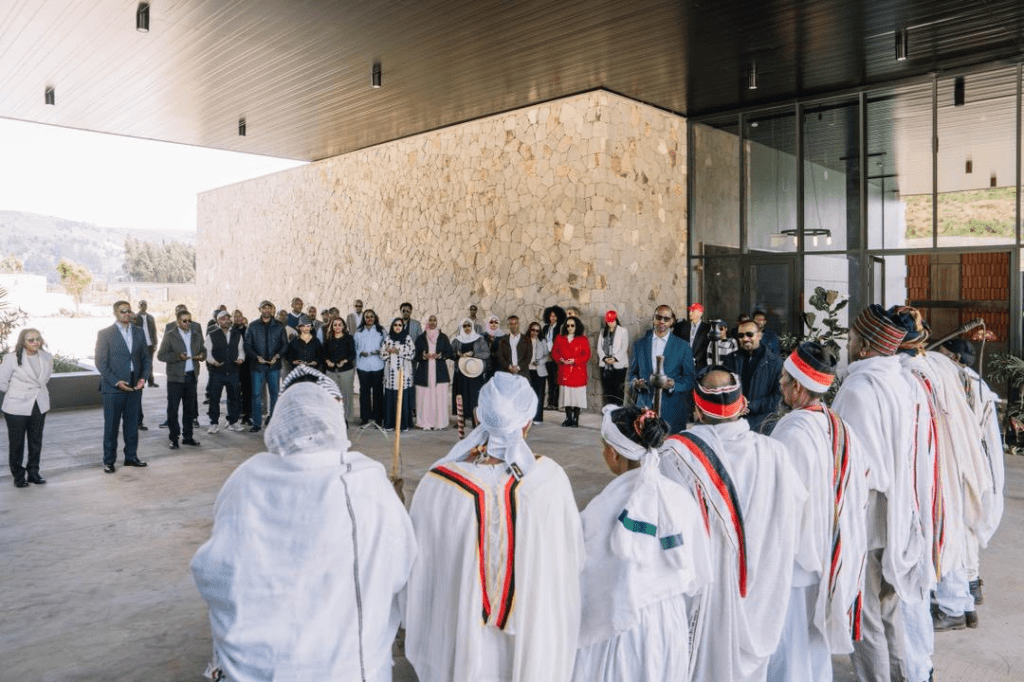

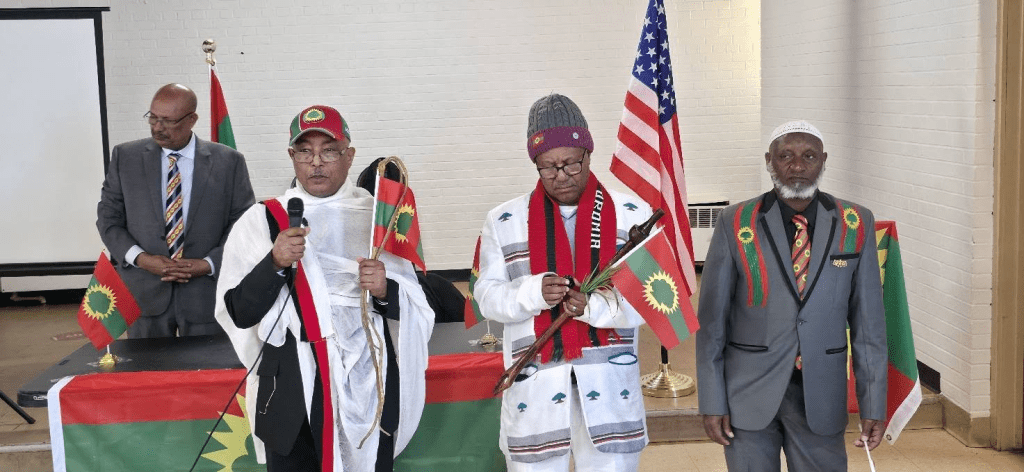
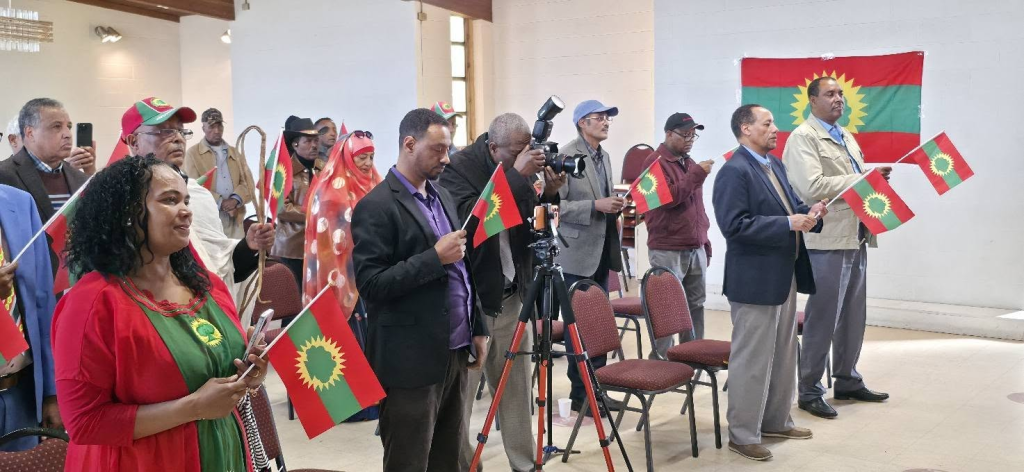
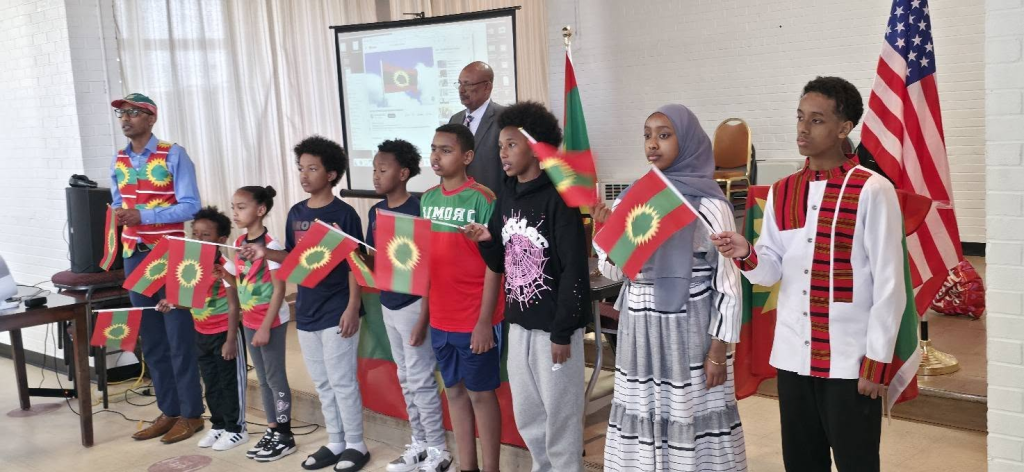
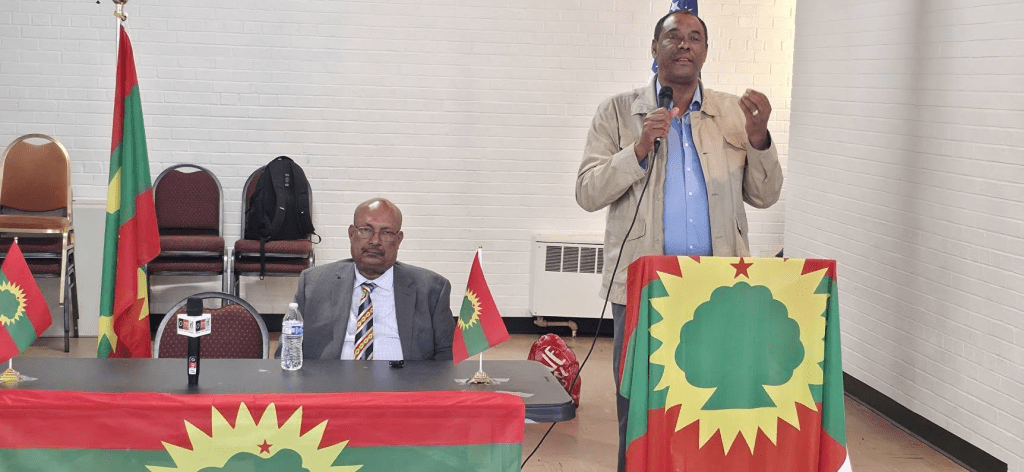
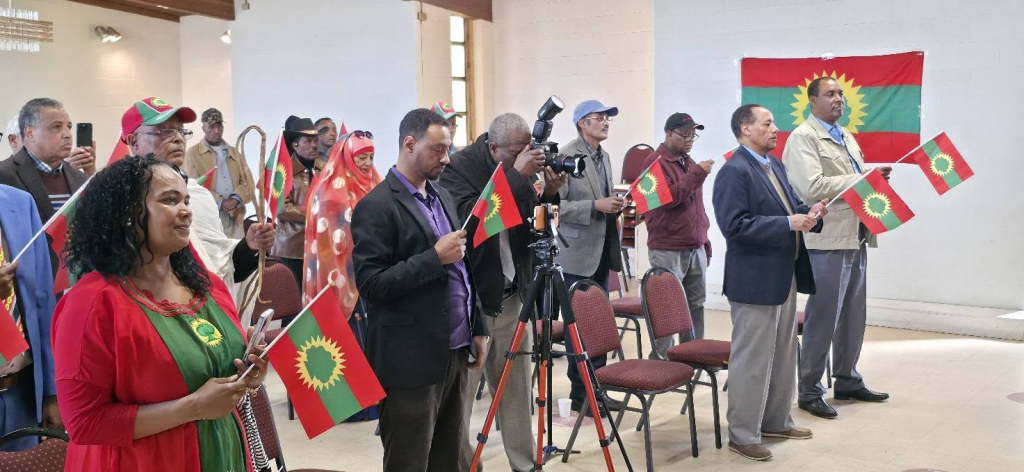

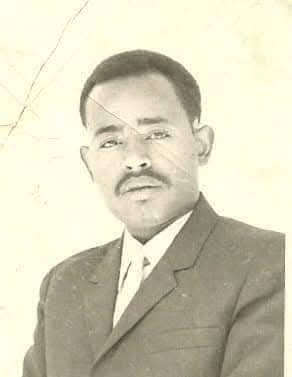
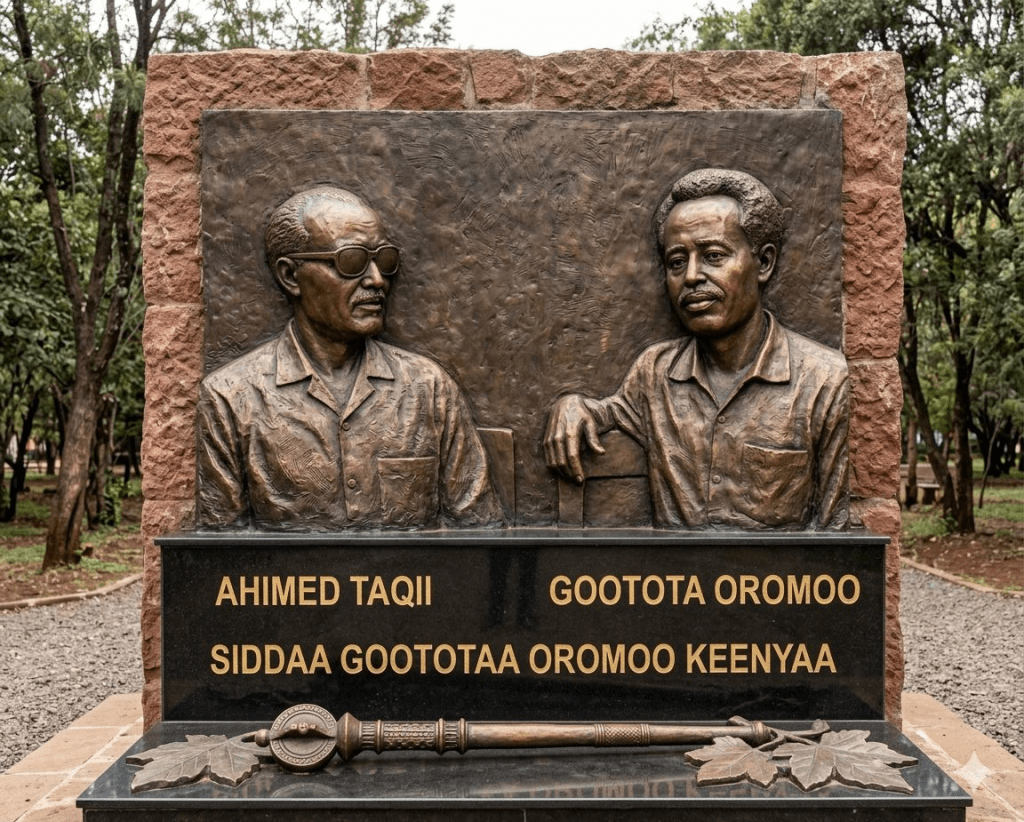

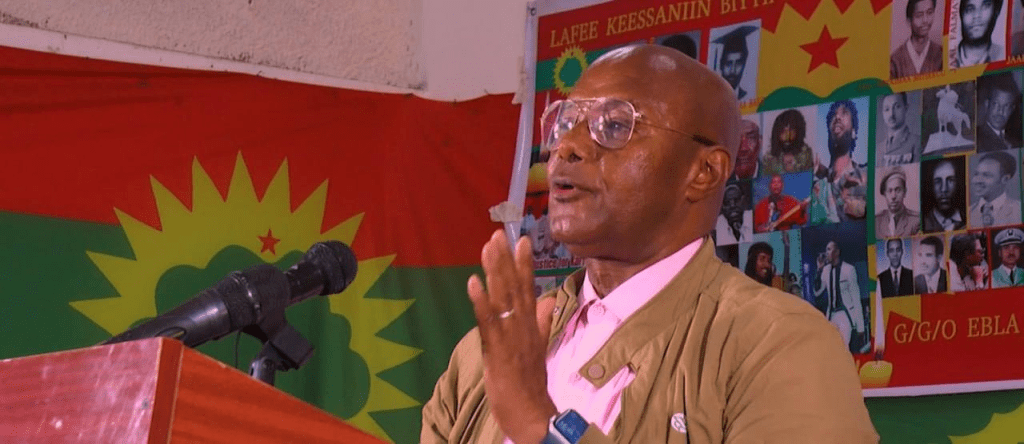
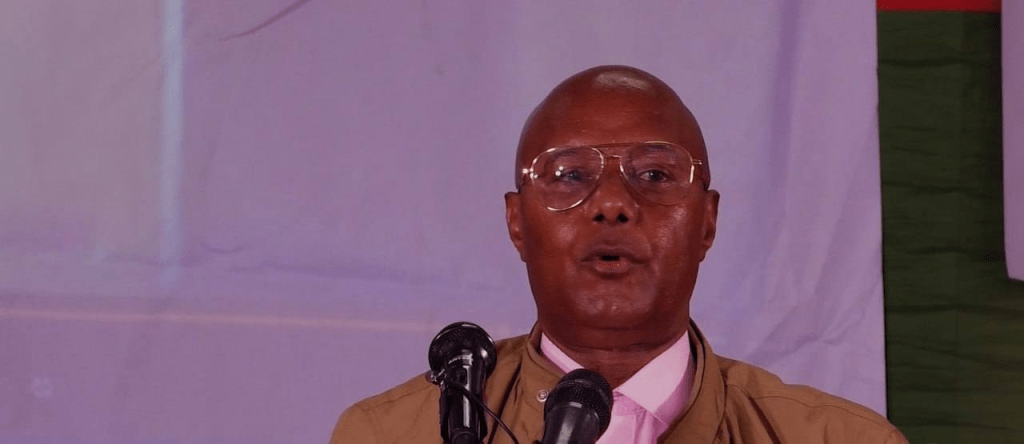
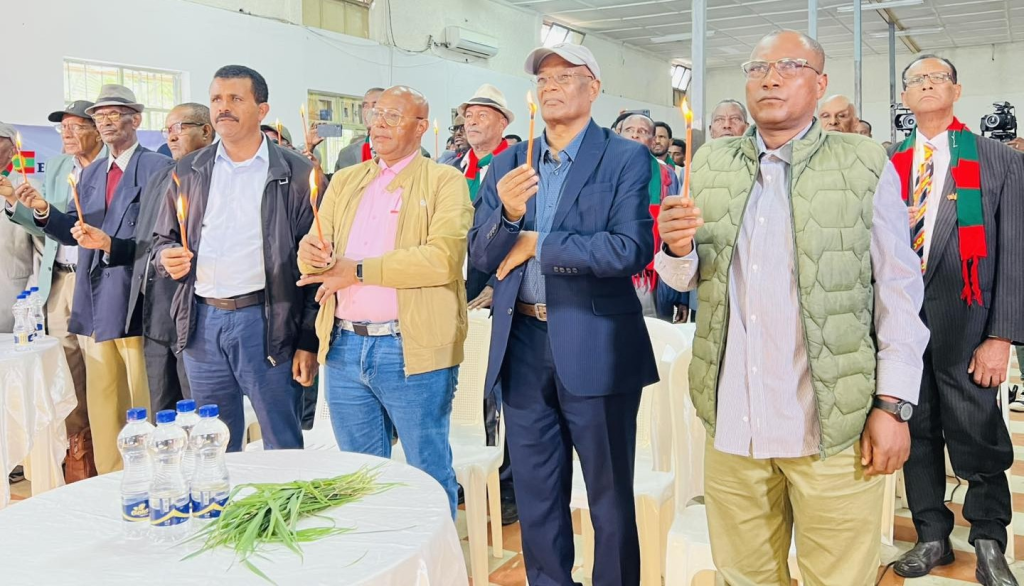
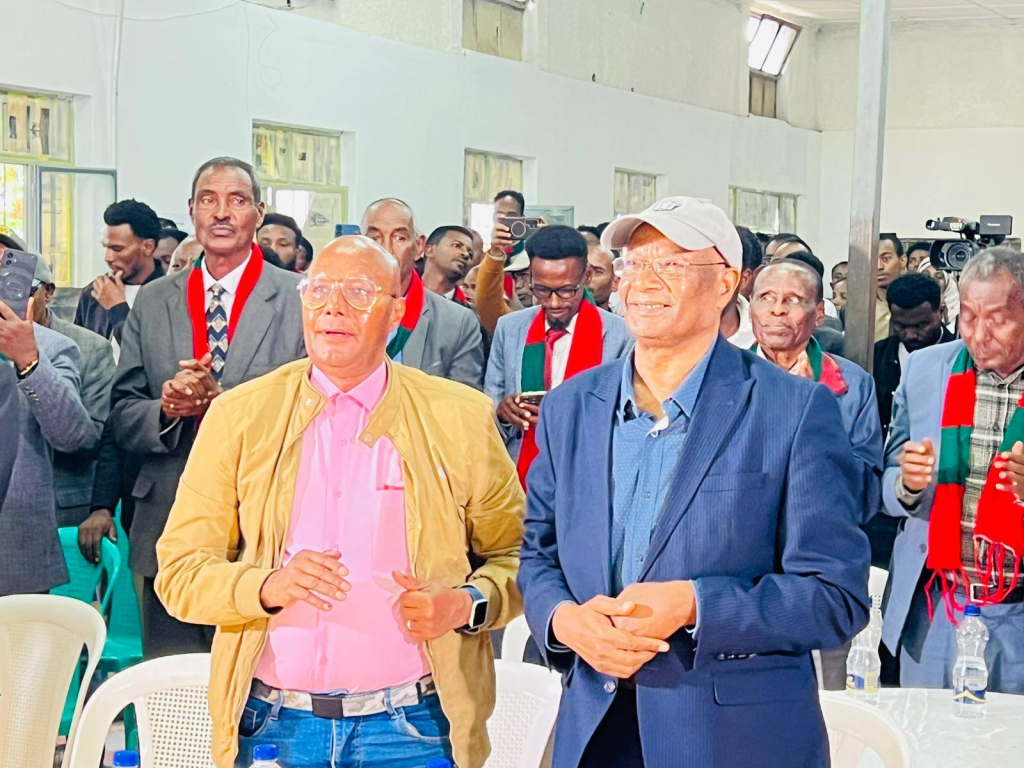
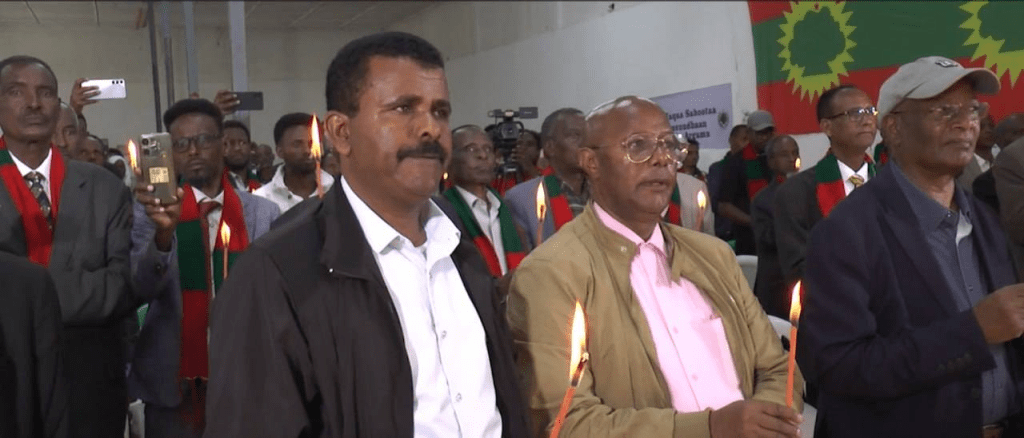

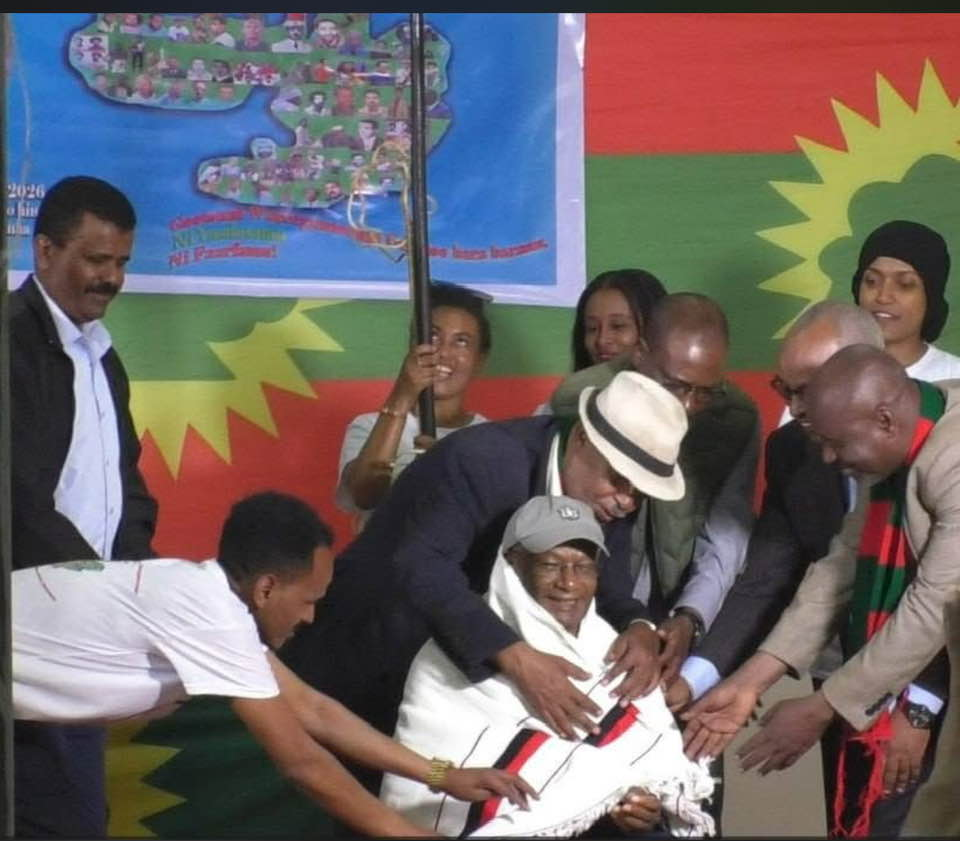

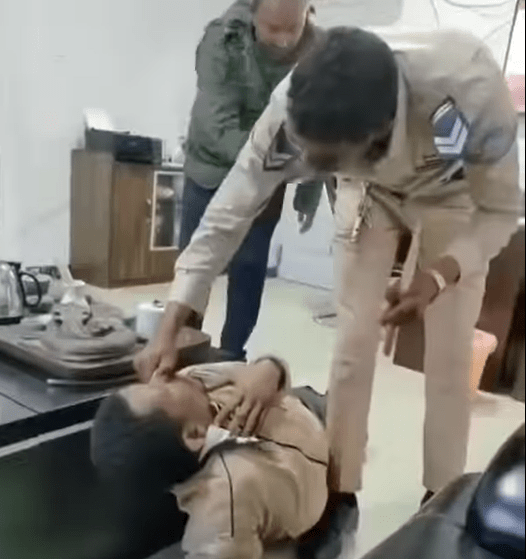
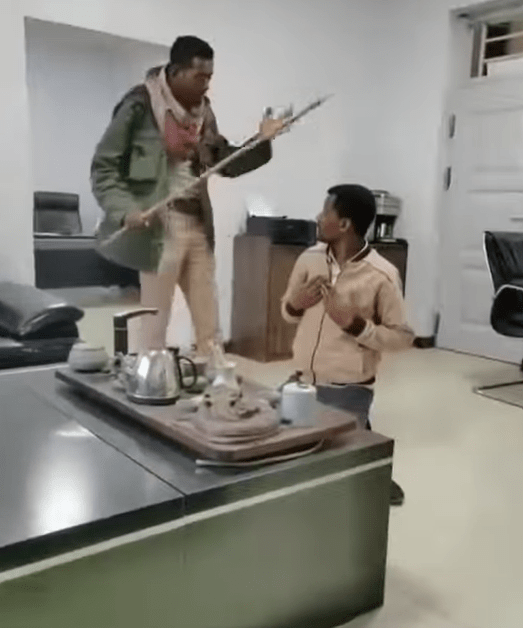
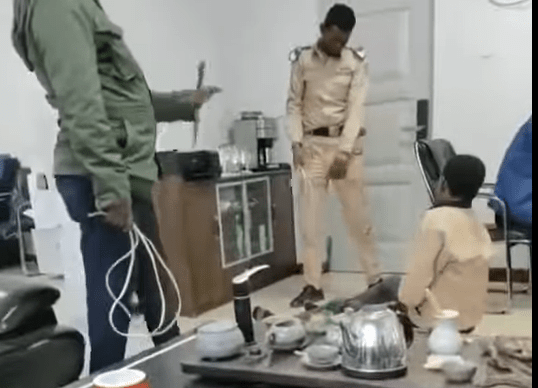

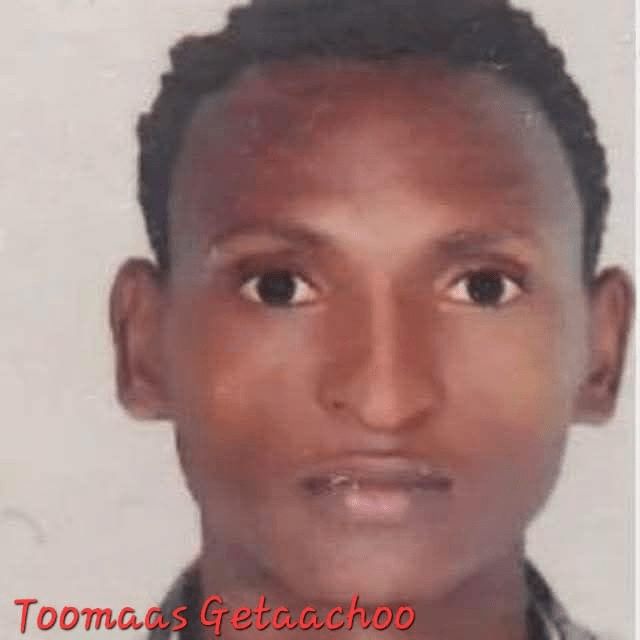

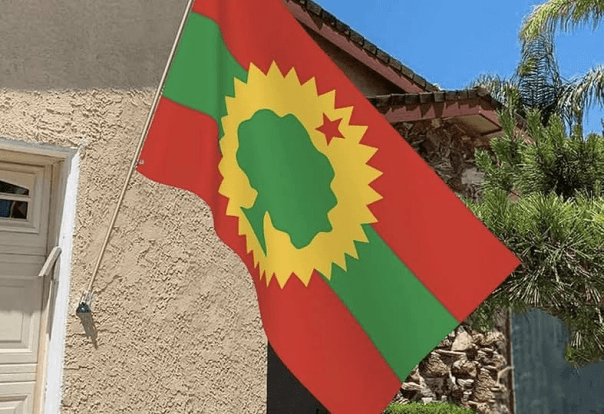

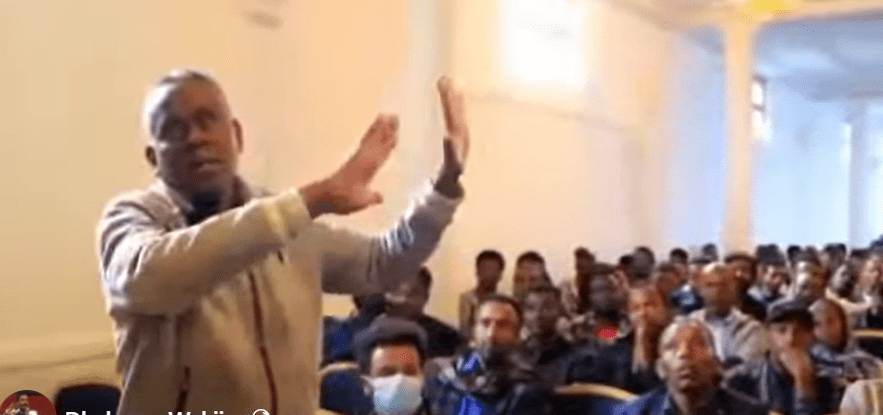

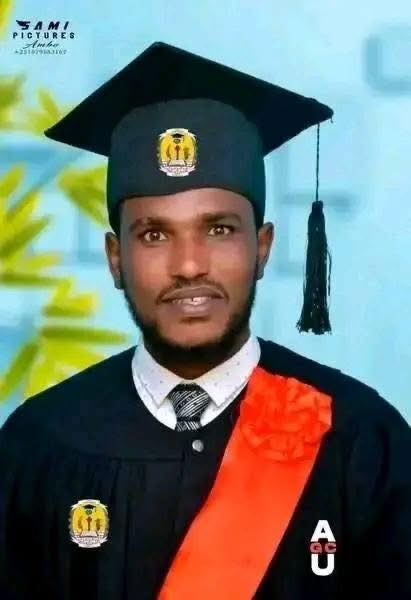

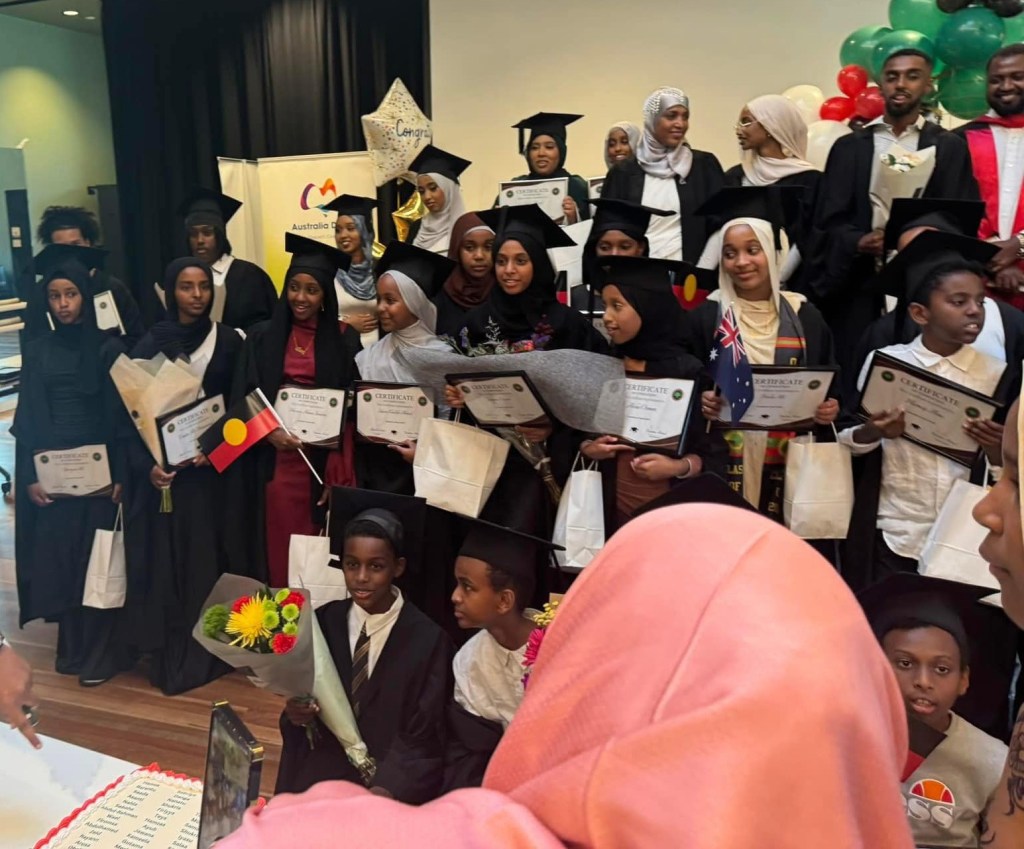
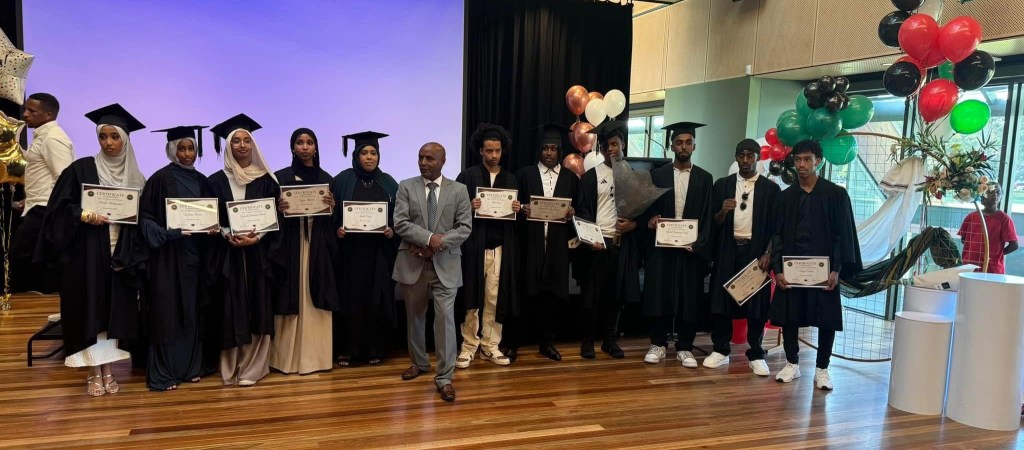




 Advocacy for Oromia