Author Archives: advocacy4oromia

The Seed of Culture: Oromo Heritage Training Takes Root at Grassroots in Yaaballo
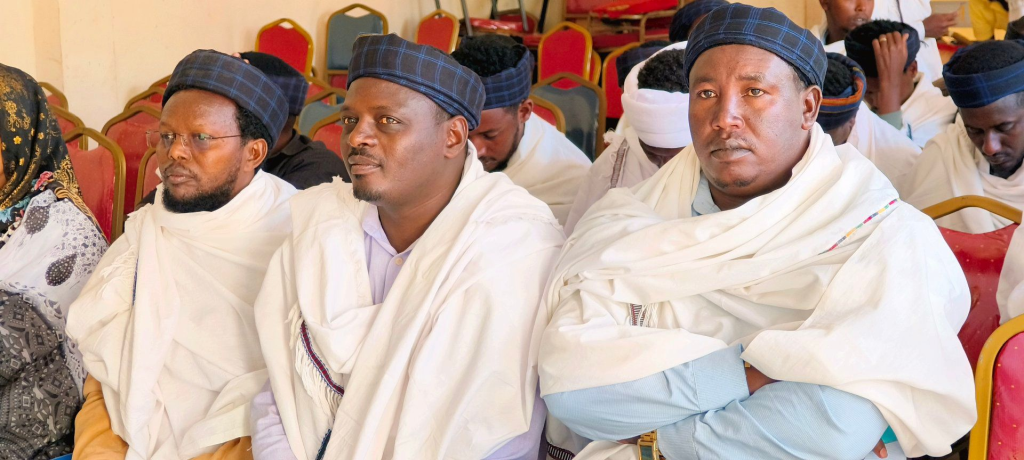
Subtitle: Local and Village Leaders Empowered as Standard-Bearers of Cultural Revitalization
YAABALLO, BORANA ZONE, OROMIA – In a significant move to ground cultural preservation in community leadership, a comprehensive Oromo Cultural Heritage Training (Leenjii Haaromsa Aadaa Oromo) has been successfully delivered to administrators at the woreda (district) and village levels in Yaaballo.
The training, held on Gurrandhala 2, 2018, is part of a sustained, multi-year strategy. It falls under the broader Oromo Cultural Heritage Revitalization Strategic Plan (2017-2027) and the specific annual plan for 2018, signaling a long-term, institutional commitment to preserving Oromo identity.
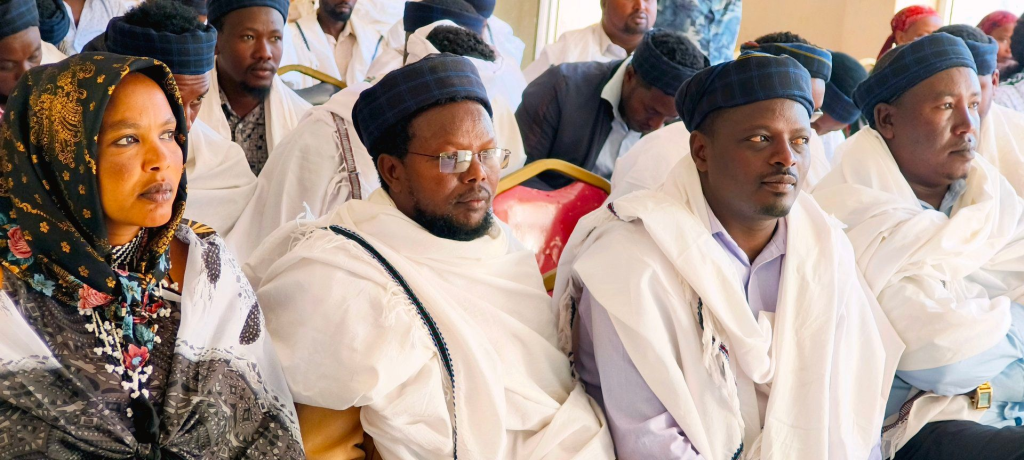
In his opening remarks, Yaaballo Woreda Administrator, Obbo Boruu Diida, framed the initiative as foundational to nation-building. “Cultural heritage is not merely about expressing our identity,” he stated. “It is the very pillar of peace, social cohesion, and prosperity. Therefore, cultural revitalization must be adopted as a core agenda and implemented vigorously at all levels.”
Echoing this sentiment, Obbo Soraa Halakee, Head of the Woreda Prosperity Party Office, highlighted the multidimensional importance of culture. “Cultural heritage plays a critical role in social, economic, and political life,” he said. He called on all community structures to work in an integrated manner and urged the youth to actively engage in revitalization work, which will help “preserve valuable traditions and transform detrimental practices.”
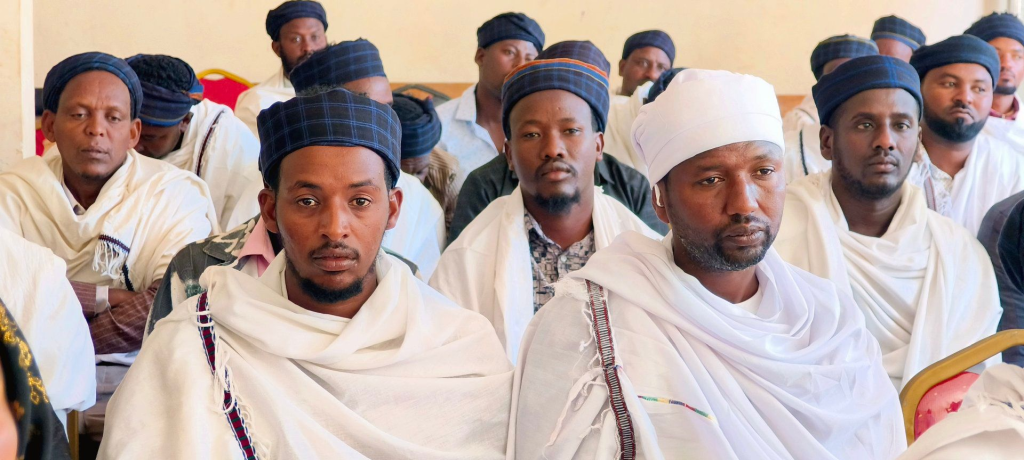
The message from Addee Simenyi Aschaloo, Head of the Woreda Public Mobilization Office, positioned the training as a key implementation of the Oromia regional government’s flagship cultural policy. “This cultural revitalization is a strategy to reinstate our forefathers’ morning rituals in every household, to change work habits, and to strengthen the stage, knowledge, and economy of the Oromo people,” she explained. “It goes beyond restoring lost culture; it plays a paramount role in shaping the ongoing social, economic, and political transformations.”
Participants in the training engaged actively, sharing perspectives and unanimously emphasizing that every individual must play their part in making this cultural revitalization a reality and in returning lost heritage to its rightful place.
Why This Matters:
This training represents a top-down support for bottom-up change. By equipping local leaders—the figures closest to the people—with knowledge and a clear mandate, the initiative ensures that cultural preservation is not a distant policy but a living, community-driven practice. It recognizes that sustainable cultural vitality begins with empowered local stewardship.
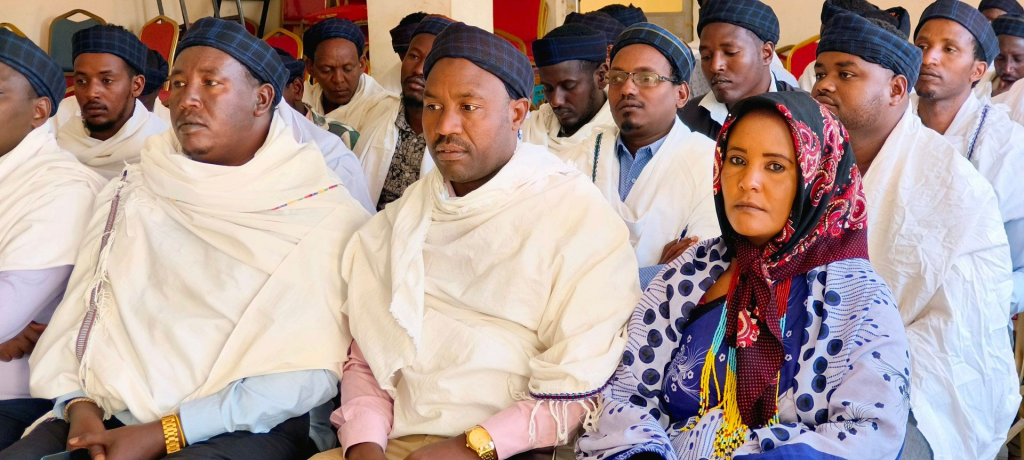
#OromoCulture #AadaaOromo #CulturalHeritage #HaaromsaAadaa #Yaaballo #Borana #CommunityLeadership #Oromia

The Power of the Table: Why Choosing to Sit Down is Africa’s Greatest Political Strength
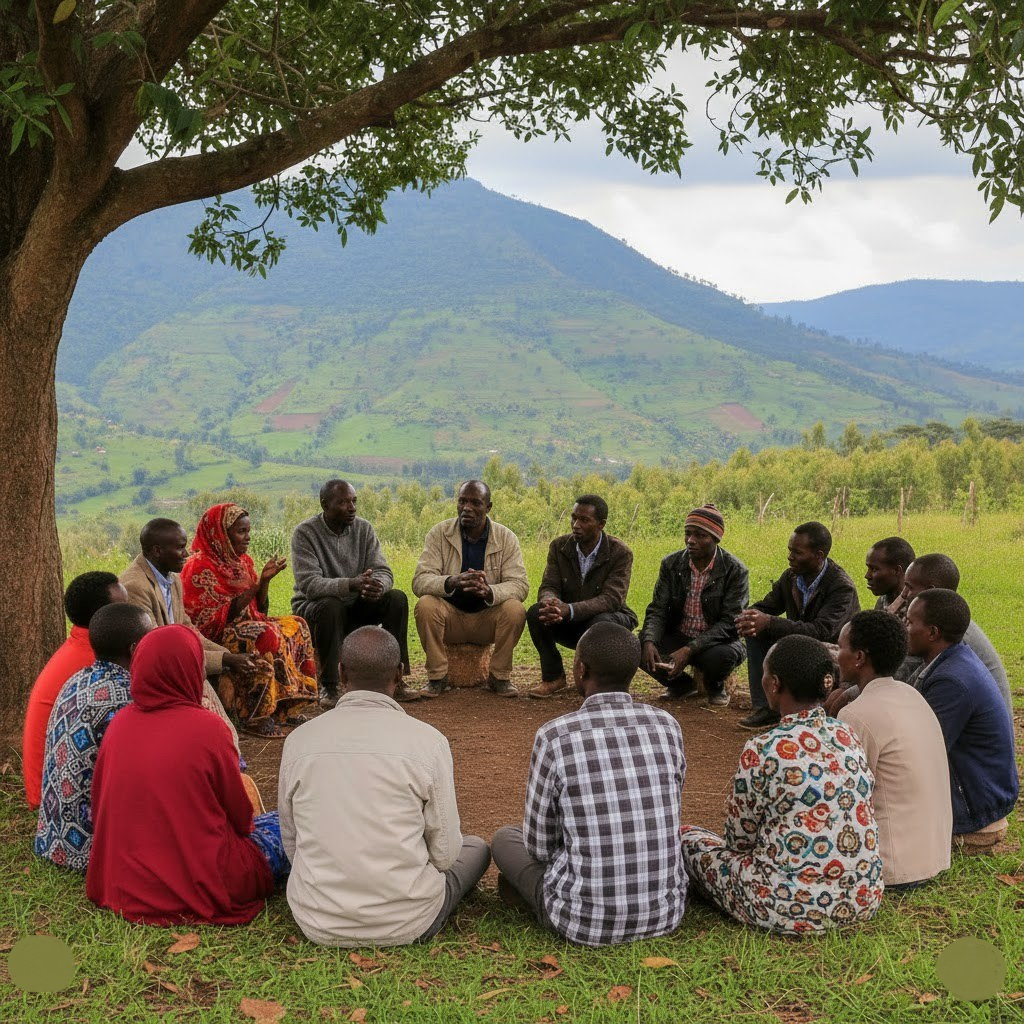
A Look at the Psychological, Democratic, and Social Benefits of Dialogue
Across our world, diverse societies are navigating complex conflicts and seeking their own solutions, evolving with the times. While African communities have long-held methods for resolving disputes, there is one universal, key action that binds them all: choosing to sit down and talk.
The act of sitting down to negotiate is a cornerstone of national dialogue, conflict resolution, and peacebuilding processes. What positive contributions does it make? The following points explain:
👉 Psychological Benefits:
Studies in this field show that when conflicting parties willingly sit down to talk, numerous psychological advantages emerge. When people sit down to dialogue, they enter a state of mental calm. By exercising self-control and utilizing their capacity for reason, their stable personality is actualized. This creates a favorable condition for discussion and debate, moving away from raw emotion and toward reasoned exchange.
👉 Democratic Benefits:
The act of sitting down to negotiate is, in itself, a demonstration of achieved equality. When all parties sit for discussion, it is a visible sign that none are inherently superior to the others. Furthermore, in forums like national dialogues, people gathering in a circular formation helps balance power dynamics, symbolizing that all voices hold space and that no single position dominates.
👉 Benefits Based on Social Trust:
In a national dialogue process, the preparation and willingness of all stakeholder groups to sit together and talk in unity builds mutual trust. It moves parties away from thinking, “The other side wants to destroy us,” and instead permits them to express their opposition, concerns, and desires, and to listen to the other’s. This fosters and deepens trust, which is the essential foundation for any lasting agreement.
The Ethiopian National Dialogue Commission embodies this critical philosophy. By creating the literal and figurative table around which Ethiopians can sit, it seeks to harness these very benefits—psychological calm, democratic equality, and social trust—to navigate the nation’s complex challenges. The simple, profound act of taking a seat is the first step in moving from confrontation to conversation, and from conflict to shared understanding.
#Dialogue #Peacebuilding #NationalDialogue #ConflictResolution #Africa #Ethiopia #SocialCohesion

Where Land, Life, and Legacy Converge: Discovering Borana National Park

Subtitle: A Journey into Southern Oromia’s Sanctuary of Wildlife, Culture, and Resilience
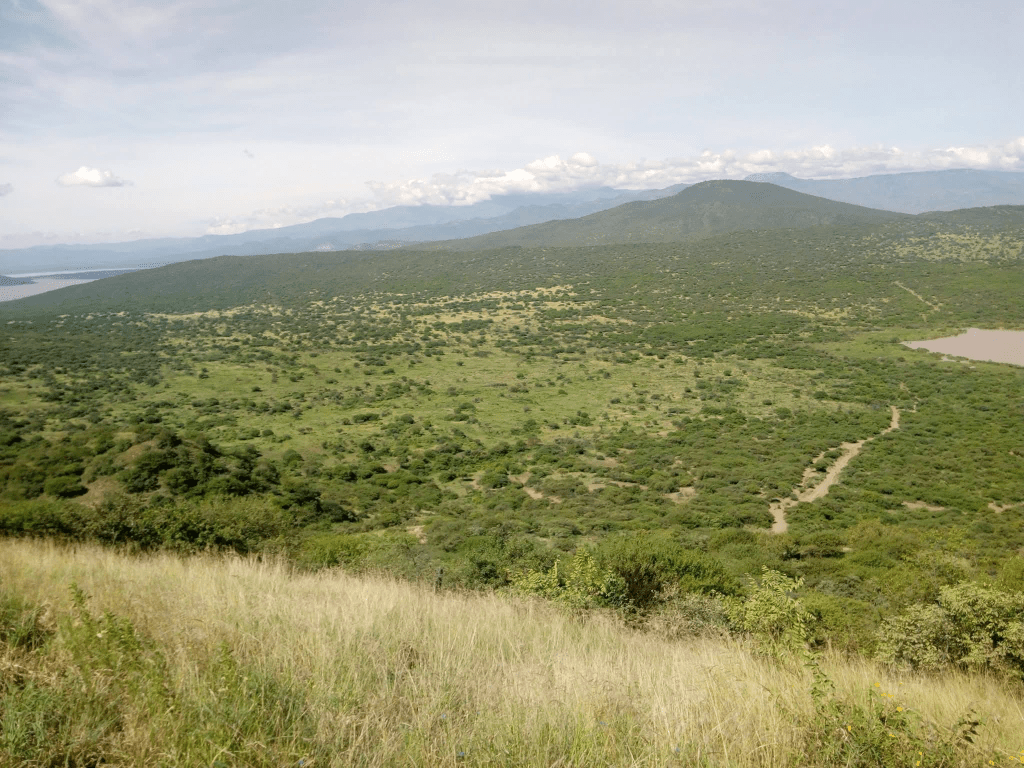
Far from the well-trodden tourist circuits, in the heart of southern Oromia, lies a landscape that breathes with a raw and majestic spirit. Borana National Park is more than a protected area; it is a profound narrative of coexistence, etched across vast rangelands and under a boundless sky.
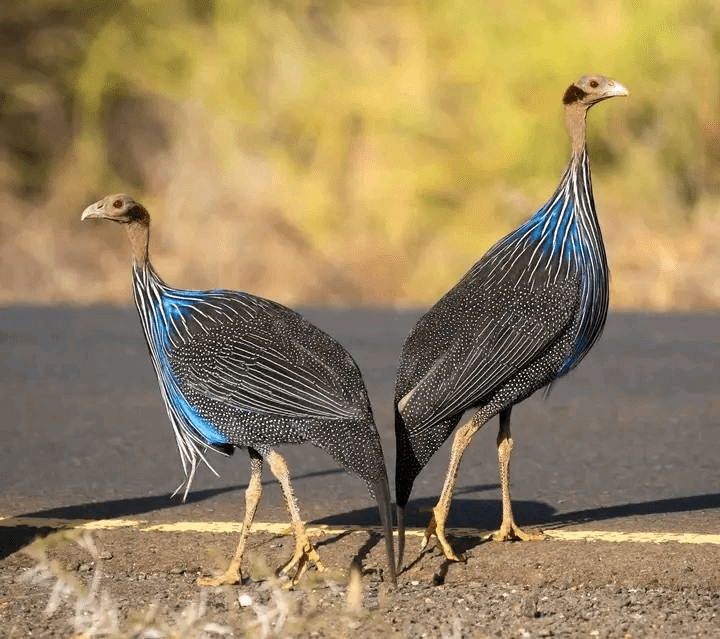
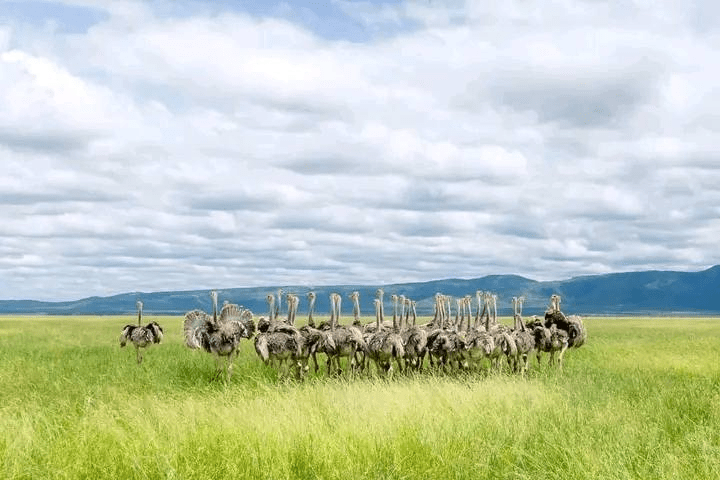
Here, nature asserts itself not in dense forests, but in the stunning expanse of a unique dryland ecosystem. This is a land of subtlety and strength, where life has adapted with ingenious resilience. The golden grasslands and acacia woodlands are a stage for an iconic ensemble of wildlife: herds of graceful Grant’s zebras and gerenuks (giraffe gazelles) silhouetted against the horizon, the haunting call of spotted hyenas at dusk, the dignified stride of the rare and resilient wild camels, and a vibrant symphony of diverse bird species that fill the air.
Yet, the soul of this park is not found in wildlife alone. Borana National Park is a living testament to a deep cultural heritage. This land has been shaped and sustained for centuries by the Borana Oromo people and their sophisticated Gadaa system—a holistic sociopolitical and environmental governance philosophy. The park is intrinsically linked to their pastoral traditions, their sacred wells, and a deep-rooted ethic of communal stewardship and balance with nature.
This creates an extraordinary blend of nature, culture, and community. Visiting Borana National Park offers a chance to experience authentic community-based tourism. It’s an opportunity to learn directly from Borana guides, understand the Gadaa principles that have conserved this landscape, and witness a way of life that respects the delicate equilibrium of the ecosystem.
Come for the wildlife, stay for the wisdom.
- Witness the breathtaking drama of the African drylands.
- Connect with one of humanity’s oldest and most sustainable democratic systems.
- Support tourism that empowers local communities and preserves a priceless heritage.
Borana National Park is not just a destination to see; it is a profound experience to feel and understand. It is a place where every sweeping vista tells a story of survival, where every animal sighting reflects a legacy of co-existence, and where the journey leaves you with a deeper appreciation for the intricate tapestry of life and culture.
Plan your journey to where the wild meets the wise. Discover Borana National Park.
#BoranaNationalPark #Oromia #EthiopiaTravel #CommunityTourism #GadaaSystem #WildlifeConservation #CulturalHeritage #ExploreAfrica

Odaa Nabe: A Pilgrimage to the Sacred Root
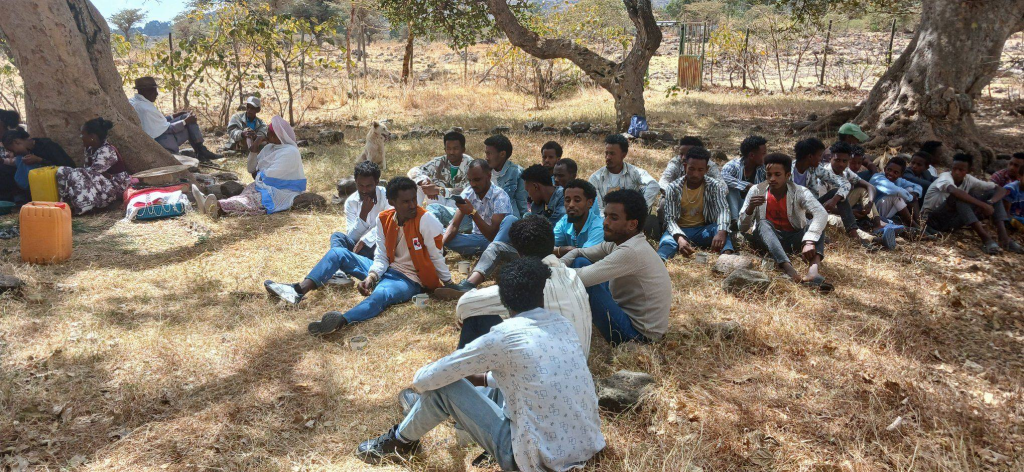
*The Eternal Return to the Spiritual Heart of the Oromo Nation
The journey is never just a physical one. When feet leave the familiar ground of Dirree Ulfoo and turn toward the hallowed expanse of **Odaa Nabe**, a deeper movement begins—a movement of the spirit, a return to source.
**Odaa Nabe is not merely a location.** It is the **Galma Amantii Waaqeffannaa**—the spiritual center, the ancestral anchor, the very **root and sanctuary** of the Oromo worldview. Under the immense, sacred *Odaa* (sycamore) trees, the cosmic order (*Ayaana*) is felt in the rustle of leaves, the foundational law (*Seera*) of the people was nurtured and proclaimed, and the democratic spirit of the *Gadaa* system drew its first breath. To stand in Odaa Nabe is to stand at the birthplace of a civilization’s soul.
The pilgrimage from any corner of Oromia—from the fields of Ulfoo or the peaks of the spiritual center—is therefore an act of remembrance and reaffirmation. It is an acknowledgment that our identity, resilience, and moral compass are woven from the threads of history spun in this sacred grove. It is where we remember who we are, not just in the present, but across the vast expanse of time.
And so, as we make this journey in our hearts or with our feet, as we honor the legacy it holds, we send forth a prayer that is also a declaration of hope:
“Odaa Nabe. Kan milkii nuuf haa ta’u!”
“Odaa Nabe. May it be a source of blessing for us!”
This blessing we seek is multifaceted. It is the blessing of **wisdom** to navigate modern complexities with ancient integrity. It is the blessing of **unity** that once flourished under its branches. It is the blessing of **strength** to protect our heritage and our land. It is the blessing of **peace** that aligns our society with the natural and divine order.
In a world of constant noise and fragmentation, Odaa Nabe remains a silent, powerful testament to harmony, justice, and connectedness. Let us cherish it, protect it, and draw from its deep well. May its sacred legacy continue to be a living fountain of milkii—of grace, prosperity, and unwavering identity—for generations to come.
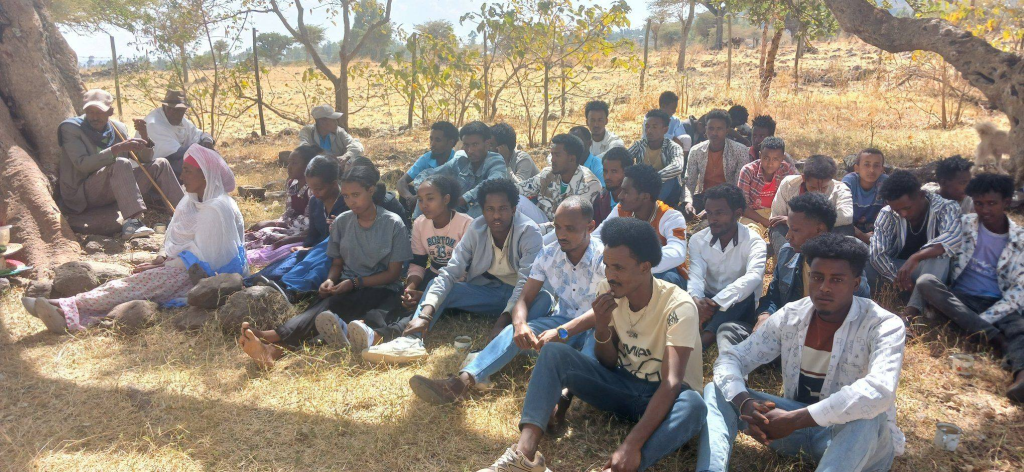

A Presidential Visit and a Promise: Stewardship for Baale’s Crown Jewels
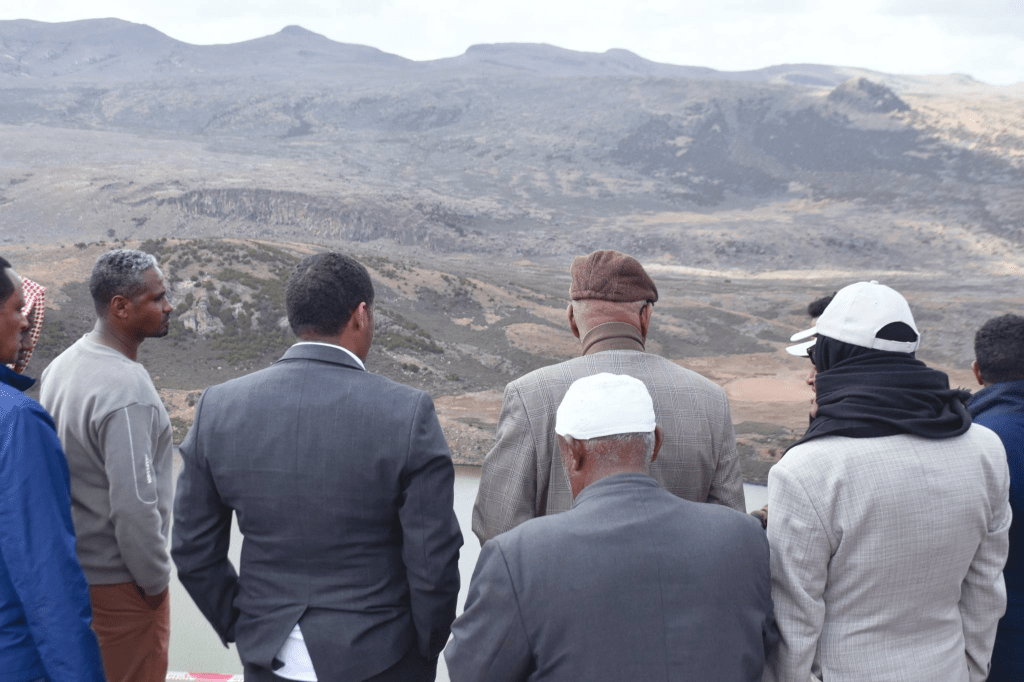
Subtitle: Oromiya President Sheik Hassan Ali’s inaugural visit to Baale underscores a commitment to its natural and cultural heritage.
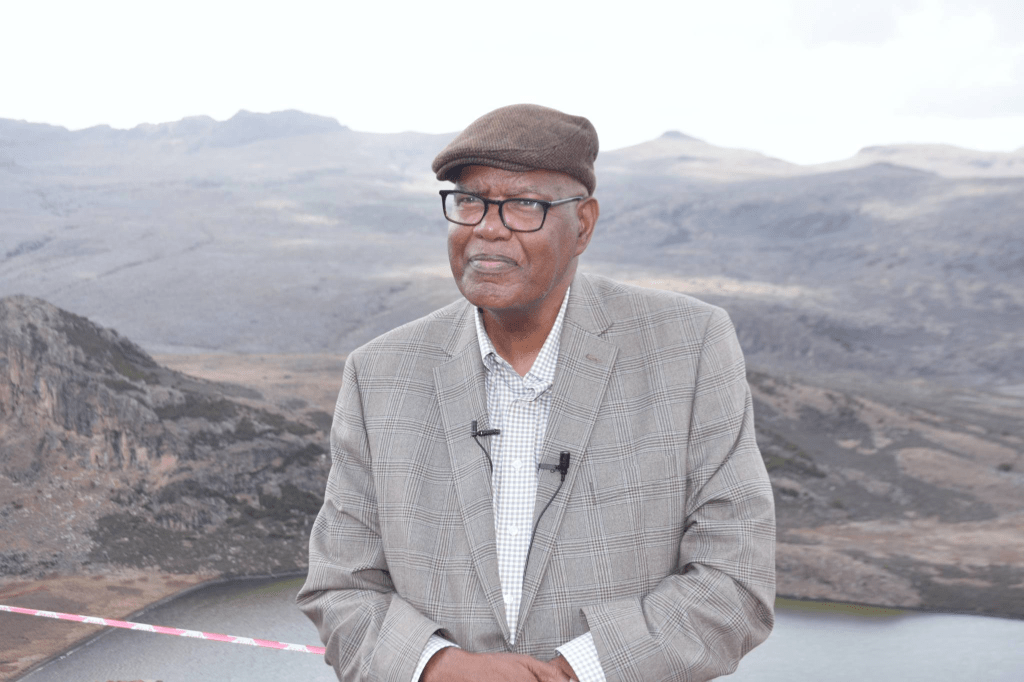
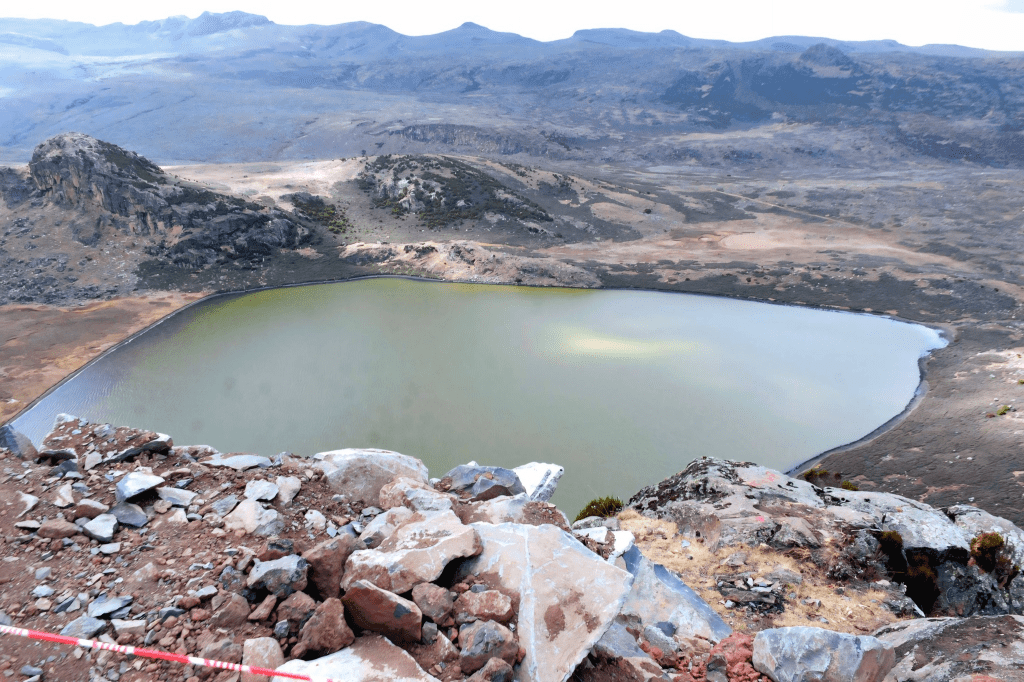
BAALE, OROMIYA – In a move symbolizing both connection and commitment, the inaugural President of the Oromiya Regional Government, Mr. Sheik Hassan Ali, chose the landscapes of Baale for one of his first official visits. The focus of his tour was a profound engagement with the region’s most iconic natural treasures: Mount Tulluu Diimtuu and the sacred waters of Bishaan Gurraacha, both core components of the Baale Mountains National Park.
The visit was more than a ceremonial stop. It was a strategic statement. By physically standing at the foot of Tulluu Diimtuu and observing the serene flow of Bishaan Gurraacha, President Sheik Hassan Ali placed the stewardship of Oromiya’s environmental heritage and the wellbeing of its communities at the forefront of his administration’s agenda.
“This visit by our first President is a powerful signal,” said local guide and community representative, Abebe Dida. “These are not just tourist sites for us. Tulluu Diimtuu is our fortress and our sanctuary. Bishaan Gurraacha is life and history flowing. To see our highest leader come here to witness them firsthand gives us hope that their protection and sustainable development will be a priority.”
The Baale Mountains National Park is a biodiversity hotspot of global significance, home to endemic species and ancient ecosystems. Tulluu Diimtuu, with its commanding presence, and Bishaan Gurraacha, a site of deep cultural and spiritual significance, represent the intertwined natural and cultural identity of the Oromo people in the region.
The presidential tour is expected to catalyze several key initiatives:
- Strengthened Conservation: Renewed efforts to protect the park’s fragile ecology from deforestation, land degradation, and unsustainable practices.
- Community-Centric Tourism: Developing a sustainable tourism model that benefits local communities directly, preserving cultural integrity while creating economic opportunities.
- Infrastructure for Preservation: Potential investment in the careful infrastructure needed to allow both citizens and visitors to experience these wonders responsibly, without harming the environment.
In pausing to behold the majesty of Tulluu Diimtuu and the serenity of Bishaan Gurraacha, President Sheik Hassan Ali did more than survey a landscape. He acknowledged a legacy. His presence reaffirmed a pact between the new regional government and the land itself—a promise to honor, protect, and wisely shepherd these crown jewels of Oromiya for generations to come. The true work begins now, transforming the symbolism of the visit into lasting policy and tangible guardianship.

A Torch Against the Night: The Unyielding Legacy of Jaal Muudaa
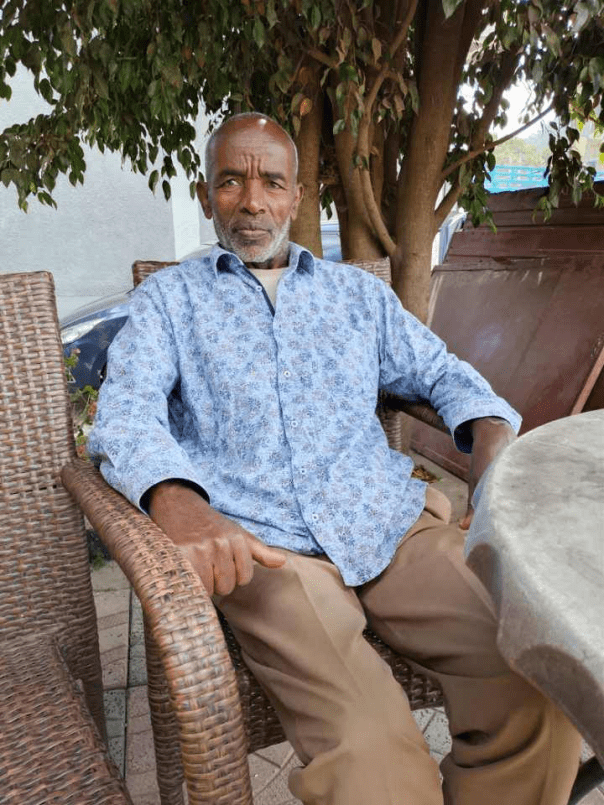
In the Story of One Fearless Warrior, We See the Blueprint for a People’s Liberation
There are figures whose lives do not merely belong to history books; they become maps. They chart a course for a people, a set of coordinates that future travelers can use to navigate their own storms. Among the Oromo people, Jaal Muudaa stands as one such landmark—a “gameessa” (brave fighter), whose name itself is a chronicle of resistance and a guidepost for the ongoing struggle.
The core of his legacy is captured in a powerful phrase: “Obsaa fi kutataa ba’aa garbummaa hunda danda’ee dabarsuun akkataa qabsoon itti jiraatuuf kan fakkeenya ta’ee jiru.” – “He demonstrated the ability to break through all the nets and traps of colonialism, setting an example of how the struggle must be waged.”
This is not simple praise; it is a technical manual for liberation, inscribed in courage.
First, the Nets and Traps of Colonialism (Garbummaa). Oppression is never a simple, brute force. It is a sophisticated system. It weaves nets of psychological subjugation, economic dependency, and cultural erasure. It sets traps of division, collaboration, and despair. It aims not just to control the body, but to entangle the spirit.
Second, The Ability to Break Through (Danda’ee Dabarsuun). Jaal Muudaa’s greatness lies in this active verb. It is a declaration of agency. He was not just a victim of the system; he was a master of its subversion. He studied the nets, found their weak threads, and cut through. He saw the traps before they snapped shut and stepped over them. This required more than physical bravery; it demanded profound strategic intelligence, a deep knowledge of his enemy, and an unshakeable clarity of purpose.
Third, The Enduring Example (Akkataa Qabsoon itti Jiraatuuf). Herein lies his immortal contribution. He did not just win battles; he modeled a method. He showed that the seemingly invincible machinery of oppression has flaws. He proved that a determined, principled, and strategic resistance is not futile. He became a fakkeenya—a living example—demonstrating how to organize, how to resist, and how to maintain integrity in the face of immense pressure.
Today, as new forms of control and assimilation present themselves, the example of Jaal Muudaa remains critically relevant. The nets and traps have evolved—they may now be digital, economic, or political—but the fundamental need to see them clearly, dare to resist, and forge a strategic path through them remains unchanged.
He teaches us that liberation is not a gift; it is a capability that must be developed, a path that must be carved by those willing to break through. His life is a testament that the struggle endures not as a cycle of suffering, but as a continuous, conscious act of breaking barriers and passing on the knowledge of how it is done.
In honoring Jaal Muudaa, we do more than remember a hero. We recommit to studying his craft. We pledge to see the nets for what they are, to cultivate the courage to cut them, and to walk the path he helped clear, ensuring the struggle for justice, dignity, and true freedom lives on, just as he showed us how.

Gullallee: The Land That Speaks Truth, The People Who Bear History
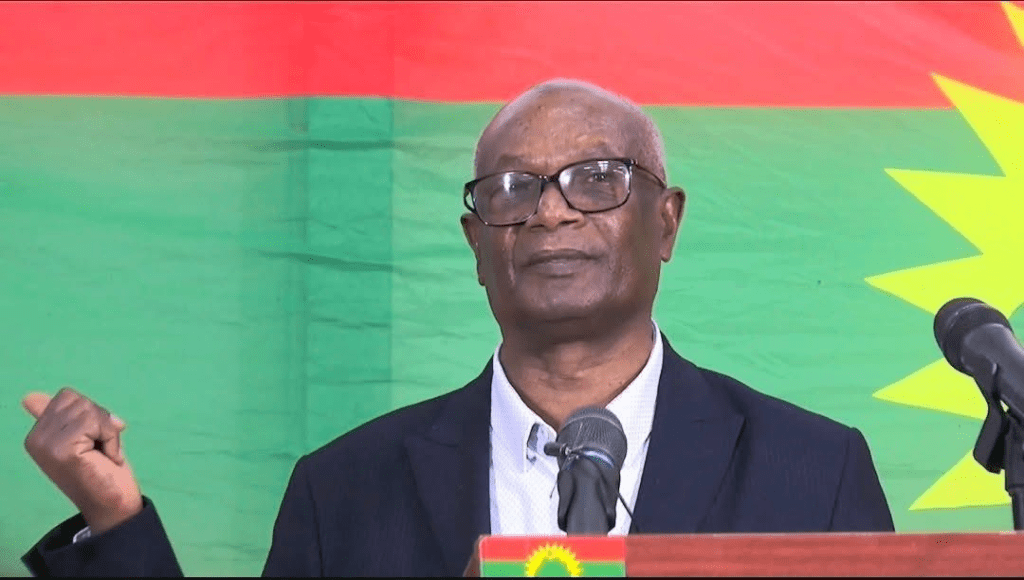
In the heart of Oromia, there exists more than a place. There exists a testament. Gullallee is not merely a location on a map; it is a platform, a sacred ground where the truth and rights of the Oromo people are voiced and affirmed. It is a stage where history is not just remembered but actively performed, and where the echoes of those who were silenced for speaking Oromo truth are amplified and heard. Their stories emerge here. Their legacy is made visible here.
Gullallee stands as a powerful symbol of resilience. It is where voices rise to declare dhugaa (truth) and haqa (justice), confronting oblivion and demanding recognition. It is also hallowed ground that commemorates the fallen—the thinkers, poets, activists, and ordinary people who boqotan (rest) because they dared to speak that truth. Their names, their struggles, and their principles are not buried with them; they are resurrected in the collective memory and determination of those who gather. At Gullallee, history is not a closed book but an open gathering, a living conversation between the past and the present.
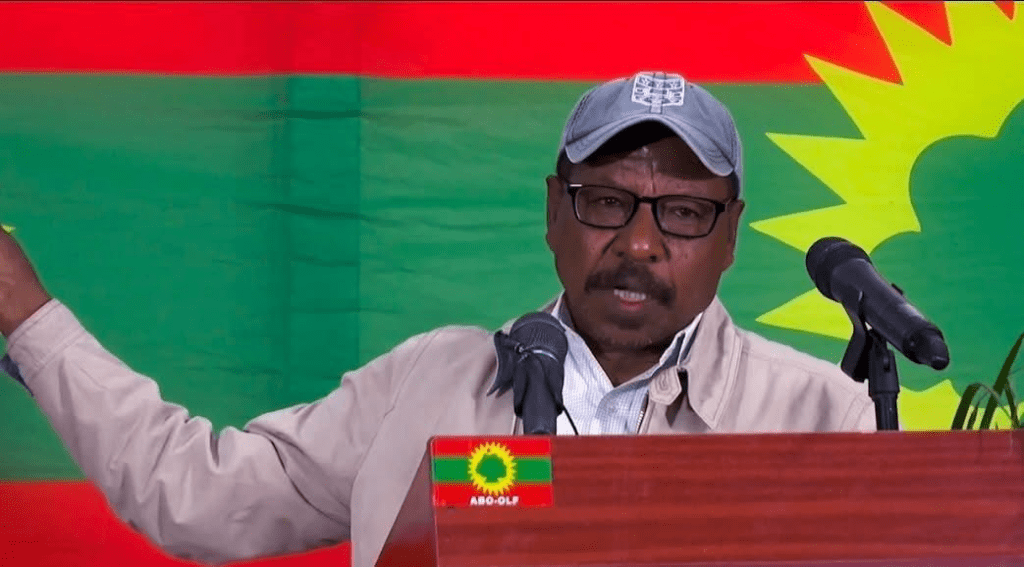
The profound statement that “Gullallee is a land of history, but not only its land—it is the people who stood there, who reside there, who are the ones that possess and know history,” captures its essence perfectly. This insight shifts the focus from geography to humanity. The power of Gullallee does not emanate solely from its soil, but from the feet that have stood upon it, the voices that have resonated across it, and the communities that embody its spirit. The land becomes historical because of the people who have consecrated it with their purpose, their courage, and their unwavering commitment.
These are the people who qabu (possess) history—not as a passive inheritance, but as a living, breathing responsibility. They are the ones who beeku (know) history—not as mere facts, but as a narrative of identity, struggle, and aspiration that must be carried forward. They are both the custodians and the continuators.
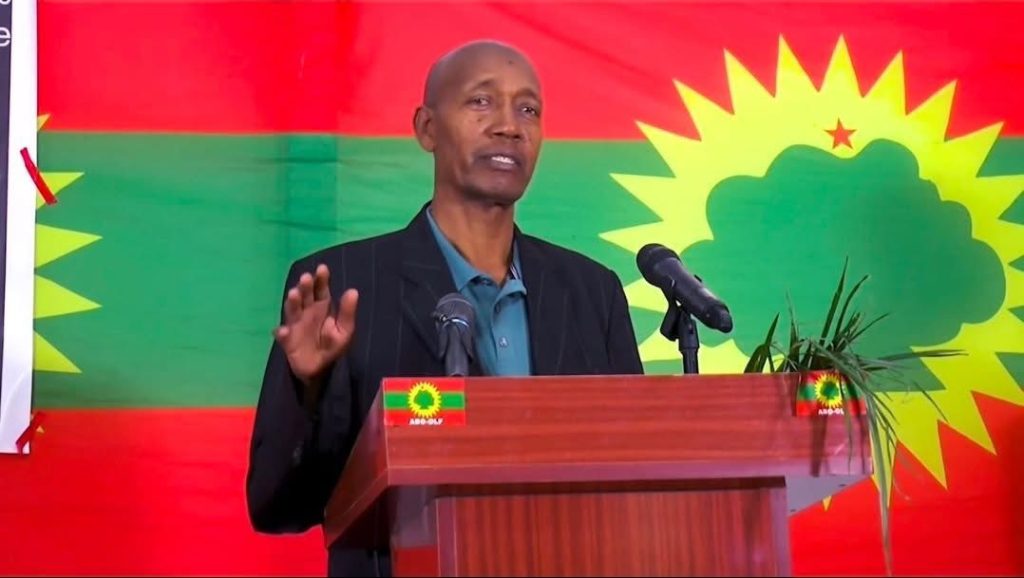
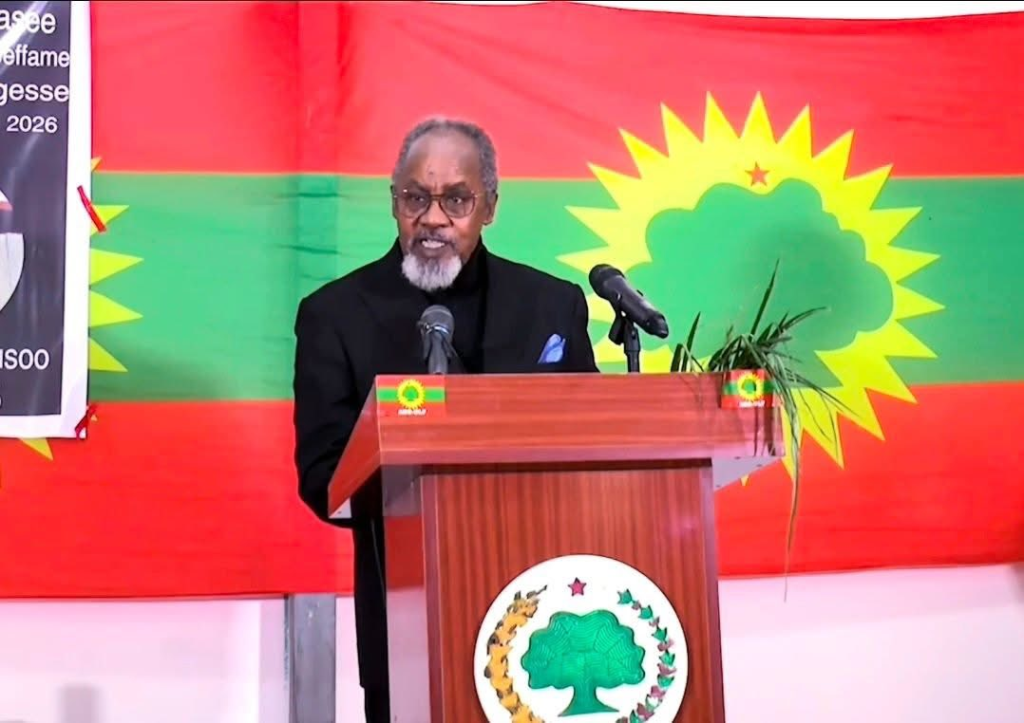
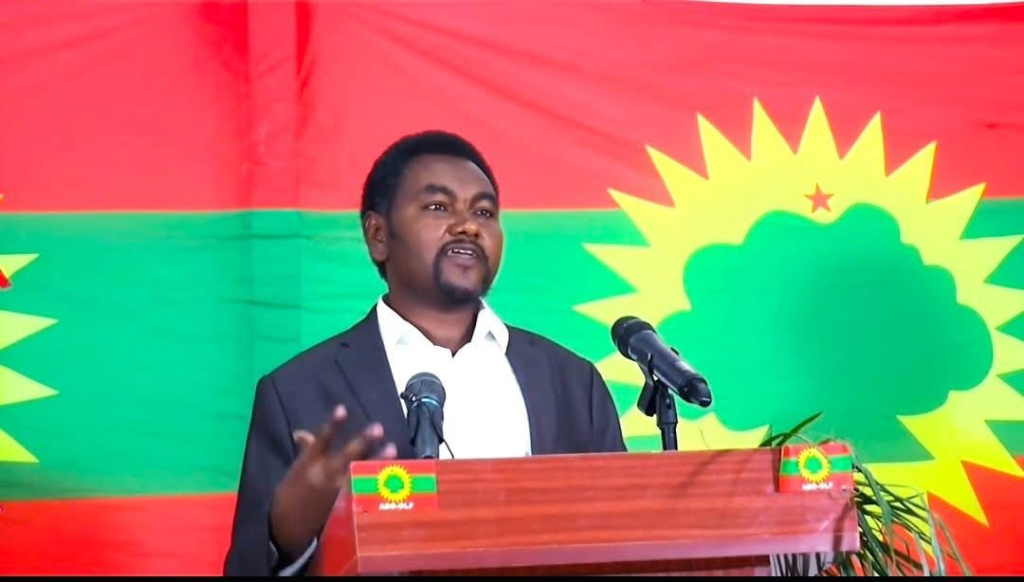
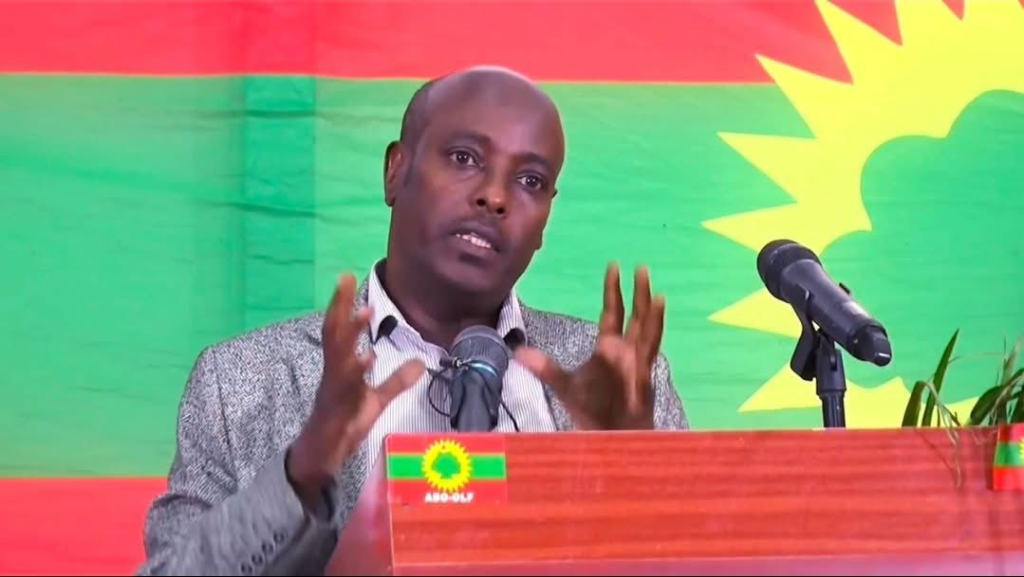
Thus, Gullallee transforms into more than a site. It is an idea. A promise. A continuous assembly where the Oromo nation asserts its rightful place, honors its martyrs, and reaffirms its journey toward justice. It is where the land and its people become one—a unified, undeniable force declaring that truth cannot be silenced, and history cannot be erased.
In every gathering, in every utterance of truth, Gullallee lives on. It is the eternal meeting ground where the past speaks, the present listens, and the future is shaped.

Korri Lammii Buundhaa: Cimsannaa Aadaa Oromoo
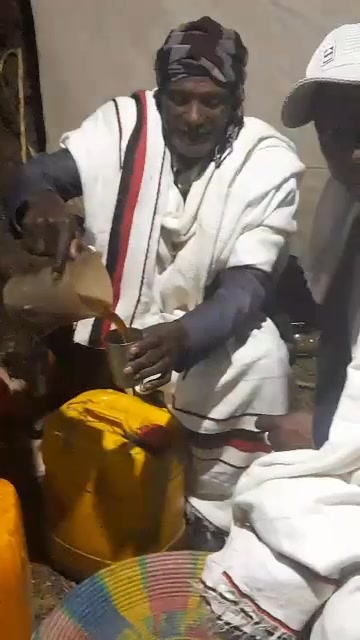
Kora Lammii akka Dirree Sabaatti: Akkamitti Korri Lammii Buundhaa Hundee Tokkummaa Aadaa Oromoof Mootora Ta’e
Amboo Ejersaatti Korri Lammii Buundhaa ardaalee Jaha jiraniif Aadaa fi Safuu Cimsuuf Ta’e
AMBO EJERSA, OROMIA — Dirree aduudhaan jiidhe naannoo Boojii irratti, sagaleen sirba kora lammii Buundhaa waa’ee eenyummaa fi duudhaalee callisaa, gadi fagoo ta’e waliin walsimsiisaa jira. Wanti akka jalqabbiilammii keessaatti jalqabe gara taatee hawaasaa guddaatti guddateera, korri lammii haaromsa aadaa wajjin haala wal hin tuqneen wal makaa jira.
Dorgommiin Kora Lammii Amboo Ejersaa dargaggoota Oromoo ardaalee adda addaa ja’a: Itayyaa, Amboo, Meexxii, Maatiii, Waddeessaa, fi Shanan irraa walitti fiduun milkaa’inaan walitti fiduun isaa ni yaadatama. Walga’iin isaanii walgahii caalaa; itti yaadanii gocha hawaasummaa deebi’anii walitti hidhamuudha. Kaayyoon giddu-galeessaa, akkuma hirmaattotaa fi qindeessitoonni walqixa ibsaman, waancaa bira darbee kan babal’atudha: Korri lammii aadaa aadaa (aadaa) fi safuu (seera naamusaa fi naamusaa) Oromoo cimsuuf akkamitti humna cimaa ta’uu akka danda’u qorachuuf yaalii walooti.
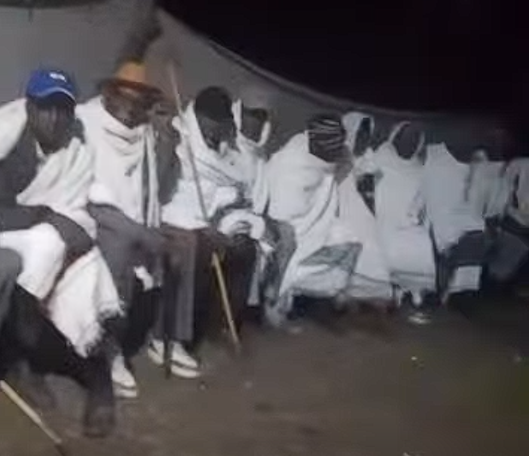
“Kaayyoon waltajjii marii uumuu ture,” jechuun qindeessaan korichaa ibseera. “Goolii fi qusannaa qofaaf osoo hin taane, haasa’uuf, dhaggeeffachuu fi eenyu akka taane yaadachuuf. Humna korichaa fayyadamuun waa’ee bu’uuraalee keenyaa marii boba’aa jirra.”
Mul’ata kanaaf dhugaa ta’ee, cinaa fi iddoowwan hawaasaa naannoo dirree jiran gara waltajjii marii boonsaatti jijjiiramaniiru-marii hawaasaa bal’aa, gadi fageenya qabu. Maanguddoonni, daawwattoonnis hojiirra oolmaa qabatamaa safuu jireenya ammayyaa keessatti, kunuunsa afaanii fi seenaa afaaniin dubbatamu, akkasumas gahee dargaggoonni akka guca aadaatti qaban irratti ofumaan marii irratti bobba’aa jiru.
”Korri Lammii kun maagneetiidha, garuu haasofni kun qabeenya dhugaati,” jedhan jaarsi buleeyyiin yeroo akeeka isaa ibsan. “Miseensi Kora Lammii Waddeessaa akaakayyuu Itaayyaa irraa dhufe tokko waliin taa’ee waa’ee kabajaa fi hawaasaa haasa’uu arguun… aadaan akkasitti hafuura baafata. Duudhaaleen kun kitaabota qofa keessatti osoo hin taane, gocha keenya guyyaa guyyaa keessatti akka ta’an akkamitti mirkaneessina.”
Miirri garmalee hirmaattota biratti mul’atu gammachuu fi itti quufinsa gadi fagoodha. ”Hirmaachuuf qofa hin dhufne,” jedhe miseensi Kora Lammii Buundhaa irraa dhufe. “Walqabsiisuuf dhufne. Jarreen kana waliin walarguu, achiis nyaachuu fi booda isaan waliin haasa’uu-dallaa ijaan hin mul’anne ni diiga. Akka ummata tokkootti akka cimnu nu taasisa.”
Miira namoota hedduu kan dhageessisan, hirmaattonni saganticha gaalee Afaan Oromoo humna guddaa qabuun wal irraa hin cinne ibsu: “Korre lammii kun waan haalan nama gammachisuu dha,” hiikni isaas, “Lammummaan hawaasaa kun waan gammachuu gadi fagoo, onnee irraa madde fiduudha.”
Korri Lammii Buundhaa Amboo Ejersaa akka moodeela dirqisiisaa sochii aadaa bu’uuraa ta’ee dhaabbatee jira. Meeshaaleen lubbuu ummata tokkoo kunuunsuuf gargaaran yeroo hunda dhaabbilee idilee keessatti akka hin argamne, garuu jaalala waloo kora lammii, dorgommii fi eenyummaa waliinii irraa maddu akka danda’an agarsiisa. Taphi kora lammii yommuu dhihaatu, injifannoowwan waaraa asitti argaman qabxiidhaan osoo hin taane, walitti hidhamiinsa cimee fi waadaa haaromfameen hambaa Oromoo boonsaan fuulduratti ceesisuuf akka madaalamu ifaadha.
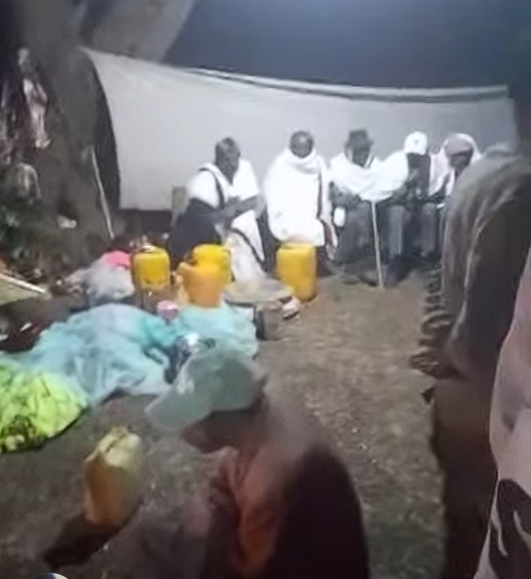

Oromo in Boji Becomes a Hub for Oromo Cultural Revival
Subtitle: Generations of Buundhaa Return Home, Spark Cultural Revival and Unity in Boji
AMBO, OROMIA – The dusty fields of Boji have transformed into a vibrant arena of unity and cultural pride. This week, the Ambo Ejersa social fabric and shared identity kicked off, achieving what few events have done recently: seamlessly bringing together the sons and daughters of Oromia from towns across the region and beyond its borders.
In a powerful display of shared identity transcending geography, generations of Buundhaa from the local Boji area have been joined on the pitch by teams representing Oromo communities from Itaya, Ambo, Meexxii, Maatii, Wadessa, and Shanan. The gathering, organized at a grassroots level, has become more than a local meeting competition; it is a homecoming and a unifying social festival.
“This is truly something that brings joy to the heart,” said one elder spectator, watching a match. “Seeing our generations, from here and from distant places, compete as brothers, wearing our shared identity with pride… it is powerful.”
Beyond the thrilling matches and skilled displays on the field, the community gathering around the tournament has taken on a deeper significance. Attendees, from players to elders to families, have spontaneously engaged in collective discussions, or marii, focusing on vital issues of Oromo culture (aadaa) and moral-ethical values (safuu). These dialogues aim to revisit, reaffirm, and revitalize these core societal pillars in a contemporary context.
“This tournament is a goal scored for our unity,” said a local organizer from Ambo. “We came to play our commitment, but we are staying to rebuild the bonds between us. We are talking about who we are, our values, and how to carry them forward. The energy is incredible.”
The spontaneous cultural discourse alongside the cultural event highlights a community-driven initiative to strengthen social fabric and shared identity. The return of strengthen social fabric and shared identity to participate has infused the gathering with a renewed sense of collective purpose and optimism.
Local administrators have praised the peaceful and constructive nature of the event, noting it as a model for community-led engagement and social cohesion.
As the strengthen social fabric and shared identity progresses towards its final match, the sentiment on the ground is clear: the true victory is not just the lifting of a trophy, but the strengthening of a people. The Ambo Ejersa has become a living testament to the enduring power of shared identity, culture, and community to inspire and unite.
Waan haalan nama gammachisudha, as the people here say—it is indeed something that brings profound joy.
In the Shadow of the Comet: The Unseen Architects of a Revolution’s Soul
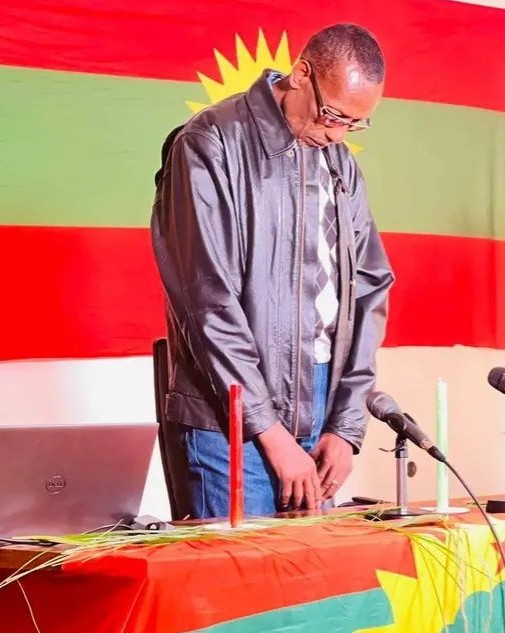
Subtitle: A Tribute to the Silent, Steadfast Pillars of the Oromo Liberation Struggle
They are the steady heartbeat beneath the drum of revolution. From its very founding to this day, the Oromo Liberation Front (OLF) has been profoundly shaped by a unique cadre of leaders: those who shun the spotlight, who cloak themselves in modesty, yet who hold the ideals and objectives of the OLF aloft like a fixed star, ensuring it shines undimmed. This tradition has grown immensely from yesterday to today, and it continues to grow.
These individuals possess a resilience and patience that is unshakable. Within the OLF, and indeed among all supporters and sympathizers of the Oromo cause, we often pass by them, seeing them as ordinary. And because the OLF is what it is—a cause, not a mere party—the organization and its followers are not always quick with lavish praise and flattery. This is not a flaw; for it is said that a fighter is dignified by his work, not by a group or clique.
Nevertheless, we must not take this for granted. And so today, I have come with a humble bouquet of remembrance and reflection; not merely to praise, but to remind you.
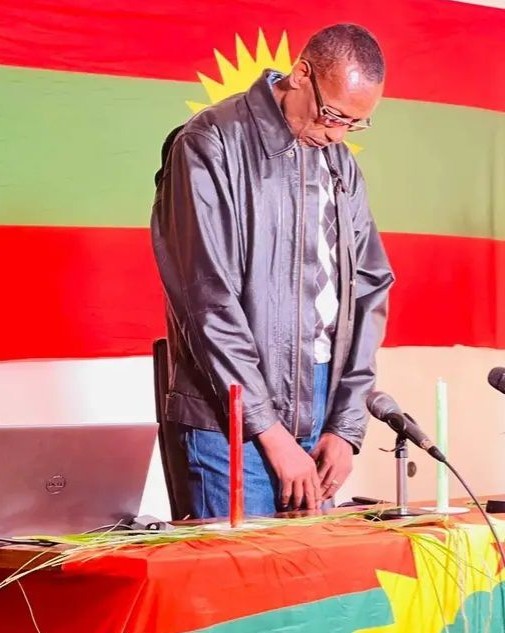
My humble bouquet is for a man who, from the spring of his youth to the maturity of his years, played a lion’s role in the Oromo cause. A man who served as everything from a soldier to a political leader within the OLF, who is slow to speak, deliberate in action, endowed with a rich spirit and exemplary character: Jaal Gammachis Tolasa. We speak from the little we know, for we lack the capacity to fully express who Jaal Gammee is.
As mentioned, Jaal Gammachis is among those who obscure themselves to make the OLF’s aim and objective shine like a star. He is one who has dedicated and continues to dedicate immense work, time, and energy to this end.
Jaal Gammee speaks little, but works abundantly; his patience, discipline, and wisdom are formidable.
He was raised in the love of his people, and he loves the OLF and its cause as his own life.
To Jaal Gammee, we say: may you be healthy for us. We honor you.
The Unsung Code:
In a world that often mistakes noise for strength and visibility for value, the OLF’s silent architects operate by a different code. Their leadership is not etched in loud proclamations but in the quiet consistency of action. They build not monuments for themselves, but fortifications for the idea they serve. Their strength lies in a profound understanding that the revolution’s light must not be refracted through the prism of individual ego, but must emanate purely from the collective star of liberation.
The Legacy of Steadfastness:
Figures like Jaal Gammachis Tolasa represent the critical spine of any enduring struggle. They are the keepers of institutional memory, the anchors in stormy political seas, and the living embodiment of strategic patience. While orators ignite the fire, it is they who ensure the coals burn steadily through the long night. Their “lack” of public acclaim is, in fact, a testament to their success; their identity has successfully merged with the cause, making their personal story secondary to the collective history they are helping to write.
A Call for Recognition:
This reflection is not an attempt to create cults of personality. It is a necessary correction, a reminder to a community and a movement to consciously honor its own ethos. To look beyond the stage and see the builders of the stage itself. To remember that the most radiant stars are often those whose light reaches us from the deepest, quietest parts of the universe.
The Oromo liberation journey, long and arduous, is paved with the silent sacrifices of its Gammachises. They ask for no parades. But they deserve our deepest remembrance and respect. For in guarding the purity of the star, they guard the destiny of the nation.
Fayyaa nuuf haa ta’u, Jaal Gammee. Isin jenna.




 Advocacy for Oromia