Author Archives: advocacy4oromia

Finfinnee in the Heart of Oromia*: The Founding of Addis Ababa as a Colonial Project
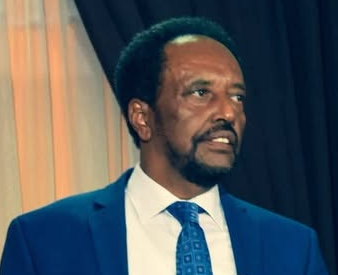
How Menelik II’s garrison towns and the establishment of Ethiopia’s capital city reshaped Oromia, displacing the Oromo people and cementing a system of political and economic control that endures today
FINFINNEE, OROMIA — The bustling streets of Addis Ababa, known to the Oromo as Finfinnee, tell a story of power, conquest, and displacement that remains largely hidden beneath the city’s modern veneer. This is not merely the capital of Ethiopia; it is the heart of a colonial project that began in the late 19th century and continues to shape the lives of millions.
The founding of Finfinnee was not an act of urban planning in the conventional sense. It was the culmination of a deliberate strategy of conquest and control, a military project disguised as a city, designed to secure the domination of the Ethiopian Empire over the Oromo people, the largest ethnic group in the Horn of Africa. As one historical account describes, the city was originally a katama – a military encampment or royal camp, with its neighborhoods laid out “mirroring an army on the march” . This military logic was not accidental; it was the foundation upon which the entire colonial structure was built.
The Strategy of the Katama
The establishment of garrison towns, or katamas, was a central feature of Emperor Menelik II’s colonial expansion. Convinced that more could be gained from the permanent exploitation of the Oromo, Menelik began to occupy conquered districts with permanent garrisons of his troops, providing for their administration under a hierarchy of his own officials. As one historical account notes, the creation of these towns was based on a desire to exercise “more effective control over the Oromo” and to escape interference from rival powers . These were strategically and politically secured regions, designed to serve as nerve centres for the Ethiopian colonial system .
From the mid-19th century, Menelik developed garrison towns such as Ankobar, Dabra Berhan, and Angolala. The last of these was burned by the Oromo in 1868, but was recovered by Menelik. He also developed Leche, Feqre Gimb, Enaware, Tamo, and Warra Illu, where he installed 40,000 soldiers in 1870. The Wallo Oromo attacked and destroyed Warra Illu that same year, but it was rebuilt. This pattern of Oromo resistance and Ethiopian colonial reassertion continued as northern Oromia gradually fell into Ethiopian hands .
Following the submission of northern Oromia, Menelik turned his attention to the Tulama Oromo, who were the residents of Finfinnee and its surroundings. The desire to exercise more effective control led him, in the latter part of 1878, to move to the mountain of Wacaca, where he dug the foundation for a new town, which he named Entoto (later called Old Entoto). In 1882, he transferred his settlement to a place called Dildila, later named New Entoto. These settlements were created by evacuating or enslaving the Oromo living there. After strengthening his army and accumulating massive firearms, Menelik built Addis Ababa on the place known by the Oromo name Finfinnee, between 1886 and 1887 .
The Founding of Finfinnee
The site of Finfinnee was originally chosen by Empress Taytu Betul in 1886, who was attracted by the hot springs in the area . The local Oromo tribes had their lands confiscated, and many were displaced . In its first years, the city was more like a military encampment than a town, with the emperor’s palace surrounded by the dwellings of his troops and retainers . As historian Getahun Benti argues, “From its earliest days, Addis Ababa was the staging station for the economic exploitation and political control of the conquered provinces of which Oromia was the largest” .
The major portion of the Oromo land on which the capital city was founded was divided among thirty-one Ethiopian officials . Army commanders were given large plots of land on which they established their respective camps for their relatives, followers, and war captives. While most Oromos were evicted and forced to migrate to far places, others were permanently marginalised and turned into servants and labourers . Through the proclamation of October 27, 1907, Oromo land became a commodity to be sold and bought, giving Ethiopian and European landlords a great deal more security of tenure .
Making Addis Ababa the centre of commerce, bureaucracy, and employment, the Ethiopian government attracted people from different parts of the world and Abyssinia proper to this city, while the Oromo people were marginalised, segregated, and dehumanised in rural and urban areas alike. The people in the city mainly obtained their food and income from the surrounding Oromos; military commanders, soldiers, and followers depended on the tribute and tax mainly collected from the Oromo people .
Consolidating the Colonial System
The garrison towns gradually evolved into the major geopolitical centres for practising political domination, wealth and capital accumulation, and religious and cultural dissemination . From these garrison centres, Ethiopian soldiers and colonial administrators were dispatched to impose colonial rule on Oromos through subjugation, enslavement, and expropriation of the basic means of production such as land, cattle, and other valuable resources .
Several non-garrison towns emerged in eastern and western Oromia with the development of trade and communication networks. As rail service was introduced, the towns of Aqaqi, Bishoftu, Mojo, Adama, Walanchiti, Metahara, Awash, Mieso, Afdem, Gota, Munesa, and Dire Dhawa flourished. While Oromos were evicted from their urban lands and forced to migrate to rural areas, Abyssinians were encouraged to migrate to cities and towns in Oromia .
The colonisation of Oromia, the development of transportation and communication systems, and the establishment of Addis Ababa and garrison towns facilitated the development of the Ethiopian institutional milieu and created “the integrating nucleus of the colonial economic system” in Oromia, with the collusion of the capitalist world economy. Commodities and food products produced by Oromo labour flowed to and were concentrated in Addis Ababa and other urban centres for local consumption and international markets .
A Legacy of Dispossession
The consequences of this colonial urbanisation are profound. The Ethiopian colonial structure has limited the access of Oromo urban residents, who are a minority in their own cities and towns, to institutions and opportunities such as employment, education, health, mass media, and other public services. The Oromo have been prevented from developing autonomous institutions, organisations, culture, and language, and have been subordinated to the institutions and organisations of the Habasha colonial settlers in their own cities, towns, and homeland .
The Ethiopian state elites and urban communities in Oromia remain determined to maintain the existing political and economic order, investing meagre available resources in building unproductive institutions, such as the army, security infrastructure, and colonial bureaucracy. The Abiy monologue, which he calls a national dialogue, is seen by many as an integral part of the Ethiopian colonial project .
Today, millions of Oromos are exposed to fatal diseases, famine, and massive poverty in Oromia cities and urban centres. Since state-terrorism, poverty, famine, and ethnonational challenges are increasing, and since the major world powers have a role in shaping these problems, they have a moral and political responsibility to become capable of mediating these processes and developing procedures and criteria by which these conflicts must be solved fairly and democratically before it is too late .
Finfinnee’s founding is etched in Oromo collective memory as a site of violent conquest. The legacy of Finfinnee is therefore inseparable from trauma, subjugation, and displacement.
*From Asafa Jalata “Oromian Urban Centers: Consequences of Spatial Concentration of Pinational Ethiopia,” Journal of Oromos Studies, Vol. 17, No. 2, January 2011, pp. 39-74.

Ethiopian Youth Football Team Vanishes After Gothia Cup in Sweden
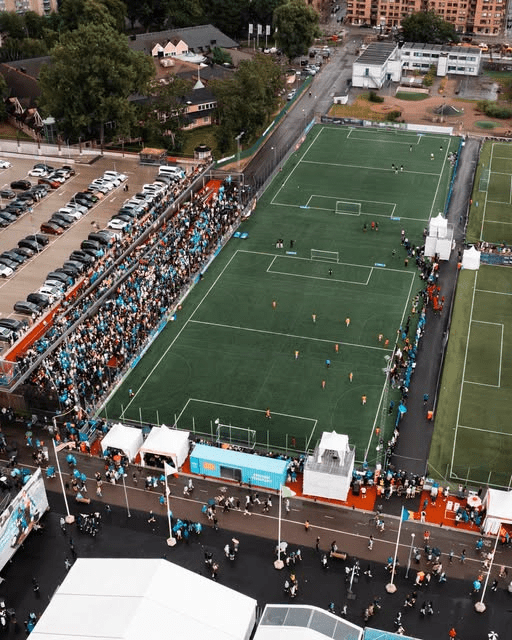
Twenty young players and team leaders went missing on the final day of the tournament, with police believing the disappearance to be voluntary.
GOTHENBURG, SWEDEN — Swedish police have launched an international search for about 20 Ethiopian youth football players and team leaders who went missing after participating in the Gothia Cup, one of the world’s largest youth football tournaments .
The disappearance occurred on the final day of the tournament, when an administrator at the school housing the Ethiopian team discovered that the players and their accompanying adults had left without notifying anyone . The group includes boys aged between 14 and 17, along with one or more adult leaders .
Gothia Cup organizers contacted police as a precautionary measure, and a formal missing persons report was filed. Ten days after the tournament ended, the group remained unaccounted for and had not returned to Ethiopia .
Police have confirmed that the individuals did not return to Ethiopia and believe the disappearance to be voluntary . According to authorities, there is no evidence suggesting criminal activity or people smuggling behind the incident .
“No indication that anything illegal lies behind this, such as people smuggling or something similar,” Ellinor Halldin from the Swedish police’s missing persons unit told local media .
The Gothia Cup, also known as the World Youth Cup, featured teams from 77 nations this year, including four teams from Ethiopia . Fredrik Beckman, press spokesperson for the tournament, expressed surprise at the incident, noting that organizers had a good relationship with the team .
Police are working with the Swedish Migration Agency, border police, and authorities in other countries to locate the missing group . Officers expect to be alerted if any member of the group attempts to cross a border or comes into contact with officials .
“It is possible that they may be trying to stay in Sweden or another country, but that is speculation at this point,” Halldin added .
The Gothia Cup is an annual international youth football tournament held in Gothenburg, Sweden, attracting teams from around the world.

Victoria Makes Public Transport Half Price and Contactless
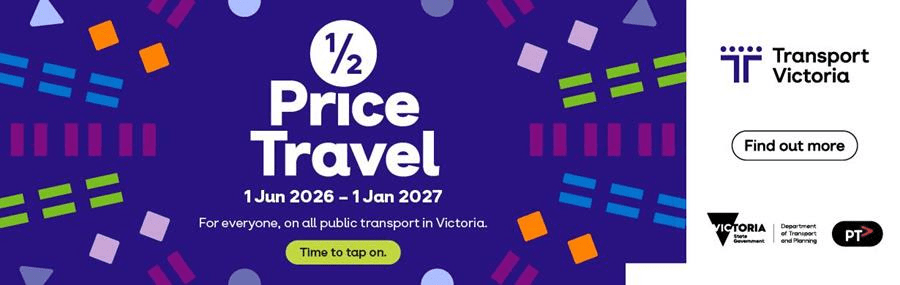
Statewide fare cuts and new payment options aim to ease cost-of-living pressures and improve accessibility
MELBOURNE, VICTORIA — Victoria has introduced a 50% fare reduction across all public transport services, a move that will halve travel costs for passengers statewide until 1 January 2027.
The discounted fares, announced by the state government, apply automatically to all services—including trains, trams, and buses—across the entire network. The concession applies to all passengers, including full-fare travellers, concession holders, and visitors.
“Half price fares apply automatically to all public transport services statewide and to all passengers, including concession holders,” the transport authority confirmed.
The fare reduction is designed to ease cost-of-living pressures and encourage more Victorians to use public transport. It comes at a time when household budgets are under strain and as the state continues its post-pandemic economic recovery.
Contactless Payment Rollout Expands
In a complementary move, the government has expanded contactless payment options across Victoria’s public transport network. The new system allows passengers to tap on and off using their bank card, smartphone, or wearable device.
Contactless payment is now available across the tram network and at train stations where myki is accepted. The system is designed to make travel easier and more convenient, particularly for visitors and occasional travellers who do not have a myki card.
However, the contactless option is currently available for full fare customers only.
Important Information for Concession Card Holders
Concession card holders have been advised to continue using their concession myki to ensure they are charged the correct fare. Tap-on with a phone or bank card will apply the full fare, and customers may be incorrectly charged.
“If you are a concession card holder and accidentally tap on with a phone or bank card, wait 30 seconds and tap off with the same device so you are not charged,” the transport authority advised.
Any customers who make a mistake and are incorrectly charged should contact the Transport Victoria Contact Centre on 1800 800 007 to discuss reimbursement options.
A Welcome Relief
The fare reduction has been widely welcomed by commuter groups and community organisations, who have described it as a meaningful intervention to support families and individuals.
A statement from the Public Transport Users Association described the move as a “welcome relief” for Victorian families, noting that half-price fares will make a meaningful difference to the weekly budgets of many households, particularly those who rely on public transport to get to work, school, and essential services.
The government has said that it remains committed to making public transport more accessible and affordable for all Victorians.
The half-price fares apply from now until 1 January 2027. For more information, visit the Transport Victoria website.

Every Answer Matters: Australia’s 2026 Census Approaches
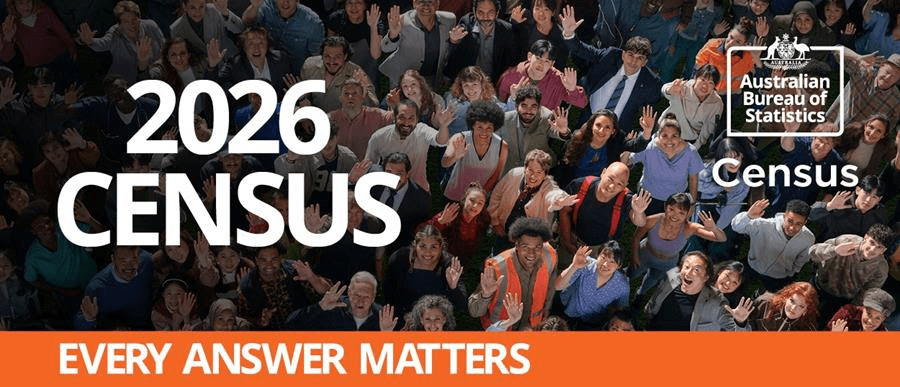
As Census night draws near, multicultural communities are being encouraged to participate and ensure their voices are heard and counted.
AUSTRALIA — On Tuesday 11 August, Australia will conduct its national Census, a vital exercise that captures a snapshot of the nation’s people and housing, telling the story of how we are changing. The data collected is used to shape services that people use every day, helping governments, community groups and businesses plan for healthcare, education, transport and infrastructure.
The Census is held every five years and is compulsory for everyone in Australia on Census night, including visitors, international students and visa holders .
Support for Multicultural Communities
The Australian Bureau of Statistics (ABS) has developed a range of support options to help people from culturally and linguistically diverse backgrounds participate. While the Census form is only available in English, information is available in multiple languages. Translated resources can be accessed through the ABS website, and help is available through the Translating and Interpreting Service (TIS National) on 131 450.
Census National Spokesperson Emily Walter said it’s important that Australia’s multicultural communities know what support is available to help them take part.
“Information is available in 25 languages to help the community better understand what the Census is, how it works and what you need to do,” according to the ABS.
Ancestry and Language Questions
For the 2026 Census, Australians will be able to nominate up to four ancestries, an increase from two in previous years, providing a more accurate reflection of the country’s multicultural population. This change has been welcomed by community organisations, who say it helps ensure people from diverse backgrounds are accurately represented.
Community leaders have encouraged people to pay close attention to the ancestry and language questions, as this data helps organisations advocate for the needs of their communities.
“If we want our community to be accurately represented, we need to be accurately counted,” community leaders have said.
How to Complete the Census
Most households will receive a letter in the mail containing a unique 16-digit Census number and temporary password to complete the Census online. Some households will receive a paper form instead.
Once you receive your instructions, you can complete the Census immediately if you know where you will be on Census night.
If you need help, you can:
- Call the Census Contact Centre on 1800 181 227 for assistance in English
- Call TIS National on 131 450 for help in your preferred language
- Visit the ABS website to find in-person support locations near you
Protecting Your Information
The ABS has reassured Australians that personal Census information is protected by law and cannot be shared with agencies such as the Australian Taxation Office, police, landlords or private companies.
“Every answer helps us understand what Australia needs now, and in the future,” the ABS states.
The 2026 Census is on Tuesday 11 August. For more information, visit census.abs.gov.au/language-support.

A New Chapter for Victoria’s Multicultural Communities: Louise Perry Welcomes Reform and Community Leadership
As the VMC transitions to Multicultural Victoria, the new interim Chairperson invites community participation in shaping the state’s diverse future.
MELBOURNE, VICTORIA — In her inaugural address as the interim Chairperson of the Victorian Multicultural Commission (VMC), Louise Perry has struck a tone of optimism and collaboration, heralding a “new era” for Victoria’s multicultural and multifaith communities.
Perry’s appointment marks a critical transitional period for the state, as the Victorian Government introduces legislation to establish Multicultural Victoria, a new statutory body designed to strengthen the way government listens to, engages with, and supports its diverse population.
“It is a privilege to write to you for the first time as Chairperson,” Perry stated. “I am honoured to have the opportunity to serve our multicultural and multifaith communities“.
A Leader with Deep Community Roots
A Victorian woman of Burmese heritage, Perry brings a wealth of experience to the role, including a background in journalism, leadership in community organisations, and a distinguished career in international development and human rights. Her recent role as Deputy Secretary for Fairer Victoria at the Department of Families, Fairness and Housing saw her lead landmark strategies on anti-racism, youth, and gender equality.
“This is an exciting time for multicultural Victoria,” Perry wrote, reflecting on the week’s developments, which saw the introduction of the Bill to amend the Multicultural Victoria Act into Parliament. The proposed legislation seeks to dissolve the VMC and replace it with Multicultural Victoria, a move that aims to modernise how the state engages with its migrant and refugee communities.
Building a More Inclusive Future
The new body is designed to bring together the community engagement functions of the VMC with the policy responsibilities of Multicultural Affairs, creating a more integrated and effective approach. It will be led by a newly created Multicultural Coordinator General, supported by two Deputy Coordinators, one of whom will be dedicated to regional Victoria, and a diverse advisory group.
Perry has emphasised her commitment to building an organisation that reflects the aspirations of the communities it serves, prioritising a “recalibrated and coordinated approach” that promotes cohesion, equity, and inclusion.
“I look forward to working with communities, VMC staff and government as we prepare for legislative changes,” Perry said.
A Call for Community Leadership
As part of the transition, applications are now open for a range of leadership opportunities, including membership of the new Multicultural Community Advisory Group. This is a unique opportunity for community leaders to contribute their experience and insights, ensuring community voices remain central to the future direction of Multicultural Victoria.
Perry encouraged anyone with passion and commitment to shaping Victoria’s multicultural future to consider applying. “I encourage anyone with the passion and commitment for shaping Victoria’s multicultural future to consider applying“. Applications close on Sunday, 9 August.
Looking Ahead
As Perry begins her journey, she has committed to getting out into communities across Victoria, meeting people in person, and learning about their work, aspirations, and the issues that matter most to them.
“Together, we can continue building a Victoria where every community feels heard, valued and connected,” she concluded.
The establishment of Multicultural Victoria is subject to the passage of legislation.

Louise Perry Appointed Interim Chairperson of the Victorian Multicultural Commission

A seasoned leader in human rights and community engagement steps in to guide Victoria’s multicultural sector through a historic transition
MELBOURNE, VICTORIA — As the Victorian Multicultural Commission (VMC) prepares for a significant transformation, Ms Louise Perry has been appointed as interim Chairperson to lead the organisation through a critical transitional period. Her appointment, effective Thursday 16 July, comes as Victoria moves toward the establishment of Multicultural Victoria, a new statutory body that will reshape the state’s approach to multicultural and multifaith affairs .
Perry’s term is interim, extending until Multicultural Victoria is formally established. A Victorian woman of Burmese descent, she brings a wealth of experience spanning journalism, community leadership, international development, human rights, and the Victorian Public Service .
A Career of Service and Advocacy
Louise Perry’s professional journey reflects a deep commitment to social justice and community empowerment. She began her working life as a journalist, developing a keen understanding of storytelling and the power of narrative in shaping public understanding. This foundation led her to leadership roles in community organisations, where she championed the voices of marginalised and underrepresented groups.
Her career later took her into the International Development and Human Rights space, where she worked extensively on issues of justice, equity, and inclusion. This global perspective, combined with her local experience, has equipped her with a nuanced understanding of the challenges and opportunities facing multicultural communities.
Before her appointment to the VMC, Perry served as Deputy Secretary for Fairer Victoria within the Department of Families, Fairness and Housing, where she led landmark work on anti-racism, youth, and gender equality strategies . Her leadership in this role demonstrated her ability to drive systemic change and build partnerships across government and the community sector.
A Vision for Unity and Cohesion
Perry’s appointment comes at a pivotal moment for Victoria’s multicultural and multifaith communities. The transition to Multicultural Victoria represents an opportunity to elevate multicultural affairs across the whole of government, ensuring that diverse voices remain at the centre of policy and service delivery.
“The establishment of Multicultural Victoria presents a unique opportunity for multicultural and multifaith affairs in our state,” Perry said. “I look forward to working with communities, VMC staff and government as we prepare for legislative changes” .
Her leadership is expected to support and uplift Victoria’s multicultural and multifaith communities as champions of unity and cohesion, delivering benefits for all Victorians . The changes she will guide aim to ensure that the new structure is fit for purpose and responsive to the needs of communities .
The Transition to Multicultural Victoria
The establishment of Multicultural Victoria is subject to the passage of legislation . The new body will bring together the functions of the VMC and Multicultural Affairs, creating a unified approach to multicultural policy and community engagement . It will be led by a Multicultural Coordinator General, supported by two Deputy Coordinators General and a Multicultural Community Advisory Group .
The transition reflects a recognition that Victoria’s multicultural communities are not just a part of the state’s identity—they are central to its future. As Perry noted, this is a unique opportunity to strengthen the foundations of multicultural and multifaith affairs.
A Legacy of Leadership
Perry succeeds Vivienne Nguyen AM, who concluded her seven-year tenure as Chairperson on 15 July 2026 . Nguyen’s leadership saw the VMC through the COVID-19 pandemic, flood recovery, and the impacts of international events on multicultural and multifaith communities . Her legacy of community-led engagement and partnership-building has laid the groundwork for the next chapter.
Perry expressed appreciation for Nguyen’s contributions, which she described as “invaluable” and commended the groundwork laid for the future .
Looking Ahead
As Louise Perry steps into her interim role, Victoria’s multicultural and multifaith communities can look forward to a leader with a proven track record of advocacy, collaboration, and systemic change. Her appointment signals continuity and stability during a period of significant transformation.
Applications for leadership positions within Multicultural Victoria—including the Coordinator General, two Deputy Coordinators General, and members of the Multicultural Community Advisory Group—are expected to open shortly. Community members are encouraged to stay informed and participate in shaping the future of multicultural affairs in Victoria.
“The establishment of Multicultural Victoria presents a unique opportunity for multicultural and multifaith affairs in our state. I look forward to working with communities, VMC staff and government as we prepare for legislative changes.”
— Louise Perry, Interim Chairperson, Victorian Multicultural Commission

A Grateful Farewell: Vivienne Nguyen AM Concludes Seven-Year Leadership of the Victorian Multicultural Commission
After guiding Victoria’s multicultural communities through pandemic, flood recovery, and social transformation, the VMC Chairperson’s legacy is one of resilience, inclusion, and hope.
MELBOURNE, VICTORIA — Wednesday 15 July 2026 marks the end of an era for Victoria’s multicultural landscape. Vivienne Nguyen AM, Chairperson of the Victorian Multicultural Commission (VMC), has concluded her seven-year tenure, closing a chapter defined by crisis, celebration, and profound community connection .
Since her appointment in 2019, Nguyen has served as a steadfast advocate for Victoria’s culturally, linguistically, and religiously diverse communities. Her leadership spanned some of the state’s most challenging periods, including the COVID-19 pandemic, flood recovery efforts, and the far-reaching impacts of international events on multicultural and multifaith communities . Under her guidance, the VMC ensured that diverse voices remained central to the state’s response and recovery.
A Legacy of Advocacy and Inclusion
“Being in this role has been an honour and a privilege,” Nguyen reflected. “We have shown that we can live and thrive, and we can overcome adversity no matter the shape and size. Diversity is indeed our strength and our asset.”
Nguyen’s journey to this role began long before her appointment. She arrived in Australia as a 12-year-old refugee from Vietnam, a young girl who would grow into one of Victoria’s most passionate advocates for community engagement and cultural diversity . Over more than 25 years, she has been a leader across corporate, community, and government settings, holding executive roles at AMP Asset Management and ANZ Banking Group, where she led their global diversity strategy .
In 2021, she was appointed a Member of the Order of Australia (AM) in recognition of her significant service to multicultural Victoria . Her contributions have also been acknowledged through the Australian Centenary Medal and induction into the Victorian Honour Roll for advocating for women’s leadership and supporting young Vietnamese people .
“Vivienne Nguyen is a true champion of multiculturalism who goes above and beyond,” said Mr Juma Piri Piri, Chairperson of the Refugee Communities Association of Australia, at the time of her AM recognition .
Strengthening the Foundations of Multicultural Victoria
Under Nguyen’s leadership, the VMC convened the Multifaith Advisory Group, contributed to Victoria’s Anti-Racism Taskforce, and delivered flagship initiatives including Cultural Diversity Week . She played a critical role in the Victorian Government’s pandemic response, partnering with community leaders and peak bodies to deliver unique resources for diverse communities .
Minister for Multicultural and Multifaith Victoria Ingrid Stitt expressed gratitude for Nguyen’s contributions. “I want to thank Vivienne for her valuable contributions to the Victorian Multicultural Commission and to Victoria’s multicultural communities since 2019,” Minister Stitt said.
A Transition to a New Chapter
Nguyen’s departure comes as the Victorian Government prepares for the proposed establishment of Multicultural Victoria, a new statutory body that will bring together the functions of the VMC and Multicultural Affairs, subject to the passage of legislation . This body will have a Multicultural Coordinator General and two Deputies, leading community engagement, advocacy, and accountability functions .
Applications for leadership positions within Multicultural Victoria—including the Coordinator General, two Deputy Coordinators General, and members of the Multicultural Community Advisory Group—are expected to open shortly . Community members are encouraged to keep an eye out for these opportunities and share them widely through their networks.
Ms Louise Perry has been appointed as interim Chairperson to support this transitional period, starting Thursday 16 July. Her term will continue until Multicultural Victoria is formally established .
A Victorian woman of Burmese heritage, Perry brings extensive experience in public policy and community engagement. She has served as Deputy Secretary for Fairer Victoria within the Department of Families, Fairness and Housing, where she led landmark anti-racism, youth, and gender equality strategies .
“The establishment of Multicultural Victoria presents a unique opportunity for multicultural and multifaith affairs in our state,” Ms Perry said. “I look forward to working with communities, VMC staff and government as we prepare for legislative changes” .
A Final Farewell
As Nguyen steps down, her legacy continues through the relationships she has built, the communities she has championed, and the foundation she has helped create for the next chapter of multicultural affairs in Victoria.
“Thank you for allowing me the privilege of serving alongside you,” Nguyen said in her farewell message .
While her role as Chairperson has come to an end, her commitment to Victoria’s multicultural communities remains steadfast. The VMC extends its deepest gratitude to Nguyen for her outstanding leadership and unwavering dedication over the past seven years.
“Diversity is indeed our strength and our asset.”
— Vivienne Nguyen AM, Chairperson, Victorian Multicultural Commission

The Gumaa Reconciliation Process
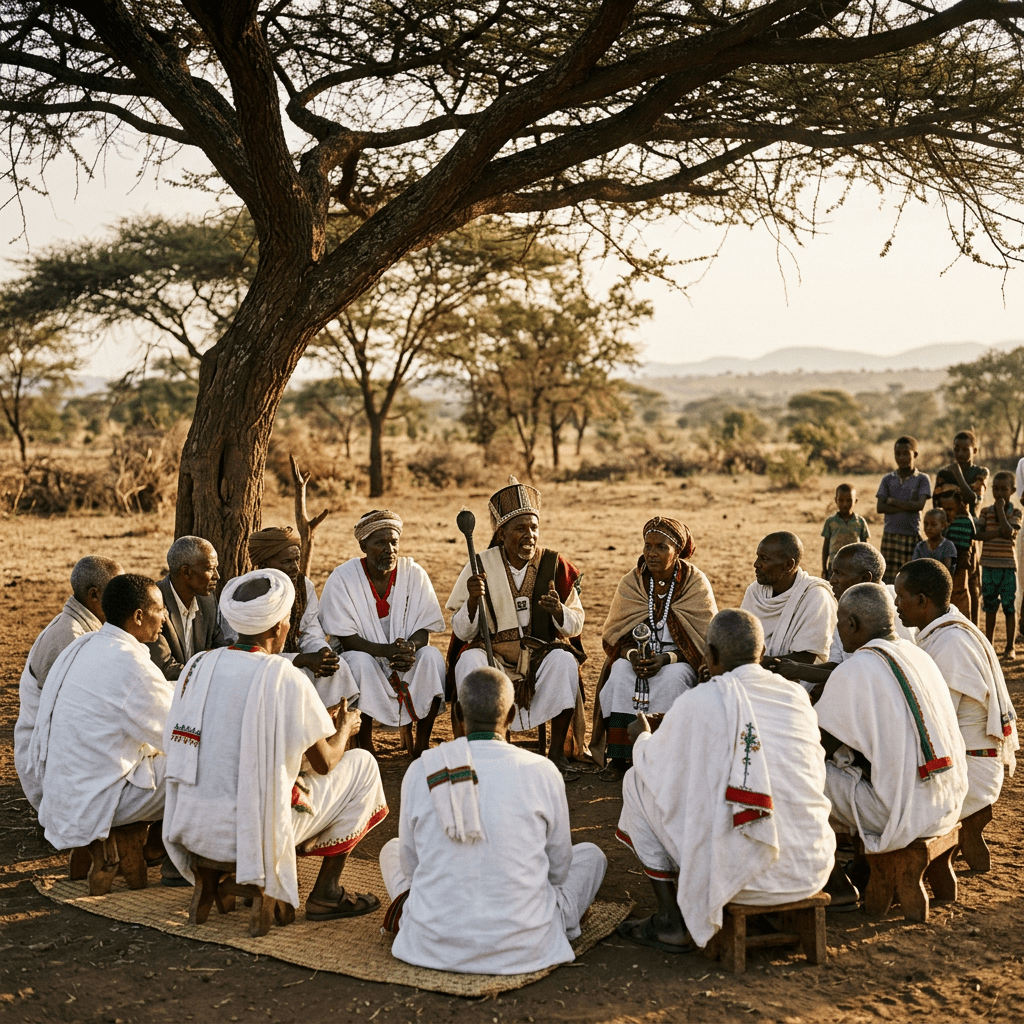
Gumaa is a sophisticated indigenous institution for resolving blood feuds, aiming to restore social harmony and reintegrate an offender back into the community. The process follows several key stages:
1. Collective Responsibility: The killer’s entire lineage is held corporately liable for the act. The group, not just the individual, is responsible for compensation and initiating the purification ritual. The goal is to restore social ties, not just punish an individual.
2. Negotiation & Compensation: Elders from both sides negotiate a “blood price” (gumaa), traditionally paid in cattle. The amount is determined by the nature of the offense (intentional vs. unintentional) and the severity of the injury, but does not vary based on the age or sex of the victim.
3. The Purification Ritual: This highly symbolic ceremony serves to cleanse the offender and the community.
· Preparation: The offender arrives with face covered, wearing the clothes from the day of the murder, symbolizing their unclean state.
· The Sacrifice: A lamb is sacrificed. The parties stand facing each other, signifying readiness to forgive and be forgiven.
· Symbolic Acts: Elders guide the parties to place their hands inside the sacrificed animal’s stomach to shake hands, symbolizing the “washing away” of the sin. The offender’s face is then uncovered, old clothes are removed, and new ones are put on, marking full reintegration.
4. Covenant & Reintegration: The process often concludes with a waadaa (covenant). The ritual concludes with a shared meal, publicly signifying the end of the feud and the offender’s full return to the community.
—
 The Irreecha Thanksgiving Festival
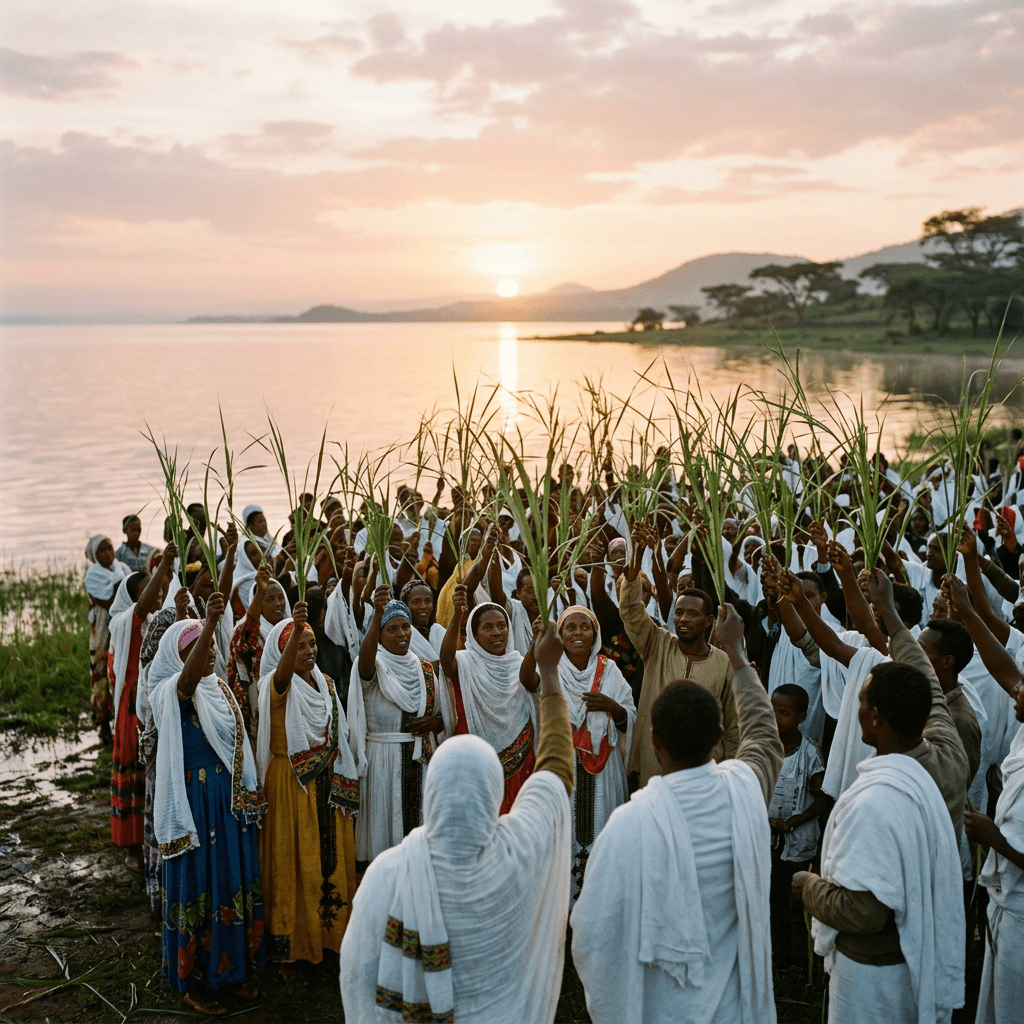
Irreecha is a vibrant bi-annual festival of thanksgiving, renewal, and unity, deeply rooted in the Oromo worldview.
· Timing and Types: It is celebrated twice a year:
· Irreecha Malkaa: Celebrated in September/October at lakesides or rivers to thank Waaqa for the end of the rainy season and the coming harvest.
· Irreecha Tulluu: Celebrated in Spring (around March) on hilltops to pray for rain and blessings for the upcoming planting season.
· Key Rituals and Symbols:
· Fresh Grass and Flowers: Participants carry freshly cut green grass and flowers to the sacred site, symbolizing fertility, life, and renewal.
· Water: Rituals are performed near bodies of water considered holy and pure. The grass is dipped in the water, and participants may sprinkle themselves with it as a blessing.
· Prayers and Songs: The festival features communal prayers, songs, and dances led by Qaalluu elders or Abba Gadaa leaders. It is a time to thank Waaqa for blessings and ask for peace (nagaa) and prosperity for the year ahead.
· Prohibitions: Participants are forbidden from attending with resentment or hatred in their hearts.
· Social and Cultural Significance: Beyond its religious roots, Irreecha is a powerful symbol of Oromo identity, unity, and cultural pride. It fosters social bonds and reinforces collective identity. While rooted in Waaqeffannaa, it is now celebrated by many Oromo people regardless of their religion.

The Role of Waaqeffannaa in Peacemaking
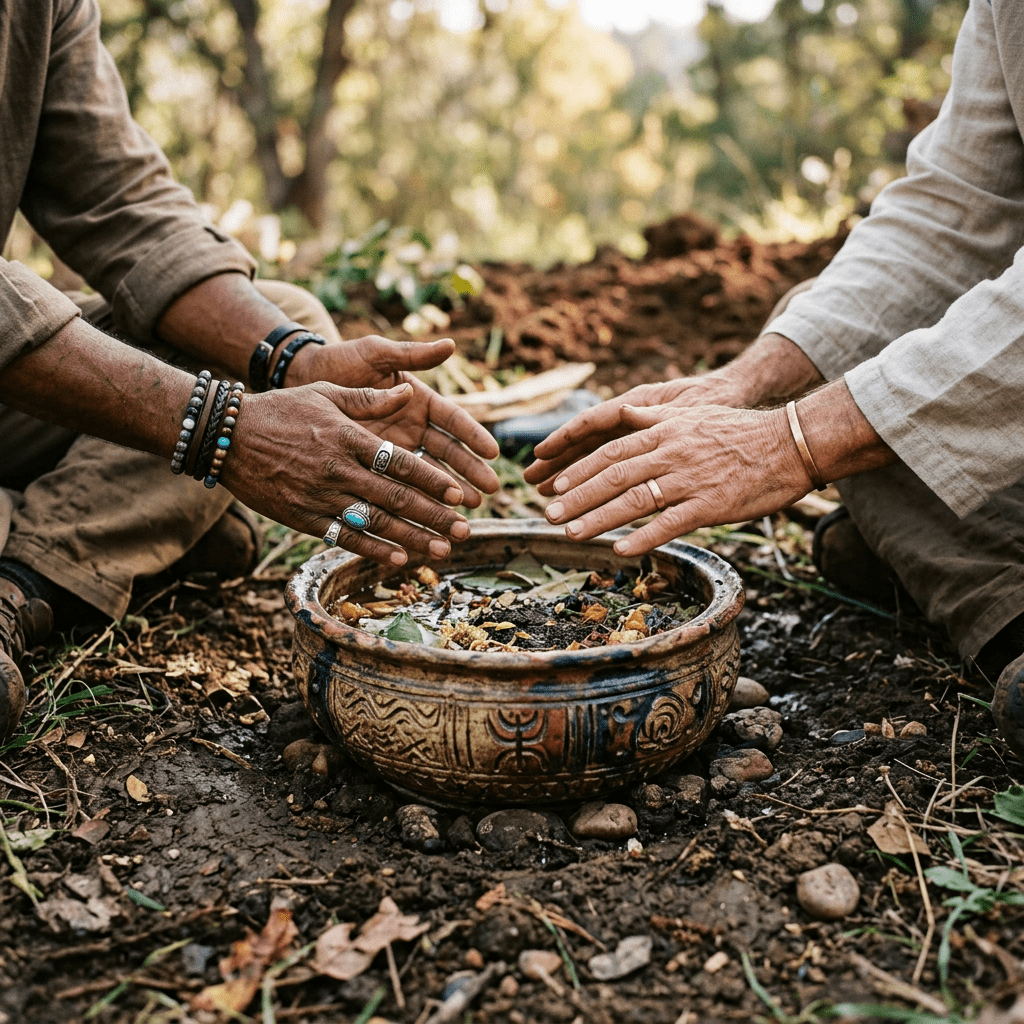
Waaqeffannaa, the indigenous monotheistic religion of the Oromo people, plays a profound and multifaceted role in peacemaking that is deeply embedded in its theology, rituals, and social institutions. Its approach to peace is not merely the absence of conflict but a state of holistic harmony with Waaqa (God), fellow humans, and the natural environment.
 Theological Foundation: Peace as a Divine Mandate
Peace (nagaa) is a core spiritual value in Waaqeffannaa. Waaqa is believed to be peace itself, and human beings are expected to be peacemakers who do not disturb this divine order. This is embedded in daily life, from the common greeting “Nagaa dha?” (Are you at peace?) to prayers like “Nagaan nu oolchi” (Lead us in peace).
 Key Peacemaking Principles: Gumaa and Waadaa
Two central traditional mechanisms for conflict resolution are Gumaa and Waadaa:
· Gumaa: A ritual process of reconciliation, particularly for serious offenses like bloodshed, intended to restore broken relationships and bring peace.
· Waadaa: A covenant or oath that establishes a binding agreement between parties to maintain peace.
Rituals, Festivals, and Community Practices
Peacemaking is reinforced through collective rituals:
· Irreecha: The annual thanksgiving festival where thousands gather to thank Waaqa and publicly preach peace and unity. A central chant is “Nagaa, nagaa!” (Peace, peace!), affirming the community’s collective desire for balance.
· Dhibaayyuu: A thanksgiving ritual that plays a pivotal role in inter-community peacebuilding and sustaining social solidarity.
 Institutional Mechanisms: The Gadaa System and Qaalluu Leaders
Waaqeffannaa is closely linked to the Gadaa system, a traditional Oromo governance structure that serves as a viable conflict resolution and peace-building mechanism. Within this system, Qaalluu leaders, as custodians of the faith, often act as mediators, using traditional reconciliation methods to resolve disputes.
 Contemporary Relevance and Challenges
While its values align with modern peacebuilding, Waaqeffannaa faces challenges in modern Ethiopia, including historical marginalization and limited freedoms for its adherents. Despite this, its principles offer a powerful, locally-grounded framework for building lasting peace from the community level upward.
In essence, Waaqeffannaa provides a comprehensive blueprint for peace, integrating spiritual belief with practical action to foster reconciliation and social harmony.

The Irreechaa Protocol: From Ancient Healing to Modern Stroke Recovery
What if the path to physical recovery after a stroke lies not in isolation but in community, not in medicine alone but in the sacred rituals that have healed generations?
When we think of stroke rehabilitation, we typically imagine hospital beds, physical therapists, and repetitive exercises. The journey is often described as isolating—a solitary struggle against the body’s betrayal. But what if the most effective recovery intervention has been practiced for centuries, not in clinics, but at the water’s edge, surrounded by thousands of voices raised in song?
The Oromo people’s Irreechaa festival—a thanksgiving celebration held at sacred water bodies like Hora Arsadii and Hora Finfinnee—offers a blueprint for stroke recovery that transcends conventional rehabilitation. It is not merely a cultural festival; it is a sophisticated, community-driven healing protocol that addresses the physical, psychological, and spiritual dimensions of recovery.
The Foundation: Why Ritual Matters in Recovery
Stroke, as a form of brain tissue damage caused by a sudden disruption of blood supply, often results in muscle weakness or paralysis on one side of the body, known as hemiparesis or hemiplegia . Beyond the physical challenges, stroke profoundly affects patients’ psychological and spiritual well-being.
Conventional rehabilitation focuses on regaining motor function through physical therapy, strength training, and range-of-motion exercises. Yet research increasingly recognises that recovery is not purely mechanical. The emotional isolation, loss of identity, and spiritual questioning that accompany stroke require interventions that address the whole person.
This is where Irreechaa enters the picture. For the Oromo people, who have endured generations of political marginalisation and cultural suppression, Irreechaa has functioned as what scholars describe as “cultural therapy”—a cyclical, collective practice that restores dignity, cohesion, and hope . Its choreography—pilgrimage to sacred water, symbolic washing, public prayer, group singing and dancing—provides a template that can be adapted for physical rehabilitation.
The Three Therapeutic Pillars of Irreechaa for Stroke Recovery
1. Recognition: Reclaiming Identity and Agency
One of the most devastating effects of stroke is the loss of identity. A person who once moved freely, worked, and cared for family suddenly becomes dependent on others. This loss mirrors the experience of colonised peoples—the internalised devaluation that comes from being told, directly or indirectly, that you are less than what you were .
Irreechaa counters this through public, mass affirmation . When thousands gather in traditional white attire, singing and performing traditional dances, they are not just celebrating; they are visibly, collectively reclaiming dignity . For a stroke survivor, participation—even passive observation—reaffirms that they remain part of the community. Their identity is not erased by their condition.
The festival’s impact on psychological well-being is significant. Scholars document that the joyful atmosphere counters trauma, while participants see their culture celebrated, combating marginalisation and fostering confidence . For stroke survivors, this sense of belonging and self-worth is a powerful motivator for recovery.
2. Regulation: Movement, Music, and Healing the Body
The physical elements of Irreechaa serve a regulatory function that aligns precisely with evidence-based rehabilitation. Structured songs, rhythmic movement, and shared timing “calm bodies and synchronise emotion” . This mirrors approaches like EMDR (Eye Movement Desensitization and Reprocessing), where bilateral stimulation helps process traumatic material.
Traditional Oromo songs, known as geerarsa, have a particularly powerful healing function. One form of folksong is designed to “divert the thought of the distressed individual by persuading him through the intricate terminologies” . Even individuals with physical and cognitive impairments can be drawn into the healing experience through these songs.
Scientifically, the combination of water and sound creates immersive environments. Chanting reduces stress hormones and triggers dopamine, promoting transcendence . Movement—however limited—stimulates blood flow and helps maintain flexibility. When tens of thousands move and sing together, the result is a form of community-wide emotional and physical regulation that no individual therapist could replicate.
Research on spiritual practices in stroke rehabilitation supports this approach. One study found that dhikr therapy—practiced by flexing and moving the knuckles of the hand—can reduce stiffness in the joints of stroke patients, supporting muscle flexibility and strength . Irreechaa offers this same principle on a massive scale: repetitive, meaningful movement embedded in a spiritual and social context.
3. Reconnection: Healing the Social Wound
Historical trauma isolates; ritual reconnects . Anthropologists describe how public rituals generate “communitas”—an intense sense of togetherness that suspends everyday hierarchies . At Irreechaa, this communitas creates “prosocial bonds that reduce isolation and renew civic agency” .
For a stroke survivor, social isolation is a major barrier to recovery. Depression, anxiety, and loneliness compound physical limitations. The festival’s intergenerational participation—elders demonstrating rituals, children and youth participating actively—creates a continuity of social bonds that bridges generations . The stroke survivor is not left behind; they remain part of the living chain.
Irreechaa’s role in fostering inclusivity and national healing has been widely recognised, described as “a catalyst for inclusivity in Ethiopia” that “promotes a sense of togetherness” . For the individual survivor, the lesson is clear: recovery is not a solitary journey but a communal one.
The Water Blessing: Symbolic and Practical Healing
The most iconic Irreechaa ritual involves participants entering sacred water and symbolically washing away hardship . This act operates on multiple levels:
- Symbolically, it represents cleansing from past trauma and preparation for renewal.
- Psychologically, it provides a physical mechanism for emotional release.
- Communally, it creates a shared experience that binds participants together.
For a stroke survivor, water also offers practical therapeutic benefits. Hydrotherapy is a recognised rehabilitation technique that reduces joint stress, improves circulation, and provides gentle resistance for muscle strengthening. The sacred waters of Irreechaa offer this benefit within a context of profound meaning.
For diaspora Oromo communities, adaptations of these water rituals in park settings or hilltops serve similar functions . When a traditional water body is unavailable, communities transform other spaces into sacred gathering points. This adaptability suggests that the Irreechaa protocol can be adapted to any setting—including rehabilitation centres, community halls, or home environments.
A Blueprint for Stroke Recovery Intervention
What can the Irreechaa protocol teach rehabilitation professionals, caregivers, and stroke survivors?
1. Recovery Requires Community
The individualised model of rehabilitation misses a crucial element: the healing power of belonging. Interventions that create spaces for group participation, shared music, and collective movement may enhance outcomes.
2. Symbolism Matters
Water, music, movement, and traditional attire are not superficial decorations; they are therapeutic vehicles that engage the whole person—body, mind, and spirit.
3. Repetition Builds Strength
The cyclical, annual nature of Irreechaa mirrors the repetitive practice essential to stroke rehabilitation. Regularity, predictability, and ritualised practice build resilience.
4. Cultural Grounding Is Therapeutic
Cultural practices are not barriers to evidence-based approaches; they are themselves evidence-based approaches refined over generations . Adapting indigenous healing traditions to modern rehabilitation can improve engagement and outcomes.
5. Hope Is a Medicine
Irreechaa’s central message—that renewal is possible—is exactly what a stroke survivor needs to hear. Hope, meaning, and purpose are not sentimental extras; they are essential drivers of recovery.
Conclusion: The Quiet Work of Repair
Irreechaa demonstrates that healing is not only possible but has been practised for centuries. Its protocol—recognition, regulation, and reconnection through public ritual—provides a template that could be adapted for stroke recovery across cultures and contexts.
As scholars of historical trauma note, healing requires “shared remembrance, mourning, and culturally grounded practices that rebuild meaning and agency” . For stroke survivors, the same principle applies. Recovery is not just about regaining muscle strength; it is about rebuilding meaning, reconnecting with community, and reclaiming identity.
Irreechaa’s power is double-edged: the very practices that heal—public recognition, shared emotion, embodied solidarity—can also unsettle established systems of control . But for the stroke survivor seeking to recover, this is not a threat. It is an invitation to reclaim what was lost.
The path forward is not to shrink the wisdom of the ancestors but to secure it. Treat it as a healing asset, adapt its principles to modern practice, and let ritual do its quiet work of repair.
“Irreechaa’s power is double-edged: the very practices that heal—public recognition, shared emotion, embodied solidarity—also unsettle projects that rely on minimising Oromo visibility. The path forward is not to shrink Irreechaa but to secure it: treat it as a national asset, protect rights equally, and let ritual do its quiet work of repair” .





 Advocacy for Oromia