Author Archives: advocacy4oromia
The Sacred Gathering: Ya’a Gadaa of Arsii Sikkoo Mandoo at Baldhaa
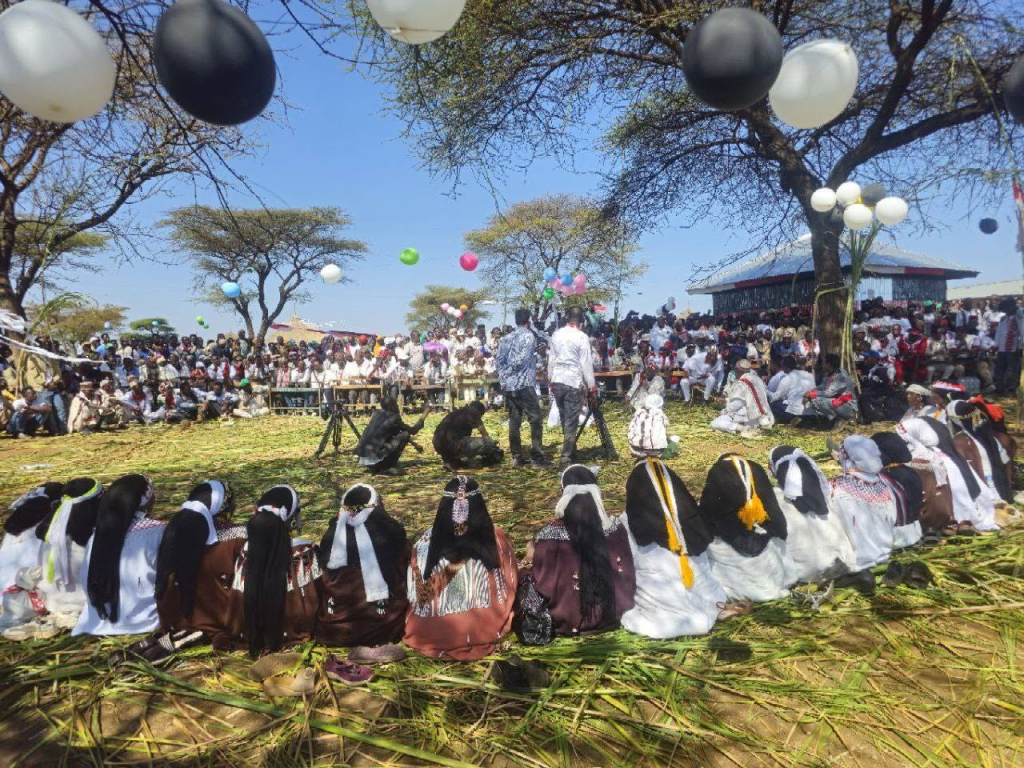
Thousands of Oromo from Arsii converge at the ancient grounds of Dhaddacha Baldhaa to honour the Gadaa system and restore the sacred traditions of their forefathers
BALEE ZONE, OROMIYA — The ancient grounds of Dhaddacha Baldhaa are alive with purpose. From July 12th to 14th, tens of thousands of Oromo from Arsii have descended upon the sacred site in the Rayitu district of Bale Zone, responding to a call that echoes through generations. They have come not merely to gather, but to restore, to honour, and to preserve the sacred traditions of the Gadaa system.
“Ya’a Gadaa Arsii Sikkoo Mandoo Dhaddacha Baldhaa!”
The Ya’a Gadaa (Gadaa Assembly) of Arsii Sikkoo Mandoo at Dhaddacha Baldhaa has been called. This is a moment of profound significance for the Oromo people—a moment when the ancient traditions of governance, justice, and community are reaffirmed in the face of historical challenges.
The Call to Gather
“Dhaaddachoota sirna gadaa Oromoo Arsii Sikkoo Mandoo caffee gadaa Odaa Roobaa jala jiran keessaa Dhaddacha Baldhaa deebisani dhaabuu Oromoon Arsii July 12-14 walitti dhufee ya’a Gadaa kabajuuf gara godina Baalee Bahaa Aanaa Raayituu magaalaa Dhaddacha Baldhaatti imalaa jiru.”
The elders of the Gadaa system of Arsii Sikkoo Mandoo, who reside under the shade of the Odaa Roobaa Gadaa assembly, are journeying to the town of Dhaddacha Baldhaa in Rayitu district of East Bale Zone. They gather from Adoolessa 12th to 14th to restore the Ya’a Gadaa and honour its sacred traditions.
The Odaa Roobaa is a sacred site—a place where the Gadaa assembly has traditionally met under the shade of the sycamore tree. It is a symbol of justice, community, and continuity. The elders who gather there carry the wisdom of generations and the responsibility of preserving the Oromo way of life.
The Purpose of the Gathering
“Dhaddachi Bal’aan dhaaddachoota wiirtuu gadaa Sikkoo Mandoo Caffee Gadaa Odaa Roobaa jalatti argaman keessaa Dhaddacha Saddeetaa kan Abbaa duulaa ykn kan waraanaa ittisa daangaa waan taheef Ya’a gadaa kanaan dudhaa ganamaa bakkatti deebisuu fi dhaloota safuu fi safeeffanaa ijaaruu, ittiin bulmaata Oromoo kalleessaa calaqqee eenyummaa Oromoo tahe waan barattaniif akka irraatti argamtan waamicha Gumiin Abbootii gadaa Sikkoo Mandoo dabarsee hojirra oolchuun gaafa Adoolessa 12-14’tti Aanaa Raayituu Magaalaa Dhaddacha Baldhaatti akka argamtan jenna.”
The Baldhaa Assembly has issued a formal call to all Gadaa elders of the Sikkoo Mandoo council, who gather at the Odaa Roobaa Gadaa seat, to restore the sacred tradition of the “Dhaddacha Saddeetaa”—the eight-fold assembly. This assembly, which serves as a defence council (Abbaa duulaa) and border protection council, is being reconvened to restore morning prayers and establish a legacy of cultural preservation for future generations.
The elders have learned the importance of preserving Oromo identity from the past. They understand that without the Gadaa system, the Oromo people would lose their governance, their justice, and their identity. This gathering is a direct response to that understanding—a determination to pass on the cultural heritage to the next generation.
The Significance of the Gadaa System
The Gadaa system is one of the most sophisticated indigenous governance structures in the world. It is a system that has guided the Oromo people for centuries—organising their society, managing their resources, resolving their conflicts, and preserving their culture.
“Ya’iin kun kan hunda keenyyaa waan ta’eef ilmaan Oromoo hunduu keessattuu abbaan sirnichaa Ilmaan Arsii Sikkoo Mandoo, ya’a kanarratti argamuun dudhaa sirna gadaa isa ganamaa bakkatti akka deeffannu waamicha waliif dabarsina.”
This gathering belongs to all of us. Therefore, all Oromo people, especially the sons of Arsii Sikkoo Mandoo, are encouraged to attend this assembly to restore the ancient morning traditions of the Gadaa system. Let us spread the word to one another.
The Gadaa system is built on a foundation of values:
- Respect for Elders: The wisdom of the elders is recognized and honoured. They are the keepers of tradition, the guides for the community.
- Community Solidarity: The well-being of the individual is inseparable from the well-being of the community. Everyone has a role to play, and everyone is valued.
- Cultural Continuity: The traditions of the ancestors are preserved and passed on to the next generation. The past is not forgotten but honoured.
- Spiritual Connection: The relationship with the Creator is central to the Gadaa system. Rituals and ceremonies are expressions of gratitude and petitions for blessing.
- Justice and Equality: The Gadaa system is a democratic system that values fairness, justice, and the participation of all members of the community.
The Restoration of Tradition
The gathering at Dhaddacha Baldhaa is not merely a commemoration—it is an act of restoration. The Gadaa system has faced significant challenges over the years, from colonial suppression to modern pressures. Yet the Oromo people have refused to let their traditions die.
The restoration of the Gadaa system is a declaration of cultural survival. It is a statement that the Oromo people will not be erased, their culture will not be forgotten, and their identity will not be denied.
The “Dhaddacha Saddeetaa” (eight-fold assembly) is being reconvened to restore the sacred rituals of the Gadaa system—the morning prayers, the governance structures, the justice systems, and the traditions that have guided the Oromo people for centuries.
A Call to All Oromo
“Odaa Robaa, Odduun Roobaaf Nagaya!”
Odaa Roobaa, Oduu Roobaaf Nagaya! (May the Odaa Roobaa be blessed! May the news of Roobaa bring peace!)
The message is clear: all Oromo are invited to participate in this historic gathering. It is not limited to the elders of Sikkoo Mandoo; it is open to all who wish to honour and preserve the Gadaa traditions.
The preservation of Oromo culture is the responsibility of all Oromo people. It is not the task of a few elders or a single community—it is the duty of every Oromo, wherever they may be.
The Way Forward
As the sun sets over the ancient grounds of Dhaddacha Baldhaa and the fires of the Gadaa assembly burn bright, the Oromo people are reaffirming their commitment to their traditions. They are declaring that the Gadaa system is not a relic of the past but a living, breathing system of governance that continues to guide them.
“Odaa Robaa, Odduun Roobaaf Nagaya!”
The gathering at Dhaddacha Baldhaa is a testament to the resilience of the Oromo people. It is a reminder that cultures do not die when they are actively practised, when they are passed on to the next generation, and when they are honoured in the face of all challenges.
May the Gadaa system continue to guide the Oromo people for generations to come. May the Odaa Roobaa continue to provide shade for the elders who gather beneath it. And may the Oromo people never forget the traditions that make them who they are.
The Gadaa Calendar: Understanding the Time
The gathering at Dhaddacha Baldhaa follows the traditional Oromo calendar, which is a lunar calendar based on the cycles of the moon. Adoolessa is one of the months in this ancient calendar system, and the 12th to 14th days of Adoolessa hold particular significance for the Gadaa assembly.
The traditional Oromo calendar is a living link to the ancestors, a reminder that time itself is cyclical and sacred.
A Gathering of Unity
The Ya’a Gadaa at Dhaddacha Baldhaa is not just a political gathering—it is a spiritual and cultural gathering. It is a time for prayer, for community, for celebration, and for the transmission of wisdom from one generation to the next.
“Ya’iin kun kan hunda keenyyaa waan ta’eef ilmaan Oromoo hunduu keessattuu abbaan sirnichaa Ilmaan Arsii Sikkoo Mandoo, ya’a kanarratti argamuun dudhaa sirna gadaa isa ganamaa bakkatti akka deeffannu waamicha waliif dabarsina.”
This gathering belongs to all of us. Therefore, all Oromo people, especially the sons of Arsii Sikkoo Mandoo, are encouraged to attend this assembly to restore the ancient morning traditions of the Gadaa system. Let us spread the word to one another.
Conclusion
“Odaa Robaa, Odduun Roobaaf Nagaya!”
May the Odaa Roobaa be blessed! May the news of Roobaa bring peace!
The Ya’a Gadaa of Arsii Sikkoo Mandoo at Dhaddacha Baldhaa is a historic gathering—a reaffirmation of Oromo identity, a restoration of sacred traditions, and a declaration of cultural survival. Thousands have gathered, and the message is clear: the Gadaa system lives, the Oromo people endure, and the traditions of the ancestors will never be forgotten.
As the elders gather under the sacred sycamore tree, they are not just remembering the past—they are building the future.
“Odaa Robaa, Odduun Roobaaf Nagaya!”
May the Odaa Roobaa be blessed! May the news of Roobaa bring peace!

BEYOND THE BANNER: KOSTE ABDIISAA’S BLEAK PROGNOSIS FOR TSIMDO AND THE PERILS OF RECYCLED STRATEGIES

A feature analysis of a blunt political intervention that exposes the fault lines in Oromo political strategy
In the fractious arena of Ethiopian and Oromo politics, where alliances shift like desert sands and rhetoric often outpaces reality, few voices cut through the noise with the surgical precision of Koste Abdiisaa. In a recent, characteristically unvarnished reflection, Abdiisaa has delivered a damning indictment of TSIMDO—an indictment that warrants serious analysis not merely as a partisan jab, but as a profound commentary on the trajectory of political struggle itself.
Abdiisaa’s core thesis is stark: “Milka’ina TSIMDOf jecha olollii ABO irratti ta’u hin milka’u!” — TSIMDO’s success cannot be built upon a struggle against ABO (a reference to the Oromo Liberation Front). He doubles down with the declarative English postscript: “TSIMDO will never succeed! A new alliance, but with the same old and failed strategy.”
To understand the gravity of this critique, one must dissect its layered components.
The Strategic Miscalculation: Misplacing the Target
Abdiisaa’s primary contention is that TSIMDO has fundamentally misdiagnosed the battlefield. By framing its struggle primarily as an adversarial contest against the federal seat of power in Addis Ababa/Finfinne, the movement traps itself in a zero-sum paradigm.
Historically, Oromo political movements have oscillated between integrationist and confrontational postures. Abdiisaa suggests that TSIMDO, despite its new branding, has fallen into the latter trap—defining itself more by what it opposes than by what it offers. To orient a struggle for Oromo rights purely against the administrative mechanisms of the capital is to confuse the symptom with the structure. The federal system, with all its constitutional complexities, cannot be stormed through oppositional posturing alone. True leverage, he implies, lies in constitutional fidelity, not rhetorical siege warfare.
The Moral Calculus: Truth Over Propaganda
Perhaps the most philosophically resonant line in Abdiisaa’s reflection is: “Sobni dhugaa/haqa mo’ee hin beeku!” — Deception does not know how to defeat truth and justice.
This is a pointed accusation that TSIMDO may be relying on distorted historical narratives, emotional sloganeering, or selective outrage to galvanize support. In an era where propaganda proliferates on digital platforms, Abdiisaa issues a warning: mobilizing a people through manipulated grievances is a short-term anesthetic, not a long-term cure.
Justice (haqa) possesses an inherent, almost gravitational, historical momentum. When a movement builds its foundation on factual instability, it risks catastrophic collapse when reality reasserts itself. Abdiisaa insists that TSIMDO’s leadership must confront historical and constitutional truths—particularly regarding the complexities of Finfinne’s status—rather than simplifying them into digestible but deceptive soundbites.
The Resilience of Righteous Struggle
Counter-intuitively, Abdiisaa does not dismiss struggle itself. He validates the necessity of resistance: “Ololli qabsoo haqaa irratti ta’us qabsichi fi qabsa’ota daran ni jabeesssa, ni xiiqessa malee of duubatti hin deebisu!” — A struggle grounded in justice, even if it faces intense pressure, strengthens the fighters and never retreats.
This is a critical nuance often lost in political polemics. Abdiisaa is not a pacifist; he is a strategist. He argues that when the cause is just, adversity functions as a crucible—it hardens resolve and clarifies purpose. However, he implies that TSIMDO’s current methodology lacks this foundational justice. If their cause were truly righteous, state pressure would only fortify them. Instead, he observes a tendency toward capitulation, hypocrisy, or confusion. The problem, therefore, is not external opposition but internal moral bankruptcy and tactical incoherence.
The Sharp Irony of Hypocrisy
Abdiisaa’s most scathing critique is reserved for the conduct of TSIMDO’s protagonists: “Namoonni dharaan maqaa nama xureessuf yoo akkas xaaran, namoonni maqaan xura’u ammo hagam akka hojjetan tilmaamuun salphaa dha!” — If those known for having a clean reputation engage in such dirty tactics to defame others, one can easily imagine how those with historically tarnished reputations will operate.
This is a devastating rhetorical thrust. It accuses TSIMDO’s leadership—or their allies—of engaging in character assassination, smear campaigns, and divisive intra-communal attacks. The irony is palpable: if the “righteous” are acting immorally, what restraint can be expected from the unprincipled?
Abdiisaa exposes a dangerous trend in Oromo political activism: the weaponization of identity politics to silence dissent within the community. By attacking other Oromo figures or factions rather than building ideological consensus, TSIMDO risks cannibalizing its own base. This reflects a broader crisis of leadership where personal ego and factional loyalty supersede collective emancipation.
The New Alliance, The Old Failure
Ultimately, Abdiisaa’s verdict is delivered in plain English for universal clarity: “A new alliance, but with the same old and failed strategy.”
This is the crux of the analysis. TSIMDO may present itself as a fresh vanguard, a revitalized coalition, or a break from the past. But Abdiisaa argues that beneath the veneer of novelty lies the fossilized remains of past political failures—an over-reliance on populist agitation, a neglect of constitutional legalism, and an inability to forge durable alliances beyond narrow ethnic or geographic confines.
The “old strategy” is one of perpetual confrontation without governance, of protest without program, of demands without democratic legitimacy. It is a strategy that has historically left the Oromo people politically empowered but structurally disenfranchised—winning the rhetoric but losing the constitutional reality.
Conclusion: A Call for Strategic Sobriety
Koste Abdiisaa’s reflection is more than a critique of a single movement; it is a mirror held up to the Oromo political project at large. He challenges activists to move beyond performative opposition and engage with the arduous labor of constitutional implementation, cross-community dialogue, and principled truth-telling.
For TSIMDO to prove its critic wrong, it must demonstrate a departure from the old playbook. It must anchor its struggle not in the negation of Addis Ababa’s federal role, but in the affirmative realization of Oromia’s constitutional rights within that framework. It must replace smear campaigns with substantive policy proposals.
As Ethiopia’s national dialogue looms, Abdiisaa’s words serve as a stark warning: political movements that refuse to evolve, that cling to outdated antagonisms and inflated rhetoric, are destined for the dustbin of history—regardless of how shiny their new banners appear.
—
This analysis is based on the public reflections of Koste Abdiisaa and aims to provide a strategic and ideological interpretation of his critique of TSIMDO and contemporary Oromo political strategy.

What Makes Waaqeffanna Different from Other Religions?

In the highlands and lowlands of Oromia, where the Oromo people have lived for millennia, an ancient faith endures. Waaqeffanna—the indigenous religion of the Oromo—represents one of Africa’s oldest continuous monotheistic traditions. But in a world where Christianity and Islam dominate the religious landscape, what truly sets Waaqeffanna apart?
The Core Belief: One God, No Idols
At its heart, Waaqeffanna is a monotheistic religion. Followers, known as Waaqeffataa, believe in Waaqa Tokkicha—the one God. Waaqa, meaning “the God of heaven” in the Oromo language, is the creator of the universe and all life within it.
Yet here lies the first distinction: unlike many other faiths, Waaqeffanna has no temples, no idols, and no anthropomorphic representations of the Divine. As one French missionary observed in 1901, the Oromo “repudiate all anthropomorphic representation of the Divinity. Their temple, which is the universe with the star-studded arch; their altar, the surface of the earth”. Where other religions build cathedrals, mosques, and synagogues, Waaqeffanna worshippers find the sacred in creation itself.
Worshipping Through Creation
The slogan of Waaqeffanna captures its essence: “Uumamaan Uumaa galateeffanna” —”We praise the Creator by His creation”. This principle shapes everything about the faith. Followers see Waaqa’s deeds in the coming of rains, the sprouting of new life, and the changing of seasons. Nature is not worshipped itself but serves as the primary material through which God is praised.
This stands in stark contrast to religions that emphasise revealed scriptures or prophetic traditions. Waaqeffanna has no holy book. A legend tells that Waaqa once gave the Oromo a sacred book, but a cow ate it, and God—in his anger—never provided another. Whether myth or metaphor, the story reveals something profound: in Waaqeffanna, God’s presence is encountered not in written words but in the living world.
The Three Pillars: Ayyaana, Uuma, and Safuu
Waaqeffanna rests on three foundational concepts:
Ayyaana are intermediary spirits that serve as manifestations of Waaqa, connecting the divine with the human world. Through Ayyaana, Waaqa can communicate with chosen individuals who become religious leaders known as Qaallu (male) or Qaafitti (female).
Uuma refers to creation itself—the entire universe as the handiwork of God.
Safuu forms the moral and ethical foundation, guiding right conduct and maintaining cosmic order.
This trinity of spirit, creation, and morality provides a comprehensive worldview without the rigid dogmas or institutional hierarchies found in many other religions.
The Gadaa Connection: Religion as Governance
Perhaps the most distinctive feature of Waaqeffanna is its intimate connection with the Gadaa system—the traditional Oromo democratic governance structure. Unlike other religions that often separate spiritual and political authority, Waaqeffanna is woven into the fabric of Oromo social organisation. Religious leaders play spiritual and political roles within the Gadaa system. This integration of faith and governance is rare among world religions and reflects a holistic approach to life where the sacred and the civic are inseparable.
Tolerance Without Compromise
Remarkably, Waaqeffanna has demonstrated extraordinary religious tolerance throughout its history. Many Oromo today practice Christianity or Islam alongside elements of their ancestral faith—a phenomenon known as syncretism. This compatibility stems from Waaqeffanna’s focus on natural patterns of life and right conduct rather than exclusive doctrinal claims.
Yet this tolerance does not diminish the faith’s distinct identity. Whether Oromo become Christians or Muslims, “a true belief in one God (Waaqeffanna dhugaa) remains the basic tenet of Oromo identity”. The Oromo never substituted other gods or carved statues for their Waaqa. This steadfastness in monotheism, combined with openness to other traditions, creates a unique religious posture.
Similarities and Distinctions
Like Christianity and Islam, Waaqeffanna affirms belief in one supreme God. But where Abrahamic religions centre on prophets, scriptures, and institutional structures, Waaqeffanna centres on the natural world, moral order (Safuu), and spirit intermediaries (Ayyaana).
Where other religions build physical sacred spaces, Waaqeffanna finds the sacred everywhere. Where others seek divine revelation in texts, Waaqeffanna finds it in the rhythm of seasons, the fertility of the earth, and the moral conscience of the community.
A Living Tradition
Today, approximately 3% of the Oromo population—roughly 1.1 million people—actively practice Waaqeffanna. The annual Irreechaa festival, a thanksgiving ritual held at riversides or mountaintops, draws thousands who gather with fresh green grass to pray to Waaqa Gurraacha (the Black God).
In an era of globalisation and religious homogenisation, Waaqeffanna stands as a testament to the diversity of human spiritual expression. It reminds us that faith need not be confined to books or buildings, that the divine can be encountered in a blade of grass or the turning of the seasons, and that monotheism has many faces—not all of them shaped by the deserts of the Middle East.
Waaqeffanna is not merely a religion; it is a way of seeing the world—where every creature, every river, every sunrise is a prayer, and the universe itself is the temple.

The Art of Becoming: Why the Oromo Embrace Change
By Daandii Ragabaa
—
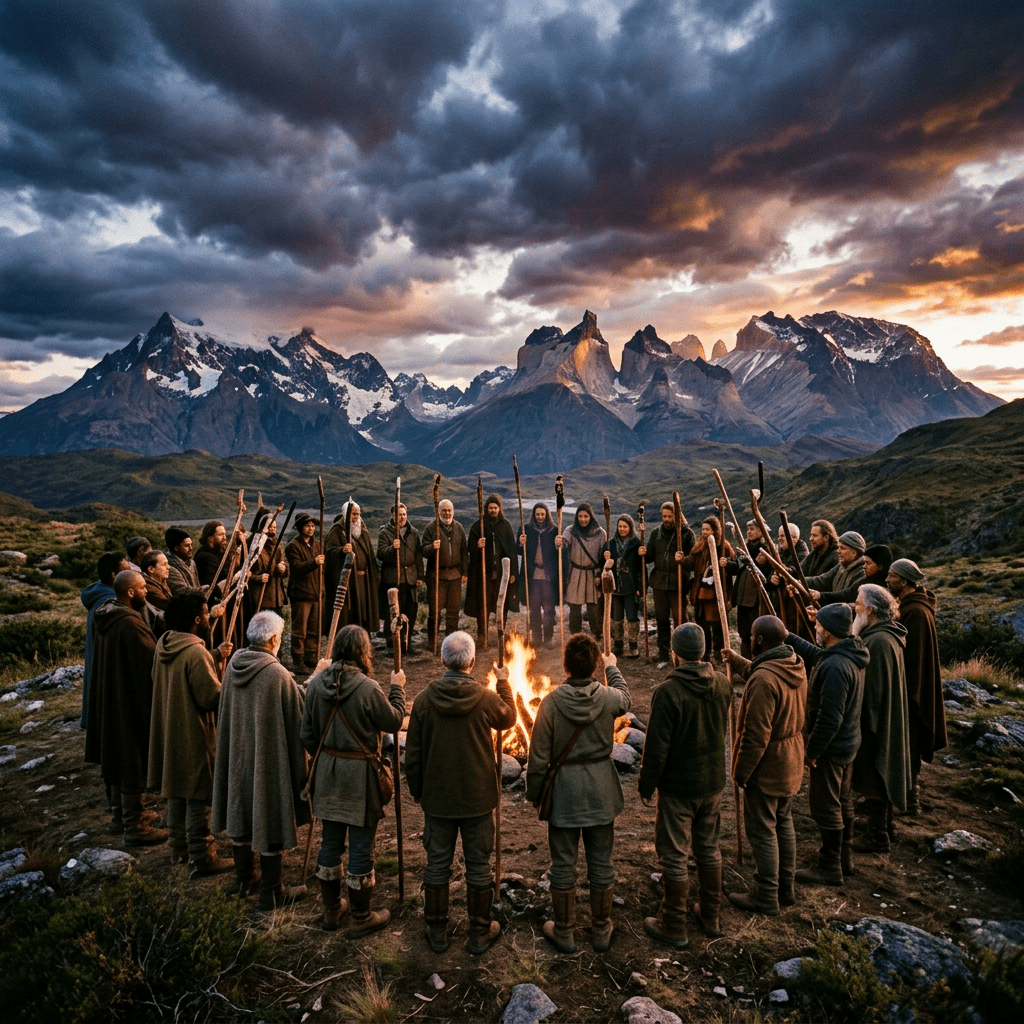
The old man sat beneath a sycamore tree, his weathered hands wrapped around a wooden staff. Before him, a group of children listened with wide eyes as he spoke. His voice was low, deliberate—the voice of one who had seen seasons turn and generations pass.
“Namni hin jijjiirramne, nama hin jiraanne,” he said. “One who does not change has not truly lived.”
The children frowned. They had been taught that their culture was eternal—that the ways of their ancestors were sacred and unchanging. How could change be a good thing?
The elder smiled. He had been young once, too. He had asked the same question. And now, after eighty harvests, he understood the answer.
—
The Gadaa: A System Built on Transformation
For the Oromo people, change is not an interruption of tradition—it is the very engine of tradition. Nowhere is this more evident than in the Gadaa system, the indigenous democratic governance structure that has organised Oromo society for centuries. Recognised by UNESCO as an Intangible Cultural Heritage of Humanity, the Gadaa system divides life into distinct stages, each carrying specific responsibilities, rituals, and ceremonies.
The Gadaa has eleven grades, each spanning eight years. From childhood to old age, every Oromo moves through these formal steps, each marked by a transition ceremony that defines what is permitted and what is forbidden. A boy becomes a warrior. A warrior becomes an elder. An elder steps aside to make way for the next generation.
This is change written into the very fabric of society.
Professor Gemetchu Megerssa, a scholar of Oromo philosophy, describes seven interconnected phases of social development: Guudina, gabbina, ballina, badhaadha, hoormata, dagaaga, and dagaa-hoora. Each phase represents a transformation—a shedding of the old self and an embrace of the new. The goal is not stability but wholeness: a state where there is no conflict, no poverty, no disease.
To be Oromo is to be in a constant state of becoming.
—
The Rites of Passage: Dying to Be Born
The Shinooyyee celebration marks the transition of young Oromo men and women into adulthood. It is not merely a party—it is a ritual death and rebirth. The child that entered the ceremony is gone. An adult emerges, ready to marry, to lead, to contribute.
The Muusoo and Dhokhisuu rituals grant young men permission to marry. These are not casual affairs. They are ordeals—tests of endurance, wisdom, and character. To pass through them is to be transformed.
Even the names of the Gadaa grades tell a story of change. From Gaammee Gurguddaa (childhood) to Kuusaa (youth) to Raaba (adulthood), each stage carries a new identity. The progression is marked by ceremonies like Walargii, a grand gathering where children from various regions convene before advancing. They do not simply grow older—they become something new.
As John Hinnant observed, the Gadaa divides the stages of life into a series of formal steps, each distinguished by a transition ceremony. Every eight years, the Oromo people change. Every eight years, they are reborn.
—
The Forces of External Change
But not all change is internal. The Oromo have also been shaped by forces beyond their control—sometimes violent, sometimes subtle.
For centuries, the Oromo faced dominance from neighbouring groups, which eroded aspects of their cultural identity. The Gadaa system itself has been weakened by modernisation and external political pressures. Missionaries brought Christianity, and traders brought Islam. Today, most Oromo practice one of these religions, often alongside elements of their ancestral Waaqeffanna faith. The indigenous belief in Waaqa (God) did not disappear—it adapted.
Even personal names have changed. In the post-1991 political landscape, many Oromo have adopted new naming practices—a reflection of shifting social values and a reclamation of identity. A name is not just a label. It is a story. And stories, like people, evolve.
—
The Philosophy of Jijjiiramuu
In Afaan Oromo, the word for change is jijjiiramuu. But it carries a weight that the English translation cannot capture.
Jijjiiramuu is not simply becoming different. It is growth. It is adaptation. It is the recognition that to remain the same is to stagnate, and to stagnate is to die.
Consider the Oromo proverb: “Akkuma bishaan yaa’uu qaba, namni jijjiiramuu qaba.” “Just as water must flow, a person must change.”
The Oromo understand that change is not a betrayal of tradition—it is the fulfilment of tradition. The Gadaa system itself undergoes transformation every 360 years, a cycle known as jaatama, when it rejuvenates itself. The system does not cling to the past. It renews.
—
The Continuity Within Change
Yet for all this transformation, something remains constant. The Oromo have not lost their identity. They have carried it forward—reshaped, reimagined, but never abandoned.
The Irreechaa festival, a thanksgiving ritual held at riversides and mountaintops, draws thousands of Oromo today. It is not a relic of the past—it is a living tradition, a symbol of Oromo identity and resilience.
Change, in Oromo culture, is not about discarding the old. It is about building upon it. The child who becomes an adult does not forget childhood—he carries its lessons forward. The elder who steps down from leadership does not disappear—he becomes a guide, a source of wisdom for the next generation.
—
A Final Reflection
The old man beneath the sycamore tree finished his story. The children sat in silence, their young minds wrestling with the paradox: how could change and tradition exist together?
He rose slowly, his joints creaking like old wood. He looked at the children—the future of his people—and spoke his final words.
“Jijjiiramuu hin sodaatinaa. Sodaan isa hin jijjiirramne.”
“Do not fear change. Fear only that which refuses to change.”
And with that, he walked away, his staff tapping against the earth—a sound as old as the hills, as steady as the seasons, and as constant as the Oromo spirit itself.
—
Because to be Oromo is not to be static. It is to be a river—always flowing, always becoming, always carrying the waters of the past toward the sea of the future.
The Sacred Feast: Guyyoo Gobba Community Gathers for the Nyaachisaa Ceremony
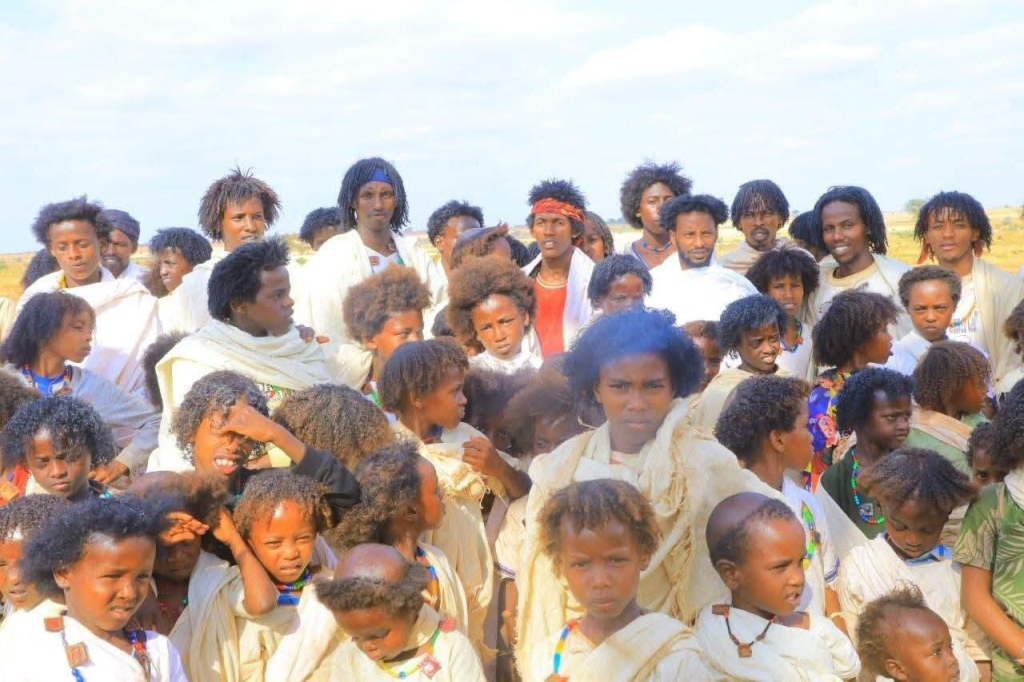
Under the leadership of the 70th Abbaa Gadaa, the Oromo people come together to honour their ancient traditions and celebrate the bonds that unite generations
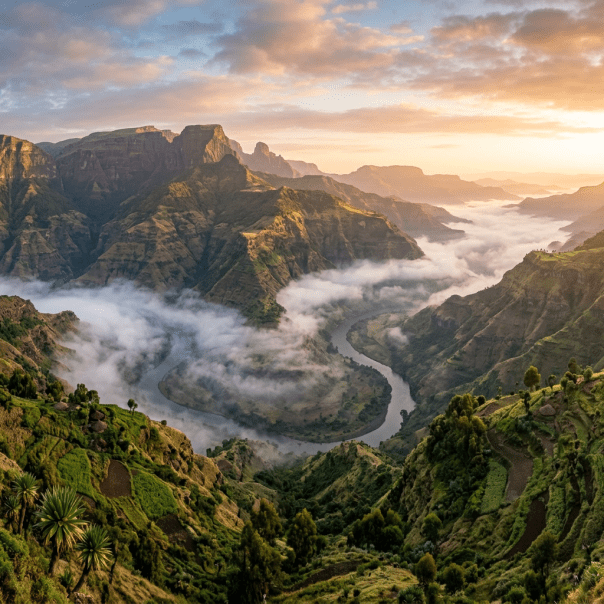
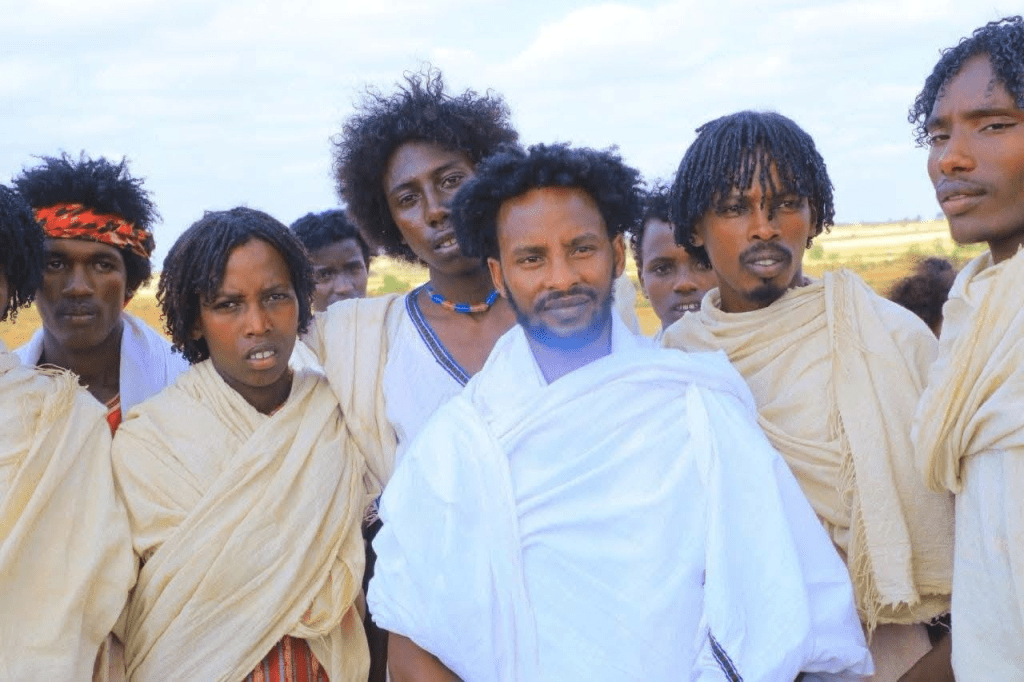
BORANA ZONE, OROMIYA — As the sun begins its descent over the vast plains of Borana, a sacred gathering is taking place. The sons of Guyyoo Gobba, descendants of the 70th Abbaa Gadaa, are converging at Ardaa Gaayoo, the ancestral seat of their leader. The air is filled with anticipation, for tonight marks the beginning of the Nyaachisaa ceremony—a ritual of profound significance in the Gadaa tradition.
The ceremony, known as “Jala Bultii Nyaachisaa,” is a sacred feast that brings the community together to honour their heritage, celebrate their unity, and strengthen the bonds that connect past, present, and future.
“Ilmaan Guyyoo Gobbaa Ardaa Gaayootti Jala Bultii Nyaachisaa Irra Jiru!”
The sons of Guyyoo Gobba are at Ardaa Gaayoo, engaged in the Nyaachisaa overnight ceremony!
The Gathering
“Ilmaan Abbaa Gadaa Boorana 70ffaa, Yuubaa Guyyoo Gobbaa, galgala kana Ardaa Gaayoo, qe’ee Abbaa Gadaatti walitti dhufaa jiru.”
The descendants of the 70th Abbaa Gadaa of Borana, the Yuubaa of Guyyoo Gobba, are gathering this evening at Ardaa Gaayoo, at the seat of the Abbaa Gadaa. This is not a casual meeting—it is a sacred assembly, a coming together of a community bound by blood, tradition, and shared destiny.
The Yuubaa are the elders of the Gadaa system—those who have passed through all the stages of life and now serve as the wise guardians of tradition. Their presence at this gathering signifies the continuity of the Gadaa system and the transmission of wisdom from one generation to the next.
“Sirna jala bultii nyaachisaa kabajuun sangaa qalanii eebbifachuuf qophii isaanii xumuraa jiru.”
They are making their final preparations to honour the Nyaachisaa overnight ceremony by slaughtering an ox and seeking blessings. The sacrifice of the ox is not a mere act of slaughter—it is a sacred ritual, a symbol of gratitude, a recognition of the interconnectedness of all life, and a petition for divine blessing.
The Significance of Nyaachisaa
“Sirni nyaachisaa kun Aadaa fi duudhaa Gadaa keessatti bakka olaanaa Kan qabu yoo ta’u, walitti dhufeenya hawaasaa, kabaja Aadaa fi dhaloota itti aanutti dabarsuuf taasifamu keessaa isa tokkodha.”
The Nyaachisaa ceremony holds a place of great importance in Gadaa culture and tradition. It is one of the key expressions of community solidarity, cultural reverence, and the transmission of heritage to future generations.
In the Gadaa system, the Nyaachisaa is more than a feast—it is a ritual of renewal and reaffirmation. Through the sharing of food, the community reaffirms its bonds of kinship and solidarity. Through the observance of tradition, the community honours the wisdom of the ancestors. Through the involvement of the younger generation, the community ensures the continuity of its culture.
The Nyaachisaa represents the sacred relationship between the people and their Creator, between the community and its traditions, and between the present and the future.
The Overnight Ceremony
“Jiltii Nyaachisaa kun Ardaa Gaayootti haala gammachuu, wal kabajuu fi aadaa leellisuun guutamee kan jiru yoo ta’u, sirni nyaachisaa kun bor ganama eebbaa fi sirna aadaatiin itti fufa.”
The Nyaachisaa night at Ardaa Gaayoo is filled with joy, mutual respect, and the celebration of culture. The ceremony will continue tomorrow morning with blessings and traditional rituals.
The overnight gathering is a time of singing, storytelling, and sharing. It is a time when the community comes together to remember their history, to honour their ancestors, and to reaffirm their commitment to each other. The fires burn bright, the voices rise in song, and the bonds of community are strengthened.
Tomorrow morning, the ceremony will continue with prayers and traditional rituals. The elders will bless the community, the younger generation will receive the wisdom of their elders, and the entire community will go forward strengthened by the experience.
The Gadaa Tradition
The Gadaa system is one of the most sophisticated indigenous governance structures in the world. It is a system that has guided the Oromo people for centuries—organizing their society, managing their resources, resolving their conflicts, and preserving their culture.
The Gadaa system is built on a foundation of values:
- Respect for Elders: The wisdom of the elders is recognized and honoured. They are the keepers of tradition, the guides for the community.
- Community Solidarity: The well-being of the individual is inseparable from the well-being of the community. Everyone has a role to play, and everyone is valued.
- Cultural Continuity: The traditions of the ancestors are preserved and passed on to the next generation. The past is not forgotten but honoured.
- Spiritual Connection: The relationship with the Creator is central to the Gadaa system. Rituals and ceremonies are expressions of gratitude and petitions for blessing.
- Justice and Equality: The Gadaa system is a democratic system that values fairness, justice, and the participation of all members of the community.
The Role of the Abbaa Gadaa
The Abbaa Gadaa is the leader of the Gadaa system—a figure who embodies the wisdom, authority, and responsibility of the community. The 70th Abbaa Gadaa of Borana holds a position of immense significance, representing the continuity of a tradition that stretches back centuries.
“Ilmaan Abbaa Gadaa Boorana 70ffaa…”
The sons of the 70th Abbaa Gadaa are gathering to honour their father’s legacy, to participate in the rituals of their culture, and to prepare themselves to carry forward the tradition into the future.
The Abbaa Gadaa is not merely a political leader—he is a spiritual leader, a cultural guardian, and a symbol of the community’s identity. His leadership is rooted not in force but in wisdom, not in coercion but in consensus, not in self-interest but in service.
A Community United
The gathering at Ardaa Gaayoo is a powerful expression of Oromo unity. It brings together:
- Elders who carry the wisdom of the ages
- Adults who are actively engaged in the life of the community
- Youth who are being prepared to take on their responsibilities
- Children who are learning the traditions that will guide their lives
Together, they form a single community, bound by their shared heritage and their common destiny.
The Meaning of the Feast
The Nyaachisaa ceremony is a feast of gratitude. It is a celebration of the abundance that the Creator has provided—the livestock, the land, the harvest, and the health of the community. It is an expression of thanks for the blessings of the past year and a petition for the blessings of the year to come.
But it is also a feast of community. The sharing of food is a powerful act of solidarity. When we eat together, we are not just nourishing our bodies—we are nourishing our relationships. We are saying to each other: “We are one. We share the same table. We share the same destiny.”
The feast is a reminder that we are not alone—that we are part of something larger than ourselves.
Looking to the Future
As the community gathers at Ardaa Gaayoo, they are not just honouring the past—they are preparing for the future. The younger generation is present, learning the traditions, absorbing the wisdom, and preparing to carry the culture forward.
The Nyaachisaa ceremony is a bridge between generations. It connects the ancestors who established the tradition to the children who will carry it forward. It ensures that the culture is not lost but preserved, not forgotten but renewed, not diminished but strengthened.
“Ilmaan Guyyoo Gobbaa Ardaa Gaayootti Jala Bultii Nyaachisaa Irra Jiru!”
A Blessing for All
As the dawn breaks over Ardaa Gaayoo and the ceremony continues with prayers and blessings, the community will go forward strengthened and renewed. They will carry the spirit of the Nyaachisaa with them—the spirit of gratitude, community, and cultural pride.
May the blessings of the ceremony extend to all who participate.
- May the elders continue to guide the community with wisdom.
- May the youth carry the culture forward with pride.
- May the community remain united in solidarity.
- May the traditions of the Gadaa system continue to flourish.
Conclusion
“Jiltii Nyaachisaa kun Ardaa Gaayootti haala gammachuu, wal kabajuu fi aadaa leellisuun guutamee kan jiru yoo ta’u, sirni nyaachisaa kun bor ganama eebbaa fi sirna aadaatiin itti fufa.”
The Nyaachisaa night at Ardaa Gaayoo is filled with joy, mutual respect, and the celebration of culture. The ceremony will continue tomorrow morning with blessings and traditional rituals.
The sons of Guyyoo Gobba, descendants of the 70th Abbaa Gadaa of Borana, have gathered to honour their heritage and celebrate their unity. Through the Nyaachisaa ceremony, they have reaffirmed the bonds that connect them to each other, to their ancestors, and to their Creator.
The tradition lives on. The community endures. And the Oromo people continue to celebrate their culture with pride.
“Ilmaan Guyyoo Gobbaa Ardaa Gaayootti Jala Bultii Nyaachisaa Irra Jiru!”
The sons of Guyyoo Gobba are at Ardaa Gaayoo, engaged in the Nyaachisaa overnight ceremony!
May the blessings of the ceremony be upon them all.

The Root of Seven Generations: Marriage, Bloodlines, and the Oromo Law of Continuity
By Dhabessa Wakjira
—
The fire crackled low in the center of the mana (homestead). Outside, the night wind carried the scent of wild sage and distant rain. Inside, a circle of elders sat in contemplative silence, their white turbans glowing faintly in the ember-light. Before them stood a young man—tall, strong, and visibly nervous. He had come to ask for a bride.
But before any blessing could be spoken, before any milk could be shared, the elders would ask the question that has governed Oromo marriage since time immemorial:
“Sanyiin kee eenyu? Hiddi kee eessa taa’e?” — “Who is your lineage? Where does your root lie?”
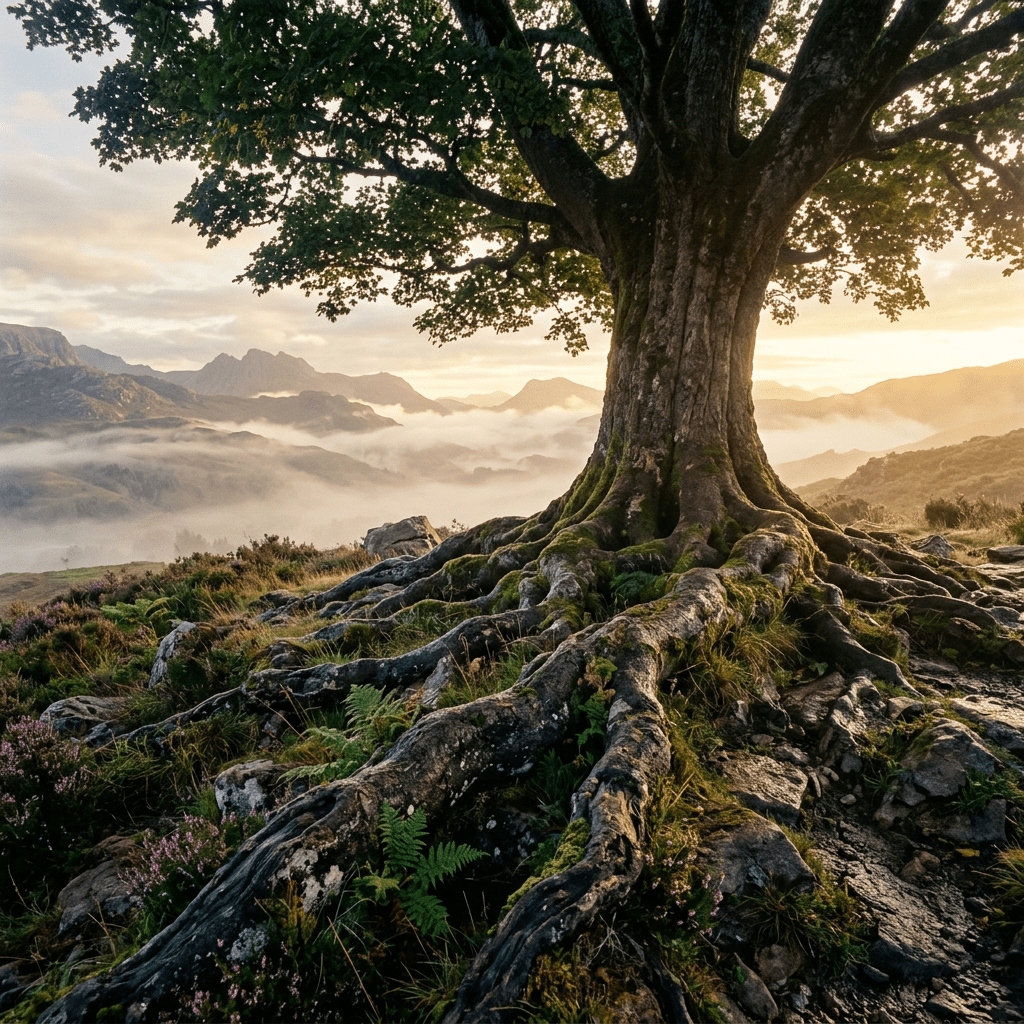
For in Oromo culture, marriage is not merely the joining of two hearts. It is the grafting of two ancestral trees. And if those trees are too closely related, the fruit will be weak. If they are too distant, the bond will lack the warmth of shared blood. The balance is found in a sacred number: seven.
—
The Mature Son and the Ripened Daughter
The ancient decree, passed from grandfather to grandson, begins with a command of readiness:
“Ilmi gahe haa fuudhu; intalli geesses haa heerumtu.”
“Let the son who has matured take a wife; let the daughter who has ripened be given in marriage.”
In the highlands of Oromia, these words are not mere suggestions. They are biological and social imperatives. Gahe—maturity—signifies a young man who has passed through the crucible of the Gadaa grades, who has proven his courage and earned the calluses of hard labour. Geesse—ripeness—speaks of a daughter who has completed her rites of passage, who understands the weight of motherhood and the dignity of homemaking.
This is not about arbitrary age. It is about readiness of body, mind, and spirit. The Oromo understand that strong families begin with strong individuals. A boy who marries before he can defend a homestead invites disaster. A girl who bears children before her hips have widened risks her life. The elders watch, and they wait. They do not rush the river, and they do not rush the harvest.
—
The Sacred Distance: Seven Generations
Then comes the law that sets Oromo marriage apart—a precept so deeply embedded in the culture that it rivals the Gadaa itself in its authority:
“Dhalooti walfuudhan, sanyii dhaloota torba booda haa ta’u.”
“Let the lineages intermarry only after [the separation of] seven generations.”
This is the exogamy rule—the absolute prohibition against marrying anyone within seven paternal generations of one’s own clan. The Oromo do not trace this to modern genetics; they arrived at it through centuries of observation. They saw that when cousins married, children were often sickly. When distant clans intermarried, children were robust. The earth taught them what science would later confirm: genetic diversity creates strength.
But this rule is not merely biological—it is deeply social. Seven generations represent a clean break. By the time seven fathers have passed, the ancestral spirits of the two families have “forgotten” their closeness. The bloodlines have cooled. The sanyii (seed) can be safely mixed without angering the ancestors or weakening the clan.
To violate this law is to commit akka hin taane—the unforgivable. It brings drought, stillbirth, and the displeasure of Waaqa (God). The Oromo elders are the gatekeepers of this sacred distance, reciting genealogies that stretch back two hundred years to ensure that the young couple stands on opposite branches of the family tree.
—
The Root That Must Not Be Severed
But the Oromo do not marry merely to create healthy children. They marry to continue the root itself:
“Gaa’elli karaa itti hiddi dhalootaa itti fufu.”
“Marriage is the path by which the root of the generations continues.”
Imagine an ancient sycamore. Its branches reach for the sky, but its strength lies beneath the earth. Each child born is a new branch; each generation is a new layer of rings. If the tree stops producing new shoots, it dies. Similarly, the Oromo believe that a family line that ceases to reproduce ceases to exist—not just physically, but spiritually. The ancestors who came before, the hundreds who tilled the soil and fought the wars and sang the songs, rely on the living to keep their names alive.
Marriage, therefore, is not a romantic luxury. It is a sacred debt. The young man who takes a wife is not just seeking companionship—he is paying back the ancestors who gave him life. The young woman who bears children is not just fulfilling a social role—she is threading the needle of time, sewing the past to the future.
When an Oromo couple stands before the elders, they are not just looking at each other. They are looking backward at the seven generations who made them, and forward at the seven generations who will come from them.
—
The Final Seal: Blessings and Abundance
And so, when all the genealogies are recited, when the seven-generation gap is confirmed, when the bride-price is negotiated and the Qaallu (spiritual leader) has offered the libation of milk to Waaqa, the elders rise. They lift their right hands to the sky. They speak the final, triumphant words:
“Eebbaa fi marabbaan haa raawwatu.”
“Let it be completed with blessings and abundance.”
Eebbaa—blessing. The approval of God, the smile of the ancestors, the goodwill of the community.
Marabbaa—abundance. Not just wealth, but fertility of the womb, richness of the soil, fatness of the cattle, and joy in the household.
These are not empty wishes. In the days that follow the wedding, the community will bring gifts of butter, honey, and grain. The couple will eat together from a single gibira (wooden platter), symbolising their shared fate. The elders will return to their homesteads, satisfied that the lineage is safe for another generation.
—
A Living Law
Today, as globalisation and urbanisation reshape Oromo society, some young people question the old rules. “Seven generations is too long,” some say. “We are modern now. We follow our hearts, not a counting cord.”
But the elders smile. They have heard this before. And they know that a river may change its course, but it never forgets its source. The rule of seven generations is not a chain that binds—it is a shield that protects. It ensures that the Oromo people remain strong, healthy, and connected to their roots.
In the diaspora, too, the Oromo carry this law. They trace their lineages through apps and family elders, seeking out potential partners from clans far removed from their own. They understand that marrying within the bloodline invites not just genetic risk, but spiritual fragmentation. They know that their strength lies in diversity, their continuity lies in discipline, and their future lies in their past.
—
The Eternal Cycle
As the fire dies down and the young man departs with the elders’ blessing, he carries more than a wife’s name on his lips. He carries the weight of a thousand years. He carries the hope of his ancestors that he will not fail. He carries the DNA of seven generations—and the responsibility to ensure that the seventh generation after him will carry his.
Because in Oromo tradition, a person is never truly an individual. They are a living link in an endless chain. And marriage is the forge where that chain is reforged, stronger with every generation.
“Dhaloonni jajjaboo akka dhalataniif…” — “So that strong offspring may be born…”
The words echo across the valley, carried by the wind, whispered by the grass, repeated by the elders. They are a prayer. They are a law. They are the heartbeat of a people who understand that love is beautiful, but lineage is sacred; that romance is sweet, but the root is eternal.
And so, generation upon generation, the Oromo marry—not just for today, but for the seven tomorrows yet to come.

The Children Who Will Not Be Erased: What the Oromo Struggle Truly Means
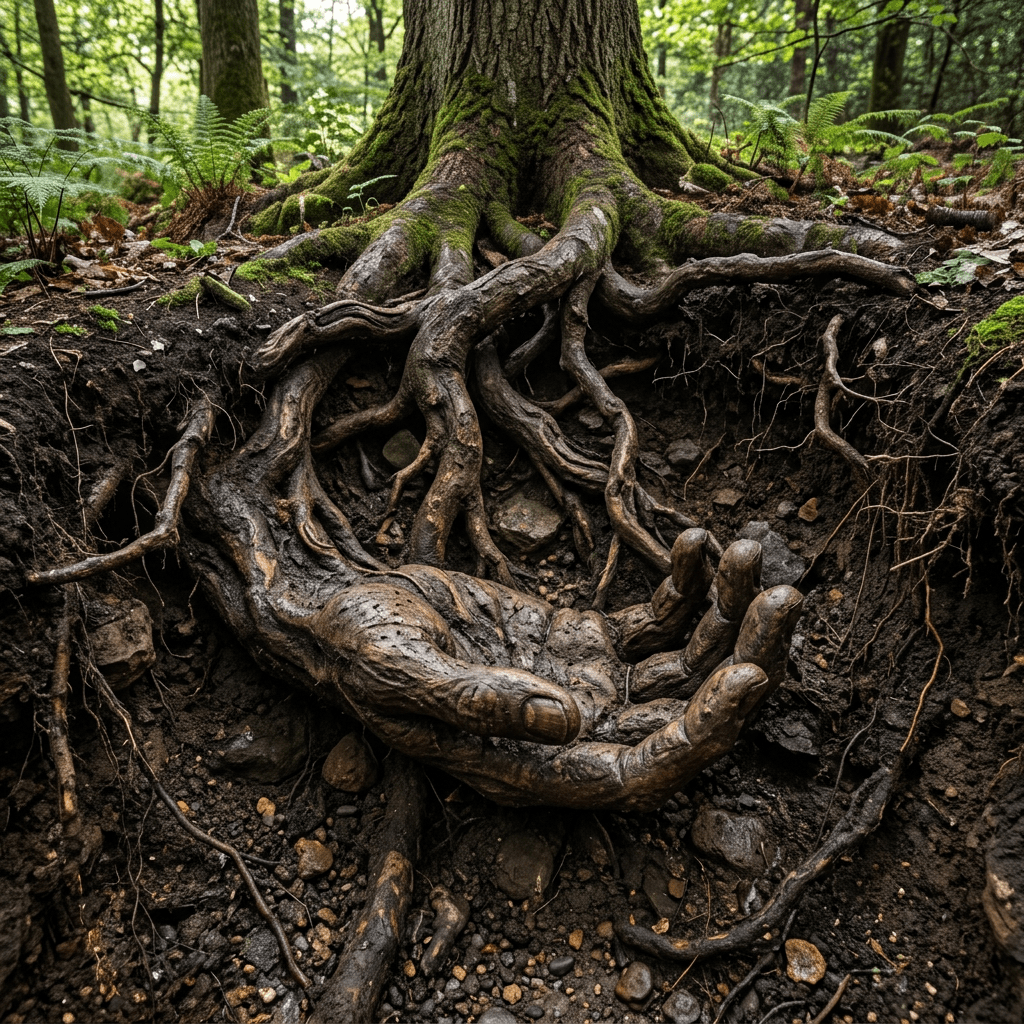
In the highlands of Oromia, under the vast sky that has witnessed centuries of both freedom and subjugation, a new generation is coming of age. They are the ijoollee Oromoo—the children of Oromia—growing into a world that has often tried to make them small. But they are not small. And their story is not one of distortion or diminishment. It is a story of survival, identity, and the quiet, unyielding refusal to be erased.
Growing Up Oromo
To be an Oromo child is to inherit a legacy of resilience. The Oromo are Ethiopia’s largest ethnic group, yet for generations, they have been treated as second-class citizens in their own land. They have been referred to by derogatory slurs, made to feel ashamed of their cultural identity, and systematically excluded from political and economic power. Their language, Afaan Oromoo, was long suppressed in favor of Amharic. Their history was written by conquerors. Their children were taught to look away from themselves.
But something is changing.
Across Oromia, a cultural renaissance is underway. Young Oromo are reclaiming their names, their language, and their heritage with a pride that their parents could scarcely have imagined. They are giving their children Oromo names instead of Amharic ones. They are celebrating Irreechaa, the ancient thanksgiving festival, not just as a religious ritual but as a powerful assertion of national identity. And they are demanding to be seen, heard, and counted.
The True Meaning of Struggle
There is a fundamental misunderstanding, both within Ethiopia and beyond, about what the Oromo struggle actually is. It is not, as some would frame it, a campaign of distortion—a movement to “balleessuu fi xiqqeessuu,” to corrupt and diminish names without foundation. It is not about rewriting history for the sake of grievance. It is not about taking from others what is rightfully theirs.
The struggle is something far more elemental.
The struggle is protection. It is the defense of Oromo children against forces that would deny them growth and life. It is the fight against systemic discrimination, human rights abuses, and political exclusion that have long been the daily reality of the Oromo people. It is the resistance against displacement from ancestral lands, against land grabs that push families off territories they have held for generations. It is the refusal to accept a status quo where Oromo children are targeted, brutalized, and killed simply because of who they are.
The struggle is creation. It is about creating conditions—haala mijjeessuu—in which Oromo children can grow, learn, and thrive on their own terms. It is about building a future where an Oromo child can speak their mother tongue without fear, carry their ancestral name with pride, and pursue their dreams without the ceiling of systematic oppression.
The struggle is the right path. It is about finding the karaa qajeelaa—the correct and just way forward—not through hatred of others, but through love of self. It is about the kind of self-determination that does not seek to dominate but to liberate. It is about the recognition that peace and stability in Ethiopia can only come when the rights of all its peoples, including the Oromo, are fully upheld.
The Gadaa Inheritance
The Oromo have always had a blueprint for this kind of just society. It is called the Gadaa system, a traditional democratic governance structure recognized by UNESCO as an intangible cultural heritage of humanity. Under Gadaa, male members of Oromo society pass through eleven age grades from birth to death, each with its own responsibilities and roles. It is a system that regulates political, economic, social, and religious life, dealing with conflict resolution, reparation, and the protection of women’s rights.
For Oromo children, the Gadaa system has always provided a framework for growth. It teaches them their “indigenous deeds” from elders, guiding them in leading secular and spiritual life. It is a system built on the understanding that children are assets to be well treated, protected, cared for, and brought up properly.
This is the inheritance that the Oromo struggle seeks to protect and restore. Not a struggle of destruction, but of preservation. Not a struggle of division, but of dignity.
The Children Who Refuse to Be Erased
Today, across Oromia and in the diaspora, Oromo children are growing up with a new sense of possibility. They are learning their history not from textbooks written by others, but from the oral traditions of their elders. They are speaking Afaan Oromoo in schools and in public spaces where it was once forbidden. They are changing their names, reclaiming their identities, and refusing to be ashamed.
They are the living proof that the Oromo struggle is not about diminishing anyone else. It is about elevating themselves. It is about ensuring that Oromo children—ijoollee Oromoo reeffu guddachaa jiran—can grow into their full humanity, unburdened by the weight of a history that tried to make them invisible.
The struggle is not about names on a page. It is about lives in the world. It is about the right to exist, to grow, to flourish. And it is a struggle that, in the end, is not just for the Oromo—it is for everyone who believes that every child, everywhere, deserves the chance to become who they were meant to be.

The Unfinished Struggle: Understanding the Qabsoo Bilisummaa Oromoo
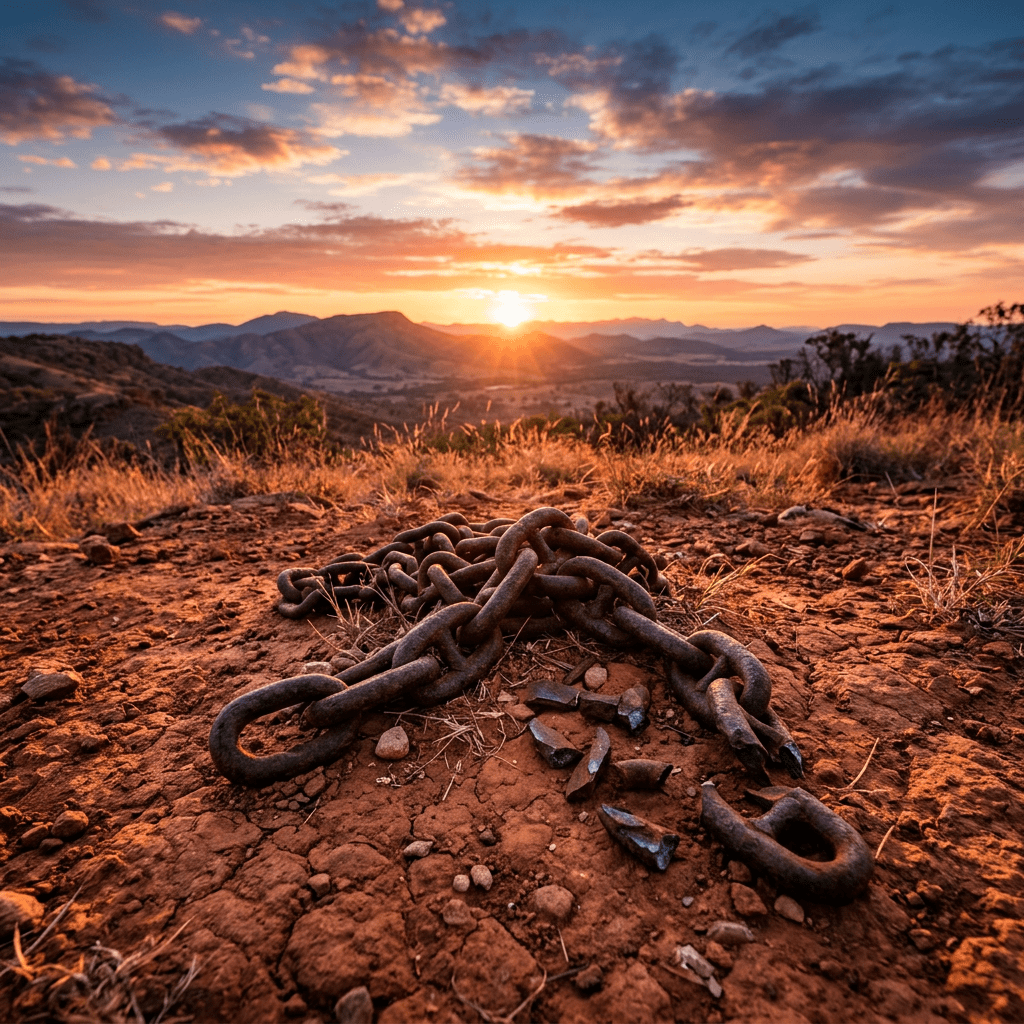
What is the Oromo liberation struggle, and how is it being waged?
—
I. Introduction: A Struggle Defined
The phrase Qabsoo Bilisummaa Oromoo translates from the Oromo language as the “Oromo Liberation Struggle.” At its core, it represents the decades-long political and armed movement by the Oromo people—Ethiopia’s largest ethnic group, comprising approximately a third of the nation’s nearly 130 million people—to achieve self-determination and freedom from what they characterize as internal colonization by successive Ethiopian regimes.
This is not a single organization or a monolithic movement. Rather, Qabsoo Bilisummaa Oromoo encompasses a complex ecosystem of political parties, armed groups, youth movements, diaspora activism, and cultural resistance, all united by a common aspiration: the liberation of the Oromo people and their ancestral homeland, Oromia.
“Qabsoo dhaabatu hin jalqabne, akeeka ijaarameef hamma galmaan ga’uttis hin dhaabatu.”
— Dawud Ibsa Ayana, Chairman of the Oromo Liberation Front (OLF), declaring in June 2025 that “the struggle we started will not stop until the goal we have set is achieved.”
—
II. Historical Roots: The Genesis of a Movement
The modern Oromo liberation struggle traces its origins to the early 1970s, a period of political awakening among Oromo nationalists who sought to challenge what they viewed as “Abyssinian colonial rule” over the Oromo people.
The Founding of the OLF
In 1973, a clandestine group of Oromo nationalists from diverse backgrounds, brought together by figures like Baro Tumsa, established the Oromo Liberation Front (OLF)—known in Oromo as Adda Bilisummaa Oromoo (ABO). The OLF was founded to promote self-determination and independence for the Oromo people inhabiting what is today the Oromia Region and the Oromia Zone in the Amhara Region of Ethiopia.
The OLF’s ideological premise was that the Oromo were subject to internal colonization by the Ethiopian state, and its ultimate goal was secession from Ethiopia and the establishment of a sovereign Oromo nation.
The Armed Wing Emerges
By 1974, the OLF had formed its military wing, the Oromo Liberation Army (OLA)—Waraana Bilisummaa Oromoo (WBO) in Oromo. The armed struggle began in Eastern Oromia, marking the start of a military campaign that would continue, with varying intensity, for decades.
—
III. The Actors: Who Fights for Freedom?
The Qabsoo Bilisummaa Oromoo is waged through multiple channels and by various actors, each with distinct methods and roles.
1. The Oromo Liberation Front (OLF) – Political Vanguard
The OLF remains the primary political organization representing the liberation struggle. After spending 27 years in exile, the OLF returned to Ethiopia in 2018 following a peace agreement with Prime Minister Abiy Ahmed’s government, committing to pursue its goals through peaceful political means.
However, the party has faced significant obstacles. In a November 2025 position statement, the OLF declared that “the current regime has deliberately closed the political arena and obstructed the lawful activities of the Oromo Liberation Front”. The party reported that its regional offices had been closed, its leaders arrested, and its members prevented from engaging with constituents.
Despite these challenges, the OLF continues to operate, maintaining offices in Addis Ababa, Washington D.C., and Berlin, from which it broadcasts radio programs in both Amharic and Oromo.
2. The Oromo Liberation Army (OLA) – Armed Resistance
The OLA is the armed opposition group active in the Oromia Region. It consists primarily of former armed members of the OLF who refused to disarm following the 2018 peace deal, skeptical of the government’s intentions, alongside former youth protesters who became disillusioned with nonviolent resistance.
Today, the OLA operates under the name OLF-OLA (or ABO-WBO in Oromo). While the Ethiopian government considers the OLF a legal political party, it has designated the OLA as a terrorist organization.
The armed conflict has exacted a devastating toll on civilians. Amnesty International reported in March 2026 that OLA fighters had subjected women and girls to sexual violence including rape, gang rape, sexual slavery, summary killings, and destruction of civilian property, acts that may amount to war crimes. Government forces have also been accused of systematic abuses, including extrajudicial killings and forced displacement.
3. Qeerroo – The Youth Movement
Perhaps the most dynamic force in recent years has been the Qeerroo—a youth movement that has emerged as a powerful voice for change. In traditional Oromo culture, the term means “bachelor” or “youth,” but within the political movement, it symbolizes the Oromo struggle for increased political freedom and greater ethnic representation.
The BBC has described Qeerroo as “Ethiopia’s National Youth Movement for Freedom and Democracy,” which calls itself Qeerroo Bilisummaa Oromoo. The movement first emerged in 1991 but gained prominence through the 2016 Oromo protests and again in July 2020 following the assassination of Oromo singer Hacaaluu Hundeessaa.
4. The Diaspora – Global Advocacy
The Oromo diaspora has become an increasingly visible force in the liberation struggle. In September 2020, Oromo women marched through the streets of Berlin, Germany, demanding recognition for their struggle. These protests, called Hiriira in the Oromo language, highlight the transnational nature of the movement and its ability to garner international attention.
As one diaspora organizer put it, the goal is to ensure that “deeggarsii fi tumsi qabsoo bilisummaa akka itti fufiinsa argatu”—that “support and sustenance for the freedom struggle continues to receive continuity.”
—
IV. How the Struggle is Waged: Methods and Tactics
The Qabsoo Bilisummaa Oromoo employs a multifaceted approach to achieve its objectives.
Armed Conflict
The OLA continues to engage in armed confrontations with Ethiopian government forces across Oromia. Clashes have been reported in various zones, including East Wollega, West Wollega, and Kellem Wollega. In August 2025, the OLA orchestrated a prison break in Gida Ayana, freeing over 150 inmates.
However, the armed struggle has not been without controversy. The OLA has been accused of attacking civilians, including a June 2025 attack that killed three civilians in the Arsi zone. Government forces have also been implicated in civilian deaths, with one mother telling Addis Standard that government soldiers fatally shot her toddler in July 2025.
Political Advocacy
The OLF pursues its goals through political channels, participating in elections and issuing statements condemning government actions. In the 2026 elections, the OLF fielded 163 candidates for federal parliament and regional councils. The party has also called for an independent international investigation into killings committed against the Oromo people.
Youth Mobilization and Protests
The Qeerroo movement has mobilized thousands of young Oromos through protests and demonstrations. These protests have sometimes turned violent, with clashes between protesters and security forces. The youth have also used social media and digital platforms as alternative communication channels and sites of political resistance.
Cultural Resistance
The struggle is also waged through cultural expression. Oromo protest songs have served as “weapons of resistance against domination” since the 1960s. The annual Irreecha thanksgiving festival has become a platform for political expression, with attendees using the occasion to hold anti-government protests.
Territorial Claims
The OLF has consistently defended the territorial integrity of Oromia. In July 2025, the party condemned the Somali regional government’s actions as “a blatant attempt to claim Oromo land,” calling it “a declaration of war”. In its November 2025 position statement, the OLF declared that “the territorial integrity of Oromia is non-negotiable”.
—
V. The Human Cost: A People in Crisis
The ongoing conflict has exacted a devastating toll on civilians.
Mass Displacement
Since July 2025, renewed inter-communal violence between Oromo and Somali communities along the regional border has displaced over 288,000 people. The violence has resulted in widespread fatalities and damage to infrastructure.
Humanitarian Crisis
The Ethiopian Human Rights Commission has stated that the “right to life is in a critical condition” in the affected regions. Persistent violence has led to the breakdown of public services and the mass displacement of communities.
Political Repression
The OLF has accused the government of a “systematic campaign of torture,” employing tactics such as extrajudicial killings, forced displacement, and persecution. The party’s offices have been closed, and its leaders have been arrested.
—
VI. The Future: An Unfinished Struggle
The Qabsoo Bilisummaa Oromoo shows no signs of abating. As Dawud Ibsa Ayana, the OLF chairman, declared in 2025: “The struggle we started will not stop until the goal we have set is achieved.”
Challenges Ahead
The movement faces significant challenges:
· Internal divisions: The split between the OLF (political wing) and the OLA (armed wing) has created organizational fragmentation.
· Government opposition: The Ethiopian government continues to view the armed struggle as a terrorist threat and has cracked down on political opposition.
· Humanitarian toll: The continued conflict has displaced hundreds of thousands and caused immense suffering.
· International scrutiny: Allegations of war crimes by both sides have drawn international attention.
A Persistent Hope
Despite these challenges, the movement persists. As one Oromo activist put it: “Addi Bilisummaa Oromoo… Qabsoo Itti Fufa. Bilisummaan Ni Dhufa.” — “The Oromo Liberation Front… The struggle continues. Freedom is coming.”
—
VII. Conclusion: More Than a Struggle
The Qabsoo Bilisummaa Oromoo is more than a political or armed conflict. It is a movement rooted in a people’s desire for self-determination, dignity, and recognition. It encompasses the teenager protesting in the streets of Addis Ababa, the fighter in the mountains of Oromia, the exile in Berlin organizing a march, and the grandmother in a village dreaming of peace.
For nearly five decades, the Oromo people have pursued their liberation through political advocacy, armed resistance, youth mobilization, and cultural expression. The struggle has claimed countless lives, displaced hundreds of thousands, and left deep scars on Ethiopian society.
Yet, as the Oromo saying goes, “Bilisummaan Ni Dhufa”—Freedom is coming. Whether that freedom arrives through peaceful negotiation, political reform, or continued resistance remains the central question of Ethiopia’s most enduring conflict.
—
“The Voice of Oromo Freedom: Strengthening the struggle, awakening the people, proclaiming the goal.”

Beyond the Pitch: The One Powerful Move Every Community Can Make This Year

By Dabessa Wakjira
The roar of the crowd, the electric atmosphere, the shared chants echoing through stadiums and living rooms—the FIFA World Cup 2026™ has once again proven that when people unite around a common passion, magic happens. On the pitch, players execute perfect passes; in the stands, strangers embrace like lifelong friends. Across SBS platforms and community gatherings, Australians from every conceivable background have dissolved their differences in favor of a single, unifying language: the beautiful game.
Yet, as the final whistle blows and the stadium lights dim, a new opportunity is kicking off—one that requires the same level of energy, teamwork, and civic participation to ensure the future of our multicultural nation.
Participation is one of the most powerful ways we contribute to our communities. And right now, the Census 2026 is calling on all of us to get on the field.
The Lineup for Our Future
Just as every player has a role in a winning team, every individual has a part to play in building a representative Australia. The Census 2026 is more than just a bureaucratic formality; it is a powerful snapshot of our nation’s diverse fabric. The data collected within its pages influences decisions that impact our daily lives—where hospitals are built, how schools are funded, where public transport routes run, and how future planning unfolds.
David Hua, Director of Audio and Language Content at the Special Broadcasting Service (SBS), emphasizes the necessity of communal engagement. “Participation is one of the most powerful ways we contribute to our communities,” Hua states. “By taking part and encouraging others to do the same, we help ensure Australia’s diverse communities are represented, recognized and supported.”
Why “Showing Up” Matters
When communities actively participate in the Census, they do more than just check a box. They build the evidence needed for better services and stronger advocacy. Data translates into dollars and policy. It determines whether your suburb gets a new aged-care facility, whether your language group receives translation services at local hospitals, and whether your cultural events receive government support.
Every voice matters. Every response counts. Every community deserves to be seen.
But what if you’re hesitant?
Tackling the Fears
It is completely normal—and understandable—for individuals to feel uncomfortable sharing personal information. This sentiment is particularly prevalent in communities that might have had varied or difficult experiences dealing with governments in the past. Concerns about data security, privacy breaches, and how information will be used are legitimate and should not be dismissed.
This is where community leaders and organizations step in as the ultimate referees.
SBS, through its trusted platforms, is working to ensure that no one is left in the dark. Initiatives like SBS Learn English are designed to equip people with practical ways to talk about the Census. They provide clarity on data security measures, offer step-by-step guides on protecting personal information, and help demystify the process for those who feel excluded by language barriers.
Your Call to Action
This year, we invite you to channel the same spirit that fills the World Cup stadiums into completing your Census form. But don’t stop there—become a champion for your community. Encourage your neighbors, your sports club, your faith group, and your extended family to participate as well.
The 2026 Census isn’t just about counting numbers; it’s about ensuring every story is heard.
By taking part and sharing this vital information with your networks, you are helping to build a stronger, fairer, and more inclusive Australia. Let’s make sure everyone has the opportunity to be counted, supported, and recognized.
The game doesn’t end on the pitch. It continues with us, in our homes, and in our communities.
—
For more information and resources, including support for data security and language assistance, visit the official Census 2026 website or tune into SBS.

The Next 50 Years: Honouring the Past, Building the Future

As we reflect on half a century of the Oromo liberation struggle, we look forward with hope and determination to the generations who will carry our culture, strength, identity, and resilience into the future.
There are moments in the life of a nation when the past and the future converge. When the struggles of previous generations meet the hopes of those yet to come. When the sacrifices of the present become the foundation upon which the dreams of tomorrow are built.
For the Oromo people, this is such a moment.
As we honour the past 50 years of the Oromo freedom struggle, we are called not only to remember—to honour the sacrifices, to celebrate the victories, to mourn the losses—but also to look forward. To imagine what the next 50 years might bring. To prepare the next generation to carry forward the torch of liberation.
The Journey of Half a Century
The Oromo liberation struggle is not a recent phenomenon. It stretches back more than a century to the late 19th century, when the Oromo people fell under the yoke of colonial domination. Yet the past 50 years represent a particularly significant chapter in this long history—a period of organized resistance, of growing political consciousness, of sustained struggle for self-determination.
From the establishment of the Oromo Liberation Front (OLF) in 1973, the Oromo people have waged a principled struggle for their rights.
The past five decades have witnessed:
- The articulation of a clear political vision for Oromo self-determination
- The mobilization of Oromo communities across the globe
- The documentation of Oromo history and culture
- The cultivation of Oromo leadership and political consciousness
- The resilience of the Oromo people in the face of immense challenges
This is not merely a political struggle—it is a struggle for the soul of a people. It is a struggle to reclaim what was taken: land, culture, language, identity, and dignity.
How Far We’ve Come
“As we honour the past 50 years Oromo freedom struggle journey and recognise how far we’ve come…”
The distance traveled is remarkable. Fifty years ago, the Oromo language was suppressed, Oromo identity was denied, and Oromo political expression was criminalized. Today, Afaan Oromo is widely spoken and written, Oromo culture is celebrated, and Oromo voices are heard on the international stage.
The journey has been long and arduous, but the progress is undeniable.
- Political Awareness: Oromo political consciousness has grown exponentially. The Oromo people understand their history, their rights, and their potential more clearly than ever before.
- Cultural Revival: The Oromo language and culture have experienced a renaissance. Afaan Oromo is now taught in schools, used in media, and celebrated in literature and the arts.
- Global Recognition: The Oromo cause is now known and supported internationally. Human rights organizations, governments, and civil society groups around the world have recognized the legitimacy of the Oromo struggle.
- Organizational Strength: The Oromo liberation movement has developed sophisticated organizational structures, political programs, and strategic capabilities.
- Resilience: Despite immense challenges, the Oromo people have demonstrated extraordinary resilience. They have survived repression, displacement, and attempts at cultural erasure.
Looking to the Future
“…we also want to look ahead to the next 50, our future generations of children and young people who carry our culture, strength, identity and resilience into the future Oromia.”
The struggle for Oromo liberation is not a one-generation project. It is a multi-generational endeavor that requires each generation to do its part, to make its sacrifices, and to prepare the next generation to continue the work.
The future of Oromia belongs to the children and young people who are growing up today. They are the inheritors of our culture, the carriers of our strength, the guardians of our identity, and the embodiment of our resilience.
The Responsibility of the Current Generation
We who stand in the present moment have a profound responsibility to the generations yet to come. We must ensure that:
Our culture endures. The Oromo language, traditions, and way of life must be passed on to the next generation. This requires not only preservation but also innovation—adapting our culture to new circumstances while maintaining its essence.
Our strength is sustained. The resilience that has carried the Oromo people through centuries of oppression must be nurtured in the younger generation. They must know their history, understand their rights, and have the courage to claim them.
Our identity is understood. The younger generation must know who they are, where they come from, and what they are fighting for. They must have a clear sense of Oromo identity—not as something to be ashamed of, but as something to be celebrated.
Our resilience is passed on. The capacity to endure hardship, to persist in the face of adversity, and to maintain hope in the darkest of times—this is the legacy we must leave to the next generation.
The Future Oromia
What does the future Oromia look like? What are we working toward?
The future Oromia is one in which:
- The Oromo people are free—free from colonial domination, free from political oppression, free from economic exploitation, and free from cultural suppression.
- The Oromo people are equal—equal to all other peoples, with the same rights, the same opportunities, and the same respect.
- The Oromo people are prosperous—able to develop their resources, pursue their aspirations, and build a better life for themselves and their children.
- The Oromo people are united—not divided by regionalism, not fragmented by factionalism, but united by a common history, a common culture, and a common vision.
- The Oromo people are proud—proud of their identity, their heritage, and their contributions to the world.
- The Oromo people are peaceful—living in peace with their neighbours, contributing to regional stability, and building a just and democratic society.
The Role of Children and Young People
Children and young people are not just the future—they are the present. They are already contributing to the struggle in their own ways.
- They are learning their language and culture, ensuring that they are not lost.
- They are studying their history, understanding the sacrifices of those who came before.
- They are organizing and advocating, making their voices heard in their communities and beyond.
- They are building the institutions and structures that will sustain the struggle into the future.
We must invest in our children and young people. We must educate them, empower them, and support them.
A Call to Action
As we honour the past 50 years of the Oromo struggle and look forward to the next 50, we are called to action:
To the current generation: We must continue the struggle, making the sacrifices necessary to achieve liberation. We must also prepare the next generation, ensuring that they are ready to carry the torch forward.
To the next generation: You are the hope of our people. You carry our culture, strength, identity, and resilience. You are the future Oromia. You must learn from those who came before, build on their achievements, and chart your own path.
To the Oromo community: We must work together, united in our purpose and committed to our cause. We must support our children and young people, investing in their education, their health, and their well-being. We must build institutions that will serve future generations. We must create a society in which Oromo children can thrive.
Conclusion
The next 50 years will be shaped by the choices we make today. If we invest in our children and young people, if we pass on our culture, strength, identity, and resilience, if we continue the struggle with determination and unity, then the future Oromia will be everything we have dreamed of.
The Oromo people have survived the worst that history has thrown at them. They have endured colonisation, suppression, exile, and attempts at cultural genocide. Yet they persist. They continue to struggle. They continue to hope.
“As we honour the past 50 years Oromo freedom struggle journey and recognise how far we’ve come, we also want to look ahead to the next 50, our future generations of children and young people who carry our culture, strength, identity and resilience into the future Oromia.”
The past 50 years have been a journey of struggle and sacrifice, of resilience and hope. The next 50 years will be a journey of rebuilding and renewal, of liberation and flourishing.
May the Oromo children and young people of the future look back on this moment and say: “They prepared the way for us. They gave us the foundation upon which we built our freedom.”
The struggle continues. The future awaits. And the Oromo people will prevail.





 Advocacy for Oromia