Author Archives: advocacy4oromia

Carrying the Torch: 50 Years of the Oromo Freedom Struggle
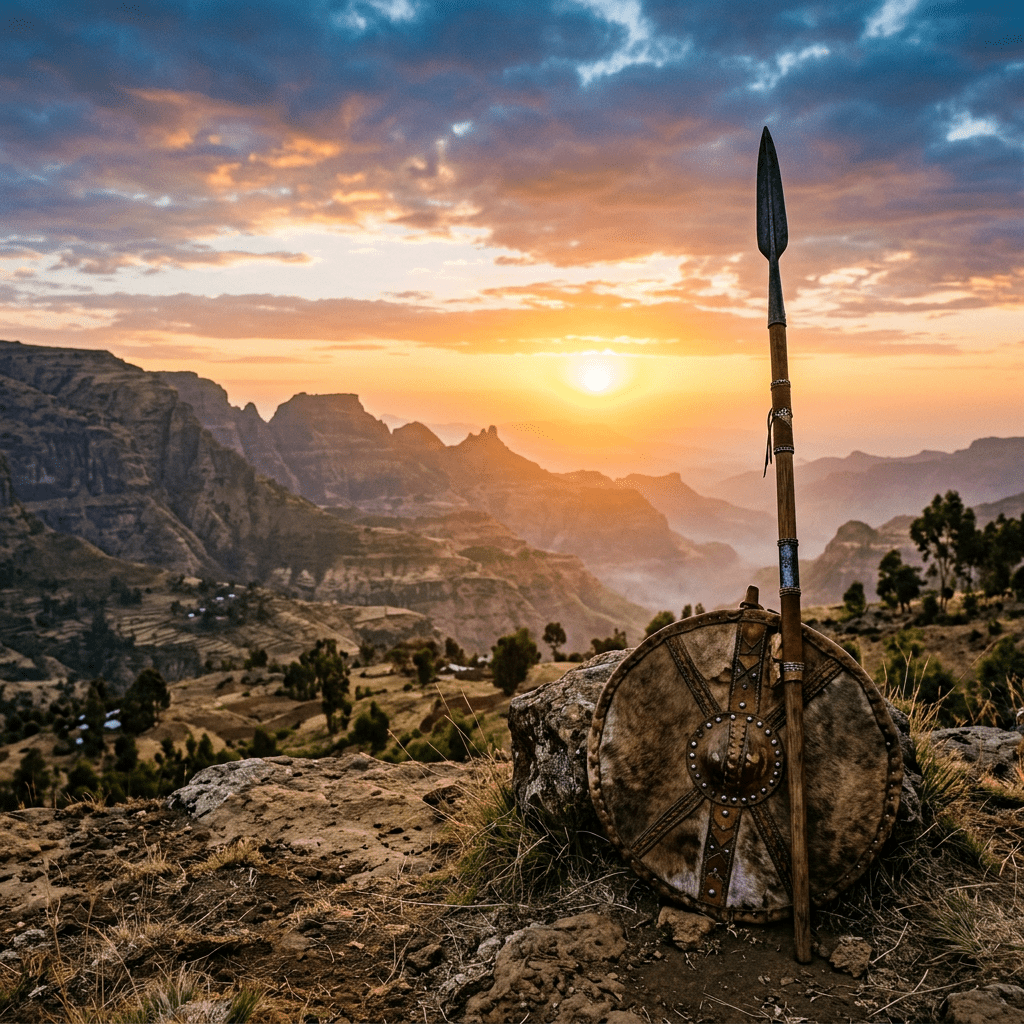
Reflecting on half a century of resistance, resilience, and the unbreakable spirit of a people
—
On a quiet day in 2023, as the world continues to spin through its cycles of change and upheaval, the Oromo people pause to mark a profound milestone. Fifty years have passed since the Oromo Liberation Struggle formally began its modern political and armed phase. The commemoration, held under the theme “50 Years of Oromo Freedom Struggle,” is not merely a glance backward at the pages of history. It is a declaration—a powerful affirmation that the strength of the past must be carried forward into the future.
As the saying goes, “Kunis waan nu ibsuu fi nu boonsu tokko akka baatee jiru mirkaneessa” —this confirms that there is something that defines us and makes us proud. Indeed, there is.
—
A People of Ancient Heritage
To understand the significance of this fifty-year mark, one must first appreciate the depth from which the Oromo struggle springs. The Oromo are not a recent invention of political convenience; they are the custodians of one of the oldest and most sophisticated cultural civilizations in the world.
The Gadaa system, a traditional democratic governance structure that has guided Oromo society for centuries, stands as a testament to their organizational genius. Long before modern democracies adopted the principles of checks and balances, term limits, and participatory governance, the Oromo had perfected these ideals through Gadaa. Every eight years, power would transfer peacefully from one generation to the next—a cycle of leadership renewal that ensured accountability and collective decision-making.
Then there is Waaqeffannaa, the indigenous Oromo belief system that reveres a single supreme being, Waaqa (God), and emphasizes harmony with nature, truth, and justice. The annual Irreecha festival, celebrated at sacred lakes and hilltops, is not merely a cultural event but a spiritual renewal—a thanksgiving for life, health, and the blessings of creation. Millions gather to raise their hands in prayer, adorned in traditional attire, singing songs that have echoed across the ages.
This is the Oromo identity: ancient, proud, and resilient. A civilization that has survived empires, invasions, and attempts at erasure. It is this identity that the freedom struggle seeks to protect and restore.
—
The Unfinished Story
The Oromo freedom struggle, as formally recognized in its modern phase over the past fifty years, is not a story of violence for its own sake. It is a story of a people demanding what is rightfully theirs: recognition, dignity, self-determination, and a place at the table of nations.
The archives of this struggle are filled with names that will never be forgotten. Some are written in blood, others in ink, but all are etched in the collective memory of the Oromo people. This struggle has chronicled a history of heroism that refuses to conclude—a narrative that continues to unfold with each passing year.
What makes this struggle unique is its deeply rooted cultural foundation. The Oromo are not fighting to create something new; they are fighting to reclaim something old. They are fighting to ensure that the Gadaa principles of justice, the Waaqeffannaa values of truth, and the Irreecha spirit of thanksgiving are not confined to textbooks or tourist brochures but are lived realities for future generations.
“Qabsoon Bilisummaa Oromoo seenaa boonsaa himamee hin dhumne galmeessee jira” —The Oromo liberation struggle has recorded a history of heroism that has not yet concluded. Indeed, it is a living document, written anew with every act of courage, every song of resistance, and every child raised to know their heritage.
—
A Story for All Generations
Perhaps the most beautiful aspect of this commemoration is its recognition that the struggle transcends any single generation. It is a legacy passed down from grandparents to parents, from parents to children. It is a story that is sung in lullabies, debated in classrooms, and whispered in prayers.
“Kun barayyuu dhalootaan kan leellifamuu fi faarfamuu dha” —This is a story that will be praised and sung by future generations. It is not a chapter to be closed but an anthem to be repeated, a lesson to be taught, and a flame to be kept alive.
The young Oromo today carry the weight of this legacy, but they also carry the hope. They are the ones who will take the baton from the veterans of the struggle and run the next lap. They are the ones who will ensure that the dream of a free, dignified, and prosperous Oromia becomes more than a slogan—it becomes reality.
—
Looking Ahead with Strength
As the Oromo people mark fifty years, they do so with a clear-eyed understanding of the road ahead. Challenges remain immense. The struggle is far from over. But the very act of commemorating half a century is itself an act of defiance—a declaration that the Oromo are still standing, still resisting, and still believing.
The world has witnessed the resilience of the Oromo. From the highlands to the lowlands, from the cities to the countryside, the spirit of Oromia remains indomitable. The freedom struggle is not merely a political movement; it is a cultural renaissance, a spiritual awakening, and a moral imperative.
—
Conclusion
Fifty years. It is a number that carries weight—the weight of sacrifice, the weight of hope, and the weight of an unfinished journey. The Oromo freedom struggle has been a long and arduous road, paved with both tears and triumphs. But as the Oromo gather to reflect on this milestone, they do not do so with bitterness or despair. They do so with the quiet confidence of a people who know who they are and what they deserve.
The theme “50 Years of Oromo Freedom Struggle” is not just about honouring the past. It is about carrying that strength forward, about ensuring that the next fifty years will be marked by even greater progress and eventual victory. It is about making sure that the Gadaa, the Waaqeffannaa, and the Irreecha remain not just memories but living traditions that guide the Oromo into a brighter tomorrow.
The Oromo story is one of the great epics of human history—a story of endurance, culture, and the unquenchable thirst for freedom. And as long as there are Oromo to tell it, sing it, and live it, that story will never end. It will be praised and sung by future generations, as it deserves to be.
—
“Qabsoon keenya bilisummaa fi mirga namaa kan mata keenyaati. Kun hidhannoo keenyatti amanuufi dhaloota dabarsuuti.”
“Our struggle is for freedom and human rights. This is our commitment to the future and to the generations to come.”

The Weight of Struggle: Why We Must Honor, Not Diminish, the Oromo Journey

Those who have walked the long road—through displacement, persecution, and sacrifice—deserve our deepest respect, not our casual dismissal
There is a dangerous tendency in our time—a habit of diminishing the sacrifices of those who came before us. It is easy to dismiss the struggles of others when we have not walked in their shoes, easy to minimize their pain when we have not felt its weight, easy to judge their choices when we have not faced their impossible dilemmas.
The reflection before us offers a powerful corrective to this tendency. It calls us to recognize the immense journey that the Oromo people have traveled—the trials they have endured, the sacrifices they have made, and the dignity they have maintained despite everything.
A People on the Move
“Nama Oromoo bu’aa bahii hedduu keessa darbuun har’a gahe, xiqqeessuu fi salphisuun faayidaan argamu hin jiru; jiraatus yoo nutti hafe wayya.”
The Oromo person who has passed through many trials to reach today—there is no benefit in belittling or diminishing them. Even if something remains, it would be better if it were left to us.
This statement is a profound meditation on the relationship between generations. It recognizes that the Oromo people have endured extraordinary hardships—centuries of colonization, decades of cultural suppression, generations of displacement, and waves of brutal repression.
The Oromo who stand before us today are the products of that struggle. They carry the scars of battles fought long before we were born. They speak with voices that have known silence, cry with eyes that have seen too much, and hope with hearts that have been broken and rebuilt countless times.
To diminish them is to diminish ourselves. To belittle their achievements is to belittle the very foundation upon which we stand.
The Journey of Exile
“Oromoon hedduun imala godaansaa keessatti gidiraa hedduu keessa darban.”
Many Oromo have passed through great difficulties during their journey of displacement. The Oromo diaspora is not a story of voluntary migration—it is a story of flight, of seeking refuge from persecution, of leaving everything behind to preserve life itself.
The Oromo exile began long before the modern era. Generations of Oromo have been forced to flee their homeland—escaping war, famine, political repression, and the systematic destruction of their communities. They have crossed borders, oceans, and continents in search of safety.
This is not a journey of choice. It is a journey of survival. And every Oromo who has made this journey carries with them the weight of what they have lost and the hope of what they might yet find.
Trials by Fire
“Biyya baqannaa keessatti qormaata hedduuf saaxilanii darban.”
In the lands of refuge, they have faced countless trials. The experience of exile is not a simple escape from danger—it is an entry into new forms of struggle. Oromo refugees and migrants have faced xenophobia, discrimination, economic exploitation, cultural isolation, and the constant anxiety of uncertain legal status.
They have had to rebuild their lives from nothing—learning new languages, adapting to new cultures, accepting menial jobs that their education and skills should have surpassed. They have been separated from families, disconnected from communities, and forced to navigate systems that were never designed for them.
And yet they have persisted. They have built new communities in foreign lands. They have preserved their language, their culture, and their identity against all odds. They have sent remittances home to support the struggle. They have educated their children, established organizations, and kept the flame of Oromo identity burning bright.
The Danger of Diminishment
“Qormaata isaan mudatee fi keessa darban kan akka tasaa ykn beekaa nu harka gale baafnee ittiin isaan salphisuu fi xiqqeessuuf yaaluun akka naamusa hojiittis akka safuu hojiittis fudhatama hin qabu.”
To try to belittle and diminish the trials they have endured and passed through—by claiming that we have miraculously or knowingly achieved what they could not—is unacceptable as a matter of both professional ethics and moral decency.
The reflection speaks directly to a troubling phenomenon: the tendency of some to dismiss the struggles of earlier generations, to claim that they somehow would have done better, or to minimize the sacrifices that made current achievements possible.
This is not merely disrespectful—it is historically and morally wrong.
Those who walked the path before us faced challenges we cannot fully comprehend. They operated under conditions we have never experienced. They made choices with limited information and in impossible circumstances. Their achievements, whatever their limitations, are the foundation upon which our current position is built.
The Ethics of Respect
The reflection argues that belittling the struggles of others is unacceptable for two reasons:
First, as a matter of professional ethics—”naamusa hojii” —there is a standard of conduct that requires us to respect the work of those who came before. In any field, to dismiss the contributions of predecessors is to reject the very tradition that made our own work possible.
Second, as a matter of moral decency—”safuu hojii” —there is a basic human obligation to honor the sacrifices of others. To diminish someone’s suffering is a form of violence. To deny someone’s struggle is a form of erasure.
Those who have sacrificed for the Oromo cause deserve our gratitude, not our judgment. They deserve our respect, not our condescension. They deserve to be honored, not diminished.
Lessons for the Current Generation
The reflection offers several important lessons for those of us who inherit the legacy of the Oromo struggle:
1. Recognition: We must recognize that our current position—whatever it may be—is built upon the foundations laid by others. We did not create Oromo identity; we inherited it. We did not invent the Oromo struggle; we continue it.
2. Humility: We must approach the achievements of earlier generations with humility. We may have advantages they did not—better technology, more resources, greater international awareness—but we also face challenges they did not. Neither generation is superior; each has played its part.
3. Gratitude: We must be grateful for the sacrifices of those who came before. Every Oromo who can read and write in Afaan Oromo today owes a debt to those who risked imprisonment to publish in the language. Every Oromo who can express pride in their identity owes a debt to those who were tortured for doing the same.
4. Continuity: We must understand that we are part of a continuing story. The Oromo struggle did not begin with us, and it will not end with us. Our role is to carry forward the legacy, to build upon the foundations, and to pass on something better to those who will come after.
The Unfinished Journey
“Nama Oromoo bu’aa bahii hedduu keessa darbuun har’a gahe…”
The Oromo person who has passed through many trials to reach today—this is not a description of a completed journey. It is a description of a journey still underway.
The Oromo people are still struggling. They are still fighting for recognition, for rights, for self-determination. They are still facing oppression, discrimination, and violence. The fact that some have found refuge in other countries does not mean the struggle is over. The fact that some have achieved success in exile does not mean the homeland is free.
Each generation has its role to play. Each generation faces its own challenges. And each generation must honor the sacrifices of those who made its own achievements possible.
The Weight of Legacy
The reflection calls us to consider the weight of what we have inherited. The Oromo people have a long and painful history—a history of colonization, suppression, exile, and struggle. But it is also a history of resilience, resistance, cultural preservation, and hope.
When we diminish the struggles of those who came before, we diminish the entire Oromo story. When we belittle their achievements, we belittle the foundation upon which our own identity is built.
Instead, we should approach the Oromo journey with reverence—understanding that every scar tells a story, every sacrifice has meaning, and every achievement is a victory against overwhelming odds.
The Call to Unity
At its heart, this reflection is a call to unity—a call to recognize that we are all part of the same story, that we are all connected by the same struggle, that we all owe a debt to those who came before.
To dismiss the struggles of earlier generations is to divide the Oromo community. It is to create false hierarchies between generations. It is to claim that some are more authentic, more committed, or more deserving than others.
This is a dangerous path. It leads to fragmentation, resentment, and the weakening of the collective struggle. It serves only the interests of the oppressor, who benefits when the oppressed are divided.
Conclusion
“Nama Oromoo bu’aa bahii hedduu keessa darbuun har’a gahe, xiqqeessuu fi salphisuun faayidaan argamu hin jiru; jiraatus yoo nutti hafe wayya.”
The Oromo person who has passed through many trials to reach today—there is no benefit in belittling or diminishing them. Even if something remains, it would be better if it were left to us.
This is a statement of respect. It is a statement of gratitude. It is a statement of continuity.
We who inherit the Oromo legacy must approach it with humility. We must recognize that we stand on the shoulders of giants—of those who preserved the language when it was forbidden, who kept the culture alive when it was suppressed, who fought for justice when it was dangerous, and who maintained hope when all seemed lost.
Let us honor their sacrifices. Let us build upon their foundations. Let us continue their struggle. And let us never forget that we are part of a long and noble tradition—a tradition of resilience, resistance, and the unwavering pursuit of freedom.
“Nama Oromoo bu’aa bahii hedduu keessa darbuun har’a gahe…”
The Oromo person who has passed through many trials to reach today…
May we always honor that journey. May we always respect that struggle. And may we always remember that we are the inheritors of a legacy that demands our deepest gratitude and our most dedicated service.
The journey continues. The struggle endures. And the story of the Oromo people will be told with the dignity it deserves.

The Oromo Question: Beyond the Tongue and Into the Hands

By Daandii Ragabaa
There is a moment in the life of every nation when words are no longer enough. When the poetry of identity must translate into the prose of action. When the comfort of speaking like a people must give way to the discipline of living like that people.
The Oromo nation stands at that crossroads today.
A sharp and unsettling observation cuts through the community: “Amma illee namoonni hedduun akka Oromootti dubbatan, malee akka Oromootti hojjataa hin jiran. Namoota akka Oromootti yaadanii, akka Oromootti hojjatan hedduu nu barbaachisa. Waan Oromoof furmaata fidu hojjadha; Oromoo ta’a!”
Translated, it reads: “Even now, many people speak like Oromos, but they do not act like Oromos. We need many people who think like Oromos and act like Oromos. Do what brings a solution to Oromos; be Oromo!”
This is not a statement of despair. It is a declaration of accountability. It is the sound of a people waking from the dream of rhetoric and stepping into the reality of responsibility.
The Crisis of Performance
There is a dangerous phenomenon that plagues nations in struggle: the widening chasm between speech and action. It is easy to speak the language of resistance. It is fashionable to adopt the symbols of identity. It is comfortable to gather in crowds and chant the slogans of liberation.
But speaking like an Oromo is not the same as being an Oromo.
To speak like an Oromo is to know the words. To be an Oromo is to embody the values. To speak like an Oromo is to recite the grievances. To be an Oromo is to engineer the solutions.
The observation rings true across the Oromo world—from the villages of Wallo to the streets of Minneapolis, from the universities of Adama to the refugee camps of Kenya. There is no shortage of Oromo voices. There is a shortage of Oromo hands. There is no shortage of Oromo critics. There is a shortage of Oromo builders.
The Anatomy of Authentic Oromo Action
What does it mean to act like an Oromo? The answer lies not in grand gestures, but in the quiet architecture of daily life.
1. The Economics of Liberation
An Oromo who acts like an Oromo does not just lament economic marginalization—they build alternatives. They support Oromo-owned businesses. They create cooperative financial institutions. They invest in Oromo education. They understand that economic dependency is the leash of oppression, and they work tirelessly to break it.
2. The Politics of Organization
An Oromo who acts like an Oromo does not just attend rallies—they organize communities. They build institutions that outlast individuals. They develop systems of governance that reflect the principles of the Gadaa—consensus, accountability, and the rotation of power. They move from protest to program.
3. The Culture of Excellence
An Oromo who acts like an Oromo does not just celebrate Oromo culture—they excel in their chosen field. They become the finest doctors, engineers, lawyers, teachers, artists, and entrepreneurs. They understand that mediocrity is not a mark of authenticity; excellence is. They know that the world respects competence, and they refuse to give the world any reason to dismiss them.
4. The Discipline of Unity
An Oromo who acts like an Oromo does not just talk about unity—they practice it. They subordinate personal ambition to collective good. They reject the divisive whispers of clan, region, and religion. They recognize that the enemy’s greatest weapon is fragmentation, and they refuse to hand them that weapon.
Thinking Like an Oromo: The Intellectual Foundation
But action without thought is blind. The call is not just for action, but for Oromo thought—a philosophy that guides the hand.
To think like an Oromo is to recognize that the struggle is not a sprint but a marathon. It is to understand that liberation is not a single event but a process. It is to reject the false binary of “either/or” and embrace the Oromo genius of “both/and”—both culture and modernity, both tradition and innovation, both resistance and construction.
To think like an Oromo is to root oneself in the history of the ancestors while planting seeds for generations yet unborn. It is to understand that the Gadaa system was not just a political structure but a way of knowing—a methodology for solving problems, managing resources, and building consensus.
To think like an Oromo is to know that the enemy is not just outside the community but can also reside within. It is to be vigilant against the internal forces of corruption, greed, and short-term thinking that have crippled so many liberation movements.
The Urgent Need: Builders Over Talkers
The statement is clear: “Namoota akka Oromootti yaadanii, akka Oromootti hojjatan hedduu nu barbaachisa.” — “We need many people who think like Oromos and act like Oromos.”
This is not a call for blind nationalism. It is a call for strategic nationalism. It is a recognition that the Oromo nation has been blessed with orators but cursed with a shortage of engineers. We have been rich in poets but poor in planners. We have been abundant in critics but scarce in builders.
The time has come to recalibrate. The Oromo people do not need more voices—they need more hands. They do not need more slogans—they need more systems. They do not need more promises—they need more proof.
The Call to Action
The final charge is both a command and an invitation: “Waan Oromoof furmaata fidu hojjadha; Oromoo ta’a!” — “Do what brings a solution to Oromos; be Oromo!”
This is the ultimate definition of Oromo identity. It is not found in bloodline alone. It is not found in language alone. It is found in the relentless pursuit of solutions. It is found in the refusal to accept the status quo. It is found in the determination to build a future worthy of the ancestors and deserving of the children.
To be Oromo is to solve problems. To be Oromo is to build institutions. To be Oromo is to live the values of Gadaa—justice, peace, and collective well-being. To be Oromo is to act like an Oromo, not just speak like one.
The Unfinished Revolution
The Oromo nation stands at a pivotal moment in its history. The opportunities are immense. The challenges are immense. And the need for authentic, thinking, acting Oromos has never been greater.
The tongue is a gift. But the hand is a choice. The voice is a blessing. But the action is a legacy.
Let us not be a people of words alone. Let us be a people of works. Let us not be a nation of spectators. Let us be a nation of participants. Let us not wait for solutions to come from elsewhere. Let us be the solution.
“Namni of hin beekne, nama hin beeku” — “He who does not know himself, cannot know others.”
And those who know themselves—truly know themselves—do not just speak their identity. They live it. They build it. They become it.
Oromoo ta’aa! Be Oromo—not in word only, but in deed. Not in tongue only, but in truth.
—
The ink of identity is washed away by time. But the architecture of action stands forever.

The Blueprint of Victory: Why Oromo Success Demands Rejecting the Counsel of the Defeated

By Daandii Ragabaa
There is an old, unspoken rule in the theater of struggle: survivors write the history, but losers write the excuses. In the Oromo context, where the collective quest for self-determination, economic freedom, and cultural preservation is a daily examination of resilience, one question haunts the community: Who are we listening to?
A sobering observation often echoes through the chambers of Oromo intellectual discourse:
“Oromoonni hedduu gorsa qajeelaa argataa hin jiran. Namni qormaata darbuu barbaadu, nama qormaata kufe irraa gorsa fudhachuu hin qabu. Namoonni hedduun namoota qormaata qabsoo kufan irraa gorsa fudhatu; sun ta’uu hin qabu.”
Translated, it reads: “Many Oromo do not have proper guidance. Whoever wants to pass the test must stop taking advice from those who failed it. [Yet] many people do not take advice from those who failed the struggle.”
At first glance, the final sentence seems contradictory—if they don’t take advice from failures, why do they lack proper guidance? The answer lies in a painful paradox: the public square is dominated by the loud, defeated voices, while the silent, victorious architects remain obscured. This is the critical juncture where the Oromo struggle must evolve—from a theater of sympathy to a laboratory of strategic success.
The Danger of the Familiar Echo
Human psychology is wired for comfort. We gravitate toward those who validate our pain. When a community has faced systemic marginalization, it is easy to find solace in the company of those who share tales of bureaucratic stonewalling, economic collapse, or political betrayal.
But here lies the trap. The advice of a person who has never built a business, never negotiated a diplomatic win, or never successfully organized a self-sustaining institution is not just useless—it is parasitic.
The philosophy embedded in this Oromo axiom demands a radical break. The qormaata (exam) is not merely a classroom test; it is the existential evaluation of a nation. Are we passing the test of economic independence? Are we passing the test of educational excellence? Are we passing the test of diplomatic recognition? If the answer is no, we must scrutinize the source of our daily counsel.
Why the “Defeated” Cannot Guide the Victorious
To understand why one must stop taking advice from those who failed, we must define “failure” in the context of struggle. It is not the noble failure of a soldier who falls on the battlefield fighting an invincible force. It is the ideological failure of those who succumb to defeatism before the battle begins. It is the failure of those who normalize mediocrity, who preach that the system is “too big to beat,” and who mistake loud lamentation for meaningful action.
A student preparing for a rigorous medical entrance exam would never hire a tutor who failed the same exam five times. Why? Because failure does not produce the methodology of success. It produces the psychology of survival. The person who passed knows the shortcuts, the mindset shifts, and the precise sacrifices required. The person who failed knows only the pitfalls—and misery loves company.
The Silent Crisis of Mentorship
The axiom notes that many Oromo do not have proper guidance. This is the root catastrophe. In the diaspora and at home, the community is saturated with “critics” but starved of “architects.” We have an abundance of orators who can deconstruct oppression flawlessly, yet a scarcity of engineers who can construct the alternative.
Why do many avoid taking advice from those who did fail? Because those who failed are often the loudest. They dominate social media, they command the narrative of grievance, and they offer the easiest emotional catharsis. Meanwhile, those who have successfully passed the “exam”—the Oromo entrepreneurs running thriving global enterprises, the scholars published in top-tier journals, the diplomats navigating international corridors—are often too busy building to correct the noise.
The Paradigm Shift: Seek the Blueprint
The call here is not to abandon empathy, but to elevate strategy. If you are a young Oromo activist, do not ask the career protester how to build a political party; ask the person who actually registered a party and sustained it. If you are a student, do not ask the perpetual job-seeker for career advice; ask the professional who climbed the corporate ladder or built their own firm.
Empowerment theory, as discussed in previous discourses, argues that power is generated through competence. To break the cycle of collective stagnation, the Oromo must institutionalize a culture of Gorsa Qajeelaa—correct and proven guidance.
A Call for Discernment
The road to Bilisummaa (Freedom) is paved with strategic decisions, not emotional impulses. The “exam” we face is unforgiving. It does not award points for noble intentions; it awards results for precise actions.
It is time to adjust the volume dial. Turn down the noise of perpetual defeatism. Seek out the quiet victors in your midst. Ask them: “How did you pass?” And when they answer, take notes.
Because in the final tally of history, we are not judged by how eloquently we complained, but by how decisively we conquered. And we conquer by learning from the winners, not the defeated.

From Supplication to Power: The Unfinished Revolution of Empowerment

By Dhabessa Wakjira
There is a moment in every struggle, a tipping point that shifts the narrative from one of passive suffering to one of active agency. For many across the globe—from the rural villages of Oromia to the urban sprawls of the diaspora—that moment is captured in a powerful, defiant axiom:
“Waan nu godhan otuu hin taane, waan barbaadnu himachuu fi dhaadhessuu qabna. Kun empowerment theory dha.”
Translated from the Afaan Oromo, it means: “We are not what they make us; we have the power to ask for and get what we want. This is empowerment theory.”
This is not merely a statement; it is a declaration of intellectual and political sovereignty. It is the sound of a people moving from the margins to the center of their own destiny, guided by the principles of a theory that has reshaped social work, psychology, and community development worldwide.
The Core of the Theory: Rejecting the Script
At its heart, the statement dismantles the foundational myth of the “victim.” Empowerment theory, as pioneered by scholars like Julian Rappaport and Barbara Solomon, posits that problems are not located within individuals, but within the power structures that surround them.
The phrase “waan nu godhan”—”what they make us”—is a stark acknowledgment of systemic oppression. It names the elephant in the room: the historical, economic, and social forces that attempt to define a person’s limits based on ethnicity, gender, or class. To reject that label is the first act of liberation.
The theory argues that true change cannot be granted from the top down; it must be built from the bottom up. It shifts the focus from “fixing” people to providing them with the tools, resources, and confidence to navigate and challenge the systems that marginalize them.
The Art of Asking and Achieving: Himachuu fi Dhaadhessuu
The second part of the statement—“waan barbaadnu himachuu fi dhaadhessuu qabna” (we can ask for and get what we want)—is the action phase. In the context of empowerment, “asking” is not a sign of weakness. It is the strategic articulation of need. It is the demand for a seat at the table, the request for equity, and the negotiation for justice.
However, the theory recognizes that “asking” is not enough. The subsequent element—dhaadhessuu (achieving)—requires capacity building. It involves:
· Access to Information: Knowing your rights, understanding the bureaucracy, and demystifying the systems of power.
· Critical Awareness: The “conscientization” process described by Paulo Freire, where people analyze their social reality to understand the root causes of their oppression.
· Collective Action: Recognizing that individual empowerment is fragile, but community empowerment is resilient.
A Global Context, A Local Identity
While empowerment theory is a global framework, its application is deeply personal. For the Oromo people, a nation with a rich heritage but a history of political marginalization, this statement is a codified resilience.
It is the local farmer using modern agricultural techniques to break the cycle of dependency. It is the youth in the diaspora reclaiming their language and history. It is the mother organizing a cooperative to provide for her children, not through charity, but through enterprise.
Dr. Kene Gemechu, a sociologist specializing in Horn of Africa studies, notes, “This isn’t just about economic upliftment. It’s psychological decolonization. When you say, ‘I am not what you made me,’ you are reclaiming the narrative. Empowerment theory gives the vocabulary to that experience, validating that the struggle for agency is as important as the struggle for food.”
The Path Forward: From Theory to Praxis
The beauty of empowerment theory is that it is inherently a practice. It manifests in various forms:
· In Education: Curricula that reflect the culture and history of the students, rather than a foreign narrative.
· In Economics: Microfinance initiatives and cooperative models that give communities control over their capital.
· In Governance: Participatory budgeting and community policing that treat citizens as partners, not subjects.
The challenge, however, is systemic backlash. Empowerment is disruptive. It challenges those who benefit from the status quo. The struggle of dhaadhessuu (achievement) is often met with resistance, requiring an even greater resolve from the community.
Conclusion: The Loudest Voice
In the end, the theory has a simple, yet profound, conclusion: power is not a finite resource to be hoarded; it is an infinite resource to be generated.
The statement “waan nu godhan otuu hin taane” is a shield against despair. It is the refusal to internalize the lie of inferiority. And the call to “waan barbaadnu himachuu fi dhaadhessuu” is the sword of agency.
This is the essence of empowerment. It is not about asking for permission; it is about declaring your existence. It is the understanding that the voice of the people is louder than the silence of oppression.
As the Oromo proverb goes, “Namni of hin beekne, nama hin beeku”—”He who does not know himself, cannot know others.”
And those who know themselves, know their power. They know that they are not what they are made to be, but what they dare to become.
The Tree We Plant Today: A Reflection on Legacy, Life, and Political Leadership

In the heart of Finfinne, a simple act of planting carries profound lessons for governance, sustainability, and the future of generations yet unborn
Finfinne, Oromia — In the bustling streets of Shaggar, in the Sabbata district of the capital city, a quiet but powerful act is taking place. A sapling has been planted. To the casual observer, it may seem like a modest gesture—a tree among thousands, a green shoot in a city of concrete and noise. But to those who understand the deeper meaning of such acts, this planting represents something far more significant: a statement about the relationship between governance, nature, and the future.
The tree that stands today in Sabbata is not merely a decorative addition to the urban landscape. It is a living testament to the interconnectedness of all life—human and non-human, present and future, local and global. It is a reminder that the decisions we make today, the systems we build, and the values we uphold will echo through generations.
The Many Gifts of the Tree
As we reflect on the planting of this tree, we are reminded of the countless benefits that trees and vegetation provide—benefits that sustain not only human life but the entire web of existence:
~> Ecological Balance: Trees maintain the natural equilibrium of our environment, regulating temperatures, purifying air, and supporting biodiversity. They are the lungs of our planet, breathing life into the atmosphere.
~> Water Management: Trees absorb and hold rainfall, preventing flooding, replenishing groundwater, and ensuring that our rivers and springs continue to flow. In a world of increasing climate uncertainty, this function has never been more critical.
~> Soil Conservation: The roots of trees bind the soil, preventing erosion and landslides. They protect the land from being washed away by heavy rains, preserving the fertility of our agricultural lands.
~> Sustenance: Trees provide food—fruits, nuts, and leaves that nourish both humans and animals. In rural areas especially, the tree is a source of sustenance and survival, a gift that keeps giving across seasons and years.
~> Shelter: Trees offer shade and protection, cooling our homes and communities. They are the silent guardians that shield us from the harshness of the sun and the elements.
~> Building Materials: From the timber that builds our homes to the branches that create our tools, trees provide the raw materials for our shelter and sustenance.
~> Medicine: The majority of medicines in our pharmacies trace their origins to plants. Trees heal us, offering remedies that have been discovered and refined over centuries of human wisdom.
~> Paper and Knowledge: The very pages on which we write our history, our knowledge, and our dreams come from trees. Without them, our civilization would lack the means to record and transmit its wisdom.
~> And so much more: The list of benefits is almost endless. Trees purify our air, beautify our surroundings, provide habitats for countless species, and offer spiritual and cultural significance to communities around the world.
In short, the life of a tree is inseparable from human life. To protect trees is to protect ourselves. To plant trees is to invest in our collective future.

The Duty of Care
“Biqiltuu dhaabuun, dhaabanii immoo kunuunsuun akka guddatu taasisuun dirqama ta’a.”
Planting a tree is not enough. We must nurture it, water it, protect it from harm, and ensure that it grows to maturity. The act of planting is the beginning, not the end, of our responsibility.
This simple truth carries profound implications for how we approach governance and leadership. Just as a sapling requires care and attention to flourish, so too do our institutions, our communities, and our nations.
“Biqiltuun dhaabatee guddate tokko dhaloota har’aa qofa fayyada osoo hin taane, dhaloota boruufis wabii ta’a.”
A tree that is planted and successfully grown benefits not only the present generation but becomes a witness and a resource for those yet to come. It is a legacy—a gift from the past to the future, a bridge between generations.
This is the true measure of leadership: not what we consume or accumulate, but what we create and leave behind. Not what we take from the world, but what we give back. Not how we serve ourselves, but how we serve those who will come after us.
Political Systems and the Tree
“Sirni ykn paartiin siyaasaa har’a jiru boru itti fufuufi dhiisuun waan yeroon murteessuudha.”
The political systems and parties of today face a choice: to endure or to pass away. Time will decide their fate, as it decides all things. But the tree—the tree is different.
“Garuu biqiltuun sirna ykn paartii siyaasaa waliin jijjiirama osoo hin taane, dhaloota irraa dhalootaatti darbaa deema.”
Unlike political systems that rise and fall, that change with the whims of leaders and the tides of history, the tree transcends political transformation. It passes from generation to generation, a constant in a world of change.
This is a humbling observation for those of us engaged in political struggle. Our systems, our parties, our ideologies—they are temporary. The tree, when planted with care, can outlive us all. It will stand witness to the rise and fall of regimes, the birth and death of leaders, the changing fortunes of nations.
“Kanaafuu biqiltuu dhaabuu qofa osoo hin taane, kunuunsanii guddisuun dirqama ta’a.”
Therefore, it is not enough to plant—we must nurture. It is not enough to establish—we must sustain. It is not enough to begin—we must complete.

A Call to Action
“Nutis biqiltuu har’a dhaabne kunuunsinee akka guddatu haa taasisnu; ni taasisnas!”
We who plant today must also commit to tending. We who envision a better tomorrow must also labor to bring it into being. We who hope for a future must also build the foundations upon which that future can stand.
This is the message of the tree in Sabbata. It is a call to responsibility. It is a challenge to think beyond ourselves, beyond our immediate needs and desires, beyond the narrow horizons of our own lifetimes.
The tree that stands in Shaggar today is a symbol of what is possible when we act with foresight, when we care for the environment, when we prioritize the needs of future generations. It is a model for how we should approach governance, development, and leadership.
The Broader Significance
In a world facing unprecedented environmental challenges—climate change, deforestation, desertification, biodiversity loss—the planting and nurturing of trees is more than a symbolic act. It is a practical necessity. It is a matter of survival.
As we reflect on the tree in Sabbata, we are reminded of the urgency of our environmental responsibilities. The Earth does not belong to us alone; it belongs to all living beings, present and future. Our stewardship of the planet will be judged not by what we accumulate but by what we preserve.
“Biqiltuun faayidaan inni qabu jiruufi jireenya dhala nama dabalatee, kan uumama hundaa waliin wal-qabata.”
The tree connects us to the web of life—to the soil, the water, the air, the animals, the insects, and the countless other beings that share our world. To care for the tree is to care for all of life. To neglect the tree is to neglect ourselves.
A Legacy for Generations
The planting of a tree is an act of hope. It declares that we believe in tomorrow, that we trust in the future, that we have faith in the generations yet to come.
“Biqiltuun dhaabatee guddate tokko dhaloota har’aa qofa fayyada osoo hin taane, dhaloota boruufis wabii ta’a.”
When we plant a tree, we are not just planting a plant. We are planting a legacy. We are creating a witness to our existence, a gift to those who will follow, a statement that we cared about something beyond ourselves.
This is what leadership should be—not the pursuit of power for its own sake, but the cultivation of a better world for those who will inherit it. Not the accumulation of wealth and status, but the investment in sustainability and justice.
Conclusion: The Tree and the Future
As we conclude this reflection, let us return to the image of the tree in Shaggar, in Sabbata, standing tall and green in the heart of the capital. It is a reminder that the greatest acts of leadership are often the quietest—the simple decision to plant, to nurture, to care.
The tree asks nothing of us but our attention and our labor. It gives everything: oxygen, shade, food, shelter, medicine, beauty. It connects us to each other and to the world around us. It bridges the past and the future, carrying forward the hopes and dreams of those who came before.
“Nutis biqiltuu har’a dhaabne kunuunsinee akka guddatu haa taasisnu; ni taasisnas!”
Let us commit to nurturing the trees we plant today. Let us commit to building a future that honors the interconnectedness of all life. Let us commit to leaving a legacy of sustainability, justice, and hope for the generations yet to come.
In the end, the true measure of our leadership will not be found in the statues we erect or the names we inscribe on buildings. It will be found in the trees we plant and nurture, in the lives we touch and uplift, in the world we leave behind for those who will inherit it.
Plant a tree. Nurture it. Watch it grow. And know that you have done something that matters—something that will outlast you, something that will benefit generations yet unborn.
The tree in Shaggar is not just a tree. It is a prophecy. It is a promise. It is a prayer.
May we all have the wisdom to plant, the patience to nurture, and the vision to see the forest in every single seed.

Understanding Our Past to Build a Strong Future
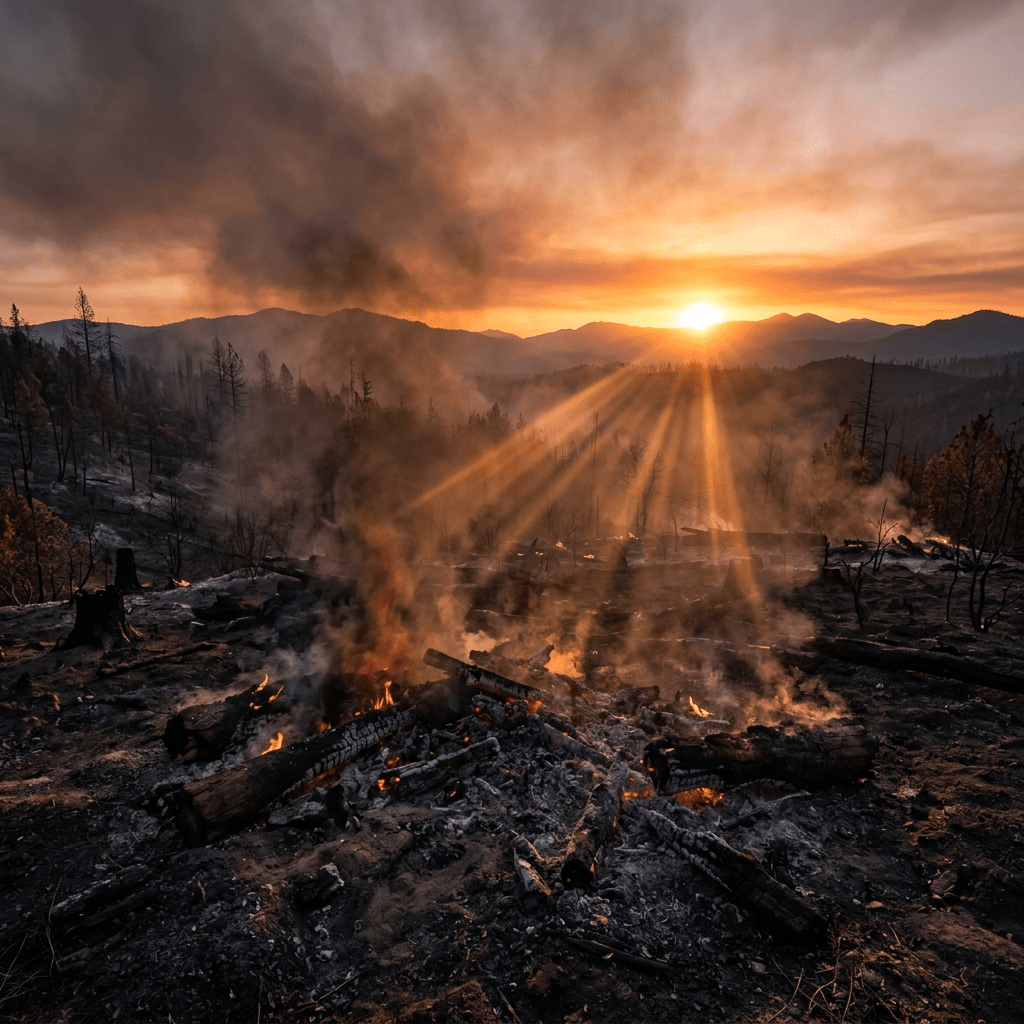
On a Pile of Ashes…!
In an age of relentless information and manufactured outrage, the future of our people demands reflection over reaction, wisdom over noise
The words come to us like embers carried on a restless wind—dangerous, seductive, and capable of igniting fires that will burn for generations. “On a pile of ashes…!” This is the warning cry of our time, a call to pause and reflect before we add fuel to flames that threaten to consume everything our ancestors built.
The reflection from Dabaree Seenaa arrives as a timely antidote to the poison of our age—an age where words are weaponized, history is manipulated, and the future is sacrificed on the altar of immediate gratification.
The Anatomy of Division
“Dubbiin keenya, akka akka! Namootni hedduun, madaa babal’isaa oolu.”
Our words, like a contagious disease, spread rapidly. In this digital age, a single statement can circle the globe in seconds, reaching millions before any examination of its truth or consequence can take place. We have become a people of reaction, not reflection—of impulse, not intention.
The reflection observes that many among us have abandoned the future of our country and nation in favor of obsessing over the past. They speak to pit one generation against another, to sow discord where unity should prevail, to magnify old wounds instead of seeking healing.
“Dhimmoota, egeree biyyaa fi sabaa dhiisanii, dhimmoota kaleessa darban irratti xiyyeeffatanii dhaloota wal dura dhaabuuf kan dubbatan fakkaatu.”
This phenomenon is not accidental. It is a strategy—one that benefits those who seek to keep us divided, distracted, and weak. When a people are consumed by past grievances, they cannot build a future. When generations are pitted against each other, the nation crumbles from within.
The reflection asks the crucial question: Is this the work of enemies seeking to destroy us, or the work of those who, in their ignorance, serve the enemy’s agenda?
“Ajandaa akkanaa kana eenyutu, maaliif yeroo isaa maleetti bixxilanii dhaloota gidduutti facaasuu fi burjaajessuuf hojjechuu feesise?”
The Weight of Timing
“Wanti raawwannuu fi dubbannu yoo yeroo isaa hin ta’iin miidhaa moo faay’idaa qaba?”
This question cuts to the heart of our collective dilemma: Is what we say and do, if it is not timed properly, beneficial or harmful?
The reflection reminds us that not every truth needs to be spoken at every moment. Not every grievance needs to be aired in every forum. There is wisdom in timing, prudence in patience, and strength in strategic silence.
“Yeroo amma ummatni keenya maal keessa jira? Kamtu dursa? Ajandaan kun fafa moo bu’aa fida?”
What is our people facing right now? What should take priority? Does this agenda bring solutions or merely add to our burdens?
These are questions that too few of us ask before we speak, post, or share. We are so eager to be heard that we forget to consider whether what we have to say is worth hearing.
The Danger of Historical Obsession
“Kaleessa baay’een keenya, madoofneerra. Garuu kan dursu gidiraa sabni keenya keessa jirudha.”
The reflection does not deny the past. It acknowledges that many of us have been wounded, that we carry the scars of history. But it insists that the most urgent task is the present crisis our people face.
We cannot build the future by endlessly revisiting the past. The wounds we carry must be addressed—not to keep them open, but to allow them to heal.
“Dhimmoota xiyyeeffannoo babaadan irratti hojjechuutu, dhaloota sagantaa fi karoora qabu, tooftaa fi tarsiimoo qabu ta’a.”
The work of true leadership is to focus on matters of substance, to build a generation with vision and strategy, with tactics and methodology. Not a generation consumed by nostalgia and grievance, but one equipped for the challenges of the future.
The Call for Critical Thinking
“Yaadni tokko yeroo miidiyaatti as bahu, jarjartiin deebii itti kennuun dura, duraa duubaan xiinxaluun, deebii fi yaada bilchaataa, dhimmota dhufan sanaaf deebii quubsaa ta’e kennuutu male.”
When an idea emerges in the media, the temptation is to respond immediately—to react, to counter, to defend. But the reflection calls for something different: thoughtful analysis, measured response, and consideration of the long-term consequences.
“Sababni isaa, dhalootni hubannoo qajeelaa fi wal simu akka qabaatuuf jechuu kooti.”
The reason for this careful approach is that we want a generation that understands clearly and agrees with each other. We want unity, not division; consensus, not chaos.
“Sun hin mul’atu. Hunduu walumaan huursa! ‘Cittoo irratti fanxoo!'”
But this is not what we see. Instead, we see confusion everywhere—people rushing to add their voices to the noise, to throw more fuel on the fire, to declare themselves the righteous ones while condemning all others.
The Function of History
“Namni seenaa kaleessaa qofaa odeessu, kan boruu si dagachiisuuf ta’uun dagatamuu hin qabu.”
History is not meant to be merely recited; it is meant to be learned from. Those who obsess over the past without extracting its lessons are not serving the future—they are serving to make us forget the future.
“Rakkoo fi gaarii kaleessa muudatee fi ture, irraa baratuun qaawwaa jiru irratti hojjechuutu fala.”
The solution lies not in repeating the stories of the past but in learning from the problems and successes we have experienced. Study the past, yes—but apply those lessons to address the gaps and challenges of today.
“Namootni saba isaaniif quuqama dhugaa qabanis dursa, biyyaa fi saba isaaniif kennu!”
Those who truly serve their people must give priority to what their people need now—not what happened decades ago, not what grievances remain unresolved, but what will build a better future.
The Limits of Historical Recitation
“Seenaa kaleessaa qofa deddeebisanii lallabuun garuu bu’aa ni qabaa? Yoo dhalootaaf faayidaa qabaate, dhalootaaf ibsaa deemuutu wayyaadha!”
What benefit is there in endlessly repeating the past? If it benefits the people, it should enlighten the people! If it serves the future, it should illuminate the path forward.
“Akka kanaan furmaatni dhufu ni jiraa? Furmaata sana dhalootaaf akeekuutu feesisa.”
Will solutions come from this approach? We must explain the solutions to the people—not just the problems, not just the grievances, but the practical, achievable path to a better future.
“Akka guuta lagaa fi dambalii galaanaa ta’uun, egeree biyyaa fi sabaaf fala hin fidu.”
Being like a sandbank in a river or a wave in the sea—carried by every current, shaped by every tide—does not bring solutions to the nation and the people.
“Xiqqaatii haga guddaattuu, tooftaa fi tarsiimoo dhabatu, ajandaa guyyuunuu bocamaa oolaniin buubbisuun kufaatii guddaadha.”
From small things to great, lacking strategy and methodology, disseminating an agenda shaped by whoever is in power—this is a recipe for failure.
“Rakkoo kaleessaa odeessaa ooluun, sabni gidiraa keessaa bahe hin jiru. Nama yaaddessa!”
By merely narrating past problems, the people have not emerged from their difficulties. This is something to think deeply about!
The Danger of Emotion
“Muffii-Komii-Xiiqii Fi Miirrii dhuunfaa keenyaa, egeree waloo sabaa fi biyyaa keenyaa kuffisuu akka danda’u, yaaduun gaarii natti fakkaata!”
Our anger, our complaints, our frustrations, and our personal feelings—the reflection suggests it is worth considering that these can destroy the shared future of our nation and people.
Emotions are natural, even necessary. But when they drive our decisions, when they shape our actions, when they become our guiding principles—they can lead us to disaster.
“Kun kana ta’ee, adeemsa dheeraa keessa yeroo hedduu wantin hubadhe tokko; haalaa, yeroo fi bakka garagaraa keessatti, namootni baay’een hanga maqaa isaanii hin gahan.”
This being the case, one thing I have learned over a long process, in various conditions, times, and places: many people do not even understand their own reputation. They speak and act without considering how they will be perceived or what legacy they will leave.
“Hanga of himanii fi dubbatan hin gahan. Kun hubatamuu qaba.”
They do not understand what they say or do. This must be recognized.
The Path of Wisdom
“Yaada dhihaataan hundaaf, hamaamota ta’uu irraa of qabuutu wayya.”
For every idea that emerges, it is better to refrain from being among those who rush to judgment. Patience, observation, and careful consideration are virtues we must cultivate.
“Siyaasa shiraa facaafamaan, ija siyaasaatiin ilaaluudha.”
The politics that spreads division must be viewed through the eye of political awareness. We must understand the motives behind the messages we receive.
“Waanti dhageenyu hundi, dhugaas sobas miti.”
Not everything we hear is truth—and not everything we hear is false. The world is not divided simply into lies and truth. There is complexity, nuance, and context that must be understood.
“Odoo hin dubbatiin, osoo hin murteessiin akka dhageenyetti, murtee kennuun sirrii miti.”
Without speaking, without judging—simply by listening, it is not correct to pass judgment. We must gather information, consider perspectives, and only then form conclusions.
“Rakkoo irratti rakkoo biraa akka hin uumneef nu gargaara.”
This approach helps us avoid creating new problems on top of existing ones. It prevents the escalation of conflict and the multiplication of grievances.
“Dhugummaa fi sobummaa isaa adda baafachuutu dursa. Namummaan isa kanadha!”
Distinguishing truth from falsehood must come first. This is what humanity demands!
A Call to Reflection
“Dimshaashumatti, dhalootni tasgabbii fi obsaan yaadota midiyaa kana irratti facaamu ilaaluu wayya.”
In summary, it is better for the generation to examine the ideas circulating in the media with patience and calm. Not everything that appears is urgent; not everything that is urgent is true.
“Dubbii cidii irratti ibidda darbii akka hin taane.”
Do not be like someone who passes fire on a burning wall—spreading flames without thought of the consequences.
“Loogii malee, dhugaaf hojjechuudha.”
Work for truth, not for favor. Seek what is right, not what is popular.
“Yaadota guyyaa guyyaan, midiyaa kana irratti dhufan, akeekaa fi kaayyoo isaa hubatuu feesisa.”
For the daily ideas that arrive in the media, we need to understand their meaning and purpose. What is being said? Why is it being said? Who benefits? Who is harmed?
“Bilchina, gahumsaa fi muuxannoo qabaachaa deemuun, dhaloota ititee fi gurmuu qabu nu taasisa.”
Moving forward with openness, capability, and experience will make us a generation that can withstand challenges and deliver solutions.
“Dammaquu, barachuu fi ijaaramuutu, sabaa fi biyyaaf bu’aa qaba.”
Mobilizing, learning, and building—this is what benefits the nation and the people.
“Isa kaleessaa irraa barachuun, isa boruutiif warraaquutu biyyaa walaba baasa!!”
Learning from the past to prepare for the future—this is what leads a nation to progress and prosperity!
Conclusion
“Yaada koo xumureera. Horaa-bulaa! ‘Kaayyoon, laayyoo miti!'”
My thought is complete. May you prosper! “The goal is not entertainment!”
This final statement is perhaps the most important of all. The reflection is not meant to entertain, to amuse, or to comfort. It is meant to awaken, to challenge, and to guide.
The goal of those who truly love their people must be the flourishing of their nation—not the satisfaction of personal grievances, not the pursuit of power or status, not the desire to be heard or recognized.
The goal is the goal itself: a free, just, and prosperous Oromiya. A generation that builds rather than destroys. A people that unites rather than divides. A future that learns from the past without being imprisoned by it.
“Cittoo irratti fanxoo…!”
On a pile of ashes, we must not build more fire. We must build foundations. We must build hope. We must build a future worthy of the sacrifices of those who came before us.
The time for reaction is over. The time for reflection has begun.
“Kaayyoon, laayyoo miti!”
The goal is not entertainment—it is liberation, it is justice, it is the future of our people.
May we all rise to the challenge.


“DUGDA HIN DHUGATAN, HUNDA HIN DUBBATAN”: A Reflection on Truth, Struggle and Sacrifice in the Oromo Liberation Movement

By Adugna Kesso AduBoru/430
Introduction: The Weight of Untold Truths
There is an Oromo proverb that carries profound wisdom: “Dugda hin dhugatan hunda hin dubbatan” — “Do not drink from the back; do not speak from the back.” This saying warns against acting or speaking without full knowledge, without facing things directly. It calls for integrity, courage and a willingness to engage with truth head-on, rather than from behind or from a place of concealment.
In reflecting on the journey of the Oromo liberation struggle, this proverb takes on a deeper meaning. It reminds us that we cannot claim to understand the struggle, its sacrifices and its meaning, if we only observe it from a distance or speak about it without having lived it. True understanding comes from direct experience, from being in the midst of the fire, not from standing on the sidelines.
The Struggle Is the Teacher
Much has been written and spoken about the Oromo liberation movement. Some speak of it as outsiders looking in, analysing and categorising, as if it were a subject to be dissected in a laboratory. But those who have lived the struggle know that it cannot be reduced to theories or abstract discussions. As the reflection states: “Waan taanee fi goone hunduu waan itti amannee itti seenneedha” — everything we have endured and done, we entered into it with full belief and commitment.
The struggle is not a matter of taking sides superficially or speaking in ways that please different audiences. It is not about saying one thing here and another there. The “DIDDA MASTER PLAN” — the overarching strategy of resistance — is better understood when we speak about it directly rather than avoiding it. There is a gap between remembering and doing, between speaking about struggle and actually living it.
What We Have Seen and Endured
The reflection speaks powerfully of the experiences of those who have been at the heart of the liberation movement:
“Waan qabsoo keessatti nurra gahee fi argine garuu mataan isaa qabsoodha” — But what has befallen us and what we have seen in the struggle is the struggle itself. The struggle is not separate from the experiences; it is the very fabric of those experiences.
The question is asked with raw honesty: “Mana fincaaniirra taa’aa maaf nutti ajaa’e hin jedhamu” — Why should we be told to sit on the edge of a latrine? This is a reference to how Oromo people have been marginalised, pushed to the periphery of their own lands and treated as if they do not belong at the centre of their own history.
The reflection then poses a challenging question: “Gabrummaa morma nu gahe keessa osoo jirruu shiraan hidhamne, shiraan ajjeefamne yoo jenne eessa gabroomneree?” — If we say we were tied with ropes and killed with ropes while we were in the slavery that reached our necks, where were we free?
This is a profound acknowledgment of the reality of Oromo subjugation under Ethiopian imperial rule. It does not deny the suffering but places it in context: slavery and oppression did not happen only to others; they happened to us. And yet, even within that slavery, there were those who chose to sell themselves for personal gain and those who maintained their integrity.
Betrayal, Survival and Commitment
One of the most painful aspects of any liberation struggle is the reality of betrayal. The reflection does not shy away from this:
“Gabrummaa keessatti namoota gaggaarii osoo hin taane namoota nama gurguruu bira darbanii of mataa isaaniiyyuu faayidaa fi fedhiitti of gurguranii jiraataan danuu beekna” — In slavery, we know that there are not only good people, but also those who pass by selling others and even sell themselves for their own benefit and desires.
This is a honest reckoning with human weakness and the reality that not everyone who starts the journey finishes it. Some are bought with personal interests, with selfish desires, with the false promises of the enemy. They become informants, betrayers, those who dig holes for their own people.
But the reflection also honours those who remained steadfast:
“Gabrummaa fi gidiraa saba keenyarra gahu jibbanii warri qabsoo eegalan aarsaa fi wareegama gaafataman hunda hanga lubbuu isaanii itti kitimanitti kan qabsa’aan gufuun qabsoo keessatti osoo isaan muudatin hafee miti” — Those who hated slavery and oppression and began the struggle, offering all sacrifices and responsibilities until they gave their very lives, they are the ones who are the foundation of the struggle.
The Reality of Disunity
The reflection is also a warning about the dangers of division and betrayal within the movement:
“Qabsoo geggeessitu keessa akkuma firri qabsoo jiru diinoonni, gantootnii fi galtuun danuudha” — In the movement, there are enemies, traitors and those who sell out, just as there are true fighters.
This is not a cynical statement but a realistic one. The struggle is not a romantic venture. It is a battlefield where loyalties are tested and where some who begin with you will not finish with you. The reflection continues:
“Jaalli kee waliin qabsootti seente hundi hanga dhumaa na waliin deema jettee hin eegiin” — Do not expect that all your comrades who entered the struggle with you will go with you to the end.
Some will become weak and turn back. Some will reveal secrets out of exhaustion or fear. Some will be bought by personal interests and sell you out. And the hardest part: “Kan boolla si buusee, ragaa sitti ta’us irra caalaa namuma waliin qabsoo eegaltee fi waan hunda waliin taate” — The one who digs a hole for you, who becomes a witness against you, is most often someone you began the struggle with and shared everything with.
This is a painful truth that many liberation movements have faced. The greatest betrayals often come from those closest to us.
The Cost of Silence
The reflection then turns to a difficult but necessary observation:
“Amma nan gabaabsa gidiraa fi dararaa mooraa diinaa keessatti agarree fi shira adda addaa agarree fi warra kaan irra gahe hunda gabrummaatu fide” — I will summarise: the poverty, the hardship, the suffering, the various deaths, and everything that has befallen our people — all of it came from slavery.
This is the central thesis. The condition of the Oromo people under Ethiopian rule, with all its manifestations of dispossession, marginalisation, violence and economic exploitation, is rooted in a system that treated Oromia as a colony and the Oromo people as subjects to be dominated.
And yet, the reflection acknowledges that a choice has been made:
“Sana immoo Bilisummaa Saba keenyaatti uwwisuu fi Abbaa Biyyummaa Oromoo deebisuuf qabsoo eegalame xumura itti gochuuf ta’uu beeknee waan dubbachuu qabnu kumaatama dubbachuurra callisuu filanne” — But we have chosen silence, knowing that we must complete the struggle that began to liberate our people and restore the sovereignty of Oromia, rather than saying thousands of things that need to be said.
This is not a silence born of fear. It is a strategic silence, born of the understanding that the time for words has given way to the time for action. When the struggle is not yet won, words alone cannot achieve liberation.
The Courage to Speak Honestly
The reflection concludes with a powerful statement about the right to speak with authority:
“Hanga Leencoonni seenaa isaanii barreeffatanitti warruma leenca ajjeesetu leenca ofiin jedha” — Until the lions have their own historians, the story of the hunt will always glorify the hunter.
This is a call for Oromo people to write their own history, to tell their own stories, to ensure that the narrative of the struggle is not left to those who would distort or erase it. Those who actually kill the lion — those who do the work of liberation — are the ones who have the right to speak.
“QABSOON HANGA BILISUMMAAATTI!” — The struggle continues until freedom!
Conclusion: Truth-Telling as Resistance
The reflection of Adugna Kesso AduBoru/430 is a powerful contribution to the broader project of Oromo truth-telling. It does not offer an easy narrative. It does not romanticise the struggle or ignore its internal challenges. Instead, it offers a truthful account — one that acknowledges sacrifice, betrayal, suffering and hope.
The proverb “Dugda hin dhugatan hunda hin dubbatan” reminds us that truth-telling requires direct engagement. We cannot speak of the struggle without having drunk from its cup. We cannot understand liberation without having walked its path. We cannot honour the martyrs without being willing to continue what they began.
Oromo truth-telling is not about erasing or rewriting history. It is about finally telling more of it — from the voices of those who lived it, suffered for it and continue to fight for it. It is about ensuring that when the story of the Oromo struggle is told, it is told by those who were there, who saw, who endured and who chose to speak — not from the back, but from the front, with courage and honesty.
As Oromia moves towards a future of genuine freedom and reconciliation, it must do so grounded in truth — the kind of truth that does not turn away from difficult realities, that honours the sacrifices of the past and that commits to the completion of the struggle.
Bilisummaan Oromoo hin dhabamuu!
#OromooKuushGuddichaAfrikaa — The Oromo are the great backbone of Africa.

The Unfinished Story: Why Oromo Truth-Telling Matters
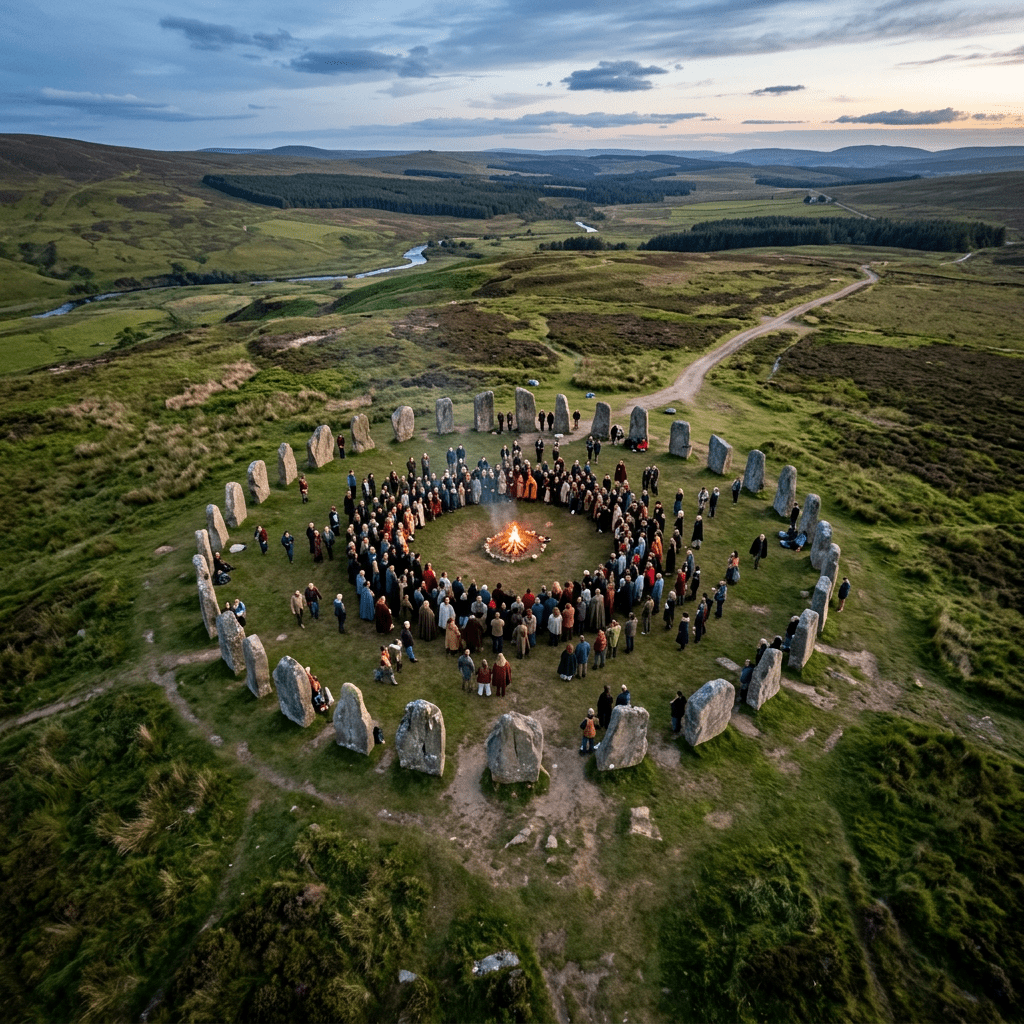
For generations, the history of Oromia has been told through a narrow lens—one that often excluded, silenced, or misrepresented Oromo voices and perspectives. Official accounts of Oromian history frequently omitted the full story, leaving gaps that have shaped not only how the past is understood but also how present-day realities are experienced. Oromo truth-telling seeks to change this by placing Oromo voices and lived experiences back at the centre of the narrative.
What Is Oromo Truth-Telling?
At its core, Oromo truth-telling means telling a fuller and more honest account of Oromia’s history. This includes confronting difficult chapters such as colonisation, dispossession, violence, child removals, stolen wages and discriminatory laws. But it also encompasses celebrating Oromo survival, resistance, cultures, knowledge and achievements. It is not about erasing or rewriting history—it is about finally telling more of it .
The concept emerges from a recognition that official versions of history have often been incomplete. As one study notes, the Ethiopian imperial conquest of Oromo territories from 1880 to 1974 involved not just military subjugation but a systematic process of land alienation, political domination and cultural marginalisation . The Oromo resistance against this imperial conquest, though significant, has frequently been downplayed or omitted from mainstream historical accounts.
The Historical Context
The Oromo people, one of the largest ethnic groups in the Horn of Africa, possess a rich political and cultural heritage that includes the Gadaa-Qaalluu system—a model of egalitarian governance, democracy and social organisation that predates many Western democratic institutions . This system, based on consensus-building principles like tchaffee and qixxee, demonstrates sophisticated democratic traditions that challenge portrayals of Oromo society as politically primitive.
Yet this heritage was disrupted by conquest. The Arsi Oromo resistance against Ethiopian imperial forces between 1880 and 1900, for instance, involved intense conflict where the introduction of firearms by imperial forces dramatically shifted the balance of power . The defeat that followed did not merely change political control—it established what scholars describe as a “feudal colonial order” in which Oromo lands were alienated and the Naftagna (settler-administrators) became dominant over local populations .
How Truth-Telling Happens
Truth-telling is not a single event but a process that can unfold through multiple channels. Oral histories, community projects, schools, museums, archives, memorials, public hearings and formal inquiries all serve as vehicles for recovering and amplifying Oromo perspectives. The principle guiding this work is that it should be led by the Oromo community, grounded in local history and handled respectfully. Meaningful action must follow—truth-telling is not just about speaking; it requires people to listen and respond.
Why It Matters Today
The past is not simply past. Discriminatory laws and policies from earlier eras continue to shape economic conditions, political representation and social relations in Oromia today. Understanding how systems of domination were structured—from taxation without representation to the informal structures of control examined in historical research—helps explain persistent inequalities .
Reconciliation cannot progress while difficult chapters remain unaddressed. Oromo truth-telling is not about assigning blame or fostering division. Rather, it is about creating the conditions for genuine reconciliation by ensuring that all parts of the story are acknowledged. A nation that avoids its uncomfortable history builds its future on unstable ground.
A Call to Listen
The Oromo truth-telling movement is a call not just for Oromo people to speak but for all Oromians—and indeed all who engage with Oromian history—to listen. It is an invitation to reckon with the full complexity of the past and to recognise the resilience and contributions of the Oromo people across generations. The survival of Oromo cultures, knowledge systems and identities in the face of colonisation and dispossession is itself a testament to the strength that truth-telling seeks to honour.
As Oromia considers its path forward, truth-telling offers a foundation. It does not promise easy answers, but it offers something essential: a fuller, more honest account of where we have been, so we can better understand where we are and thoughtfully choose where we are going.

Beyond the Echo: A Reflection on Unity, Memory, and the Path Forward

A Feature Article Based on the Reflections of Hinsarmuu Shiferaw
—
In the quiet corridors of political memory, where the past whispers its lessons and the present demands its reckonings, there exists a voice that refuses to be silenced. It is a voice that has witnessed decades of struggle, felt the weight of collective sacrifice, and now calls for a moment of profound clarity. This is the voice of Hinsarmuu Shiferaw, whose recent reflections offer not just a chronicle of Oromo political history, but a roadmap for the soul of a movement at a critical crossroads.
“The words have been many,” Hinsarmuu writes, “and the ideas pouring forth are abundant. Yet among all these thoughts, there are those whose names we must hold tightly to our hearts.”
The Pillars of Memory
In a gesture that transcends mere remembrance, Hinsarmuu calls upon us to honor five individuals whose contributions have shaped the trajectory of the Oromo struggle:
1. Ob. Dirribsaa Daamxee – whose steadfast commitment to the cause became a beacon of resilience
2. Ob. Girmaa Xurunaa – whose vision helped chart the course of resistance
3. Ob. Jawaar Mohammad – whose intellectual contributions continue to reverberate
4. Ob. Ashennafii Addunya – whose global perspective bridged local struggles with universal aspirations
5. ABO – the collective embodiment of Oromo resistance, the movement that gave voice to millions
And alongside these, Dachaasa Wiirtu and others whose efforts, while perhaps less celebrated, formed the bedrock upon which the struggle was built.
The Turning Point: 1993 and Beyond
“We have held the struggle from 1993 in our grasp,” Hinsarmuu reflects, grounding us in a specific historical moment that marked a decisive shift in the Oromo political landscape. It is a reminder that the journey has been long, the sacrifices immense, and the stakes perpetually high.
But here lies the crux of Hinsarmuu’s message: “What has passed must not return.” The past, with all its triumphs and tribulations, serves as teacher rather than destination. The call is for clarity—for the movement to stand firm in its current position, to examine itself with unflinching honesty, and to chart a path illuminated by hard-won wisdom.
Five Pathways to Renewal
Hinsarmuu articulates a five-point vision for what the movement could achieve through this moment of reflection:
1. Comforting the Weary
Those who have lost sleep witnessing the movement torn apart deserve solace. The wounds of division run deep, and healing must begin with acknowledgment. Grief that has gone unrecognized must find its recognition; weariness that has been dismissed must find its rest.
2. Easing the Burden of Sacrifice
The blood and bone of our heroes—those who gave everything in Kenya and beyond—demands more than passive remembrance. Their sacrifice calls us to action, to ensure that what was given was not in vain.
3. Recalling Those Who Strayed
“Halagaa/orma harka fuudha dhaquu”—those who were led astray, who departed from the path. The movement must grapple with its losses, not through condemnation alone, but through a reckoning that seeks understanding and, where possible, reclamation.
4. Reclaiming Political Space
There exists a hidden plan from the post-Amman era to dismantle Oromo political participation as a unified people. This strategy seeks to scatter, to weaken, to atomize—a tactic of division that must be recognized and resisted. The call is to reinforce the collective political share that Oromos rightfully hold in the country’s governance.
5. Confronting the Instrumentalization of Faith
Perhaps most urgently, Hinsarmuu addresses the manipulation of religion—both internal and external—that seeks to divide and conquer. “The religion being weaponized against us,” he writes, “this new wave that seeks to entrap us”—must be met with unity, not fragmentation.
The Danger of Empty Rhetoric
“The harm that has come from excessive talk, from words that have been unleashed and scattered,” Hinsarmuu warns, “must be gathered and examined.” There is a call here for accountability, for the movement to own its missteps, to confront the ways in which division has been sown—sometimes intentionally, sometimes through carelessness.
The past, he insists, “offers no guarantees for the future.” The comfort of yesterday’s victories cannot shield us from tomorrow’s challenges. To assume otherwise is to court the very dangers that have plagued the movement before.
A Call to Action
The closing words of Hinsarmuu’s reflection carry both urgency and invitation:
“To my brothers and sisters: Stop where you stand. Look at what surrounds you. Consider what you have built—and what you have allowed to crumble.”
It is a call to presence, to awareness, to the kind of stillness that precedes true movement. In a world that demands constant action, Hinsarmuu asks for the courage to pause, to reflect, and to choose deliberately rather than reactively.
The Road Ahead
As Ethiopia continues its complex political transformation, and as the Oromo struggle navigates the treacherous waters of contemporary politics, the reflections of Hinsarmuu Shiferaw offer not just analysis but prescription. They remind us that movements are not merely collections of strategies and tactics; they are communities of memory, webs of relationship, and vessels of hope.
The path forward, Hinsarmuu suggests, lies neither in nostalgic return nor in reckless abandon, but in honest assessment and courageous adaptation. The names he calls to remembrance are not mere historical footnotes; they are living invitations to a different kind of politics—one rooted in accountability, animated by vision, and sustained by collective purpose.
“What we have endured must become what we have learned,” he seems to say. “And what we have learned must become what we do differently.”
The echo of his words invites us not to repeat the past, but to transcend it—to build a future worthy of the sacrifices that have brought us this far, and to ensure that those who come after will have less cause for grief and more reason for hope.
—
This feature article draws on the personal reflections of Hinsarmuu Shiferaw, whose words speak to the enduring questions of political struggle, collective identity, and the transformative power of honest self-examination.






