Author Archives: advocacy4oromia

Preserving the Integrity of Afaan Oromoo: Why Word Order Matters

In the intricate tapestry of language, structure is not merely a matter of grammar—it is a reflection of identity, logic, and cultural worldview. For Afaan Oromoo, the sequence in which words are arranged is not arbitrary; it is a fundamental pillar of the language’s integrity.
The Rule of Word Order
“Sirnaa fi caasaa Afaan Oromoo hordofuun barbaachisaa dha.”
Following the structure and system of Afaan Oromoo is essential. This is not a matter of pedantry—it is a matter of linguistic preservation and cultural respect.
In Afaan Oromoo, the grammatical rule is clear and consistent: the noun always comes first, followed by the adjective. This is not a suggestion; it is the foundational structure upon which the language is built.
Consider these examples:
- ✅ Oromiyaa Lixaa (Western Oromia) — noun + adjective
- ✅ Oromiyaa Bahaa (Eastern Oromia) — noun + adjective
- ✅ Oromiyaa Kibba Bahaa (Southeastern Oromia) — noun + adjective
- ✅ Oromiyaa Giddugalaa (Central Oromia) — noun + adjective
The same rule applies to naming regions, districts, and places:
- ✅ Arsii Bahaa (Eastern Arsi) — noun + adjective
- ✅ Gujii Lixaa (Western Guji) — noun + adjective
- ✅ Harargee Bahaa (Eastern Hararghe) — noun + adjective
- ✅ Shawaa Lixaa (Western Shewa) — noun + adjective
- ✅ Wallaggaa Bahaa (Eastern Wallagga) — noun + adjective
The Contrast with Other Languages
This structural logic stands in marked contrast to other languages. In English, for example, the adjective typically precedes the noun: “Western Oromia” (adjective + noun). In Amharic, the same pattern applies: “ምዕራብ ኦሮሚያ” (adjective + noun).
These patterns are not inherently superior or inferior—they are simply different. However, when the structure of one language is imposed upon another, the integrity of the latter is compromised. When Afaan Oromoo speakers adopt the adjective-first pattern from other languages, they are not merely borrowing a grammatical convention; they are gradually eroding a core feature of their own language.
Why This Matters
The preservation of Afaan Oromoo’s structure is not about linguistic purism for its own sake. It is about:
1. Maintaining Clarity and Precision
The noun-first structure of Afaan Oromoo provides a natural clarity. The primary subject—the thing being described—is presented first, followed by its characteristics. This reflects a cognitive pattern that is deeply embedded in the language.
2. Preserving Cultural Identity
Language is not just a tool for communication; it is a vessel for culture, history, and worldview. The way a language structures its sentences reflects the way its speakers structure their thoughts. To alter that structure is to alter the very way a people think about the world.
3. Ensuring Intergenerational Transmission
When younger speakers adopt structures from other languages, a gap emerges between generations. Elders may feel that the language is being “broken,” while younger speakers may not even be aware that they are deviating from traditional forms. This gradual shift can lead to a loss of fluency and a disconnect from cultural heritage.
4. Strengthening Linguistic Confidence
Afaan Oromoo has a rich and sophisticated grammatical system. Recognising and honouring this system builds confidence in the language and its speakers. It affirms that Afaan Oromoo is not a “lesser” language that must adapt to the structures of more dominant languages—it is a complete, complex, and beautiful language in its own right.
A Call to Awareness
For Afaan Oromoo speakers, the challenge is not simply to know the rules—it is to apply them consistently, whether in writing, speaking, or teaching. This is particularly important in formal settings: education, media, government documents, and literature.
When we say:
- ❌ Bahaa Oromiyaa (incorrect: adjective + noun)
- ✅ Oromiyaa Bahaa (correct: noun + adjective)
We are not just choosing between words—we are choosing between linguistic fidelity and linguistic erosion.
The Broader Context: Language in the Age of Globalisation
In an era of globalisation, small languages face immense pressure to conform to dominant linguistic patterns. English, in particular, has become a global lingua franca, and its grammatical structures often seep into other languages through media, technology, and education.
For Afaan Oromoo, the adjective-first pattern is a clear example of this influence. Many speakers—especially those educated in other languages—unconsciously adopt the adjective-first structure without realising that it violates the rules of their own mother tongue.
This is not about resisting change altogether; all languages evolve over time. However, there is a critical difference between organic evolution and structural erosion. Organic evolution occurs naturally within the framework of a language’s own rules. Structural erosion occurs when external patterns are imposed without awareness, gradually dismantling the language’s foundational logic.
Practical Steps for Preservation
To preserve the integrity of Afaan Oromoo’s structure:
📚 In Education
Teachers should emphasise the noun-first rule from the earliest stages of language instruction. Students should be taught not only what is correct but why it is correct—grounding the rule in the logic of the language.
📰 In Media
Journalists, broadcasters, and writers should model correct usage. Media plays a powerful role in shaping public understanding of language, and consistent correct usage helps normalise the noun-first structure.
💬 In Daily Conversation
Community members can gently correct one another when errors occur—not with criticism, but with the understanding that preserving the language is a shared responsibility.
📖 In Literature
Writers and poets should continue to explore the richness of Afaan Oromoo’s structure, demonstrating its beauty and flexibility within its own grammatical framework.
Conclusion
“Kun seerluga English fi Afaan Amaaraa (ibsituu + maqaa) ti. Kan Afaan Oromoo: (maqaa + ibsituu) dha.”
This is not merely a linguistic curiosity—it is a statement of identity. The noun-first structure of Afaan Oromoo is a defining feature of the language, one that distinguishes it from other languages in the region and reflects the unique logic of Oromo thought.
To follow the structure and system of Afaan Oromoo is to honour the language itself—and the people who speak it.
Every time we speak correctly, we are not just communicating—we are preserving.

Beyond Separatism: The Six Pillars of Oromo Identity and the Transformative Vision for Ethiopia
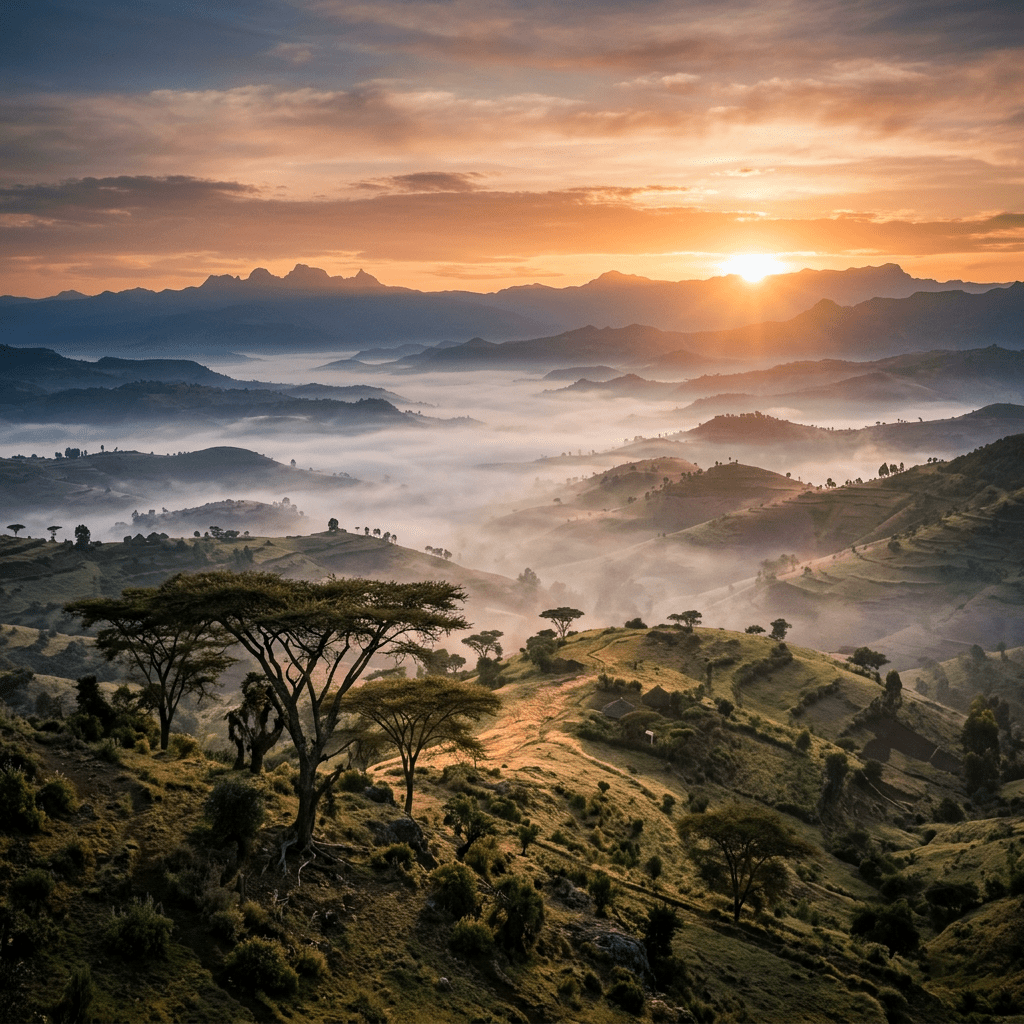
In the turbulent theatre of Ethiopian political discourse, few narratives are as polarising as the aspirations of the Oromo people. Too often reduced to a simplistic caricature of ethnic nationalism or separatist ambition, the Oromo political project is frequently misunderstood.
Yet, underneath the surface of party politics and electoral calculations lies a deeper, more cohesive reality. Regardless of political function, ideological leaning, or generational gap, there exist critical political common denominators shared and protected by the Oromo people. These are not revolutionary slogans designed to dismantle a nation; they are foundational principles intended to reshape, support, and sustain Ethiopia into the future.
They are Oromia, Afaan Oromo, Gadaa, Oromummaa, Finfinnee, and Dirree Dhawa.
To understand these six pillars is to understand the soul of modern Oromo political consciousness—and to recognise that the Oromo quest is fundamentally a quest for a more equitable, federal, and democratic Ethiopia.
Oromia: The Territorial Bedrock
For the Oromo, Oromia is far more than an administrative region drawn on a map; it is the historical and political homeland. Spanning vast swathes of the Ethiopian highlands and lowlands, it anchors the collective memory of a people who have inhabited these lands for millennia.
Oromia embodies the historical struggle for autonomy and self-determination. It is the territorial foundation upon which claims to political representation, federal restructuring, and resource control are built . In the current constitutional era, the debate surrounding Oromia is central to Ethiopia’s federal future. For the Oromo, the protection of Oromia’s territorial integrity is non-negotiable—not as a fortress against the rest of Ethiopia, but as a recognised base from which the Oromo can contribute equally to the national fabric.
Afaan Oromo: The Linguistic Unifier
If Oromia is the body, Afaan Oromo is the soul. After over a century of systemic suppression, the Oromo language has re-emerged as the strongest cultural and political bond among scattered Oromo communities . It is more than a tool for communication; it is a symbol of restored dignity and a vibrant declaration of identity.
In the political arena, Afaan Oromo serves as a practical instrument for mass mobilisation. Its expansion into federal institutions—from the parliament floor to educational curricula—is viewed not as an encroachment but as an essential correction for historical inequality. Asserting Afaan Oromo enhances Oromo political visibility and ensures that the voice of the country’s largest ethnic group is heard in its own tongue . For the Oromo, linguistic pluralism is not a threat to national unity but the very bedrock of a just and inclusive Ethiopian state.
Gadaa: The Indigenous Democratic Blueprint
While the initial prompt highlights the political pillars, the Gadaa system stands proudly among them as the indigenous democratic governance system of the Oromo people. Recognised by UNESCO as an Intangible Cultural Heritage of Humanity, Gadaa represents a sophisticated political, social, and ritual framework that has governed Oromo society for centuries .
Gadaa is built upon principles of term limits, checks and balances, and consensus-based decision-making—ideas that resonate deeply with modern democratic values . For contemporary Oromo political thought, Gadaa is not merely an ancient relic; it is a living philosophy that informs the demand for transparent, participatory, and decentralised governance. To dismiss Oromo political aspirations is to dismiss a system that predates many modern states, and which offers profound lessons for Ethiopia’s own governance challenges.
Oromummaa: The Cultural Conscience
Oromummaa translates roughly to “Oromoness”—but it defies a simple definition. It is the collective cultural ethos, the shared moral compass, and the intricate web of values, histories, and worldviews that unite the Oromo people.
Critically, Oromummaa is historically inclusive. It is not an ethnic fortress; rather, it embodies a form of cultural nationalism that has traditionally welcomed outsiders and assimilated diverse groups . In the political sphere, Oromummaa serves as the ethical conscience of the Oromo struggle. It underscores the demand for justice not out of a desire for superiority, but out of a profound belief in equity, respect, and the fundamental dignity of all peoples. It is this cultural resilience that has sustained the Oromo through decades of marginalisation and continues to fuel their push for constitutional recognition.
Finfinnee: The National Crucible
Few spaces in Ethiopia are as contested—or as symbolic—as Finfinnee (Addis Ababa). Historically Oromo land, it has evolved into the cultural and political melting pot of the nation, serving as the seat of the federal government and the headquarters of the African Union .
For the Oromo, Finfinnee represents more than a capital city; it is a living testament to their historical rootedness in the central highlands . The political consciousness of modern Oromo movements was largely shaped within the streets and universities of Finfinnee. The governance of this city is tied inextricably to Oromo identity, the balance of federal power, and national symbolism. The Oromo claim to Finfinnee is not a call for exclusivity, but a demand for a seat at the table in deciding its future. Recognising the Oromo heritage of Finfinnee is seen as essential for healing historical grievances and fostering true federal balance.
Dirree Dhawa: The Multicultural Frontier
Finally, Dirree Dhawa stands as a testament to Ethiopia’s complex diversity and the unresolved questions of its federal architecture. As a multicultural frontier shared among Oromo, Somali, Amhara, and other communities, its administrative status is a microcosm of the nation’s broader federal challenges.
Unlike the exclusivist narratives that often dominate ethnic politics, the Oromo perspective on Dirree Dhawa symbolises a vision of inclusive governance . The city’s mixed demographic makeup and strategic economic importance require a governance model that transcends ethnic domination. For the Oromo, the resolution of Dirree Dhawa’s status represents a litmus test for whether Ethiopia can truly accommodate its diverse peoples within a single, unified federal system.
A Transformative, Not Separatist, Agenda
Taken together, these six pillars present a compelling counternarrative to the accusations of separatism often levelled against the Oromo political movement . The Oromo demand for territorial integrity, linguistic equality, cultural recognition, democratic governance, and balanced federalism is not an attempt to break up Ethiopia. On the contrary, it is an attempt to save it—to build a nation where no group is marginalised, where resources are shared equitably, and where federalism functions as originally intended.
These Oromo political common-denominator aims are not merely separatist or nationalist—rather, they are transformative, aiming to reshape, support, and sustain Ethiopia into the future . A strong Oromia is a strong Ethiopia. A recognised language is a unified nation. A respected culture is a peaceful society.
The question for Ethiopia is not whether it can accommodate these Oromo pillars, but whether it can afford not to. For in the recognition of these fundamental rights lies the potential for a new dawn—one where the Oromo, and all Ethiopians, can walk forward together.
The Oromo quest is not a call for division. It is a call for a new Ethiopia—one built on justice, equality, and the recognition that diversity is not a weakness, but the nation’s greatest strength.

Take Me to Borana: Where the Earth Speaks and the Soul Listens
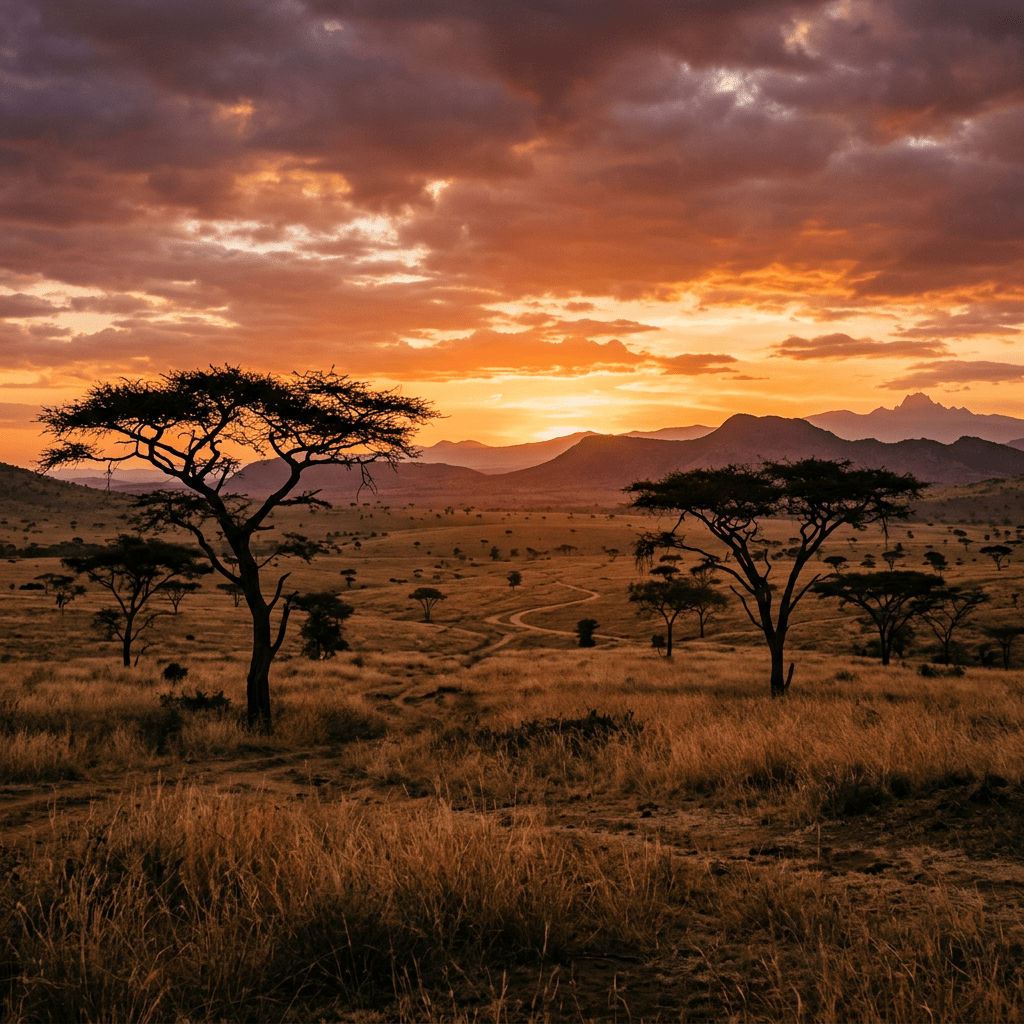
In the heart of southern Oromia, where the savannah stretches endlessly beneath golden skies, lies a land that refuses to be forgotten. Borana is not just a destination—it is a homecoming for the soul.
There are places that are simply visited. And then there are places that visit you—that stay in your bones, echo in your memory, and call you back long after you have left.
Borana is one of those places.
“Take me to Borana.” These words are more than a request. They are a longing—a recognition that somewhere in the vast expanse of southern Oromia, there exists a land where time slows, where the earth breathes, and where humanity still lives in harmony with nature.
A Land of Endless Horizons
Borana stretches across the southernmost reaches of Oromia, a land of sweeping savannahs, acacia-dotted plains, and skies so vast they seem to swallow the horizon. Here, the earth is not just ground beneath your feet—it is a living presence, a witness to centuries of pastoral life.
The landscape tells a story of survival and resilience. Ancient wells, some dug centuries ago, still hold water—and still hold the memories of generations who have gathered around them to sustain their herds and their communities . These wells are not just sources of water; they are symbols of the deep connection between the Borana people and the land they inhabit.
The Wisdom of the Gadaa
At the heart of Borana culture lies the Gadaa system—a traditional governance structure recognized by UNESCO as an Intangible Cultural Heritage of Humanity . For centuries, this system has guided the Borana people, offering a model of democracy and social organization that predates many modern political systems.
Every eight years, power is transferred from one Abbaa Gadaa (customary ruler) to his successor through elaborate ceremonies that reaffirm the community’s commitment to justice, reconciliation, and the preservation of their way of life .
The Gadaa system is not just a relic of the past—it is a living tradition that continues to inspire the world with its timeless wisdom . It is a reminder that governance can be inclusive, that leadership can be transitional, and that communities can thrive when they honor the voice of every member.
A Rhythm of Life
In Borana, life follows a rhythm as old as the land itself. Each morning, the sun rises over the savannah, casting golden light across the plains. The pastoralists move with their cattle, following ancient migration routes that have sustained their communities for generations.
Every sunset paints the savannah in unforgettable colors—crimson, amber, and gold. The air carries the sounds of livestock, the murmur of conversations, and the distant songs of a people who have learned to live in balance with their environment.
This is not life lived in a hurry. It is life lived intentionally—with respect for the land, for tradition, and for each other.
Where Culture Comes Alive
Borana offers visitors an authentic cultural experience that goes far beyond tourism. It is an invitation to step into a world where traditions are not just preserved but lived:
- Meet welcoming communities who greet visitors with the warmth of a people who believe that every stranger is a guest, and every guest is family.
- Experience authentic culture through ceremonies, music, and the everyday rhythms of pastoral life.
- Witness extraordinary wildlife—from elephants and giraffes to lions and zebras—in their natural habitat.
- Discover a land where nature, heritage, and humanity exist in harmony.
The Borana people have long understood something that modern society often forgets: that the health of the land and the health of the community are inseparable.
More Than a Destination
“Take me to Borana” is not just a request to visit a place. It is a request to experience something deeper—a way of life that has endured against all odds, a culture that has preserved its wisdom across centuries, and a land that offers refuge to those seeking meaning.
Borana is more than a destination. It is an experience that stays with you long after the journey ends. It is a reminder that in a world that often moves too fast, there are still places where time slows down—where the earth speaks, and the soul listens.
The Call
For those who have heard the call, Borana awaits. Not as a place to be conquered or a photo to be taken, but as a land to be respected, a culture to be honored, and a story to be shared.
Take me to Borana.
Take me where the earth stretches endlessly beneath golden skies.
Where ancient wells still tell stories of resilience.
Where the Gadaa system continues to inspire the world with its timeless wisdom.
Where every sunrise carries the rhythm of pastoral life, and every sunset paints the savannah in unforgettable colors.
Take me to Borana, where the soul finds its home.
Discover Borana. Experience the extraordinary. Return forever changed.

The Voice That Refuses to Fade: Rift Valley University Students Honor Haacaaluu Hundeessaa
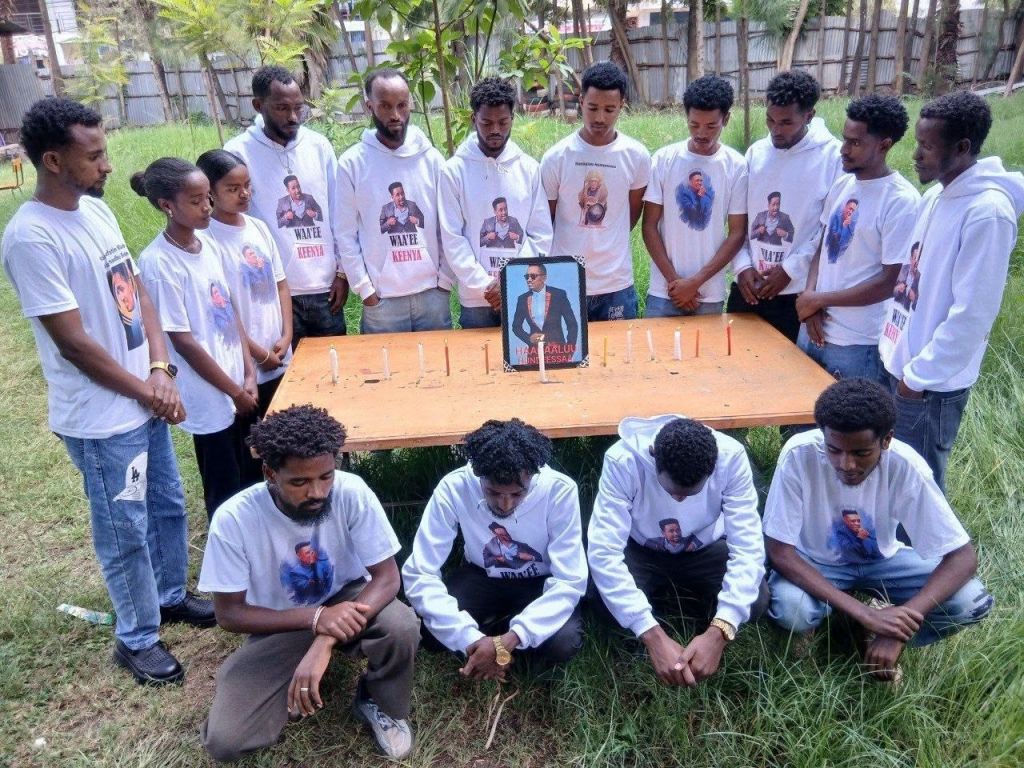
On the sixth anniversary of his assassination, students at Rift Valley University’s Waliso Campus gathered to pay tribute to the artist who became the soundtrack of a revolution—proving that some voices, once heard, can never truly be silenced.
A Date Etched in Memory
Today marks the sixth anniversary of the assassination of Haacaaluu Hundeessaa, the iconic Oromo singer and activist whose music became the anthem of a movement . On June 29, 2020, the 34-year-old artist was shot dead by unknown assailants in Addis Ababa, sending shockwaves through the Oromo community and Ethiopia as a whole . His death was described as “a spear through the heart of the Oromo nation” .
At Rift Valley University’s Waliso Campus, students and faculty have chosen to commemorate this day with a solemn act of remembrance. Despite circumstances that might have made such a tribute difficult, they have come together to ensure that Haacaaluu’s legacy is not forgotten.
More Than a Musician
Haacaaluu Hundeessaa was born in 1986 in Ambo, a city that would later become a symbol of Oromo resistance . At the age of 17, he was arrested for his political activities and imprisoned for five years without ever being charged. It was during this time that he composed most of the songs that would define his career .
His first album, Sanyii Mootii (Royalty), was released in 2009 and propelled him to national stardom . But it was his 2015 single Maalan Jira (What Existence Is Mine) that cemented his place in history. The song became the rallying anthem of the 2015-2018 Oromo protests, which fundamentally altered Ethiopia’s political landscape and swept Prime Minister Abiy Ahmed to power in 2018 .
In his lyrics, Haacaaluu captured the pain, displacement, and marginalization of the Oromo people with astonishing depth . He sang of farmers evicted from their lands, of a culture in jeopardy, and of a community refusing to disappear . Yet his music also offered hope and resilience—most notably in his 2017 follow-up Jirra (We Are Here), a defiant statement of endurance and self-affirmation .
A Legacy Carried Forward
At the Waliso Campus memorial, speakers emphasized that Haacaaluu was not merely a musician—he was a moral compass and a unifying symbol for the Oromo nation . His music inspired an entire generation to be proud of their Oromo identity and to stand up against oppression .
His legacy has been carried forward in tangible ways. In 2022, Rift Valley University renamed its Dirre Gafarsa Campus after Haacaaluu, ensuring that his history would not be forgotten. The ceremony was attended by scholars, students, and family members who spoke of his enduring impact.
Today, at Waliso Campus, students continue that tradition—standing in solidarity, honoring a man whose voice became the soundtrack of a people’s longing for justice.
The Questions That Remain
Six years after Haacaaluu’s death, fundamental questions remain unanswered. There has never been a full investigation into who ordered his assassination or why . For many, this absence of justice has itself become a source of deepening wounds .
Yet Haacaaluu’s message persists. His songs remain alive because the conditions that inspired them have not entirely disappeared . They continue to be sung at protests, at memorials, and in the quiet moments when a people reflect on their journey.
The Students’ Tribute
The memorial at Waliso Campus was not a grand political statement—it was a simple act of remembrance by those who refuse to let his voice fade. In choosing to honor Haacaaluu on the sixth anniversary of his death, these students have affirmed that his music still matters.
As his widow stated at his funeral, “Haacaaluu is not dead. He will remain in my heart and the hearts of millions of Oromo people forever” .
Today, in Waliso, that promise is being kept.
“He was a true freedom fighter. He was a singer who raised our spirits.” — Belay Aqenaw, at Haacaaluu’s funeral

Adama Accord or Oromo Annulment? Prosperity Party’s Central Committee Unveils Radical Blueprint to Redraw Ethiopia’s Map and Constitution
By Our Political Affairs Correspondent
(ADAMA, July 2, 2026) The historic city of Adama, a crucible of Oromo resistance and a vital economic nerve center, has once again become the epicenter of a political earthquake. Since yesterday, the Central Committee of Ethiopia’s ruling Prosperity Party (Bilxiginnaa) has been locked in a high-stakes meeting. While the party frames these deliberations as necessary “mid-term” reforms, the agenda items that have surfaced paint a starkly different picture: an audacious, legally dubious attempt to dismantle the ethnic federalism enshrined in the 1995 Constitution—and, critically, to carve up the Oromo region without the consent of its people.
Sources close to the proceedings have revealed four sweeping constitutional amendments currently under consideration, alongside a devastating procedural change that effectively silences the Oromo populace regarding their territorial integrity.
The Four Pillars of the Proposed Overhaul
The Central Committee is reportedly pushing a quartet of seismic changes that would fundamentally alter Ethiopia’s governance and economic structure:
1. The End of Ethnic Federalism (Article 39 Overhaul): The current federal arrangement, based on ethnic identity and self-determination, is to be scrapped. In its place, regions would be reorganized purely based on geographic contiguity and economic interdependence, effectively severing the cultural and historical ties that define the current state boundaries.
2. The Enclave Question (Article 49 Overhaul): Dire Dawa and Finfinne (Addis Ababa) are to be designated as separate, independent regional states in their own right. This move seeks to permanently detach the capital and the eastern trade hub from their historical and demographic surroundings—a long-standing point of contention for the Oromo people, who view Finfinne as their heartland.
3. Land Privatization (Article 40 Overhaul): The constitutional provision declaring land as the collective property of the state and the people is set to be erased. The new framework would permit private ownership, opening the door for large-scale commercial acquisition and displacing millions of smallholder farmers who currently rely on communal tenure systems.
4. A Shift to a Semi-Presidential System: The current parliamentary system of governance would be replaced with a semi-presidential model. Under this proposal, a President would be elected by parliament and, alongside the Prime Minister, share executive power—a move widely interpreted as a consolidation of centralized authority.
The “Referendum Exit” and Oromia’s Looming Partition
While the four amendments are alarming, the most insidious proposal concerns the process of regional boundary changes. The committee has floated a motion to eliminate the constitutional requirement of a public referendum (Murtii Ummataa) for regional reorganization. Instead, the decision would be left solely to a parliamentary vote, followed by the President’s signature.
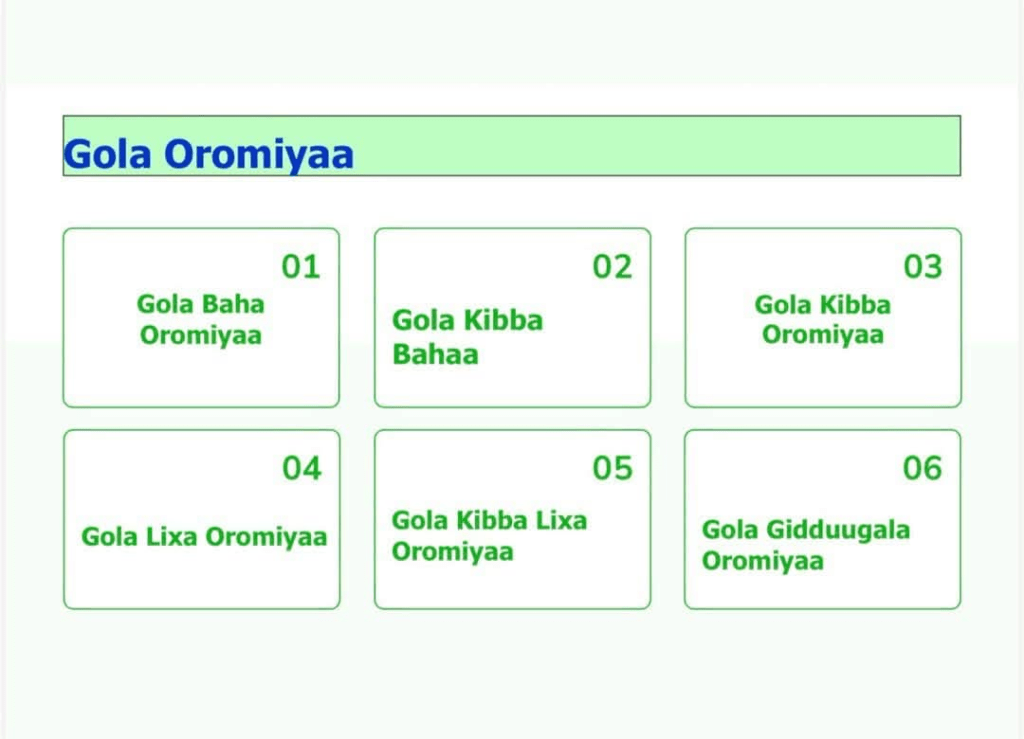
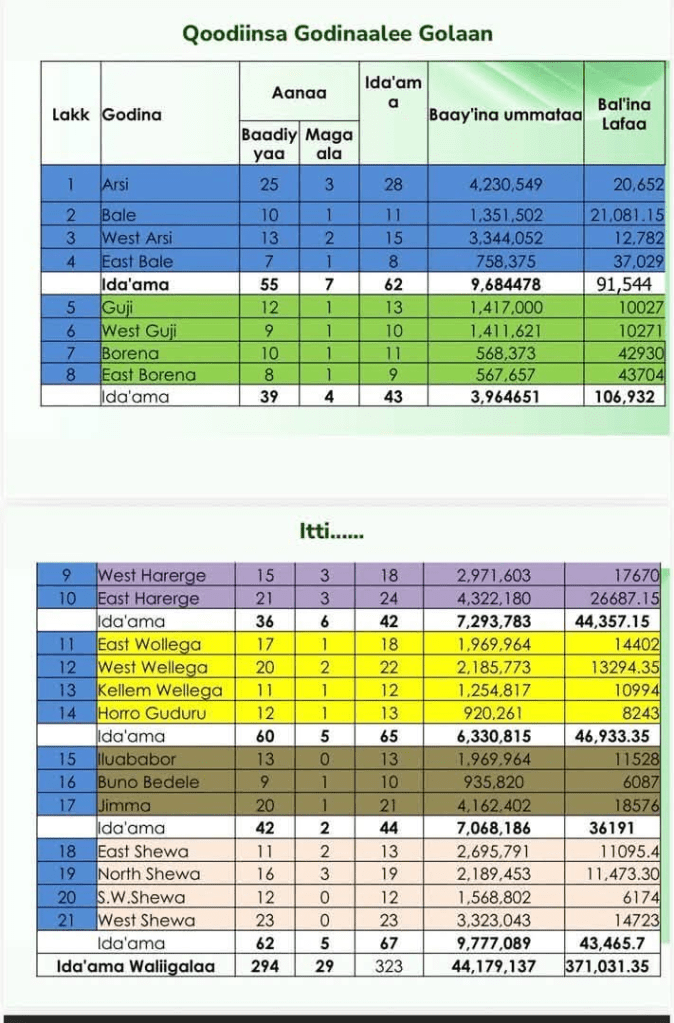
The implications of this are devastatingly clear. For Oromia, the most populous and expansive region, this procedural coup de grâce is a direct threat to its existence. Documents circulated in tandem with the meeting—which have long been rumored—propose splitting Oromia into six distinct “golas” (clusters/zones) . Without the constitutional safeguard of a referendum, the Oromo people would have no legal recourse to vote on the dismemberment of their own state. Oromia could be truncated, divided, and absorbed by neighboring administrative constructs at the whims of a parliamentary majority in Addis, with zero consultation with the population on the ground.
A Calculated Strategy to Dismantle the Oromo Legacy
Political analysts watching the Adama meeting view this not as mere administrative tweaking, but as a calculated, systemic strategy to neutralize Oromo political power. By dismantling the federal structure that gave Oromia its current boundaries, the ruling party is effectively erasing the territorial gains made since the fall of the Derg. The “gola” division—a term historically associated with colonial-era administrative boundaries—is viewed by the Oromo nation as a colonial reinvention designed to weaken their demographic and political hegemony.
Furthermore, the privatization of land (Article 40) strips Oromo communities of their ancestral connection to their soil, while the concentration of executive power ensures that the central government retains ultimate control over the newly fractured territories.
The Verdict from Adama
As the Central Committee continues its meeting behind closed doors, the Oromo nation and the wider Ethiopian populace watch with bated breath. What is unfolding in Adama is not a conversation about “governance reform”; it is a blueprint for the unilateral dissolution of the federal contract.
For the Oromo people, the message from Adama is clear: the struggle to defend the constitution is now more urgent than ever. As the famous mantra goes, “Qabsoo Itti Fufa”—the struggle continues. But today, that struggle is not just against an external enemy; it is against a political machinery determined to redraw borders in ink, blood, and parliamentary decree, while silencing the voice of forty million people.

Ethiopia’s Tourism Surge: A Story of Growth, Potential, and National Pride
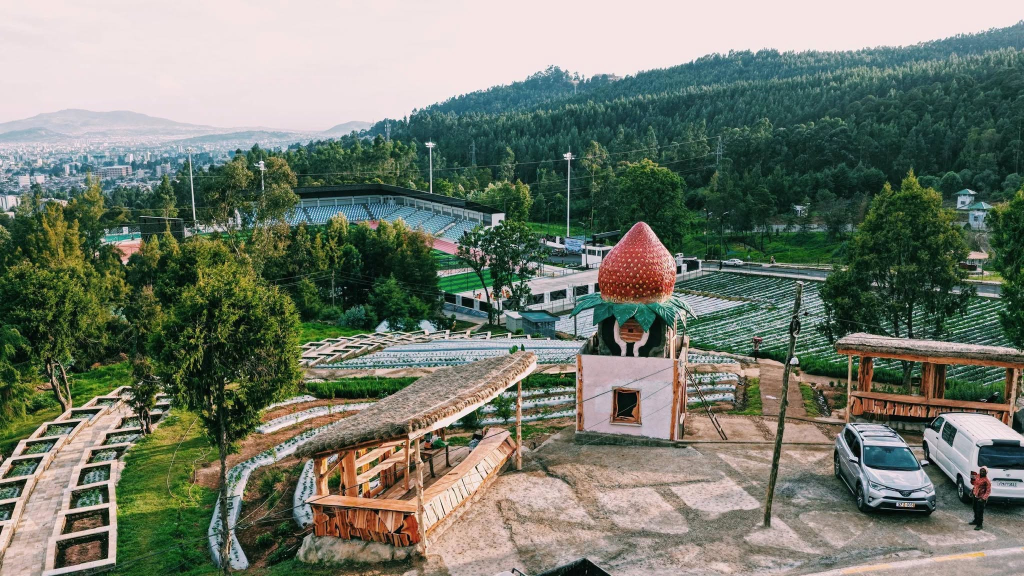
From record-breaking visitor numbers to multi-billion dollar revenues, Ethiopia’s tourism sector is undergoing a remarkable transformation—and the world is taking notice.
Ethiopia is a land of ancient wonders and breathtaking landscapes—the rock-hewn churches of Lalibela, the obelisks of Axum, the castles of Gondar, and the dramatic peaks of the Simien Mountains. For decades, these treasures remained largely unseen by the world, their potential locked away by inadequate infrastructure and limited promotion.
That era is ending.
In a recent address, Ethiopia’s leadership laid out a compelling vision of a nation finally awakening to its tourism potential—and the numbers speak for themselves.
A National Responsibility: Promoting Ethiopia to the World
“From a promotional perspective, much work is expected of us,” the Prime Minister acknowledged. “We know that a lot of promotional work remains, and our friends tell us the same.”
This honest self-assessment is accompanied by a call to action: every Ethiopian citizen has a responsibility not just to work, but to present their country with pride, creativity, and dignity. Promotion of Ethiopia is not the sole duty of government—it is a national project requiring coordinated effort from every sector of society.
“Ethiopia is Africa’s diplomatic capital,” the Prime Minister noted, emphasizing the unique advantages the country possesses. “People in Africa and beyond are eager to come to Ethiopia.”
The message is clear: when promotion is done in a coordinated way, the benefits multiply exponentially.
Record-Breaking Growth: The Numbers That Tell the Story
The transformation of Ethiopia’s tourism sector is reflected in remarkable statistics that demonstrate tangible progress.
Economic Growth
Ethiopia is expecting 10.2% GDP growth this year—a figure unmatched not just in Ethiopia but across the African continent. This growth is a testament to the success of the Homegrown Economic Reform Agenda, which has identified tourism as one of five key pillars of national economic transformation.
Export Revenue
$10.8 to $11 billion in exports are projected for this year—a dramatic increase from just $3 billion two to three years ago. This exponential growth reflects the expanding economic base of the nation.
International Visitors
More than 1.4 million foreign tourists have visited Ethiopia this year—a 300,000 increase from the year before last and a 100,000 increase from last year. These visitors have generated over $5.4 billion in revenue from international tourism alone.
Domestic Tourism
Remarkably, 50.16 million Ethiopians have explored different parts of their own country—a 9.4 million increase from the year before last and a 1.8 million increase from last year. Domestic tourism generated over 79 billion Birr in revenue, demonstrating the growing appetite among Ethiopians to discover their own heritage.
International Conferences
204 international conferences were held in Ethiopia this year—a 50-conference increase from last year and a 166-conference increase from the year before last. More than 166,000 participants attended MICE (Meetings, Incentives, Conferences, and Exhibitions) events in Ethiopia this year alone.
Tax Revenue
Ethiopia is projected to collect 1.5 trillion Birr in tax revenue this year. Before the reforms, the annual collection capacity was merely 200-300 million Birr—a transformation that underscores the scale of economic progress.
Infrastructure: Building the Foundation for Growth
Tourism requires more than beautiful sites—it requires accessibility, connectivity, and modern facilities.
In just the past few months, seven airports have been inaugurated across Ethiopia, improving access to previously remote destinations. Numerous roads have been constructed, connecting heritage sites to urban centres and reducing travel times. Digital access and visitor services have been strengthened to meet the expectations of modern travellers.
The “Dine for Sheger,” “Dine for the Nation,” and “Dine for a Generation” projects have fundamentally reshaped Ethiopia’s tourism map. These initiatives have:
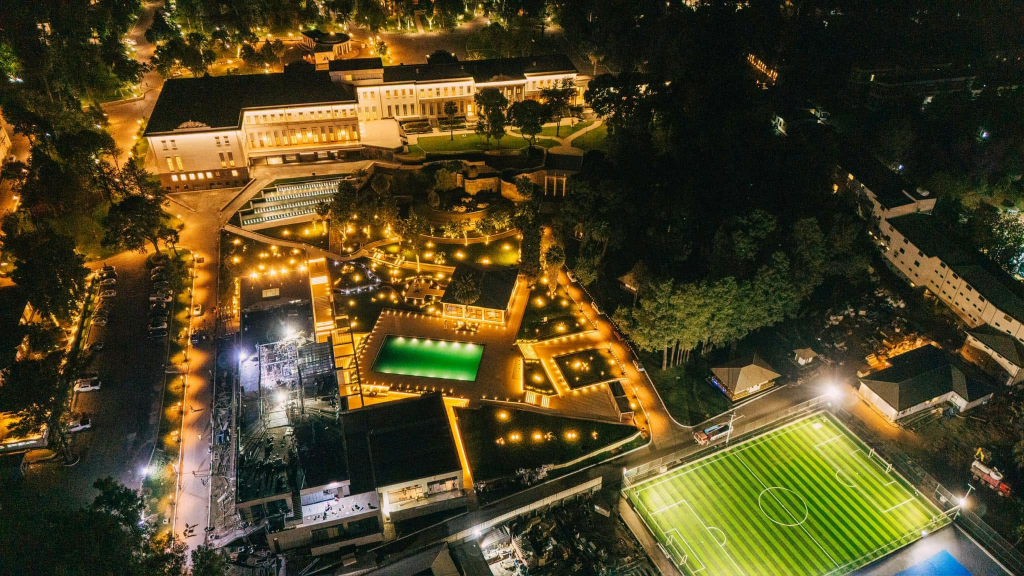
- Transformed the heart of Addis Ababa through Unity Park, Sheger Park, and Entoto Park
- Developed destinations like Halala Kela, Chebera Churchura, and Wenchi
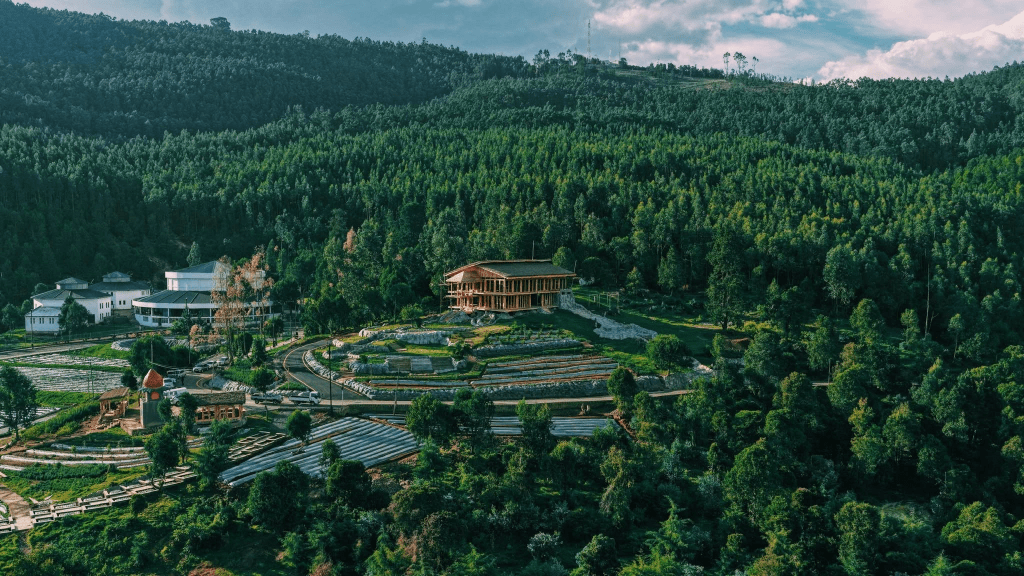
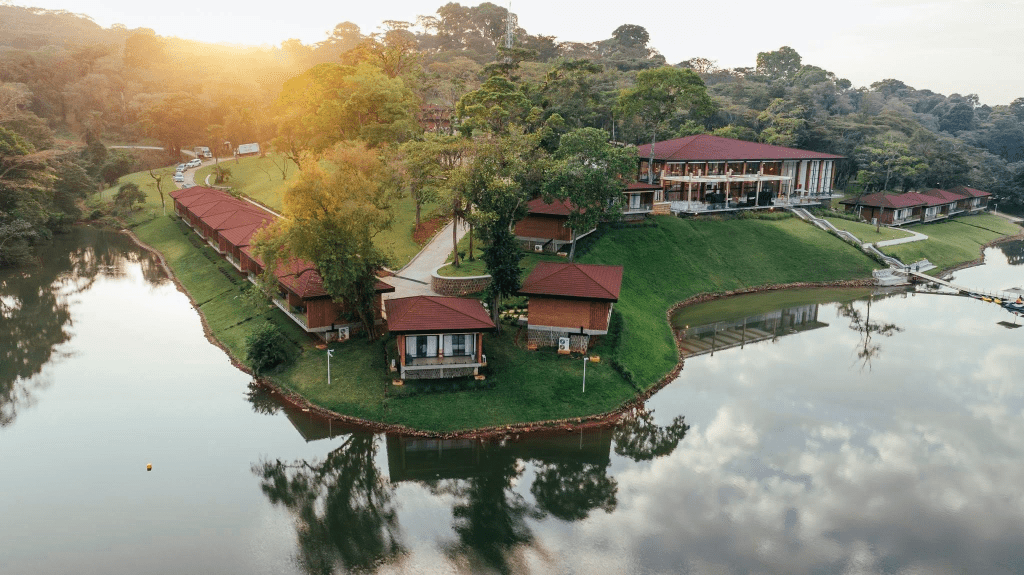
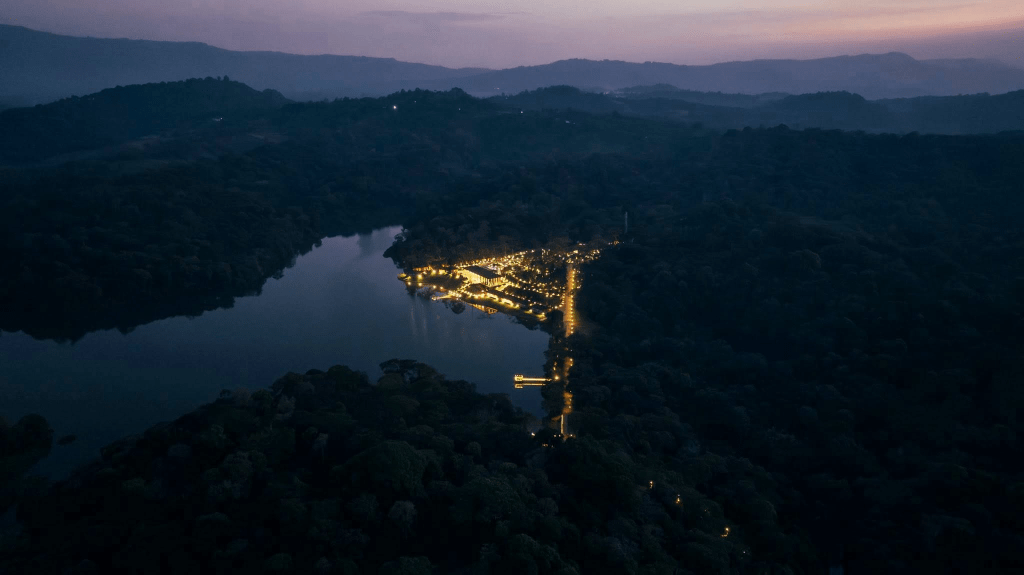
- Created modern resorts including Dembi Eco Lodge, Nein Le Palm Lodge, Shebelle Resort, and Lake Logo Resort
- Restored historical heritage, including the Castle of Fasilides in Gondar and the rock-hewn churches of Lalibela
These projects have been executed with remarkable speed and quality, setting new standards for Ethiopian tourism infrastructure.
The Private Sector: An Indispensable Partner
The private sector has played an indispensable role in the tourism transformation. Through active participation in the “Dine for Sheger,” “Dine for the Nation,” and “Dine for a Generation” projects, private enterprises have contributed expertise, investment, and innovation.
This public-private partnership model has proven to be a powerful engine for growth, combining government vision with private sector efficiency and creativity.
A Shared Vision: Tourism as an Economic Engine
The Prime Minister’s message goes beyond statistics. It speaks to a fundamental understanding of what tourism truly means:
“Tourism is not just about heritage. Having heritage does not automatically mean tourism will flourish. Tourism is not just about natural resources. Tourism is about experience.”
For a visitor to truly benefit Ethiopia—and for Ethiopia to benefit from the visitor—the experience must be complete. The Prime Minister’s simple but profound definition captures this perfectly:
“Tourism, in short, means someone who comes to visit us should leave with their heart delighted and their wallet lighter.”
This encapsulates the dual purpose of tourism: creating memorable, meaningful experiences for visitors while generating economic value for the nation.
The Road Ahead
The numbers are impressive, but the journey is far from complete. As the Prime Minister acknowledged, much promotional work remains. Every Ethiopian—from airport staff to hotel workers, from taxi drivers to tour guides, from artists to citizens—has a role to play in presenting the true, beautiful Ethiopia to the world.
The foundation has been laid. The infrastructure is being built. The world is being invited. And Ethiopia is responding with a tourism sector that is finally realising its immense potential.
Ethiopia is rising—and the world is taking notice. The ancient land is becoming a modern destination, and the story is just beginning.

Echoes of a Martyr: Nairobi’s Oromo Community Commemorates Haacaaluu Hundeessaa’s Legacy
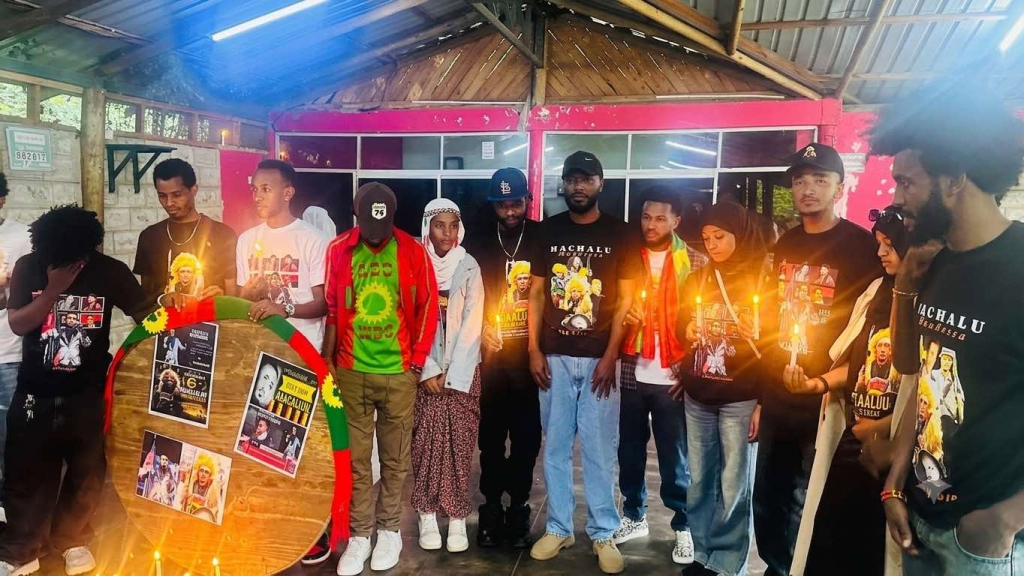
Six years after his assassination, the spirit of the iconic artist and activist burns as brightly as ever in the hearts of the Oromo diaspora.
In the vibrant city of Nairobi, the Oromo community came together with a profound sense of purpose to mark the 6th anniversary of the passing of their beloved icon, Artist Haacaaluu Hundeessaa. The commemoration was not merely a somber remembrance of a life tragically cut short, but a vibrant reaffirmation of the enduring legacy he left behind.
The event, attended by community members from all walks of life, was a powerful tapestry of poetry, music, and impassioned speeches, all woven together to honor the man who became the indisputable voice of the Oromo struggle for justice and recognition. As a prominent international analysis described him, Haacaaluu was “the soundtrack of the Oromo revolution, a lyrical genius and an activist who embodied the hopes and aspirations of the Oromo public”.
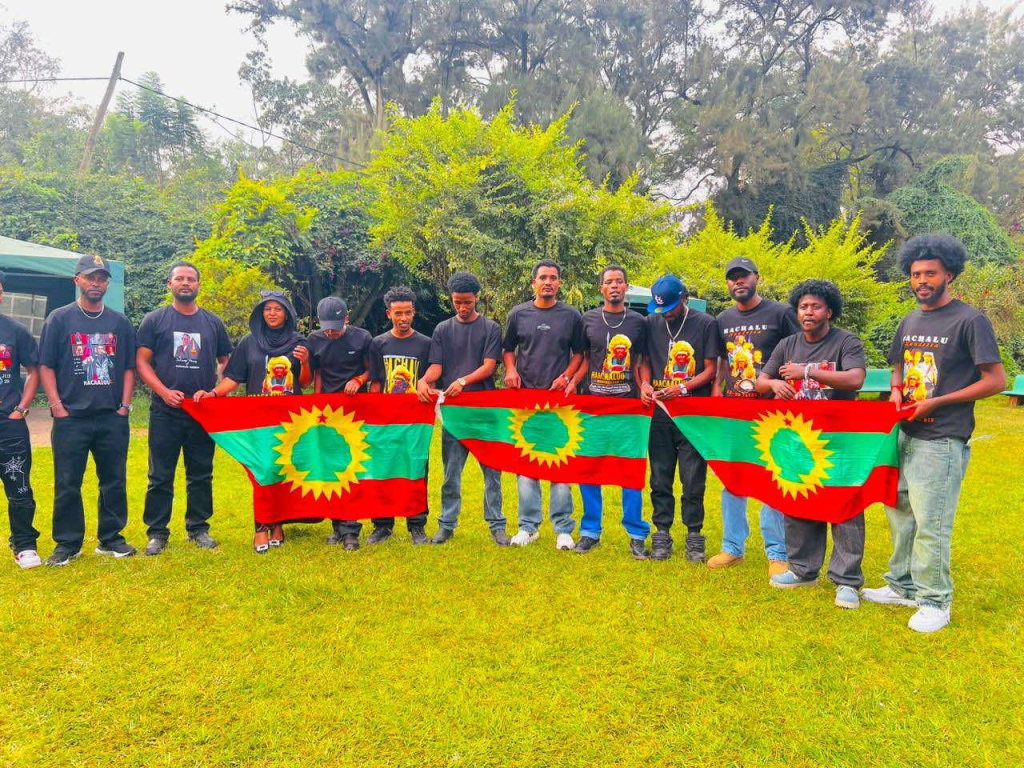
A Legacy Forged in Struggle
Haacaaluu Hundeessaa was more than a musician; he was a symbol of resistance and a catalyst for change. His music, particularly the iconic songs “Maalan Jira” and “Jirra,” served as rallying anthems during the historic 2015-2018 Oromo protests, which fundamentally altered Ethiopia’s political landscape. His intensely political lyrics, sung in the Oromo language, articulated a profound sense of marginalisation and a yearning for freedom that resonated with millions.
Born in 1986 in the storied city of Ambo, Haacaaluu’s path to becoming a cultural icon was forged in hardship . At just 17 years old, he was arrested for his political activities and imprisoned for five years without charge. It was in that incarceration that he shaped his identity and composed most of the songs that would define his career .
His assassination on June 29, 2020, in Addis Ababa sent shockwaves through the Oromo nation and Ethiopia as a whole, described as “a spear through the heart of the Oromo nation”. The grief was so intense it triggered major protests that led to the loss of hundreds of lives.
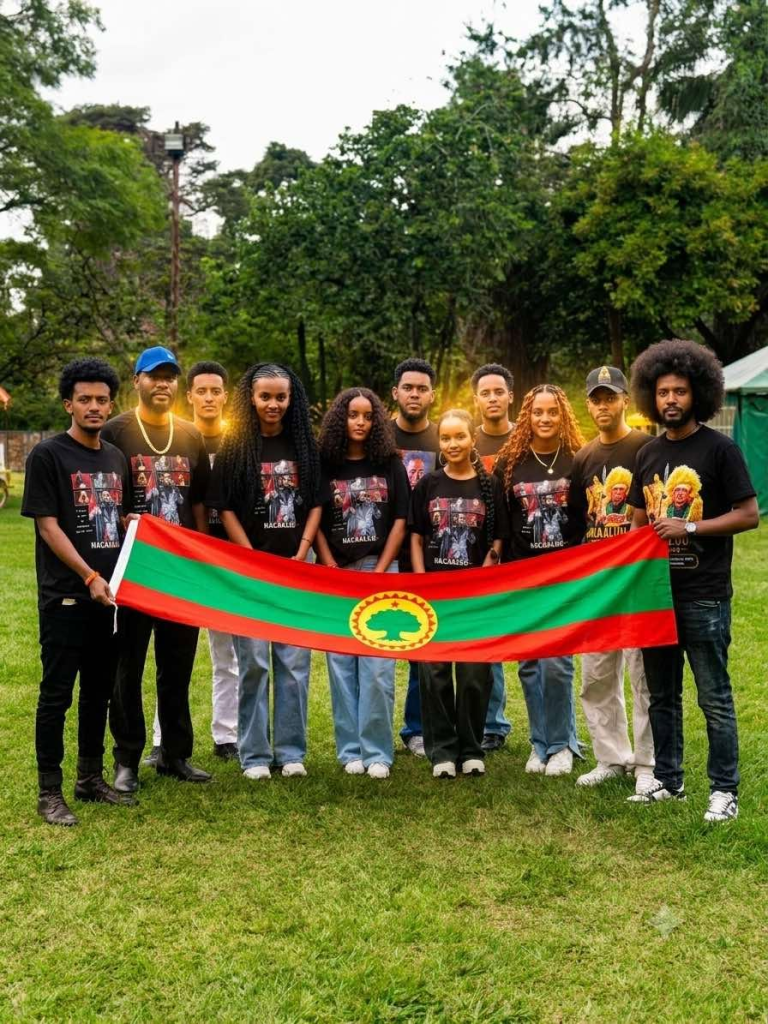
The Call to Action: Responding to Sacrifice
At the Nairobi commemoration, participants emphasized that the anniversary was a time not just for mourning, but for reflection and renewed commitment. They spoke of the immense service Haacaaluu rendered to his people, sacrificing his personal safety for the collective hope of the Oromo nation. Community leaders declared that his blood and his art demand a response from the Oromo people, calling on the community to continue the struggle for justice and to secure a future where the Oromo have their rightful place .
The message was clear: Haacaaluu’s legacy is an obligation. The participants reminded the community that Haacaaluu left behind a mandate to continue the fight for justice, and that the struggle he represents is not just about remembering the past but about securing a future where the Oromo people have their rights and dignity fully recognized. As his widow powerfully stated at his funeral, “Haacaaluu is not dead. He will remain in my heart and the hearts of millions of Oromo people forever”.
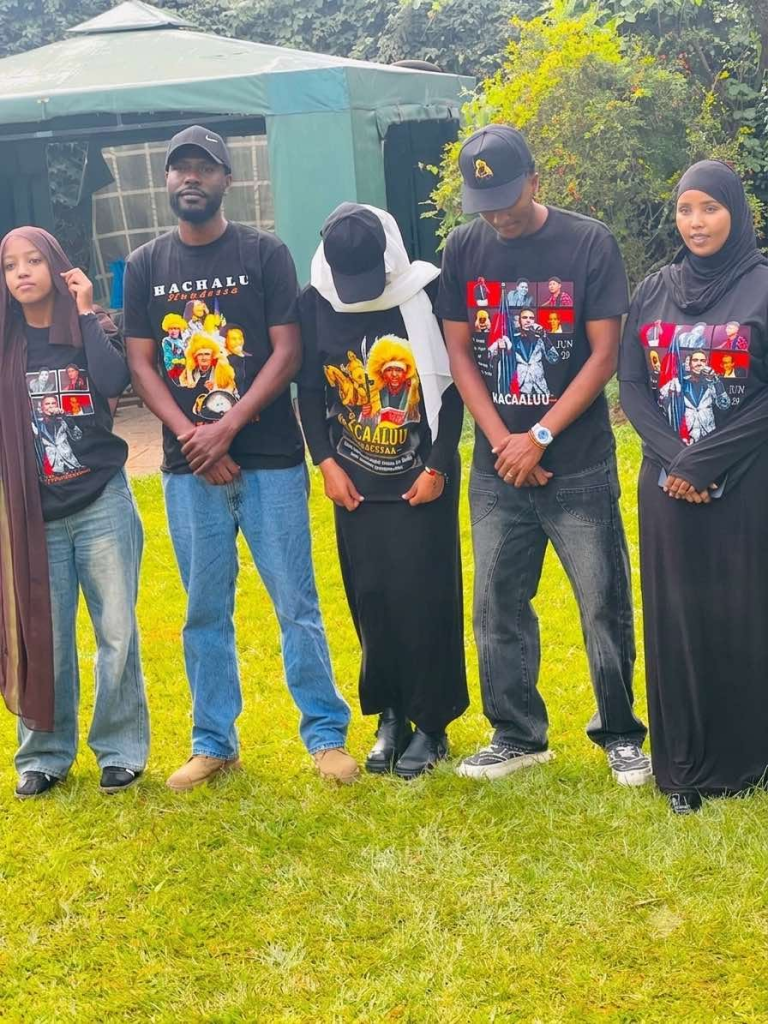
An Enduring Spirit
As the poignant strains of Haacaaluu’s most famous anthems echoed through the venue, the atmosphere was charged with a mix of profound grief and a renewed sense of purpose. The commemoration in Nairobi is part of a global movement, with the Oromo diaspora from New Zealand to the United States holding similar events to ensure his spirit is never forgotten .
Haacaaluu Hundeessaa’s legacy is a testament to the power of art as a weapon of resistance and a tool for unity. He inspired a generation to be proud of their Oromo identity and to stand up against oppression. His music, which captured the displacement, loss, and subjugation of his people, offered roadmaps of resistance and continues to be a beacon of light for his community.
In the heart of Nairobi, far from the hills of his homeland, Haacaaluu’s spirit finds a permanent home. The community’s message was unequivocal: his sacrifice was not in vain, and his dream of dignity and justice for the Oromo nation will be pursued with relentless vigor until it is fully realized.
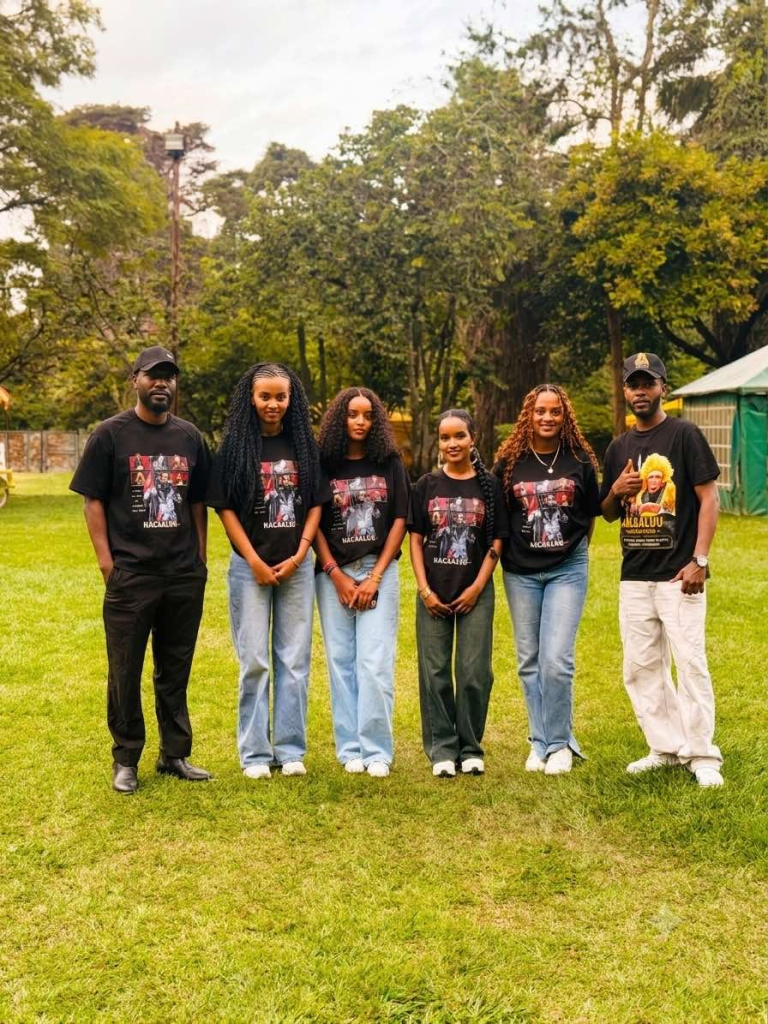
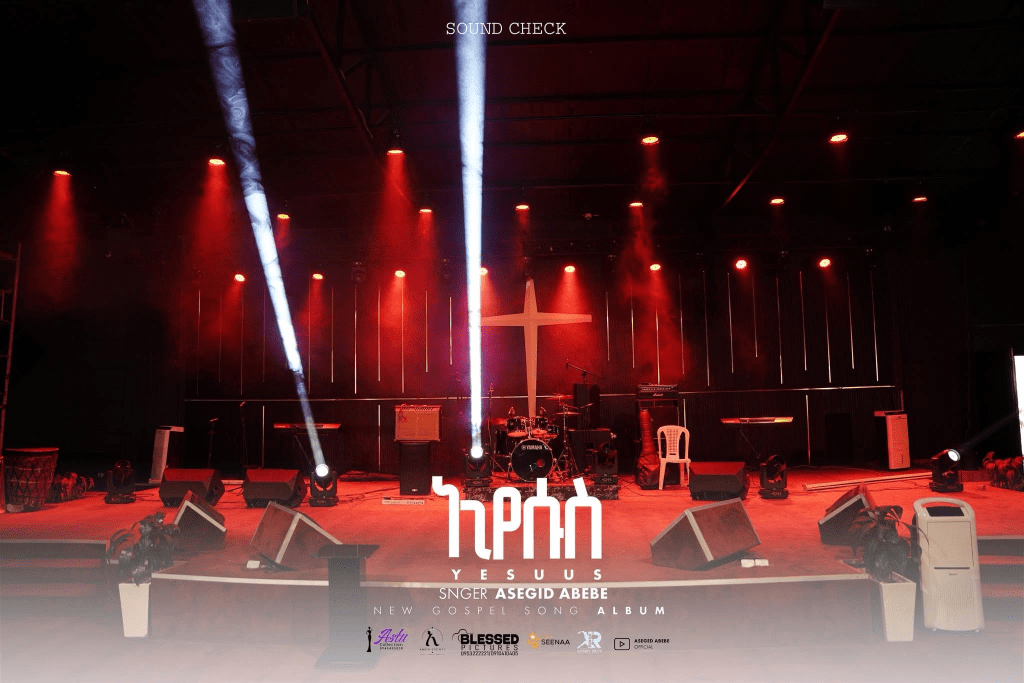
A Divine Offering: The Inauguration of Assegid Abebe’s Worship Album
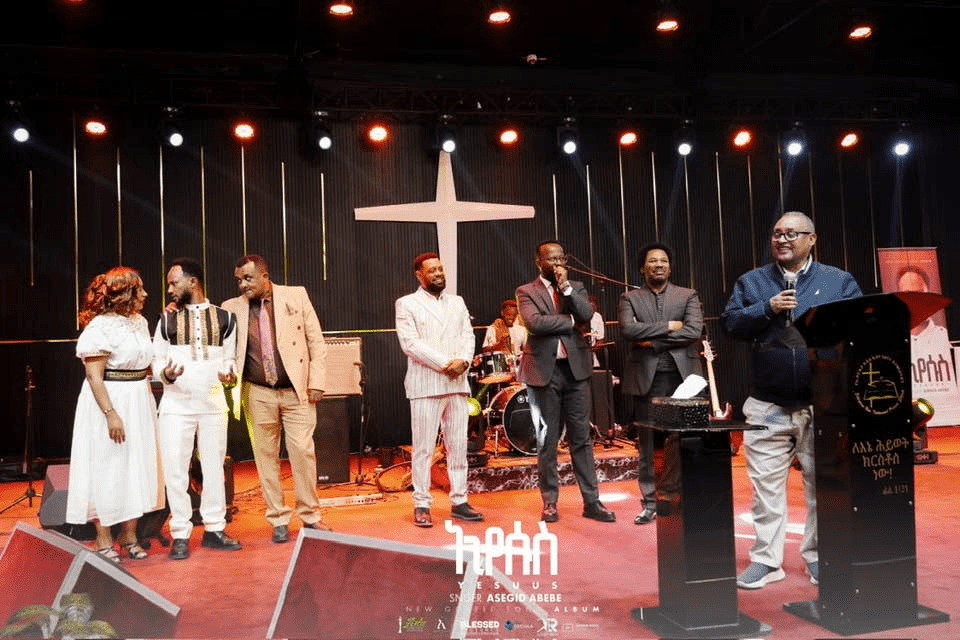
In the vibrant landscape of Ethiopian worship music, a new milestone has been reached. Renowned prophet and psalmist, Assegid Abebe, has officially inaugurated a powerful new worship album, marking a profound addition to the genre of contemporary spiritual music.
This project is described as a stirring display of divine anointing, poised to deeply move listeners and strengthen the spirit of worship among the faithful.
A Legacy of Spirit-Filled Ministry
Assegid Abebe is widely recognized not just as a musician, but as a prophetic voice in the Ethiopian Christian community. His ministry has long been associated with songs that carry a strong presence of worship and spiritual depth.
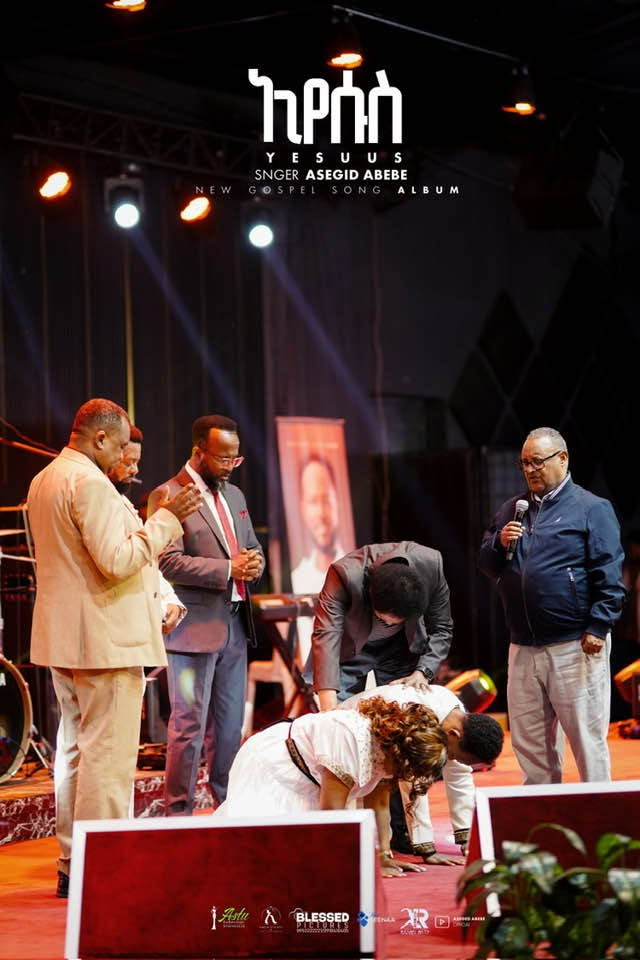
Following his previous releases, which have garnered a large and dedicated following, this new album is expected to continue his legacy of creating music that resonates with the soul. The inauguration ceremony was likely attended by fellow ministers, artists, and congregants who share a deep appreciation for his unique calling.
What to Expect
The term “ድንቅ” (remarkable or wondrous) is often used to describe the spiritual atmosphere surrounding Assegid Abebe’s performances. This album is anticipated to feature:
- Profound Worship: Songs designed to lead listeners into a state of deep reverence and connection.
- Prophetic Declarations: Lyrics that speak to the present times and offer spiritual insight.
- Artistic Excellence: High-quality production that blends traditional Ethiopian sounds with contemporary worship styles.
Joining the Celebration
The inauguration of this worship album is a significant event for fans of Ethiopian gospel music. Whether you are a long-time follower of Assegid Abebe or new to his ministry, this release invites you into a space of worship and reflection.
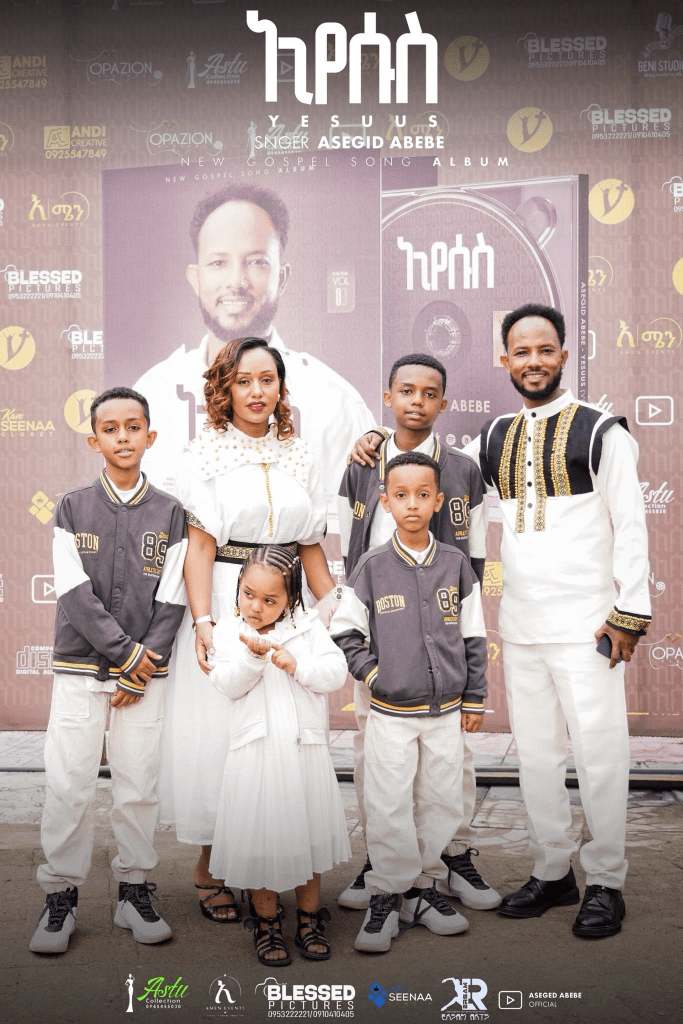
The album is expected to be available on major digital platforms, allowing the “remarkable spirit” of these songs to reach homes and churches around the world.

Beneath the Odaa: A Gathering of Peace and Unity at Bulluq
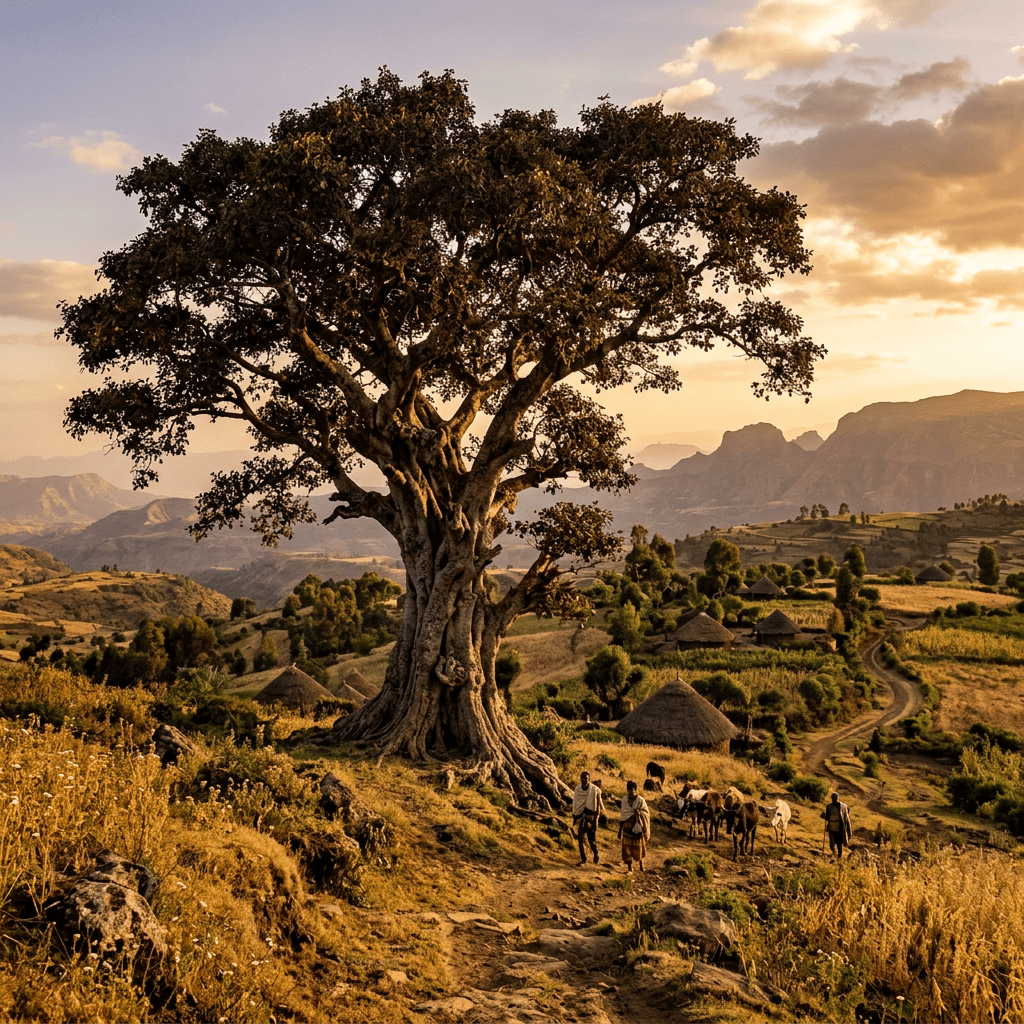
Eight years ago, under the sacred shade of the Odaa Bulluq tree, Oromo youth gathered to seek peace. Today, that moment remains a powerful symbol of what dialogue, respect, and unity can achieve.
There is a tree that stands as a witness to history—a silent guardian of the Oromo people’s most sacred traditions. It is the Odaa, the sycamore fig tree, a symbol of justice, reconciliation, and the enduring spirit of the Gadaa system.
Beneath its sprawling branches, the most important decisions are made. Disputes are resolved. Peace is sought. Unity is forged.
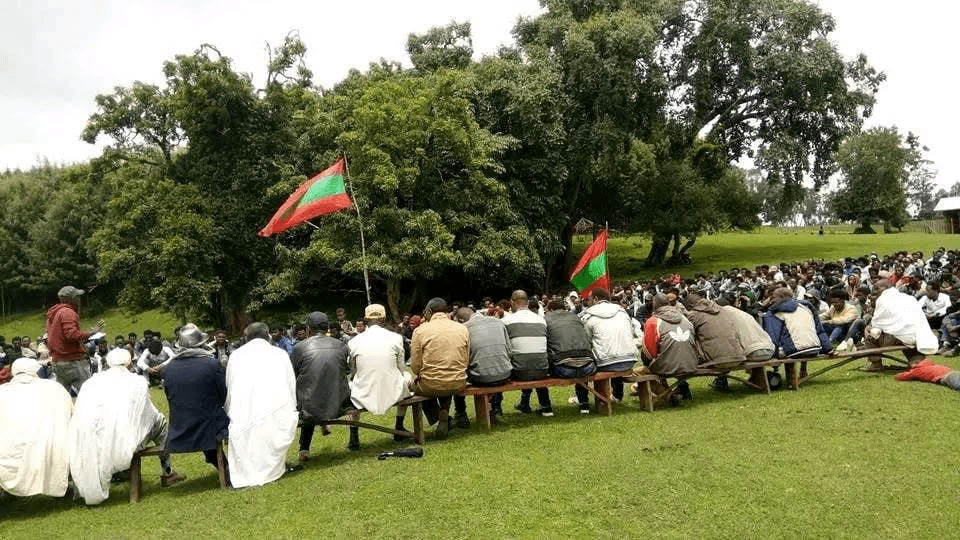
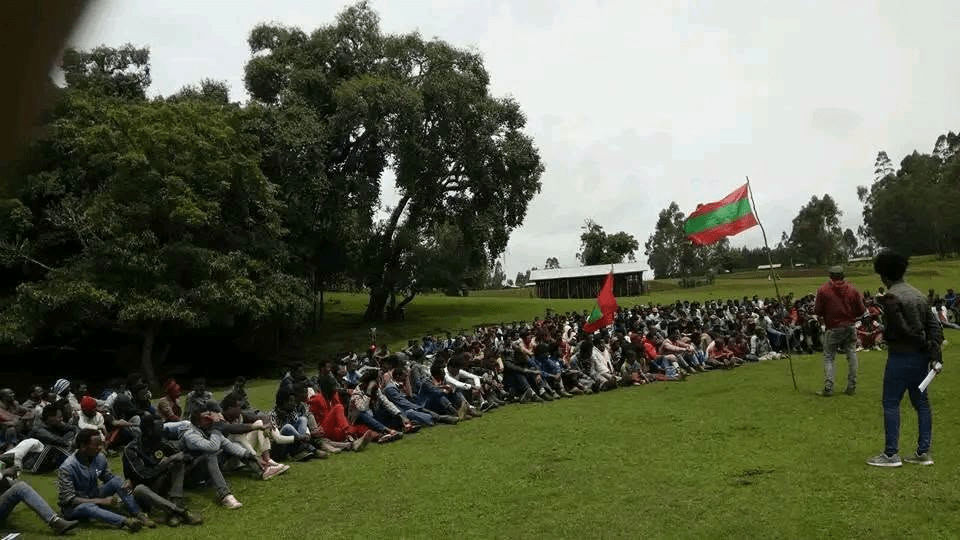
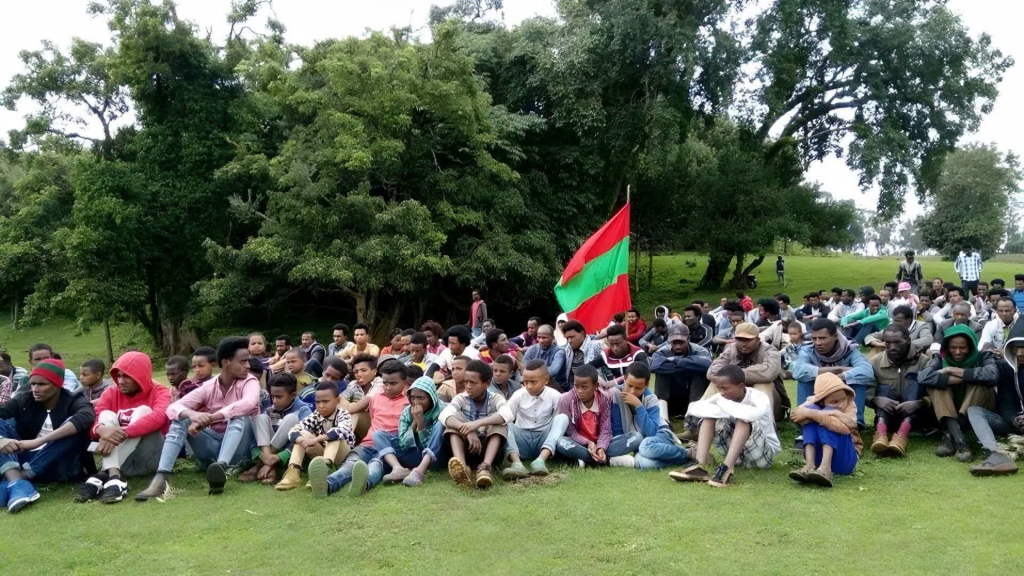
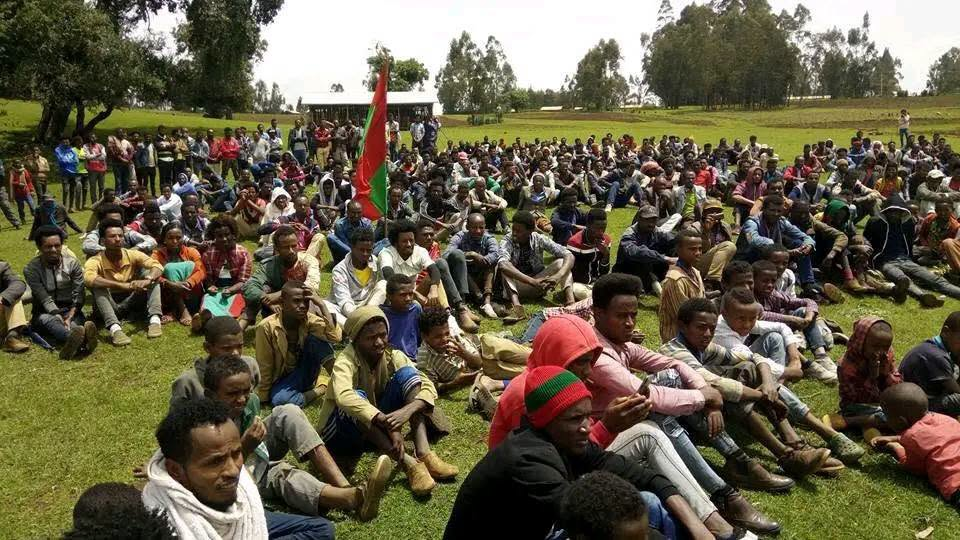
At Odaa Bulluq, one of the five sacred Odaa trees of the Oromo people, a powerful gathering took place eight years ago. On Adoolessa 1, 2018 (according to the Oromo calendar)—August 10, 2018—a group of young Oromo freedom fighters (Qeerroo) came together beneath its shade to seek peace for their land and people.
Today, as tensions once again threaten the region, the memory of that gathering offers a lesson—and a call to action.
The Odaa: A Sacred Symbol
For the Oromo people, the Odaa tree is far more than a tree. It represents:
- Justice: The Gadaa system, UNESCO’s Intangible Cultural Heritage of Humanity, is centred on the Odaa. It is where elders, leaders, and community members gather to make decisions that shape the future .
- Reconciliation: When conflicts arise, the Odaa is the place where peace is negotiated, disputes are settled, and harmony is restored .
- Unity: The Odaa’s branches reach out in all directions, symbolising the interconnectedness of the community and the shared destiny of all Oromo people .
- Continuity: The Odaa is the link between ancestors and future generations—a living testament to the enduring wisdom of the past .
The Odaa Bulluq is one of the five most significant Odaa trees in Oromia, each with its own history and purpose. Together, they form a network of sacred sites that anchor the cultural and spiritual life of the Oromo people.
The Gathering of 2018: A Moment of Unity
Eight years ago, on Adoolessa 1, 2018, a remarkable gathering took place at Odaa Bulluq. Young Oromo activists—known as Qeerroo, meaning “young bulls”—assembled beneath the sacred tree to seek peace.
They had travelled from far and wide. Some had journeyed over 320 kilometres to be there. They came despite the challenges—despite threats, despite surveillance, despite the divisions that had been sown by years of conflict and tension.
Their purpose was simple but profound: to seek reconciliation, to embrace one another, and to call for peace in their region.
As one participant, Dechasa Wirtu, recalled in a recent reflection:
“The Odaa is a place where great decisions are made, where reconciliation is enacted. To gather in such a place signifies respect for law, culture, and the pursuit of peace and security. The reconciliation that happens at Odaa Bulluq is a significant and respected pledge.”
“Eight years ago today, on Adoolessa 1, 2018, when the Qeerroo of Oromia gathered at Odaa Bulluq to negotiate peace for our region, listening to the elders of the land—it was a renewal of unity.”
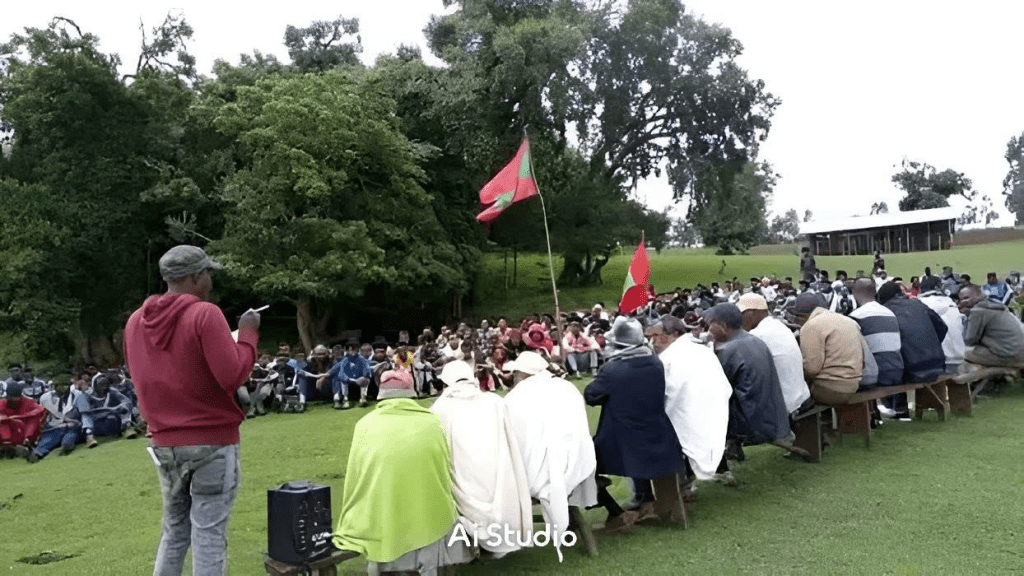
The atmosphere was one of hope. Elders spoke. Young people listened. Differing perspectives were shared. And out of that dialogue came a commitment: to reject hatred, to embrace reconciliation, and to build a future of peace.
A Call for Today: Remembering the Lesson
Today, eight years later, Dechasa Wirtu has issued a renewed call, reflecting on the gathering’s significance:
“Today, if our young people stop harming each other and embrace unity, they have enough strength to protect themselves from the Amhara extremists who are currently crossing borders and encroaching upon them.”
“My message today is the same as eight years ago at Odaa Bulluq: if we come together and resolve our problems through peace, dialogue, and our cultural traditions—beneath the shade of the Odaa—it will bring a lasting solution.”
He also shared a personal commitment to the cause:
“I believe in what I said then. I traveled over 320 kilometres to be there, to participate in that dialogue. I organised and prepared for it alongside many other young people.”
This message comes at a time of heightened tension, as conflict once again threatens the region. Dechasa’s reflection is not just nostalgia—it is a warning and a hope.
The Power of Dialogue
What made the gathering at Odaa Bulluq so powerful was not just the location—it was the commitment to dialogue.
In Oromo culture, dialogue is not optional; it is essential. It is how communities survive and thrive. It is how disagreements are resolved without violence. It is how wisdom from the past is applied to the challenges of the present.
The Gadaa system is built on this principle. Power is not seized—it is transferred through consensus and ceremony. Conflicts are not escalated—they are mediated and resolved. The voice of every member of the community matters .
When young people choose dialogue over confrontation, they honour that tradition. They demonstrate maturity and wisdom beyond their years. And they build the foundation for a society that can endure even the most difficult challenges.
Odaa Bulluq: A Living Legacy
The Odaa Bulluq is not just a symbol of the past—it is a living legacy that continues to inspire today.
As Ethiopia and Oromia face ongoing political and social challenges, the example of the 2018 gathering offers a model for how to move forward. It demonstrates that:
- Unity is possible, even in the face of deep divisions.
- Dialogue works, even when it seems difficult.
- Youth have a crucial role to play, as agents of peace and change.
- Cultural traditions, like the Gadaa system and the sacred Odaa, remain relevant in the modern world.
The gathering at Odaa Bulluq was a powerful reminder that beneath the shade of the Odaa, enemies can become friends, and the future can be reshaped.
A Lesson for All
Dechasa Wirtu’s reflection is a reminder that the values of the Odaa—peace, unity, justice, and reconciliation—are not just Oromo values. They are universal human values.
In a world that often seems divided, where conflict and misunderstanding appear to dominate the headlines, the Odaa tree offers a quiet but powerful alternative.
Under its shade, we are reminded that we are all connected. That dialogue is stronger than division. That peace is not a luxury—it is a necessity.
The Call Remains the Same
Eight years ago, the youth of Oromia gathered at Odaa Bulluq and said: “We choose peace. We choose dialogue. We choose unity.”
Today, that call remains as urgent as ever.
“Peace and unity for everyone!”
This was the message that echoed beneath the Odaa eight years ago. And it is the message that must echo today—across Oromia, across Ethiopia, and across the world.
“Odaan seenaa fi sirna Gadaa keessatti bakka itti murteen gurguddoon murteeffamu, araarri itti bu’udha.”
The Odaa tree in history and the Gadaa system is where great decisions are made, where reconciliation takes place.
May its shade continue to shelter those who seek peace.
Key Insights
| Aspect | Significance |
|---|---|
| Odaa Bulluq | One of five sacred Odaa trees of the Oromo people; a symbol of justice, peace, and reconciliation |
| The Gathering (2018) | Young Oromo activists (Qeerroo) assembled under the Odaa to seek peace and unity |
| Gadaa System | UNESCO-recognised indigenous governance system based on consensus and dialogue |
| Dialogue | Essential to Oromo culture; conflicts are resolved through discussion, not violence |
| Relevance Today | The same principles—peace, unity, dialogue—are urgently needed in the face of current tensions |
Under the Odaa, we are all equal. Under the Odaa, we are all one. Under the Odaa, peace is possible.

The World Has Not Seen Enough of Ethiopia: Inside the Nation’s Tourism Transformation
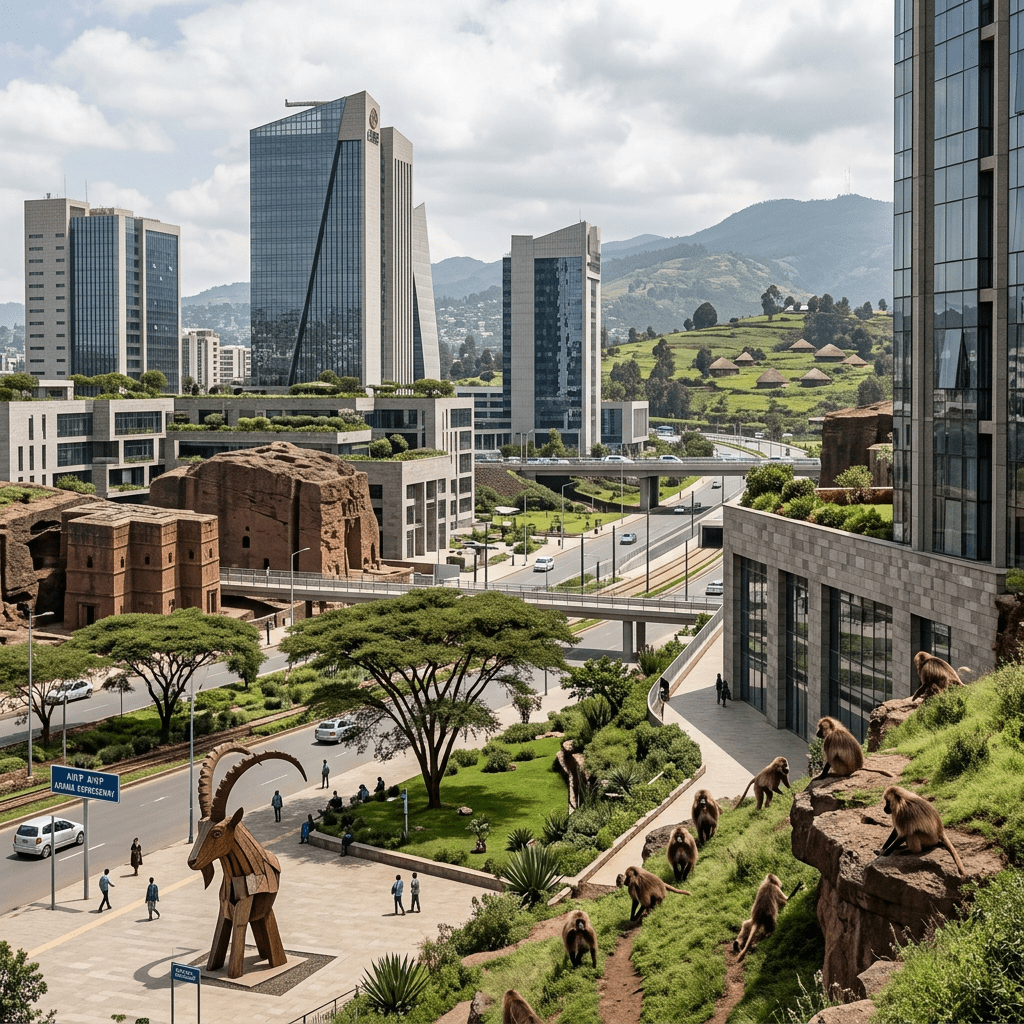
From ancient rock-hewn churches to the diplomatic corridors of Addis Ababa, Ethiopia is on a journey to turn its centuries-old heritage into a modern economic engine—with a message for the world: we are ready.
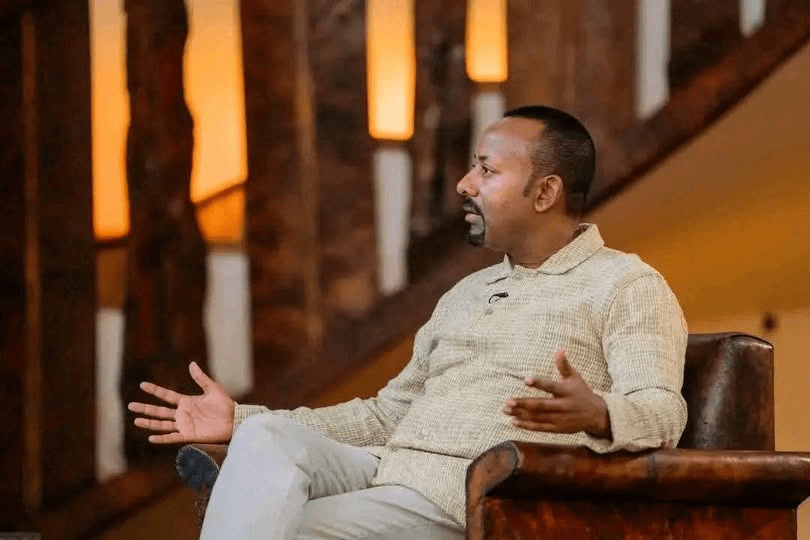
When Prime Minister Abiy Ahmed speaks about tourism, he does not just talk about beautiful places. He talks about potential—vast, untapped, waiting to be unlocked. In an interview with NBC Ethiopia, he laid out a vision that goes far beyond attracting visitors. It is about transforming Ethiopia’s story into opportunity, growth, and global recognition.
The central message is clear: turning Ethiopia’s potential into visible value—for Ethiopians and for the world.
The Untapped Wealth: A Nation of Wonders
Ethiopia’s challenge, the Prime Minister explained, is not the absence of attractions. It is turning immense potential into world-class destinations. The country possesses resources capable of captivating visitors from across the globe:
- Ancient heritage sites that tell stories of civilizations past
- Remarkable landscapes that range from soaring mountains to vast lowlands
- Unique wildlife and biodiversity found nowhere else on Earth
- Diverse cultures and natural environments that reflect the richness of Ethiopian identity
Yet for decades, this wealth remained largely invisible to the world. Visitors came—but they came for brief tours, seeing only a handful of sites before leaving. The infrastructure was inadequate; the destinations were limited; and the potential remained locked away.
That is changing.
From Heritage to Destinations: The Investment Strategy
Tourism, the Prime Minister emphasized, requires more than having historic places—it requires investment.
The government’s focus has been on four pillars:
1. Restoring and protecting heritage
Ethiopia’s historical treasures are not just tourist attractions—they are the soul of the nation. The Prime Minister highlighted the recovery of more than 35 Ethiopian heritage artefacts that had been lost, stolen, or taken away. This effort to bring home what was taken is part of a broader commitment to restoration.
2. Developing tourism destinations
Landmark initiatives like Dine for Sheger, Dine for the Nation, and Dine for a Generation have fundamentally reshaped Ethiopia’s tourism map. Unity Park, Sheger Park, and Entoto Park have transformed Addis Ababa. Halala Kela, Chebera Churchura, and Wenchi have blended natural beauty with historical footprints. Gorgora, Dembi, and Shebelle represent the next generation of destinations.
3. Expanding infrastructure
Roads, airports, and connectivity are being expanded to make destinations accessible. Where previously visitors might have struggled to reach remote sites, now improved infrastructure ensures smoother, safer journeys.
4. Strengthening digital access and visitor services
In a digital age, tourism requires more than physical infrastructure. Ethiopia is building the online presence and services that modern travellers expect.
Bringing the World to Ethiopia: The MICE Opportunity
The Prime Minister emphasized a specific opportunity often overlooked: MICE tourism—Meetings, Incentives, Conferences, and Exhibitions.
With Addis Ababa’s role as Africa’s diplomatic capital—home to the African Union and numerous international organisations—and Ethiopian Airlines’ global connectivity, Ethiopia has the foundation to attract international conferences and business visitors. This is not just about leisure tourism; it is about positioning Ethiopia as a hub for global dialogue and commerce.
In the first nine months of the recent budget year alone, Addis Ababa hosted approximately 150 international and continental events—a 50% increase compared to the previous year—injecting 155 billion Birr into the economy. These numbers reflect the growing recognition of Ethiopia’s capacity to host the world.
When Investment Meets Results
The Prime Minister’s message is that tourism is now showing measurable progress:
- Growing international visitors—attracted by new destinations and improved services
- Expanding domestic tourism—as Ethiopians discover their own heritage
- Increasing tourism revenue—contributing to economic transformation
- More international conferences—hosted in Addis Ababa
Tourism is becoming part of Ethiopia’s broader economic transformation alongside agriculture, industry, mining, and technology. It is not an add-on; it is a pillar.
The Story Belongs to Every Ethiopian
Perhaps the most striking part of the Prime Minister’s message is this: tourism cannot be built by government alone. It requires every citizen.
Every interaction matters. From airports and hotels to drivers, guides, businesses, artists, media, and ordinary citizens—each person is an ambassador for Ethiopia. Visitors form their impressions not just through brochures but through the warmth, professionalism, and integrity of the people they encounter.
The message is simple and powerful: Know Ethiopia. Present Ethiopia with dignity. Share its story with the world.
This is not just about economic gain. It is about national pride and the right to tell one’s own story.
A Vision for the Future
The Prime Minister’s vision is ambitious yet grounded. He sees a future where Ethiopia is not just a destination for the few who have heard of its wonders, but a global icon of hospitality, heritage, and hope.
The era of limited destinations is over. The infrastructure is being built. The heritage is being restored. The world is being invited.
And at the heart of it all is a simple belief: the world has not seen enough of Ethiopia—but it will.
“Together, let’s work to further increase the contribution of the tourism industry to national growth.”
This is the call. And Ethiopia is answering.





 Advocacy for Oromia