The Oromo community in Australia has a unique opportunity and responsibility to support their counterparts in Oromia, Ethiopia. Given their collective experience, cultural background, and the socio-political dynamics of Oromia, the Australian Oromo community can engage in several initiatives. Here are ten vital actions that they can undertake to improve the welfare and status of the Oromo people in Oromia:
### 1. **Advocacy and Awareness Raising**
The Oromo community in Australia can engage in advocacy efforts to raise awareness about the issues faced by Oromos in Ethiopia. This includes educating the Australian public and government officials about human rights abuses, political suppression, and socio-economic challenges faced by Oromos in Oromia. Hosting workshops, seminars, and cultural events can effectively disseminate this information, encouraging a broader understanding and potential support for Oromo causes.
### 2. **Establishing Partnerships with NGOs**
Collaborating with non-governmental organizations (NGOs) that focus on human rights and development in Ethiopia can amplify the impact of initiatives. The Oromo community can support NGOs working directly in Oromia by providing funding, volunteer services, and logistical support. This partnership can ensure that projects are culturally sensitive and aligned with the needs of the local population.
### 3. **Cultural Exchange Programs**
Initiating cultural exchange programs between the Oromo community in Australia and Oromia can foster mutual understanding and solidarity. Through cultural festivals, art exhibitions, and oral history projects, both communities can share their traditions, challenges, and triumphs. Such programs not only strengthen ties between the diaspora and the homeland but can also serve as a platform for preserving Oromo heritage.
### 4. **Educational Support and Scholarships**
Education is a powerful tool for social change. The Australian Oromo community can establish scholarship programs to support Oromo students in Oromia who face financial barriers to education. They can also partner with educational institutions in Australia to create opportunities for Oromo students from Oromia to study abroad, learn new skills, and gain exposure that they can bring back to their communities.
### 5. **Health Initiatives**
Access to healthcare remains a significant challenge in many parts of Oromia. The Oromo community in Australia can organize fundraising efforts to support health initiatives, including clinics, maternal health services, and mental health programs in Oromia. Collaborating with healthcare professionals in Australia to share knowledge and resources can also enhance healthcare delivery in their homeland.
### 6. **Economic Development Projects**
To support sustainable development in Oromia, the Australian Oromo community can invest in economic development projects. This could include microfinance programs for small businesses, agricultural cooperatives, or vocational training programs. By empowering individuals and providing them with the tools to succeed, the community can help lift families out of poverty and enhance local economies.
### 7. **Promoting Political Engagement**
Encouraging political awareness and engagement among the Oromo community in Australia is crucial. They can organize information sessions on how to participate in political processes, both locally and in relation to Ethiopia. By engaging in public discussions and lobbying efforts, they can advocate for policies that support democracy and human rights in Oromia.
### 8. **Documentation of Human Rights Abuses**
Establishing a documentation project to collect testimonials and evidence of human rights abuses against Oromos in Ethiopia is vital. This can serve as a resource to inform international bodies, human rights organizations, and policymakers. By creating a repository of stories and data, they can amplify the voices of those who have suffered, ensuring that these issues receive the attention they deserve.
### 9. **Support for Refugees and Asylum Seekers**
Many Oromos have sought refuge in Australia due to persecution in Ethiopia. The Australian Oromo community can provide support for fellow Oromos navigating the complexities of the refugee process, offering legal assistance, social integration programs, and mentorship. By creating a welcoming environment, they can help enhance the chances of successful settlement for refugees.
### 10. **Strengthening Community Bonds**
Finally, the Oromo community in Australia must prioritize strengthening their internal community bonds. By fostering a sense of unity and shared purpose, they can mobilize resources and support more effectively. Regular community gatherings, cultural celebrations, and dialogue platforms can help reinforce a shared identity and commitment to improving conditions for Oromos in Oromia.
### Conclusion
The Oromo community in Australia holds a significant position to make a difference in the lives of their counterparts in Oromia. Through advocacy, education, health initiatives, economic support, and cultural exchange, they can contribute to building a stronger, more empowered Oromo community both at home and abroad. By leveraging their skills, resources, and passion, the Australian Oromo community can be instrumental in achieving lasting positive change for the Oromo people in Ethiopia. Their commitment to these efforts not only benefits Oromos in Oromia but also enriches the cultural landscape of Australia and reinforces the importance of global solidarity.
The past two years have been difficult times for our entire community. In a way, the unexpected breakdown of the culture of physical contact was a serious problem. The introduction of online meetings that represented this culture was another problem for some members of our community. This was also a major challenge for us, Advocacy for Oromia, as an organization. That was when we were paying for free without using our office.
We are not yet completely out of the pandemic; but now that it is being resolved to some extent, it is good to look back. One of the problems we faced during the pandemic is the problem of straightforward information. Due to the abundance of information, it was not easy to find information for the Oromo community. It was a difficult time until the Australian government began to prepare and disseminate information on the subject. We have had a lot of trouble getting accurate information that is professionally translated and disseminated.
This problem had caused our society to become depressed and mentally disturbed. During this time, our volunteers have played a significant role in getting the community to improve their digital literacy and come together online. The emergency grant from the government to make this work a success has also helped us to strengthen the strength of our organization and our volunteers. In particular, the grant given to us through the government on this issue has helped us to provide accurate and up-to-date information to our community. Therefore, we would like to express our sincere gratitude to the government bodies who have been and are still working tirelessly to minimize the pandemic problem and improve the hopes of the entire community.
One of the methods used by Advocacy for Oromia and the Team of the organization during the pandemic is Oromo strengths. Oromo strengths are the Oromo culture and society that they use to cope in times of trouble and evil. We used to celebrate Oromo festivals- Irreechaa- together in person, online with family and encourage each other by sharing how we celebrated and our experiences. This is so that no one feels lonely. It also made it easier for everyone to share up-to-date information and help each other. Another strengths we have been used was health and social professionals who are members of the Oromo community to ensure that the community receives accurate information in its own language.
To address the problems caused by the pandemic, stress, interruptions, and anxiety, it was our duty to continue to strengthen our existing program, Oromo Mental Health. The event used to be a physical gathering and discussion that I was celebrating. During a pandemic, this was not possible. Therefore, in all the existing programs, our organization has done and succeeded in educating the community about mental illness and how to treat and receive treatment. The program is still ongoing.
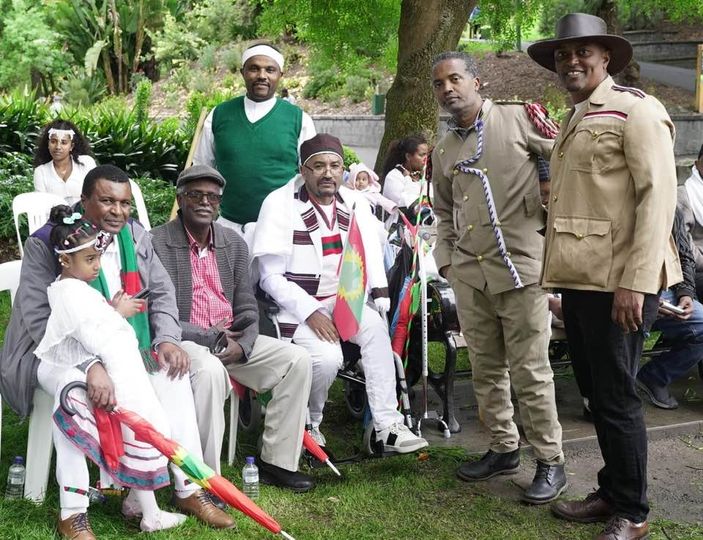
Since the pandemic, we have celebrated two encouraging events together; We have successfully celebrated the Spring Festival in June and the Spring Festival in early October. Our community is also very happy to see us come together to celebrate the festival physically and face to face through difficult times; children, youth, elderly and mothers have expressed their delight. This is a success we have seen.
But this success was not unique to our organisation; of our community, of our volunteers, of the government and various bodies who have given us support and cooperation. Advocacy for Oromia needs support from all quarters to continue its work to help and develop the community. Since working together is the foundation of organisational value, our doors are open to work with all those who help and develop the community.
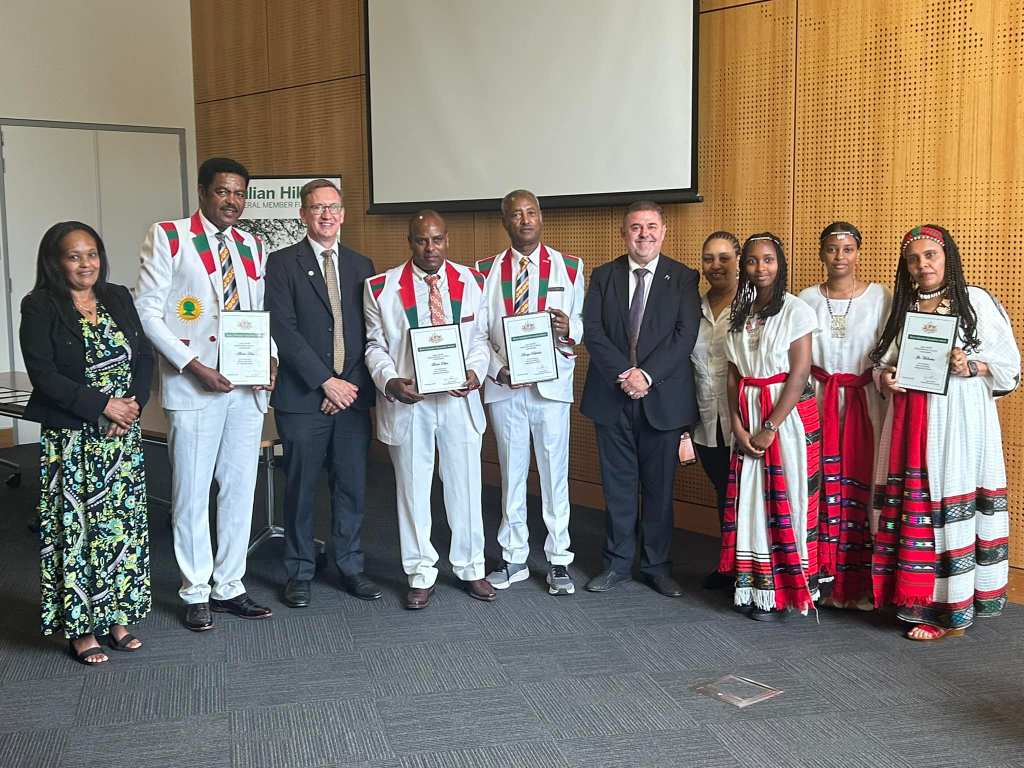
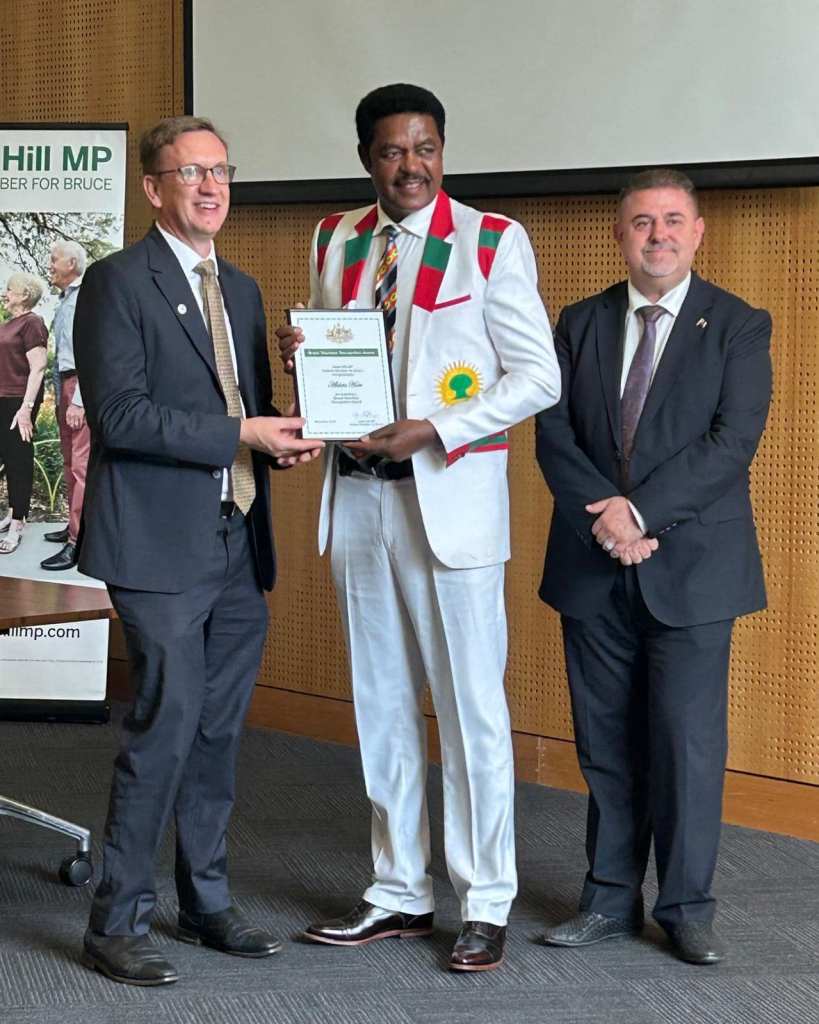
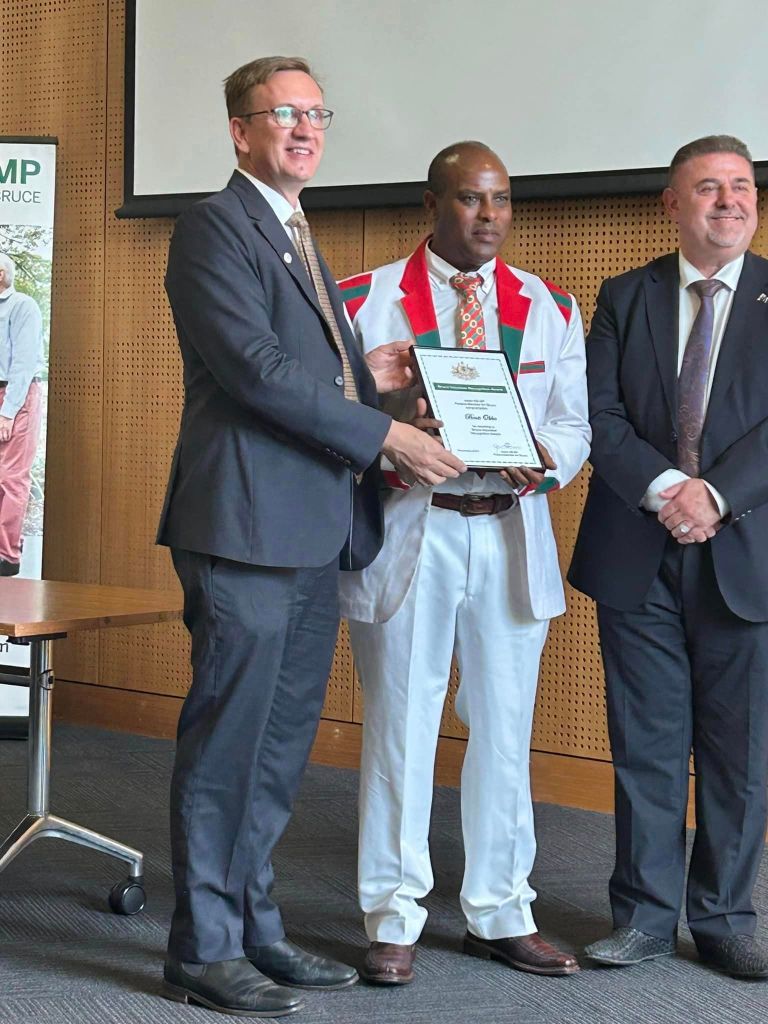
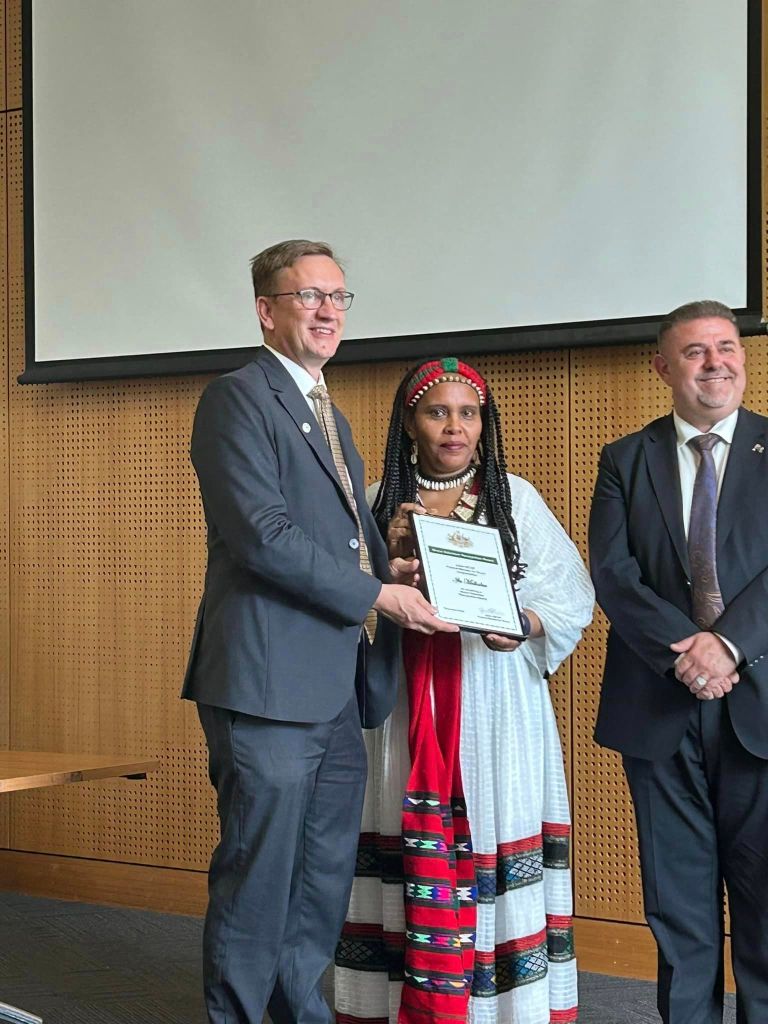
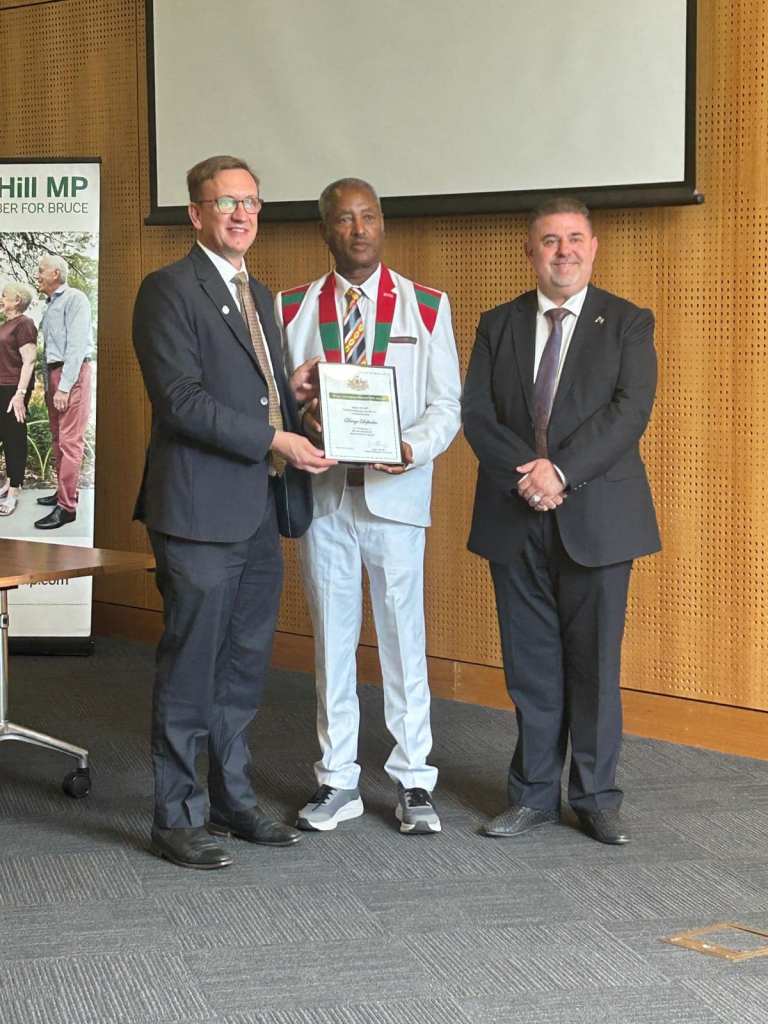
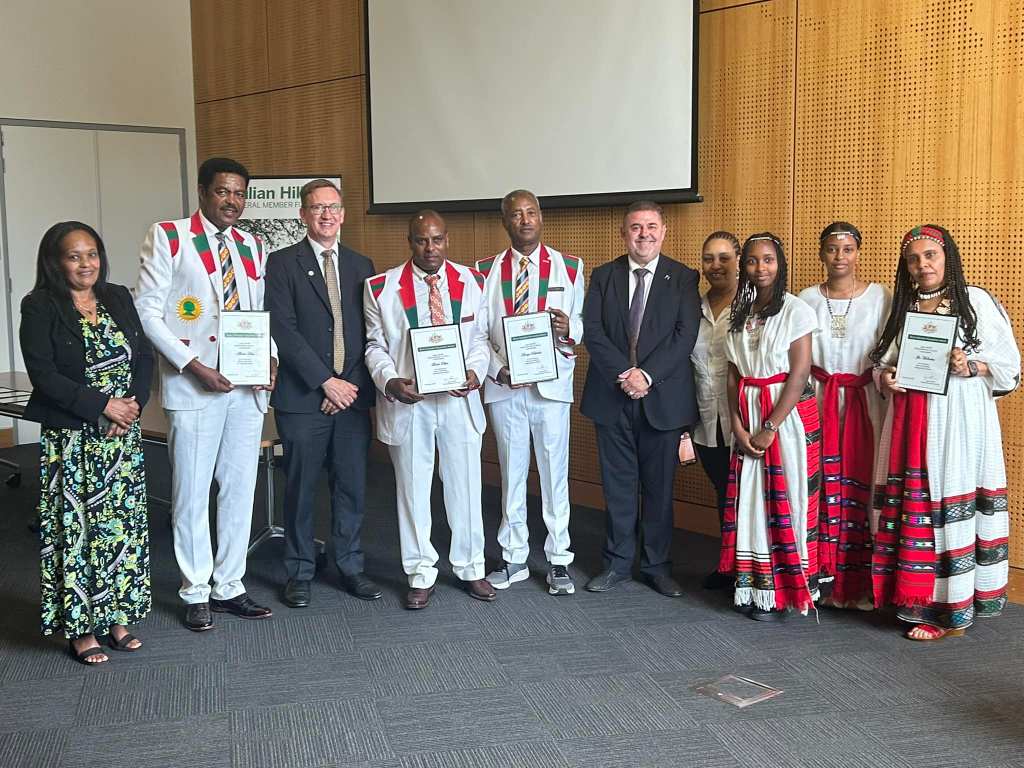
Four Oromo volunteers who have been serving the Oromo community for many years have received volunteer recognition awards for the first time.
These four volunteers have contributed to the continuous development of Oromo community relations.
Mr. Abdataa Homaa has been donating his knowledge, skills, resources and money as the chairman of the Irreecha organising committee for over 20 years.
Mr. Daanyee Dafarshaa, on his part, was recognized as the coordinator of the Irreecha education committee for his tireless sacrifice of knowledge, time, energy and resources for the development of the commubity.
Ad Iftu Midhaqsa, on her part, encouraged the Oromo women to contribute their knowledge, resources and time to promote their social and cultural resources.
Mr. Banti Oliqa, on his part, contributed great knowledge and experience to the volunteer work as an example for the next generation by organizing the funds raised by the community for the purpose of the Irreecha festival.
The four volunteers were nominated for volunteer recognition by the Advocacy for Oromia Association.
Advocacy for Oromia would like to thank the Bruce Awards branch for the recognition of these volunteers 2024.
By Aliye Geleto- speech for Melbourne Irreecha festival based on Identity, connection, culture love, respect and trust. (Melbourne, 29/09/2024)
Ladies and Gentlemen,
Distinguished Guests,
Fellow Oromos and Friends,
It is with immense joy and pride that we gather here today to celebrate the Irreecha Festival, a vibrant and deeply meaningful tradition that transcends borders and unites us in our shared heritage. Irreecha is more than a festival; it is a powerful expression of our identity, a testament to our connection, and a celebration of our rich culture.
Identity
Irreecha is a cornerstone of Oromo identity. It is a time when we come together to honor our ancestors, celebrate our heritage, and reaffirm our commitment to our cultural values. This festival is a living testament to the resilience and strength of the Oromo people. Despite the challenges and adversities we have faced, Irreecha reminds us of who we are and where we come from. It is a celebration of our collective identity, one that is rooted in history, enriched by tradition, and strengthened by our unity.
Connection
Irreecha is also a celebration of connection. It brings together Oromos from all walks of life, from different corners of the world, to share in the joy and gratitude of this special occasion. It is a time to reconnect with family, friends, and our broader community. Through Irreecha, we strengthen the bonds that tie us together, fostering a sense of belonging and solidarity. This connection extends beyond our immediate community, as we welcome friends and allies who join us in this celebration, sharing in the spirit of unity and mutual respect.
Culture
Our culture is the heart of Irreecha. It is reflected in the vibrant colors of our traditional attire, the rhythmic beats of our music, and the graceful movements of our dances. It is in the stories we tell, the prayers we offer, and the blessings we receive. Irreecha is a celebration of the richness and diversity of Oromo culture, a culture that is alive and thriving. It is a time to honor our traditions, celebrate our achievements, and look forward to the future with hope and optimism.
As we celebrate Irreecha today, let us remember the significance of this festival. Let us embrace our identity with pride, strengthen our connections with love, and celebrate our culture with joy. Let us carry the spirit of Irreecha with us, not just today, but every day, as we continue to build a future that honors our past and inspires generations to come.
Ladies and Gentlemen,
Distinguished Guests,
Fellow Oromos and Friends,
Today, we gather to celebrate Irreecha, a festival that embodies the essence of our community and our shared values. As we come together in this joyous occasion, let us reflect on the pillars that uphold our unity: love, respect, and trust.
Love
Irreecha is a celebration of love. It is a time when we express our deep affection for our heritage, our culture, and our people. Love is the foundation of our community, the force that binds us together. It is through love that we support one another, celebrate each other’s successes, and stand by each other in times of need. Let us continue to nurture this love, spreading kindness and compassion in all that we do.
Respect
Respect is at the heart of Irreecha. It is a time to honor our ancestors, our traditions, and the wisdom that has been passed down through generations. Respect for our culture and for each other is what strengthens our community. It is through respect that we acknowledge the diversity within our community and embrace the richness it brings. Let us continue to show respect in our actions and words, fostering an environment where everyone feels valued and heard.
Trust
Trust is the glue that holds our community together. It is built on the foundation of honesty, integrity, and mutual understanding. Trust allows us to work together towards common goals, to support each other, and to build a future that is bright and promising. Let us continue to build and maintain trust within our community, ensuring that we can rely on each other in all circumstances.
As we celebrate Irreecha today, let us remember the importance of love, respect, and trust. These values are not just for today, but for every day. They are the guiding principles that will help us navigate the challenges of life and celebrate its joys. Let us carry the spirit of Irreecha with us, spreading love, showing respect, and building trust in all that we do.
Addis Ababa, October 7/2023 (ENA)- Irreecha festival, which is the annual Oromo people ‘Thanksgiving Day’ is a culture of inclusivity, according to scholars.
Irreechaa is an annual festival celebrated to mark the end of the rainy season and the beginning of the harvesting season. The festival is observed to thank God for his blessings that the people cherish.
This year’s Irreechaa is being celebrated in Addis Ababa and Bishoftu town of Oromia region.
In an exclusive interview with ENA, Haramaya University Vice President, Professor Jeylan Woldyie said Irreechaa, which is principally the Oromo culture is a culture of inclusivity.
The festival promotes cultural and moral unity as the Oromo people together with other people of Ethiopia and beyond are able to come together and share values, and understanding.
Due to this, “Irreechaa is the culture of inclusivity. All people irrespective of their place of origin, irrespective of the language, irrespective of their face, are not only included in the celebration but they are embraced.”
Irreecha festival transcends linguistic, cultural and territorial boundaries; it transcends cultural boundaries he said, adding that all people irrespective of where they come from are united around the principle of peace, mutuality and coexistence which are deeply embedded in the Irreecha culture.
“People coming from all civilizations, all age groups are brought together and allowed to exercise their values, moralities. That’s why we say it’s the culture of creativity.”
Associate Professor at the Addis Ababa University Tadesse Jaleta said for his part Irreechaa is an inclusive national festival because it includes all persons coming from different religious, cultural backgrounds or different ages and sex.
“Any person participates in Irreechaa. Irreechaa includes not only human being but also nature. It is a symbol of the combination of nature and the human beings. It is a festival where human beings express a unity to nature and give thanks to God. That’s why we say Irreecha is an inclusive national festival,” he stated.
Moreover, he elaborated that the values of Irreechaa are applicable to people of all cultures.
“It is about peace. It’s about unity, it’s about love. It is about being respectful and being brother with other people. These values are applicable to all people. Irreechaa is useful not only to Oromo but to all nations, and nationalities of the country.”
The festival unites different cultures and brings different people together, Tadesse indicated adding that people from different cultures and languages learn, enjoy and express their beauty with each other.
It is one of the best festivities of Ethiopia where cultural singing and dancing are common.
This grand festival attracts a large number of the Oromo people and people from all parts of the country regardless of age, religion, political affiliations and sex to come together and celebrate the festival with extraordinary love, chanting and unity.
The 2024 Irreecha festival is going to be celebrated in a warm and special atmosphere in Oromia and abroad.
The annual Oromo Irreechaa festival, the Oromo Thanksgiving Day, in Oromia and diaspora is approaching this month. Irreechaa is not merely a festival; it is the vibrant heart of Oromo culture, a celebration that transcends mere tradition to embody the essence of gratitude, unity, and renewal.
As the Oromo people gather each year to honor this grand occasion, they connect deeply with their history and the rhythms of nature, marking a profound celebration of life and harmony.
Irreechaa, the Oromo Thanksgiving Day, is celebrated twice annually: once at the banks of rivers or lakes during Irreecha Malkaa/Birraa in late September, and again on mountain tops or hills during Irreecha Tuulluu/Arfaasaa in autumn. The former, occurring at the close of winter and the dawn of spring, is a tribute to the end of the rainy season and the promise of new beginnings. The latter, celebrated in the dry season, heralds the approach of winter, symbolizing reflection and preparation.
The term "Irreechaa" itself conjures images of verdant green, symbolizing fertility and thriving life, nourished by the blessings of Waaqaa, the Creator. This ancient festival, with roots extending over 6,000 years, was momentarily eclipsed during the late 19th century when the Oromo were integrated into the Abyssinian Empire. However, the spirit of Irreechaa has persisted, thriving in Oromia and among the Oromo diaspora worldwide, from North America to Europe.
Central to the celebration is the belief that every element of creation is imbued with the spirit of Waaqaa. The Oromo consider that the divine essence resides in natural elements such as the sea, great rivers, and mountain peaks. Thus, Irreechaa is celebrated at these sacred places—rivers and mountains—where the Oromo people express their gratitude and seek blessings.
The essence of Irreechaa lies in giving thanks to Waaqaa for guiding the Oromo people through the trials of winter, for the sustenance provided throughout the year, and for the transition to a season of growth and harvest. It is a time to appreciate the divine for the survival of families, the flourishing of crops, and the bounty of the spring season. Beyond gratitude, Irreechaa also serves as a celebration of the forthcoming harvest and a joyous welcome to the new season.
The rainy season, stretching from June to September, is seen as a challenging period marked by floods and isolation. It is during this time that Irreechaa provides a platform for peace, reconciliation, and renewal. The festival is renowned for its emphasis on unity and the restoration of harmony. Elders and Abbaa Gadaas (community leaders) play a crucial role, offering blessings and promoting the values of peace and coexistence.
Irreechaa also serves as a communal stage for significant life events, including naming ceremonies, weddings, and matchmaking. It is a moment when the community comes together to celebrate Oromummaa (Oromoness) and sabboonummaa (nationality), transcending differences in age, sex, religion, or social status. It embodies a collective affirmation of unity, respect, and shared heritage.
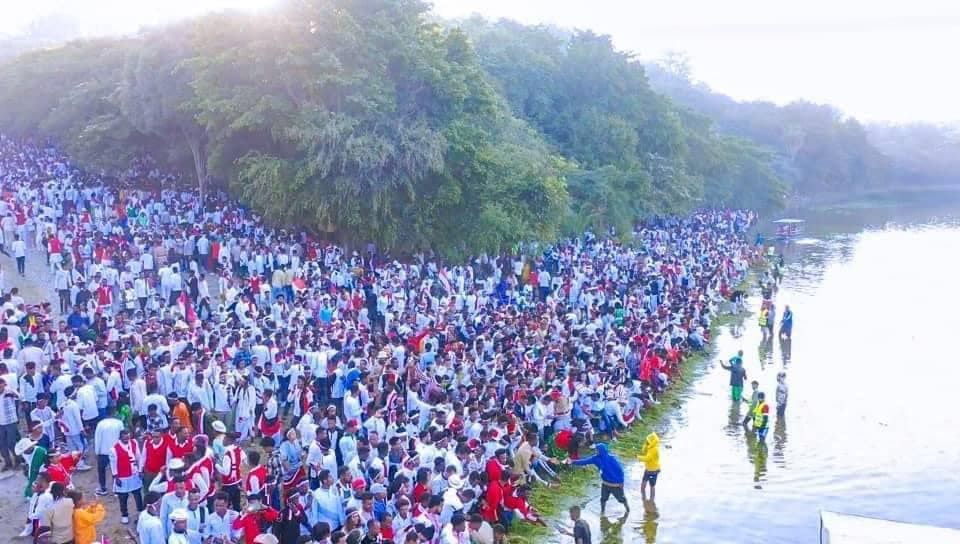
The celebration culminates at major sites like Hora Finfinnee and Lake Arsadi, where thousands of Oromos converge. The evening of Irreechaa is a poignant moment of reflection and reconciliation. Elders ask the community whether they are at peace with one another and with Waaqaa. Those with unresolved conflicts are encouraged to seek resolution before the festivities begin, underscoring the festival’s commitment to harmony.
Irreechaa is a powerful expression of Oromo cultural values, a living testament to the strength and unity of the Oromo people. It is a celebration that not only acknowledges the past and the present but also renews the bonds of community and the shared joy of life’s blessings.
Festivals of peace are a wonderful way to understand other cultures, and the values that matter to them.
Professor of Economics, University of Minnesota Duluth
Gender inequality isn’t just unfair — it’s also a drag on the world economy. Giving women the same economic opportunities as men would add about US$12 trillion to global gross domestic product by 2025, one analysis found. That’s an 11% boost.
The link between women’s empowerment and economic growth is well established. When women are economically empowered, they invest more in their families, creating a cycle of positive outcomes that spans generations. Women’s participation in the workforce leads to greater productivity and brings diverse perspectives that enhance decision-making and drive innovation.
As an economist who studies development, I wanted to know: Does all that money really make a difference? So, in a recent study, my colleagues and I analyzed the impact of gender-related aid on gender inequality using data from 118 countries over a 13-year period, from 2009 to 2022.
What we found was uplifting: Gender-related aid reduced inequality in most countries we studied.
We looked at two types of gender-related aid. The first is funding for projects that tie gender into larger economic goals. Development experts call this “significant gender-related aid.” There’s also aid funding that narrowly and explicitly targets gender equality. Experts call this “principal gender-related aid.”
We found that the first approach consistently and significantly reduced gender inequality in 115 out of 118 counties we studied. The latter approach had statistically significant effects in 85 countries. It also appeared to be much more effective when paired with the first approach.
Our findings strongly suggest that integrating gender-related aid into broader development efforts is crucial for promoting gender equality. Gender and development are intricately intertwined, a fact often overlooked. Recognizing this connection is crucial for achieving sustainable and inclusive growth.
Women’s empowerment success stories
That might all sound pretty abstract, but our research shows that the world has made progress in real people’s lives over the past decades. Cases from several countries show just how much progress is possible:
Ethiopia: In recent decades, Ethiopia has invested heavily in education, particularly for girls. Programs aimed at increasing school enrollment and reducing dropout rates among girls have led to improved literacy rates and better health outcomes. These educational advancements have empowered women economically and socially, reducing gender inequality.
Despite progress made, these achievements aren’t set in stone. Instability can rapidly undo years of progress. Recent policy backsliding in Afghanistan, Brazil and the United States shows the need for vigilance.
Empowering women empowers men, too
Discussions about the importance of reducing gender inequality often revolve around the direct benefits to women and girls. But everyone, including men, stands to win in a more gender-equal society.
First, women’s economic empowerment leads to stronger economies, which benefits everyone. Research shows that gender equality promotes healthier relationships, reduces violence and fosters more cohesive and supportive communities. Similarly, workplaces prioritizing gender equality tend to have better team dynamics, higher employee satisfaction and increased productivity. These are gains for everyone, regardless of gender.
This shows that the benefits of gender equality aren’t limited to women and girls; they extend to all members of society. Everyone has a stake in helping progress move along.
Research-backed best practices
Governments and aid professionals should follow five steps for success to safeguard the advances made in gender equality and continue progressing:
1. Keep the aid flowing: Continued financial and technical support for gender equality initiatives is vital. Our research suggests policymakers should focus on integrating gender considerations into all development projects.
3. Tailor strategies: Although aid has an effect across the board, gender equality initiatives must consider each country’s unique sociopolitical and cultural contexts. Tailoring strategies to fit these contexts ensures that interventions are relevant and practical.
4. Strengthen institutions: Effective institutions and governance are crucial for successfully implementing and sustaining gender equality initiatives. Efforts to improve governance and reduce corruption will enhance the impact of aid
5. Promote education: Schools are a powerful tool for promoting gender equality. Investing in educational programs that empower women and girls and raise awareness about gender issues is essential for long-term change.
Gender equality is a cornerstone of a just and prosperous society. The benefits of empowering women extend far beyond the immediate recipients of gender-related aid, fostering economic growth, political stability and social cohesion. Our research shows that efforts to empower women really do pay off — literally and otherwise.
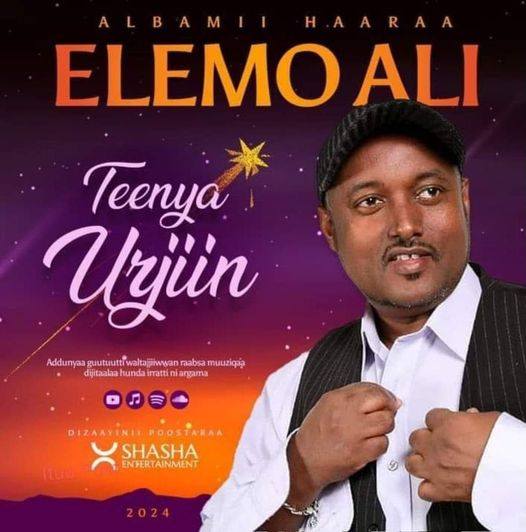
As a long time listener of Elemo Ali’s songs and an ethnographic writer who explores the music of different cultures, I list down the albums released by the artist so far and present my reflections in some of them.
1. His first album was released in Djibouti (circa 1982)-
It was an audio cassette. Elemo used his acoustic guitar ( a.k.a. “box guitar”) for that album.
2. His second album released in Saudi Arabia- 1986.
It was an audio cassette and a female singer called “Shamsi” featured Elemo Ali (she had two solo songs; the rest of the songs were by Elemo) . In the cassette Elemo sung in Harari language too. But what many people remember from that cassette was Elemo’s singing Mahmoud Ahmed’s famous Amharic song called “እንቺ ልቤ እኮ ነው” in Oromo language. The lyrics used by Elemo was very similar to the Amharic one.
3. The album he has done with Nuho Gobana in Saudi Arabia (1987)-
This was also an audio cassette. From that album a single that goes like “Biiftuu tiyya, urjii tiyya, suma bira jira yaadni kiyya” became popular in the media (I repeatedly heard it while Harar Radio Stations Oromo Language Service broadcasted it).
However, people usually confuse this album with the one he released with “Shamsii”. This happened because the music arrangements of the two albums were the very similar.
4. The album he released in Italy in 1988:
Truly speaking, I have no detail information about this album. I heard recently from the words of Elemo when we communicate through telephone that he released an album in Italy while he was living in that country for a short period of time. I will seek additional information on the album and bring to the public.
Elemo Ali produced most of his albums in Canada and a gained popularity there. Here are the list of those albums and my reflection on them.
5. “Jabeessa Aadaa Teenya”-1989:.
According to my evaluation this was Elemo Ali’s finest album of all time and one of the best albums in the history of Oromo Music and art. The rich linguistic treasure seen in the lyrics of the songs, the artist’s ability to sing in different musical scales in addition to the standard pentatonic scale derived from Oromo cultural beats, and Elemo Ali’s emblematic ability to display the vocals in a clear way were the main features that gave the album special color and quality. The most surprising thing was that almost all of the lyrics an the melodies of that album were created by Elemo Ali himself. Of course songs like ” Xiyyaan Nadirtee”, “Yaa jiruu biyya Ormaa”, “Jabeessaa Aadaa Teenyaa”, ” Koottu yaa Boontuu”, “Yaa Urjii Samiidhaa” are unforgettable.
6. “Oromiya”- 1990:
Another critically acclaimed and artistically emboldened album of Elemo Ali. It was a historical album in which Elemo addressed the Oromo people’s quest for freedom and justice in a highly organized and rhythmically synthesized Oromo poetry. This was also one of the best albums seen in the history of Oromo music. From the album ” Yaa Biyya too Gaarii”, “Oromiyaa” and “Carcar Xirroo” were the top ones.
7. ” Guyyaanis Keenya”- 1993:
This was the first album of Elemo Ali produced by a local music shop in our country. In that album Elemo brought many new songs together with certain songs from his earlier cassets (example: “Baadiyyaadha jirtii tanin ani jaallee from his album with Nuho Gobana, and Kottu yaa Boontuu Yaa shaggee tiyya from his album of 1989)
The album was released by Biftu Music Shop of Dire Dawa and became one of the best selling Oromo music albums of 1993 together with Shamsadin Yusuf’s “illii Jannataa” album.
7. “Leelloo Tiyya”: 1998:
Another critically aclaimed album of Elemo Ali which contains songs in multiple beats , the Oromo traditional “ragada” and “Shaggoyee”, the Caribbean “reggae”, the Central African “rumba” and “Afrobeats”, the Sudanese “hageeba” and the Western “pop”, “jazz” and “blues”. The band accompanied him for that album as well had members from many countries, Africans and North Americans.(Continued from above)
From the album the single titled ” Himi naaf Himi” became the most popular.
It was clear that Elemo brought a tradition of using multiple beats from different traditions for his songs in order to introduce the Oromo, Ethiopian and East African music and culture to the global audience.
The album was very fruitful in attaining its goals and introducing Elemo Ali to music fans of different countries. Elemo Ali won Canada’s annual music award for that album.
Advocacy for Oromia was established in 2010 with the purpose of enabling and empowering Oromo people by providing accurate and timely information that will help to make better choices to create the kind of future in which they wish to live.
It also provides information focus on the major issues facing us in the 21st century and it is going to try and bring a balanced approach with factual information that is positive and solution based.
The website has been in operation for the last nine years with the mission of promoting and advancing causes of Oromo people through advocacy, community education, information service, capacity building, awareness raising and promotion.
The website is also the official site of Advocacy for Oromia Association in Victoria Australia Inc., a non-profit organisation, registered under the Associations Incorporation Reform Act 2012 in Victoria as April 2014.
Our team already had considerable community development experience and expertise. Our various projects helped to develop our confidence and the capacity of our agency. Our team used every gained knowledge, skills and experiences as an opportunity to design and develop new approaches, to documenting progress, supporting positive employment outcomes, liaising with community stakeholders, and conduct evaluation.
Advocacy for Oromia is devoted to establishing Advocacy for Oromia organisation to close the gaps where we can stand for people who are disadvantaged and speaking out on their behalf in a way that represents the best interests of them. We are committed to supporting positive settlement and employment outcomes for Victoria’s Oromo community.
Advocacy for Oromia Office
Addresses:
39 Clow St,
Dandenong VIC 3175
=====================
247-251 Flinders Lane
Melbourne VIC 3000
Activities Address
Springvale Neighbourhood House Inc
Address: 46-50 Queens Ave, Springvale VIC 3171
Postal Address:
P. O. Box 150
Noble Park, Vic 3174
With your support, we can continue to help community build a better future.
Advocacy for Oromia Mental Health Program
The aim of the program is to improving the mental health and well-being of Oromo community in Victoria. It aims to assist those experiencing, mental ill-health, their families and carers of all ages within this community to address the social determinants of mental health for Oromo community. It helps:
Identify and build protective factors,
Reduce stigma and discrimination
Build capacity for self-determination
Better understand mental wellbeing, mental ill-health and the impacts of trauma
The goal of the project is to increase mental health literacy of Oromo community that aims:
To assist people with mental health issues
To increase the capacity of mental health worker
To better understand mental wellbeing
To provide mental health education and information
To address the social and cultural causes of mental health issues
Advocacy for Oromia will organise information session, women performance, radio programs, culturally adopted conversations on Oromo Coffee Drinking ceremony, providing training for mental health guides and forum and producing educational materials on the selected groups and geographical area.
Human Rights Education Program
The Human Rights Education Program is a community based human rights program designed to develop an understanding of everyone’s common responsibility to make human rights a reality in each community.
Human rights can only be achieved through an informed and continued demand by people for their protection. Human rights education promotes values, beliefs and attitudes that encourage all individuals to uphold their own rights and those of others.
The aim of the program is to build an understanding and appreciation for human rights through learning about rights and learning through rights. We aimed at building a universal culture of human rights. Thus, we aimed:
To build an understanding and appreciation for human rights through learning about rights and learning through rights.
To build capacities and sharing good practice in the area of human rights education and training
To develop human rights education and training materials and resources
The goal of the project is to increase human rights literacy of Oromo community that aims:
To better understand human rights
To increase the capacity of human rights worker
To analyse situations in human rights terms
To provide human rights education and information
To develop solidarity
To strategize and implement appropriate responses to injustice.
The ultimate goal of education for human rights is empowerment, giving people the knowledge and skills to take control of their own lives and the decisions that affect them.
Human rights education constitutes an essential contribution to the long-term prevention of human rights abuses and represents an important investment in the endeavour to achieve a just society in which all human rights of all persons are valued and respected.
Advocacy for Oromia will organise information session, performance, radio programs, culturally adopted conversations on Oromo Coffee Drinking ceremony, providing training for Human Rights guides and forum and producing educational materials on the selected groups and geographical area.
Community Safety Program
The program aims to strengthen existing collaborations and identify opportunities for the development of partnerships aimed at community safety and crime prevention activities. This approach seeks to improve the individual and collective quality of life by addressing concerns regarding the wider physical and social environment. Importantly, community safety means addressing fear of crime and perceptions of safety as without this any actions to address the occurrence of crime and anti-social behaviour are of less value.










 Advocacy for Oromia