Author Archives: advocacy4oromia
Honoring 50 Years of OLF Sacrifices in Oromo Struggle
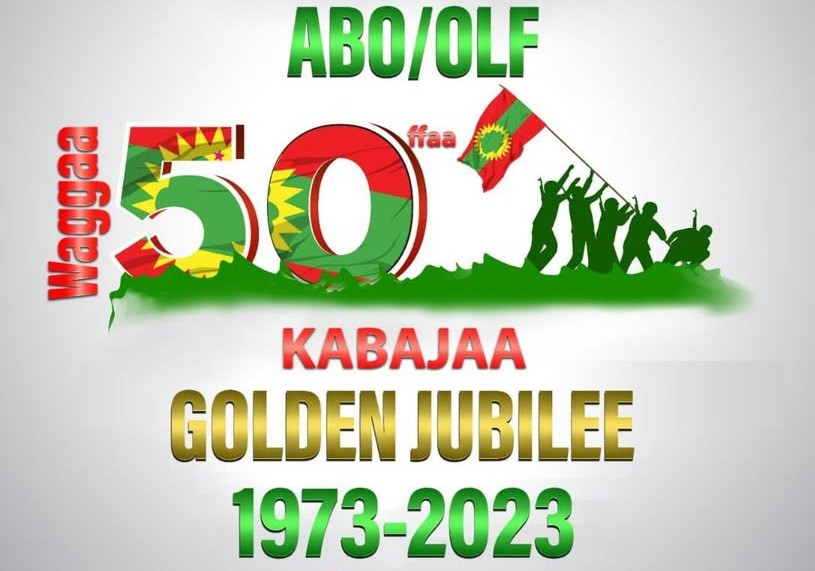
How do we remember the sacrifices of the OLF in the 50 years of the Oromo liberation struggle?
Remembering the sacrifices of the Oromo Liberation Front (OLF) and honoring their role in the 50 years of the Oromo liberation struggle is crucial for preserving the history, resilience, and aspirations of the Oromo people. The OLF, founded in 1973, has been a central force in the fight for Oromo self-determination, cultural preservation, and political rights. Below are ways to commemorate and honor their sacrifices:
- Document and Preserve History
Oral Histories: Collect and record the testimonies of OLF members, veterans, and their families to preserve firsthand accounts of the struggle.
Written Records: Support historians, scholars, and writers in documenting the history of the OLF, including its formation, key battles, political strategies, and challenges.
Archives: Establish digital and physical archives to store documents, photographs, videos, and other materials related to the OLF’s activities.
- Commemorative Events and Ceremonies
Anniversaries: Organize annual events to mark the founding of the OLF (August 1973) and other significant dates in the Oromo liberation struggle.
Memorials: Build monuments, museums, or cultural centers dedicated to the OLF and its fallen heroes.
Cultural Celebrations: Incorporate the remembrance of OLF sacrifices into Oromo cultural festivals like Irreecha, where songs, poems, and performances can honor their legacy.
- Education and Awareness
Curriculum Development: Advocate for the inclusion of the OLF’s history and the Oromo liberation struggle in school and university curricula, both in Ethiopia and in the diaspora.
Public Lectures and Seminars: Host events where scholars, activists, and former OLF members can share their knowledge and experiences.
Media and Publications: Produce documentaries, books, articles, and social media content to educate younger generations about the OLF’s role in the struggle.
- Honoring Fallen Heroes
Heroes’ Day: Designate a day to honor OLF members who lost their lives in the struggle, similar to Martyr’s Day observed by other liberation movements.
Naming Institutions: Name schools, hospitals, streets, and community centers after OLF leaders and martyrs to keep their memory alive.
Support Families: Provide support to the families of fallen OLF members, including financial assistance, educational opportunities, and public recognition.
- Art and Cultural Expression
Music and Poetry: Encourage artists to create songs, poems, and plays that celebrate the sacrifices of the OLF and inspire future generations.
Visual Arts: Support painters, sculptors, and filmmakers to produce works that depict the OLF’s struggle and its significance to the Oromo people.
Storytelling: Use traditional Oromo storytelling methods to pass down the history and values of the OLF to younger generations.
- Political and Social Advocacy
Continue the Struggle: Honor the OLF’s sacrifices by continuing to advocate for the goals they fought for, such as self-determination, equality, and justice for the Oromo people.
Unity and Solidarity: Promote unity among Oromo political organizations and the broader Oromo community to ensure that the sacrifices of the OLF are not in vain.
Human Rights Advocacy: Highlight the OLF’s role in fighting against oppression and use their legacy to advocate for human rights and democracy in Ethiopia.
- Recognition and Reconciliation
National Recognition: Advocate for the Ethiopian government and international bodies to formally recognize the sacrifices of the OLF and their contributions to the struggle for freedom and equality.
Reconciliation Efforts: Use the memory of the OLF’s sacrifices to promote reconciliation and dialogue among different ethnic and political groups in Ethiopia.
- Diaspora Engagement
Global Commemoration: Encourage the Oromo diaspora to organize events, exhibitions, and discussions about the OLF’s role in the liberation struggle.
Fundraising: Mobilize resources from the diaspora to support memorial projects, educational initiatives, and families of OLF martyrs.
- Symbolic Acts
Flags and Symbols: Use the OLF flag and other symbols of the struggle in commemorative events to remind people of the movement’s enduring legacy.
Moments of Silence: Observe moments of silence during public gatherings to honor those who sacrificed their lives for the Oromo cause.
- Inspire Future Generations
Youth Engagement: Educate Oromo youth about the OLF’s history and encourage them to take up the mantle of leadership in the ongoing struggle for justice and equality.
Role Models: Highlight the stories of OLF leaders and members as role models of courage, resilience, and dedication to the Oromo cause.
Conclusion
The sacrifices of the OLF over the past 50 years are a testament to the Oromo people’s unwavering commitment to freedom, justice, and self-determination. By remembering and honoring these sacrifices, we not only pay tribute to those who fought and died for the cause but also ensure that their legacy inspires future generations to continue the struggle for a just and equitable society. The Oromo liberation struggle is a story of resilience, and the OLF’s role in it must never be forgotten.

Oromo Struggle: Sacrifices for Self-Determination
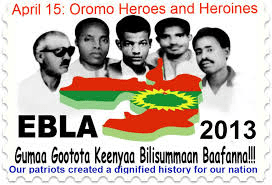
The Oromo struggle for self-determination, cultural recognition, and political rights has been a long and arduous journey, marked by significant sacrifices by Oromo fighters and activists. These sacrifices have taken various forms, including loss of life, imprisonment, displacement, and enduring immense personal hardship. Below are some key ways in which Oromo fighters and activists have sacrificed to promote the Oromo struggle:
1. Loss of Life
- Armed Resistance: Many Oromo fighters have lost their lives in armed resistance against oppressive regimes. Groups like the Oromo Liberation Front (OLF) and others have engaged in armed struggle to fight for the rights of the Oromo people, often facing superior military forces.
- Massacres and Extrajudicial Killings: Oromo activists and civilians have been targeted in massacres and extrajudicial killings by government forces. Notable incidents include the 2004 massacre in the Oromia region and the widespread killings during the 2015-2018 Oromo protests.
2. Imprisonment and Torture
- Political Prisoners: Many Oromo fighters and activists have been imprisoned for their political beliefs and activities. Prominent figures like Bekele Gerba, a leader of the Oromo Federalist Congress, have spent years in prison under harsh conditions.
- Torture and Abuse: Detained Oromo activists often face torture and inhumane treatment. Reports of physical and psychological abuse in Ethiopian prisons are common, aimed at breaking their spirit and deterring others from joining the struggle.
3. Displacement and Exile
- Internal Displacement: Many Oromo families have been displaced from their homes due to conflict and government crackdowns. These internally displaced persons (IDPs) often live in dire conditions, lacking access to basic necessities.
- Refugees: Thousands of Oromo people have fled to neighboring countries like Kenya, Sudan, and South Sudan, as well as to distant countries, to escape persecution. Living in exile often means separation from family and community, and facing uncertain futures.
4. Economic Hardship
- Loss of Livelihood: Many Oromo fighters and activists have abandoned their livelihoods to join the struggle. Farmers, students, and professionals have left their jobs and studies, facing economic hardship and uncertainty.
- Destruction of Property: Government forces have destroyed homes, farms, and businesses belonging to Oromo families suspected of supporting the struggle, leading to significant economic losses.
5. Social and Psychological Impact
- Family Separation: The struggle has led to the separation of families, with members often scattered across different regions or countries. This separation causes emotional and psychological distress.
- Trauma: The constant threat of violence, imprisonment, and loss has left deep psychological scars on many Oromo fighters and their families. The trauma of war and persecution affects mental health and well-being.
6. Cultural Suppression
- Suppression of Oromo Culture: The Ethiopian government has historically suppressed Oromo culture, language, and traditions. Oromo fighters and activists have worked tirelessly to preserve and promote their cultural heritage, often at great personal risk.
- Attacks on Cultural Institutions: Oromo cultural institutions and leaders have been targeted, with efforts to erase Oromo identity and history. Despite this, Oromo fighters have continued to resist and promote their culture.
7. Sacrifices in Education
- Interrupted Education: Many young Oromo students have had their education interrupted due to their involvement in the struggle or because of government crackdowns on schools and universities.
- Targeting of Students: Oromo students have been particularly targeted during protests, with many killed, arrested, or expelled from educational institutions for participating in demonstrations.
8. International Advocacy
- Exile Activism: Many Oromo activists in exile have dedicated their lives to advocating for the Oromo cause on the international stage. They work to raise awareness, lobby governments, and seek support from international organizations, often facing significant challenges and risks.
- Documentation and Reporting: Activists have documented human rights abuses and shared their findings with international bodies, often at great personal risk. This documentation is crucial for holding perpetrators accountable and seeking justice.
Conclusion
The sacrifices made by Oromo fighters and activists are a testament to their resilience and commitment to justice, equality, and self-determination. Their efforts have brought international attention to the Oromo struggle and have inspired a new generation of activists. While the path to achieving their goals remains challenging, the sacrifices of these individuals continue to fuel the movement for a better future for the Oromo people.
Strengthening Waaqeffannaa: Strategies for Cultural Preservation
Promoting and strengthening Waaqeffannaa, the indigenous faith of the Oromo people, involves a combination of cultural preservation, education, community engagement, and advocacy. Here are some strategies to achieve this:
1. Cultural Preservation and Revival
– Documentation: Record and document Waaqeffannaa practices, rituals, oral traditions, and teachings to preserve them for future generations.
– Revival of Rituals: Encourage the practice of traditional rituals, ceremonies, and festivals to keep the faith alive and relevant.
– Cultural Centers: Establish cultural centers or museums dedicated to Waaqeffannaa to showcase its history, artifacts, and practices.
2. Education and Awareness
– Curriculum Development: Integrate Waaqeffannaa teachings and history into educational curricula, particularly in regions with significant Oromo populations.
– Workshops and Seminars: Organize workshops, seminars, and public lectures to educate people about the principles and values of Waaqeffannaa.
– Publications: Produce books, articles, and multimedia content that explain Waaqeffannaa’s beliefs, practices, and significance.
3. Community Engagement
– Community Leaders: Engage with community leaders, elders, and spiritual guides to promote Waaqeffannaa within the community.
– Youth Involvement: Encourage the younger generation to participate in Waaqeffannaa activities and learn about their heritage.
– Cultural Festivals: Organize and participate in cultural festivals that celebrate Waaqeffannaa and Oromo culture.
4. Advocacy and Legal Support
– Recognition: Advocate for the official recognition of Waaqeffannaa as a legitimate religion by governments and international bodies.
– Legal Rights: Work towards ensuring the legal rights of Waaqeffannaa practitioners to practice their faith without discrimination or persecution.
– Interfaith Dialogue: Engage in interfaith dialogue to promote understanding and respect for Waaqeffannaa among other religious communities.
5. Media and Technology
– Social Media: Utilize social media platforms to spread awareness about Waaqeffannaa, share information, and connect with a global audience.
– Online Resources: Create websites, blogs, and online forums dedicated to Waaqeffannaa to provide resources and foster discussion.
– Documentaries and Films: Produce documentaries and films that explore the history and practices of Waaqeffannaa.
6. Collaboration and Networking
– Cultural Organizations: Collaborate with Oromo cultural organizations and other indigenous groups to strengthen cultural identity and solidarity.
– Academic Research: Encourage academic research on Waaqeffannaa to deepen understanding and provide scholarly support for its practices.
– International Support: Seek support from international organizations that focus on indigenous rights and cultural preservation.
7. Spiritual Leadership
– Training and Development: Train and develop spiritual leaders and practitioners who can guide the community and perform rituals.
– Unity and Cohesion: Promote unity and cohesion among Waaqeffannaa practitioners to strengthen the faith community.
8. Economic Support
– Funding: Secure funding and resources to support Waaqeffannaa initiatives, including cultural events, educational programs, and infrastructure development.
– Economic Empowerment: Support economic initiatives that empower Waaqeffannaa practitioners and communities, ensuring they have the resources to sustain their cultural practices.
By implementing these strategies, Waaqeffannaa can be promoted and strengthened, ensuring its survival and relevance for future generations.

Steps for OLF and PP to Achieve Peace in Ethiopia
The Oromo Liberation Front (OLF) and the Prosperity Party (PP) are two significant political entities in Ethiopia, each with distinct ideologies and objectives. The OLF is a nationalist organization advocating for the self-determination and rights of the Oromo people, while the PP is the ruling party in Ethiopia, established by Prime Minister Abiy Ahmed, and focuses on national unity, economic development, and political reforms. For the OLF and PP to work together, the following steps could be considered:
1. **Dialogue and Negotiation**: Open and sincere dialogue is essential. Both parties need to engage in negotiations to address grievances, build trust, and find common ground. This could involve mediated talks facilitated by neutral parties or international organizations.
2. **Inclusive Governance**: The PP could ensure that the OLF and other opposition groups are included in the political process. This might involve power-sharing arrangements, representation in government, and participation in decision-making processes.
3. **Addressing Grievances**: The PP should address the specific concerns of the Oromo people, such as land rights, cultural recognition, and political representation. Implementing policies that address these issues can help reduce tensions and build trust.
4. **Ceasefire and Demilitarization**: If there is ongoing conflict, a ceasefire agreement could be a crucial first step. Both sides might need to demilitarize certain areas and commit to peaceful resolution mechanisms.
5. **Economic Development**: Collaborative efforts to promote economic development in Oromo regions can help alleviate some of the socio-economic issues that fuel discontent. Joint projects and investments in infrastructure, education, and healthcare can be beneficial.
6. **Legal and Constitutional Reforms**: Both parties could work together on legal and constitutional reforms that ensure the rights and freedoms of all ethnic groups, including the Oromo. This might involve revising laws to better protect minority rights and ensure equitable resource distribution.
7. **Reconciliation and Justice**: Establishing mechanisms for reconciliation and justice, such as truth and reconciliation commissions, can help address past injustices and promote healing. This is crucial for long-term peace and stability.
8. **International Support**: Engaging the international community for support and oversight can provide additional guarantees for both parties. International mediators and observers can help ensure that agreements are upheld and that the peace process remains on track.
9. **Public Engagement**: Both the OLF and PP should engage with their constituencies to explain the benefits of cooperation and peace. Public support is crucial for the success of any agreement.
10. **Monitoring and Evaluation**: Establishing a joint committee to monitor the implementation of agreements and address any issues that arise can help maintain momentum and ensure accountability.
By focusing on these areas, the OLF and PP can work towards a more peaceful and cooperative relationship, ultimately benefiting the broader Ethiopian society.

Empowering Oromia: OLF and OPP’s Joint Vision
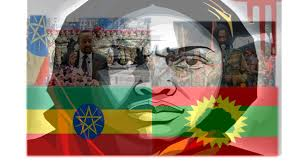
The Oromo Liberation Front (OLF) and the Oromia Prosperity Party (OPP) can work together for the betterment of Oromia by focusing on shared goals, fostering dialogue, and prioritizing the interests of the Oromo people. Here are some steps they can take to collaborate effectively:
### 1. **Shared Vision for Oromia** – Both parties should identify common goals, such as economic development, social justice, good governance, and the preservation of Oromo culture and identity. – Develop a unified vision for Oromia’s future that prioritizes the well-being of its people.
### 2. **Dialogue and Reconciliation** – Engage in open and constructive dialogue to address historical grievances and build trust. – Establish a framework for reconciliation to heal divisions and promote unity among the Oromo people.
### 3. **Inclusive Governance** – Work together to create inclusive governance structures that ensure representation of all Oromo communities, including marginalized groups. – Collaborate on policies that promote transparency, accountability, and participatory decision-making.
### 4. **Economic Development** – Jointly advocate for investments in infrastructure, education, healthcare, and agriculture to improve livelihoods in Oromia. – Support initiatives that empower local communities, create jobs, and reduce poverty.
### 5. **Cultural and Linguistic Preservation** – Collaborate on efforts to preserve and promote the Oromo language, culture, and traditions. – Support educational programs that teach Oromo history and values to future generations.
### 6. **Conflict Resolution** – Work together to address conflicts within Oromia, whether they are political, ethnic, or resource-based. – Establish mechanisms for peaceful conflict resolution and community mediation.
### 7. **Grassroots Engagement** – Engage with local communities to understand their needs and aspirations. – Encourage grassroots participation in decision-making processes to ensure policies reflect the realities on the ground.
### 8. **National and Regional Collaboration** – Coordinate efforts with the federal government and other regional states to address cross-border issues and promote national unity. – Advocate for Oromia’s interests at the national level while maintaining a cooperative approach.
### 9. **Youth and Women Empowerment** – Focus on empowering youth and women through education, skills training, and leadership opportunities. – Address issues such as gender inequality and youth unemployment to build a more equitable society.
### 10. **Environmental Sustainability** – Collaborate on environmental conservation efforts to protect Oromia’s natural resources. – Promote sustainable agricultural practices and address climate change challenges.
### Challenges to Overcome:
– **Political Differences:** Both parties must be willing to compromise and prioritize the greater good over partisan interests.
– **Historical Mistrust:** Building trust will require time, transparency, and consistent efforts to address past grievances.
– **External Influences:** Both parties should resist external pressures that may seek to exploit divisions within Oromia.
By focusing on collaboration, mutual respect, and the shared interests of the Oromo people, the OLF and OPP can contribute to a more prosperous and peaceful Oromia.
Seenaa Gadaa Booranaa: Gadaa Gadayoo
Gadayoon durattuu Gadaatti ture. Ta ammaa tunin, Gadaa Gadayootiin duubaati. Gadayoo Galgalootiin duubatti, Gadaa 94tti ture. Gadaa Gadayootii asi Gadaan 72. Walumaagalatti Gadaan Booranaa 166ffaadha. Abbaa Gadaa Kuraa Jaarsoo Kuraa.
Understanding Ethiopian Identity: The Amhara and Its Roots
In a causal engagement with an opponent on the subject of #Ethiopian identity and political #history, I presented several issues that merit attention of every one interested. The issues are rooted in historical, cultural, and political complexities of Ethiopia. Below, I will articulate them.
1. The Kushite Factor
It is critical to underscore that the #Amhara people exhibit #Semitic influences primarily in the intonation of their language, as well as in certain outward cultural and traditional manifestations. These influences are attributable to historical factors, particularly the #Christian heritage and the #Orientalist outlook cultivated by both religious and political elites. However, to assert that the Amhara are inherently Semitic would be a significant overstatement. Ethiopia, as a whole, does not possess a distinctly Semitic ethnicity. Instead, the nation is home to diverse peoples, all of whom share a foundational #Kushitic heritage.
The Semitic elements observed in linguistic and cultural patterns are more appropriately understood as an overlay resulting from ancient migrations, trade, and religious exchanges. These factors do not negate the Kushitic roots of Ethiopian society, which remain the unifying and authentic essence of the region’s peoples. It is essential to recognize this Kushitic foundation as the cornerstone of Ethiopia’s #indigenous identity, underscoring the shared heritage that binds its inhabitants as genuine Ethiopians.
2. Historical Complexities in the Amhara Region
Historically, the territories encompassed by #Abyssinia, particularly the Amhara and #Tigray mega-provinces, have been home to a rich tapestry of diverse ethnic groups. Within the region now designated as Amhara, communities such as the #Oromo, #Gafat, #Agew, #Qimant, #Quara, #Weyto, #Argoba, etc. have coexisted for centuries. These groups are not external to the Amhara populace but are instead integral components of its broader demographic composition. They are, fundamentally, Kushitic peoples, whose presence predates the development of what is now recognized as the Amhara identity.
The genesis of Amhara identity appears to be the result of a complex #synthesis between some Semitic-speaking trading groups from the Middle East and the indigenous Kushitic populations of Northeast #Africa. This cultural and genetic amalgamation likely began around the time of the Kingdom of #Aksum, at the dawn of the Common Era. Subsequent population movements across the southern Red Sea reinforced Semitic linguistic and cultural influences, particularly in northern Ethiopia. However, the region’s enduring Kushitic substratum has remained a defining characteristic.
Furthermore, the historical record demonstrates significant Oromo #expansion (come back) into areas now identified as the #Gojjam, South #Gondar, and #Wollo Zones. These expansion left an indelible mark on the region’s cultural and demographic landscape. Gondar, for instance, was at one point described as predominantly an Oromo city from where Oromo emperors ruled the kingdom, highlighting the extent of intermingling and integration. This underscores the inherently mixed nature of the population in what is today known as Amhara State, challenging any monolithic portrayal of its identity.
3. The Modern Construction of “Amhara” as an Ethnic Identity
The notion of an “Amhara ethnicity” is, in fact, a relatively modern construct. Historically, the term “Amhara” referred less to a distinct ethnic group and more to a civic identity associated with membership in the Abyssinian imperial polity. This identity was defined by adherence to the #Orthodox Christian faith, the use of #Amharic as a lingua franca, and the cultural traditions fostered by the imperial court and #ecclesiastical hierarchy.
The promotion of Amhara identity as a quasi-ethnic category gained traction during the expansionist campaigns of Emperor #Menelik II in the late 19th century. As the empire extended its reach into southern, eastern, and western Ethiopia, certain elites propagated a narrative of the Amhara and Tigrinya-speaking peoples as a “chosen people.” This ideology was used to justify domination over the diverse populations of the newly incorporated territories. This “black Zionist” or Orientalist narrative has persisted in some quarters, resurfacing in contemporary political discourse, particularly in Addis Ababa.
The establishment of the Amhara National Democratic Movement (#ANDM) in the early 1990s further institutionalized Amhara identity as a political category. However, it is essential to recognize that this identity often serves as a rallying point for ideological and political purposes rather than reflecting a cohesive ethnolinguistic reality. The casual invocation of Amhara identity in modern conversations often stems from a lack of nuanced understanding of Ethiopian history and the complexities of its cultural synthesis.
4. Oromo Identity and the Concept of Ethiopian Citizenship
As an Oromo, I view my identity with pride and a deep connection to Oromo culture, traditions, and worldviews. However, this sense of pride is not rooted in a notion of superiority but in the acknowledgment of the rich heritage that shapes who I am. Every individual, regardless of their background, has reason to value and celebrate their cultural identity.
When it comes to Ethiopian #citizenship, my perspective is grounded in a legalistic and inclusive framework. Being “Ethiopian” is not contingent upon belonging to a specific ethnic group, speaking a particular language, adhering to a certain religion, or subscribing to a prescribed political #ideology. It is, rather, a legal #construct defined by #constitutional and legislative criteria. This understanding underscores the inherently pluralistic nature of Ethiopian identity, which is a collective manifestation of the nation’s linguistic, cultural, and religious diversity.
5. Amhara People as Neighbors and Friends
Throughout my life, I have lived among the Amhara, worked with them, and developed an intimate understanding of their community. Alongside the Oromo, they are the people I know best. By and large, the Amhara are a kind, generous, and God-fearing people. As in any community, there are individuals with ill intentions, but such instances should not overshadow the broader characteristics of the group.
However, it is worth noting that some members of the Amhara elite—whether in politics, religion, academia, or the economy—appear to be disconnected from the everyday realities of the masses. These elites often harbor an inflated sense of self-importance and, in some cases, have misguidedly influenced public discourse. This phenomenon, while not unique to the Amhara, warrants attention as it shapes perceptions and relations among Ethiopia’s diverse communities.
6. The Oromo Struggle and Its Aspirations
At the heart of the Oromo national movement lies a steadfast commitment to equality, justice, and self-governance. The objective has never been to replicate the imperialism of Menelik II or to elevate a new Gobanaa figurehead. Nor is the struggle about seeking validation from external actors or undermining one’s own cause through divisive narratives.
The sacrifices of the Oromo youth, the Qeerroo and Qarree, are directed toward the realization of a just and equitable society where the Oromo can exercise self-determination. Should this vision prove unattainable within the framework of a federal Ethiopia, the logical trajectory would be the pursuit of full liberation for Oromia. The core principles of the movement remain unwavering: the pursuit of dignity, justice, and the right to self-rule.
In sum, the issues I have articulated here are rooted in a desire to foster understanding and advance meaningful dialogue. By engaging with the historical and cultural complexities of Ethiopian identity, we can better appreciate the rich tapestry of our shared heritage while respecting the distinctiveness of each community. This approach is essential for building a future founded on equality, mutual respect, and unity amidst diversity
Konyaa Mulis Abba Gadaa Celebrates New Year with Oromo Community
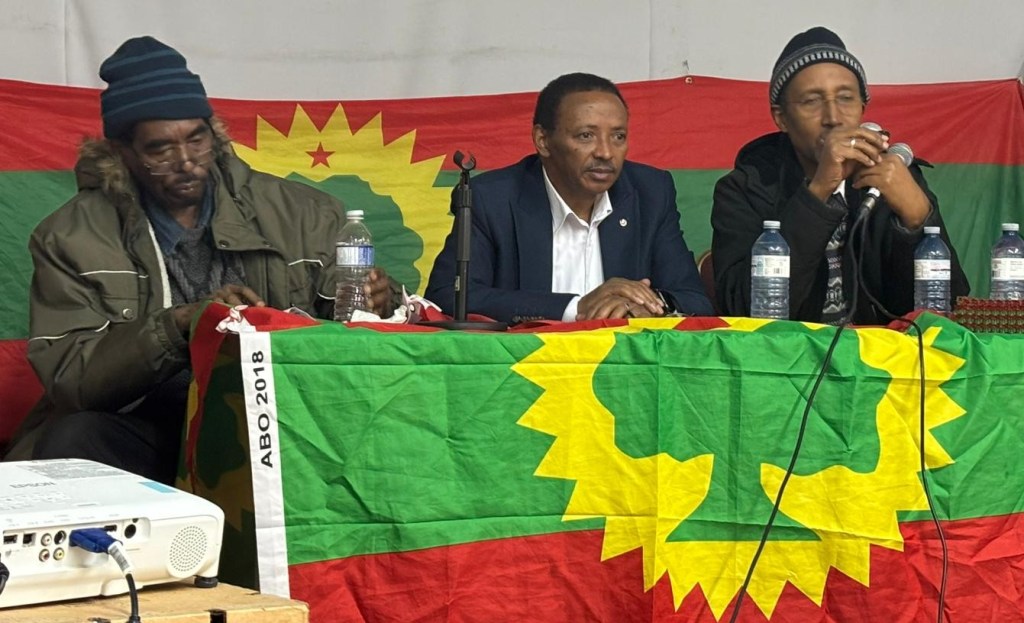
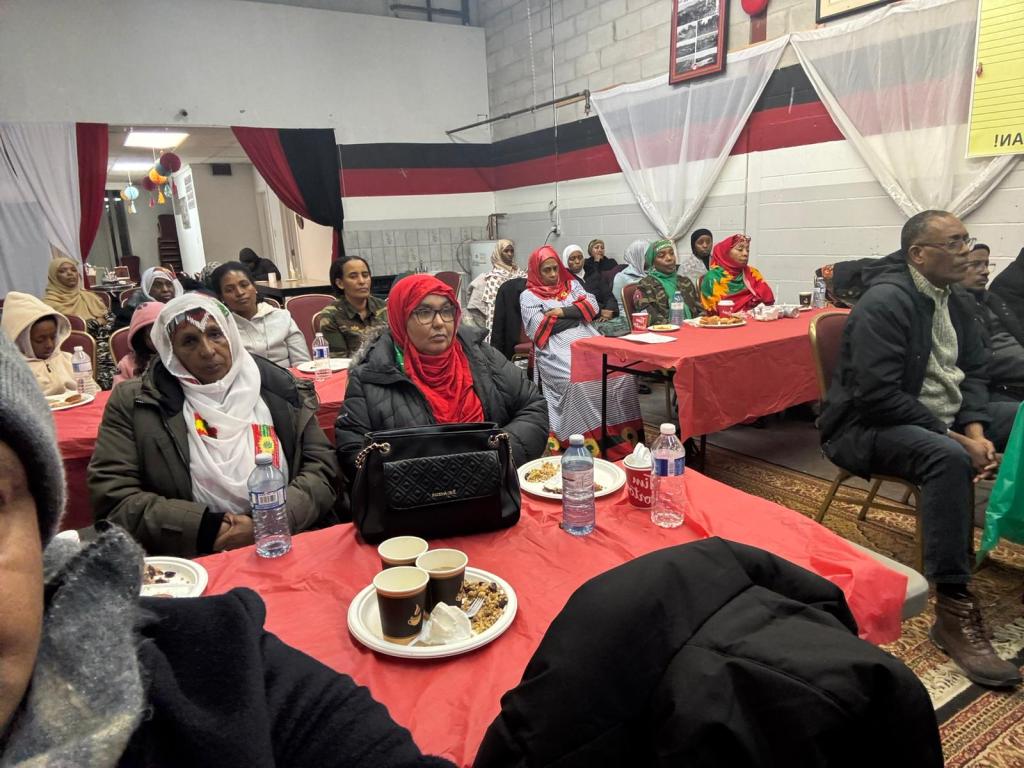
(A4O, 18 January 2025) The OLF members and supporters of Konyaa OLF Mulis Abba Gadaa celebrated the New Year in a grand manner.

The celebration was attended by the leadership, officers, members of the ABO and the Oromo Community of Toronto, Canada.

The Chairman of Konyaa OLF Mulis Abba Gadaa, Jaal Mohammed, welcomed the guests and concluded the program with a message and thanks to the Oromo community.

MSHG-GS ABO Jaal Yaddi Abdushikur on behalf of the ABO explained the message, statement and direction of the community, members and supporters of the struggle in the form of identity compassion, determination of struggle and the ongoing movement of the Oromo Liberation Front.

In addition, the past Gadaa leaders, Jaal Tamam and Jaal Roraas, conveyed messages regarding Amajjii 1st. Jaal Rooras and Jaal Tamaam explained to the participants about the celebration of WBO Day also.

The struggle for freedom of the Oromo people is based on determination and tenacity.
The event featured questions and comments from representatives of the community association. The questions raised by the participants were answered and the celebration was a beautiful celebration of success.
Finally, the wishes were expressed that 2025 will be a year of victory, and freedom for the Oromo people.

"All concerned parties accepted their expected roles and pointed out mutual positions and determinations to make the success of the struggle responsible for contributing."

The participants agreed that it is crucial to cleanse the obstacles and group(s) from the struggle.
Shocking Executions Highlight Ethiopia’s Violence
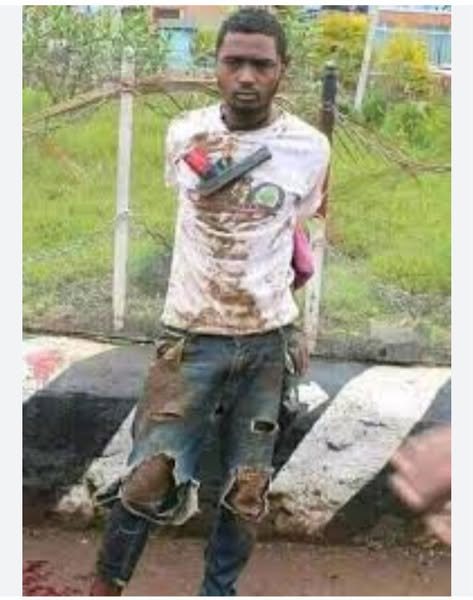
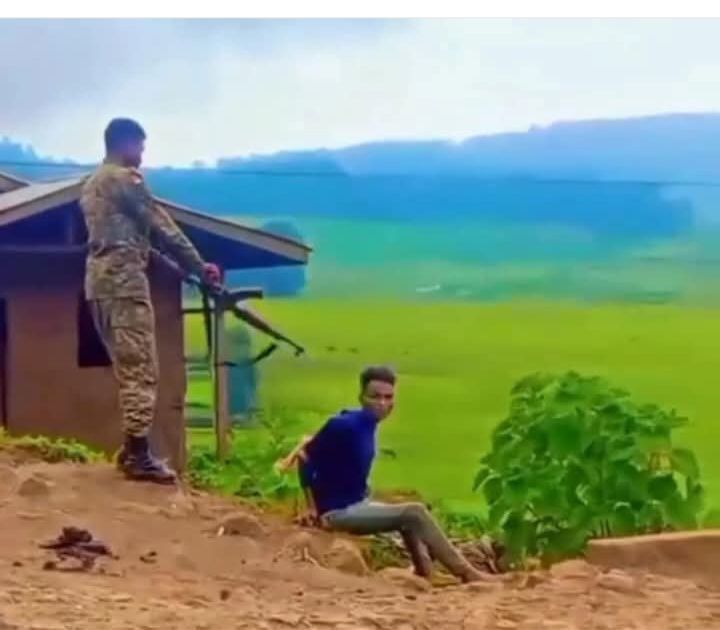
The two Amanuels
By Tullu Liban
Amanuel Wondimu of Dembidollo and Amanuel Ephrem of Boji Birmeji are executed in the same fashion by government forces. What a horror!
We have witnessed quite a number disturbing of slaughters over the last few years. When such free and barbaric killings are conducted by savage elements words fail you to express your utmost anger, grief and frustration. Such is a moment when you give up on your country and any of its functionary apparatuses. Such is a moment when you are forced to condemn the horrible acts in all possible terms.
What is this insanity? Is there a moral ground for the Ethiopian security forces to claim they are enforcing law and order? Is an extra judicary killing of such type a reward for blood thirsty beasts in human image and clothing? Does this kind of violence grant legitimacy to the regime? Can it stop resented citizens from protesting the suppression they are doomed to? Is brutal killing of the youth before their parents in the open a solution to the crisis the regime is indulged in? Is it how the Ethiopian security forces are trained to discharge their responsibilities?
Just a challenge. Can the Ethiopian parliament speak up to the commander-in-chief of the armed forces to get explanation about the legal framework, if any, that granted unlimited power and unaccountability leverage for free killing? How does he communicate with the security forces he is heading from top of the helmet?

Navigating Career Paths: Oromo Youth in Australia
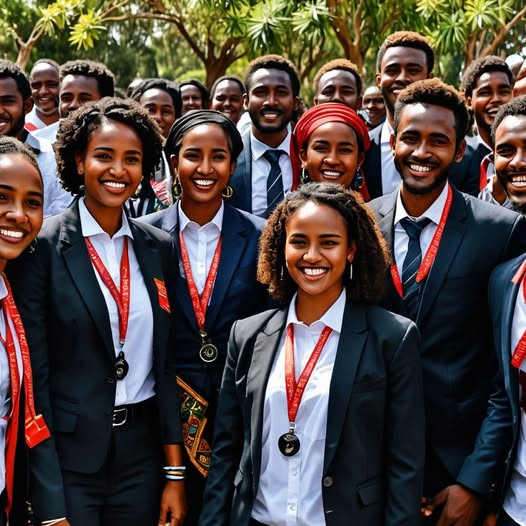
Preparing Oromo youth for successful careers in Australia by 2030 involves a multifaceted approach that combines education, skill development, cultural awareness, and personal growth.
As the global job market continues to evolve, it is crucial for the Oromo community to equip its youth with the tools, knowledge, and confidence needed to thrive in an increasingly competitive environment. Below are 15 detailed points to help guide this preparation, each encompassing essential strategies and insights to empower Oromo youth in Australia.
### 1. **Education and Skills Development**
– **Pursue Quality Education**: Encourage youth to seek education that aligns with their interests and strengths. Formal education, whether through universities, vocational training, or technical colleges, should be prioritized. Knowledge in fields such as healthcare, engineering, IT, and trade skills is increasingly valuable.
– **Lifelong Learning**: Instill a culture of continuous learning. Encourage participation in workshops, online courses, and certification programs that add to their skill set. Knowledge of emerging trends, especially in technology and sustainability, will be beneficial.
### 2. **Cultural Identity and Pride**
– **Embrace Oromo Heritage**: Empower youth to take pride in their cultural identity. Encourage participation in community organizations and cultural events that celebrate Oromo heritage. A strong cultural foundation enhances self-esteem and resilience.
– **Bicultural Competence**: Prepare youth to navigate the Australian cultural landscape while honoring their Oromo roots. Understanding both cultures will facilitate better communication and integration into diverse work environments.
### 3. **Career Guidance and Mentorship**
– **Establish Mentorship Programs**: Create networks connecting Oromo youth with mentors in various professions. Mentorship provides guidance, industry insights, and support, fostering professional and personal development.
– **Career Counseling**: Offer career guidance services that help youth explore their strengths, interests, and marketable skills. This counseling should also include information about available educational and vocational pathways in Australia.
### 4. **Networking Opportunities**
– **Build Professional Networks**: Encourage involvement in community events, professional associations, and industry conferences. Networking is essential for job hunting and can lead to valuable connections in respective fields.
– **Utilize Social Media**: Teach digital literacy, including effective networking through platforms like LinkedIn. Establishing an online professional presence can broaden job opportunities and visibility in their chosen fields.
### 5. **Soft Skills Development**
– **Communication and Interpersonal Skills**: Focus on developing soft skills such as effective communication, teamwork, and problem-solving. These skills are often as important as technical expertise and are highly valued by employers.
– **Emotional Intelligence**: Encourage youth to cultivate emotional intelligence, which encompasses self-awareness, empathy, and social skills. This ability to understand and manage emotions will enhance interactions in the workplace.
### 6. **Understanding the Job Market**
– **Research Industry Trends**: Educate youth on current and future job market trends in Australia. Highlight in-demand occupations and sectors such as healthcare, renewable energy, education, and technology.
– **Job Search Strategies**: Provide training on effective job search techniques, including resume writing, interview preparation, and leveraging job portals. Knowledge of these tools increases the chances of securing employment.
### 7. **Promote STEM Education**
– **Encourage Interest in STEM**: Promote science, technology, engineering, and mathematics (STEM) fields among Oromo youth. These areas are critical to future job markets and can lead to high-paying career opportunities.
– **STEM Initiatives**: Introduce programs that engage youth in STEM through workshops, coding camps, and science fairs. Engagement in STEM at a young age fosters problem-solving skills and creativity.
### 8. **Financial Literacy**
– **Teach Financial Management**: Provide education on personal finance, budgeting, and investment. Understanding how to manage finances is vital for young adults as they transition into the workforce.
– **Entrepreneurship Education**: Inspire entrepreneurial thinking, encouraging youth to consider starting their own businesses. Provide resources and training on business planning, marketing, and financial management.
### 9. **Work Experience and Internships**
– **Promote Practical Experience**: Encourage youth to seek internships, part-time jobs, or volunteering opportunities in their fields of interest. Practical experience enhances employability and provides insight into workplace dynamics.
– **Partnerships with Employers**: Collaborate with local businesses to create internship opportunities tailored for Oromo youth. This partnership can lead to job placements and reciprocal benefits for employers seeking diverse talent.
### 10. **Digital Literacy**
– **Enhance Technological Skills**: Emphasize the importance of digital literacy in today’s job market. Equip youth with essential skills in software applications, digital communication, and online collaboration tools.
– **Cybersecurity Awareness**: With increasing reliance on technology, training in cybersecurity best practices is necessary. Teaching youth to protect personal data and privacy aligns with the digital landscape’s demand.
### 11. **Utilizing Community Resources**
– **Leverage Community Organizations**: Encourage youth to engage with community resources that offer career training, financial assistance, or educational support. Local organizations can provide valuable networks and opportunities.
– **Culturally Relevant Programs**: Develop initiatives specifically designed for Oromo youth, addressing their unique challenges and enhancing their career prospects through tailored support.
### 12. **Volunteerism and Community Service**
– **Encourage Volunteering**: Highlight the benefits of volunteering in building a resume, gaining experience, and networking. Community service fosters a sense of purpose and connectivity in the local community.
– **Leadership Development**: Promote leadership roles in volunteer activities. Leadership experience can enhance confidence and competence, traits that are attractive to future employers.
### 13. **Health and Well-being**
– **Promote Mental Health Awareness**: Address the importance of mental well-being and provide resources for support. Ensuring that youth are mentally healthy will allow them to focus on career development.
– **Work-life Balance**: Teach the importance of maintaining a healthy work-life balance. Encourage participation in recreational activities, hobbies, and community engagement to support overall well-being.
### 14. **Understanding Rights and Responsibilities**
– **Employee Rights Education**: Inform youth about their rights in the workplace, including fair pay, anti-discrimination laws, and workplace safety. Knowledge of these rights empowers them to advocate for themselves.
– **Civic Engagement**: Encourage engagement in civic activities and an understanding of their responsibilities as citizens. Knowledge of governmental structures and voting rights incentivizes active participation in society.
### 15. **Celebrating Successes**
– **Recognize Achievements**: Celebrate the accomplishments of Oromo youth as they navigate their career paths. Recognizing achievements, no matter how small, fosters motivation and a sense of community support.
– **Role Models and Success Stories**: Highlight success stories of successful Oromo professionals in various fields. Showcasing role models inspires youth to aspire to similar achievements and provides tangible examples of potential pathways.
### Conclusion
Preparing Oromo youth for careers in Australia by 2030 requires a holistic approach that encompasses education, cultural identity, skills development, and community engagement. By fostering a supportive environment that encourages learning, networking, and personal growth, we can equip young people with the tools they need to succeed in a diverse and competitive job market.
Additionally, collaboration among families, community organizations, educational institutions, and local businesses is crucial for creating opportunities tailored to the needs of Oromo youth. As they gain confidence and competence, they will not only enhance their own futures but also contribute positively to the broader Australian society. By focusing on these 15 key points, we can empower the next generation of Oromo leaders and professionals to achieve their dreams and aspirations in Australia by 2030.




 Advocacy for Oromia