Author Archives: advocacy4oromia
Oromo Heroes: Remembering Mahammad Ali and Bakkalchoo Asaffa
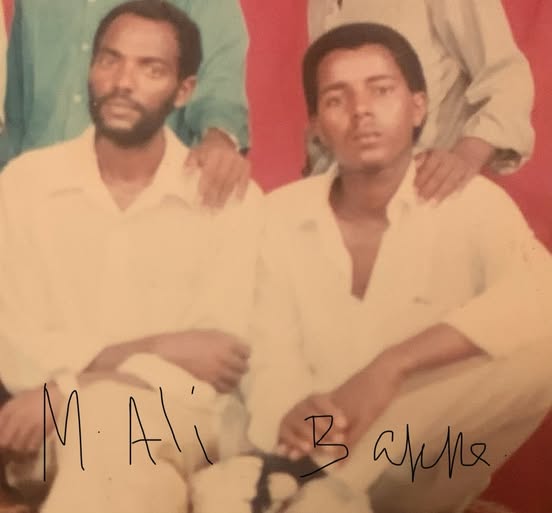
History will never forget you, Jaal Mahammad Ali and Jaal Bakkalchoo Asaffa.
Jaal Mahammad Ali, a dedicated member of the SBO/OLF, was martyred in 1999. Jaal Bakkalchoo Asaffa, a courageous OLF commando, was martyred in 1997. The struggle of this nation knows no bounds.
Through it all, the OLF has been the great and wide Odaa—the shelter that has carried this nation and its struggle forward. To this day, it remains a deeply rooted force.
The Oromo struggle is eternal, and the OLF has been its enduring sanctuary—the great Odaa that has borne this nation forward. Its roots are deep and unshakable. Though they push, they will never prevail.
Beyond the Cradle: How Oromo Traditions Shape Youth and Why They’re Overlooked
What can ancient traditions teach us about raising well-rounded youth? This article delves into the rich cultural and moral values of the Oromo cradle tradition, exploring its powerful role in fostering positive behavior and personal development.
We investigate the often-overlooked educational wisdom within Oromo practices. Through careful analysis of historical documents, a clear pattern emerges: indigenous traditions like Waaqeffannaa have frequently been dismissed as outdated or ungodly, while religions like Orthodox Christianity and Islam were cast as more modern.
This marginalization isn’t new. During the feudal era, the Orthodox Church dominated public life. The socialist regime that followed suppressed all religion, though Orthodox Christianity and Islam managed a fragile presence. Today, Ethiopia’s federal system officially embraces secularism, with no state religion.
Yet, despite this secular framework, a critical gap remains. The profound educational value of indigenous Oromo beliefs and socio-cultural institutions continues to be sidelined in our modern discourse. This article argues for a re-examination of these traditions, not as relics of the past, but as vital resources for nurturing the future.
Celebrating Irreecha: A Vibrant Cultural Festival in Salale
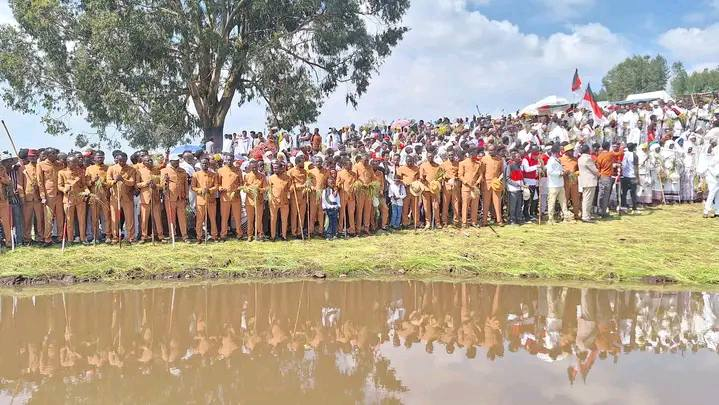
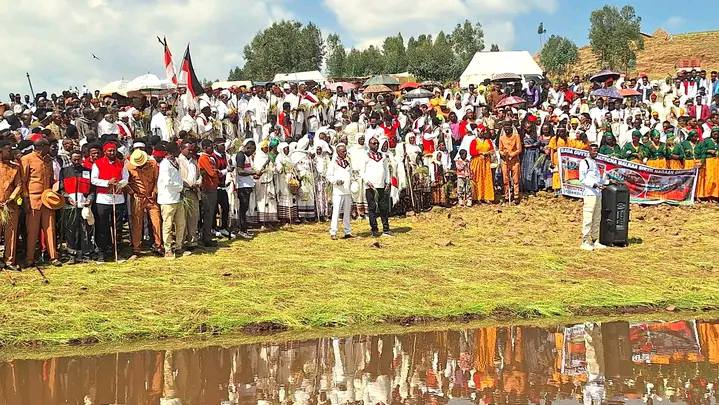
SALALE – The vibrant Irreecha festival was joyfully celebrated in the Jidda district of the Salale region, uniting the community at the historic Malkaa Sirxii.
The ceremony was graced by a broad cross-section of the community, including Abbaa Gadaa Goobanaa Hoolaa, the Haadholii Siiqqee (women bearing the Siinqee staves), the Warra Bokkuu, the Abbootii Shanan Jiddaa Oromo, elders, religious leaders, and youth.
The event also welcomed natives and lovers of Jidda from various places, all participating in the festive gathering. This year’s Irreecha at Malka Sirxii was opened by the Abbootii Gada and the mothers of Siinqee, who blessed the proceedings.
The celebration was noted for its warmth and beauty, with community members adorned in a dazzling array of traditional costumes, showcasing the rich cultural heritage of the Oromo people.
The Irreecha festival is eternally etched in the hearts and minds of the Oromo people—a timeless tradition celebrated with unwavering spirit and joy.
OLF Prepares for 7th Round Elections with Focus on Growth
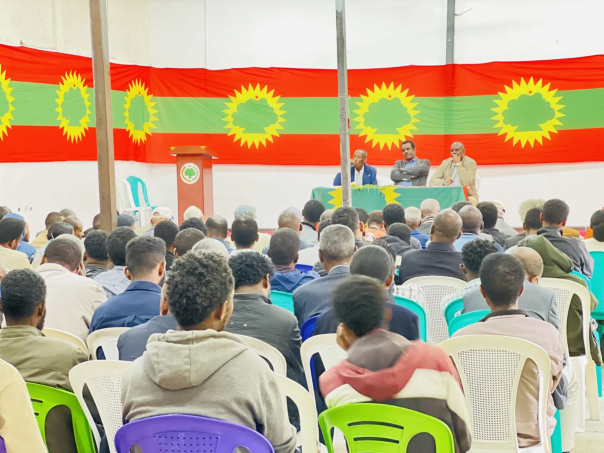
FINFINNE – The Oromo Liberation Front (OLF) is finalizing its preparations for the upcoming 7th round of national elections and is collaborating with the National Election Board to meet all requirements, according to a statement from the party.
The announcement was made by OLF Member Secretary-General Jaal Abdii Raggaasaa during a meeting at the party’s headquarters in Gullalle. He outlined the party’s strategic direction, emphasizing member duties, organizational growth, and the current political landscape.
On Party Building and Member Duties
Jaal Abdii Raggaasaa stressed that every member has a fundamental duty to recruit and mentor new members, beyond their assigned roles. “If the organization is not built, it cannot grow,” he stated, challenging each member to personally recruit at least ten individuals to strengthen the party’s structure.
He connected personal experience to collective success, noting that individuals bring diverse characteristics to the struggle. “From individual to group or union, there are those who take responsibility in the OLF struggle and bring results,” he said.
On Political Vigilance and Internal Security
The Secretary-General issued a stern warning against internal division and espionage. He urged members to report any individuals suspected of spying on the party for the government.
He also condemned members who work in multiple places or factions, describing such behavior as self-destructive. “The Irbuu (oath) is devouring,” he said, warning that those who take an oath of allegiance cannot stand in “two or three places.” He urged introspection, asking members to question their contribution to the collective cause.
On the National Political Context
Jaal Abdii Raggaasaa addressed the ongoing conflict in northern Ethiopia, expressing the participants’ concern that the war could expand into Oromia. He asserted that the OLF would not allow “Northerners to take over the country again,” and would not be a passive observer if any forces attempted to enter Oromia.
Regarding international influence, he pointed out that no one in Africa comes to power without the will of Western governments. However, he added that the OLF does not believe Western governments are currently willing to empower either Tigray or Amhara factions at the expense of Oromia.
He concluded by reaffirming the party’s position: “The OLF is in a good position, and we must fulfill our duty by turning our existence into action. The struggle is to give priority to the people first of all and to work for the interest of the people rather than personal interest.”
The meeting concluded with participants affirming that an “awakened nation is built and the built is united,” underscoring the theme of unity and mobilization.
Celebrating Irreecha: A Cultural Milestone in Dambi Dollo
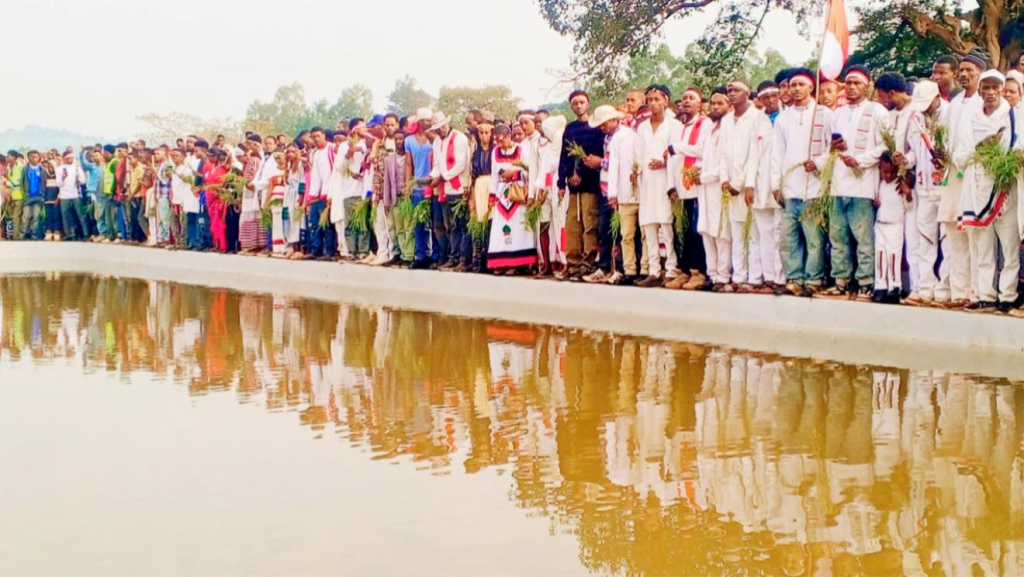
A vibrant celebration of Irreecha filled the heart of Dambi Dollo at Malkaa Meexxii!
The historic Irreecha festival was joyfully celebrated in Dambi Dollo, honored by the presence of the Abbootii Gadaa (Gadaa leaders), Haadholii Siinqee (women elders), youth, and the wider community.
The festival brought together the wisdom of the Abbootii Gadaa, the strength of the Haadholii Siinqee, the energy of the youth, and the entire community in a beautiful display of unity and thanksgiving.
A heartfelt congratulations to the people of Dambi Dollo for organizing such a successful and inspiring event!
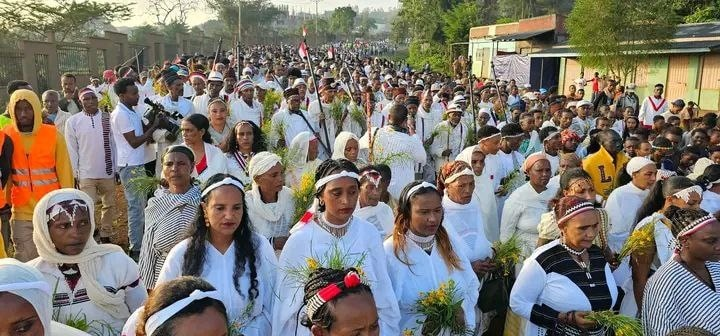
Celebrating Oromtittii Day: A Tribute to Oromo Women
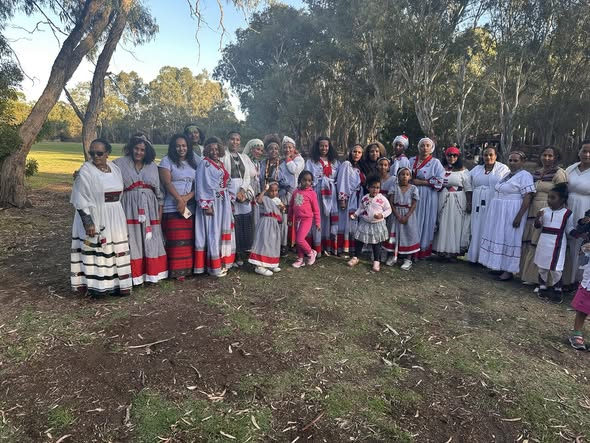
Advocacy for Oromia, in collaboration with the Oromo Community Association in Melbourne and the Oromo Women’s Association, proudly celebrated the Oromtittii (Siinqee) Day, honoring the strength, wisdom, and cultural legacy of Oromo women.
The Oromo community in Melbourne, Australia, today celebrated Oromtittii Day or Oromo Women’s Day at Braeside Park, Victoria, to honor Oromo women’s contributions to cultural preservation and family resilience.
Organized by the Oromo Community in Melbourne, the event emphasized gratitude for women’s roles in sustaining traditions through challenging circumstances.
Chairman Alemayehu Qubee highlighted the festival’s aim to recognize Oromo women’s efforts in maintaining cultural heritage “with love and respect,” particularly in diaspora settings where cultural continuity can be challenging.
This special event brought together community members, elders, youth, and allies to recognize the historical and ongoing role of Oromo women as pillars of peace, justice, and social cohesion. The celebration highlighted the Siinqee institution—a traditional Oromo women’s system of governance and conflict resolution—and its relevance in today’s struggles for gender equality and cultural preservation.
Event Highlights:
Cultural Showcase:
Performances of traditional songs, dances, and poetry celebrating Oromo womanhood.
Display of Siinqee symbols and artifacts, educating attendees about its significance in Oromo history.
Discussions and Testimonials:
Elders and community leaders shared stories of Oromo women’s resilience and leadership.
Panels addressed the intersection of gender justice, cultural preservation, and contemporary advocacy.
Community Solidarity:
Men and youth participated in ceremonies, reaffirming their commitment to supporting Oromo women’s rights and inclusion.
A collective pledge to uphold the principles of Safuu (moral integrity) and Nagaa (peace) in homes and communities.
Call to Action:
Advocacy for Oromia and its partners reiterated their dedication to empowering Oromo women through education, leadership programs, and advocacy initiatives.
A Message of Unity and Resilience:
The Oromtittii Day celebration served as a powerful reminder of the indispensable role Oromo women play in safeguarding culture, fostering peace, and leading change. By honoring Siinqee traditions, the event strengthened community bonds and inspired continued collaboration in the pursuit of justice and equality.
Join us in continuing to celebrate and support Oromo women as leaders, custodians of culture, and agents of transformation.
#OromtittiiDay #Siinqee #OromoWomen #AdvocacyForOromia #OromoCommunityMelbourne #CulturalResilience
Celebrating Irreecha: A Cultural Festival in Gambella
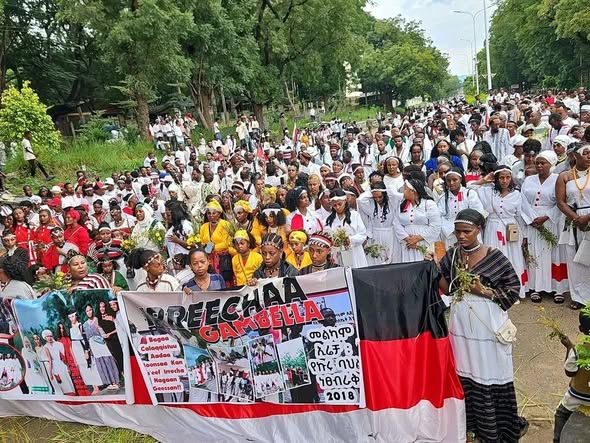
Gambella Community Celebrates Irreecha Festival with Grandeur at Malka Baro.
In a vibrant display of cultural pride and unity, the residents of the Gambella region came together at Malka Baro to celebrate the annual Irreecha festival in a grand and heartfelt ceremony.
The local community marked the occasion with deep reverence and joy, honoring the Oromo traditions of thanksgiving, peace, and renewal.
The celebration underscored the enduring strength and beauty of Oromo culture within Gambella’s diverse social fabric, serving as a powerful testament to shared heritage and community spirit.
የኢሬቻ በዓል በተባበሩት ዐረብ ኤምሬቶች በዱባይ ከተማ በድምቀት ተከበረ፣
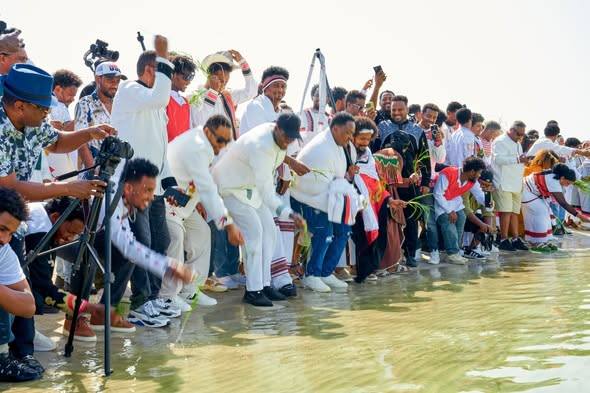
የዘንድሮው የኢሬቻ በዓል “ኢሬቻ ለሀገር ማንሠራራት” በሚል መሪ ሃሳብ በተባበሩት ዐረብ ኤምሬቶች ዱባይ ከተማ በድምቀት ተከበረ፡፡
መርሃ -ግብሩ በአባ ገዳዎች እና ሃዳ-ሲንቄዎች መሪነት በፓርኩ ውስጥ በተዘጋጀው ቦታ ‘’በኢሬፋና’’ ሥነ-ሥርዓት ወይም ባህላዊ ምርቃት ተጀምሯል፡፡
በበዓሉ ላይ በተባበሩት ዐረብ ኤምሬቶች የኢ.ፌ.ዲ.ሪ. ቆንስላ ጄኔራል ጽ/ቤት ተጠባባቂ ጉዳይ ፈጻሚ አቶ አስመላሽ በቀለ በአገራችን ከሚከበሩ በዓላት ውስጥ የኢሬቻ በዓል የፍቅር፣ የሠላም፣ የወንድማማችነት እና የአብሮነት እሴት ያለው በዓል መሆኑን ገልጸው፣ ማህበረሰቡ በዚህ በዓል ላይ ያሳየውን አንድነት እና ድምቀት በሌሎች ውጭ አገራት ለሚገኙ የኢትዮጵያ ኮሚኒቲ ተምሳሌት መሆኑ በመግለፅ በአገራችን እየተከናወኑ ባሉት አገራዊ የልማት ሥራዎች የሚያደርጉትን ተሳትፎ ይበልጥ እንዲያጠናክሩ ጥሪ አቅርበዋል::
በመቀጠልም የአቡዳቢ ኤምባሲ ተወካይ አቶ ግርማ ደምሴ የዘንድሮውን ኢሬቻ ልዩ የሚያደርገው ከአገራችን የማንሰራራት ብስራት ጋር አብሮ እየተከበረ በመሆኑ ነው ብለው ለዚህም ማሳያው የዘመናት ቁጭታችን ውጤት የሆነው የሕዳሴ ግድብ ፕሮጄክት መመረቁ፣ የተፈጥሮ ጋዝ ምርት መጀመሩ እና ለአገራችን አርሶ አደሮች ትልቅ ግብዓት የሆነው የማዳበሪያ ፋብሪካ መጀመሩን አንስተዋል::
በተጨማሪም በዱባይ እና ሰሜን ኤምሬቶች የኢትዮጵያ ኮሚኒቲ የሥራ አመራር ቦርድ ሊቀመንበር አቶ ኢድሪስ ቡንሱሩ የኢሬቻ በዓል በተባበሩት ዐረብ ኤምሬቶች በጥቂት ሰዎች ተጀምሮ በየዓመቱ እያደገ መምጣቱን በመጥቀስ ዛሬ በሚታየው ደረጃ ላይ እንዲደርስ አስተዋጽኦ ያደረጉ አካላትን አመስግነው የኮሚኒቲ ማህበሩ በፍቅር፣ በመቻቻል እና በመከባበር መርህ ኅብረተሰቡን በትጋት እያገለገለ መሆኑን ገልጸዋል፡፡
በበዓሉ ላይ የኢሬቻ በዓል በተባበሩት ዐረብ ኤምሬቶች ዲፕሎማቶችና ሠራተኞች፣ የዱባይና አቡዳቢ የኢትዮጵያውያን ኮሚኒቲ ማህበር ሥራ አመራር ቦርድ አባላት፣ የተለያዩ የአገራችን ብሔር ብሔረሰቦች ተወካዮች፣ አባ-ገዳዎች፣ ሃዳ ሲንቄዎች እንዲሁም በርካታ ቁጥር ያለው ዜጎች ታድመዋል፡፡
Nogoba Lake Irreecha to Celebrate Oromo Unity and Culture on Saturday
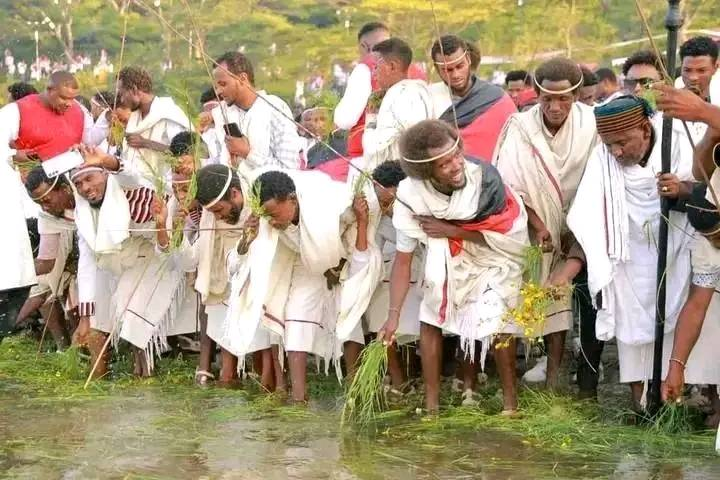
Subheading: Community to Gather at Fantalle District for Traditional Thanksgiving Festival
The Oromo community will gather at Nogoba Lake in the Fantalle District this coming Great Saturday to celebrate the annual Irreecha festival.
The event, led by the Michillee clan and embracing the wider Oromo people, serves as a powerful testament to Oromo unity, culture, and tradition.
Irreecha is a profound cultural gathering where the Oromo people reflect on their shared heritage and express the beauty of Oromummaa—their unique cultural identity and worldview. The festival is a vibrant celebration of thanksgiving, community, and resilience.
CELEBRATING UNITY BEYOND BORDERS: IRREECHAA 2025 BRINGS THE OROMO SPIRIT TO NAIROBI
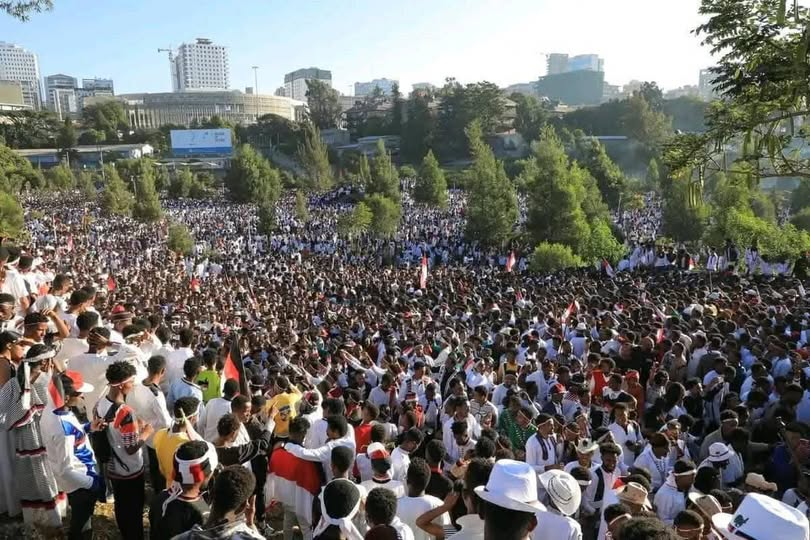
NAIROBI – This weekend, the heart of Uhuru Park will resonate with the beat of drums, the rise of ancestral songs, and the vibrant colors of Oromo culture as hundreds gather to celebrate the Irreechaa Festival 2025. This profound day of thanksgiving, identity, and unity will transform the capital into a hub of cultural and spiritual significance.
For the Oromo and Borana communities—Eastern Africa’s largest ethnic group—Irreechaa is far more than a festival; it is a spiritual homecoming. It is a sacred time to give thanks to Waaq (God) for life, rain, peace, and the blessings that bind the community together. From elders in traditional white robes to the youth waving cultural flags, the event is a powerful symbol of memory, resilience, and hope.
Organized this year by the Kenya Oromo Professional Association, the celebration will be held on Saturday, October 25th, from 10 a.m. to 1 p.m. at Uhuru Park, Nairobi. The event is held under the unifying theme, “Celebrating the Beauty of Oromo Culture and Building Bridges Across Borders.”
Event organizers confirm that preparations are in high gear, emphasizing that Irreechaa embodies unity and renewal. “This festival is not just for the Oromo people—it’s an invitation to everyone who believes in peace, gratitude, and togetherness,” a spokesperson stated.
Featuring traditional music, ceremonial horse parades, heartfelt prayers, and communal dances, Irreechaa 2025 promises to be a moving display of cultural pride. It serves as a poignant reminder of culture’s power to connect generations and build bridges between communities.
As the sun rises over Uhuru Park on Saturday, Nairobi will bear witness to a living expression of harmony and tranquility—a celebration that transcends borders and speaks the universal language of gratitude.




 Advocacy for Oromia