Author Archives: advocacy4oromia

The Unrelenting Struggle: Oromo Resistance and the Brutal Reality of Fano Atrocities
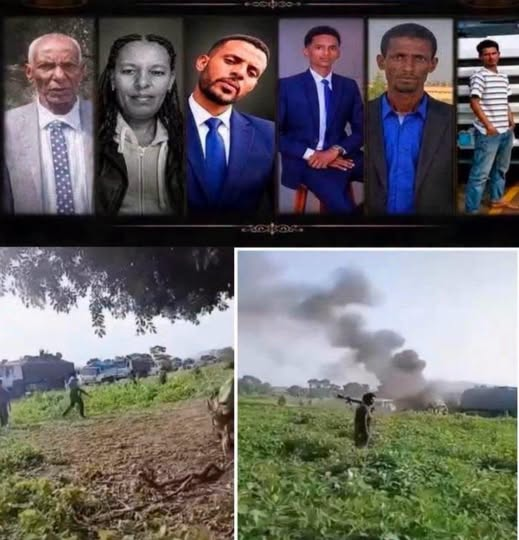
A Reflection on the Ongoing Crisis in East Wallagga and Horro Guduru
By Daandii Ragabaa
To this day, the Oromo people have been subjected to the brutal force of the Fano militia. The deaths of fathers, mothers, and children—Oromo lives lost—are met with a chilling refrain: “It is nothing, be patient.”
But patience has its limits. When Oromo people are killed and their oppressors dance, those who call themselves “Fano heroes” celebrate. Yet when the Oromo rise to defend themselves, the same voices cry out: “The civilians are finished!” But the truth is simple: self-defense is a natural right. It is not a crime; it is an instinct for survival.
The Conspiracy Against Oromo Self-Defense
There is a deliberate campaign to deny the Oromo people their fundamental right to self-defense. Behind the scenes, a web of actors—some in government, others in the media, and still more in diplomatic circles—works tirelessly to conceal the truth.
The situation in the East Wallagga and Horro Guduru zones is particularly alarming. Here, a strategic ploy is unfolding. Armed groups are being systematically dismantled within the regional state of Oromia (RSO) and reconstituted under the banner of Fano. This is not a spontaneous development; it is a calculated plan that has been in motion since at least 2019.
As the Oromo people face relentless attacks, their attempts to organize and defend themselves are sabotaged from within. The message is clear: while Oromo fighters are disarmed and disbanded, their enemies are being armed and empowered.
The Cost of Betrayal
The Oromo people have been subjected to a decades-long campaign of marginalization, dispossession, and violence. The current wave of attacks in East Wallagga and Horro Guduru is not an isolated tragedy—it is the latest chapter in a long history of brutality.
But what makes this moment particularly devastating is the silence—and complicity—of those who should be protecting the Oromo people. When Oromo civilians are killed, the world is told to look away. When Oromo resistance is met with disproportionate force, the narrative is twisted to blame the victims.
This is not just a failure of governance; it is a betrayal of the most basic principles of justice and humanity.
A Call to Action
The Oromo people have waited too long for justice. They have been told to be patient while their children are killed, their villages burned, and their land stolen. But patience is not a virtue when it is used as a tool of oppression.
Self-defense is not aggression. It is the right of every people to protect their lives, their families, and their communities. To deny the Oromo this right is to condemn them to perpetual victimhood.
The international community must look beyond the carefully constructed narratives and see the truth: the Oromo people are under attack, and they are fighting for their survival.
Conclusion: The Truth Will Prevail
The conspiracy to silence the Oromo people will ultimately fail. The truth of what is happening in East Wallagga and Horro Guduru—and across Oromia—will not be hidden forever. The blood of the innocent cries out for justice, and it will be heard.
As the Oromo people continue to resist, they do so not out of hatred, but out of love for their children, their land, and their future. They fight for the right to live in peace, free from fear and oppression.
Oromoon of-ittisuu qaba. Of-ittisuun seera uumamaa ti.
The Oromo people have the right to self-defense. Self-defense is a natural law.

PM Albanese Reaffirms Australia’s Humanitarian Commitment Amid Global Crises
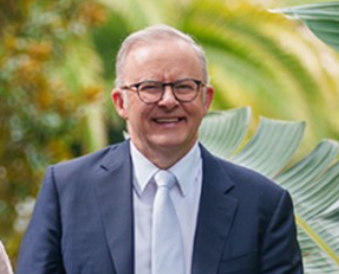
By Dhabessa Wakjira
In a decisive move underscoring Australia’s enduring compassion, Prime Minister Anthony Albanese has confirmed the nation will maintain its annual humanitarian intake of 20,000 refugees – a decision widely hailed by settlement leaders as a beacon of hope in a world grappling with unprecedented displacement.
Addressing media this afternoon, the Prime Minister reaffirmed Australia’s pledge to offer safe haven to those fleeing conflict and persecution, pushing back against any notion that generosity must yield to insecurity.
“In maintaining Australia’s humanitarian intake, Prime Minister Albanese has responded with both compassion and confidence in the Australian people,” said Violet Roumeliotis, CEO of national refugee resettlement provider SSI. “He has recognised that Australia can remain both secure and generous, and that our response to the world’s most vulnerable people is a reflection of our national character.”
A Legacy of Welcome
From the shattered aftermath of World War II to the present day, Australia has built one of the globe’s most respected refugee resettlement programs. More than one million refugees and humanitarian entrants have since made Australia their home – enriching communities, strengthening the economy, and becoming integral threads in the nation’s evolving story.
“There is much to be proud of and much to be grateful for,” Ms Roumeliotis added. “Today’s decision builds on that legacy and reaffirms a vision of Australia as a country that welcomes people seeking safety, creates opportunities for them to belong and contribute, and plays its part in responding to global humanitarian need.”
A Tradition That Endures
With conflict zones multiplying and record numbers of people uprooted worldwide, the Prime Minister’s announcement sends a clear signal: Australia’s humanitarian tradition is not a relic of the past, but a living promise.
“The best of Australia has always been found in our willingness to extend a hand to those seeking safety,” Ms Roumeliotis concluded. “Today’s decision ensures that tradition continues.”
For refugee advocates and communities across the nation, the confirmation offers reassurance – and a reminder that in times of global turmoil, Australia chooses humanity.

A Roar Across the Thames: London Oromos Stage Historic Protest Against Atrocities and Rights Abuses
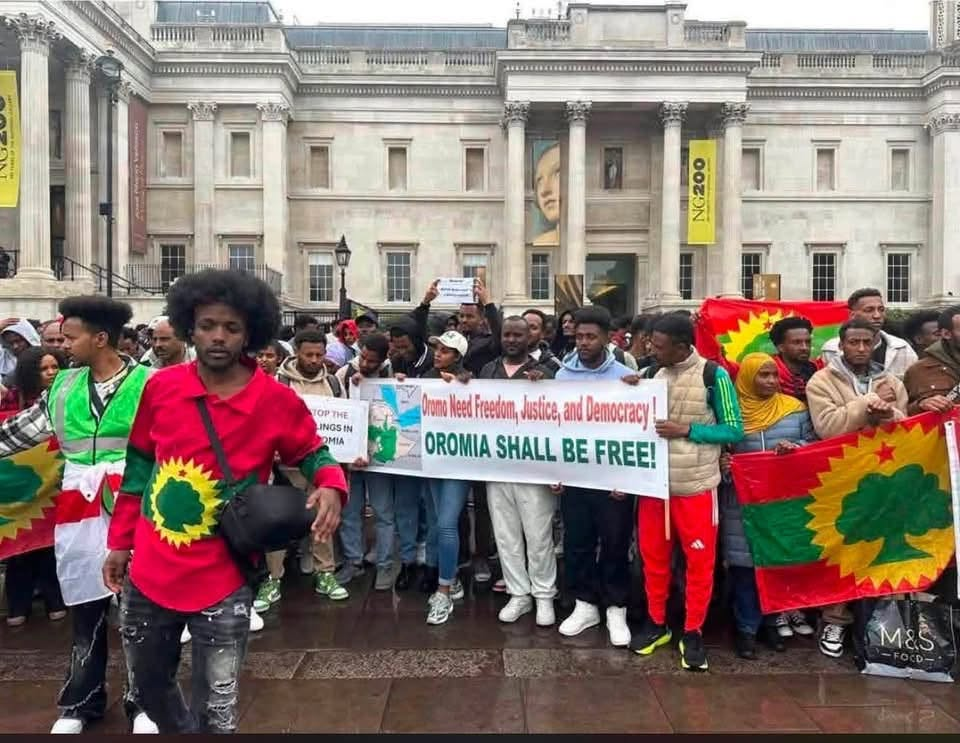
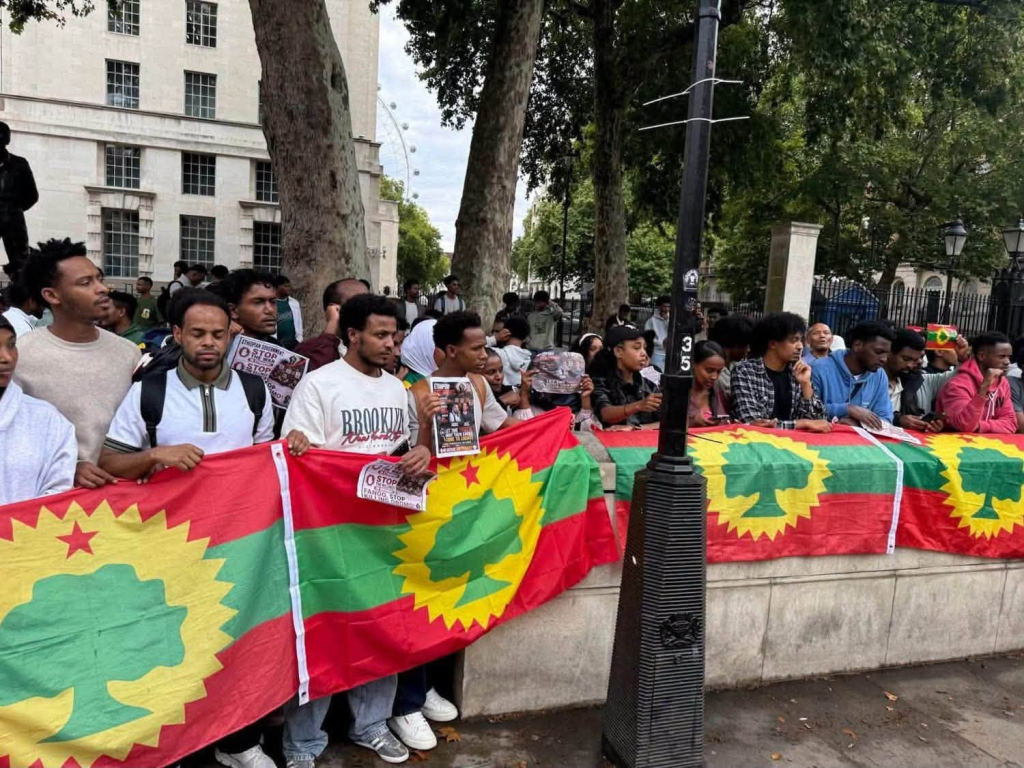
(ONA, LONDON, 27 August 2026) – The drizzle over London could not dampen the fire in their hearts. On a grey but determined morning, the streets of the British capital bore witness to a powerful display of diaspora solidarity as the Oromo community in the United Kingdom took to the streets in a mass protest, raising their voices against what they termed “systematic killings and the erosion of fundamental rights” unfolding in their homeland.
Under the banner of peace but fueled by anguish, hundreds—if not thousands—of Oromo men, women, and children converged in central London today, 27 August 2026, to issue an unmistakable demand: “Stop killing Oromos on their own land and in their own homes.”
The protest, which saw participants draped in the traditional Oromo colours of red, green and red, was not merely a rally. It was a cry of the displaced, a roar of the silenced, and a plea from those who have watched helplessly from afar as their kin face what they describe as “genocide and looting” in regions including the embattled Wallaggaa zone and beyond.
—
The Gathering: A Sea of Resistance
By midday, the area around the Houses of Parliament and Whitehall was transformed into a vibrant yet somber sea of flags and placards. Protesters held signs that read:
· “Stop the War in Wallaggaa!”
· “Our Land, Our Lives – Not for Sale!”
· “The Government Must Protect, Not Persecute!”
Chants of “Oromia! Oromia!” echoed off government buildings, interspersed with the rhythmic clapping and traditional ululations that have long been the hallmark of Oromo cultural resilience. But beneath the cultural pride lay a deep, gnawing grief.
“We are here because we have no choice,” said one participant, a community member who has lived in Birmingham for over two decades. “We have sent letters, we have made phone calls, we have appealed to the Ethiopian government through official channels. They have ignored us. Today, we are making the world listen.”
—
The Core Demands: Justice and Accountability
The protesters were unequivocal in their message. The rally was not a political campaign for secession or regime change, but a humanitarian outcry grounded in three core demands:
1. An Immediate End to Hostilities: The community called for an urgent ceasefire in Wallaggaa and other conflict zones across Oromia, where civilians—particularly women, children, and the elderly—have borne the brunt of inter-communal violence and state-backed military operations.
2. Government Accountability: Demonstrators accused the federal government of “playing both sides”—a reference to perceived double-dealing that allows armed groups to operate with impunity while civilians suffer. “You cannot be the arbiter and the arsonist,” one placard read.
3. Protection of Civilians: The Oromo diaspora demanded that the Ethiopian government uphold its primary duty: the protection of all citizens, regardless of ethnicity or political affiliation. They also called on the international community—specifically the UN Human Rights Council—to intervene with independent investigators and tangible sanctions.
—
The Wallaggaa Crisis: A Humanitarian Catastrophe
Central to the protest was the ongoing crisis in Wallaggaa, a region that has become a flashpoint for violence in recent months. Eyewitness accounts shared by diaspora members describe villages burned to the ground, families displaced without shelter, and extrajudicial killings that have left entire communities traumatised.
The protesters specifically condemned what they called “sarbamiinsa mirgaa”—the systematic violation of rights—alleging that Oromo civilians are being targeted not for their crimes, but for their identity.
—
Diaspora as a Political Force
The UK Oromo community has long been recognised for its organisational capacity and civic engagement. From lobbying Members of Parliament to hosting peace conferences, they have consistently punched above their weight in advocating for their people.
But today’s demonstration was different in its scale and urgency. Social media platforms were flooded with live updates, with the hashtags #Oromia, #Wallaggaa, #UNHumanRightsCouncil, and #UNHumanRights trending across multiple time zones.
One widely shared post from the ground captured the spirit of the day:
“
 UK Oromos are always ahead of the game when it comes to peaceful diaspora protests! Well done!”
Indeed, the protest was entirely peaceful—a testament to the community’s commitment to civil disobedience and moral persuasion, even as they spoke of the violence afflicting their homeland.
—
The Broader Context: A Region in Turmoil
The Oromo protests in London do not exist in a vacuum. They come at a time when the Horn of Africa is grappling with complex security challenges, from ethnic conflicts to climate-induced displacement. The Oromo, as the largest ethnic group in Ethiopia, have historically been at the centre of the country’s political struggles, often facing marginalisation despite their demographic weight.
The protesters argued that the international community, particularly the UN Human Rights Council, has been too slow to act. “We have seen reports. We have seen the joint investigations. But where are the consequences?” asked another participant, a student who joined the protest. “The government must feel the weight of international law. Words are cheap; action is expensive, but it is necessary.”
—
A Message to the Government and the World
The community demanded and called for:
· An independent, UN-supervised inquiry into human rights violations in Oromia.
· Unrestricted humanitarian access to affected regions.
· A clear timeline for the withdrawal of non-regular armed forces from civilian areas.
“We are not enemies of the state. We are citizens who love our country, but we cannot love a country that does not love us back,” one of the elders declared, his voice breaking.
—
Looking Ahead: Vigilance and Hope
As the protesters dispersed, the mood was one of grim resolve. Many pledged to continue their advocacy—through legal channels, media campaigns, and diplomatic pressure—until justice is served.
For now, the streets of London have fallen silent. But the echoes of the chants remain, a reminder that the Oromo diaspora refuses to be a passive spectator to the suffering of its people.
The question that lingers—over the Thames and across the Atlantic, from Wallaggaa to Whitehall—is simple yet profound:
How many more lives must be lost before the world acts?
Reporting from London, UK.
—
© ONA, 2026 – All Rights Reserved.

A New Chapter for Multicultural Victoria: Building Bridges, Counting Voices, and Taking Action
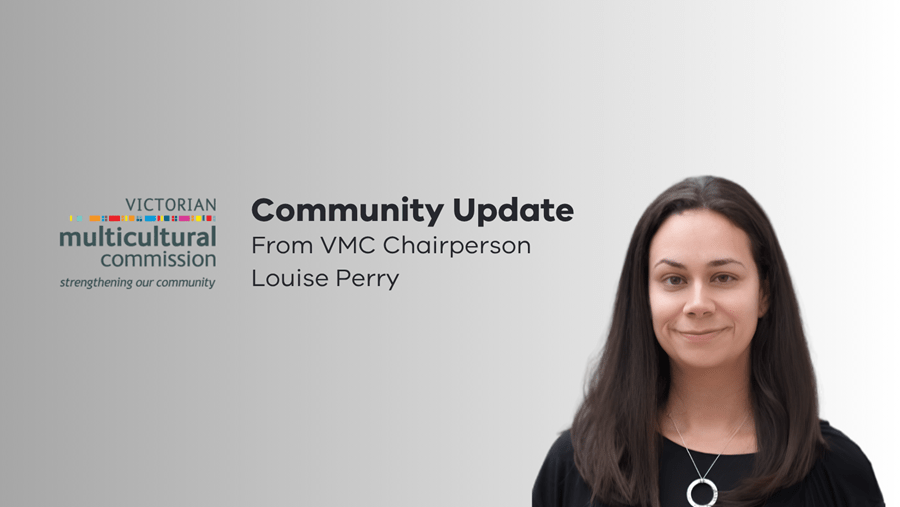
VMC Chairperson Louise Perry Reflects on a Weekend of Celebration and a Future of Collaboration
By Dhabessa Wakjira
The Premier’s Multicultural Gala Dinner, held over the weekend, was more than just a glittering event on the social calendar. It was a powerful affirmation of Victoria’s identity—a “Stories of Us” celebration that brought together over 1,200 guests from across the state to honour the unique journeys and contributions of its diverse communities.
Victorian Multicultural Commission (VMC) Chairperson Louise Perry, in a heartfelt message to the community, described the evening as a fitting tribute to the people, cultures, and experiences that together tell the story of multicultural Victoria. The event featured dynamic performances from across the globe, a bustling bazaar showcasing cultural traditions, and invaluable conversations between community leaders and government representatives.
A Future of Institutional Strength and Collaboration
Perry highlighted that the conversations from the Gala are particularly important as Victoria looks to the future of its multiculturalism. A landmark shift is currently progressing through Parliament: the Multicultural Victoria Amendment Bill 2026 .
Subject to its passage, this bill will establish Multicultural Victoria, a new government entity designed to reset how government listens to, collaborates with, and supports multicultural and multifaith communities. The new body will merge the policy, grants, and community engagement functions currently delivered by the VMC and the Department of Premier and Cabinet. This integration aims to ensure community voices have a stronger influence on government policy.
“The Victorian Multicultural Commission was established in 1983 to advise the government on issues affecting people from culturally and linguistically diverse backgrounds,” notes the importance of this legacy. The new entity, led by a Multicultural Coordinator General and supported by an advisory group, will build upon this history, using new powers to drive change and publish an annual State of Multicultural Victoria report to measure progress. While the Bill is subject to parliamentary debate, its passage would represent a significant step in strengthening the institutional architecture for cohesion.
Ensuring Our Communities Are Counted
Perry also stressed the importance of participation in the 2026 Census, encouraging anyone who has not yet completed it to do so . “Every response helps build a clearer picture of who we are and the communities that make up Australia,” she said.
The Census is a critical tool for representation and advocacy. It helps governments, service providers, and community organisations understand where multicultural communities are growing, allowing them to plan essential services like healthcare, education, and language support. As community leaders note, accurate data is essential for ensuring communities are visible in official statistics and can “demand their fair share”.
Funding Opportunities for Community Action
Looking ahead, Perry highlighted two current funding opportunities for community organisations to turn their visions into action:
- Local Anti-Racism Initiatives Grants Program: This program provides grants of up to $40,000 for community-led responses to racism. The applications are closing soon, at midday on 27 August 2026. This program is part of the Victorian Government’s anti-racism strategy, supporting activities that build community capacity, promote First Peoples’ history and culture, and improve reporting of racist incidents.
- Multicultural Festivals and Events Program: This program supports multicultural communities to celebrate and share their culture through festivals and events. With over $5 million available for 2026-27, including an extra $1 million for regional events, this program helps Victorians celebrate and preserve their cultures while building understanding and respect. The current round of applications closes on 31 August 2026.
A Message of Connection and Future Collaboration
In her closing remarks, Perry looked forward to continuing to meet many more community members, hearing their stories, and learning about the work happening across Victoria. Her message is clear: Victoria’s diversity is its strength, and the path forward lies in listening, counting, and acting together.
For more information on the Multicultural Victoria Amendment Bill, the 2026 Census, or the current grants programs, please visit the Victorian Government’s official websites.

The Unshakable Pillar: Why One Foundational Aspiration Will Outlast Every Attempt to Destroy It
By Dhabessa Wakjira
—
In the quiet corners of history, in the roar of revolutions, and in the whispered hopes of ordinary homes, one truth has endured: human beings are born with an innate longing for equality, freedom of thought, and dignity.
This is not a modern invention. It is not a Western import, nor an Eastern myth. It is the quiet fire that lit every abolition movement, every suffrage march, every student protest, and every parent’s prayer for a better future. And in our own community—ummata keenya—this aspiration has been planted like a deep-rooted tree.
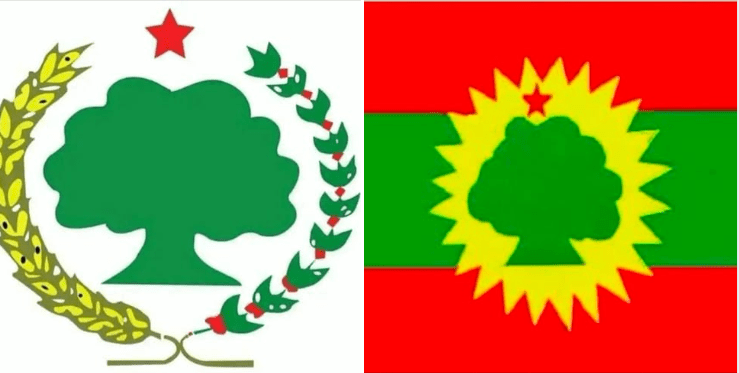
That tree is OLF—not as a slogan, but as a living, breathing promise: that no person is above another; that no mind should be chained; that every voice carries the weight of sacred worth.
—
The Aspiration That Refuses to Die
The original text reminds us: “ABOn waan bu’uraa tokko ummata keessa kaahee jira.”
There is, among the people, one foundational principle. It is not written in stone alone—it is written in conscience. It says:
· Equality is not a privilege; it is a birthright.
· Freedom of thought is not a concession; it is the soil where truth grows.
· Dignity is not a reward; it is the oxygen of human existence.
This aspiration, the text insists, cannot be stopped or erased in any form. Not by armies. Not by laws. Not by propaganda. Not by time.
Why? Because it is not borrowed from a constitution or a king. It is discovered—in the cry of a child, in the sweat of a labourer, in the silent grief of a mother, in the bold question of a teenager. It is experiential before it is philosophical.
—
The Many Faces of Opposition
History is littered with attempts to suffocate this aspiration.
· Tyrants have banned books.
· Dictators have jailed thinkers.
· Empires have rewritten histories.
· Corporations have commodified attention.
· Algorithms have tried to herd our thoughts into safe, sellable boxes.
Yet every time, the aspiration returns—not in the same shape, but in a stronger one.
Why? Because suppression is reactive; aspiration is generative.
· Suppression says: “You must not think this way.”
· Aspiration replies: “Then I will think deeper.”
· Suppression says: “You are unequal by nature.”
· Aspiration answers: “Then I will build communities that prove you wrong.”
This is why the text declares: “Kun dhugaa bara baraan dhaloota walqixxummaa fi bilisummaa barbaadan kamiyyuu keessa kan jiraatuu dha.”
It is the permanent inheritance of every generation that dares to seek equality and liberty. Not a relic of the past—but a living torch passed from hand to hand, across fire and flood.
—
What Does This Mean for Us Today?
In our own time—fractured by misinformation, polarized by identity, exhausted by performative justice—this foundational aspiration calls us back to simplicity and courage.
It asks us:
· Do we treat the stranger at our gate as our equal, or as a threat?
· Do we listen to an idea we hate with the same patience as one we love?
· Do we defend dignity for the powerless, even when it costs us comfort?
If the aspiration is truly unkillable, then our job is not to protect it—but to practice it. Because an aspiration that lives only in speeches is a ghost. An aspiration that lives in schoolrooms, marketplaces, courtrooms, and dinner tables—that is a revolution.
—
The Final Word: A Promise, Not a Puzzle
Some will try to redefine this aspiration. They will twist it into a weapon, a commodity, or a vague slogan. But the core remains indestructible:
Every person holds the right to be free, to think boldly, and to stand equal before their fellow human.
No empire, no algorithm, no crisis can undo that truth—because it is not built on fragile institutions. It is built on the fragile, fierce, unbreakable human heart.
And as long as one parent teaches a child to question, one writer speaks truth to power, one citizen refuses to kneel—that aspiration lives.
It has survived every storm before us.
It will survive every storm ahead.
Not because we are lucky.
But because we are human.
—
“ABOn waan bu’uraa tokko ummata keessa kaahee jira.”
May we never forget it. May we never betray it. May we live it—until it needs no defense.

The Ten Apostles of Waaqeffannaa: Guardians of Faith, Architects of Recognition
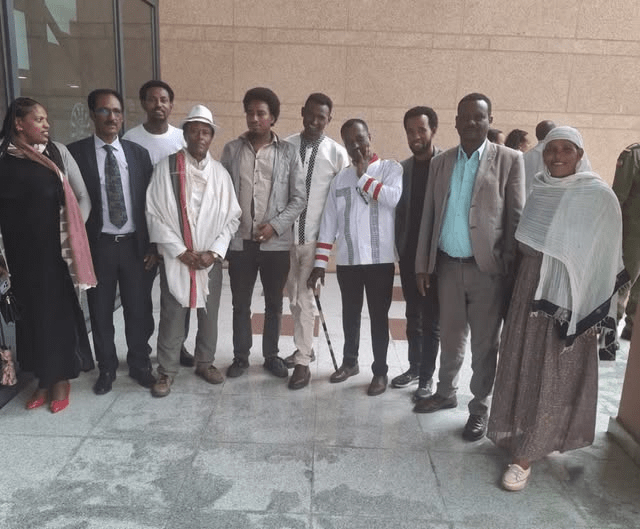
In the annals of cultural and religious history, certain moments stand as watersheds—turning points where the voices of the faithful rise above the din of indifference and claim their rightful place in the national consciousness. Such a moment unfolded between August 8, 2018, and August 16, 2018, when ten extraordinary individuals stepped into the arena of the national dialogue conference and forever altered the trajectory of Waaqeffannaa.
These were not merely delegates or observers. They were apostles—ten men and women who carried the hopes of a community on their shoulders and the weight of centuries-old tradition in their hearts. With unwavering resolve, they presented the core agenda items concerning Waaqeffannaa, articulating its principles, its spiritual significance, and its enduring relevance to the nation’s diverse tapestry. Their presentation was not a mere request; it was a testimony—a vivid recounting of a faith that has sustained generations and deserves recognition.
Their efforts bore fruit in ways that exceeded even the most optimistic expectations. The ten apostles successfully advocated for the Irreechaa festival—the sacred thanksgiving celebration of Waaqeffannaa—to be formally recognized as a national holiday. In a historic decision, their proposal was met with resounding approval from the 4,000 participants of the conference, marking a pivotal moment of inclusion and respect for indigenous spirituality.
But the journey was far from effortless. The proceedings were marked by rigorous debate, delicate negotiations, and moments of intense deliberation. Yet through it all, the apostles remained steadfast, refusing to yield to fatigue or frustration. Their commitment never wavered, even as the conference unfolded day after day, dialogue after dialogue. They understood that they were not merely negotiating for a date on the calendar; they were negotiating for identity, for dignity, and for the right of future generations to celebrate their heritage openly and proudly.
Today, their legacy is etched not only in the official records of the conference but in the hearts of every Waaqeffannaa believer. The recognition of Irreechaa as a national holiday is more than a symbolic victory—it is a bridge between the past and the present, a testament to what can be achieved when faith meets perseverance, and when a small group of committed individuals dares to speak truth to power.
As we reflect on their achievement, we are reminded that every great movement begins with a few voices willing to stand alone before they stand together. The ten apostles of Waaqeffannaa have shown us that courage, clarity, and conviction can move mountains—or, in this case, calendars.
So let us offer them our deepest gratitude and our most heartfelt blessings. May their footsteps inspire others to walk the path of advocacy. May their success embolden other communities to seek recognition. And may the Irreechaa festival, now enshrined in the national fabric, forever remind us of the power of unity, faith, and the unyielding human spirit.
—
To the ten apostles—we see you, we honor you, and we thank you.

Honouring Our Roots: AOCV Launches Elders Voice Program at Flemington Hub
By Dhabessa Wakjira
—
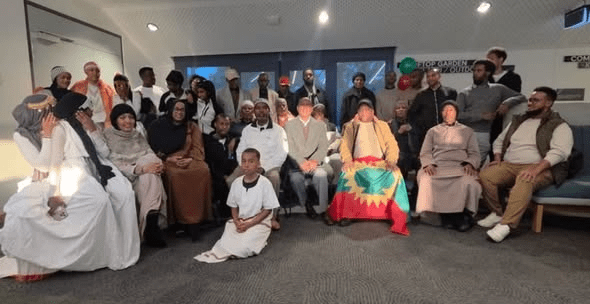
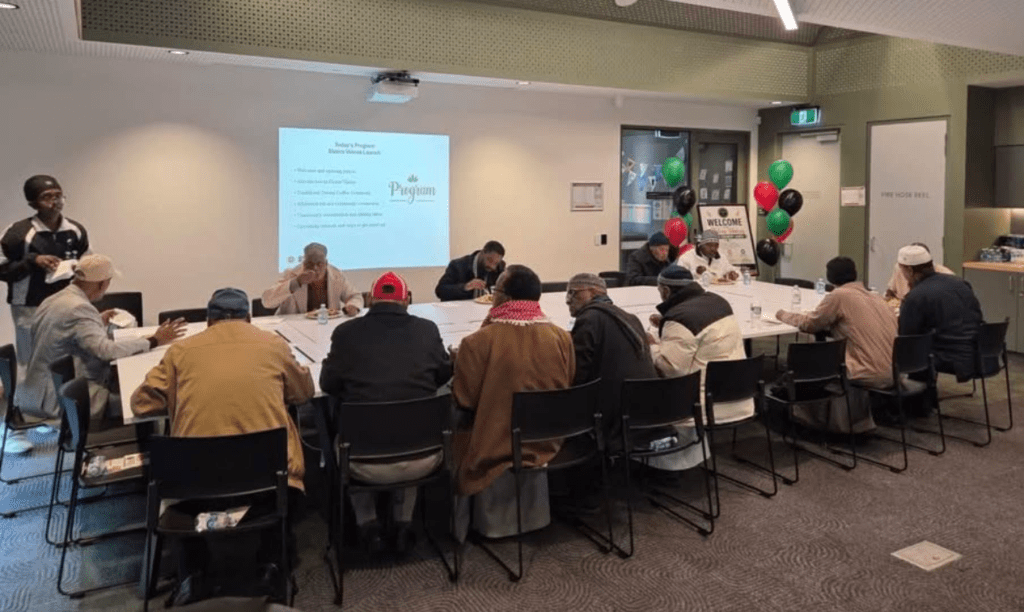
On Sunday, 16th August 2026, the air at Flemington Hub was thick with anticipation, respect, and the warm hum of community. It was a day of celebration, reflection, and a profound commitment to the future—a day when the Australian Oromo Community Victoria (AOCV) officially launched its much-anticipated Elders Voice Program (Sagantaa Sagalee Maanguddootaa) .
The event marked more than just a ceremonial opening; it was a declaration that the voices of our elders matter. That their stories are not merely echoes of the past but living threads that weave the fabric of our identity. As the program unfolds, it promises to become a cornerstone of cultural preservation, intergenerational connection, and community healing.
—
A Program Rooted in Reverence
The Elders Voice Program will be delivered on the first week of every month, offering a regular, dedicated space for elders to share their wisdom, experiences, and cultural knowledge with younger generations. It is a structured yet heartfelt initiative designed to ensure that the rich tapestry of Oromo heritage—its history, traditions, language, and values—is not only remembered but actively lived and passed on.
“Maanguddoonni keenya kuusaa seenaa, aadaa fi duudhaa keenyaati,” the AOCV team reminded attendees during the launch. “Isaan seenaa, barnoota, muuxannoo fi yaadannoo dhaloota walitti hidhu baatanii jiru.”
Translation: “Our elders are the keepers of our history, culture and traditions—carrying stories, lessons and memories that connect us to where we come from and remind us of who we are.”
These words resonated deeply with the crowd, a mix of young and old, Oromo-born and Australian-raised, all united by a shared desire to honour the past while building a resilient future.
—
Why This Program Matters Now
In an age of rapid globalisation and digital distraction, the risk of cultural erosion is real. For diaspora communities, the challenge is even greater. Languages fade, customs evolve, and the intimate oral traditions that once bound generations together can easily slip through the cracks of busy modern lives.
The Elders Voice Program stands as a deliberate counterforce to this trend. By creating a regular forum where elders are not just listened to but celebrated, AOCV is ensuring that:
· History is preserved: Oral histories, migration stories, and ancestral knowledge are documented and shared.
· Wisdom is transferred: Life lessons, problem-solving approaches, and traditional skills are passed to younger hands.
· Identity is strengthened: Young people gain a clearer sense of who they are and where they come from, building pride and resilience.
· Community is unified: Intergenerational dialogue fosters mutual understanding, respect, and deeper social bonds.
—
A Launch to Remember
The Flemington Hub was alive with energy on launch day. Elders were seated in places of honour, their faces beaming with pride and emotion. Young community members performed traditional songs and poetry, weaving the old with the new. There were moments of laughter, tears, and powerful silence—the kind that speaks louder than words.
One elder, reflecting on the initiative, shared: “Yeroo dheeraaf sagaleen keenya hin dhageeffamne ture. Amma garuu, ijoolleen keenya dhaga’uu barbaada. Kun ijoollee keenyaaf, nuufis, eebba guddaadha.”
“For too long, our voices were not heard. But now, our children want to listen. This is a blessing for them and for us.”
The launch concluded with a community feast and the formal announcement of the program’s monthly schedule, with the first official session set to take place in the first week of September 2026.
—
Looking Ahead
The Elders Voice Program is more than a series of meetings—it is a movement. It is a promise that the stories of those who came before us will not be forgotten. It is an invitation for every community member, young and old, to participate in the sacred act of remembering and retelling.
As AOCV continues to build bridges between the Oromo diaspora and broader Australian society, initiatives like this remind us all of a universal truth: every culture is carried forward by its elders, and every community is enriched when it pauses to listen to them.
“Sagalee maanguddootaa keenyaa haa dhageenyu, seenaa isaanii haa galmeessinu, ogummaa isaanii dhalootaaf haa dabarsinu.”
“Let us hear the voices of our elders, document their stories, and pass on their wisdom to the generations to come.”
—
Get Involved
The Elders Voice Program invites all community members to attend, contribute, and learn. For more information on upcoming sessions, volunteer opportunities, or to share an elder’s story, contact AOCV at [insert contact details] .
Together, we honour the past. Together, we build the future.
—
#EldersVoice#AOCV#OromoCommunity#CulturalPreservation#FlemingtonHub#GenerationsUnited

The Five Guiding Principles of Oromia’s Development: A Blueprint for Transformation

How the Oromia Regional Government Is Building a Prosperous, Self-Reliant Future
By Daandii Ragabaa
The Oromia Regional Government has unveiled a comprehensive and ambitious development framework anchored in five core principles. Drawing on the region’s history, heritage, and current realities, the government aims to unify state, public, and private efforts to drive transformative change, ensure self-reliance, and secure prosperity for the Oromo people .
As President Shimelis Abdisa declared, the framework is designed to create a “foundation that enables the Oromo people to move forward in step with education, technology, and economic development” . Here is an overview of the five guiding principles shaping Oromia’s future.
1. Returning to Oromo Cultural Foundations
The first principle is a deliberate and powerful act of cultural reclamation. Rooting development in Oromo identity, ethics, solidarity, and social accountability means drawing strength from the past to build a purposeful future.
This commitment is already visible in practice. The regional government is actively pursuing cultural revival initiatives aimed at restoring traditional morning customs, ceremonies, and institutional practices . Festivals like Irreechaa, the Oromo thanksgiving celebration, have been revived and have grown in prominence. The Gadaa system continues to be a living example of indigenous governance and democratic participation, with its peaceful power transfer ceremonies being publicly recognised .
The revitalisation is not merely symbolic. Traditional Courts have been established to allow communities to seek justice according to their cultural norms. In 2018 alone, over 370 community conflict cases were successfully resolved through these structures . Major infrastructure projects like the Me’ee Bokkoo Cultural Center in Guji Zone further demonstrate this commitment .
2. Working Diligently and Accountably
This principle emphasises strategic execution. By systematically utilising time, resources, and opportunities, the government aims to deliver efficient, accountable, and results-oriented work. This approach moves from planning to implementation, and from implementation to tangible change.
The regional administration’s record reflects this focus. The plan targets cultivating 12.4 million hectares of farmland to produce over 379 million quintals of crops and expand dry-season irrigated wheat production on 4 million hectares . The government is also seeking to attract investors with a combined capital exceeding 200 billion Birr to create job opportunities for 1.7 million citizens . The administration has further planned to create permanent job opportunities for 2.7 million citizens .
3. Competitiveness in All Sectors
The third principle is a comprehensive call to action across the economy. By fostering productivity, innovation, and quality across agriculture, industry, investment, and services, Oromia aims to transform its resources into higher value, jobs, and income.
This is being pursued through an ambitious “Integrated Urban Development” master plan, concentrating on key urban centres like Shaggar, Bishoftu, and Adama, and establishing Special Economic Zones (SEZs) to drive growth . The Bishoftu area will be transformed into a major economic hub centred around the Gada Special Economic Zone (GSEZ) and a new USD 10 billion airport . A new land lease directive for flower farm investors is also part of this push, intended to improve the business environment and attract foreign direct investment .
4. Cleanliness and Good Governance
This principle focuses on the quality of governance and public service. Strengthening transparency, accountability, and efficiency in governance and finance ensures public trust and integrity. It also involves serving the public and building a corruption-free administrative structure.
The regional government’s restructuring of major cities is a direct example. The creation of new zonal and city administrations, such as the merger and upgrade of cities like Shashemene and Bishoftu, is intended to streamline service delivery and foster urban development . An “Early Childhood Development (ECD) Roadmap” has also been launched to strengthen integrated services for young children across the region, demonstrating a commitment to long-term human capital development .
5. Unity and Collaboration
The final principle underscores a unified approach. Bringing together government, people, private sector, financial institutions, investors, experts, and youth toward common goals is essential for building transformative growth. This is a collective national project.
The Biftu Oromiya Band, celebrating 30 years of promoting Oromo identity, has been a powerful force for cultural cohesion and unity . The ongoing national dialogue is also part of creating a shared vision for Ethiopia’s future . Initiatives like the Gada Special Economic Zone are designed with this collaborative model in mind, aiming to integrate diverse actors for shared success.
Conclusion: A Foundation for Generations
These five guiding principles represent a coherent and ambitious vision for Oromia. By uniting its cultural strength with disciplined execution, economic competitiveness, good governance, and collaborative spirit, the Oromia Regional Government is laying the groundwork for a prosperous, self-reliant, and dignified future for its people.
Injifannoon Ummata Oromoo!

Irreechaa 2026: A Sacred Call to Gratitude and Unity
Millions Prepare to Celebrate Africa’s Largest Thanksgiving Festival in Finfinne and Bishoftu
By Maatii Sabaa
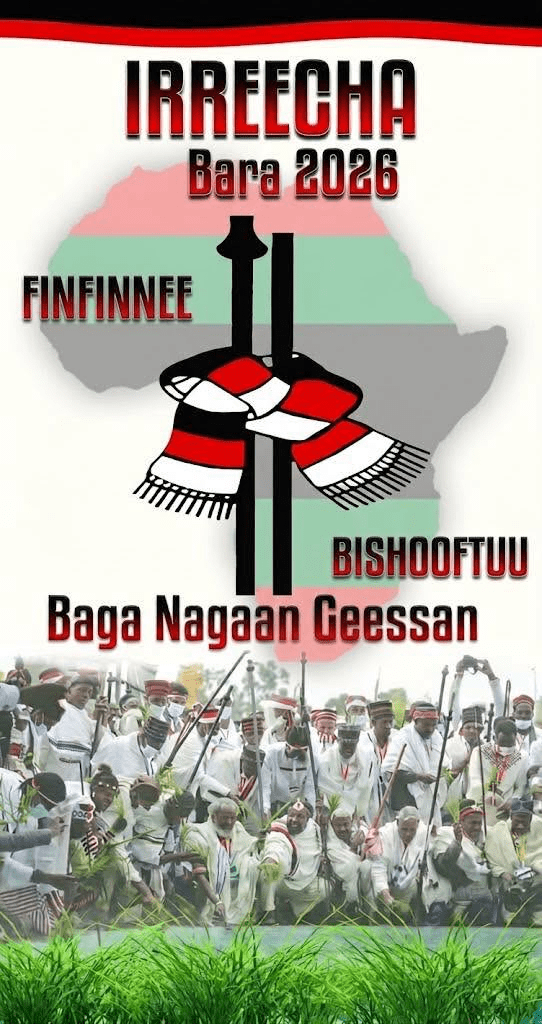
In the heart of Oromia, a profound spiritual awakening is stirring. Millions of people are preparing to gather at sacred lakes and rivers to lift their hands in gratitude, to sing songs passed down through millennia, and to affirm a cultural identity that has survived centuries of challenge. Irreechaa 2026—the Oromo Thanksgiving—is approaching, and the call to commemorate this sacred occasion resonates across the globe.
As Girma Tokuma has expressed, there is a deep sense of obligation—a calling from Waaqa (God)—to join this celebration in Finfinne and Bishoftu from October 3 to October 4, 2026 . This is not merely a personal invitation; it is an invitation to all who share a sense of responsibility to honour the Creator, to celebrate life, and to stand in solidarity with one of the world’s most ancient thanksgiving traditions.
What Is Irreechaa?
Irreechaa, also known as Irreessa or Dhibaayyuu, is the annual thanksgiving festival of the Oromo people . Rooted in over 6,000 years of Cushitic civilization, it marks the end of the dark and rainy winter season and the joyous arrival of Birraa (spring) . It is a time when the Oromo people gather at sacred water bodies—lakes, rivers, and springs—to thank Waaqa for the blessings, mercies, and bountiful harvests received over the previous twelve months .
The festival is intimately connected to the Gadaa system, the traditional Oromo governance structure recognised by UNESCO as an Intangible Cultural Heritage of Humanity . As the elders teach, Irreechaa is simply “giving thanks to the one God”—the pinnacle of Oromo religious and cultural expression . It is a day of peace, reconciliation, love, and unity .
The Two Sacred Sites
This year’s celebration will unfold over two days across two of the Oromo people’s most sacred locations :
October 3: Hora Finfinne
The celebration begins at Hora Finfinne, in the heart of the capital city . This location carries profound historical weight. For decades, under oppressive regimes, public celebrations of Irreechaa were banned, and the Oromo people were denied the right to give thanks at their own sacred sites . Celebrating Irreechaa here is not just a cultural act; it is a powerful reclamation of space, identity, and dignity.
October 4: Hora Arsadi in Bishoftu
The grand celebration moves to Hora Arsadi in the city of Bishoftu, approximately 45 kilometres south of Finfinne . This is the site of the main event—a gathering so vast that it is recognised as one of the largest annual human gatherings on the African continent . Millions of participants, dressed in a vibrant sea of traditional white and green, move with purpose and joy towards the water .
The Rituals of Renewal
The Irreechaa ceremony is rich with symbolism :
- Fresh grass and flowers: Participants carry freshly cut green grass and flowers—symbols of fertility, life, and renewal .
- Water immersion: They dip these offerings in the sacred water and sprinkle themselves, a symbolic act of cleansing, purification, and the washing away of hardship .
- Traditional songs: The air echoes with sirba (traditional songs), their melodies passed down from elders to the youth, ensuring the continuity of a living heritage .
- Blessings: Kormoomsaa (youth) move through the crowd, sprinkling people with fresh water as a gesture of cleansing and blessing .
More Than a Festival: A Symbol of Unity and Resilience
Irreechaa is often described as the “most celebrated cultural festival in Africa” . Its core principles are peace, unity, love, and reconciliation. As the festival teaches, holding onto resentment or grievance is not permitted at Irreechaa . A person cannot attend unless they have resolved their disputes with others—a profound reminder that one cannot give thanks while holding a grudge.
The Prime Minister of Ethiopia, Abiy Ahmed, has extended well wishes to the nation on the occasion of Irreechaa, highlighting the Oromo philosophy of water as the source of purity and the foundation of creation and life . He has also noted the added significance of this year’s celebration, as it follows Ethiopia’s inauguration of the Great Ethiopian Renaissance Dam (GERD) .
A Call to All Who Share This Responsibility
As Girma Tokuma has declared, there is a deep sense of obligation to commemorate Irreechaa alongside millions in Oromia. This invitation extends to all who feel the call—to join in giving thanks, to witness the beauty of Oromo culture, and to stand in solidarity with a people who have preserved their traditions against all odds.
Irreechaa 2026 is not just a date on the calendar. It is a celebration of life, a declaration of identity, and a prayer for peace. It is a testament to the resilience of a people who have carried their culture across millennia, and it is an invitation to the world to witness the beauty of gratitude in its most vibrant form.

A Constructive Journey of Nation-Building: “No Way Back”

How Oromia’s Universities Are Embracing Afan Oromo and Redefining Institutional Identity
By Daandii Ragabaa
Across the landscape of Oromia, a quiet but profound transformation is taking place. University gates and official logos are telling a new story—one of recognition, belonging, and cultural confidence. The growing visibility of Afan Oromo in higher education institutions is not merely a matter of signs or symbols. It is a statement of identity, a commitment to inclusivity, and a bold step in the journey of constructive nation-building.
As one observer aptly noted, “There is no way back.”
A Movement Gains Momentum
The journey began with universities displaying Afan Oromo prominently at their main gates. Ambo University is widely recognised as one of the first to take this step, setting a precedent that others would soon follow.
Oromia State University included Afan Oromo in its institutional identity from its inception, reflecting its mandate and its deep connection to the community it serves.
The movement soon progressed beyond university gates. Salale University was the first to incorporate Afan Oromo into its official logo, paving the way for others to follow. Haramaya University then marked a turning point by placing Afan Oromo prominently at the top of its institutional identity. Other institutions—Jimma University, Wallaga University, Mattu University, and Dambi Dollo University—soon joined the movement. Ambo University, despite starting the journey early, later formalised its commitment with a new logo. Bule Hora University, Borana University, and Madda Walabu University also embraced the change.
Now, Arsi University has joined at a particularly important moment. Its decision carries strong symbolic weight: despite changing circumstances, the momentum continues—a clear message that there is no turning back.
A Constructive, Not Political, Act
This movement should not be misconstrued as a political statement. It is, at its core, a constructive act of nation-building.
Universities are federal institutions within the national higher education system. But they are also geographically and socially rooted in the communities where they are located. Recognising the language and culture of those communities does not conflict with treating all students and members of the academic community equally.
The Addis Ababa Education Bureau provides a useful example: it works effectively in both Amharic and Afan Oromo. Linguistic recognition and institutional inclusiveness can coexist. Respecting one community’s language does not require disrespecting another’s.
The Role of University Leadership
The growing visibility of Afan Oromo in universities is a testament to the courage and vision of university presidents and their teams. These leaders have taken bold steps in a direction that affirms the identity of their institutions and the communities they serve.
Some of these courageous leaders have since moved on to other responsibilities, but their contributions remain—etched into the logos, the gates, and the institutional memory of the universities they helped transform.
Looking Ahead: Completing the Journey
While the movement has been embraced by many universities, a few have yet to make the change. Among them are Adama Science and Technology University (ASTU_Official) , Salale University, and Oda Bultum University. There is hope that they too will complete this journey, with Salale University formally completing the process it helped to initiate.
As the observer noted: “I hope they too will complete this journey.”
Conclusion: More Than Signs and Logos
The growing visibility of Afan Oromo in Oromia’s universities is more than a matter of signs or logos. It represents recognition, belonging, cultural confidence, and constructive nation-building. It is a declaration that the language of the Oromo people has a place in the highest halls of learning—and that the university is a space where all identities are welcomed and valued.
Injifannoon Ummata Oromoo!
Afaan Oromo haa jabaatu!
This feature article is dedicated to the university presidents and their teams who have taken courageous steps to affirm the identity and language of the communities they serve.





 Advocacy for Oromia