Author Archives: advocacy4oromia

A Constructive Journey of Nation-Building: “No Way Back”

How Oromia’s Universities Are Embracing Afan Oromo and Redefining Institutional Identity
By Daandii Ragabaa
Across the landscape of Oromia, a quiet but profound transformation is taking place. University gates and official logos are telling a new story—one of recognition, belonging, and cultural confidence. The growing visibility of Afan Oromo in higher education institutions is not merely a matter of signs or symbols. It is a statement of identity, a commitment to inclusivity, and a bold step in the journey of constructive nation-building.
As one observer aptly noted, “There is no way back.”
A Movement Gains Momentum
The journey began with universities displaying Afan Oromo prominently at their main gates. Ambo University is widely recognised as one of the first to take this step, setting a precedent that others would soon follow.
Oromia State University included Afan Oromo in its institutional identity from its inception, reflecting its mandate and its deep connection to the community it serves.
The movement soon progressed beyond university gates. Salale University was the first to incorporate Afan Oromo into its official logo, paving the way for others to follow. Haramaya University then marked a turning point by placing Afan Oromo prominently at the top of its institutional identity. Other institutions—Jimma University, Wallaga University, Mattu University, and Dambi Dollo University—soon joined the movement. Ambo University, despite starting the journey early, later formalised its commitment with a new logo. Bule Hora University, Borana University, and Madda Walabu University also embraced the change.
Now, Arsi University has joined at a particularly important moment. Its decision carries strong symbolic weight: despite changing circumstances, the momentum continues—a clear message that there is no turning back.
A Constructive, Not Political, Act
This movement should not be misconstrued as a political statement. It is, at its core, a constructive act of nation-building.
Universities are federal institutions within the national higher education system. But they are also geographically and socially rooted in the communities where they are located. Recognising the language and culture of those communities does not conflict with treating all students and members of the academic community equally.
The Addis Ababa Education Bureau provides a useful example: it works effectively in both Amharic and Afan Oromo. Linguistic recognition and institutional inclusiveness can coexist. Respecting one community’s language does not require disrespecting another’s.
The Role of University Leadership
The growing visibility of Afan Oromo in universities is a testament to the courage and vision of university presidents and their teams. These leaders have taken bold steps in a direction that affirms the identity of their institutions and the communities they serve.
Some of these courageous leaders have since moved on to other responsibilities, but their contributions remain—etched into the logos, the gates, and the institutional memory of the universities they helped transform.
Looking Ahead: Completing the Journey
While the movement has been embraced by many universities, a few have yet to make the change. Among them are Adama Science and Technology University (ASTU_Official) , Salale University, and Oda Bultum University. There is hope that they too will complete this journey, with Salale University formally completing the process it helped to initiate.
As the observer noted: “I hope they too will complete this journey.”
Conclusion: More Than Signs and Logos
The growing visibility of Afan Oromo in Oromia’s universities is more than a matter of signs or logos. It represents recognition, belonging, cultural confidence, and constructive nation-building. It is a declaration that the language of the Oromo people has a place in the highest halls of learning—and that the university is a space where all identities are welcomed and valued.
Injifannoon Ummata Oromoo!
Afaan Oromo haa jabaatu!
This feature article is dedicated to the university presidents and their teams who have taken courageous steps to affirm the identity and language of the communities they serve.

The Founding Edition Is Now Live: From Migrant to Movement Builder

Discover the Vision Behind Australia’s First Empowerment-Focused Pageant Movement
By Dhabessa Wakjira
The Founding Edition of The Multicultural Magazine™ is now live, and it features a story that is as inspiring as it is transformative. In a world where women are often searching for confidence, connection, and purpose, one woman’s journey from migrant to movement builder is lighting the way for countless others.
Lee Plowman, the founder of Miss Multicultural NT and creator of the C.R.O.W.N. Method™, is redefining what a pageant can be.
A Vision Born from Personal Experience
When women migrate to a new country, they often leave behind more than family and friends. Many experience a profound loss of identity, confidence, and certainty about who they are becoming. Lee Plowman understands that journey personally. After migrating from the Philippines to Australia, she faced the challenges of rebuilding her identity in a new land.
Through years of advocacy and community leadership, including her work with the Australian Red Cross Connected Women program, Lee met countless women who shared similar struggles. She recognised a critical gap: many women were not lacking potential; they were lacking a pathway.
That insight became the foundation of Miss Multicultural Australia™ —a movement designed to help women reconnect with who they are while providing clarity, structure, and direction for who they are becoming.
The C.R.O.W.N. Method™: A Framework for Empowerment
At the heart of the movement is the proprietary C.R.O.W.N. Method™, a structured empowerment framework developed by Lee Plowman. The method guides women through a journey of self-awareness, confidence-building, leadership development, and purposeful action.
Every workshop, training session, and community activity within the movement is intentionally curated to create impact from the inside out. As Lee explains: “Miss Multicultural Australia™ was never created to be just another pageant. It was created as a movement for empowerment. We believe women deserve more than a title. They deserve opportunities to develop confidence, leadership skills, cultural pride, and the belief that their voice matters.”
Building Social Cohesion Through Pageantry
Australia is one of the most culturally diverse nations on earth, yet migrants often report feeling invisible or stereotyped. Lee Plowman is turning that legacy on its head. Her pageant actively encourages women to showcase their cultural heritage through traditional dress, food, music, and storytelling, educating audiences and building bridges between communities.
Community engagement is a core requirement for participants. Each woman undertakes a community service project that addresses a need in her local area—from multicultural food drives to mentoring programs for newly arrived refugee women. By pairing personal development with community action, the pageant creates a ripple effect that extends far beyond the individual contestant.
Lee Plowman has also been recognised by the Women Economic Forum Australia as an Empowerment Coach, and her work aligns with the forum’s mission to empower women economically and socially, particularly those from marginalised backgrounds.
A National Vision with Local Roots
Although still in its early stages, the momentum is building. Lee Plowman plans to expand the pageant to other states and territories, creating a network of regional pageants that feed into a national event. Each regional pageant will be tailored to the specific cultural demographics and community needs of that area.
The first Miss Multicultural NT 2025 titleholder, Sarah Madinah, an Indonesian-Australian woman, represents the beginning of this vision in action. Her crowning marked the start of a movement dedicated to empowering women from all cultural backgrounds to embrace their identity, strengthen their confidence, and become active contributors within their communities.
How You Can Be Part of the Movement
For women who feel the pull to step into their own power, Miss Multicultural Australia offers a structured, supportive pathway. There are no height or weight requirements, and the age limit for this empowerment pageant is 18 to 45 years old. The program is designed for Australian residents who identify with a multicultural background and are committed to personal development and community impact.
Applications for Miss Multicultural NT 2026 are now open, with another opportunity in early 2027.
Because Every Story Deserves to Be Seen
The Multicultural Magazine™ celebrates culture, confidence, community, leadership, and impact through stories that inspire. The Founding Edition is now available to read at www.multiculturalmagazine.com/founders-edition-2026.
✨ Applications are also open for future features—for Women of Influence, Community Leaders, Cultural Ambassadors, Business Founders, Titleholders, and Changemakers.
📩 Interested in being featured? We’d love to hear your story. Because every story deserves to be seen.
Read the full feature now:
👉 www.multiculturalmagazine.com/founders-edition-2026
This feature article is part of The Multicultural Magazine’s coverage of inspiring stories that strengthen belonging, connection, and social cohesion.

Arsi University Updates Logo, Puts Afaan Oromo First
A Historic Step for Linguistic Recognition in Higher Education
By Daandii Ragabaa
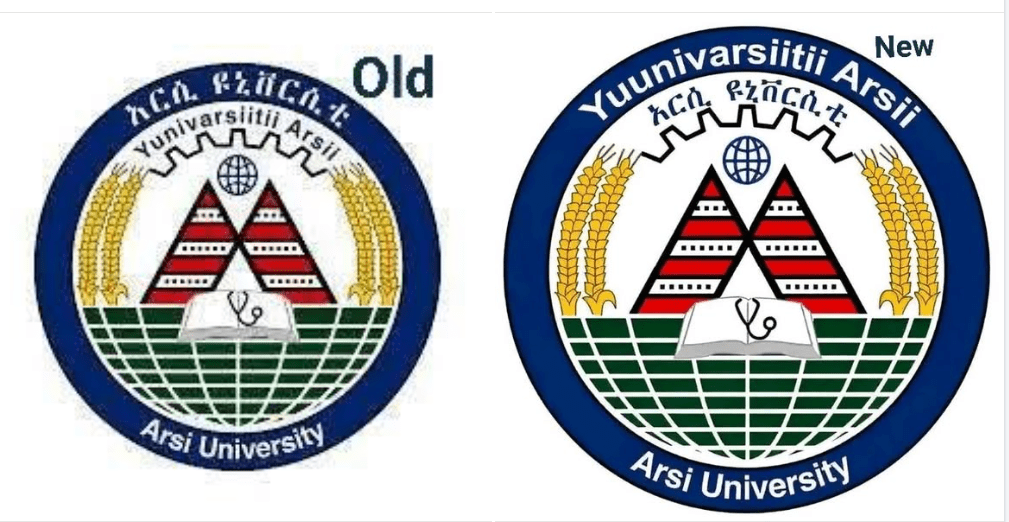
In a significant move for linguistic inclusivity and cultural recognition, Arsi University has announced an update to its institutional logo, placing Afaan Oromo first in the order of languages displayed on the emblem. The announcement, made on 23 August, marks an important milestone in the recognition of the Oromo language within Ethiopia’s higher education system.
The New Design
The university has made what it describes as “slight modifications” to its former logo, with the revised design featuring a new language order: Afaan Oromo first, Amharic second, and English third.
The university has also corrected the Afaan Oromo inscription from “Yunivarsitii Arsii” to “Yuunivarsitii Arsii,” ensuring linguistic accuracy in the representation of the language .
The announcement instructed all stakeholders to “recognize and use the new logo in accordance with the captions order stated above.”
A Growing Movement for Afaan Oromo Recognition
The decision by Arsi University aligns with a broader movement within Oromia to promote and preserve the Afaan Oromo language in academic and public life. The University has previously demonstrated its commitment to Afaan Oromo through collaborative initiatives, including a Memorandum of Understanding with Wachemo University aimed at preserving and digitising the rich cultural heritage of the Afaan Oromo language .
This latest move represents a tangible step toward normalising the use of Afaan Oromo in official and institutional contexts, affirming the language’s status as a medium of higher education and institutional identity.
The Role of Language in Cultural Identity
For the Oromo people, Afaan Oromo is more than a means of communication—it is a vessel of history, culture, and identity. The prioritisation of Afaan Oromo on an institutional logo is a symbolic but powerful recognition of the Oromo people’s right to see their language reflected in spaces of knowledge and governance.
The decision also carries practical implications for students and staff who use Afaan Oromo as their primary language. It signals that their linguistic identity is valued and respected within the institution. This is particularly significant given the historical marginalisation of Afaan Oromo in education and public life.
The efforts to preserve and digitise Afaan Oromo language resources, including through university partnerships, have helped strengthen its role in academic and public life .
The University’s Visual Identity
The updated emblem retains the university’s core visual elements, including the agricultural sheaves, gears, triangular structure, globe and open book. These elements symbolise the university’s commitment to education, innovation, and community development, while the new language placement underscores its commitment to linguistic inclusivity.
Located in Assela, the capital of the Arsi Zone in the Oromia Regional State, Arsi University serves students from across the region. The university also operates extended campuses in different parts of the zone, further expanding its reach and impact.
A Broader Conversation
The update follows the growing importance of Afaan Oromo in academic and official contexts . Research has highlighted the significance of mother-tongue instruction in educational settings, noting that students benefit from learning in their first language. The perception of mother-tongue use in educational contexts has been shown to positively influence learning outcomes .
Arsi University’s logo update joins a broader conversation about language recognition in Ethiopia, where the federal constitution recognises the equality of all languages but where Amharic has historically dominated official and educational contexts. Other institutions and public bodies may follow suit, reflecting the changing linguistic landscape of the country. While the logo change is primarily symbolic, it represents a tangible step towards normalising the use of Afaan Oromo in institutional settings.
Conclusion
Arsi University’s decision to place Afaan Oromo first on its logo is a significant step for the recognition of the Oromo language. It affirms the identity of Oromo students and staff, sets a precedent for other institutions, and demonstrates the ongoing vitality of Afaan Oromo in higher education.

A Life Measured by Service: Remembering Dr. Ephraim Mamo
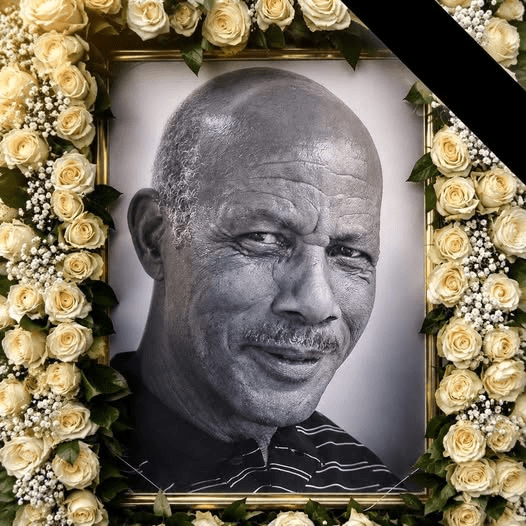
In an age that measures success by wealth and status, one man’s legacy is defined by humility, sacrifice, and the quiet act of giving.
—
The two benches sit unassuming in a modest home in Dambii Dolloo. They are rough-hewn, practical, and utterly unremarkable to the casual observer. But to the family of Dr. Ephraim Mamo, these simple wooden planks—placed together to form a bed in his parents’ home—tell the story of a man who measured his worth not in possessions, but in people.
On August 25, 2026, as the world continues its relentless spin, those who knew Dr. Ephraim gather in memory of a life that touched countless others. His daughter, Metahara Ephraim Mamo, speaking on behalf of the family, offered a reflection that transcends grief, celebrating instead a life of profound purpose and quiet dignity.
A Man of Principle in a World of Pretense
Dr. Ephraim Mamo was many things to many people. To his family, he was a pillar of strength and a wellspring of love. To his students and colleagues at Haramaya University, he was a mentor, a scientist, and a friend. To his community, he was a humble servant whose compassion knew no bounds.
Those who knew him best recall a man who never sought the spotlight. He achieved significant professional success as a scientist and academic, yet he never allowed accolades to inflate his ego. His greatest joy came not from publications or promotions, but from the quiet satisfaction of helping others—even when it required personal sacrifice.
The simplicity of his life serves as a powerful counter-narrative to a world obsessed with accumulation. In a society where status is often measured by material wealth, Dr. Ephraim chose a different path. He valued service over comfort, principles over profit, and relationships over riches.
A Legacy of Generosity
“His greatest joy came from helping others and giving, even when it required personal sacrifice,” Metahara reflects. This generosity was not performative; it was woven into the fabric of his daily existence. Whether mentoring a struggling student, offering counsel to a colleague, or extending kindness to a stranger, Dr. Ephraim embodied the belief that true success lies in what we give away.
His colleagues and friends at Haramaya University remember a man who was always approachable, always willing to listen, and always ready to extend a helping hand. In a world that often rewards ambition at the expense of humanity, Dr. Ephraim remained steadfast in his commitment to compassion.
The Global Embrace of Grief and Gratitude
The outpouring of love following Dr. Ephraim’s passing speaks volumes about the life he lived. Relatives, friends, colleagues, and neighbors—both near and far—rallied around the family with prayers, messages, and condolences. Haramaya University’s staff and colleagues stood in solidarity, honoring a man who had given so much to their institution.
Metahara expressed profound gratitude to Abdi Mekonen and Meti Midekssaa, whose kindness and support during this difficult time exemplified the community spirit that Dr. Ephraim himself cultivated. Special acknowledgment was also extended to those who traveled great distances to be present, and to those who, though physically absent, reached out through social media, phone calls, and messages.
“Though you were not here physically, we felt your love and support,” Metahara writes, capturing the profound truth that grief, when shared, transforms into something bearable—even beautiful.
Faith as Foundation
At the heart of Dr. Ephraim’s life was an unshakeable faith. Metahara begins her reflection with gratitude to her Lord and Savior, Jesus Christ, who she says “was gracious and faithful to our father throughout his life.” This spiritual grounding anchored Dr. Ephraim through life’s triumphs and trials, shaping his character and informing his values.
In times of sorrow, faith offers not easy answers, but a sustaining presence. It reminds mourners that life is more than its final chapter, and that love outlasts the grave.
A Life That Endures
Though the family’s hearts are heavy, they find solace in gratitude. They thank God for the privilege of knowing and loving their father, and they extend their deepest appreciation to everyone who stood with them in their time of grief.
Dr. Ephraim Mamo’s life is a testament to the enduring power of humility, generosity, and service. In a world hungry for heroes, perhaps the most heroic act is to live quietly, love deeply, and leave the world better than you found it.
As the two benches in Dambii Dolloo remain, they are no longer just pieces of furniture. They are sacred relics—reminders that a man once slept there, dreaming not of gold or glory, but of a world made kinder by his presence.
And in that, Dr. Ephraim Mamo found his eternal success.

Slaughter in the Shadows: The Unfolding Horror in East Wollega
As the world looks elsewhere, Ethiopian civilians are being burned alive, and a desperate plea for help rises from the ashes.
In the quiet villages of Ethiopia’s Oromia region, a summer of horror is drawing to a close. While global attention remains fixed on other crises, the International Oromo Women’s Organization (IOWO) has released a desperate appeal documenting an escalating campaign of violence that has turned the East Wollega Zone into a graveyard of professional promise and a testament to human cruelty .
The reports paint a picture of systematic terror allegedly perpetrated by Amhara Fano armed groups. Beginning in July and intensifying throughout August 2026, the violence has centered on the Gida Ayana Woreda—including the communities of Andode Dichoo, Angar Gute, and Tullu Lenca—as well as Kiramu and Horro Guduru. The testimonies describe not merely a conflict, but a targeted attempt to dismantle the very fabric of civilian life.
A Targeting of Hope
What distinguishes these atrocities is the chilling precision of the attacks. Among the dead are not just anonymous civilians, but the very pillars of the community. On August 19, the violence claimed Mr. Lamessa Mangistu, the branch manager of Awash Bank in Gida Ayana, and Mr. Mamush Maru, a banker at the Oromia Cooperative Bank. Their crime? Providing essential financial services to their community .
In Angar Gute, armed men reportedly burned Sister Liktu Amanu, a midwifery and nursing professional, while she was carrying out emergency duties. Just days earlier, 65-year-old Amanu Hirpha Bidu was reportedly burned alive inside an active ambulance during a patient transfer—a blatant violation of the fundamental protections afforded to medical transport under international humanitarian law . The attack on Mr. Olika Sagni, a local teacher, represents another devastating blow, stripping the community of its educators and the promise of future generations.
“We as mothers and sisters, cannot stand the endless brutal actions against civilian human beings,” writes Dinknesh D. Kitila, IOWO’s Board Director, in the appeal . Their plea is directed at the UN Security Council, the Human Rights Council, the U.S. Secretary of State, the EU, and governments worldwide: act before more innocent lives are extinguished.
Scorched Earth and Silence
The destruction is not limited to lives. The IOWO report details widespread arson targeting public offices, private homes, and transport vehicles, displacing families and paralyzing local economies. The group has released harrowing images of vehicles and property consumed by flames, emphasizing that the campaign is as much about erasing community infrastructure as it is about inflicting casualties. The targeted destruction of the Angar Gute area, including a special attack on Tullu Lenca, points to an attempt to force a demographic change or to punish communities for their identity .
This violence is part of a broader pattern of instability in Ethiopia. Travel advisories from various embassies currently designate East Wollega as a “red” or “extremely high-risk” area, warning citizens to avoid the region due to the presence of armed groups and the risk of attacks on civilians . The international community, while aware, has often been slow to act as the crisis deepens.
The World’s Response
The IOWO appeal calls for two immediate actions: emergency civilian protection for vulnerable populations in the affected woredas, and accountability for the perpetrators of these unlawful killings.
As the appeal letter was signed on August 24, the silence from the international community remains deafening. The documented cases of targeted killings of professionals, the use of ambulances as instruments of death, and the burning of entire communities demand more than a passing glance.
The mothers and sisters of East Wollega are not asking for charity; they are demanding the basic right to live. The charred remains of a midwife’s ambulance and the empty desks of murdered teachers are a stain on the conscience of humanity, a stark reminder that the cost of inaction is always counted in lives.

The World Looks Away: Western Oromia’s Cry for Justice

As violence escalates in Western Oromia, a leading advocacy group warns that silence is complicity and calls for urgent international intervention.
—
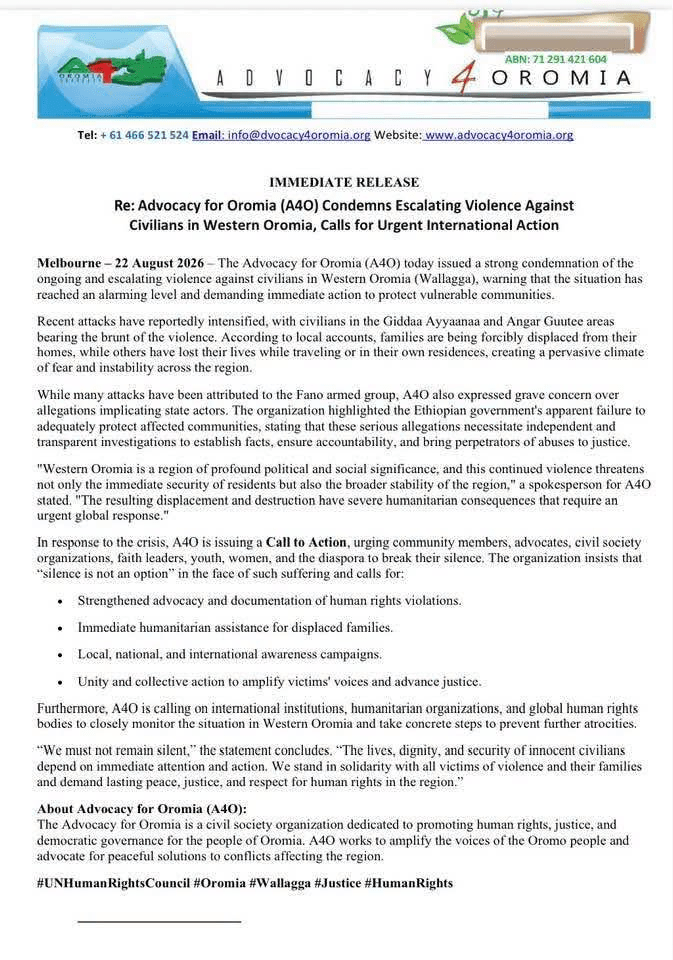
Melbourne – August 22, 2026 – The Advocacy for Oromia (A4O) has issued a stark warning that the escalating violence against civilians in Western Oromia (Wallagga) has reached an alarming level, demanding immediate action to protect vulnerable communities. In a powerful statement released today, the organization condemned the intensifying attacks that have reportedly displaced families, claimed lives, and created a pervasive climate of fear across the region.
The violence, concentrated in the Giddaa Ayyaanaa and Angar Guutee areas, has targeted civilians in their homes and while traveling, according to local accounts. Families are being forcibly displaced, their lives upended by a campaign of terror that shows no sign of abating.
A Crisis of Complicity
While many attacks have been attributed to the Fano armed group, A4O has expressed grave concern over allegations implicating state actors. The organization has accused the Ethiopian government of failing to adequately protect affected communities, a failure that demands independent and transparent investigations.
“Western Oromia is a region of profound political and social significance, and this continued violence threatens not only the immediate security of residents but also the broader stability of the region,” an A4O spokesperson stated. “The resulting displacement and destruction have severe humanitarian consequences that require an urgent global response.”
The government’s apparent inaction raises difficult questions about accountability and the protection of civilians. A4O insists that these serious allegations necessitate thorough investigations to establish facts, ensure accountability, and bring perpetrators of abuses to justice.
A Call to Break the Silence
In response to the unfolding crisis, A4O has issued a Call to Action, urging community members, advocates, civil society organizations, faith leaders, youth, women, and the diaspora to break their silence. The organization insists that “silence is not an option” in the face of such suffering.
The call outlines several key priorities:
· Strengthened advocacy and documentation of human rights violations to ensure that the world bears witness to the atrocities.
· Immediate humanitarian assistance for displaced families, whose basic needs remain unmet.
· Local, national, and international awareness campaigns to shine a spotlight on the crisis.
· Unity and collective action to amplify victims’ voices and advance justice.
A4O is also calling on international institutions, humanitarian organizations, and global human rights bodies to closely monitor the situation in Western Oromia and take concrete steps to prevent further atrocities.
The Cost of Inaction
The human toll of the violence is immeasurable. Families torn apart, communities shattered, and lives cut short—all while the international community remains largely silent. The displacement and destruction have severe humanitarian consequences, yet the global response has been insufficient.
A4O’s statement is a desperate plea to the world: “We must not remain silent. The lives, dignity, and security of innocent civilians depend on immediate attention and action. We stand in solidarity with all victims of violence and their families and demand lasting peace, justice, and respect for human rights in the region.”
A Call to Remember
As the violence continues to escalate, the world faces a choice: to act or to look away. A4O’s message is clear—silence is complicity, and inaction is a choice to abandon innocent lives.
The organization’s commitment to amplifying the voices of the Oromo people and advocating for peaceful solutions is a reminder that even in the darkest times, hope persists. But hope alone is not enough. It requires action, solidarity, and a collective demand for justice.
The people of Western Oromia are not merely statistics; they are mothers, fathers, children, and communities whose lives hang in the balance. Their cries for help must not go unanswered.
—
For more information, contact Advocacy for Oromia (A4O), a civil society organization dedicated to promoting human rights, justice, and democratic governance for the people of Oromia.
#UNHumanRightsCouncil#Oromia#Wallagga#Justice#HumanRights

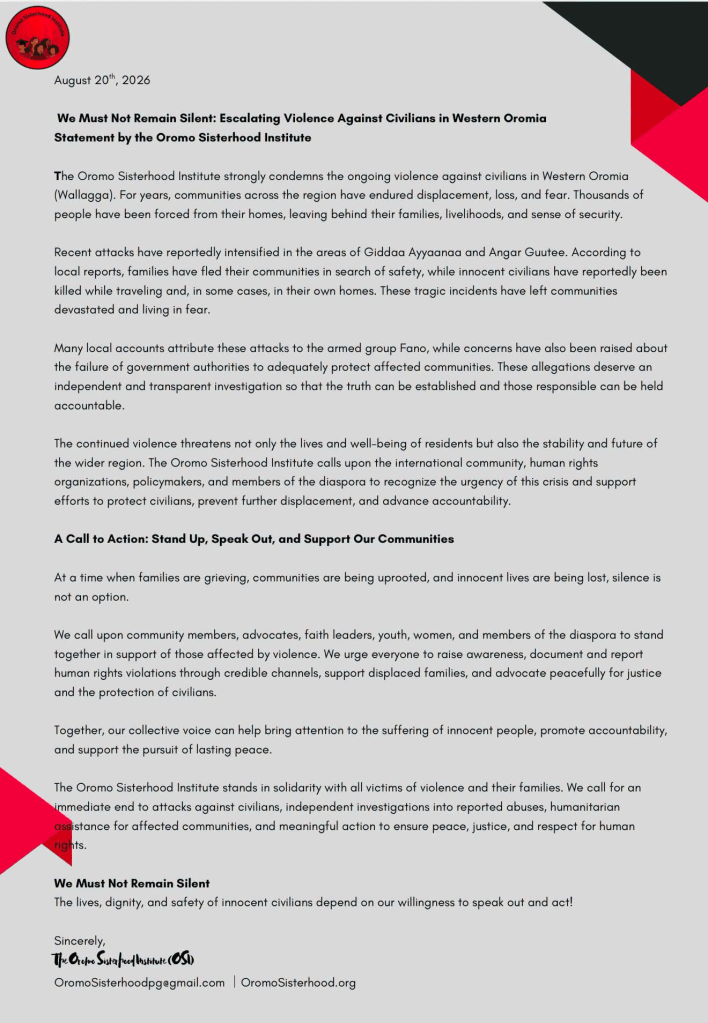
We Must Not Remain Silent: The Unfolding Horror in Western Oromia

As violence escalates and thousands are displaced, the Oromo Sisterhood Institute issues a desperate plea: silence is complicity, and action cannot wait.
—
In the quiet villages of Western Oromia, a crisis of staggering proportions has been unfolding for years. But in recent weeks, the violence has reached a terrifying crescendo. The Oromo Sisterhood Institute (OSI) has issued an urgent condemnation of the escalating attacks against civilians in the Wallagga region—a humanitarian catastrophe that has displaced thousands, claimed countless lives, and left communities living in a state of paralyzing fear.
The areas of Giddaa Ayyaanaa and Angar Guutee have borne the brunt of the violence. According to local reports, families have been forced to flee their homes, leaving behind everything they have ever known. Civilians have reportedly been killed while simply traveling, while others have been murdered in their own homes—a brutal reminder that no place is safe.
The Oromo Sisterhood Institute, a leading voice for women’s rights and community protection, is sounding the alarm: the international community cannot afford to look away.
A Crisis of Accountability
While many attacks have been attributed to the Fano armed group, serious concerns have also been raised regarding the role of state actors and the Ethiopian government’s failure to adequately protect affected communities. The government’s apparent inaction raises deeply troubling questions about the protection of civilians and the rule of law.
OSI insists that these serious allegations warrant independent investigations to establish the facts, ensure accountability, and bring those responsible for abuses against civilians to justice.
“Western Oromia is widely recognized as an area of significant political and social importance,” the Institute states. “The continued violence threatens not only the security and well-being of local residents but also the stability of the broader region.”
The ongoing displacement of civilians and destruction of communities have both immediate and long-term humanitarian consequences. Families are being torn apart, children are being denied their futures, and an entire region is being pushed to the brink.
A Call to Action: Silence Is Not an Option
In the face of such unimaginable suffering, the Oromo Sisterhood Institute is issuing a powerful call to action. The message is clear and uncompromising: silence is not an option.
“We urge community members, advocates, civil society organizations, faith leaders, youth, women, and members of the diaspora to stand up for civilian protection, speak out against human rights violations, and support affected families and communities.”
The Institute is calling for:
· Strengthened advocacy and documentation of human rights violations through credible channels.
· Immediate humanitarian assistance for displaced families, whose basic needs remain unmet.
· Local, national, and international awareness campaigns to shine a spotlight on this unfolding tragedy.
· Unity and collective action to amplify the voices of victims, advance accountability, and contribute to the pursuit of justice and lasting peace.
Every Community Deserves Safety
The Oromo Sisterhood Institute’s message is rooted in a fundamental belief: every community has the right to live in safety, dignity, and freedom from violence. This is not a partisan issue; it is a human issue.
The Institute is calling upon international institutions, humanitarian organizations, and global human rights bodies to closely monitor the situation in Western Oromia and take meaningful action to ensure the protection of civilians and the prevention of further atrocities.
“We stand in solidarity with all victims of violence and their families,” OSI declares. “We call for an immediate end to attacks against civilians, independent and transparent investigations into reported abuses, humanitarian assistance for affected communities, and concrete measures to ensure lasting peace, justice, accountability, and respect for human rights in the region.”
The Cost of Inaction
As the violence continues to escalate, the world faces a choice: to act or to remain silent. The Oromo Sisterhood Institute has made its position unequivocally clear.
“We must not remain silent,” the statement concludes. “The lives, dignity, and security of innocent civilians depend on immediate attention and action.”
The people of Western Oromia are not just statistics; they are mothers, fathers, children, and communities whose lives hang in the balance. Their cries for help must not go unanswered. The time for action is now—before more lives are lost, more families are displaced, and more communities are destroyed.
The Oromo Sisterhood Institute calls upon the international community, human rights organizations, policymakers, and members of the diaspora to recognize the seriousness of the situation and to support efforts aimed at protecting civilians, preventing further displacement, and promoting accountability for human rights violations.
The world must not remain silent. The time to act is now.
—
The Oromo Sisterhood Institute (OSI) is a civil society organization dedicated to promoting the rights, dignity, and well-being of Oromo women and communities. Through advocacy, awareness, and collective action, OSI works to amplify the voices of the marginalized and advance justice and lasting peace.
#UNHumanRightsCouncil#Oromia#Wallagga#Justice#HumanRights

Gaammee: Oromo Youth Celebrate Ifaanoo 6420 with Joy and Splendour
A Festival of Light, Renewal, and Cultural Pride
By Maatii Sabaa
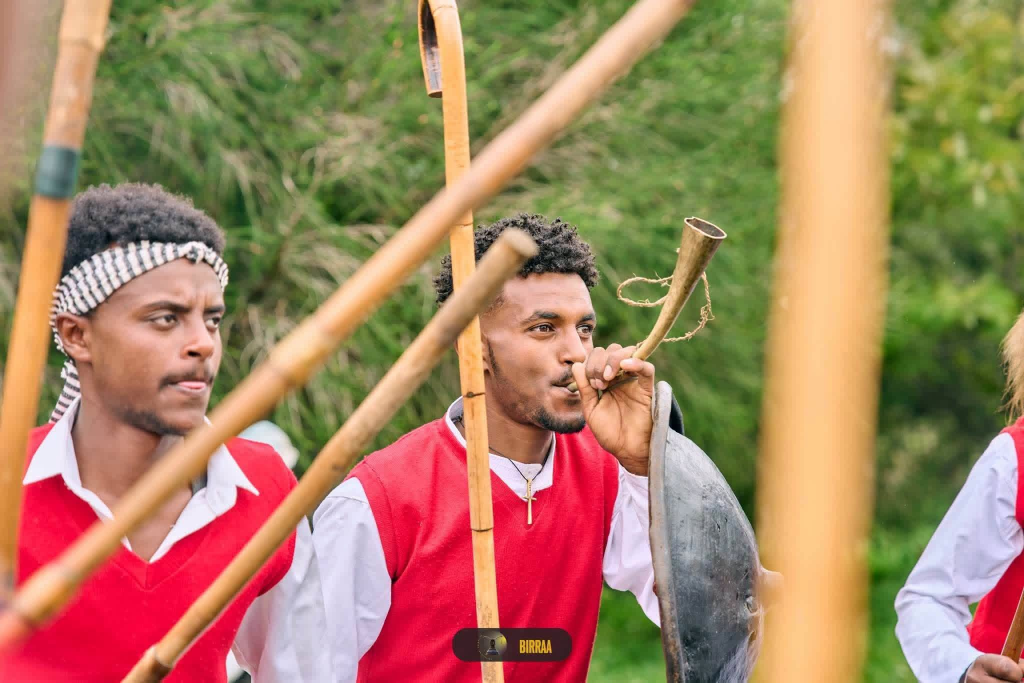
In a dazzling display of cultural pride and spiritual devotion, the Oromo youth—the Gaammee generation—have celebrated the sacred festival of Ifaanoo for the year 6420 with warmth, beauty, and unwavering commitment to their heritage. The celebration, held in the historic Galma Amantaa Waaqeffannaa Duudhaa Ganamaa Walisoo Liiban, was a powerful affirmation of Oromo identity and cultural continuity.
The Ifaanoo festival, which marks the transition from the dark winter season to the bright spring season, is one of the most significant celebrations in the Oromo calendar. This year’s celebration was particularly meaningful, as it coincided with the Oromo New Year 6420—a milestone that reflects the ancient roots of Oromo civilization and its enduring traditions.
The Significance of Ifaanoo
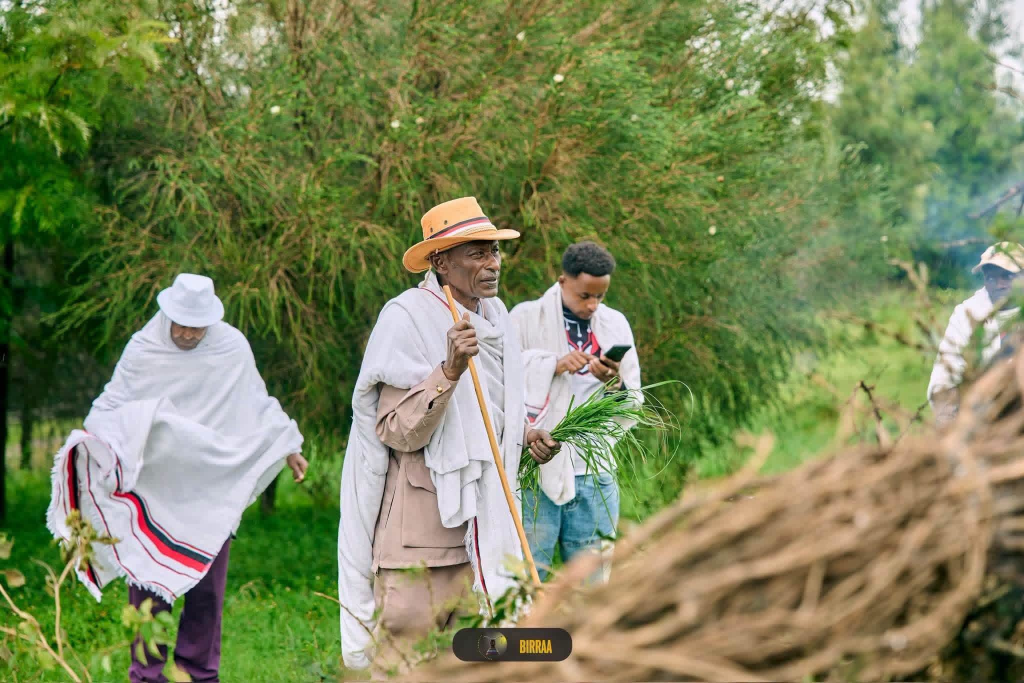
Ifaanoo is a sacred festival of light and renewal. The word ifaa in Afaan Oromoo means “light,” and the festival embodies the dispelling of darkness—both literal and metaphorical. Just as the dawn breaks after a long night, Ifaanoo represents the triumph of hope over despair, of unity over division, of life over hardship.
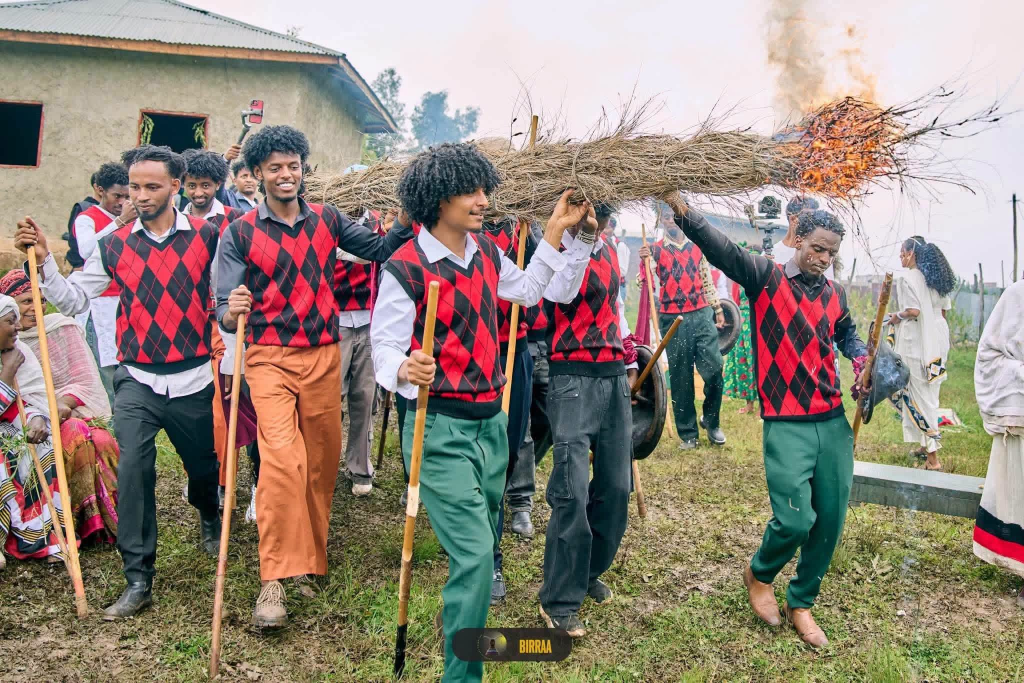
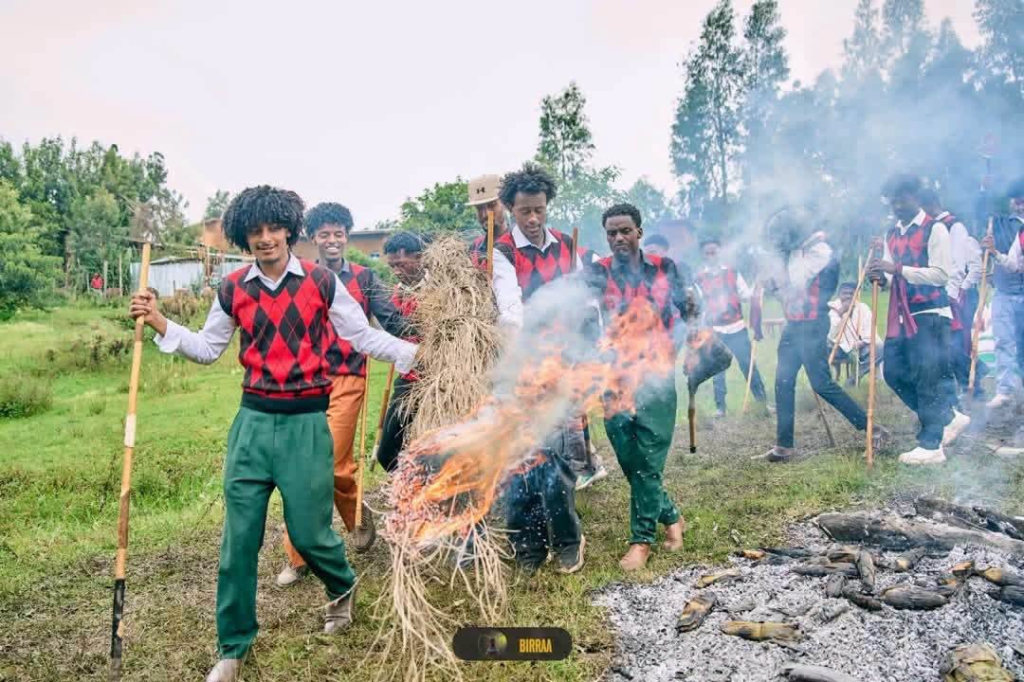
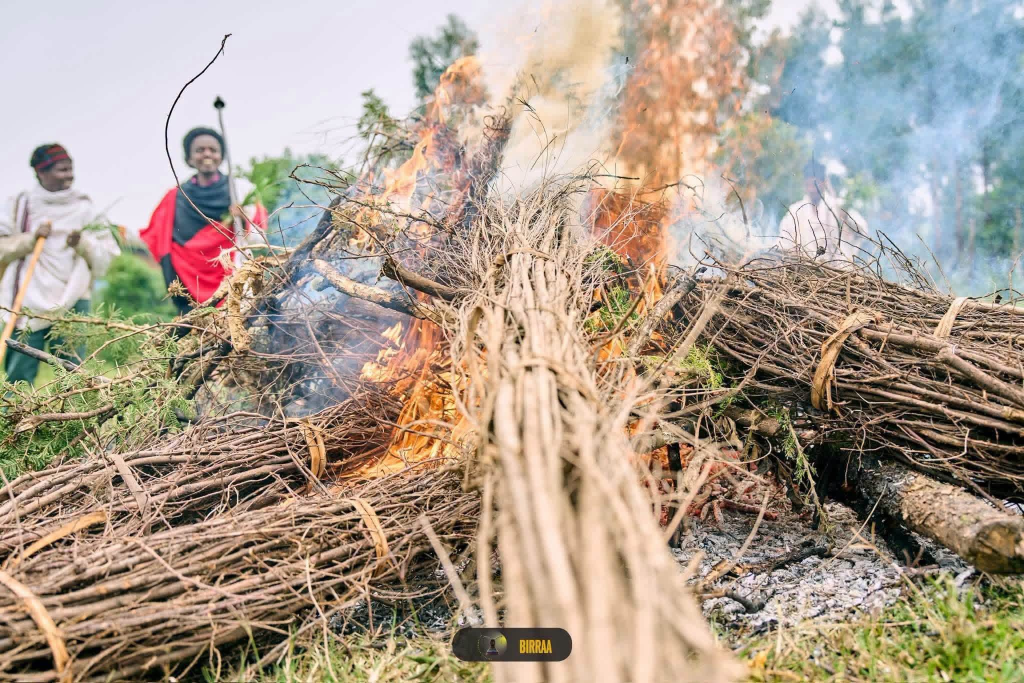
The lighting of the Mijirii bonfire is the centrepiece of the celebration. The bonfire is not merely a source of warmth; it is a symbol of the sun’s return, the rebirth of the earth, and the renewal of the community’s covenant with Waaqa (God). As the flames rise, participants offer prayers of gratitude for the blessings of the past year and petitions for peace, prosperity, and unity in the year ahead.
The Gaammee Generation: Carriers of the Flame
The Gaammee youth played a central role in the Ifaanoo 6420 celebration. As the generation that will inherit the responsibilities of leadership and cultural preservation, the Gaammee youth demonstrated their commitment to the values and traditions of their ancestors.
The celebration featured traditional songs, dances, and rituals that have been passed down through generations. The youth, dressed in their finest traditional attire, participated with joy and reverence, embodying the spirit of cultural continuity that has sustained the Oromo people for millennia.
A Declaration of Peace and Unity
The Ifaanoo 6420 celebration was also a declaration of peace and unity. As the community gathered to celebrate, they reaffirmed their commitment to the values that have sustained the Oromo people through centuries of challenge: solidarity, resilience, and mutual respect.
The elders, known as Abbootii Gadaa and Haadholii Siinqee, led the prayers and offered blessings for the coming year. They shared the wisdom of the ancestors, reminding the younger generation of their responsibilities to their community and their culture.
The celebration was also a reaffirmation of the Gadaa system, the traditional Oromo governance structure recognised by UNESCO as an Intangible Cultural Heritage of Humanity. Through the rituals and ceremonies of Ifaanoo, the community honoured the principles of the Gadaa system: democracy, accountability, and the peaceful transfer of power.
A Celebration of Oromo Identity
The Ifaanoo 6420 celebration was a powerful expression of Oromo identity. It was a reminder that the Oromo people have a rich cultural heritage that predates modern empires and nation-states—a heritage that continues to flourish despite centuries of oppression and marginalisation.
The celebration was also a declaration of hope. As the Oromo people look to the future, they draw strength from their traditions, their community, and their faith. The Ifaanoo festival is a testament to their resilience and their determination to build a future of peace, prosperity, and dignity.
Conclusion
The celebration of Ifaanoo 6420 by the Gaammee generation was a moment of profound significance for the Oromo people. It was a celebration of light and renewal, a reaffirmation of cultural identity, and a declaration of hope for the future.
As the flames of the Mijirii bonfire rose toward the heavens, they illuminated not only the faces of the gathered community but also the path forward—a path guided by the values of peace, unity, and cultural pride.
Ifaanoo 6420 haa jabaattu!
Gaammeen Oromoo haa jabaattu!
Injifannoon Ummata Oromoo!
This feature article is dedicated to the Gaammee generation and all those who work to preserve and promote Oromo culture and identity.

Garanfasaa: Welcoming the Season of Light Through Oromo Tradition
A Celebration of Love, Unity, and the Transition to Spring
By Daandii Ragabaa
Across the Oromo landscape, as the dark winter season gives way to the bright promise of spring, a sacred celebration unfolds. Garanfasaa—known in central Oromia as Ibsaa Birraa—is a vibrant festival marking the arrival of the season of light, love, and renewal.
This ancient tradition, celebrated in the western regions of Oromia, is a profound expression of Oromo identity, community, and cultural continuity. It is a time when families, lovers, and communities come together to honour the transition from winter to spring, and to reaffirm the bonds that hold society together.
The Meaning of Garanfasa
Garanfasaa, also known as Ibsaa Birraa, is a festival of love and renewal. It marks the transition from the rainy season to the bright, hopeful days of spring—a time when the earth awakens, the flowers bloom, and life is renewed.
The festival is celebrated in the month of Hagayya (July-August), when the community gathers to welcome the season of light. The celebration is characterised by traditional songs, dances, and the exchange of gifts between lovers and family members.
The name “Ibsaa Birraa” reflects the festival’s essence: Ibsaa means “light,” and Birraa means “spring.” Together, they capture the spirit of the celebration—the illumination that follows the darkness of winter, the hope that follows hardship, the renewal that follows loss.
A Celebration of Love and Community
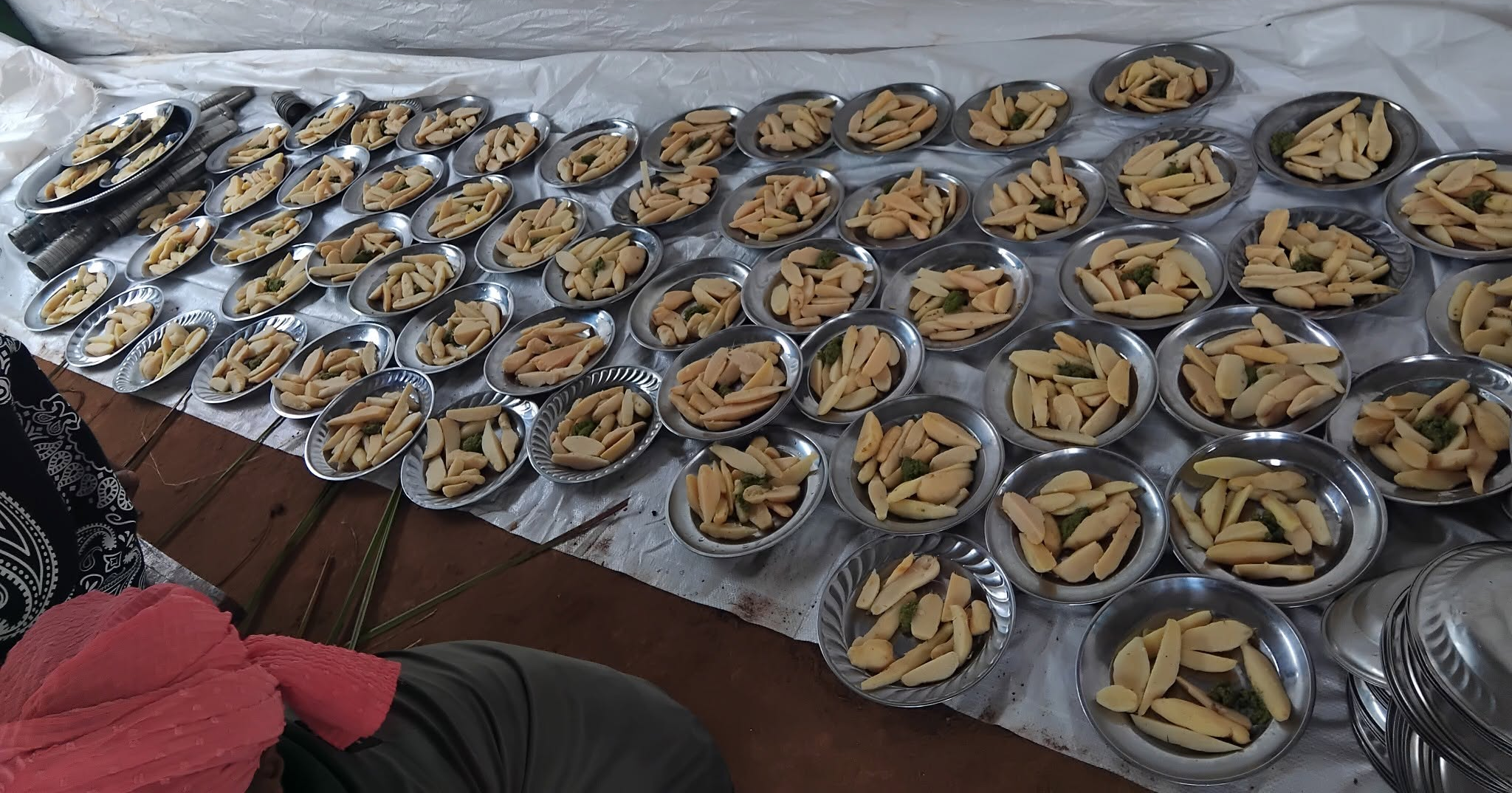
One of the most distinctive features of Garanfasaa is its emphasis on love and courtship. The festival is a time when young men and women express their affection for one another through the exchange of gifts. Traditionally, lovers give each other tokens of their love—beautifully crafted items that symbolise their commitment and devotion.
As the custom holds, the exchange of gifts is not merely a gesture of affection but a declaration of intent. Those who fail to give gifts may be seen as lacking in respect or affection, and tensions can arise between couples. The festival thus serves as a social mechanism for maintaining harmony in relationships and reinforcing the values of love and mutual respect.
The scholar John Samuel, writing on Oromo spirituality and history, described Ibsaa Birraa as a “great festival of the blacks,” noting its deep cultural and spiritual significance. The festival, he observed, has been eroded over time, but its essence remains a powerful expression of Oromo identity.
The Rituals of Garanfasaa
The Garanfasa celebration is marked by a series of traditional rituals that have been passed down through generations:
Gathering of the Three Clans
In the western Oromo region, the festival is celebrated by the Three Clans of Sibuu. Families gather at designated sites, dressed in their finest traditional attire, to participate in the festivities.
Traditional Songs and Dances
The air is filled with the sounds of traditional songs, known as sirba, and the rhythmic beat of drums. Young men and women perform dances that have been passed down through generations, expressing joy and gratitude for the arrival of spring.
Exchange of Gifts
The exchange of gifts is a central feature of the celebration. Lovers present each other with tokens of their affection, reinforcing the bonds of love and commitment. Families also exchange gifts, strengthening the ties of kinship and community.
Blessings from Elders
Elders lead the prayers and offer blessings for the coming season. They share the wisdom of the ancestors, reminding the younger generation of their responsibilities to their community and their culture.
The Significance of Garanfasa in Oromo Culture
Garanfasaa is more than a festival—it is a reaffirmation of Oromo identity and cultural continuity. In a world of rapid change, traditions like Garanfasaa serve as anchors of identity, connecting the present generation to their ancestors and ensuring that the values of the past endure.
The festival also reinforces the bonds of community. By coming together to celebrate, families and neighbours strengthen the social fabric that sustains them. The festival is a reminder that the Oromo people are not merely individuals but members of a larger community, bound by shared history, culture, and values.
A Call to Preserve and Celebrate
Like many Oromo traditions, Garanfasaa has faced challenges. Under successive oppressive regimes, the celebration was suppressed and driven underground. Its revival in recent years is a testament to the resilience of the Oromo people and their determination to preserve their heritage.
As the community gathers to celebrate Garanfasaa, they are also declaring that their traditions endure—that the light of their culture will never be extinguished.
This feature article is dedicated to the custodians of Oromo tradition who keep the spirit of Garanfasaa alive for future generations.

Ukee: An Oromo Tradition of Nurturing the Next Generation
Celebrating Childhood and Cultural Continuity in Walisoo
By Daandii Ragabaa
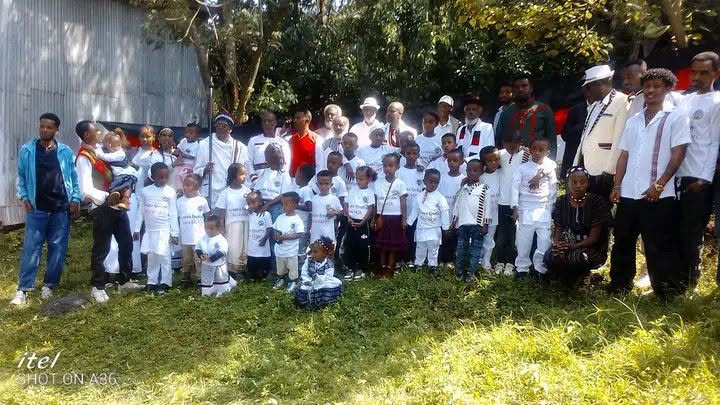
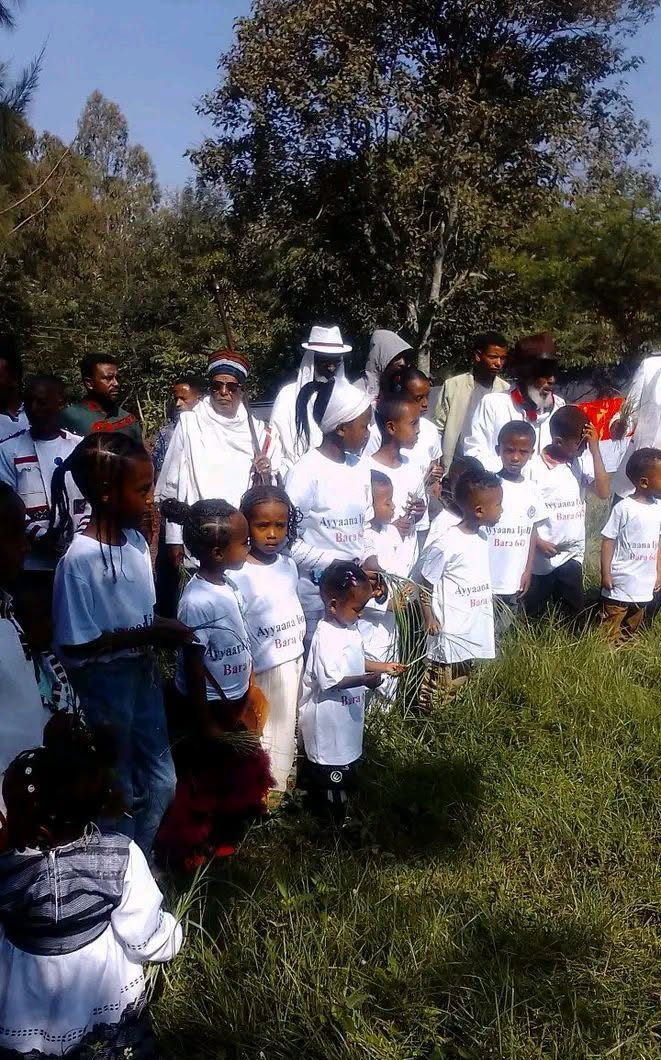
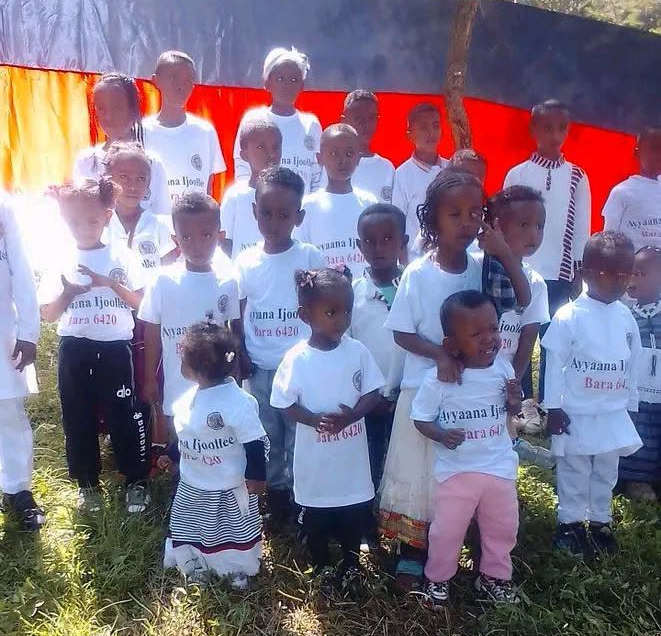
Today, in the historic town of Walisoo, the Galma Amantaa Waaqeffannaa Duudhaa Ganamaa Walisoo Liiban was filled with the joyous sounds of children’s laughter and celebration. The occasion was the annual Ukee festival—a sacred Oromo tradition dedicated to honouring children and ensuring the continuity of culture from one generation to the next.
What Is Ukee?
Ukee, also known as Taabooree in some regions, is a traditional Oromo children’s festival celebrated during the month of Hagayya (July-August). It is a time when the community comes together to honour its youngest members—the inheritors of the culture, the carriers of the language, and the hope of the future.
The festival reflects the deep value that Oromo culture places on children. In a society where oral tradition is the foundation of cultural transmission, children are not merely the future—they are the living connection to ancestors and the continuity of identity.
A Celebration of Childhood and Community
The Ukee festival is a vibrant celebration filled with traditional songs, games, and communal gatherings. Children are the centre of attention, dressed in their finest traditional attire, participating in activities that have been passed down through generations.
The festival is also a time for intergenerational connection. Elders share stories, teach traditional values, and impart the wisdom of the Gadaa system to the younger generation. Through these interactions, children learn about their history, their culture, and their responsibilities to their community.
The Significance of Ukee
For the Oromo people, the Ukee festival is not merely a children’s holiday—it is a profound expression of the community’s commitment to its future. By celebrating and nurturing children, the community ensures that its culture, language, and values will endure for generations to come.
The festival also reinforces the bonds of community. Families come together, neighbours share meals, and the entire community participates in the celebration of its youngest members. This collective affirmation of the value of children strengthens the social fabric and builds a foundation for future prosperity.
A Living Tradition
In a rapidly changing world, traditions like Ukee serve as anchors of identity and continuity. The celebration at the Galma Amantaa Waaqeffannaa in Walisoo is a testament to the resilience of Oromo culture and the commitment of the community to preserving its heritage.
As the children of Walisoo gather to sing, dance, and celebrate, they are not only enjoying a moment of joy—they are participating in a ritual that has sustained the Oromo people for centuries. They are learning who they are and who they can become.
Conclusion
The Ukee festival is a beautiful reminder that the strength of a community lies in its children. By honouring them, we honour our ancestors. By celebrating them, we celebrate our future. By teaching them, we ensure that the flame of our culture will never be extinguished.
This feature article is dedicated to the children of Oromia and all those who work to ensure that Oromo culture thrives for generations to come.





 Advocacy for Oromia