Author Archives: advocacy4oromia

A City Rises, A People Displaced: Oromo Liberation Front Condemns ‘Mega Airport’ Project as Cultural Erasure
A City Rises, A People Displaced: Oromo Liberation Front Condemns ‘Mega Airport’ Project as Cultural Erasure
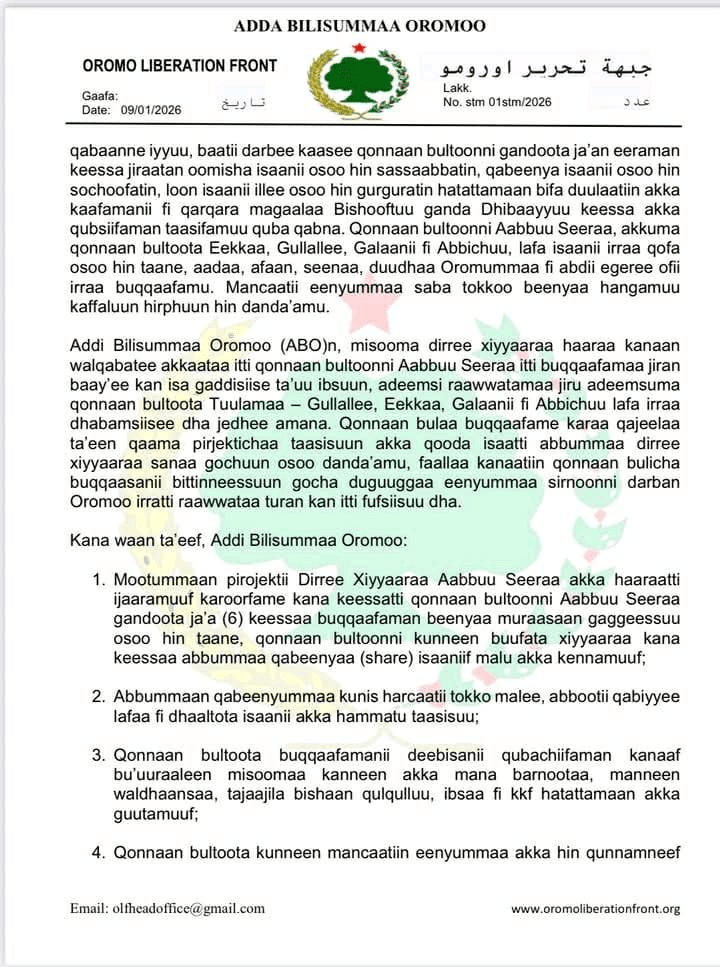
FINFINNEE / AABBUU SEERAA (BISHOOFTU) – In a forceful and detailed statement, the Oromo Liberation Front (OLF) has issued a scathing condemnation of Ethiopia’s planned new “Mega Airport” project and its adjoining “Airport City” in Aabbuu Seeraa (Bishoftu), framing it as the latest and most severe chapter in a decades-long campaign of displacing Oromo farmers and eroding their identity.
Marking a major political intervention, the OLF’s statement, dated April 9, 2026, draws a direct line from the historic displacement of Oromo clans around the capital to the imminent eviction of thousands in Bishoftu, warning that the project constitutes a form of “ethnic cleansing.”
“History Repeating, on a Grander Scale”
The OLF asserts that for the past thirty years, Oromo farmers across the region have been illegally displaced from their land for “development” projects, receiving minimal or no compensation. This, they argue, has systematically eroded Oromo culture, language, history, and collective identity.
“Particularly, the situation inflicted upon the farming community in the Finfinnee (Addis Ababa) periphery has dismantled social foundations, scattered families, and escalated to the level of national genocide (ethnic cleansing),” the statement declares. It points to the fate of clans like the Eekkaa, Galaan, Gullallee, and Abbichuu, who were displaced from their heartland to make way for the capital’s expansion and whose current whereabouts are often unknown.
The OLF accuses the government of surreptitiously reviving the controversial 2014 “Master Plan” for Addis Ababa—a proposal that sparked the historic Oromo youth (Qeerroo) protests—piece by piece under new names. The Aabbuu Seeraa airport project, they state, is a direct continuation of this plan, now “expanded and intensified.”
The Imminent Displacement: 15,000 Lives in the Balance
The core of the crisis, as detailed by the OLF, is the imminent eviction of farmers from six villages: Aabbuu Aciroo, Aabbuu Garbii, Aabbuu Kombolchaa, Aabbuu Looyyaa, Aabbuu Lugnaa, and Aabbuu Saarkamaa. This would affect an estimated 3,000 households, or about 15,000 people.
The OLF reports that despite a regional budget of 17 billion Birr earmarked for farmer resettlement and rehabilitation, the on-the-ground reality is brutal. “Starting last month,” the statement alleges, “farmers… have been forcibly ordered, in a manner of war, to leave without harvesting their crops, moving their property, or even selling their cattle.” They are reportedly being temporarily housed in Dhibaayyuu village on the outskirts of Bishoftu.
A Demand for Equity, Not Eviction
Moving beyond condemnation, the OLF lays out a concrete, four-point alternative path that rejects mere cash compensation:
- Farmers as Shareholders: Displaced communities must be granted equity shares (abbummaa qabeenyaa) in the new airport project, making them co-owners, not casualties.
- Intergenerational Rights: These shares must be inheritable, benefiting both current landowners and their descendants.
- Rehabilitation Infrastructure: Immediate construction of schools, health centers, clean water, and electricity in resettlement areas.
- Cultural Safeguards: Special programs must be established to prevent the loss of Oromo identity, language, and culture.
“The cultural genocide of a nation cannot be compensated with any amount of money,” the statement asserts.
A Broader Call to Action
The OLF pledges to fight for this solution for the Aabbuu Seeraa farmers. It also praises the legal advocacy of the Global Oda Nabe Association (GLONA) and calls on all Oromo institutions to learn from this case and proactively resist human rights violations carried out in the name of “development” across Oromia.
The statement concludes with a rallying cry: “Victory to the Broad Masses!” It frames the airport conflict as a microcosm of the larger Oromo struggle for land, self-determination, and the right to exist as a people on their own terms—not as obstacles to someone else’s progress. The coming weeks will test whether the government engages with these demands or if the bulldozers proceed, writing another painful entry in what the OLF calls a long history of displacement.



Oromo Congress Challenges Addis Mega Airport Project
“Mega Airport or Mega Displacement?” Oromo Congress Raises Alarm Over Addis Ababa ‘Airport City’ Project
ADDIS ABABA – The Oromo Federalist Congress (OFC) has issued a stark warning and a detailed critique of the proposed “Mega Airport Project” and its adjoining “Airport City” development in the Aabbuu Seeraa (Bishoftu/Debre Zeit) area, framing it not as a symbol of progress but as a potential humanitarian and cultural disaster.
In a powerful statement of concern, the Congress denounced the current plan as a “grave and deeply worrying” strategy that will inevitably lead to the mass displacement of indigenous communities. The project, intended to expand Bole International Airport and construct a new urban center, threatens to forcibly evict over 3,000 farming families—more than 15,000 people—from villages including Aabbuu Aciroo, Aabbuu Garbii, and Aabbuu Saarkamaa.
A Violation of Land, Law, and Livelihood
The OFC forcefully challenged the narrative of the project, stating, “What is being carried out under the name of ‘development’ is in fact saamicha—dispossession.” They accused the government of ignoring their prior calls for a halt and said they are now “obliged to issue a special red alert” for the affected communities.
Citing Article 40 of the Ethiopian Constitution, which guarantees farmers’ rights to land and protection from displacement, the Congress argued the project’s “top-down” approach is illegal and unethical. “Land is the foundation of a farmer’s life, not a commodity for sale,” the statement declared, warning that short-term financial compensation will quickly vanish, leaving generations trapped in poverty.
Echoes of a Painful Past
The statement draws a direct and chilling parallel to the displacements that accompanied the expansion of the capital into surrounding Oromo areas like Boolee, Qooqaa, and Wonji. “At that time, the displaced Oromo community was scattered, losing its culture and way of life. We fear this will not be repeated in Aabbuu Seeraa,” the OFC cautioned.
They condemned the use of “world-class” labels to justify destroying the future of local inhabitants, arguing, “Any development project must be inclusive and create shared opportunities, not displace native residents from their own developmental path without their free, prior, and informed consent—a practice unacceptable both legally and historically.”
A Demand for Equity, Not Just Eviction
Moving beyond mere criticism, the OFC laid out a series of non-negotiable demands for a just path forward:
- Immediate Halt: An immediate suspension of all eviction and demolition activities pending a credible, independent Social and Environmental Impact Assessment (SEIA).
- Inclusive, Transparent Dialogues: Meaningful public consultations with the displaced community, local civil societies, and legal experts.
- Community as Shareholders: The displaced community must be recognized as equity shareholders (Abbaa Aksiyoonaa) in the “Airport City” project, receiving annual dividends rather than a one-time payment for their land.
- Cultural Safeguards: Strong legal mechanisms must be established to protect the local language, culture, and identity from being erased by the new urban sprawl.
- Donor Accountability: The Congress called on financiers like the African Development Bank (AfDB) to verify that the project complies with international human rights standards before releasing funds.
A Question of True Development
The OFC’s intervention reframes the core question: Is this project truly for national development, or is it another chapter in the long history of displacing Oromo farmers for urban expansion? By demanding equity and inclusion, they propose a revolutionary alternative—that the original inhabitants of the land should not be its first victims of progress, but its lasting beneficiaries.
The ball is now in the court of the government and international financiers to respond. The future of Aabbuu Seeraa hangs in the balance, caught between the blueprint for a mega-city and the determined resolve of a community fighting to stay on the map.


Oromo Graduation Ceremony 2025: Celebrate Culture and Achievement

Oromo Graduation Celebration Set to Showcase Cultural Pride in 2025 Ceremony
Organizers of the upcoming Annual Graduation Ceremony 2025 are issuing a heartfelt call to the Oromo community and its supporters, inviting them to celebrate academic achievement through a vibrant display of cultural identity.
In a statement filled with excitement, the message is clear: “We are so excited and love to meet everyone there with our Oromo attire.”
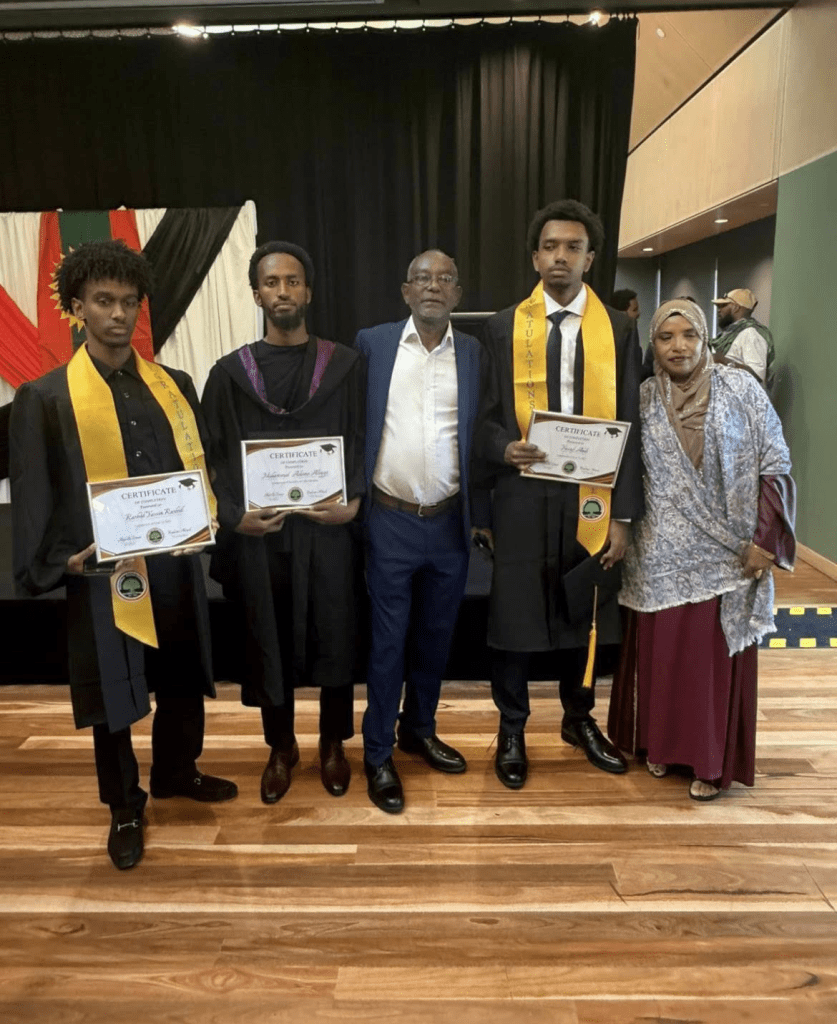
The event has positioned itself as more than just an academic milestone; it’s a powerful opportunity to affirm cultural heritage and communal pride. “We acknowledge that and are proud of how it feels to wear our traditional [attire],” the statement continues, emphasizing the deep personal and collective significance of donning cultural dress for such a landmark occasion.
This encouragement highlights a growing trend of graduates incorporating traditional garments into graduation ceremonies worldwide, transforming the standard academic regalia into a colorful tapestry of personal history and belonging. For many Oromo graduates and their families, wearing traditional attire is a profound statement of resilience, identity, and joy.

The 2025 ceremony promises to be a visually stunning and emotionally resonant gathering where caps, gowns, haddiisas, waaddas, and other traditional garments will intermingle—a celebration of both scholarly success and enduring cultural strength.
The organizers’ message has been met with enthusiastic anticipation, as the community prepares to turn the graduation into a unified and proud display of Oromummaa.
Event: Annual Graduation Ceremony 2025
Key Note: Attendees encouraged to wear Oromo traditional attire.
Message: A celebration of education, culture, and communal pride.


Urgent Actions for Severe Weather Preparedness

URGENT NEWS ALERT
CRITICAL WEATHER AND SAFETY ADVISORY: COMMUNITY COOPERATION URGED
Issued Immediately
At this moment, due to severe conditions in the region, community cooperation and information sharing are critical for safety. All residents are urged to take immediate and serious precautions.
URGENT ACTIONS REQUIRED:
- STAY HYDRATED & CONSERVE WATER: Ensure you drink an adequate amount of water and store clean drinking water if possible.
- MOVE TO SAFE AREAS: Immediately move away from riverbanks, floodplains, and low-lying areas.
- SEEK RELIABLE INFORMATION: Monitor official channels for urgent updates from local authorities and emergency services.
- AVOID NON-ESSENTIAL TRAVEL: Do not travel unless absolutely necessary. If you must travel, exercise extreme caution.
- CHECK ON VULNERABLE NEIGHBORS: The community must now come together. Contact people you know who may be isolated, elderly, or have special needs.
COMMUNICATION IS KEY:
It is essential that we stay connected. Use your mobile phones and available online communication channels to contact family, friends, and neighbors to ensure everyone is safe and informed. Share verified information only to prevent panic.
This is a time for collective responsibility and immediate action. Please follow these instructions and await further updates from official sources.
Stay Safe. Stay Informed. Look Out for One Another.


Buttaa Qaluu Ceremony: A Cultural Milestone for the Karrayyu Oromo
URGENT NEWS
HISTORIC GADAA CEREMONY “BUTTAA QALUU” SUCCESSFULLY CONCLUDED IN TARREE LEEDII
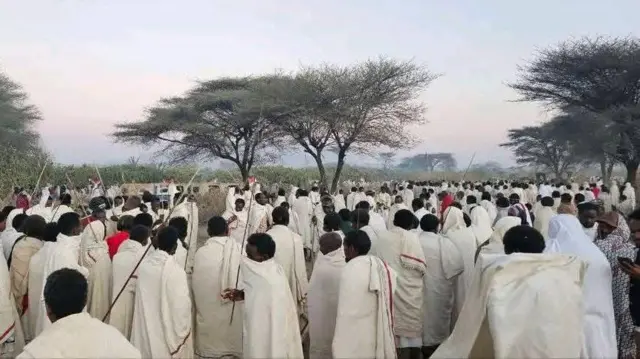
MATAAHAARA, OROMIA – In a significant cultural event, the Karrayyu Oromo, specifically the Baasoo family, have successfully concluded the sacred Gadaa transfer ceremony, known as “Buttaa Qaluu” or “Irreessa Kennuu,” in their ancestral territory of Tarree Leedii. The ceremony marks a pivotal six-year preparation phase where the incoming Gadaa class prepares to assume leadership from the current “Baallii” grade.
Thousands of participants from the Baasoo family embarked on a traditional trek several kilometers from the Mataahaara area to the ceremonial grounds, meticulously observing the ancient protocols of their Gadaa system. The event was not isolated; it drew a multitude of attendees, including Abbaa Gadaas from across Oromia and other community members, who joined the Karrayyu in this profound ritual.
A Testament to Cultural Resilience
The ceremony stands as a powerful testament to the resilience of Oromo culture. Scholars and attendees highlighted its significance in an era marked by prolonged cultural pressure. “For over a century, the Oromo people have faced pressure on their culture and language,” noted one observer. “These elders, the Karrayyu, are preserving their morning culture and passing it on to future generations. Where they currently reside is a place of historical pressure.”
The Karrayyu’s ability to preserve their traditions against multifaceted pressures—linguistic, cultural, and religious—was a central theme. “They withstood pressure from all directions. The fact that they have endured and reached this point is a symbol of identity,” remarked a participant.
Scholarly Perspective on a Living System
Among the distinguished attendees was Dr. Asafa Tafarraa Dibaabaa, a researcher, writer, and academic. Dr. Asafa, who once taught among the Karrayyu thirty years ago, expressed deep reflection upon witnessing the ceremony. “As a scholar of Oromo culture, being present when called to this ceremony was a moment of great joy,” he said. “Seeing this ritual after so many years is deeply moving. What the Karrayyu are preserving is something from which other communities can also learn.”
He emphasized that the Karrayyu Gadaa system is a branch from which the wider Oromo society draws lessons, calling it a “great education.”
Logistical Triumph Amidst Challenges
Writer and journalist Wabii Kabbada, who documented the entire event, marveled at the organization. He described the immense logistical feat of assembling and hosting such a large gathering in a remote area with limited infrastructure. “The level of mobilization, the way food was provided for everyone, and the manner of inclusion was a tremendous and astonishing education. Their method of inclusion—hosting others without eating themselves—was truly distinct,” Wabii noted.
Dr. Asafa also praised the community’s collective effort in overcoming severe logistical hurdles to reach the site. “Tarree Leedii is a mountainous area, far from asphalt roads. People came from distant places under difficult conditions. The road they traveled is rough and blocked by fallen trees. From what we saw, people spent many days there clearing the trees from the road to make passage. What remained was that we attended the ceremony well and returned safely.”
The Karrayyu: Guardians of Tradition
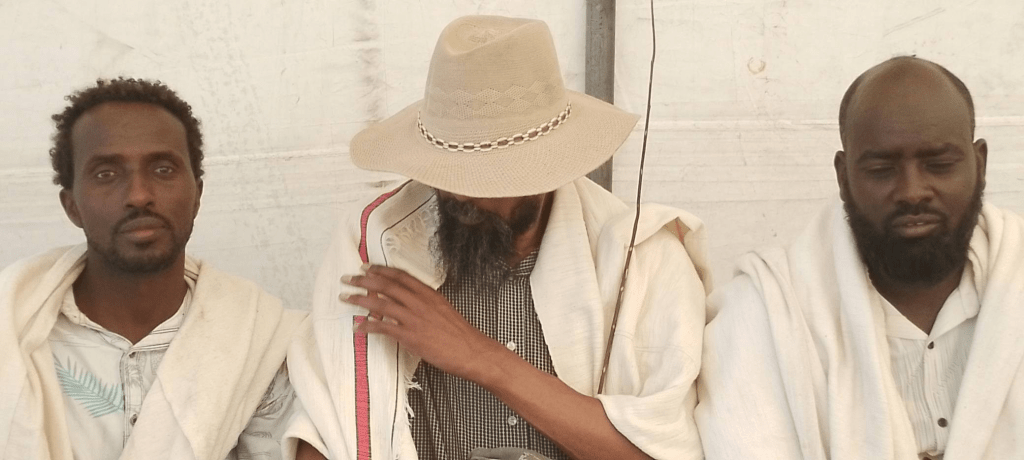
The Karrayyu, primarily settled in the Fantaallee and Boosat districts of East Shewa, are renowned for their distinct traditions, including their attire, hairstyles (Gunfura), and dance forms. Historically pastoralists, the Baasoo and Dullachaa sub-groups have been steadfast guardians of their territorial boundaries, paying significant sacrifices to protect their land, a commitment they continue to uphold today.
This urgent news feature documents the successful execution of a vital cultural ceremony, underscoring the enduring strength and sophisticated social organization of the Karrayyu Oromo Gadaa system.


Reclaiming Oromummaa: Four Decades of Indigenous Scholarship

Bringing ‘Oromummaa’ into Focus: Four Decades of Reclaiming an Indigenous Legacy
JANUARY 9, 2026 – As the Oromo Studies Association (OSA) approaches its 40th anniversary, it has released a landmark statement that is part historical reflection, part scholarly triumph, and part urgent defense. The statement, authored by OSA President Dr. Ibrahim Amae Elemo, chronicles a transformative journey: from the systemic erasure of Oromo history to the global recognition of its indigenous democratic systems, and now, to a new wave of attacks targeting the scholars who brought this legacy to light.
Central to this four-decade effort is the concept of Oromummaa—a term embodying the collective values, institutions, and worldview of the Oromo people, the largest ethnic group in Ethiopia. Once dismissed, Oromummaa has been meticulously restored by OSA scholars through research that has redrawn the map of Horn of Africa studies.
From Erasure to Reclamation
The OSA’s founding in the 1980s was a direct response to a void. Prior to its establishment, Oromo heritage was not merely absent from academia and state narratives; it was actively suppressed. As the statement details, a state ideology of “Ethiopianism” promoted Orthodox Christianity, the Amharic language, and Abyssinian culture as the sole legitimate national identity. The Oromo language, Afaan Oromoo, was banned in schools and public life until 1992, and students were punished for speaking it or using Oromo names.
“The national project,” the statement asserts, “was to ‘Ethiopianize’ the peoples of the south and center through enforced cultural unification.” In this process, the Oromo—despite constituting about half of Ethiopia’s population—were portrayed as backward and ahistorical.
OSA’s intervention was revolutionary. Its scholars, many of whom were part of that first generation of students reclaiming their language, engaged in rigorous research that recovered suppressed histories. Through conferences, journals, and collaborative work, they produced a substantial body of knowledge that countered centuries of denigration and “restored collective dignity.”
Reshaping History and Highlighting Indigenous Democracy
A cornerstone of OSA scholarship has been re-examining Ethiopian state formation. Drawing on archives and oral histories, researchers have framed the expansion of the Abyssinian empire in the late 19th century as a colonial project, supported by European powers and marked by violent conquest, dispossession, and the enslavement of independent societies like the Oromo.
More celebratory research has focused on Oromummaa as an indigenous democratic worldview, anchored in three core institutions:
- The Gadaa System: A complex socio-political system featuring an eight-year leadership cycle, checks and balances, and principles of accountability and rule of law. Its global significance was recognized by UNESCO’s inscription on its Intangible Cultural Heritage list.
- Siinqee (Siiqee): A women’s institution that ensures gender balance and social justice.
- The Qaallu: The spiritual authority maintaining harmony between society, nature, and the spiritual realm.
Together, these institutions embody values of democracy, peace (nagaa), and ecological stewardship that OSA argues offer lessons of “global relevance.”
A New Era of Attacks and a Call to Action
This hard-won scholarly recognition is now under threat. The OSA statement warns of “renewed attacks on Oromo scholars and scholarship” from actors seeking to “restore inequitable power relations.”
These attacks have evolved from formal complaints accusing scholars of “hate speech” to coordinated social media campaigns that vilify Oromummaa itself as a dangerous ideology. Internationally respected figures like Professor Asafa Jalata, a pioneering sociologist, have been targeted.
“These attacks do not represent scholarly debate grounded in evidence,” the statement declares. “Rather, they reflect a politicized rejection of any scholarship that challenges centralized authoritarian narratives.” It draws a stark warning: “History demonstrates that vilification of a people’s identity is often a precursor to mass violence.”
In conclusion, the OSA issues a powerful call to the global academic community and the public. It urges the defense of academic freedom and support for Oromo scholarship, framing it not as a niche field but as vital to understanding one of the continent’s oldest continuous democratic traditions. The Oromo legacy, the statement concludes, is a contribution not only of “agricultural and animal bounty” but of a resilient, indigenous democratic way of life whose study is now more critical than ever.
#Oromummaa #OromoStudies #Gadaa #AcademicFreedom #OSA40


Community Healing: The Naqamtee Reconciliation Council’s Impact

NEWS FEATURE
Peacemakers of Naqamtee: How a Community-Based Reconciliation Council is Healing Families
NAQAMTEE, OROMIA — In this bustling city, a quiet revolution is taking place inside homes, not on the streets. It’s led not by politicians, but by elders and respected community figures who have come together to form a local reconciliation council, or gaa’ila. Their mission: to mend the fractures within families before they reach the courthouse, and to restore peace one household at a time.
The council’s impact is tangible. To date, its members have successfully mediated and reconciled over 300 families teetering on the brink of permanent separation. But their work doesn’t end with a handshake. “It’s not just about reconciliation,” explains Luba Haayilu, a founding member. “We also follow up by visiting their homes to see how the healing is progressing, and we counsel and educate them about the principles of gaa’ila itself. The benefit is immense.”
From Courtrooms to Living Rooms
The traditional path for marital or family disputes in Ethiopia often leads to a costly, adversarial, and public court battle. The Gaa’ila council of Naqamtee offers an alternative rooted in Oromo customary law (Aadaa Seera). They describe a common scenario: a husband and wife separate, divide their property through the court, and go their separate ways, often leaving deep wounds.
“Afterwards,” says Luba Haayilu, “they come to us separately, gain understanding, seek each other out, and are reconciled. They are now living together anew, with love.”
A Personal Mission Born from Observation
For Luba Haayilu and his wife, Aadde Yashii Abbabaa, this mission is personal. They founded their council 25 years ago. The catalyst was the pain they witnessed around them. “We didn’t start this work while sitting idle,” Luba recalls. “It was because of what we saw happening on the streets.”
He shares a poignant story that compelled them to act: “A young man would marry a girl and they would have a child. However, while they loved each other, her family would intervene and separate them. ‘No, this boy is not the right man for you,’ they would say, and they would take their daughter back after she had borne his child. The young man would be left utterly heartbroken.”
Seeing this cycle of unnecessary familial destruction, Luba and Yashii decided to intervene. “We want everyone to have a stable family (gaa’ila tasgabbaa’aa),” Luba explains. “So we asked ourselves, ‘Why are we just sitting here while families are breaking apart?’ and we began this work of mercy.”
The Methodology: Listening and Facilitating Dialogue
The council’s power lies in its process. The two key principles, Luba states, are equal listening and openly identifying the root cause of the conflict. “We listen to both sides equally and we bring the source of the problem out into the open to discuss it frankly,” he says.
A primary technique is facilitating direct communication. Council members visit the family home and mediate a conversation between the spouses about their union. “We talk with them about their marriage together, and that’s how we reconcile them,” Luba notes.
Fruits of Reconciliation: A Legacy of Peace
The rewards of this decades-long work are measured in human futures restored. Luba beams with pride when speaking of the families they’ve helped. “Today, that family has had many more children. Their children have grown into adults. One of their children is now studying for a second degree. I am very happy,” he says, reflecting on one of their early successes.
The Gaa’ila council of Naqamtee stands as a powerful testament to community-driven justice. It operates on the belief that the best resolution is not a legal verdict that divides property, but a healed relationship that preserves a family. In a world of complex legal systems, they offer a simple, profound alternative: deep listening, honest dialogue, and the patient rebuilding of trust. Their 300 reconciled families are a living archive of their success, and a model for communities everywhere.
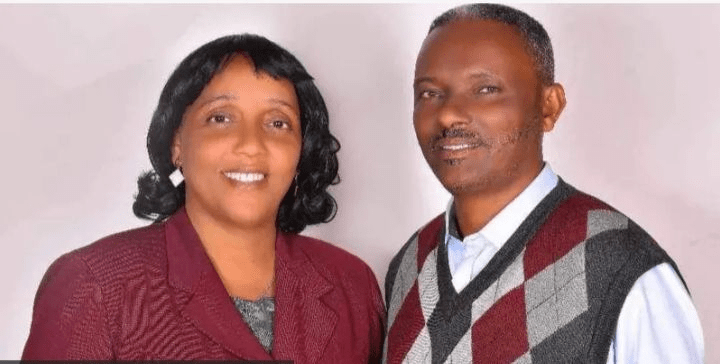

The Untold Story of Qeerransoo: Courage from the Oromo Resistance

News Feature: Portraits from a Generation of Sacrifice — The Untold Legacy of Qeerransoo
A black-and-white photograph, weathered by time yet sharp in its clarity, has resurfaced across Oromo social media and community forums. Captioned as a moment from 1980 in the Western Front (Dirree Dhihaa), it shows a group of young fighters known as Qeerransoo — “the fearless” or “the brave ones.”
These were not just any fighters. They were the children — some barely in their teens — who grew up within the folds of the Oromo Liberation Front (OLF), raised by the struggle itself. The poignant caption that accompanies the image tells a profound story: “These children were raised by the OLF and made to carry the Oromo liberation struggle — from basic membership to leadership.”
From Cadets to Commanders: A Generation Forged by Struggle
The image is more than a historical artifact; it is a testament to a generation that knew no life outside the quest for freedom. They were the Agartuu Ummata Oromoo — the “hope of the Oromo people.” In the absence of conventional childhoods, their schools were the forests and their curriculum was resistance.
As the caption powerfully notes, “The OLF is the foundation of Oromo peace.” This statement frames the sacrifice of the Qeerransoo not merely as a martial endeavor, but as the painful, necessary groundwork for a future peace — a peace they were often too young to remember but were tasked to secure.
A Living Legacy and a Call to Memory
The accompanying message is a direct, urgent appeal: “If you are in this picture and are alive, share this history with us in an orderly way. Pass it on through your own means.”
This call highlights a critical gap in the recorded history of the Oromo struggle. While the political narratives and major battles are documented, the personal, human stories of those who lived their entire youth inside the movement are at risk of being lost. The Qeerransoo represent a unique demographic: survivors of a conflict that was their only home, now living with memories that are both a personal burden and a national inheritance.
Why This Photo Matters Now
The resurgence of this image comes at a pivotal moment. As debates about the OLF’s legacy, its factions, and the path forward for Oromo nationalism continue, this photograph grounds the discussion in human cost and generational sacrifice. It asks uncomfortable questions:
- What happened to these children of the revolution?
- How does a society recognize and reintegrate those whose entire upbringing was militarized for a cause?
- Where do their stories fit into the official history of the struggle?
The photo of the Qeerransoo is a silent but powerful rebuttal to any simplified history. It reminds viewers that the OLF was not just a political or military structure; for many, it was a family, a home, and a fate. Their faces, frozen in a moment from 1980, are a bridge between a past of immense sacrifice and a present still grappling with its meaning.
Epilogue: Seeking the Faces
The search is now on, led by historians, veterans, and a curious younger generation. The plea is clear: if you recognize yourself or a loved one in this frame, your story is not just your own. It is a vital chapter in the story of the Oromo people’s long walk toward dignity and self-determination. The request is for more than just identification — it is for testimony, for context, and for the preservation of a legacy written in the youthful faces of the fearless.

The Legacy of Ilfinash Qannoo: Music and Resilience
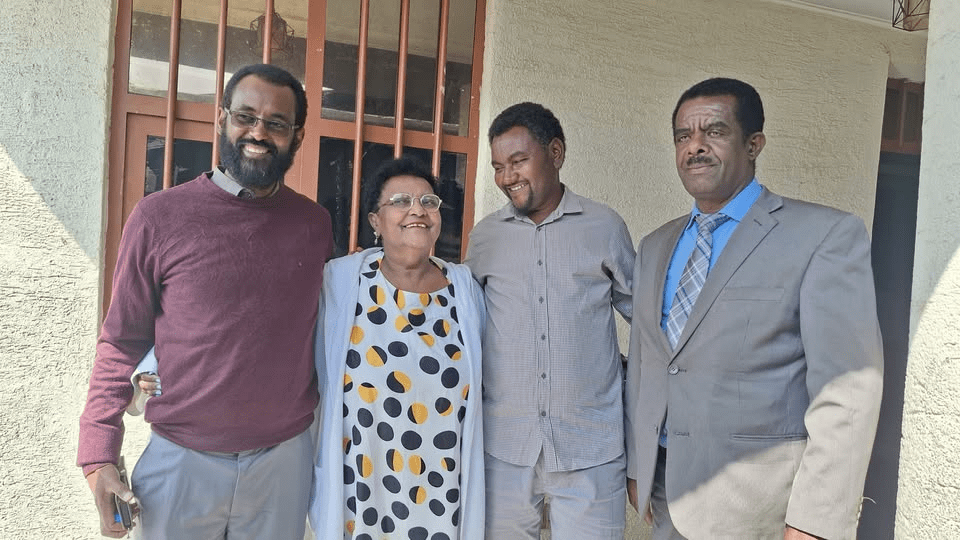
FEATURE NEWS
In Memory and Celebration: Ilfinash Qannoo — A Mother, an Icon, a Struggle’s Melody
Finfinnee, Oromia — In homes, on stages, and in the quiet moments of remembrance, a name is being spoken with a blend of reverence, love, and profound loss: Ilfinash Qannoo. More than an artist, she was a Kabajamtuu (honored one), a Haadha (mother), and a Qabsooftuu (one who struggles). Her life and voice became intertwined with the identity and aspirations of a people, making her passing not just the loss of a person, but the silencing of a powerful symbol of resilience and love.
Ilfinash Qannoo’s artistry transcended mere performance. Her songs, often imbued with the deep cultural motifs and the subtle yearnings of the Oromo people, served as a soundtrack to both everyday life and collective struggle. She did not simply sing songs; she gave voice to a history, to joys, to sorrows, and to an enduring hope. In this, she became a “mallattoo cichoominaati” — a symbol of identity. Her music was a vessel carrying the language, the pain, and the beauty of her community, affirming its existence and its right to be heard.
Yet, perhaps the most universally resonant title bestowed upon her is “Haadha Jaalalaa” — a Mother of Love. This speaks to the nurturing quality of her presence, both personal and public. For her biological family, she was the center of love and care. For her wider community, she offered a maternal embrace through her art, providing comfort, strength, and a sense of belonging. She mothered a cultural spirit, tending to it with her voice and her unwavering presence.
The brief, poignant tribute now circulating—”Umrii nuuf haa dheerattu”—carries a world of meaning. “May she live long for us” is not merely a wish, but a declaration. It acknowledges that while her physical journey has ended, the essence of Ilfinash Qannoo—her music, her symbolism, her love—is a permanent inheritance. Her life will continue to resonate, to inspire, and to fortify those who hold her memory.
Her legacy exists at a powerful intersection: the intimate space of family mourning a beloved matriarch, and the public sphere honoring an artist who channeled a people’s soul. As flowers are laid and her songs are played anew, the community is not just saying goodbye. They are affirming that the struggle she gave voice to continues, the identity she symbolized remains unbroken, and the love she embodied is eternal.
Ilfinash Qannoo: Haadha, Qabsooftuu, Artistii. Her melody is now a memory, but its rhythm beats on in the heart of a people.
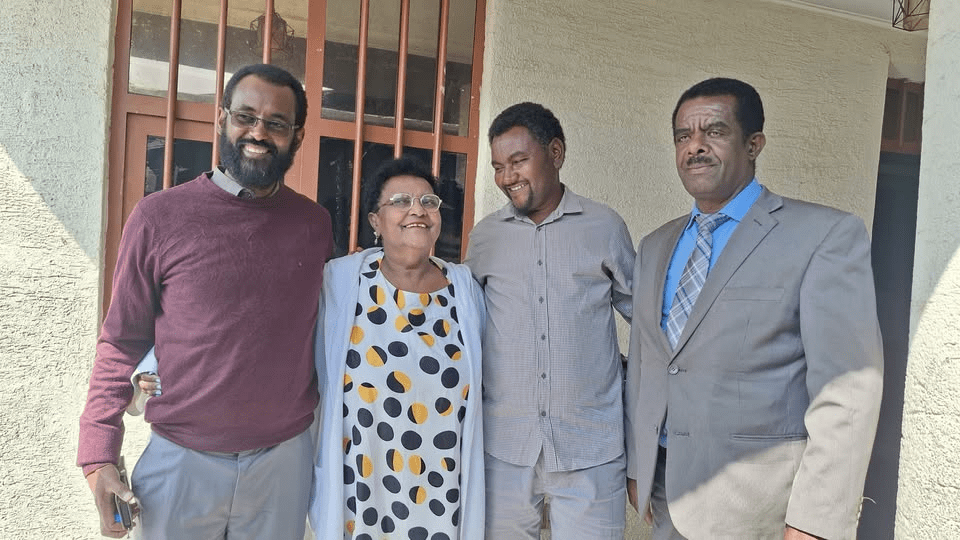

Community Mourns Loss of Melbourne Teenager, Calls for Action to Prevent Further Tragedies

Melbourne, VIC – The Ethnic Communities’ Council of Victoria (ECCV) has extended its deepest sympathies to the family and friends of 16-year-old Ater Good, who was killed near his home on a Fitzroy street in the early hours of Saturday morning.
The tragic death has sent waves of grief through the local community, particularly impacting Victoria’s South Sudanese community, who are mourning yet another young life lost.
“We are deeply aware of the impact this tragic event has had on Victoria’s wider South Sudanese community,” an ECCV spokesperson said. “Too many young lives have already been lost over the past year, and community leaders are right to ask why.”
Ater has been described by his family as a deeply loved and cherished son and friend. Victoria Police are investigating the circumstances surrounding his death.
In a statement, the ECCV expressed solidarity with South Sudanese families and community members who are rallying to support one another during this painful time. The council also acknowledged the community’s urgent calls for answers and concrete measures to improve safety.
“ECCV stands with South Sudanese families and communities who are supporting one another at this time,” the spokesperson added. “We also acknowledge their urgent calls for safety, answers, and practical action, so that no more families have to experience such loss.”
The loss of Ater Good has amplified concerns about youth safety and community violence, with many urging greater support for young people and stronger intervention strategies to prevent future tragedies.
Funeral arrangements and community-led vigils are being organized, as friends, family, and community leaders come together to mourn and seek a way forward.