Author Archives: advocacy4oromia

Oromo New Year Vigil in Victoria: Honoring Sacrifices and Future Struggles
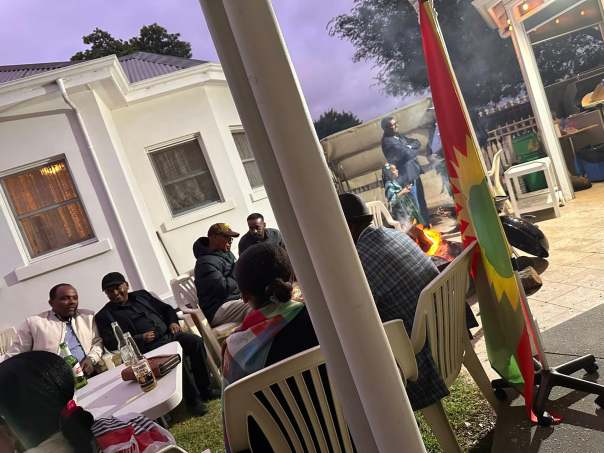
Oromo Community in Victoria Marks New Year’s Eve with Vigil for Fallen Fighters, Vows to Continue Struggle
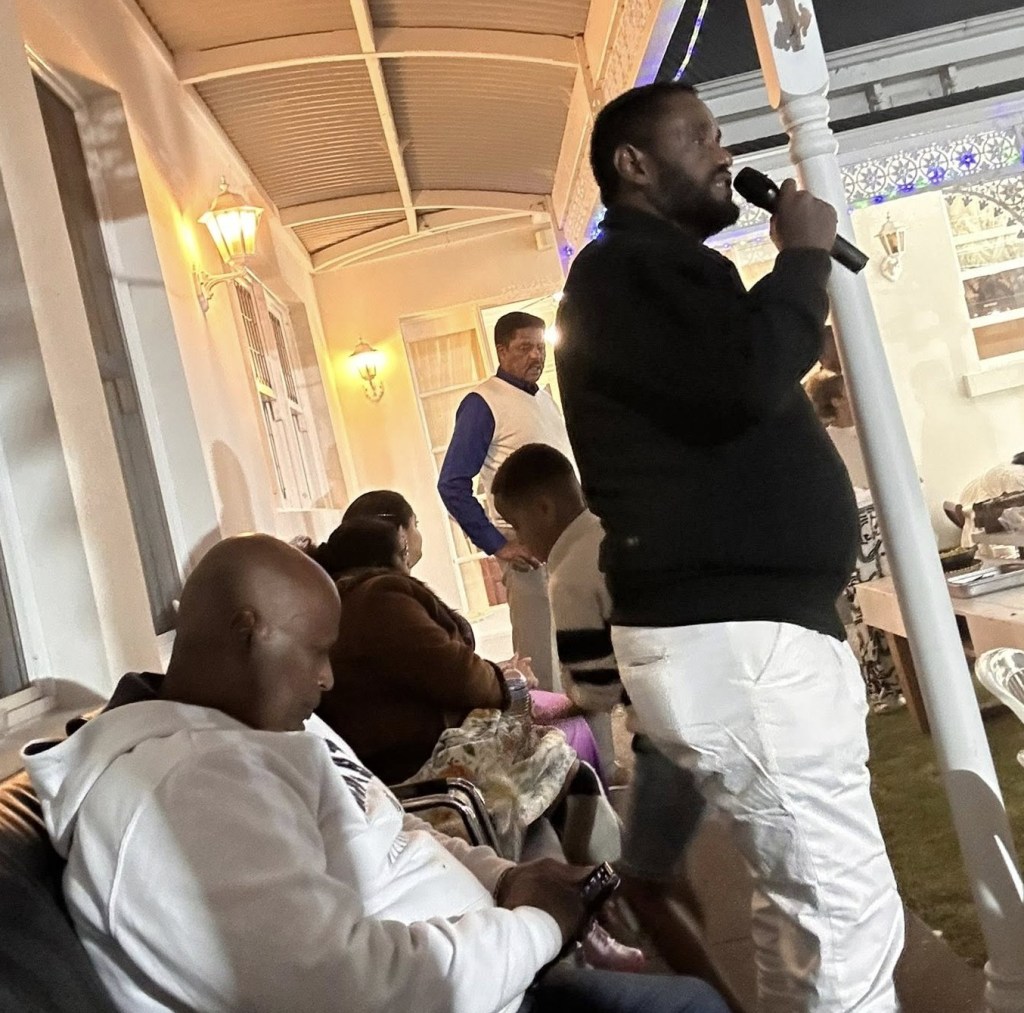
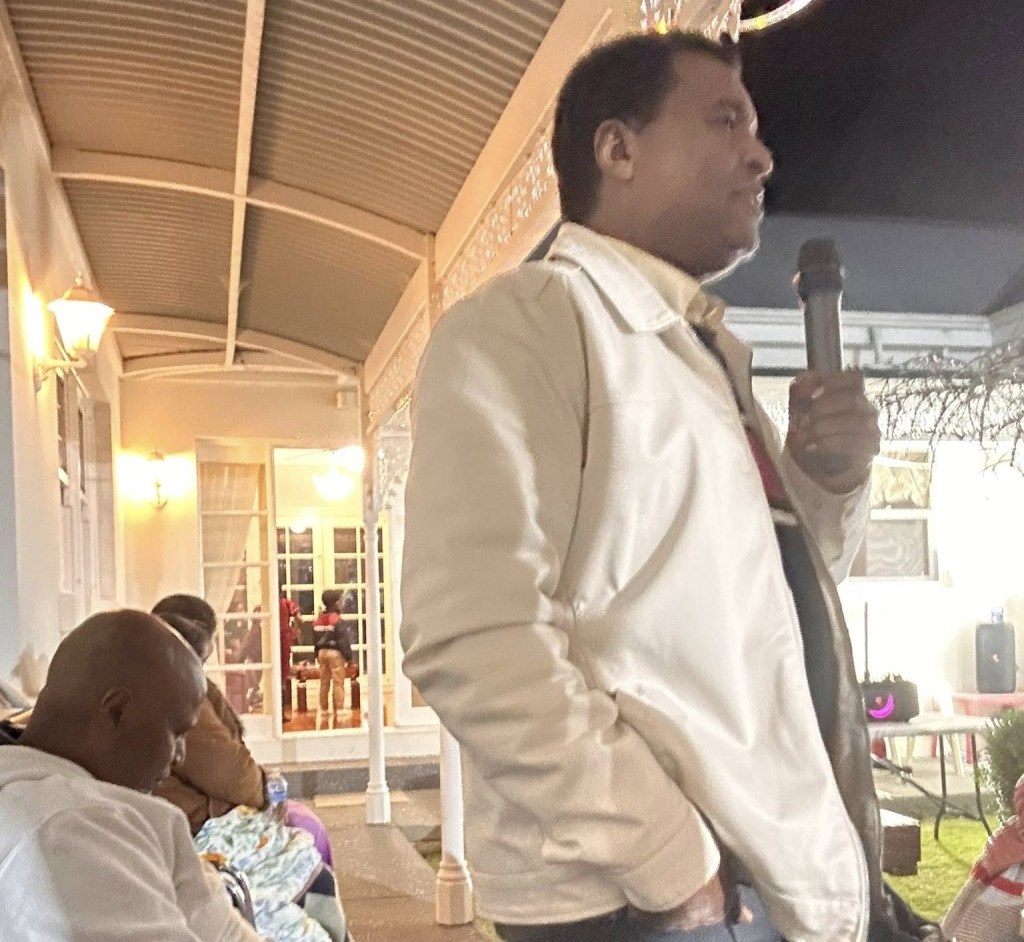
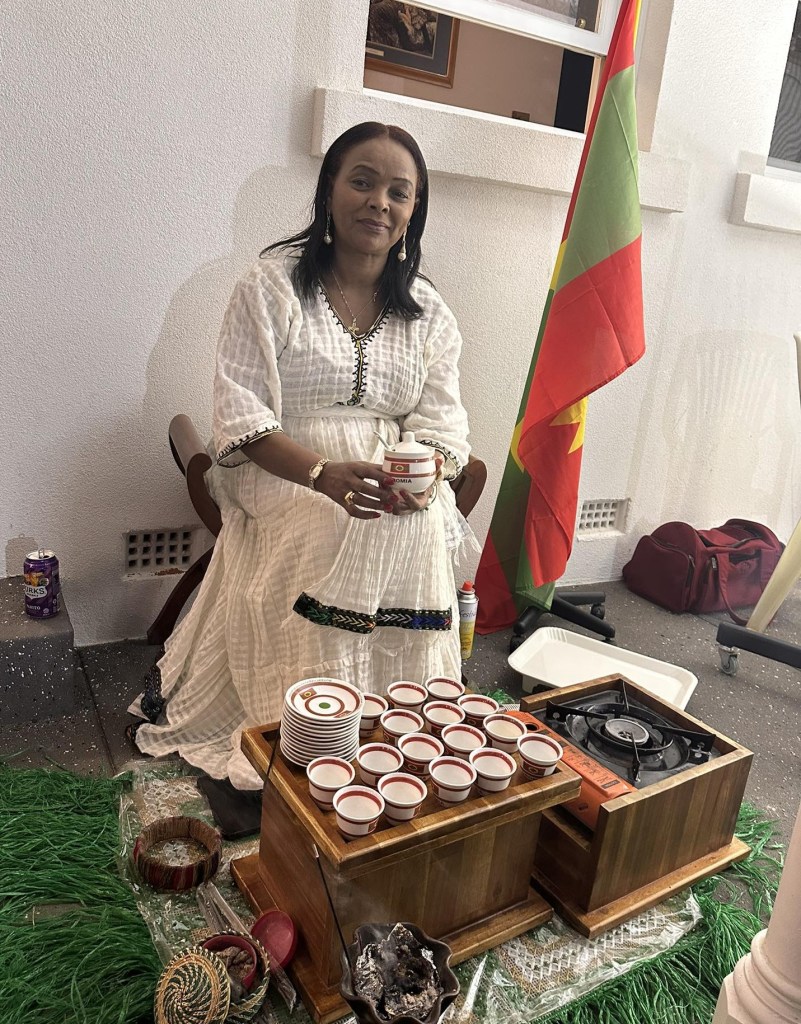
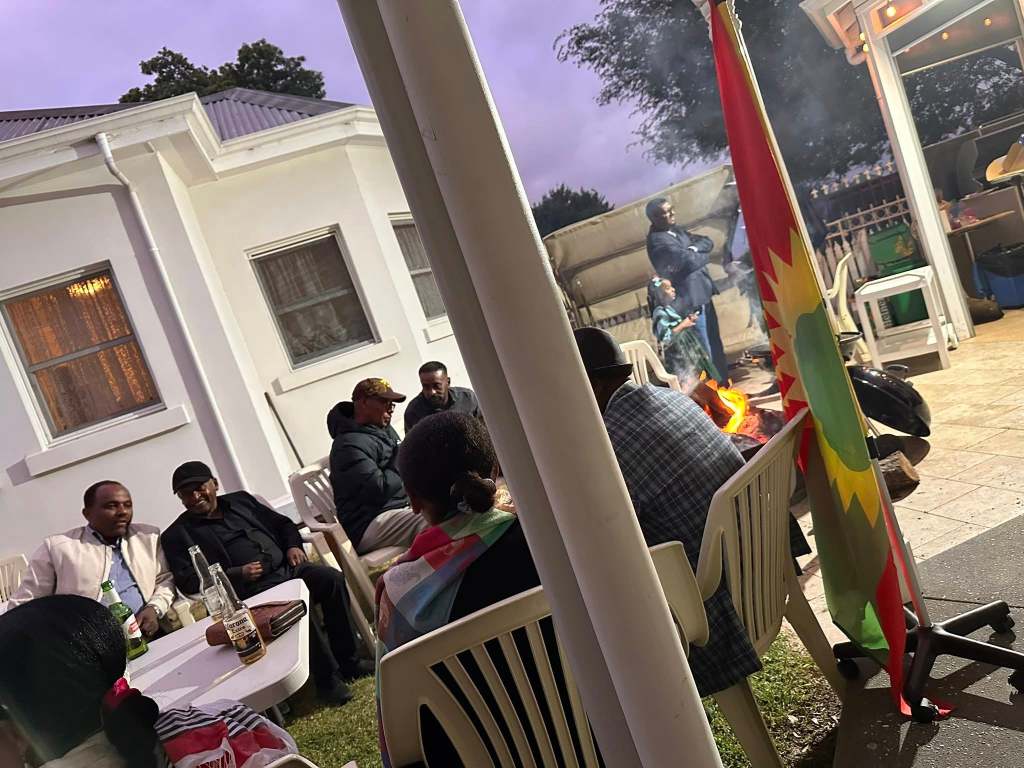
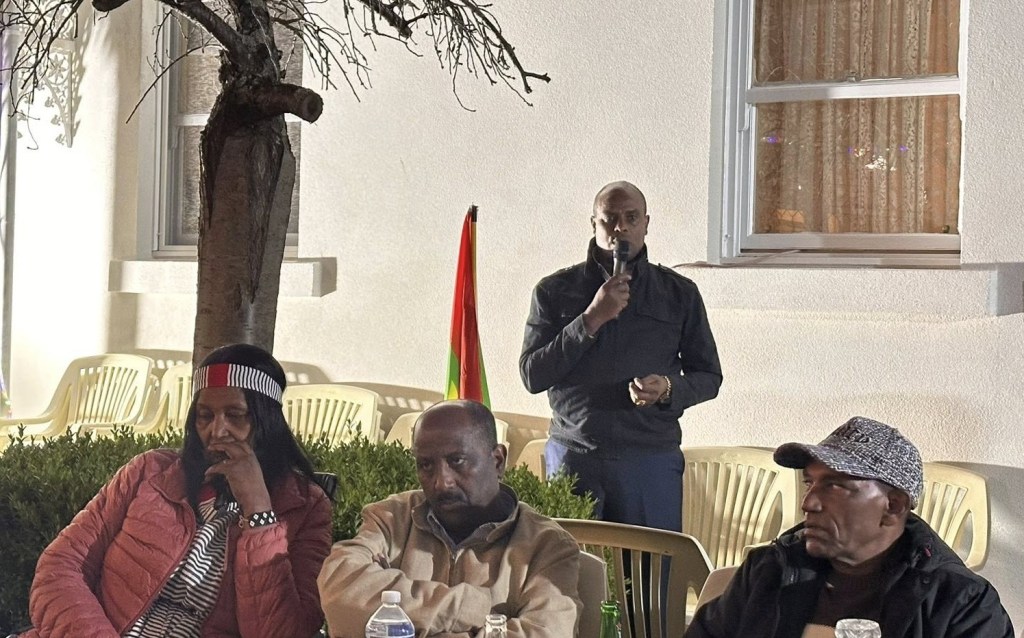
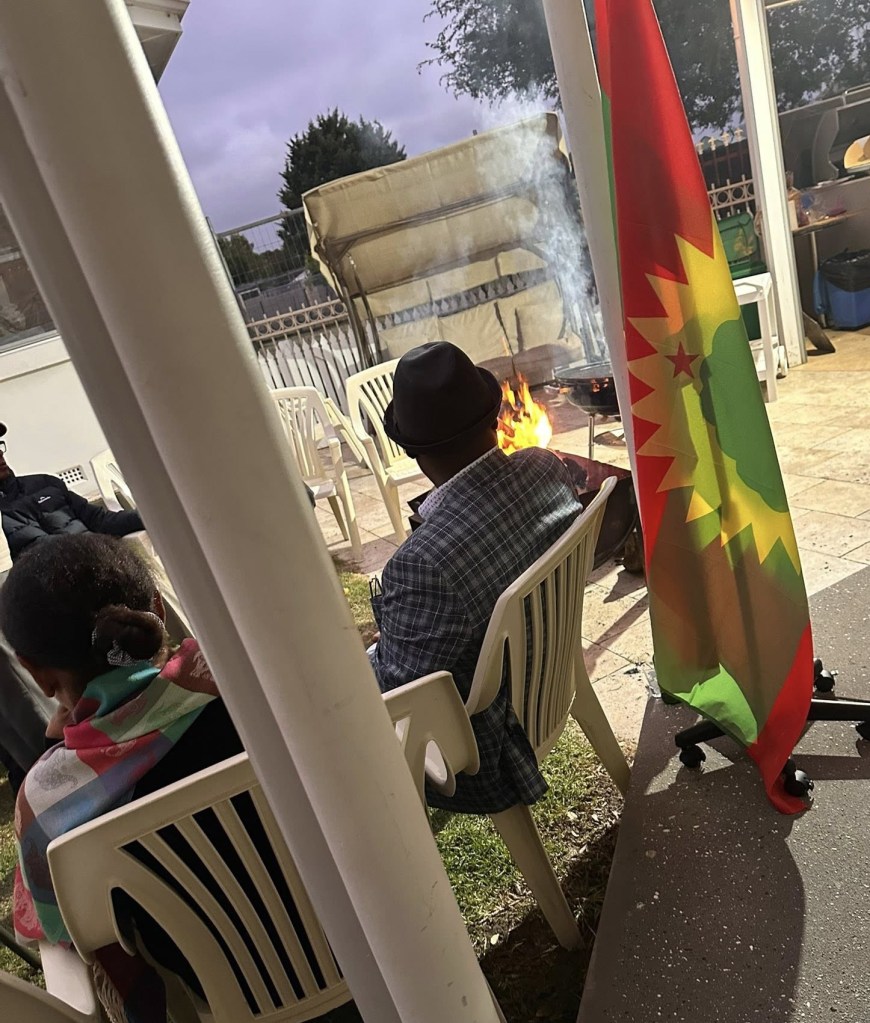
VICTORIA – In a gathering marked by both reflection and resolve, members and supporters of the Oromo Liberation Front (OLF)-Konyaa ABO Victoria convened on December 31, 2025, to usher in the new year. The event, characterized by shared meals and quiet conversation, transcended a typical celebration, becoming a vigil for those lost in the long-running conflict in Ethiopia’s Oromia region.
The atmosphere blended familiar camaraderie with what participants described as a “profound and collective gravity.” Speakers framed the evening as a confluence of two powerful themes: the universal hope of a new beginning and the specific, solemn remembrance of the Oromo Liberation Army (OLA) and its sacrifices since its founding.
The emotional core of the evening was the acknowledgment of those sacrifices. An elder’s voice resonated through the hall with a simple, powerful prayer: “God bless our sons who sacrificed for us.” This sentiment connected the diaspora community directly to the personal losses endured by families across Oromia.
The acknowledgment took on a sharper, more political edge from current Oromo fighters present. One stated plainly, “We were able to come out in the open because of the sacrifices of a few people.” The remark highlighted a perception that their ability to gather publicly was a hard-won space, paid for by others’ lives.
This reflection on the past quickly pivoted to a commitment for the future. Organizers reported that the celebration evolved into a collective covenant. The final, prevailing message to emerge was a call to continue the struggle with the explicit aim of ending the cycle of sacrifice.
“The ultimate honor to the fallen,” a summary of the closing remarks noted, “is not just in remembrance, but in forging a future where such sacrifices are no longer required.” The evening concluded, balancing the joy of community, the sorrow of memory, and a reinforced determination to continue their political journey.
The OLF, and its armed wing the OLA, have been engaged in a protracted conflict with the Ethiopian federal government, fighting for what they describe as the self-determination and rights of the Oromo people, Ethiopia’s largest ethnic group. The event in Victoria underscores how the diaspora community remains deeply engaged with the political and human cost of the ongoing situation in Oromia.
###
About OLF-Konyaa ABO Victoria: A chapter representing the views and objectives of the Oromo Liberation Front within the Oromo diaspora community in Victoria.
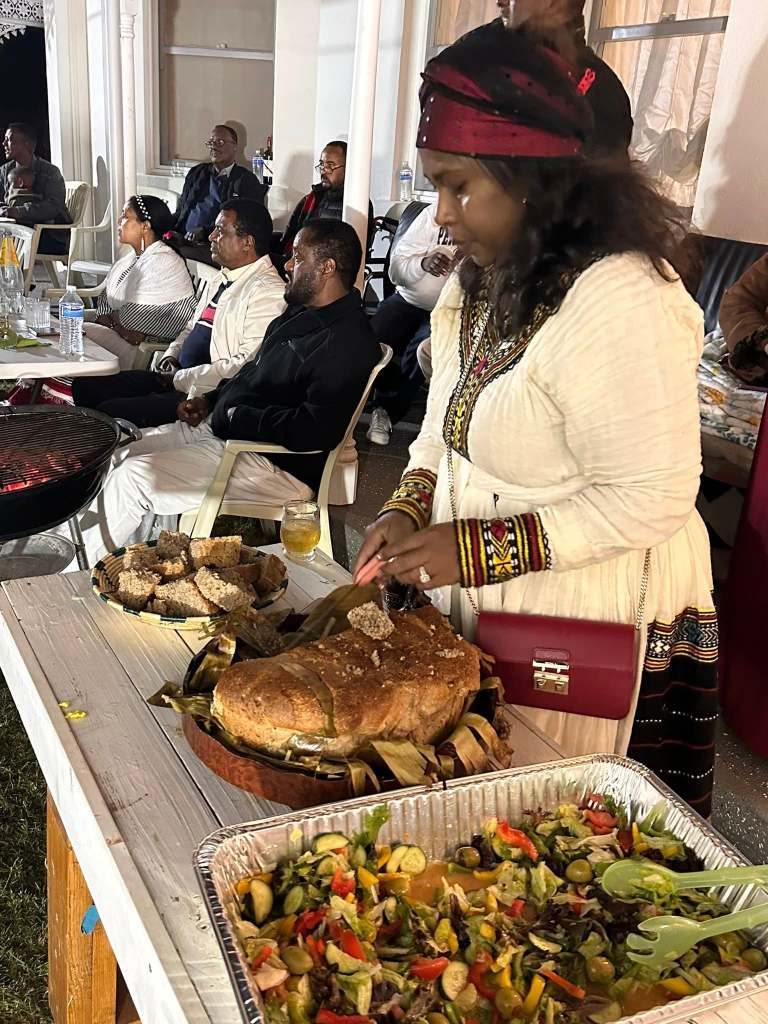

A Vigil Marked by Memory, Forged in Resolve
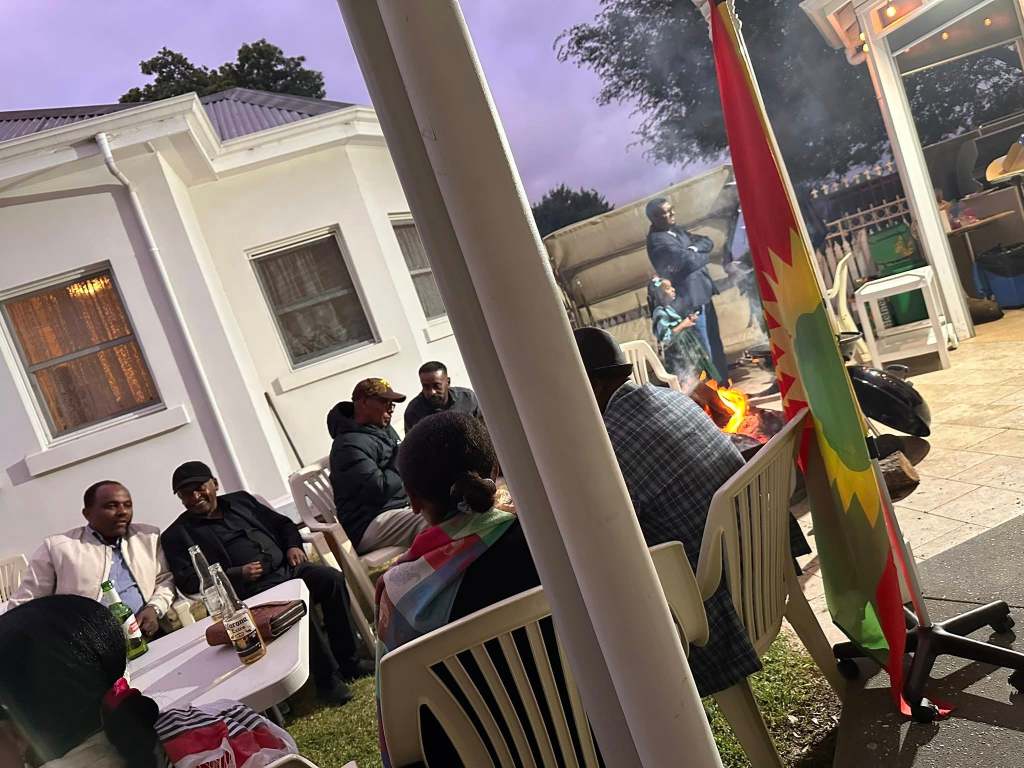
Feature Commentary
Last night, a community gathered. On the surface, it was a familiar scene: shared food, murmured conversations, the easy laughter of comrades. But to be in that room was to feel a profound undercurrent, a collective gravity that transformed a simple New Year’s Eve gathering into something far more potent—a vigil of resilience and a strategic recalibration of purpose.
Members and supporters of the Oromo Liberation Front (OLF)-Konyaa ABO Victoria marked the eve of January 2026 not just with celebration, but with conscious remembrance. The traditional wishes for peace and happiness, exchanged warmly, hung in the air with a distinctive weight. Here, these are not platitudes but goals etched in the stone of a long and costly struggle.
As one speaker powerfully framed it, the evening existed at a confluence of two powerful streams of consciousness: the universal hope that accompanies a turning calendar, and the specific, solemn memory of the Oromo Liberation Army (OLA)—its founding and its ongoing sacrifice. This duality defined the night.
The true heartbeat of the evening was not in anticipation of the new year, but in acknowledgment of the price already paid. It was heard in the voice of an elder, weathered by time and loss, who offered a simple, devastating prayer: “God bless our sons who sacrificed for us.” This was more than sentiment; it was a benediction that connected every person in the room to countless homes across Oromia, binding them with a thread of raw, personal loss.
This acknowledgment was then echoed with the hardened clarity of those on the front lines. An Oromo fighter’s statement reframed the entire gathering’s reality: “We were able to come out in the open because of the sacrifices of a few people.” In one sentence, he articulated that their very presence—their ability to convene, to speak, to organize—was not a given, but a space hard-won, purchased with the lives of others. It was a stark recognition of a debt that cannot be repaid, only honored through action.
And it is here that the evening’s true significance crystallized. The celebration evolved, organically and inevitably, into a covenant. The warmth of camaraderie became a crucible for renewed determination. The final, prevailing message that emerged from both gratitude and grief was a call to action: the struggle must continue to put an end to the sacrifices.
This is a critical evolution in narrative. It moves beyond remembrance as passive honor. It defines the ultimate tribute to the fallen not merely in memory, but in the relentless pursuit of a future where such sacrifices are rendered unnecessary. It is a strategy born of sorrow, aiming for its own obsolescence.
The gathering closed, then, holding a powerful tension in balance: the genuine joy of sustained community, the deep sorrow of collective memory, and the unwavering steel of a resolve hardened by both. They did not just usher in a new year; they reaffirmed a promise, forged in the memory of the old.
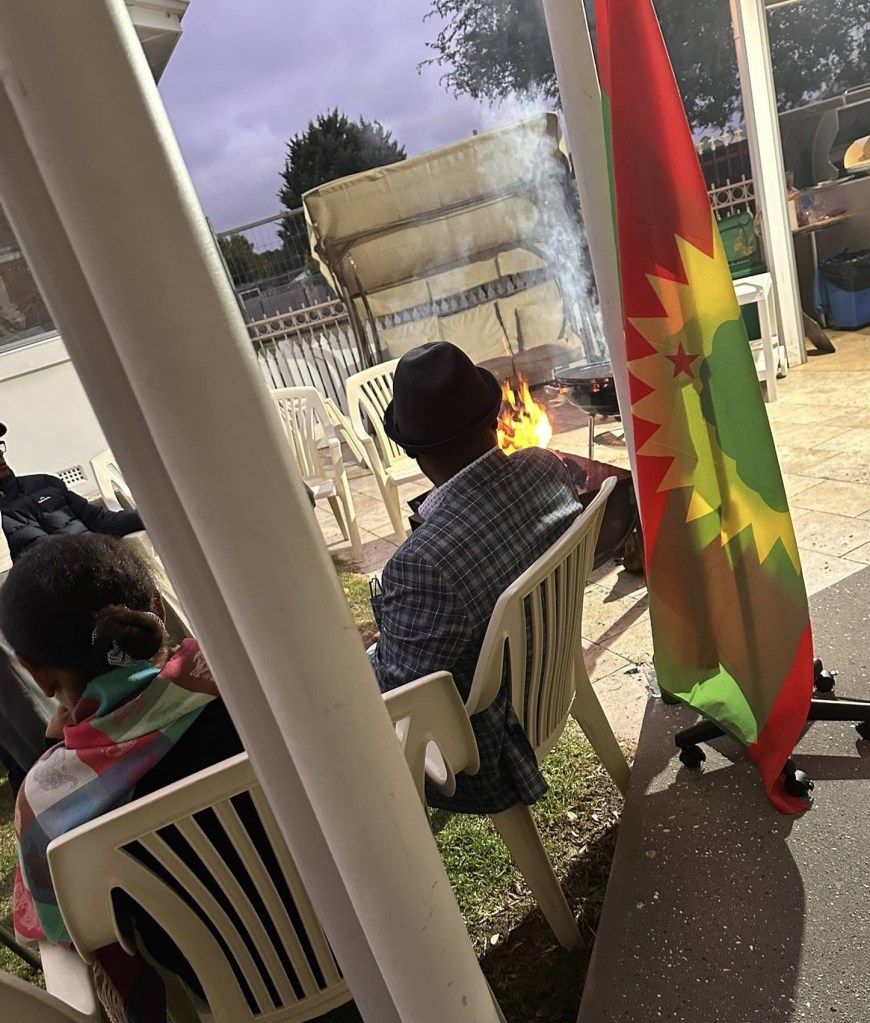


Gujii Adoolaa’s Reeddee Ardaa Jilaa Tournament Ignites Community Spirit

News: Gujii Adoolaa’s “Reeddee Ardaa Jilaa” Tournament Sparks Community Celebration and Competition
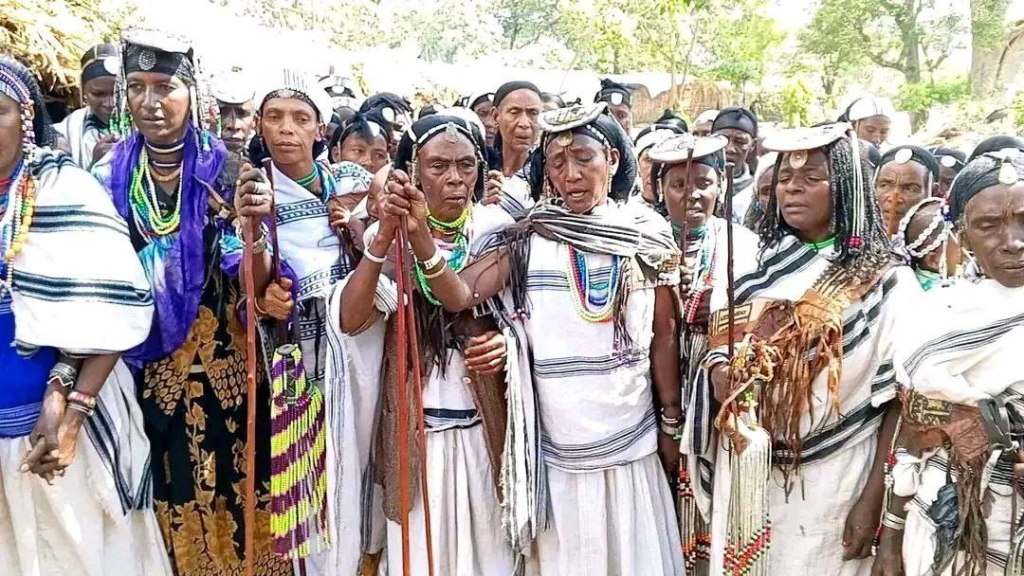
Gomboba, Oromia – In a vibrant display of community spirit and youth engagement, Gujii Adoolaa’s Reeddee Ardaa Jilaa sports tournament kicked off today in Gomboba. The event, centered around the traditional game of Hookkuu (a hockey-like sport), is drawing enthusiastic participation from across the area.
The opening ceremony was highlighted by a special match for elementary school children, adding a festive and inclusive atmosphere to the proceedings. However, the spirit of friendly competition took center stage as the tournament formally began.
The focus of the day was a decisive match officiated by Murtii Doorii Galaanaa Ciraa. In a thrilling and closely contested game, the Woddeessaa team emerged victorious, earning a commendable win on the field.
In a unique and celebratory local tradition following the match, supporters of the Daballee team, though disappointed by the loss, engaged in the customary practice of “qooxoo saaquu”—a playful and symbolic act of good-naturedly pursuing their rivals. This tradition underscores the deep-rooted cultural context of the tournament, where competition is balanced with communal bonds and customary expressions of sportsmanship.
The Reeddee Ardaa Jilaa tournament is seen as a significant event for Gomboba, promoting physical activity, preserving traditional games, and strengthening social ties within the community. The tournament is expected to continue with further matches in the coming days.
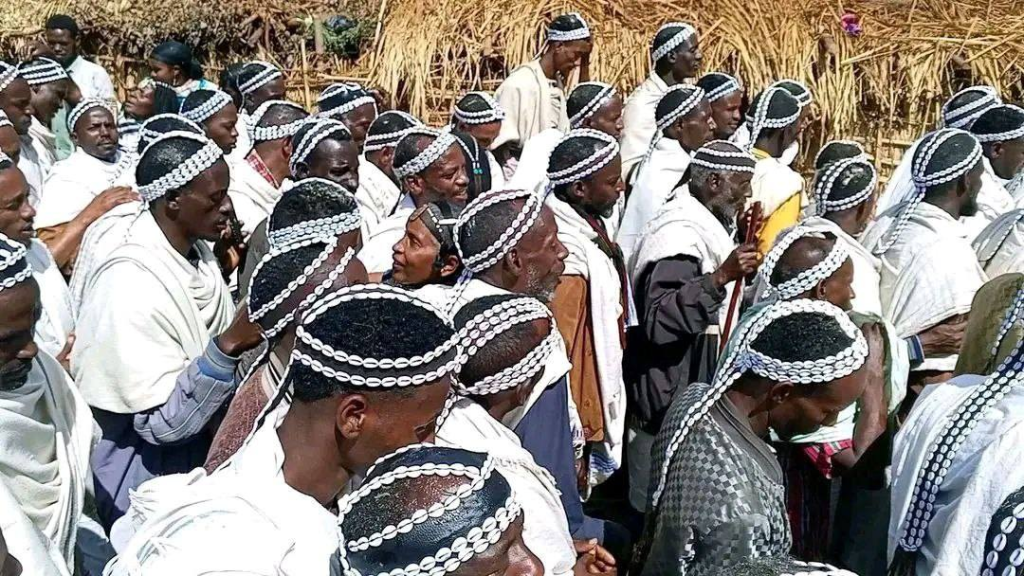


The Unfinished Symphony of the Oromo Struggle
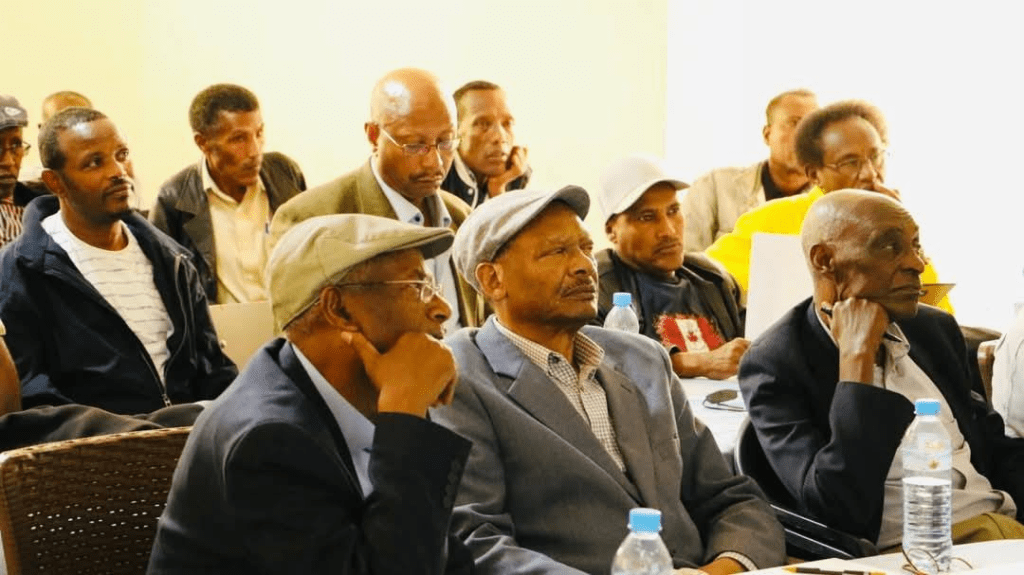
Feature Commentary:
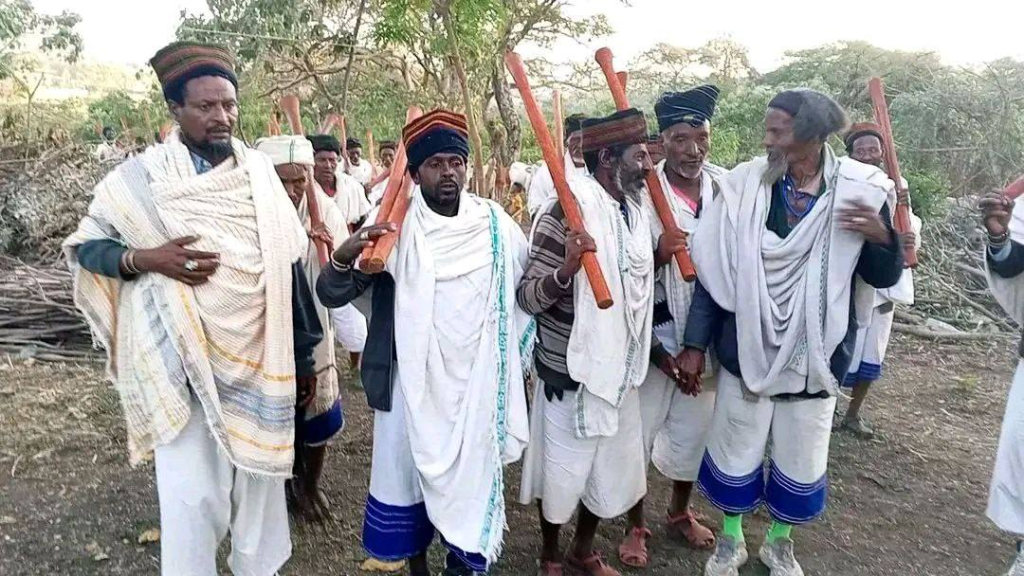
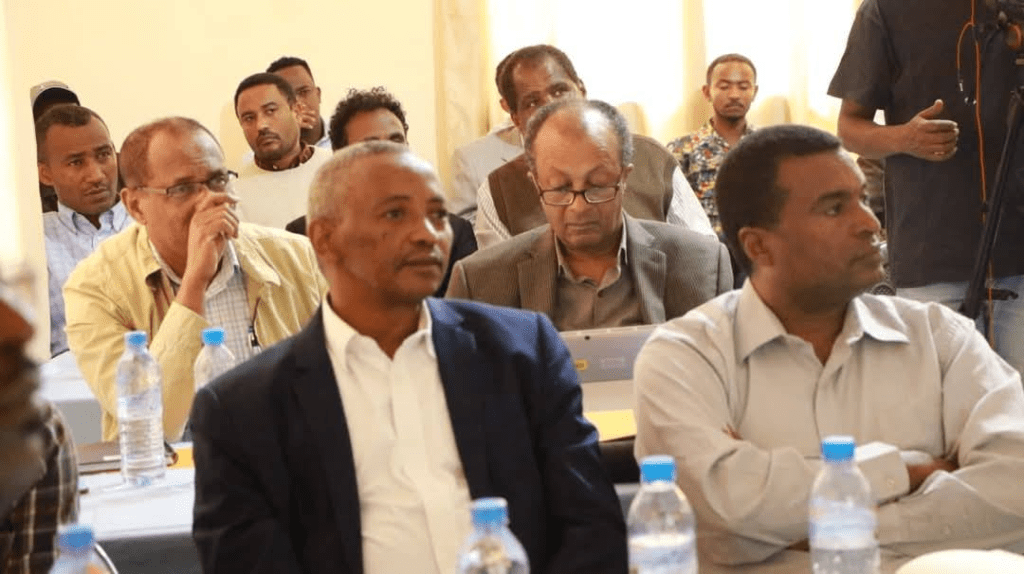
This conference was a gathering convened by the Oromo Liberation Front (OLF) in 2017 on matters of governing Oromia. Among the attendees, some have since passed on, becoming memories. Others have strayed from the cause they came for, abandoning the Oromo freedom struggle. Yet others, who entered the struggle with purpose and vision, hold firm to their commitment, sharing in both the grief and the triumphs of their people.
This is not just a recounting of a meeting; it is a stark and powerful metaphor for the very anatomy of a long and arduous liberation movement. It lays bare the divergent paths that unfold when a theoretical struggle meets the harsh, grinding reality of the fight.
The Crucible of Commitment
Every movement begins with a conference—a moment of unity, shared vision, and fiery resolve. But time is the great sifter. As the text so poignantly notes, it separates the comrades from the converts, the steadfast from the sidelined. Some, unable to bear the weight when the goal seems distant, disengage. Their exit is a quiet tragedy, a dissolution of energy.
Others pay a steeper price—the ultimate sacrifice of life or limb, a permanent scar etched into the heart of the nation they sought to free. Theirs is a sacred debt, a “guarantee” written in blood for the cause.
The True Test: When the Ground Shakes
However, the most revealing—and perhaps most painful—test comes not in the planning chamber, but “when the struggle erupts on the ground.” This is the moment of truth. Here, some who falter do not merely step back; they cross over. They become tools for the enemy, turning their knowledge and erstwhile passion against their former allies. This betrayal cuts deepest, for it weaponizes intimacy.
And then, there are those who “enter the fray.” They are the bearers of the vision. Theirs is the generational task: to grasp the core objective and ideology, to nurture it, to teach it to the next generation, and to march it, however slowly and painfully, toward its destination. They are the sustainers, the living bridge between the dream of yesterday and the reality of tomorrow.
A Legacy of Fire and the Imperative of Peace
The commentary concludes with a sobering and urgent reality check. The Oromo freedom struggle, forged through such sacrifice and complexity, has reached a critical juncture. Yet, the “security problem” raging within Oromia today is a glaring indicator that the final, sustainable peace for the Oromo people and all residents of Oromia is not yet secured.
The closing line, “May there be peace for the Oromo and the peoples of Oromia,” is therefore not a gentle benediction, but a pressing demand. It acknowledges that the symphony of struggle, with its movements of unity, betrayal, sacrifice, and resilience, is unfinished. The final movement must be one of lasting and just peace. Until that peace is composed and lived, the sacrifices of those who entered the fray—the ones who held fast, the ones who fell, and even the legacy of those who faltered—remain an unresolved echo in the heart of the nation.

Celebrating Guyyaa Amajjii: Oromo New Year 2026
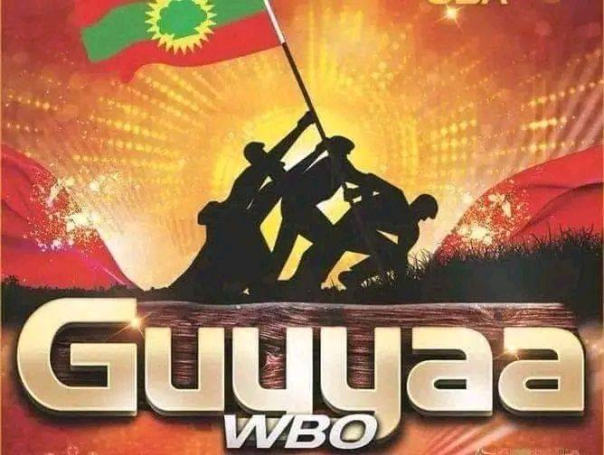
Oromo Communities Worldwide Unite to Welcome 2026 with “Amajjii Day” Celebrations
Melbourne – On Thursday, January 1st, 2026, Oromo communities across the globe will come together for a unique and culturally significant dual celebration. This day marks not only the universal New Year but also the Oromo cultural observance of Guyyaa Amajjii, the first day of the month of Amajjii in the traditional Oromo calendar.
The synchronized celebration highlights the enduring strength and vibrancy of Oromo culture in the diaspora. From Minneapolis and Toronto to Melbourne and Nairobi, community centers and gathering halls are preparing to host events that weave together festive New Year’s hope with deep-rooted Oromo traditions.
A Day of Reflection and Renewal
Guyyaa Amajjii is more than a date; it is a day of planning, counsel, and renewal within the Oromo worldview. It is a traditional time for communities and families to gather, offer guidance to the youth, discuss communal well-being, and set intentions for the month and season ahead. By merging this observance with the global New Year, organizers aim to foster a powerful moment of collective reflection and forward-looking aspiration for the Oromo people everywhere.
Celebrating Heritage and Future
The events, organized by local Oromo community associations, are expected to feature a rich tapestry of activities:
- Traditional Oromo music and dance performances.
- Poetry recitals and storytelling, emphasizing the values of peace and community.
- Speeches from elders and youth, bridging generations.
- Communal meals, symbolizing unity and shared blessing.
“The simultaneous celebration of our New Year and our traditional Amajjii Day is a beautiful symbol of who we are,” said one community organizer. “We carry our ancient Gadaa principles with us into the future, no matter where we are in the world. This day is about honoring our past, assessing our present, and stepping into 2026 with collective strength and clear purpose.”
A Global Tapestry
Major celebrations are planned in cities with significant Oromo diaspora populations, including but not limited to:
- Minneapolis/St. Paul, USA
- Toronto, Canada
- Melbourne, Australia
- London, UK
- Nairobi, Kenya
- Stockholm, Sweden
This global, coordinated observance serves as a testament to the unbroken chain of Oromo identity and the community’s commitment to preserving its cultural heritage while actively engaging with the modern world.
About the Oromo People:
The Oromo are one of the largest ethnic groups in East Africa, primarily inhabiting Oromia in Ethiopia, with significant populations in Kenya and a global diaspora. Their traditional governance system, the Gadaa system, is recognized by UNESCO as an Intangible Cultural Heritage of Humanity.

Oromo Community in Minnesota Celebrates Shared Heritage with “Eebba Addooyyee” Ceremony
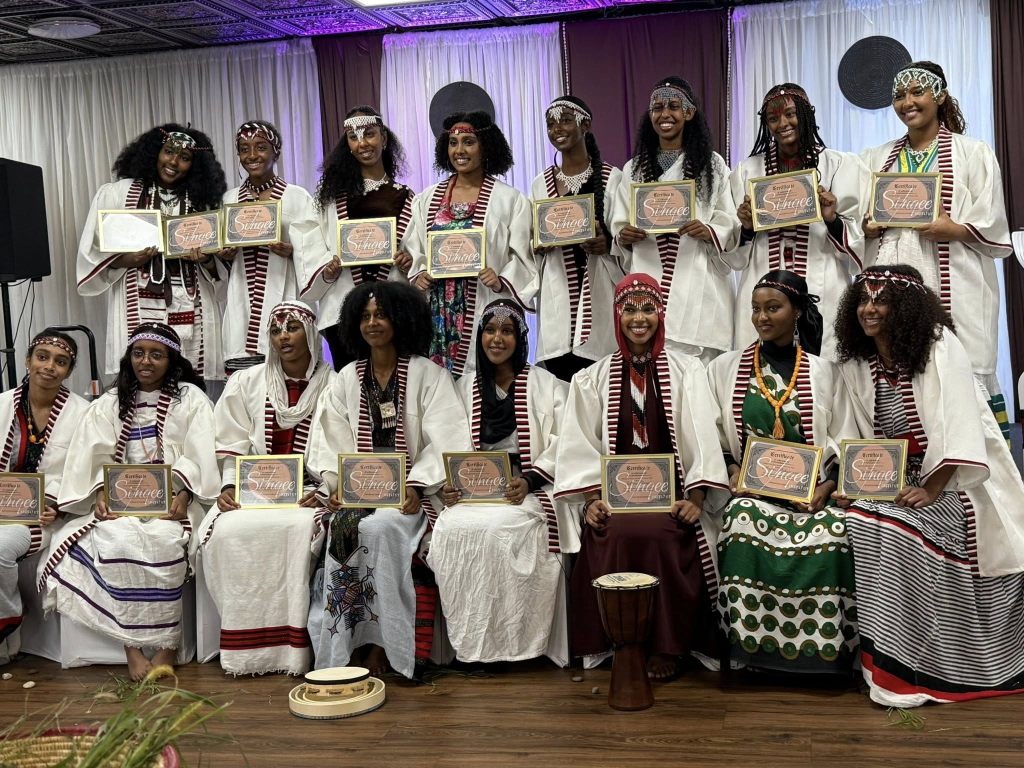
August 28, 2025 | Minneapolis, Minnesota, USA
MINNEAPOLIS/ST. PAUL, MN – The Oromo diaspora in the Twin Cities came together in a powerful display of cultural resilience and unity on Thursday for the “Eebba Addooyyee” ceremony. The event, focused on the concept of brotherhood within Oromummaa (Oromo national identity), served as a communal space for sharing both joy and sorrow, reinforcing the deep social bonds that sustain the community far from its homeland.
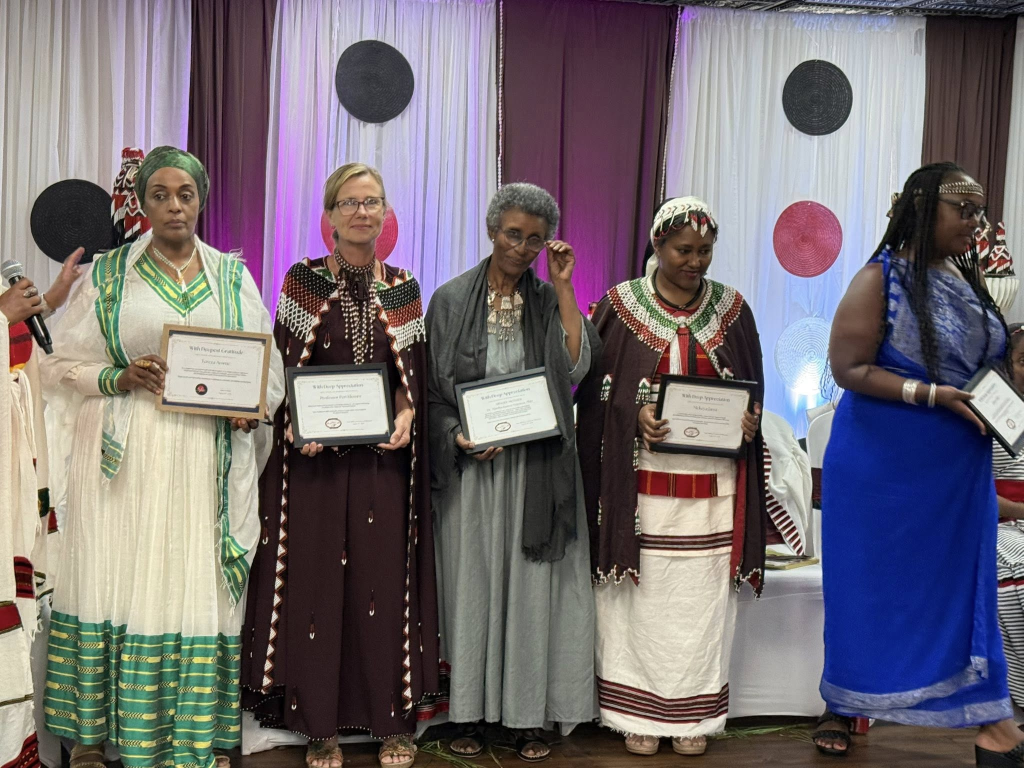
The ceremony was anchored by a keynote address from the esteemed Professor Kuwee Kumsa, founder of the Siinqee Institute, an organization dedicated to empowering Oromo women. Professor Kumsa’s lecture delved into the philosophical and practical significance of collective mourning and celebration as pillars of Oromo social structure and identity preservation.
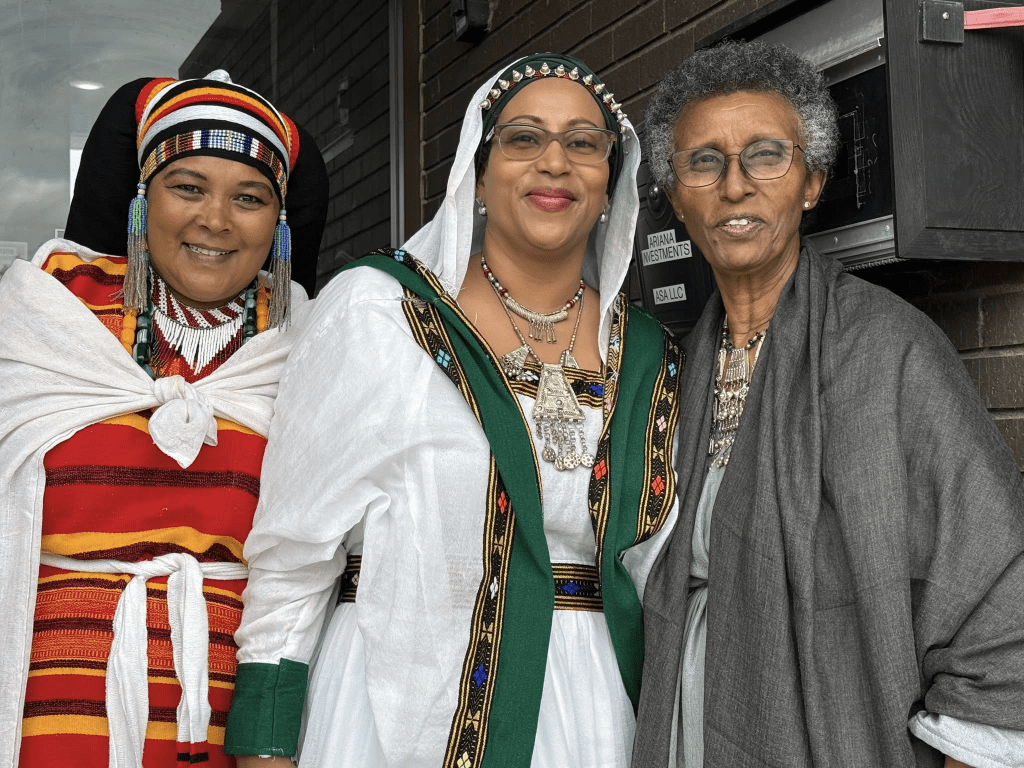
“The ‘Eebba Addooyyee’ is more than a ritual; it is the living practice of our interconnectedness,” Professor Kumsa told attendees. “In times of happiness and grief, it is this shared space that reminds us of who we are and fortifies us for the challenges ahead.”
The event, held in the Lakkuu area (encompassing Minneapolis and St. Paul), drew a large and engaged crowd from across the Oromo community, underscoring the importance of such cultural practices in the diaspora.
A Model for Diaspora Engagement
Community organizers and observers noted the event’s significance as a model for successful cultural preservation abroad. “From the perspective of Oromo diaspora media, this work represents a great example and a positive experience,” said one local media representative. “It shows how our traditions can adapt and thrive, providing a vital touchstone for younger generations born outside Oromia.”
Event Coverage Available
Full coverage of the “Eebba Addooyyee” ceremony, including Professor Kuwee Kumsa’s full address and community reactions, will be available for viewing. The public can access the content through ODM (Oromo Diaspora Media) social media platforms and on Channel 16.
Viewers are encouraged to engage with the coverage by sharing their thoughts and reflections in the comments sections.
About the Organizers:
The event was coordinated by local Oromo community associations in Minnesota, in collaboration with cultural scholars. The Singee Institute, founded by Professor Kuwee Kumsa, focuses on research, advocacy, and community programs aimed at strengthening the role and voice of Oromo women in society.

A New Year’s Salute to Oromo Resistance: “You Are the True Heroes, the Unyielding”
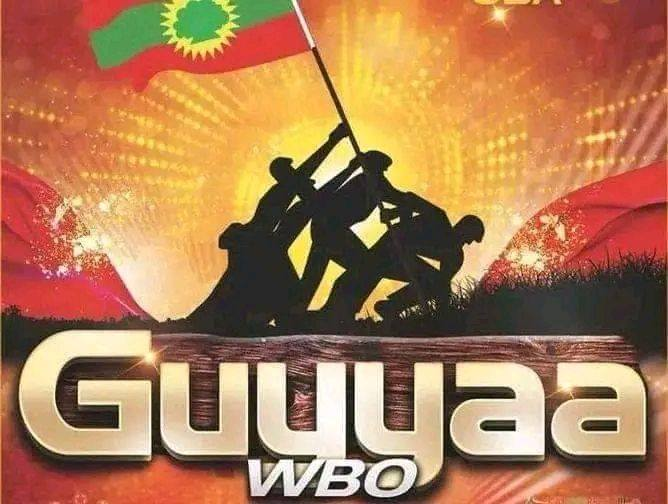
Oromia – As the Oromo community marks Amajjii 1, the traditional New Year, a powerful message of recognition and defiance is being broadcast to the movement’s steadfast supporters and unsung heroes.
The statement, resonant with cultural pride and political resolve, honors those who have borne the weight of the struggle. “You are the ones who, by resisting oppressors, have shown the essence of your nation,” it declares, directly addressing the countless individuals engaged in the Oromo quest for rights and self-determination.
The tribute draws a clear line, celebrating not those who have retreated or compromised, but those who remain unmoved. “You are the ones who did not flee or surrender ground. You are the exemplary core of this country’s struggle.”
It acknowledges the profound personal cost of resistance, stating, “You are the ones who awakened the Oromo nation to fight for its rights… You are the ones whose youth and energy have been consumed and left in the struggle.”
In a striking passage, the message elevates these individuals above mere labels, affirming, “You are the true heroes, not those who simply wear the fame of the people.” It calls them “the persistent champions, the children of Oromo,” while issuing a sober reminder: “Not everyone is a hero. Not every chain is broken. Not everyone is called to the front. The battlefield has its rightful owners.”
The communique culminates in a call for unity and renewed strength among allies and supporters. “You who stand firm for this cause and shine—all steadfast friends and supporters, the day of the steadfast has reached you.”
Circulated at the dawn of the Oromo New Year, the message serves both as a somber reflection on sacrifice and a galvanizing call to persevere. It reinforces the cultural and political significance of Amajjii, transforming the New Year from merely a calendar event into a moment of collective recommitment to the enduring struggle for justice, recognition, and autonomy in Oromia.

Prime Minister Netanyahu Announces Israel’s Recognition of Somaliland as Sovereign State

JERUSALEM – In a dramatic move set to reshape diplomatic dynamics in the Horn of Africa and the Middle East, Israeli Prime Minister Benjamin Netanyahu announced today the official recognition of the Republic of Somaliland as an independent and sovereign state.
“I announced today the official recognition of the Republic of Somaliland as an independent and sovereign state,” Netanyahu stated.
The Prime Minister confirmed that a joint and mutual declaration was signed together with Israeli Foreign Minister Sa’ar and the President of the self-declared Republic of Somaliland, Dr. Abdirahman Mohamed Abdallah. Netanyahu framed the agreement as an extension of the spirit of the Abraham Accords, the normalization agreements between Israel and several Arab nations initiated during the Trump administration.
In his remarks, Netanyahu congratulated President Abdirahman, praising his “leadership and commitment to promoting stability and peace.” The Israeli leader extended an invitation for the Somaliland President to pay an official visit to Israel.
According to Netanyahu, President Abdirahman expressed gratitude for the “historic declaration” and appreciation for the Prime Minister’s “achievements in fighting terrorism and advancing regional peace.”
Netanyahu also credited Israeli Foreign Minister Sa’ar, Mossad Director David Barnea, and the intelligence agency for their contribution to finalizing the agreement.
Looking forward, the Prime Minister stated that Israel plans to “immediately expand its relations with the Republic of Somaliland through extensive cooperation” in key sectors including agriculture, health, technology, and the economy. He concluded by wishing the people of Somaliland “success, prosperity, and freedom.”
Potential Implications and Reactions
Somaliland declared independence from Somalia in 1991 and has since maintained a de facto independent government with relative stability and democratic elections. However, no United Nations member state has formally recognized its sovereignty, a longstanding goal of its government.
Israel’s unilateral recognition is likely to trigger significant geopolitical reactions. Somalia’s internationally recognized federal government, which considers Somaliland an integral part of its territory, is expected to issue a strong condemnation. The move may also influence the positions of other regional and international powers, particularly Gulf states with interests in the Horn of Africa, and could complicate African Union mediation efforts.
This recognition marks a significant and unexpected expansion of Israel’s diplomatic engagement in Africa, following its recent reintegration into the African Union as an observer state.

Oromo Communities Worldwide Mark Amajjii, A Day of Defiance and Remembrance Amid Ongoing Struggle

GLOBAL — Oromo communities across the world are observing Ayyaana Amajjii this week, the 46th anniversary of a historic victory in their long-standing quest for self-determination. The day commemorates a pivotal moment when a small group of Oromo fighters secured a landmark triumph against formidable adversaries, an event enshrined in collective memory as a testament to resilience and strategic courage.
For over four decades, the Amajjii celebration has served as a core cultural and political observance. This year’s commemoration, however, is marked by a stark duality: it is simultaneously a reaffirmation of identity and a protest against what organizers describe as severe ongoing repression.
In statements released for the occasion, community spokespersons framed the current period as one of “difficulty and darkness.” They cited “drone strikes, artillery shelling, mass arrests, and killings by Ethiopian military forces and Fano militia” as the harsh backdrop against which the holiday is being observed. “This brutal oppression wounds us,” one message read, “but without losing hope, we resist fiercely and honor our Amajjii, learned from our ancestors.”
Central to the day’s symbolism is the lighting of the Xomboorrii Amajjii, or Amajjii bonfire, atop the highest available hill. This flame is described not merely as a ritual, but as a powerful transmitter. Organizers state it carries a “supreme message” of “true freedom, emergence from subjugation, unbreakable hope rising from despair, and light breaking through profound darkness” to all who witness it.
“Amajjii is more than a holiday; it is the ultimate symbol of the endurance defining our entire struggle,” a community elder explained. “In times of intensified crackdowns, its history becomes our most vital weapon for unity and renewal.”
The observance also functions as a solemn memorial for fallen freedom fighters. It is a day to “remember the Oromo liberation fighters who sacrificed their lives without hesitation to liberate and protect Oromia and its people.”
This year’s messages emphasize renewal and perseverance. They call for the community to “strengthen our pledge” to continue the pursuit of a future where Oromia is a place of asserted rights and dignified existence. The lighting of the bonfire, from the homeland to diaspora communities, stands as a silent, luminous act of defiance—a declaration that cultural memory itself is a foundational pillar of ongoing resistance.
The traditional greeting, Ayyaana Amajjii Gaarii, echoes globally, carrying with it the weight of history and the unwavering demand for a free and just future.

Karrayyu Oromo Begin Sacred Migration for Historic Gadaa Power Transfer Ceremony
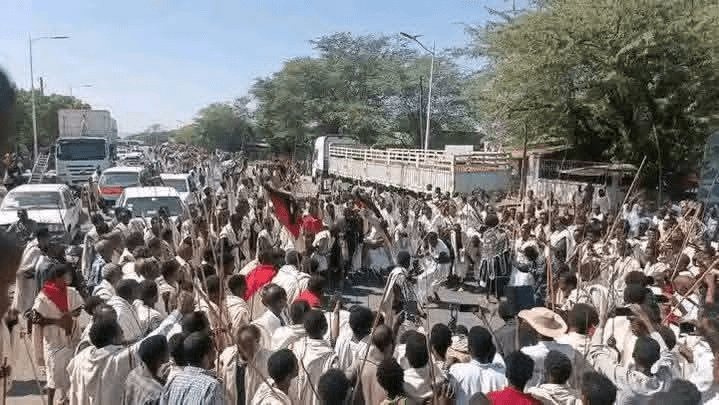
Karrayyu Territory, Oromia, Ethiopia — In a powerful display of living tradition, the Michillee Gadaa class of the Karrayyu Oromo people has embarked on a sacred ceremonial migration. The group, having received blessings from the spiritual leader, the Abbaa Bokkuu, has begun its journey from the Ilaalaa area towards the Junfuu Tarree Leedi territory to perform the pivotal Buttaa Qalu ceremony.
This migration marks a critical phase in the intricate eight-year power transfer cycle of the Oromo Gadaa system, an indigenous democratic and social governance structure recognized by UNESCO as Intangible Cultural Heritage.
The Gadaa system rotates leadership among generational classes every eight years. For the Karrayyu, this transition involves a profound symbolic act: the outgoing Gadaa group, after governing for six years of its eight-year cycle, must formally hand over the Goobaa or Irreessa—the sacred leadership scepter—to the incoming class. The Buttaa Qalu ritual is the ceremony where this sacred transfer is enacted.
The current journey of the Michillee group is a direct preparation for this transfer. Their migration to the designated ceremonial ground of the incoming Tarree Leedi group is a ritual in itself, signifying the approaching shift in authority and responsibility.
“The Goobaa is far more than a symbol,” explained an elder familiar with the proceedings. “It embodies the continuity of our laws, our peace, and our identity. Handing it over is not just a political act; it is a spiritual covenant between generations to uphold the Gadaa covenant.”
The scepter represents the unbroken chain of Gadaa governance and serves as the primary tool for educating the incoming leadership class. Through rituals and teachings centered on the Goobaa, the outgoing leaders impart the community’s laws, historical knowledge, and ethical codes to their successors, ensuring the precise preservation of the system.
The upcoming Buttaa Qalu ceremony, expected to draw members of the community and observers, will be a culmination of years of preparation. It underscores the resilience of the Gadaa system as a dynamic and practiced form of governance that continues to structure time, leadership, and community life for the Karrayyu Oromo.







