Author Archives: advocacy4oromia

Karrayyu Oromo Begin Sacred Migration for Historic Gadaa Power Transfer Ceremony
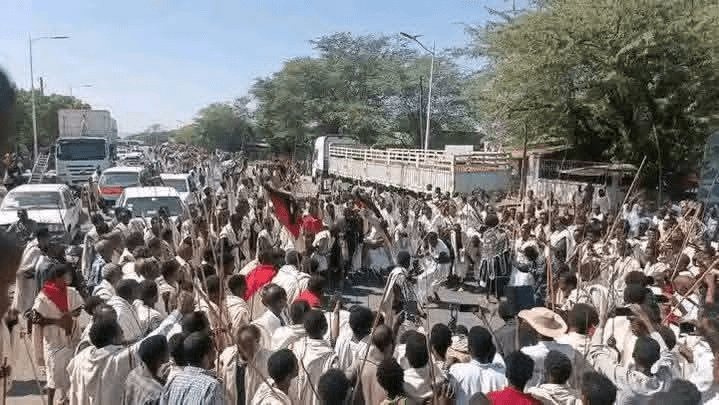
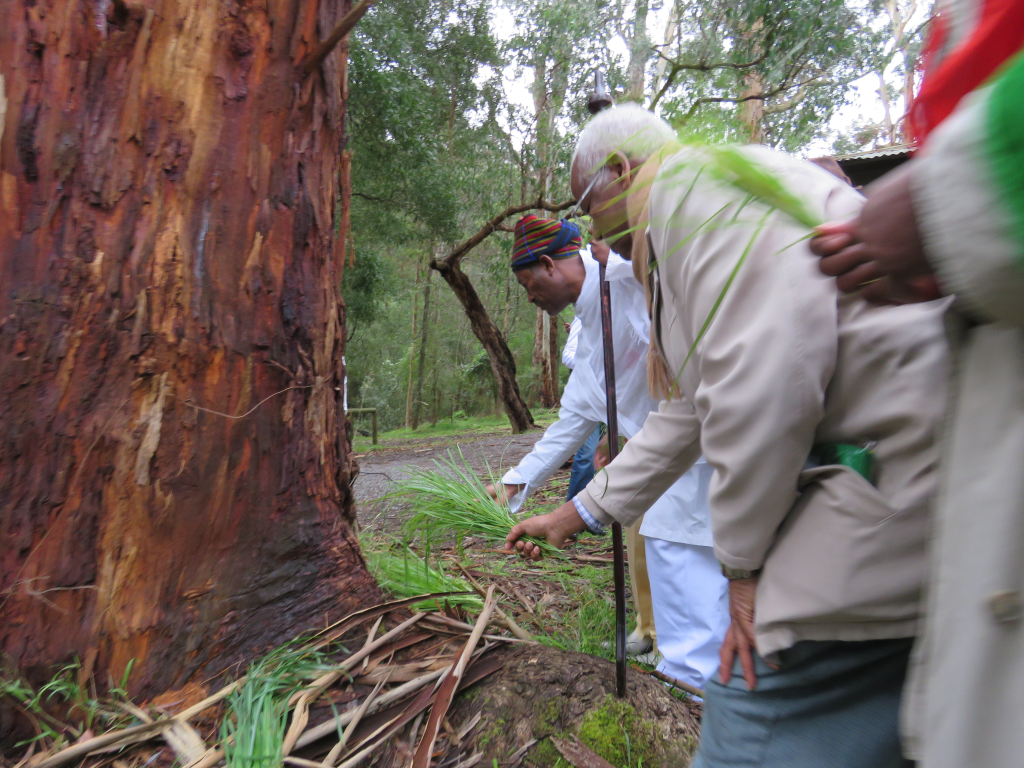
Karrayyu Territory, Oromia, Ethiopia — In a powerful display of living tradition, the Michillee Gadaa class of the Karrayyu Oromo people has embarked on a sacred ceremonial migration. The group, having received blessings from the spiritual leader, the Abbaa Bokkuu, has begun its journey from the Ilaalaa area towards the Junfuu Tarree Leedi territory to perform the pivotal Buttaa Qalu ceremony.
This migration marks a critical phase in the intricate eight-year power transfer cycle of the Oromo Gadaa system, an indigenous democratic and social governance structure recognized by UNESCO as Intangible Cultural Heritage.
The Gadaa system rotates leadership among generational classes every eight years. For the Karrayyu, this transition involves a profound symbolic act: the outgoing Gadaa group, after governing for six years of its eight-year cycle, must formally hand over the Goobaa or Irreessa—the sacred leadership scepter—to the incoming class. The Buttaa Qalu ritual is the ceremony where this sacred transfer is enacted.
The current journey of the Michillee group is a direct preparation for this transfer. Their migration to the designated ceremonial ground of the incoming Tarree Leedi group is a ritual in itself, signifying the approaching shift in authority and responsibility.
“The Goobaa is far more than a symbol,” explained an elder familiar with the proceedings. “It embodies the continuity of our laws, our peace, and our identity. Handing it over is not just a political act; it is a spiritual covenant between generations to uphold the Gadaa covenant.”
The scepter represents the unbroken chain of Gadaa governance and serves as the primary tool for educating the incoming leadership class. Through rituals and teachings centered on the Goobaa, the outgoing leaders impart the community’s laws, historical knowledge, and ethical codes to their successors, ensuring the precise preservation of the system.
The upcoming Buttaa Qalu ceremony, expected to draw members of the community and observers, will be a culmination of years of preparation. It underscores the resilience of the Gadaa system as a dynamic and practiced form of governance that continues to structure time, leadership, and community life for the Karrayyu Oromo.


Coalition of Voices Stands with Australian Jewish Community, Condemns Bondi Terror Attack

FOR IMMEDIATE RELEASE
Coalition of Voices Stands with Australian Jewish Community, Condemns Bondi Terror Attack
A collective of community and advocacy groups has issued a resolute statement of solidarity with the Australian Jewish community following the horrific antisemitic terror attack that targeted peaceful Hanukkah celebrations in Bondi. The statement, shared publicly, expresses profound grief and an unwavering commitment to stand alongside the community.
“The deepest sympathy and love goes out to the bereaved families, the victims, first responders, and all those impacted in the Jewish and wider Bondi community,” the declaration begins. “We share your grief and we will always stand by you.”
The statement delivers a firm condemnation of antisemitism, declaring it has no place in Australia. It asserts the universal right for all people to feel and be safe in their identities, “free to practice our faiths, live our cultures, celebrate with family, and be in community with one another.”
In the wake of the violence, the coalition calls for a reaffirmation of shared humanity, honouring the memories of those killed and celebrating the national outpouring of “unity, courage, and care” shown by millions of Australians.
Drawing a clear line against division, the statement warns of the dangers of scapegoating communities based on identity. “We reject efforts to create further division through fear, polarisation, and disinformation,” it reads, echoing the NSW Faith Affairs Council’s message: “We will not let hatred and violence divide us. Across all our cultures and faiths, we will stand united in sympathy, compassion and solidarity.“
Beyond solidarity, the coalition makes a forward-looking commitment to action. It is “resolute in our collective commitment to defend everyone’s rights to safety, culture and faith, and to build a peaceful society.” Significantly, it pledges to deepen understanding of the roots of anti-Jewish racism to better identify and prevent it in the future.
The statement concludes with a simple, powerful affirmation: “We stand with the Australian Jewish community, in love and solidarity.”
The full statement and list of supporting groups can be found at the provided link: https://australiandemocracy.org.au/solidarity-with-jewish-community

Advocacy for Oromia Condemns Bondi Violence
FOR IMMEDIATE RELEASE
Advocacy for Oromia Condemns Bondi Attack, Stands with Jewish Community
MELBOURNE, VIC – 15 December 2025 – Advocacy for Oromia has issued a strong statement condemning yesterday’s horrific attack at Bondi Beach and expressing unwavering solidarity with the Australian Jewish community. The organisation denounced the violence as an attack on shared Australian values and a profound violation of human dignity.
In the statement, Advocacy for Oromia expressed “profound sorrow” for the victims, their families, and all those affected, calling the act an “affront to our common humanity” that inflicts “unimaginable trauma and grief.” The group highlighted the particular cruelty of the timing, noting the attack occurred on the first day of Hanukkah—a celebration of “light, faith, and joy”—thereby framing it as “an especially disturbing act of hatred, antisemitism, and terrorism.”
“Such violence strikes not only at one community, but at the very heart of Australia’s shared values: compassion, respect, and peaceful coexistence,” the statement read.
The advocacy group emphasised that terrorism and hate have no place in Australia, warning of the deep and lasting scars such events leave on the entire national fabric, creating fear and heartbreak far beyond the immediate victims.
A Call for National Unity and Compassion
In response to the tragedy, Advocacy for Oromia issued a call for unity, urging Australians to draw strength from the nation’s diversity. “Our strength has always resided in our diversity—in people of all faiths and cultures, from over 236 backgrounds, standing side by side in empathy and mutual respect,” the statement affirmed.
The organisation declared its firm solidarity with Jewish Australians, reaffirming a “shared commitment to peace, dignity, and our common humanity.” It advocated for a collective response rooted in compassion and unity rather than fear and division.
“Let us respond not with fear, but with compassion; not with division, but with unity,” the statement concluded. “May we support one another, honour those who have been impacted, and continue building an Australia where every person feels safe, valued, and supported—in both body and mind.”
About Advocacy for Oromia: Advocacy for Oromia is an organisation dedicated to promoting human rights, justice, and the welfare of the Oromo people, while engaging in broader humanitarian and solidarity efforts within the Australian and global community.
The full statement from Advocacy for Oromia is available for review.

Celebrating “Shanan”: Preserving a Sacred Tradition of Sisterhood and Care

Our SBS Afaan Oromoo team recently hosted a special podcast episode celebrating a unique and empowering Oromo cultural tradition. We were honored to feature Aadde Fayinee Qabatoo, who shared her personal and heartfelt insights into Shanan—the sacred five-day postpartum celebration.
“Even though I have a large extended family, the solidarity of women, especially during my own Shanan, brought me an indescribable joy,” Aadde Fayinee reflected. “It is our duty to preserve and continue this beautiful custom.”

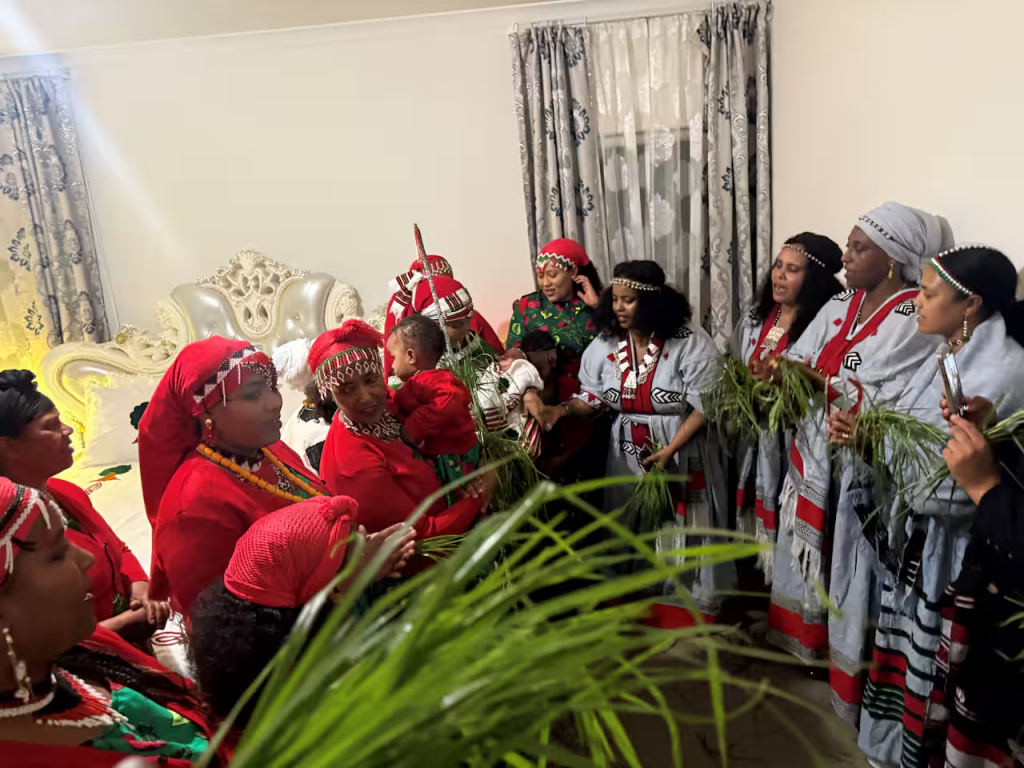
Before introducing our guest, let’s explore the tradition itself. Among the rich tapestry of Oromo culture is a special right and practice belonging to women: the observance of Shanan. This is a dedicated five-day period following childbirth where a new mother is honored and supported by her community of women. Shanan is a powerful cultural system designed to strengthen female solidarity and provide crucial nurturing and rest for mothers during the postpartum phase.
The Rituals of Shanan: Nourishment, Rest, and Blessing
The celebration begins with the preparation of marqaa (a special porridge). The women gather, prepare the marqaa together, and share it. A unique ritual follows the meal: the plate on which the marqaa was eaten is not simply cleaned. Instead, a specific practice is observed where the plate is respectfully placed on the ground.
The new mother, adorned by the women as a queen for the day, is then escorted with great care to a specially prepared resting place. She sits in a designated spot, surrounded by a circle of supporting women. A special meal, askuti, is prepared and served to her by her closest female relatives or friends.
After everyone has eaten and the ceremonies are complete, one specific plate is singled out. This plate is used to bless the new mother before being placed on the ground. Children playing nearby might race to snatch something from the setup, a playful moment believed by some to be a sign of shared fortune among the participants. The day then continues with singing, celebration, eating, drinking, and communal bonding.

A Tradition of Profound Benefit
This custom is understood to offer significant psychological and emotional benefits for the new mother. It is said to generate a profound sense of joy and happiness that is deeply felt. “The feeling of joy and elation I experienced wasn’t just my own—it was shared,” is a common sentiment expressed by participants.
During our conversation, Aadde Fayinee elaborated on these aspects. Our program, recognizing the immense role Shanan plays in the peace and health of women, aims to explore this tradition further by engaging with other knowledgeable elders and those with direct experience.
We extend our sincere gratitude to Aadde Fayinee for generously sharing her insights and personal reflections.
This article is based on a recent SBS Afaan Oromoo podcast segment, presented as a community-focused piece to educate, celebrate, and encourage the respectful preservation of the Shanan tradition.
Source: SBS Afaan Oromoo

Celebrating Shanan: Merging Tradition with Modern Health
Shanan Nagaa: Protecting the Sacred First Five Days for Oromo Mothers and Newborns
Connect tradition with modern wellness
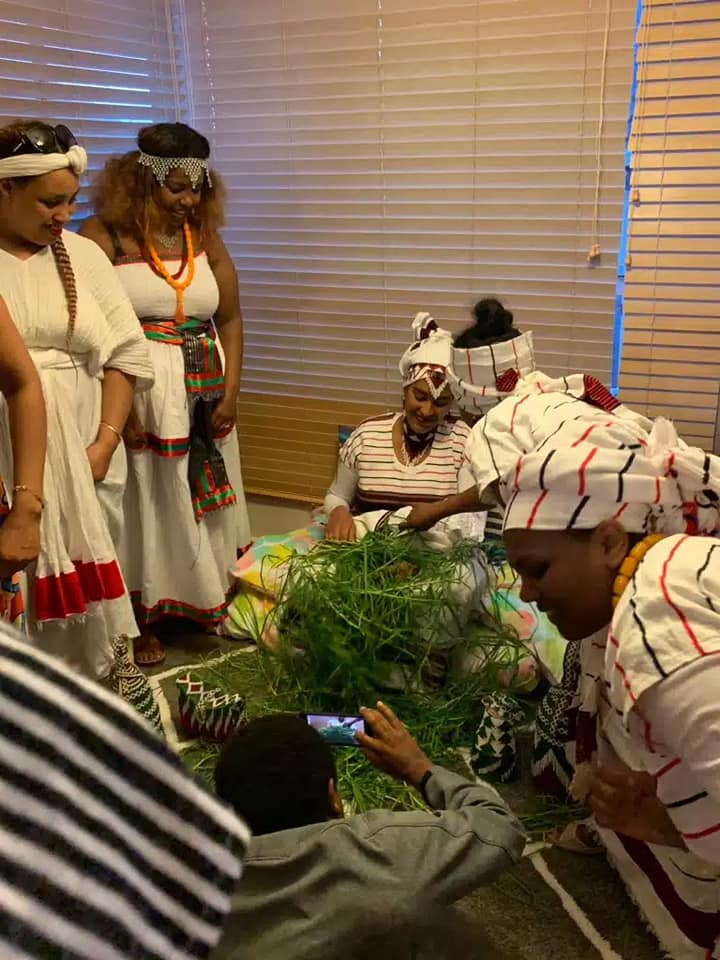
In Oromo culture, the Shanan—the sacred five-day period following childbirth—is a time of profound communal celebration, rest, and ritual welcoming of a new soul into the world. As families prepare for this beautiful tradition, health experts and cultural elders are now collaborating to weave essential health safeguards into these ancient practices, ensuring that the joy of Shanan is protected by modern knowledge of postpartum and newborn care. This is how communities can honor tradition while actively preventing health risks for mothers and infants.”
CULTURAL SIGNIFICANCE: Frame protection as an act of respect
Shanan is not just a celebration; it is a ‘Seera Lubbuu’—a law of life—designed to protect the mother’s ayyaana (spirit) as she transitions and to gently introduce the newborn to the world,” says elder midwife Arfaattuu Worknesh Dejene. “Our ancestors created this container of rest for a reason. Protecting Shanan today means updating the ‘how’ without losing the ‘why’: the wellness of mother and child.
Blending tradition and safety
The elder’s role is to guard the mother’s peace,” explains Arfaattuu Almaz Bekele. “We now add a new duty: to be a health sentinel. If the mother has a fever, or bleeding increases, we don’t just pray—we know the number for the ambulance and have a car ready. Protecting tradition means protecting her life first.
The Peaceful Newborn
We bless the child with gentle touches and soft songs, not with many passing hands,” says grandmother Ayyantu Kadiro Elemo. “We tell visitors: ‘Your blessing is in your prayer from the doorway. The mother’s arms are the child’s first shrine.’ This protects the baby from germs and overstimulation.
PROTECTION AS THE HIGHEST BLESSING
The greatest blessing we can give a new mother and her child during Shanan is not just our presence, but our protection. By wrapping our ancient traditions in a mindful embrace of modern health wisdom, we do not dilute our culture—we fortify it. We ensure that the sacred first five days become a foundation of health, not a memory of risk. In doing so, we honor the deepest Oromo principle of all: that the safety and nagaa of the most vulnerable among us is the true measure of our community’s strength. Baga Shanan Nagaa!—May it be a peaceful, protected Shanan.

Honoring Elder Oromo Community Leader Hayile Qeerransoo
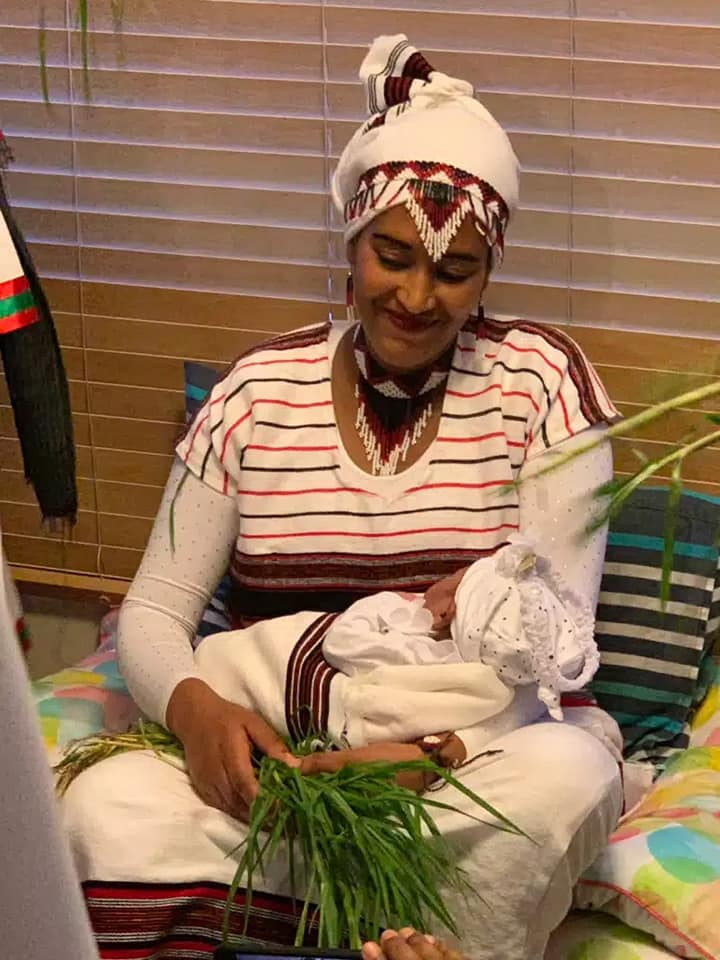
On Friday, December 12, 2025, members of the Oromo community gathered at the home of Mr. Hayile Qeerransoo to honor him and offer their companionship.
Mr. Hayile, an elder who has withdrawn from public life in recent years and whose wife passed away few years ago, was visited by community members who expressed their affection and gratitude.
Mr. Hayile, in turn, thanked those who organized and attended the gathering.
Such visits reflect the Oromo cultural tradition of honoring and supporting elders who have dedicated their lives to the community.
Honoring Oromo community leaders is a deep-rooted cultural tradition, exemplified by specific ceremonies that recognize the vital role of elders and pioneers in preserving culture, providing guidance, and advocating for justice

Professor Hamdeessaa Tusoo: A Global Scholar Who Gave Everything to Humanity
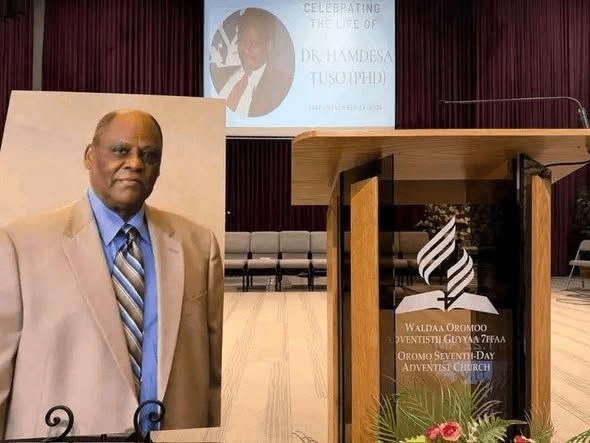
Finfinnee — The Oromo community and the wider world mourn the passing of Dr. Hamdeessaa Tusoo, a revered intellectual, educator, and human rights advocate whose contributions spanned continents and generations.
Born in Kuyyeera, Nagellee, Arsi Oromia, Dr. Hamdeessaa rose from humble beginnings to become a globally recognized scholar. His work, which spanned Africa, Ethiopia, and the wider diaspora, left an indelible mark on international human rights, conflict resolution, and peacebuilding.
A professor of unyielding principle, he dedicated his life not only to academic excellence but to the practical betterment of humanity—refusing to withhold his talents for personal gain, but instead investing them entirely in the service of others.
A Life of Global Impact
Dr. Hamdeessaa’s legacy is rooted in his commitment to justice, human rights, reconciliation, and peace. His work resonated deeply within Africa and across Asia, the Caribbean, the Pacific, and global academic circles. Many diaspora communities today credit his initiatives for creating pathways to education, advocacy, and empowerment.
He frequently addressed international bodies, including the U.S. Congress, the U.S. State Department, and numerous NGOs, speaking boldly on behalf of marginalized peoples, particularly in the Horn of Africa.
Roots and Rise: An Educator at Heart
Dr. Hamdeessaa began his schooling at Kuyyeera Adventist School in his hometown, completing his primary education there. After graduating high school in the late 1950s, he became a teacher in rural Oromia, where he campaigned tirelessly to establish schools and bring basic education to underserved communities.
His excellence in teaching was recognized in 1969 when he received a scholarship for missionary training in Gimbi—a testament to his reputation as a gifted educator.
Academic Journey: From Arsi to America
In 1972, he earned his first degree from Avondale College in Australia, followed by a Master’s from Andrews University in the United States. He continued his studies at Andrews, where he completed his Ph.D. in 1981.
For over four decades, Dr. Hamdeessaa taught at prominent universities across North America, shaping generations of students while maintaining a steadfast focus on justice and Africa’s development.
Peacebuilder and Diplomatic Voice
In the 1980s, he was deployed to Sudan as part of an independent research mission aimed at fostering peace in the region.
Following the fall of the Mengistu regime, he participated in the 1991 London Conference on Ethiopia, where he advocated for reconciliation and sustainable peace.
Return Home in Spirit
Dr. Hamdeessaa passed away on December 22, 2025, in Winnipeg, Canada, where he had lived for many years. His remains will be returned to his birthplace in Arsi Nagellee, Oromia, where a funeral ceremony will be held in accordance with Oromo tradition.
He leaves behind a legacy not merely of academic accomplishment, but of tangible humanity—a life lived entirely in the service of others.
Rest in power, Professor Hamdeessaa Tusoo. Your light continues in every life you touched.

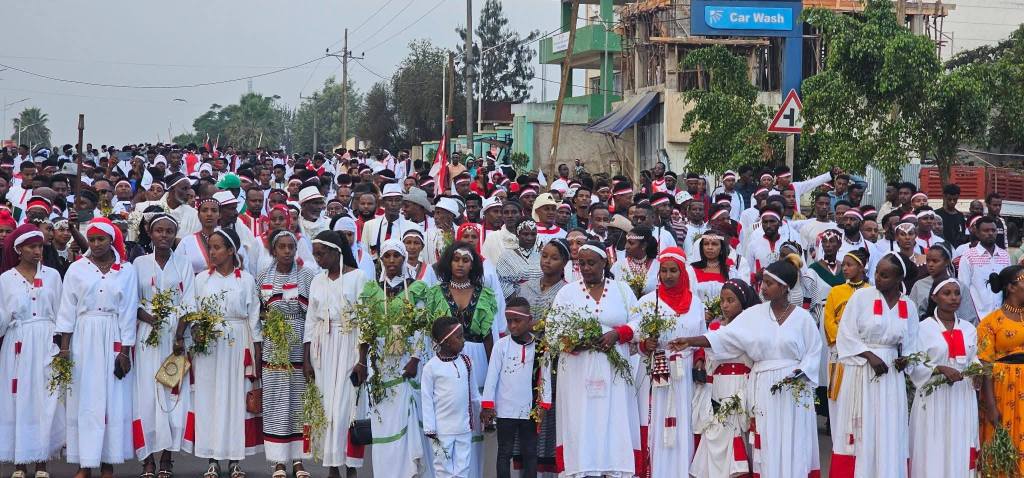
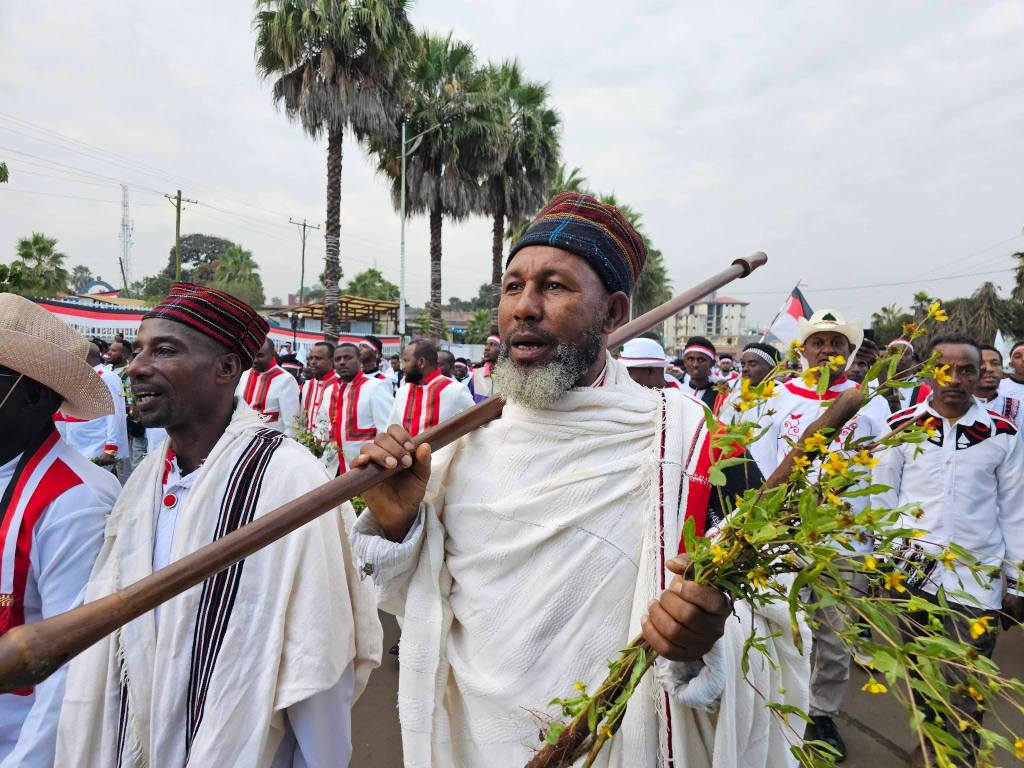
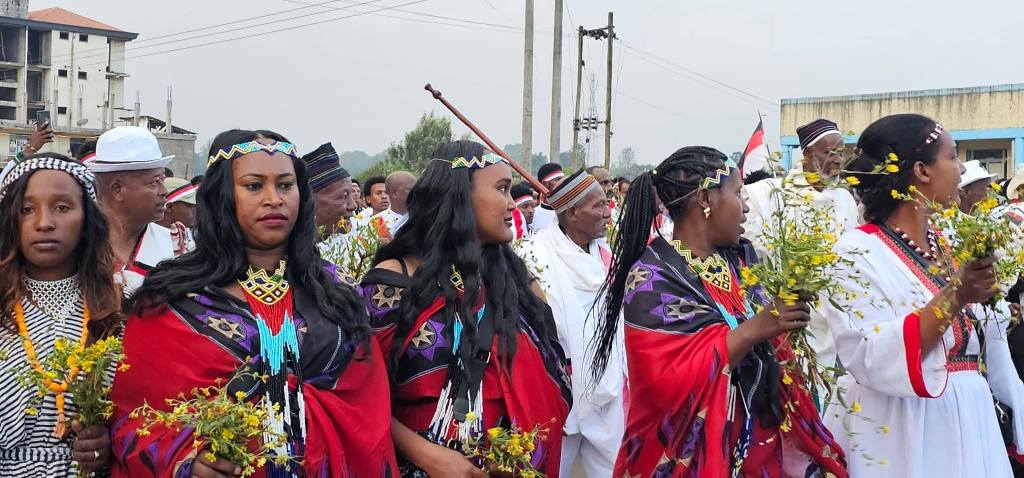
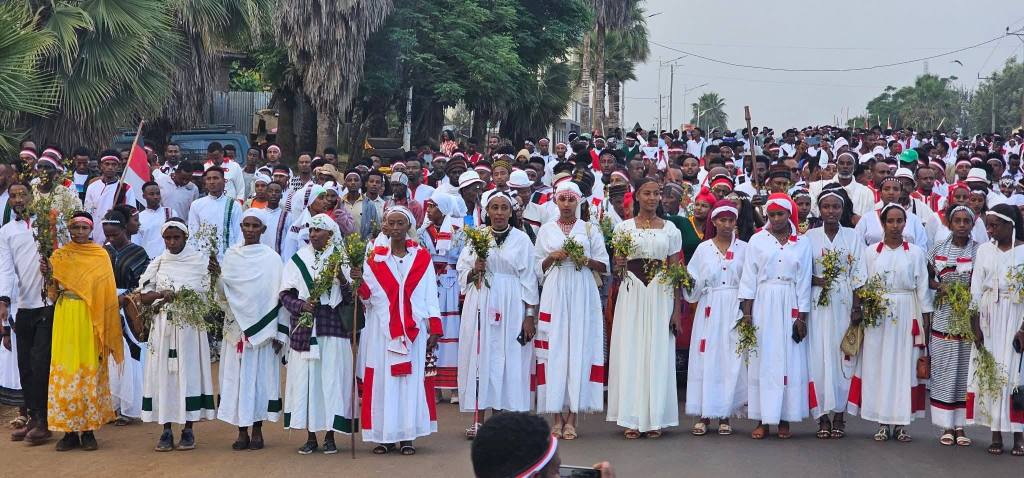
Irreechaa Festival Celebrated at Malkaa Soor with Honor
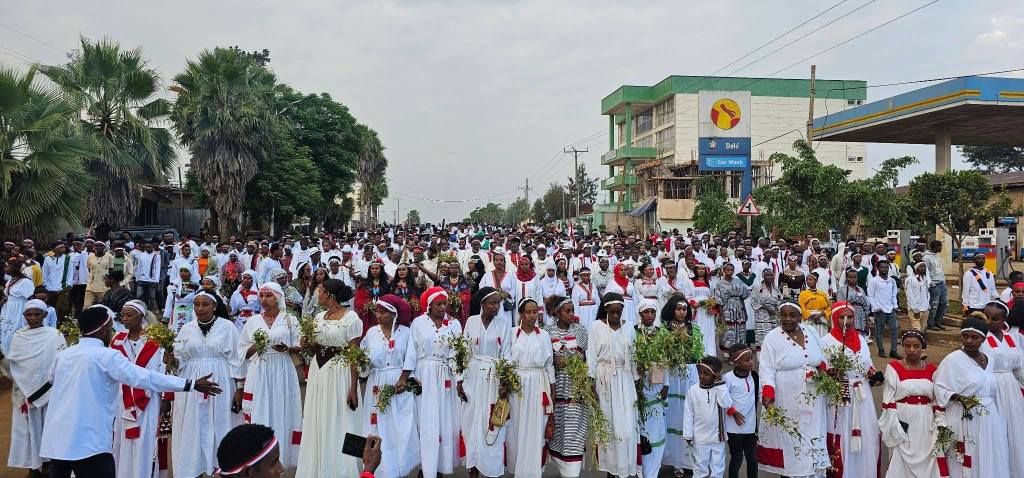
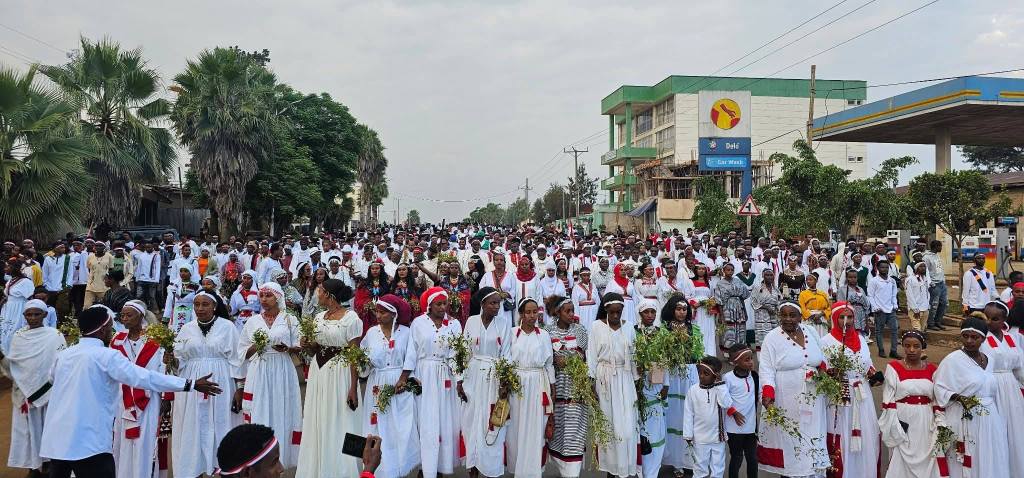
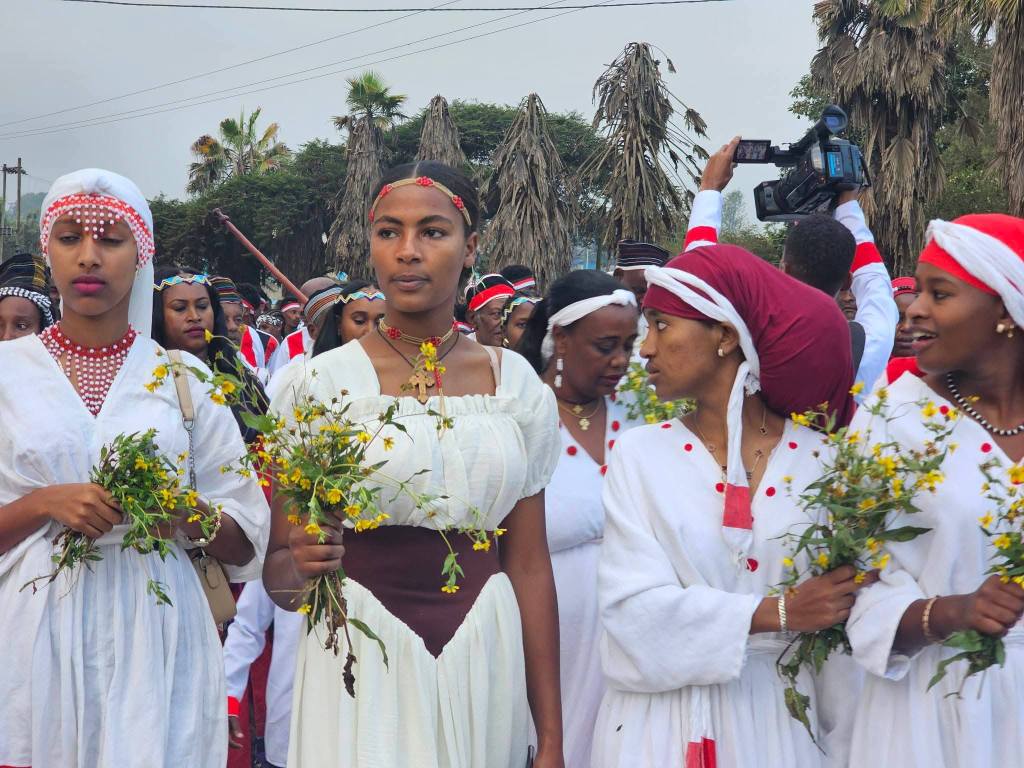
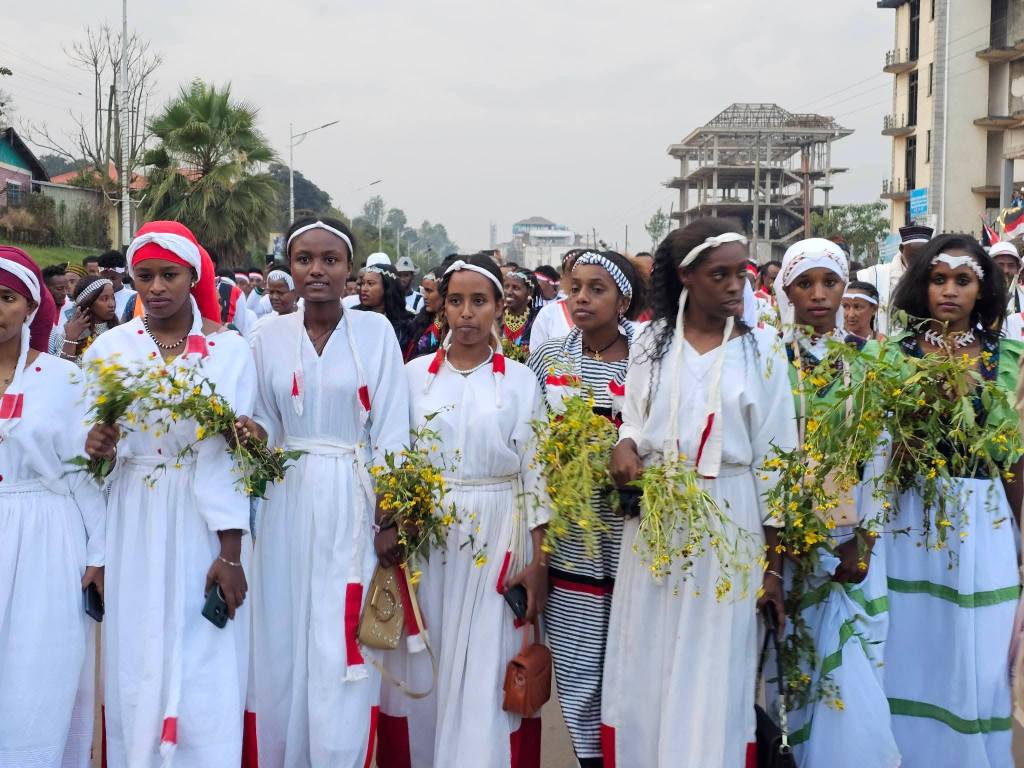
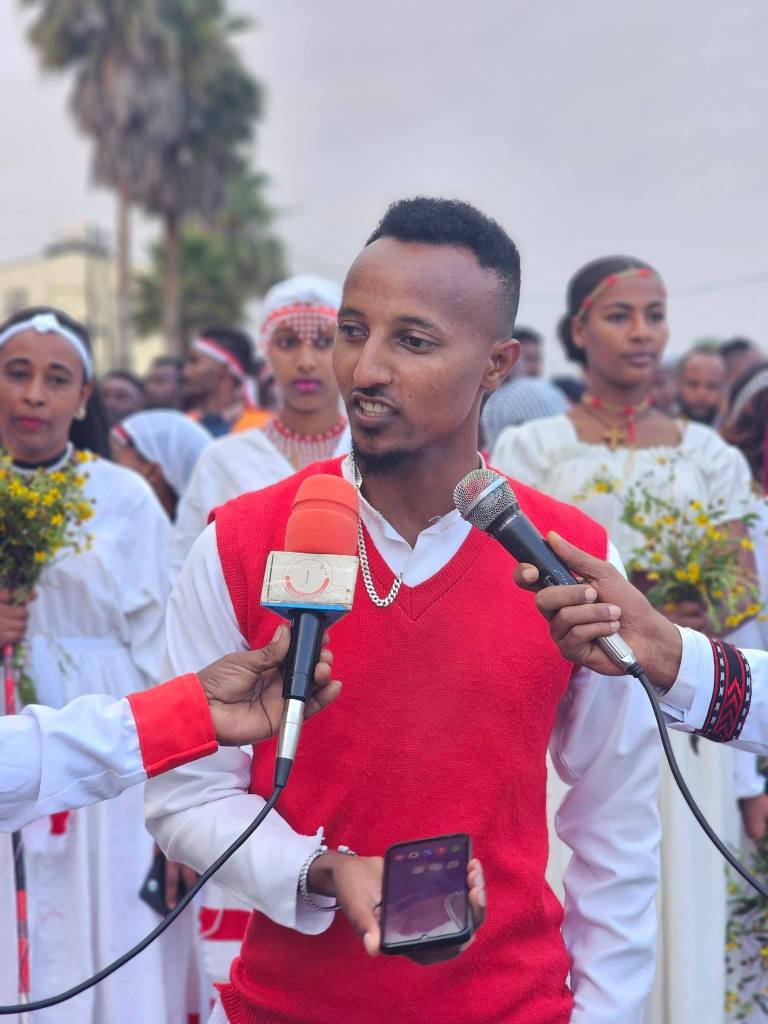
Malkaa Soor, Oromia, December 7, 2025 — The vibrant festival of Irreechaa has commenced at Malkaa Soor, bringing together the community in a celebration of thanksgiving and renewal. Abbaa Gadaa (Gadaa leaders), Siinqee women, Qeerroo youth, Qarree elders, and residents from Mattu town and surrounding districts have begun their procession toward the ritual site.
Participants, adorned in traditional white (duudhaa) attire, emphasized the importance of the morning ceremony. “We are passing our heritage and culture on to the next generation,” one celebrant stated.
A Festival of Unique Timing and Profound Meaning
Like other Irreechaa celebrations across Oromia, the Malkaa Soor festival marks the end of the rainy season and the welcoming of the sunny, blooming Birraa (spring). What sets this celebration apart is its timing: while many zones observe Irreechaa earlier in the month of Fulbaanaa (September), Malkaa Soor’s festival is held toward the month’s end of November or beginning of December, a schedule traditionally adapted to local climatic conditions.
The core objectives of the celebration are twofold: to give thanks to Waaqa (God) and to pray for prosperity.
Thanksgiving to Waaqa is expressed through prayers such as: “Oh Waaqa, you heard our prayers, delivered us from hardship, made our crops flourish, and granted us peaceful times. For this, we give you thanks.”
Prayers for Prosperity include appeals for bounty and peace: “May you make us share abundant harvests with people and birds alike. May you make this a year of overflowing peace. May you fulfill our thoughts and hopes.”
A Celebration Reclaimed and Revived
Elders recount that, due to pressure from successive regimes, the Irreechaa festival at Malkaa Soor was suppressed for many years. Its revival began in the year 2000, and it has been observed annually ever since.
The festival gained further significance following the restoration of the Iluu Gadaa system in 2007. In 2008, Malkaa Soor hosted the first annual celebration of the restored Iluu Gadaa, attended by high-ranking officials in a grand and majestic ceremony, cementing its place on the annual cultural calendar.
Rituals and Blessings: The Heart of the Celebration
The rituals are rich with symbolism. Holding aloft fresh grasses (marga jiidhaa) and spring flowers (abaaboo birraa), celebrants proceed to the riverbank, singing praises:
“Ilil, yaa Mareewoo, Mareewoo…
May the outdoors favor us, oh ancestors…
Grant us forgiveness, oh ancestors…”
Following the main ritual, the Abbaa Gadaa and Siinqee women lead the community in profound blessings:
“Oh Waaqa, you who brought us with this spring, bring us also with the one to come.”
“Oh Waaqa, as you have grown and sustained the Odaa tree, so grow and sustain the Oromo people.”
“Oh Waaqa, we stand under the shade of the Odaa tree to pray to you; may your shade shelter us.”
“Oh Waaqa, as you have lengthened the life of this tree, so lengthen our lives.”
The festival at Malkaa Soor stands as a powerful testament to cultural resilience, spiritual devotion, and the unbroken bond between the Oromo people, their ancestors, and the natural world.
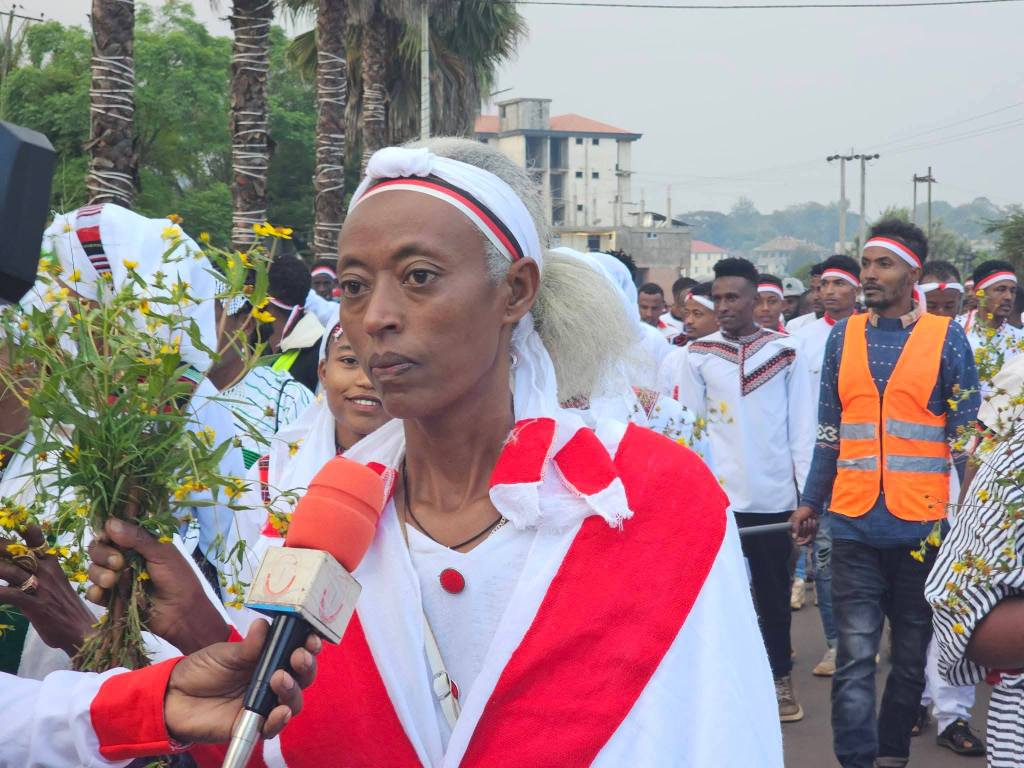
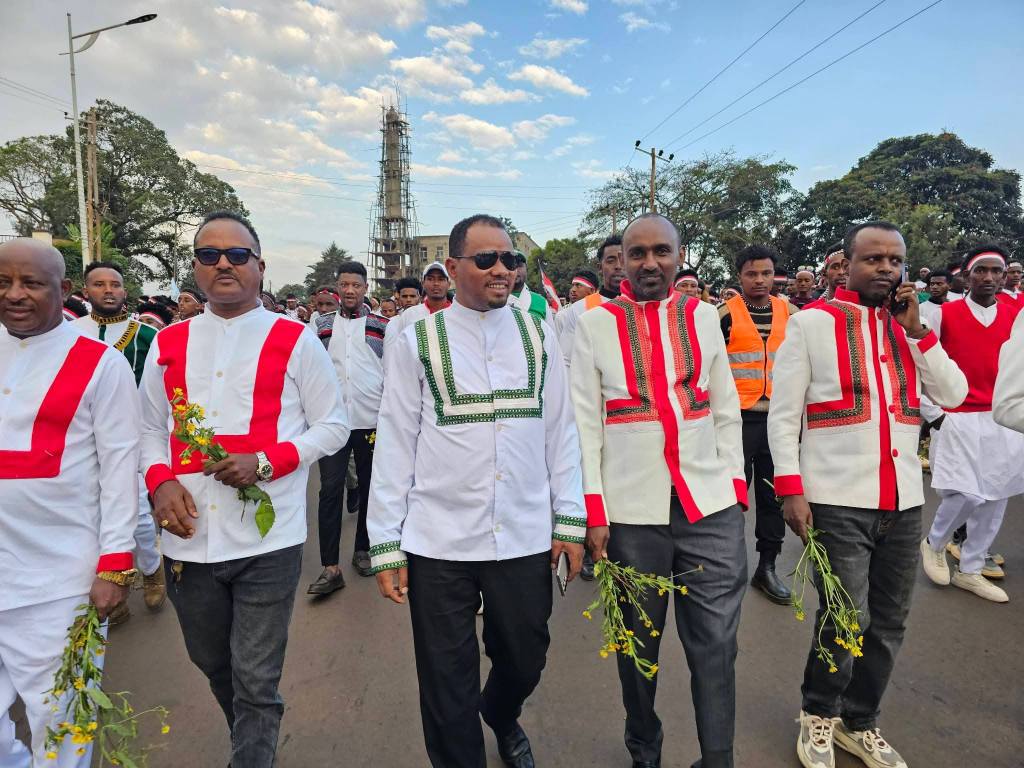

In Loving Memory of Jaal Ibrahim Saddiq
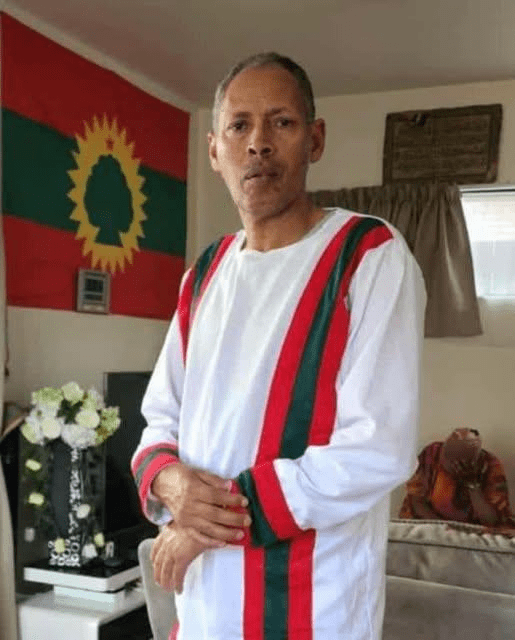
Jaal Ibrahim Saddiq was born in Giba Ashamboo, Kober District, Begi Zone, in West Oromia. He began his education in his local area and continued his studies until the Derg regime’s widespread arrests disrupted the lives of countless people across Oromia.
Like many regions in Oromia, his homeland suffered profoundly under the Derg’s final, brutal campaigns of violence and mass killings. Facing such oppression, Jaal Ibrahim made the pivotal decision to join the Oromo Liberation Front (OLF) in 1986 through the Dirree Dhihaa route. He diligently completed all necessary training and faithfully carried out every duty and mission assigned to him, consistently fulfilling his role with distinction.
Following the adoption of the OLF Charter in 1991, he undertook crucial organizational missions within the country. Later, due to intensified surveillance by the incumbent regime and pressure from the then-powerful Sudanese government on the OLF, he was compelled to seek asylum abroad after the organization’s military and political offices were attacked and closed in 1998.
Jaal Ibrahim found asylum and settled in New Zealand in 1999. Upon his arrival, he rejoined the OLF chapter and actively took on the responsibilities and tasks given by the organization. For many years, he served the OLF in various capacities, including as Secretary of the New Zealand Branch Organizing Committee and later as the elected President of the OLF New Zealand Branch. He also provided steadfast material and moral support for the Oromo people’s struggle.
A father of four, Jaal Ibrahim passed away on December 4, 2025, after a period of illness. May his soul rest in eternal peace. We extend our deepest condolences and prayers for strength to his family, relatives, and all his friends.
A fighter may fall, but the struggle continues!
December 4, 2025
Oromo Liberation Front (OLF), Foreign Affairs Structure

The Perpetual Oppressor: PP-OPDO, the True Enemy, the Foe of Humanity, the Destroyer of Oromia
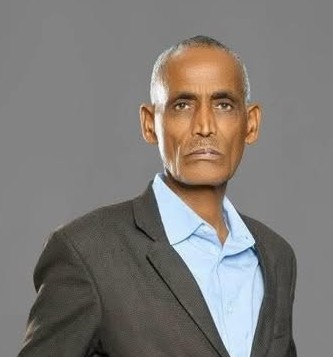
The PP-OPDO system is a predatory regime, an enemy of humanity, a genuine adversary, and a destroyer of the Oromo people. It has trained, armed, and deployed individuals devoid of conscience—people liberated from all morality—to eradicate the Oromo and bury them in their own land.
Victim: Obbo Bulchaa Raggaasaa, father of Jaal Ayyaantuu Bulchaa. He was a 70-year-old elder.
Summary of the Atrocity: Today, on December 5, 2025, in a mass execution, PP government forces killed five people, including the elder Bulchaa, in Maaruu village, Gullisoo district, West Welega zone, Western Oromia. This was a targeted attack on unarmed civilians.
The Massacre:
On this day, December 5, 2025, between approximately 5:00 AM and 11:00 AM local time, PP troops forcibly removed five individuals from neighboring households. They were taken to the #Suchii River and executed en masse at a single site.
The Victims:
- Bulchaa Raggaasaa Reebuu, 70-year-old elder (Father of Jaal Ayyaantuu), from Maaruu village.
- Mazgabuu Abshaalee Raggaasaa, 20-year-old youth (Son of Wasiila Ayyaantuu), from Maaruu village.
- Fiqiruu Yandeessaa (Wasiila Ayyaantuu).
- Hambaa Raggaasaa, a family head from Kuree village, Ayra district.
- One additional individual whose name is not yet confirmed.
Background & Context:
Elder Bulchaa had traveled to Finfinnee (Addis Ababa) five months prior for reconciliation talks. He had returned to his home area under a promise of safety.
Today, we have received the horrific account that this respected elder—a man of wisdom and dignity—was taken from his home along with other families and slaughtered like an animal.
The Broader Reality in Oromia:
The overall situation for Oromos across all zones is critically dire and unbearable. The repeated pattern of exterminating entire families, particularly those of activists, has become a grim and recurring phenomenon.
A Call for Justice and Strength:
May the Creator grant eternal peace to those brutally murdered. May He grant patience and resilience to their grieving families and communities.
Obbo Bulchaa Raggaasaa Reebuu, the 70-year-old elder murdered by the PP today. This same regime killed eight members of his family—his spouse, siblings, children, and grandchildren—back in 2019.






