Author Archives: advocacy4oromia
Irreechaa Arfaasaa and Oromo Children in the Diaspora: A Celebration of Culture, Nature, and Belonging
Introduction
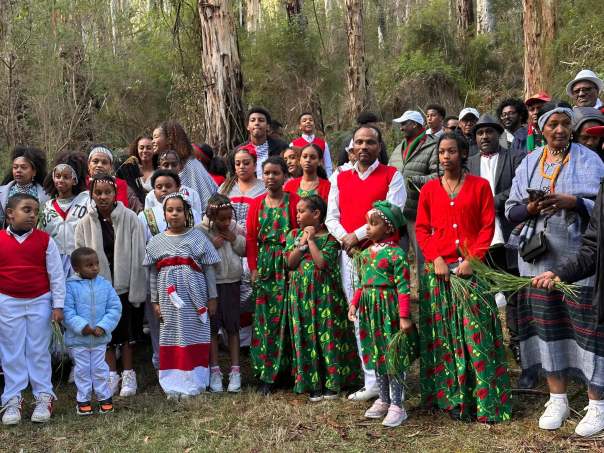
Irreechaa Arfaasaa, the Oromo people’s springtime thanksgiving festival, is a radiant celebration of nature’s generosity and communal unity. For Oromo children growing up in the diaspora, this festival becomes more than a ritual—it transforms into a lifeline to their heritage, a classroom of intergenerational wisdom, and a sanctuary of belonging. Through vibrant traditions, environmental reverence, and collective joy, Irreechaa nurtures cultural pride while equipping young minds to navigate the complexities of diasporic identity.
1. Cultural Bonding and the Tapestry of Identity
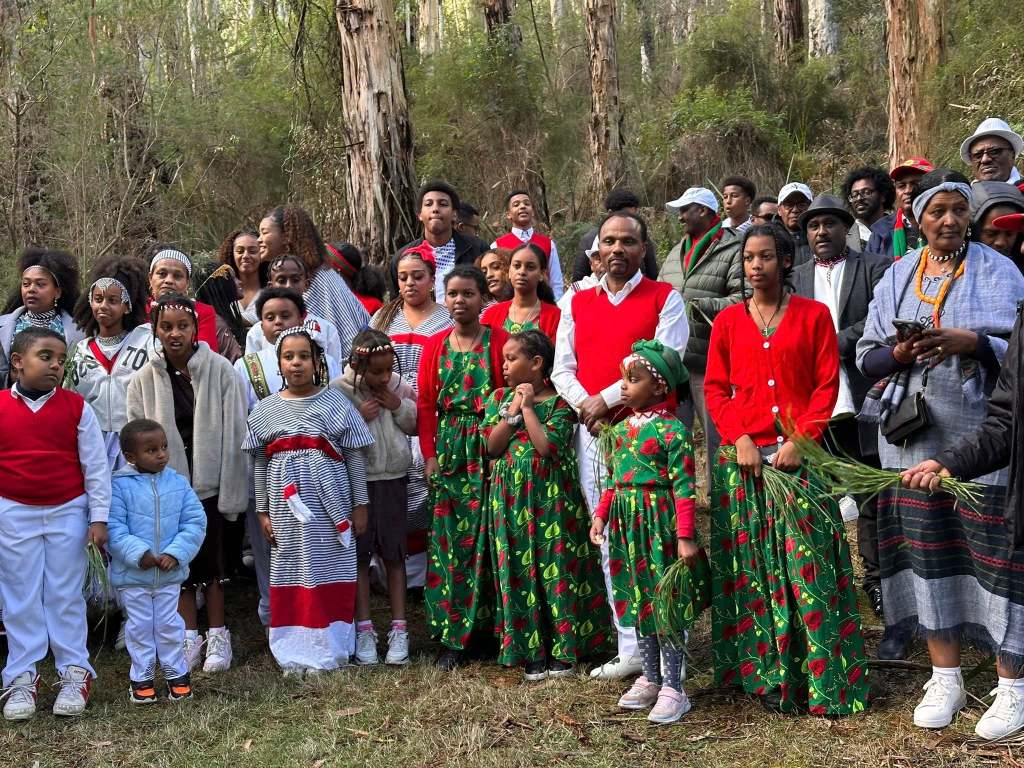
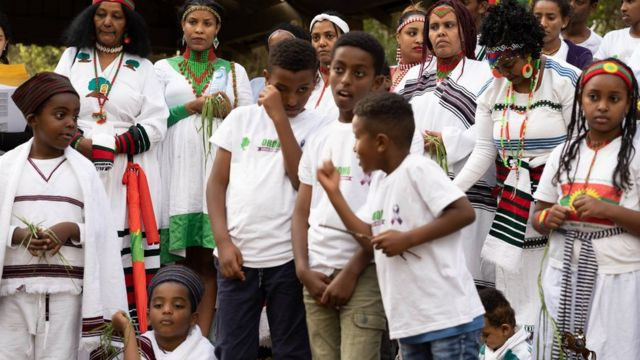
Draped in the kaleidoscopic hues of callee adda jalee (beaded necklaces) and the intricate weaves of waaqoo (traditional fabrics), Oromo children in the diaspora embody the living spirit of their ancestry. Laughter echoes as they play, pose for photographs, and share stories, weaving threads of memory that stretch across continents. These gatherings are more than festivities—they are acts of resistance against cultural erosion, ensuring that the Oromo legacy thrives in every smile, every dance, and every retold tale.
2. Intergenerational Wisdom: Passing the Torch
Elders and parents become living libraries, demonstrating sacred rituals like eebba (blessings) and the rhythmic vigor of dhichisaa dances. As children mimic their elders’ steps or cup their hands in prayer, they absorb more than tradition—they inherit values of respect, resilience, and communal solidarity. This exchange bridges generations, fortifying young hearts against the tides of assimilation and grounding them in the unshakable truth of who they are.
3. Nature as Healer and Teacher
At its core, Irreechaa Arfaasaa is a hymn of gratitude to Waaqa (the Creator) and the natural world. Diaspora celebrations adapt creatively—children plant saplings in local parks, whisper thanks over flowing water, or adorn makeshift daanisa (ceremonial grass) in urban backyards. These acts do more than honor tradition; they offer therapeutic solace. Studies show that nature-based rituals reduce stress and foster mindfulness, providing Oromo youth with tools to combat the isolation of cultural dislocation. Simultaneously, these practices sow seeds of environmental stewardship, aligning Oromo values with global calls for sustainability.
Conclusion: A Legacy of Safuu Across Borders
For Oromo children oceans away from their ancestral homelands, Irreechaa Arfaasaa is both an anchor and a compass. It reaffirms their place in a timeless narrative while empowering them to flourish in multicultural landscapes. Through this celebration, they learn that culture is not static—it breathes, adapts, and grows, just like the rivers and trees they honor. And as they dance, pray, and give thanks, they ensure that the Oromo principles of safuu (harmony) and nagaa (peace) endure—not just in Ethiopia, but in every corner of the world they call home.
Irreechaa Arfaasaa and Oromo Children in the Diaspora: A Celebration of Culture, Nature, and Community
Introduction
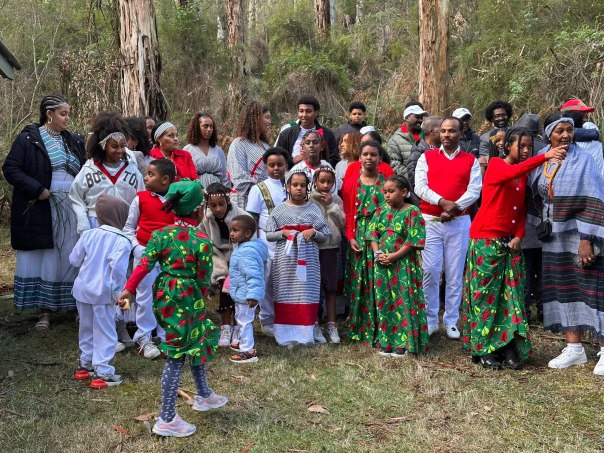
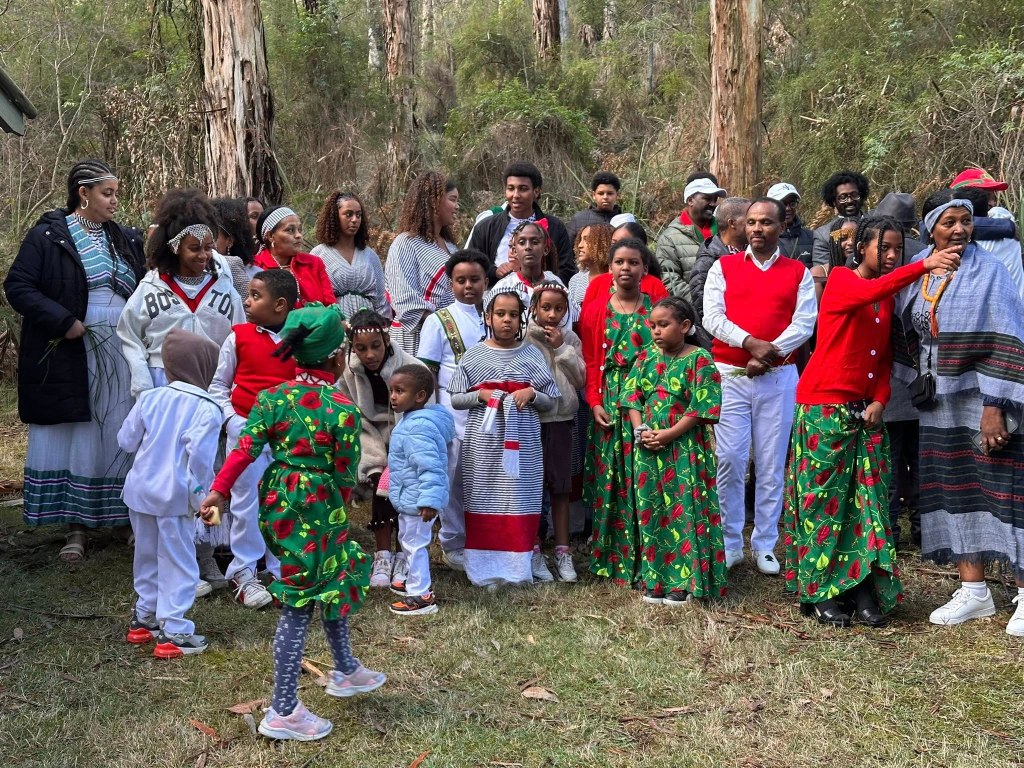
Irreechaa Arfaasaa is a vibrant springtime thanksgiving festival celebrated by the Oromo people, honoring nature’s abundance and fostering communal harmony. For Oromo children in the diaspora, this festival serves as a vital bridge to their heritage, blending cultural preservation, environmental stewardship, and mental well-being.
1. Cultural Bonding and Identity Preservation
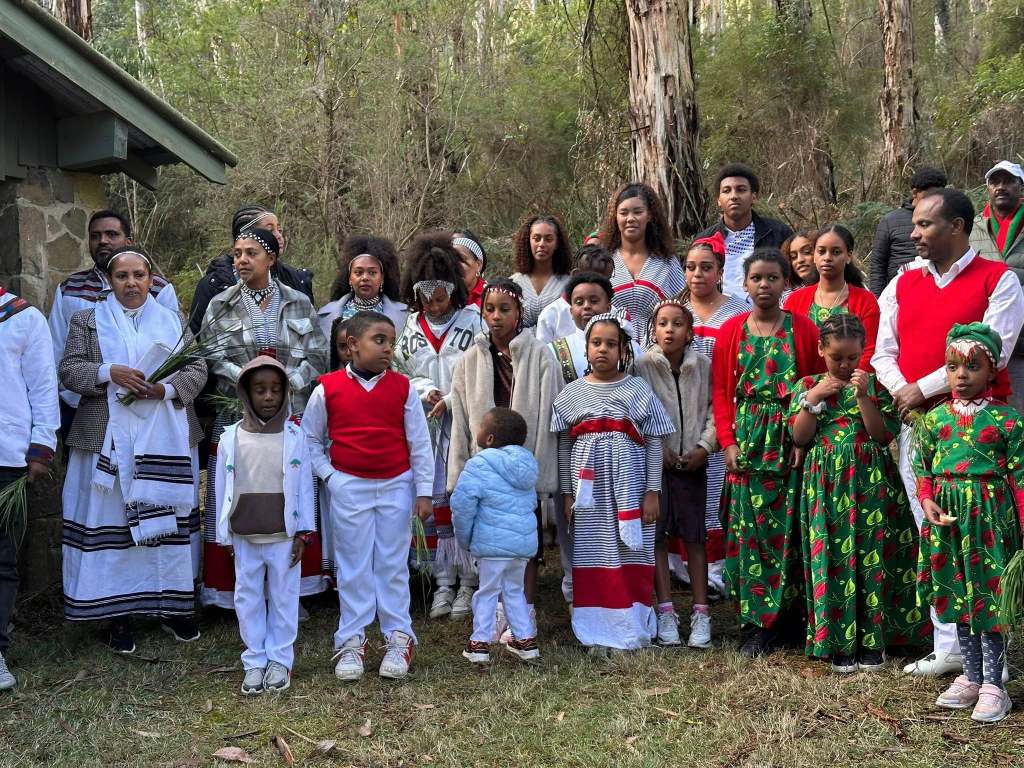
Diaspora children adorn traditional Oromo attire—colorful *callee adda jalee* (beaded necklaces) and *waaqoo* (woven fabrics)—symbolizing pride in their roots. Through play, shared memories, and group photos, they forge bonds that transcend geographical boundaries. These gatherings act as living archives, where joy and camaraderie are immortalized, ensuring cultural continuity for future generations.
2. Intergenerational Learning and Tradition
Parents and elders demonstrate rituals like *eebba* (blessings) and traditional dances such as *dhichisaa*, immersing children in their heritage. By observing and participating, diaspora youth learn values of respect, community, and resilience. This intergenerational exchange strengthens cultural identity, countering assimilation pressures and nurturing a sense of belonging.
3. Nature-Centered Rituals and Mental Wellness
Irreechaa Arfaasaa emphasizes gratitude to *Waaqa* (the Creator) and reverence for natural elements like water and trees. Diaspora adaptations might include park celebrations, where children plant trees or perform symbolic water rituals. Engaging with nature reduces stress and fosters mindfulness, addressing mental health challenges common in multicultural environments. The ritualistic connection to Earth instills environmental consciousness, aligning with global sustainability values.
Conclusion
For Oromo children abroad, Irreechaa Arfaasaa is more than a festival—it’s a sanctuary of identity, resilience, and joy. By intertwining cultural rituals, ecological ethics, and community support, it equips them to navigate diasporic life with confidence. Through this celebration, they carry forward the Oromo legacy of *safuu* (moral balance), ensuring their heritage thrives across generations and continents.
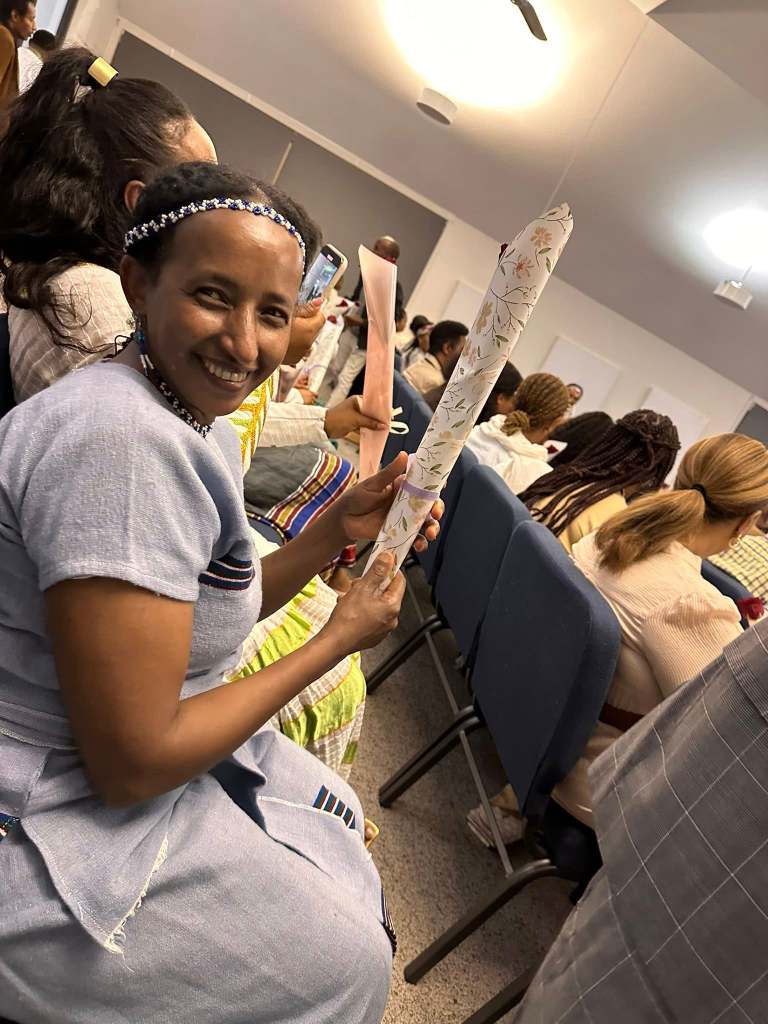
🌸 Oromo Evangelical Church Honors Mothers with Blessings, Awards & Joy 🌸
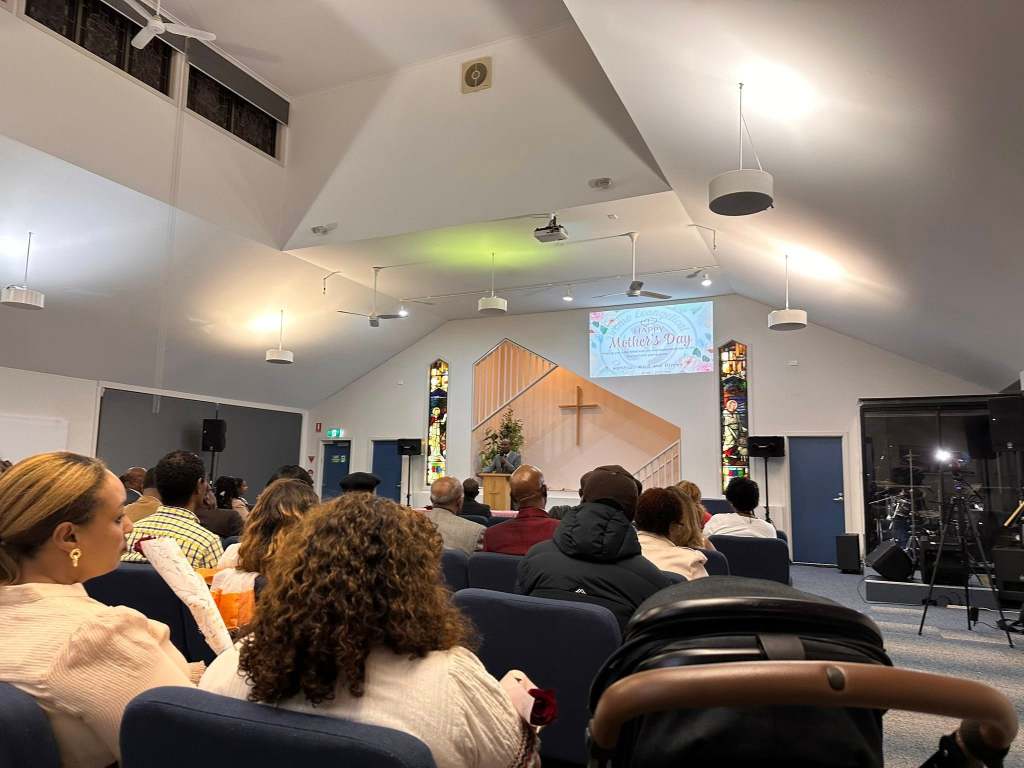
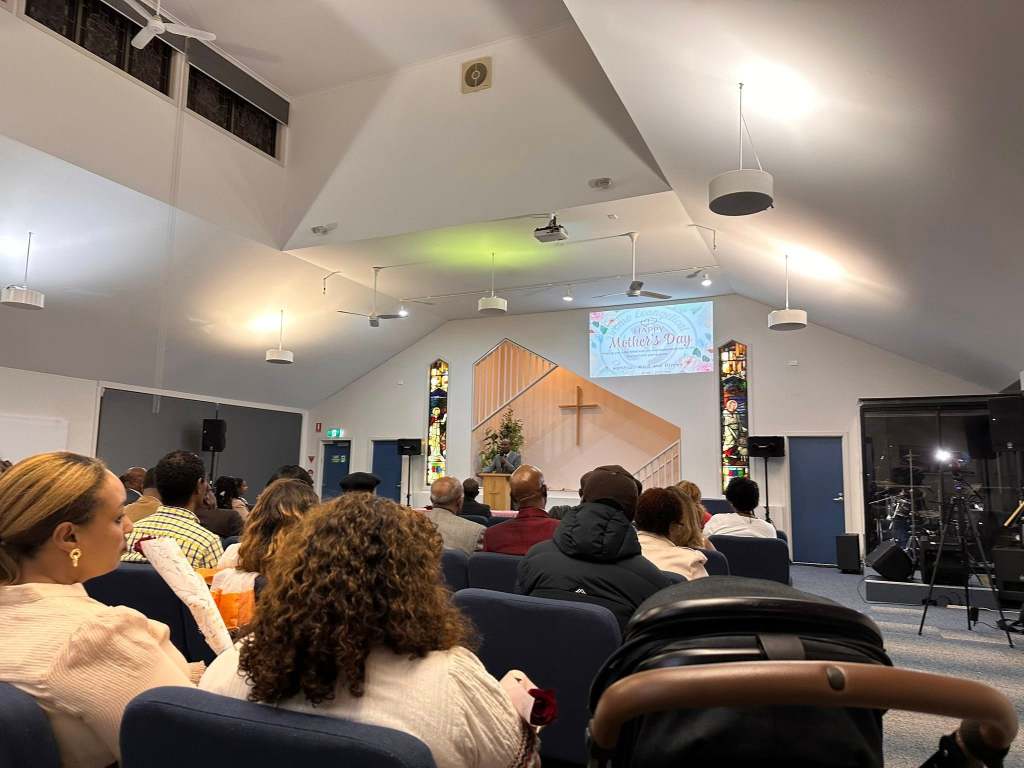
Melbourne, [May 11, 2025] – The Oromo Evangelical Church of Melbourne celebrated Mother’s Day with a heartfelt blessing and thanksgiving service, recognizing the irreplaceable role of mothers in strengthening faith, family, and community.
Highlights of the Day
- Awards of Honor:
- Mothers and women who made exceptional contributions to the church’s growth received certificates and public recognition.
- “Your sacrifices build our spiritual foundation,” remarked Pastor [Name].
- Gifts of Love:
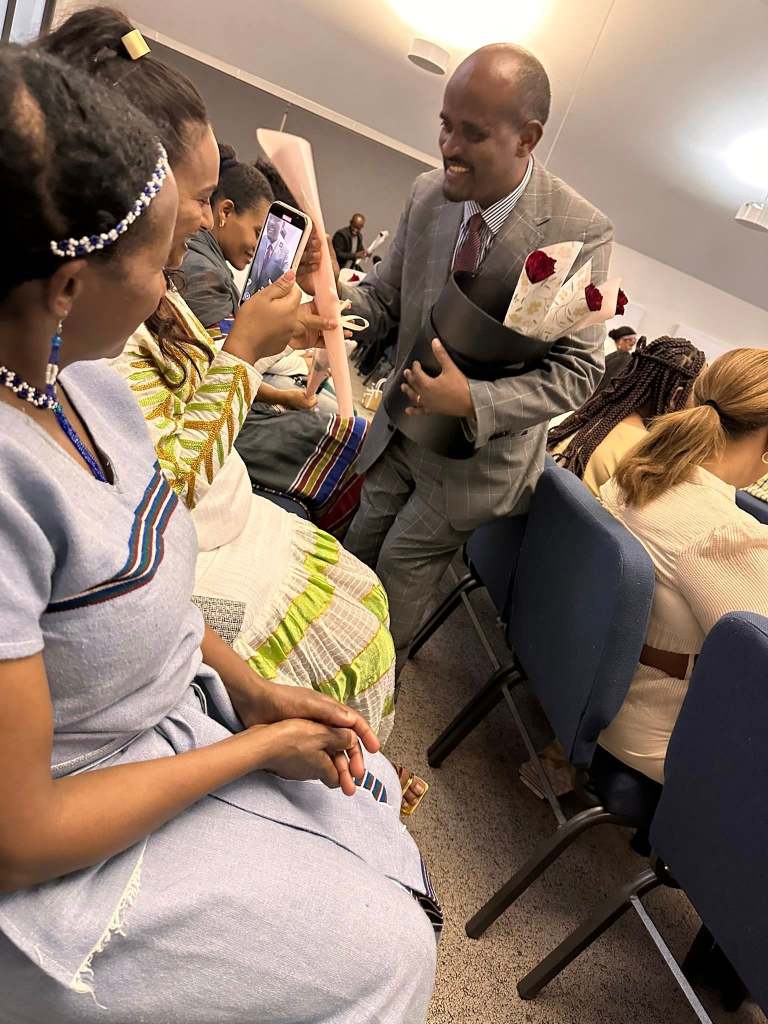
- Every mother received a small gift (e.g., flowers, handwritten prayer cards) as a token of appreciation.
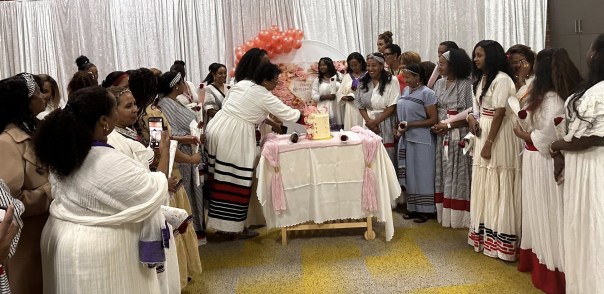
- A special cake-cutting ceremony, led by the eldest mothers, symbolized unity and shared blessings.
- Men’s Service Initiative:
- The church’s men’s group served dinner to all attendees, embodying the spirit of humility and service (“As Christ served, so we serve you”).
- Prayers & Testimonies:
- Mothers shared stories of resilience, faith, and answered prayers, moving the congregation to tears and applause.
Why This Matters: The Ripple Effects
Such events go beyond celebration—they transform lives and communities:
- 💖 Stronger Families: Reinforces bonds between generations and reduces conflicts through shared faith.
- 🕊️ Mental Health Support: Creates a safe space for mothers to feel seen, valued, and spiritually renewed.
- 🛡️ Community Security: Strengthens trust and collective care within the Oromo diaspora.
Scriptural Foundation:
“She is clothed with strength and dignity; she can laugh at the days to come.” – Proverbs 31:25
Gratitude & Call to Continue
The church extends deep thanks to the organizing committee for their flawless execution of this “labor of love.” Special recognition to:
- [Name(s)] for coordinating gifts and awards.
- The men’s group for their servant-hearted hospitality.
- All volunteers who prepared food, decorations, and logistics.
Social Media Captions
- “Mothers are the heart of our church! ❤️ See how we celebrated #OromoMothersDay in Melbourne.”
- “From awards to acts of service—this is what love in action looks like. 🙏 #OromoChurch”
Visuals to Share:
- Photos of mothers cutting the cake, men serving meals, and award recipients.
Blessings to all who made this day possible! ✝
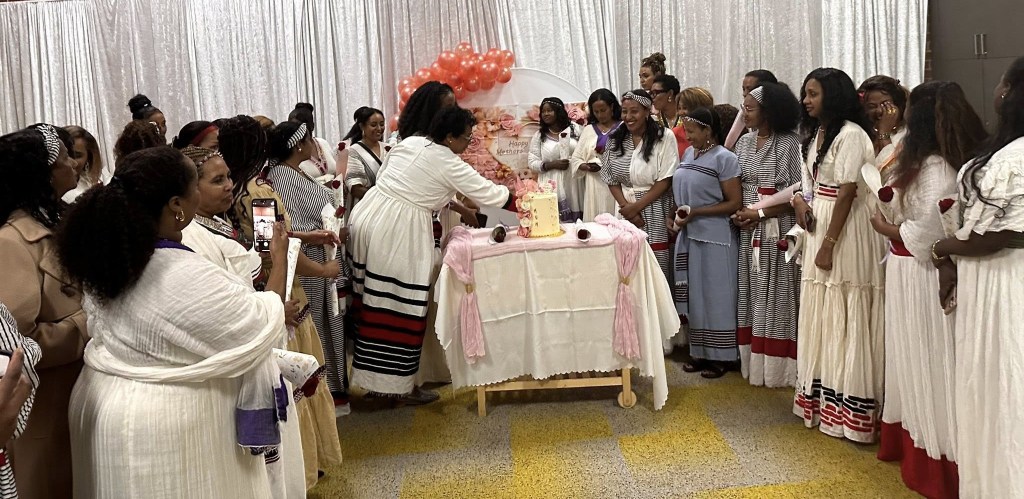
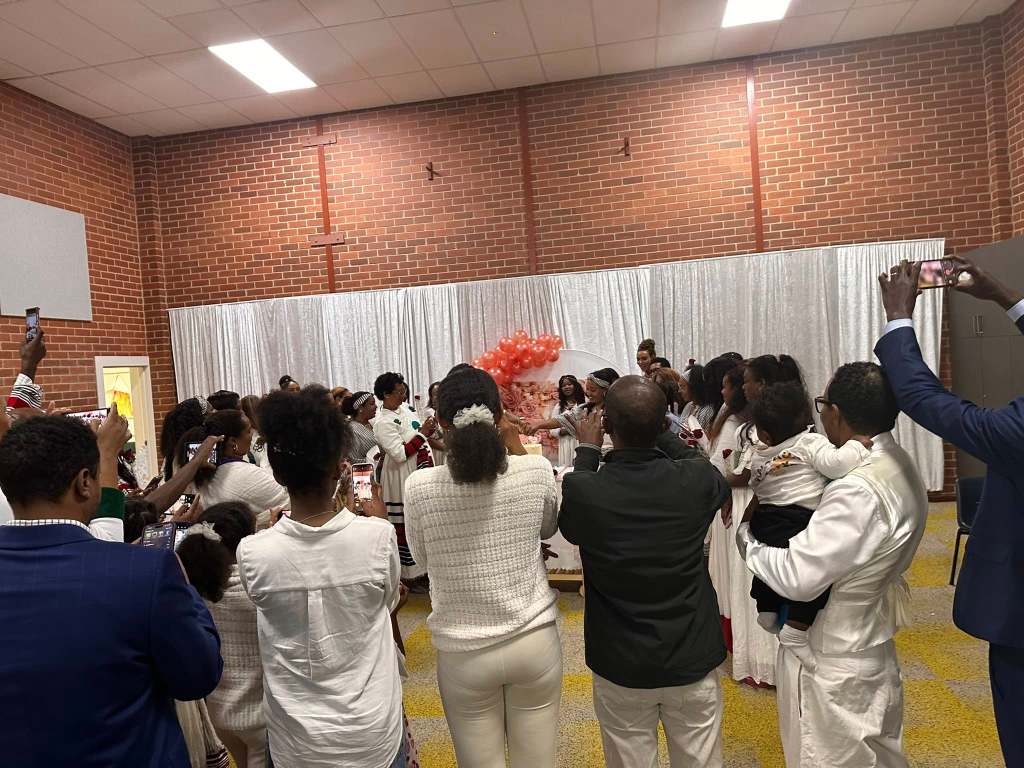
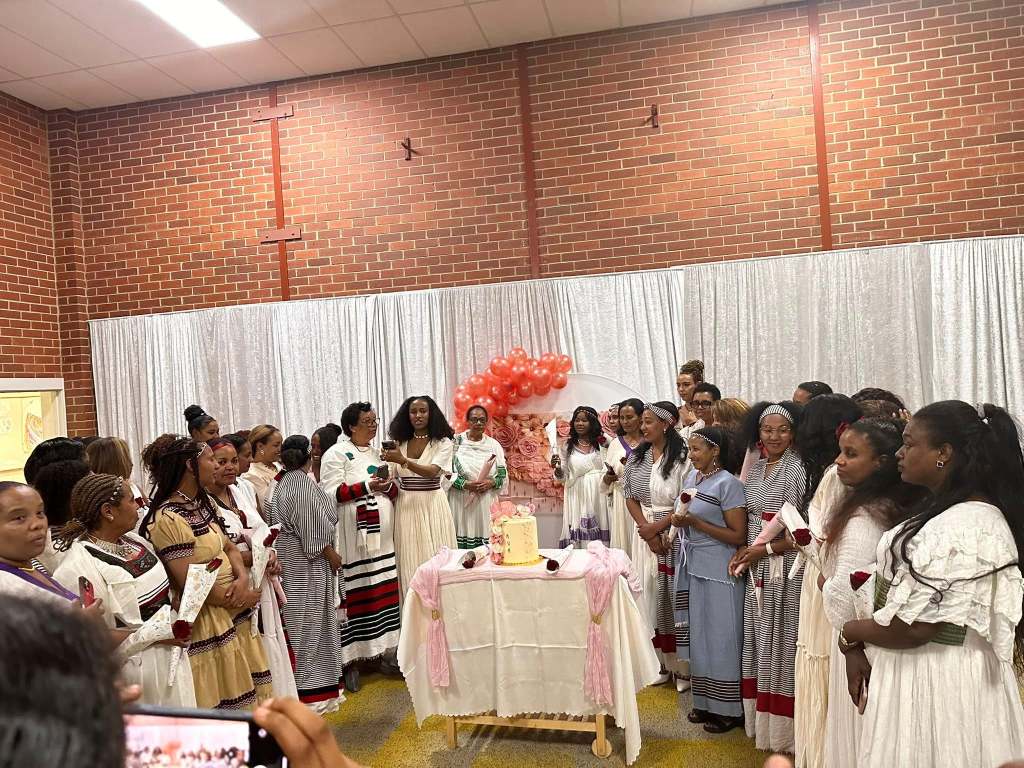
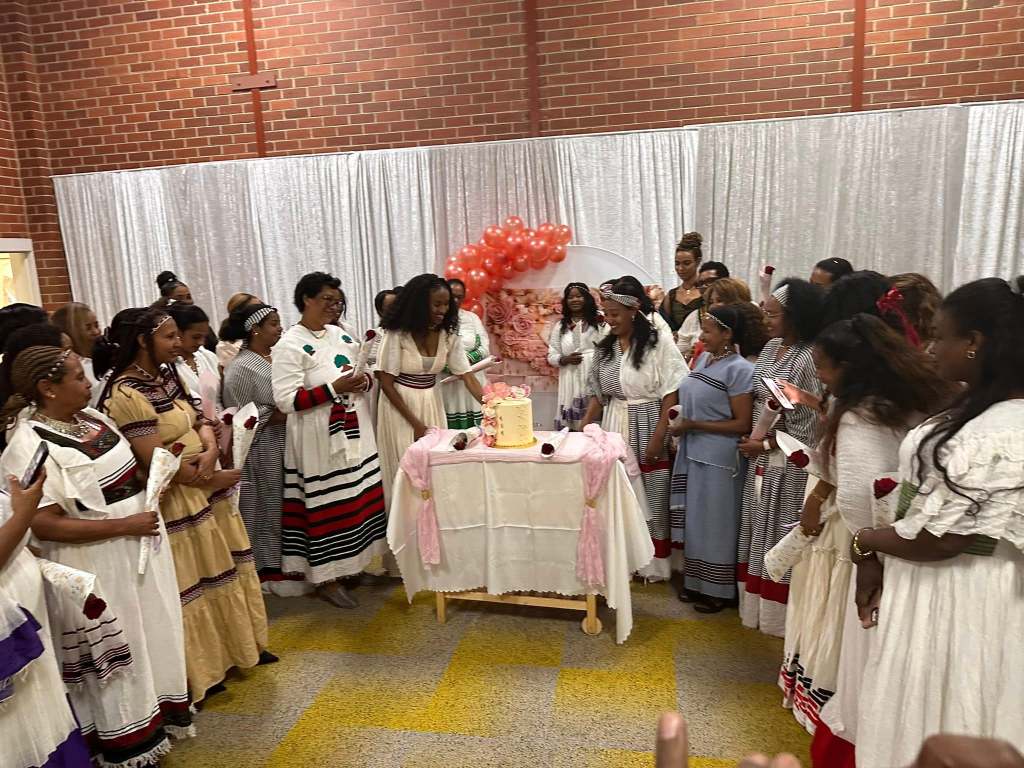
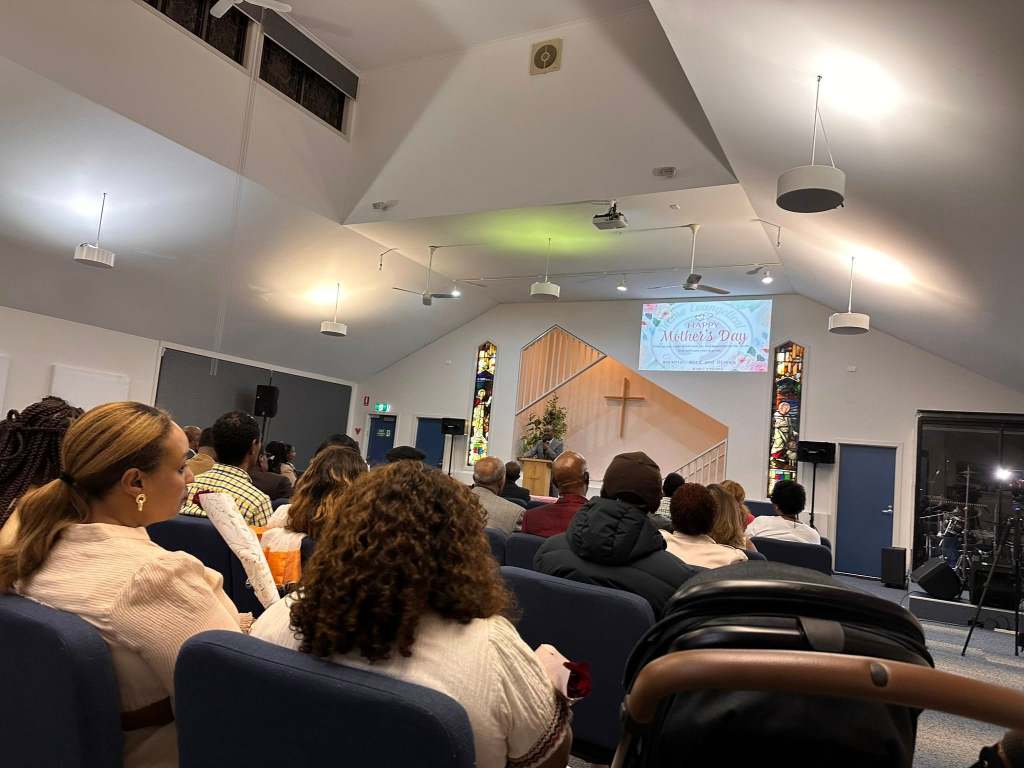
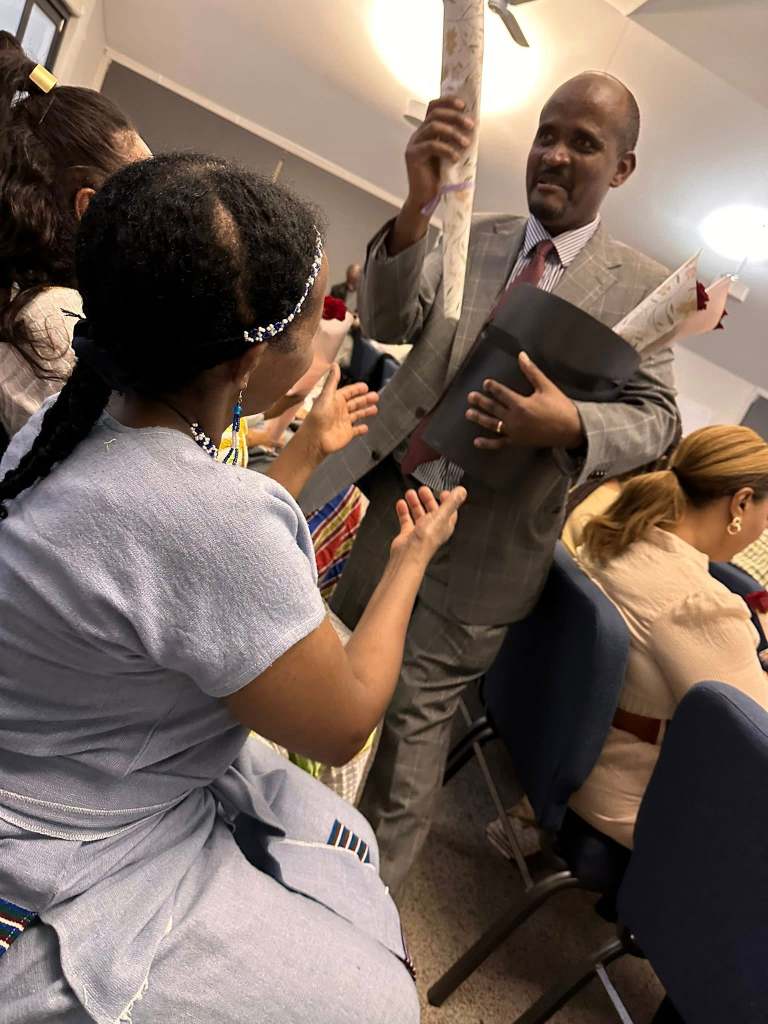
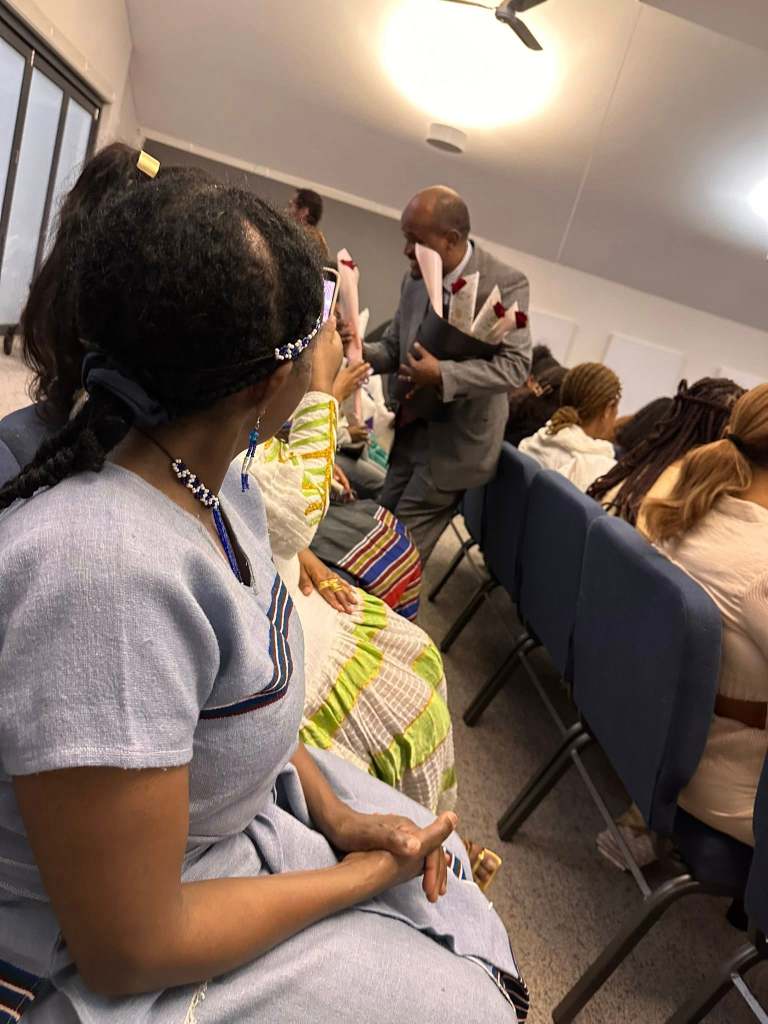
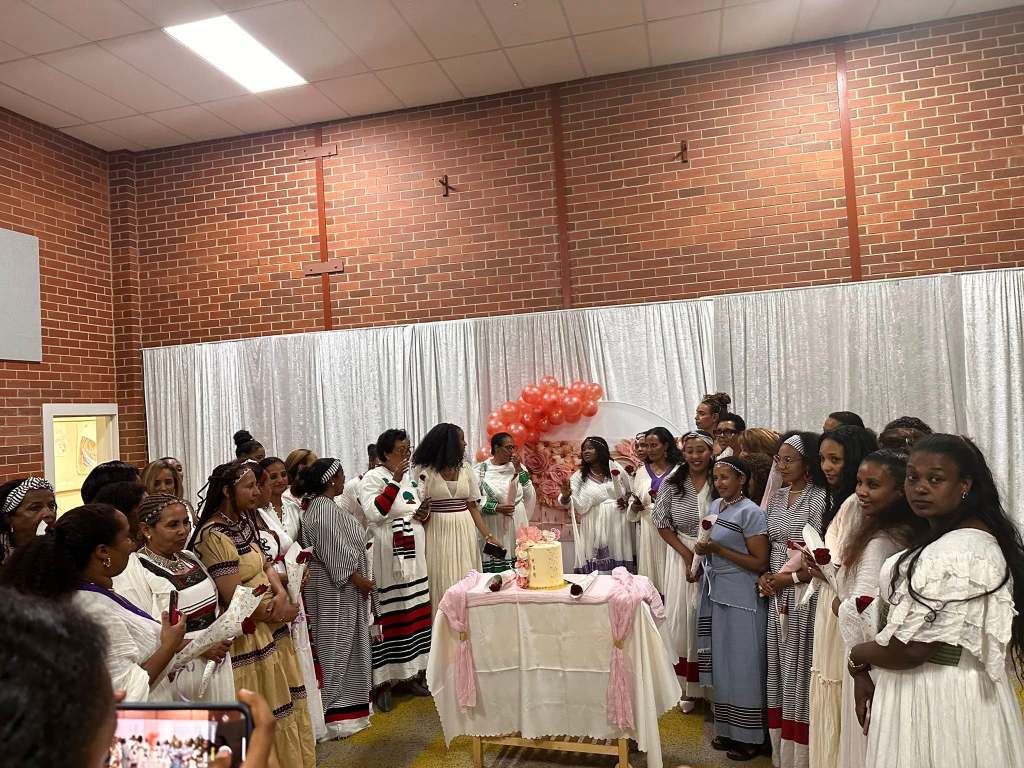
Oromo Evangelical Church’s Mother’s Day Celebration Highlights
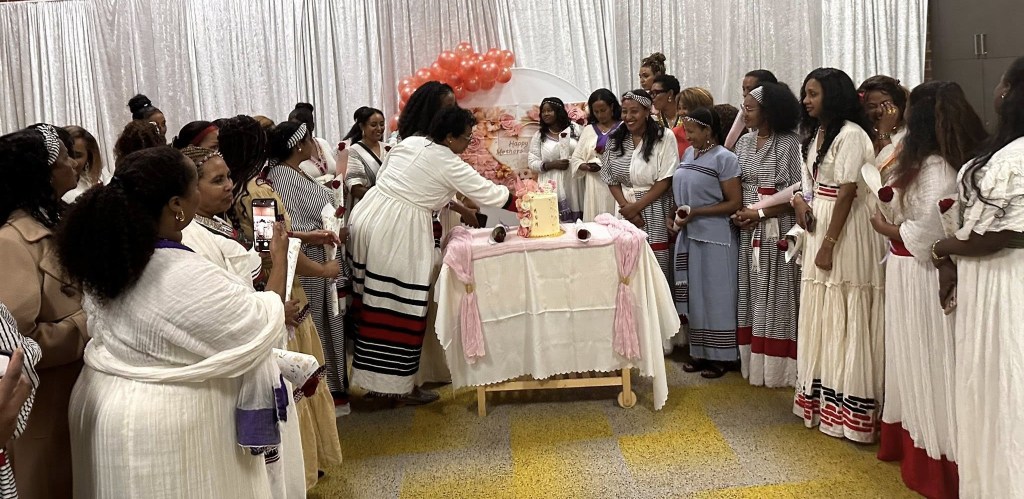
The Oromo Evangelical Church of Melbourne’s World Mother’s Day event sounds even more special with the added details of gifts, traditions, and shared joy. Here’s why this resonates so deeply:
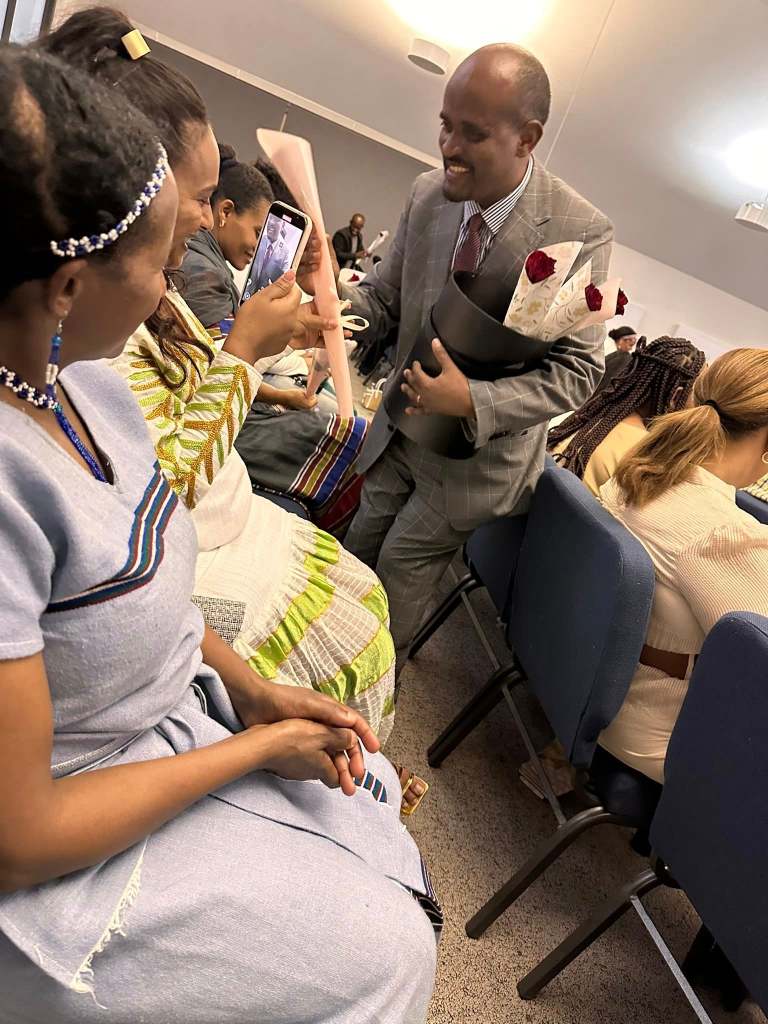
1. Symbolic Gestures of Love: Presenting flowers to mothers is a timeless act of appreciation, symbolizing beauty, care, and gratitude—qualities mothers embody daily. This gesture, paired with traditional food, not only honors mothers but also roots the celebration in Oromo cultural identity, creating a sense of belonging and continuity for the diaspora community.
2. Communal Nourishment: Sharing traditional food is more than a meal—it’s an act of preserving heritage and fostering unity. Recipes passed down through generations become threads connecting attendees to their roots, while the act of breaking bread (or cutting cake!) together strengthens bonds among families and friends.
3. Mothers at the Center: Having mothers cut the cake elevates their role as pillars of the community. It’s a joyful metaphor for their ability to nurture, share, and lead, embodying both strength and sweetness.
4. Recognition of the Committee: Your closing blessing for the organizers is so heartfelt! Events like this don’t happen without dedicated hands and hearts. Decorating, planning, and executing such a meaningful gathering reflects the committee’s love for their community and cultural values. Their work ensures traditions thrive and mothers feel seen—no small feat!
This celebration is a testament to how faith, culture, and community intertwine to create spaces of love and resilience. May the warmth of this day linger, inspiring continued gratitude for mothers’ sacrifices and the vibrant spirit of the Oromo people in Melbourne. 
 *”Honor her for all that her hands have done, and let her works bring her praise.”* (Proverbs 31:31)
Celebrating 40 Years of the Oromo Community in Victoria, Australia
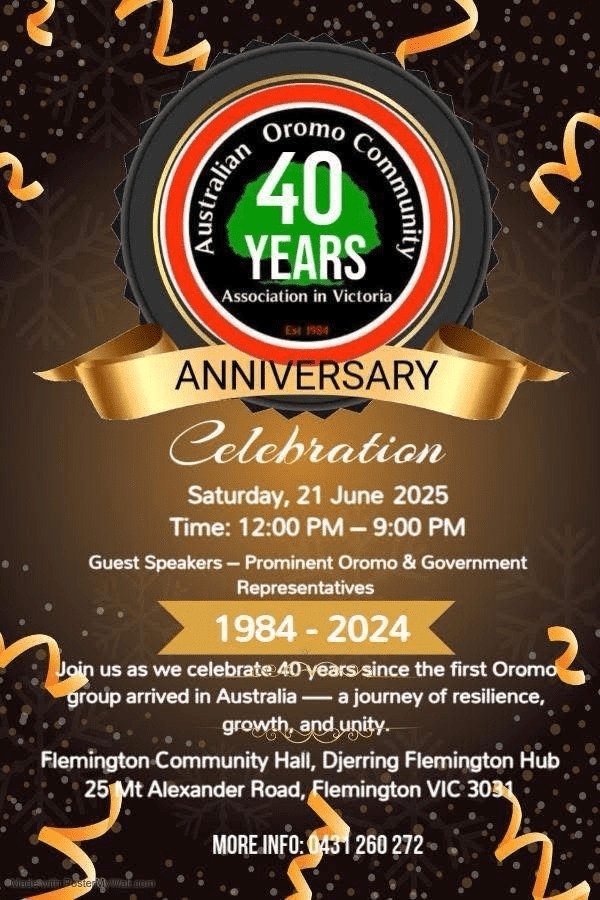
This year marks a significant milestone for the Oromo community in Australia. In 1984, the first Oromo refugees arrived in Australia, seeking safety and stability. Their resilience and determination led to the establishment of the Oromo Community Association in Victoria—a beacon of unity, cultural preservation, and mutual support.
**Four Decades of Strength and Contribution**
– **1984**: A historic year, as Oromo refugees laid the foundation for a thriving community in Australia.
– **Cultural Legacy**: For 40 years, the association has fostered Oromo traditions, language, and solidarity, enriching Australia’s multicultural tapestry.
– **Advocacy and Growth**: From supporting newcomers to advocating for refugee rights, the association has been instrumental in empowering generations.
**Celebrating the 40th Anniversary**
This anniversary is a testament to the courage of those early settlers and the enduring spirit of their descendants. It honors:
– The sacrifices of pioneers who rebuilt their lives far from home.
– The vibrant Oromo identity thriving in Victoria.
– The ongoing contributions of the community to Australian society.
**Looking Forward**
As we celebrate this milestone, we renew our commitment to inclusivity, advocacy, and intergenerational connection. Here’s to the next 40 years of resilience, unity, and shared achievements!
Aadaa Jaarii: Kadhannaa fi Galateeffannaa Oromoo
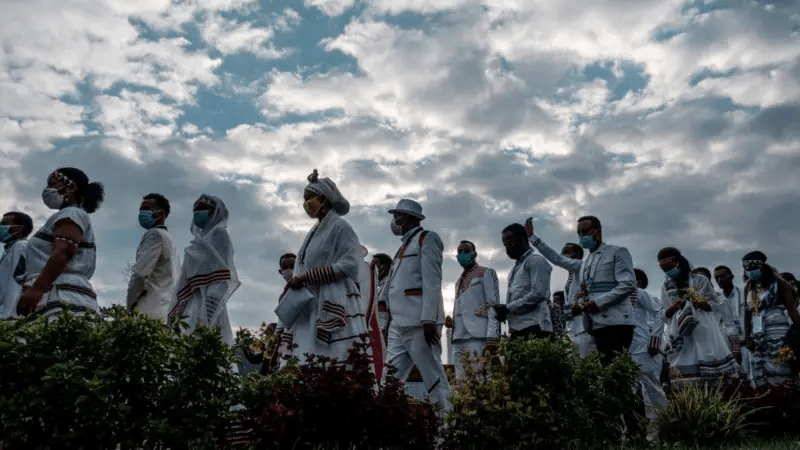
Aadaa Oromoo keessatti Waaqa kadhachuufi galateeffachuuf sirnoota raawwatan keessaa tokko Jaariidha.
Sirni aadaa Jaarii jedhamu kun, heddumminaan Oromoo Maccaa, keessattuu hawaasa Wallaggaa biratti kan beekamudha.
Abbaa Gadaa Dassaalee Fayyisaa Sorii, Dura Taa’aa Gumii Abbaa Gadaa Soor Calliyaa fi Walitti Qabaa Gumii Abbaa Gadaa Wallagga Bahaa ta’uu himan.
Ayyaanni Oromoon waggaa waggaan kabajatu keessaa Jaariin ”addadha” jedhu. “Jaariin waan diidatti, muka jalatti kan ba’amudha.”
Sirna Jaarii waggaatti taasifaman keessaa gurguddoon lama akka ta’e himu. Jaarii Arfaasaa fi Jaarii Birraa.
Jaarii arfaasaa
“Jaariin arfaasaa Jaarii kadhataati,” jedhu Abbaa Gadaa Dassaalee.
Ganna dukkanaa dhufuuf deemuu kana irratti hundaa’uun Jaariin kun galgalaan, gara lixaatti goruun, ji’a Waxabajjii keessa kan gaggeeffamudha.
Jaarii kana muka guddaa kan akka qilxuu ykn hoomii jalatti ba’ama.
Dhangaa gosa adda addaa kan akka cumboo, farsoo, buqurii, tumaa nuugiifi waan hedduu biroo dhiyeessuun Waaqa kadhatu jechuun ibsu.
“Nagaan nu baasi…
Gurraacha gannaa keessa nagaan nu hulluqsi
Bakakkaarraa nu hambisi, kan qonnee nuuf baay’isi
Qotiyyoo harqoota keessatti eegi
Ameessa okolee irratti eegi, korma gaana irratti eegi
Deessuu ofkolchiisi
Nagaan booqaa birraatti nu baasi.”
Akkana jedhanii Waaqa kadhachuun ‘Jaarii kana ba’ee, nyaatee dhugee gala’ jedhu Abbaa Gadaa Dassaalee.
Jaariin kun galgala sana qofa waan xumuramu miti. Ganama itti aanuus sirni gaggeefamu jira. Kunis ijoollee mana keessa jiraniin gaggeeffama.
Ijoolleen kun dhangaa galgala sana irraa hafe qabatanii, obdii boqolloo ykn midhaan faca’ee jiru kamuu keessa dhaabbatanii,” qilleensarraaf cabbiirraa nu hambisi, nagaan nu nyaachisi, bineensa nurraa dhowwi, kan keenya kan keenya godhi,” jechuun Waaqa kadhatanii dhangaa san achumatti nyaatu jedhu.
Ayyaanni kun gaafa Waxabajjii 5 gaggeeffama jechuun ibsu.
Jaarii arfaasaa nama naannoo tokkoo ykn qe’ee tokkoo, kan buna waliin dhugutu wajjiin ba’a jedhu.
Guyyaa kana “namni hin quufiin yoo bule…hanga waggaa kanaatti beelli irraa hin dhibu,” jedhamuun nyaati hundi ba’ee namni hundi akka quufee bulu akka taasifamu himan.
Jaarii birraa
Ji’a Sadaasaa keessa kan gaggeeffamu Jaarii birraadha, kunis Jaarii galataa jedhama.
Sirni kun guyyaa keessa muka guddaa jalatti gaggeeffama.
Guyyaa kana irratti horiin qalmaa ni qopheeffama. ”Hoolaa, korma, reettii, dullacha ni qalama,” kan jedhan Abbaan Gadaa Dassaalee, “hangafaaf quxisuu akeekkatee, lammiidhaan ba’ee” galateeffata jedhu.
“Kan nagaadhaan nu baafte galanni siif haa ga’u
Kan bacaqii gannaa keessaa booqaa birraatti nu baaste
Dhangaa nuuf laatte nu eebbisi
Lubbuu namaafis eebba kenni
Bona nutti laaffisi, nagaan arfaasaan nu ga’i.”
Kana jechuun dabareen akka hangafaaf quxisuutti dhaabbatee, seera guutee, wal eebbisee, nyaatee gara mana isaatti gala jedhu.
Jaarii birraaf “lammiif lammiitu ba’a… hanga lammii shaniiti ba’ee wal eebbisa… hanga aanaa tokkoollee ta’uu danda’a,” jechuun himu.
Kan Jaarii arfaasaan yemmuu madaalamu, Jaariin birraa “baay’ee guddaa, baay’ee ho’aa fi kan horiin hedduu itti kaffalamu,” ta’uu ibsani.
Jaarii bakakkaa
Aadaa Oromoo keessatti guyyaa itti bakakkaan bu’e kabaja qaba. Namni manni isaa, obdiin isaa ykn hojiin isaa bakkakkaan rukutames ”nama Waaqni itti gammade” jedhama.
Dallaan bakakkaan itti bu’e ‘booda ni sooroma’ jedhamee amanama. Kanaaf guyyaan sun kabaja guddaa qaba.
Yeroo bakakkaan mana nama tokko keessa bu’u “ogeessi dhufee erga qabduu dhaabe booda marqaa marqanii xuwwee dhaabu,” jedhu Abbaa Gadaa Dassaalee.
Maatiin ‘Waaqni itti gammade’ kun yeroo kana “ulumaayii fi urgeessaa qabatanii, ichilmee fi aannannoo maratanii gabaa ba’uun si’a shan naanna’u,” jechuun ibsu.
Sana booda dhangaa gurgurtaaf namni qabatee gabaa ba’e irra deemuun hanga tokko fudhatu/hammaarratu.
“Dammarraas, boqqolloorraas, xaafiirraas… waan hundarraa ni fudhatu. Namni yeroo kana jala qaba malee hin didu,” jechuun, isa sassaabatan kanaanis sirna kana gaggeeffatu jechuun ibsu.
“Yoo kana ta’ee malee namatti deebi’a jedhama.”
Sirna Jaarii bakakkaa kanaan bakakkaan bu’ee bultii 15 booda, ” [Qabduu] iddoo sanaa kaasanii manatti butanii achiitii marqaa marqanii, kadhatanii, ulumaayii, cilbee fi urgeessaa qabatanii galu,” jedhu.
Marsaa sadaffaa ammoo mana keessatti dhaabbata godhatu.
Akka Abbaa Gadaan kun jedhanitti, yeroo kanatti hoolaa qaluun marqaa marquun “nurraa dhaabii, nagaa nuuf buusi, horii keenyaaf nama keenyaaf,” jedhanii kadhachuun mana keessatti hooqa dhaabbatu.
“Guyyaa bakakkaan horiitti ykn namatti gammade sana namni hojii hin hojjetu… nama kaan utuu hin taane namni miidhamni irra ga’e.”
Jaariin kun kan waggaa waggaan taasifamudha.
‘Yaa Waaq nuu roobi’
Jireenyiifi haalli yeroo hunda mijataa miti. Kadhaa fi galatni yeroo Jaarii kun yoo rakkoon jiraate ni geeddarama.
Kunis “arfaasaa yoo roobu dide, birraa yoo caamuu dide qofadha,” jedhu Abbaa Gadaa Dassaalee.
Yoo arfaasaa roobi caamuu dide, hoolaa ykn korma gurraacha bituun “yaa Waaq nuu roobii” jedhe kadhata ardaa jilaa sanatti hoolaan sanatu qalama jedhu.
Yeroo hoolaan kun qalamu, utuu namni deebi’ee mana hin galiin “guyyaama sana Waaqayyoo rooba dhiisee ture, ammuma kana jandoo buusa,” jechuun amanama jedhu.
Rooba birraa caamuu dideef ammoo hoolaa aadiitu qalama.
“Yaa Waaq nurraa ol jedhi, lafarraa ol nuu jedhi… jiidhina nurraa hin kutiin tortorsitee nu hin balleessiin” jedhee yemmuu kadhatu “kan sila roobuu battaluma caama” jechuun Abbaan Gadaa kun amantaa jiru ibsaniiru.
Jaarii… Ayyaana kabaja lafaa
Qorataa aadaa Oromoo biroo Obbo Dirribii Damissee Jaariin ayyaana kabaja lafaaf taasifamu akka jiruus eeru.
Ayyaanni kabaja lafaa kun kan gaggeeffamu, yeroo namni tokko bakka haaraa dhaqu ykn mana haaraa ijaarratudha.
“Lafa haaraa cirtee, mana yoo itti ijaarratte ykn qonnaafis qopheeffatte kabaja lafaaf ni kennita,” jedhu Obbo Dirribiin.
Lafa kanatti namni tokko erga mana ijaarratee booda, “araddaa nana na simi…midhaanii nu ta’i…milkii nu ta’i,” jechuun mulluufi booka, yoo qabaates hoolaa qalee jaarii godhata jedhu.
Aadaan sirna Jaarii kun Oromoo Maccaa biratti kan beekamu ta’uu kan himan Obbo Dirribiin kutaalee Oromiyaa biroo keessatti jiraachuufi dhabuu garuu quba akka hinqabne ibsaniiru.
Aadaan Jaarii kun kan wajjiin dhuguu fi wajjiin nyaachuun “jaalala waliif qabnu ni ibsa” kan jedhan Abbaa Gadaa Dassaaleen aadaan kun deebi’ee guddachuu akka qabu gorsu.
Yeroo ammaa bakkeewwan akka Giddaa Ayyanaa keessatti deebi’ee eegaluun ofiin irratti hirmaatanillee akka beekan dubbataniiru.
Aadaa Jaariitiin dhalootni “Akka Waaqni jiru ni bara, kadhata ni bara. Hangafaafi quxisuu bara, safuufi maal jedhu ni bara, kanaaf bu’a qabeessadha,” jedhu.
Madda: BBC Afaan Oromoo
The Cultural Impact of Irreechaa on the Oromo Community
The Irreechaa celebration has profound cultural, social, psychological, and political impacts on the Oromo people and beyond. As a festival of thanksgiving, unity, and renewal, its influence extends across multiple dimensions:
1. Cultural & Identity Preservation
- Revitalizes Oromo Heritage: The rituals (e.g., eebbaa prayers, malkaa procession) reinforce Gadaa values, language, and oral traditions at risk of erosion.
- Intergenerational Knowledge Transfer: Elders teach youth about Oromo cosmology (e.g., Waaqa), history, and ethics through songs (geerarsa), dances, and storytelling.
- Global Diaspora Connection: For Oromos abroad, Irreechaa fosters a sense of belonging, often replicated in cities like Minneapolis, Toronto, and Melbourne.
2. Social Cohesion & Community Building
- Strengthens Bonds: Families and clans reunite, mending fractures caused by displacement or urbanization.
- Cross-Ethnic Dialogue: Non-Oromo attendees gain insight into Oromo culture, reducing prejudices and promoting multiculturalism in Ethiopia.
- Gender Solidarity: Women’s leadership in rituals (e.g., siinqee ceremonies) challenges patriarchal norms and empowers young girls.
3. Psychological & Emotional Well-Being
- Collective Healing: The festival’s joyous atmosphere counters trauma from oppression, displacement, or recent conflicts.
- Stress Relief: Singing (dhaanto), dancing (shaggooyee), and communal feasting offer respite from daily hardships.
- Pride & Self-Worth: Oromo youth see their culture celebrated, combating marginalization and fostering confidence.
4. Economic & Environmental Impact
- Boosts Local Economies: Artisans (weavers, jewelers), farmers (coffee, marcaa milk), and vendors benefit from increased demand during festivities.
- Eco-Consciousness: Rituals like blessing water sources (Hora Arsadi) reinforce environmental stewardship, inspiring clean-up campaigns.
5. Political & Symbolic Resistance
- Assertion of Oromo Identity: Public celebrations defy historical suppression, asserting the Oromo people’s right to cultural expression.
- Peace Advocacy: Elders use Irreechaa to call for unity, condemning interethnic violence and promoting nagaa Oromo (Oromo peace philosophy).
- Policy Influence: Mass participation pressures governments to recognize Irreechaa as a national holiday (as seen in Oromia since 2019).
6. Challenges & Controversies
- Security Risks: Large gatherings have faced crackdowns (e.g., 2019 Irreechaa tensions).
- Commercialization: Some fear losing spiritual meaning to tourism or politicization.
- Exclusion Risks: Poor/rural Oromos may struggle to attend due to costs, requiring intentional accessibility measures.
Conclusion: Irreechaa as a Tool for Empowerment
Irreechaa is more than a festival—it’s a resilience strategy for the Oromo people. By celebrating it inclusively, the community can:
✅ Preserve culture in the face of globalization.
✅ Heal collectively from systemic oppression.
✅ Build bridges with neighboring communities.
✅ Inspire youth to carry forward Oromo values.
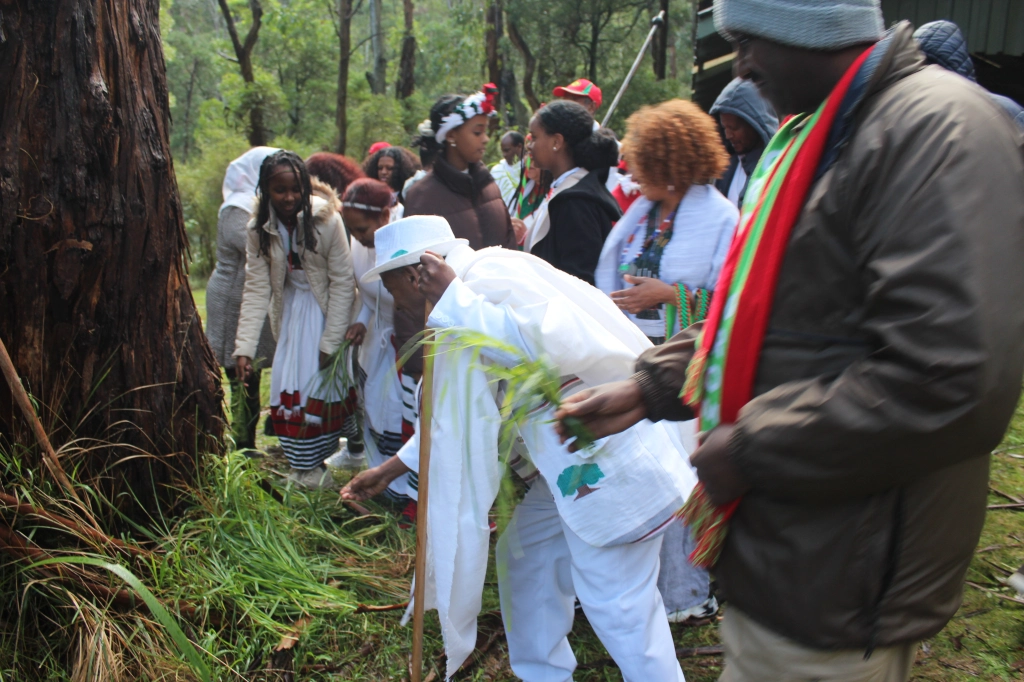
Join the Irreecha Arfaasaa Celebration on May 18, 2025
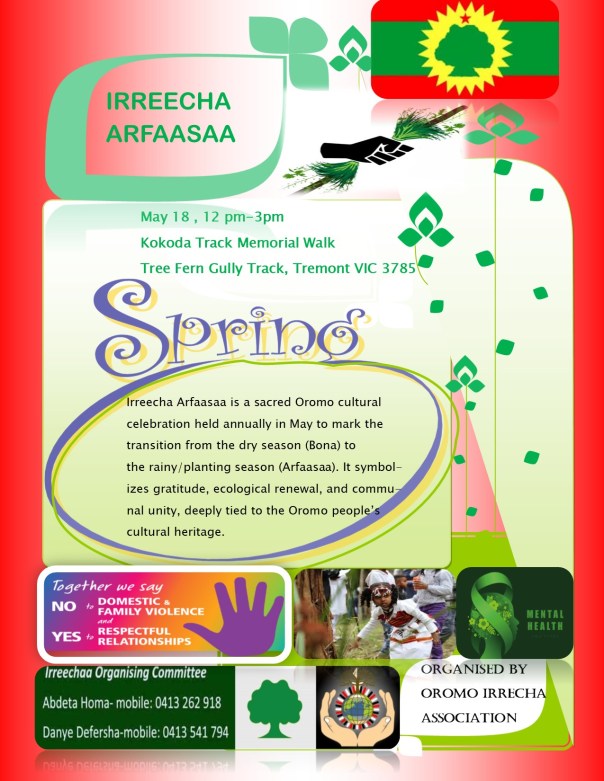
Irreecha Arfaasaa (the spring thanksgiving festival) being celebrated on May 18, 2025, at Tulluu Dandenong (likely a reference to the Dandenong Ranges in Victoria, Australia). This appears to be a diaspora celebration organized by the Oromo community in Melbourne, Oromo Irrecha Association, Advocacy for Oromia. Here’s a breakdown of its significance and context:
—
1. Irreecha Arfaasaa
– Traditionally celebrated in April/May in Oromia/Ethiopia to welcome the *Arfaasaa* (spring rains) and express gratitude for agricultural renewal.
– Dates follow the **Oromo lunar calendar** (*Ayyana* system), so Gregorian dates shift slightly each year. However, diaspora communities often adapt the timing for practical or symbolic reasons (e.g., aligning with local seasons or weekends).
—
2. May 18, 2025
– In 2025, May 18 falls on a Sunday, which is a common choice for diaspora cultural events to maximize community participation.
– While the exact Oromo calendar date for Irreecha Arfaasaa in 2025 would need to be calculated based on lunar cycles, diaspora communities sometimes fix the Gregorian date for consistency and planning purposes. This is not uncommon, as maintaining traditions abroad often involves adaptation.
—
3. Tulluu Dandenong
– “Tulluu” means “mountain” in Afaan Oromo. The **Dandenong Ranges** near Melbourne are a lush, forested area, symbolically echoing the sacred mountainous landscapes central to Irreecha in Oromia/Ethiopia (e.g., Hora Arsadi).
– Celebrating Irreecha in natural settings like the Dandenongs helps diaspora Oromo communities reconnect with their cultural roots and create a sense of home away from home.
—
4. Why This Matters
– **Cultural Preservation**: For the Oromo diaspora, events like this reinforce identity, language, and traditions among younger generations.
– **Symbolism**: The choice of a mountain (Tulluu) reflects the spiritual connection to nature inherent in Irreecha, even in a diaspora context.
– **Community Unity**: Such gatherings strengthen solidarity and provide a space for collective healing, especially for communities impacted by displacement or political struggles in Oromia/Ethiopia.
—
5. **How to Participate**
– If you plan to attend, contact local Oromo organizations in Melbourne (e.g., **Oromo Community in Melbourne, Oromo Irrecha Association, Advocacy for Oromia **) for details. Activities may include:
– Traditional songs (*Geerarsa*), dances (*Keelloo*), and blessings (*Irreeffannaa* rituals).
– Speeches, cultural displays, and communal meals.
– Ceremonies with *fresh grass* (symbolizing peace) and *flowers* (symbolizing fertility), as in traditional Irreecha.
—
Note on Accuracy
While the **May 18, 2025** date is likely fixed by the organizing community, always verify with local organizers closer to the event. Diaspora celebrations may adjust details based on logistics, weather, or cultural considerations.
𝗧𝗵𝗲 𝗨𝗻𝗳𝗶𝗻𝗶𝘀𝗵𝗲𝗱 𝗦𝘁𝗿𝘂𝗴𝗴𝗹𝗲: 𝗗𝗿. 𝗚𝗲𝗺𝗲𝘁𝗰𝗵𝘂 𝗠𝗲𝗴𝗲𝗿𝘀𝘀𝗮 𝗮𝗻𝗱 𝘁𝗵𝗲 𝗢𝗿𝗼𝗺𝗼 𝗣𝗲𝗼𝗽𝗹𝗲’𝘀 𝗙𝗶𝗴𝗵𝘁 𝗳𝗼𝗿 𝗖𝘂𝗹𝘁𝘂𝗿𝗮𝗹 𝗦𝘂𝗿𝘃𝗶𝘃𝗮𝗹
𝘼 𝙎𝙘𝙝𝙤𝙡𝙖𝙧 𝙪𝙣𝙙𝙚𝙧 𝙋𝙚𝙧𝙨𝙚𝙘𝙪𝙩𝙞𝙤𝙣, 𝘼 𝙋𝙚𝙤𝙥𝙡𝙚’𝙨 𝙎𝙞𝙡𝙚𝙣𝙘𝙚
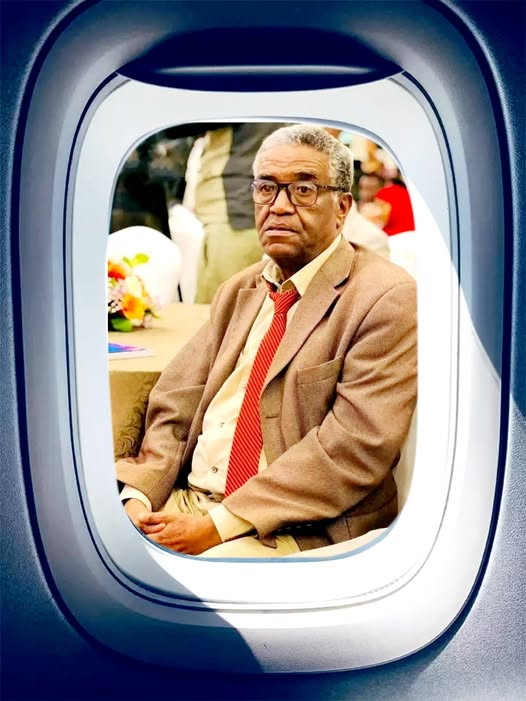
For centuries, the Oromo endured political subjugation, their language suppressed, their Gadaa system delegitimized, their history rewritten by conquerors. Yet, in the face of this cultural suffocation, Dr. Gemetchu emerged as a torchbearer, excavating buried wisdom and challenging the structures of colonial knowledge. Now, as he retreats to Dembi Dolo, fleeing state harassment, his people’s silence is deafening. If Oromummaa is to mean more than a slogan, it must be defended—not just in protests, but in the unwavering protection of those who define it.
History remembers the names of those who dared to illuminate the path of their people—Galileo, Newton, Darwin, Einstein—visionaries who reshaped human thought despite persecution. Among the Oromo, a nation long subjected to systemic erasure, Dr. Gemetchu Megerssa stands as one such figure: a scholar who dedicated his life to reviving Oromo knowledge, only to face banishment in his twilight years. His story is not just one of personal struggle but a mirror held up to the Oromo people—revealing both the brilliance of their intellectual heritage and the painful complacency that allows their thinkers to suffer alone.
𝙏𝙝𝙚 𝙃𝙞𝙨𝙩𝙤𝙧𝙞𝙘𝙖𝙡 𝙏𝙝𝙚𝙛𝙩: 𝙃𝙤𝙬 𝙊𝙧𝙤𝙢𝙤 𝙆𝙣𝙤𝙬𝙡𝙚𝙙𝙜𝙚 𝙒𝙖𝙨 𝙎𝙪𝙥𝙥𝙧𝙚𝙨𝙨𝙚𝙙
The Oromo, once the dominant cultural and political force in the Horn of Africa, faced deliberate dismantling under successive regimes. Emperor Menelik’s conquests in the late 19th century marked the beginning of systemic oppression—land seizures, forced assimilation, and the banning of Oromo language in education and governance. The Derg regime continued this erasure, treating Oromo identity as a threat to Ethiopian unity. Even today, despite constitutional recognition, Afaan Oromo struggles for full legitimacy in academia, media, and technology—a lingering effect of policies designed to stifle its growth.
This suppression was not just political but epistemic—an attack on the Oromo way of knowing. Oral traditions, cosmological wisdom, and indigenous governance systems like Gadaa were dismissed as primitive, replaced by imposed narratives. The result? Generations of Oromo grew up alienated from their own intellectual heritage, taught to view their culture through the lens of the colonizer.
𝙂𝙚𝙢𝙚𝙩𝙘𝙝𝙪 𝙈𝙚𝙜𝙚𝙧𝙨𝙨𝙖: 𝙏𝙝𝙚 𝙎𝙘𝙝𝙤𝙡𝙖𝙧 𝙒𝙝𝙤 𝙁𝙤𝙪𝙜𝙝𝙩 𝘽𝙖𝙘𝙠
Into this void stepped Dr. Gemetchu Megerssa—grandson of the legendary Ruda Kura, inheritor of Oromo oral traditions, and an anthropologist who weaponized academia for liberation. His 1993 doctoral thesis, “𝑲𝒏𝒐𝒘𝒍𝒆𝒅𝒈𝒆, 𝑰𝒅𝒆𝒏𝒕𝒊𝒕𝒚, 𝒂𝒏𝒅 𝒕𝒉𝒆 𝑪𝒐𝒍𝒐𝒏𝒊𝒛𝒊𝒏𝒈 𝑺𝒕𝒓𝒖𝒄𝒕𝒖𝒓𝒆,” was revolutionary. It exposed how colonial and Ethiopian state structures deliberately distorted Oromo history to justify domination. More than a thesis, it was an act of reclamation—centering Oromo elders as knowledge producers, not subjects to be studied.
For decades, he taught at Addis Ababa University, shaping generations of Oromo intellectuals. His lectures were not mere academic exercises; they were resistance. He challenged the Eurocentric frameworks dominating Ethiopian scholarship, insisting that Oromo cosmology, law, and philosophy deserved rigorous study. 𝑯𝒊𝒔 𝒘𝒓𝒊𝒕𝒊𝒏𝒈𝒔—𝒐𝒏 𝑺𝒂𝒇𝒖𝒖 (𝒎𝒐𝒓𝒂𝒍 𝒃𝒂𝒍𝒂𝒏𝒄𝒆), 𝑨𝒚𝒚𝒂𝒂𝒏𝒂𝒂 (𝒔𝒑𝒊𝒓𝒊𝒕𝒖𝒂𝒍 𝒆𝒔𝒔𝒆𝒏𝒄𝒆), 𝒂𝒏𝒅 𝑮𝒂𝒅𝒂𝒂—𝒓𝒆𝒗𝒊𝒗𝒆𝒅 𝒄𝒐𝒏𝒄𝒆𝒑𝒕𝒔 𝒕𝒉𝒂𝒕 𝑬𝒕𝒉𝒊𝒐𝒑𝒊𝒂𝒏𝒊𝒔𝒕 𝒏𝒂𝒓𝒓𝒂𝒕𝒊𝒗𝒆𝒔 𝒉𝒂𝒅 𝒕𝒓𝒊𝒆𝒅 𝒕𝒐 𝒆𝒓𝒂𝒔𝒆.
Yet, this very brilliance made him a target. The state, threatened by any discourse empowering Oromo consciousness, harassed him—forcing him into early retirement, then banishment. Today, as he seeks refuge in his birthplace, one question lingers: Where is the outrage of the Oromo people?
𝙏𝙝𝙚 𝘾𝙤𝙨𝙩 𝙤𝙛 𝘾𝙤𝙢𝙥𝙡𝙖𝙘𝙚𝙣𝙘𝙮: 𝘼 𝙋𝙚𝙤𝙥𝙡𝙚’𝙨 𝘽𝙚𝙩𝙧𝙖𝙮𝙖𝙡 𝙤𝙛 𝙏𝙝𝙚𝙞𝙧 𝙊𝙬𝙣
A civilization is measured by how it treats its thinkers. The ancient Greeks exiled their philosophers—only to later enshrine their words. The Oromo risk doing the opposite: allowing their scholars to be persecuted while history moves on. Dr. Gemetchu’s isolation is not just his tragedy—it is a test of Oromo collective conscience.
Where are his former students, now professors, activists, leaders? Where are the Oromo business elites who fund political campaigns but not intellectual freedom? Where is the Oromo media, quick to amplify grievances but slow to defend their own scholars? Silence in the face of injustice is complicity. If the Oromo cannot protect a man who gave them the tools to understand themselves, what hope is there for the survival of their culture?
𝙏𝙝𝙚 𝘾𝙖𝙡𝙡 𝙩𝙤 𝘼𝙘𝙩𝙞𝙤𝙣: 𝘿𝙚𝙛𝙚𝙣𝙙𝙞𝙣𝙜 𝙩𝙝𝙚 𝙇𝙞𝙜𝙝𝙩
The time for passive admiration is over. If Oromummaa is to thrive, it must be fought for—not just in protests, but in the unwavering defense of those who define it. 𝑶𝒓𝒐𝒎𝒐 𝑰𝒏𝒕𝒆𝒍𝒍𝒆𝒄𝒕𝒖𝒂𝒍𝒔—𝒃𝒓𝒆𝒂𝒌 𝒚𝒐𝒖𝒓 𝒔𝒊𝒍𝒆𝒏𝒄𝒆; 𝒑𝒖𝒃𝒍𝒊𝒔𝒉, 𝒕𝒆𝒂𝒄𝒉, 𝒂𝒏𝒅 𝒐𝒓𝒈𝒂𝒏𝒊𝒛𝒆 𝒊𝒏 𝑮𝒆𝒎𝒆𝒕𝒄𝒉𝒖’𝒔 𝒏𝒂𝒎𝒆. 𝑶𝒓𝒐𝒎𝒐 𝑩𝒖𝒔𝒊𝒏𝒆𝒔𝒔 𝑳𝒆𝒂𝒅𝒆𝒓𝒔—𝒇𝒖𝒏𝒅 𝒉𝒊𝒔 𝒔𝒂𝒇𝒆𝒕𝒚, 𝒉𝒊𝒔 𝒓𝒆𝒔𝒆𝒂𝒓𝒄𝒉, 𝒉𝒊𝒔 𝒍𝒆𝒈𝒂𝒄𝒚. 𝑸𝒆𝒆𝒓𝒓𝒐𝒐 𝒂𝒏𝒅 𝑸𝒂𝒓𝒓𝒆𝒆—𝒅𝒆𝒎𝒂𝒏𝒅 𝒉𝒊𝒔 𝒘𝒐𝒓𝒌𝒔 𝒃𝒆 𝒕𝒂𝒖𝒈𝒉𝒕 𝒊𝒏 𝒔𝒄𝒉𝒐𝒐𝒍𝒔. 𝑴𝒂𝒌𝒆 𝒉𝒊𝒎 𝒖𝒏-𝒆𝒓𝒂𝒔𝒂𝒃𝒍𝒆. 𝑶𝒓𝒐𝒎𝒐 𝑬𝒍𝒅𝒆𝒓𝒔—𝒊𝒏𝒗𝒐𝒌𝒆 𝒕𝒓𝒂𝒅𝒊𝒕𝒊𝒐𝒏. 𝑨 𝒑𝒆𝒐𝒑𝒍𝒆 𝒘𝒉𝒐 𝒂𝒃𝒂𝒏𝒅𝒐𝒏 𝒕𝒉𝒆𝒊𝒓 𝒘𝒊𝒔𝒆 𝒎𝒆𝒏 𝒍𝒐𝒔𝒆 𝒕𝒉𝒆𝒊𝒓 𝒔𝒐𝒖𝒍.
History will judge this moment. Will the Oromo be remembered as a people who let their light be extinguished—or as a nation that stood, unbroken, beside those who carried its flame? When the light of Oromo wisdom flickered, who stood? Who fought? Let our answer shake the earth! Let us be the generation that said, ‘Never again!’—that shielded our scholars, honored our elders, and declared, We are Oromo: we protect our own. The time for whispers is over. Rise. Speak. Act.
Urgent Call for National Recognition: Honoring Four Pillars of Oromo Scholarship and Activism
The Oromo nation stands on the shoulders of intellectual giants who have dedicated their lives to preserving our culture, defending our humanity, and fighting for our rights. Yet today, Prof. Asmarom Legesse, Qabbanee (Bonnie Holcomb), Dr. Gammachu Magarsa, and Dr. Trevor Trueman (Galato)—four monumental figures in Oromo scholarship and activism—are at risk of being forgotten due to a lack of institutional recognition.
We demand immediate and permanent national recognition for these scholars while they are still alive, ensuring their legacies are enshrined in Oromo history for generations to come.
Why These Four Scholars Must Be Honored Now
1. Prof. Asmarom Legesse
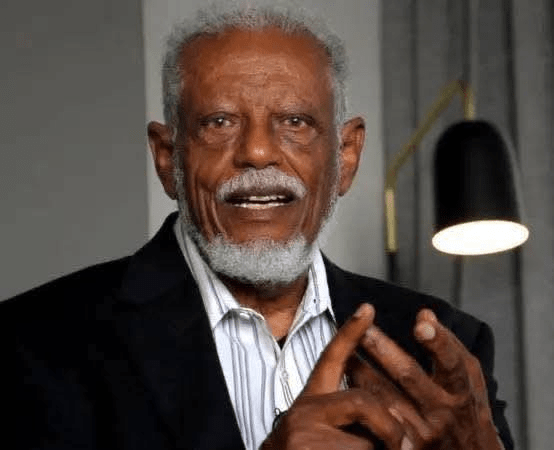
- Revolutionized Gadaa Studies: His seminal work, “Gadaa: Three Approaches to the Study of African Society”, proved that Oromo democracy predated Western systems and remains a model of indigenous governance.
- Challenged Colonial Narratives: Dismantled Ethiopianist historiography, reclaiming Oromo agency.
- Legacy at Risk: Died without seeing a major Oromo institution bear his name.
2. Qabbanee (Bonnie Holcomb)
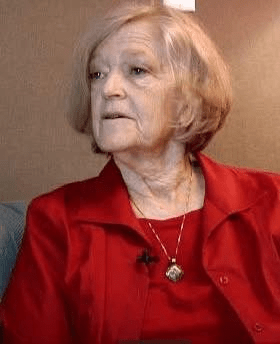
- Co-architect of Oromo Political Thought: Her book “The Invention of Ethiopia” (1990) exposed Ethiopian state violence and redefined Oromo nationalism.
- Voice for Oromo Women: Highlighted the intersection of gender and liberation in Oromo struggle.
- Still Fighting: Yet, no university, library, or research center honors her work.
3. Dr. Gammachu Magarsa
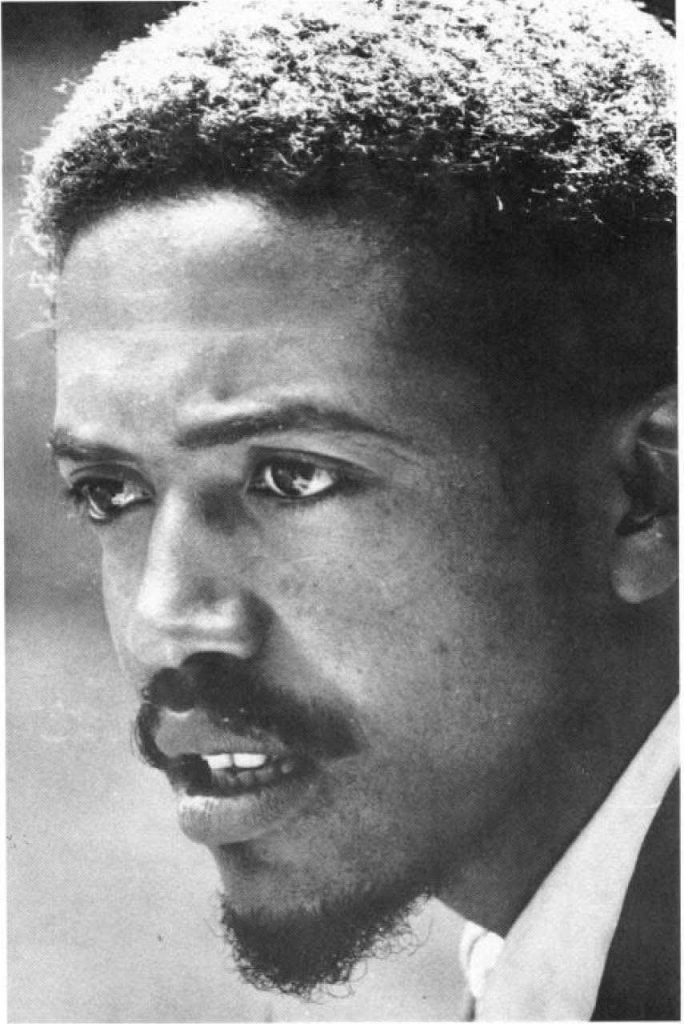
- Living Archive of Oromo Knowledge: Key informant for scholars like Lambert Bartels, preserving Oromo religion, Gadaa rituals, and oral history.
- Dying in Neglect: Now elderly and isolated in Dambi Dollo, his unrecorded wisdom risks being lost forever.
- Demand: Immediate documentation + a Dr. Gammachu Magarsa Center for Indigenous Knowledge.
4. Dr. Trevor Trueman (Galato) – OSG, Human Rights Activist
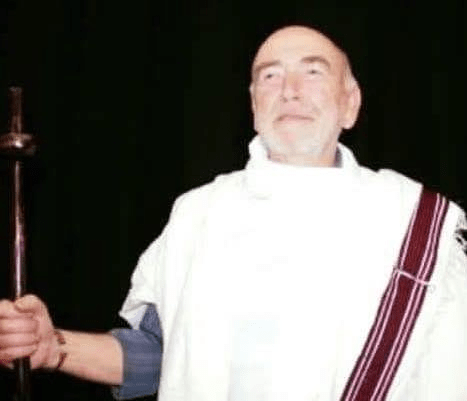
- International Advocate: As part of the Oromo Support Group (OSG), he exposed genocide, torture, and repression against Oromos to the world.
- Bridge Between Oromos and Global Justice Movements: Amplified Oromo voices in UN and EU forums.
- Unsung Hero: No official Oromo recognition for his decades of sacrifice.
How to Honor Them While They Are Still Alive
✅ Establish Permanent Memorials:
- Asmarom Legesse Institute for Indigenous Democracy (Finfinnee/Addis Ababa)
- Bonnie Holcomb Library of Oromo Political Thought (Minneapolis/Dire Dawa)
- Dr. Gammachu Magarsa Center for Oral Traditions (Dambi Dollo)
- Dr. Trevor Trueman Human Rights Award (Annual recognition for Oromo rights defenders)
✅ National Holidays/Lectures:
- Annual Oromo Scholars Day (Featuring their works)
- Gadaa Studies Symposium in honor of Legesse & Holcomb
✅ Documentary Films & Curriculum Inclusion:
- Record Dr. Gammachu’s knowledge before it’s too late.
- Teach their books in Oromo schools and universities.
✅ Public Monuments: Statues, plaques, or renamed streets in Finfinnee, Naqamte, and major diaspora hubs.
“A Nation That Forgets Its Thinkers Has No Future”
These scholars are not just academics—they are the guardians of Oromummaa. To neglect them is to erase our own intellectual heritage.
#HonorOromoScholars #LegesseHolcombGammachuTrueman
✊🏾 “Seenaan keenya haa mul’atu! Gadaan keenya haa jiraatu!” (May our history be visible! May our Gadaa endure!)
📢 Immediate Actions Needed:
- Tag Oromo institutions (Oromia Cultural Center, A4O, OLLAA, Oromo Studies Association) to endorse this.
- Share their books, quotes, and stories widely. #KnowYourScholars
- Pressure Oromia regional government to fund memorials and research centers.
“Recognition delayed is recognition denied. Act NOW.” 🔥





 Advocacy for Oromia