Author Archives: advocacy4oromia
OSG Report 69: A Call for Global Action on Oromia’s Humanitarian Catastrophe
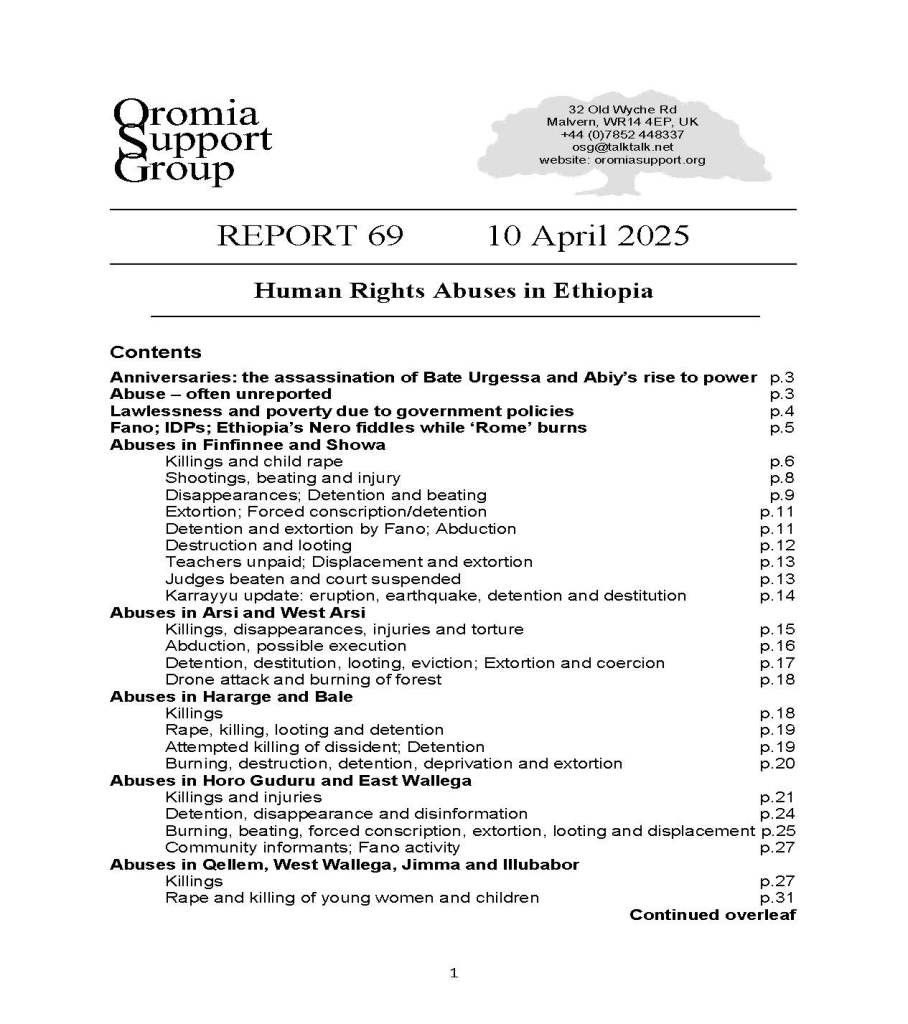
10 April 2025 | Dr. Trevor Trueman, Chair, Oromia Support Group
Key Findings from the Report:
- Systematic Persecution of Oromo Youth (Qeerroo)
- Extrajudicial killings by Abiy Ahmed’s forces (ENDF, regional police, militia) target the same youth who propelled him to power in 2018.
- Documented cases: Massacres in Guji, West Guji, and urban centers like Adama.
2. State-Sanctioned Economic Violence
- Forced grain sales: Farmers compelled to sell crops to the government at below-market prices.
- Predatory taxation: Villagers extorted for “construction fees,” “health insurance,” and militia supplies.
3. Ethnic Cleansing by Fano Militias
- Amhara ultranationalist ideology (“Make Amhara Great Again”) fuels attacks in Oromia’s border zones (Horo Guduru, East Wallega).
- Looting and massacres: Fano operates from Oromia-based bases, displacing thousands.
4. Militarized Conscription & Lawlessness
- Child soldiers: Parents forced at gunpoint to surrender children to federal forces.
- Militia terror: Undisciplined troops demand money, livestock, and “party membership fees.”
The Bigger Picture: Ethiopia’s Existential Crisis
- Abiy’s broken promises: The Prosperity Party falsely branded as an “Oromo government” while waging war on Oromia.
- Amhara suffering: ENDF and Fano engage in reprisal killings, trapping civilians in a zero-sum ethnic war.
- International silence: The UN/AU ignore atrocities, emboldening perpetrators.
Urgent Calls to Action
1. Global Advocacy
- Pressure the UN Security Council to investigate crimes against humanity in Oromia.
- Demand sanctions on Ethiopian officials and arms embargoes (e.g., via #SanctionAbiy campaigns).
2. Humanitarian Response
- Support OSG’s documentation efforts to evidence ICC cases.
- Fund underground networks aiding displaced Oromo families.
3. Media Amplification
- Share OSG’s findings with BBC, Al Jazeera, Reuters.
- Expose Fano’s ideology as akin to Rwandan génocidaires.
4. Diplomatic Pressure
- Lobby the U.S. State Department to revoke Ethiopia’s AGOA trade privileges.
- Push Kenya/Egypt to raise Oromia at IGAD/AU summits.
Why This Matters
“Ethiopia’s survival hinges on negotiating peace with Oromo and Amhara forces—not crushing them.”
– Dr. Trevor Trueman
The world cannot afford another Rwanda-style genocide in the Horn of Africa.
🔗 Read the Full Report: [Oromia Support Group Website]
📢 Hashtags: #BreakTheSilence #OromiaUnderAttack
“Injustice anywhere is a threat to justice everywhere.” – Martin Luther King Jr.
Oromo Women’s Day Celebrated in Melbourne
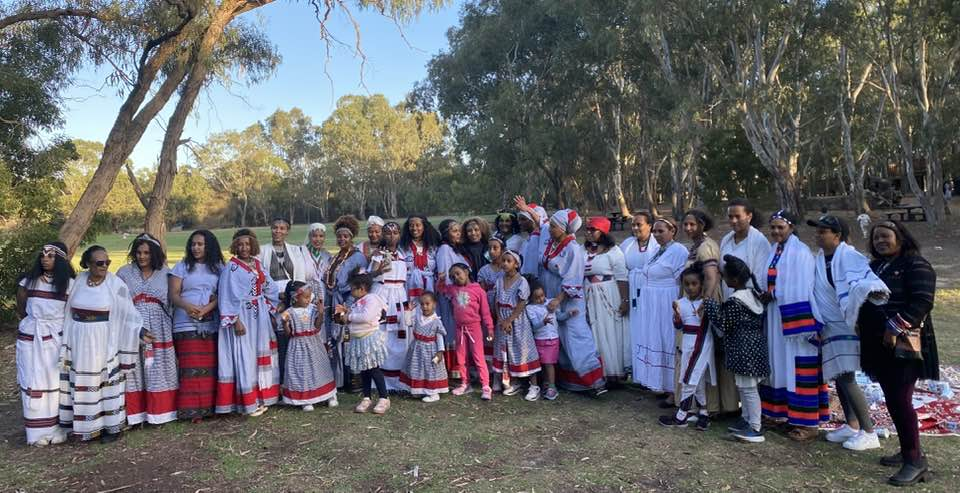
The Oromo community in Melbourne, Australia, today celebrated Oromtittii Day or Oromo Women’s Day at Braeside Park, Victoria, to honor Oromo women’s contributions to cultural preservation and family resilience.
Organized by the Oromo Community in Melbourne, the event emphasized gratitude for women’s roles in sustaining traditions through challenging circumstances.
Chairman Alemayehu Qubee highlighted the festival’s aim to recognize Oromo women’s efforts in maintaining cultural heritage “with love and respect,” particularly in diaspora settings where cultural continuity can be challenging.
Participants, including women, men and children, wore traditional Oromo attire, such as colorful garments like the *horo*, symbolizing cultural pride. This visual element underscores intergenerational transmission of traditions.
The Oromo, an ethnic group primarily from Oromia, East Africa have a growing diaspora in Australia.
Events like this reinforce identity and community cohesion.
Cultural festivals in public spaces like Braeside Park may also serve to educate the broader Australian community about Oromo heritage, promoting multicultural exchange.
Such events often feature traditional music, dance, storytelling, and food, fostering communal bonds and showcasing cultural practices.
Celebrations like this acknowledge women’s dual roles in upholding familial and cultural responsibilities, common themes in diaspora communities striving to balance integration with heritage preservation.
This event reflects a broader trend of migrant communities using public celebrations to strengthen identity and visibility, while addressing the challenges of cultural preservation abroad.


Oromo Research Institute: Advancing Heritage and Knowledge
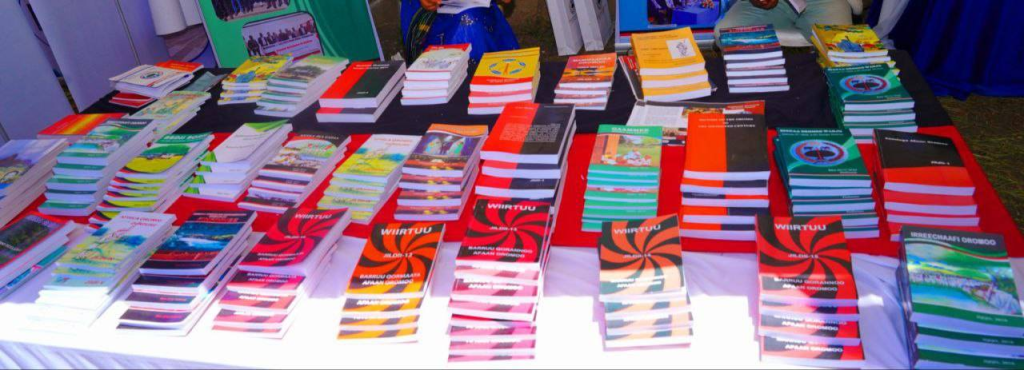
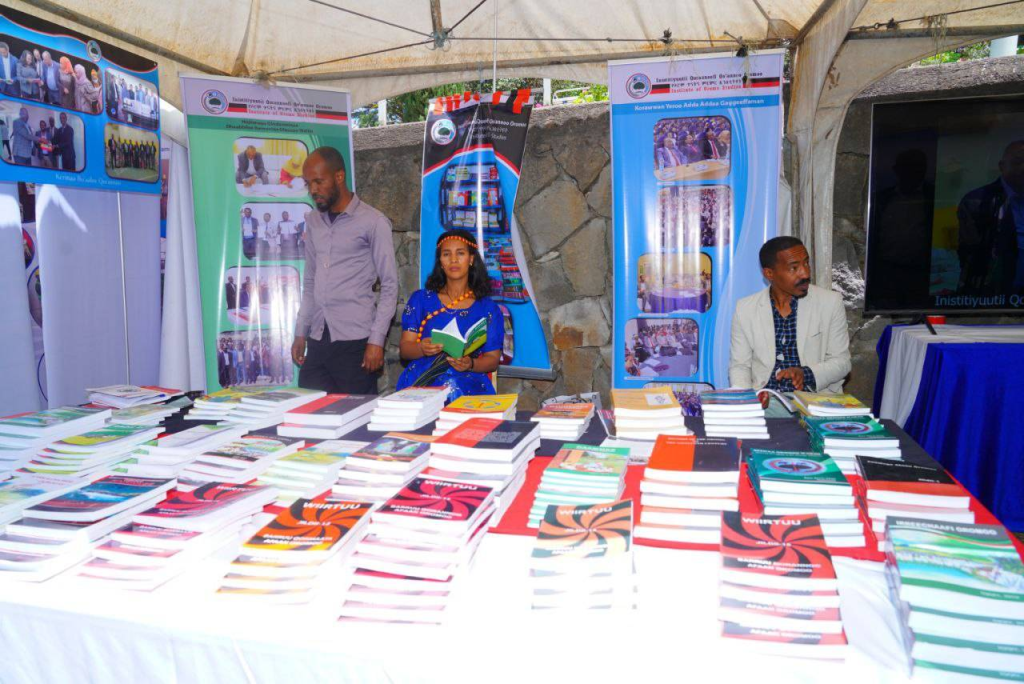
Oromo Research and Studies Institute: Preserving Heritage, Advancing Knowledge
Established in 2022 to reclaim Oromo narratives and foster democratic scholarship
1. Mission and Establishment
- Founded in 2022 in Seenessa Oromia, the institute is a groundbreaking initiative to:
- Research and document Oromo language, history, culture, and arts freely.
- Counter historical distortions imposed by past regimes.
- Promote democratic values and Pan-African solidarity.
2. Key Objectives
- Truth-Telling:
- Uncover suppressed Oromo histories (e.g., pre-colonial governance, resistance movements).
- Debunk colonial-era myths that marginalized Oromo identity.
- Academic Collaboration:
- Partners with universities and scholars globally to produce peer-reviewed research.
- Publishes books (21 titles to date) on Oromo epistemology.
- Youth Empowerment:
- Trains young Oromo researchers in critical scholarship and cultural preservation.
- Hosts annual conferences on Oromo studies.
3. Director’s Vision (Aadde Masarat Ayyaanaa)
- “Our institute ensures Oromo knowledge is no longer written by outsiders, but by Oromos themselves.”
- Focus areas:
- Language revitalization (Afaan Oromo lexicography).
- Artistic resistance (studies on Oromo music, geerarsa).
- Policy advocacy (decolonizing Ethiopian historiography).
4. Impact and Future Goals
- Digital Archives: Creating an open-access repository of Oromo oral histories.
- Global Networks: Collaborating with diaspora scholars to amplify Oromo voices.
- Justice-Centered Research: Investigating crimes against Oromo civilians (e.g., Irreecha Massacre).
Why This Matters
The institute is a revolutionary tool to:
✅ Reclaim Oromo agency in academia.
✅ Combat state-sponsored historical erasure.
✅ Empower the next generation with culturally rooted education.
“When we research ourselves, we liberate ourselves.”
#OromoResearch #SeenessaOromia #DecolonizeKnowledge
Key Oromo Terms Used:
- Qorannoo = Research
- Inistiitiyuutii = Institute
- Safuu = Moral-cultural code
- Gadaa = Oromo governance system
Oromo Martyrs’ Day (April 15): Honoring the Fallen, Renewing the Struggle
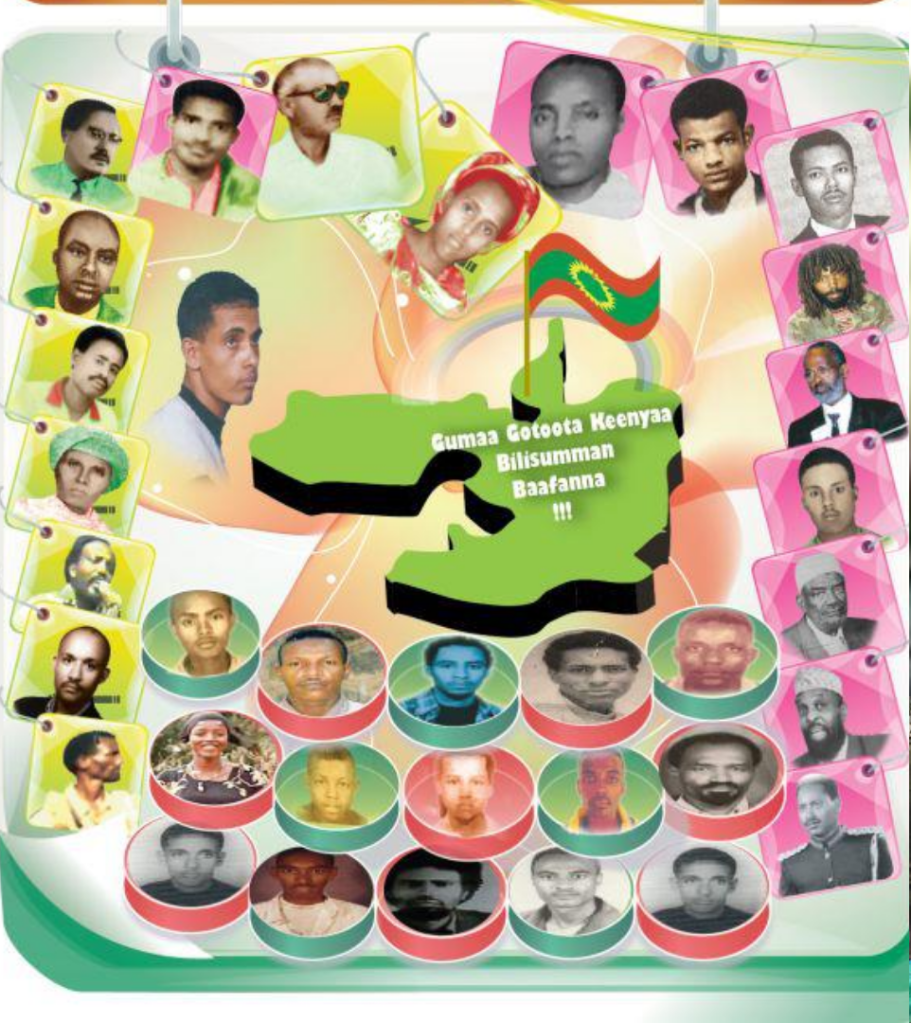
April 15 stands as a sacred day in the Oromo struggle—a day of remembrance, resistance, and recommitment to the cause for which countless heroes laid down their lives. This date marks Oromo Martyrs’ Day, commemorating the sacrifices of those who fought—and fell—for Oromo freedom, dignity, and self-determination.
1. Why April 15? The Shinnigga Massacre (1980)
On April 15, 1980, a defining tragedy struck the Oromo Liberation Front (OLF) when 11 of its top leaders were martyred in Shinnigga, Ogaden, in a brutal ambush.
The Martyrs of Shinnigga:
- Comrade Bariso Wabe (Jaal Magarsa Bari) – OLF Chairman
- Comrade Gada Gamada (Damise Tachane) – Deputy Chairman
- Comrade Abba Xiqi (Aboma Mitiku)
- Comrade Dori Bari (Yigazu Banti)
- Comrade Falmata (Umar Chachabsa)
- Comrade Fafam Doyo
- Comrade Irana Qachale (Dhinsa)
- Comrade Dhadacho Boru
- Comrade Dhadacho Mulata
- Comrade Mari Galan
The Betrayal & Heroism
- The leaders were ambushed by Somali militants and ordered to separate by religion (Muslims vs. Christians).
- They refused, declaring: “We are Oromos, united—we will not divide!”
- All were executed except one guide, who survived to tell the story.
The Aftermath: A Second Blow (December 1981)
The Gidamii Poisoning Betrayal (December 1981): A Dark Chapter in Oromo Struggle
The poisoning of Oromo Liberation Front (OLF) members in Gidamii, Begii, and surrounding areas in December 1981 remains one of the most treacherous acts of betrayal in Oromo history. This event, orchestrated by collaborators with the Ethiopian regime, led to the martyrdom of 16 OLF fighters—with only Jaal Daawud Ibsaa surviving.
1. How the Betrayal Unfolded
The Trap
- Food as a Weapon: A man named Zacharias Shorro (brother of Tadesse Shorro, an anti-OLF collaborator) was assigned to deliver food to OLF members.
- Coordinated by Ethiopian Officials:
- Nuguse Fanta (local administrator)
- Dirriba Mogga
- Hikka Masadi (Governor of Gidami District)
- Poisoned Grain: The food was laced with a deadly substance before being distributed.
The Aftermath
- Among 16 OLF Members:
- 10 in Gidami District poisoned.
- 6 in Begi District
- Only Survivor: Jaal Daawud Ibsaa (current OLF Chairman)
- He ate less of the food because he was busy leading operations.
- His survival exposed the conspiracy.
2. The Deeper Betrayal: Brother Against Brother
- Zacharias Shorro’s Role:
- His brother, Tadesse Shorro, was an active opponent of the OLF.
- Zacharias was forced/coerced into poisoning his own people.
- A Pattern of Collaboration:
- The Ethiopian regime used local informants to infiltrate and weaken the OLF.
- This event marked the beginning of systematic betrayals for political gain.
3. Why This Matters Today
A Lesson in Vigilance
- The Gidamii poisoning shows how enemies of the Oromo struggle exploited trust.
- It underscores the need for internal security in liberation movements.
A Call for Justice
- The perpetrators (Nuguse Fanta, Hikka Masadi, Zacharias Shorro) were never held accountable.
- Their actions represent war crimes—targeted assassinations via poisoning.
The Unbroken Spirit
Despite the betrayal, the OLF continued its struggle, proving that no act of treachery can extinguish the Oromo quest for freedom.
4. Remembering the Martyrs
The victims of the Gidamii Massacre are among the thousands of Oromo heroes who sacrificed for Bilisummaa (freedom). Their names may not all be recorded, but their legacy lives on in the Oromo resistance.
“A traitor may kill a fighter, but never a revolution.”
2. The Birth of Oromo Martyrs’ Day
- First commemorated in 1984 by the OLF Central Committee.
- Officially observed since 1985 every April 15.
- A day to honor all Oromo martyrs, from the Mecha-Tulama movement to the Irreecha Massacre victims (2016), Haacaaluu Hundeessaa (2020), and thousands of unnamed heroes.
3. How Oromos Remember: Rituals of Resistance
A. Ceremonies & Vigils
- Candlelight marches (where permitted, often underground).
- Silent protests at symbolic sites like Finfinnee or Madda Walaabuu (Oromo spiritual center).
- Weedduu (prayers) at rivers, invoking the martyrs’ names.
B. Art & Culture as Resistance
- Songs: Haacaaluu’s “Maalan Jira?” (“What Is My Fate?”) echoes martyrs’ voices.
- Poetry: Geerarsa (praise songs) for fallen heroes.
- Graffiti: “April 15—Qabsoon Itti Fufa!” (“The Struggle Continues!”)
C. The Shinniga Oath Campaign (2024)
- The Oromo Liberation Army (OLA) launched “Dula Irbuu Shinnigga” (Shinnigga Oath Offensive) against Abiy Ahmed’s regime.
- Objective: Weaken the Ethiopian National Defense Force (ENDF), which has resorted to forcibly recruiting Oromo children (some under 15 years old).
4. The Unfinished Struggle
The martyrs did not die in vain. Their legacy demands:
✅ Justice for the fallen (e.g., UN investigations into massacres).
✅ Freedom for political prisoners (e.g., Jawar Mohammed, Bekele Gerba).
✅ An end to forced conscription of Oromo youth.
✅ International pressure on Ethiopia to recognize Oromo rights.
5. A Vow to the Martyrs
“We will not let your blood dry in the sand.
We will not let your names fade in the wind.
We will fight until the last chains break—
Until Oromia is free.”
Qabsoon Itti Fufa!
(The Struggle Continues!)
April Remembrance: Honoring the Sacrifices That Forged the Oromo Struggle
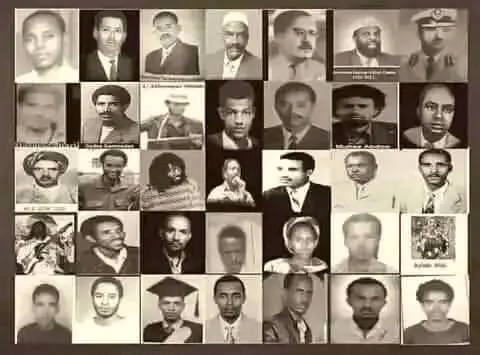
The Oromo liberation movement stands on the shoulders of countless martyrs—women, men, and children who paid the ultimate price for justice. As we honor them this April, their blood whispers a sacred charge: Never forget. Never relent.
1. The Weight of Sacrifice
- Generational Loss:
- From the Macha-Tulama martyrs (1960s) to the Irreecha Massacre victims (2016), each death etched resilience into Oromo DNA.
- Unmarked graves dot Oromia’s landscape—silent witnesses to state violence.
- Names That Live:
- Comrade Bariso Wabe (Jaal Magarsa Bari) – The then OLF Chairperson (martyred on April 15, 1980)
- Comrade Gada Gamada (Damise Tachane) – The then Deputy Chairperson of the OLF (martyred on April 15, 1980)
- Comrade Abba Xiqi (Aboma Mitiku)-(martyred on April 15, 1980)
- Comrade Dori Bari (Yigazu Banti)-(martyred on April 15, 1980)
- Comrade Falmata /Umar Chachabsa-(martyred on April 15, 1980)
- Comrade Fafam Doyo-(martyred on April 15, 1980)
- Comrade Irana Qachale (Dhinsa)-(martyred on April 15, 1980)
- Comrade Dhadacho Boru-(martyred on April 15, 1980)
- Comrade Dhadacho Mulata -(martyred on April 15, 1980) and
- Comrade Mari Galan-(martyred on April 15, 1980)
- Baaroo Tumsaa (sacrificed his life for the freedom of the Oromo nation in 1978)
- Haacaaluu Hundeessaa (singer, murdered 2020)
- The 862 documented killings during the 2014–2018 protests (Ethiopian HRC report)
2. April: A Month of Fire and Memory
- Historical Flashpoints:
- April 1974: The Derg’s crackdown on Mecha-Tulama leaders began.
- April 1992: OLF forced into exile after elections turned violent.
- April 2014: Student protests sparked the #OromoProtests movement.
- Rituals of Remembrance:
- Candlelight vigils at Finfinnee Square (despite bans)
- Secret weedduu (prayers) at riverbanks, invoking martyrs’ names
- Art as Resistance: Poets recite geerarsa (praise songs) for the fallen.
3. “Their Blood Waters Our Resolve”
The martyrs’ legacy demands more than grief—it demands action:
- Protect the Living:
- Support political prisoners (e.g., Jawar Mohammed, Bekele Gerba).
- Document abuses via OLLAA (Oromo Legacy Leadership & Advocacy Association).
- Amplify Their Stories:
- Teach children about Madda Walaabuu (Oromo origin site) and its defenders.
- Screen banned films like “The Oromo Martyr” in underground screenings.
- Internationalize the Struggle:
- Pressure the UN to investigate the 2016 Irreecha killings.
- Demand #JusticeForHaacaaluu at global forums.
4. A Vow to the Fallen
“We will not let your death be a period—only a comma in our people’s story.”
- Farmers sow seeds where activists fell.
- Artists tattoo martyr’s names on their skin.
- Mothers whisper “Bilisummaa” (freedom) over newborns.
This April, we remember not with tears, but with tightened fists.
Qabsoon itti fufa—The struggle continues.
The Oromo Generation That Could – and Did
(Those who had the most to gain by walking away sometimes make history by staying – and fighting.)
By Zalaalam Nagaasaa
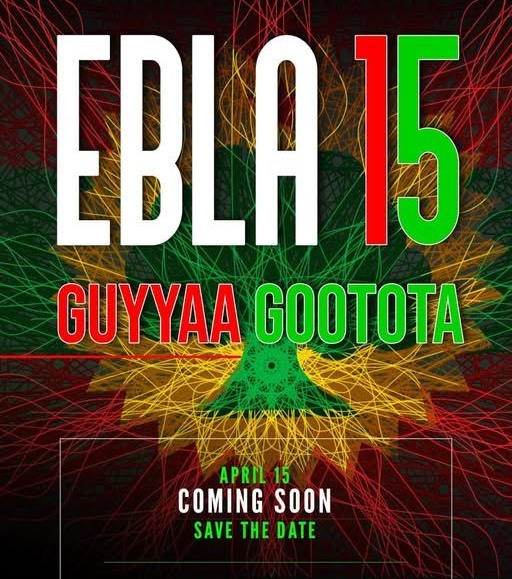
Today, I reflect on and honor an Oromo generation that could—and did. Their legacy is both profound and enduring. This is the generation that gave us the Macha and Tulama Association, the Oromo Liberation Front, and laid the foundation for much of what has followed. We owe an immense debt to this generation for the remarkable progress of the Oromo cause over the last half-century.
My conversations with some of its members over the past few weeks have been deeply humbling and have taught me a great deal about that generation.
They were the generation that could have chosen comfort. They could have pursued successful careers and embraced the luxuries afforded by education, global exposure, wealth, and even cooperation with the regime. They stood at the crossroads of personal prosperity and collective responsibility. Against all odds, they chose the harder path.
At a time when education was a rare privilege, they earned it – not just for themselves, but for their people. Some were university students who passed the highly competitive Ethiopian School Leaving Certificate exams, securing one of the few coveted spots at the country’s limited universities. They were bright, driven, and full of promise. Others were already professionals with established careers, steadily climbing to the top of their fields while raising families.
Yet they chose to forgo comfort and opportunity in order to fight for the rights of their people.
They made these choices fully aware that their involvement would not advance their careers, increase their wealth, boost their influence, or ensure their safety. Some were officers in the imperial army, poised for promotion. Others were wealthy businessmen, traditional leaders, or government appointed officials – people with much to lose. Yet none of these privileges deterred them. They were willing to risk it all rather than remain silent as their language, culture, and people were suppressed.
Those who were scholars – or on the path to becoming scholars – knew that dedicating their work to Oromo studies would not bring fame or academic prestige. Writing and speaking about the Oromo cause often led to ridicule or rejection from Ethiopianist historians and others who clung to exclusionary narratives. Still, they persisted. They wrote articles and books, presented at conferences, and challenged dominant discourses – all in a determined effort to correct historical distortions and silences. They walked into lecture halls and libraries not to distance themselves from the people’s struggles, but to understand them more deeply.
Where others might have used education and influence as a ladder to escape, this generation built a bridge back to their communities.
They were the first to organize – not out of desperation, but out of conviction. They studied philosophies of resistance, histories of injustice, and blueprints for liberation. They debated, planned, and mobilized – not for personal gain, but to restore dignity to their people.
They had options. They could have built businesses, lived comfortably in cities, and traveled the world. Instead, they chose a path of service, sacrifice, and struggle. They believed that freedom is not a gift to be received, but a right to be claimed – and they pursued it with discipline and vision.
Their resistance was not chaotic or reactionary, as it may appear today. It was principled. It was strategic. It was organized. They understood that liberation could not emerge from fragmented outbursts, but only from cohesive, values-driven movements. And so they led – not just with passion, but with purpose.
For their principles, many paid a heavy price. Some gave their lives out of love for their people. Their sacrifice leaves us with a debt we can never fully repay. Others endured great suffering – not only they, but their families as well. Some families lost their breadwinners in a traditional society where women had few opportunities to work or earn a living. As a result, many faced starvation, homelessness, and in some cases, the collapse of the family unit. Children were forced to grow up without fathers, mothers, or both. Elderly parents were left without support as their children went into exile, disappeared into the jungles of Oromia, or languished in prisons. Still others endured the isolation of exile, yet they built vibrant, independent Oromo institutions in the diaspora. Across prisons, forests, and foreign lands, they carried their cause with unwavering resolve.
What sets them apart is not only what they fought against, but what they stood for: justice, equity, and the unshakable belief in the worth of every human being. They remind us that those with the most to gain by walking away sometimes make history by staying – and fighting.
Today, I honor them not only for their courage, but for their choice – the choice to give up what they could have had for what their people truly needed. They were not the generation that waited for change. They were the generation that made it.
They were the generation that could—and did. Are we worthy of their sacrifice? Only time will tell.
Zalaalam Nagaasaa
March 28, 2025
World Autism Awareness Day – April 2, 2025
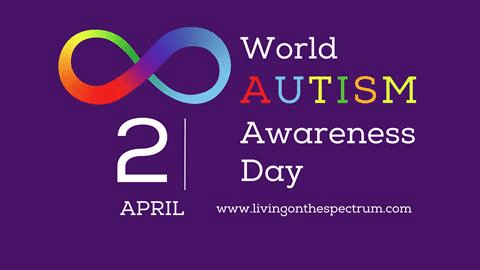
“Empowering Autistic Voices: Moving Beyond Awareness to Acceptance & Action”
World Autism Awareness Day (WAAD) is a global observance dedicated to promoting understanding, inclusion, and support for autistic individuals. In 2025, the day calls for tangible action—shifting from symbolic “awareness” to meaningful acceptance and systemic change.
1. Understanding Autism in 2025
Autism Spectrum Disorder (ASD) is a neurodevelopmental condition characterized by:
- Unique communication styles (e.g., nonverbal, echolalia, scripting)
- Sensory processing differences (e.g., hypersensitivity to light/sound)
- Diverse cognitive strengths (e.g., pattern recognition, deep focus)
Myths vs. Facts:
❌ “Autism is a disease to cure.”
✅ “Autism is a natural neurological variation.”
2. 2025 Theme: “Beyond Awareness – Equity in Action”
This year’s focus highlights:
- Education: Demanding inclusive schools with sensory-friendly classrooms.
- Employment: Fighting workplace discrimination (80% of autistic adults are underemployed).
- Healthcare: Ending abusive therapies like ABA (Applied Behavioral Analysis).
Key Asks:
🔹 Policy Change: Mandate autism accommodations in public spaces.
🔹 Media Representation: Amplify #ActuallyAutistic creators, not just parent narratives.
🔹 Research Shift: Fund studies on autistic well-being, not just “causes.”
3. How to Participate
A. For Allies
- Educate: Read works by autistic advocates (“NeuroTribes” by Steve Silberman).
- Amplify: Share stories from #AutisticVoices (not just nonprofits).
- Support: Donate to autistic-led orgs (ASAN, AWN).
B. For Institutions
- Workplaces: Introduce neurodiversity hiring programs.
- Schools: Train teachers in universal design learning.
- Media: Avoid stereotypes (e.g., “autistic savant” tropes).
C. For Oromo Communities
- Cultural Sensitivity: Bridge Gadaa communal values with autism inclusion.
- Language: Use Afaan Oromo terms like “samtuu garaa” (“different mind”) over stigmatizing labels.
4. Global Events
- Light It Up Gold: Landmarks (e.g., Nairobi’s KICC) glow in autism acceptance colors.
- Autistic Art Shows: Exhibits featuring Oromo autistic artists.
- Panel Discussions: Autistic advocates vs. policymakers (livestreamed in Afaan Oromo).
5. Oromo-Specific Advocacy
- Challenge Stigma: Combat beliefs that autism is “qaanqee Waaqaa” (divine punishment).
- Community Support: Create “Gorsa Autism” (support circles) for families.
- Media Training: Teach journalists ethical autism reporting (no pity narratives).
Key Messages for 2025
💡 “Nothing About Us Without Us” – Center autistic voices.
💡 “Acceptance > Awareness” – Move beyond blue puzzle pieces.
💡 “Access is a Right” – Demand sensory-friendly public spaces.
Social Media Toolkit
📌 Hashtags: #AutismAcceptance2025 #ActuallyAutistic #OromiaNeurodiversity
📌 Graphics: Gold infinity symbol (neurodiversity flag).
📌 Sample Post:
“This #AutismAwarenessDay, we listen to autistic Oromo voices. Inclusion starts with YOU. 🧠🎗️ #AbjuuDhiyoo”
Call to Action:
Visit autisticadvocacy.org to:
- Sign the Global Autism Rights Charter
- Find Afaan Oromo autism resources
“Samtuu garaa, hawaasa garaa.”
(“Different minds, one community.”)
Queen Gudit: The Oromo’s Unsung Legacy
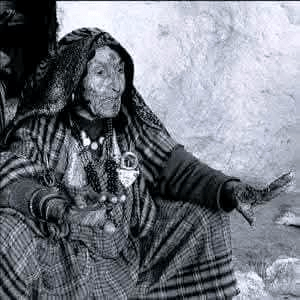
Here’s a more organized and clarified version of the historical text about the Oromo, Queen Gudit (Judith), and the Zagwe dynasty, with improved flow and academic tone:
The Oromo of Northern Ethiopia & Akoo Manooyyee: Reclaiming a Suppressed History
Queen Gudit (Judith): Contested Legacies
Known as:
- Akoo Manooyyee (“Grandmother of Wisdom”) to the Oromo
- A tyrannical usurper in Ethiopian royal chronicles
- “The Lioness Queen of Africa” in global histories
Origins & Rise:
- Tribe: Azabo/Azabo (from Asaboo/Ashaboo), a Cushitic Oromo group
- 9th Century Campaign: Mobilized an army, destroyed Aksum (Axum), and ruled northern Ethiopia for 40 years (c. 850–890 CE)
- Succession: Her dynasty, Hidda-Zagwe, ruled for 333 years (till c. 1221 CE)
The Zagwe Dynasty (Hidda-Zagwe)
- Name Origin: Za-Agaw or Za-Hagahu (Oromo: “Hate” or “Warrior” clan; linked to Agaw/Kushitic peoples)
- Capital: Roha (later renamed Lalibela after its most famous king)
- Religious Legacy:
- Spread Orthodox Christianity
- Commissioned 11 rock-hewn churches, including Lalibela’s iconic arches (carved by Oromo artisans)
- Lalibela translates to “See the Danger” in Oromo, reflecting defensive architecture
Oromo & Early Christianity
- First Converts: Oromo in Nubia/Tigray/Eritrea adopted Christianity 40–78 CE under Queen Gandakee Gorsamee Guddichaa
- Ark of Tsion Mariam: Built by Queen Gorsame (predating Axum’s Ezana conversion)
- Historical Revision: Ethiopian claims of 4th-century conversion (Ezana, c. 330 CE) are contested (Source: Bulto Hubechissa, “Hidden Apartheid in Ethiopia,” p. 573)
Language & Identity
- Ge’ez & Amharic:
- Ge’ez: Ancient liturgical language; 80% of Oromo historically spoke it
- Amharic: Emerged from Ge’ez and Agaw languages (9th century), not vice versa
Key Implications
- Oromo Primacy in Christianity: Challenges narratives that marginalize Oromo’s early role in Ethiopia’s religious history.
- Reclaiming Gudit: Her vilification reflects anti-Oromo bias in Ethiopian historiography.
- Zagwe as Oromo: Rock-hewn churches attest to Oromo craftsmanship and governance.
“A people without history are like trees without roots.” This revision centers Oromo agency in Ethiopia’s past.
#OromoHistory #AkooManooyyee #ZagweDynasty
Honoring a Legacy through Education
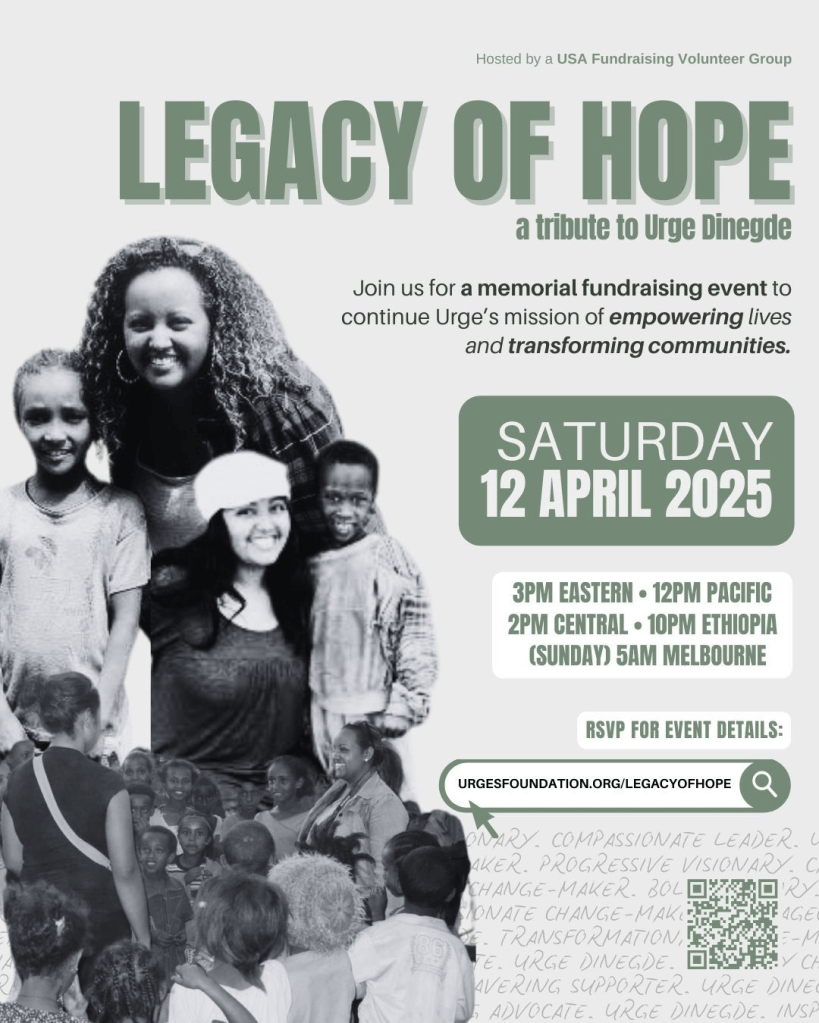
This is a heartfelt and inspiring message that honors the legacy of someone who deeply valued education and the empowerment of future generations. Here’s a polished version of your statement for a speech or written tribute:
Dear Friends,
Although this remarkable human being is no longer with us, we gather here today to carry forward her dream—a dream to uplift the next generation through the transformative power of education. This was Urge’s vision, her passion, and her gift to the world.
Today, we reaffirm our commitment to making her dream a reality. Together, we can ensure that her legacy lives on by providing opportunities, resources, and support to those who need it most. Let us honor her memory by continuing the work she began, inspiring hope, and creating a brighter future for generations to come.
Thank you.
Honoring Oromo Leaders: Jaal Dawud Ibsa and Prof. Merera Gudina
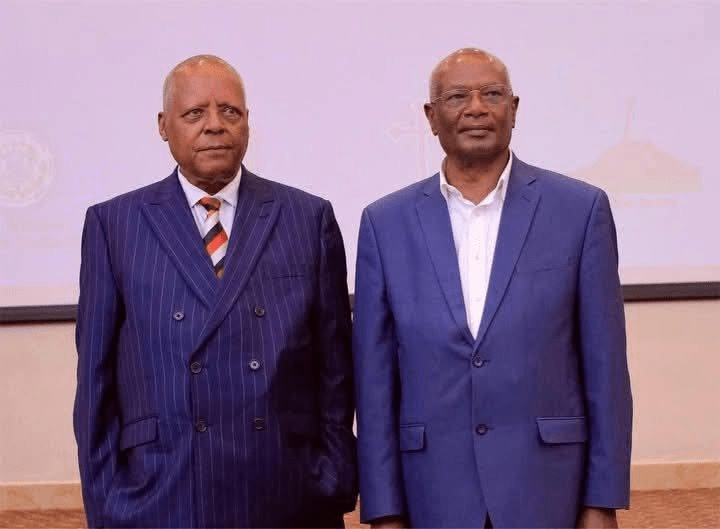
Respecting and listening to one’s elders and taking their advice is following the same system that the Oromo culture used to rule each other yesterday by the Elder and Younger. Therefore, these two Oromo elders, Jaal Dawud Ibsa and Prof. Merera Guddina deserve great care and respect.
The above statement underscores the deep-rooted cultural value of respecting and listening to elders within the Oromo community. This tradition is not only a hallmark of Oromo culture but also a reflection of the Gadaa system, a democratic and egalitarian governance structure that has guided the Oromo people for centuries. Here’s a deeper exploration of the significance of honoring elders like Jaal Dawud Ibsa and Prof. Merera Gudina, and how this practice aligns with Oromo cultural and historical traditions:
1. The Role of Elders in Oromo Culture
Elders hold a revered position in Oromo society. They are seen as custodians of wisdom, tradition, and justice. Their role includes:
- Guiding the Community:
Elders provide counsel on important matters, from conflict resolution to community development. - Preserving Culture:
They pass down oral histories, traditions, and cultural practices to younger generations. - Upholding Values:
Elders embody and promote core Oromo values such as safuu (respect), nagaa (peace), and bilisummaa (freedom).
2. The Gadaa System and Intergenerational Harmony
The Gadaa system is a traditional Oromo governance structure that emphasizes equality, democracy, and the harmonious coexistence of different age groups. Key aspects include:
- Elder-Younger Relationship:
The Gadaa system fosters mutual respect between elders and younger members of the community. Elders provide guidance, while younger members contribute energy and innovation. - Collective Decision-Making:
Decisions are made through consensus, with elders playing a central role in mediating discussions and ensuring fairness. - Cyclical Leadership:
Leadership roles rotate among age groups, ensuring that wisdom and experience are balanced with fresh perspectives.
3. Honoring Jaal Dawud Ibsa and Prof. Merera Gudina
Jaal Dawud Ibsa and Prof. Merera Gudina are exemplary figures who embody the values of wisdom, leadership, and service to the Oromo community. Their contributions deserve recognition and respect:
- Jaal Dawud Ibsa:
As a prominent Oromo leader and intellectual, Jaal Dawud Ibsa has dedicated his life to advocating for the rights and dignity of the Oromo people. His insights and leadership continue to inspire generations. - Prof. Merera Gudina:
A respected academic and political figure, Prof. Merera Gudina has played a pivotal role in advancing Oromo causes and promoting democratic governance. His scholarship and activism have made a lasting impact.
4. The Importance of Listening to Elders
Respecting and listening to elders is not just a cultural tradition but also a practical approach to navigating life’s challenges. Elders offer:
- Wisdom and Experience:
Their life experiences provide valuable lessons and guidance for younger generations. - Moral Compass:
Elders help uphold ethical standards and cultural values, ensuring the continuity of the community’s identity. - Conflict Resolution:
Their role as mediators helps maintain peace and harmony within the community.
5. Challenges and the Way Forward
While the tradition of honoring elders remains strong, modern challenges such as urbanization, globalization, and political instability can strain intergenerational relationships. To preserve this valuable tradition:
- Intergenerational Dialogue:
Encourage open and respectful communication between elders and younger generations. - Cultural Education:
Teach younger Oromos about the importance of the Gadaa system and the role of elders in their history and culture. - Support for Elders:
Ensure that elders are cared for and respected, both within families and at the community level.
Conclusion
Respecting and listening to elders like Jaal Dawud Ibsa and Prof. Merera Gudina is a timeless Oromo tradition that reflects the wisdom and values of the Gadaa system. By honoring their contributions and heeding their advice, we not only preserve our cultural heritage but also build a stronger, more united community. Let us continue to cherish and uphold this tradition, ensuring that the wisdom of our elders guides us toward a future of peace, justice, and prosperity.
Nagaa fi bilisummaaf! (For peace and freedom!) 🌍✨





 Advocacy for Oromia