Author Archives: advocacy4oromia

IOYA is accepting applications and letter of interest for upcoming elections


IOYA Logo

July 09, 2015

The International Oromo Youth Association (IOYA) is seeking candidates for the 2015-2016 year Executive Board. Established in 2006, the International Oromo Youth Association (IOYA) is a transnational leadership and networking platform for youth. We strive to create a strong and active network of empowered and well-connected Oromo leaders.

We are committed to bringing a meaningful change to our society by strengthening unity among the youth, developing and supporting their leadership capacities and mobilizing resources for the advancement of our communities through programs such as the annual Oromo Youth Leadership Conference, cross generational dialogue and networking. IOYA provides leadership training and space to address issues pertaining to Oromo communities on a international scale.

If you believe you are a capable, determined and passionate leader, IOYA is looking for you. Our previous executive board members have served the organization on a superb level, we are looking for a team that will do even more in ensuring IOYA’s success on a global level. Vacant positions include President, Vice President, Secretary, treasurer and Public Relations. We are seeking candidates based in North America, Europe, Asia and Africa.

Please send your resume and statement of interest to ioyaelections@gmail.com.We ask that you please submit by the deadline, August 1, 2015. We look forward to hear from prospective leaders.


Sincerely,

IOYA Board

OROMO STUDENT PROTESTORS RELEASED FROM JAIL

(Advocacy4oromia, 9 July 2015) At least six Oromo university students were also among three journalists and two bloggers released from Ethiopian prison yesterday, according to various reports.

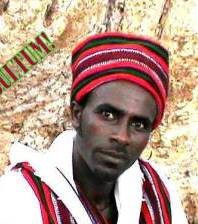
Adugna Kesso

Adugna Kesso

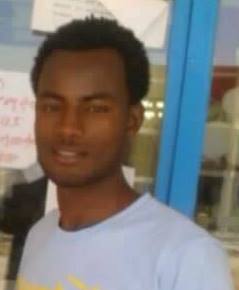
The freed Oromo university students include Adugna Kesso, Bilisumma Dammana, Lenjisa Alemayo, Abdi Kamal, Magarsa Warqu, and Tofik. All were students who were arrested by security agents from various universities located in the Oromiya regional states. No charges were brought against many of them in the last year and three months.

The arrest of unknown numbers of Oromo University students followed a May 2014 brutal crackdown by the police against university students who protested when a master plan for the expansion of Addis Abeba, the city originally home to the Oromo, was introduced by the federal government.

The 10th Addis Abeba and Oromia Special Zone Integrated Development Master plan, which was in the making for two years before its introduction to the public, finally came off as ‘Addis Abeba and the Surrounding Oromia Special Zone Integrated Development Plan.

The government claims the master plan, which will annex localities surrounding Addis Abeba but are under the Oromiya regional state, was aimed at “developing an internationally competitive urban region through an efficient and sustainable spatial organization that enhances and takes advantage of complementarities is the major theme for the preparation of the new plan.”

The students protested against the plan and the federal government’s meddling in the affairs of the Oromiya regional state, which many legal experts also say was against Article 49(5) of the Ethiopian Constitution that clearly states “the special interest of the State of Oromia in Addis Abeba.”

asilaa-huseen

Aslan Hassen

Two months ago, student Nimona Chali, one of the detained students, was released from jail without charges. Abebe Urgessa of Haromaya University is still in Qaallitti prison.

Student Aslan Hassen died in prison in what the government claimed was a suicide.

However, many believe he was tortured to death. No independent enquiry was launched to investigate his death.

By the government’s own account, eleven people were killed during university student demonstrations in many parts of the Oromia regional state. However, several other accounts put the number as high as above 50.

Source: http://addisstandard.com/oromo-student-protestors-released-from-jail/

About Abebe Urgessa

nimoona-e1431757656135

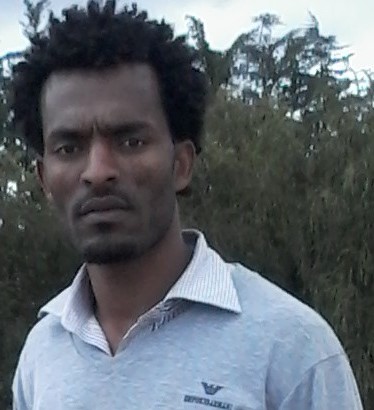
Abebe Urgessa

Abebe Urgessa was a second year student, Water Engineering Major, at Haramaya University. After classes were interrupted following the ‪#‎OromoProtests‬ movement that swept the whole nation in April 2014, Abebe like many other students went to visit his family till the classes resume.

He was arrested upon arrival at a small town called Teji, in South west Shawa, where his families are living. After detention incommunicado for three weeks, he was falsely accused of standing in a market place telling people not to pay taxes to the government. Though the court released him on bail on the 21st of May, 2014, student Abebe was abducted again just a week later on the 29th of May.

While his where about still remains a mystery to this very date, it’s known that the government accused him, on its media outlets, of detonating hand grenade at the Haramaya University facility.

Abebe’s story designates with many other innocent Oromo students unlawfully abducted and falsely accused with bogus charges while being taken to or kept at undisclosed detention centers under severe tortures, more often than not. His story is just one among the many.

We wish the planned visit will not send the wrong message

6 July 2015

Press Release

Re: We wish the planned visit will not send the wrong message to the dictators

a4oAdvocacy for Oromia, a non-profit organization incorporated in Australia, to advocate for human rights and for social justice, would like to address the planned visit of US President Barack Obama to Ethiopia in July 2015. We respect the policy of the United States whose foreign policy in principle is committed to promoting the ideals of human rights, the rule of law, and democracy. However, we strongly entreaty to the USA to cautiously assess that such visit will not send the wrong message to the dictators as we are extremely concerned about the human rights abuses in Oromia.

For over six thousand years, the Oromo people maintained a unique national identity distinct from the national identity of Abyssinia. In 1900, the Abyssinian rulers invaded the land of Oromo people and embarked on a policy of occupation and oppression that seriously threatens the continued survival of the unique cultural and religious identity of the Oromo people. Tragically, a world that condemns colonialism has largely ignored Abyssinia’s occupation of Oromo land. The human cost to the Oromo people has been of tragic proportions. Hundreds of thousands of Oromo’s were killed outright or died as the result of aggression, torture or starvation. Over 8,000 sacred places and centre of Gadaa were destroyed.

Full Press Release https://advocacy4oromia.org/action/we-wish-the-planned-visit-will-not-send-the-wrong-message/

Obama’s Planned Visit to Ethiopia is Incompatible with Claims of Democratic Principles of the US Government

asxaa_oromo

(Statement from Oromo Liberation Front (OLF) , July 4, 2015) The Oromo Liberation Front (OLF) strongly opposes the planned visit to Ethiopia of the US President Barack Obama on the end of July 2015.

As Ethiopia is one of the most brutal regimes of the world, OLF believes that such a visit will result in strengthening the dictatorial minority regime, will boost the regime’s confidence to strengthen its ruthless human rights violations, will give a green light to the regime to continue its repression, economic exploitation, and marginalization of various nations and nationalities of the country under its usual pretense of democracy.

OLF also believes that a lasting national and security interest of the US is better protected not by blessing and supporting such a well-known ruthless regime, but by being on the side of the people, supporting the struggle of the peoples of the country for freedom, democracy, and justice by using its leverage through exerting the necessary pressure on the regime on power.

For full Statment: OLF_Statement_on_Obma_visit

THE PLIGHT OF OROMO REFUGEES

BY EMILY ONYANGO

DSC_0569h

The Oromo community met recently in Eastleigh estate to discuss critical issues that for the last month, have been affecting their community.

They believe that there are people who have been sent to kidnap Oromo residents and take them back forcefully to Ethiopia where ethnic Oromo are subject to arbitrary arrest, detentions without access to lawyers, repeated torture and even targeted killings to crush dissidence.

DSC_0577h

So far, approximately 70 people have been forcefully taken back in this manner.

DSC_0565h

Many of the respondents said they had been detained in prisons, police stations, where they are subjected to repeated torture.

DSC_0572h

They listed a myriad human rights problems they faced including arbitrary killings, allegations of torture and mistreatment of detainees by security forces, harsh and at times life-threatening prison conditions, arbitrary arrest and detention, detention without charge, a weak and overburdened judiciary subject to political influence, infringement on citizens’ privacy rights including illegal searches, as well as restrictions on academic freedom and freedom of assembly, association and movement. They also alleged interference in religious affairs, violence and societal discrimination against women, abuse of children, trafficking in persons and societal discrimination against persons with disabilities.

DSC_0578h

“We are here expressing the problems we Oromo refugees are experiencing here in Kenya. We have fled our home country due to political persecution and execution targeted by the ruling government of Ethiopia, but I feel the Kenyan government are not taking concern of refugees protection seriously. We are being arrested by police and taken back to Ethiopia unlawfully. I believe our rights as refugees are not recognized fully. We have cases of our women being raped and our men taken to Ethiopia,” said Daki Waso.

DSC_0569h

“ Last Saturday some spies who are believed to come from Ethiopia were taken to the police station but at midnight they were terrorizing the community. Those who reported are not aware which criteria they used to come out from the police station since they are in the country illegally,” said Jabir Sheik-Ismail.

Source: http://www.sautiyamtaa.com/2015/06/22/the-plight-of-oromo-refugees/

The poetics and politics of Oromo resistance

                            By AWOL ALLO

Oromo music has played a central role in providing alternative spaces for enunciating ‘the Oromo question’.

Haacaaluu2015_18

Haacaaluu Hundeessaa 2014

On June 4, 2014, renowned Oromo artist Haacaaluu Hundeessaa released an intoxicating single track, Maalan Jiraa. The song condenses within itself the story of the Oromo people with impeccable acuity, waltzing between stories of pain and pride, hope and despair. Full of anguish and self-doubt, Maalan Jira is a powerful probe into the modern Oromo condition and illustrated the complex dilemma facing the Oromo nation and its struggle for political emancipation.The Oromo are the single largest ethnic group in East Africa, comprising well over a third of Ethiopia’s 99 million people. For generations, Oromos have been relegated to the periphery of Ethiopian politics, not in spite of their numerical majority, but because of it. What makes the Oromo experience so incomprehensible is the fact that they remained one of the last oppressed majority groups of the world in a country in which identity is both theconstitutive and regulative principle of political life.

Stripped of agency, voice, and visibility, the Oromo use poetry, music, and storytelling both to articulate their experiences of marginalization and to resist forms of knowledge and modes of interpretation used to legitimize their oppression. Originating from a deep well of Oromo tradition, music has served as the single most important expressive art form used – a site of counter-memory and counter-culture. Among the downtrodden and reviled of the world, Oromos turned to music to resist official narratives and hegemonic interpretations, undoing imposed silences, and disrupting established frameworks of remembering and forgetting.

By undermining the very coherence and unity of official interpretations, Oromo music has played a central role in providing alternative spaces and enunciating ‘the Oromo question’.

The Oromo question

The Oromo question has been articulated as a question of national self-determination, understood as the right of the Oromo people to determine their political, economic, and cultural status. Within this historically specific articulation, national oppression is the origin of the question, Oromumma (Oromo national identity) its engine, and liberation its end goal.

Oromos consider themselves victims of a systemic and structural wrong, an injustice that deprived them, like the Plebeians of antiquity, of the very conditions of visibility and audibility. Though an integral part of the Ethiopian state, the stigmatization of their identity and culture makes them what French philosopher Jacques Rancière calls ‘the part of no part’. Oromos insist that to include them in ways against their will, and on terms that do not reflect and acknowledge their status as a people, is no less violent and oppressive than exclusion. They remain threatened in the very space to which they belong. 

Oromo resistance music

Oromos have always used freedom songs and dances to symbolize and enact their experiences of dispossession and marginalization. In the 1990s a distinctive genre of protest music begun to function as the loudspeakers of the Oromo struggle for freedom. Oromo musical icons such as Ali Birra, Abitaw Kebede, Nuho Gobana, Umar Suleyman, Ebbisa Adunya, Kadir Said with many others played an indispensable role in creating a social space wherein the Oromo struggle for equality and self-emancipation is articulated and debated.

It is here, in this reservoir of songs, in the unruly dances and heart-breaking ballads, that one finds the story of the Oromo nation and its struggle for self-determination, not in the official archives and historiographies of the Ethiopian state.

In lyrics packed with angst and fervor, a generation of Oromo singers turned to the cryptic but transformative power of music to give voice to their aspirations. Singing against the current, they rejuvenated Oromo nationalism and conserved the Oromo experience of marginalization and humiliation. They also engaged in forms of protest that laid bare the essence of Oromo life within Ethiopia in all its traumatic complexity.

For example, Suleyman’s poignant compositions and enthralling bass voice moves people to action. His epic lyrics, recorded on cassettes, have been listened to in awe and admiration throughout Oromia. In the 1990s, Omar’s songs literally flew the flag of rebellion, articulating the limits of non-violent resistance and the inseparability of the cause of freedom and justice from violence.

It is in this most unpromising and unhistorical of places, in lyrics full of emotions and nostalgia but expressive of the devastation of the social fabric, that one finds the authentic experience of the Oromo.

The Addis Ababa master plan

Hundeessaa’s song comes at a time of great uncertainty for Oromos living around the city of Addis Ababa. Historically an Oromo city located at the heart of Oromia, the largest of the 9 states making up the Ethiopian federation, Addis Ababa (Finfinne) is the seat of the Federal government. The Ethiopian constitution recognizes the special interest of Oromia in Finfinne and directs parliament to enact laws specifying the terms and conditions that respects and regulates this multifaceted relationship between the city and Oromia.

Two decades on, however, no such law is forthcoming, and to add insult to injury, the ruling party announced what it calls the ‘Addis Ababa Integrated Master Plan’, allowing the unprecedented expansion of the city into Oromia. Emboldened by a symbolic election victory in which the ruling party won 100% of the 442 seats announced thus far, the government is set to implement the Master Plan, threatening the wellbeing and livelihood of Oromo farmers neighboring the city.

This is precisely what Hundeessaa’s new song depicts. It weeps for Finfinne, a city that for generations condemned the Oromo culture and identity to precarious subterranean existence. The song’s engrossing sonic texture is at once unsettling and captivating, unsettling because it excavates and reopens past wounds, captivating because it has the poetic quality only a work of art can achieve.

Two clear narratives emerge from the song: first, that of pride and affirmation of Oromo identity and self-worth, and second, that of mourning, discord, and humiliation born of the continued dispossession and marginalization of the Oromo on their own land.

Full of fire and pride, Hundeessaa protests this tyranny of the center, and situates ‘the Finfinne Question’ within the broader Oromo history and experience of dispossession. His song is part tribute and part mémoire, a tribute to Finfinne and a memoire to the dozens of students gunned down by security forces during Oromo students protest against the Master Plan.

This is a song that enables the Oromo to imagine beyond the given-ness of present arrangements; a song that shows that the present is not inevitable, and that things could be different and better.

Source:  https://www.opendemocracy.net/awol-allo/poetics-and-politics-of-oromo-resistance

Documentary:The Oromo Heritages: Gadaa, Siiqqee and Irreechaa

Hacaaluu Hundeessaa: Maalan Jiraa?

” The singer-poet that tells a story, the story of our times. A true voice of suffering in the now and here (and in the then and there). A genuine voice of hope … I love his mixture of lamentations and regret (of the injustice, of the past) on the one hand and enchantment towards hope (of an inevitable triumph, of the future) on the other. …
Haacaaluu is back to keep enchanting the generation to a better future…
Ganna kana waan ittin keessa baanu argannee, dhiiroo–ganna biyyaa, ganna seena Oromoo…
If you are like me, you will listen to it carefully, attentively, slowly, and repeatedly in order to work your way through his words of lamentation and hope… to grasp the message of this heavily textured/layered piece..”comment from
Tsegaye R Ararssa Facebook.

11407223_1071957842834215_3905119437737917577_n

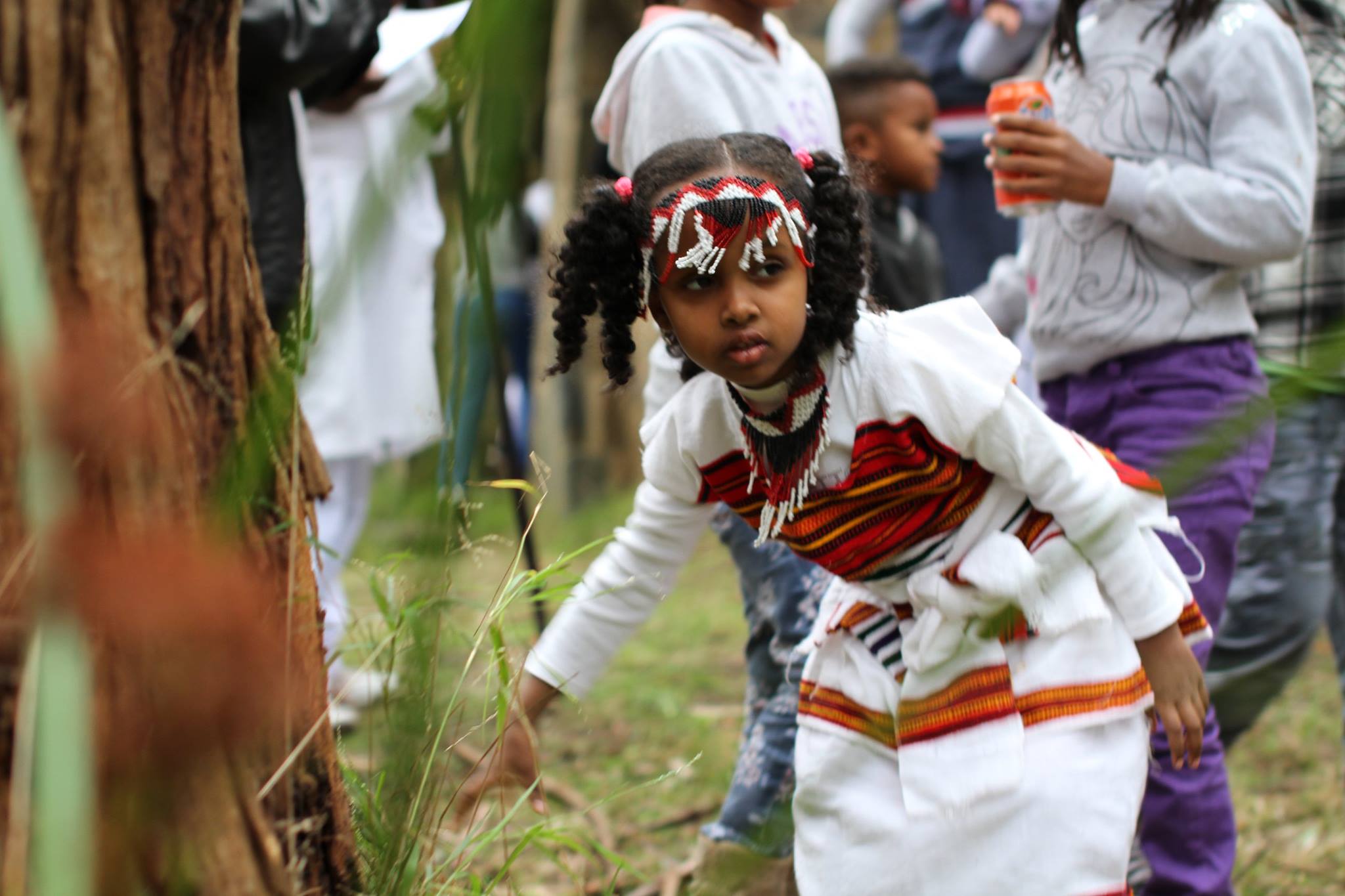
Irreechaa Arfaasaa was celebrated under the theme of “Moving Forward: Restoring the Good Spirit of Humanity”

(Advocacy4oromai, Melbourne, 30 May 2015) The Oromo Irreecha Arfaasaa festival, held on 30 Mya 2015  for the first time in Melbourne, Victoria, Australia at Mount Dandenong.

Irreechaa Arfaasaa 2015 (17)The ceremony was celebrated at Mount Dandenong to promote the Oromo Good Spirit tradition of respect for nature and gratefulness for life.
It was celebrated under the theme of “Moving Forward: Restoring the Good Spirit of Humanity” in which it aimed to celebrate Irreechaa festivals to follow our tradition and religion in society, to create public awareness where Oromo cultural and religious issues was discussed.

According to the organisers the festival was designed to provide a better understanding of Oromo culture, history and humanity, to pave the way for promotion of the Oromo culture, history, and lifestyle.

The Celebration of Irreechaa Arfaasaa, a national Spirit Day, is held yearly both to thank Waaqaa for the blessings and mercies we have received throughout the past year and to welcome the new rainy season associated with hard working, challenging and respect for mother earth for caring and sharing.

The ceremony honoured the Oromo elders’ blessings and wisdom, and eventually helped to preserve the heritage and strengthen the progress of humanity.

Joint Statement

                           By Ogaden Liberation Front (ONLF ), Sidama Liberation Front (SLF) and  Oromo Liberation Front(OLF)

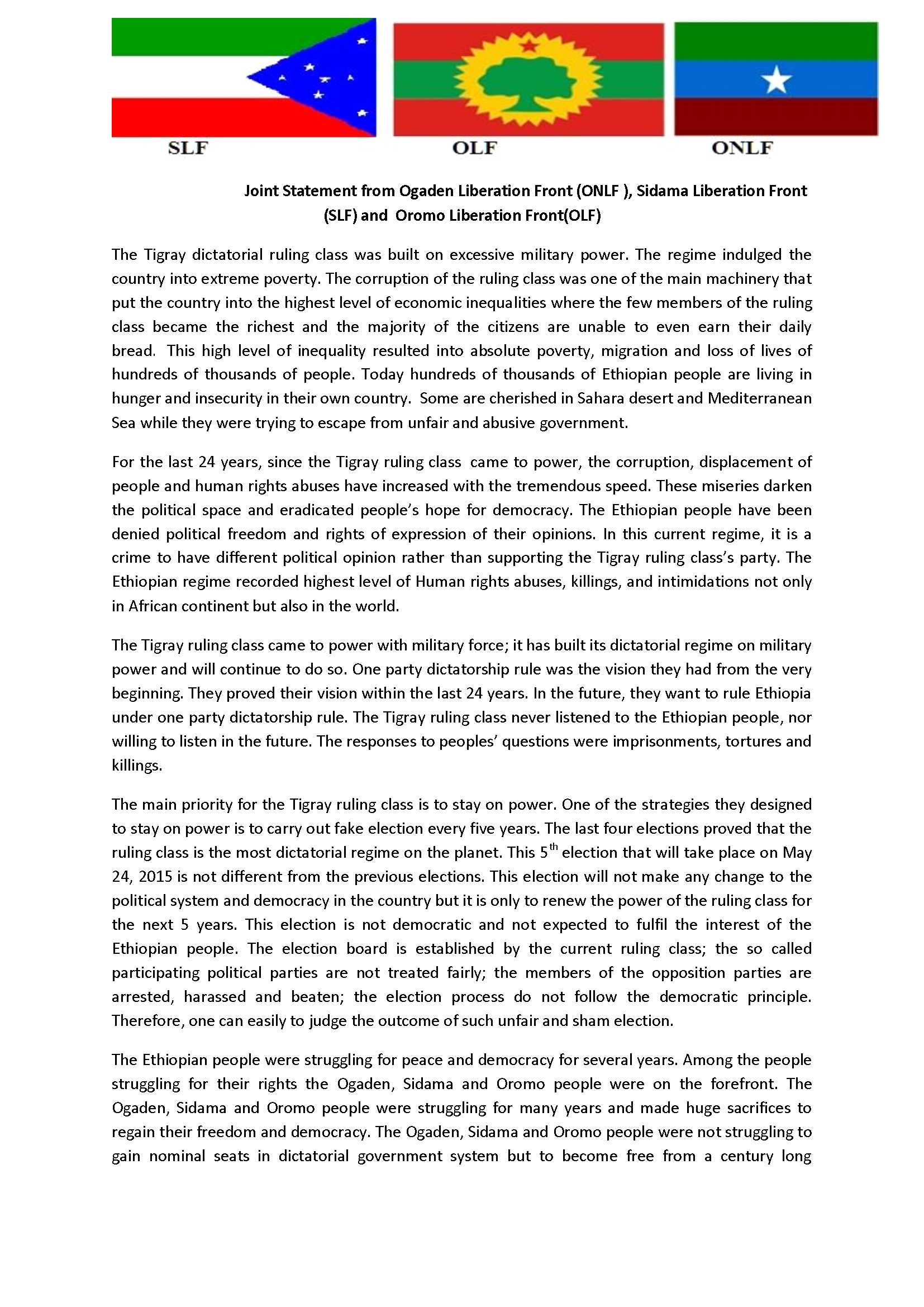
Joint Statement from Ogaden Liberation Front_1The Tigray dictatorial ruling class was built on excessive military power. The regime indulged the country into extreme poverty. The corruption of the ruling class was one of the main machinery that put the country into the highest level of economic inequalities where the few members of the ruling class became the richest and the majority of the citizens are unable to even earn their daily bread.  This high level of inequality resulted into absolute poverty, migration and loss of lives of hundreds of thousands of people. Today hundreds of thousands of Ethiopian people are living in hunger and insecurity in their own country.  Some are cherished in Sahara desert and Mediterranean Sea while they were trying to escape from unfair and abusive government.

For the last 24 years, since the Tigray ruling class  came to power, the corruption, displacement of people and human rights abuses have increased with the tremendous speed. These miseries darken the political space and eradicated people’s hope for democracy. The Ethiopian people have been denied political freedom and rights of expression of their opinions. In this current regime, it is a crime to have different political opinion rather than supporting the Tigray ruling class’s party. The Ethiopian regime recorded highest level of Human rights abuses, killings, and intimidations not only in African continent but also in the world.

The Tigray ruling class came to power with military force; it has built its dictatorial regime on military power and will continue to do so. One party dictatorship rule was the vision they had from the very beginning. They proved their vision within the last 24 years. In the future, they want to rule Ethiopia under one party dictatorship rule. The Tigray ruling class never listened to the Ethiopian people, nor willing to listen in the future. The responses to peoples’ questions were imprisonments, tortures and killings.

The main priority for the Tigray ruling class is to stay on power. One of the strategies they designed to stay on power is to carry out fake election every five years. The last four elections proved that the ruling class is the most dictatorial regime on the planet. This 5th election that will take place on May 24, 2015 is not different from the previous elections. This election will not make any change to the political system and democracy in the country but it is only to renew the power of the ruling class for the next 5 years. This election is not democratic and not expected to fulfil the interest of the Ethiopian people. The election board is established by the current ruling class; the so called participating political parties are not treated fairly; the members of the opposition parties are arrested, harassed and beaten; the election process do not follow the democratic principle. Therefore, one can easily to judge the outcome of such unfair and sham election.

The Ethiopian people were struggling for peace and democracy for several years. Among the people struggling for their rights the Ogaden, Sidama and Oromo people were on the forefront. The Ogaden, Sidama and Oromo people were struggling for many years and made huge sacrifices to regain their freedom and democracy. The Ogaden, Sidama and Oromo people were not struggling to gain nominal seats in dictatorial government system but to become free from a century long political, economic and social domination. This objective cannot be achieved through participating in the election organised by the dictatorial ruling class.

Particularly to the Ogaden, Sidama and Oromo youngsters and students, you have made significant sacrifices to move our freedom and democracy struggle forward. In order to make your sacrifices yield a fruit, you must continue your struggle for freedom and democracy. Participating in this fake election means that you forget the sacrifices your brothers and sisters made. Participating in this election means that you’re building the power of your perpetrators. From many years’ experience, the ONLF, SLF and OLF know the plan and behaviour the Tigray ruling class. The ONLF, SLF and OLF know that this regime is not prepared to leave its position even if they lose the election, which is unlikely within the current election process.

Therefore, we want to inform the Ethiopian people in general and the Ogaden, Sidama and Oromo people in particular, that this election stands only to serve the Tigray ruling class and to keep them in power for the next five years. This election does not fulfils the interest of the Ethiopian people and do not lead to peace, stability and economic development of the country. The Ogaden Liberation Front (ONLF ), Sidama Liberation Front (SLF)& Oromo Liberation Front(OLF) once again want to remind that our people should not mispleaded by this fake election. Particularly to the Ogaden, Sidama and Oromo people, you are the first target of the Tigray ruling class; the power and strength of this regime works against you. Hence, the ONLF, SLF and OLF remind you to stay away from any activity, including the current election that build the Tigray regime and keep them in power.

Victory to the people!

May 23, 2015

For PDF format Joint Statement from Ogaden Liberation Front