Author Archives: advocacy4oromia
20 Principles to Foster Oromo Unity
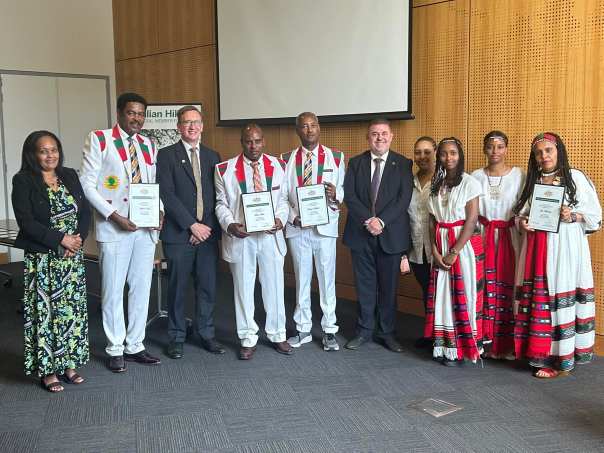
Oromo Unity
By Aliye Geleto
### Introduction
The Oromo people are one of the largest ethnic groups in the Horn of Africa, primarily found in Ethiopia. Despite their rich cultural heritage and significant historical presence, the Oromo have faced numerous challenges that have hindered their unity and collective progress. To address these challenges and foster a sense of solidarity among the Oromo, it is essential to focus on unifying principles that harness their diverse strengths and aspirations. This document outlines 20 key points that can contribute to Oromo unity, emphasizing culture, political engagement, economic collaboration, and social cohesion.
### 1. Cultural Preservation and Promotion
**Cultural Heritage:** The Oromo have a rich cultural heritage with unique traditions, languages, music, and arts. Promoting and preserving this cultural wealth is vital for unity. Celebrating festivals, traditional practices, and arts can foster a sense of belonging and shared identity among the Oromo.
### 2. Language Unity
**Language as a Unifier:** Oromiffa ( Afaan Oromo) is the primary language of the Oromo people. Promoting the use of Oromiffa in education, media, and public discourse can strengthen communication and unite different Oromo sub-groups. It can also enhance pride in their identity and facilitate political and social discourse.
### 3. Historical Reconciliation
**Acknowledging Past Grievances:** The history of the Oromo is marked by struggles against oppression and marginalization. A unified approach to understanding these historical injustices can promote healing and reconciliation. Establishing forums for dialogue and education about Oromo history can help unify different factions within the community.
### 4. Political Awareness and Engagement
**Empowerment through Politics:** Encouraging political engagement and awareness is crucial for the Oromo people. This includes educating the community about their rights, the political system, and the importance of voting. Active participation in democratic processes can strengthen the Oromo voice in national politics.
### 5. Building Strong Institutions
**Institutional Development:** Establishing and strengthening Oromo organizations, both at local and national levels, can provide a framework for collective action. These institutions can serve as platforms for advocacy, resource mobilization, and community development, reinforcing unity among the Oromo.
### 6. Economic Collaboration
**Cooperative Economies:** The creation of cooperative economic ventures can foster economic unity among the Oromo. Encouraging businesses to work together and share resources can enhance economic stability and create jobs, which are essential for community development.
### 7. Education Equity
**Access to Education:** Expanding access to quality education for all Oromo children, regardless of their background, is crucial for long-term unity. Supporting educational initiatives that reflect the Oromo culture and language can empower future generations and foster a sense of shared identity.
### 8. Gender Inclusivity
**Empowering Women:** Promoting gender equality and empowering women within the Oromo community is essential for unity. Women’s contributions to social, economic, and political spheres should be recognized and supported. Gender-based organizations can help amplify women’s voices and ensure their involvement in decision-making processes.
### 9. Youth Engagement
**Youth as Catalysts for Change:** The Oromo youth represent a significant demographic and hold the potential to drive change. Creating platforms for youth engagement, leadership training, and participation in social issues can energize the community and foster a culture of activism and unity.
### 10. Respect for Diversity within the Oromo
**Acknowledge Internal Diversity:** The Oromo are not a monolithic group; they comprise various sub-groups, cultures, and traditions. Acknowledging and respecting this diversity while promoting a common Oromo identity can enhance social cohesion and reduce internal conflicts.
### 11. Strengthening Religious Tolerance
**Interfaith Dialogues:** The Oromo community encompasses multiple religions, including Christianity, Islam, and traditional beliefs. Promoting religious tolerance and understanding through interfaith dialogues can strengthen bonds among different groups, fostering unity and cooperation.
### 12. Conflict Resolution Mechanisms
**Peacebuilding Initiatives:** Establishing conflict resolution mechanisms within the community is essential for addressing grievances. Through dialogue, mediation, and peacebuilding initiatives, the Oromo can resolve conflicts amicably, contributing to a more cohesive society.
### 13. Fostering a Strong Oromo Identity
**Civic Education:** Teaching the youth about their heritage, history, and the significance of Oromo identity can foster pride and commitment to unity. Civic education programs that emphasize the importance of community and solidarity can shape a cohesive identity.
### 14. Promoting Volunteerism
**Community Service:** Encouraging volunteerism within the community can foster unity and a sense of responsibility toward one another. Engaging in community service projects can strengthen bonds among individuals and promote collective well-being.
### 15. Utilization of Media for Advocacy
**Social Media Campaigns:** Utilizing media, especially social media, as a tool for advocacy can promote unity. Campaigns that highlight shared goals, achievements, and challenges common to the Oromo people can rally support and create a collective identity.
### 16. Health Initiatives
**Healthcare Accessibility:** Improving healthcare access and quality for the Oromo population is crucial. Collaborating on health initiatives and creating awareness campaigns can strengthen the community’s overall well-being and unity.
### 17. Protecting the Environment
**Sustainable Practices:** Promoting environmental conservation and sustainable practices within the community can unify the Oromo around common interests. Collaborative efforts to protect their lands and natural resources can strengthen their sense of belonging and shared responsibility.
### 18. Forming Alliances with Other Ethnic Groups
**Building Bridges:** Forming alliances and partnerships with other ethnic groups in Ethiopia can create a united front advocating for mutual interests. Understanding and solidarity among different ethnic communities can foster a more inclusive national dialogue.
### 19. Celebrating Oromo Achievements
**Recognition of Success:** Highlighting and celebrating the achievements of the Oromo people in various fields can inspire hope and pride in their capabilities. Recognition of progress can enhance unity and motivate individuals to contribute to the community’s development.
### 20. Leading by Example
**Community Leadership:** Leaders within the Oromo community should exemplify unity, integrity, and inclusivity in their actions. By setting a positive example, they can inspire others to engage in unifying initiatives and work toward common goals.
### Conclusion
Fostering unity among the Oromo people is a multifaceted endeavor that requires collective action, commitment, and a shared vision of progress. By embracing and implementing these 20 points, the Oromo can navigate their challenges, celebrate their rich heritage, and work toward a prosperous and unified future. Unity among the Oromo will not only benefit the community but will also contribute to the broader social and political stability of Ethiopia and the Horn of Africa.
SBS Afaan Oromo: A Cultural Lifeline for Oromo Australians

The Oromo community in Australia has shown significant support for SBS Afaan Oromo, a service that broadcasts news, information, and cultural content in the Afaan Oromo language. This support stems from various social, cultural, and political factors that resonate deeply with the Oromo diaspora.
Firstly, language preservation is a crucial motivation. The Oromo people, one of the largest ethnic groups in Ethiopia, have a rich cultural heritage that is intricately tied to their language, Afaan Oromo. In Australia, where many Oromo individuals face the challenges of assimilation and identity dilution, SBS Afaan Oromo plays a vital role in keeping their language alive. By providing content in Afaan Oromo, it helps bridge the cultural gap between the homeland and the diaspora, allowing the community to maintain a sense of identity and belonging.
Secondly, SBS Afaan Oromo serves as a platform for news and information relevant to the Oromo community. Many members rely on these broadcasts to stay informed about political developments in Ethiopia, human rights issues, and other matters affecting Oromos worldwide. This access to relevant news fosters a sense of community and solidarity among Oromo Australians, enabling them to engage better with both their local and international contexts.
Moreover, the service promotes cultural expression. Through music, storytelling, and discussions on cultural practices, SBS Afaan Oromo facilitates the sharing of Oromo traditions, values, and experiences. This cultural connection is especially important for younger generations, who may feel disconnected from their roots.
In summary, the support for SBS Afaan Oromo by the Oromo community in Australia is rooted in a collective desire for cultural preservation, access to relevant information, and the strengthening of communal ties. By supporting this service, they ensure that their identity and heritage remain vibrant in a foreign land.
In Memoriam: Dr. Joanne Eisen and Her Impact on Oromo Rights
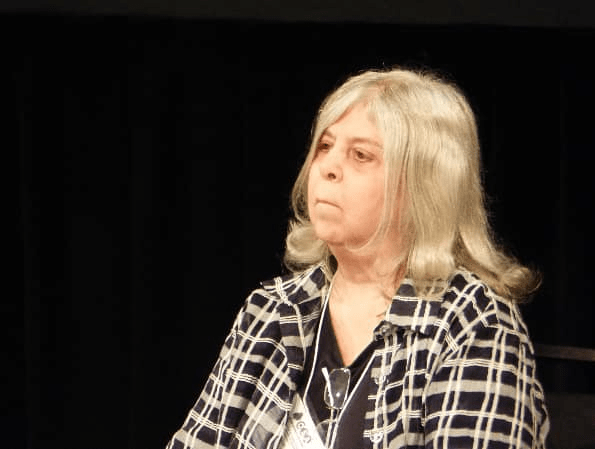
Dear OSA members, Friends of OSA, and the Oromo People
The Oromo people and OSA community lost one of her Human Rights Advocates Dr. Joanne Eisen. Please find a summary of her contribution to the Oromo people’s struggle.
Dr. Joanne Eisen: In Memoriam 1942-2025
Joanne Eisen, a Doctor of Dentistry, an advocate, and a friend of the Oromo, passed away peacefully on January 5, 2025, at her home in Alexandria, VA due to a terminal illness.
Joanne was adopted as an Oromo in a Guddifacha (adoption) ceremony at an OSA conference in Washington DC in the summer of 2013. She was given the Oromo name Jitu,
Joanne graduated from NYU College of Dentistry and earned her DDS in 1966. She lived and practiced dentistry on Long Island, New York, for most of her career. In the summer of 2015, she relocated to Virginia for retirement.
As an Oromo and US Citizen, Jitu was a great friend of the Oromo people and advocated and wrote for the greater autonomy and civil and human rights of the Oromo in Oromia. She authored and coauthored several scholarly articles on the Oromo related to genocide determination, land grab, dispossession, and human rights, published in The Journal of Oromo Studies (JOS) and the Journal of Pan African Studies (JPAS) see below. She traveled to OSA conferences for years and presented papers at the 2012, 2013, 2015, and 2017 annual conferences. She also raised the plight of the Oromo people on a range of other public platforms.
Jitu lived a kind and selfless life from 1942 to 2025. She is survived by two adult children. Her family will mourn her loss privately, according to her instructions.
References to Dr Joanne/Jitu Eisen’s Publications on Oromo, as solo and co-author:
• 2018. The Great Displacements of 2017: Acts of Genocide in Ethiopia. JPAS Vol. 12, Issue 6
• 2018. Genocide in Oromia through the Eyes of Sexual Torture Survivors. JOS Volume 25 Issues 1&2
• 2018. The Politics of Genocide Denial in Ethiopia. JPAS Vol. 11, Issue 4
• 2017. Proving Genocide in Ethiopia: The Dolus Specialis of Intent to Destroy a Group. JPAS vol.10, no.7, September 2017
• 2016. Famine, Genocide and Media Control in Ethiopia. Africology: The Journal of Pan African Studies, vol.9, no.10, December 2016
• 2015. Countering Land-Grabs by Establishing a Database of Customary Land Ownership Rights of Indigenous Peoples. JOS Vol. 22 No. 1&2
• 2014. Acknowledging Genocide against the Oromo. JOS Vol 21.
Conference Presentations on the Oromo
• Obbo Habtamu Dugo, Joanne Eisen & Paul Gallant, “Acknowledging Genocide against the Oromo,” Paper presented at the 2012 Annual Conference of the Oromo Studies Association, Minneapolis, MN, July 14, 2012
• Melkamu Jate, Habtamu Dugo, and Joanne Eisen (Joint): “Countering Land-grabs by Establishing a Data Bank of Customary Land Ownership Rights of Indigenous Peoples” Paper presented as part of a panel on “Land Grab in Ethiopia” at 2013 Annual Conference of OSA, Washington, DC, August 4, 2013.
• Habtamu Dugo & Joanne Eisen, “Planned Sexual Atrocities as a Tactic of Slow Genocide: Inferring Intent,” Paper presented as part of a panel entitled “Human Rights of the Oromo: Shedding Light in Previously Hidden Areas of Concern” at the 2015 Annual Conference of OSA, Washington, DC, August 1, 2015.
• Joanne Eisen, Independent Researcher, “The Politics of Genocide Denial in Ethiopia,” Paper presented on the panel, “Politics of Genocide and Displacement,” at 2017 Oromo Studies Association Annual Conference, Washington, DC, July 30, 2017.
Reasons Abiy Ahmed Might Lose Power
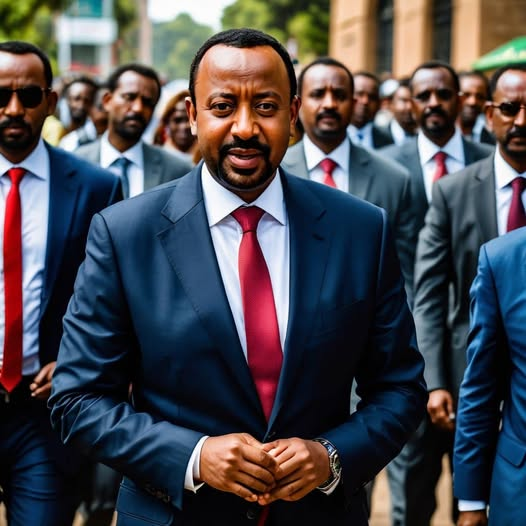
By Aliye Geleto
Introduction
Abiy Ahmed has been the Prime Minister of Ethiopia since April 2018 and has marked his tenure with significant reforms, including peace initiatives, economic liberalization, and political transformations. However, his administration has faced numerous challenges, leading to mounting opposition and credibility issues.
Below are 15 points that could potentially explain why Abiy Ahmed might lose power, framed within a broader socio-political context.
### 1. **Ethnic Federalism Challenges**
Ethiopia’s political landscape is primarily defined by ethnic federalism, a system that grants significant autonomy to ethnic groups. While this approach was designed to mitigate ethnic tensions, it has arguably exacerbated divisions, leading to persistent inter-ethnic conflicts. Abiy’s inability to effectively manage these tensions has heightened discontent among various ethnic groups, jeopardizing his position.
### 2. **Tigray Conflict Consequences**
The military confrontations in the Tigray region, which began in November 2020, have drawn widespread condemnation for a humanitarian catastrophe involving mass displacement and allegations of war crimes. The conflict’s prolonged nature and the resultant humanitarian crisis have tarnished Abiy’s international reputation and could contribute to his political vulnerability.
### 3. **Political Repression**
Initially viewed as a reformer, Abiy has faced criticism for reverting to authoritarian tactics, including crackdowns on dissent and media freedoms. Political repression can provoke backlash and grow opposition movements, undermining his support base and potentially leading to a loss of power.
### 4. **Deteriorating Human Rights Situation**
Human rights organizations have raised alarms about the violent suppression of protests, arbitrary detentions, and torture. The erosion of civil rights not only alienates the public but also invites international scrutiny and sanctions that can weaken a leader’s legitimacy.
### 5. **Economic Challenges and Inflation**
Ethiopia’s economy has faced significant challenges, including double-digit inflation and high unemployment rates. Economic instability can lead to public dissatisfaction, eroding support for the government. As citizens face rising cost of living and scarcity of resources, the government’s perceived inability to address these issues may precipitate demands for leadership change.
### 6. **Rise of Ethnic Nationalism**
The resurgence of ethnic nationalism poses a significant threat to Abiy’s administration. Movements advocating for greater autonomy and rights for various ethnic groups have grown increasingly vocal, challenging his government’s authority and leading to increased competition for power.
### 7. **Split within the Ruling Party**
The ruling Prosperity Party, formed from the Ethiopian People’s Revolutionary Democratic Front (EPRDF), has experienced internal fractures. Discontent among party members, particularly from the Tigrayan People’s Liberation Front (TPLF) faction, can destabilize governance and create an environment conducive to leadership challenges.
### 8. **Youth Disenchantment**
Ethiopia has a youthful population that has become increasingly disenchanted with the political status quo. With expectations for reform unmet, young people may turn to alternative political movements, potentially supporting opposition leaders or forming new mobilizations against the current administration
### 9. **Political Unrest and Protests**
The country has faced repeated protests against Abiy’s government, often resulting in violent crackdowns. Persistent unrest erodes government credibility and can serve as a catalyst for more organized dissident movements, ultimately challenging Abiy’s hold on power.
### 10. **Discontent in the Amhara Region**
The Amhara region has seen tensions and violence surrounding issues of identity and ethnic federalism. Disruptions in this pivotal region could shift the political balance in Ethiopia and contribute to the destabilization of Abiy’s government, given the region’s historical significance in Ethiopian politics.
### 11. **Weakening International Support**
Although Abiy was initially lauded on the global stage, changing circumstances and the international community’s response to the Tigray conflict may weaken his foreign support. A decrease in diplomatic and economic backing from key international players could significantly impact his government’s ability to sustain itself.
### 12. **Corruption Scandals**
Allegations of corruption within the government can undermine public trust in leadership. If Abiy’s administration is perceived as failing to tackle corruption effectively, it may amplify calls for his resignation and invigorate opposition efforts.
### 13. **Security Deterioration**
Ethiopia’s security situation has become increasingly precarious, with escalating violence from various factions, such as the Oromo Liberation Army (OLA). Declining security could make the public view Abiy’s administration as incapable of ensuring stability, leading to political upheaval.
### 14. **Media Manipulation and Information Control**
While governments often control the narrative during crises, excessive media suppression can lead to public backlash. If the narrative emerges that Abiy’s administration is mismanaging the country, it could result in loss of confidence and support, culminating in demands for leadership change.
### 15. **Legacy of Unmet Promises**
Despite the initial promise of democratic reforms, many citizens feel their hopes for significant political change have been dashed. If the electorate perceives that Abiy’s government has failed to fulfill its commitments, it may lead to diminished support and calls for new leadership through electoral processes.
### Conclusion
Though Abiy Ahmed’s tenure as Prime Minister has been characterized by significant transformations, it is also marked by substantial challenges that threaten his power. The interplay of ethnic tensions, economic difficulties, political repression, and evolving public sentiments will be critical factors shaping the future of his administration. As Ethiopia continues to navigate these complex issues, the potential for Abiy to lose power looms, demanding both immediate attention and long-term solutions to foster stability and unity in the country. Each of these points underscores the necessity for reform, dialogue, and responsible governance in addressing Ethiopia’s multifaceted crises.
Jawar Mohammed: Controversies and Oromo Politics
In Western democracies, even minor questions about a politician’s credibility can have significant consequences. Any inconsistency in their positions, no matter how small, is often seized upon and exploited by their opponents. For instance, U.S. Vice President Kamala Harris has faced criticism for perceived inconsistencies in her political stances. Similarly, in Canada, a leadership contender for the Liberal Party aiming to replace Justin Trudeau may face scrutiny for any deviation in their positions.
This dynamic is particularly relevant in the Oromo political context. Jawar Mohammed, a prominent Oromo leader, has argued that Ethiopia is on the brink of collapse and portrays himself as the leader who can prevent this outcome. While some agree with his assessment, others view his position as mere rhetoric. Jawar’s shifting stance on Oromia’s relationship with Ethiopia has further fueled this debate. At one point, he advocated for Ethiopia’s withdrawal from Oromia. More recently, however, he has suggested that Oromia’s independence is not viable without Ethiopia. While this revised perspective resonates with some, a significant portion of Oromos continue to believe in the possibility of an independent Gadaa Republic if given the opportunity.
Political theory teaches us that for a seceding region to establish a sustainable and viable nation-state, it must meet several key criteria:
1. Sufficient Geographic Landmass: Does the new country have adequate territory?
2. Population Size: Is there a large enough population to sustain the nation?
3. Natural Resources: Does the region have sufficient natural resources, both above and below ground, to support its economy?
4. Distinct Identity: Does the region possess a unique culture, identity, and language that differentiates it from the larger state it seeks to leave?
In the case of Oromia, the answer to all these questions appears to be affirmative. Oromia has vast land, a substantial population, abundant resources, and a distinct cultural and linguistic identity. Therefore, it is challenging for Jawar to convince a majority of Oromos to abandon their right to self-determination, including the possibility of secession.
Further complicating matters is Jawar’s relationship with the current government. Since his release from prison, he has appeared to tacitly support the ruling party, arguing that it represents the Oromo nation and deserves support for its efforts. Jawar justified his lack of active opposition by claiming that his involvement might exacerbate Ethiopia’s already volatile situation, likening it to adding fuel to a fire.
However, his recent shift to openly campaigning against the ruling party and, in particular, the Prime Minister, has led many to question the sincerity of his motives. Some critics argue that Jawar’s newfound opposition stems from a personal loss of benefits, respect, or agreements he may have previously had with the government. These critics suggest that his current actions are less about genuine political reform and more about reestablishing his political influence within the Oromo and Ethiopian political spheres.
Yet, despite these questions and criticisms, Jawar has once again demonstrated his unmatched ability to mobilize, organize, and deliver his messages with clarity and force. His recent actions have also served as a reminder to the Ethiopian government that he remains a formidable political force. Regardless of the doubts surrounding his intentions, Jawar has proven that he is not a figure to be underestimated.
Ultimately, the hope remains for peace and stability for the Oromo people and for Ethiopia as a whole.

Empowering the Oromo: Steps Towards Political Influence

By Aliye Geleto
The Oromo people, the largest ethnic group in Ethiopia, have a rich historical heritage and a significant political presence. Achieving political success for the Oromo requires a multifaceted approach that addresses historical grievances, socio-economic challenges, and contemporary political dynamics. Below are 15 key points that can guide the political success of the Oromo people.
#### 1. **Historical Context and Awareness**
Understanding the historical context of the Oromo people is crucial for political engagement. Acknowledging past injustices, including land dispossession and cultural suppression, allows for a unified narrative that can galvanize support across the community. Given the diverse experiences within the Oromo population, fostering a collective memory through educational initiatives can solidify a common identity and purpose.
#### 2. **Unity Among Diverse Oromo Clans**
The Oromo people are composed of various clans with distinct cultures and dialects. Promoting unity among these clans is essential to form a cohesive political front. This could be achieved through inclusive governance, inter-clan dialogues, and cultural exchange programs that foster solidarity and mutual respect.
#### 3. **Effective Political Leadership**
Strong and visionary leadership is fundamental for any political movement. The Oromo community needs leaders who not only understand the political landscape but can also inspire grassroots mobilization. Training programs for emerging leaders can help build a pipeline of capable individuals who can effectively advocate for the needs of the Oromo people.
#### 4. **Engagement in National Politics**
Active participation in Ethiopia’s national political structure is essential for the Oromo. This includes voting, forming alliances with other political groups, and participating in national dialogues. By having a presence in national politics, the Oromo can advocate for their specific needs and influence policy decisions that affect their community.
#### 5. **Building Alliances with Other Ethnic Groups**
Ethiopia’s multi-ethnic society presents an opportunity for the Oromo to build alliances with other ethnic groups. Creating collaborative efforts centered around common interests—such as federalism, democracy, and human rights—can enhance political influence and foster national cohesion.
#### 6. **Youth Engagement**
The Oromo youth form a significant share of the population and are vital for the community’s future. Encouraging political engagement among the youth through educational programs and advocacy initiatives will ensure a generational transfer of leadership and ideals. Youth movements can also address contemporary issues like unemployment and political disenfranchisement, making them instrumental in the political arena.
#### 7. **Empowerment Through Education**
Access to quality education empowers individuals and communities. Promoting educational initiatives within the Oromo population can enhance political awareness and civic engagement. Scholarships, vocational training, and higher education institutions can help diversify the skills of the population, making them better equipped for political participation.
#### 8. **Advocacy for Rights and Representation**
Advocating for human rights and political representation is crucial for Oromo political success. Engaging with international organizations and human rights groups can help bring attention to the issues facing the Oromo and may lead to increased pressure on the Ethiopian government to address these grievances.
#### 9. **Utilization of Technology and Social Media**
Technology and social media platforms can be powerful tools for political mobilization and communication. Creating online spaces for discussion, sharing information, and organizing events can help unite the Oromo diaspora and local communities. Additionally, social media can raise awareness of Oromo issues on a global scale.
#### 10. **Economic Development Initiatives**
Economic empowerment is foundational to political success. Developing and promoting economic initiatives within the Oromo regions can reduce dependency on external assistance and improve living standards. Encouraging entrepreneurship and investment in local industries will create jobs and strengthen the community’s economic base.
#### 11. **Cultural Heritage and Promotion**
The promotion of Oromo culture, language, and traditions plays a key role in political identity. Supporting cultural festivals, literature, and the arts can help reinforce a sense of pride among the Oromo and promote the uniqueness of their identity within Ethiopia’s diverse landscape. This cultural renaissance can also attract international attention and support.
#### 12. **Institution Building**
Building strong political institutions is necessary for sustained success. This includes creating a robust organizational structure that can effectively mobilize votes, manage campaigns, and create policy proposals. Developing think tanks and policy institutes within the Oromo community can foster informed decision-making and facilitate strategic planning.
#### 13. **Negotiation and Compromise Skills**
Political success often requires negotiation and compromise. Building skills in these areas can help Oromo leaders navigate the complexities of Ethiopian politics. By engaging in dialogue with opponents and finding common ground, the Oromo can create pathways for cooperation that advance their interests and those of other groups.
#### 14. **Resilience Against Repression**
History has shown that political movements can face significant repression. Developing strategies for resilience and coping with antagonism from state actors is essential. This can include legal support for political prisoners, advocacy for media freedom, and physical and psychological support for activists facing repression.
#### 15. **Promoting Gender Inclusion**
Gender equality is not just a matter of social justice; it is also a political necessity. Ensuring that women are actively involved in the political process and decision-making leads to more comprehensive and representative governance. Initiatives that empower Oromo women politically and economically will strengthen the community as a whole.
### Conclusion
The path to political success for the Oromo people is multifaceted and demands a comprehensive strategy that incorporates historical context, unity, leadership, and socio-economic development. By focusing on these key areas, the Oromo can strengthen their political presence within Ethiopia, advocate effectively for their rights, and contribute to the broader goal of national unity and democracy. As Ethiopia navigates its complex political landscape, the contributions of the Oromo people, grounded in their rich heritage and aspirations for the future, will be pivotal in shaping a more inclusive and equitable society.
Oromo Liberation Front Celebrates New Year and WBO Day
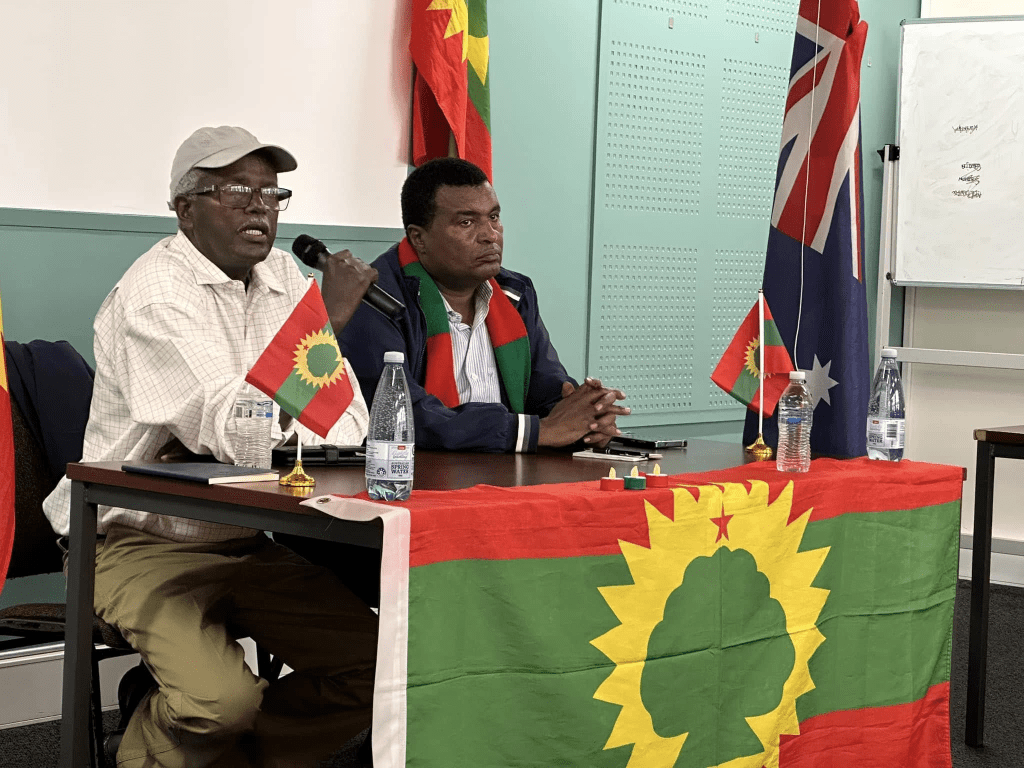
(A4O, 12 January 2025) OLF members and supporters celebrated the New Year and WBO Day in Melbourne today.
The celebration began with the blessing of the elders.
The festival commemorated the heroes of the Oromo struggle for freedom.
The Victoria Konyaa ABO Chairman, Jaal Daanyee Dafershaa and the Kutaa ABO Chairman, Jaal Toofiq Abdushikur delivered messages on the occasion.
The ex vice-chairman of the OLF, Jaal Bultum Biyyoo, said it is necessary to fight oppression and injustice with understanding and determination.
“Your contribution to celebrating together like this is great. This should continue to be strong in the future,” he said.
The member of the Shanee Gumii OLF, Jaal Gaashuu Lammeessaa, on his part, explained the state of the Oromo Liberation Front to the participants.
“Despite the enemy’s continuous campaign to hinder the Oromo Liberation Front in various ways, the Oromo Liberation Front has endured and continued with the strength of the fighters,” he said.
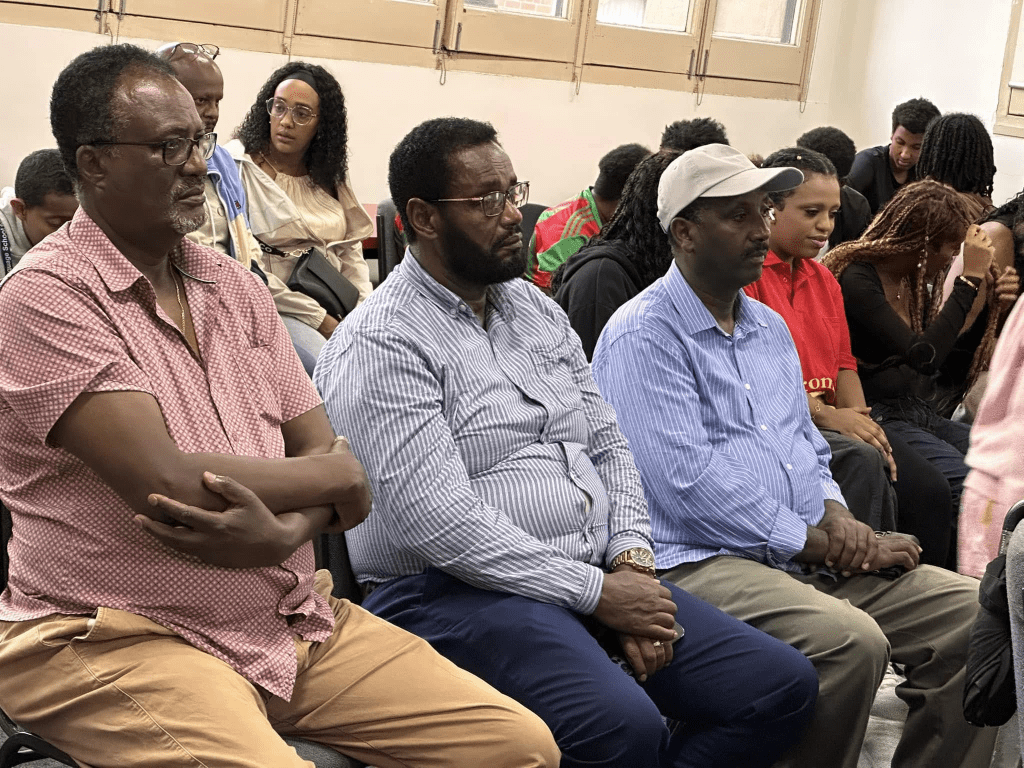
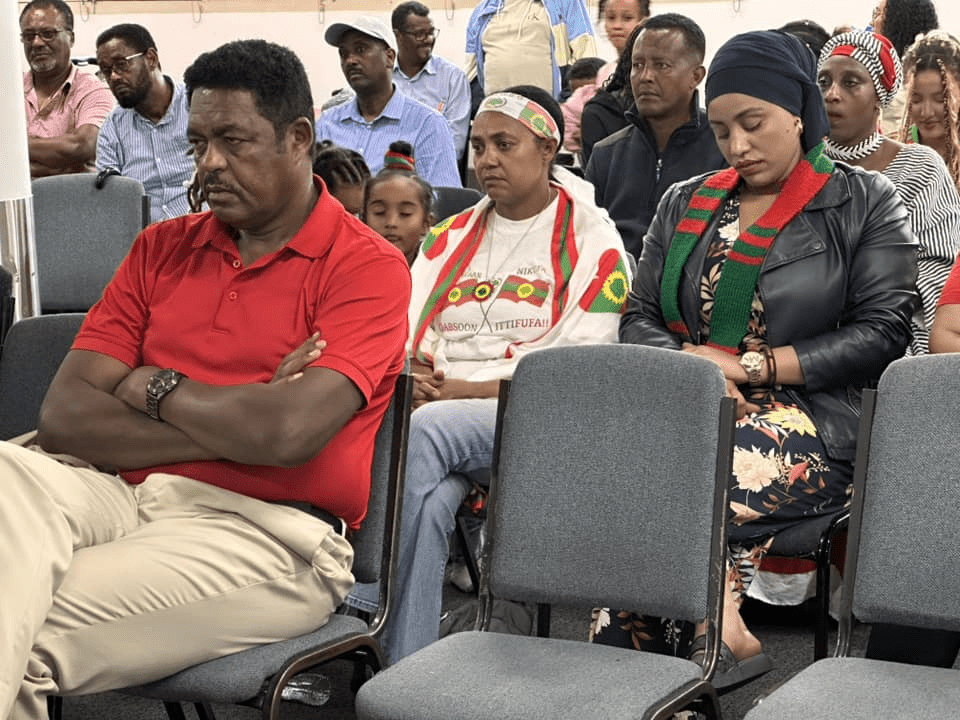
Financial assistance was also donated to the Oromo Liberation Front.
The WBO Day and New Year’s Eve celebrations have been celebrated in the Oromo struggle camp since 1980.

The Life and Achievements of Bulcha Demeksa
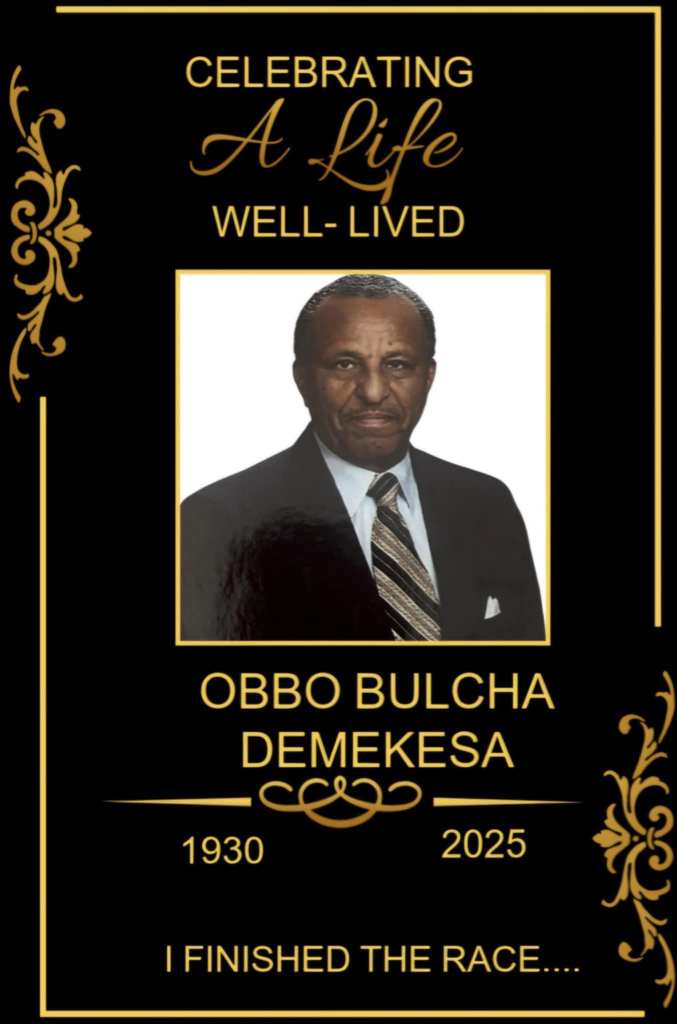
Bulcha Demeksa,the political scientist, who passed away today at the age of 94, has huge marks in the economic and political movement of Ethiopia. He served as Deputy Minister of Finance during the reign of Emperor Haile Selassie and as the World Bank’s Representative for Africa. He was employed by the United Nations and served in various countries.
- Childhood life
Bulcha Demeksa (9 July 1930[1] – 6 January 2025)[2] was an Ethiopian politician and businessman. Bulcha was born in July 9, 1930 in the Bojji Diremeji Woreda of the West Wollega Zone, to his father, Demeksa Senbeto, and his mother, Nasisie Serda. Bulcha was the fourth child and the only son among his siblings. Although his father died when he was only young, his uncle, Gobu Senbeto, raised him and did everything he could to ensure he received education.
- Education background
Mr. Bulcha received his primary education at Gimbi Adventist school and his secondary education at Kuyera Adventist Church. He graduated from Addis Ababa University with degrees in economics and law. He was one of the top 10 students to graduate from the university then, and went to the United States to pursue his master’s degree in public finance from Syracuse University in the United States. Upon returning to Ethiopia, he left his mark in the field of economics.
- Career and employment
In 1967, Bulcha was appointed vice-minister of Finance before representing his country at the board of the World Bank. In 1974, when the Ethiopian Revolution started, he left Ethiopia and was hired by the UN administration. Bulcha took his retirement in Ethiopia in 1991, and in 1994, he created the Awash International Bank which became a success.
In early 2005, Bulcha founded the Oromo Federalist Democratic Movement (OFDM), which he saw as a non-military, democratic political party as an alternative to the armed Oromo Liberation Front.
Bulcha Demeksa has been one of the most outspoken opponents of the late Meles Zenawi’s government and the opposition leader most referred by the international media. With other opposition officials, he helped with the creation of Medrek, a larger opposition alliance.
Bulcha resigned as OFDM party chairman in late 2010 but continued as an adviser for the leadership. His retirement from OFDM and his harsh criticism of Prime Minister Meles Zenawi and on the 2010 elections were a regular feature story on dozens of private Amharic and English newspapers in the country. In 2019 he announced his intention to run in the 2020 elections.
After returning to Ethiopia, he co-founded Awash Bank SC in 1993 and served as its president until 2000.
The former General Manager of Awash International Bank, Leykun Berhanu, remarked that Bulcha played a pivotal role in advancing the country’s economy, especially during a period when private sector banks were scarce. Together with his colleagues, he made significant contributions to the establishment and growth of Awash Bank, Leykun added.
The Oromo Federalist Democratic Movement, which Bulcha founded and led until his retirement, was among the opposition groups that mobilized thousands of people onto the streets of Addis Ababa in 2005 contested elections. The movement advocated for the realization of Oromo rights to self-determination within a fully democratized Ethiopia. In 2008, the party joined the Forum for Unity and Democracy (Medrek), a political coalition formed that same year to contest the 2010 elections.
In an interview, he once said: “The main objective of the Oromo Federalist Democratic Movement is to reclaim the rights that the Oromo people have lost. At the time, most Oromo were sitting behind closed doors, so we formed the party to declare, ‘There’s an Oromo cause that needs attention.”
Mulatu Gemechu, a member of the executive committee of the Oromo Federalist Congress, stated that at a time when Oromo political parties were virtually non-existent, Bulcha Demeksa founded a party to advocate for the rights of the Oromo people. “In parliament, he was known for speaking his mind and openly challenging ideas he believed to be flawed. He remained a steadfast supporter of our party, offering assistance whenever possible,” he said.
- Remembering Ob. Bulcha: A Personal Reflection
One of those who shared their experiences and reflections with Mr. Bulcha is Mr. Zelalem Negassa. Recalling his reflection, Mr Zelalem remembered the childhood fortitude and resilience with Mr Bulcha along with an interview he did with audio interview for radio walabummaa at the time.
“I had the privilege of interviewing him in New York City, in 2015. While his political views are widely known and documented, there is a less explored aspect of his life that deserves attention—his childhood, the type of parents and family who shaped him, the challenges he faced as an Oromo student, and his relationship with the late Ob. Yiilmaa Dheeressa, among other facets.”
It is also worth noting the denigration he endured as a young student for not being able to speak Amharic. This experience affected him so deeply that he even considered changing his name to Kabbadaa. Despite these challenges, Ob. Bulcha remained steadfast in his identity and principles, becoming a symbol of resilience and pride. He made history as the first person to speak Afaan Oromo in the Ethiopian Parliament—a groundbreaking moment that marked a significant milestone for our people. This achievement reflects his profound courage and dedication to his community.
A person who was with Mr. Zelalem at the time, Adem Omer, also mentioned that he was very impressed by Mr. Bulcha’s legacy in his reflection of the time. ” I was deeply moved by your recollection of the 2015 interview in New York City, which I had the privilege of attending alongside you. Reflecting on that day, I am reminded of the profound impact Ob. Bulcha had on everyone who met him, including us.”
Adem Omer, moreover, expressed his pride in the hardships Mr. Bulcha went through as a child to reach that high level. “The insights you shared about his lesser-known personal journey—the challenges of his childhood, his resilience as an Oromo student, and his relationship with the late Obo Yiilmaa Dheeressa—capture a side of him that many may not know. I vividly remember how passionately he spoke about these experiences, and how they shaped his steadfast identity and unwavering principles.”
“The story of his struggle with the denigration he faced for not speaking Amharic, and his momentary consideration of changing his name to Kabbadaa, was particularly poignant. Despite these challenges, his resolve to remain true to himself stood as a beacon of strength for others. Witnessing his recounting of becoming the first person to speak Afaan Oromo in the Ethiopian Parliament was a powerful reminder of his courage and the trailblazing role he played for the Oromo people.”
- Family
Mr. Bulcha had five daughters during his lifetime. He has four daughters from a previous wife. Then, he also wrote in his biography book that he had a daughter from the wife he later married.
- Awards
At the end of 2008, Bulcha was named “Person of the Year” by Jimma Times, the online version of the defunct Afan Oromo private Yeroo newspaper. He was chosen for his work in the financial sector and his work for human rights and democracy as well as peace activist between different warring sections of the Ethiopian society.
Bulcha’s influence extended beyond politics and business; he was a staunch defender of Oromo culture, language, and identity, dedicating himself to preserving and celebrating the rich heritage of the Oromo people at every opportunity.
Bulcha Demeksa will be remembered as a visionary, a statesman, and a tireless advocate for justice, leaving behind a legacy that will inspire generations to come.
Mr. Bulcha is not alive today. But his experience and legacy will shine forever, as a man who met him in New York City in 2015 testified that he was such a wonderful person in his personal memory.
“His passing is an immense loss for all of us, but his legacy lives on as a symbol of resilience, pride, and unwavering dedication to his community. I am grateful to have shared that moment in New York with you and to have witnessed his greatness firsthand.”
Victoria ABO District’s New Year Celebration: January 12, 2025
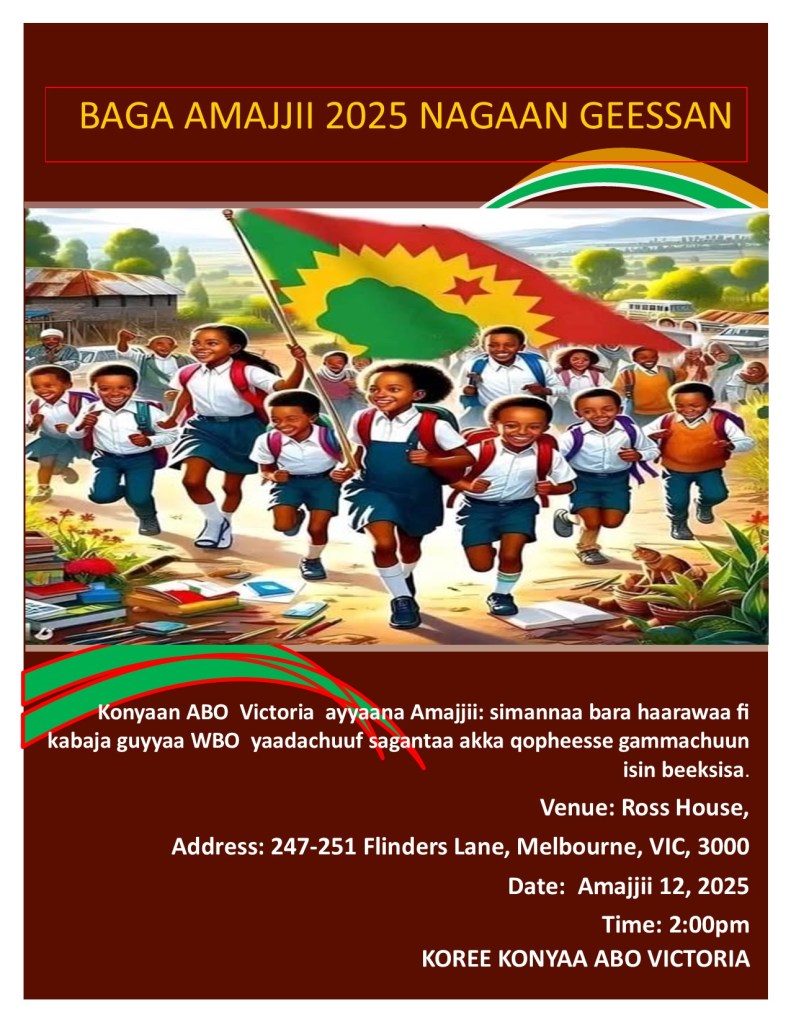
The Victoria ABO District will be celebrating the New Year and WBO Day with the Melbourne community on Sunday 12 March 2025 afternoon.
The ABO district has issued an appeal to the community to celebrate the New Year and WBO Day with the community.
The ABO District respectfully invites the Oromo community in the Melbourne area to attend the event and show their support for the Oromo liberation struggle.
The Amajjii celebration, known as WBO Day, has been celebrated at various levels since the 1980s.
የምጣኔ ሀብት ባለሙያው እና የሰላማዊ ፖለቲካ አቀንቃኙ አቶ ቡልቻ ደመቅሳ
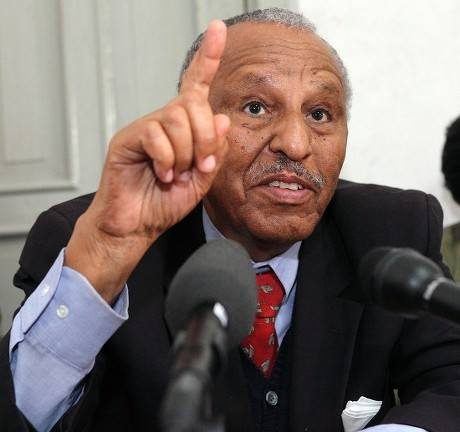
“ለእኔ ኢትዮጵያዊነት ሌላ፤ ኦሮሞነት ደግሞ ሌላ ነው፤ ኦሮሞነቴ ከኢትዮጵያዊነቴ ጋር ተጋጭተውብኝ አያውቁም” በማለት ይታወቃሉ። የካበተ ልምዳቸውን ለሀገራቸው ለማዋጣት አልሰሰቱም። “ኢትዮጵያ ከፍ የምትለው ተባብረን ስንሠራ ነው” ሲሉም ብዙ ጊዜ ይደመጣሉ። ሕዝብን ከሕዝብ ጋር የሚያጋጭ የፖለቲካ አካሄድ ከውድመት ውጭ ለውጥ እንደማያመጣ ከመናገርም አልፈው በሰላማዊ የፖለቲካ መድረክ ተወዳድረው ፓርላማ በመግባት ለሕዝባቸው ድምፅ ለመሆን በቅተዋል።
በዛሬው ዕለት በ94 ዓመታቸው ያረፉት አቶ ቡልቻ ደመቅሳ በኢትዮጵያ የኢኮኖሚ እና የፖለቲካ እንቅስቃሴ ውስጥ ጉልህ ስፍራ አላቸው። በአጼ ኃይለሥላሴ ዘመነ መንግሥት የገንዘብ ሚኒስቴር ምክትል ሚኒስትር እንዲሁም የዓለም ባንክ የአፍሪካ ተወካይ በመሆን ሠርተዋል። በተባበሩት መንግሥታት ድርጅት ተቀጥረው በተለያዩ ሀገራት አገልግለዋል።
አቶ ቡልቻ በምዕራብ ወለጋ ዞን ቦጂ ቢርመጂ ወረዳ ከአባታቸው አቶ ደመቅሳ ሰንበቶ እና ከእናታቸው ወ/ሮ ናሲሴ ሰርዳ በ1923 ዓ.ም ተወለዱ። አባታቸውን በልጅነት በሞት ቢያጡም አጎታቸው ጎቡ ሰንበቶ አሳድገዋቸው ትምህርታቸውን እንዲከታተሉ አቅማቸው የፈቀደውን ሁሉ አድርገውላቸዋል። የመጀመርያ ደረጃ ትምህርታቸውን በጊምቢ አድቬንቲስት እንዲሁም የሁለተኛ ደረጃ ትምህርታቸውን በኩየራ አድቬንቲስት ተምረዋል።
ከአዲስ አበባ ዩኒቨርሲቲ በኢኮኖሚክስ እና በሕግ ዲግሪዎች ተመርቀዋል። በወቅቱም በዩኒቨርሲቲው ከፍተኛ ውጤት በማምጣት ከተመረቁ 10 ተማሪዎች መካከል አንዱ በመሆን ወደ አሜሪካ በመሄድ በሲራኪዩዝ ዩኒቨርሲቲ የሁለተኛ ዲግሪ ትምህርታቸውን ተከታትለው ወደ ሀገራቸው ተመልሰዋል። ወደ ኢትዮጵያ በመመለስም በኢኮኖሚው መስክ የራሳቸውን አሻራ አኑረዋል። አቶ ቡልቻ በዘመናዊ የግል ንግድ ባንኮች ምሥረታ ታሪክ ተጠቃሽ የሆነው የአዋሽ ባንክ መሥራች ናቸው።
በምጣኔ ሀብቱ ያካበቱትን ልምድ በመያዝም የኢትዮጵያ ፖለቲካ ውስጥ ሰላማዊ እንቅስቃሴ ለማድረግ ተቀላቅለዋል። የኦሮሞ ፌዴራሊስት ዴሞክራቲክ ንቅናቄን በመመሥረት እና ሊቀመንበር በመሆን በፖለቲካው ላይ የራሳቸውን አሻራ አሳርፈዋል።ፓርቲያቸውን ወክለው በፓርላማ አባልነት ለአምስት ዓመታት አገልግለዋል።
አቶ ቡልቻ ኢትዮጵያን ሲገልጹ፣ “ባህሏ እና ታሪኳ ራሱን የቻለ ልዩ ስለሆነ ኢትዮጵያ ውስጥ የሚከሰቱ ነገሮች ከሌላው ዓለም ጋር ለንጽጽር መቅረብ የለባቸውም” ይላሉ። ይህን ጉዳይ አስመልክተው በአንድ ወቅት ከአዲስ ዘመን ጋዜጣ ጋር ባደረጉት ቃለ ምልልስ፣ “ኢትዮጵያ እንደ ሌላው የአፍሪካ ሀገር ዓይነት አይደለችም፤ የፈረንጅ ሀገርም አይደለችም፤ ባህሏም ኑሮዋ እና ታሪኳም የሌላ ሀገር አይደለም። ራሷን የቻለች ብቸኛ ሀገር ነች፤ በሌላ ሀገር የሆነ ሁሉ በሀገሪቱ ይሆናል ማለት አይቻልም፤ ስለዚህ ኢትዮጵያ ልዩ ሀገር ነች” ሲሉ ገልጸዋት ነበር።
አቶ ቡልቻ በአጼ ኃይለ ሥላሴ ዘመነ መንግሥት የገንዘብ ሚኒስቴር ምክትል ሚኒስትር ሆነው ከቆዩ በኋላ ወደ አሜሪካ ሀገር ሄዱ። ደርግ ሥልጣን ሲይዝ ውጭ ስለነበሩ ወደ ሀገር ቤት ሳይመለሱ በዚያው ቆዩ። በኋላም ኢትዮጵያን እና ሌሎች 18 የአፍሪካ ሀገራትን ወክለው በዓለም ባንክ ውስጥ ሠርተዋል፡፡ በባንኩ ኢትዮጵያን በመወከል የቦርድ አባል፣ እንዲሁም የመጀመሪያው የዓለም ባንክ የኢትዮጵያ ተወካይ ሆነው ሠርተዋል። በዚህ ውክልናቸውም ባንኩ የሚያበድረውን ገንዘብ ከፍ ለማድረግ፣ ገንዘቡ ለታለመለት ሥራ መዋሉ እና ሥራው መካሄዱን መከታተል፣ ብድር የተሰጠው ፕሮጀክት በተባለው ጊዜ እንደሚያልቅ ለማረጋገጥ ክትትል ያደርጉም ነበር። እርሳቸው በባንኩ በነበሩበት ጊዜ “አውራ ጎዳና” ይባል በነበረው ፕሮጀክት አማካኝነት ብዙ መንገዶች በኢትዮጵያ የተገነቡ ሲሆን፣ ኢትዮጵያ የጠየቀችው የብድር ጥያቄ እንዳይቀነስ ይታገሉም ነበር።
ኢትዮጵያ ሰላም ስታገኝ ሁሉም ነገር እንደሚሻሻል የሚናገሩት አቶ ቡልቻ፣ ያሉትን ግጭቶች እና ጦርነቶችን ለማስቆም አዋቂዎች መሪዎቻቸውን በማነጋገር እንዲስማሙ እና እንዲታረቁ ማድረግ እንደሚጠበቅባቸው ይመክራሉ።
ኢትዮጵያ ውስጥ ሊደረግ የሚገባው ትግል ሰላማዊ እና አንድነቷን የሚያጠናክር መሆን እንዳለበትም አጽንኦት ሰጥተው ይናገራሉ። ወደ ፖለቲካ ሲመጡ የኦሮሞ ነፃነት ግንባርን (ኦነግ)ን ያልተቀላቀሉት በዚሁ አመለካከታቸው ከወቅቱ አመራሮች ጋር ስላልተስማሙ እንደሆነ ተናግረው ነበር። ሁኔታውን ሲገልጹም፣ “ኦሮሞ ከኢትዮጵያ ተለይቶ መኖር አይችልም አልኩአቸው፤ እነርሱ ጋር ያልገባሁትም ‘ኦሮሞ ከኢትዮጵያ ተገንጥሎ ሌላ ሀገር ይሆናል’ የሚለውን ሐሳባቸውን ተቃውሜ ነው” ብለዋል። የኦሮሞ ሕዝብ የታገለው ጭቆናን ለማስቀረት ነው የሚሉት አቶ ቡልቻ፣ “ኦሮሞ ለብቻው ተገንጥሎ በየት በኩል የውጪ ንግድ ሊሠራ ይችላል? ባህሉን እንዴት ሊያስተዋውቅ ነው ወይስ ዘግቶ ሊቀመጥ? ለሁሉም የሚበቃ ሀብት ስላለን ከሌሎች ጋር በአንድነት አልምቶ መጠቀም ይሻላል” ይላሉ።
አቶ ቡልቻ በኢትዮጵያ አንድነት ላይ የፀና አቋም እንዳላቸው በተለየዩ ወቅቶች ባደረጓቸው ንግግሮቻቸው አሳይተዋል። ይህንኑ አቋም ሲገልጹም፣ “ኢትዮጵያ እንዳለች፣ እንደ ነበረች፣ አንድ ሆና እንድትቆይ እፈልጋለሁ፤ ሁሉንም የሚጠቅመው ይኸ ነው” ይላሉ። የግል ማንነት ከሀገር ማንነት ጋር ፈጽሞ መጋጨት እንደሌለበት አቶ ቡልቻ ይናገራሉ። ሁለቱንም አስማምቶ ለሀገር ዕድገት መሥራት እንደሚቻል እንዲህ በማለት የራሳቸውን ልምድ ያካፍላሉ፣ “ኦሮሞነቴ እና ኢትዮጵያዊነቴ ተጋጭተውብኝ አያውቁም፤ ለእኔ ኢትዮጵያዊነት ሌላ፣ ኦሮሞነት ደግሞ ሌላ ነው። ኢትዮጵያዊነት ለሌላ ነገር ነው የሚያገለግለው። ውጭ ሀገር ስሄድ ‘ምንድን ነህ?’ ተብዬ ስጠየቅ ኢትዮጵያዊ ነኝ ብዬ እመልሳለሁ። ኦሮሞ ነኝ ብል አይገባቸውም፤ ይህ ደግሞ ለእኔ በጣም አስፈላጊ ነው። ኢትዮጵያዊነት ለእኔ በጣም ከፍተኛ ነው” በማለት።
“ካለፈው ታሪክ መልካሙን በመውሰድ የሚታረሙትን በማረም ለቀጣይ ዕጣ ፈንታችን መሥራት እንጂ በታሪክ መጣላት የለብንም” ይላሉ። “ከዛሬ መቶ ዓመታት በፊት የነበሩ ሰዎች ስህተት ሠርተዋል ብለን እነሱን መውቀስ ውስጥ ከገባን እንሳሳታለን፤ እነሱ ያኔ ያስተዳደሩበት፣ የቀጡበት፣ ያስገበሩበት ስልት ዘመኑ የሚጠይቀው እና አሁን ሠለጠኑ የምንላቸው እነ አውሮፓ ይጠቀሙበት የነበረውን ስልት እንደሆነ በመጥቀስ ወደኋላ ተመልሰን እንደነዚህ ዓይነት ጉዳዮች ላይ የምንወዛገብ ከሆነ ከእውነታ ጋር እንጣላለን” በማለት ያስረዳሉ።
አቶ ቡልቻ ስለ ምጣኔ ሀብት ዕድገት መመዘኛ ሲናገሩ፣ ለውጡ በሰዎች ተጠቃሚነት ላይ መታየት እንዳለበት ይገልጻሉ። ሰዎች መሠረታዊ ፍላጎታቸውን ሳይጨናነቁ ማሟላት ከቻሉ፣ ከታመሙ ታክመው መዳን ከቻሉ፣ የመሠረት ልማቶች ፍትሐዊ ተጠቃሚ ከሆኑ ያኔ ምጣኔ ሀብቱ ማደጉ በተግባር ይታያል ይላሉ።
እንደ ምሳሌም ሲያነሱ፣ “ታይዋን፣ ቻይና፣ ኮሪያ፣ ጃፓን በከፍተኛ ሁኔታ አድገዋል። ይህ ዕድገታቸውም በዜጎቻቸው ሕይወት ውስጥ ይታያል። አፍሪካ ውስጥም ናይጄሪያ እና አንጎላ ነዳጅ በማግኘታቸው አድገዋል። እነዚህ በዜጎች ሕይወት እና በአጠቃላይ በሀገር ደረጃ በሚታዩ ለውጦች ያደጉ ሀገራት ለትክክለኛ የምጣኔ ሀብት ዕድገት ምሳሌ ይሆኑናሉ” በማለት ይናገራሉ።
“የኢትዮጵያ ሕዝብ ኑሮ እንዲሻሻል እመኛለሁ” የሚሉት አቶ ቡልቻ፣ ዋናው የሕዝቡ በሽታ ድኅነት እንደሆነ ይገልጻሉ። ለዚህ ደግሞ ግብርና እንዲስፋፋ ፈጣሪ የሰጠንን መሬት በደንብ መጠቀም ያስፈልጋል ይላሉ። “ይህ ከሆነ አርሶ አደሩ ብዙ እንስሳት ይኖሩታል፤ ተሽከርካሪ ይገዛል፤ ቴክኖሎጂ ይጠቀማል፤ ልጆቹን በአግባቡ ያሳድጋል፤ ኑሮው ይሻሻላል፤ ዘመናዊ ቤትም ይገነባል። ይህ በኢትዮጵያ እንዲሆን እመኛለሁ” ይላሉ። ይህ ሁሉ እውን እንዲሆን ግን መንግሥትም ሰላም አግኝቶ ወደ ሥራ እንዲመለስ ሰላም ማውረድ እንደሚያስፈልግ ይናገራሉ።
አሁን ያለው የፖለቲካ ሁኔታ መናናቅ የመበዛበት እና መከባበር የራቀው መሆኑን የሚገልጹት አቶ ቡልቻ፣ እንደዚህ ዓይነት አካሄዶች ከ60ዎቹ ጀምሮ ብዙ ዋጋ ስላስከፈለን ስክነት ያስፈልጋል በማለት ስለ ሰላማዊ የፖለቲካ አስፈላጊነት ይናገራሉ። በመናናቃችን እና በመገዳደላችን ምክንያት ብዙ ምሁራን ሸሽተው ሀገር ለቀው ተሰደው ሀገራችን የተማረ ሰው እንድታጣ አድርጓታልም ይላሉ።
“መከባበር ከሌለ፣ ሕዝብ ካልተባበረ፣ መነጋገር እና መደማመጥ ካልቻልን፣ ዋናው ችግራችን ድህነታችን መሆኑን አምነን እሱን ለመታገል ካልወሰንን ውኃ ላይ ቁጭ ብለን እንጠማለን፤ ሀገርም በምንም ሁኔታ አይረጋጋም በማለት ችግሮቻችንን በስክነት መፍታት አለብን” በማለት ይመክራሉ።
በሕዝቦች መካከል የሚዘራ ጥላቻ በጣም አደገኛ መሆኑን በማውሳት ተጎራብቶ፣ ተጋብቶ፣ ተዋልዶ የማይበጠስ ኅብር የፈጠረውን ሕዝብ ከማለያየት ይለቅ ችግሮች ካሉም ሕዝቡን አነጋግሮ መፍትሔ ማበጀት በእንሚያስፈልግ ይናገራሉ።
አቶ ቡልቻ ለኢትዮጵያ ምጣኔ ሀብት ዕድገት ላበረከቱት አስተዋፅኦ የኢትዮጵያ ብሔራዊ ባንክ እና አዋሽ ባንክ ሽልማት አበርክተውላቸዋል። በዚህም የኢትዮጵያ ብሔራዊ ባንክ በቅርስነት የሚያዝ የልዩ ታሪካዊ ሁነቶች ማስታወሻ የወርቅ ሳንቲም የሸለማቸው ሲሆን፣ አዋሽ ባንክ ደግሞ የምስጋና የምስክር ወረቀት፣ ካባ እና የወርቅ ሜዳሊያ አበርክቶላቸዋል።
ጠቅላይ ሚኒስትር ዐቢይ አሕመድ (ዶ/ር) ዛሬ በ94 ዓመታቸው ከዚህ ዓለም ያለፉትን አቶ ቡልቻ ደመቅሳ ለገር የሚችሉትነ ሁሉ ማበርከታቸውን በማውሳት፣ አሳቸውን የመሰሉ ታላቅ ሰው ማጣት ለሀገር ጉዳት እንደሆነ ገልጸዋል፡፡ በእሳቸው እረፍት የተሰማቸውን ሀዘንም ገልጸዋል፡፡
የኢትዮጵያ ብሮድካስቲንግ ኮርፖሬሽንም በአቶ ቡልቻ ደመቅሳ ህልፈት የተሰማውን ሀዘን እየገለጸ፣ ለቤተሰቦቻቸው፣ ለዳጅ ዘመዶቻቸው እና ለአድናቂዎቻቸው መጽናናትን ይመኛል፡፡
በለሚ ታደሰ





 Advocacy for Oromia