Author Archives: advocacy4oromia

Slaughter in the Shadows: The Unfolding Horror in East Wollega
As the world looks elsewhere, Ethiopian civilians are being burned alive, and a desperate plea for help rises from the ashes.
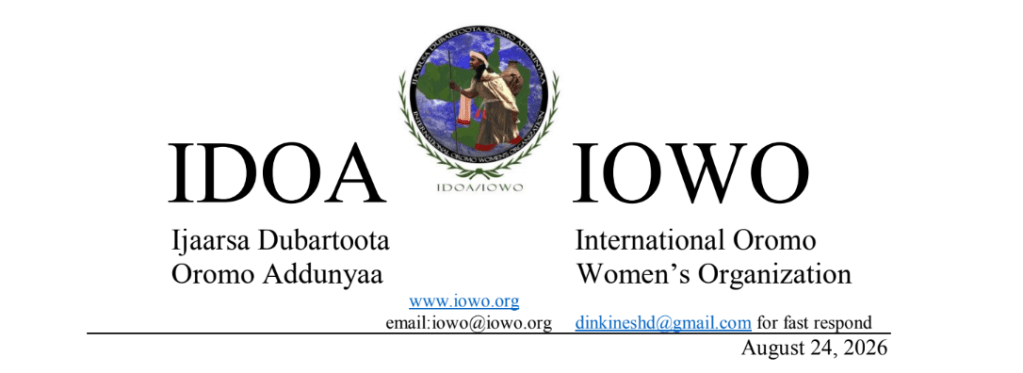
In the quiet villages of Ethiopia’s Oromia region, a summer of horror is drawing to a close. While global attention remains fixed on other crises, the International Oromo Women’s Organization (IOWO) has released a desperate appeal documenting an escalating campaign of violence that has turned the East Wollega Zone into a graveyard of professional promise and a testament to human cruelty .
The reports paint a picture of systematic terror allegedly perpetrated by Amhara Fano armed groups. Beginning in July and intensifying throughout August 2026, the violence has centered on the Gida Ayana Woreda—including the communities of Andode Dichoo, Angar Gute, and Tullu Lenca—as well as Kiramu and Horro Guduru. The testimonies describe not merely a conflict, but a targeted attempt to dismantle the very fabric of civilian life.
A Targeting of Hope
What distinguishes these atrocities is the chilling precision of the attacks. Among the dead are not just anonymous civilians, but the very pillars of the community. On August 19, the violence claimed Mr. Lamessa Mangistu, the branch manager of Awash Bank in Gida Ayana, and Mr. Mamush Maru, a banker at the Oromia Cooperative Bank. Their crime? Providing essential financial services to their community .
In Angar Gute, armed men reportedly burned Sister Liktu Amanu, a midwifery and nursing professional, while she was carrying out emergency duties. Just days earlier, 65-year-old Amanu Hirpha Bidu was reportedly burned alive inside an active ambulance during a patient transfer—a blatant violation of the fundamental protections afforded to medical transport under international humanitarian law . The attack on Mr. Olika Sagni, a local teacher, represents another devastating blow, stripping the community of its educators and the promise of future generations.
“We as mothers and sisters, cannot stand the endless brutal actions against civilian human beings,” writes Dinknesh D. Kitila, IOWO’s Board Director, in the appeal . Their plea is directed at the UN Security Council, the Human Rights Council, the U.S. Secretary of State, the EU, and governments worldwide: act before more innocent lives are extinguished.
Scorched Earth and Silence
The destruction is not limited to lives. The IOWO report details widespread arson targeting public offices, private homes, and transport vehicles, displacing families and paralyzing local economies. The group has released harrowing images of vehicles and property consumed by flames, emphasizing that the campaign is as much about erasing community infrastructure as it is about inflicting casualties. The targeted destruction of the Angar Gute area, including a special attack on Tullu Lenca, points to an attempt to force a demographic change or to punish communities for their identity .
This violence is part of a broader pattern of instability in Ethiopia. Travel advisories from various embassies currently designate East Wollega as a “red” or “extremely high-risk” area, warning citizens to avoid the region due to the presence of armed groups and the risk of attacks on civilians . The international community, while aware, has often been slow to act as the crisis deepens.
The World’s Response
The IOWO appeal calls for two immediate actions: emergency civilian protection for vulnerable populations in the affected woredas, and accountability for the perpetrators of these unlawful killings.
As the appeal letter was signed on August 24, the silence from the international community remains deafening. The documented cases of targeted killings of professionals, the use of ambulances as instruments of death, and the burning of entire communities demand more than a passing glance.
The mothers and sisters of East Wollega are not asking for charity; they are demanding the basic right to live. The charred remains of a midwife’s ambulance and the empty desks of murdered teachers are a stain on the conscience of humanity, a stark reminder that the cost of inaction is always counted in lives.

The World Looks Away: Western Oromia’s Cry for Justice

As violence escalates in Western Oromia, a leading advocacy group warns that silence is complicity and calls for urgent international intervention.
—
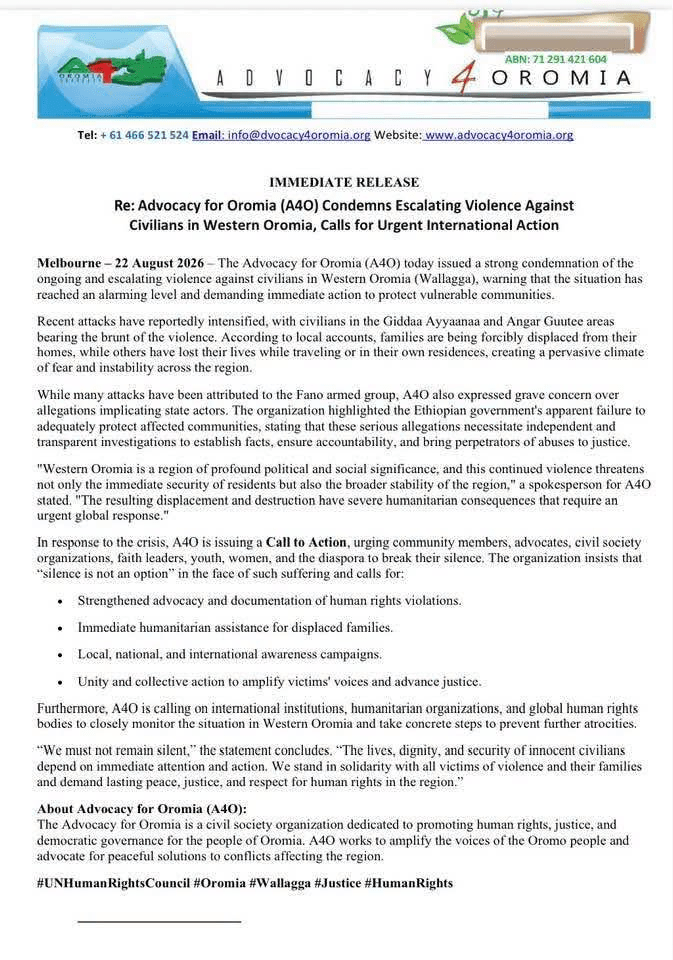
Melbourne – August 22, 2026 – The Advocacy for Oromia (A4O) has issued a stark warning that the escalating violence against civilians in Western Oromia (Wallagga) has reached an alarming level, demanding immediate action to protect vulnerable communities. In a powerful statement released today, the organization condemned the intensifying attacks that have reportedly displaced families, claimed lives, and created a pervasive climate of fear across the region.
The violence, concentrated in the Giddaa Ayyaanaa and Angar Guutee areas, has targeted civilians in their homes and while traveling, according to local accounts. Families are being forcibly displaced, their lives upended by a campaign of terror that shows no sign of abating.
A Crisis of Complicity
While many attacks have been attributed to the Fano armed group, A4O has expressed grave concern over allegations implicating state actors. The organization has accused the Ethiopian government of failing to adequately protect affected communities, a failure that demands independent and transparent investigations.
“Western Oromia is a region of profound political and social significance, and this continued violence threatens not only the immediate security of residents but also the broader stability of the region,” an A4O spokesperson stated. “The resulting displacement and destruction have severe humanitarian consequences that require an urgent global response.”
The government’s apparent inaction raises difficult questions about accountability and the protection of civilians. A4O insists that these serious allegations necessitate thorough investigations to establish facts, ensure accountability, and bring perpetrators of abuses to justice.
A Call to Break the Silence
In response to the unfolding crisis, A4O has issued a Call to Action, urging community members, advocates, civil society organizations, faith leaders, youth, women, and the diaspora to break their silence. The organization insists that “silence is not an option” in the face of such suffering.
The call outlines several key priorities:
· Strengthened advocacy and documentation of human rights violations to ensure that the world bears witness to the atrocities.
· Immediate humanitarian assistance for displaced families, whose basic needs remain unmet.
· Local, national, and international awareness campaigns to shine a spotlight on the crisis.
· Unity and collective action to amplify victims’ voices and advance justice.
A4O is also calling on international institutions, humanitarian organizations, and global human rights bodies to closely monitor the situation in Western Oromia and take concrete steps to prevent further atrocities.
The Cost of Inaction
The human toll of the violence is immeasurable. Families torn apart, communities shattered, and lives cut short—all while the international community remains largely silent. The displacement and destruction have severe humanitarian consequences, yet the global response has been insufficient.
A4O’s statement is a desperate plea to the world: “We must not remain silent. The lives, dignity, and security of innocent civilians depend on immediate attention and action. We stand in solidarity with all victims of violence and their families and demand lasting peace, justice, and respect for human rights in the region.”
A Call to Remember
As the violence continues to escalate, the world faces a choice: to act or to look away. A4O’s message is clear—silence is complicity, and inaction is a choice to abandon innocent lives.
The organization’s commitment to amplifying the voices of the Oromo people and advocating for peaceful solutions is a reminder that even in the darkest times, hope persists. But hope alone is not enough. It requires action, solidarity, and a collective demand for justice.
The people of Western Oromia are not merely statistics; they are mothers, fathers, children, and communities whose lives hang in the balance. Their cries for help must not go unanswered.
—
For more information, contact Advocacy for Oromia (A4O), a civil society organization dedicated to promoting human rights, justice, and democratic governance for the people of Oromia.
#UNHumanRightsCouncil#Oromia#Wallagga#Justice#HumanRights

We Must Not Remain Silent: The Unfolding Horror in Western Oromia

As violence escalates and thousands are displaced, the Oromo Sisterhood Institute issues a desperate plea: silence is complicity, and action cannot wait.
—
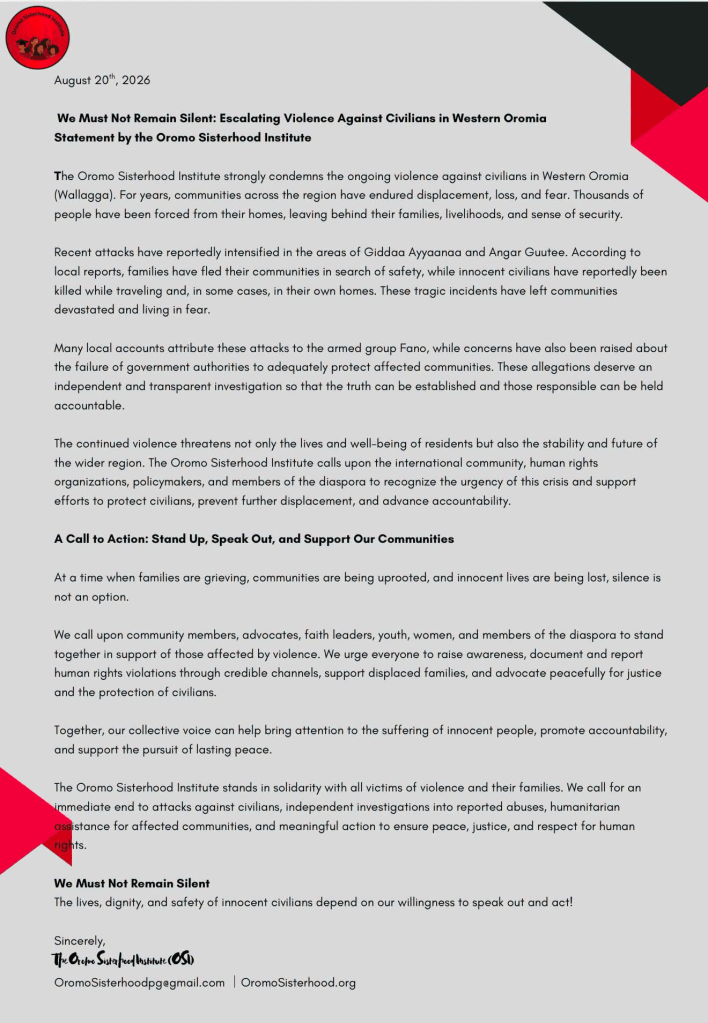
In the quiet villages of Western Oromia, a crisis of staggering proportions has been unfolding for years. But in recent weeks, the violence has reached a terrifying crescendo. The Oromo Sisterhood Institute (OSI) has issued an urgent condemnation of the escalating attacks against civilians in the Wallagga region—a humanitarian catastrophe that has displaced thousands, claimed countless lives, and left communities living in a state of paralyzing fear.
The areas of Giddaa Ayyaanaa and Angar Guutee have borne the brunt of the violence. According to local reports, families have been forced to flee their homes, leaving behind everything they have ever known. Civilians have reportedly been killed while simply traveling, while others have been murdered in their own homes—a brutal reminder that no place is safe.
The Oromo Sisterhood Institute, a leading voice for women’s rights and community protection, is sounding the alarm: the international community cannot afford to look away.
A Crisis of Accountability
While many attacks have been attributed to the Fano armed group, serious concerns have also been raised regarding the role of state actors and the Ethiopian government’s failure to adequately protect affected communities. The government’s apparent inaction raises deeply troubling questions about the protection of civilians and the rule of law.
OSI insists that these serious allegations warrant independent investigations to establish the facts, ensure accountability, and bring those responsible for abuses against civilians to justice.
“Western Oromia is widely recognized as an area of significant political and social importance,” the Institute states. “The continued violence threatens not only the security and well-being of local residents but also the stability of the broader region.”
The ongoing displacement of civilians and destruction of communities have both immediate and long-term humanitarian consequences. Families are being torn apart, children are being denied their futures, and an entire region is being pushed to the brink.
A Call to Action: Silence Is Not an Option
In the face of such unimaginable suffering, the Oromo Sisterhood Institute is issuing a powerful call to action. The message is clear and uncompromising: silence is not an option.
“We urge community members, advocates, civil society organizations, faith leaders, youth, women, and members of the diaspora to stand up for civilian protection, speak out against human rights violations, and support affected families and communities.”
The Institute is calling for:
· Strengthened advocacy and documentation of human rights violations through credible channels.
· Immediate humanitarian assistance for displaced families, whose basic needs remain unmet.
· Local, national, and international awareness campaigns to shine a spotlight on this unfolding tragedy.
· Unity and collective action to amplify the voices of victims, advance accountability, and contribute to the pursuit of justice and lasting peace.
Every Community Deserves Safety
The Oromo Sisterhood Institute’s message is rooted in a fundamental belief: every community has the right to live in safety, dignity, and freedom from violence. This is not a partisan issue; it is a human issue.
The Institute is calling upon international institutions, humanitarian organizations, and global human rights bodies to closely monitor the situation in Western Oromia and take meaningful action to ensure the protection of civilians and the prevention of further atrocities.
“We stand in solidarity with all victims of violence and their families,” OSI declares. “We call for an immediate end to attacks against civilians, independent and transparent investigations into reported abuses, humanitarian assistance for affected communities, and concrete measures to ensure lasting peace, justice, accountability, and respect for human rights in the region.”
The Cost of Inaction
As the violence continues to escalate, the world faces a choice: to act or to remain silent. The Oromo Sisterhood Institute has made its position unequivocally clear.
“We must not remain silent,” the statement concludes. “The lives, dignity, and security of innocent civilians depend on immediate attention and action.”
The people of Western Oromia are not just statistics; they are mothers, fathers, children, and communities whose lives hang in the balance. Their cries for help must not go unanswered. The time for action is now—before more lives are lost, more families are displaced, and more communities are destroyed.
The Oromo Sisterhood Institute calls upon the international community, human rights organizations, policymakers, and members of the diaspora to recognize the seriousness of the situation and to support efforts aimed at protecting civilians, preventing further displacement, and promoting accountability for human rights violations.
The world must not remain silent. The time to act is now.
—
The Oromo Sisterhood Institute (OSI) is a civil society organization dedicated to promoting the rights, dignity, and well-being of Oromo women and communities. Through advocacy, awareness, and collective action, OSI works to amplify the voices of the marginalized and advance justice and lasting peace.
#UNHumanRightsCouncil#Oromia#Wallagga#Justice#HumanRights

Gaammee: Oromo Youth Celebrate Ifaanoo 6420 with Joy and Splendour
A Festival of Light, Renewal, and Cultural Pride
By Maatii Sabaa
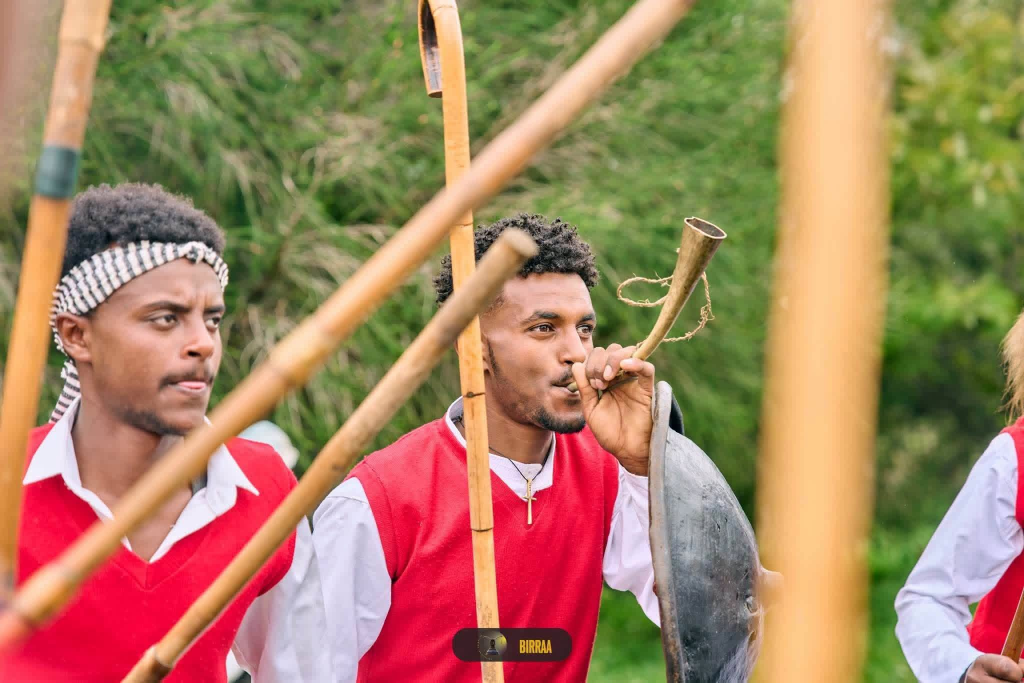
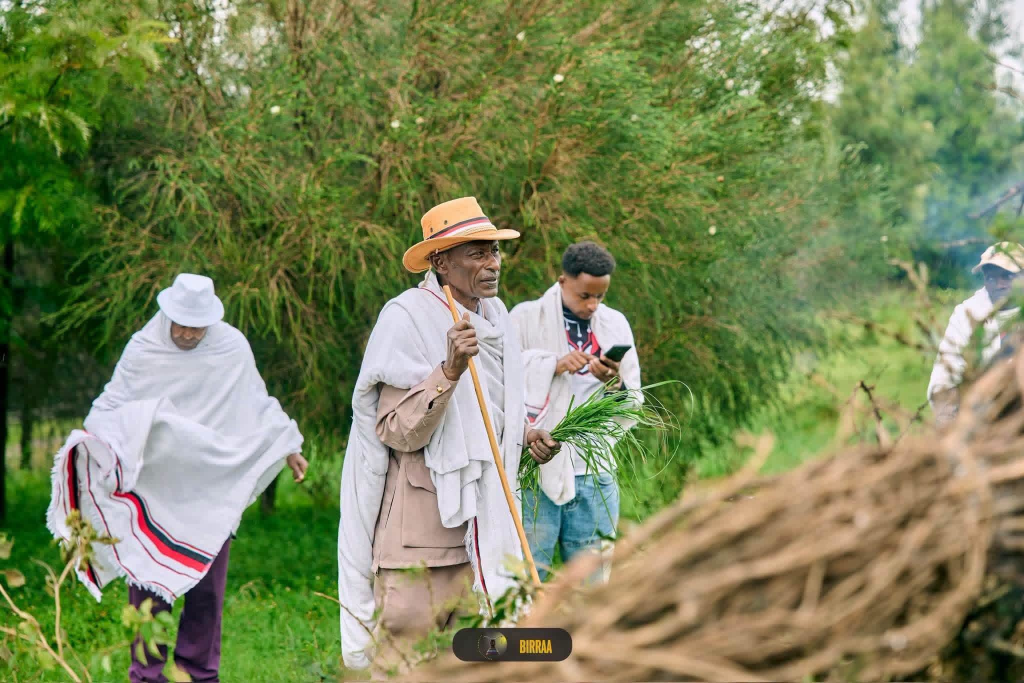
In a dazzling display of cultural pride and spiritual devotion, the Oromo youth—the Gaammee generation—have celebrated the sacred festival of Ifaanoo for the year 6420 with warmth, beauty, and unwavering commitment to their heritage. The celebration, held in the historic Galma Amantaa Waaqeffannaa Duudhaa Ganamaa Walisoo Liiban, was a powerful affirmation of Oromo identity and cultural continuity.
The Ifaanoo festival, which marks the transition from the dark winter season to the bright spring season, is one of the most significant celebrations in the Oromo calendar. This year’s celebration was particularly meaningful, as it coincided with the Oromo New Year 6420—a milestone that reflects the ancient roots of Oromo civilization and its enduring traditions.
The Significance of Ifaanoo
Ifaanoo is a sacred festival of light and renewal. The word ifaa in Afaan Oromoo means “light,” and the festival embodies the dispelling of darkness—both literal and metaphorical. Just as the dawn breaks after a long night, Ifaanoo represents the triumph of hope over despair, of unity over division, of life over hardship.
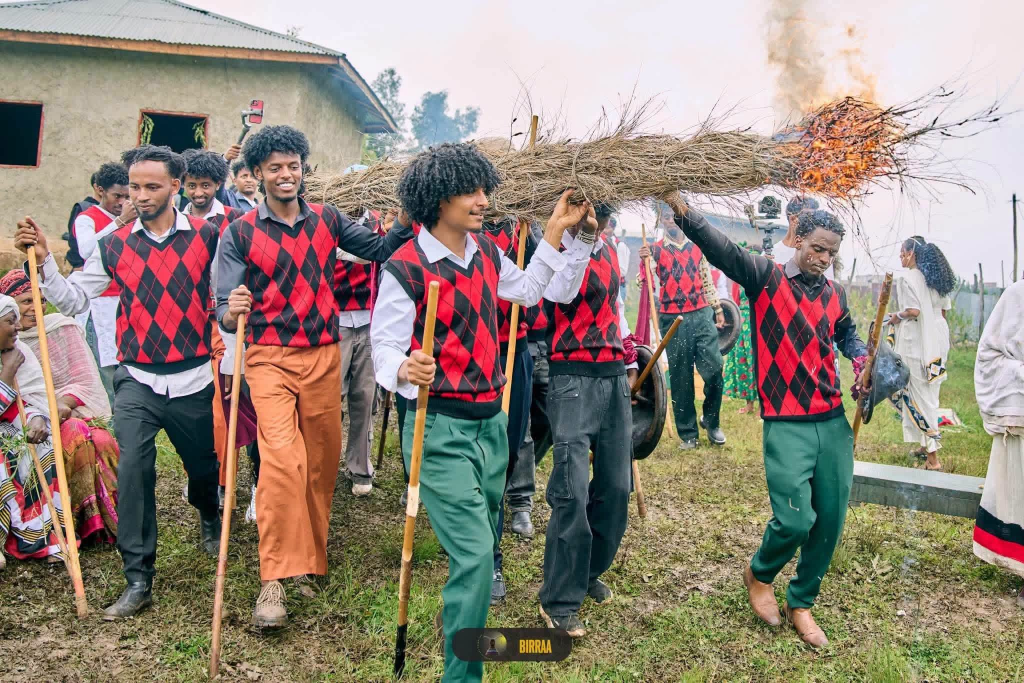
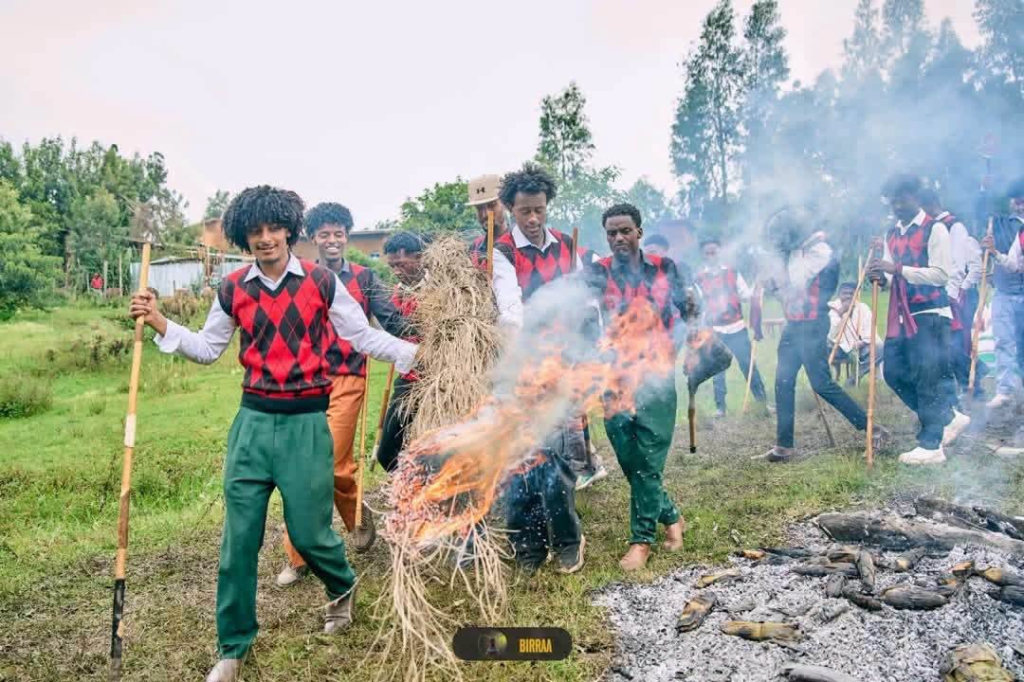
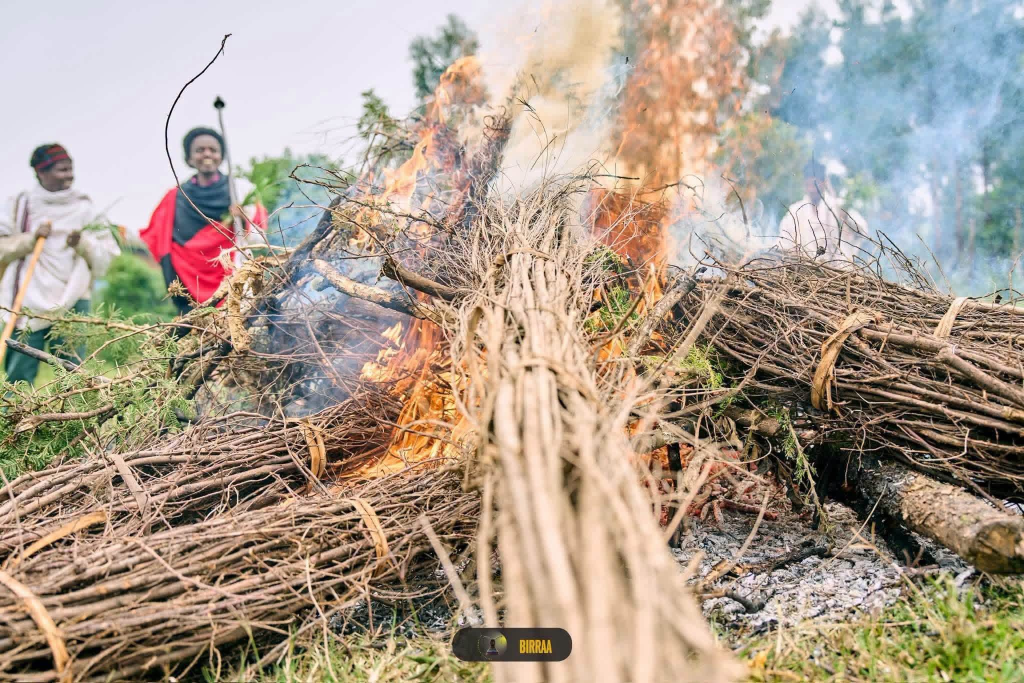
The lighting of the Mijirii bonfire is the centrepiece of the celebration. The bonfire is not merely a source of warmth; it is a symbol of the sun’s return, the rebirth of the earth, and the renewal of the community’s covenant with Waaqa (God). As the flames rise, participants offer prayers of gratitude for the blessings of the past year and petitions for peace, prosperity, and unity in the year ahead.
The Gaammee Generation: Carriers of the Flame
The Gaammee youth played a central role in the Ifaanoo 6420 celebration. As the generation that will inherit the responsibilities of leadership and cultural preservation, the Gaammee youth demonstrated their commitment to the values and traditions of their ancestors.
The celebration featured traditional songs, dances, and rituals that have been passed down through generations. The youth, dressed in their finest traditional attire, participated with joy and reverence, embodying the spirit of cultural continuity that has sustained the Oromo people for millennia.
A Declaration of Peace and Unity
The Ifaanoo 6420 celebration was also a declaration of peace and unity. As the community gathered to celebrate, they reaffirmed their commitment to the values that have sustained the Oromo people through centuries of challenge: solidarity, resilience, and mutual respect.
The elders, known as Abbootii Gadaa and Haadholii Siinqee, led the prayers and offered blessings for the coming year. They shared the wisdom of the ancestors, reminding the younger generation of their responsibilities to their community and their culture.
The celebration was also a reaffirmation of the Gadaa system, the traditional Oromo governance structure recognised by UNESCO as an Intangible Cultural Heritage of Humanity. Through the rituals and ceremonies of Ifaanoo, the community honoured the principles of the Gadaa system: democracy, accountability, and the peaceful transfer of power.
A Celebration of Oromo Identity
The Ifaanoo 6420 celebration was a powerful expression of Oromo identity. It was a reminder that the Oromo people have a rich cultural heritage that predates modern empires and nation-states—a heritage that continues to flourish despite centuries of oppression and marginalisation.
The celebration was also a declaration of hope. As the Oromo people look to the future, they draw strength from their traditions, their community, and their faith. The Ifaanoo festival is a testament to their resilience and their determination to build a future of peace, prosperity, and dignity.
Conclusion
The celebration of Ifaanoo 6420 by the Gaammee generation was a moment of profound significance for the Oromo people. It was a celebration of light and renewal, a reaffirmation of cultural identity, and a declaration of hope for the future.
As the flames of the Mijirii bonfire rose toward the heavens, they illuminated not only the faces of the gathered community but also the path forward—a path guided by the values of peace, unity, and cultural pride.
Ifaanoo 6420 haa jabaattu!
Gaammeen Oromoo haa jabaattu!
Injifannoon Ummata Oromoo!
This feature article is dedicated to the Gaammee generation and all those who work to preserve and promote Oromo culture and identity.

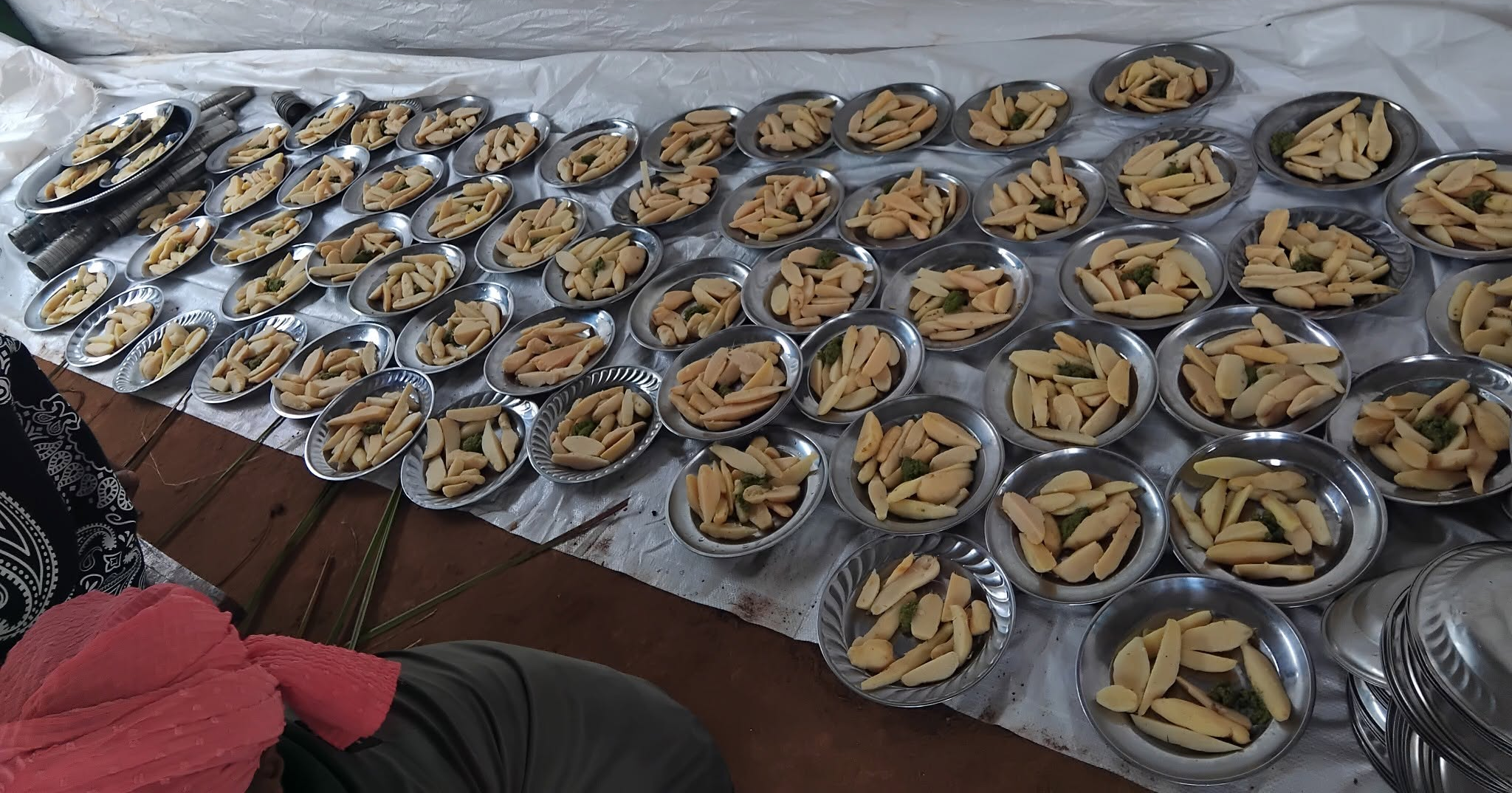
Garanfasaa: Welcoming the Season of Light Through Oromo Tradition
A Celebration of Love, Unity, and the Transition to Spring
By Daandii Ragabaa
Across the Oromo landscape, as the dark winter season gives way to the bright promise of spring, a sacred celebration unfolds. Garanfasaa—known in central Oromia as Ibsaa Birraa—is a vibrant festival marking the arrival of the season of light, love, and renewal.
This ancient tradition, celebrated in the western regions of Oromia, is a profound expression of Oromo identity, community, and cultural continuity. It is a time when families, lovers, and communities come together to honour the transition from winter to spring, and to reaffirm the bonds that hold society together.
The Meaning of Garanfasa
Garanfasaa, also known as Ibsaa Birraa, is a festival of love and renewal. It marks the transition from the rainy season to the bright, hopeful days of spring—a time when the earth awakens, the flowers bloom, and life is renewed.
The festival is celebrated in the month of Hagayya (July-August), when the community gathers to welcome the season of light. The celebration is characterised by traditional songs, dances, and the exchange of gifts between lovers and family members.
The name “Ibsaa Birraa” reflects the festival’s essence: Ibsaa means “light,” and Birraa means “spring.” Together, they capture the spirit of the celebration—the illumination that follows the darkness of winter, the hope that follows hardship, the renewal that follows loss.
A Celebration of Love and Community
One of the most distinctive features of Garanfasaa is its emphasis on love and courtship. The festival is a time when young men and women express their affection for one another through the exchange of gifts. Traditionally, lovers give each other tokens of their love—beautifully crafted items that symbolise their commitment and devotion.
As the custom holds, the exchange of gifts is not merely a gesture of affection but a declaration of intent. Those who fail to give gifts may be seen as lacking in respect or affection, and tensions can arise between couples. The festival thus serves as a social mechanism for maintaining harmony in relationships and reinforcing the values of love and mutual respect.
The scholar John Samuel, writing on Oromo spirituality and history, described Ibsaa Birraa as a “great festival of the blacks,” noting its deep cultural and spiritual significance. The festival, he observed, has been eroded over time, but its essence remains a powerful expression of Oromo identity.
The Rituals of Garanfasaa
The Garanfasa celebration is marked by a series of traditional rituals that have been passed down through generations:
Gathering of the Three Clans
In the western Oromo region, the festival is celebrated by the Three Clans of Sibuu. Families gather at designated sites, dressed in their finest traditional attire, to participate in the festivities.
Traditional Songs and Dances
The air is filled with the sounds of traditional songs, known as sirba, and the rhythmic beat of drums. Young men and women perform dances that have been passed down through generations, expressing joy and gratitude for the arrival of spring.
Exchange of Gifts
The exchange of gifts is a central feature of the celebration. Lovers present each other with tokens of their affection, reinforcing the bonds of love and commitment. Families also exchange gifts, strengthening the ties of kinship and community.
Blessings from Elders
Elders lead the prayers and offer blessings for the coming season. They share the wisdom of the ancestors, reminding the younger generation of their responsibilities to their community and their culture.
The Significance of Garanfasa in Oromo Culture
Garanfasaa is more than a festival—it is a reaffirmation of Oromo identity and cultural continuity. In a world of rapid change, traditions like Garanfasaa serve as anchors of identity, connecting the present generation to their ancestors and ensuring that the values of the past endure.
The festival also reinforces the bonds of community. By coming together to celebrate, families and neighbours strengthen the social fabric that sustains them. The festival is a reminder that the Oromo people are not merely individuals but members of a larger community, bound by shared history, culture, and values.
A Call to Preserve and Celebrate
Like many Oromo traditions, Garanfasaa has faced challenges. Under successive oppressive regimes, the celebration was suppressed and driven underground. Its revival in recent years is a testament to the resilience of the Oromo people and their determination to preserve their heritage.
As the community gathers to celebrate Garanfasaa, they are also declaring that their traditions endure—that the light of their culture will never be extinguished.
This feature article is dedicated to the custodians of Oromo tradition who keep the spirit of Garanfasaa alive for future generations.

Ukee: An Oromo Tradition of Nurturing the Next Generation
Celebrating Childhood and Cultural Continuity in Walisoo
By Daandii Ragabaa
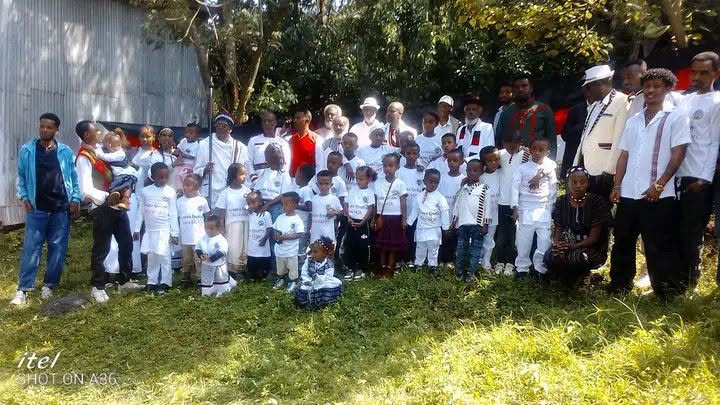
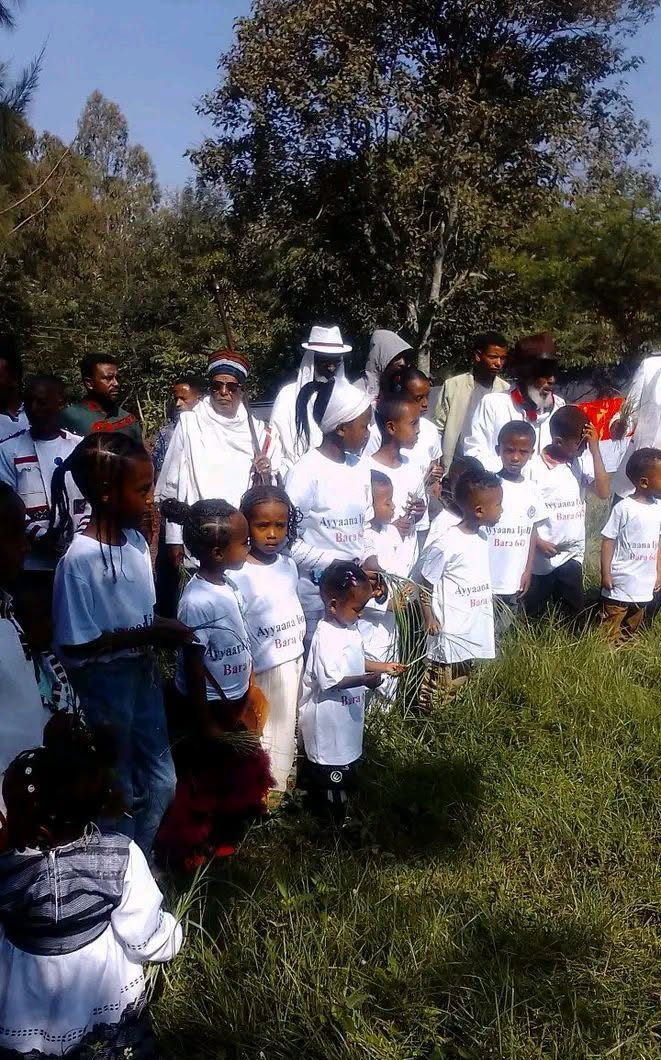
Today, in the historic town of Walisoo, the Galma Amantaa Waaqeffannaa Duudhaa Ganamaa Walisoo Liiban was filled with the joyous sounds of children’s laughter and celebration. The occasion was the annual Ukee festival—a sacred Oromo tradition dedicated to honouring children and ensuring the continuity of culture from one generation to the next.
What Is Ukee?
Ukee, also known as Taabooree in some regions, is a traditional Oromo children’s festival celebrated during the month of Hagayya (July-August). It is a time when the community comes together to honour its youngest members—the inheritors of the culture, the carriers of the language, and the hope of the future.
The festival reflects the deep value that Oromo culture places on children. In a society where oral tradition is the foundation of cultural transmission, children are not merely the future—they are the living connection to ancestors and the continuity of identity.
A Celebration of Childhood and Community
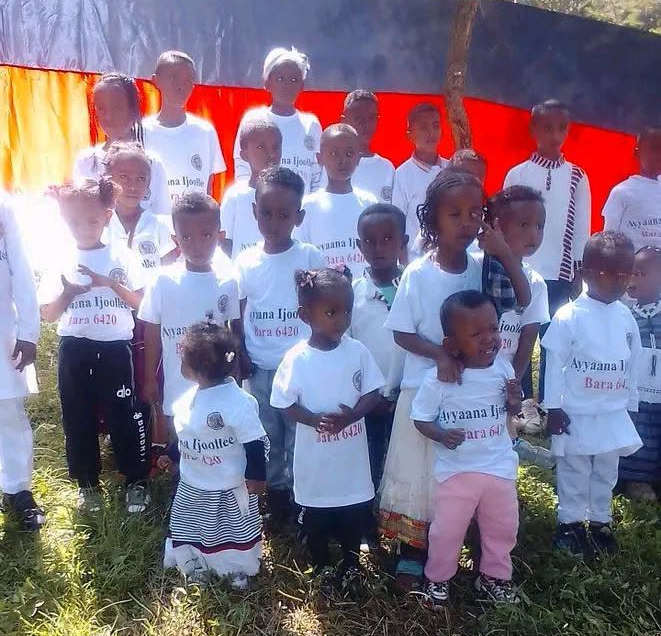
The Ukee festival is a vibrant celebration filled with traditional songs, games, and communal gatherings. Children are the centre of attention, dressed in their finest traditional attire, participating in activities that have been passed down through generations.
The festival is also a time for intergenerational connection. Elders share stories, teach traditional values, and impart the wisdom of the Gadaa system to the younger generation. Through these interactions, children learn about their history, their culture, and their responsibilities to their community.
The Significance of Ukee
For the Oromo people, the Ukee festival is not merely a children’s holiday—it is a profound expression of the community’s commitment to its future. By celebrating and nurturing children, the community ensures that its culture, language, and values will endure for generations to come.
The festival also reinforces the bonds of community. Families come together, neighbours share meals, and the entire community participates in the celebration of its youngest members. This collective affirmation of the value of children strengthens the social fabric and builds a foundation for future prosperity.
A Living Tradition
In a rapidly changing world, traditions like Ukee serve as anchors of identity and continuity. The celebration at the Galma Amantaa Waaqeffannaa in Walisoo is a testament to the resilience of Oromo culture and the commitment of the community to preserving its heritage.
As the children of Walisoo gather to sing, dance, and celebrate, they are not only enjoying a moment of joy—they are participating in a ritual that has sustained the Oromo people for centuries. They are learning who they are and who they can become.
Conclusion
The Ukee festival is a beautiful reminder that the strength of a community lies in its children. By honouring them, we honour our ancestors. By celebrating them, we celebrate our future. By teaching them, we ensure that the flame of our culture will never be extinguished.
This feature article is dedicated to the children of Oromia and all those who work to ensure that Oromo culture thrives for generations to come.

Ifaanoo: Welcoming the Season of Light
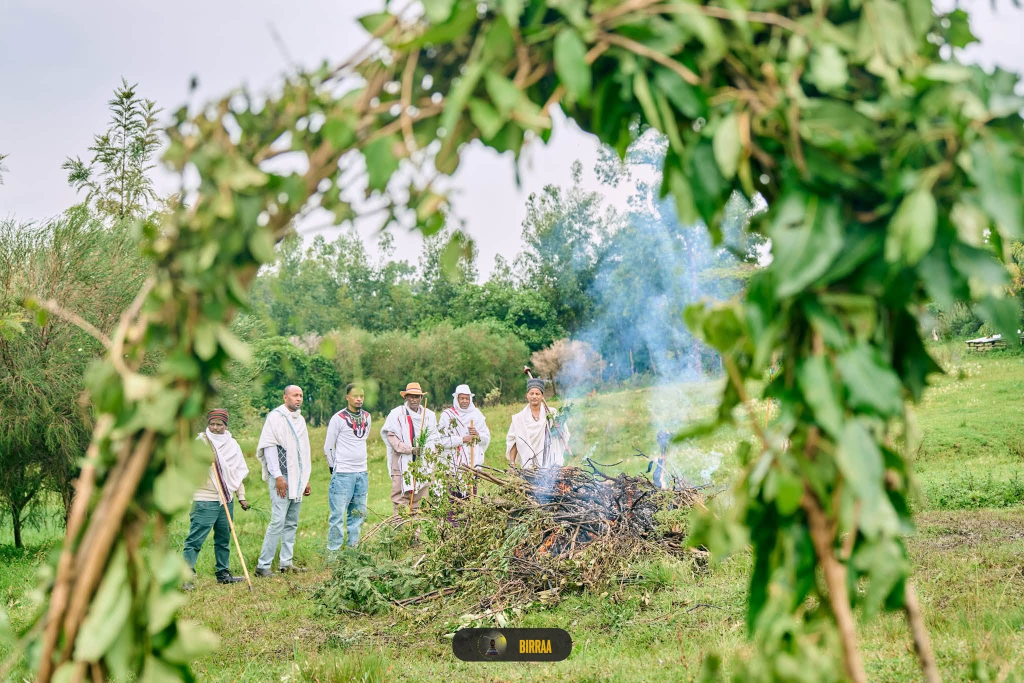
How the Sacred Mijirii Bonfire Illuminates Hope, Rebirth, and Oromo Unity
ByMaatii Sabaa
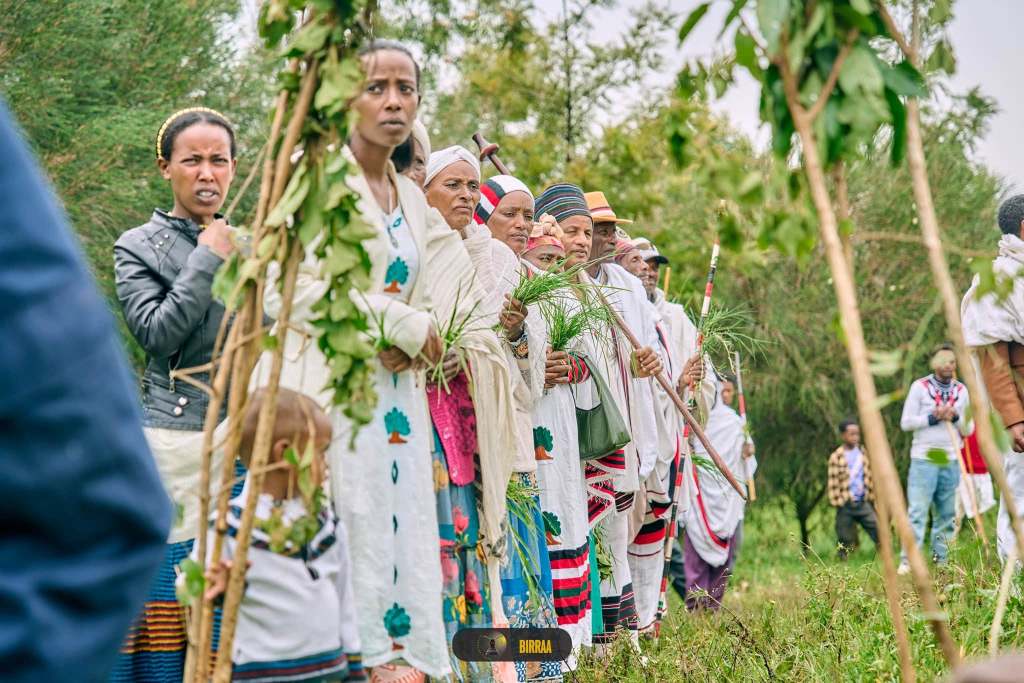
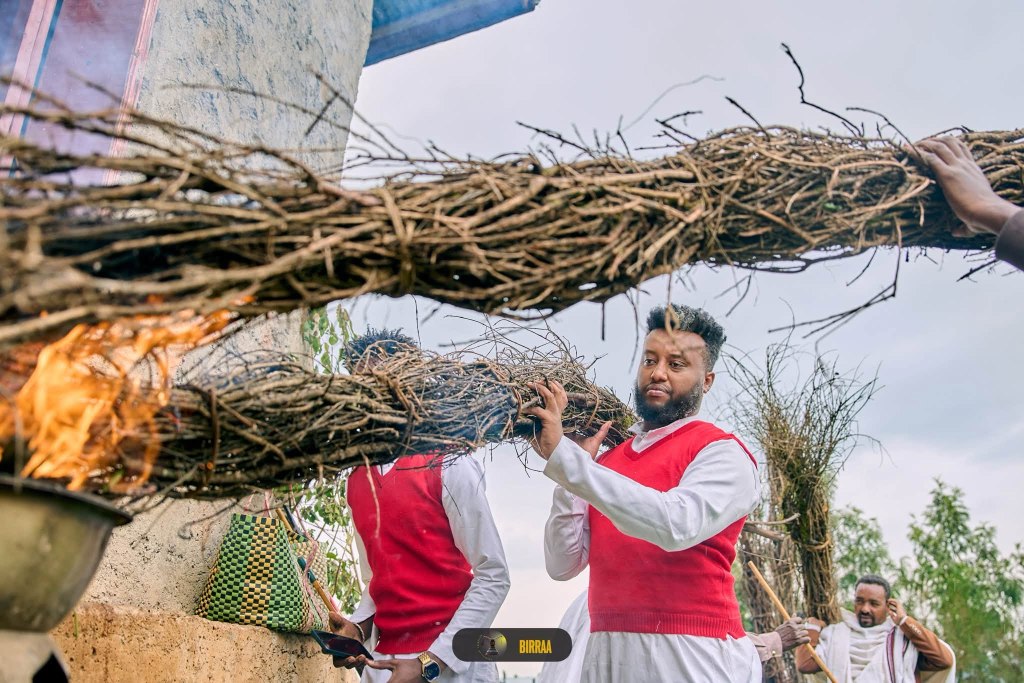
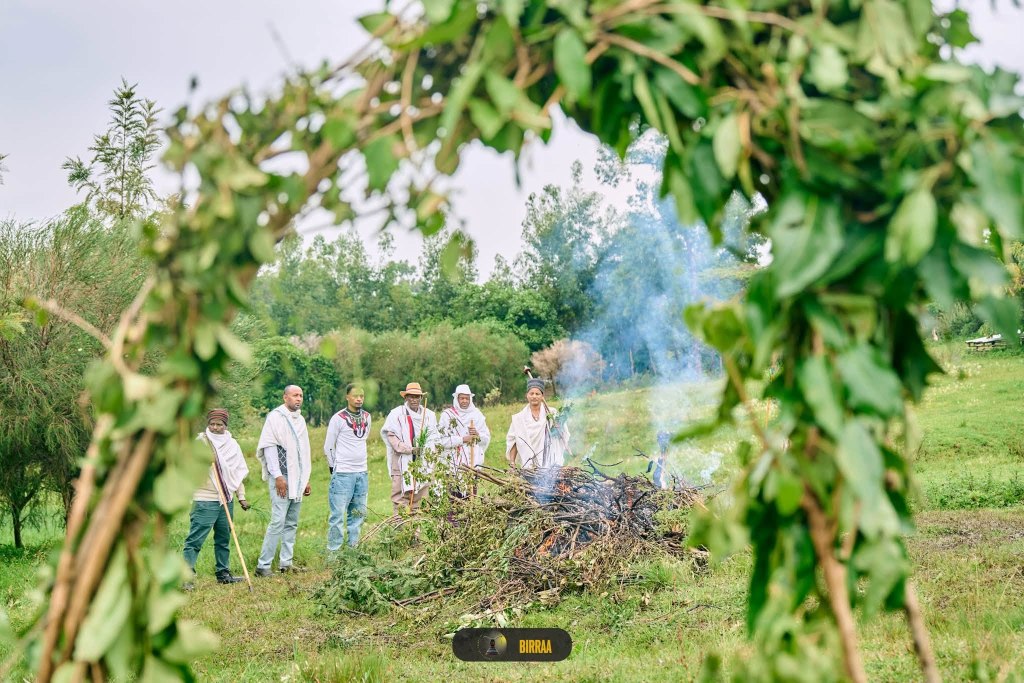
At the break of dawn, as the first rays of light touch the horizon, the sky ignites with warmth. Flames leap toward the heavens, casting a golden glow across the gathered community. This is Ifaanoo—the sacred Oromo ritual that marks the end of the dark winter season and the joyous arrival of Birraa (spring).
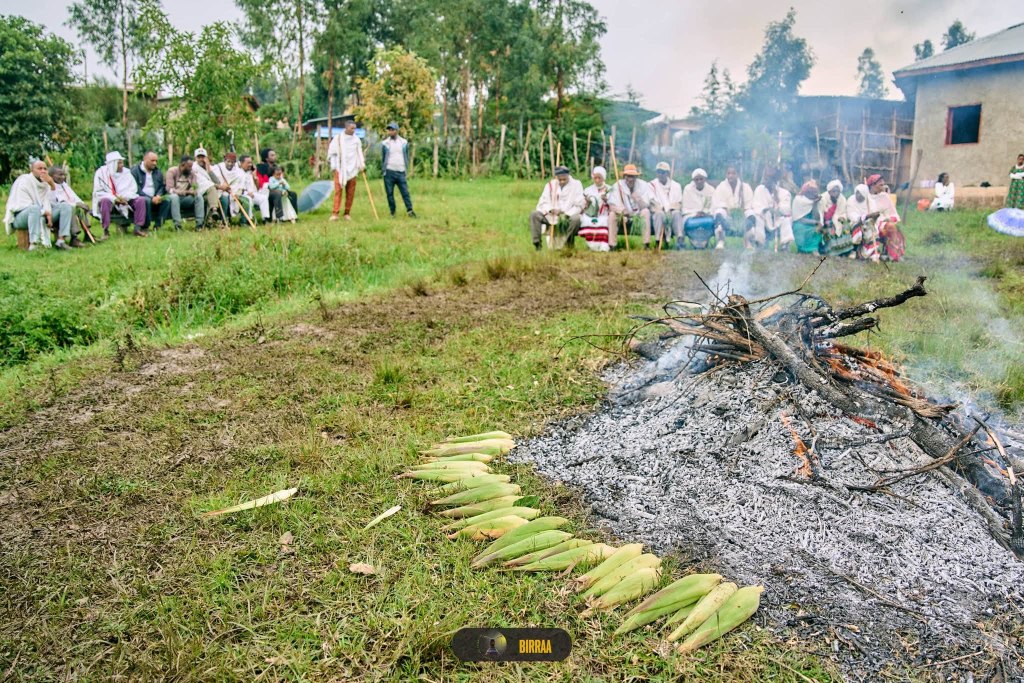
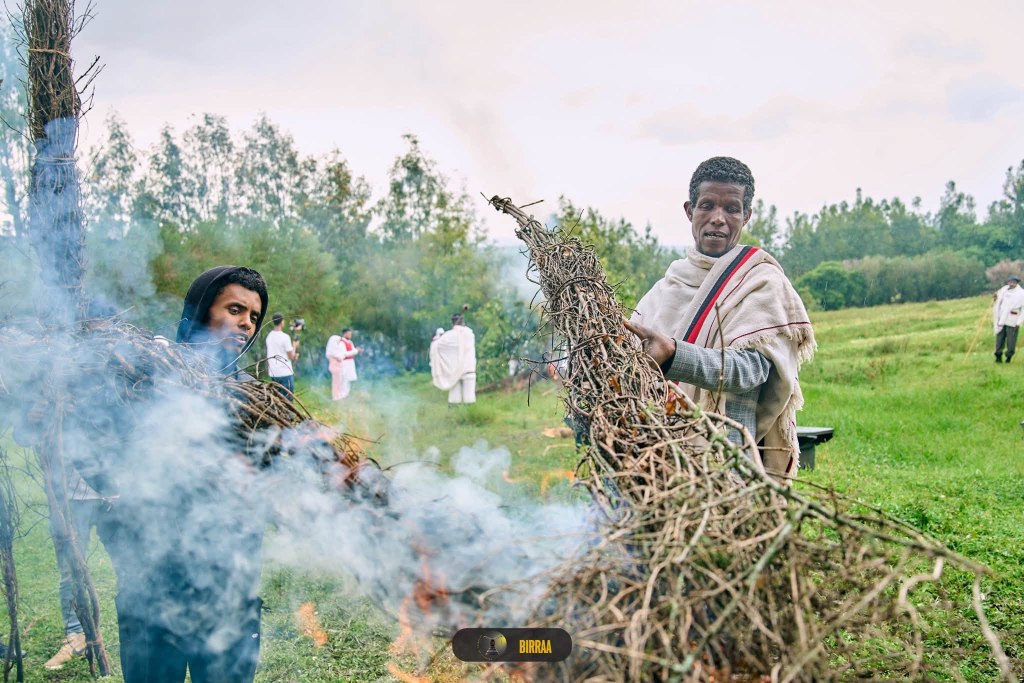
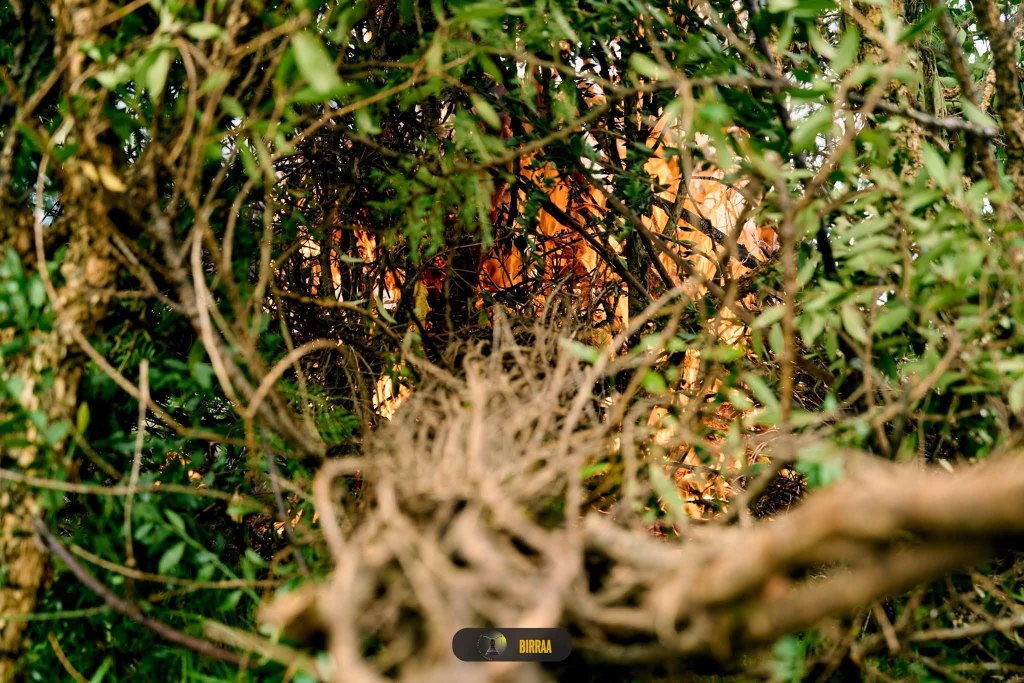
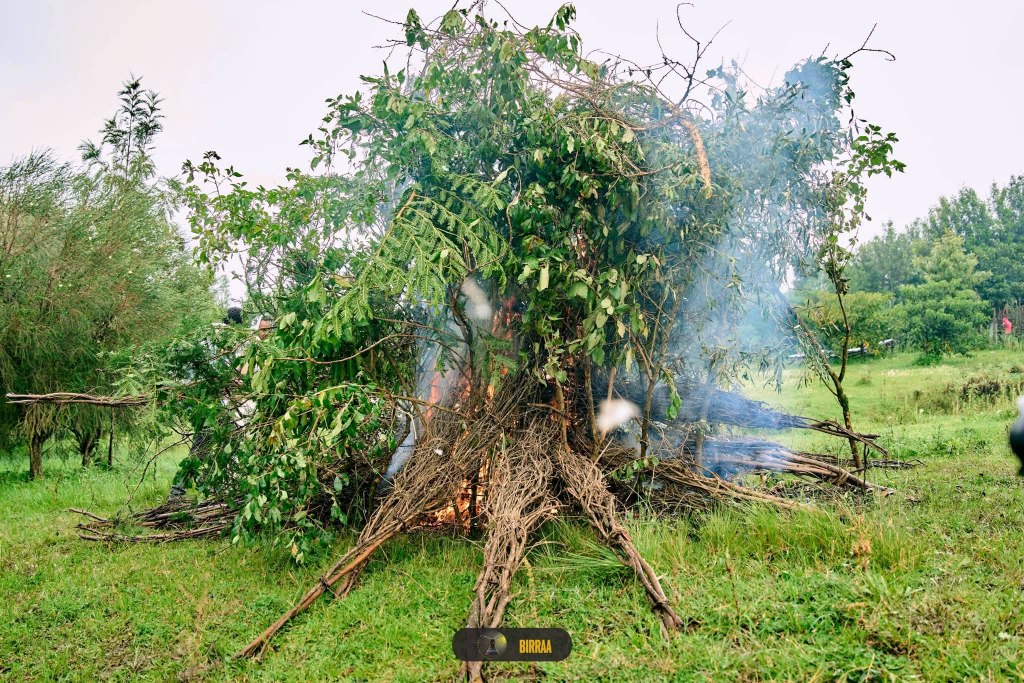
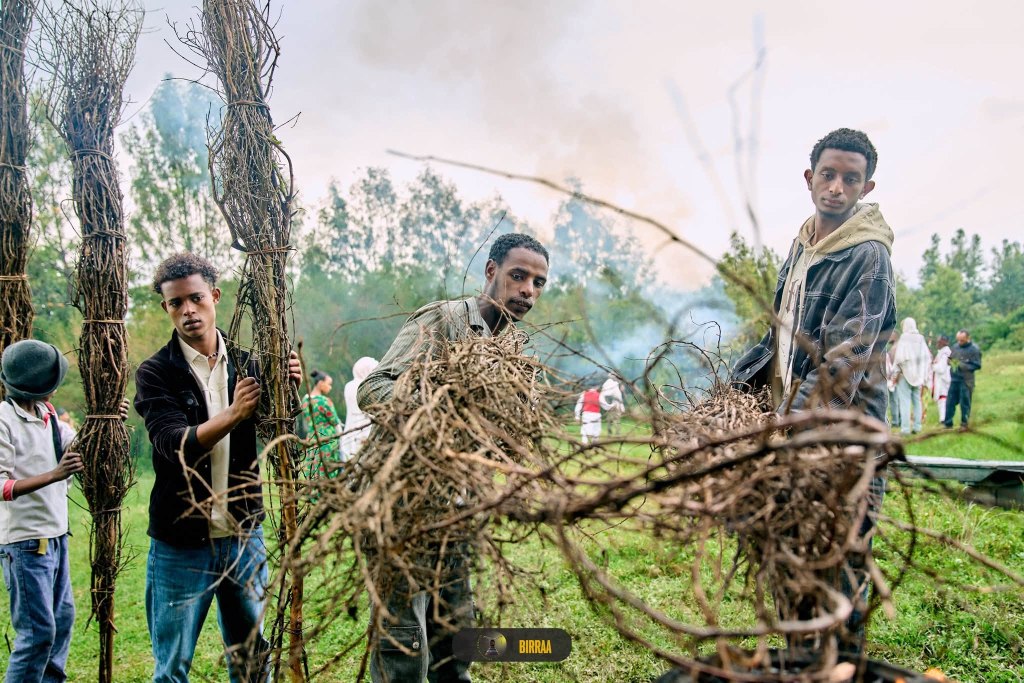
The historic Mijirii bonfire is lit, filling the air with the crackling sound of fire and the scent of burning wood. Families, elders, youth, and children gather around the flames, their faces illuminated by the glow. It is a moment of profound spiritual significance—a time when the community comes together to cast away the gloom of winter, uplift one another, and celebrate the rich, enduring customs of their ancestors.
The Meaning of Ifaanoo
Ifaanoo is a celebration of light and renewal. The word ifaa in Afaan Oromoo means “light,” and the festival embodies the dispelling of darkness—both literal and metaphorical. Just as the dawn breaks after a long night, Ifaanoo represents the triumph of hope over despair, of unity over division, of life over hardship.
The lighting of the Mijirii bonfire is the centrepiece of the celebration. The bonfire is not merely a source of warmth; it is a symbol of the sun’s return, the rebirth of the earth, and the renewal of the community’s covenant with Waaqa (God). As the flames rise, participants offer prayers of gratitude for the blessings of the past year and petitions for peace, prosperity, and unity in the year ahead.
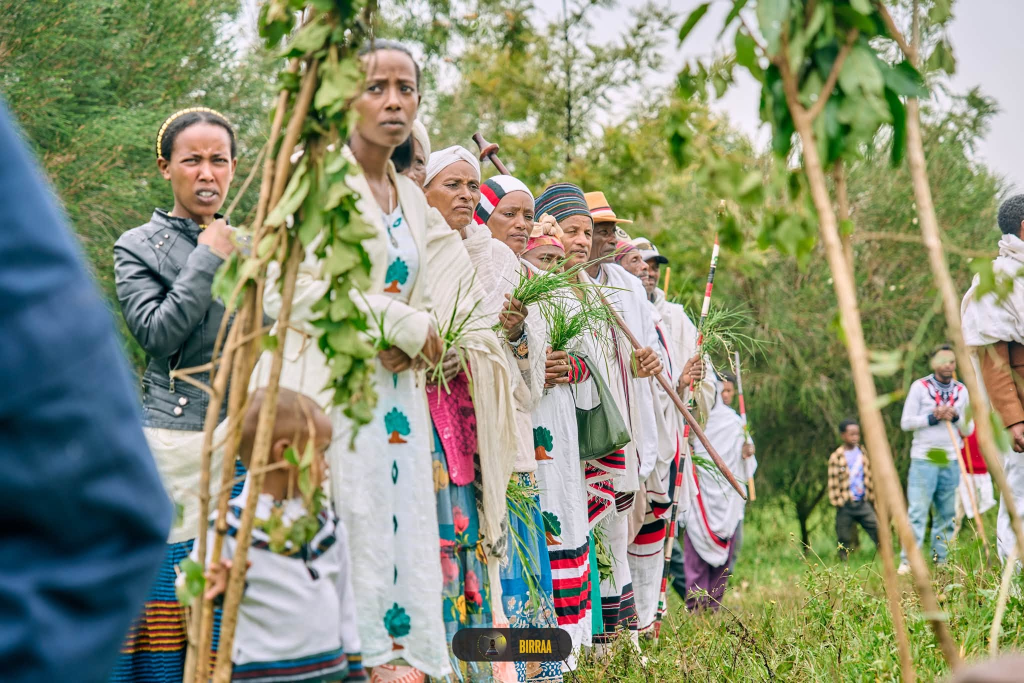
A Ritual of Community and Solidarity
Ifaanoo is a profoundly communal celebration. Families and neighbours gather around the bonfire, sharing stories, songs, and traditional foods. The warmth of the fire mirrors the warmth of human connection, reinforcing the bonds that hold the community together.
The festival is also a time for reconciliation. As with other Oromo celebrations, participants are encouraged to resolve conflicts and seek forgiveness before joining the festivities. This requirement ensures that the celebration is not merely a superficial gathering but a genuine act of collective healing and renewal.
Elders play a central role in the Ifaanoo ceremony. They lead the prayers, offer blessings, and share the wisdom of the ancestors with the younger generation. The intergenerational transmission of knowledge ensures that the values and traditions of the Oromo people are preserved and passed on.
The Symbolism of Light
For the Oromo people, light represents not only physical illumination but also spiritual clarity, moral purity, and the presence of divine blessing. The bonfire is a reminder that even in the darkest times, light can be kindled—that hope is never extinguished, and that renewal is always possible.
The transition from winter to spring is a powerful metaphor for the human experience. Winter, with its cold, darkness, and isolation, represents the hardships and challenges of life. Spring, with its warmth, light, and abundance, represents the promise of renewal and hope. Ifaanoo celebrates this transition, reminding the community that after every winter, spring will come.
A Living Tradition
Ifaanoo is not a relic of the past—it is a living tradition that continues to evolve and adapt to the needs of the present. In recent years, the celebration has been revived and embraced with renewed enthusiasm in Oromia and diaspora communities across the world.
The festival serves as a powerful statement of cultural identity and resilience. For a people who have faced centuries of oppression and cultural erasure, the act of gathering around the Mijirii bonfire is a declaration that their traditions endure and that their identity will not be extinguished.
A Call to Renewal
As the Mijirii bonfire illuminates the sky, it also illuminates the path forward. Ifaanoo is a call to renewal—to let go of past grievances, to embrace hope, and to recommit to the values of unity, peace, and mutual respect.
In a world often marked by division and despair, the Oromo people offer a powerful alternative: a celebration of light, community, and the enduring hope that dawn will always follow the night.
This feature article is dedicated to the custodians of Oromo tradition who keep the flame of Ifaanoo burning bright for future generations.





THE RESILIENT SPIRIT: OROMIA’S STRUGGLE FOR SURVIVAL AND RENEWAL

A feature on the challenges facing Oromo language, culture, and identity—and the unyielding determination to preserve them for generations to come
—
The Whispers of a Dying Language
In the bustling markets of Finfinne, amidst the vibrant chaos of merchants and shoppers, a troubling silence grows. The melodic tones of Afaan Oromo—once the heartbeat of millions—are increasingly drowned out by foreign tongues. Elders shake their heads as they witness their grandchildren struggle to form sentences in their mother tongue, preferring instead the languages of power and commerce.
“This is not just about words,” says Dr. Lemma Gutema, a linguist at Jimma University. “When a language dies, a worldview dies with it. The Oromo people are losing not just vocabulary, but the very framework through which we understand our relationship with the land, our history, and each other.”
The erosion of Oromo culture is not a natural evolution—it is a systematic dismantling that has accelerated over decades. As one elder in the countryside put it: “The language that was once spoken freely in every home, every market, every ceremony, is now fighting for breath. Our children are taught to be ashamed of who they are.”
—
Cultural Bleeding: The Erosion of Identity
Walk through any Oromo village today and you will see the signs of cultural fracture. The gadaa system—once the cornerstone of Oromo democracy and governance—is dismissed by many as primitive, its intricate wisdom forgotten. Traditional ceremonies are simplified, commercialized, or abandoned entirely.
“The aadaa of our people is not being preserved as it should be,” laments Haji Birmah, a cultural elder from Borana. “Our rituals, our songs, our ways of greeting, our respect for elders—these are not just customs. They are the threads that weave our community together. When these threads break, the fabric of our society unravels.”
Young Oromos find themselves caught between two worlds. Many seek to reconnect with their heritage, but find the path blocked by generations of suppression and the relentless pull of globalized culture. The result is a generation suffering from what psychologists call “cultural bereavement”—the grief of losing one’s cultural identity.
—
The Weight of Economic Injustice
Behind the cultural crisis lies a deeper wound: the systematic impoverishment of the Oromo people. Poverty is not merely an economic condition in Oromia—it is a manifestation of structural injustice that has left entire communities marginalized.
“We are rich in resources but poor in access,” explains financial analyst Tsehay Mulugeta. “Oromia holds the majority of Ethiopia’s agricultural land, water resources, and mineral wealth. Yet our people remain among the poorest and least developed in the nation. This is not an accident of geography—it is a product of policy.”
Farmers who have worked the land for generations find themselves unable to benefit from its bounty. Young people with dreams and ambition lack the educational and economic opportunities available to others. The cycle of poverty is not just about money—it erodes dignity, hope, and the very possibility of a better future.
“The poverty is humiliating,” says a young woman from Arsi, who asked to remain anonymous. “We see others prosper while we struggle. Our children go hungry. Our parents cannot afford healthcare. How can we preserve our culture when we are fighting for survival?”
—
Betrayed by the State
Perhaps most painful for the Oromo people is their relationship with the institutions meant to serve them. Citizenship services—the basic promise of protection and provision—have consistently failed to reach Oromo communities.
“Citizenship means nothing if the state does not recognize your dignity,” says legal scholar Professor Almaz Gonfa. “When you cannot access justice, when your rights are not protected, when your voice is not heard—you are not a citizen. You are a subject, at best, or an obstacle to be removed.”
The story of Oromo marginalization is written in the experiences of ordinary people: the family denied land rights, the businessman unable to secure permits, the student rejected from university despite qualifications, the community without basic infrastructure while neighboring regions prosper.
“Naatoon namummaa badaa jira”—human dignity is suffering. This simple phrase spoken by Oromo mothers captures the essence of the crisis. When a people’s humanity is not recognized, when their basic needs are not met, when their existence is rendered invisible—dignity itself becomes a casualty.
—
The Lament of the Land
The Oromo relationship with their land is sacred. Oromiyaa is not just geography—it is identity, heritage, and the living memory of ancestors. But this connection is being severed.
Naannoon Oromiyaa—the Oromo region—is described by elders as gammojjummaan dhaalaa, a heritage that is crying out for proper care. Environmental degradation, encroachment on traditional lands, and the disruption of traditional land management systems have left the land scarred and the people disconnected.
“In our gadaa system, we understood that we are temporary stewards of the land,” explains a traditional leader from Guji. “We passed it down to our children as we received it from our fathers. But now the land is being taken, degraded, and exploited. How can we preserve our culture when the very ground beneath our feet is disappearing?”
—
A Generation’s Sacred Duty
Despite the weight of these challenges, a powerful movement is stirring among Oromo youth. Across universities, community centers, and social media platforms, young Oromos are reconnecting with their heritage—not as a sentimental exercise, but as an urgent mission.
“This is about survival,” says Bontu Dibaba, a 24-year-old activist from Adama. “We are the generation standing between extinction and renewal. Our parents endured the worst of the suppression. We have the knowledge, the tools, and the freedom to fight back. If we don’t act now, what will be left for our children?”
The mission is clear and urgent: to protect the Oromo language from extinction, to preserve Oromo culture in all its richness, to ensure Oromo children can grow up with dignity and opportunity, and to create a future where being Oromo is not a burden but a source of strength and pride.
“Dhaloonni keenya jajjaboon otuu jiranii”—as long as our descendants remain strong—the elders remind us. This is not a passive hope but an active commitment. The strength of future generations depends on the choices made today.
—
Gaammee: The Call to Action
At the heart of this movement is a powerful concept: Gaammee. It represents the collective commitment of the Oromo people to stand together in defense of their identity and future.
“Nuti otuu jirruu Oromoo fi Oromiyaan rakkoof hin saaxilaman,” the people of Gaammee declare. “As long as we are alive, Oromo and Oromia will not be subjected to problems.”
This is not empty rhetoric. It is a pledge backed by action—cultural festivals being revitalized, language classes being organized in diaspora communities, economic cooperatives being formed to build self-sufficiency, advocacy campaigns raising awareness about rights and injustice.
The Gaammee movement represents something profound: a refusal to accept the narrative of decline, a determination to write a different story. It is the voice of a people saying, “We are here. We have always been here. And we will remain here.”
—
Looking Toward Tomorrow
The challenges facing Oromo language, culture, and people are immense. But so is the resilience of a people who have survived centuries of change, challenge, and oppression.
What happens in the coming years will determine not just the fate of one ethnic group, but the kind of society Ethiopia will become. Will it be a nation that embraces its diversity, that protects the rights and dignity of all its peoples? Or will it continue down a path of exclusion and denial?
For the Oromo people, the answer is already clear. Through language preservation, cultural revival, economic empowerment, and collective action, they are building the future they deserve. A future where Afaan Oromo is not just spoken but celebrated. Where aadaa is not just remembered but practiced. Where Oromo children can grow up with pride, opportunity, and hope.
“Dhaloota keenya eeggachaa jira,” they say—we are protecting our generation. It is a promise passed from elders to youth, from parents to children. It is the thread that connects past, present, and future.
The road ahead is long. The obstacles are real. But the spirit of the Oromo people—that indomitable fire that has burned through centuries of challenge—is undimmed. Like the ancestors who survived and thrived before them, this generation is determined not just to survive, but to flourish.
In the words of an old Oromo proverb: “The river that forgets its source will dry up.” The Oromo people are remembering their source. They are returning to the well of their identity. And they are drawing from it the strength to build tomorrow.
—
The struggle of the Oromo people is a struggle for justice, dignity, and identity. It is a struggle that deserves recognition and understanding—not just from Ethiopians, but from the global community. Because when one people’s culture, language, and dignity are threatened, it diminishes us all.
The question is not whether the Oromo people will survive—they have survived centuries of challenge and will continue to do so. The question is what kind of world we will create: one where diversity is celebrated and all peoples can thrive, or one where difference is suppressed and culture is erased.
For the Oromo people, the answer is clear. Gaammee—they stand together, committed to a future where Oromo culture flourishes, the language lives, and the land is protected. For themselves, and for generations yet unborn.

The Oromo Struggle: A Renaissance of Identity and Culture
By Dhabessa Wakjira
—
In the heart of the Horn of Africa, a quiet revolution has been unfolding—one that began not with weapons, but with a single, powerful act: the reclaiming of a name. The Oromo struggle, known as Qabsoon Oromoo, did not start in the battlefields or political chambers. It began in the minds and hearts of a people determined to define themselves.
For decades, the Oromo people were subjected to a painful erasure. Their identity—the very name “Oromo”—was suppressed, replaced by the derogatory and alien label “Gaallaa,” a term meant to demean and dehumanize. But the Oromo refused to be silenced. They resisted, they fought, and they insisted on being called by their rightful name. That insistence was the seed from which a broader movement grew.
—
The Awakening of Identity
The struggle for Oromo identity quickly evolved into a comprehensive renaissance. It was no longer just about a name; it was about reclaiming every aspect of what it means to be Oromo. The movement demanded recognition not only of the people but also of their language, their script, their land, and their heritage.
The Oromo language, Afaan Oromoo, had long been marginalized, dismissed as a “vernacular” unworthy of official status. But the struggle brought it back to the forefront. The adoption of the Qubee script—a writing system that gave the language a standardized, visible form—was a monumental victory. It allowed Afaan Oromoo to be taught, written, and celebrated, restoring dignity to a people who had been forced to express themselves in the tongues of others.
—
Reclaiming the Land, Reclaiming the Names
The Oromo struggle also sought to restore the geography of their homeland. The region of Oromia—the ancestral land of the Oromo people—had been fragmented and renamed by outsiders. Cities and towns bore foreign-imposed names that carried no meaning for the Oromo. But the movement demanded change.
Today, places like Adaamaa, Bishooftuu, Amboo, and Finfinnee are once again called by their Oromo names. These are not mere linguistic adjustments; they are acts of reclamation, of asserting that the land belongs to its people and that its history is written in their language. Even the capital, Finfinnee, stands as a symbol of the struggle—a reminder that identity is inseparable from place.
—
Reviving Culture and Spirituality
Beyond language and geography, the Oromo struggle has breathed new life into cultural and spiritual traditions that had been suppressed for generations. Festivals such as Irreechaa, the annual thanksgiving celebration, have seen a remarkable revival. Alongside it, traditions like Shanan, Gadaa, Ifaanoo, Goobee, Shinooyyee, and Wadaajaa have been rejuvenated, connecting the Oromo people to their ancestral roots.
The spiritual practice of Waaqeffannaa, the traditional Oromo belief in one supreme being, has also experienced a resurgence. These cultural and spiritual revivals are not nostalgic gestures; they are affirmations of a living heritage, a declaration that the Oromo identity is not a relic of the past but a vibrant force for the future.
—
The Path Forward: Institutions and Unity
The struggle for Oromo identity has also extended to the realm of governance and legal recognition. The movement has worked tirelessly to ensure that Oromo institutions—both traditional and modern—are restored and strengthened. The revival of the Gadaa system, a traditional democratic governance structure, has been particularly significant. It serves as a reminder that the Oromo people have long possessed their own systems of justice, leadership, and decision-making.
Efforts to modernize and restore traditional courts and councils continue to gain momentum, ensuring that Oromo customs are not only preserved but also adapted to meet the needs of today. The Oromo struggle has made clear that the fight is not just for the past but for a future where the Oromo people can chart their own course.
—
The Unfinished Business
Despite these achievements, the struggle is far from over. The Oromo quest for self-determination and full recognition continues. The demand for a constitutionally recognized Oromia and the resolution of the broader Oromo question—Gaaffiin Oromoo—remains at the heart of the movement. Until that question receives a just and lasting answer, the struggle will persist.
The Oromo renaissance is a testament to the resilience of a people who refused to disappear. It is a story of cultural reawakening, of reclaiming identity from the ashes of oppression, and of building a future grounded in pride and self-respect. The journey began with a name, but it will end with a nation—strong, united, and free.
—
The Oromo struggle is not merely a political movement; it is a profound act of cultural survival. In a world where identities are often erased, the Oromo people remind us that the power to define oneself is the most fundamental freedom of all.
Advocacy for Oromia (A4O) Condemns Escalating Violence Against Civilians in Western Oromia, Calls for Urgent International Action

FOR IMMEDIATE RELEASE
Melbourne – 22 August 2026 – The Advocacy for Oromia (A4O) today issued a strong condemnation of the ongoing and escalating violence against civilians in Western Oromia (Wallagga), warning that the situation has reached an alarming level and demanding immediate action to protect vulnerable communities.
Recent attacks have reportedly intensified, with civilians in the Giddaa Ayyaanaa and Angar Guutee areas bearing the brunt of the violence. According to local accounts, families are being forcibly displaced from their homes, while others have lost their lives while traveling or in their own residences, creating a pervasive climate of fear and instability across the region.
While many attacks have been attributed to the Fano armed group, A4O also expressed grave concern over allegations implicating state actors. The organization highlighted the Ethiopian government’s apparent failure to adequately protect affected communities, stating that these serious allegations necessitate independent and transparent investigations to establish facts, ensure accountability, and bring perpetrators of abuses to justice.
“Western Oromia is a region of profound political and social significance, and this continued violence threatens not only the immediate security of residents but also the broader stability of the region,” a spokesperson for A4O stated. “The resulting displacement and destruction have severe humanitarian consequences that require an urgent global response.”
In response to the crisis, A4O is issuing a Call to Action, urging community members, advocates, civil society organizations, faith leaders, youth, women, and the diaspora to break their silence. The organization insists that “silence is not an option” in the face of such suffering and calls for:
- Strengthened advocacy and documentation of human rights violations.
- Immediate humanitarian assistance for displaced families.
- Local, national, and international awareness campaigns.
- Unity and collective action to amplify victims’ voices and advance justice.
Furthermore, A4O is calling on international institutions, humanitarian organizations, and global human rights bodies to closely monitor the situation in Western Oromia and take concrete steps to prevent further atrocities.
“We must not remain silent,” the statement concludes. “The lives, dignity, and security of innocent civilians depend on immediate attention and action. We stand in solidarity with all victims of violence and their families and demand lasting peace, justice, and respect for human rights in the region.”
About Advocacy for Oromia (A4O):
The Advocacy for Oromia is a civil society organization dedicated to promoting human rights, justice, and democratic governance for the people of Oromia. A4O works to amplify the voices of the Oromo people and advocate for peaceful solutions to conflicts affecting the region.
#UNHumanRightsCouncil #Oromia #Wallagga #Justice #HumanRights





 Advocacy for Oromia