Author Archives: advocacy4oromia
Opposition parties statement on election postponement

(A4O, May 4, 2020) The National Electoral Board of Ethiopia has announced that it will be unable to conduct the 2020 national elections due to the COVID-19 pandemic. Subsequently, the House of Peoples’ Representatives approved the election postponement. According to the constitution, the term of office of government is five years, which means that the current government’s constitutional mandate will come to an end on 10 October 2020. With that in mind, the government has tabled four proposals as potential remedies to manage the power vacuum that would occur when its current term expires on October 10. After a careful and considered review of the proposed alternatives, we, the undersigned parties, issue the following statement.
- The constitution makes it clear that power should be acquired only through a periodic election conducted every five years, and the term of office of a government is strictly five years. The electoral board has announced that it will not be able to conduct the election before the current government’s term of office expires. And there is no legal basis that will allow the government to legitimately remain in power past 10 October, even for a single day.
- We have carefully reviewed the four possible solutions proposed by the government to manage what would ultimately become a constitutional crisis. We have concluded that none of the presented options provide a legal basis to extend the mandate of the current government beyond its five-year term limit in the event that the national elections, albeit due to understandable reasons, are not held on time. The constitution does not allow for the declaration of a state of emergency specifically to postpone an election or extend a government’s term. The dissolution of parliament pursuant to Article 60 only allows for an election to be held prior to the expiry of the five-year term. This article cannot be invoked to allow term extensions beyond five years. Undertaking a constitutional amendment in order to add an article or clause that would allow the postponement of an election and/or the extension of term of office does not only negate the spirit of the constitution, it is a complex process that requires public debate and deliberation that cannot be undertaken during a pandemic in any meaningful way.
- The fourth option, constitutional interpretation, which is favored by the government, is not a legal and legitimate reason to postpone the election or extend the incumbent’s term. Although the House of Federation has the power to interpret the constitution, it can only do so on disputed issues contained within the constitution. Unfortunately, the constitution does not stipulate a mechanism for the postponement of elections or extension of terms of office. Furthermore, constitutional interpretation by a legislative body overwhelmingly controlled by a single party, whose members were elected through an election that we know was rigged, amounts to imposition of the will of a single party. Hence, if anything, this option erodes the legitimacy of this government even more, rather than lending it credence.
- It is our view that, in order to collectively and effectively combat the pandemic while preparing for the election, the best and only option is to seek a national consensus among political parties in order to legitimately fill the looming power vacuum.
- We would like to strongly stress that extending the term of government by any other means lacks political or legal legitimacy and could lead to a political as well as a security crisis, which the country cannot afford at a time where it needs a unified front to overcome the multifaceted challenges posed by the pandemic.
In order to find a legitimate solution for the impasse through achieving a national consensus, we believe these principles should be put into practice:
- The deliberation and negotiation should involve all political parties that are registered and qualified to participate in the 2020 election.
- The deliberation and negotiation should be facilitated by entities who do not have direct involvement in electoral affairs and do not have a vested interest in the outcome.
- The final agreement reached by the parties should be binding.
After years of struggle and sacrifice by the Ethiopian people, it was two years ago that we embarked on a transition that we all hoped would usher in a new era of democracy. Unfortunately, negotiations and deliberations which would be vital for a successful transition were not undertaken. Consequently, as we get closer to the election, tension has begun to rise and the political space has further narrowed, dashing the hopes for a successful transition to a democratic order through a free and fair election.
The postponement of the election due to the pandemic can be used as another opportunity to seriously deliberate, correct mistakes made over the last two years, and put the transition back on track. Therefore, we call upon all parties to seize this opportunity and sit for a roundtable deliberation to seek a legitimate political consensus on how to manage the constitutional crisis the country is facing. To this effect, we have prepared a detailed proposal and action plan in line with this recommendation, which we will present at the negotiation forum once it is convened upon acceptance.
Co-signing members of the Coalition of Democratic Federalism:
- Oromo Liberation Front
- Ogaden National Liberation Front
- Oromo Federalist Congress
- Agaw National Congress
- Mocha Democratic Party
- Kaffa Green Party
- Arena Tigray for Democracy and Sovereignty
Peace, Freedom & Democracy for All Peoples!
POLITICALLY PROVOKED MASS ARREST BY THE ETHIOPIAN GOVERNMENT WORSENING THE CORONAVIRUS (COVID-19) RISK IN ETHIOPIA
By Adane W. Shana
(Oromia, April 25, 2020) The Human Rights Watch and The Human Rights League of the Horn of Africa (HRLHA) expressed their deep concern over the potential outbreak of a notorious deadly disease, Coronavirus (COVID-19) at Ethiopian prisons.
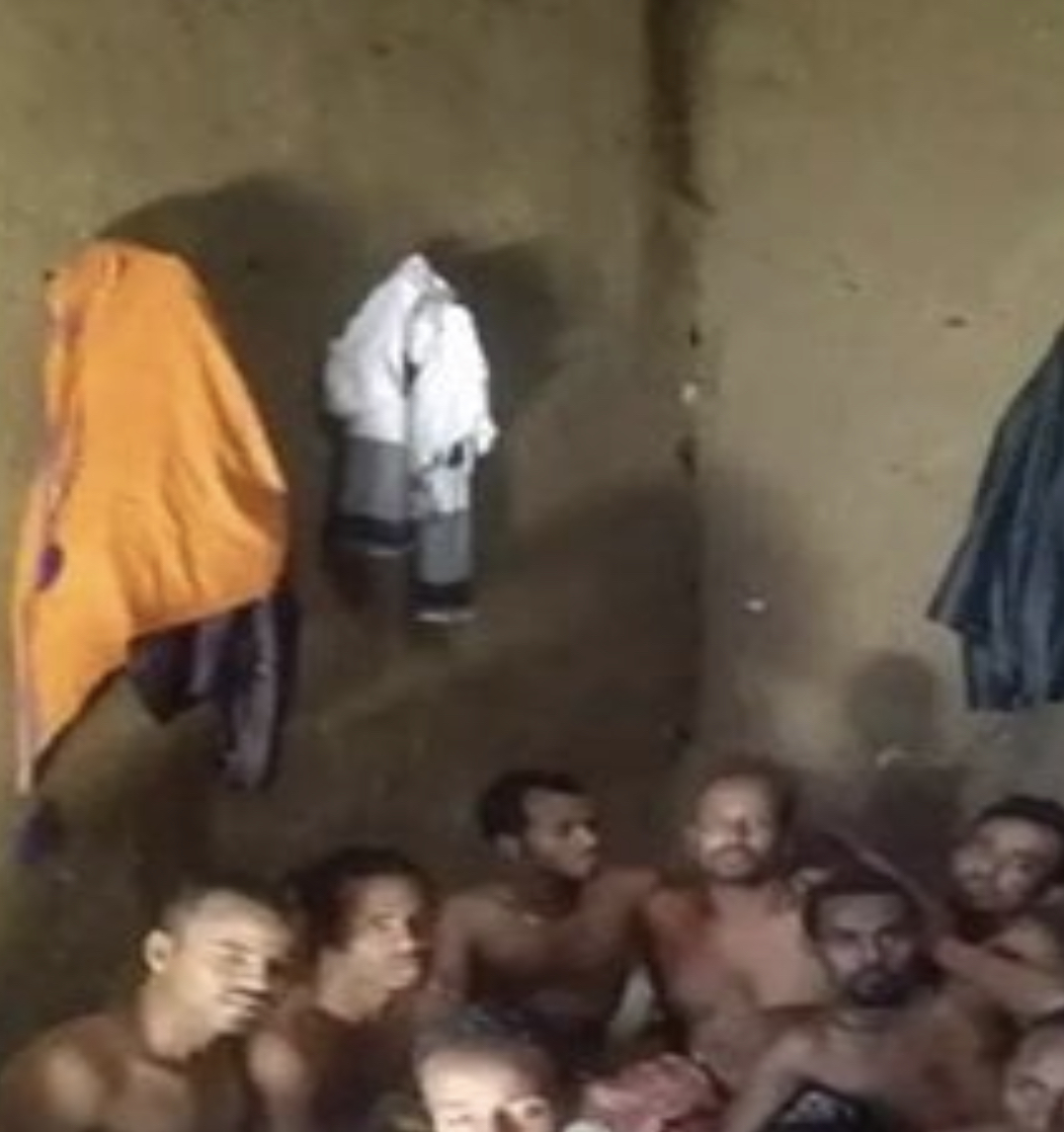 Several political prisoners are confined in Federal concentration camps and police stations in different parts of the country including the Capital and surroundings, Ambo, Nekemte, Kelem in Western, Chiro, galamso, Deder and Boset in the Eastern, Gondor in NorthernEthiopia. Moreover, Elzabeth Kebede attorney at law and journalists including Desu Dula, Wako Nole and YayesewShimelis were detained from the capital city, Addis Ababa. CPJ and the Amnesty International condemned the arrest of the journalists in the country and requested for immediate release of all political detainees.
At this moment, when the whole world is fighting against the common enemy, COVID-19, politically motivated mass arrests, kidnappings and harassment of members and supporters of Oposition Political Organizations, civic society members and journalists by the Ethiopian government military must be condemned by the World Health Organization, UN Human Rights Council and the world at large. Because of the overcrowded and squalid prisons at the detention centers, the spread of COVID-19 in the detonators and make the control of the disease difficult later on.
As whole know, infectious diseases in prisons are a serious public health problem, inmates are crammed into small prison cells with many others, particularly in Ethiopia. Even in facilities that aren’t deemed overcrowded, there is inadequate nutrition, and poor sanitation where detainees in concentration camps suffer from health problems, putting them at particular risk of the COVID-19 pandemic. In order to inform this situation, the Ethiopian Diaspora community condemned through serious demonstrations all over the world. Among them, the Diaspora community of Canada condemned the situation in the country and shown solidarity by organized large demonstration in the capital city of Canada, Ottawa on February 16, 2020.
Therefore, this is to impose to stop brutalities being perpetrated by the government security force against the civil society, members and supporters of political opposition parties. In addition, we insist on unconditionally release of all arbitrarily detained journalists, officials, members and supporters of opposition political parties to stop the potential spread of this pandemic COVID-19.
WIFE SHEDS LIGHT ON HUSBAND’S ORDEAL IN SECURITY CRACK DOWN

The handcuffed picture of Abdo Abajobir caused a social media uproar yesterday
(Oromia, April 25/2020) – The wife of a man whose handcuffed picture provoked the ire of many on Ethiopian social media spoke to the BBC Afaan Oromo that “he was beaten” before being escorted to a police station.
The picture of Abdo Abajobir, an employee of Oromia education Bureau in Jimma Zone, Cherkosa Wereda, surrounded by heavily armed special forces of the regional state caused a social media uproar yesterday, with prominent Oromo politician/activist Jawar Mohammed calling it security forces’ attempt of “restoration of fear through terror.” The picture was taken last Wednesday.
According to his wife Jamila Abaraya, the armed security forces “surrounded our residence at around 5:30 PM, breached the door and went in. They then handcuffed him and took him away while beating him.”
“It is hard to describe what has taken place; it looked like they were there to film a movie not to arrest one individual; our compound was flooded with the police,” said Jamila. The police have also searched the house of Abdo Abajobir, a father of three and a resident of the same wereda. According to his wife, he belongs to no political party. “If someone is not following the political line of the wereda, he is considered as belonging to the opposition,” she said.
Other residents of the werea also told the BBC Afaan Oromo that more houses were searched and more people were arrested on the same day. Arabu Khalifa, another resident, said. “We are not members of any of the political parties. We are proud of our identities; we sympathize for people but they accuse us of having relations with the Oromo Liberation Front (OLF), Arabu said.
The security forces have said that they were searching for “various weapons and a roadmap to kill people inside Abdo Abajobir,” his wife said. “They told him there were weapons in our residence and that they will not leave without taking them. He told them they can ‘demolish the house if you wish to and search; you will not find anything,’” Jamila quoted her husband as saying.
Security forces have found no weapons but plastic toy guns the kids were playing with and one history book, which they took with them, according to her. “They could have summoned him with an invitation letter, but instead they handcuffed him like a bandit and took him to a detention facility where there are many people,” she said and expressed her fears that her husband could be exposed to the COVID-19.
She said that since his arrest yesterday, her husband has not been given chances to speak to the police. The BBC Afaan Oromo said its attempts to speak with the wereda administration and wereda scrutiny officials and were to no avail. AS
Ergaa ummata waanti narratti ta’e ifa sinii hin taaneef
Barreeffamni armaan gadii kun Birhanemeskel Abebe sagni kaleessa Afaan Amaaraatiin fuula Facebook isaanirratti gadhisame. Anis ergaa kana namni lammii Oromoo ta’e martuu akka beekuuf jedheen, hamma danda’ame gabaabsee afaan Oromootti hiikuuf yaaleera. Dubbisa Gaarii! Hunde Tilahun
I/ KAAYYOO PIROPOGANDAA SOBAA
1.Dhihoo kana warri bulchiinsa sirna durii leellisaniifi jijjiirama kana booda warri dhalatan kanneen akka itiyoo 360 namoota adda addaatti fayyadamuun anaafi ummata Oromoo irratti duulli isaan banan itti fufee jira.
2.Kayyoon maqa balleessi kanaas maqaa gaariin ani qabu irratti dhoqqee dibuun lammilee itophiyaa birratti, keessattuu warra afaan amaaraa dubbatan birratti summii dibuun,gaaffii ummata Oromoo galagalchuun akka waan nuti itophiyaa jigsinee biyya biraa ijaaruuf deemnutti oddeessun,Zaranyaaf abba dabaree maqaa jedhu kennuun warreen afaan amaaraa dubbatan biratti shakkii uumuun fudhatama dhabsiisuuf shira hin milkoofne gochuudha.
3.Dana’oon,Zaranyaafi warri shiraan beekamu kun kana duras namoota akka koo biyya isaanii jaalataniifi walqixxummaa leellisan irratti duula sobaa banuun gaaffii ummatni Ertiraa Federeeshina gaafatan “nuti lafa malee ummata isaa hin barbaannu ” jechuudhaan ummata dhiibanii Itophiyaa qarqara bishaanii akka isheen hin qabaanne godhaniiru.
Ummata Tigraay jibbanii TPLF uumaniiru,Ummata Oromoof barumsi afaan amaaraatiin kennamu qaba jechuun Jeneraal Taaddasaa Birruufi gaggeesitoota Macaaf Tuulamaa ajjeesuun ABO dhalaniiru. Tokkummaafi walqixxummaa ummata Itophiyaaf qabsooftuu jechuunis kaneen akka Hayilee Fidaa fi Sannaay Likefaa nyaatanii Dargii uumaniiru. Ogadeen,Sidaamaaf Gaambeellafi bakka adda addaatti yakkaaf badii hojjataniin tokkummaa biyyaa irratti waan hin irraanfatamne dalaganiiru.
4. Gaggeessummaa ummata Oromootiin jijjiramni Itophiyaa keessatti gaaffiin walqixummaafi haqaa deebii argachuu yoo baate haala amma jirtuun gara waraana wal waliinitti yoo galte Itophiyaan akka diigamtu lammiileen hunduu ni beeku.
Ani jijjiirama kana kanan deegaruufi namni biraas akka deegaru kanin gorsuuf balaa kana hambisuun biyya hundaaf taatu ijaaruufi.
5.Faallaa kanaan bara Dargiif TPLF Awurooppafi Ameerikaa warri turanifi leellistoota sirna bulchiinsa durii kan ta’an Itophiyaa dimokraatawaa taate osoo hin taane sirna Hayilasilasee boolla kaasuun ummata Itophiyaa 80% afaan amaaraa hin dubbanne dirqiin afaan tokko aadaa tokko deebisanii ijaaruudha.
6.Warri shiraaf Zaranyummaa isaaniin beekaman kun abjuu isaanii milkeessuuf kaardii Amaaraaf Itophiyaa wal jala jijjiruun taphatu. Karaa tokkoon abukaatoo ummata amaaraa fakkachuun ummata Itophiyaa kaanirra keessattu ummata Oromoo irra adda baasuun Amaarri dhiitameera sirba jettu sirbaa,naannoo Amaaraatti maqaa,hojiifi sirbi isaanii kanuma.
7.karaa biraatiin Oromiyaa(Finfinnee)gaafa dhufan immo tokkummaa Itophiyaatti kan amanan fakkaachuun lammiilee afaan amaaraa dubbatan goyyomsuuf Itophiyaa ykn du’a jechuun boo’u.
Kanarra darbuunis amala gaararra isaanii dhoksuuf Finfinnee dabalatee Harariifi kibba Itophiyaatti maqaalee adda addaa fayyadamuun akka kottee duudaa itti duuluun qabeenya isaanii nyaachuun ummata Itophiyaa kaan waliin akka inni walii hin galle gochuun itti fayyadamu.
9. Kanaafidha Afaan Oromoo akkuma Afaan Amaaraa afaan hojii federaalaa hata’u,walqixxummaan sabaaf sablammii haakabajamu waan jennuuf lammiilee Oromoo Itophiyaa warra abba dabaree,Zaranyaa jechuun maqaa isaanii isa sirrii nuuf kennuuf kan fiigan.
10. Yeroo ammaas duulli jibbaafi maqa baleessiin anaratti baname Kaayoon isaa namoota ilaalcha akka koo qaban miidhuu,biyya afaan tokko aadaa tokko amantii tokko qabdu(Assimilationist) ijaarra jechuun abjuu biraa keessa galaniiru.
11.Ani ummata Oromoo birattis ta’e lammiilee Itophiyaa kaan biratti maqaa gaariin ani qabu kan ijaarame waggoota bayeef tokkummaas gaaffii haqa Oromoo karaa ifaafi dhugaa ta’een ibsaa waanin tureefi.
12.Maqaa koo inni gaariin maalaqa ummata ykn dhiiga namaatiin kan laaqame miti
II/ Modeela lola fi karaa ittiin mo’iinsa isaanii
13.Waan 3 jedheen barreeffama koo xumura.
Namoonni shiraan beekaman kun Itophiyaa keessatti walqixxummaa fi haqni akka hin jiraanne waraana karaa sadiin gaggeessaa akka jiran beekuun barbaachisaadha.
14. Keessattuu waraana kana keessatti diinni inni guddaan ummata Oromoo waan ta’eef waranoota sadan armaan gadii mo’uuf sabaaf sablammii walqixxummaan amanan ijaaruun Itophiyaa haaraa ijaruuf qopha’uu qaba.
15. Namoonni kun biyya aadaa,afaan,amantii tokko qabdu ijaaruuf ifatti waraanni isaan banan isaan kana.
15.1. Inni jalqabaa lammiilee Itophiyaa walqixxummatti amanan,gaggeesitoota jijjiiramaa,aktivistootafi abbootii qabeenyaa keessattuu ummata Oromoof sidaamaa kallattiin miidhuu (direct violence ) karaa isa jalqabaaf filatamaadha. Duulli anarratti banames qaama waraana isa kanaati.kayoo3Kanaaf akka isaan gargaaru miidiyaalee maqa baleessiif sobaa 100 ol banataniiru.
Duuti naannoo Oromiyaa,Amaaraaf sidaamaatti ta’es qaama karoora kanaati.
15.2. Waraanni inni lammaffaa tokkumaaf walqixxummaa Itophiyaa irratti kan hojjatan keessattuu Oromoo, Somaalee fi Sidaamaa fi kkf irratti lola ijaarsa (structural war ) banuudha.
Ummanni Itophiyaa keessattu ummatni jijjirama kana fide ummatni Oromoo waanti baruu qabu Dargiif TPLF dhufanii haadeeman malee birookrasiin,ijaarsi magaalaa,ijaarsi dhabbilee amantii,ijaarsi ikoonomii,ijaarsi aadaa,ijaarsi miidiyaalee ammas kan yero Hayilesillaaseeti.
Jijjiirama kana booda jarri kun yeroo Dargiif TPLF jiru bakka itti dhokatanii ka’aa jiru. Humna biyyaafi biyya alaa jiru walitti fiduun ijaarsa sirna Hayilasilasee ACTIVE gochuuf (structural war ) bananiiru.
15.3 waraanni inni sadaffaan lammiilee Itophiyaa tokkummaaf walqixxummaa leellisuun (progressive) ta’an irratti waraana aadaa banuudha (Cultural war).
Fakkeenyaaf namni afaan amaaraa dubbatu lammii Itophiyaaf ammaya’a akka ta’e kaan immoo kan afaan oromoo ykn afaan saba biraa dubbatu zaranyaaf boodatti hafaa akka ta’e godhanii sammuu irratti hojjachuu.
CUUNFAA
16. Torban tokkoof kaan immoo waggoottan lamaan darbaniif duulli narratti baname rakko dhuunfaa narraa qabatanii miti. Isaan kun qaxaramtootafi loltoota jara kanaa waan ta’aniifi, duulli kunis anaratti qofa osoo hin taane qamoolee tokkumaafi walqixxummaa leellisan hundarattidha.
Qe’ee Oromoo Gaddaa fi Boohicha keessaa baasuuf qabsoo keenya haa jabeessinu!


Obbo Abarraa Tolasaa waan Oromoo ta’aniif hidhaman; reebaman; reebicha mana hidhaa keessatti waraanni mootummaa isaan irraan ga’e dandamachuu dadhabuun dhiyeenya kana lubbuun isaanii darbe.
Ilmi isaanii Henok Abarraa baruma kana yeroo adda addaatti hidhamaa ture; ammas kaleessa magaalaa Buraayyuutti qabamee eessa akka jiru hin beekamu.
Ammas mucaa isaanii Liidiyaa Abarraa erga kaleessa obboleeshishee qabamee isheenis eessa akka jirtu hin beekamu. Liidiyaan Yuunversiitii Amboorraa barnoota fayyaa barataa turte. Liidiyaan utuu barattuu dhiibbaa mootummaan irraan ga’u ulfaachaa waan deemeef barnoota addaan kutte.
Har’a Oromoon Maatiidhaan gidiraa argaa jira. Waraanni mootummaa Abiy roorroo Oromoo irraan ga’u daran hammeessee jira. Roorroon mootummaa Abiys ulfaataa waan ta’eef qe’een Oromoo boohichatti deebi’ee jira. Maatiin Ob Abarraas sababuma kanaan qe’ee isaanii gadhiisan.
Roorroon kun itti fufa kaleessaa ta’uun mamii hin qabu. Biyyi Oromoo waggooat 150f harka alagaa jira. Yeroo sanaa kaasee Oromoo nagaa fi bilisummaa dhabee jira. Oromoon garuu qabsoo hin dhiifne. Oromoon hedduun aangomeera; Oromoon hedduun mirga isaa beekeera; Oromoon hedduun falmaatti seeneera; hidhaa fi ajjeechaansi daranii jabaatee jira.
Oromummaan har’a yakka guddaa ta’eera. Waanti jabaan Oromoon of harkaa qabu immoo sabboonummaa Oromoo ti. Sababa kanaa har’a Oromoon maatiidhaan wareegama ulfaataa baasaa jira. Oromoon gidiraa ulfaataa kana keessaa bahuu qaba. Haga gidiraan kun hin dhaabbannetti, gaddii fi boohich qe’ee ob Abarraa fa’aa seene kun, qe’ee Oromoota maraa hin hanqatu.
Dhugaadha, bilisummaan Oromoo furmaata Oromoo ti. Bilisummaan Oromoo kanaan booda dhufu lubbuu Ob Abarraa fa’aa hin deebisu. Garuu, Bilisummaan Oromoo kanaan booda dhufu, qe’een Oromoota miliyoonaan lakkaayamanii akka qe’ee gaddaa fi boohichaa hin taaneef FURMAATA waaraa ti. Qe’ee Oromoo Gaddaa fi Boohicha keessaa baasuuf qabsoo keenya haa jabeessinu!
Who is Who in the Oromo Resistance Struggle?
Demissie Kebede Serda
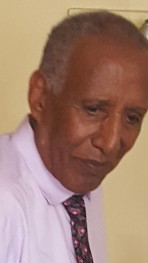
Obb. Demissie Kebede Serda, is the son of Ade’a Oromo, born in Ade’a Berga around Holota, some 40 km away in the rural area of Oromia.
His resistance struggle for the Oromo people stems from the protest his grandfather, his father and his uncles played against the Netegna system.
During the reign of Menilk II when Oromo was defeated by the Abyssinian kingdom of Shewa, Oromo land was confiscated and settlers were appointed in every village. Mr. Serda who was very conscious of this injustice represented his community as a lawyer in Menilik court and protested against the confiscation. Because of his aggressive move, he was banned from entering Menilk palace.
During the Italian occupation of Ethiopia in 1936, there was a serious dispute in the community whether to support the Neftegna to fight the Italians or to abstain. Serda, though aged, was, serious that they rather should fight the Neftegna who were worse than the Italians and he organized a group that would fight the Neftegnas who reduced the Oromo to serfdom. However, he was ambushed by betrayers.
As a consequence more than 30 people died from both (Serda side and his opponents). Later the grudge between Seda’s relatives and his opponents was intensified and three of Seda’s sons including Demissie’s father were ambushed on another incident and buried in same grave on a single day. The widow of Kebede, Demissies’ mom, the cousin of Feyisa Ejeta, was forced to flee her husband’s place with her children, including Demisse. She moved to Badii, her birth area around Sheger and reared her children under serious difficulties.
Demisse went to an elementary school in Holota. Then he moved to Finfinne and completed a high school.
While he was in the high school he frequently attended Macca and Tulamaa gatherings and he was groomed with Oromo self-consciousness as a result. When the government cracked down on Macca and Tulama Association, Oromo youth of those days who saw there was no alternative for the Oromo people than a political solution, formed an OLF and Demissie is one of the founders of OLF.
Demissie joined the industrial sector as a worker and became the chairperson of Ethiopian Agricultural and Industrial Labour Union, which had 150,000 members.
When the Ethiopian Trade Union was formed Demissie became vice president of the Union. He was still organizing a clandestine OLF in the Trade Union, chairing one of the cell committees in the trade sector.
However, he and his comrades were identified by the Derg secretive services and jailed in January 1980. Demissie was tortured in prison, languished for almost 12 years in jail and released in 1991 when the Derg regime collapsed. After, his release he went back to Oromo political business from day one of his release, without even visiting his aging mom. He was one of OLF representatives during the Transitional Charter Conference.
Demisse became a member of the transitional Parliament and OLF CC member during that period. When OLF withdrew from the Transitional government Demisse was abroad for medical treatment because of the complexities he sustained as a result of torture. He moved to Canada from the Netherlands and he has devoted all his life to Oromo struggle up to now. He is one of the icons who is in the forefront for Oromo refugees and Oromo issues in the community in North America.
Who is Who in the Oromo Resistance Struggle?
#Ejjeta Feyissa of Tulema
 As of today, I am starting to post short pieces that highlight the contributions of some brilliant Oromo figures in the resistance struggle against tyranny. The writings I am providing are not complete by any measure. However, they could be informative and helpful to dig out the patriotic deeds of our fallen heroines and heroes. I feel, as a society, we lack the experience of keeping things in record. We tend to adore oral stories. We need to change this tradition. We have to be able to provide our children and grandchildren in writing stories of their fathers and forefathers.
Needless to say, the Oromo resistance struggle has never stopped after the formation of the Ethiopian empire in is the current shape. The struggle has consumed countless precious lives. Unfortunately, it continued to take away more and more lives. Sad enough, the very people who claim to be Oromos have remained to be tools used against their own people. Abiy Ahmed Ali, the current Prime Minister of Ethiopia is a living example with all his Oromo followers.
We can’t count by name all brave men and women who devoted their knowledge, time, energy and their precious lives for the cause of the Oromo people and for oppressed masses beyond. Yet, we have the moral obligation to bring to light those whose accounts are available to us, no matter how scanty. We have the responsibility to pass down to the next generations accounts for our heroines and heroes so that our children can learn lessons and acknowledge those selfless souls who paid the ultimate price for freedom. Our fathers need due credit for their bravery in the fight against dictatorial systems that subjugated, distressed, impoverished and dehumanized their fellow citizens. Today I start my postings with Ejeta Feyyissa
Ejjeta Feyyissa was one of the post-Italian occupation enlightened Oromos from Tulema, in the Holotota area. He was a lawyer by trade and a close friend of Hailemarima Gemmeda. He was not only a lawyer but also a court interpreter from English to Amharic for British Magistrates who were appointed to the Ethiopian courts after Italian evacuation. Britain was a defacto colorizer of Ethiopia replacing Italy for some 10 years, even though they nominally reinstated the monarchy. And Obb Ejjeta was one of the founders of Mecha and Tulema Welfare Association. He was not only a member but also a spokesperson. When Mecha and Tulema Association was preparing for the historic Dhera Assembly, the Arsi Territorial Ruler (Teklay Gezye) Dejazmach Sahilu Defaye sent a press release that was published in Addis Zemen newspaper stating the Arsi people announced not to host any assembly and that they wouldn’t welcome anybody coming to them from Shewa.
Obb Ejjta Feyissa wrote to Addis Zeman a counter press release that the statement published in the name of Arsi people in Addis Zemen was a white lie and that the Arsi people were ready to welcome the Mecha Tulema Association. Addis Zemen refused to publish the press release. Obb Ejjeta, the fearless man, duplicated the Mecha Tulema Association press release by tensile and distributed it throughout Addis Ababa and beyond.
When the Helasisllese government jailed and persecuted the Mecha Tulema Association leaders, Obb Ejjeta was working in Tigray as a civil servant and he immediately left Tigray and crossed to Eritrea. Then he fled to Khartoum, Sudan. While in Sudan he changed his profession from law to pharmacy. He helped many Ethiopians who escaped crackdowns from the Hailesillassie regime. He also organized different groups to struggle against the feudal system, to the extent of sending insurgents to fight the system.
Obb Ejjeta Feyissa was the first person to openly introduce the three colored (Black, Red and White) Oromo flag. While in Khartoum, he duplicated the flag and sent an insurgent group to Ethiopia with it. The group was captured after crossing to Ethiopia by border security and jailed. Baro Tumssa, a man who was always attentive to such misfortune Oromos, learnt about the arrest of a mission sent from Obb Ejjeta and managed to get those messengers out of prison.
After the revolution of 1974 Obb Ejjeta Feyissa returned to Ethiopia when the Dergue government declared an amnesty for those who were in the bush and abroad in protest of the Hailessilasse system.
Unfortunately, it didn’t take the Dergue long to arrest Obb Ejjeta Feyissa. He was tortured and jailed without any due legal process for 10 years. When released from prison, he filed a request to the Ethiopian Pension Commission that he deserves a retirement pension stating that he served the Ethiopian government and was not convicted of any crime. The Commission rejected his request. He took the case to the Ethiopian Ministry of Justice. You know what? The State Minister of Justice of Ethiopia said to Obb Ejjeta “You are lucky to get out of prison alive. That is sufficient to be your pension”
Obb Ejjeta who had nothing to live on, who was also a diabetic, had no pennies to buy insulin. He was destined to die like nobody, like a needy on the street. Guys, can you see how our giants ended up? Such is the Oromo nationalism that Abiy Ahmed and the hooligans in OPDO try to ridicule.
See you soon with another story
Oromo Martyrs Day: some ideas on how to commemorate and celebrate Oromo Martyrs Day
Oromo Martyrs Day originally established by Oromo Liberation Front in 1980. Every April 15, on Oromo Martyrs Day, the Oromo Liberation Front (OLF) and the Oromo nation honour the bravery of those who sacrifice their lives in the line of duty, fighting for the freedom and liberation of Oromia.
It is held across the world each year in April, to commemorate our selfless and brave Oromos, constantly present themselves in harm’s way for the greatest cause of Oromo nation.
Here are some ideas on how to commemorate and celebrate Oromo Martyrs Day:
- Display the Oromo Martyrs Day Poster or other Oromo posters around your areas.
- Start your own hall of fame featuring Oromo role models.
- Listen to Oromo freedom songs or watch a movie about Oromo freedom struggle history.
- Make your own Oromo trivia quiz.
- Study a famous Oromo history.
- Research the Oromo resistance and freedom struggle of your area.
- Study Oromo arts of resistance.
- Work with an Oromo artist to produce an artwork representing the theme.
- Run an art competition for your community.
- Research Oromo history online or visit your library to find books about Oromo people.
- Visit local Oromo sites of significance or interest.
- Learn the meanings of local or national Oromo place names and words.
- Invite local Oromo Elders to speak or give a blessing in Oromo context
- Invite an Oromo freedom fighters to give speeches or testimonies on your event.
- Invite Oromo dancers to perform.
- Host an Oromo Coffee Ceremony.
- Hold an Oromo flag raising ceremony.
- Organise a candlelight ceremony.
- Wear Oromo cultural dresses
Our martyrs lost their lives while dreaming and fighting for freedom, justice, democracy and development of their people and their country. They recognized that agitating, educating, organizing, and mobilizing a colonized and dehumanized nation for liberation requires courage, determination, bravery and self-sacrifice without fear of suffering and death in the hands of the
enemy and their collaborators.
For further knowledge read the article written by Dr Asafa Jalata: CELEBRATING OROMO HEROISM AND COMMEMORATING THE OROMO MARYTRS’ DAY

Kaayyoo Wareegamtoota Keenyaa Galmaan Ni Geenya!
Guyyaa Gootota Wareegamtoota Oromoo Ilaalchisee ibsa ABO irraa kenname.
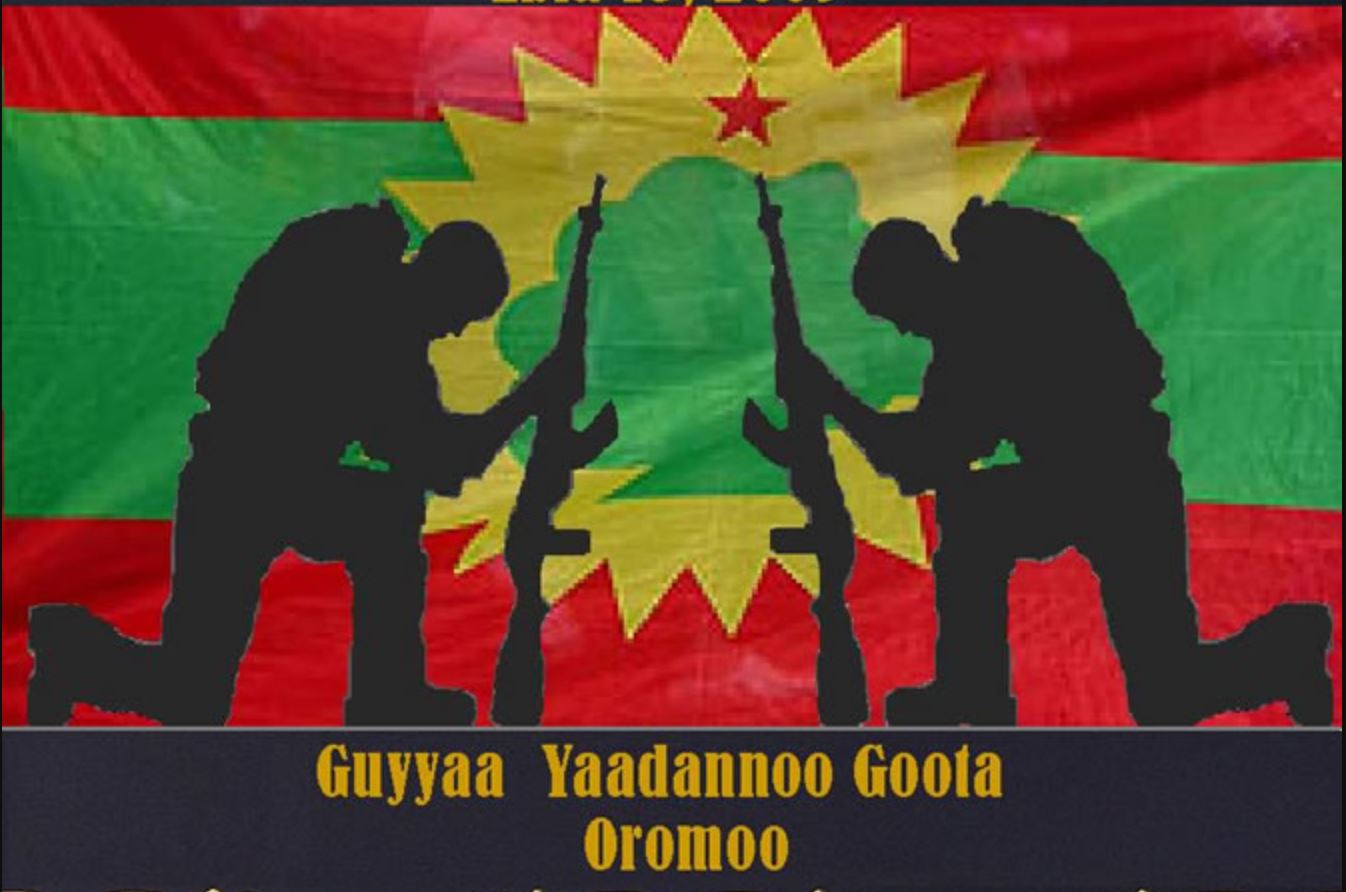
(A4O, Ebla 15, 2020) Gootota Wareegamtoota Oromoo ti. Guyyaan kun Gootota qabsaawota keenya kanneen Bilisummaa Saba keenyaa mirkaneessuudhaaf dabarsanii of kennan/wareegaman kan itti yaadannee oolluu dha. Akeekni kabajaa fi yaadannoo guyyaa kanaa, injifannoo fi mirgoota wareegama isaaniitiin gonfanne tikfachuu fi Kaayyoo isaan (Goototni Wareegamtootni keenya) wareegamaniif itti fufnee guutummaatti galmaan gahuudhaaf Waadaa/Irbuu qabsoo haaromsachuu dha.
Guyyaan Gootota Wareegamtoota Oromoo (GGWO) kan bara kanaa sababoota gara garaatiin kanneen amma duraa hunda irraa addummaa ni qaba. Sababootni kunneenis: Ebli 15, 2020 waggaa 40ffaa wareegamni ulfaataan Shinniigaa kan Ebla 15, bara 1980 (kan seenaa Guyyaa kanaatiif sababa tahe sun) itti mudatee tahuu isaa, Ayyaana GGWO kan bara kanaa yeroo fi haalli keessatti kabajannu yeroo Golfaan hamaan Vaayiresii Koroonaa Addunyaa keenya girgireessaa jirutti tahuu fi hunda caalaa ammoo, haalli amma keessa jirru qabsoo Ummata keenyaa kan wareegama qaalii Gootota keenyaatiin boqonnaa injifannoo ol’aanaa keessa
seenee jiru duubatti deebisuudhaan Qabsoo Bilisummaa Saba keenyaa Galma isaa hanqisuu fi wareegama Gootota keenyaas gatii malee hambisuuf dabni siyaasaa farreenii fi diinota Qabsoo Saba keenyaatiin xaxamu kan yeroo kamuu caalaa sadarkaa ol’aanaa yeroo itti dhaqqabee jirutti tahuu isaa ti.
Kaayyoon Qabsoo Bilisummaa Saba keenyaa kan wareegama qaalii fi ulfaataa Gootota keenyaa gaafate sun, Sabni Oromoo biyya ofii irratti Bilisummaa guutuu gonfatee dhiibbaa tokko malee hiree isaa akka ofiin murteeffatu dandeessisuu dha. Qabsoo hadhaawaa fi wareegama qaalii Gootota keenyaatiin waggoota 2 dura siyaasa biyya kanaa keessatti jijjiiramni abdachiisaan mul’atee ture. Jijjiirama abdachiisaa ture kan bu’aa/gatii wareegama Gootota keenyaa tahuutti amannu sana irra dhaabbatamee Adda Bilisummaa Oromoo fi Paartii Itoophiyaa bulchaa ture gidduutti waltahiinsa godhameenis ABOn Hooggana isaa Ol’aanaa Finfinneetti deebise. Bu’uurri waltahiinsa sanaa qabsoon ABOn gaggeessu qabsoo haqaa mirga Ummataa kabajsiisuu tahuu isaa fi gama kaaniin ammoo karaan bulchitootni Itoophiyaa hordofaa turan farra dimokiraasii tahuun amanamee irraa deebi’uudhaan, kana booda humnootni siyaasaa hundi bilisa tahanii karaa nagaa akeeka siyaasaa ofii Ummatatti dhiheeffachuudhaan murtii Ummataaf abboomamuuf wal hubannoo irra gahamuu ture.
Har’a waadaan sun hangam takka kabajame? Gama eenyuutiin maaltu hanqate? Abdiin sun sadarkaa maalii irra jira? waan jedhu Ummata keenyatti himuun waan feesisu nutti hin fakkaatu. Waan ija isaa duratti tahaa jiru waan arguuf. Har’a miseensota Hooggana Ol’aanaa ABO akka J/Abdii Raggaasaa fi MGS fi qondaalota Dhaabichaa hedduu dabalatee deggertootni ABO fi qabsaawotni Oromoo biroo kan mirga Saba kanaa kabajsiisuuf wareegama baasaa turan kumootaan sababa gahaa fi murtii seeraa malee hidhaa keessa jiru. Mirga Sabni Oromoo wareegama qaalii Gootota isaatiin gonfate kan akka Oromiyaa, Afaan Oromoo, … kkf. sharafuuf (duubatti deebisuuf) shira hedduutu xaxamaa jira. Kun waan Sabni keenya xiyyeeffannoo addaatiin hordofuu fi irratti qabsaawee irra aanuu qabu dha.
Egaan, Ebla 15 (Guyyaa Gootota Wareegamtoota Oromoo) kan bara kanaa oggaa kabajannu haala akkanaa keessa jiraachuu keenya hubachuu fi akkamiin haala kana irra aanna? gaaffii jettu sammuu keenyatti qabachuudhaan tahuu qaba jenna.
Gama biraatiin, Sababaa dhibee Vaayiresii Koroonaa irraa kan ka’e, Guyyaa Yaadannoo Wareegamtoota keenyaa kan bara kanaa (Ebla 15, 2020) guutuu Addunyaa irratti (biyya keessaa fi biyyoota alaattis) akka baroota dabranii lakkoofsa namaa hedduudhaan walitti dhufnee sirna how’aa gara garaatiin miidhagsinee kabajachuu haala nu dandeessisu keessa hin jirru. Dhibee Vaayiresii Koroonaa amma Addunyaa raasaa jiru tatamsa’ina isaa xiqqeessuuf namootni lakkoofsaan hedduu tahan bakka tokkotti akka walitti hin qabamne gochuun maloota Addunyaan itti dhimma bahaa jirtu keessaa tokko waan taheef. Haa tahu malee, haalli rakkisaa fi danqaan fedhes jiraatu Ayyaana Guyyaa Yaadannoo Gootota
Wareegamtoota keenyaa kabajannee isaan yaadannee ooluu nu hin hanqisu. Akkuma isaan Bilisummaa keenyaaf jireenya ofii wareegan, nutis isaaniin hoggayyuu yaadachaa, Kaayyoo isaanii kan tahe galma gahiinsa Qabsoo Bilisummaa Saba keenyaa akka mirkaneessinu waadaa qabsoo haaromfachuuf haala kamuu keessatti sirna yaadannoo Gootota Wareegamtoota keenyaa ni gaggeeffanna.
Kana waan taheef, Ayyaanni Yaadannoo Gootota Wareegamtoota keenyaa kan bara kanaa haala armaan gadiitiin (seeraa fi tartiiba of eeggannoo ittisa dhibee Koroonaa wajjin haala wal hin faallessineen) akka kabajamee oolu Addi Bilisummaa Oromoo miseensotaa fi deggertoota isaa dabalatee Ummata bal’aa Oromoo kan biyya keessaa fi biyyoota alaas jiraniif dhaamsa dabarsa:
1. Namni hundi bakka jirutti haala isaaf danda’ameen galgala jal-bultii guyyichaa (Ebla 14, 2020) Yaadannoo Gootota Wareegamtoota Keenyaaf dungoo qabsiisuu fi Faaruu Wareegamtootaa “Maal dhaamanii, Jaallewwan Qabsoof Kufanii …?” jedhu dhaggeeffachuu fi faarfachuudhaan yaadachuu.
2. Ebla 15, 2020tti ammoo nam-tokkeenis tahe maatiidhaan ykn murnaan, akkuma akka walitti dhihoo fi waliin jiramutti qophii feesisuu fi danda’amu taasisuudhaan, Kaayyoo Gootota Wareegamtoota keenyaa galmaan gahuuf ni gargaara jennee waan itti amannu kanneen armaan gadii fi kan biroos raaw’achuudhaan Guyyicha kabajatanii ooluu:
a) Suuraa Wareegamtootaa, Faaruu fi Dhaadannoo Qabsoo, Walaloo, Diraamaa … kkf. keessaa waan dandeenye qopheeffachuun wal afeeruu fi haasawa, tapha, marii
wareegamtoota keenya ittiin yaadannuu fi Kaayyoo isaanii fiixaan baasuuf waadaa keenya itti haaromsannu waliin qabaachuu,
b) Kaayyoon Qabsoo Goototni Wareegamtootni keenya lubbuu isaanii wareeganiif akka galma gahuuf kan gargaaru deggersa dinagdee (maallaqas tahe qabeenya biroo) gumaachuu dandeenyu malaa fi caasaa qabnuun gumaacha gochuu,
c) Dhibee balaafamaa yeroo ammaa Addunyaa kana raasaa jiru ilaalchisee odeeffannoo jiru, mala of eeggannoo irratti qajeelfama karaa Dhaabbattootaa fi ogeeyyota wal’aansa fayyaa (WHO, Oggeeyyota Wal’aansa Fayyaa Keenyaa fi kan biroo) irraan tamsa’an wal dhageessisuu fi wal irraa dhagahuun dhimma itti bahuu,
d) Kan biyya keessaa lammiilee keenya sababa gahaa fi balleessaa malee bakka adda addaatti hidhamanii jiran gaafachuu fi haala isaan itti gadi lakkifaman irratti qaamota mootummaa isaan hidhe dubbisuu fi dhiibbaa feesisu taasisuu,
e) Namoota dhibee Koroonaa kanaan qabaman seera of eeggannoo ittisa dhibee kanaa haala hordofeen gargaaruudhaan du’a irraa baraaruuf waan dandeenyu gochuu,
f) Sababa tatamsa’ina dhibee kanaatiin uggura sochii fi tajaajila adda addaa irra kaa’ameen namoota harka-qalleeyyii rakkinaaf saaxilaman seera of eeggannoo ittisa dhibee kanaa haala hordofeen gargaaruuf waan danda’amu gochuu,
g) Hanga haalli hamaa fi yaaddoon dhibee Vaayiresii Koroonaa kanaan uumame furmaata irra wayyaa argatutti haala hojii qabsoo, sochii fi qunnamtii keenyaa akkamiin qindeeffachuu akka dandeenyu mari’achuu fi qindeeffachuu,
Kanneen armaan olii fi kan biroo waan Kaayyoo Wareegamtoota keenyaa fiixaan baasuuf ni gargaara jennu hunda gochuudhaan guyyaa ulfaataa fi kabajamaa tahe, Ebla 15 Guyyaa Gootota Wareegamtoota Oromoo (GGWO) kabajannee haa oollu jenna.
Ulfinaa fi Yaadannoon Bara-baraa Wareegamtoota Keenyaaf !
Injifannoo Ummata Bal’aaf !
Adda Bilisummaa Oromoo
Ebla 11,2020

FINNA KAN GAMA : The very small dot on Borana and Ethiopian Empire from Haile Sillase I to Abiy Ahmed
By: Jatani Bonaya.
July 29,2018 and April 10, 2020 @S.E
– Every men are fighting for their right! It is natural law, no doubt!
– The marginalized people my people fight for their right and defend their land of our ancestors for many centuries and also todays.
– Ethiopian government from the very beginning marginalized Borana people, bc the Ethiopian govt know that they are naturally brilliant and kind people. So bc of their malignant, purposely they wear the hot political blanket to this destitute people.
Phase-1
– During the King Hailey Sillassea I , they ask the children required to join modern school in the name of ” Ijoollee bulguu Kennan” ; which is the witness for what am talking means marginalization of Borana by Ethiopian Empire. But, by hearing this name who sent their children to school? No one! So at the first and second round no one of Borana sent their children to school.
– At the 3rd round they ask the children sending to modern school as the taxes; then those whom have a cattle, by giving 2-5 bulls to taxes collector’s and find loophole to stay their children @home. And then, unfortunately those whom have no such opportunity sent their children to school. …that’s how 1939 and 1944 the fifty four (54) of Borana Ethiopia (Liban and Dirre Province) children got the chance to join modern school. Even though they became the figa of Finna kan Gama later.
……phase-2
During the Durgue regime Borana was the top in the some high sectors of the regime as those members of 54 students play the great role in the position they got. Eg Shalaqaa Jatani Ali Tandhu, Godana Tune, Jarso Sora (the Abebe Biqila trainer), Sara Jarso, Leut.kol Salesaa Jalo,..and others .
Phase-3
– After the fall of Durge, later so called ” the day hyena by PP” Woyane come to the Empire. As they conquered the Ethiopian Empire, as soon as they defeated the Durgue regime, the grounded plan was to destruct and destroy this Nobel people “Borana/Oromo”. Bc they know that’s they never succeeded over the Oromia until they consume utterly the Borana people.
– After going far in the people, TPLF become lucky to cut the sociocultural unit net of Borana. Then they killed 1st&most patriotic Borana leader Major Jatani Ali Tandhu, they killed Aba Gadaa Boru Guyo @the first and asserted to use Aba Gada Boru Madha to conquer Borana , then they killed him too after they got unbelievable Gutu Aba Liban confidential way of life. (NB: they sent soundless bullet to Abbaa Gadaa Boru Madha, that’s no one never thought and no idea even today), purposely they are using that bullet still now, specially @the rural area. Totally, the assassination of Aba Gad Boru Guyo and Major Jatani Ali dumbed Borana.
Recently, in 2017 and around beginning of 2018 there was the atrocious massacre at Moyale, Sodda, Dira Dima, Mata Wayama, etc and everywhere at Dheda Liban of Guji Zone. Eg. March 10,2017 above ten innocents were killed and many injured in Moyale at the mid day by EAF ruled by TPLF.
In other way, as the TPLF rooted as the leader of Ethiopian Empire; the Somali start again to grab Borana/Oromo land as they believe in their Lord Woyane. Then, the mass land of Oromo/Borana occupied. But, the Borana people never rest to defend. Even up to the moment Borana defending the enemy to save Oromo and Oromia. Borana people are the castle to Oromia. But, Neither FDRE nor Oromia Regional State have no mind about the Borana whom bleeding for Oromia and Ethiopia. I ve no idea why ORS never feel about the Oromia boarder along Eastern and southern part.
For example, the No-1 pic below show numbers of the Borana students those come to their home from different colleges and Universities during vacations. As they return to the home @Summer for vacation or after graduation, they have the duty to shift their fathers and brothers those whom were @guardian for ten months/ over the year. Similarly pic-2 shows the Borana students peacelful demonstration against land grabbing and border attack by EAF and LP of SRS.
Be Noted that; after the graduation other students in d/t part of the country’s may stay @city in order to search for the job opportunity. But, Borana students are not lucky for such chance as they are on field or battle to safe life of our community. …..etc. Always my people hopefully wait for to FINNA KAN GAMA, but unluckily, every Finna seems similar.
Phase-4
When OPDO take power over TPLF by Qeerroo-Qarree and wide Oromo nation struggle , the Borana people Slaphappy as much as all Oromo nation and celebrated hotly as they were hopefully waiting for to the ” Finna kan Gama (the administration after this/means after TPLF during that’s time)”. But, the result real inverse and they continue to hoping again Finna kan Gama! …..is that Finna nearer?
The new established Ethiopian government ” the first transition one” led by Oromo son called Abiy Ahmed Ali (PhD) failed to understand that’s our people Borana/Oromo waiting and hoping for Finna kan Gama. Even the PM failed to lead them as equal as any nations of the country. I think so that, the ruling part recently named PP forget their role as government on how to curb with insecurity issues if any, in some part of the country. They start to take again the ff measurement instead of enjoying “Finna Kana” peacefully .
*******1. PP bans the motorcycles and block internet – they said it was a very simple punishment. As mostly used vehicle ( Motorbikes ) in southern Oromia (Borana and Guji), it results economic decline as these vehicles were the income sources of the mass youths and core transport of the rural areas, these was the least impact .
******2. PP/ODP renewed the genocide act as of EPRDF. Again the bloodbath by E/Empire continued and Borana bleeding again by EAF.
Horrific bloodshed history repeats itself in Western and southern Oromia, by usual mass murder film on civilians by EAF continue playing Carnage Theater. Many live lose!
Eg. – @Miyo District Bride and groom were killed with bridal suit and others.
– @Moyale they finalized the pre-plan of TPLF and killed Borana Key elders
– @Duda Dawa of West Guji zone they did the same
– @Many PA ward the burned house were unccouted
– @Dheeda Liban again the did the same and still doing. …etc. Let U continued the rest and I took u to the present situation of COVID-19 pandemic prevention and testing center establishment.
As Borana/southern Oromia bordered with neighboring country, Borana people asked the government to establish the COVID-19 TESTING CENTER at the twin city of Moyale , Borana , Ethiopia. But, the gov’t too late to give the attention and again still I ve no idea abt the the response. People are screaming, But no ears to listened. I’m not more surprised of the Ethiopian Empire ruling party Biltiginna silence, bc it is not new for us. We Borana/Oromo experienced a lot whether E/E ve idea about our people. Therefore, again am hopeful pray the Almighty to save life of our people from this pandemic virus so called COVID-19 and jumping as to an other Finna kan Gama!
I hope that “Finna kan Gama” will be the Finna of Hope, Libration, Love, Joy and Prosperity.





 Advocacy for Oromia