“Until peace, justice, and freedom for our people are achieved, the Oromo struggle will continue with strength!!”
🖤 HONOR LALISEE. HONOR ALL SURVIVORS.
Lalisee Roobaa Galmoo is one face among thousands. One story among millions. One survivor among a nation of wounded but unbroken people.
“She lost her legs. But her voice, her story, and her people will not be silenced. Lalisee Roobaa Galmoo — we honor you. We will not stop until justice is done.”
We see you. We remember. We will not stop.
“How do we ensure that the suffering of survivors like Lalisee is never forgotten — and never repeated?”
A landholder, a warrior, and a martyr of the anti-colonial struggle.
By Staff Writer | April 2026
PROLOGUE: A NAME THAT LIVES
Some men are remembered for the wealth they accumulated. Others for the offices they held. File Mandara – known also as Qanyaa – is remembered for something rarer: he chose death over surrender.
Born in 1873 in the Horro Guduru Wallagga region, File grew up as a landholder (abbaa lafaa) and became a warrior leader (abbaa duulaa). When Italian colonial forces invaded Ethiopia in the 1930s, he did not flee. He did not bow. He fought.
And when capture was certain, he chose to die.
This is his story – preserved not in government archives, but in the living oral history of the Oromo people.
PART ONE: BIRTH AND BLOODLINE
File Mandara was born in 1873 near the banks of the Miixaa River, in what is today the Guduru district of Horro Guduru Wallagga.
Father
Mandara Guddaa
Mother
Yaadatee Aliimaa
From his father, a respected landholder, File learned the duties of protecting land and community. From his mother, he learned the stories, customs, and moral code of the Oromo people. Like every Oromo boy of his era, he grew up following his father – learning warfare, leadership, and the sacred duty of resistance.
PART TWO: FAMILY LIFE
When File reached marriageable age, he took Warqituu Lamuu as his first wife. Together, they had three children: two sons and one daughter.
As a landholder, he also took a second wife – Lataa – according to Oromo tradition. From this union, he had two more children: one son and one daughter.
In total, File was father to five children – a legacy that would carry his name forward.
PART THREE: THE CALL TO WAR
By the late 1920s and early 1930s, Fascist Italy was preparing for a second invasion of Ethiopia. The first invasion (1895-96) had ended in Italian defeat at Adwa. The second would be far more brutal – using poison gas, aerial bombardment, and scorched-earth tactics.
File Mandara answered the call. He became a warrior leader and joined the resistance.
Battle Locations
Role
Guduru, Amuru, Jaartee
Resistance fighter
Jaardagaa, Giddaa, Jimma Raaree
Resistance fighter
File did not merely fight. He also captured enemy weapons – rifles, machine guns, mortars – and turned them against the colonial forces. This made him a constant thorn in the side of the Italian army and their local collaborators.
PART FOUR: THE BROTHERHOOD OF LAMMAA HEENII
File fought alongside his closest comrade, Lammaa Heenii. The two men were inseparable in battle. They trusted each other with their lives. Their names would become linked in Oromo oral history as examples of true warrior brotherhood.
Together, they led their fighters against the colonial army, never retreating, never surrendering.
PART FIVE: THE BATTLE OF DANNABAA RIVER
The fiercest battle of File’s life took place near the Dannabaa River in the Jimma Raaree and Guduru areas. This battle was unlike any they had faced before.
The Situation
The Italian forces – backed by air support, artillery, and machine guns – surrounded File and his men. The Oromo fighters ran out of ammunition. The enemy was closing in.
The Enemy’s Move
A colonial soldier – armed with a bayonet and a mortar – rushed directly at File Mandara. His goal was not to kill, but to capture the prominent resistance leader alive. Taking File as a prisoner would be a great prize.
The Choice
File faced an impossible choice: surrender or die.
He chose death.
Before the colonial soldier could reach him, File’s comrade Lammaa Heenii took his last remaining bullet and fired it directly into the enemy’s mortar. The explosion engulfed the soldier in smoke and flames.
The Escape
File seized the moment. He captured the colonial soldier’s weapons – the mortar, the bayonet, and ammunition – and turned them against the enemy. He and his surviving fighters cut down many colonial troops and broke through the encirclement.
“He captured the man who came to capture him – and used his own weapons to destroy his men.”
PART SIX: THE AFTERMATH – A HERO’S REPUTATION
After the battle, File’s surviving fighters praised his courage. Oral historians report:
“The forest scattered. The Mosoloon (colonial militias) burned. But File did not break. He stood like a lion.”
File Mandara did not survive the war. But he did not die as a prisoner. He did not die on his knees. He died fighting – a warrior’s death, an Oromo patriot’s death.
PART SEVEN: THE FUNERAL – HONORING A HERO
File Mandara’s funeral was held on October 1, 1955 (Ethiopian calendar: Fulbaana 1, 1955 A.L.I.). The ceremony took place at a location chosen by his family and relatives.
The funeral was conducted in a manner worthy of a hero – with all the rites and traditions that an Oromo patriot deserved. His body was laid to rest in the land for which he had fought, in the soil watered by his sweat and his blood.
PART EIGHT: ORAL HISTORY – HOW HIS STORY SURVIVED
File Mandara is not found in official Ethiopian government archives. The regimes that followed – imperial, Derg, and EPRDF – did not celebrate Oromo resistance heroes who fought against central authority.
Instead, File’s story survives in Oromo oral tradition. Elders pass it to youth. Parents tell it to children. In villages across Wallagga, his name is still spoken with reverence.
This is how the Oromo people have preserved their history for centuries – not through foreign archives, but through living memory.
PART NINE: WHAT FILE MANDARA REPRESENTS
For the Oromo people today, File Mandara is more than a historical figure. He is a symbol:
Symbol
Meaning
Resistance
He refused to accept foreign domination
Courage
He fought despite impossible odds
Sacrifice
He gave his life for his land and people
Dignity
He chose death over capture
Oromummaa
He embodied Oromo identity and pride
He was not fighting for an emperor. He was not fighting for a political party. He was fighting for his land, his people, and his way of life.
PART TEN: LESSONS FOR TODAY
What can contemporary Oromos learn from a warrior who died nearly a century ago?
Lesson
Application Today
Know your land
Understand Oromia’s history, resources, and rights
Know your enemy
Recognize forces that oppose Oromo self-determination
Stand with comrades
Unity among Oromos is essential
Use available weapons
Adapt, organize, and resist with what you have
Never surrender
Maintain dignity even in the face of overwhelming power
File’s life asks every Oromo a question: What are you willing to sacrifice for your freedom?
PART ELEVEN: A PHOTOGRAPH – IF IT EXISTS
The original bio mentions a photograph of File Mandara. If such an image exists, it would be a priceless artifact – a rare visual record of an Oromo resistance fighter from the late 19th or early 20th century.
That face would show not just a man, but an era – a time when Oromo warriors stood against colonial armies with rifles and courage, long before modern weapons and mass armies.
That face would be a testament: We were here. We fought. We did not bow.
CONCLUSION: A HERO FOR ALL SEASONS
File Mandara (Qanyaa) was born in 1873, when Oromia was still largely independent. He fought in the 1930s, when colonial wolves were at the door. He died on the battlefield, refusing to be taken alive.
He did not win the war. The Italians were eventually driven out by a combination of Allied forces and Ethiopian resistance – but not before they had killed hundreds of thousands.
But File Mandara won something else: the memory of a people.
And that memory, unlike colonial regimes, does not die.
FINAL TRIBUTE
To File Mandara (Qanyaa) – landholder, warrior leader, Oromo patriot:
You were born free. You lived as a protector. You died as a warrior. You refused to bow to any foreign flag. You chose death over chains. May the land for which you fought remember your name. May the people for whom you died honor your sacrifice. May every Oromo who hears your story find in it the courage to stand – as you stood – for Oromia.
May God have mercy on this hero. May his story live forever. May the Oromo struggle reach its goal.
Prime Minister Abiy Ahmed unveils massive twin-road network to tackle capital’s traffic crisis.
By Staff Writer | Published: April 2026
ADDIS ABABA – In a major infrastructure announcement that promises to reshape the capital’s transport landscape, Prime Minister Dr. Abiy Ahmed has revealed that modern expressway projects stretching 100 kilometers each are under construction at all five gates of Addis Ababa.
The announcement was made during the Prime Minister’s message at the inauguration ceremony of the Haro Dendi Lodge, a new tourism development located west of the capital.
“At all five gates of Addis Ababa, expressway projects are being constructed,” the Prime Minister said.
Five Gates, Five Highways
The ambitious plan places Addis Ababa at the center of a modern, high-speed road network radiating outward in five directions. Each corridor will feature approximately 100 kilometers of modern expressway designed to international standards.
Gateway
Destination
Status
East
Adama
Existing expressway + new twin road
West
Ambo
Existing road + new twin road
North
Debre Berhan
Additional twin road under construction
Southwest
Fiche
Construction underway
South
Woliso
Construction underway
Solving the Capital’s Traffic Nightmare
Addis Ababa, home to over four million residents and serving as Ethiopia’s economic and political hub, has long struggled with severe traffic congestion. Commuters regularly spend hours in gridlock, and the city’s aging road infrastructure has struggled to keep pace with rapid urbanization and rising vehicle ownership.
The Prime Minister made clear that these new highways are designed to address this crisis directly.
“The highways being built are intended to reduce the severe traffic congestion observed with Addis Ababa at the center, and they are modern roads leading to all five directions of the country,” he said.
The Twin Road Concept
A key feature of the announcement is the twin road (dual carriageway) approach being adopted for several corridors.
Adama Route: While an expressway to Adama already exists, an additional twin road is now under construction.
Ambo Route: “In addition to the existing road leading to Ambo, another twin road is being constructed,” the Prime Minister said. Once completed, the two roads will function as a true highway system – one dedicated to inbound traffic, the other to outbound traffic.
Debre Berhan Route: Similarly, the northern gateway is receiving an additional road, with the same twin configuration planned.
Fiche and Woliso Routes: The Prime Minister confirmed that similar road construction projects are underway at the gates leading to Fiche (southwest) and Woliso (south), completing the five-gate vision.
Economic and Social Impact
The new expressway network is expected to deliver significant benefits across multiple sectors.
For daily commuters, the project promises reduced travel time, less congestion, and safer roads. For logistics and trade, faster movement of goods and lower transportation costs will boost economic efficiency. Regional integration will be strengthened through stronger economic links between Addis Ababa and surrounding zones. Tourism will benefit from easier access to destinations like Haro Dendi, Ambo, and beyond. Additionally, thousands of direct and indirect jobs will be created during the construction phase.
An Ongoing, Expanding Project
The Prime Minister emphasized that this is not a one-time effort but an ongoing, expanding program.
“As the results become visible, hundreds and hundreds of kilometers will continue to be added step by step, and the construction will continue forward,” he said.
This suggests that the initial 100-kilometer corridors may be extended further in the future, creating an even more extensive network connecting Addis Ababa to the regions.
The Occasion: Haro Dendi Lodge
The Prime Minister’s message was delivered during the inauguration of the Haro Dendi Lodge, a new tourism and hospitality development located west of Addis Ababa along the Ambo corridor.
The choice of venue is significant. It highlights the link between infrastructure and tourism development, demonstrates the government’s commitment to unlocking Ethiopia’s natural beauty for visitors, and showcases the Ambo corridor, which will directly benefit from the new twin road.
Part of a Broader Infrastructure Push
The five-gate expressway project is the latest in a series of major infrastructure initiatives under Prime Minister Abiy’s administration.
The Addis Ababa–Adama Expressway is already operational. The Addis Ababa–Ambo Twin Road and the Addis Ababa–Debre Berhan Twin Road are both under construction. The Fiche and Woliso corridors are also under construction. Additionally, the Addis Ababa Corridor Development project, the REST (Riverside) Project, and various inter-city highways are either ongoing or in planning stages.
Challenges Ahead
While the announcement has been welcomed, significant challenges remain.
Building 100-kilometer highways through populated and agriculturally valuable land requires extensive land acquisition – a process that has historically involved disputes over compensation and displacement.
Major infrastructure projects also require enormous financial resources. Questions remain about funding sources, debt sustainability, and budget allocation.
The Prime Minister did not provide specific completion dates. Given the scale of the work, these projects may take years to fully realize.
Furthermore, highways alone cannot solve traffic congestion if not integrated with public transit, land-use planning, and alternative transportation options.
Public Reactions
Early reactions to the announcement have been mixed.
“This is exactly what Addis needs. The traffic is unbearable, and these roads will make a huge difference,” said one Addis Ababa resident.
A transport analyst added, “The twin road concept is smart. Separating inbound and outbound traffic will dramatically improve flow.”
However, some expressed caution. “What about the people who will be displaced? Will they be fairly compensated?” asked a civil society observer.
An urban planner noted, “I hope they also invest in public transit. More highways can mean more cars.”
What Comes Next
Key milestones to watch in the coming months and years include the completion of the Ambo and Debre Berhan twin roads, progress on the Fiche and Woliso corridors, and the ongoing land acquisition and compensation processes. Further announcements regarding additional extensions are expected in future phases.
Conclusion: A Capital Transformed?
If fully realized, the five-gate expressway project will fundamentally reshape Addis Ababa and its relationship with the surrounding regions.
The vision is clear: five modern highways radiating from the capital, twin roads separating inbound and outbound traffic, reduced congestion, faster travel, safer journeys, economic integration between Addis Ababa and its hinterlands, and a foundation for continued infrastructure expansion.
The questions that remain include whether funding will materialize, whether land acquisition will be handled fairly, whether the projects will be completed on time and on budget, and whether they will be integrated with public transit and smart urban planning.
Only time will answer these questions. But for now, the announcement represents one of the most ambitious infrastructure undertakings in Ethiopia’s recent history.
As the Prime Minister himself said, the work is already underway – and it will continue, kilometer by kilometer, gate by gate, road by road.
At a glance:
Aspect
Summary
Scope
Five expressways, each 100 km, at all five gates of Addis Ababa
Destinations
Adama, Ambo, Debre Berhan, Fiche, Woliso
Design
Twin roads separating inbound and outbound traffic
A vibrant ceremony of remembrance, cultural pride, and unwavering commitment to the Oromo liberation struggle.
Special Feature News – St. Paul, Minnesota
DATELINE: ST. PAUL, MINNESOTA – APRIL 2026
The city of St. Paul, home to one of the largest Oromo diaspora communities in the United States, witnessed a powerful and moving celebration this week as the Oromo community gathered to commemorate GGO/Oromo Patriots’ Day 2026.
The event, held under a canopy of red, green, and red – the colors of the Oromo flag – brought together hundreds of Oromos from across Minnesota and beyond. Elders, youth, parents carrying children, and activists who have carried the struggle across oceans stood shoulder to shoulder in a shared act of remembrance and resistance.
It was a day of tears and laughter, of songs and speeches, of prayer and defiance.
It was a day to remember those who fell – and to recommit to the cause for which they gave their lives.
PART ONE: A DAY OF REMEMBRANCE – GGO/OROMO PATRIOTS’ DAY
What Is GGO/Oromo Patriots’ Day?
GGO – an acronym that carries the weight of Oromo history – stands as a solemn reminder of the men and women who sacrificed everything for the liberation of the Oromo people. The day is observed annually by Oromos across the globe to honor:
Honored
Significance
Patriots who fell in armed struggle
Those who took up arms against successive oppressive regimes
Political prisoners
Those who languished – and often died – in Ethiopian prisons
Martyrs of peaceful protests
Those shot, killed, or disappeared during Oromo demonstrations
Exiles and diaspora activists
Those who carried the struggle abroad when it was impossible at home
The 2026 observance in St. Paul was particularly significant, coming after a year of continued challenges for the Oromo cause in Ethiopia – but also a year of growing international awareness and solidarity.
The Setting
The event was held in a hall decorated with Oromo cultural motifs. The Oromo flag – with its distinctive blue, red, white, and green – was displayed prominently. Attendees dressed in traditional Oromo attire, with many wearing the iconic qooccoo (Oromo scarf) or callaa (traditional Oromo clothing for women).
The atmosphere was described by participants as “beautiful and warm” (haala miidhagaa fi hoo’aa) – not just the weather, but the spirit of the gathering.
PART TWO: THE CEREMONY – HONORING THE FALLEN
The Moment of Remembrance
The centerpiece of the ceremony was the dungoo yaadannoo – a memorial tribute or “pillar of remembrance” – dedicated to the Oromo patriots who have fallen in the struggle for liberation.
Attendees observed a moment of silence, their heads bowed, as the names of known martyrs were read aloud. For many, this was a deeply emotional moment. Some wept openly. Others held their children closer, whispering in Afaan Oromo: “Isaan kun sababiin ati bilisaan jiraattu.” – “They are the reason you live free.”
Prayers and Blessings
“Ayyaana alaabaa Oromoon faayame kana irratti abbootiin Oromoo eebbaan gaggeessan…” “On this Oromo flag day, the Oromo elders performed blessings…”
Oromo elders – the custodians of tradition and memory – stepped forward to offer blessings. In accordance with Oromo custom, they raised their hands and invoked Waaqa (God) to protect the Oromo people, to grant paradise to the fallen martyrs, and to hasten the day of liberation.
The blessings were not merely religious rituals. They were acts of cultural preservation – a reminder that the Oromo struggle is not only political but spiritual, rooted in generations of resistance and resilience.
Songs of Struggle
“Faaruun Oromoos daa’imman Oromoo alaabaa qabataniin faarfamee jira.” “Oromo songs were sung by Oromo children holding the flag.”
Perhaps the most moving moment of the day came when Oromo children – some as young as five or six – took the stage. Clutching small Oromo flags, they sang Oromo patriotic songs with voices that were both innocent and powerful.
For the diaspora elders watching, this was the fulfillment of a dream: to see a generation born in exile, far from the land of their ancestors, still singing the songs of their people, still holding the flag high.
The children did not know the prisons, the torture, the blood. But they knew the songs. And in that knowing, the struggle lived on.
PART THREE: THE MESSAGE – PAST, PRESENT, AND FUTURE
Remembering the Patriots
“Seenaan gootota Oromoo fi haala yeroo ammaa qabsoon bilisummaa Oromoo irratti argamus sirna kana irratti dhiyaateera.” “The history of Oromo patriots and the current situation of the Oromo liberation struggle were presented at this ceremony.”
Speakers took turns recounting the history of Oromo resistance – from the battles of the 19th century, through the armed struggles of the 1970s and 1980s, to the Qeerroo (Oromo youth) protests of 2014-2018, and up to the present day.
Era
Key Events Mentioned
Pre-20th Century
Independent Oromo societies, Gadaa system, resistance to Abyssinian expansion
Imperial Era
Conquest, language suppression, land alienation
Derg Era (1974-1991)
Armed struggle, Red Terror, Oromo Liberation Front (OLF) resistance
EPRDF Era (1991-2018)
Continued marginalization, Qeerroo protests, Hachalu Hundessa’s music and assassination
Current Era (2018-present)
Ongoing repression, political arrests, diaspora mobilization
The message was clear: the struggle is not over. The patriots of the past paved the way. The current generation must continue the march.
The Situation Today
Speakers also addressed the current state of the Oromo struggle in Ethiopia. They spoke of:
Political prisoners still languishing in Ethiopian jails
Families displaced by ongoing conflicts
Activists silenced by arrests, torture, and extrajudicial killings
International indifference that allows the repression to continue
But they also spoke of hope: growing international solidarity, the power of the diaspora to advocate for Oromo rights, and the unbreakable spirit of the Oromo people.
PART FOUR: THE DIASPORA – CARRYING THE STRUGGLE ABROAD
The St. Paul Oromo community is part of a larger diaspora that has become increasingly influential in advocating for Oromo rights on the international stage.
Why St. Paul?
Minnesota is home to one of the largest Oromo populations in the United States. Thousands of Oromos have settled in the Twin Cities (Minneapolis-St. Paul) over the past three decades, fleeing political persecution, seeking economic opportunity, and building new lives while never forgetting the homeland.
Fact
Detail
Estimated Oromo population in Minnesota
Tens of thousands
Key organizations
Oromo Community of Minnesota, Oromo Media Network, various cultural and political associations
Annual events
Oromo Flag Day, GGO Patriots’ Day, cultural festivals, protests and rallies
The diaspora serves multiple roles:
Advocacy – Lobbying U.S. officials to address human rights abuses in Ethiopia
Awareness – Educating Americans about the Oromo cause
Remittances – Sending financial support to families and activists in Oromia
Cultural preservation – Ensuring Oromo language, music, and traditions survive in exile
Political organizing – Supporting Oromo political parties and liberation movements
The 2026 GGO event in St. Paul was a powerful demonstration of the diaspora’s continued commitment to the Oromo cause.
PART FIVE: THE FLAG – A SYMBOL OF IDENTITY AND RESISTANCE
The Oromo flag – with its five colors – was everywhere at the ceremony.
Color
Symbolism
Red
The blood of martyrs shed for liberation
Green
The fertile land of Oromia, prosperity, and growth
Red
The blood of martyrs shed for liberation
Yellow (central emblem)
The sun, representing the Oromo cultural centerpiece – the Bakkalcha (throne)
Odaa
Odaa (the sacred sycamore tree / symbol of Oromo democracy, justice, and the Gadaa system
For decades, the Oromo flag was banned in Ethiopia. Carrying it could lead to arrest, torture, or death. In the diaspora, it flies freely – a powerful symbol of what is possible.
At the St. Paul ceremony, children waved the flag. Elders wrapped themselves in it. Speakers stood beneath it. The flag was not just decoration; it was a declaration.
“We are Oromo. We have a flag. We have a history. We have a future. And we will never abandon any of them.”
PART SIX: THE CHILDREN – HOPE FOR TOMORROW
Perhaps the most hopeful image of the day was the children.
Born in America, speaking English as their first language, attending American schools – these children could easily have been completely assimilated, disconnected from the Oromo struggle.
But the community has worked hard to ensure otherwise.
Effort
Purpose
Oromo Saturday schools
Teaching Afaan Oromo to diaspora children
Cultural camps
Immersing youth in Oromo music, dance, and traditions
Youth organizations
Building leadership and political awareness
Family transmission
Parents telling stories of the homeland
At the GGO ceremony, these efforts bore visible fruit. The children who sang the Oromo patriotic songs, holding the Oromo flag, were not being forced to perform. They were participating willingly, proudly, as Oromo youth.
In their faces, the elders saw the future.
“Daa’imman kunniin boru qabsoo Oromoo fudhatu. Yeroo isaan faarfatan, nu abdii arganna.” “These children will carry the Oromo struggle tomorrow. When they sing, we see hope.”
PART SEVEN: SPEECHES – ECHOES OF THE STRUGGLE
Several speakers addressed the gathering, each bringing a unique perspective.
An Elder’s Lament and Hope
One elder, who had lived through the Derg era and fled Ethiopia in the 1980s, spoke of his memories:
“Ani yeroo ani dargaggeessa ture, nama Oromoo ta’uu kiyyaaf hidhame. Ani waan ani hubadhu: haala ammaan jiru rakkisaa dha. Garuu haala kanaan duraa caalaa fooyya’aa jira. Sababiin isaa? Nu walitti dhufne. Nu yaadannoo goone. Nu ija jabeessinee jirra.” “When I was a young man, I was imprisoned for being Oromo. What I know is this: the current situation is difficult. But it is better than before. Why? Because we have come together. We have remembered. We have strengthened each other.”
A Youth Activist’s Call
A young Oromo-American activist, born in Minnesota, spoke passionately:
“Ani Oromiyaa hin argine. Garuu onneen koo Oromiyaa keessa jiraata. Ani sababiin ani har’a as jiraadhu? Sababiin warri ana duraan wareegaman. Ani osoo ani hin dhalin dura, dhiigni isaanii dhangala’e. Gaafni amma: maaltu nuu hafe?” “I have never seen Oromia. But my heart lives in Oromia. Why am I here today? Because those who came before me sacrificed. Their blood was spilled before I was born. The question now is: what remains for us to do?”
The answer came from the crowd: “Qabsoo itti fufuu!” – “To continue the struggle!”
PART EIGHT: THE OROMO CAUSE IN 2026 – A MOMENT OF BOTH CRISIS AND OPPORTUNITY
The St. Paul ceremony took place against a backdrop of ongoing challenges for the Oromo cause in Ethiopia.
The Crisis
Issue
Current Status (2026)
Political repression
Continued arrests of Oromo activists and journalists
Armed conflict
Ongoing clashes between Oromo liberation forces and Ethiopian military
Displacement
Hundreds of thousands of Oromos internally displaced
Economic marginalization
Oromia’s wealth continues to be extracted without fair return
International inaction
Limited diplomatic pressure on Ethiopia
The Opportunities
Opportunity
Potential
Diaspora mobilization
Growing political influence in the U.S. and Europe
Global awareness
Increased media coverage of Oromo issues
Pan-African solidarity
Connections with other liberation movements
Youth leadership
A new generation of educated, connected Oromo activists
The speakers at the St. Paul ceremony acknowledged both the crisis and the opportunities. The message was not despair, but determination.
PART NINE: THE POWER OF REMEMBRANCE – WHY GGO DAY MATTERS
Some might ask: why gather in St. Paul, thousands of miles from Oromia, to remember patriots who died decades ago?
The answer was evident in every moment of the ceremony.
Remembrance Preserves Identity
A people who forget their heroes are a people who lose their way. GGO Day ensures that the names of the fallen are spoken, their stories told, their sacrifices honored.
Remembrance Builds Unity
In the diaspora, Oromos come from different regions, different clans, different political affiliations. But on GGO Day, they stand together. The martyrs belong to no faction – they belong to all Oromos.
Remembrance Inspires Action
Remembering the dead is not an end in itself. It is a call to the living. Every speech, every song, every prayer at the St. Paul ceremony ended with the same message: The struggle is not finished. It is our turn now.
Remembrance Passes the Torch
The children who sang at the ceremony will grow up. They will have children of their own. And one day, they will tell their children about the GGO Day they attended in St. Paul, about the elders who blessed them, about the flag they held.
In that way, the memory of the martyrs lives forever.
PART TEN: A DAY OF BEAUTY AND WARMTH – THE SPIRIT OF THE GATHERING
The original text described the ceremony as “haala miidhagaa fi hoo’aan kabajame” – conducted in a beautiful and warm manner.
Element
Description
Beauty
The visual splendor of Oromo attire, the flag, the decorations, the music
Warmth
The emotional atmosphere – tears, embraces, shared grief and joy
Respect
The solemnity of the moment of silence, the dignity of the elders’ blessings
Joy
The smiles of the children, the pride in the singing, the hope in the speeches
It was not a protest. It was not a rally. It was a celebration of survival – a declaration that despite everything, the Oromo people are still here, still proud, still fighting.
CONCLUSION: THE FLAG FLIES HIGH IN ST. PAUL
On a day in April 2026, in St. Paul, Minnesota, the Oromo flag flew high.
Children held it. Elders blessed it. Singers praised it. Speakers stood beneath it.
And for a few hours, in that hall far from the hills of Oromia, the Oromo people were not a persecuted minority. They were a nation – remembering its heroes, singing its songs, planning its future.
The martyrs who fell in the struggle could not be present. But they were honored.
The patriots still in Ethiopian prisons could not attend. But they were remembered.
The children who will carry the struggle forward were there – learning, singing, becoming.
“Guyyaa yaadannoo GGO, magaalaa St. Paul Minnesota keessatti, alaabaan Oromoo ol fudhatame. Daa’immani isa qabatan. Abboonni isaan eebbisan. Faaruun isa faarfate. Qabsoon Oromoo – jiraata.” “On GGO Patriots’ Day in St. Paul, Minnesota, the Oromo flag was raised high. Children held it. Elders blessed it. Songs praised it. The Oromo struggle – lives on.”
“From the hills of Oromia to the streets of St. Paul, the cry is the same: Oromummaa lives. The struggle continues. The flag will never fall.”
May the martyrs rest in peace. May the prisoners be freed. May the struggle reach its goal. May the Oromo flag fly forever – in Oromia, and around the world.
From the coffee shops of Dire Dawa to the battlefields of Carcar – the story of the wealthy trader who gave everything for the Oromo cause.
A Feature Story – Oromo History, Resistance, and Sacrifice
PROLOGUE: A NAME WHISPERED IN REVERENCE
In the city of Galamsoo – a place steeped in history, a land of memory – there was once a man named Ahmad Taqii.
To those who knew him well, he was called Hundee.
He was not a soldier by training. He was not a politician by profession. He was, by trade, a businessman – a man of wealth, a man of property, a man who could have lived comfortably, quietly, safely.
But history does not always choose the obvious heroes. Sometimes, it reaches into the marketplace, into the coffee shop, into the ordinary life – and calls forth the extraordinary.
Hundee answered that call.
He gave his wealth. He gave his time. He gave his connections. And in the end, he gave his life.
This is his story. It is a story of courage, of conspiracy, of secret meetings and midnight escapes. It is a story of how a merchant from Galamsoo became a pillar of the Oromo liberation struggle – and how, in the end, he paid the ultimate price.
Supporter and active participant in the Oromo liberation struggle
Era
Early to mid-1970s (pre-revolutionary Ethiopia)
Fate
Killed in battle or executed; body paraded through Galamsoo to break the people’s spirit
Hundee was not a poor man. He was not an outsider or a marginal figure. He was a man of means, a man of standing. He had everything to lose – and yet, he chose to risk it all.
Why?
Because, as the original text suggests, his wealth became a tool for liberation. He used what he had to support Oromo patriots, to fund resistance, to build networks. He did not hoard his fortune. He invested it in freedom.
PART TWO: THE MANY FACES OF HUNDEE – A LIFE OF CONNECTIONS
Hundee was not a one-dimensional figure. He moved through many worlds.
The Businessman
“Daldalaaf gaafa Finfinnee bahu nama hunda dura sirboota qabsoo kan Ali Birraan sirbaman dhandhamu qofa osoo hin taane…” “When he left Addis Ababa for business, it was not only to hear the revolutionary songs of Ali Birra first…”
Ali Birra – the legendary Oromo singer whose music became the anthem of Oromo consciousness – was more than entertainment. His songs carried the hopes and pains of a people. Hundee, the businessman, made sure he was there, listening, connecting, understanding the mood of his people.
The Political Activist
“…walgahii waldaa Maccaa fi Tulamaa itti hirmaatee nama haasawa Haylmariyam Gammadaa dhagahuuf carraa argate ture.” “…he participated in the meetings of the Maca and Tulama association and had the opportunity to hear the speeches of Haylmariyam Gammadaa.”
The Maca and Tulama association was a crucial Oromo political organization. Hundee was there – not as a spectator, but as a participant. He listened. He learned. He committed himself to the cause.
The Young Man in Dire Dawa
“Isaa dargaggummaa qabu gaafa buna gurguruuf Dire Dawa dhaqaa ture nama jaarmaya hawwiiso Afran Qalloo hordofuu qofa osoo hin taane nama dinagdeen gargaaraa ture.” “In his youth, when he went to Dire Dawa to sell coffee, he was not only someone who followed the Afran Qalloo organization – he was someone whose wealth supported them.”
Even in his youth, Hundee understood that money was power. He used his resources to support Oromo organizations when such support was dangerous.
The Radio Listener
“Bara 1973 gaafa dura Raadiyoon Harar qilleensarra oolu kaasee…” “In 1973, before the radio waves of Radio Harar went silent…”
He listened. He stayed informed. He knew what was happening in the region, in Somalia, in the broader Horn of Africa. This knowledge would prove crucial.
The Networker
“Hundeen yeroo daldalaaf magaala Harar dhaqu mana Abubaker Muussaatii fi mana Artistii hangafa Abdii Qophee hanqate hinbeeku.” “When Hundee went to Harar for business, he never missed the house of Abubaker Muusaa or the house of the great artist Abdii Qophee.”
He built relationships. He cultivated allies. He understood that liberation required more than weapons – it required trust, friendship, and shared purpose.
The Ubiquitous Presence
“Hundumaafuu yeroo san keessatti iddoo dhimmi Oromoo jiru hunda Hundeen nijira yoo jannee irra salphaadha.” “For all of that, it is not an exaggeration to say: wherever the Oromo cause was present in that era, Hundee was there.”
This is the summary of his life. He was everywhere. He was always present. He never missed a meeting, an opportunity, a chance to serve.
PART THREE: THE GENERAL – HUNDEE’S CONNECTION TO TADDASAA BIRRU
One of the most significant relationships in Hundee’s life was with General Taddasaa Birru – a towering figure in Oromo military and political history.
The Context of 1974
By 1974, Ethiopia was in turmoil. The Derg had not yet fully consolidated power, but the old imperial order was crumbling. General Taddasaa Birru – an Oromo patriot and military leader – was imprisoned in Galamsoo.
“Ganaraal Taaddassaa Birruu yeroo san hidhaa dhaabataa magaalaa Galamsootti hidhamee guyyaa guyyaa magaala keessa sosohus basaastuun mootummaadha miilla miila isaa jala waan hordoofaa turaniif…” “General Taddasaa Birru was imprisoned in the Galamsoo detention center. He was walked through the city daily, with state informants following his every step…”
A Trust Forged in Adversity
Despite the surveillance, Hundee and General Taddasaa found ways to communicate. Hundee, with his wealth and connections, could obtain information that the General could not. A mutual trust grew between them – a bond that would shape the course of Oromo resistance.
“Yeroo hedduu jeneraal Taddasaan odeeffannoo adda addaa wan gama hundeetiin argachaa tureef jecha jeneraal Taddasaa fi Hundee jidduu wal amantiin guddachaa dufte.” “Because General Taddasaa was receiving various information from Hundee’s side, the mutual trust between them grew stronger and stronger.”
The Plan to Escape
Hundee promised the General: “I will get you to Addis Ababa.”
He had the means. He had the connections. He had the will.
But then – something changed.
PART FOUR: THE SHEIKH – HOW SHEIKH BAKRII SAPHALOO CHANGED EVERYTHING
The Arrival in Galamsoo
Sheikh Bakrii Saphaloo – a name that carries its own weight in Oromo and Somali history – arrived in Galamsoo. He came to the house of Sheikh Muhammad Rashid Bilaal (the father of Hundee).
The connection was deep. Sheikh Bakrii had studied with Sheikh Umar Aliyyee Balableeyti – the same teacher under whom the family of Sheikh Muhammad Rashid Bilaal had studied. There was a long history of scholarship and mutual respect.
The Meeting
Hundee and Sheikh Bakrii Saphaloo sat together. They talked. They debated. They planned.
Sheikh Bakrii brought news: Somalia was changing. The political situation there was volatile, but also potentially supportive of Oromo liberation efforts.
The original plan – to move General Taddasaa to Addis Ababa – was reconsidered.
Sheikh Bakrii proposed an alternative: Move the General to Mogadishu.
The Shift
Hundee listened. He trusted Sheikh Bakrii’s assessment. He agreed.
The plan changed. The destination was no longer Addis Ababa – it was Mogadishu, Somalia.
PART FIVE: THE ESCAPE – HUNDEE AND THE GENERAL ON THE RUN
The Breakout
In February 1974 (Bitootessa 1974), General Taddasaa Birru escaped from detention in Galamsoo.
“Ganaraal Taaddasaa Birru mana hidharraa badee Galamsoorraa ka’ee miilaan Bookeen, Saaqataan godhe magaalaa Harar seene.” “General Taddasaa Birru escaped from prison. From Galamsoo, he traveled on foot – using a book as a saddle, making a rope from a sack – and entered the city of Harar.”
But the state’s informants were relentless. In Harar, he was recaptured and returned to Galamsoo.
The New Plan
The authorities in Addis Ababa had learned of the plan to move the General to Mogadishu. That route was now compromised.
A new plan emerged – this time led by Hundee.
“Ji’a Ebla 1974 keessa Hundeen, Jenaraal Taaddasaa Birruu akka qotee bulaa fakkeessuun marxoo itti uffisee imaamata mataa isattii maruudhaan halkan keessa Finfinnee geesse.” “In April 1974, Hundee disguised General Taddasaa Birru as a farmer – wrapping a turban around his head, dressing him in a farmer’s cloak – and smuggled him through the night to Addis Ababa.”
It was a daring operation. Hundee risked everything – his wealth, his freedom, his life – to get the General to safety.
PART SIX: THE MEETING WITH ELEMO – THE STRUGGLE TAKES SHAPE
The Meeting in Addis Ababa
In May 1974 (Caamsaa 1974), Hundee met Elemoo Qilxuu in Addis Ababa.
Elemoo was a key figure in the emerging Oromo armed struggle. At that time, he was guarding the Kara Affaari route – but the armed struggle had not yet officially begun.
The Decision
Hundee and Elemoo traveled together to Galamsoo. They assessed the situation. They made a decision:
“Gubbaa Qorichaa akka madheeffatan murteessanii…” “They decided that Gubbaa Qorichaa would be their base…”
Hundee pledged his wealth and his life to the struggle. He promised to stand with the resistance.
They parted ways – but their paths would cross again.
PART SEVEN: THE TRAGEDY – ARREST, ESCAPE, AND DEATH
The Arrest
In July 1974 (Waxabajjii 1974), Elemoo Qilxuu and 19 others began the armed struggle at Gubbaa Qorichaa. They had killed a landlord named Mulaatuu Tegegn.
The state responded with fury. The bodies of Mulaatuu Tegegn were paraded through Galamsoo – a gruesome display meant to terrify the population.
Suspicion fell on Hundee. His connection to General Taddasaa Birru was known. He was arrested.
The Escape
But Hundee was not a man who waited for death.
“Hundeen mana hidhaa keessa taa’ee waa’ee Elemoofaa waan hordoofa tureef hiree argatteetti fayyadamudhaan mana hidhaatii badee gaara Bubbee dhaquudhaan Elemoofaatti makamee.” “While sitting in prison, Hundee continued to follow news of Elemoo. Using an opportunity that came to him, he escaped from prison, went to Mount Bubbee, and joined Elemoo’s forces.”
He had escaped the state’s cage. He was now a fighter.
PART EIGHT: THE BATTLE OF CARCAR – THE END OF A HERO
The Clash
On October 6, 1974 (Fulbaana 6, 1974), the forces of the state and the forces of Elemoo Qilxuu met at Carcar Xirroo.
Hundee was there. He was not a professional soldier. He was a merchant who had become a fighter. But he did not hide. He did not flee.
The Death
“Hundeen osoo inni offirraa hin eegin tasa isaa goojjoo keessa jiru ajjeefamuus…” “Before he could protect himself, suddenly, he was killed – shot while he was in a trench…”
He died not as a wealthy man, not as a merchant, but as a soldier – in a trench, facing the enemy, fighting for his people.
The Aftermath
The state wanted to break the spirit of Galamsoo. They took Hundee’s body – the body of a respected merchant, a beloved figure – and put it on a vehicle.
“Hundee ajjeefamuu amanuu dadhabanii ummata naannoo Galamsoo abdii murachiisuu dhaaf reefka isaa konkolaataa irra kaayanii magaalaa keessa naanneessaa turan.” “Those who could not believe that Hundee had been killed – to crush the hope of the people of Galamsoo – put his body on a vehicle and paraded it through the city.”
They wanted the people to see. They wanted the people to despair. They wanted the people to understand: This is what happens to those who resist.
But they did not understand the Oromo people.
Parading a martyr’s body does not crush hope. It plants seeds.
PART NINE: THE PHOTOGRAPH – A FACE, A LEGACY, A SACRIFICE
The photograph that accompanies this story – a historical image of immense value – was taken by Obbo Abdallaa Alii (also known by his nickname, Abdallaa Footoo).
The Photographer
Obbo Abdallaa Alii risked everything to capture this image. He hid from the enemy for years, preserving this visual record of Oromo history. He understood that images matter – that a photograph can outlive empires, that a face can inspire generations.
His Fate
For taking this photograph, for preserving this history, for refusing to let the Oromo struggle be erased – Obbo Abdallaa Alii was killed by the state.
He died for a photograph. He died for history. He died so that we, today, could see the face of a hero and remember.
“Obbo Abdallaa Aliin sababa suraa kana kaasuu fi bara dheeraaf diina jalaa dhoksee seenaaf nuuf kaahuuf jecha mootummaa dargiitiin ajjeefame.” “Obbo Abdallaa Alii was killed by the state’s cruelty for taking this photograph and for hiding from the enemy for years to preserve history for us.”
PART TEN: THE LEGACY – WHAT HUNDEE REPRESENTS
Hundee was not a general. He was not a famous intellectual. He was not a politician with a grand vision.
He was a merchant – a man who sold coffee, who traveled for business, who had a house and property and wealth.
And yet, he became a pillar of the Oromo liberation struggle.
What His Life Teaches Us
Lesson
Meaning
Wealth is a tool
What you have can be used for liberation – not just for comfort
Connections matter
Hundee’s network – from Ali Birra to Sheikh Bakrii to General Taddasaa – was essential
Courage is contagious
One person’s bravery can inspire others
Sacrifice is necessary
Freedom is not free; someone must pay the price
The struggle continues
Even after death, martyrs inspire the living
What His Death Teaches Us
The state paraded his body through Galamsoo. They thought they were demonstrating their power.
Instead, they demonstrated their cruelty – and created a martyr whose memory would outlast their regime.
“Hunda isaanii jannataan Rabbiin haa qananiisu. Qabsoo isaan irratti wareegaman galmaan haa gahu Jenna.” “May God grant all of them paradise. May the struggle for which they sacrificed reach its goal. Amen.”
CONCLUSION: THE MERCHANT WHO BECAME A MARTYR
Ahmad Taqii – Hundee – lived a life that defies easy categorization.
He was wealthy, but he gave his wealth away. He was a businessman, but he became a fighter. He was a family man, but he left his family for the cause. He was captured, but he escaped. He was killed, but he lives.
His body was paraded through the streets of Galamsoo – but his spirit walked free.
His photograph, preserved at great risk by a photographer who was also killed, remains as a testament: This man existed. This man fought. This man died for Oromia.
And because of that, he will never be forgotten.
FINAL TRIBUTE
To Hundee – the merchant of Galamsoo, the smuggler of generals, the fighter of Carcar, the martyr of the Oromo cause: You gave what you had. You risked what you owned. You paid the ultimate price. May the earth rest lightly upon you. May God grant you paradise. And may the Oromo struggle – for which you gave everything – one day reach its goal.
“He was a merchant. He became a martyr. His body was paraded through Galamsoo – but his name was paraded through history. And history, unlike regimes, does not forget.”
Waaqni hundee haa rahmate. May God have mercy on Hundee.
Waaqni Abdallaa Alii haa rahmate. May God have mercy on Abdallaa Alii.
Waaqni qabsoo Oromoo haa eegu. May God protect the Oromo struggle.
Qabsoon isaan irratti wareegaman galmaan haa gahu. May the struggle for which they sacrificed reach its goal.
Tortured for his Oromo identity, scarred for life, yet still standing – Hussein Ahmed embodies the price of resistance and the resilience of a people.
A Feature Story – Human Rights, Resistance, and Unbreakable Will
PROLOGUE: A PHOTOGRAPH THAT SPEAKS VOLUMES
The image is stark. It is painful. It is necessary.
Taken on April 15, 2026 (Ebla 15, GGWO), the photograph captures a man who has been broken by the state – but not defeated. His body bears the evidence of cruelty. His eyes carry the weight of suffering. And yet, he stands.
This is Jaal Hussein Ahmed.
He is a fighter for the Oromo cause. He is a man who paid for his Oromummaa (Oromo identity) with his own flesh. He was tortured in Huurso – forced to carry 70 kilograms of stone on his back until his body was permanently disfigured.
Today, even now, he is described as someone who “walks as if broken” – leaning, limping, carrying forever the physical memory of what was done to him.
But he walks. He still walks. He still stands. He still fights.
This feature article tells his story – not as a tragedy, but as a testament. A testament to the brutality of oppression. And a testament to the unbreakable spirit of those who refuse to bow.
PART ONE: THE MAN – WHO IS JAAL HUSSEIN AHMED?
Fact
Detail
Name
Jaal Hussein Ahmed
Identity
Oromo patriot, political activist, prisoner of conscience
Affiliation
Oromo liberation movement (exact affiliation not specified in available record)
Known For
Enduring extreme torture for his Oromo identity; surviving; continuing the struggle
Current Status
Living – “still in the struggle”
Jaal Hussein Ahmed is not a general. He is not a politician. He is not a wealthy man or a famous figure. He is, by most measures, an ordinary Oromo – except for one thing: he refused to deny who he was.
And for that refusal, the state made him pay.
PART TWO: THE TORTURE – HUURSO AND THE 70 KILOGRAM STONE
The Location: Huurso
Huurso is a name that strikes fear into the hearts of many Oromos. It is associated with detention, interrogation, and systematic torture – a place where the state has, for years, attempted to break the bodies and spirits of those who dare to demand Oromo rights.
The Method: Carrying Stone
The torture inflicted on Jaal Hussein Ahmed was not subtle. It was not psychological warfare or sleep deprivation or the more “sophisticated” methods of modern interrogation.
It was primitive. It was brutal. It was physical.
“Nama Oromummaa isaan yakkamee Huursotti Dhagaa 70 KG dugdatti fe’uun qaamaa hir’isanii dha.” *”He was accused of Oromummaa (Oromo identity/nationalism). In Huurso, they made him carry a 70 KG stone on his back, and in doing so, they mutilated his body.”*
Seventy kilograms. That is roughly the weight of an adult human. That is more than many people can lift, let alone carry on their backs.
And he was made to carry it – not for a moment, not for a minute – but as an act of torture designed to break his spine, to crush his organs, to destroy his body so completely that he would never again be able to stand up straight.
The Result: Permanent Disfigurement
The torture worked – not in breaking his spirit, but in breaking his body.
Today, Jaal Hussein Ahmed walks “as if broken” (“akka cabanitti hokkolan”). He leans. He limps. His back, once straight, now carries the permanent memory of the stone. His body is a living archive of state cruelty.
But he is alive. And he is still standing.
PART THREE: THE MEANING OF TORTURE – WHAT THE STATE TRIED TO DO
The Purpose of Torture
Torture is never random. It is never merely about inflicting pain. Torture has specific political purposes:
Purpose
How It Was Applied to Jaal Hussein Ahmed
Punishment
Punishing him for his Oromo identity and political beliefs
Deterrence
Sending a message to other Oromos: “This is what happens to those who resist”
Confession extraction
Attempting to force him to renounce his Oromummaa or inform on others
Dehumanization
Reducing a proud man to a broken body, to show that the state has power over everything
Erasure
Trying to destroy not just the individual, but what he represents
Why They Failed
The state succeeded in breaking Jaal Hussein Ahmed’s body. They did not succeed in breaking his spirit.
He did not renounce his identity. He did not betray his comrades. He did not stop fighting.
The torture ended. The pain remained. But the man – the Oromo patriot – continued.
That is the failure of torture. It can destroy flesh. It cannot destroy conviction.
PART FOUR: THE PHOTOGRAPH – APRIL 15, 2026
The photograph mentioned in the original text is dated April 15, 2026 (Ebla 15, GGWO).
It is a recent image. It shows Jaal Hussein Ahmed not as a young man at the peak of his physical strength, but as a survivor – bearing the marks of what was done to him decades ago.
What the Photograph Shows
Element
What It Conveys
His posture
Bent, leaning, “as if broken” – the permanent legacy of the 70 KG stone
His face
Worn, aged by suffering, but not defeated
His eyes
Still alive. Still watching. Still resisting.
His presence
Still standing. Still here. Still fighting.
The Power of the Image
A photograph of a tortured man is not easy to look at. It demands something of the viewer: discomfort, empathy, recognition of shared humanity.
But the photograph of Jaal Hussein Ahmed is not merely a document of suffering. It is a document of survival.
It says: They tried to destroy me. I am still here.
It says: The Oromo struggle is not a slogan. It is written on bodies like mine.
It says: Do not look away.
PART FIVE: THE BROADER CONTEXT – TORTURE AS STATE POLICY
Jaal Hussein Ahmed is not alone. His story is one among thousands.
The Pattern of Torture in Ethiopia
Human rights organizations have documented systematic torture in Ethiopian detention facilities for decades. Methods include:
Method
Description
Beatings
With fists, batons, cables, and rifle butts
Suspension
Hanging prisoners by their wrists or ankles for hours or days
Electric shock
Applied to sensitive areas of the body
Burning
With cigarettes, hot metal, or chemicals
Sexual violence
Rape and genital mutilation
Weight-bearing torture
Forcing prisoners to carry heavy loads, as in Jaal Hussein Ahmed’s case
The Target: Oromo Identity
What makes Jaal Hussein Ahmed’s case particularly significant is the stated reason for his torture: Oromummaa – Oromo identity.
He was not accused of a crime. He was not charged with murder, theft, or violence. He was accused of being Oromo – of identifying with his people, of believing in Oromo rights, of refusing to assimilate into a state that has historically sought to erase Oromo distinctiveness.
This is not torture for a specific act. This is torture for identity.
And that is a crime against humanity.
PART SIX: THE SURVIVOR – LIFE AFTER TORTURE
Walking “As If Broken”
The phrase “akka cabanitti hokkolan” – “he walks as if broken” – is heartbreaking in its simplicity.
Every step Jaal Hussein Ahmed takes is a step of pain. Every movement reminds him of what was done to him. He cannot stand straight. He cannot run. He cannot carry heavy loads. He cannot forget.
And yet, he walks. He still walks.
The Psychological Toll
Torture does not only damage the body. It damages the mind.
Psychological Effect
How It May Manifest
Post-traumatic stress
Nightmares, flashbacks, hypervigilance
Depression
Hopelessness, withdrawal, loss of joy
Anxiety
Constant fear, difficulty trusting others
Chronic pain
Physical pain that never ends, affecting mental health
Jaal Hussein Ahmed likely carries these invisible wounds as well. And yet, he is described as someone who is “still in the struggle” (“namni qabsoorra jiruu dha”).
He is not just surviving. He is still fighting.
PART SEVEN: THE STRUGGLE – CARRIED ON THE BACKS OF THE BROKEN
“Qabsoon Oromoo namoota akka isaa kanaan tikfamee as gahe.” “The Oromo struggle has been carried forward by people like him, preserved and brought this far.”
This is a profound statement. It acknowledges a difficult truth:
The Oromo liberation movement has not been carried forward by the healthy, the comfortable, the powerful. It has been carried forward by the broken – by those who have been beaten, imprisoned, tortured, exiled, and killed.
They are the ones who have paid the price. They are the ones who have refused to give up. They are the ones who have ensured that the struggle continues from one generation to the next.
Jaal Hussein Ahmed is one of those people. His broken body is a foundation stone of Oromo resistance.
The Debt of Gratitude
Every Oromo who enjoys any measure of cultural freedom, political space, or linguistic recognition today owes a debt to people like Jaal Hussein Ahmed.
He did not benefit. He suffered. He did not grow rich. He was broken. He did not receive awards. He received stones.
And yet, because of him – and thousands like him – the Oromo cause remains alive.
PART EIGHT: THE QUESTION OF JUSTICE
What Has Been Done to Jaal Hussein Ahmed?
He was tortured.
His body was permanently disfigured.
His health was destroyed.
His life was shortened by years of suffering.
What Has Been Done to His Torturers?
Unknown. Likely nothing. In Ethiopia, as in many countries, torturers rarely face consequences. They are protected by their superiors, by the system, by a culture of impunity.
What Justice Would Require
Action
Why It Is Necessary
Investigation
Identify who ordered and carried out the torture
Prosecution
Bring torturers to trial, under Ethiopian and international law
Compensation
Provide medical care, financial support, and official acknowledgment to Jaal Hussein Ahmed
Memorialization
Ensure that his story – and the stories of others – are recorded and remembered
Systemic reform
End torture as a tool of state policy
None of these have happened. Yet.
PART NINE: THE SYMBOL – WHAT JAAL HUSSEIN AHMED REPRESENTS
Jaal Hussein Ahmed is one man. But he is also a symbol.
He Represents
Meaning
The cost of Oromummaa
Oromo identity is not free; it has been paid for in blood and broken bodies
The cruelty of the state
The Ethiopian state has used torture systematically against Oromo patriots
The resilience of resistance
Torture can break bodies; it cannot break spirits
The debt owed by the living
Current generations stand on the shoulders of the tortured
The unfinished struggle
As long as men like Jaal Hussein Ahmed are not healed, the struggle is not over
He is not a hero in the conventional sense – not a warrior with medals, not a speaker with crowds. He is a hero in the deeper sense: a man who suffered and did not break.
PART TEN: A CALL TO ACTION
The story of Jaal Hussein Ahmed demands a response.
For the Oromo People
Know his name. Do not let him be forgotten.
Honor his sacrifice. Acknowledge that your freedom – however limited – was paid for by people like him.
Continue the struggle. Do not let his suffering be in vain.
Care for the wounded. Torture survivors need medical care, psychological support, and community.
For Human Rights Organizations
Document his case. Add his testimony to the record of state torture.
Advocate for justice. Demand investigation and prosecution of his torturers.
Provide support. Medical, legal, and psychological assistance.
For the International Community
Condemn torture. Not in general statements, but in specific cases like this.
Apply pressure. Use diplomatic and economic leverage to demand accountability.
Support survivors. Fund programs for torture rehabilitation.
CONCLUSION: THE BROKEN WHO STAND
Jaal Hussein Ahmed was made to carry 70 kilograms of stone on his back. His body was permanently disfigured. He walks today “as if broken.”
But he walks.
He still stands. He still fights. He is still here.
The Oromo struggle has been carried forward on the backs of the broken. Jaal Hussein Ahmed is one of those backs – bent, scarred, but still bearing the weight of hope.
The photograph taken on April 15, 2026, shows a man who has been through hell and emerged – not unscathed, but unvanquished.
Let that image be seared into the memory of all who see it.
Let his name be spoken with reverence.
Let his torturers be named – and one day, judged.
And let the Oromo people remember: freedom is not free. It is paid for by people like Jaal Hussein Ahmed.
FINAL TRIBUTE
To Jaal Hussein Ahmed: You carried the stone. You bore the weight. You lost the straightness of your back but not the strength of your spirit. We see you. We honor you. We will not forget what was done to you – and we will not stop fighting until justice is done.
“They broke his back. They could not break his will. He walks as if broken – but he walks. And as long as he walks, the struggle walks with him.”
Waaqni jireenya kee haa eegu. May God protect your life.
Waaqni qaama kee haa fayyisu. May God heal your body.
Waaqni qabsoo Oromoo haa eegu. May God protect the Oromo struggle.
In an age of opportunists and betrayals, the OLF chairman stands as a rare monument to steadfastness, wisdom, and unwavering loyalty to the Oromo people.
A Feature Story – By Maatii Sabaa-Political Tribute & Reflection
PROLOGUE: WHEN THE WIND CHANGES DIRECTION
History has a cruel habit of exposing people when the wind shifts. When power is secure and the future seems certain, the crowd is full of loyalists. Everyone claims to have been there from the beginning. Everyone offers their hand, their voice, their allegiance.
But when the storms come—when the powerful turn their backs, when the path becomes narrow and dangerous, when loyalty becomes a liability rather than an asset—that is when the real ones are revealed.
That is when the pretenders scatter like leaves before a gale.
And that is when a rare few stand firm.
Jaal Dawud Ibsa is one of those rare few.
As Chairman of the Oromo Liberation Front (OLF)—a movement that has carried the weight of Oromo aspirations for half a century—Dawud Ibsa has witnessed the full spectrum of human character: the brave and the cowardly, the faithful and the treacherous, the steadfast and the fleeting.
And in an era when many in power turned their backs on the Oromo people, when former allies bartered their loyalty for personal gain, when the currency of betrayal flowed freely—Jaal Dawud Ibsa did not move.
He stood.
He stands.
And he will continue to stand.
PART ONE: THE FATHER WHO DOES NOT FLEE
“When many in power turned their backs, you stood unshaken beside your people, as a father stands, steadfast and true, never wavering in his duty.”
The Image of Fatherhood
There is a particular kind of courage that belongs to fatherhood. Not the courage of battle—though that has its place. But the courage of presence. The courage of staying when staying is hard. The courage of standing between danger and those who depend on you.
A father does not flee when the house catches fire. A father does not abandon his children when the enemies gather at the gate. A father does not negotiate away the future of his family for personal comfort.
Jaal Dawud Ibsa has been that kind of father to the Oromo people.
Not because he sought the title. Not because he craved the attention. But because when the moment came—when many in power turned their backs on the Oromo cause—he simply refused to leave.
The Turning of Backs
The history of the Oromo struggle is littered with fair-weather friends. Politicians who used Oromo votes to gain office, then forgot Oromo needs. Allies who accepted Oromo sacrifices on the battlefield, then denied Oromo rewards at the negotiating table. Leaders who promised liberation, then settled for personal enrichment.
The Oromo people know this pattern. They have tasted betrayal more often than victory.
But through it all—through the cycles of hope and disappointment, through the eras of open war and fragile peace—one figure has remained constant.
Not perfect. Not infallible. But constant.
Jaal Dawud Ibsa.
PART TWO: THE AGE OF OPPORTUNISTS
“In an age of opportunists, where some bartered loyalty for gain, like Judas Iscariot for thirty pieces of silver, you remained rare one in a million – unbought, unwavering, real.”
The Thirty Pieces of Silver
The name Judas Iscariot has echoed through two thousand years of human history as the ultimate symbol of betrayal. A man who walked with his teacher, ate with him, called him “Rabbi”—and then sold him for the price of a slave.
Thirty pieces of silver.
The tragedy of Judas is not that he was weak. It is that he was bought. His loyalty had a price. And when that price was offered, he accepted.
The past decades of Ethiopian politics have produced more than a few Judases. Men and women who began as champions of the Oromo cause—who spoke the right words, attended the right meetings, carried the right flags—and then, when the opportunity for personal advancement appeared, they traded their principles for positions, their people for power.
The One Who Could Not Be Bought
What is the price of Jaal Dawud Ibsa?
That question has been asked by every Ethiopian regime, every would-be mediator, every foreign power that sought to “manage” the Oromo question.
And the answer has always been the same: There is no price.
Not because he is immune to temptation. Not because he lacks human desires. But because he has understood something that opportunists never grasp: Some things are worth more than any payment.
The dignity of the Oromo people. The future of Oromo children. The truth of Oromo history. The dream of Oromo self-determination.
These cannot be bought. They cannot be sold. They can only be defended.
And Jaal Dawud Ibsa has defended them with a consistency that, in an age of constant flip-flopping, appears almost supernatural.
“Unbought, Unwavering, Real”
Three words. Three rare qualities.
Quality
Meaning
How Dawud Ibsa Embodies It
Unbought
Cannot be purchased, bribed, or compromised
Decades in power without accumulating personal wealth at the expense of the movement
Unwavering
Does not shift with political winds
Remained committed to OLF principles through imprisonment, exile, war, and peace
Real
Authentic; not a performance; substance over show
Lives the struggle; does not merely speak about it
In a political culture where performance often substitutes for substance, where social media presence matters more than on-the-ground organizing, where slogans replace strategy—Jaal Dawud Ibsa represents something increasingly rare: the real thing.
PART THREE: WISDOM BEYOND PAGES
“Your wisdom runs deeper than pages, beyond what Niccolò Machiavelli could ever capture, for it is lived, not written – something we witness, and learn.”
The Limits of Books
Niccolò Machiavelli, the Renaissance philosopher who wrote The Prince, is often cited as the ultimate authority on political cunning. His advice to rulers—be feared rather than loved, break promises when convenient, imitate both the lion and the fox—has shaped the thinking of power-seekers for five centuries.
But Machiavelli wrote from observation, not from experience. He was a civil servant who lost his position, wrote a book about how to gain and keep power—and then watched as his own advice failed to restore him to office.
Jaal Dawud Ibsa has not merely observed power from a distance. He has lived it. He has been imprisoned. He has been exiled. He has led armed struggle. He has negotiated peace. He has seen allies become enemies and enemies become allies. He has watched movements rise and fall.
And through all of it, he has developed a wisdom that no book can teach.
Lived Wisdom
What is lived wisdom?
Book Knowledge
Lived Wisdom
Learns from reading
Learns from suffering
Theoretical
Practical
Can be taught
Must be experienced
Static
Adaptive
Safe
Costly
Jaal Dawud Ibsa’s wisdom has been purchased at a high price. It is written not on pages, but on the lived experience of decades of struggle. It is etched not in ink, but in the memory of sleepless nights, difficult decisions, and the weight of responsibility for millions of people.
What We Witness and Learn
Those who have spent time with Jaal Dawud Ibsa speak of a man who listens more than he speaks. Who asks questions more than he issues commands. Who seeks consensus without abandoning principle.
These are not qualities that can be faked. They are not strategies to be deployed. They are the natural outgrowth of a man who has learned, through decades of trial and error, that leadership is not about domination—it is about service.
The Oromo people do not need to read Machiavelli to understand power. They have Jaal Dawud Ibsa.
And they learn from him—not from his lectures, but from his example.
PART FOUR: THE SYMBOL OF ROYALTY WITHOUT A CROWN
“Though Oromo know no crown nor king, you rise as a symbol of true royalty, a leader shaped by truth and loyalty, an example for generations yet to come.”
The Oromo Tradition of Leadership
The Oromo people have never been ruled by kings in the European or Abyssinian sense. The Gadaa system—one of the most sophisticated democratic systems ever developed by a pre-industrial society—governed Oromo life for centuries. Leaders were elected for fixed terms, held accountable by assemblies, and retired after eight years.
There were no dynasties. No divine right. No crowns passed from father to son.
Leadership, in Oromo tradition, was earned—not inherited. And it was temporary—not permanent.
A Different Kind of Royalty
When the poem says that Jaal Dawud Ibsa rises as “a symbol of true royalty,” it is not suggesting that he seeks to become a king. It is using royal imagery to convey something deeper: dignity, steadfastness, and a sense of sacred duty.
True royalty—in the best sense of the word—is not about bloodlines or palaces. It is about:
Nobility of character – Doing the right thing when no one is watching
Sacrifice for others – Putting the needs of the people above personal comfort
Consistency – Being the same person in private as in public
Accountability – Answering for one’s actions
By these measures, Jaal Dawud Ibsa is indeed a kind of royalty—a leader who has earned his place not through birth or wealth, but through decades of faithful service.
Shaped by Truth and Loyalty
Two forces have shaped Jaal Dawud Ibsa’s leadership:
Truth – Not the truth that is convenient, but the truth that is uncomfortable. The truth about Oromo history, about the failures of previous leadership, about the challenges that remain. He has never been a man of easy lies.
Loyalty – Not blind loyalty, but principled loyalty. Loyalty to the Oromo people, not to any faction or individual. Loyalty to the cause, not to the trappings of power.
These are the forces that have kept him standing when others fell. These are the forces that will continue to guide him.
An Example for Generations
The ultimate test of any leader is what happens after they are gone. Do their achievements crumble? Does their movement collapse? Are they forgotten?
Or do they leave behind an example—a model of leadership that future generations can study, admire, and emulate?
Jaal Dawud Ibsa is building that example now. Not through self-promotion. Not through a cult of personality. But through the quiet, persistent work of showing what it means to lead with integrity.
Decades from now, when young Oromos ask, “What did a real leader look like?” the answer will be available.
They will look at the life of Jaal Dawud Ibsa.
PART FIVE: THE GRATITUDE OF A PEOPLE
“For all you have given, we thank you Jall Daud Ibssa. May God bless you, and grant you a life both long and full.”
What He Has Given
The poem lists no specific achievements. It does not need to. The gratitude it expresses is not for any single victory, any particular policy, any one moment of triumph.
It is gratitude for a life lived in service.
Jaal Dawud Ibsa has given:
His youth – To the struggle, when he could have pursued personal ambition
His freedom – To imprisonment, when he could have compromised
His safety – To exile, when he could have made peace with power
His time – Decades of patient organizing, negotiating, leading
His example – A model of integrity in a corrupt age
These are not small gifts. They are the substance of a life fully given to a cause greater than oneself.
A Blessing for the Future
The poem closes with a blessing: “May God bless you, and grant you a life both long and full.”
This is not merely a polite sentiment. It is a recognition that the Oromo people still need Jaal Dawud Ibsa. His wisdom is still required. His leadership is still necessary. His example is still being written.
May he live long—not for his own sake, but for the sake of the movement he has guided.
May his life be full—not with riches or ease, but with the satisfaction of seeing the Oromo people move closer to their rightful place in the world.
PART SIX: THE CONTEXT – WHO IS JAAL DAWUD IBSA?
For readers who may not be familiar with the Oromo struggle, some context is necessary.
The Oromo Liberation Front (OLF)
Fact
Detail
Founded
1973
Purpose
Self-determination for the Oromo people
Status
Political party and former armed liberation movement
Historical Role
Fought against the Derg regime (1974-1991) and later against successive Ethiopian governments
Current Status
Legal political party operating within Ethiopia after a 2018 peace agreement
Jaal Dawud Ibsa’s Role
Fact
Detail
Position
Chairman of the OLF
Tenure
Multiple decades
Background
Spent years in exile, imprisoned under previous regimes
Reputation
Known for principled leadership, unwillingness to compromise on core Oromo rights
The Challenges He Has Faced
Imprisonment – Held by the Derg regime for his political activities
Exile – Operated from outside Ethiopia during periods when the OLF was banned
Assassination attempts – Targeted by successive Ethiopian governments
Internal dissent – Navigated factional disputes within the OLF
Peace process – Led the OLF through the 2018 peace agreement with the Ethiopian government
Through every challenge, he has remained.
PART SEVEN: COMPARISONS – THE RARITY OF SUCH LEADERSHIP
To appreciate Jaal Dawud Ibsa, one must understand how rare his kind of leadership has become.
The African Context
Across Africa, liberation movement leaders have often followed a predictable pattern:
Stage
Typical Behavior
Dawud Ibsa’s Path
Struggle
Fight against colonialism/oppression
Fought for Oromo liberation
Victory
Take power, often as president
Did not seek presidency of Ethiopia
Consolidation
Eliminate rivals, extend term limits
Remained focused on Oromo cause, not personal power
Enrichment
Accumulate wealth for self and family
No known accumulation of personal wealth
Legacy
Often leave behind corruption, dynasties
Leaving behind an example of integrity
Jaal Dawud Ibsa broke the mold. He did not become another African “big man.” He did not trade the liberation struggle for a palace. He remained what he had always been: a servant of the Oromo people.
The Global Context
In global politics, the pattern is similar. Revolutionaries become authoritarians. Freedom fighters become oppressors. Idealists become cynics.
The list is long: from Zimbabwe’s Robert Mugabe to Eritrea’s Isaias Afwerki, from Nicaragua’s Daniel Ortega to Venezuela’s Nicolás Maduro—the story is tragically familiar.
Jaal Dawud Ibsa has avoided this fate. Not because he is a saint. But because he has never forgotten who he serves.
PART EIGHT: CRITICAL REFLECTION – NO LEADER IS BEYOND SCRUTINY
This feature article is a tribute, not a hagiography. No leader is perfect. No movement is without flaws. And the Oromo people, like all peoples, must maintain the right to critique their leaders even as they honor them.
Fair Questions
Any honest assessment of Jaal Dawud Ibsa’s leadership must grapple with legitimate questions:
Question
Context
Has the OLF achieved its core goals under his leadership?
The struggle continues; complete self-determination remains unrealized
Have there been internal disputes within the OLF?
Yes, as in any political organization
Has the 2018 peace agreement delivered for Oromos?
Mixed results; some progress, continued repression
Could different strategies have yielded better outcomes?
Always a matter of debate
These are not attacks. They are the normal questions that any people should ask of their leaders.
The Balance
The tribute poem does not claim that Jaal Dawud Ibsa has been perfect. It claims that he has been steadfast, unbought, unwavering, and real.
These claims can stand alongside critical questions. A leader can be imperfect and still be rare. A movement can have unfinished business and still have a chairman worthy of respect.
The Oromo people do not need to choose between gratitude and critical thinking. They can honor Jaal Dawud Ibsa for what he has been—and still demand more for the future.
PART NINE: THE LEGACY IN PROGRESS
Jaal Dawud Ibsa is still alive. His story is not finished. His legacy is still being written.
What He Represents Today
Symbol
Meaning
Continuity
A link between the OLF of the 1970s and the Oromo movement of today
Integrity
Proof that political leadership need not corrupt
Hope
Evidence that the Oromo cause is not abandoned
Warning
A reminder to opportunists that not everyone can be bought
What the Future Holds
The Oromo people will one day face a future without Jaal Dawud Ibsa. That day, whenever it comes, will be difficult. But the example he has set will remain.
Young Oromos will ask: What did he do that made him so respected?
The answer will be simple: He stayed. He did not sell out. He did not give up. He was real.
And that answer will be enough to inspire the next generation of leaders—not to copy him, but to follow his example in their own way.
CONCLUSION: A PRAYER AND A PROMISE
Jaal Dawud Ibsa.
The name itself has become a kind of prayer for many Oromos—a prayer of gratitude for what has been, and a prayer of hope for what may yet be.
In an age of betrayals, he remained loyal. In a marketplace of sellouts, he remained unbought. In a sea of performances, he remained real.
For that, the Oromo people thank him.
Not with statues or monuments—those can be torn down. Not with official titles or ceremonies—those can be revoked. But with the only tribute that truly matters: the memory of a life lived well, and the determination to carry forward the cause he never abandoned.
“Some leaders are remembered for what they built. Others are remembered for what they refused to destroy. Jaal Dawud Ibsa will be remembered for both.”
“For all you have given, we thank you Jall Daud Ibssa. May God bless you, and grant you a life both long and full.”
When security forces record their own brutality and celebrate it, is this policy – or a collapse of all rules of engagement?
Exclusive Investigative Feature
INTRODUCTION: THE NAME THAT BECOMES A CONFESSION
Kun Dukam.
“THIS IS DUKAM.”
Three words. Spoken like a signature. Uttered not in a courtroom, not in an interrogation room, not in a formal report – but on the scene of an act so shocking, so brazen, that it forces every observer to ask a single, terrifying question:
Was this ordered? Or has something far more dangerous been unleashed?
The act in question – a “suukanneessaa” (shocking, astonishing, almost unbelievable) deed – was captured on video or recounted by witnesses. And the perpetrators did not hide their faces. They did not whisper. They did not flee.
Instead, they announced themselves.
Kun Dukam.
This is Dukam.
As if the name itself were a badge of honor. As if the brutality were a brand. As if somewhere, someone had given them permission – not just to commit the act, but to own it, to record it, to boast about it.
This article investigates what happened at the Chaaynota Dukam office – a business establishment where this shocking event unfolded – and explores the deeper implications for Ethiopia’s security apparatus, its rules of engagement, and the very concept of justice.
PART ONE: THE SCENE – WHAT HAPPENED AT CHAAYNOTA DUKAM?
The Location
The incident took place at the Waajjira Chaaynota Dukam – the Dukam Chain Office, a business establishment whose exact nature remains under investigation. What is clear is that this was not a battlefield. This was not a remote forest or a clandestine detention center.
This was a place of business.
People were there to work, to trade, to live their ordinary lives – until the moment ordinary life ended.
The Act
The details of the “gocha suukanneessaa” (astonishing act) are still emerging. But according to available information:
The act was so extreme, so outside the bounds of normal human behavior, that witnesses struggled to process what they had seen
The perpetrators did not act in secret
The act was recorded or documented in a way that left no doubt about who was responsible
Those responsible then identified themselves openly – not as anonymous operatives, but as “Dukam”
The Signature
The phrase “Kun Dukam” – “This is Dukam” – appears to have been used as a kind of declaration.
In criminal underworlds, such signatures are common: cartels leave their marks on bodies; gangs spray-paint their names on walls. But those are criminals – people who operate outside the law.
The question haunting this case is: Was Dukam operating outside the law – or with the law’s protection?
PART TWO: THE PERPETRATORS – WHO IS “DUKAM”?
The name “Dukam” is not yet publicly identified as belonging to any known official security unit. This raises several possibilities:
Possibility
Implication
A rogue unit
A group of individuals acting on their own, without official authorization, using a code name to conceal their identities
An unofficial “death squad”
A unit that exists in the shadows, known to superiors but not formally recognized, given informal permission to operate outside the rules
A criminal group impersonating security forces
Ordinary criminals who have adopted a name to create fear and intimidate victims
A nickname for an existing official unit
An established police or military unit that has acquired (or given itself) a street name
Without further investigation, it is impossible to say which possibility is true. But the fact that the perpetrators announced themselves – “Kun Dukam” – suggests they are not afraid of being identified.
And that suggests protection.
PART THREE: THE CENTRAL QUESTION – ORDERED OR ROGUE?
“Waan akka qajeelfamaa (rule of engagement) wahiitu akkas godhaa jedhee itti kenname moo?” “Is there something like a rule of engagement that was given to them, telling them to do this?”
This is the heart of the matter.
What Are Rules of Engagement?
Rules of engagement (ROE) are the guidelines that govern how security forces – police, military, intelligence operatives – may use force. They are supposed to ensure that force is used:
Proportionally (not excessive)
Legally (within the law)
Necessarily (only when required)
Accountably (those who use force can be investigated)
In functioning democracies, ROE are written, trained, and enforced. Violations lead to prosecution.
What If the ROE Themselves Are Corrupt?
The question posed in the original text goes deeper: not just “Did they follow the rules?” but “Were the rules themselves written to permit this?”
If the answer is yes – if someone in authority gave a unit called “Dukam” permission to commit shocking acts, to announce themselves, to operate with impunity – then the problem is not rogue actors.
The problem is state policy.
And that is far more dangerous.
The Spectrum of Possibility
Scenario
Description
Accountability
Rogue actors
Individual officers acted without orders, violating their training and the law
Arrest and prosecute the individuals
Tacit approval
Superiors knew but did nothing; a culture of impunity allowed the act
Remove superiors; reform the unit
Written authorization
Someone gave written or verbal orders permitting such acts
That someone must face trial for crimes against humanity
Systemic policy
The act is not exceptional but routine; “Dukam” is one unit among many operating this way
The entire system must be dismantled and rebuilt
PART FOUR: THE ACT ITSELF – WHAT MAKES IT “SUUKANNEESSA”?
The Oromo word suukanneessaa carries a specific weight. It describes something that:
Shocks the conscience
Defies normal explanation
Leaves witnesses stunned and horrified
Goes beyond ordinary cruelty into something almost surreal
Not every violent act is suukanneessaa. A shooting, a beating, an arrest – these are terrible but understandable within the framework of state violence.
A suukanneessaa act is different. It is the kind of act that makes people ask: How could a human being do this to another human being?
And when the perpetrators then brag about it – “Kun Dukam” – the shock deepens.
The Psychology of Bragging
Why would someone commit a brutal act and then announce their identity?
Possible Reason
Explanation
Intimidation
To terrorize the community into submission
Competition
To prove superiority over other units or groups
Impunity
Because they believe (correctly) that they will never face consequences
Ideology
Because they believe their cause justifies any means
Orders
Because someone told them to make their identity known
Each possible reason points to a different level of organization and authority. The most frightening is the last: if they were ordered to announce themselves, then the order came from someone who wanted the act to be seen – and feared.
PART FIVE: THE LOCATION – WHY A BUSINESS ESTABLISHMENT?
The fact that this act took place “waajjira Chaaynota Dukamitti business qababii keessatti” – at the Dukam Chain Office, inside a business establishment – is highly significant.
What This Tells Us
This was not a battlefield. No one can claim this was collateral damage in a firefight.
This was not a remote location. Business establishments are in towns, cities, areas with other people present.
There were witnesses. Civilians saw what happened.
The act was intentional. Going to a specific business location, targeting that place, committing an act there – this was planned.
There may have been a commercial or economic motive. Was this about money? About control of a business? About sending a message to other business owners?
The Intersection of Security Forces and Business
In many conflict zones, security forces become entangled with business interests. They provide “protection” (or extortion). They take sides in commercial disputes. They use their authority to seize assets, settle debts, or eliminate competitors.
If the act at Chaaynota Dukam was connected to business, the implications are enormous: security forces may be operating as armed wings of commercial interests, using state power for private gain.
PART SIX: THE PATTERN – IS DUKAM A REPEATED NAME?
The information provided does not specify whether this is the first known act by “Dukam” or part of a longer pattern. Investigative journalists and human rights monitors should examine:
Question
Action Required
Has “Dukam” been mentioned in other incidents?
Search databases, social media, witness testimonies
Do other units have similar “signature” behaviors?
Compare with known practices of other security units
Are there videos, photos, or recordings?
Forensic analysis of available media
Have victims or families come forward?
Outreach to communities where Dukam operates
If “Dukam” is a known entity with a history of such acts, then this incident is not an anomaly – it is a data point in a system of terror.
PART SEVEN: THE LEGAL FRAMEWORK – WHAT SHOULD HAPPEN
Under Ethiopian Law
Extrajudicial killings, torture, and acts of shocking cruelty are prohibited by:
The Ethiopian Constitution (right to life, dignity, and due process)
The Ethiopian Criminal Code (murder, assault, illegal detention)
Ethiopia’s international obligations (ratified treaties including ICCPR, CAT, etc.)
Under International Law
Acts of shocking brutality, if widespread or systematic, may constitute:
Crimes against humanity (if part of a state-directed attack on a civilian population)
War crimes (if committed in a context of armed conflict)
Torture (defined as severe pain or suffering inflicted with state involvement)
The fact that perpetrators announced themselves – “Kun Dukam” – could be evidence of intent to terrorize a civilian population, a key element of crimes against humanity.
What Justice Would Require
Step
Responsible Body
Identify the individuals in the “Dukam” unit
Ethiopian police, with international oversight if necessary
Ethiopian courts or, if unwilling, international mechanisms (ICC)
Compensate victims
State budget, with international assistance if needed
Disband the unit if found to be systematically abusive
Executive order
PART EIGHT: THE CULTURE OF IMPUNITY – WHY “DUKAM” BELIEVES IT CAN BOAST
The most chilling aspect of “Kun Dukam” is not the act itself – terrible as it may be.
It is the boasting.
Perpetrators of atrocities throughout history have often tried to hide their identities. They wear masks. They operate at night. They destroy evidence.
Not Dukam.
Dukam announces itself. Dukam records itself. Dukam leaves its signature like an artist signing a canvas – except the canvas is a crime scene.
What This Boasting Reveals
A belief in impunity – They do not believe they will ever be held accountable.
A sense of authorization – They believe someone above them approves.
A desire for reputation – They want to be known, feared, respected (in their own twisted understanding).
A collapse of professional standards – No professional security force allows its members to “sign” their operations.
The Danger of Normalized Brutality
When acts of shocking cruelty become routine – when perpetrators brag rather than hide – a society has crossed a threshold. The taboo against extreme violence has broken. What was once unthinkable becomes thinkable. Then it becomes doable. Then it becomes celebrated.
“Kun Dukam” is not just a statement of identity. It is a declaration of a new normal – one in which the state’s agents can commit any act, anywhere, against anyone, and then announce it to the world without fear.
PART NINE: THE RESPONSIBILITY OF WITNESSES AND JOURNALISTS
Acts like the one attributed to “Dukam” depend on silence. They depend on fear. They depend on witnesses looking away.
What Witnesses Can Do
Document – Write down what you saw. Take photos if safe. Record audio.
Preserve evidence – Keep any physical evidence in a safe place.
Find others – You are likely not the only witness. Corroboration is powerful.
Contact journalists – Investigative reporters can protect your identity while exposing the truth.
Seek legal help – Human rights organizations may provide legal support.
What Journalists Must Do
Investigate – Do not rely on official statements. Go to the scene. Find witnesses.
Protect sources – Anonymity is not cowardice; it is survival.
Name names – When evidence supports it, name the perpetrators, the commanders, the enablers.
Follow the pattern – One incident is a story. A pattern is an exposé.
PART TEN: THE QUESTION THAT REMAINS – AND THE ANSWER WE DEMAND
The original text asks:
“Waan akka qajeelfamaa (rule of engagement) wahiitu akkas godhaa jedhee itti kenname moo?” “Is there something like a rule of engagement that was given to them, telling them to do this?”
This is not a rhetorical question. It is a demand for information.
The Ethiopian people – and the international community – have a right to know:
Who is Dukam?
What unit do they belong to?
Who commands them?
Were they acting on orders?
If so, whose orders?
What rules of engagement – written or unwritten – govern their actions?
Will anyone be held accountable for the act they committed and then boasted about?
Until these questions are answered, every Ethiopian citizen must assume that any security officer could be Dukam – could commit any act, anywhere, and then announce “Kun Dukam” without consequence.
That is not a state. That is a reign of terror.
CONCLUSION: THE NAME THAT MUST BECOME A VERDICT
Kun Dukam.
Today, those words are a boast – a signature of impunity, a declaration of power without accountability.
But tomorrow, those same words could become something else.
They could become evidence.
They could become indictment.
They could become conviction.
Every time a perpetrator announces “Kun Dukam,” they are writing their own confession. They are providing their own name. They are creating the record that will one day be used to put them in prison.
The hyenas ate Tomas Getacho’s body, but the truth survived. Dukam may believe its acts will be forgotten, its name will fade, its crimes will be buried.
But the truth has a long memory.
And the truth is this: No one who commits an act of shocking cruelty – and then boasts about it – can hide forever.
Kun Dukam.
Yes. This is Dukam.
And one day, this will be Dukam’s downfall.
To the victims of Dukam: May your suffering be acknowledged. To the witnesses: May your courage be honored. To the perpetrators: May justice find you.
And to those who gave the orders – if orders were given: May you face a court that does not recognize your name.
“INSPECTOR BAYISA KILLED TEACHER TOMAS GETACHOO AND FED HIM TO HYENAS”
Exclusive Investigative Report
INTRODUCTION: A DEATH THAT COULD NOT BE BURIED
Teacher Tomas Getacho was a man who educated children, served his community, and lived a quiet life in Buraayyu. He was not a soldier. He was not a politician. He was not accused of any crime—at least, not any crime that has ever been presented in a court of law.
Yet, on a fateful day in 2021, he was taken from his home, beaten, shot, and thrown into a river. His body was not returned to his family for proper burial. Instead, according to multiple witnesses and official sources, his remains were devoured by hyenas.
This is the story of Inspector Bayisa—a man who wore a badge, carried a gun, and used both to commit an act of unspeakable brutality.
This is the story of Teacher Tomas Getacho—a man whose only crime may have been being in the wrong place at the wrong time, or knowing something that someone in power wanted buried.
And this is the story of how the truth—buried, denied, and fed to wild animals—has finally been unearthed.
PART ONE: THE VICTIM – WHO WAS TEACHER TOMAS GETACHOO?
Tomas Getacho was a teacher. In rural Ethiopia, particularly in the Oromia region, teachers are more than educators—they are community pillars. They are the people who bring literacy, who advocate for children, who often know the secrets of the villages where they serve.
Fact
Detail
Name
Tomas Getacho
Profession
Teacher
Residence
Buraayyu area
Community Role
Educator, respected figure
Date of Incident
February 24, 2021 E.C. (or 16/08/2013 A.L.I. – Ethiopian Calendar)
The exact reason for his targeting remains unclear. What is clear is that someone in power—someone with authority over life and death—decided that Tomas Getacho should not continue living.
PART TWO: THE ACCUSED – INSPECTOR BAYISA
The man named as the principal perpetrator is Inspector Bayisa. According to sources, Bayisa was not acting alone. He was accompanied by another police officer named Nugusee.
Together, these two men—agents of the state, sworn to protect and serve—allegedly became executioners.
Alleged Perpetrator
Role
Inspector Bayisa
Lead perpetrator; accused of orchestrating the killing
Nugusee
Accomplice; fellow police officer
The information available suggests that Bayisa and Nugusee were not rogue actors operating in secret. They appear to have acted with the authority of their positions—perhaps even with the knowledge or approval of higher officials.
PART THREE: THE DAY OF THE KILLING – WHAT HAPPENED?
The Date
The incident occurred on February 24, 2021 (Ethiopian Calendar equivalent: 16/08/2013 E.C).
The Location
The events unfolded in Buraayyu, near an area known as Keellaa, and the victims were taken to the Mogor River.
The Victims
Three young men were targeted that day:
Name
Fate
Tomas Getacho (teacher)
Killed immediately; body fed to hyenas
Taarikuu Milkiyaas
Shot six times; survived after being found and taken to hospital
Eebbisaa Taaddasaa
Not shot that day; arrested and taken to Awash Arba prison
The Sequence of Events
According to witness testimony and corroborating sources:
Capture: Bayisa, Nugusee, and other police officers rounded up Tomas Getacho, Eebbisaa Taaddasaa, and Taarikuu Milkiyaas from Buraayyu, near the area called Keellaa.
Transport to Mogor: The three young men were taken to the Mogor River—a remote location, far from witnesses, far from help.
Brutal Beating: At the river, they were beaten severely, until their bodies weakened and their resistance collapsed.
Shooting: Tomas Getacho was killed immediately. Taarikuu Milkiyaas was shot six times but, miraculously, did not die.
Abandonment: The bodies (or, in Taarikuu’s case, his barely living body) were left at the scene.
Survival: Taarikuu Milkiyaas was found the next morning by passersby who took him to a hospital. He survived—a living witness to the atrocity.
PART FOUR: THE FATE OF EEBISAA TAADDASAA – A CASE OF MISTAKEN IDENTITY?
Eebbisaa Taaddasaa was not shot that day. Instead, he was taken alive to Awash Arba prison.
Here, the story takes a dark and bizarre turn.
A Family’s Grief
The family of Eebbisaa Taaddasaa believed their son had died. They had been told—or had assumed—that he was among the killed. In their grief, they traveled to identify a body.
The Wrong Corpse
At the morgue, the family was shown a body that had been partially eaten by hyenas. The remains were so disfigured, so consumed by wild animals, that positive identification was impossible.
Nevertheless, the family was told: This is your son.
They took the body—believing it to be Eebbisaa—and buried it in his homeland: Godina Qeellam Wallaggaa, Aanaa Gawoo Qeebbee, ganda baadiyyaa Leeqaa Golboo.
The Twist: Eebbisaa Was Alive
Months later, Eebbisaa Taaddasaa was released from Awash Arba prison.
He was alive.
The body the family had buried—the body eaten by hyenas—was not Eebbisaa.
Whose Body Was It?
The evidence points to a horrifying conclusion: The body fed to hyenas and then buried by Eebbisaa’s family was actually the body of Teacher Tomas Getacho.
The hyenas had done what the killers could not fully accomplish themselves: they had destroyed the evidence. The body was unrecognizable. And in that confusion, a family grieved for the wrong son while the real victim’s remains were interred under a false name.
PART FIVE: THE FINAL RESTING PLACE OF TOMAS GETACHO
Once the truth began to emerge—once Eebbisaa walked out of prison alive—the mistake could no longer be ignored.
The body buried in Leeqaa Golboo was exhumed. It was not Eebbisaa.
It was Tomas Getacho.
His remains were then moved to his true homeland: Godina Wallagga Lixaa, Aanaa Qilxuu Kaarraa, ganda Akkachee.
There, finally, Teacher Tomas Getacho was laid to rest—not as a stranger, but as a son of that soil.
PART SIX: THE WITNESSES – THOSE WHO LIVED TO TELL THE STORY
This investigation has been corroborated by multiple sources:
Source Type
Contribution
Taarikuu Milkiyaas
Survived six gunshot wounds; witnessed the killing of Tomas; can identify the perpetrators
Eebbisaa Taaddasaa
Survived imprisonment; his mistaken “death” and burial revealed the truth
Other survivors
“Warra lubbuun hafee” – those who remained alive
Police sources
Some within the security apparatus have confirmed the events
Court/legal sources
“Mana haakimaa” – judicial officials have provided information
The evidence is not based on rumor. It is based on testimony from living witnesses and officials who know what happened.
PART SEVEN: THE PATTERN – STATE-SANCTIONED KILLINGS IN OROMIA
The killing of Tomas Getacho is not an isolated incident. It fits a broader pattern documented across Oromia:
Element
Present in This Case
Security forces as perpetrators
Yes (Inspector Bayisa and Nugusee)
Extrajudicial killing
Yes (no trial, no charges)
Remote location
Yes (Mogor River)
Attempt to destroy evidence
Yes (body fed to hyenas)
Cover-up
Yes (false identification, wrong burial)
Survivors silenced or threatened
Likely
Lack of accountability
To be determined
This is not justice. This is not policing. This is death squad activity carried out by those sworn to uphold the law.
PART EIGHT: THE QUESTIONS THAT REMAIN
Despite the evidence, despite the witnesses, despite the exhumation and reburial—many questions remain unanswered.
1. Why Was Tomas Getacho Killed?
What did he do? What did he know? Who gave the order?
The information available does not specify a motive. Was he targeted for his political beliefs? For his role as a teacher? For protecting students? For refusing to cooperate with security forces?
These questions demand answers.
2. Who Ordered the Killing?
Inspector Bayisa and Nugusee may have pulled the triggers. But who gave the order? Who authorized the operation? Who covered it up?
Without accountability at higher levels, arresting Bayisa alone would be treating a symptom, not the disease.
3. What Happened to Inspector Bayisa?
Has he been arrested? Is he still serving as a police officer? Has he been promoted? Disciplined? Protected?
The public has a right to know.
4. What Compensation Has Been Given to the Families?
Tomas Getacho’s family buried the wrong body. They grieved for months—perhaps years—believing their son was someone else’s child. They have suffered unimaginable trauma.
Has the state offered anything? An apology? Financial compensation? Justice?
5. How Many Others Have Suffered the Same Fate?
If hyenas ate Tomas Getacho’s body, how many other victims have been disposed of in the same way—consumed by animals, their remains never identified, their families never knowing the truth?
PART NINE: A CALL FOR JUSTICE
The evidence in the case of Teacher Tomas Getacho is clear:
He was extrajudicially killed by state security officers
His body was fed to wild animals in an attempt to destroy evidence
His remains were misidentified and buried under another name
Survivors exist who can testify to these events
What Must Happen Now
Action
Why It Is Necessary
Independent investigation
The same institutions that protected Bayisa cannot investigate him fairly
Arrest and prosecution of Inspector Bayisa and Nugusee
Those who pull the trigger must face the law
Investigation of superiors
Who ordered this? Who covered it up?
Compensation for families
Tomas’s family, Eebbisaa’s family, Taarikuu’s family have all suffered
Public acknowledgment
The state must admit what happened
Systemic reform
This pattern must end
PART TEN: A MESSAGE TO THE FAMILY OF TOMAS GETACHOO
To the wife, the children, the parents, the siblings, the students, and the community of Teacher Tomas Getacho:
You have suffered what no family should ever suffer. You buried a body you were told was your son—only to discover it was someone else’s child. You grieved for the wrong person. You waited for answers that did not come.
Your pain is seen. Your loss is acknowledged.
The world may not know Tomas’s name. But those who read this report will know it. And those who value justice will demand accountability.
“Maatiifi firoottan barsiisaa Toomaasiif jajjabina hawwaa, waaqni gumaa isaa haa baasu.” “To the family and relatives of Teacher Tomas, we wish strength. May God bring forth his blood price.”
CONCLUSION: THE TRUTH WILL NOT BE EATEN
They tried to erase Tomas Getacho. They shot him. They threw his body to hyenas. They let wild animals consume the evidence. They buried his remains under another name.
They thought the truth would die with him.
But Taarikuu Milkiyaas survived six bullets. Eebbisaa Taaddasaa walked out of prison alive. Witnesses spoke. Officials confirmed. And now, this report exists.
The hyenas may have eaten Tomas’s flesh. But they could not eat the truth.
The truth is this: Inspector Bayisa killed Teacher Tomas Getacho. He fed him to hyenas. And he must be held accountable.
The cry of Tomas’s blood rises from the soil of Mogor River, from the stomachs of hyenas, from the grave in Akkachee.
And that cry will not be silenced.
May Teacher Tomas Getacho rest in peace. May his family find justice. May God bring forth his blood price.
This article is based on testimony from survivors, police sources, and judicial officials. The names of certain sources have been withheld for their protection. Further investigation is ongoing.
A nation that cannot distinguish between its internal wounds and external threats will never be truly free.
By a Socio-Political Analyst July 2026
INTRODUCTION: A PEOPLE WEIGHED DOWN
“Dhimmooti akka sabaatti nu rakkaa jiran hedduu dha.” “The issues that trouble us as a people are many.”
This single sentence captures the truth of our era. Walk into any village, any city street, any refugee camp, and you will hear the same lament. We are a people surrounded by problems—some visible, some invisible; some self-inflicted, some imposed.
But here is the truth that too many of us fail to grasp: our problems are not one. They are two.
And until we learn to separate them—to name them, to understand them, to fight them accordingly—we will remain trapped in the same cycle of suffering.
This article is an attempt to do just that: to break down the crisis of our nation into its two fundamental categories—internal problems and external problems—and to chart a way forward that is neither naive nor self-destructive.
PART ONE: THE ENEMY WITHIN
“Rakkoon keessoo keenyaa kan humna keenya laaffisaa fi galii qabsoo keenyaa naaffessaa jiruu dha.” “Our internal problem is what weakens our strength and renders the fruits of our struggle worthless.”
What Is the Internal Problem?
The internal problem is the cancer that grows from within. It is not imposed by any foreign power, though foreign powers may exploit it. It is not the result of invasion or occupation, though invaders may celebrate it. It is the product of our own failures, our own divisions, our own weaknesses.
The internal problem includes:
a) Disunity and Fragmentation A people divided against themselves cannot stand. Today, our nation is fractured along ethnic, political, generational, and even familial lines. We have become experts at fighting each other while our real enemies watch and laugh. The question is no longer “How do we defeat our oppressors?” but rather “Which faction of us is more correct?”
b) Lack of Accountability When leaders lie with impunity, when officials steal without consequence, when those who commit crimes against their own people walk free—the internal problem deepens. Accountability is the glue that holds a society together. Without it, everything falls apart.
c) The Death of Truth We live in an age where truth has become optional. Propaganda, misinformation, and deliberate lies have poisoned our public discourse. When no one trusts anyone, when every fact is disputed, when every hero is also a villain—the internal problem has won.
The Cost of the Internal Problem
The internal problem does not just hurt us—it destroys us from the inside out:
It weakens our collective strength. A people fighting among themselves cannot fight their real enemies.
It renders our sacrifices meaningless. Blood spilled by martyrs is forgotten when we turn on each other.
It turns us into prey. Every division is an invitation for external enemies to enter, to exploit, to conquer.
PART TWO: THE ENEMY WITHOUT
“Rakkoon alaa immoo kan jiraachuu keenya haaluun nu balleessuuf halkanii guyyaa hojjachaa jiruu dha.” “The external problem is what works day and night to erase our very existence.”
What Is the External Problem?
The external problem is the enemy that does not sleep. It is the colonial power, the occupying army, the hostile neighbor, the international conspiracy. It is the force that does not want us to exist—not as a free people, not as a proud nation, not as a dignified society.
The external problem includes:
a) Ideological Warfare Our enemies have understood something that we have forgotten: wars are won not with bullets alone, but with ideas. They have flooded our minds with narratives of inferiority, with histories that erase us, with futures that exclude us. They have made us doubt ourselves.
b) Economic Exploitation The external problem takes our resources, our labor, our land. It extracts wealth from our soil and sends it across oceans. It leaves us with poverty while it grows rich on what was once ours.
c) Political Manipulation External enemies fund our divisions. They arm one faction against another. They sit in comfortable offices thousands of miles away and watch us kill each other over borders they drew, over resources they stole, over identities they invented.
The Cost of the External Problem
The external problem is relentless:
It threatens our very existence. Not just our freedom, but our survival as a people.
It works day and night. There is no ceasefire, no holiday, no moment of rest for those who want us erased.
It exploits our internal weaknesses. Every internal division is a door that the external enemy walks through.
PART THREE: THE FATAL BLINDNESS
“Dhimmoota kunneen hubachuun of-eeggannoon adeemuu fi hojjachuun nu barbaachisa.” “Understanding these things, and proceeding and working with caution, is necessary for us.”
Why We Fail to Distinguish
The greatest danger we face is not the internal problem alone, nor the external problem alone. It is our inability to tell the difference between the two.
When we mistake an internal problem for an external one, we become paranoid and self-destructive. We see enemies everywhere, even in our own brothers and sisters. We refuse to criticize ourselves because we think every critique is a foreign plot.
When we mistake an external problem for an internal one, we become naive and vulnerable. We blame ourselves for what has been done to us. We internalize the propaganda of our enemies. We fight each other instead of fighting those who truly wish us harm.
The Path of Caution
To proceed with caution means:
To ask, before every conflict: Is this enemy inside or outside?
To prioritize: Internal problems must be solved internally. External problems must be confronted externally.
To refuse manipulation: Do not let external enemies exploit internal divisions. Do not let internal failures be blamed on external forces.
To build discernment: Not every critic is a traitor. Not every friend is loyal.
PART FOUR: WE ARE NOT SHEEP
“Bakka amma geenye kan akka laayyootti hin geenye.” “The place we have reached is not the place of sheep.”
The Metaphor of the Sheep
The sheep is the ultimate symbol of helplessness. Sheep do not fight. Sheep do not organize. Sheep do not resist. They wait to be slaughtered, and they do not even know it.
The speaker declares: We have not arrived at the place of sheep.
This is a statement of defiance. It is a declaration that despite our internal problems, despite our external enemies, despite everything—we are still a people of courage, of resistance, of dignity.
What It Means to Refuse Sheephood
To refuse to be sheep means:
To wake up. No more waiting for someone else to save us.
To organize. No more fighting alone or in small, isolated groups.
To fight. No more accepting defeat as inevitable.
To die standing. No more kneeling before those who would destroy us.
PART FIVE: STRENGTHEN WHAT YOU HAVE, COMPLETE WHAT REMAINS
“Waantota argannes jabeeffachaa, kanneen hafan guuttachuutti xiyyeeffachuun barbaachisaa dha.” “Strengthening what we have already achieved, and focusing on completing what remains, is essential.”
The Two Movements of Struggle
Every successful struggle has two movements: consolidation and advancement.
First, consolidation: We must look at what we have already built. Our culture. Our language. Our history. Our heroes. Our moments of unity. Our acts of resistance. Our victories—however small. These are not nothing. These are foundations. And foundations must be strengthened before they can support more weight.
Second, advancement: We must look at what remains undone. Our political freedom. Our economic independence. Our social justice. Our true unity. These are not dreams. These are tasks. And tasks must be completed one by one, stone by stone, day by day.
What We Have Already Achieved
We have achieved:
Awareness that we are a distinct people with rights
Resistance that has shaken oppressive systems
Cultural revival that has reconnected generations
Global solidarity that has put our cause on world maps
These must be strengthened. Not taken for granted. Not abandoned for the next shiny thing.
What Remains to Be Completed
What remains:
True political self-determination
Economic liberation from exploitation
Social healing from trauma and division
Permanent victory over both internal and external enemies
These must be completed. Not postponed. Not negotiated away.
CONCLUSION: THE TWO-FRONT WAR
We are fighting a war on two fronts.
Inside: Against our own weakness, our own division, our own lack of accountability, our own death of truth.
Outside: Against those who would erase us, exploit us, manipulate us, and destroy us.
To win this two-front war, we must:
Distinguish between the two enemies. Do not confuse them.
Prioritize internal healing before external confrontation. A broken army cannot win.
Stay vigilant against manipulation. External enemies will use internal divisions. Internal failures will be blamed on external plots.
Refuse sheephood. We are not helpless. We are not waiting for slaughter.
Strengthen what we have. Our culture, our unity, our resistance.
Complete what remains. Our freedom, our justice, our victory.
FINAL WORD: A CALL TO DISCERNMENT
“Bakka amma geenye kan akka laayyootti hin geenye.”
The sheep does not know the difference between the shepherd and the wolf. The sheep follows anyone who makes noise. The sheep walks calmly to the slaughterhouse.
We are not sheep.
We are a people who have survived centuries of attempts to erase us. We are a people who still speak our language, sing our songs, tell our stories, and dream our dreams. We are a people who have not given up.
But survival is not enough. Survival is not victory. Survival is not freedom.
To be truly free, we must win the war on two fronts. We must heal ourselves while fighting our enemies. We must strengthen what we have while completing what remains. We must see clearly—with eyes wide open—the difference between the enemy within and the enemy without.
May we have the wisdom to distinguish. May we have the courage to fight. May we have the unity to win.
“The issues that trouble us as a people are many. But they are not infinite. And they are not invincible. They are two. And two can be defeated.”
Author’s Note: This article is based on a reflective text analyzing the dual nature of a nation’s struggles—internal and external. It serves as both a warning and a roadmap for any people seeking liberation from both self-inflicted wounds and imposed oppression. The principles discussed apply universally, though the specific context remains rooted in the Oromo experience and the broader Ethiopian reality.
Advocacy for Oromia was established in 2010 with the purpose of enabling and empowering Oromo people by providing accurate and timely information that will help to make better choices to create the kind of future in which they wish to live.
It also provides information focus on the major issues facing us in the 21st century and it is going to try and bring a balanced approach with factual information that is positive and solution based.
The website has been in operation for the last nine years with the mission of promoting and advancing causes of Oromo people through advocacy, community education, information service, capacity building, awareness raising and promotion.
The website is also the official site of Advocacy for Oromia Association in Victoria Australia Inc., a non-profit organisation, registered under the Associations Incorporation Reform Act 2012 in Victoria as April 2014.
Our team already had considerable community development experience and expertise. Our various projects helped to develop our confidence and the capacity of our agency. Our team used every gained knowledge, skills and experiences as an opportunity to design and develop new approaches, to documenting progress, supporting positive employment outcomes, liaising with community stakeholders, and conduct evaluation.
Advocacy for Oromia is devoted to establishing Advocacy for Oromia organisation to close the gaps where we can stand for people who are disadvantaged and speaking out on their behalf in a way that represents the best interests of them. We are committed to supporting positive settlement and employment outcomes for Victoria’s Oromo community.
Advocacy for Oromia Office
Addresses:
39 Clow St,
Dandenong VIC 3175
=====================
247-251 Flinders Lane
Melbourne VIC 3000
Activities Address
Springvale Neighbourhood House Inc
Address: 46-50 Queens Ave, Springvale VIC 3171
Postal Address:
P. O. Box 150
Noble Park, Vic 3174
With your support, we can continue to help community build a better future.
Advocacy for Oromia Mental Health Program
The aim of the program is to improving the mental health and well-being of Oromo community in Victoria. It aims to assist those experiencing, mental ill-health, their families and carers of all ages within this community to address the social determinants of mental health for Oromo community. It helps:
Identify and build protective factors,
Reduce stigma and discrimination
Build capacity for self-determination
Better understand mental wellbeing, mental ill-health and the impacts of trauma
The goal of the project is to increase mental health literacy of Oromo community that aims:
To assist people with mental health issues
To increase the capacity of mental health worker
To better understand mental wellbeing
To provide mental health education and information
To address the social and cultural causes of mental health issues
Advocacy for Oromia will organise information session, women performance, radio programs, culturally adopted conversations on Oromo Coffee Drinking ceremony, providing training for mental health guides and forum and producing educational materials on the selected groups and geographical area.
Human Rights Education Program
The Human Rights Education Program is a community based human rights program designed to develop an understanding of everyone’s common responsibility to make human rights a reality in each community.
Human rights can only be achieved through an informed and continued demand by people for their protection. Human rights education promotes values, beliefs and attitudes that encourage all individuals to uphold their own rights and those of others.
The aim of the program is to build an understanding and appreciation for human rights through learning about rights and learning through rights. We aimed at building a universal culture of human rights. Thus, we aimed:
To build an understanding and appreciation for human rights through learning about rights and learning through rights.
To build capacities and sharing good practice in the area of human rights education and training
To develop human rights education and training materials and resources
The goal of the project is to increase human rights literacy of Oromo community that aims:
To better understand human rights
To increase the capacity of human rights worker
To analyse situations in human rights terms
To provide human rights education and information
To develop solidarity
To strategize and implement appropriate responses to injustice.
The ultimate goal of education for human rights is empowerment, giving people the knowledge and skills to take control of their own lives and the decisions that affect them.
Human rights education constitutes an essential contribution to the long-term prevention of human rights abuses and represents an important investment in the endeavour to achieve a just society in which all human rights of all persons are valued and respected.
Advocacy for Oromia will organise information session, performance, radio programs, culturally adopted conversations on Oromo Coffee Drinking ceremony, providing training for Human Rights guides and forum and producing educational materials on the selected groups and geographical area.
Community Safety Program
The program aims to strengthen existing collaborations and identify opportunities for the development of partnerships aimed at community safety and crime prevention activities. This approach seeks to improve the individual and collective quality of life by addressing concerns regarding the wider physical and social environment. Importantly, community safety means addressing fear of crime and perceptions of safety as without this any actions to address the occurrence of crime and anti-social behaviour are of less value.

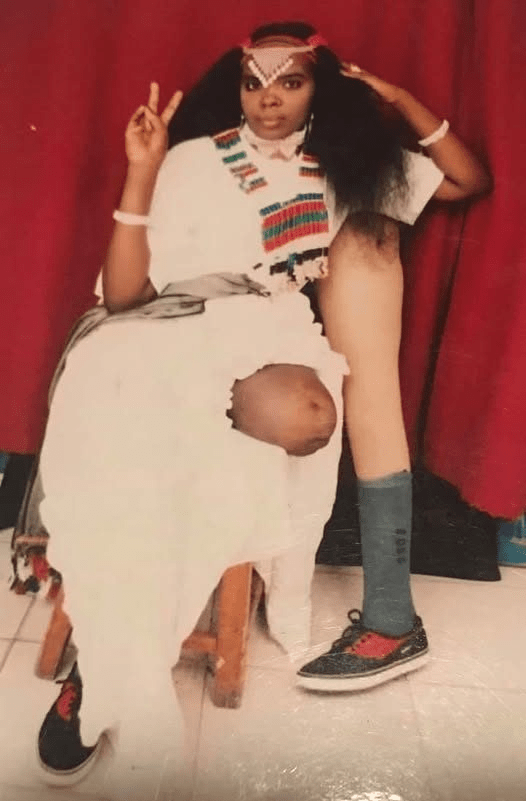

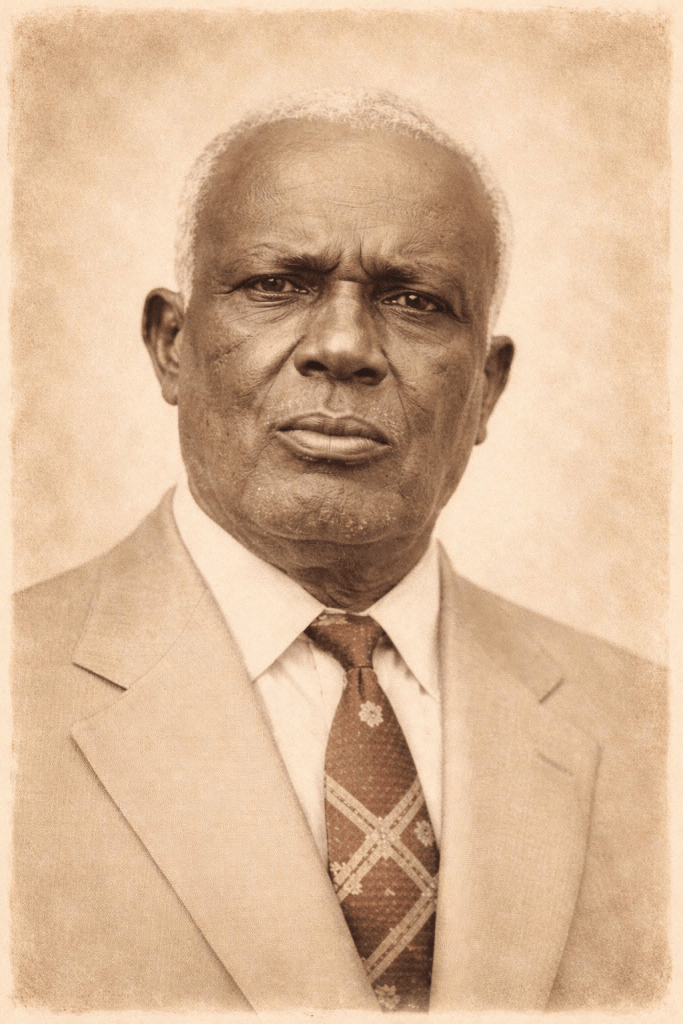

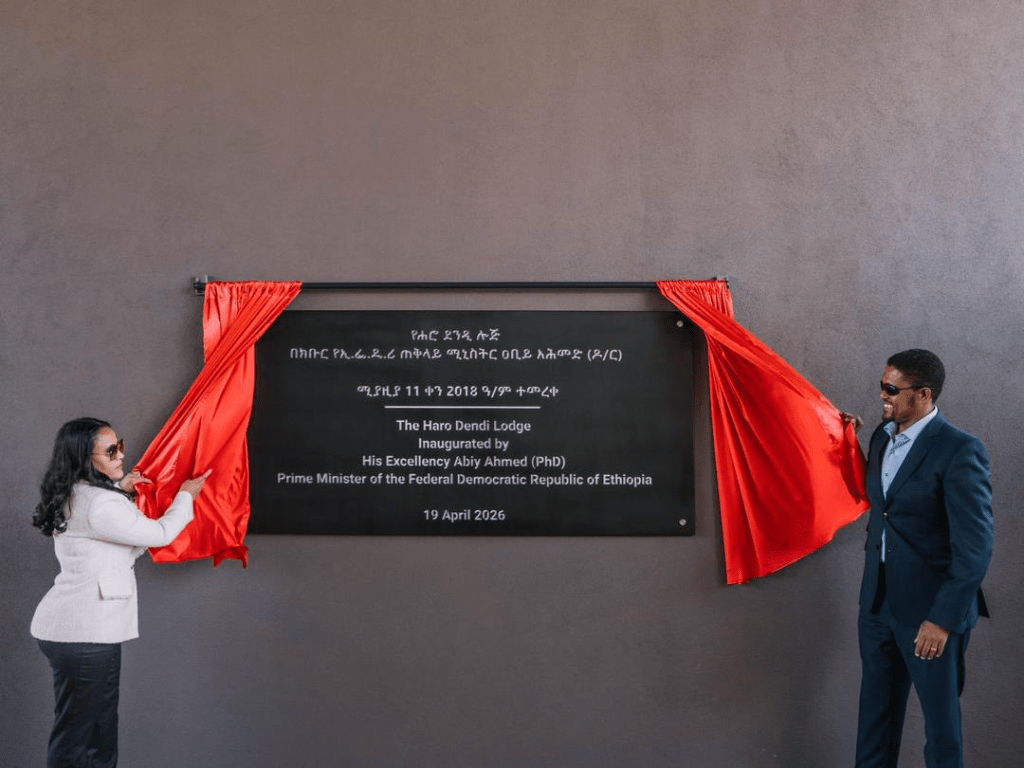
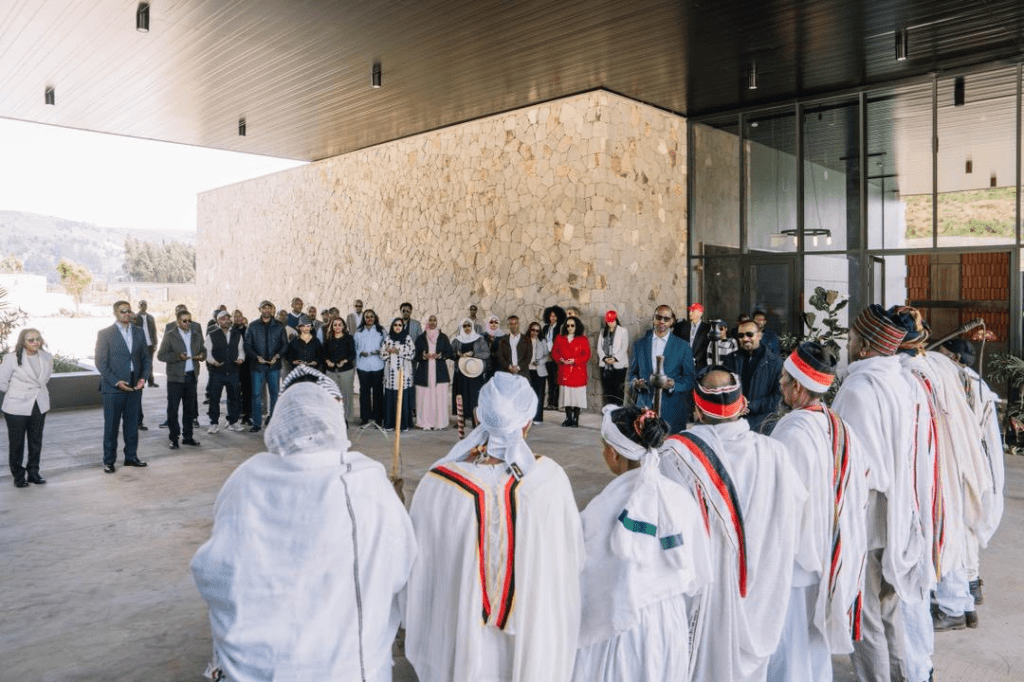
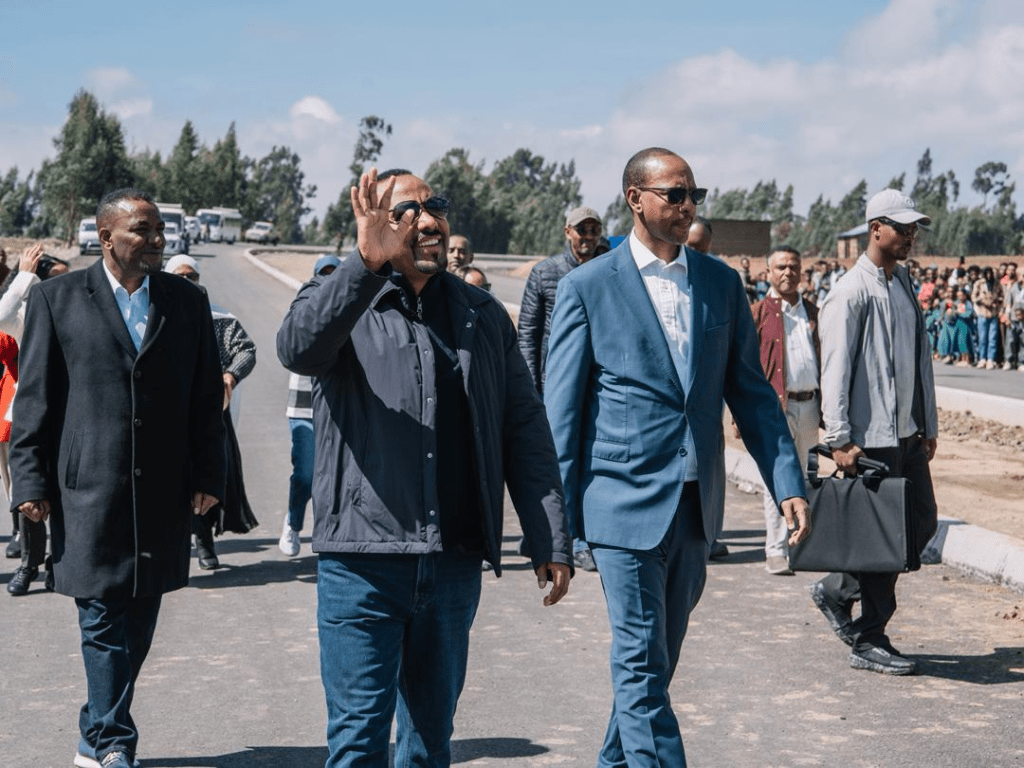

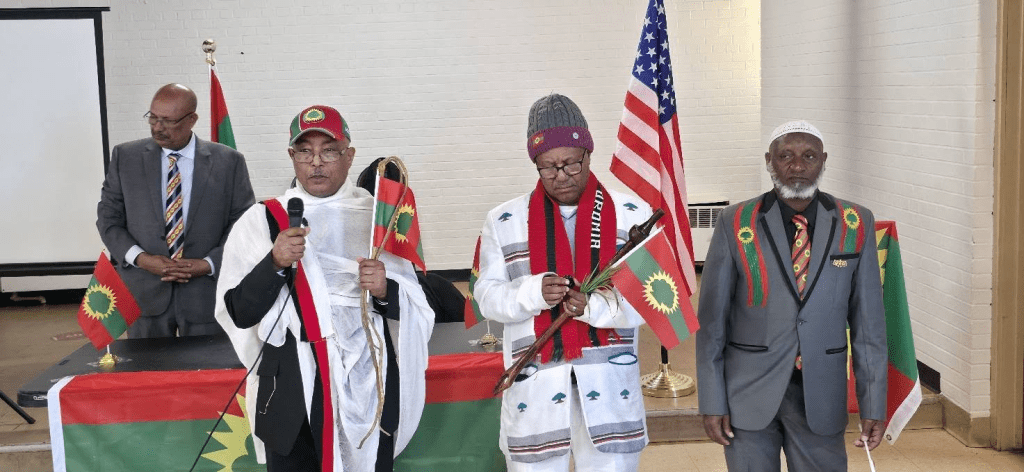
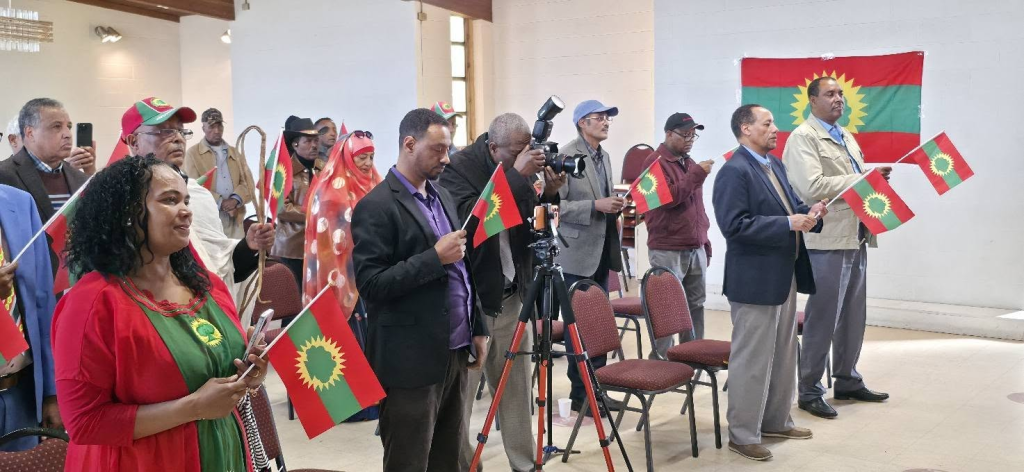
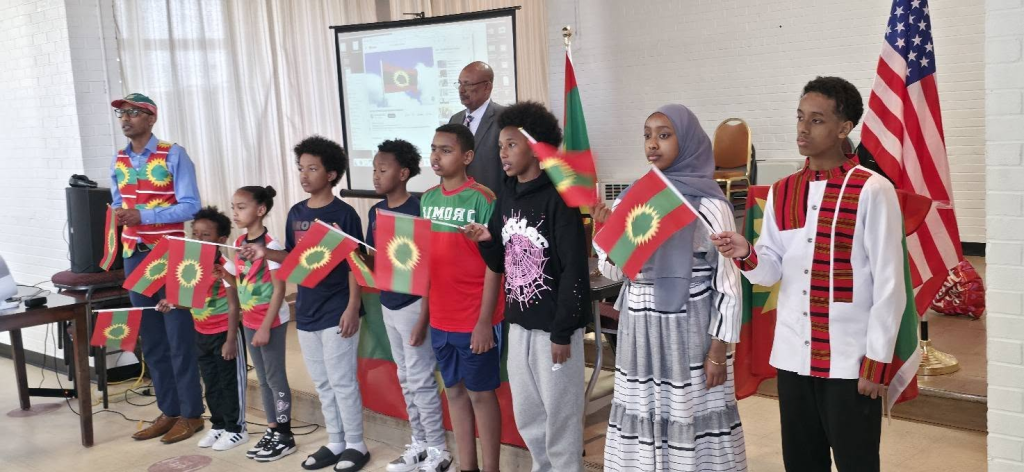
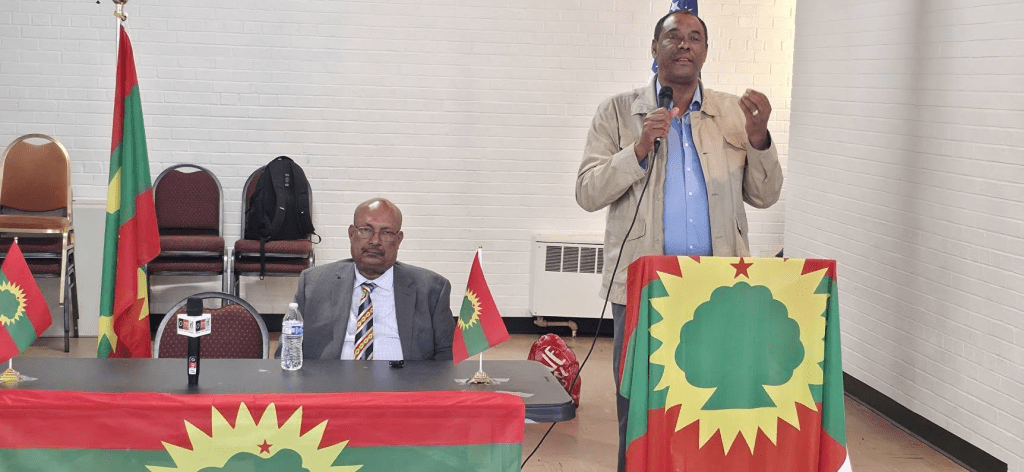
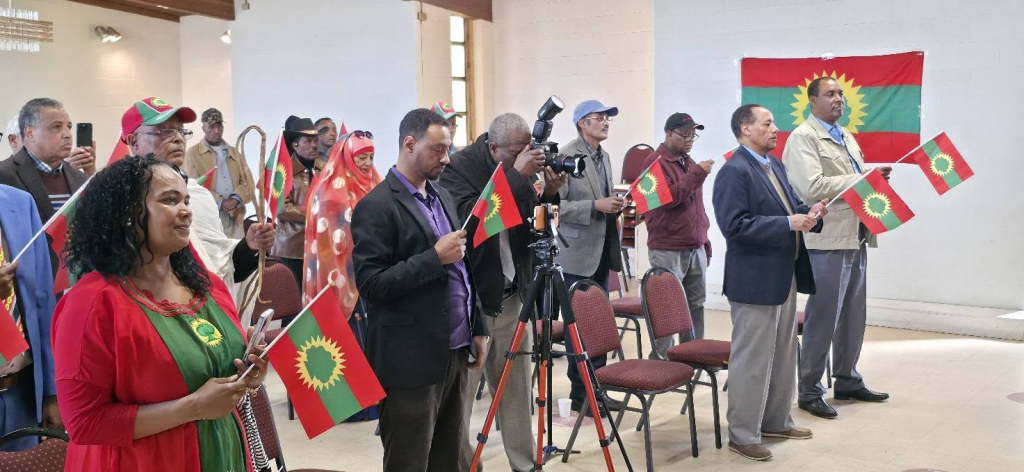

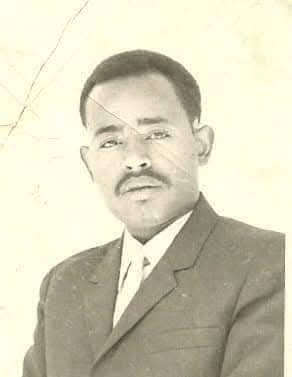
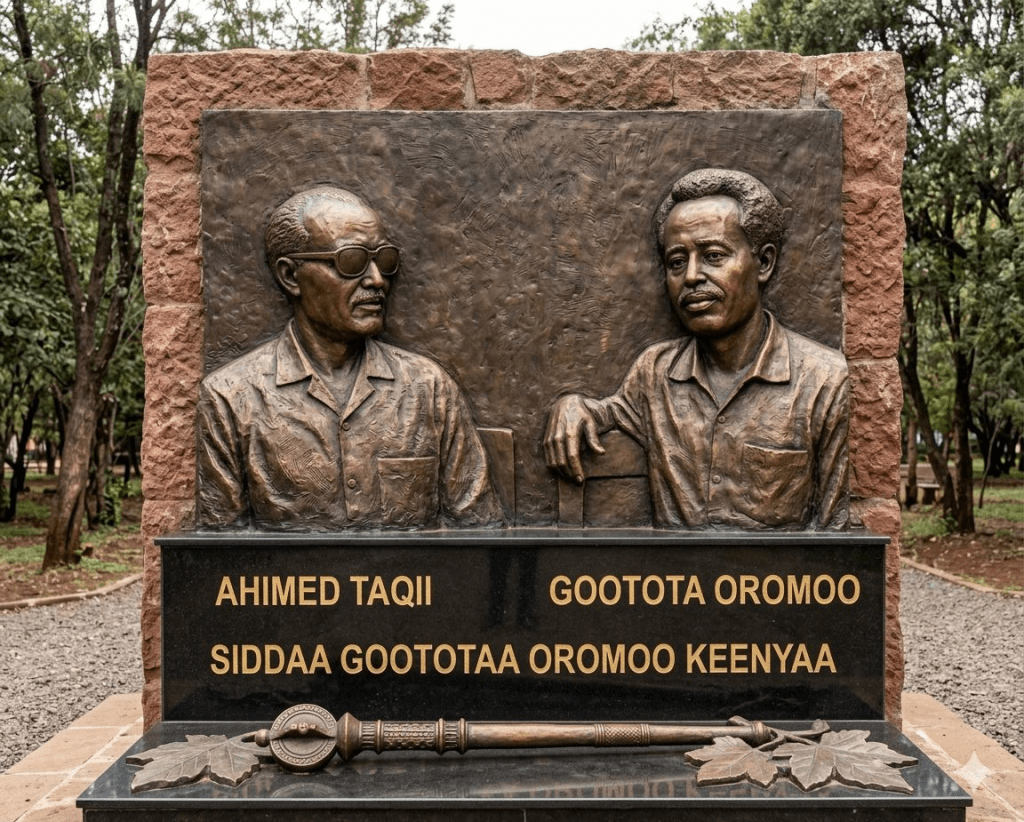

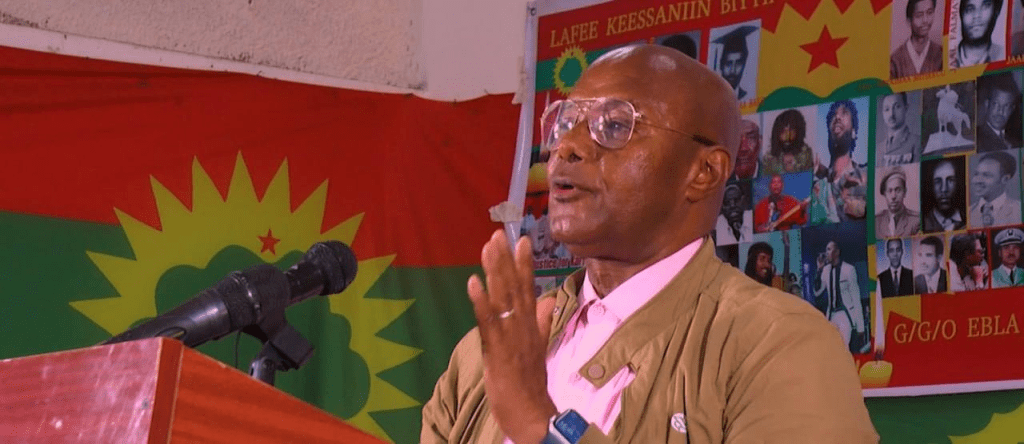
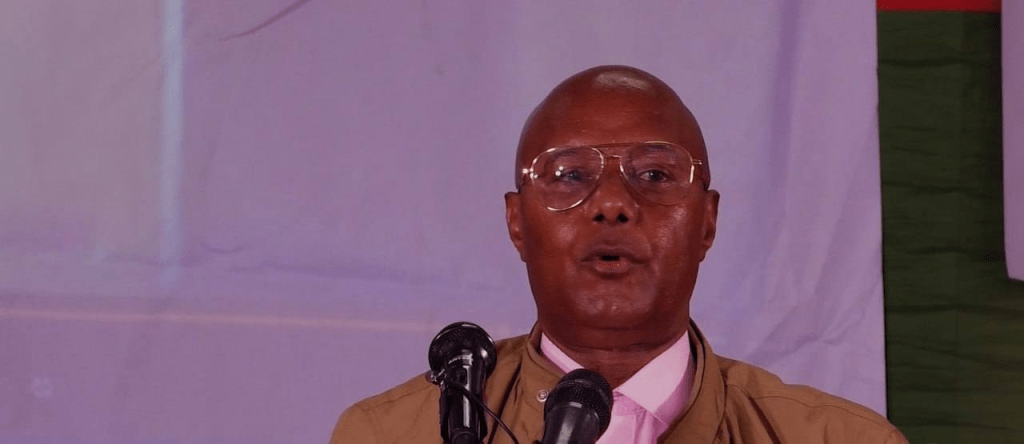
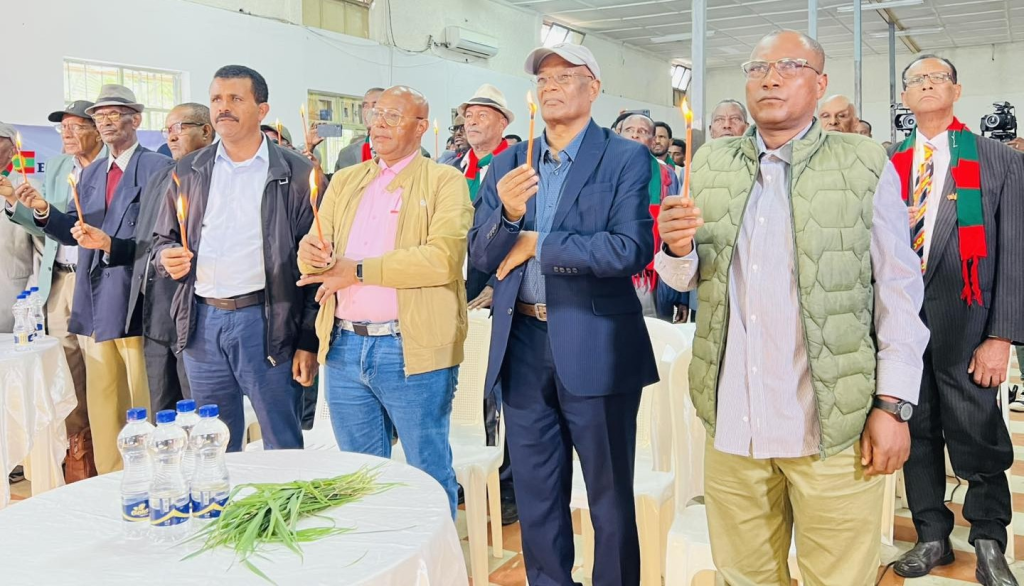
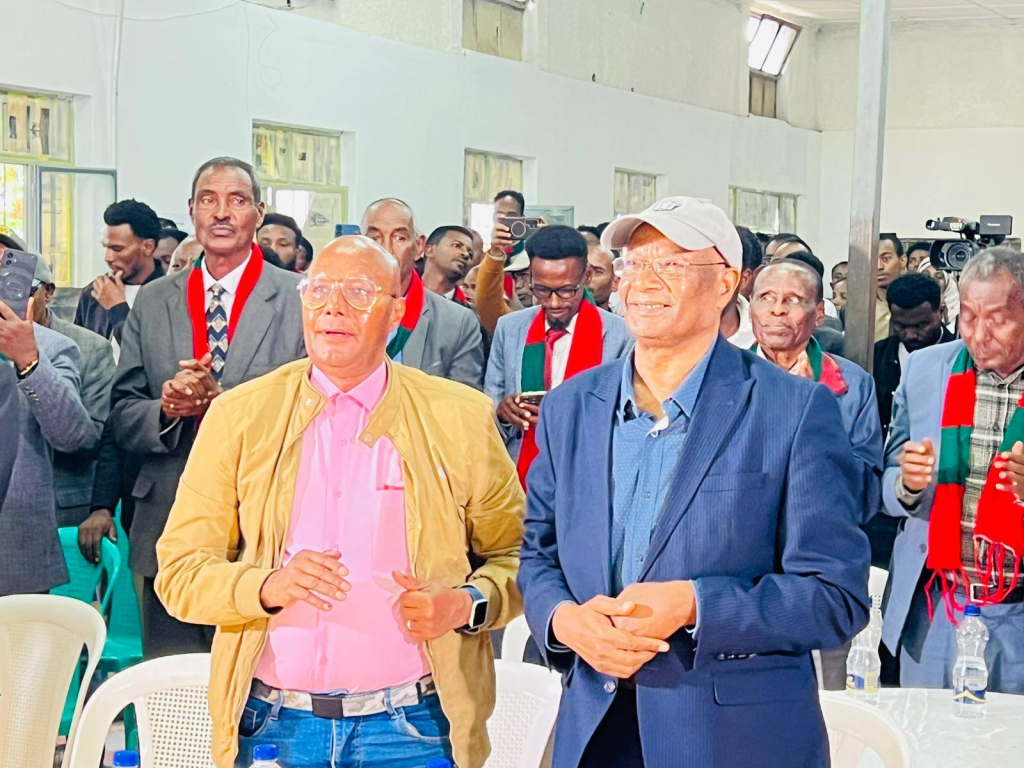
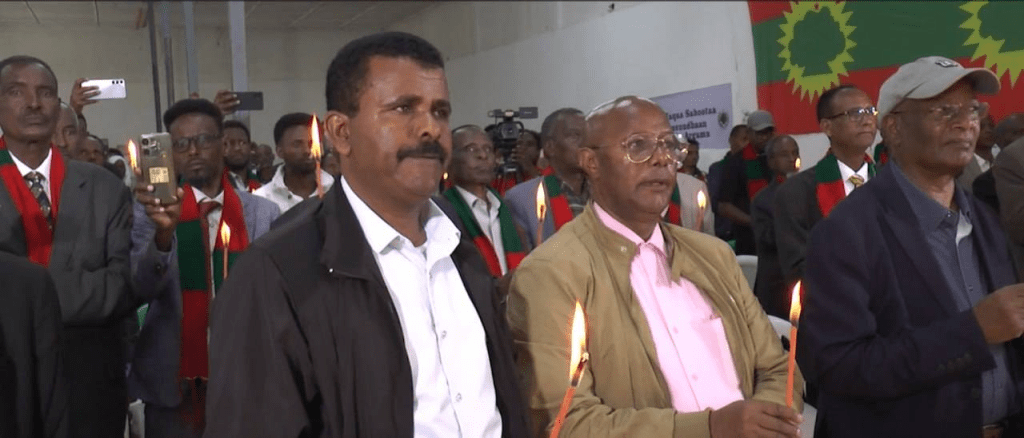

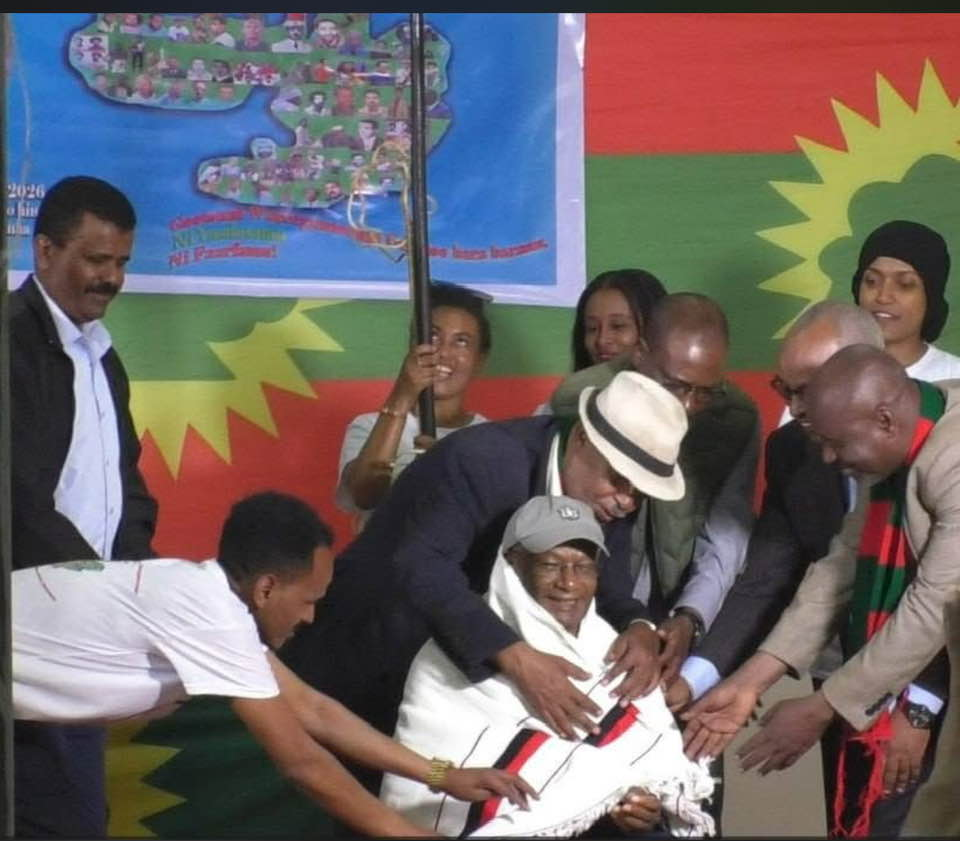

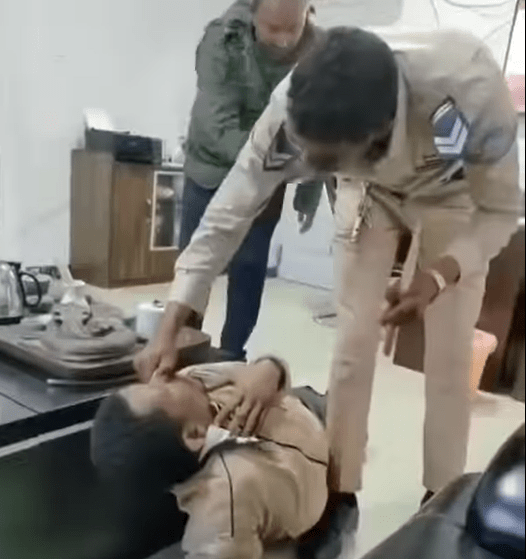
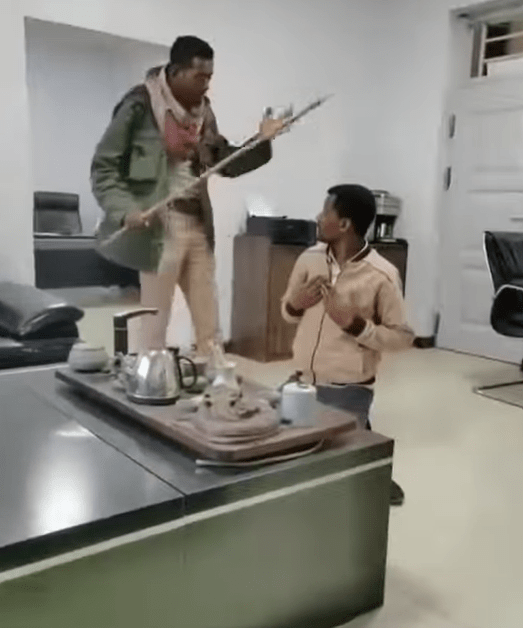
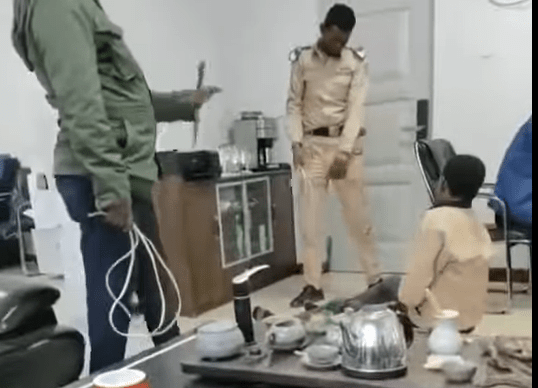

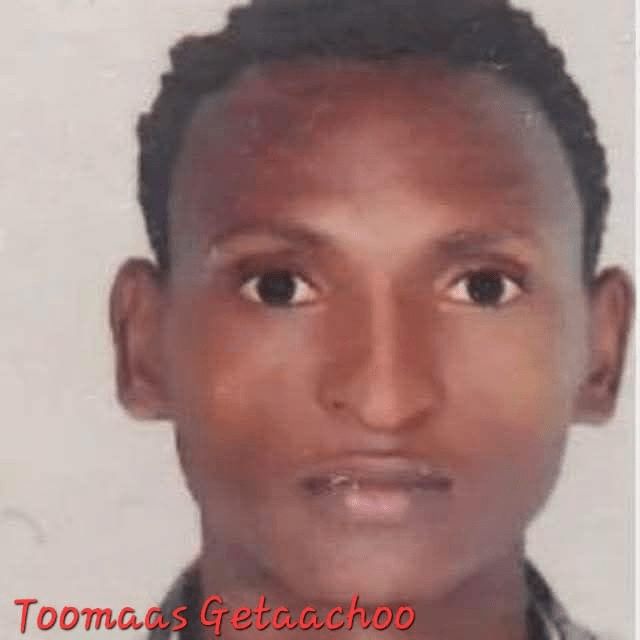
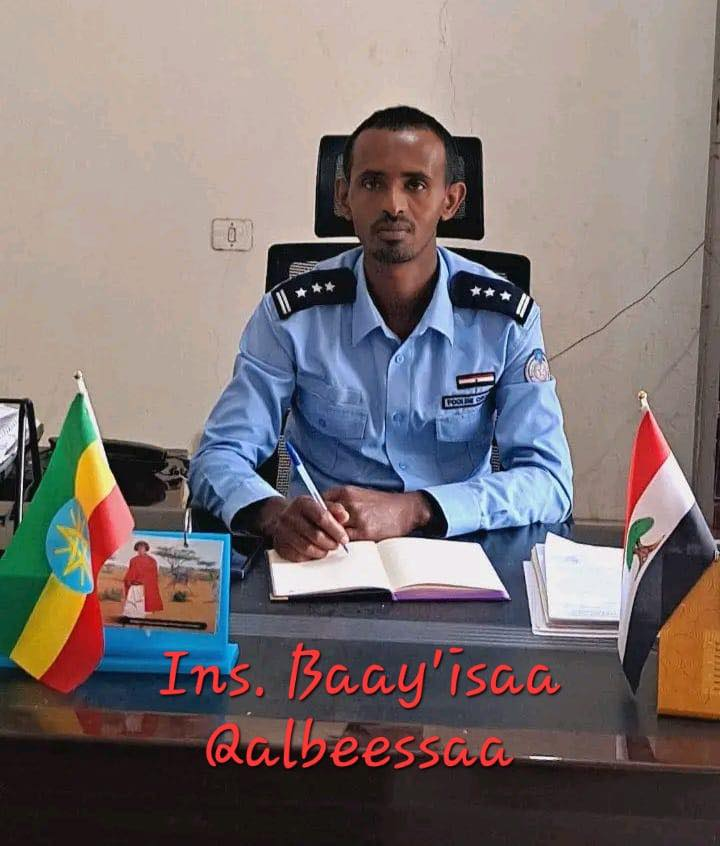
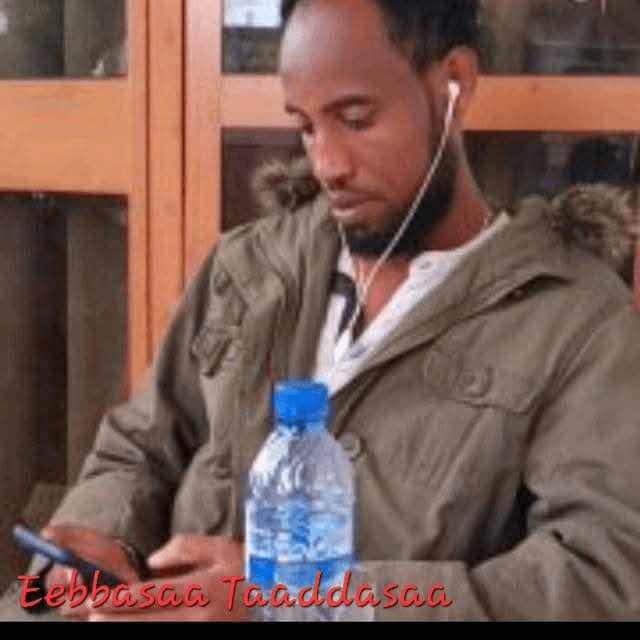
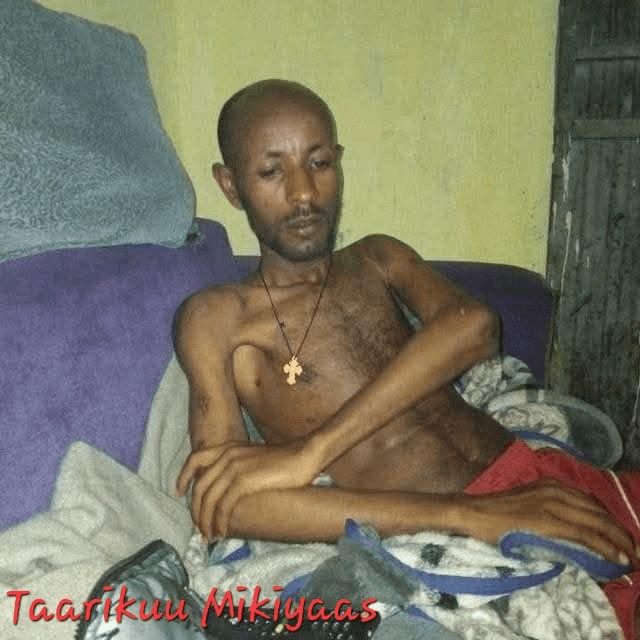

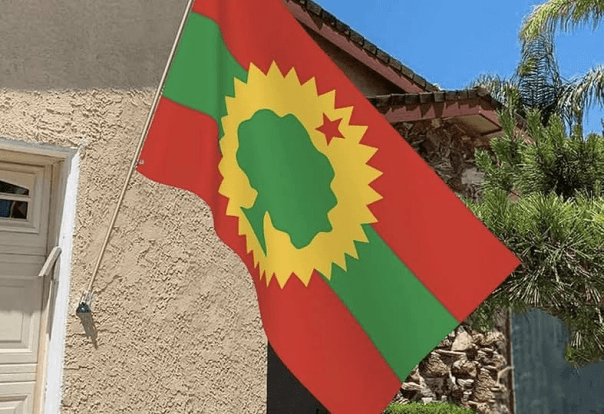




 Advocacy for Oromia