Category Archives: Information

The Spark That Lit a Fire: The Macha-Tulama Association and the Birth of Modern Oromo Consciousness

By Our Senior Correspondent
—
In the early 1960s, Ethiopia was a nation of silence. Political parties were banned. Open dissent was crushed. The empire of Haile Selassie I, with its ancient Amharic-speaking elite, governed through a system of centralized control that left little room for the voices of its largest ethnic group—the Oromo.
Yet, in the cramped offices of Addis Ababa, three small self-help groups began to meet. The Jibat and Macha, the Metta Robii, and the Tulama Shawa associations had been formed to provide modest social relief to Oromo communities. But in 1963, these three organizations merged into something far more significant. They became the Macha-Tulama Self-Help Association—Waldaa Wal-gargaarsa Maccaa fi Tuulamaa—and in doing so, they ignited a fire that would reshape Oromo history forever.
A Name That United a People
The association took its name from two of the major Borana Oromo clans: Machaa and Tulema. But its vision was far broader than any single clan. It was designed to embrace all Oromos, irrespective of religion or region, and even welcomed non-Oromo nationalities who accepted its objectives. Its founders were a remarkable group: Hail Mariam Gamada, a lawyer; Alemu Qixxeesa, a retired colonel; Mamo Mezemer; and others who had been educated in the imperial system but had “subsequently rediscovered their culture”.
The most prominent leader was Tadesse Birru, a former general in the Ethiopian police force and territorial army. A Shewa Oromo who had been fully integrated into Amhara culture, his Oromo origins were not apparent to many until he began to champion the cause of his people. His conversion was a powerful symbol: a man who had risen to the highest ranks of the imperial establishment, turning his back on privilege to fight for his own people.
Two Levels of Purpose
The association operated on two distinct levels. The first was practical and visible: it built schools, health clinics, roads, and water supplies across Oromia. It constructed churches and mosques for believers who had none. It provided financial and legal assistance for the disabled and unemployed.
But the second objective was political—and far more dangerous. In an era when political parties were forbidden, the Macha-Tulama Association became a vehicle for Oromo nationalism. It was the first movement to articulate Oromo grievances in a public, organized manner. It championed “the social, educational, cultural and political rights of the Oromo people”. It politicized the masses and, through its dynamic Youth Wing, produced revolutionary literature that circulated underground. Its very existence marked “the public rise of Oromo nationalism”.
The Threat to Empire
The association’s rapid growth was breathtaking. At its height, it claimed as many as 200,000 members. It expanded “very rapidly all over Oromiyaa as a Pan-Oromo movement”. It was most successful in the south, particularly in Arsi, where Oromos had been relegated to the status of tenants on their own land after being conquered by Menelik’s forces.
For the imperial government, this was an existential threat. The Ethiopian state accused the association of committing “acts of terror” in an effort to suppress the developing Oromo National Movement. The repression was swift and brutal.
The Crackdown
In 1966, the Macha-Tulama Association was banned. Its leaders were arrested, imprisoned, and some were executed. Tadesse Birru, Mamo Mezemir, Alemu Kitessa, and others were imprisoned and killed for their humanitarian and political activities. The association was banned during the imperial regime, again under the Derg, and once more in 2011 under the EPRDF regime. It was accused of “threatening Ethiopia’s unity—an unfounded claim,” according to its current president.
Yet the organization refused to die. It survived underground, and its members continued to organize. The suppression of the Macha-Tulama Association became “an immediate reason for the birth of” a more militant organization. In 1974, the Oromo Liberation Front (OLF) was formed, largely from the underground cells of the Macha-Tulama Association.
A Legacy That Endures
Today, the Macha-Tulama Association—now officially known as the Mecha and Tulema Self-Help Association—continues its work. It regained its legal status in 2019. It celebrated its 60th anniversary in 2024, a testament to its resilience.
Its current president, Diribi Damuse, has outlined the association’s ongoing humanitarian efforts: supporting internally displaced people from Western Oromia, assisting those affected by drought in Borena and Guji, and providing aid to university students and Abba Gada leaders. The association, he emphasized, “has united members from diverse backgrounds, including military, students, intellectuals, and grassroots, including non-Oromo members from Wolayita, Sidama, and other ethnic groups”.
The Unfinished Struggle
The Macha-Tulama Association’s place in Oromo history is secure. It was the first organized, mass-based expression of Oromo identity in the modern era. It bridged the gap between the rural peasantry and the urban intelligentsia. It laid the groundwork for every Oromo political movement that followed.
But its story is also a warning. The association was banned not because it committed violence, but because it united a people. Its leaders were killed not for crimes, but for the crime of demanding dignity. The imperial state, and every regime that followed, understood that a united Oromo people was a threat to centralized power.
As the association continues its work—building schools, feeding the hungry, preserving culture—it carries with it the memory of those who gave their lives. Mamo Mezemir, Tadesse Birru, Alemu Kitessa, and so many others are not just names in a history book. They are the foundation upon which modern Oromo consciousness was built.
The Macha-Tulama Association was the spark. The fire it lit continues to burn.
—
Sources: UNHCR Refugee Review Tribunal; Canada Immigration and Refugee Board; Addis Standard; Wikipedia; AfricaBib; Taylor & Francis; Advocacy for Oromia.

The Hour of Need: Forging a Resilient Future for Oromia and Its People

By Maatii Sabaa
The air in Oromia is heavy with a sense of urgency. Across the region and its surrounding areas, a silent tremor of concern is reverberating through the hearts of its people. We are witnessing a pivotal moment in our history, a time fraught with challenges that test the very fabric of our society. The question is no longer if we will act, but when—and how boldly.
As we look at the current state of affairs, it is impossible to ignore the profound anxieties that grip our communities. The safety net that once held our families together is fraying under the weight of economic strain, environmental upheaval, and political instability. We are, to put it plainly, standing on the precipice of a great ordeal. The need for a unified, robust, and relentless response—a determined stand against the tide of adversity—has never been more critical.
This is not merely a time for sorrow; it is a time for strategy. The path forward is not found in despair, but in the deliberate construction of a new paradigm. We must build a fortress of resilience, brick by brick, institution by institution. It is through the creation of resilient systems—in agriculture, education, and governance—that we can effectively combat the crises that threaten to overwhelm us. We need a “fala/ gaachanaa” (shield) that is not just reactive but proactive, designed to protect the most vulnerable and secure the borders of our collective future.
Yet, the ultimate shield for Oromia is not made of steel or stone; it is made of the mind and spirit of its youth. The young men and women of this generation are the architects of tomorrow. To leave them untrained, unmotivated, or disconnected is to invite disaster. Our imperative is clear: we must educate, energize, and organize the Oromo youth.
This is more than a call to action; it is a call to transformation. We must transform our schools into crucibles of critical thinking, our communities into hubs of entrepreneurial energy, and our political spaces into arenas of constructive dialogue. By doing so, we ensure that our youth do not become victims of circumstance, but rather, become the standard-bearers of a proud heritage. They must become the vanguard that carries the torch of Oromia forward, ready to stand as “gaachana” (champions) for their land and their people.
It is a saddening truth that the heritage of the Oromo people—a legacy of resilience, democracy, and cultural richness—is at risk of being eroded. We are custodians of a “Dhaloota qaroo” (a heritage of value), a distinct identity that has survived for millennia. To protect this inheritance is to diversify it; to bring in new voices, new ideas, and new energy. We must ensure that the narrative of our people is written not by our oppressors, but by our own hands, in our own words.
The time for deliberation is over. The foundations of a new era must be laid today. It is not enough to hope for a brighter tomorrow; we must labor for it. Starting today, we must commit to the arduous but noble task of rebuilding. Starting today, we must bridge the divides that separate us. Starting today, we must empower the next generation to take the helm.
The challenges are great, but the spirit of Oromia is greater. Let us meet this moment with the courage it demands. The hour of need is upon us, but it is also an hour of opportunity. Let us rise, unite, and forge a destiny worthy of the sacrifices of our ancestors and the dreams of our children.
The time to start is now.

Legal Foundations of Finfinne’s Special Status: A Review of Federal and Regional Laws
Examining the Constitutional and Statutory Provisions Recognizing Oromia’s Special Interest in the Capital
By Dhabessa Wakjira
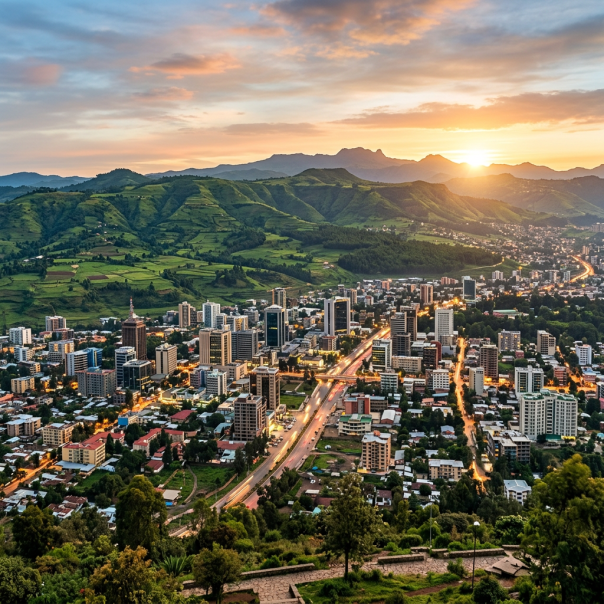
(Melbourne-11 August 2026) The question of Finfinne—the city known internationally as Addis Ababa—is not merely a matter of political debate or historical narrative. It is also a matter of law. Over the past four decades, a series of federal and regional legal instruments have recognized and codified the unique relationship between the Oromo people and their ancestral capital.
From the transitional period following the fall of the Derg to the present day, Ethiopian law has acknowledged that Finfinne, by virtue of its location within the State of Oromia, gives rise to a “special interest” for Oromia—an interest that encompasses social services, natural resources, and joint administrative matters . This legal framework, while contested in its implementation, provides a constitutional foundation for the Oromo people’s claim to their historical capital.
Federal Legal Instruments: The Constitutional and Statutory Framework
A. Proclamation No. 7/1984: Establishing National Regional Self-Governments
The legal recognition of Oromia’s special interest in Finfinne predates the 1995 Constitution. In the transitional period following the fall of the Derg regime, the Transitional Government of Ethiopia enacted Proclamation No. 7/1984 to establish National Regional Self-Governments.
Article 3(1) of this proclamation identified the Oromo people as one of the nations, nationalities, and peoples entitled to establish a regional self-government, designated as “Region 4.” Critically, Article 3(4) of the proclamation stated that the “special national interests and political rights of Oromo” over Harari (Region 13) and Addis Ababa (Region 14) would be protected .
This provision represented the first formal legal acknowledgment of Oromia’s special claim over the capital following the collapse of the unitary state. It recognized that the city’s location within Oromia created a unique relationship that could not be ignored, even as the city was designated as a separate administrative entity.
B. The FDRE Constitution, Article 49(5): The Constitutional Recognition
The most significant legal recognition of Oromia’s special interest in Finfinne is enshrined in the Federal Democratic Republic of Ethiopia Constitution, adopted in 1995.
Article 49(5) states:
“The special interest of the State of Oromia in Addis Ababa, regarding the provision of social services or the utilization of natural resources and other similar matters, as well as joint administrative matters arising from the location of Addis Ababa within the State of Oromia, shall be respected. Particulars shall be determined by law.”
This provision was the product of extensive debate during the Constitutional Assembly. The legislative history reveals that the Oromo representatives argued for the inclusion of this clause on several grounds:
- Geographical reality: Finfinne is located within the State of Oromia.
- Historical connection: The city was established on Oromo land and is the heart of Oromia.
- Practical necessity: The city’s expansion affects surrounding Oromo farming communities.
- Constitutional identity: The city serves as Oromia’s capital and is deeply connected to Oromo identity .
The clause was approved with 507 votes in favour and only 6 against, demonstrating broad consensus on the principle of Oromia’s special interest.
C. Addis Ababa City Administration Charter Proclamation No. 87/1989
The first charter for the Addis Ababa City Administration, Proclamation No. 87/1989, provided detailed provisions on the relationship between the city and Oromia.
Article 33 of this proclamation established four key elements of Oromia’s special interest:
- Boundary Determination: The city’s boundary shall be delimited jointly by the City Administration and the Oromia Regional Government.
- Seat of Government: The Oromia Regional Government has the right to establish its seat in Addis Ababa.
- Access to Services: Social services provided by the City Administration to Addis Ababa residents shall also be accessible to residents of neighbouring Oromia communities, who shall be entitled to benefit from those services on an equal footing.
- Consultation on Development: The City Administration shall undertake development activities affecting Oromia only in consultation and agreement with the Oromia Regional Government.
This charter represented a significant legal acknowledgment of the practical interdependence between the city and its surrounding region .
D. Amended City Charter Proclamation No. 311/1995 and No. 361/1995
Subsequent amendments to the City Charter, including Proclamation No. 311/1995 and Proclamation No. 361/1995, modified the framework for the relationship between the city and Oromia.
Article 62 of these proclamations, concerning the relationship between the City Administration and the Oromia Regional Government, provided that:
- The City Administration shall maintain a relationship based on fruitful cooperation with Oromia.
- In accordance with Article 49(5) of the Constitution, Oromia’s interest shall be respected. The particulars shall be determined by agreement between the City Administration and the Regional Government or by a law enacted by the House of Peoples’ Representatives.
Article 5 of these proclamations, concerning the city’s boundaries, departed from the earlier charter. It provided that the boundary shall be delimited by agreement between the City Administration and Oromia or pursuant to the decision of the Federal Government—a provision that allowed for federal determination of boundaries without necessarily requiring the consent of the Oromia Regional Government .
This shift represented a legal narrowing of Oromia’s special interest compared to the 1989 charter, a development that has been a source of ongoing tension.
Regional Legal Instruments: The Oromia Constitutional Framework
A. The Oromia Transitional Constitution (1984)
The first constitution of the Oromia National Regional State, enacted in 1984 through Proclamation No. 2/1985, established the fundamental identity of the region.
This historic document, adopted by the newly established Oromia Council following popular elections, declared:
- Article 55: The name of the region shall be Oromia.
- Article 57: The working language of the region shall be Afaan Oromoo, written in the Latin script.
- Article 58: The capital city of the region shall be Finfinne.
This constitution represented the first formal assertion of Oromo self-governance and affirmed Finfinne as the heart of Oromia.
B. The Oromia Constitution (1987)
The second Oromia Constitution, enacted through Proclamation No. 1/1987, reaffirmed the region’s identity and capital following the transition to a civilian government.
Article 6 of this constitution confirmed that Finfinne is the capital city of the Oromia Regional State, maintaining the continuity of the region’s constitutional identity.
C. The Amended Oromia Constitution (1994) and Proclamation No. 94/1997
The third Oromia Constitution, enacted through Proclamation No. 46/1994 following the political reforms of 1993, introduced a significant change: Article 6 declared that the capital of Oromia would be Adama.
This change was made following Proclamation No. 35/1992, which had designated Adama as Oromia’s capital effective July 1992. However, this decision was met with widespread public opposition and protest.
Following the 1997 elections, the Oromia Regional Government, responding to popular demand, returned its seat to Finfinne without preconditions. Subsequently, Proclamation No. 94/1997, adopted by the Oromia Council, amended the constitution to restore Finfinne as the capital of Oromia.
Article 2(3) of this proclamation formally declared that the capital of Oromia shall be Finfinne, reversing the 1994 amendment. This decision reflected the deep historical and cultural connection between the Oromo people and their ancestral capital .
The Ongoing Debate: Implementation and Contestation
While the legal framework recognizing Oromia’s special interest in Finfinne is well-established, its implementation has been a source of persistent tension.
The Special Interest Council
The draft proclamation on Oromia’s special interest in Addis Ababa contemplates the establishment of a Joint Council composed of delegates from both the City Government and Oromia Regional State . However, legal experts have noted shortcomings in the draft, including the postponement of determining key details such as the number of members, structure, mandates, and tenure—matters that should be clearly defined in the establishing legislation .
The 2014 Master Plan Controversy
The 2014 Addis Ababa Integrated Development Master Plan, which proposed expanding the city’s boundaries by 1.1 million hectares into surrounding Oromia districts, ignited widespread protests and led to hundreds of deaths. Critics argued that the plan was centrally imposed without prior consultation or participation of the Oromia Regional Government, in violation of constitutional principles .
The Failure to Fully Implement Article 49(5)
Legal commentators have noted that the concept of “special interest” was intended to imply a form of ownership and the immunity of the Oromo people from eviction from the city . However, successive federal governments have been accused of failing to implement the constitutional provision meaningfully, instead pursuing policies that marginalize Oromo communities in and around the capital .
Conclusion: A Legal Framework Awaiting Implementation
The legal instruments examined in this article reveal a consistent pattern: from the transitional period to the present day, Ethiopian law has recognized Oromia’s special interest in Finfinne. The FDRE Constitution, the City Charters, and the Oromia Constitutions all acknowledge the unique relationship between the city and the region that surrounds it.
However, legal recognition alone is insufficient. The gap between the law on paper and its implementation in practice has been a source of ongoing tension and conflict. The failure to fully implement Article 49(5), the controversies over boundary expansions, and the inadequate representation of Oromo interests in the governance of the capital have all contributed to the perception that Oromia’s constitutional rights are being violated.
The path forward lies in the genuine implementation of the constitutional and legal framework—through joint administrative mechanisms, meaningful consultation, and the protection of Oromo communities affected by the city’s expansion. As one legal commentator has noted: “The concept of special interest entered the Ethiopian legal lexicon to ensure that the Oromo people, whose land was taken to establish the capital, would not be excluded from the benefits of the city’s existence” . Fulfilling this vision requires not only legal recognition but also political will.
Injifannoon Ummata Oromoo!
Finfinne haa jabaattu!
Seerri haa raawwatamu!
This feature article is based on a review of federal and regional legal instruments and is dedicated to all those who seek the full implementation of Oromia’s constitutional rights in Finfinne.

For the Cause of Finfinne: Entering Finfinne Itself Is Better Than Entering the Forest
A Reflection on Strategy, Presence, and the Path Forward for Oromo Liberation
By Dhabessa Wakjira
In the long and arduous struggle for Oromo liberation, the question of strategy has always been central. For decades, the Oromo people have employed various methods of resistance—armed struggle in the forests, political advocacy in the diaspora, and mass protests in the streets. Each has its place and its purpose. But there is a principle that deserves careful consideration:
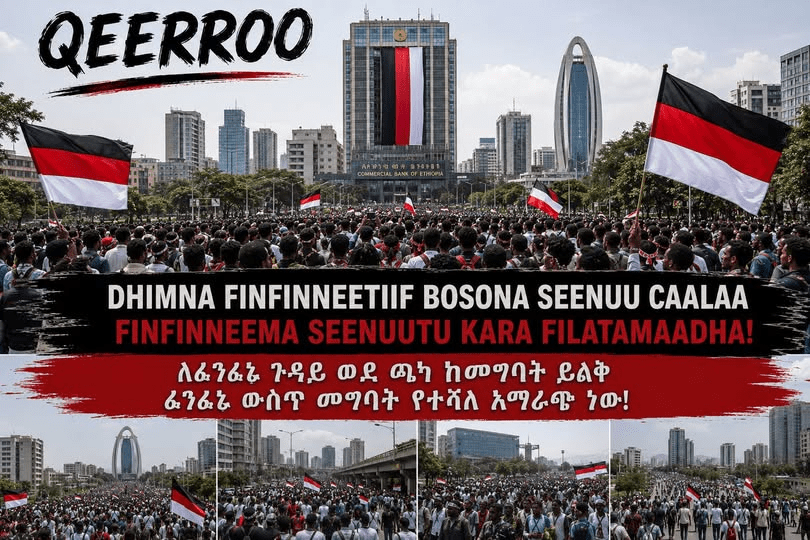
“Dhimma Finfinneetiif bosona seenuu caalaa Finfinneedhuma seenuutu karaa filatamaadha.”
“For the cause of Finfinne, entering Finfinne itself is better than entering the forest.”
This is not a dismissal of armed struggle or the sacrifices made by those who have fought in the forests. It is a strategic reflection on the nature of the struggle for Finfinne and the most effective means of achieving justice for the Oromo people’s ancestral capital.
The Significance of Finfinne
Finfinne—the city known internationally as Addis Ababa—is not just any city. It is the historical and spiritual heart of the Oromo people. It is the place where the Oromo people lived for generations before the expansion of the Ethiopian Empire. It is the site of their cultural heritage, the cradle of their language, and the symbol of their historical presence in the region.
For the Oromo people, Finfinne is not a bargaining chip. It is not a political football to be kicked around by competing interests. It is their ancestral homeland, and their connection to it is inseparable from their identity.
The struggle for Finfinne is therefore not just a political struggle—it is a struggle for the very soul of the Oromo nation. It is a struggle for recognition, for justice, and for the restoration of a people’s connection to their land.
The Forest and the City: Two Strategies
Historically, the Oromo liberation movement has employed two primary strategies: armed struggle in the forests and political organizing in the cities. Both have their strengths and limitations.
The Forest Strategy
Armed struggle has been a vital part of the Oromo resistance. The Oromo Liberation Army (WBO) has fought bravely against successive Ethiopian regimes, and their sacrifices have inspired generations. The forest has been a sanctuary for those who could not operate openly, a place where resistance could be sustained even in the darkest times.
However, the forest strategy has limitations. It is physically demanding, resource-intensive, and often results in heavy casualties. It can also be geographically remote from the centers of political power, limiting its direct impact on urban populations and decision-makers.
The City Strategy
The city strategy—entering Finfinne itself—offers a different approach. It recognizes that the struggle for Finfinne cannot be won solely in the forests. It must be waged in the city itself, among its residents, in its institutions, and in its political life.
Entering Finfinne means:
- Building a presence in the city’s political and civic institutions
- Organizing communities within the city
- Advocating for Oromo rights in the urban space
- Challenging the narrative that denies Oromo history
- Demanding recognition of Finfinne’s Oromo heritage
- Participating in governance to shape the city’s future
This strategy recognizes that Finfinne is not just a piece of land to be claimed from the outside—it is a living city with millions of residents, a complex political landscape, and a role as Ethiopia’s capital. Engaging with the city directly is essential for achieving justice.
Why Entering Finfinne Matters
1. Presence Is Power
In politics, presence is power. If the Oromo people are absent from Finfinne’s political and civic life, their voice will not be heard. Entering Finfinne means being present where decisions are made, where policies are shaped, and where the future of the city is determined.
2. The City Is the Symbol
Finfinne is not just a city—it is a symbol. It is the symbol of Oromo dispossession and the symbol of Oromo resistance. To enter Finfinne is to reclaim that symbol. It is to assert that the Oromo people have a rightful place in their ancestral capital.
3. The City Is the Center of Power
Finfinne is the seat of the Ethiopian government, the African Union, and numerous diplomatic missions. It is the center of political and economic power in Ethiopia. To influence the future of Finfinne, the Oromo people must be present at the center of that power.
4. The City Is a Space for Organizing
Finfinne is home to millions of people, including a significant Oromo population. It is a space for organizing, for building alliances, and for creating a movement that can effect change from within. By entering Finfinne, the Oromo people can build a movement that is rooted in the city itself.
5. The City Is the Future
The future of Finfinne will be shaped by those who are present in the city. If the Oromo people are absent, others will shape that future. Entering Finfinne ensures that the Oromo people have a say in what that future looks like.
The Path Forward
The principle that “entering Finfinne is better than entering the forest” is not a rejection of armed struggle. It is a call to recognize that the struggle for Finfinne must be waged on multiple fronts. It must include:
- Political organizing in the city
- Advocacy for Oromo rights in national and international forums
- Legal action to challenge unjust policies
- Cultural preservation to maintain Oromo heritage in the city
- Economic empowerment to build Oromo prosperity
- Public awareness to educate residents about Finfinne’s history
- Participation in governance to shape the city’s future
This multi-front approach recognizes that the struggle for Finfinne is not just about the past—it is about the present and the future. It is about ensuring that the Oromo people have a rightful place in their ancestral capital and that the city reflects the diversity and history of the Oromo nation.
A Call to Action
The time has come for the Oromo people to enter Finfinne—not as visitors, but as participants. Not as outsiders, but as rightful inhabitants. Not as supplicants, but as citizens with equal rights.
Entering Finfinne means:
- Registering to vote in the city’s elections
- Participating in civic organizations that shape the city’s life
- Advocating for Oromo rights in the city’s institutions
- Building businesses that create jobs and prosperity
- Educating residents about Finfinne’s Oromo history
- Demanding recognition of Oromo heritage in the city’s public spaces
This is not an easy path. It requires patience, persistence, and courage. But it is a path that offers a real chance for lasting change.
Conclusion: A New Chapter in the Struggle
The Oromo people have fought for Finfinne for generations. They have sacrificed their lives, their freedom, and their dreams. They have entered the forests, faced the guns, and endured the prisons. But the struggle is not over.
“Dhimma Finfinneetiif bosona seenuu caalaa Finfinneedhuma seenuutu karaa filatamaadha.”
“For the cause of Finfinne, entering Finfinne itself is better than entering the forest.”
This is a call to a new chapter in the struggle—a chapter of presence, participation, and engagement. A chapter where the Oromo people enter the city they love and claim their rightful place in it.
Let us enter Finfinne. Let us build a future where the Oromo people are recognized, respected, and empowered in their ancestral capital. Let us create a city that reflects the beauty, diversity, and resilience of the Oromo nation.
Finfinne is Oromo.
Entering Finfinne is the path forward.
The struggle continues.
Injifannoon Ummata Oromoo!
Finfinne haa jabaattu!
Finfinnee haa seennu!
This feature article is dedicated to all those who have fought for Finfinne and to those who will continue the struggle in the city itself—the heart of the Oromo nation.

Passing the Torch with Honour: A Night of Unity and Generational Strength at Guyyaa Yuubota 2026 in Minnesota
Oromo Elders and Youth Come Together to Celebrate a Legacy of Resilience and Hope in St. Paul
By Maatii Sabaa
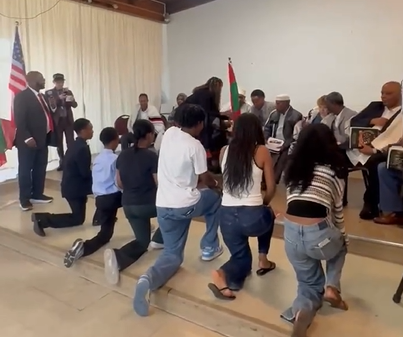
(St. Paul, Minnesota — 11August 2026)-In a powerful display of intergenerational unity and cultural pride, the Oromo community in Minnesota came together for Guyyaa Yuubota 2026, a celebration that was more than just an event—it was a profound ceremony of respect, remembrance, and the sacred passing of the torch from one generation to the next.
The event, held in the heart of “Little Oromia,” saw Oromo elders, leaders, and youth gather side by side, reinforcing the unbroken chain of identity and struggle that defines the Oromo people. It was an evening where the wisdom of the past met the energy of the future, and where the torch of liberation was passed respectfully, deliberately, and with immense pride.
A Ceremony of Blessings and Song
The proceedings at Guyyaa Yuubota opened in accordance with ancient Oromo tradition, with the solemn recitation of the Eebba Manguddoo—the Great Blessing—and the singing of the Faaruu Alaabaa, the Oromo national anthem. These rituals, which call upon Waaqa (God) for peace, prosperity, and success, served as a spiritual foundation for the work that followed.
The atmosphere was one of reverence and unity. Oromo oral literature, encompassing forms such as eebba (blessings) and faaruu (songs of praise), has sustained the community across generations, and on this night, it was on full display.
Passing the Torch: The Role of Elders and Youth
The central theme of the evening was the respectful transfer of responsibility and knowledge from the elders to the youth. The elders, who witnessed the early days of the struggle, sat alongside youth who were born in the diaspora, forging an intergenerational bond that strengthens the community’s resilience.
This tradition is a cornerstone of Oromo culture. The elders are the custodians of history, the guardians of the Gadaa principles, and the living memory of the struggle for liberation. By passing the torch to the youth, they ensure that the flame of Oromummaa (Oromo identity) continues to burn brightly.
As one community leader observed, the Oromo carry their ancient Gadaa principles with them into the future, no matter where they are in the world. This occasion was a testament to that enduring spirit—a reminder that the Oromo identity is not just about remembering the past, but about actively engaging with the present and building for the future.
The Significance of Minnesota’s “Little Oromia”
The choice of Minnesota for such a significant gathering is deeply meaningful. Over the past three decades, Minnesota has earned the affectionate title of “Little Oromia” for hosting one of the largest Oromo populations outside of East Africa. The state has become a sanctuary and a springboard for Oromo activism, where culture thrives through language, music, faith, and political organization.
The Oromo community centers in the Twin Cities have become hubs for organizing and celebration, making them the ideal setting for an event that bridges generations and honors the past while looking toward the future.
Looking to the Future: Consistency and Determination
The evening was not only about honoring the past but about setting a course for the future. The message to the youth was clear: consistency and determination remain the foundation of lasting progress and success. In the long and often brutal struggle for Oromo self-determination, it is the day-in and day-out commitment of a people who refuse to be erased that sustains the movement.
Conclusion: A Legacy Secured
Guyyaa Yuubota 2026 in Minnesota was a resounding success, a beautiful reminder of the strength of the Oromo people when they stand together. It was a night where the elders’ blessings were received with humility, and the youth’s energy was embraced with hope. The torch has been passed, and it is held high.
Injifannoon Ummata Oromoo!
This feature article is dedicated to the Oromo elders who have paved the way and the youth who carry the torch forward.

A Night of Fellowship and Purpose: Oromo Diaspora Celebrates Partnership and Progress

Oromia Diaspora Association Commends Successful Collaborative Event and Applauds Supporters
By Daandii Ragabaa
It was an evening of connection and community as the Oromia Diaspora Association (ODA) came together with fellow diaspora organizations for a special dinner event. The gathering, hosted in partnership with the Consortium of Ethiopian Diaspora Associations and the Ethiopian Diaspora Service, provided a platform for fellowship, networking, and shared commitment to the development of communities both in Ethiopia and abroad.
The event was a resounding success, marking a significant milestone in the growing collaboration between diaspora groups. As the ODA noted in its statement, the beautiful evening was a testament to what can be achieved when communities unite with a common vision.
A Message of Thanks and Acknowledgment
In a statement reflecting on the event, the Oromia Diaspora Association conveyed heartfelt gratitude to the partner organizations that made the night possible. The association emphasized that the success of the gathering was a direct result of hard work and partnership.
“On behalf of the Oromia Diaspora Association, we wish to thank the Consortium of Ethiopian Diaspora Associations and the Ethiopian Diaspora Service for this beautiful evening of fellowship and dinner.”
The statement highlighted the significance of the event, not just as a social occasion, but as a meaningful step forward in strengthening ties between different communities. It is through such initiatives that diaspora groups can better coordinate their efforts and have a more significant impact on their communities both locally and globally.
The Power of Diaspora Unity
The event served as a vivid reminder of the immense potential of the Ethiopian diaspora. The Oromo diaspora in particular is a vibrant community spread across the globe, with its members actively contributing to social, economic, and developmental initiatives. The partnership with the consortium and government service structures reinforces the idea that collaboration is key to maximizing this potential.
This sense of unity is especially valuable given the diverse backgrounds and experiences within the broader Ethiopian and Oromo communities. Engaging with others through fellowship helps bridge communities and build a more cohesive front for tackling shared challenges.
Looking Ahead: Building on Success
The sentiment of the evening was one of looking forward. The Oromia Diaspora Association expressed a strong desire to continue working together with its partners in the future. The success of this event is not an endpoint but a foundation upon which further collaborative projects can be built.
“The event was a great success, and we deeply appreciate your hard work and partnership. We look forward to working together more in the future!”
As the Ethiopian Diaspora Service continues its efforts to connect with and empower the global Ethiopian community, events like this underscore the importance of meaningful engagement. The service plays a crucial role as a bridge, facilitating investment, cultural connection, and community building among the diaspora.
Conclusion: A Bright Future for Diaspora Collaboration
The successful fellowship and dinner event marks a positive chapter in the ongoing story of diaspora engagement. The commitment shown by the Oromia Diaspora Association and its partners is a sign of a stronger, more united community ready to contribute to sustainable development and cultural preservation.
The evening was a celebration of the ties that bind the community—a testament to the power of unity, shared purpose, and a collective vision for the future. The momentum gained from this event promises a future of even greater collaboration and achievement.

Injifannoon Ummata Oromoo!
Oromia Diaspora Association haa jabaattu!
This feature article is dedicated to the Oromia Diaspora Association and all diaspora communities working together for the development and unity of their people.

Revitalizing Oromo History: Recognizing Errors and Gaps in Oromo Historiography-Part Three
A Critical Examination of the Challenges Facing Oromo Historical Studies
By Hailu Gonfa
This article is not intended as a concluding statement, but rather as a starting point for further research and discussion. It is my hope that historians, scholars, and all those interested in Oromo history will engage with these reflections, deepen the analysis, and contribute to the vital work of revitalizing Oromo historiography.
3.1. Revitalizing History Is Not Simply About Uncovering the Hidden
When we speak of revitalizing Oromo history, the first thought that often comes to mind is uncovering what has been hidden, forgotten, or misrepresented. This is necessary and important. But the work of revitalization must also be viewed from another perspective. It requires us to honestly examine the errors, gaps, contradictions, and failures within our own historical record.
A people who selectively remember only what glorifies them, while hiding what does not flatter them, have not truly revitalized their history. A people who examine their history in its entirety—drawing strength from its achievements and learning from its mistakes—are the ones who move forward with wisdom. Revitalization is not an exercise in self-praise; it is an exercise in self-knowledge. And self-knowledge requires knowing not only what elevates us, but also what diminishes us.
3.2. Oromo History Must Not Be Written Only by Outsiders
One of the major gaps in Oromo historiography is that for a long time, much of the research and writing about Oromo history has come from external perspectives. This is not to say that outsiders should not study Oromo history—on the contrary, external scholarship has made significant contributions. However, when a people’s history is interpreted primarily by outsiders, that people risks learning about themselves only through the eyes of others.
It is therefore essential to strengthen and support Oromo historians, scholars, writers, linguists, cultural experts, Gadaa researchers, and political and legal scholars. Oromo people must research, write, and engage in scholarly debate about their own history. This is not a rejection of others—it is the assertion of one’s own voice in matters that concern one’s own identity.
3.3. The Gap in Documentation
If a people wishes to pass their history on to future generations, they must document it. The Oromo people possess a rich oral tradition—history, proverbs, poetry, songs, stories of heroes, place names, customs, and social memory are all preserved in the oral tradition. However, oral transmission is vulnerable to change, loss, and distortion over time.
The great task awaiting the current generation is the transition from oral tradition to written and digital documentation. This includes written texts, audio recordings, video documentation, photographs, maps, digital archives, and books. What we document today will be the foundation upon which future generations will build their understanding of who they are.
3.4. Blending Personal Memory and Historical Evidence
One challenge in historical research is the mixing of personal memory with evidence-based history. A person may remember what they heard, saw, or were told by their elders. But to verify that such memory constitutes accurate history, it must be cross-referenced with other sources.
Revitalized Oromo history must move from “This is what I heard” to “What is the evidence?” Evidence may include government archives, ancient manuscripts, books, university research, oral testimonies, place names, archaeological findings, documentaries, personal recollections, and both internal and external sources. All must be examined together.
3.5. History as More Than Heroism
In Oromo historiography, there is sometimes an excessive focus on heroes and heroism. Heroes are important. A people must know and honour their heroes. But to build a people’s history solely around heroes is to impoverish it. A people’s history includes farmers, mothers, youth, teachers, professionals, traders, elders, artists, scholars, health workers, soldiers, and all the diverse builders of society.
A revitalized Oromo history must be a history of the people, not merely a history of heroes. Heroism belongs to a few; history must embrace the many.
3.6. Avoiding the Narrowing of Oromo History to the Struggle for Liberation
Another gap that sometimes appears in Oromo historiography is the tendency to define Oromo history primarily, or even exclusively, through the lens of political and armed struggle. The struggle is an important part of Oromo history, but it is only one part.
The Oromo people possess a rich Gadaa system, a deep philosophy, social institutions, culture and ethics, language, agricultural expertise, economic practices, conflict resolution mechanisms, environmental knowledge, and a vibrant literary and oral tradition. A revitalized Oromo history must ask not only “Who did the Oromo fight?” but also “How did the Oromo live? How did they govern themselves? How did they resolve conflicts? What did they create?”
3.7. The Danger of “We Are Always Right, They Are Always Wrong”
One of the great pitfalls in national historiography is the tendency to view oneself as always right and others as always wrong. This approach prevents genuine learning from history. The Oromo people have had relationships with many communities—relationships of cooperation, conflict, exchange, intermarriage, political alliance, and cultural borrowing.
To reduce all of this to a simple binary of “good versus evil” is to distort history and impoverish our understanding. A revitalized history must ask “What happened? Why did it happen? Who did what? What was the outcome?” This is the transition from myth-making to historical inquiry.
3.8. The Gap of Historical Context
Every historical event must be examined within its own time and place. It is a mistake to judge the past by the standards of the present. What a people thought, did, and believed a hundred years ago may have been shaped by conditions very different from our own. A proper understanding of Oromo history requires examining events within their own political, economic, social, environmental, and relational contexts.
3.9. Internal Diversity Within Oromo History
The Oromo people are spread across a vast territory with diverse regions, clans, dialects, cultures, and experiences. Sometimes, the history of one group is presented as the history of all Oromo, or the history of one group is separated from others. A revitalized historiography must avoid both errors: it must not minimize the history of any region, and it must not deny the diversity that exists. The correct path is to acknowledge our diversity while building a shared history.
3.10. Distinguishing Between Struggle and Its Mistakes
A struggle may have a just cause, but that does not mean every action taken in its name is just. This is an important and mature insight. In revitalizing Oromo history, we must distinguish between the goal, the method, and the outcome. The goal may be just, but the method chosen to achieve it may be flawed. This requires us to ask: What succeeded? What failed? What can we learn? What must we not repeat?
This is not about condemning individuals or groups—it is about learning from the past so that future generations do not repeat the same mistakes.
3.11. The Gap of Women in Oromo History
When writing Oromo history, it is easy to focus on those who held political or military power. But Oromo women have played a vital role in social, economic, cultural, family, educational, and peacebuilding life. A revitalized history must ask: “Where are the Oromo women in our history?” It must document the stories of mothers, farmers, teachers, professionals, artists, scholars, leaders, and community participants. Without women, the history of the Oromo people is incomplete.
3.12. Youth’s Role in History-Making
History often focuses on the elders and heroes of the past. But the younger generation also plays a role in history. Oromo youth must not only learn history—they must also research, write, and document it. Using digital technology, they can create digital archives, podcasts, documentaries, short videos, historical maps, e-books, websites, and research papers. Oromo history must move from the library and the academy into the digital age.
3.13. The Gap of Language and Translation
It is essential to write and document Oromo history in Afaan Oromoo, because the language carries the culture, thought, ethics, and worldview of the people. But it is also important to translate Oromo history into Amharic, English, other Ethiopian languages, and international languages. This ensures that Oromo history is not only for Oromo people, but is accessible to neighbours, scholars, and the wider world.
3.14. Separating History from Contemporary Politics
Historical research is sometimes influenced by the politics of the present. People may interpret the past in ways that serve their current political interests. This can distort historical scholarship. Oromo historiography must strive to be free from political manipulation and based on rigorous social science research. History should not be written simply to praise or attack a particular individual, group, or government. It should be written to provide truth, evidence, and lessons for future generations.
3.15. Learning from Errors Is Not Weakness
When a people openly acknowledges its historical errors, that is not a sign of weakness. On the contrary, it is a sign of maturity. A people who learn from their mistakes are less likely to repeat them. Hiding our failures does not strengthen us—understanding them does. Let us honour our heroes, but also learn from their errors. This is the foundation of mature historiography.
3.16. New Principles for Revitalizing Oromo History
If we are to revitalize Oromo history, we must agree on several guiding principles:
- Evidence-Based: What we say must be supported by evidence, or we must seek it.
- Balanced: We must not mix good and bad indiscriminately, but examine both.
- Self-Critical: We must not fear criticizing ourselves.
- Comparative: We must examine multiple sources and compare them.
- Respectful of Diversity: We must include the histories of diverse regions, clans, genders, and generations.
- Independent of Political Agendas: History should not serve the political interests of a single moment.
- Generational: We must not only research history but pass it on in an understandable way.
- Forward-Looking: We must learn from the past and use it to build the future.
Conclusion: Revitalization as Self-Knowledge
Revitalizing Oromo history is not simply about uncovering what has been hidden. It is about looking at everything—what brings us pride and what brings us shame, what strengthens us and what weakens us, what succeeded and what failed. A people who only praise their history do not know themselves. A people who only condemn their history lose confidence in themselves. But a people who know their history honestly, draw strength from what is good, learn from what is wrong, and build for the future—that is a mature people.
A revitalized Oromo history must move from self-praise to self-knowledge, from self-knowledge to self-criticism, from self-criticism to learning, from learning to renewal, and from renewal to building the future.
By openly examining the errors and gaps in Oromo history, we do not diminish the Oromo people. We do not flee from historical truth. Because a people who know their history honestly are the only ones who can guide their history toward a path of growth and modernity.
In the next section—Part Four: “Oromo History in the Construction of Ethiopia” —we will explore what role the Oromo played in Ethiopian history, what they contributed, what they lacked, and what they must build.
Injifannoon Ummata Oromoo!
Seenaan Oromoo haa haaromfu!
Dogoggora keenya irraa haa barannu!
This feature article is based on the reflections of Hailu Gonfa and is dedicated to all those committed to the honest, rigorous, and balanced revitalization of Oromo history.

The Lion Who Fell Fighting: Remembering Jaal Lammeessaa Boruu (1943–1992)
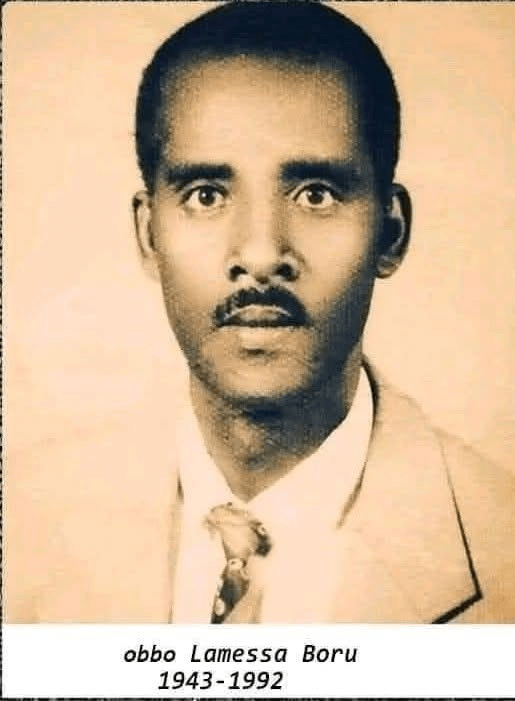
By Daandii Ragabaa (Adapted into a feature story based on various sources)
His name means “Lion” in Oromo. And like a lion, Jaal Lammeessaa Boruu lived with courage, fought with conviction, and died with his boots on—somewhere in the forests of western Oromia, in 1992. Three decades later, his grave remains unknown. But his story, carried by oral tradition and fragmentary records, refuses to be buried.
A Humble Beginning in Wallagga
Jaal Lammeessaa Boruu was born in 1943 in Billo, a town in the Bonayya district of East Wallagga, within the Waamaa region. According to those who knew him, he grew up in a typical Oromo farming community, at a time when the imperial government of Haile Selassie exercised firm control over the land and its people.
As a young man, he left his birthplace and moved to Finfinnee (Addis Ababa), where he lived for about 15 years as an adolescent. There, he entered school. But his education was interrupted by a different calling.
The Soldier with the Striking Physique
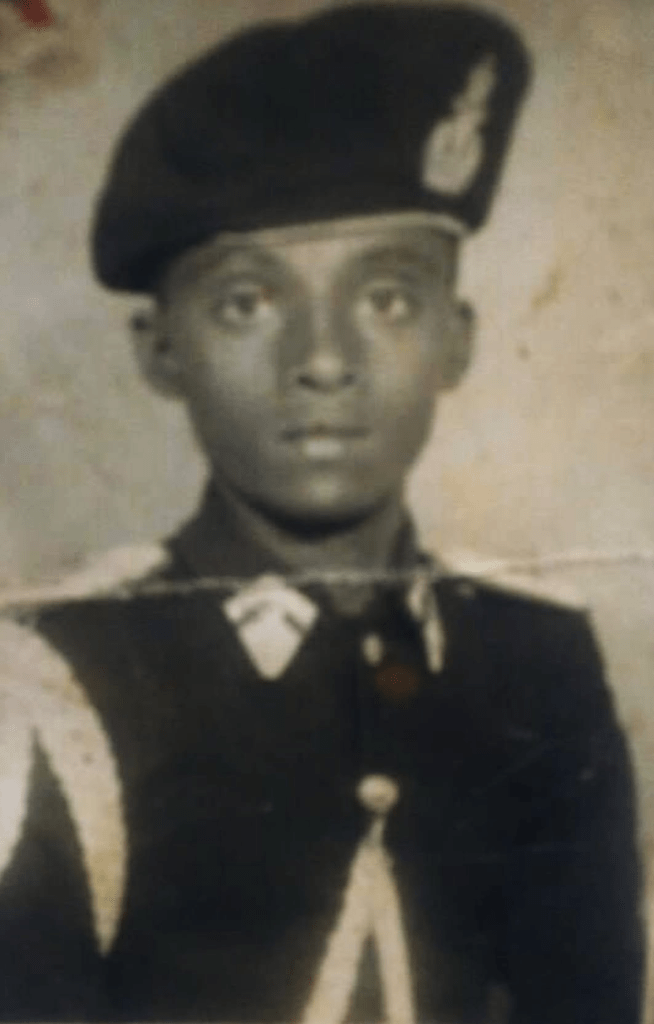
Contemporary accounts describe Jaal Lammeessaa as tall and physically impressive. It was this very stature that drew the attention of military recruiters. Under the imperial regime, he was selected to join a special unit known as “Kubur-Zabanya” and “Faxino-Darash” (likely special police or commando forces). Within the latter, he became known as “Faxino-Daraash Shalaqaa” and served under the command of General Tadesse Birru.
He proved to be an exceptional soldier. His superiors reportedly praised his dedication, and he rose to become a respected non-commissioned officer.
Joining the Machaa Tulema Association
The Machaa Tulema Association was founded as a development and civic organization, but it quickly became a political vehicle for Oromo nationalism. General Tadesse Birru was one of its key leaders. When the association began recruiting members, Jaal Lammeessaa was among those selected.
Initially, the organization’s goal was to work within the system—to address Oromo grievances through legal means. But as General Tadesse and others concluded that the imperial regime had no intention of recognizing Oromo rights, they shifted toward a more radical path. Jaal Lammeessaa became a trusted operative within the association’s secret military wing.
The Failed Plot Against Emperor Haile Selassie
On October 23 (Ethiopian calendar), the Emperor’s birthday, a plot was hatched to assassinate Haile Selassie during the annual celebrations at the site known as “Addabaaba’ii Minlik” (Menelik Square). General Tadesse Birru assigned four commandos to carry out the attack, selecting them for their courage and loyalty.
The four were:
· Lammeessaa Boruu (from the Faxino-Darash unit)
· Camadaa Sobbooqaa
· H/Mariyam Diimaa (from Kubur-Zabanya)
· Fixumaa Hiikisaa
They prepared extensively. But the plot was betrayed. Informants within the government learned of the plan just before it could be executed. The commandos were arrested.
When Jaal Lammeessaa was searched, a bomb intended for the Emperor was found on him. He was tortured severely. According to surviving members of the Machaa Tulema Association, his ribs were broken, and he suffered long-term disability from the interrogation. Despite the brutality, he refused to betray the organization’s deeper secrets—though under extreme duress, some information was extracted.
First Imprisonment and Release
Following the failed plot, General Tadesse and several others were sentenced to death. Jaal Lammeessaa received a five-year prison sentence. After serving his term, he was released. Upon release, he immediately rejoined his former commander, General Tadesse Birru, who had been transferred to Galamso in eastern Oromia. There, they continued to discuss the struggle for Oromo self-determination.
The Cinema Bombing and Second Arrest
As the Machaa Tulema Association continued its activities, the regime grew more determined to crush it. On December 10, 1959 (Ethiopian calendar), a bomb exploded inside a cinema in Addis Ababa where the film Zorba the Greek was being shown. Thirty-six people were wounded.
The government immediately blamed the Machaa Tulema Association. Propaganda claimed that a member named Maammoo Mazaamir had planted the bomb. The incident was used as a pretext for a massive crackdown. Jaal Lammeessaa was arrested again—this time as part of a sweeping roundup of Oromo nationalists.
He was among nine senior Machaa Tulema figures sentenced to long prison terms, while General Tadesse Birru and Maammoo Mazaamir received death sentences (later commuted or carried out, depending on the account).
Life Under the Derg and the Fourth Arrest
Jaal Lammeessaa spent more than 12 years in prison under the Derg regime that overthrew Haile Selassie in 1974. He was held in police stations and military camps, subjected to repeated interrogations. Yet even in detention, he remained committed to the Oromo cause.
After the Derg fell in 1991, Jaal Lammeessaa was released. He joined the Oromo Liberation Front (ABO – a reference to the OLF) and became a member of its central committee, working in the economic department. He lived in Wajjira Gullaallee, continuing his activism.
The Final Battle and Disappearance
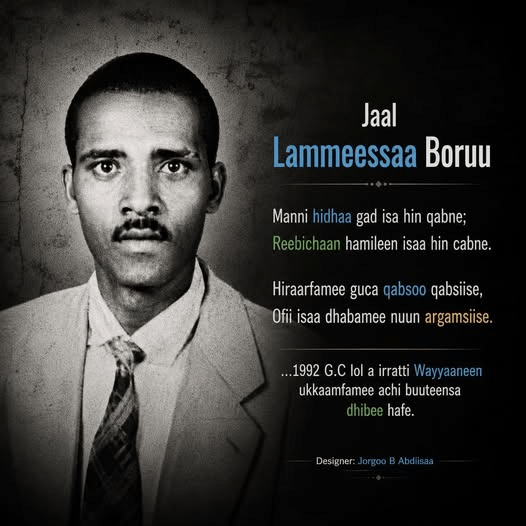
In 1992, following a split within the transitional government of Ethiopia (the “Ce’umsaa” or transitional period), Jaal Lammeessaa and other Oromo fighters moved toward western Oromia. They joined ongoing armed confrontations against government forces (referred to as “Wayyaanee” – a term for the Ethiopian military or allied militias).
According to the source, Jaal Lammeessaa Boruu fell in battle near the Jimma Horroo area in Wallagga region. He was killed in armed combat. His body was never recovered, and to this day, the exact location and circumstances of his death remain unknown.
Legacy: The Unknown Grave, the Known Sacrifice
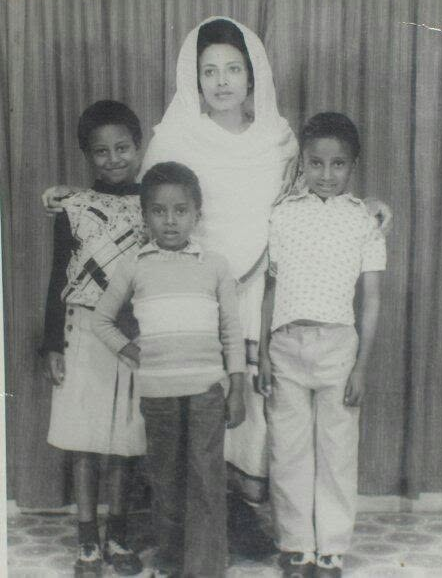
Jaal Lammeessaa Boruu was 49 years old when he died. He left behind three children: Mosisa Lamessa Boru, Lense Lemessa Boru and Tsegaye Lemessa Bouru. He is remembered as a devoted fighter who gave his entire adult life to the Oromo national struggle. From the imperial era through the Derg and into the transitional government, he never wavered.
The biography ends with a poetic refrain:
“The fighter may fall. He may pass away. But Jaal Lammeessaa’s blood was not shed in vain. He has grown for us the plant of freedom.”
His grave may be lost to history. But for those who keep his memory, Jaal Lammeessaa Boruu remains one of the lions of Oromo resistance—a man who turned his back on personal safety and government favor, and chose instead the uncertain path of the forest and the battlefield.
—
*This feature story is based exclusively on various sources of the Oromo-language biography written by Daandii Ragabaa. It is presented as a journalistic adaptation of that source and does not constitute an endorsement of armed struggle or any political organization. The factual claims rest with the original author.

Reclaiming Oromo Identity: The First Step in the Struggle
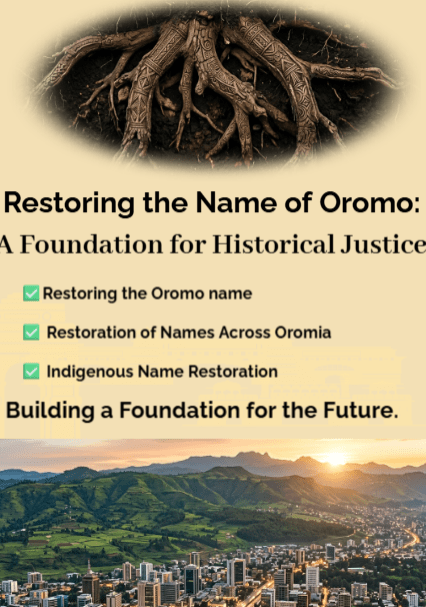
Restoring the Name of Oromo – A Foundation for Historical Justice
By Dhabessa Wakjira
The Oromo struggle for liberation, justice, and self-determination is multifaceted. It encompasses political rights, land rights, economic empowerment, and cultural preservation. But among all the objectives of the struggle, there is a first and foundational task—one that must be addressed before any other can be fully realized:
Restoring the Oromo name wherever it has been distorted, altered, or erased.
For centuries, the Oromo people have endured a systematic campaign of identity erasure. Their names—of people, places, and institutions—have been changed, distorted, and replaced. This is not a coincidence. It is a deliberate strategy of domination, designed to sever the Oromo people from their history, their heritage, and their sense of self.
The first step in the Oromo struggle, therefore, must be the restoration of the Oromo name. Without this, the history of the Oromo people cannot be told truthfully. Without this, the identity of the Oromo people cannot be fully reclaimed. Without this, the future of the Oromo people cannot be built on a foundation of truth.
The Significance of Names: More Than Words
In Oromo culture, names are not merely labels. They carry history, identity, meaning, and connection to the land. A name tells a story—of a person, a place, or a community. It embodies the values, the struggles, and the aspirations of those who bear it.
When names are changed or erased, something profound is lost. The connection to the past is broken. The continuity of culture is interrupted. The identity of a people is called into question.
For the Oromo people, the changing of names has been a tool of colonization and domination. Under successive regimes—from the expansion of the Ethiopian Empire under Menelik II to the Derg and beyond—Oromo names have been systematically replaced with Amharic or other names. This was not an innocent act. It was a deliberate strategy to erase Oromo identity and to impose a new, alien identity on the Oromo people.
Finfinne: A Case Study in Identity Erasure
Perhaps the most powerful example of this phenomenon is the city of Finfinne—the city known internationally as Addis Ababa.
The name “Finfinne” is Oromo. It means “place of hot springs.” This name reflects the history, geography, and culture of the area long before the establishment of the modern city. It is a name that connects the Oromo people to their ancestral land.
However, when Emperor Menelik II established the city in 1886, he gave it a new name: Addis Ababa, meaning “New Flower” in Amharic. This was not a neutral choice. It was a political act—an assertion of imperial power and a denial of Oromo identity.
The renaming of Finfinne to Addis Ababa was part of a broader campaign to erase Oromo presence and history. By changing the name, the empire sought to claim the city as its own and to sever the Oromo people’s connection to their ancestral homeland.
Today, the name “Finfinne” is increasingly being recognized alongside “Addis Ababa.” This is a positive development—a sign that the Oromo people’s historical connection to the city is being acknowledged. But it is not enough. The name “Finfinne” must be fully restored, and the history of the Oromo people in the city must be recognized.
The Broader Pattern: Changing Names Across Oromia
Finfinne is not the only example. Across Oromia, Oromo names have been changed, distorted, or replaced:
- Mountains, rivers, and valleys that once bore Oromo names have been renamed with Amharic or other names.
- Towns and villages have had their names changed to reflect the dominant culture.
- Historical sites have been given new names that obscure their Oromo heritage.
- Institutions and organizations have been named in ways that erase Oromo identity.
This pattern is not accidental. It is a deliberate strategy of cultural erasure—an attempt to make the Oromo people invisible in their own homeland. By changing names, the oppressor seeks to change history. By erasing names, the oppressor seeks to erase identity.
Why the Restoration of Names Matters
The restoration of Oromo names is not a symbolic gesture. It is a fundamental act of justice and a necessary step in the Oromo struggle.
1. Reclaiming History
History is told through names. When names are changed, history is distorted. To restore the Oromo name is to restore the Oromo narrative—to tell the story of the Oromo people in their own words, on their own terms.
2. Affirming Identity
Names are central to identity. To restore the Oromo name is to affirm that the Oromo people exist, that they have a history, and that they have a right to their identity. It is a declaration that the Oromo people will not be erased.
3. Healing Historical Wounds
The changing of Oromo names is a form of violence—a psychological and cultural assault on the Oromo people. Restoring these names is an act of healing. It acknowledges the harm that has been done and begins the process of repair.
4. Building a Foundation for the Future
The Oromo struggle is about building a future of justice, equality, and self-determination. But that future must be built on a foundation of truth. Restoring Oromo names is an essential part of that foundation.
5. Educating Future Generations
If the next generation of Oromo people does not know their own names—the names of their ancestors, their places, and their history—they will be disconnected from their heritage. Restoring names is a way of passing that heritage on.
The Global Context: Indigenous Name Restoration
The Oromo struggle to restore names is part of a global movement. Indigenous peoples around the world are reclaiming their names and their histories.
- In New Zealand, the Māori people have fought to restore Māori names to places that were renamed by European colonizers.
- In Australia, Aboriginal communities have worked to restore traditional names to landmarks and sites.
- In Canada, Indigenous peoples have successfully restored traditional names to places that were renamed during colonization.
- In the United States, Native American tribes have advocated for the restoration of Indigenous names for mountains, rivers, and other landmarks.
These movements are not about nostalgia. They are about justice. They are about recognition. They are about the fundamental right of a people to define themselves on their own terms.
The Oromo struggle for name restoration is part of this global movement. It is a demand for the same recognition and respect that other Indigenous peoples are seeking.
The Role of the Oromo Diaspora
The Oromo diaspora has a critical role to play in the restoration of Oromo names. In communities across the world—in the United States, Canada, Europe, Australia, and beyond—the Oromo diaspora can:
- Use Oromo names in their daily lives, businesses, and organizations.
- Advocate for the recognition of Oromo names in international forums.
- Educate others about the history and significance of Oromo names.
- Support efforts in Oromia to restore names and reclaim history.
- Build institutions that preserve and promote Oromo language and culture.
The diaspora is not separate from the struggle; it is an integral part of it. The restoration of Oromo names is a project that connects Oromo people across borders and generations.
The Challenge and the Hope
The restoration of Oromo names is not without challenges. There are forces that resist this change—those who benefit from the erasure of Oromo identity and who fear the power of a people reclaiming their history.
But there is also hope. The Oromo people are increasingly asserting their identity. The name “Finfinne” is being used alongside “Addis Ababa.” Oromo language and culture are being revitalized. And a new generation of Oromo youth is demanding recognition and justice.
The restoration of Oromo names is not just a demand—it is a movement. It is a declaration that the Oromo people are here, that they have a history, and that they will not be erased.
Conclusion: The First Step in the Struggle
The Oromo struggle is long and complex. It encompasses political, economic, social, and cultural dimensions. But among all these objectives, there is a first and foundational task:
To restore the Oromo name wherever it has been distorted, altered, or erased.
Without this, the Oromo people cannot fully reclaim their history. Without this, the Oromo people cannot fully affirm their identity. Without this, the Oromo people cannot fully build their future.
Finfinne must be called by its Oromo name.
Every place that has been renamed must have its Oromo name restored.
Every person who has been given a foreign name must have the right to reclaim their Oromo identity.
This is not just a cultural project—it is a political project. It is a declaration of self-determination. It is the first step in the struggle for justice.
Finfinne is Oromo.
Oromummaa is not negotiable.
The restoration of Oromo names is the foundation of the struggle.
Injifannoon Ummata Oromoo!
Maqaan Oromoo haa deebi’u!
Finfinne haa jabaattu!
This feature article is dedicated to all those who are working to restore Oromo names and reclaim Oromo history. The struggle continues, and the foundation is being laid.

Wealth Creation Strategies for Indigenous Oromians
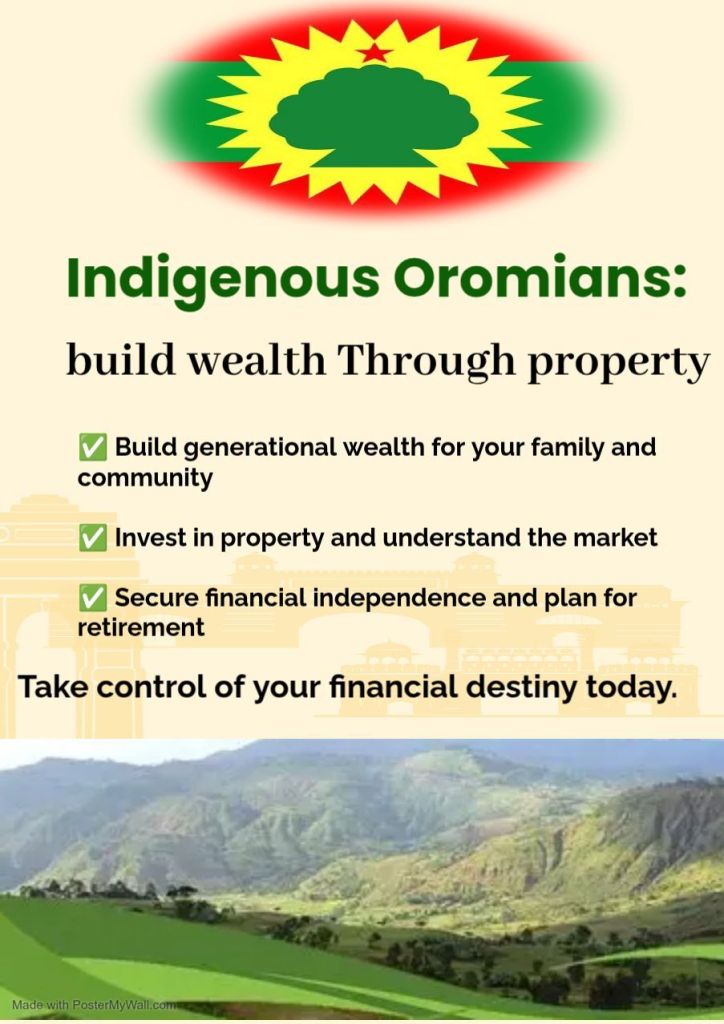
Taking Control of Your Financial Destiny
Join the growing movement of Oromo people taking control of their financial future. Are you an Indigenous Oromian looking to build wealth and secure a future for your family? Struggling to navigate the complexities of property investment, finance, and long-term savings? Imagine having tailored insights that guide you on the path to financial independence and generational wealth—For Indigenous Oromias, By Indigenous Oromias.
Why Wealth Creation Matters Now
The Oromo people have historically been excluded from economic opportunities across Ethiopia. Successive regimes systematically prevented Oromos from building economic assets, with more than 60% of Ethiopia’s exportable commodities, over 60% of staple food, 70% of industrial raw materials, and 80% of hydro power coming from Oromia—yet no Oromo has been able to qualify among the top 10 richest people in the country. This is not a coincidence; it is the result of deliberate economic marginalization.
But the Oromo people have always had the tools for economic resilience. The Gadaa system contains powerful economic principles that our ancestors used to build and sustain wealth: hard work, planning, mutual assistance, and community-based resource management. The proverb “Tuulamanii taa’anii, Waaqa ofii hin komatan” reminds us: “It is not right to blame God for not working hard.” Hard work and commitment are the sources of wealth.
What Indigenous Wealth Offers
Indigenous Wealth is a 100% Oromo-owned and operated consultancy dedicated to helping our people build generational wealth and achieve financial independence. Our team understands the unique challenges Oromo people face—and we have the strategies to overcome them.
Our Services Include:
Property Investment: We help you gain access to quality investment properties, connect you with finance professionals, and guide you through the property market to build long-term wealth.
Finance & Loans: We connect you with mortgage professionals who can assist with tailored home loans, equipment and business loans, as well as competitive finance for rural Oromo communities.
Wealth Strategy: We create personalized wealth-building plans designed specifically to help you achieve your financial goals.
Our Proven Results
We have successfully supported Oromo people across Ethiopia in achieving financial independence. Across similar models in other communities, Indigenous-owned wealth consultancies have helped create over 110 new property investors in just four years, with a goal of building a community of millionaires .
The Gadaa Foundation for Wealth
Our approach is rooted in the economic wisdom of the Gadaa system:
Hard Work and Planning
“Jabaatan jabaa nyaatu, laafan foxxoqxuu nyaatu” — “The strong eat the strong, and the weak eat the weak.” This proverb reminds us that hard work is mandatory in daily life, and that everyone needs to plan to work hard and secure their future.
Community Support Systems
Traditional Oromo institutions like dabo (labour cooperation) and daadoo (mutual work groups) demonstrate the power of collective effort. When communities work together, they achieve more than individuals working alone. We apply these same principles to modern wealth building.
Guddifachaa (Adoption)
The Oromo practice of guddifachaa demonstrates the belief that children are assets and the community shares responsibility for their welfare and education. This is the foundation of generational wealth—investing in the next generation’s education, skills, and economic opportunities.
Hard Work and Self-Reliance
The Gadaa system emphasizes that people should not wait for others to solve their economic problems. “Hojii hojjechuu isa malee gaafa du’aa hin galus” — “Without work, the day does not end.”.
How It Works: Your Free Wealth Strategy
Take advantage of our No-Obligation, Completely FREE Wealth Strategy. This isn’t just another generic report—it’s a highly personalized plan where you’ll receive unique suggestions on how to:
✅ Build generational wealth for your family and community
✅ Invest in property and understand the market
✅ Secure financial independence and plan for retirement
No cost, no commitment—just a clear path forward.
Real Stories: Oromo Success
Across Ethiopia, Oromo people are already building wealth through determination and community:
Fedhi Gudina Community Saving for Investment in Agribusiness Group: Founded in 2019 with just $141 raised by 20 members (15 women), this Oromo group grew their savings to $28,530 through strategic investment in crop cultivation and processing. They now operate a grain milling service that serves their entire community.
Safiya, an Oromo entrepreneur: Forced to flee Ethiopia, she built a successful business making traditional Oromo beadwork in Nairobi. Her handmade designs are sold for special occasions like weddings, and she now supports her family independently. She says: “I have hope in what I am making with my hands. I believe in it, I believe in myself.“.
Reach for Change Entrepreneurship Training: In April 2025, 83 Oromo women in Me’so, Babile, and Chinaksan woredas participated in entrepreneurship training designed to turn ideas into viable businesses. They are building off-farm businesses that sustain livelihoods and create economic independence.
Taking the First Step
The Oromo people have always been resilient. Despite centuries of oppression, forced displacement, and economic exclusion, we have survived—and now it is time to thrive.
Start your journey today. Complete our quick survey and begin taking control of your financial future. Whether you are looking to invest in property, start a business, or build generational wealth, Indigenous Wealth is here to guide you every step of the way.
Indigenous Wealth — 100% Oromo-owned and operated.
For Indigenous Oromias, By Indigenous Oromias.
Take control of your financial destiny today.





 Advocacy for Oromia