Category Archives: News

Abarraa Nafaa: The Father of Oromo Language Standardization
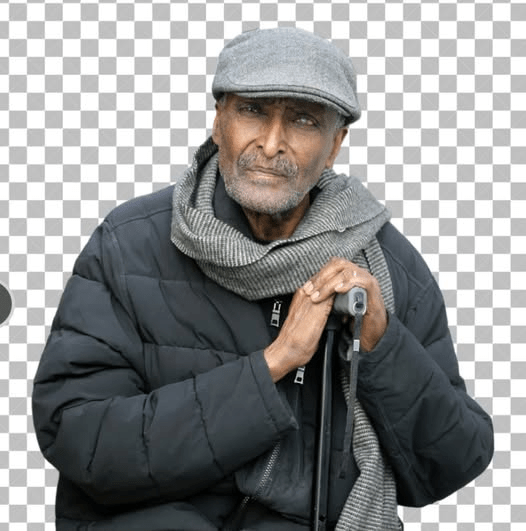
Bariisaa Gazette
Through this Iyyaafannoo (Remembrance) page, Bariisaa Gazette presents to its readers the story of individuals who, in their time, performed great and unforgettable services for their country and people.
With this publication, we share a brief interview with a scholar who laid a solid foundation for the development of the Oromo language—particularly its standardization—founded the Oromo Language Standardization Committee, and served in leadership for many years, continuing his work even into retirement. This is his story as told in his own words.
Place of Birth
Abarraa Nafaa was born in 1938 in Qarree Ittisaa, Gindabarat district, West Shewa Zone, Oromia Region. His upbringing was typical of rural children of that era.
When he reached school age, he attended grades 1–6 at Kaachisi Elementary School, grades 7–8 at Ginciit, and grades 9–10 at Amboo. He began his education in 1954.
After completing his secondary education at Ma’araga Hiywot Secondary School, he enrolled at TTI (Technical Teacher Institute) in Harar, where he trained for two years and received his teaching certification in 1964.
He began his teaching career in Sidama region at Kaasaa Barii Elementary School. He was later transferred to Yirgaalam town, where he taught for three years at Adaraash Elementary School. In total, he served as a teacher for seven years.
In 1971, he pursued higher education at Finfinne University in the field of linguistics, graduating with a Bachelor of Arts (BA) in 1974.
Work in Oromo Language Research
In 1975, under the assignment of the time, he was posted to the Academy of Ethiopian Languages at the Ministry of Culture and Information, where he was directly assigned to Oromo language research.
In 1978, seeking to further his education, he received permission to study while working and completed his Master of Arts (MA) in linguistics in 1980.
After the Derg regime took power, scholars working within the Ministry of Culture and Sports were reassigned to various regions based on their language skills and work performance. Abarraa was similarly transferred to the Oromia Bureau of Culture and Sports, where he began conducting research on the Oromo language.
The language research work involved extensive collection of data from across Oromia. They organized the linguistic studies on a house-to-house basis, entered the data into computers, and began publishing. He served as a senior editor and organizer for the published books. Among the works to which he contributed his expertise are:
- Proverbs (Mammaaksa) – Volumes 1–6, published by the Oromia Bureau of Culture and Tourism, for which he served as senior researcher and editor.
- Traditional Songs (Walaloo Sirba Warroommii, Faaruu, Geerarsa Tuulamaa) – Volume 1, published by the Oromia Bureau of Culture and Tourism, for which he served as senior researcher and editor.
- Dur durii – Volumes 1–5, and Hibboo – Volume 1, published by the Oromia Bureau of Culture and Tourism, for which he served as senior researcher and editor.
- Yeroo (Oromo–Oromo Dictionary) – Initially prepared in manuscript form and published, for which he served as senior researcher and editor.
- Amharic–Oromo–English Dictionary – Published by the Oromia Bureau of Culture and Tourism, for which he served as senior researcher and editor.
- Hirkoo (English–Oromo–Amharic Dictionary) – Published by Asteer Naggaa, for which he served as editor.
- Oromo Dictionary – Prepared and published by the Language Academy, for which he served as senior researcher and editor.
- Oromo Grammar (Caasluga Afaan Oromoo) – Volumes 1 and 2, published by the Oromia Bureau of Culture and Tourism, for which he served as senior researcher and editor.
- Wiirtuu – Volumes 1–7, published by the Oromia Bureau of Culture and Tourism, for which he served as senior researcher and editor.
Overall, he worked as a senior editor and organizer, ensuring that Oromo language research was carried out with great attention and dedication until his retirement. He retired from the Oromia Bureau of Culture and Tourism, where he had served in the Oromo language research department.
On the Standardization of Oromo
What does he say about the standardization of the Oromo language?
Abarraa explains:
“There was an institution called the Academy of Ethiopian Languages within the Ministry of Culture and Tourism. Many Oromo youth worked there. At that time, we were also conducting research, so we had knowledge about standardization.
In 1983, when we were told to go serve in our respective regions, I was transferred to Oromia. I was assigned to the language department. From there, believing that the language had now gained an opportunity and must be standardized, we began our work.
We decided that language research should start from the ground up, so I established the Oromo Language Standardization Committee. I was the one who founded that committee.
Members came from various bureaus. There was a representative from Bariisaa Gazette as well. There were also representatives from the Bureaus of Information, Education, and the Office of the Attorney General in Oromia.
Journalists like Huseen Badhaasoo and Bulloo Siibaa were among the committee members. At that time, there was great enthusiasm and dedication.
The Oromo Language Standardization Committee was established in 1983, and its work continued.
We traveled to bureaus and zones to collect data, prepared a project, and received a budget from the Oromia Regional Government to work with. I, in turn, organized the collected data. In this manner, we collected and published around 36,000 proverbs alone. The work was done well.”
On Standardization
Regarding standardization itself, he says:
“We recognized that there were challenges with standardization while I was working at the Ministry of Culture and Information, which motivated us to establish the standardization committee. Standardization means using common terms consistently.
For example, it means using the names of months and days in a uniform way. Even today, some people are careless and do not use them correctly. The names of the days from Wiixata to Jimaata were set by the standardization committee.
However, some people still refer to ‘great Sabbath’ and ‘small Sabbath.’ This is incorrect. The terms ‘great Sabbath’ and ‘small Sabbath’ come from religious influence. The standardization committee standardized them as Sanbata and Dilbata.
The Oromia Regional Council passed a decision on this matter. It changed the calendar to the Ethiopian numbering system. The names of the days and months standardized by the committee were officially ratified by the Oromia Regional Council through a directive.
At that time, there were people who said ‘let it be as it is,’ but we worked through consensus to achieve standardization.
Calling it ‘great Sabbath’ and ‘small Sabbath’ is religious, not originally Oromo. The Oromo tradition is Sanbata and Dilbata. The term Sanbata itself comes from Jewish tradition. Dilbata is Oromo.
We say Sanbata, Dilbata, Wiixata, Kibxata. Days have many names; for Kibxata, there were many options—we selected one and adopted it.
Political parties and the government have now agreed on using standardized terms.
I worked in the Standardization Committee for many years. I worked there from 1983 until I retired. The fact that the Wiirtuu series has been published up to 13 volumes is very encouraging. I have a great thirst for this language.
My work on the language and the results achieved feel to me like a person who was thirsty for water finally quenching their thirst.
What we worked on was standardizing pronunciation, writing, and vocabulary. Through this, we aimed for Oromo people everywhere to use a uniform standard.
For example, the word Wiixata should be recognized universally. Schools, courts, and offices should use it uniformly.
Those who seek to pull this language backward still exist today, so it is necessary to guard it carefully.
Authorities must use standardized terms. Writers and media must do the same.
If this is not done, those who write books must ensure that their works are not undermined. Their books must be written in full compliance with the rules of the Oromo language, verified by the relevant body.
For this reason, I have long called for the establishment of an Oromo Language Academy. Language develops culture, and culture develops language.
This can only be achieved by directly conducting research. Wiirtuu is a reference for Oromo language standardization. Other similar publications should also be printed.
Publications like the weekly Bariisaa Gazette and Kallachaa Oromiyaa should multiply. Without working in this way, the language will neither grow nor be standardized.
Children must learn it from the earliest levels. This effort, which had weakened, must regain its strength.
The language needs support and attention. Like a shepherd watches over livestock, the language must be tended. Now that it has gained momentum, scholars must work with focus.
Since there are those who, by writing the Oromo language incorrectly, seek to corrupt it, make it despised, and cause it to fail, strict control and vigilant care are essential.”
To enrich this article further and to provide this scholar’s story, we extend our deep gratitude to Aadde Dirribee Qana’aa (from the Oromo Research and Study Institute) for her assistance.
Charinnat Hundeessaatiin (By Foundation)
Bariisaa
Bitootessa 6, 2018

Obbo Abarraa Nafaa: Abbaa Waaltina Afaan Oromoo
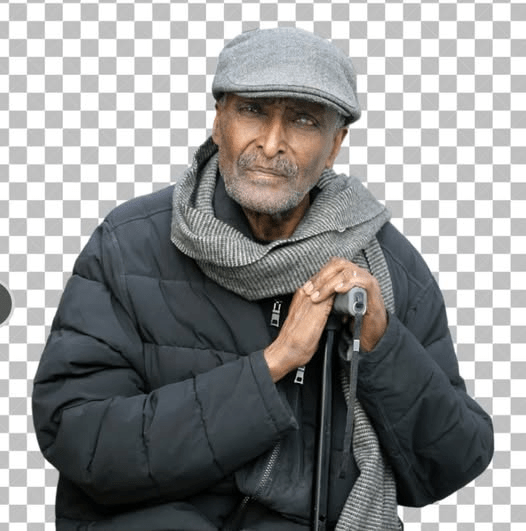
Gaazexaa Bariisaa
Gaazexaan Bariisaa fuula Iyyaafannoo kanaan namoota yeroo ta’e tokko biyyaafi ummataaf hojii guddaafi seenaan hin daganne raawwatan barbaadee dubbistootasaatiif dhiyeessa.
Maxxansa kanaan hayyuu guddina Afaan Oromoo keessatti keessumaa waaltina afaanichaatiif bu’uura guddaa buusan, koree waaltina Afaan Oromoo hundeessuufi waggoota dheeraaf dura taa’ummaan tajaajilaa turaniifi ammaan tana sooramarra jiran waliin turtii gabaabaa taasise. innis haala ittaanuun dhiyaateera. Jalqabarratti waa’eesaanii.
Bakka Dhalootaa
Obbo Abarraa Nafaa Naannoo Oromiyaa, Godina Shawaa Lixaa, Aanaa Gindabarat, iddoo Qarree Ittisaa jedhamutti bara 1938 dhalatan. Haalli guddisaanii haaluma ijoollee baadiyyaa kamiiti.
Oggaa umriinsaanii barnootaaf ga’u kutaa 1ffaa hanga 6ffaatti mana barnootaa sadarkaa tokkoffaa Kaachisiitti, 7ffaafi 8ffaa Ginciitti, 9ffaafi 10ffaa Ambootti baratan. Bara 1954 barnoota eegalan.
Erga barnootasaanii sadarkaa lammaffaa Mana Barnootaa Ma’araga Hiywotitti xumuranii booda kolleejjii ‘TTI’ Harar galuun waggoota lamaaf leenji’anii bara 1964tti barsiisummaan eebbifaman.
Hojii barsiisummaa kutaa Sidaamoo, Mana Barnootaa Sadarkaa Tokkoffaa Kaasaa Barii jedhamutti tokko jedhanii eegalan. Ittaansuunis gara magaalaa Yirgaalamitti jijjiramuun Mana Barnootaa Sadarkaa Tokkoffaa Addaraashitti waggoota sadiif walumaagalatti hojii kanarra waggaa torbaaf tajaajila kennaniiru.
Bara 1971tti barnoota olaanaaf Yunivirsiitii Finfinnee, damee barnoota saayinsii afaanii ykn xiinqooqaa (‘linguistics’) jedhamuun bara 1974 digrii jalqabaatiin (‘BA’) eebbifaman.
Hojii Qormaata Afaan Oromoo
Bara 1975tti akka moggaasa yeroo sanaatti Ministeera Aadaafi Beeksisaatti Akkaadaamii Afaan Saboota Itoophiyaatti kallattiidhaan hojii qormaata Afaan Oromoorratti ramadaman.
Bara 1978tti dheebuu barnootaasaanii guuttachuuf digrii lammaffaa (MA) fi hayyamsiisuun hojii hojjechaa akka barataniif hayyama argatanii bara 1980tti barnoota xiinqooqaatiin xumuran.
Akkuma ADWUI aangoo qabateen hayyoonni Ministeera Aadaafi Ispoortii keessa hojjetaa jiran haala dandeettii afaaniifi akkaataa hojiisaaniitiin gara naannoleetti ramadamanii hojiitti bobba’an. Obbo Abarraanis haaluma kanaan Biiroo Aadaafi Ispoortii Oromiyaatti ramadamanii qormaata Afaan Oromoo eegalan.
Hojii qormaata afaanichaa bal’inaan ragaa godinaalee Oromiyaarraa walitti qabamuun eegalame. Qorannoo afaanii mana manasaatiin qindeessuun kompitararra galchuun maxxansiisuu eegalan. Kitaaba maxxanfamu keessaatti gulaalaa olaanaafi qindeessaa ta’uun hojjechaa turan.
Hojiiwwan Ogummaasaatiin Gumaachan
Haaluma kanaan hojiiwwan ogummaasaaniitiin gumaachan keessaa:
- Mammaaksa (proverb) Jildii 1-6 Biiroo Aadaafi Turizimii Oromiyaan maxxanfaman keessatti qorataa olaanaafi gulaalaa.
- Walaloo Sirba Warroommii, faaruu, geerarsa Tuulamaa jildii 1 Biiroo Aadaafi Tuurizimii Oromiyaan maxxanfaman keessatti qorataa olaanaafi gulaalaa.
- Dur durii jildii 1-5, Hibboo jildii-1 Biiroo Aadaafi Turizimii Oromiyaan maxxanfaman keessatti qorataa olaanaafi gulaalaa.
- Yeroo Galmee Jechootaa Afaan Oromoo Afaan Oromootti hiiku jalqabaaf qubeedhaan hojjetame maxxanfamanii turan keessatti qorataa olaanaafi gulaalaa.
- Galmee Jechootaa Afaan Amaaraa-Oromoo-Inglizii Biiroo Aadaafi Turizimii Oromiyaatiin maxxanfaman keessatti qorataa olaanaafi gulaalaa.
- Hirkoo Galmee Jechoota Afaan Ingilizii –Oromoo-Amaaraa Asteer Naggaa maxxanse keessatti gulaalaa.
- Galmee Jechoota Afaan Oromoo Akkaadaamiin Afaanii qopheesse keessatti maxxanfaman keessatti qorataa olaanaafi gulaalaa.
- Caasluga Afaan Oromoo Jildii 1, 2 Biiroo Aadaafi Turizimii Oromiyaan maxxanfaman keessatti qorataa olaanaafi gulaalaa.
- Wiirtuu Jildii 1-7 Biiroo Aadaafi Turizimii Oromiyaan maxxanfaman keessatti qorataa olaanaafi gulaalaa.
Waliigalatti hojii qormaata Afaan Oromoo karaa qabsiiuu giddugalaan xiyyeefannoon akka hojjetamu hanga soorama bahan itti gulaalaa olaanaafi qindeessaa ta’anii hojjetaa turaniiru.
Biiroo Aadaafi Turizimii Oromiyaarraa soorama kan bahan yoo ta’u, biirichatti damee qormaata Afaan Oromoorra hojjetaa turan.
Waa’ee Waaltina Afaan Oromoo Maal Jedhan?
Obbo Abarraa waaltina Afaan Oromoo ilaalchisee akkana jedhu:
“Ministeera Aadaafi Turizimii keessatti Akkaadaamiin Afaan Saboota Itoophiyaa jedhamu maqaadhaan dhaabatee ture. Ijoolleen Oromoo baay’een achi keessa turre. Yeroo sana qormaatuma gaggeessaa ture. Kanaaf waa’ee waaltinaas hubannoo qabnaayyu.
Oggaa bara 1983 namni naannoo naannoosaatti haa tajaajila jedhamu nuti gara Oromiyaatti ramadamne. Anis Oromiyaa dhaqeen damee afaaniirrattii ramadame. Achumarraan erga afaan kun carraa akkasii argatee ammuma waalteffamuu qaba jennee hojiisaa jalqabne.
Hojii qormaata afaaniis bu’uurarraa jalqabuu wayya jennee koree Waaltina Afaan Oromoo hundeessine. Koree kana natu dhaabsise.
Biirolee adda addaarraa namoonni garagaraas dhufan. Gaazexaa Bariisaarraas namni bakka bu’e jiraayyu. Akkasumaa Biirolee Beeksisarraa, Barnootaafi, Abbaa Alangaa Oromiyaarraa bakka buutonni koricha keessa turaniiru.
Gaazexeessitoonni Huseen Badhaasoofi Bulloo Siibaa fa’is miseensota koree waaltinaa turan. Yeroo sana namni fedhii guddaafi addaa qaba ture.
Koree Waaltinaa Afaan Oromoo bara 1983 hundeeffame. Haala kaanis hojiinsaas ittifufe.
Biiroleefi godinaaleerra deemamee ragaan funaanuun pirojektii qopheessinee Mootummaan Naannoo Oromiyaa bajata eeyyamee isaan wajjin hojjetaa turre. Nuti ammoo as teenyee ragaa funaaname qindeessaa turre. Haala kanaan mammaaksa qofa gara kuma 36 walittiqabnee maxxansiisneerra. Yeroo sana hojiin akkuma gaariitti hojjetame.”
Waaltina
Obbo Abarraa waaltina irrattis akkana jedhu:
“Waaltinarratti rakkoon akka jiru oggaa Ministeera Aadaafi Beeksisaa hojjechaa turretti waan hubannetu akka koree waaltinaa dhaabnuuf nu kakaase. Koree waaltina jechuun jechoota giddugalaatti fayyadamuu jechuudha.
Fakkeenyaaf maqaalee ji’ootaafi guyyootaa haala walfakkaatuun fayyadamuu jechuudha. Ammayyuu namoonni tokko tokko borcaa jiru. Sirriitti fayyadamaa hinjiran. Maqaa guyyootaa Wiixataa kaasee hamma Jimaataatti jiran koreen waaltinaa kaa’eera.
Garuu ammayyuu namoonni tokko tokko Sanbata guddaa, Sanbata xiqqaa jechaa jiru. Kun sirrii miti. Sanbata xiqqaafi guddaan dhiibbaa amantiirraa kan dhufeedha. Koreen Waaltinaa garuu Sanbata, Dilbata… jedhee waaltesse.
Dhimma kanarratti Caffeen Oromiyaas murtiisaa dabarseera. Guyyaasaa akka lakkoofsa Habashaatti fooyyesse. Maqaa guyyootaafi ji’ootaa koreen waaltesse Caffee Oromiyaatu sarkulaariidhaan raggaasise.
Yeroo sana namoonni kan koo haata’u jechaa turan jiraatanillee walamasiisuudhaan akka waalteffamu gochaa turre.
Sanbata guddaa Sanbata xiqqaa jechuun kan amantiiti malee kan Oromodurii miti. Kan Oromoo Sanbataafi Dilbata. Jechi Sanbata jedhamu uumamasaatiin kan Yuhudotaati. Dilbanni kan Oromooti.
Sanbata, Dilbata, Wixata, Kibxata jenna. Guyyoonni maqaan baay’ee qaban jiru. Keessumaa Kibxanni maqaalee hedduu qaba; keessumaa filannee fudhanne malee.
Jechoota waalta’ootti fayyadamuurratti paartiileen siyaasaafi mootummaan waliigalaniiru.
Koree Waaltinaa keessa waggoota dheeraafin hojjedhe. Bara 1983 eegalee hangan soorama bahutti hojjechaan ture. Kitaabni wiirtuu hanga jildii 13ffaatti maxxanfamuun baay’ee nama gammachiisa. Ani waa’ee afaan kanaatiif dheebuu guddaan qaba ture.
Waa’ee afaanicharratti hojjechuufi bu’aa argamee akka nama bishaan dheebotee dheebuusaa kutatuuttin ilaala.
Kanirratti hojjechaa turre waaltina sagaleessuu, qubeessuufi jechootaarratti. Kanaan Oromoon qe’eewwan hundatti argamu akka haala walfakkaatuun fayyadamuuf tattaafataa turre.
Fakkeenyaaf jechi Wiixata jedhamu eessumattuu beekamuu qaba. Manneen barnootaa, manni murtiifi waajjiraaleen haala walfakkaatuun hojjechuu qabu.
Warri afaan kana duubatti harkisuu barbaadan ammayyuu waan jiraniif sirriitti eeguu barbaachisa.
Aanga’oonnis jechoota waaltaanitti fayyadamuu qabu. Barreessitoonniifi miidiyaaleenis akkasuma.
Kun ta’uu baannaan warri kitaaba barreessan akka kitaabnisaanii hinbaane gochuu barbaachisa. Kitaabnisaanii seera Afaan Oromoo guutee barreeffamuunsaa qaama dhimmi ilaaluun mirkanaa’uu qaba.
Kanaafis Akkaadaamiin Afaan Oromoo akka hundaa’uuf gaafachaa turre. Afaan aadaa guddisa, aadaanis afaan guddisa.
Kun kan ta’u kallattiidhaan qormaata irratti gaggeessuudhaani. Wiirtuunn barruulee waaltina Afaan Oromooti. Kanneen biroos maxxansuun barbaachisaadha.
Maxxansaaleen akka Gaazexaa Bariisaa hangaftichaafi Kallachaa Oromiyaa baay’achuu qabu. Yoo haala kanaan irratti hojjetame malee afaan hinguddatu, hinwaalta’u.
Ijoolleen sadarkaa gadiirraa kaaftee ittiin barachuu qabdi. Kun jidduutti laafee kan ture deebi’ee jabaachuu qaba.
Afaanichi deeggarsaafi xiyyeeffannaa argachuu qaba. Akkuma tikseen horii eegdu afaanichi eegamuu qaba. Amma waan karaa qabateef hayyoonni xiyyeeffannaan irratti hojjechuu qabu.
Warri Afaan Oromoo jallisanii barreessuun afaanicha doomsuu, jibbisiisuufi akka qancaru gochuu barbaadan waan jiraniif to’annoofi tika cimsuu barbaachisa.”
Barreeffama kana caalaatti gabbisuuf keessumaa seenaa hayyuu kanaa nuu erguun kan nu gargaaran Aadde Dirribee Qana’aa, (Inistiitiyuutii Qorannoo fi Q’anno Oromoorraa) guddisnee galateeffanna.
Charinnat Hundeessaatiin
Bariisaa
Bitootessa 6, bara 2018

Fifteen Doctors Graduate from Oromia Development Association School
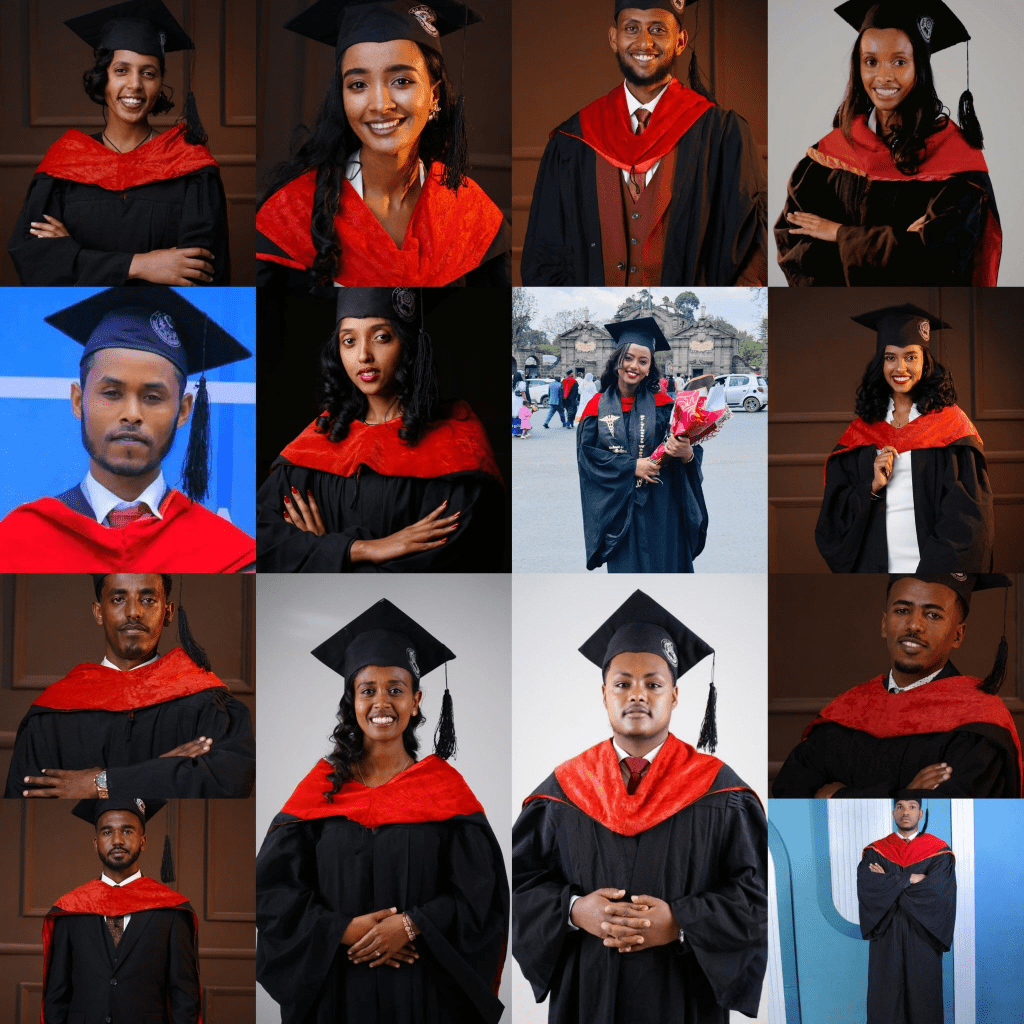
Finfinne, March 22, 2026 – The Oromia Development Association (ODA) Bultii Addaa Secondary School is celebrating a remarkable achievement as fifteen of its former students have successfully graduated with Medical Doctor (MD) degrees from Finfinne University.
The fifteen graduates—Dr. Araaree Irreessoo, Dr. Aliyyii Huseen, Dr. Beteliyeem Girmaa, Dr. Ermiyaas Tagan, Dr. Hiroowaaq Kabbadaa, Dr. Ibsaa Mohammed, Dr. Jibril Xaahir, Dr. Musee Birhaanuu, Dr. Obsinaan Tarreessaa, Dr. Phaawulos Gammadaa, Dr. Radi’eet Birhaanuu, Dr. Saaloomee Taammanaa, Dr. Tinsaayee Waggaarii, Dr. Yoonaas Hiikaa, and Dr. Zalaalam Simee—have all recorded outstanding scores in the national 2010 entrance examination, which paved the way for their medical studies.
These accomplished individuals have now completed their rigorous medical training with distinction, earning the right to be called medical doctors. Their journey from the classrooms of ODA Bultii Addaa to the halls of Finfinne University Medical School represents years of dedication, hard work, and perseverance.
The Oromia Development Association, in a statement celebrating the achievement, expressed immense pride in the graduates. The organization highlighted that the students’ success is a shining example of the fruits of commitment and integrity. The ODA emphasized that these new doctors carry with them the trust of the Oromo people and urged them to serve their nation and community with honor, faithfulness, and the expertise they have acquired.
“The success of our students is a testament to the fact that ODA nurtures a generation that upholds dignity and makes significant contributions to our country and people,” the statement read.
The ODA extended its heartfelt congratulations to all the graduates, acknowledging the collective effort behind their success. The organization also recognized the vital roles played by the ODA Board members, school leadership, teachers of Bultii Addaa Secondary School, families, and all stakeholders who supported the students along their academic journey.
“As you complete your education with excellent results, your victory is great,” the ODA stated, celebrating the milestone.
The achievement of these fifteen medical doctors marks a proud moment for the institution and serves as an inspiration for current and future students of ODA Bultii Addaa Secondary School. The organization reaffirmed its commitment to fostering excellence and contributing to the development of skilled professionals dedicated to serving the community.
“Congratulations once again. We are truly proud of you!” the ODA concluded, celebrating the success of its alumni and the bright future they represent for the Oromo people and beyond.
Unity for Development!

Yonathan Dhibisaa’s Journey: From Freedom Fighter to Political Leader

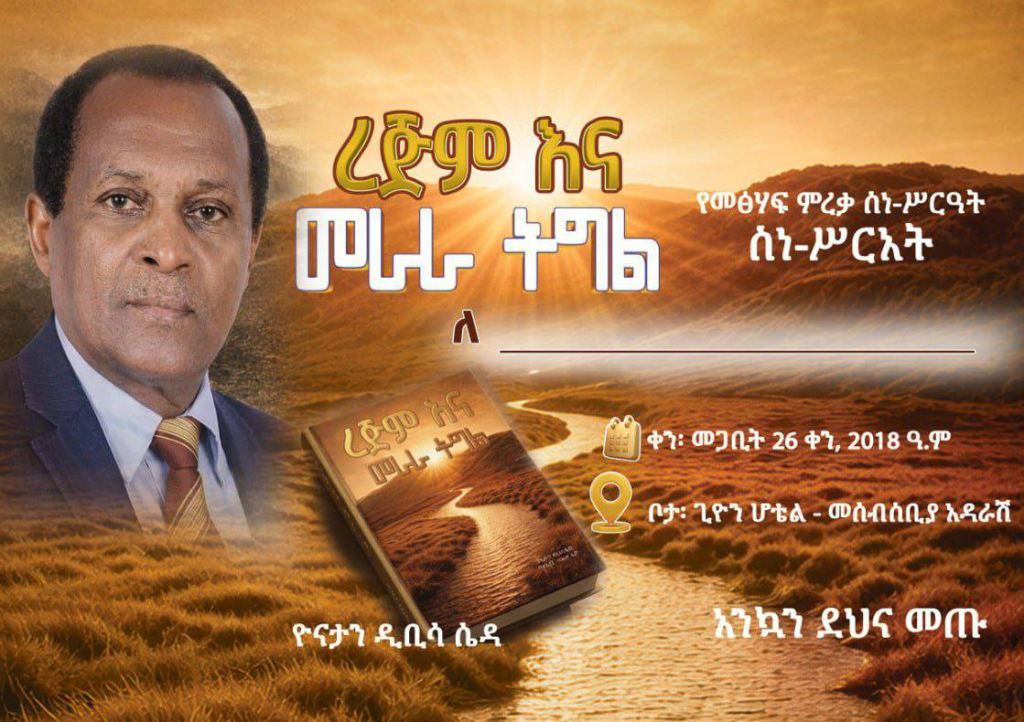
A Life of Struggle and Service: Yonathan Dhibisaa’s Journey Captured in New Book
Addis Ababa – A new literary work is set to offer an unprecedented glimpse into the life of one of Oromia’s most prominent political figures. A book chronicling the life and legacy of Yonathan Dhibisaa Seedaa—a founding member and former central committee leader of the Oromo Peoples’ Democratic Organization (OPDO)—will be launched on April 4, 2026, at Ghion Hotel starting at 7:00 PM.
The event marks not just the release of a book, but a celebration of a life defined by decades of political activism, military leadership, and public service. Organizers have extended a warm invitation to the public, calling on all who revere history and political struggle to attend.
A Storied Career in Politics and Public Service
Yonathan Dhibisaa is no stranger to the corridors of power or the rigors of the battlefield. As a founding member of the OPDO, a party that later merged to form the Prosperity Party, he played a pivotal role in the region’s political evolution. His leadership extended beyond party politics into the highest echelons of regional government, where he served in key positions—from holding a high-level security post to eventually becoming the Minister of Justice for the Oromia regional state.
A Military Leader in the Struggle for Freedom
Before his political career, Dhibisaa’s life was forged in the crucible of armed struggle. His commitment to the cause of the Oromo people saw him traverse a vast arc of conflict, journeying from Eritrea to Egypt as a leader within the Oromo Liberation Army (Waraana Bilisummaa Oromoo—WBO). For over 17 years, he served on the front lines, dedicating his youth to the pursuit of self-determination.
Perhaps one of the most defining chapters of his legacy unfolded in the Metekel Zone of the Benishangul-Gumuz region, specifically in Gida and Kiramu districts of eastern Wollega. Historians and comrades recall his role in leading armed resistance to protect Oromo communities that were facing grave threats. His willingness to stand on the front lines during those dark days has cemented his reputation as a leader who did not simply command from a distance but faced danger alongside his people. That chapter of his life, marked by personal sacrifice and direct confrontation with violence, is one that organizers say “will never be forgotten.”
Returning to Civilian Life
After decades of service—first as a freedom fighter and later as a high-ranking government official—Dhibisaa ultimately stepped away from formal political power. Following his tenure in the cabinet, he chose to lay down the mantle of authority, returning to a quieter life focused on personal reflection and family. It is from this space of experience and retrospection that the new book emerges.
What the Book Offers
According to those close to the author, the book is more than a memoir. It is described as a deep reflection that shares insights into his political journey, personal experiences, and the vision he holds for the future. It promises to provide readers with an intimate look at the decisions, struggles, and moments of clarity that shaped his path.
Organizers believe the book holds immense value—not just for those who followed his career, but for a new generation of leaders interested in governance, resilience, and social transformation.
An Invitation to All
In a statement released ahead of the launch, the organizers emphasized the importance of remembering history.
“If people forget history, history will not forget the people,” they said, underscoring the significance of documenting and honoring the experiences of those who have shaped the nation’s political landscape.
The event is open to the public, and attendees are encouraged to share the invitation widely. The launch will take place at Ghion Hotel, a historic venue in the capital, on the evening of April 4, 2026.
For those who value stories of perseverance, leadership, and the long arc of the struggle for justice, this book promises to be an essential addition to their library.
Event Details:
- Occasion: Book Launch – Celebrating the Life of Yonathan Dhibisaa Seedaa
- Date: April 4, 2026
- Time: 7:00 PM (Local Time)
- Venue: Ghion Hotel, Addis Ababa
- Admission: Open to the public

Standing Together, Acting for Change
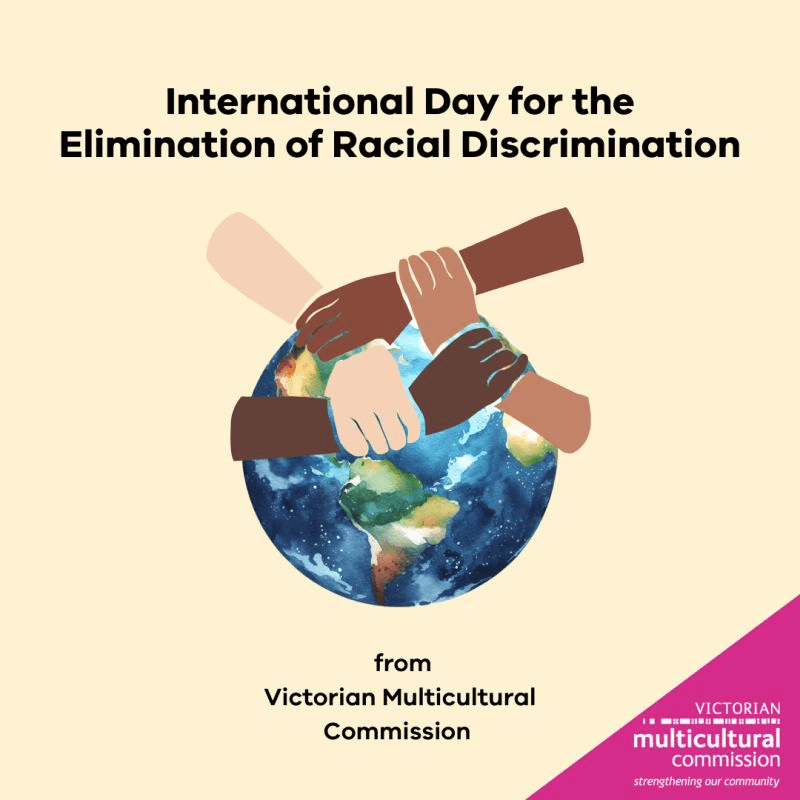
How Victoria is leading the fight against racial discrimination in the workplace
On March 21, the world observes the International Day for the Elimination of Racial Discrimination. It is a day of remembrance, a call to action, and a global reminder that the fight for equality is far from over. This date was chosen to honor the 1960 Sharpeville massacre in South Africa, a tragic event that underscored the deadly consequences of unchecked racism.
In Victoria, this day serves as a powerful catalyst to examine not only our society but the spaces where we spend most of our time: our workplaces. While the ideal of a fair go is central to the Australian ethos, the reality is that racial discrimination remains a persistent issue. However, in Victoria, the law is clear: every worker has the right to be treated fairly, regardless of their race, skin color, descent, or national or ethnic origin.
The Legal Framework: More Than Just Policy
Under the Equal Opportunity Act 2010 (Vic), it is against the law to discriminate against someone based on their race. This protection covers all aspects of employment, from recruitment and promotion to termination and the day-to-day conditions of the job.
But the law does more than just prohibit negative behavior. It places a positive duty on employers. This means that Victorian employers have a legal responsibility to be proactive. They cannot simply wait for a complaint to occur; they must take reasonable and proportionate steps to eliminate racial discrimination, sexual harassment, and victimization as far as possible. Creating a safe, inclusive environment isn’t just good ethics—it’s the law.
Identifying Racism in the Workplace
Racism isn’t always overt. While blatant acts like using racial slurs or denying a promotion based on ethnicity are clear-cut violations, racial discrimination often manifests in more subtle, systemic ways. Recognizing these is the first step toward action.
- Racial Vilification: This involves public acts that incite hatred, serious contempt, or ridicule against a person or group of people because of their race. This can happen in meetings, via work emails, or on internal communication platforms.
- Discriminatory Jokes or “Banter”: Often dismissed as harmless humor, persistent jokes about a person’s cultural background, accent, or appearance create a hostile and degrading work environment.
- Indirect Discrimination: This occurs when a workplace policy or practice appears neutral but disproportionately disadvantages people of a particular race. For example, requiring all staff to work on a specific religious holiday without flexibility may indirectly discriminate against employees of certain faiths.
- Exclusion: Being left out of important meetings, social gatherings, or informal networks where information and opportunities are shared.
- Microaggressions: Subtle, often unintentional, slights or insults that communicate negative messages. Examples include consistently mispronouncing a colleague’s name despite correction, asking “where are you really from?”, or making assumptions about a person’s abilities based on their background.
Know Your Rights: The Power of Action
If you experience or witness racism at work, it is crucial to know that you are protected and there are clear pathways to act.
For individuals who experience discrimination:
- Keep a Record: Document what happened, including dates, times, witnesses, and any evidence like emails or messages.
- Seek Support: Check your workplace policy and speak with a trusted manager, a human resources representative, or a union.
- Make a Complaint: You can make a formal complaint internally. You also have the right to make a complaint to the Victorian Equal Opportunity and Human Rights Commission (VEOHRC), which handles complaints about discrimination in Victoria. The process is designed to be fair and can lead to conciliation, where both parties work to find a resolution.
For bystanders—those who witness discrimination—the role is just as vital. Silence can be interpreted as acceptance. The Victorian Equal Opportunity and Human Rights Commission has developed “Workplace Bystander Guides” that empower colleagues to intervene safely and effectively. Being an active bystander can mean:
- Interrupting: Politely but firmly challenging the behavior in the moment. (“That joke isn’t funny, please don’t say that.”)
- Supporting: Checking in with the person who was targeted. (“Are you okay? I saw what happened.”)
- Reporting: Documenting the incident and reporting it to a manager or HR, especially if the targeted individual is hesitant to do so themselves.
Accessing Resources in Your Language
Understanding your rights is the foundation of empowerment. To ensure that every Victorian worker can access this vital information, VEOHRC has made key resources available in multiple languages.
Employers, HR professionals, and individuals can download practical fact sheets and the comprehensive workplace bystander guides. These materials provide step-by-step advice on how to identify discrimination, understand legal protections, and take effective action.
You can download these resources in your language here:
https://lnkd.in/ghbfSAuB
A Collective Responsibility
The International Day for the Elimination of Racial Discrimination is a moment to reflect, but the work of building truly equitable workplaces is a daily endeavor. It requires more than just legal compliance; it demands a cultural shift.
When employers embrace their legal responsibility to eliminate discrimination, they don’t just avoid legal action—they foster environments where innovation thrives, where employees feel safe, and where everyone has the opportunity to succeed. When workers know their rights and have the tools to act as allies, they transform their workplaces from places of mere tolerance to places of genuine belonging.
This March 21, let Victoria’s commitment to equality be more than a statement. Let it be an action. Know your rights, support your colleagues, and help build a future where diversity is not just respected, but celebrated.
For more information, or to access fact sheets and guides in your language, visit the Victorian Equal Opportunity and Human Rights Commission’s resource page.

Oromo Liberation Front: A Beacon of Hope and Peace for the Oromo People
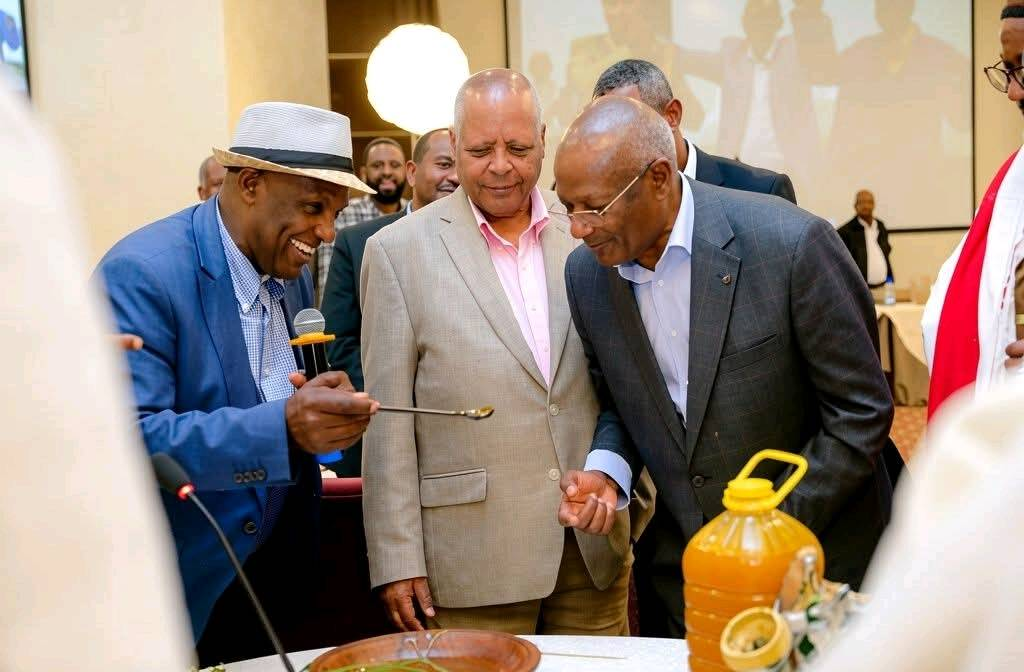
Understanding the Vision and Sacrifice Behind the Struggle
The Oromo Liberation Front (OLF) stands as a political organization that has long moved in accordance with the will and aspirations of the Oromo people. At its core, the OLF is presented as a peace-loving organization that consistently seeks the wellbeing of its people. Its primary objectives focus on ensuring the rights of the Oromo people, strengthening national unity, and establishing lasting peace.
The Centrality of Peace
Peace is the foundation of human existence. Without peace, no community can achieve meaningful development, education, or a complete life. Recognizing this fundamental truth, the OLF has repeatedly expressed its commitment to dialogue and peaceful agreements throughout various periods of its history. This demonstrates the organization’s belief that conflicts should be resolved not through force alone, but through discussion, agreement, and mutual understanding.
When we say “the OLF is a peace-loving organization,” this reflects its commitment to prioritizing peace in both its actions and objectives. The organization understands that sustainable solutions emerge not from the barrel of a gun, but from the negotiating table where differences can be addressed through constructive dialogue.
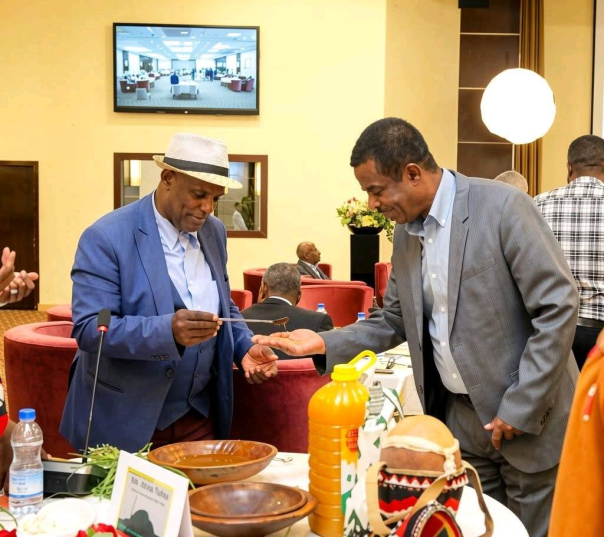
A Symbol of Hope
The OLF’s role as the hope of the Oromo people carries deep and broad meaning. For generations, the Oromo people have traversed through various challenges and difficulties. During such times, an organization that advocates for the people appears as a light of hope. Just as light guides one through darkness, the OLF is perceived within its community as hope and illumination.
The saying “The OLF is the light of the Oromo people” carries the promise that the organization guides its people from the darkness of hardship and oppression toward the light of freedom, rights, and peace. This metaphor resonates deeply with a people who have long struggled for recognition and self-determination.
Leadership Through Sacrifice
The leaders of the OLF play an enormous role in this ongoing journey. Among the well-known examples is Dawud Ibsa, who served the organization as a long-time leader and throughout his life paid repeated sacrifices for the cause of his people. His example, along with that of other leaders, serves as a profound lesson for both current leadership and future generations about the patience, perseverance, and faithfulness required to work for the people’s cause.
“Serving the people throughout one’s lifetime and paying the ultimate sacrifice” is no simple phrase. In its deepest meaning, it represents the act of offering one’s personal life, time, energy, and future opportunities for the sake of the nation. This level of dedication transforms political leadership into something approaching sacred duty.
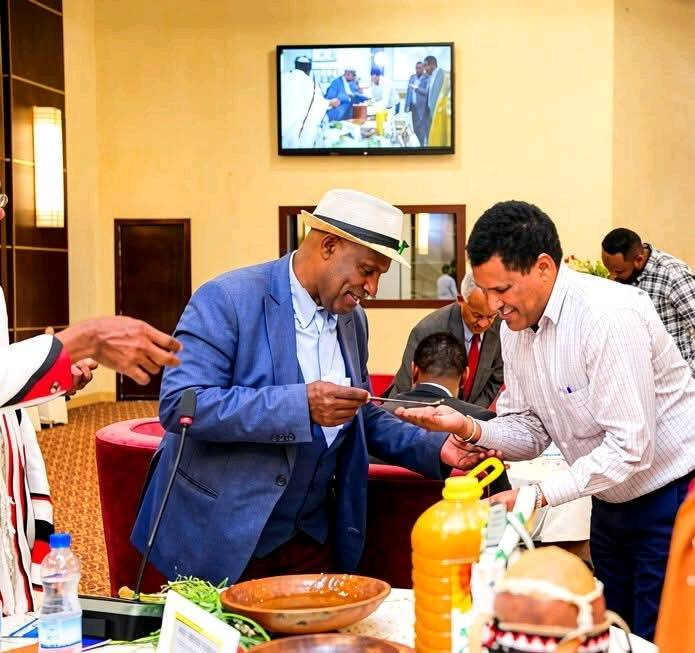
The Legacy Continues
The examples set by leaders like Dawud Ibsa demonstrate that the path to freedom requires not just political vision, but personal sacrifice. Their lives teach that the struggle for rights and recognition is not a sprint but a marathon, requiring sustained commitment across generations.
As the Oromo people continue their journey toward full recognition of their rights and aspirations within Ethiopia, the sacrifices of those who have gone before serve as both foundation and inspiration. The struggle continues, carried forward by those who believe that peace with justice is possible and that the hopes of the Oromo people will one day be fully realized.
This feature examines the role and perception of the Oromo Liberation Front within the context of its stated commitments to peace and the sacrifices of its leadership.

Seenaa Rufaa’el Tasammaa: Dhaloota fi Du’a Isaa
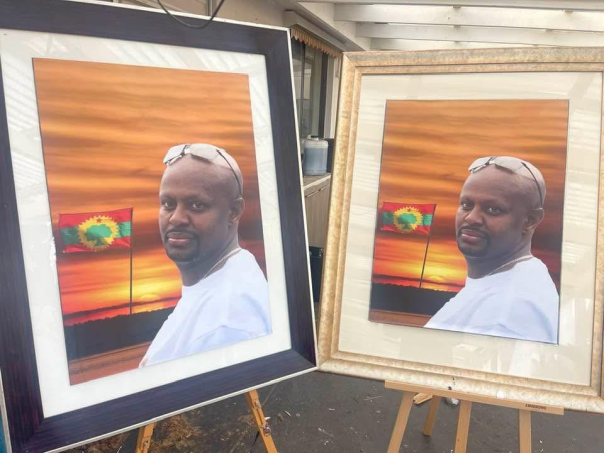
Seenaa Jiruu fi Jireenya Goota Rufaa’el Tasammaa: Dhalootaaf Fakkeenya Ta’uun Kan Jiraatu
Australia, Bitootessa 15, 2026 — Goota kabajamaan, qabsaa’aan jabaan, fi nama of-kenninsa guddaa qabu Rufaa’el Tasammaa armaan gaddaa Waaqayyooti.Firoonni isaa, hiriyoonni isaa, fi hawaasni Oromoo baay’een isaa bakka tokko walitti qabamanii goota kana kabajaan awwaalan. Sirni awwaala isaa har’a guyyaa Bitootessa 15, 2026 biyya Australia keessatti raawwateera.
Seenaa Jireenya Rufaa’el Tasammaa (1975-2026)
1. Jalqaba Jireenyaa: Dambii Doolloo
Rufaa’el bara 1975 Qellem Wallaggaa, magaalaa Dambii Doolloo keessatti dhalate. Haati Rufaa’el erga isa da’anii booda, hospitaala Dambii Doolloo keessatti utuu hin bahin boqotee. Yeroo sanaan, Dr. Dorombos jedhamu kan USA dhaa fi haati warraa isaa Missis Doromboos Rufaa’elin akka abbaa fi haadhaa isaatiin fudhatanii guddisan. Dr. Dorombos yeroo sana directorii hospitaala sanaa ture.
2. Ijoollummaa fi Barumsa Isaa
Rufaa’el barnoota sadarkaa tokkoffaa achuma magaalaa Dambii Doolloo keessatti barate. Booda Dr. Dorombos Dambii Doolloo irraa gara hospitaala Ayiraa, Lixa Wallagaatti jijjiramaniif, innis isaan waliin godaanee Ayiratti guddate. Barnoota sadarkaa tokkoffaa Ayiratti xumuree, sadarkaa lammaffaa Achumatti eegale.
3. Seenaa Qabsootti Makamuu Isaa
Bara 1992, Rufaa’el umuriin isaa waggoota 17 qofa ta’uu, barumsa isaa sadarkaa lammaffaa addaan kutee, qabsoo bilisummaa Oromootti dabalame. Miseensa Waraana Bilisummaa Oromoo (WBO) ta’uun, Lixa Wallaggaa fi Qellem Wallaggaa naannoolee adda addaa keessa socho’aa ture. Qabsoo keessatti hirmaachuun, of-kenninsa guddaa agarsiise.
4. Rakkina, Baqaatummaa fi Hidhaa
Bara 1992, ABO charteraa keessaa bahee booda, Rufaa’el Qellem Wallaggaa fi Lixa Wallaggaa keessatti diinaan barbaadamaa ture. Kanaafuu, gara Finfinnee (Addis Ababa) godaane, jireenya baqaatummaa biyya isaa keessa jiraachaa ture. Haala kanaan utuu jiruu, diinaan qabamee, mana hidhaa “Deeppoo” jedhamu magaalaa Adaamaatti hidhame. Waggoota muraasa mana hidhaa keessa ture.
5. Godaansa Biyya Alaa
Erga mana hidhaa irraa bahee, biyya irraa baqatee gara Jibuuti, eeggasii gara Keenyaa godaane. Waggoota muraasa biyya Keenyaa keessa jiraatee booda, qubsuma argachuun bara 2001 gara Australiyaa dhufe.
6. Jireenya Australiyaa
Waggaa 25 Australiyaa keessa jiraate keessa, Allied Health Assistant ta’uun hospitaalota adda addaa keessa hojjate. Keessaa waggaa 15 St Vincent Hospital keessatti hojjate. Hanga Fulbaana (September) 2025 hojjachaa ture; sana booda sababa dhukkubaa hojii dhaabe.
7. Gumaacha Qabsoo Bilisummaa Oromoof
Jireenya isaa guutuu keessatti, Rufaa’el qabsoo bilisummaa Oromoof gumaacha guddaa kan godhe yoo ta’u, quamaan isaa fi of-kenniinsa guddaadhaan hanga dhukkubaan dadhabutti hirmaachaa ture. Ofiisaa qusannaa malee, yeroo fi qabeenya isaa qabsoof kenne.
8. Maatii fi Ijoollee Isaa
Rufaa’el bara 2013 keessa warra ijarrate. Gaa’ela sana irraa ijoollee durbaa lakkuu, Feeneet fi Feenaan jedhaman bara 2016 argate. Ijoolleen isaa amma umuriin isaanii waggaa 10.
9. Du’a Isaa
Rufaa’el bara 2026 keessa, dhukkuba dheeraa booda, du’een isaa eebbifame. Duuti isaa hawaasa Oromoo, maatii, firoota, fi hiriyyoota isaa gaddaan godhe. Guyyaa 15 Bitootessa 2026, Australiyaa keessatti awwaalame.
Gadda Olaanaa
Hawaasni Oromoo, adda durummaan Konyaan ABO Victoria, goota isaa kana dhabuu isaatti gadda olaanaa qaba. Rufaa’el qabsaa’aa qabsoo qofa utuu hin taane, namummaa gaarii, jaalala, fi tattaaffii guddaa qabu ture. Namni isa beeku hunduu wantoota gaarii dubbata.
Maatiin isaa, keessumaa ijoolleen isaa Feeneet fi Feenaan, amma gadda keessa jiraachaa jiru. Haati manaa isaa namtiin cimina dhabde. Hawaasni Oromoo isaan biratti dhaabataa jiraachuu isaa hubachiisaa jira.
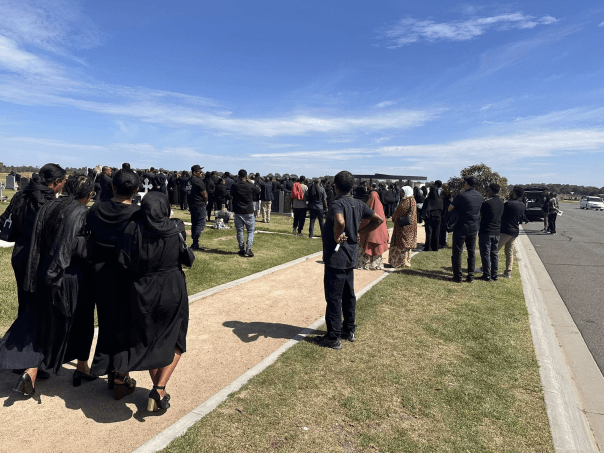
Ergaa Gadda
“Goota Rufaa’el, ati seenaa kee nuuf dhiiftee deemte. Ati nu hin dagatin; nuus si hin dagannu. Qabsoo kee nu fufna. Nagaan boqoli!”
“Waaqayyo lubbuu kee jannata keessa haa boqochiisu! Maatiin kee, ijoolleen kee Feeneet fi Feenaan, Waaqayyo isaaniif cimina haa kennu!”
Yaadannoowwan
- Bara Dhaloota: 1975
- Bara Du’aa: 2026
- Biyya Dhaloota: Qellem Wallaggaa, Dambii Doolloo
- Guyyaa Awwaalaa: Bitootessa 15, 2026
- Bakka Awwaalaa: Australia
KABAAJAAN SI YAADANNA, GOOTA RUFAA’EL! 🙏🏿✨
NAGAAN BOQOLI! 🕊️
የሕይወት ታሪክ፡ ሩፋኤል ተሠማ (1975-2026)
በኦሮሞ ነፃነት ትግል ውስጥ ሙሉ ሕይወታቸውን ያሳለፈ ታጋይ ማህበረሰቡን ለቋል
የኦሮሞ ማህበረሰብ ከታማኞቹ ልጆቹ አንዱን ሩፋኤል ተሠማን በማጣቱ በሐዘን ተጠምቋል። በሕመም ምክንያት የሞተው ሩፋኤል ለኦሮሞ ነፃነት ትግል ቁርጠኛ ታማኝነት ያሳየ ሲሆን የሕይወቱ ታሪክ—አህጉራትን ያቋረጠ፣ የትጥቅ ትግልንም ሆነ ሰላማዊ ዕርዳታን ያካተተ፣ በጥልቅ የግል መሥዋዕትነት የታጀበ—የአንድ ሙሉ የኦሮሞ ታጋዮች ትውልድ ጉዞን ያንጸባርቃል።
የልጅነት ዘመን፡ በትግል ውስጥ መወለድ
ሩፋኤል በ1975 በቄለም ወለጋ ከተማ ዳምቢ ዶሎ ተወለደ። ወደ ዓለም መምጣቱ በአሳዛኝ ሁኔታ ታጅቦ ነበር፡ እናቱ በዳምቢ ዶሎ ሆስፒታል ከወለደችው በኋላ ከሆስፒታል ሳትወጣ ሞተች። በዚያ ወሳኝ ወቅት፣ የሆስፒታሉ ዳይሬክተር የነበሩት አሜሪካዊው ዶ/ር ዶሮምቦስ እና ባለቤታቸው ሚሲስ ዶሮምቦ ሩፋኤልን እንደ ራሳቸው ልጅ አድርገው አሳደጉት።
ይህ ባሕላዊ ድንበር ያሻገረ የርኅራኄ ተግባር የሩፋኤልን ሕይወት አዳነ እና በሕፃንነቱ መረጋጋትን ሰጠው። የመጀመሪያ ደረጃ ትምህርቱን በዳምቢ ዶሎ ጀመረ፣ ይህም በኋላ ላይ ባልተጠበቀ መልኩ የሚያገለግለውን የትምህርት መሠረት ጥሏል።
ዶ/ር ዶሮምቦስ ከዳምቢ ዶሎ ወደ ምዕራብ ወለጋ አይራ ሆስፒታል ሲዛወሩ፣ ወጣቱ ሩፋኤል ከአሳዳጊ ወላጆቹ ጋር ተንቀሳቀሰ። የመጀመሪያ ደረጃ ትምህርቱን በአይራ አጠናቆ የሁለተኛ ደረጃ ትምህርቱን እዚያው ጀመረ። በዚህ ጊዜ የአካዳሚክ ዕውቀትን ብቻ ሳይሆን የማደጎ ወላጆቹ የሚያሳዩትን የርኅራኄ እና አገልግሎት እሴቶችንም ተቀስፏል።
ጥሪውን መቀበል፡ የነፃነት ትግልን መቀላቀል
በ1992፣ በ17 ዓመቱ፣ ሩፋኤል ቀሪ ሕይወቱን የሚቀርጽ ውሳኔ አደረገ፡ የሁለተኛ ደረጃ ትምህርቱን አቋርጦ የኦሮሞ ነፃነት ትግልን ተቀላቀለ። ይህ በቀላሉ የተወሰነ ምርጫ አልነበረም። ከዶሮምቦስ ቤተሰብ ጋር የነበረውን አንጻራዊ መረጋጋት መተው፣ ትምህርቱን መተው፣ እና የትጥቅ ትግልን እርግጠኛ ያልሆነ አደጋ መቀበልን ያመለክታል።
ሩፋኤል የኦሮሞ ነፃነት ሠራዊት አባል ሆነ፣ በተለያዩ የምዕራብ ወለጋ እና ቄለም ወለጋ አካባቢዎች በመንቀሳቀስ በትጥቅ ትግል ተሳተፈ። እነዚህ ዓመታት የማያቋርጥ እንቅስቃሴ፣ በደን ውስጥ መኖር፣ ጠላትን በቀጥታ መጋፈጥ እና የሕዝቡን ተስፋ መሸከምን ያካተቱ ነበሩ።
ስደት እና እስራት
በ1992፣ ከኦሮሞ ነፃነት ግንባር ከሽግግር መንግሥት መውጣቱን ተከትሎ፣ ሩፋኤል በቄለም ወለጋ እና በምዕራብ ወለጋ በመንግሥት ኃይሎች ዘንድ ተፈላጊ ሆነ። ወደ ፊንፊኔ (አዲስ አበባ) ለመሸሽ ተገደደ፣ በራሱ አገር ውስጥ እንደ ተፈናቃይ እየኖረ።
ለመደበቅ ቢሞክርም፣ በመጨረሻ በመንግሥት ኃይሎች ተይዞ በአዳማ ከተማ ወደሚገኘው ዴፖ እስር ቤት ተጣለ። ከፍተኛ የሕይወት ዘመኑን በእስር ቤት አሳለፈ፣ የኦሮሞን ተቃውሞ ለማፍረስ የቆረጠውን ሥርዓት ጭካኔ በራሱ ተሞክሯል።
ከእስር ቤት ከተለቀቀ በኋላ፣ ሩፋኤል ወደ ስደት ተገደደ። መጀመሪያ ወደ ጎረቤት ጅቡቲ፣ ከዚያም ወደ ኬንያ በመሸሽ በስደት ላይ እያለ በርካታ ዓመታት አሳለፈ። እነዚህ የስደት ዓመታት—ከአገሩ ተለይቶ፣ የወደፊቱ እርግጠኛ ባልሆነበት፣ ነገር ግን ለዓላማው ያለውን ቁርጠኝነት ፈጽሞ ሳይተው—ስለ ጽናቱ ይመሰክራሉ።
በአውስትራሊያ አዲስ ሕይወት መገንባት
በታህሳስ 2001፣ ሩፋኤል የስደተኛነት ደረጃ ተሰጥቶት ወደ አውስትራሊያ ሄደ። ለ25 ዓመታት በአዲሱ አገሩ ሕይወት ሲገነባ የቆየ ሲሆን፣ የተወውን ትግል ግን ፈጽሞ አልረሳውም።
በተለያዩ የአውስትራሊያ ሆስፒታሎች ውስጥ እንደ አሊድ ሄልዝ አሲስታንት (የተባባሪ ጤና ረዳት) ሠርቷል፣ ከእነዚህም ውስጥ 15 ዓመታትን በሴንት ቪንሴንት ሆስፒታል አሳልፏል። በሥራው በኩል፣ በማደጎ ወላጆቹ የተመሠረተውን የአገልግሎት ቅርስ ቀጠለ—ሕመምተኞችን መንከባከብ፣ ተጋላጭ የሆኑትን መርዳት፣ ለተቀበለው ማህበረሰብ አስተዋጽኦ ማድረግ።
በመስከረም 2025፣ በሕመም ምክንያት ሥራውን ማቆም ተገደደ። የሕይወት ዘመኑን በሙሉ ከሰጠ በኋላ—ለትግሉ፣ ለማህበረሰቡ፣ ለሕመምተኞቹ—ሰውነቱ ከእንግዲህ የሚጠይቀውን ፍላጎት መሸከም አልቻለም።
ቤተሰብ እና የግል ሕይወት
በ2013፣ ሩፋኤል አግብቶ ቤተሰብ መሠረተ። ከዚህ ጋብቻ በ2016 የተወለዱትን መንታ ሴት ልጆቹን ፌነት እና ፌናንን አገኘ። እነሱ የሕይወቱ ብርሃን ነበሩ—ሁሉም መሥዋዕቶቹ ትርጉም ያገኙላቸው የወደፊት ትውልድ።
ምንም እንኳን ከእነሱ ጋር ያሳለፈው ጊዜ አጭር ቢሆንም፣ ሕይወቱን በሙሉ ሕይወታቸው የሚመራቸውን የድፍረት እና ቁርጠኝነት ቅርስ ትቷል። አባታቸው ተዋጊ፣ በሕይወት የተረፈ፣ ለሕዝቡ ሁሉንም ነገር የሰጠ ሰው እንደነበር እያወቁ ያድጋሉ።
የሕይወት ዘመን አስተዋጽኦ
በሕይወት ዘመኑ ሁሉ፣ ሩፋኤል ለኦሮሞ ነፃነት ትግል ያበረከተው አስተዋጽኦ ከፍተኛ ነበር። የትጥቅ ትግሉን ከለቀቀ በኋላም ቢሆን፣ በአውስትራሊያ ከተረጋጋ በኋላም ቢሆን፣ ለዓላማው መደገፉን ቀጠለ። በሕመም እስከተዳከመ ድረስ፣ ንቁ ተሳትፎ ማድረጉን ቀጠለ፣ ለሕዝቦቹ ነፃነት ራሱን ሳይቆጥብ ሠርቷል።
ሕይወቱ የሚያሳየው የኦሮሞ ነፃነት ትግል በወለጋ ደን ወይም በኢትዮጵያ እስር ቤቶች ብቻ የተወሰነ አለመሆኑን ነው—ኦሮሞዎች በሚሰበሰቡበት እና ለአገራቸው ነፃነት በሚሠሩበት በየትኛውም የዲያስፖራ ማዕዘን ይደርሳል።
ማህበረሰቡ ማልቀስ
የሩፋኤል ሞት በቤተሰቦቹ፣ በዘመዶቹ፣ በወዳጆቹ እና በመላው የኦሮሞ ማህበረሰብ ዘንድ ክፍተት ፈጥሯል። የሚያውቁት ሁሉ የፖለቲካ ቁርጠኝነቱን ብቻ ሳይሆን የግል ሞቅ ያለ ባህሪውን—ለመርዳት ያለውን ፈቃደኝነት፣ የተረጋጋ መኖሩን፣ ለዓላማው የማይናወጠውን እምነት ያስታውሳሉ።
ማህበረሰቡ በሐዘን ሳለ፣ ለቤተሰቦቹ ጥንካሬን እንመኛለን፡ ለሚስቱ፣ ለመንታ ሴት ልጆቹ ፌነት እና ፌናን፣ ለዘመዶቹ፣ እና ለሚወዱት ሁሉ። ዋቃዮ (እግዚአብሔር) ይህን ኪሳራ ለመሸከም የሚያስችል ጥንካሬን እና ሩፋኤል ዓላማ ያለው ሕይወት እንደኖረ ማወቅ የሚሰጠውን መጽናኛ ይስጣቸው።
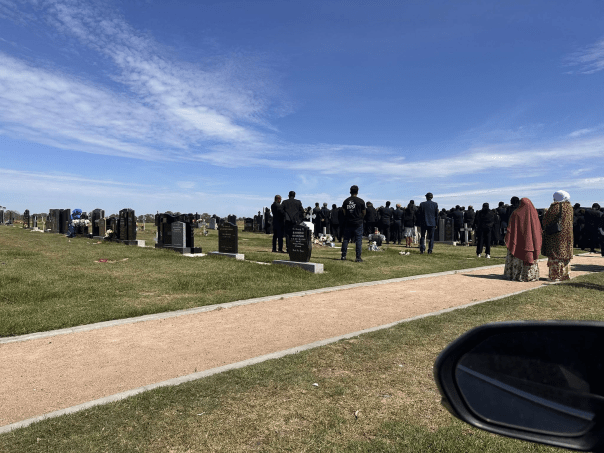
የመጨረሻ ማረፊያ
ነፍሱ በዘላለም ገነት በሰላም ታርፍ።
የሩፋኤል ተሠማ ጉዞ ተጠናቋል። በዳምቢ ዶሎ ሆስፒታል ከተወለደበት አሳዛኝ ሁኔታ ጀምሮ፣ በዓመታት የትጥቅ ትግል፣ እስራት፣ ስደት እና በመጨረሻም በአውስትራሊያ መጠለያ እስከማግኘት ድረስ፣ ሁልጊዜ የኦሮሞ ነፃነትን ችቦ ተሸክሟል። ሁሉንም ነገር ሰጥቷል—ወጣትነቱን፣ ነፃነቱን፣ ምቾቱን፣ ጤንነቱን—ለሚያምንበት ዓላማ።
አሁን አርፏል። አሁን ከሥቃይ፣ ከትግል፣ ከሙሉ በሙሉ ከተሰጠ ሕይወት ድካም ነፃ ነው። እናም እነዚያ የቀሩት—ቤተሰቦቹ፣ ማህበረሰቡ፣ ሕዝቡ—በሩፋኤል ምሳሌ ተጠናክረው፣ በመሥዋዕቱ ተመስጠው፣ ያመነበትን ትግል ወደፊት ይዘውት ይሄዳሉ።
አውስትራሊያ፣ መጋቢት ፲፭ ቀን ፳፻፲፰ ዓ.ም. — የሟቹ ሩፋኤል ተሠማ የቀብር ሥነ ሥርዓት ዛሬ በአውስትራሊያ ተፈጽሟል። ሥነ ሥርዓቱ የተካሄደው ዘመዶች፣ ወዳጆች እና ሰፊው የኦሮሞ ማህበረሰብ በተገኙበት ሲሆን፣ ሁሉም ለዚህ ታማኝ የሕዝቡ ልጅ የመጨረሻ ክብር ለመስጠት ተሰብስበው ነበር።
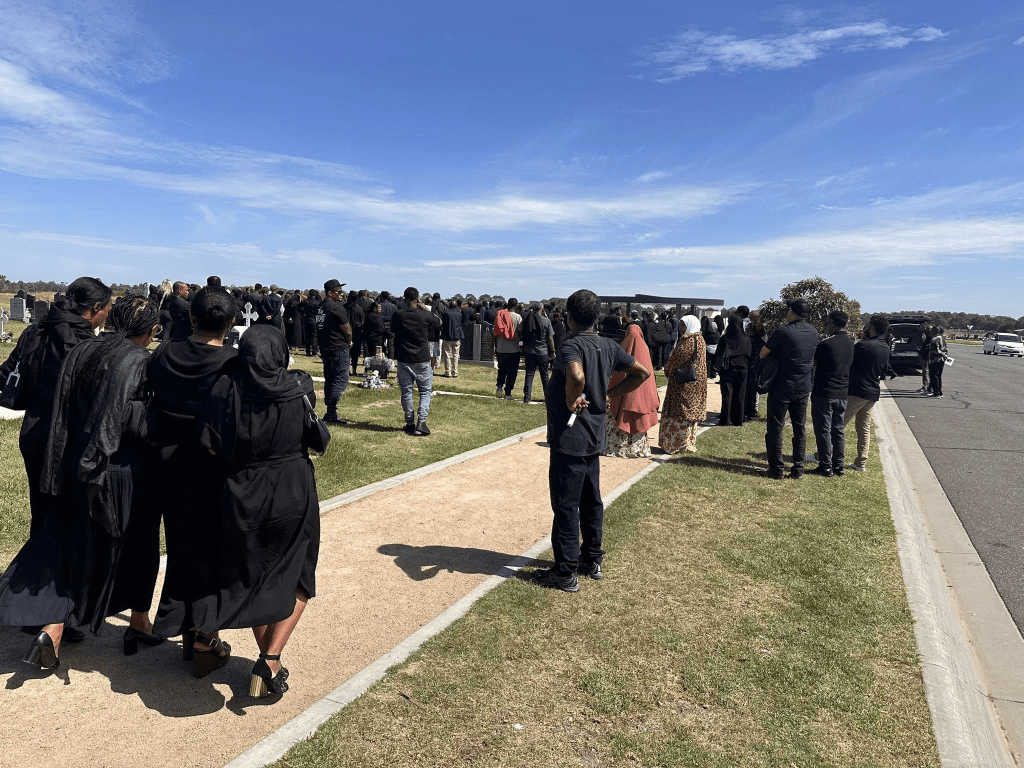
ጀግና፣ በሰላም እረፍ! በክብር እናስታውስሃለን!
የኦሮሞ ማህበረሰብ ለሩፋኤል ተሠማ ቤተሰቦች፣ በተለይም ለሚስቱ እና ለመንታ ሴት ልጆቹ ፌነት እና ፌናን ጥልቅ ሐዘኑን ይገልጻል። ዋቃዮ በዚህ የኪሳራ ወቅት ጥንካሬን ይስጣቸው እና በማህበረሰብ ድጋፍ ይከበቧቸው።

Irreecha Tulluu Cuqqaalaa Celebrated Peacefully: A Festival of Thanksgiving and Unity

Thousands gather at sacred highlands to give thanks to Waaqayyo as the annual Irreecha Arfaasaa festival brings together Oromo communities in a vibrant display of culture, faith, and resilience.
TULLUU CUQQAALAA, OROMIA — The annual Irreecha Arfaasaa celebration at Tulluu Cuqqaalaa has been marked by joyous gatherings, colorful traditional attire, and heartfelt prayers as the Oromo community came together to give thanks to the Creator.
The festival, observed with beauty and reverence in locations where large numbers of people congregated, stands as a testament to the enduring strength of Oromo culture and the unbreakable spirit of a people who continue to celebrate their identity despite challenges.
A Festival of Thanksgiving
Irreecha, the Oromo thanksgiving festival, marks the end of the rainy season and the beginning of the new year. It is a time when the Oromo people gather at bodies of water—lakes, rivers, and springs—to offer gratitude to Waaqayyo (God) for the blessings of creation and to pray for peace, prosperity, and unity in the year ahead.
This year’s celebration at Tulluu Cuqqaalaa carried particular significance. Despite various challenges, the community gathered in large numbers, dressed in traditional attire, carrying green grasses and flowers as symbols of peace and abundance. The atmosphere was one of joy, reverence, and collective affirmation of Oromo identity.
The Beauty of Cultural Observance
The celebration was marked by:
- Traditional Attire: Participants adorned themselves in the vibrant colors and intricate patterns of Oromo cultural clothing, transforming the gathering into a living canvas of heritage.
- Songs and Poetry: The air filled with traditional songs, geerarsa (poetic chants), and prayers that have been passed down through generations.
- Unity Across Differences: Oromos from various regions, backgrounds, and walks of life stood together as equals before their Creator, demonstrating the unifying power of shared culture.
- Blessings and Prayers: Elders offered blessings to the gathered community, praying for peace, fertility, and prosperity in the coming year.
A Prayer for the Future
The celebration concluded with a collective prayer that echoes in the hearts of all who attended: “Galanni kan uumaati, kan bara dhufuutiin nu ha gahe!” — “Thanksgiving belongs to the Creator; may we reach it again in the coming year!”
This prayer reflects the deep Oromo understanding that life itself is a gift, that each year we are granted to celebrate is a blessing, and that hope for the future is inseparable from gratitude for the past.
Significance of Tulluu Cuqqaalaa
Tulluu Cuqqaalaa holds special significance in the Oromo spiritual landscape. The highland setting, closer to the heavens, provides a fitting backdrop for prayers that rise toward Waaqayyo. The cool breeze carries the voices of the faithful, mingling with the rustle of grass and the songs of birds—all of creation joining in the thanksgiving.
For the Oromo people, Tulluu Cuqqaalaa is more than a location—it is a living presence, a witness to generations of prayer, a container of collective memory, and a symbol of the enduring bond between the people and the land that Waaqayyo gave them.

Community Response
The successful celebration has been met with widespread joy and satisfaction across Oromo communities, both in the homeland and throughout the diaspora. Social media has been filled with images and videos from the gathering, with participants expressing their gratitude for the opportunity to celebrate freely and peacefully.
One attendee shared: “Irreecha Tulluu Cuqqaalaa Arfaasaa milkoofnera. Galanni kan uumaati, kan bara dhufuutiin nu ha gahe!” — “We have successfully celebrated the Arfaasaa Irreecha at Tulluu Cuqqaalaa. Thanksgiving belongs to the Creator; may we reach it again in the coming year!”
This sentiment echoes across the community, reflecting the deep joy and spiritual fulfillment that comes from collective celebration of shared identity.
Looking Forward
As the celebration concludes and participants return to their homes and communities, they carry with them the blessings of the sacred site, the strength of the community, and the assurance that Waaqayyo hears their prayers. They carry, too, the knowledge that they are part of something larger than themselves—a people with a history stretching back centuries and a future reaching toward horizons they may not live to see.
The Irreecha Tulluu Cuqqaalaa celebration marks not an end but a continuation. The prayers offered this week will sustain the community through the seasons ahead. The bonds renewed at the sacred site will hold through challenges yet unknown. The identity affirmed in the gathering will be carried back to homes and communities across Oromia and the diaspora.
A Blessing for All
As the Oromo people celebrate Irreecha, they extend their blessings to all humanity. The festival’s core message—gratitude, peace, and unity—transcends cultural boundaries and speaks to universal human aspirations.
May the spirit of Irreecha—of thanksgiving, of hope, of unity—touch all hearts. May the coming year bring peace to Oromia and to the world. And may the Oromo people continue to gather, to celebrate, and to give thanks until the day when all can celebrate freely in a homeland at peace.
Galanni kan uumaati, kan bara dhufuutiin nu ha gahu 🙏✨
Irreecha #TulluuCuqqaalaa #Oromo #Thanksgiving #Culture #Unity #Peace #Waaqayyo #Oromia #IrreechaArfaasaa #Gratitude #Tradition

A Life of Struggle and Sacrifice: Remembering Ruphael Tasammaa (1975-2026)
A dedicated fighter for Oromo liberation, Ruphael’s journey took him from the battlefields of Wallagga to exile in Australia, where he continued to serve his people until illness claimed him.
The Oromo community mourns the loss of one of its dedicated sons, Ruphael Tasammaa, who passed away after a battle with illness, leaving behind a legacy of unwavering commitment to the struggle for Oromo liberation. His life story—spanning continents, encompassing both armed resistance and peaceful advocacy, and marked by profound personal sacrifice—embodies the journey of an entire generation of Oromo fighters.
Early Years: Born into Struggle
Ruphael was born in 1975 in Dambi Dollo, a town in Qellem Wallagga. His entry into the world was marked by tragedy: his mother passed away moments after giving birth to him at Dambi Dollo Hospital, never leaving the facility alive. At that critical moment, the hospital’s director—an American named Dr. Dorombos—and his wife, Missis Dorombo, stepped forward to raise Ruphael as their own child.
This act of cultural compassion saved Ruphael’s life and provided him with stability in his earliest years. He began his primary education in Dambi Dollo, laying the foundation for learning that would later serve him in unexpected ways.
When Dr. Dorombos was transferred from Dambi Dollo to Aira Hospital in western Wallagga, young Ruphael moved with his adoptive parents. He completed his primary education in Aira and began his secondary schooling there, absorbing not only academic knowledge but also the values of compassion and service modeled by the American couple who had taken him in.
Answering the Call: Joining the Liberation Struggle
In 1992, at the age of 17, Ruphael made a decision that would shape the rest of his life: he interrupted his secondary education to join the Oromo liberation struggle. This was not a choice made lightly. It meant leaving behind the relative stability of his life with the Dorombos family, abandoning his education, and embracing the uncertainty and danger of armed resistance.
Ruphael became a member of the Oromo Liberation Front (Adda Bilisummaa Oromoo), moving through various regions of western Wallagga and Qellem Wallagga as he participated in the armed struggle. These were years of constant movement, of living in the forest, of facing the enemy directly while carrying the hopes of his people.
Exile and Imprisonment
In 1992, following internal challenges within the OLF that led to its withdrawal from the transitional government, Ruphael found himself hunted by government forces in Qellem Wallagga and western Wallagga. He was forced to flee to Finfinne (Addis Ababa), living as an internally displaced person within his own country.
Despite his efforts to remain hidden, he was eventually captured by government forces and imprisoned at Deppo Prison in the city of Adaama. He spent a significant portion of his life behind bars, experiencing firsthand the brutality of a system determined to crush Oromo resistance.
After his release from prison, Ruphael was forced into exile. He first fled to neighboring Djibouti, then later to Kenya, where he spent several years living as a refugee. These years of exile—separated from his homeland, uncertain of his future, yet never abandoning his commitment to the cause—testified to his resilience.
Building a New Life in Australia
In December 2001, Ruphael was granted refugee status and resettled in Australia. For 25 years, he built a life in his new homeland while never forgetting the struggle he had left behind.
He worked as an Allied Health Assistant in various hospitals across Australia, dedicating 15 of those years to St. Vincent’s Hospital. Through his work, he continued the legacy of service modeled by his adoptive parents—caring for the sick, supporting the vulnerable, contributing to the community that had welcomed him.
In September 2025, illness forced him to stop working. After a lifetime of giving—to the struggle, to his community, to his patients—his body could no longer sustain the demands he placed upon it.
Family and Personal Life
In 2013, Ruphael married and built a life. From this union, he was blessed with twin daughters, Fenet and Fenan, born in 2016. They were the light of his life—the future generation for whom all his sacrifices had meaning.
Though his time with them was cut short, he leaves behind a legacy of courage and commitment that will guide them throughout their lives. They will grow up knowing that their father was a fighter, a survivor, a man who gave everything for his people.
A Lifetime of Contribution
Throughout his entire life, Ruphael’s contributions to the Oromo liberation struggle were immense. Even after leaving the battlefield, even after resettling in Australia, he continued to support the cause with body and soul. Until illness weakened him, he remained actively involved, giving tirelessly of himself for the freedom of his people.
His life exemplified the reality that the struggle for Oromo liberation is not confined to the forests of Wallagga or the prisons of Ethiopia—it extends to every corner of the diaspora, wherever Oromos gather and work for the freedom of their homeland.
Community Mourns
Ruphael’s passing leaves a void in his family, among his relatives and friends, and throughout the Oromo community. Those who knew him remember not only his political commitment but his personal warmth—his willingness to help, his steady presence, his unwavering belief in the cause.
As the community mourns, we pray for strength for his family: his wife, his twin daughters Fenet and Fenan, his relatives, and all who loved him. May Waaqayyo grant them the fortitude to bear this loss and the comfort of knowing that Ruphael lived a life of purpose and meaning.
Final Rest
“Lubbuun isaas jannata bara baraa keessa haa bogotu.” — May his soul rest in eternal paradise.
Ruphael Tasammaa’s journey is complete. From his tragic birth in a Dambi Dollo hospital, through years of armed struggle, imprisonment, exile, and finally refuge in Australia, he carried always the flame of Oromo liberation. He gave everything—his youth, his freedom, his comfort, his health—for the cause he believed in.
Now he rests. Now he is free from pain, from struggle, from the weariness of a life fully given. And those who remain—his family, his community, his people—carry forward the struggle he believed in, strengthened by his example, inspired by his sacrifice.
Goota, nagaan boqodhu! Kabajaan si yaadanna!
Hero, rest in peace! We remember you with honor!
The Oromo community extends deepest condolences to the family of Ruphael Tasammaa, particularly his wife and twin daughters Fenet and Fenan. May Waaqayyo grant them strength and surround them with community support in this time of loss.




 Advocacy for Oromia