Category Archives: News

Oromo Federal Congress Pays Tribute to Professor Legesse

Oromo Federal Congress Honors Professor Asmarom Legesse: “The Star of Your Scholarship Will Not Fade”
(Finfinnee, Oromia – February 5, 2026). – The Oromo Federal Congress (OFC) has issued a powerful and culturally resonant statement mourning the passing of Professor Asmarom Legesse, hailing him not merely as a distinguished scholar but as a “hero of great intellect” whose life’s work was a “sacrificial investment” in Africa’s intellectual reawakening.
The statement, rich with tributes to his scholarly legacy, positions Professor Legesse’s work as a defiant act of intellectual reclamation. It asserts that at a time when African political systems were “dismissed as relics” by Western scholars, Professor Legesse “provided scientific evidence” to prove the Oromo people possessed a sophisticated system of “negotiation, equality, and democracy” long embedded in human history.
The OFC specifically highlighted the professor’s foundational texts, “Gadaa: Three Approaches to the Study of African Society” and “Oromo Democracy,” praising them for doing more than recording history. These works, the statement says, “restored the dignity” of the Oromo people and irrefutably proved that democracy was not a “foreign concept imported to African countries” but a lived reality for the Oromo for centuries.
The Congress emphasized the practical impact of his research, crediting it with playing a “leading role” in the successful inscription of the Gadaa System as a UNESCO World Intangible Cultural Heritage. Furthermore, his work ensured the Gadaa system was recognized globally as a “source of world democracy.” For the KFO and the Oromo people, the statement notes, his research formed a “great foundation for the development of our culture and unity.”
Looking toward the future, the OFC underscored the enduring relevance of his scholarship. By studying the checks and balances and peaceful transfer of power within Gadaa, Professor Legesse provided the current generation with “a great tool of knowledge” to build their identity and governance upon. His work, the statement declared, has provided “indisputable evidence” for the Oromo struggle for self-determination and democratic rights.
The tribute concluded with a poetic and culturally profound farewell, stating: “Although his body has departed from us, his soul will not die; his light will remain in the orbit of the Gadaa star forever. Professor Asmarom Legesse, may the earth rest lightly upon you.”
###
About the Oromo Federal Congress (OFC):
The Oromo Federal Congress is a political organization advocating for the rights and self-determination of the Oromo people within a federal Ethiopian framework. Its statement reflects the deep intersection of academic scholarship, cultural identity, and political aspiration in the Oromo national movement.
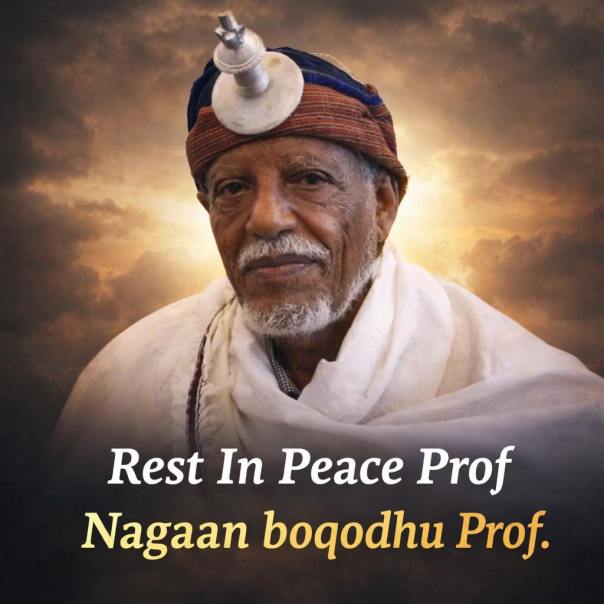

Gadaa Bank Honors Professor Asmarom Legesse’s Legacy

Gadaa Bank Mourns the Loss of a Guiding Intellectual: Professor Asmarom Legesse
(Finfinnee, Oromia – 5 February 2026) The Board of Directors, Management, and Staff of Gadaa Bank have announced their profound sorrow at the passing of Professor Asmarom Legesse, the eminent scholar and preeminent global authority on the Oromo Gadaa system. In an official statement of condolence, the institution extended its deepest sympathies to his family, relatives, and the entire community, wishing them strength and solace.
The bank’s statement carries a unique and symbolic significance. As a financial institution that bears the name “Gadaa,” its tribute to the scholar who dedicated his life to studying, documenting, and elevating this indigenous democratic system represents more than a standard corporate condolence. It is a poignant acknowledgment of the intellectual and cultural foundations that underpin its very identity.
Professor Asmarom Legesse’s pioneering scholarship, particularly his seminal texts “Gada: Three Approaches to the Study of African Society” (1973) and “Oromo Democracy: An Indigenous African Political System” (2000), is credited with transforming global understanding of the Gadaa system. His work meticulously detailed its sophisticated architecture—built on principles of rotational leadership, term limits, checks and balances, and public accountability—revealing it as a self-originating model of African democracy. His efforts were instrumental in UNESCO’s 2016 inscription of the Gadaa system as an Intangible Cultural Heritage of Humanity.
The tribute from Gadaa Bank underscores the professor’s dual legacy: as a towering academic figure and as a cultural pillar whose work provides a source of pride and a framework for modern institutions. While the bank’s core operations are financial, its namesake connects it to a heritage of governance, social order, and communal responsibility—principles that Professor Legesse spent a lifetime elucidating for the world.
In expressing grief, the institution implicitly honors the connection between contemporary enterprise and ancestral wisdom. The statement serves as a powerful reminder of how indigenous knowledge, once brought to light and validated by scholars of Professor Legesse’s caliber, can resonate across all sectors of society, inspiring identity and purpose.
###
About Gadaa Bank:
Gadaa Bank is a private financial institution in Ethiopia, committed to providing inclusive banking services. Its name honors the enduring legacy of the Gadaa system, reflecting values of governance, fairness, and community development.

Borana University Remembers Professor Legesse: Indigenous Knowledge Advocate
Borana University Mourns a Beacon of Indigenous Knowledge: Professor Asmarom Legesse
(Yabelo, Oromia – February 5, 2026) Borana University, an institution deeply embedded in the cultural landscape it studies, today announced its profound sorrow at the passing of Professor Asmarom Legesse, the preeminent anthropologist whose lifelong scholarship fundamentally defined and defended the indigenous democratic traditions of the Oromo people. The University’s tribute honors the scholar not only as an academic giant but as a “goota” (hero) for the Oromo people and for Africa.
In an official statement, the University highlighted Professor Legesse’s “lifelong dedication to understanding the complexities of Ethiopian society—especially the Gadaa system,” crediting him with leaving “an indelible mark on both the academic and cultural landscapes.” This acknowledgment carries special weight from an institution situated in the heart of the Borana community, whose traditions formed the bedrock of the professor’s most celebrated work.
The tribute detailed the pillars of his academic journey: a Harvard education, esteemed faculty positions at Boston University, Northwestern University, and Swarthmore College, and the groundbreaking field research that led to his seminal texts. His 1973 work, “Gada: Three Approaches to the Study of African Society,” was cited as revolutionary for revealing “the innovative solutions indigenous societies developed to tackle the challenges of governance.”
It was his 2000 magnum opus, however, that solidified his legacy as the definitive voice on the subject. In “Oromo Democracy: An Indigenous African Political System,” Professor Legesse meticulously documented a system characterized by eight-year term limits for all leaders, a sophisticated separation of powers, and the Gumi assembly for public review—a structure that presented a centuries-old model of participatory democracy. “His insights challenged prevalent misconceptions about African governance,” the University noted, “showcasing the rich traditions and political innovations of the Oromo community.”
For his unparalleled contributions, he was awarded an honorary Doctor of Letters from Addis Ababa University in 2018.
Perhaps the most powerful element of the University’s statement was its framing of his legacy beyond academia. By “intertwining the mechanics of the Gadaa system with the broader narrative of Oromo history and cosmology,” Professor Legesse was credited with fostering “a profound understanding of Oromo cultural identity.” It is for this work of preservation, interpretation, and transmission that he is declared “a hero—a goota—to the Oromo people and to Africa as a whole.”
Looking forward, Borana University management has called upon its students and faculty to honor his memory through “ongoing research and discourse on indigenous governance systems,” ensuring his foundational work continues to inspire new generations of scholars.
The entire university community extended its deepest condolences to Professor Legesse’s family, friends, and loved ones, mourning the loss of a true champion of Oromo culture and a guiding light in the study of African democracy.
About Borana University:
Located in Yabelo, Borana Zone, Oromia, Borana University is a public university committed to academic excellence, research, and community service, with a focus on promoting and preserving the rich cultural and environmental heritage of the region and beyond.

A Scholar Immortal: Prof. Asmerom Legesse’s Legacy Lives in the Hearts of a Nation
5 February 2026 – Across the globe, from the halls of academia to the living rooms of the diaspora, the Oromo community is united in a chorus of grief and profound gratitude. The passing of Professor Asmerom Legesse at the age of 94 is not merely the loss of a preeminent scholar; it is, as countless tributes attest, the departure of a cherished friend, a fearless intellectual warrior, and an adopted son whose life’s work became the definitive voice for Oromo history and democratic heritage.
The outpouring of personal reflections paints a vivid portrait of a man whose impact was both global and deeply intimate. Olaansaa Waaqumaa recalls a brief conversation seven years ago, where the professor’s conviction was unwavering. “Yes! It is absolutely possible,” he declared when asked if the Gadaa system could serve as a modern administrative framework. “The scholars and new generation must take this mantle, think critically about it, and bridge it with modern governance,” he advised, passing the torch to future generations.
This personal mentorship extended through his work. Scholar Luba Cheru notes how Professor Legesse’s 1973 seminal text, Gada: Three Approaches to the Study of African Society, became an indispensable guide for her own decade-long research on the Irreecha festival. She reflects, “I never met him in person, but his work filled my mind.”
Ituu T. Soorii frames his legacy as an act of courageous resistance against historical erasure. “When the Ethiopian empire tried to erase Oromo existence, Professor Asmarom rose with courage to proclaim the undeniable truth,” they write, adding a poignant vision: “One day, in a free Oromiyaa, his statues will rise—not out of charity, but out of eternal gratitude.” Similarly, Habtamu Tesfaye Gemechu had earlier praised him as the scholar who shattered the conspiracy to obscure Oromo history, “revealing the naked truth of the Oromo to the world.”
Echoing this sentiment, Dejene Bikila calls him a “monumental figure” who served as a “bridge connecting the ancient wisdom of the Oromo people to the modern world.” This notion of the professor as a bridge is powerfully affirmed by Yadesa Bojia, who poses a defining question: “Did you ever meet an anthropologist… whose integrity was so deeply shaped by the culture and heritage he studied that the people he wrote about came to see him as one of their own? That is the story of Professor Asmerom Legesse.”
Formal institutions have also affirmed his unparalleled role. The Oromo Studies Association (OSA), which hosted him as a keynote speaker, stated his work “fundamentally reshaped the global understanding of African democracy.” Advocacy for Oromia and The Oromia Culture and Tourism Bureau hailed him as a “steadfast guardian” of Oromo culture, whose research was vital for UNESCO’s 2016 inscription of the Gadaa system as Intangible Cultural Heritage.
Binimos Shemalis reiterates that his “groundbreaking and foundational work… moved [Oromo studies] beyond colonial-era misrepresentations.” Scholar Tokuma Chala Sarbesa details how his book Oromo Democracy: An Indigenous African Political System proved the Gadaa system was a sophisticated framework of law, power, and public participation, providing a “strong foundation for the Oromo people’s struggle for identity, freedom, and democracy.”
The most recent and significant political tribute came from Shimelis Abdisa, President of the Oromia Regional State, who stated, “The loss of a scholar like Prof. Asmarom Legesse is a great damage to our people. His voice has been a lasting institution among our people.” He affirmed that the professor’s seminal work proved democratic governance originated within the Oromo people long before it was sought from elsewhere.
Amidst the grief, voices like Leencoo Miidhaqsaa Badhaadhaa offer a philosophical perspective, noting the professor lived a full 94 years and achieved greatness in life. “He died a good death,” they write, suggesting the community should honor him not just with sorrow, but by learning from and adopting his teachings.
As Seenaa G-D Jimjimo eloquently summarizes, “His scholarship leaves behind not just a legacy for one community, but a gift to humanity.” While the physical presence of this “real giant,” as Anwar Kelil calls him, is gone, the consensus is clear: the intellectual and moral bridge he built is unshakable. His legacy, as Barii Milkeessaa simply states, ensures that while “the world has lost a great scholar… the Oromo people have lost a great sibling.”
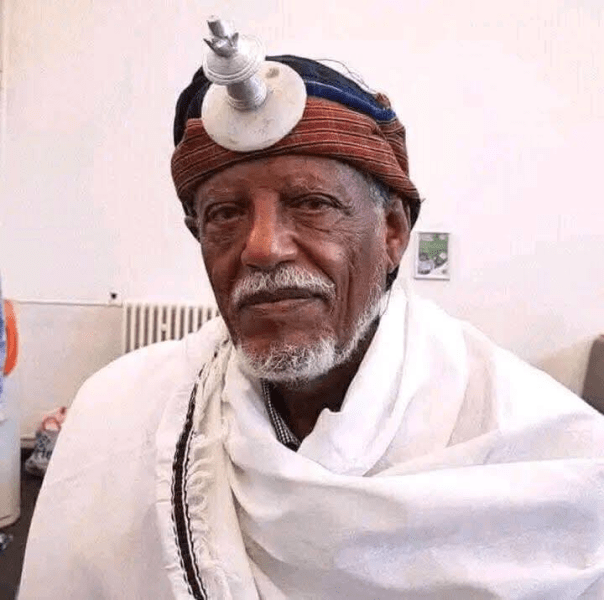
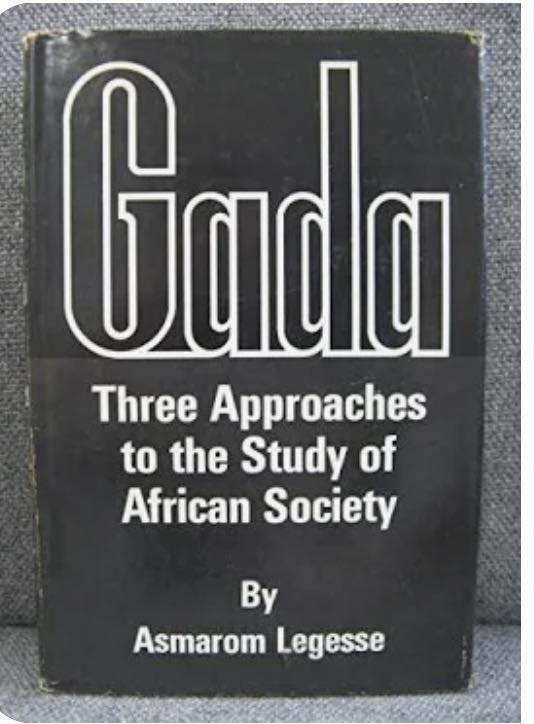
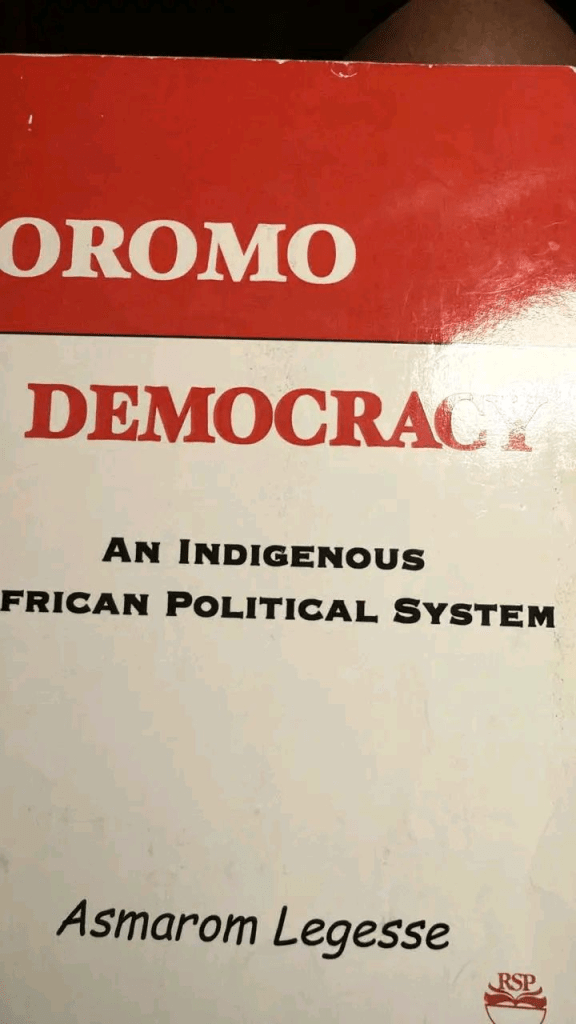

Oromo Liberation Front Honors Professor Asmerom Legesse’s Contributions
Oromo Liberation Front Mourns the Passing of Intellectual Pillar, Professor Asmerom Legesse
Finfinnee, March 4, 2026 – The Oromo Liberation Front (OLF) has issued a formal statement of profound grief, marking the passing of Professor Asmerom Legesse, whom it hailed as a “great historian” and an “intellectual pillar of the Oromo struggle.” In a detailed tribute released today, the OLF emphasized that the death of the 95-year-old scholar, a global authority on the Oromo Gadaa system, represents not just an academic loss but the departure of a “true sibling” to the Oromo people.
Born in Asmara, Eritrea, in 1931, Professor Legesse was celebrated by the OLF for a lifetime of work that went far beyond scholarship. The statement described his research as an “act of cultural reclamation” that systematically documented and presented the Gadaa system to the world, revealing it as a sophisticated African democratic tradition. His work, the OLF noted, provided irrefutable proof that principles such as “equality, rotational leadership, checks and balances, and the supremacy of law” were not foreign imports but deeply embedded practices of the Oromo people.
The OLF’s tribute positioned Professor Legesse’s academic contributions within the broader context of Oromo political identity and resistance. It credited him with restoring dignity to a history that had been “marginalized and distorted” and for providing the intellectual foundation that allowed the Gadaa system to gain global recognition, including its inscription by UNESCO as an Intangible Cultural Heritage of Humanity.
The statement poignantly noted that the scholar, while Eritrean by birth, became “Oromo by choice,” a sentiment that reflected his deep solidarity and lifelong engagement with the Oromo community. His extensive fieldwork, particularly with the Borana Oromo, was highlighted as a bridge that connected ancestral wisdom to contemporary understanding.
“While his voice is now silent, his work and his history will live on for generations,” the OLF statement read, affirming that Professor Legesse’s legacy is an “indelible part of Oromo history” that will continue to guide future generations toward truth and knowledge.
The OLF extended its deepest condolences to his family, relatives, friends, and the entire Oromo nation. It called upon the global Oromo diaspora and communities everywhere to participate, as circumstances allow, in memorial ceremonies honoring the scholar, stating that such acts of remembrance are a fitting way to “demonstrate gratitude for the great service this scholar rendered to our people’s struggle.”
The funeral service for Professor Asmerom Legesse is scheduled for February 7, 2026.
About the Oromo Liberation Front (OLF):
The Oromo Liberation Front is a political organization founded in 1973, advocating for the right to self-determination of the Oromo people. It has been a central institution in the modern Oromo national movement, seeking to address historical and political grievances through the establishment of an independent or autonomously democratic Oromia.

Remembering Professor Asmerom Legesse: A Legacy of Oromo Democracy
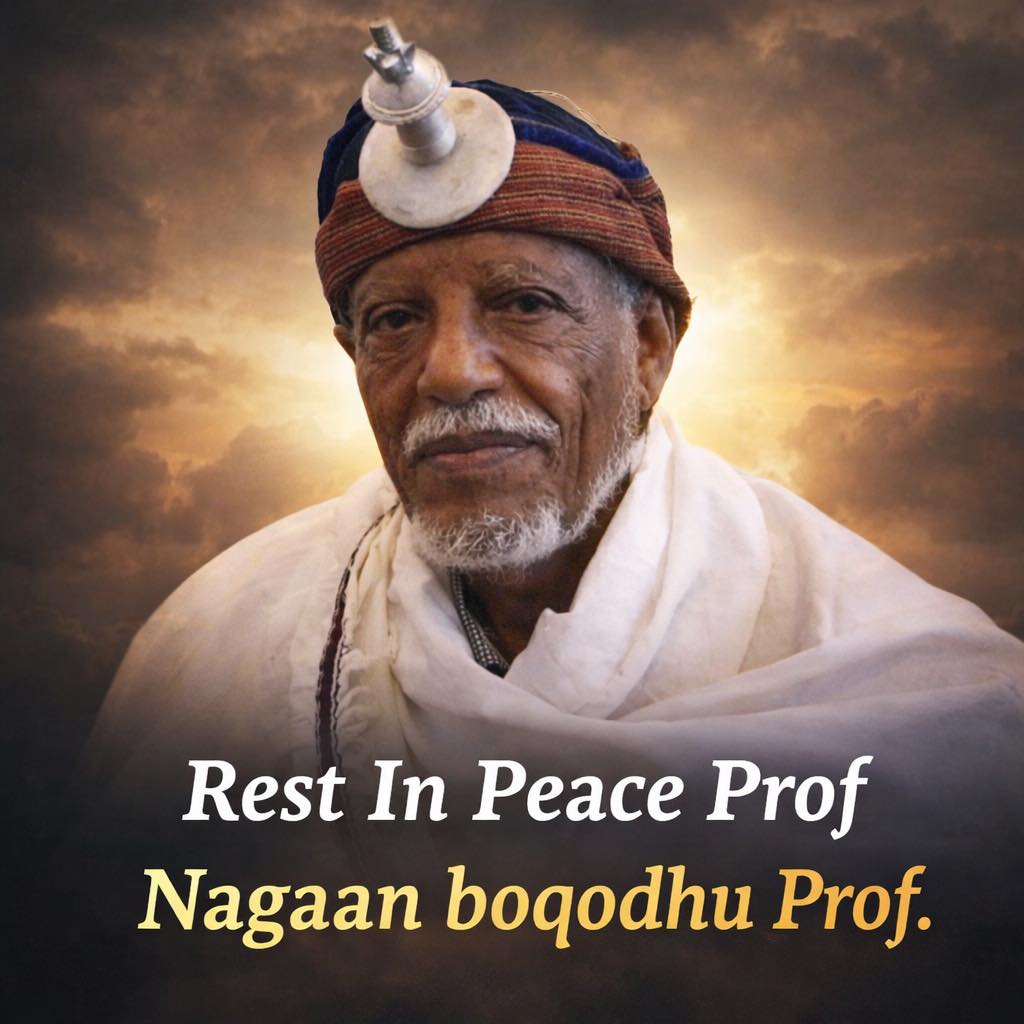
A World Mourns an Intellectual Giant: Tributes Pour In for Professor Asmerom Legesse, Scholar of Oromo Democracy
[Global] – February 2026 – The passing of Professor Asmerom Legesse has triggered a profound wave of mourning across academic, cultural, and political spheres, uniting voices from the Oromo diaspora to global institutions in tribute to the man who single-handedly brought the sophisticated Oromo Gadaa system to the world’s attention. Recognized as the preeminent global authority on the subject, his death at the age of 89 is being hailed as an irreplaceable loss to indigenous knowledge and the study of African democracy.
Condolence statements from major Oromo organizations, scholars, and advocates paint a consistent portrait of Professor Legesse: not merely an academic, but a bridge-builder, a truth-teller, and a steadfast guardian of a cultural heritage long marginalized. His life’s work is credited with fundamentally reshaping global understanding of the Oromo people and providing the intellectual foundation for their cultural and political identity.
Scholars and Intellectuals Honor a Pioneer
Prominent Oromo scholar Prof. Asfaw Beyene remembered him as a “sincere friend of the Oromo people,” whose life was “defined by wisdom, integrity, and an unwavering commitment to revealing truths long ignored by entrenched systems.” This sentiment was echoed by commentator Habtamu Tesfaye Gemechu, who stated Legesse was the scholar who “shattered the conspiracy” of Ethiopian rulers and intellectuals to obscure Oromo history, “revealing the naked truth of the Oromo to the world.”
Jawar Mohammed emphasized the practical depth of Legesse’s scholarship, noting his “decades of dedicated field research” and “deep engagement with Borana-Oromo communities” which helped “bridge the transmission of Gadaa knowledge from our ancestors to the present generation.”
Institutional Tributes Highlight Global Impact
Major Oromo institutions have issued formal statements underscoring the monumental scale of his contribution. The Oromo Studies Association (OSA), which honored him with a Lifetime Achievement Award, stated his “groundbreaking work fundamentally reshaped the global understanding of African democracy,” providing the academic backbone for UNESCO’s 2016 recognition of Gadaa as an Intangible Cultural Heritage of Humanity.
Advocacy for Oromia hailed him as a “preeminent global ambassador” for Gadaa, whose work performed a “vital act of cultural reclamation and global education.” Similarly, The Oromia Culture and Tourism Bureau praised his “indispensable role in safeguarding the philosophical foundations and moral values that define Oromo identity.”
A Legacy of Pride and Empowerment
For the broader Oromo community, his passing is deeply personal. Activist Bilisummaa A. Qubee captured this sentiment, stating, “Prof. Asmarom Legesse has a great legacy of making Oromo identity known at a global level for us! His history lives with the Oromo!” This reflects the prevailing view that his rigorous scholarship—epitomized by definitive texts like Gada: Three Approaches to the Study of African Society and Oromo Democracy: An Indigenous African Political System—did more than analyze; it restored dignity and provided a source of immense pride.
As tributes continue to pour in, the consensus is clear: while Professor Asmerom Legesse’s voice is silent, his foundational work ensures that the Gadaa system—a complex indigenous framework of democracy, justice, and social order—will remain a lasting part of humanity’s intellectual heritage, inspiring generations to come.
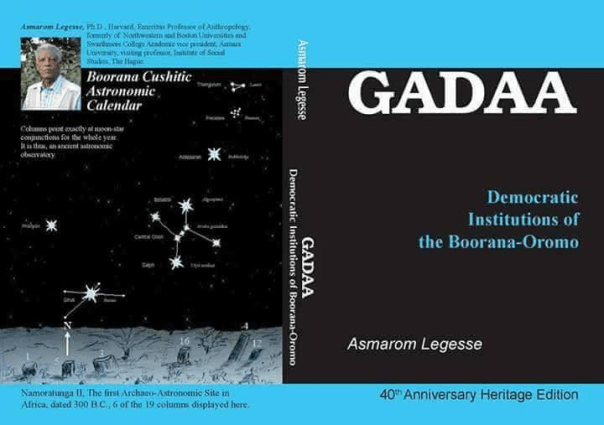

Oromo Studies Association Celebrates Legesse’s Legacy

Oromo Studies Association Mourns Professor Asmerom Legesse, Scholar Who Defined Indigenous African Democracy
(Washington, D.C.) – February 4, 2026 – The Oromo Studies Association (OSA) today announced the passing of Professor Asmerom Legesse, a preeminent anthropologist whose groundbreaking work fundamentally reshaped the global understanding of African democracy and brought the Oromo Gadaa system to international prominence. Professor Legesse, a fearless intellectual and pioneering scholar, passed away on Saturday, January 31, 2026, at the age of 94.
In an official statement, Dr. Ibrahim Amae Elemo, President of the OSA, hailed Professor Legesse as the scholar who “profoundly altered global understanding of African social and political thought.” His work, the statement said, was instrumental in moving Oromo studies beyond colonial-era misrepresentations to establish a “rigorous, respectful, and sophisticated academic framework.”
Professor Legesse’s 1973 foundational text, Gada: Three Approaches to the Study of African Society, was cited as the authoritative examination that redefined the field. He revolutionized academic perception by framing the Gadaa system not as a simple “age-grade system,” but as a complex “generation-class democracy” complete with its own constitution, balanced governance, cyclical power transfer, and mechanisms for social equity.
“His work revealed that the Gada system boasts its own constitution, balanced governance, and a cyclical transfer of political authority,” the OSA statement read, noting its significance in “global discussions about governance and democracy.” His later works, including the seminal Oromo Democracy: An Indigenous African Political System, further championed Gadaa as a sophisticated political model relevant to modern issues of environmental protection, conflict resolution, and peace-building.
The Association emphasized that Professor Legesse’s research, based on extensive fieldwork with the Borana Oromo, provided a powerful counter-narrative to colonial and derogatory scholarship. He systematically debunked the misconception that African societies lacked complex political thought, refuting labels of ‘tribal’ or ‘primitive’ and instead framing institutions like Gadaa as “unique sophisticated socio-political achievements comparable to classical republics.”
His scholarship was cited as being directly instrumental in providing the academic foundation for UNESCO’s 2016 inscription of the Gadaa System as an Intangible Cultural Heritage of Humanity.
An active member of the Oromo Studies Association since the 1980s, Professor Legesse was honored with the OSA’s Lifetime Achievement Award in 2007. He delivered keynote addresses at its conferences in Washington, D.C. in 2017 and in Finfinne, Oromia, in 2019.
“Professor Asmarom Legesse, an intellectual giant, has passed away, but his remarkable work will continue to enrich the world of knowledge,” the statement concluded, extending heartfelt condolences to his family and loved ones.
About the Oromo Studies Association (OSA):
The Oromo Studies Association is a scholarly organization dedicated to the advancement of research, education, and understanding of Oromo history, culture, and society. It serves as a premier forum for academics, researchers, and professionals engaged in Oromo studies worldwide.
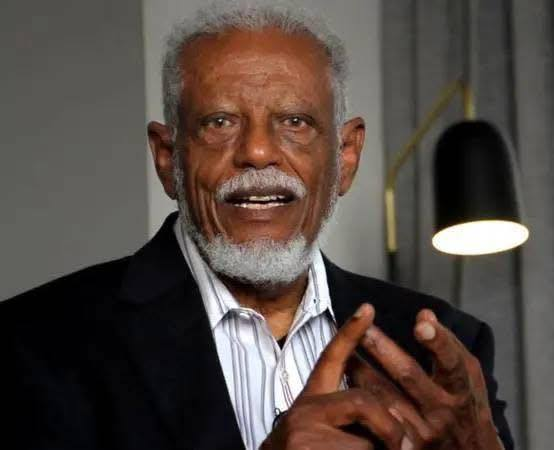

Advocacy for Oromia Mourns Professor Asmerom Legesse’s Passing

FOR IMMEDIATE RELEASE
Global Oromo Advocacy Group Mourns Scholar Who Championed Indigenous African Democracy
(Melbourne, Australia) – February 5, 2026 – The global advocacy network, Advocacy for Oromia, has announced the passing of Professor Asmerom Legesse, a towering intellectual figure whose work fundamentally reshaped global understanding of the Oromo people and their democratic heritage. Professor Legesse, hailed as a “steadfast guardian” of Oromo culture, died at the age of 89.
In a statement released from its Melbourne headquarters, the organization paid tribute to the scholar’s more than four decades of work dedicated to the Gadaa system, describing it as the “sophisticated democratic and socio-political foundation of Oromo society.” The statement emphasized that Professor Legesse was far more than an academic; he was a “preeminent global ambassador” for an indigenous African system of governance, justice, and social order.
His seminal text, Oromo Democracy: An Indigenous African Political System, was highlighted as a cornerstone of his legacy. Advocacy for Oromia stated that his scholarship performed a “vital act of cultural reclamation and global education,” which restored dignity to a marginalized history and presented the world with a self-originating model of democracy that predated Western constructs.
The condolence message also revealed a poignant historical connection. During a recent visit to Asmara, Eritrea—Professor Legesse’s birthplace—a delegation learned that his family home stood adjacent to the church where Abbaa Gammachis and Aster Ganno, 19th-century icons of faith and linguistic preservation, translated the Bible into the Oromo language. The group framed this “physical proximity” as a powerful metaphor, linking the spiritual resilience of those earlier figures with Professor Legesse’s intellectual fortitude in defending Oromo identity.
Born in Asmara in 1937, Professor Legesse’s academic journey took him from political science at the University of Wisconsin to a doctorate in anthropology from Harvard University, where he later taught. Advocacy for Oromia noted that his rigorous research provided the foundational academic framework for understanding indigenous African political philosophy.
The organization extended its heartfelt condolences to his family, academic colleagues, and the Oromo people worldwide. While mourning the loss, the statement concluded with a commitment to celebrate his “immortal legacy,” asserting that his work will continue to “illuminate the path toward understanding, justice, and self-determination.”
About Advocacy for Oromia:
Advocacy for Oromia is a global network dedicated to promoting awareness, justice, and the rights of the Oromo people. It focuses on upholding principles of democracy, human rights, and cultural preservation central to Oromo identity.

Oromia Culture Bureau Honors Professor Legesse’s Impact
FOR IMMEDIATE RELEASE
Oromia Culture and Tourism Bureau Mourns the Passing of Professor Asmerom Legesse, Pillar of Gadaa Scholarship
(Oromia, Ethiopia) – The Oromia Culture and Tourism Bureau has announced its profound sorrow at the passing of Professor Asmerom Legesse, revered globally as a preeminent scholar, cultural custodian, and an unwavering servant of the Gadaa system.
In an official condolence message, the Bureau described Professor Legesse as an irreplaceable figure who dedicated his life to the preservation, interpretation, and transmission of the Gadaa system. He was hailed for playing an “indispensable role in safeguarding the philosophical foundations and moral values that define Oromo identity and humanity at large.”
Professor Legesse’s work transcended academic study. The Bureau emphasized that his scholarship acted as a vital bridge, “linking ancestral wisdom with contemporary knowledge,” and ensuring the Gadaa system remains a guiding framework for social harmony, equity, and collective responsibility in the modern world.
Beyond his scholarly contributions, Professor Legesse was recognized as a moral compass for his community. The Bureau’s statement noted that he “embodied the principles of truth, justice, service, and integrity,” tirelessly working to nurture unity, dialogue, and cultural continuity. His legacy, they affirmed, has left an “enduring imprint on cultural institutions, academic circles, and community life, both within Oromiyaa and beyond.”
The Oromia Culture and Tourism Bureau extended its deepest condolences to Professor Legesse’s family, relatives, colleagues, students, and the entire Oromo community mourning this immense loss. The statement concluded with a message of resilience, asserting that while his physical presence is gone, “his wisdom, teachings, and exemplary life will continue to live on, inspiring generations to uphold the values of Gada and to serve society with dedication and humility.”
About the Oromia Culture and Tourism Bureau:
The Oromia Culture and Tourism Bureau is the regional government body responsible for the preservation, promotion, and development of Oromia’s rich cultural heritage and tourism potential. It works to safeguard intangible cultural systems like Gadaa, which is recognized as a UNESCO Intangible Cultural Heritage of Humanity.
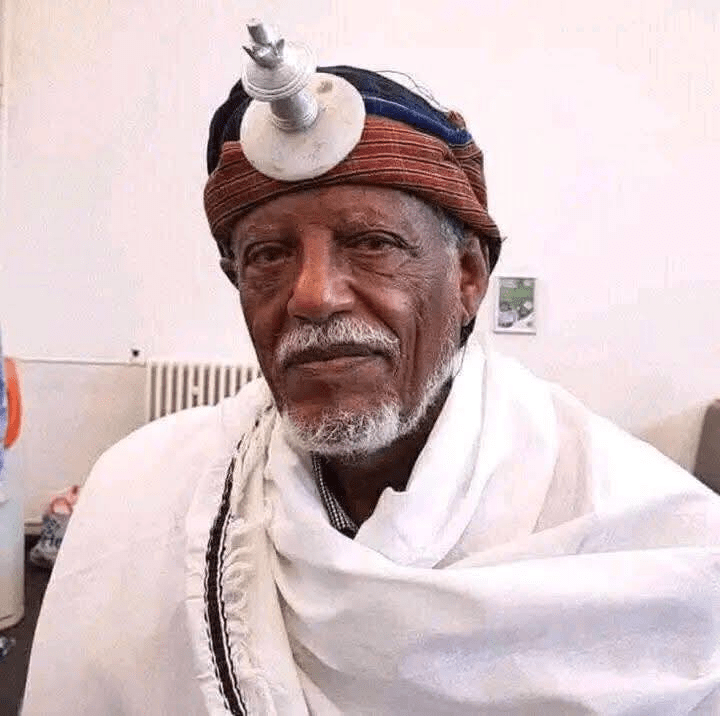

In Grief and Defiance: Remembering Obbo Buunkarii Badhaasoo Muunessaa, Victim of a 2026 State Execution
FOR IMMEDIATE RELEASE
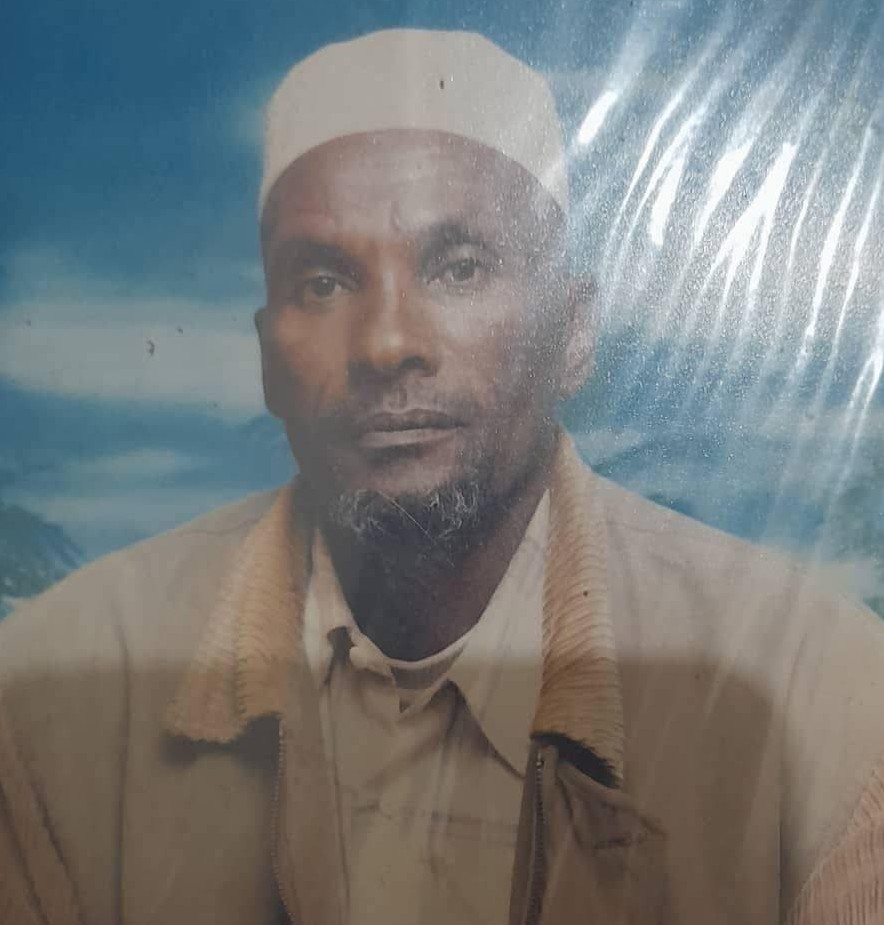
In Grief and Defiance: Remembering Obbo Buunkarii Badhaasoo Muunessaa, Victim of a 2026 State Execution
(Date: February 3, 2026) – With a heart shattered by a grief that time has not healed, we share the devastating news of the political assassination of our father, Obbo Buunkarii Badhaasoo Muunessaa. On Monday, February 3, 2026, he was executed by the state, a victim of the brutal and relentless campaign of terror waged against the Oromo people for daring to dream of freedom and self-determination.
He was not killed in battle. He was not a casualty of war. He was a son of Oromia, arrested, detained, and then executed in cold blood. The official pretext was as flimsy as it was cruel: accused of being a “Shane,” a label weaponized to justify the extermination of Oromo political consciousness. When the mighty fear the words of the just, they reach for the gun. Our father, a man of peace, was murdered for a thought, for a hope, for his identity.
This is not an obituary from 2026; it is a scream of anguish that echoes into 2026. It is a testament to the open wound that will not close, the justice that has been relentlessly denied, and the truth that refuses to be silenced. We release this statement today because the calendar may change, but the tyranny continues. The system that murdered him then persists now, and our mourning is inextricably linked to our ongoing resistance.
Obbo Buunkarii was more than a name on a casualty list. He was Abbaa Keenya—our father. He was a pillar of his family, a member of his community, and a man whose life was stolen to instill fear. His execution was a message to all Oromos: dissent is death, aspiration is a crime, and your lives are forfeit to the preservation of a repressive order.
We, his broken family, extend our deepest, most sorrowful condolences to every Oromo family that has borne this same unimaginable pain. Our private grief is a public testament. We mourn with the Hirmii Tufaas, the dheedaa cinaachii (the extended family), and every clan and community that has lost a son, a daughter, a father, or a mother to this machinery of death. Your loss is our loss. Our shared tears water the roots of our collective struggle.
To the world, we say: See this. See the Oromo people not as a statistic of conflict, but as a nation mourning in perpetuity. See the specific, individual lives—like that of our father, Buunkarii—extinguished for believing in the “Mootummaa Oromoo,” the governance and dignity of his own people.
We have no power to bring him back. We have no court to grant us justice. All we have is our voice and the unshakable conviction that Rabbi argi—God is watching. The cries of the Oromo people, scattered like leaves in a storm, are heard by a higher power. The blood spilled on the land of Oromia bears witness.
We say to you, Father: Nagaan Boqodhu. Rest in Peace. Your sacrifice is seared into our memory, and your dream is the fire that fuels our resolve. We will mourn you today, tomorrow, and every day until the day of accountability dawns.
The struggle for justice for Buunkarii Badhaasoo Muunessaa, and for all Oromo martyrs, continues.




 Advocacy for Oromia