Category Archives: News

Community Healing: The Naqamtee Reconciliation Council’s Impact

NEWS FEATURE
Peacemakers of Naqamtee: How a Community-Based Reconciliation Council is Healing Families
NAQAMTEE, OROMIA — In this bustling city, a quiet revolution is taking place inside homes, not on the streets. It’s led not by politicians, but by elders and respected community figures who have come together to form a local reconciliation council, or gaa’ila. Their mission: to mend the fractures within families before they reach the courthouse, and to restore peace one household at a time.
The council’s impact is tangible. To date, its members have successfully mediated and reconciled over 300 families teetering on the brink of permanent separation. But their work doesn’t end with a handshake. “It’s not just about reconciliation,” explains Luba Haayilu, a founding member. “We also follow up by visiting their homes to see how the healing is progressing, and we counsel and educate them about the principles of gaa’ila itself. The benefit is immense.”
From Courtrooms to Living Rooms
The traditional path for marital or family disputes in Ethiopia often leads to a costly, adversarial, and public court battle. The Gaa’ila council of Naqamtee offers an alternative rooted in Oromo customary law (Aadaa Seera). They describe a common scenario: a husband and wife separate, divide their property through the court, and go their separate ways, often leaving deep wounds.
“Afterwards,” says Luba Haayilu, “they come to us separately, gain understanding, seek each other out, and are reconciled. They are now living together anew, with love.”
A Personal Mission Born from Observation
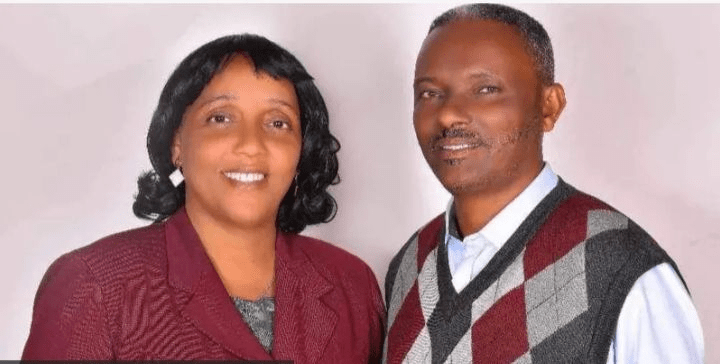
For Luba Haayilu and his wife, Aadde Yashii Abbabaa, this mission is personal. They founded their council 25 years ago. The catalyst was the pain they witnessed around them. “We didn’t start this work while sitting idle,” Luba recalls. “It was because of what we saw happening on the streets.”
He shares a poignant story that compelled them to act: “A young man would marry a girl and they would have a child. However, while they loved each other, her family would intervene and separate them. ‘No, this boy is not the right man for you,’ they would say, and they would take their daughter back after she had borne his child. The young man would be left utterly heartbroken.”
Seeing this cycle of unnecessary familial destruction, Luba and Yashii decided to intervene. “We want everyone to have a stable family (gaa’ila tasgabbaa’aa),” Luba explains. “So we asked ourselves, ‘Why are we just sitting here while families are breaking apart?’ and we began this work of mercy.”
The Methodology: Listening and Facilitating Dialogue
The council’s power lies in its process. The two key principles, Luba states, are equal listening and openly identifying the root cause of the conflict. “We listen to both sides equally and we bring the source of the problem out into the open to discuss it frankly,” he says.
A primary technique is facilitating direct communication. Council members visit the family home and mediate a conversation between the spouses about their union. “We talk with them about their marriage together, and that’s how we reconcile them,” Luba notes.
Fruits of Reconciliation: A Legacy of Peace
The rewards of this decades-long work are measured in human futures restored. Luba beams with pride when speaking of the families they’ve helped. “Today, that family has had many more children. Their children have grown into adults. One of their children is now studying for a second degree. I am very happy,” he says, reflecting on one of their early successes.
The Gaa’ila council of Naqamtee stands as a powerful testament to community-driven justice. It operates on the belief that the best resolution is not a legal verdict that divides property, but a healed relationship that preserves a family. In a world of complex legal systems, they offer a simple, profound alternative: deep listening, honest dialogue, and the patient rebuilding of trust. Their 300 reconciled families are a living archive of their success, and a model for communities everywhere.

The Untold Story of Qeerransoo: Courage from the Oromo Resistance

News Feature: Portraits from a Generation of Sacrifice — The Untold Legacy of Qeerransoo
A black-and-white photograph, weathered by time yet sharp in its clarity, has resurfaced across Oromo social media and community forums. Captioned as a moment from 1980 in the Western Front (Dirree Dhihaa), it shows a group of young fighters known as Qeerransoo — “the fearless” or “the brave ones.”
These were not just any fighters. They were the children — some barely in their teens — who grew up within the folds of the Oromo Liberation Front (OLF), raised by the struggle itself. The poignant caption that accompanies the image tells a profound story: “These children were raised by the OLF and made to carry the Oromo liberation struggle — from basic membership to leadership.”
From Cadets to Commanders: A Generation Forged by Struggle
The image is more than a historical artifact; it is a testament to a generation that knew no life outside the quest for freedom. They were the Agartuu Ummata Oromoo — the “hope of the Oromo people.” In the absence of conventional childhoods, their schools were the forests and their curriculum was resistance.
As the caption powerfully notes, “The OLF is the foundation of Oromo peace.” This statement frames the sacrifice of the Qeerransoo not merely as a martial endeavor, but as the painful, necessary groundwork for a future peace — a peace they were often too young to remember but were tasked to secure.
A Living Legacy and a Call to Memory
The accompanying message is a direct, urgent appeal: “If you are in this picture and are alive, share this history with us in an orderly way. Pass it on through your own means.”
This call highlights a critical gap in the recorded history of the Oromo struggle. While the political narratives and major battles are documented, the personal, human stories of those who lived their entire youth inside the movement are at risk of being lost. The Qeerransoo represent a unique demographic: survivors of a conflict that was their only home, now living with memories that are both a personal burden and a national inheritance.
Why This Photo Matters Now
The resurgence of this image comes at a pivotal moment. As debates about the OLF’s legacy, its factions, and the path forward for Oromo nationalism continue, this photograph grounds the discussion in human cost and generational sacrifice. It asks uncomfortable questions:
- What happened to these children of the revolution?
- How does a society recognize and reintegrate those whose entire upbringing was militarized for a cause?
- Where do their stories fit into the official history of the struggle?
The photo of the Qeerransoo is a silent but powerful rebuttal to any simplified history. It reminds viewers that the OLF was not just a political or military structure; for many, it was a family, a home, and a fate. Their faces, frozen in a moment from 1980, are a bridge between a past of immense sacrifice and a present still grappling with its meaning.
Epilogue: Seeking the Faces
The search is now on, led by historians, veterans, and a curious younger generation. The plea is clear: if you recognize yourself or a loved one in this frame, your story is not just your own. It is a vital chapter in the story of the Oromo people’s long walk toward dignity and self-determination. The request is for more than just identification — it is for testimony, for context, and for the preservation of a legacy written in the youthful faces of the fearless.

The Legacy of Ilfinash Qannoo: Music and Resilience
FEATURE NEWS
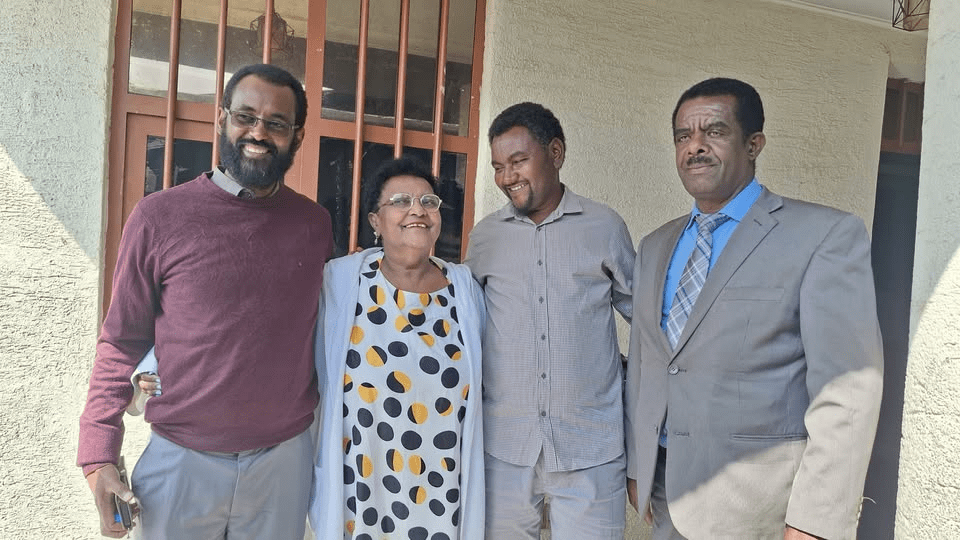
In Memory and Celebration: Ilfinash Qannoo — A Mother, an Icon, a Struggle’s Melody
Finfinnee, Oromia — In homes, on stages, and in the quiet moments of remembrance, a name is being spoken with a blend of reverence, love, and profound loss: Ilfinash Qannoo. More than an artist, she was a Kabajamtuu (honored one), a Haadha (mother), and a Qabsooftuu (one who struggles). Her life and voice became intertwined with the identity and aspirations of a people, making her passing not just the loss of a person, but the silencing of a powerful symbol of resilience and love.
Ilfinash Qannoo’s artistry transcended mere performance. Her songs, often imbued with the deep cultural motifs and the subtle yearnings of the Oromo people, served as a soundtrack to both everyday life and collective struggle. She did not simply sing songs; she gave voice to a history, to joys, to sorrows, and to an enduring hope. In this, she became a “mallattoo cichoominaati” — a symbol of identity. Her music was a vessel carrying the language, the pain, and the beauty of her community, affirming its existence and its right to be heard.
Yet, perhaps the most universally resonant title bestowed upon her is “Haadha Jaalalaa” — a Mother of Love. This speaks to the nurturing quality of her presence, both personal and public. For her biological family, she was the center of love and care. For her wider community, she offered a maternal embrace through her art, providing comfort, strength, and a sense of belonging. She mothered a cultural spirit, tending to it with her voice and her unwavering presence.
The brief, poignant tribute now circulating—”Umrii nuuf haa dheerattu”—carries a world of meaning. “May she live long for us” is not merely a wish, but a declaration. It acknowledges that while her physical journey has ended, the essence of Ilfinash Qannoo—her music, her symbolism, her love—is a permanent inheritance. Her life will continue to resonate, to inspire, and to fortify those who hold her memory.
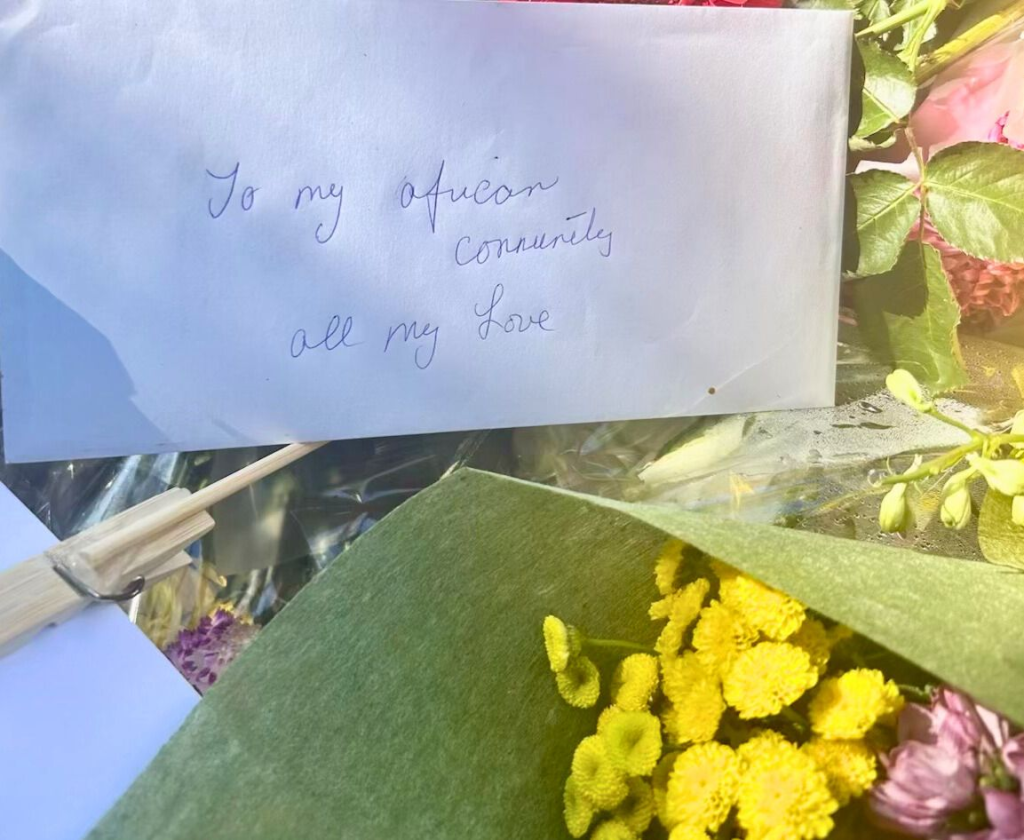
Her legacy exists at a powerful intersection: the intimate space of family mourning a beloved matriarch, and the public sphere honoring an artist who channeled a people’s soul. As flowers are laid and her songs are played anew, the community is not just saying goodbye. They are affirming that the struggle she gave voice to continues, the identity she symbolized remains unbroken, and the love she embodied is eternal.
Ilfinash Qannoo: Haadha, Qabsooftuu, Artistii. Her melody is now a memory, but its rhythm beats on in the heart of a people.
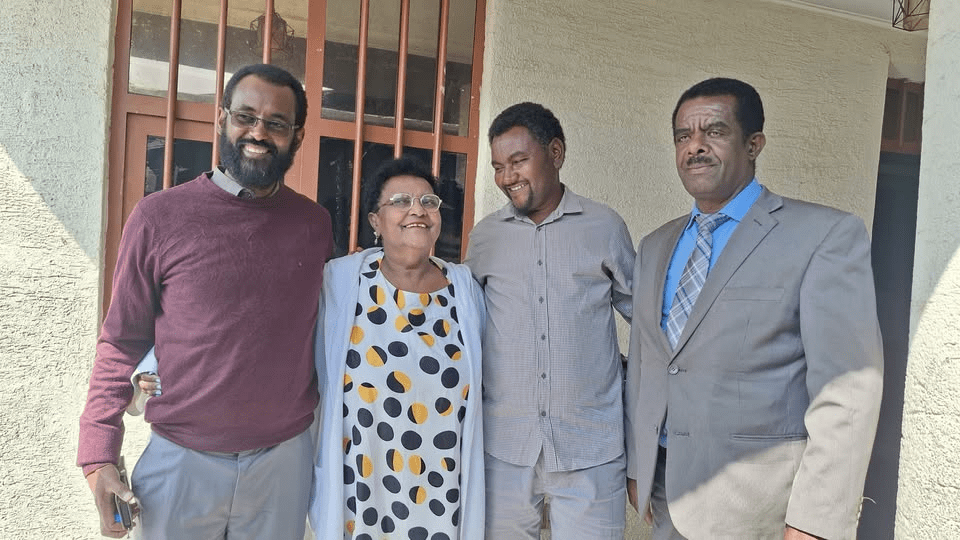

Community Mourns Loss of Melbourne Teenager, Calls for Action to Prevent Further Tragedies

Melbourne, VIC – The Ethnic Communities’ Council of Victoria (ECCV) has extended its deepest sympathies to the family and friends of 16-year-old Ater Good, who was killed near his home on a Fitzroy street in the early hours of Saturday morning.
The tragic death has sent waves of grief through the local community, particularly impacting Victoria’s South Sudanese community, who are mourning yet another young life lost.
“We are deeply aware of the impact this tragic event has had on Victoria’s wider South Sudanese community,” an ECCV spokesperson said. “Too many young lives have already been lost over the past year, and community leaders are right to ask why.”
Ater has been described by his family as a deeply loved and cherished son and friend. Victoria Police are investigating the circumstances surrounding his death.
In a statement, the ECCV expressed solidarity with South Sudanese families and community members who are rallying to support one another during this painful time. The council also acknowledged the community’s urgent calls for answers and concrete measures to improve safety.
“ECCV stands with South Sudanese families and communities who are supporting one another at this time,” the spokesperson added. “We also acknowledge their urgent calls for safety, answers, and practical action, so that no more families have to experience such loss.”
The loss of Ater Good has amplified concerns about youth safety and community violence, with many urging greater support for young people and stronger intervention strategies to prevent future tragedies.
Funeral arrangements and community-led vigils are being organized, as friends, family, and community leaders come together to mourn and seek a way forward.

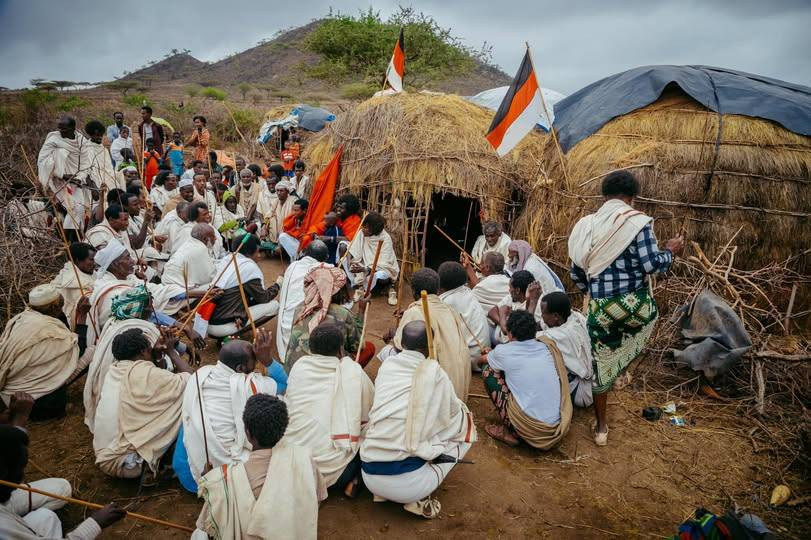
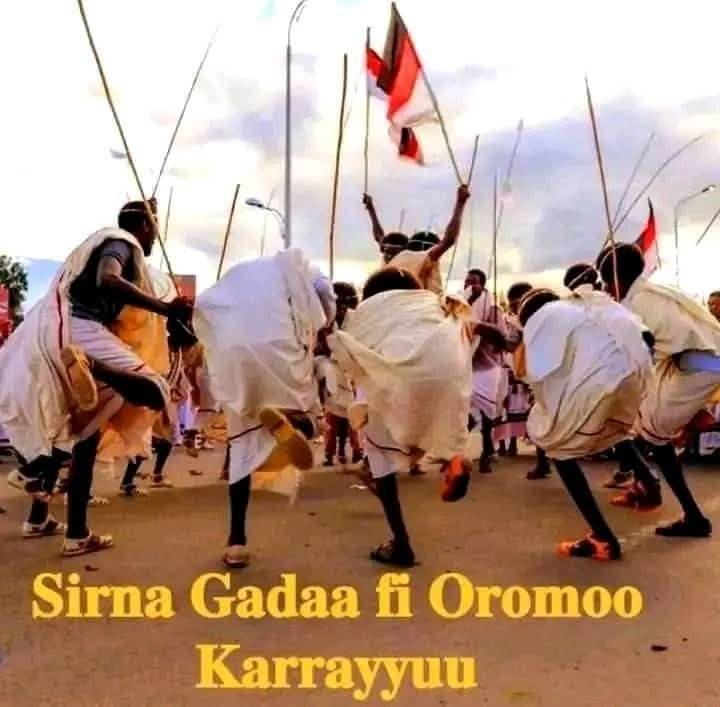
Understanding the Karrayyu’s Role in Buttaa Qaluu
FEATURE COMMENTARY
Buttaa Qaluu: The Gadaa Ceremony of Consecration and the Sacred Bond of Karrayyu Stewardship
In the heart of Oromia, among the intricate pillars of Gadaa governance and ritual, there exists a sacred ceremony known as Buttaa Qaluu. Often referred to poetically as “Irreecha goobaa kennuu” — the giving of the festival of Irreecha — this ritual transcends mere celebration. It is a profound act of spiritual and political consecration, a moment when cyclical authority is solemnized, and the land itself is entrusted to its guardians.
The ceremony is anchored in a specific and revered geography: the plains of Tarree Reeddii, within the territory of the Warra Baasoo in the Ardaa Jilaa district. This is not a random location. Tarree Reeddii is more than land; it is a historical and ritual fulcrum, a site where the cosmic order reflected in the Gadaa system touches the earth.
The text reveals a crucial dimension of this ritual: “Tarree Reeddii ardaa jilaa Karrayyuun itti baallii waliif dabarsee kennuu dha.”
(It is at Tarree Reeddii in Ardaa Jilaa that the Karrayyu mutually confer and bestow the Baallii [authority/term of power].)
This single line unravels deep layers of meaning:
- The Karrayyu as Custodians of the Ritual: The ceremony is intrinsically tied to the Karrayyu clan, a major Oromo lineage known as stalwart guardians of Gadaa traditions. Their role here is not passive; they are the active conduits and mediators of power. The act of “mutually conferring” the Baallii suggests a collective, deliberative process rooted in consensus, a core democratic principle of Gadaa.
- Baallii: More Than Just Power: The Baallii is the Gadaa grade of leadership, an eight-year term of political, military, and ritual authority. Its conferral is the climax of the Buttaa Qaluu. The use of “kennuu” (to bestow/give) frames this not as a seizure of power, but as a sacred offering and a heavy responsibility being passed from the outgoing Gadaa class to the incoming one, under the auspices of the Karrayyu and witnessed by the community and the divine (Waaqa).
- Irreecha Goobaa Kennuu – A Metaphor of Renewal: Linking this ceremony to Irreecha (the Oromo thanksgiving festival) is deeply symbolic. Irreecha celebrates the end of the dark rainy season and the blossoming of spring; it is a festival of gratitude, cleansing, and renewal. To call Buttaa Qaluu the “giving of Irreecha” implies it is the source of that renewal, the ritual moment that ensures the cyclical rebirth of the natural and social order. The new leadership (Baallii) is thus bestowed as a gift to the people, meant to usher in a season of peace, fertility, and justice.
The Larger Significance
The Buttaa Qaluu at Tarree Reeddii is therefore a linchpin in the Gadaa universe. It is:
- A Transfer of Mandate: The peaceful, ritualized transfer of supreme authority.
- A Covenant with the Land: The ceremony ties the new leaders’ legitimacy to a specific, sacred geography, grounding their rule in the soil and history of their people.
- A Clan’s Sacred Duty: It highlights the essential, non-competitive role of specific clans like the Karrayyu as upholders of the system’s integrity.
- A Living Democracy: It demonstrates Gadaa as a living system where power is not taken but received, not owned but held in trust, and always linked to the well-being of the community and the environment.
In an era where political transitions are often marked by conflict, the image of the Karrayyu at Tarree Reeddii, overseeing the mutual and solemn bestowal of the Baallii, stands as a powerful testament to an indigenous African model of democratic renewal, sacred stewardship, and enduring peace.
This ceremony reminds us that true authority is a gift given by the people, through tradition, for the renewal of all life.

Reviving Oromo Identity: Sikkoo Mandoo Gadaa Assembly 2026
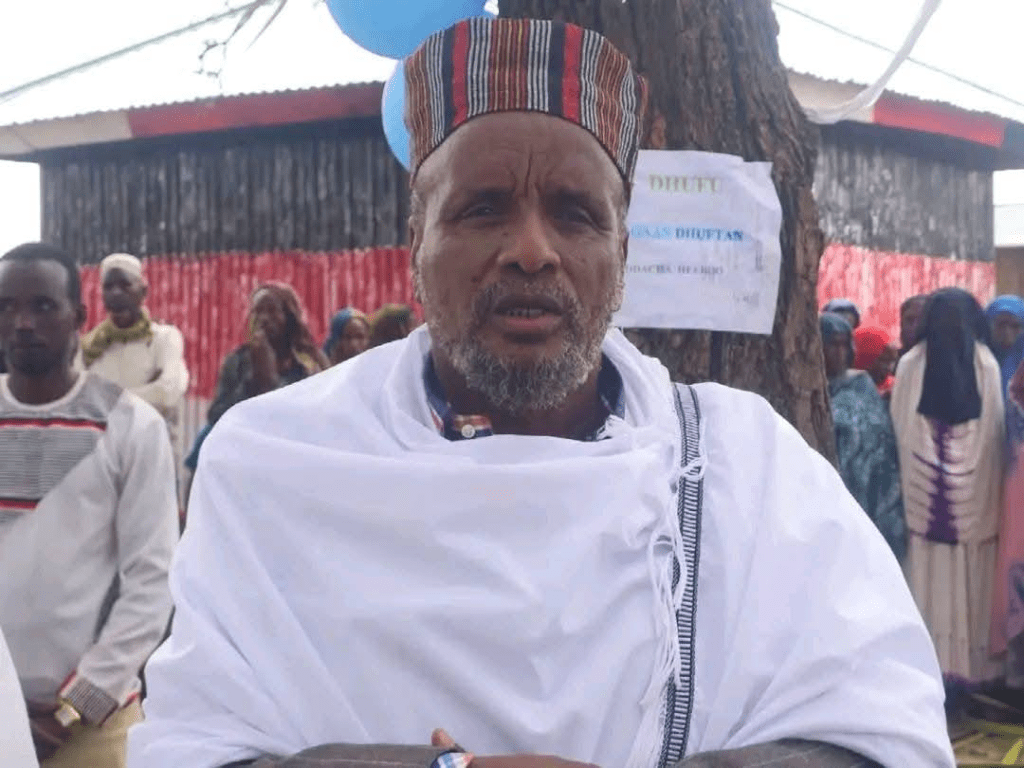
A Call to Heritage: The Sikkoo Mandoo Gadaa Assembly Convenes in Baalee Bahaa
LAGA HIDHAA DHAADDACHOO, OROMIA, ETHIOPIA – In a significant cultural and political event, the Sikkoo Mandoo Gadaa generation is set to hold its major assembly, the Ya’a Dhaddacha Guutaa (Grand Assembly of the Dhaddacha), from April 9th to 11th, 2026. The gathering will take place on the historic lands of the Dhaddacha Heeroo in Laga Hidhaa Dhaddacha, Baalee Bahaa Zone, marking a powerful moment of revival and continuity for the Oromo people’s indigenous governance system.
The assembly follows a pivotal decision made during a previous meeting, where twenty Dhaddachas (Gadaa class leaders or representatives) of the Sikkoo Mandoo generation resolved to formally return to their positions. The 21st Dhaddacha is located in Hosaana.
This convocation is more than a ceremonial gathering; it is a deliberate act of cultural reclamation. “The Oromo people are in a critical and necessary time to reclaim their identity under the Gadaa System from the places where it was taken from them in the past,” the announcement states. The event is positioned as distinct and vital, especially during a period of political transition in Ethiopia, where the Oromo are placing great emphasis on recovering their historical identity and autonomous systems.
A Gathering of National Significance
The Baalee Bahaa Zone Administration Communications Office, which released the call, emphasized the national importance of the event. “This assembly belongs to all Oromos,” the announcement declares, extending a special invitation to the children of Arsii, particularly the Ilmaan Arsii Sikkoo Mandoo, the specific lineage of this Gadaa generation.
The message is a communal summons: “We share this call together so that we may restore our system in its rightful place.” The statement underscores a collective responsibility to witness and participate in this act of restoration, urging Oromos from near and far to attend. Reports indicate that participants are already beginning their journeys from distant areas to converge on the historic site.
Context: The Gadaa System in Modern Ethiopia
The Gadaa system is a millennia-old, complex socio-political system of the Oromo people, based on democratic principles, generational classes, and cyclic leadership. It was historically suppressed by successive Ethiopian states. Its contemporary revival is deeply intertwined with the Oromo political awakening and struggle for self-determination over the past decades.
The convening of such a formal, large-scale Gadaa assembly in 2026 occurred against a backdrop of major political change in Ethiopia. It reflected a grassroots-driven movement to assert cultural sovereignty and provide a framework for governance and social organization rooted in Oromo tradition, parallel to the modern state structures.
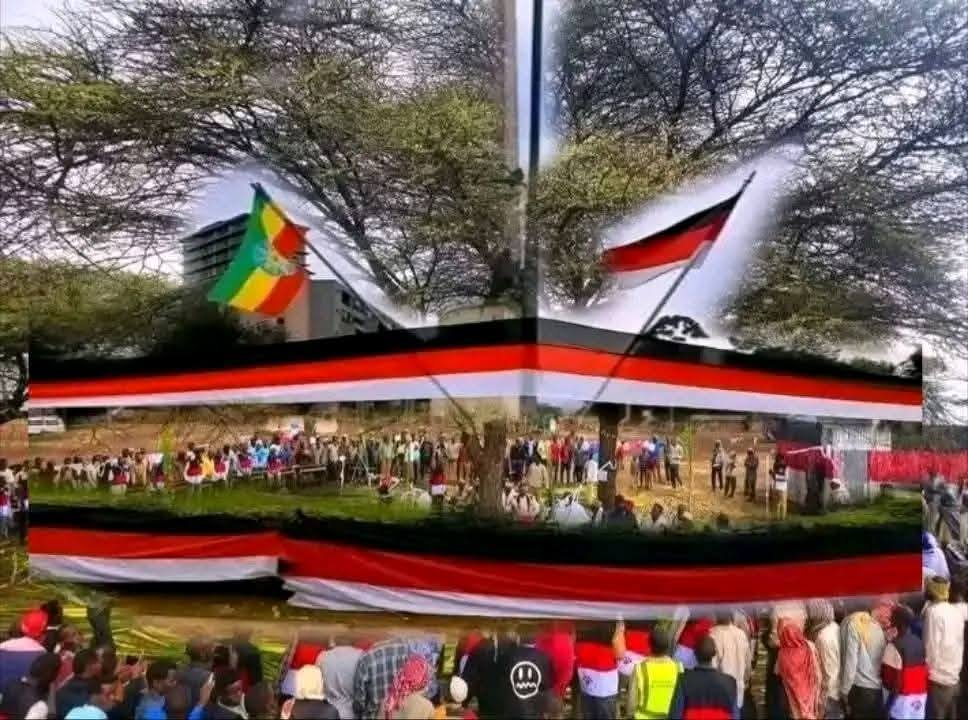
The Site: Dhaddacha Heeroo
The choice of location is deeply symbolic. Dhaddacha Heeroo is not a random field but a site laden with historical memory for the Arsii Oromo and the Sikkoo Mandoo generation. Holding the assembly there represents a physical and spiritual return to a source of authority and law, anchoring the future of the Gadaa system in the sacred geography of the past.
As final preparations are completed, the Ya’a Dhaddacha Guutaa stands as a testament to the resilience of the Gadaa system. It is a vivid demonstration of a people actively piecing together the fragments of their heritage, not as a museum exhibit, but as a living, breathing framework for identity and governance in the 21st century.
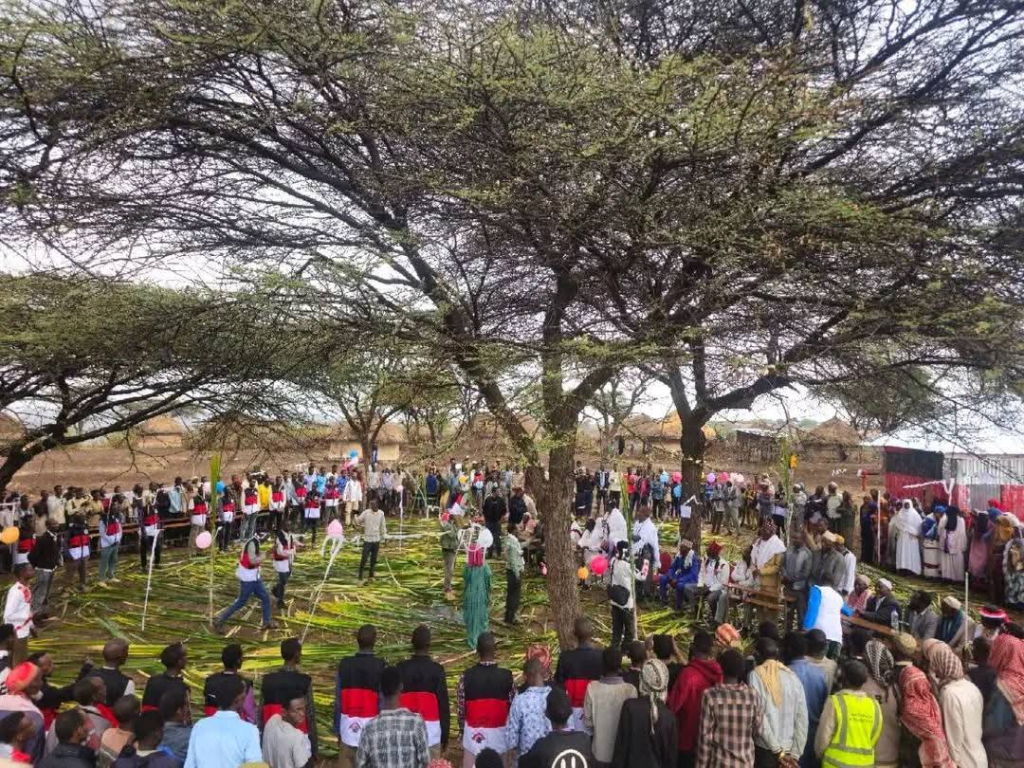
240 Australian Groups Unite Against Antisemitism: A Strong Solidarity Statement

A Unified Front Against Hate: 240 Australian Civil Society Groups Declare Solidarity with Jewish Community
SYDNEY, NSW – In a powerful and unprecedented display of national unity, a coalition of 240 Australian civil society organisations has issued a resolute statement of solidarity with the Australian Jewish community following the horrific antisemitic terror attack in Bondi last week.
The joint declaration, titled “Civil society statement of solidarity with the Australian Jewish community,” comes in the wake of a deadly assault targeting a peaceful Hanukkah celebration. It represents a broad, cross-sectoral commitment to stand against hatred and defend the fundamental rights of all Australians.
A Collective Pledge of Support and Shared Grief
The statement opens with an unequivocal message of support: “We stand in unwavering support of the Australian Jewish community… Our deepest sympathy and love goes out to the bereaved families, the victims, first responders, and all those impacted.” This sentiment forms the bedrock of the declaration, moving beyond formal condolences to a promise of enduring partnership.
Emphasising a core Australian value, the signatories assert that “Antisemitism (anti-Jewish racism) should have no place in Australia.” They affirm the universal right for everyone to “feel and be safe in our identities – free to practice our faiths, live our cultures, celebrate with family, and be in community with one another.”
Rejecting Division, Upholding Shared Humanity
The coalition directly confronts the dangerous dynamics of scapegoating and division. “We have seen what happens when a community is singled out,” the statement reads, rejecting efforts to exploit fear, polarisation, and disinformation. Instead, it champions the response of unity and compassion witnessed across the country in recent days.
Echoing the NSW Faith Affairs Council, the groups vow, “We will not let hatred and violence divide us. Across all our cultures and faiths, we will stand united in sympathy, compassion and solidarity.“
A Commitment to Action and Deeper Understanding
Moving beyond words, the statement outlines a proactive, two-fold commitment from civil society. First, it is a pledge to actively defend everyone’s rights to safety, culture, and faith. Second, and crucially, it is a promise to engage in deeper education: “We commit to deepening our understanding of how anti-Jewish racism arises, in order to better identify and prevent it.”
This commitment to learning signifies a recognition that lasting safety requires not just solidarity in a moment of crisis, but a sustained, informed effort to combat the roots of prejudice.
A Broad Coalition for a Peaceful Society
The list of 240 signatories, hosted on the Australia Democracy website, includes a diverse array of organisations representing multicultural, faith-based, human rights, migrant and refugee, community legal, and social service sectors from every state and territory. This wide-ranging coalition underscores that the threat of antisemitism is not a Jewish community issue alone, but a challenge to the very fabric of Australia’s multicultural democracy.
The statement concludes with a simple, powerful final line, repeated by all signatories: “We stand with the Australian Jewish community, in love and solidarity.”
This collective stand serves as a defining national response, demonstrating that in the face of targeted hatred, Australian civil society chooses unity, courage, and a reinforced commitment to a peaceful and inclusive society for all.
https://australiandemocracy.org.au/solidarity-with-jewish-community
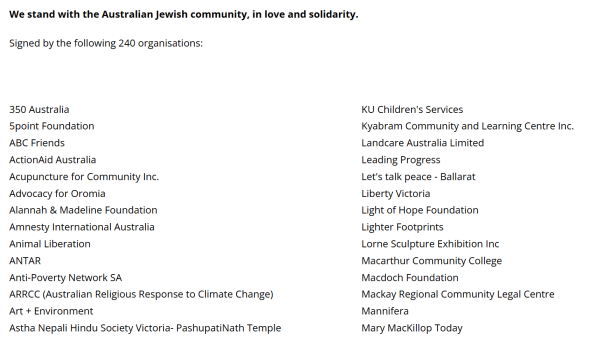

The 75th Goba Ceremony: A Legacy of Democracy in Oromia

FEATURE: 75th Goba System Ceremony in Oromia Showcases Living Gadaa Legacy for Modern Development
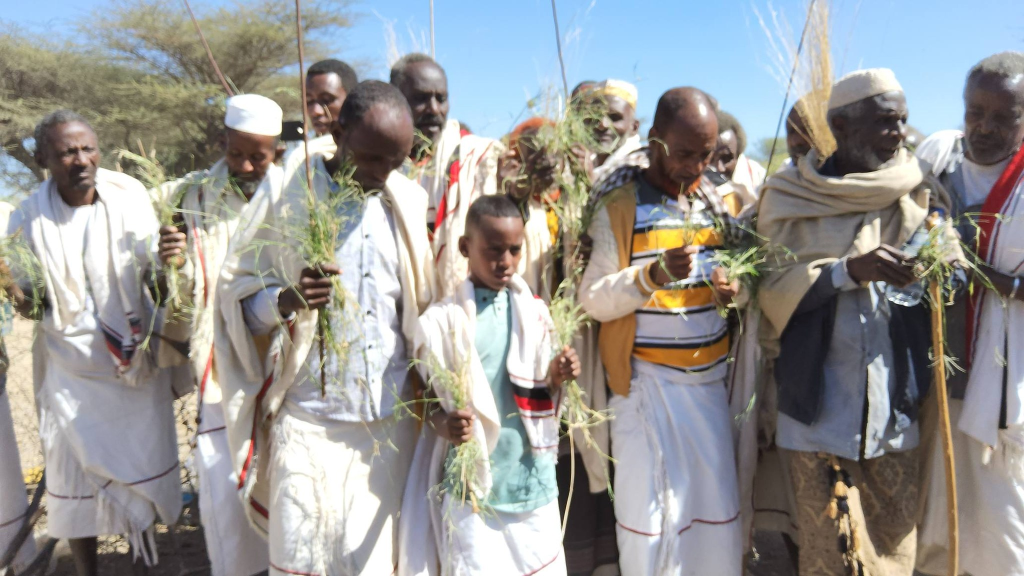
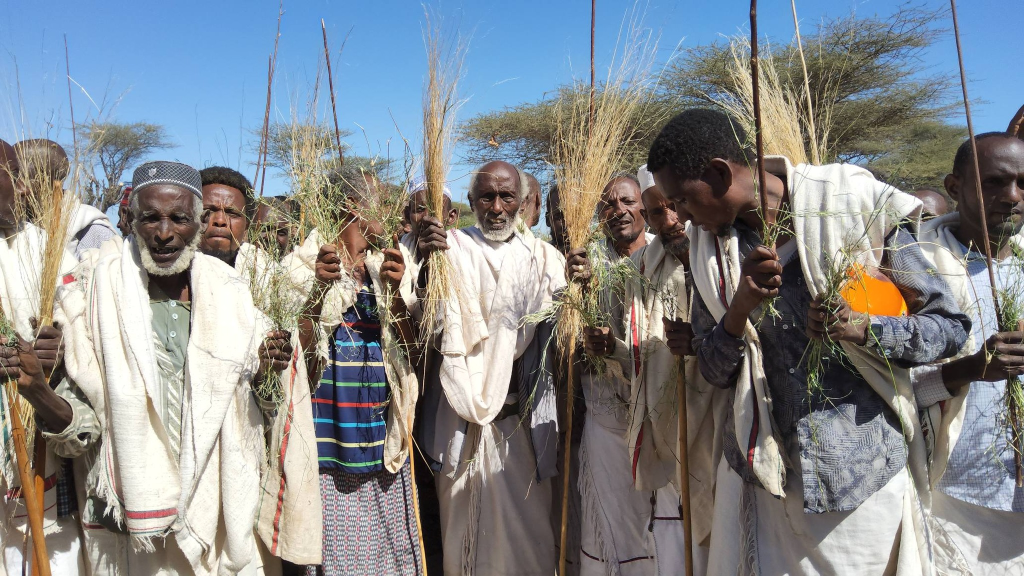
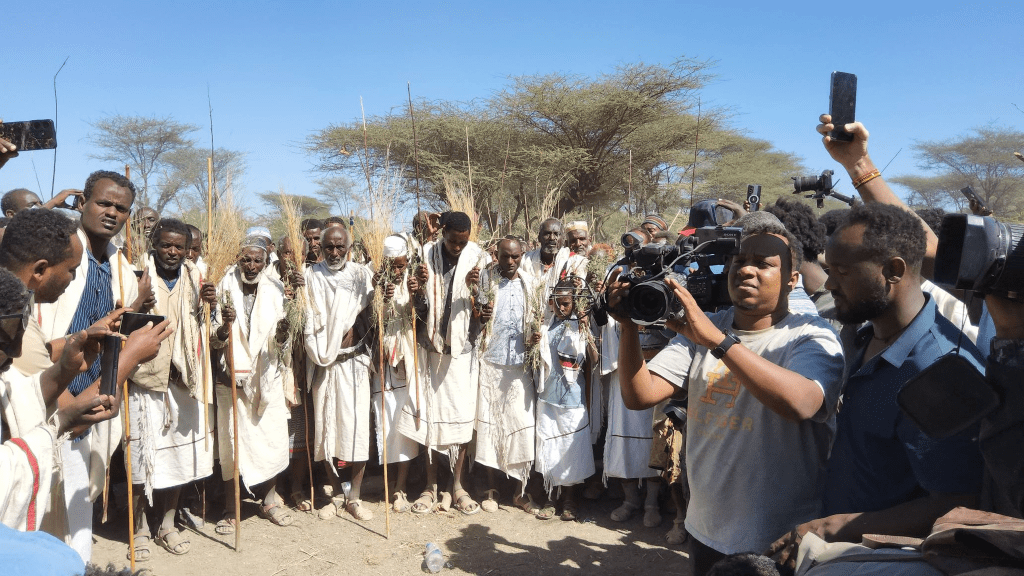
ARDHA JILA TARE LEDI, Fantale District, East Shewa, Oromia – In a vibrant display of living heritage, the 75th Gadaa System handover ceremony, known as Goba, was successfully held last week, transferring leadership from the outgoing Gadaa Michile (age-set in power) to the incoming Gadaa Halchisa. The ceremony, meticulously observed in Ardha Jila Tare Ledi, underscores a determined revival of a system once under pressure, now being actively harnessed for contemporary social and economic progress.
The Gadaa system, the indigenous democratic socio-political governance system of the Oromo people, is more than a cultural ritual. As emphasized by speakers at the event, it is a repository of values increasingly seen as crucial for national development.
From Ritual to Resource: Gadaa Values for Modern Development
Gobenya Hola, Secretary of the Union of Tulema Abba Gadaas and Oromo Abba Gadaas, articulated this forward-looking vision. “The Gadaa system possesses values useful for the country’s development and growth,” Hola stated. He highlighted ongoing efforts to make these values serve economic and social development, pointing to the Busa Gonofa—a traditional conflict resolution and reconciliation method—as a prime example now being implemented at the regional state level.
Furthermore, Hola detailed structural initiatives to integrate Gadaa into governance, noting the establishment of traditional courts (Sirnaa Seeraa) down to the smallest administrative unit (Kebele) to ensure justice is accessible through the system’s principles.
A System Reclaimed and Institutionalized
Abba Gadaa Gobenya also outlined the remarkable institutional comeback of Gadaa. “The Gadaa system and its value, which had weakened due to various reasons, is being restored,” he declared. This revival is now formalized within the education system, with curricula developed for schools to teach the principles of Gadaa, actively guiding the public.
“The focus now transcends just strengthening and preserving Gadaa,” he continued. “We are working intently to apply it to the nation’s landscape development, and to make it serve social and economic progress.”
Ensuring Democratic Continuity
The Union of Oromo Abba Gadaas is also leveraging the system’s inherent democratic checks and balances. Through the union, efforts are underway to ensure the Baallii (term of power) is not extended and that the transfer of power is timely and orderly—a principle at the very heart of the Gadaa cycle’s eight-year leadership transition.
Preparations are already in motion for the next major transition in the upcoming Ethiopian year (2018 E.C.), where the 70th Tulema Oromo Abba Gadaa will formally hand over authority to the 71st.
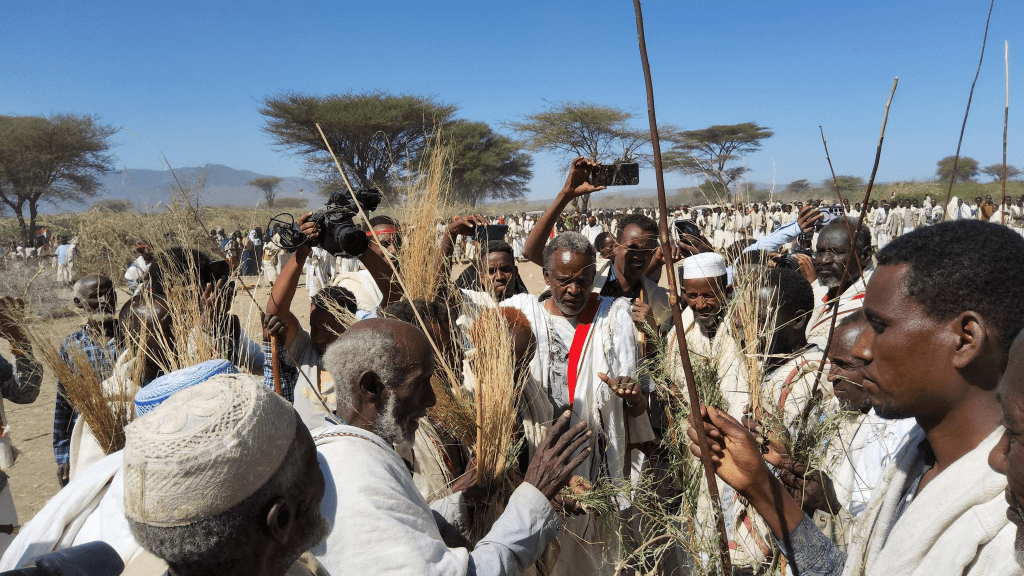
A Testament to Enduring Democracy
Other participants echoed the system’s contemporary relevance. Abba Gadaa Sabu Godana noted that the Goba ceremony itself is a testament to how profoundly democratic the Gadaa system is. He explained the ceremony’s symbolism, marking the transfer of leadership from the Karrayyu clan to members of the Dulecha clan, a rotation predetermined by the system’s generational classes.
Abba Gadaa Qumbi Waqeyo, organizer for the Boset District Abba Gadaa Committee, framed the system in national terms. “The Gadaa system, founded on democratic principles, is one under which peace and development continue, and a nation and generation is built,” he said. He issued a collective call to action, urging the current generation to work together to safeguard the system’s values, support its structures, and ensure its implementation for a resilient future.
The successful ceremony in Fantale stands as a powerful symbol: a millennia-old system is not only being preserved but is being actively studied, structured, and promoted as a viable framework for governance, justice, and sustainable development in modern Ethiopia.

Strengthening Multicultural Services: SSI’s Mission in WA

Forging Connections in the West: SSI Leads Cross-State Mission to Strengthen Multicultural Services and Combat Family Violence
PERTH, WA – In a significant push to expand national collaboration on migrant integration and social support, a delegation of senior leaders from Settlement Services International (SSI) recently concluded a strategic multi-day mission to Western Australia. The visit, centered on relationship-building and knowledge exchange, highlighted a shared commitment to enhancing services for multicultural communities across state lines.
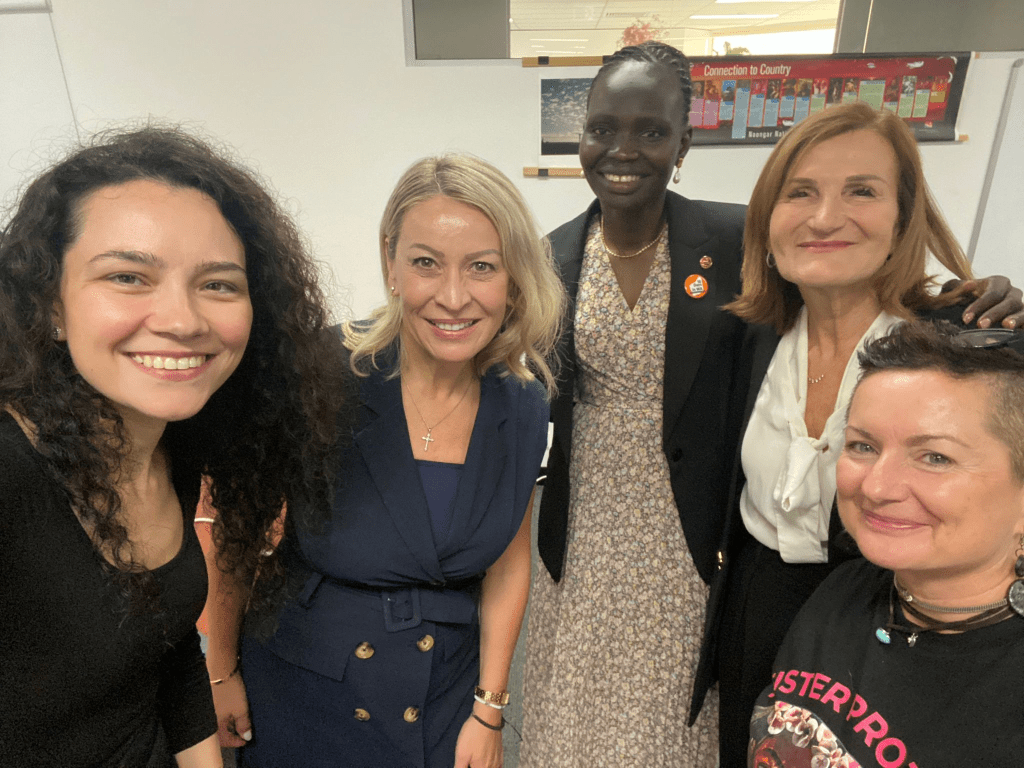
The delegation, which included SSI CEO Violet Roumeliotis AM, alongside senior colleagues Brad Chilcott AM, Gulnara Abbasova, and the author, traveled to Perth to support their newest WA-based colleague, Tharanga De Silva, and engage directly with key stakeholders on the ground.
“This was a mission of listening, learning, and laying the groundwork for stronger partnerships,” the delegation noted. “The insights gained from stakeholders in Western Australia are invaluable as we work to tailor and improve national service delivery.”
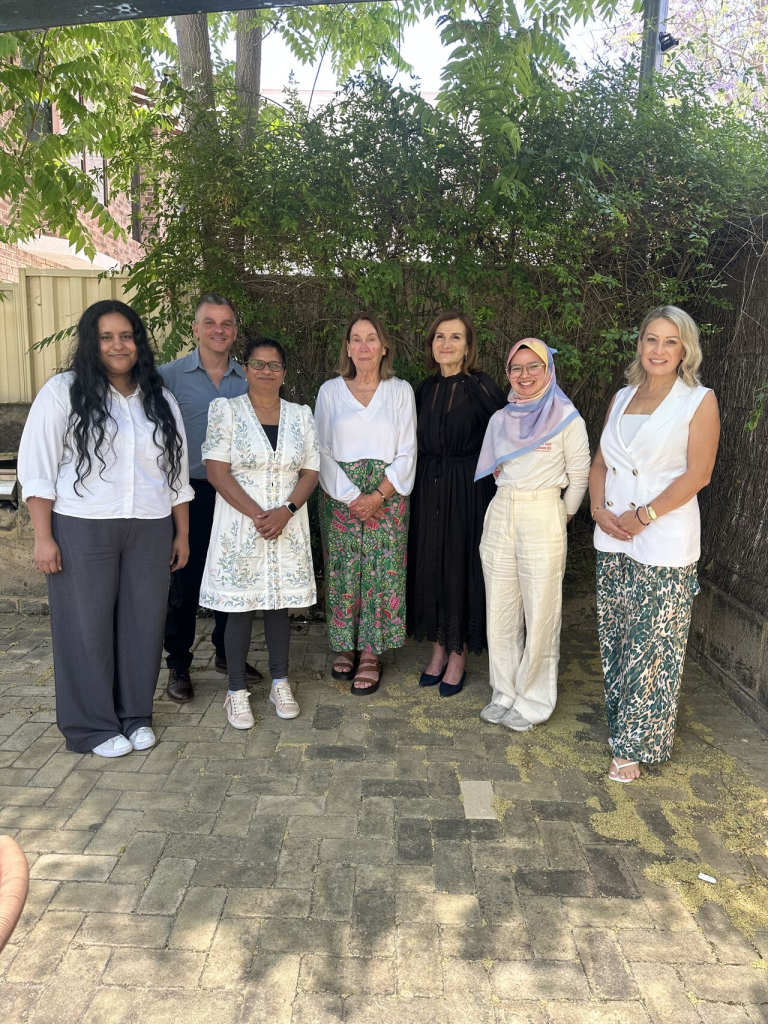
The itinerary underscored the trip’s high-level strategic nature. A major highlight was being hosted at WA’s Parliament House by the Hon Klara Andric MLC. The delegation also held productive meetings with federal and state parliamentarians, including Senator the Hon Sue Lines, Sook Yee Lai MLA, and Tania Lawrence MP, Member for Hasluck, appreciating their openness and commitment to community-focused policy.
Moving from government to grassroots, the week featured a series of impactful meetings:
- With the City of Stirling, where officials including Janeice Carrascalao and Elizabeth Richard exchanged vital program knowledge and local government perspectives.
- With the Western Australia Multicultural Association (WAMA), engaging with Mr. Simon Lee and Mrs. Helen Job to understand the local multicultural landscape.
- With Ramdas Sankaran, CEO of the Multicultural Services Centre of WA (MSCWA), and Louise Giolitto, CEO of the Western Australian Council of Social Service (WACOSS), discussing systemic support and collaboration.
A key focus of the visit was SSI’s innovative work in combating Family and Domestic Sexual Violence (FDSV) within multicultural communities. This culminated in a Community & Faith Leaders Forum, generously hosted by the Hon Ayor Chuot MLC. The forum, attended by over 18 leaders, showcased a new e-learning module developed by SSI in partnership with the Federation of Ethnic Communities’ Councils of Australia (FECCA). The module is designed to equip community leaders with the tools to identify signs of FDSV and respond appropriately, a critical step in early intervention.
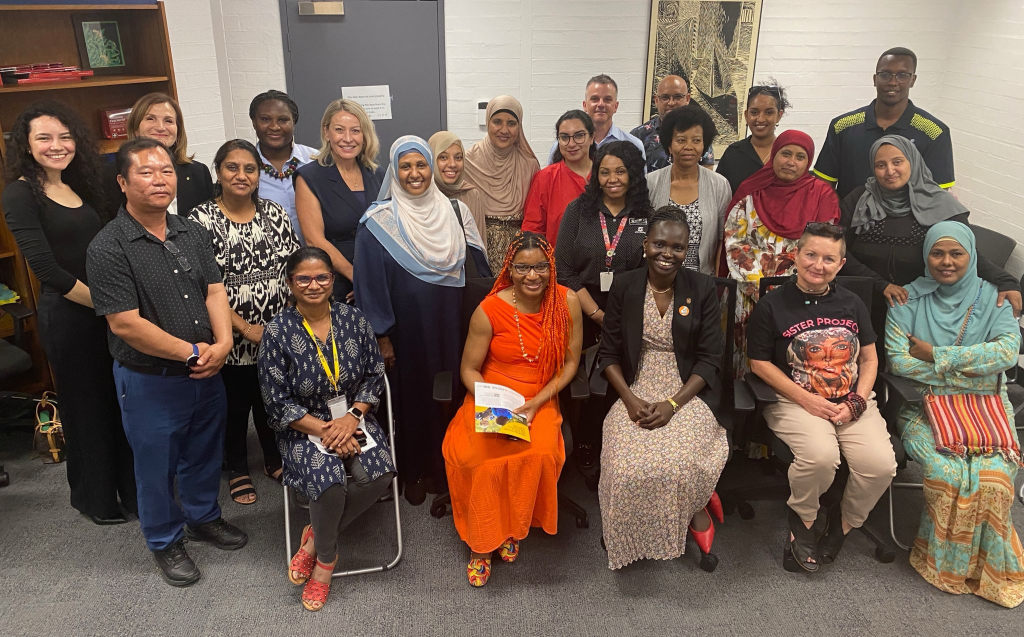
“We were particularly grateful for the opportunity to present our FDSV prevention tools,” the delegation shared. “Empowering community leaders with this knowledge is essential to creating safer environments for all.”
The visit also served to highlight SSI’s specific service offerings, such as a productive discussion with Caroline Speirs, Director of Community Engagement Projects at the Department of Communities, regarding SSI’s Multicultural Foster Care services.
The SSI delegation expressed profound gratitude to all stakeholders for their warm welcome and candid discussions. The trip has firmly established a foundation for future collaboration, with a shared goal of strengthening support systems and fostering more inclusive, resilient communities across Australia.

Ongoing Fight Against Family Violence in Dandenong

Beyond 16 Days: Dandenong Advocate Champions Sustained Action Against Family Violence
DANDENONG, VIC — While the global campaigns of the 16 Days of Activism against Gender-Based Violence and International Human Rights Day have concluded for another year, a clarion call for continuous, localised action echoes through one of Victoria’s most diverse communities. Local advocate and member of the Victoria Police Multicultural Reference Advisory Board is urging residents to make the fight against family violence a daily commitment.
“The calendar may have moved on, but our work cannot stop,” the advocate stated. “We must continue to raise Family Law awareness and call out behaviours that encourage violence every single day. This is how we build a truly safe environment for everyone in our multicultural community.”
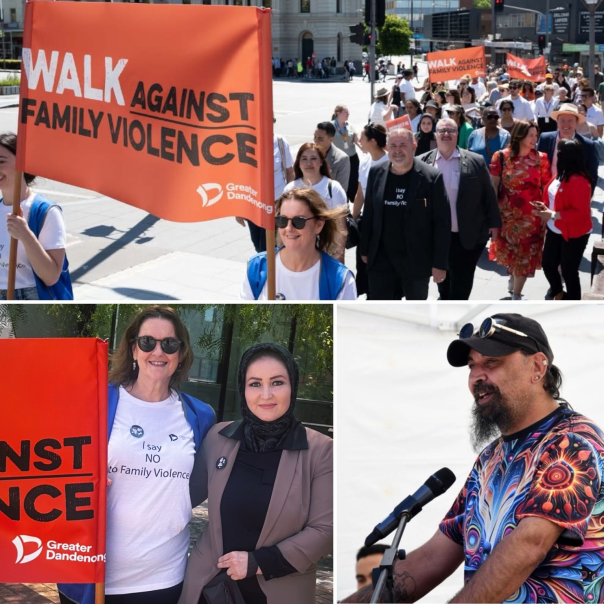
The call to action follows powerful local demonstrations of solidarity. Last month, the advocate joined over 1,000 community members in the City of Greater Dandenong’s annual Walk Against Family Violence—a visible testament to the growing collective resolve to address this critical issue.
The event was highlighted by a stirring address from keynote speaker Elvis Martin, whose personal insights resonated deeply with the diverse audience. “Hearing from voices like Elvis is powerful,” the advocate noted. “It connects the issue to real experiences and inspires others to speak up and seek change.”
The advocate directly linked the path to safer communities with two key pillars: the adoption of Australian family law and the promotion of healthy lifestyles. This dual approach, they argue, is essential for protecting the most vulnerable and shaping future generations.
“Understanding and adopting Australian law is non-negotiable for safety and justice,” they explained. “Coupling this with a healthy, respectful lifestyle creates the foundation we need. Together, they allow us to lead our younger generation toward a better, violence-free future.”
This perspective underscores a crucial mission within multicultural advocacy: navigating the complex intersection of cultural practices, legal rights, and community safety. As a bridge between Victoria Police and diverse communities, the advocate’s work focuses on ensuring all residents, regardless of background, know their rights, understand the law, and can access support without fear.
The message from Greater Dandenong is clear: ending gender-based and family violence is not a seasonal campaign. It is a sustained, community-wide effort that demands ongoing education, unwavering courage to challenge harmful norms, and a united front dedicated to safety for all.
The community is encouraged to seek information on family law and support services through local councils, legal aid, and family violence hotlines.




 Advocacy for Oromia