Category Archives: News

የኦሮሞ ብሔር ባሕልና ታሪክ: የትውልድ መታወቂያ
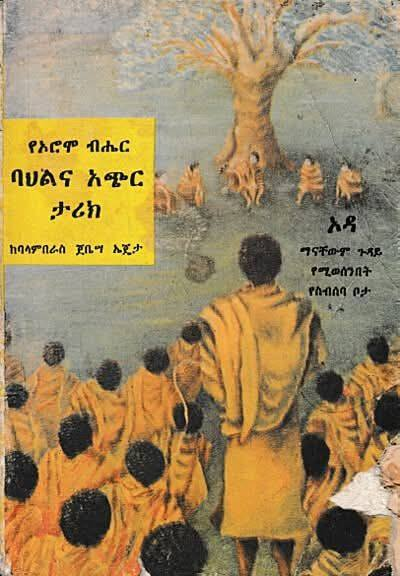
የኦሮሞ ብሔር ባሕልና አጭር ታሪክ፡ የትውልድ መታወቂያን የሚያጎለብት ታሪካዊ ሰነድ
የካቲት ፲፱ ቀን ፳፻፲፰ ዓ.ም. (አዲስ አበባ) – ባላምባራስ ጀቤሳ ኤጄታ የተባሉ ደራሲ ያዘጋጀው “የኦሮሞ ብሔር ባሕልና አጭር ታሪክ” የተሰኘ መጽሐፍ የኦሮሞን ሕዝብ ታሪክ፣ ባሕልና ማኅበራዊ መዋቅር በጥልቀት የሚዳስስ ምሁራዊ ጥናት መሆኑ ተገለጸ።
በሃያ አምስት ምዕራፎች የተዋቀረው ይህ መጽሐፍ የኦሮሞን ሕዝብ አመጣጥ ከኩሽ ቤተሰቦች ጋር በማያያዝ፣ የገዳ ሥርዓትን እንደ ጥንታዊ ዲሞክራሲያዊ የማስተዳደሪያ ዘዴ በማቅረብ የሕዝቡን የፖለቲካ ብስለት ያሳያል።
የመጽሐፉ ይዘትና አደረጃጀት
መጽሐፉ በጭብጥ እና በታሪካዊ ቅደም ተከተል የተዋቀረ ሲሆን፣ ከጥንታዊ የዘር ሐረጋት ጀምሮ እስከ ዘመናዊው ማኅበራዊ ኑሮ ድረስ ያለውን የኦሮሞ ሕዝብ ጉዞ ይቃኛል። ደራሲው መረጃዎቻቸውን ያሰባሰቡት ከአረጋውያን የቃል ትውፊት፣ ከቀደሙ የታሪክ ሰነዶች እና ከጥንታዊ የዘር ሐረግ ቆጠራዎች ነው።
በመጽሐፉ ውስጥ የተካተቱት የዘር ሐረግ ሥንጠረዦች፣ የፎቶግራፍ ማስረጃዎች እና የቋንቋ ትንተናዎች ለደራሲው መከራከሪያ እንደ ዋቢ ቀርበዋል።
ዋና ዋና ጽንሰ ሐሳቦች
መጽሐፉ በርካታ ቁልፍ የኦሮሞ ባሕልና ታሪክ ነጥቦችን ያነሳል። ከእነዚህ ውስጥ ዋነኞቹ፦
- የገዳ ሥርዓት ለአለም ዲሞክራሲ አርአያ ሊሆን የሚችል ጥንታዊ ሥርዓት መሆኑ
- ‘ሳፉ’ (Saffu) የተሰኘው የሞራልና የሥነ ምግባር ሚዛን ጠባቂ ጽንሰ ሐሳብ
- የኦሮሞ ሕዝብ የዘር ሐረግ ክፍፍል (ቦራና እና ባረንቱ) እና የእርስ በእርስ ትስስራቸው
- የሴቶች መብት በ’ሲቄ’ (Siqqee) ሥርዓት አማካኝነት መከበሩ
- ባሕላዊ የግጭት አፈታት ስልቶች (እንደ ጉማ) ለማኅበራዊ ሰላም ያላቸው ሚና
የገጸ ባህሪያት ዝርዝር
መጽሐፉ በኦሮሞ ማኅበረሰብ ውስጥ ያሉ ቁልፍ የሥልጣን እና የሃላፊነት ቦታዎችን በዝርዝር ያብራራል።
አባ ገዳ (Abba Gada) ለስምንት ዓመታት የሚመረጥ የሥርዓቱ የበላይ መሪ ሲሆን፣ የሕዝቡን መንፈሳዊ እና ዓለማዊ ሕይወት ይመራል።
ቃሉ (Qaallu) በዋቄፈና እምነት መሠረት በፈጣሪ እና በሰው መካከል እንደ አማላጅ የሚታይ መንፈሳዊ አባት ነው።
ሃዩ (Hayyu) በባሕላዊ የሕግ ሥርዓት ውስጥ የዳኝነት እና የሕግ ትርጓሜ ሥራዎችን የሚሠራ ሊቅ ነው።
የማይረሳ ትዕይንት፡ የቡታ በዓል
በመጽሐፉ ውስጥ አስገራሚ ሆኖ የተገለጸው ትዕይንት የ’ቡታ’ (Butta) በዓል እና የሥልጣን ሽግግር ሥነ ሥርዓት ነው። ይህ ትዕይንት በየስምንት ዓመቱ አንድ የገዳ እርከን (Luba) ሥልጣኑን ለሚቀጥለው እርከን የሚያስረክብበት ታላቅ ክንውን ነው።
በመጽሐፉ አገላለጽ፣ ይህ ሥነ ሥርዓት የሕዝቡ አንድነት፣ ዲሞክራሲያዊ ባህል እና የሕግ የበላይነት የሚነጸባረቅበት ነው። አሮጌው መሪ ‘ቦኩ’ (Boku) የተሰኘውን የሥልጣን ምልክት ለአዲሱ መሪ ሲያስረክብ፣ በመላው ኦሮሚያ የሚገኙ ተወካዮች በታላቅ አክብሮት እና በዝማሬ የታጀበ በዓል ያከብራሉ።
ደራሲው እንደሚገልጹት፣ ይህ ትዕይንት ደም ሳይፈስ፣ በምርጫ እና በስምምነት ሥልጣን እንዴት እንደሚሸጋገር የሚያሳይ የኦሮሞ ሕዝብ የፖለቲካ ብስለት ማሳያ ነው። በበዓሉ ላይ የሚታረደው በሬ እና የሚረጨው ደም የማኅበረሰቡን አዲስ ጅማሬ እና የታሪክ ምዕራፍ ተምሳሌት እንደሆነ ይገልጻሉ።
ጥቅሶች እና አባባሎች
መጽሐፉ ጥቂት ያልሆኑ ጥቅሶችን እና አባባሎችን ይዟል። ከነሱም ውስጥ፦
“ባሕል የአንድ ሕዝብ ማንነት መገለጫና የኑሮው መመሪያ ነው።” የሚለው በመግቢያ ክፍል ላይ የተጠቀሰ ሲሆን፣ የባሕልን አስፈላጊነት ያሳያል።
“የገዳ ሥርዓት ለኦሮሞ ሕዝብ የዲሞክራሲ ምንጭ ብቻ ሳይሆን የሰላምና የእድገት መሠረት ነው።” የሚለው ደግሞ ስለ ገዳ ሥርዓት ጠቀሜታ በሚያብራራው ምዕራፍ ውስጥ ተካቷል።
“ሳፉ ማለት በፈጣሪና በፍጥረት፣ በሰውና በሰው መካከል ያለውን ክብርና ድንበር ጠባቂ ሕግ ነው።” የሚለው ስለ ሥነ ምግባር እና ባሕላዊ እሴቶች በሚተነተንበት ክፍል ተካትቷል።
አጠቃላይ ትረካ
መጽሐፉ ሰፊና ጥልቅ የሆነ የኦሮሞን ሕዝብ ታሪክ ያቀርባል። በመጀመሪያዎቹ ምዕራፎች ደራሲው የኦሮሞን ሕዝብ አመጣጥ እና የዘር ሐረግ በጥልቀት ይተነትናሉ። ኦሮሞ የኩሽ ቤተሰብ አካል መሆኑንና በጥንታዊው የኢትዮጵያ ታሪክ ውስጥ የነበረውን ጉልህ ስፍራ ያስረዳሉ።
በተለይም ‘ቦራና’ እና ‘ባረንቱ’ የተባሉትን ሁለት ዋና ዋና ቅርንጫፎች እና የእነሱን ንዑስ ጎሳዎች በዝርዝር በምስል እና በሥንጠረዥ አስደግፈው ያሳያሉ።
ቀጥሎም መጽሐፉ ወደ ኦሮሞ ሕዝብ ዋና የፖለቲካ እና የማኅበራዊ መዋቅር – ገዳ ሥርዓት – ይገባል። ገዳ ሥርዓት እንዴት እንደሚዋቀር፣ አምስቱ የገዳ ፓርቲዎች በየስምንት ዓመቱ እንዴት እንደሚፈራረቁ በሰፊው ያብራራል።
ከፖለቲካው ጎን ለጎን፣ መጽሐፉ የኦሮሞን ባሕላዊ ሃይማኖት ‘ዋቄፈናን’ ይቃኛል። የአንድ አምላክ (ዋቃ) እምነት፣ የፍጥረት ጽንሰ ሐሳብ እና በማኅበረሰቡ ውስጥ ያለውን መንፈሳዊ ትስስር ይተነትናል።
ተዛማጅ መጻሕፍት
መጽሐፉ ከሌሎች ታዋቂ የኦሮሞ ታሪክ ጥናቶች ጋር ተመሳሳይነት አለው። በተለይም የሞሐመድ ሐሰን “The Oromo of Ethiopia: A History 1570-1860” እና የአስማሮም ለገሠ “Gada: Three Approaches to the Study of African Society” የተሰኙት መጻሕፍት ከዚህ መጽሐፍ ጋር ተመሳሳይ ምልከታ እንዳላቸው ተጠቅሷል።
ገምጋሚ አስተያየት
መጽሐፉን የገመገሙት እጹብ ዓበበ እንዳሉት፣ ይህ መጽሐፍ የኦሮሞን ሕዝብ ማንነት፣ ጥበብ እና ታሪካዊ ታላቅነት ለትውልድ ለማስተላለፍ የተጻፈ ትልቅ የታሪክ ሰነድ ነው።
“ይህ መጽሐፍ የኦሮሞን ሕዝብ ባሕልና ታሪክ በጥልቀት ለማወቅ ለሚፈልጉ ተመራማሪዎች፣ ተማሪዎች እና አጠቃላይ አንባቢዎች ጠቃሚ የሆነ የመረጃ ምንጭ ነው” ሲሉ አስተያየታቸውን ሰጥተዋል።
መጽሐፉ በመላው ኢትዮጵያ በሚገኙ የመጽሐፍ መደብሮች እንደሚገኝና በቅርቡ ዲጂታል እትም ለመልቀቅ መታቀዱን ከደራሲው ተረድተናል።

Reclaiming National Interest and Media Ethics
The Paradox of Protection: How ‘National Interest’ and ‘Media Ethics’ Became Tools to Suppress Independent Journalism
February 27, 2026 – When governments move to shut down independent media outlets, the justifications often sound reasonable, even noble. “National security,” we are told, requires certain information to remain undisclosed. “Social harmony” demands that divisive voices be quieted. “Media ethics” must be enforced against those who would spread misinformation. “National interest” trumps individual rights.
These phrases roll easily off official tongues. They appear in legislation, in court rulings, in press statements announcing closures or arrests. They are designed to reassure: this is not about silencing dissent; this is about protecting something greater.
But across the globe, from Ethiopia to Egypt, from Hungary to the Philippines, these same phrases have been deployed in ways that systematically undermine the very institutions democracy requires. What emerges is a paradox: the language of protection becomes the instrument of suppression, and the promised safeguards for society become mechanisms for entrenching power.
The Language of Legitimacy
The terms “national interest” and “media ethics” carry genuine weight. Nations do have legitimate security concerns that may require some information to be protected. Journalists do have ethical obligations to verify information, correct errors, and avoid causing harm.
But these concepts are also inherently flexible—and that flexibility makes them dangerous tools in the hands of those who would control information.
“National interest” has no fixed definition. It can mean protecting troops in wartime. It can also mean hiding corruption, embarrassing diplomatic cables, or evidence that development funds have been stolen. The same phrase covers both legitimate secrecy and illegitimate cover-up.
“Media ethics” similarly spans a vast territory. It can mean refusing to publish unverified allegations. It can also mean refusing to publish anything critical of those in power. When the government becomes the arbiter of journalistic ethics, ethics quickly become whatever the government wants them to be.
“The problem is not the concepts themselves,” explains media law scholar Dr. Tsegaye Berhanu. “The problem is who gets to define them. When the state is both the subject of journalistic scrutiny and the judge of whether that scrutiny is ‘ethical,’ you have created a system where accountability becomes impossible.”
The Ethiopian Context: A Case Study in Linguistic Capture
Ethiopia’s recent history illustrates how the language of protection can be repurposed for suppression. Since the onset of conflict in various regions, authorities have increasingly invoked national security concerns to justify restrictions on reporting.
In Oromia, where conflict between government forces and the Oromo Liberation Army continues, independent access is severely limited. Journalists attempting to report on human rights abuses or humanitarian conditions face accusations of undermining national unity or supporting terrorist groups.
The 2020 state of emergency legislation granted broad powers to restrict “any information that could disturb the public peace” or “incite violence.” While these goals are legitimate, the definitions are expansive enough to encompass almost any critical reporting.
“The government has effectively made itself the sole judge of what constitutes responsible journalism,” says a veteran Ethiopian journalist who requested anonymity. “If you report government abuses, you’re ‘inciting violence.’ If you report opposition abuses, you’re ‘supporting terrorists.’ There is no space left for simply reporting facts.”
The result, human rights organizations warn, is that Ethiopia’s media space has contracted dramatically. Outlets have been shuttered. Journalists have fled into exile or ceased reporting on sensitive topics. The information vacuum is filled by rumor and diaspora-based outlets operating beyond any regulatory framework.
The Slippery Slope: From Regulation to Suppression
The journey from legitimate media regulation to systematic suppression rarely happens overnight. It follows a predictable pattern:
Step One: Establish the Framework – A government passes laws allowing action against media that threatens national security or violates ethical standards. These laws often appear reasonable and may even be drafted with input from media professionals.
Step Two: Expand the Definitions – Gradually, the interpretation of key terms expands. “National security” comes to include economic reports that might deter investment. “Incitement” comes to include criticism of government policy. “Ethical violations” come to include failure to present the government’s perspective.
Step Three: Selectively Enforce – The laws are applied primarily to opposition or critical media, while government-friendly outlets enjoy immunity. This creates the appearance of even-handed regulation while effectively silencing dissent.
Step Four: Create Self-Censorship – Journalists, observing what happens to colleagues who cross invisible lines, begin censoring themselves. The government need not close every outlet; it need only demonstrate that crossing certain boundaries carries consequences.
“Self-censorship is the most efficient form of suppression,” notes media ethics researcher Hanna Mekonnen. “It requires no ongoing enforcement, no public relations pushback. Journalists simply internalize the boundaries and police themselves. The government gets exactly what it wants—a compliant press—without having to do anything.”
The Ethics Paradox: Who Guards the Guardians?
Perhaps the most insidious aspect of using “media ethics” as a suppression tool is that it reverses the proper relationship between press and power.
In democratic theory, the press serves as a watchdog on power—the “fourth estate” that holds government accountable. Media ethics are professional standards that journalists voluntarily adopt to ensure they perform this function responsibly. Ethics are supposed to guide journalists in serving the public interest, not to serve as a leash held by those in power.
When government becomes the enforcer of media ethics, this relationship is inverted. The watchdog is muzzled in the name of responsible behavior. Those who should be scrutinized become the scrutineers.
“Imagine if corporations were allowed to define what constitutes fair business reporting,” says Tadesse Desta, a media lawyer. “Or if politicians could decide what counts as unbiased political coverage. That’s exactly what happens when government enforces ‘media ethics’—the subjects of journalism become the judges of journalism.”
The National Interest Fallacy: Short-Term Silence, Long-Term Danger
The invocation of “national interest” to justify media suppression rests on a fundamental fallacy: that hiding problems makes them go away.
In reality, suppressing information about national challenges does not protect national interest—it undermines it. A nation that does not know about corruption cannot address it. A government that does not hear about policy failures cannot correct them. A society that cannot discuss its divisions cannot heal them.
“When you silence reporting on ethnic tensions, you don’t eliminate those tensions,” says conflict resolution specialist Worku Aberra. “You just ensure that no one sees them building until they explode. The ‘national interest’ argument gets it exactly backwards: transparency is in the national interest. Secrecy serves only those who benefit from the status quo.”
This dynamic plays out repeatedly in conflict settings. In Ethiopia’s Oromia region, restricted reporting means that early warning signs of violence go undetected. Humanitarian needs remain invisible. Opportunities for intervention are missed. The “national interest” justification for media restrictions becomes self-defeating as conflict deepens and spreads.
The International Dimension: Learning from Others
Ethiopia is far from alone in facing these dynamics. Across Africa and beyond, governments have refined the art of using protective language to justify suppressive action.
In Tanzania, the 2016 Media Services Act expanded government power to sanction journalists for “undermining public confidence” in state institutions—a phrase capacious enough to cover almost any criticism. In Uganda, repeated internet shutdowns during elections are justified as necessary for national security, though critics note they primarily serve to block opposition organizing.
In Hungary, media legislation framed as promoting “professional standards” has resulted in a media landscape heavily tilted toward government-friendly outlets. In the Philippines, the closure of ABS-CBN, the nation’s largest media network, was justified on technical licensing grounds but widely seen as retaliation for critical coverage.
Each case has unique features, but the pattern is consistent: language that sounds protective is deployed to achieve suppressive ends.
The Way Forward: Reclaiming the Concepts
If the language of “national interest” and “media ethics” has been captured by those who would suppress independent journalism, what is to be done? The answer is not to abandon these concepts—they remain important—but to reclaim them.
For national interest: The concept must be narrowly defined and subject to independent oversight. Secrecy should be the exception, not the rule, and decisions about what constitutes a genuine national security threat should not rest exclusively with those who might benefit from concealment.
For media ethics: Professional standards should be developed and enforced by journalists themselves, through independent press councils and voluntary associations. When governments involve themselves in ethical enforcement, the conflict of interest is simply too great.
For the public: Media literacy and support for independent journalism are essential. A public that understands the value of a free press is less likely to accept its suppression in the name of security or ethics.
Conclusion: The Light That Protects
There is a reason authoritarian regimes always move against independent media first. There is a reason democratic transitions always prioritize press freedom. Journalism is not merely one institution among many—it is the institution that makes all others accountable.
When independent media is suppressed in the name of national interest, the nation’s interests are not protected. They are betrayed. When independent media is suppressed in the name of media ethics, ethics are not served. They are subverted.
The only genuine protection for national interest and media ethics is a free press that can speak truth to power, expose wrongdoing, and facilitate the public debate on which democracy depends. Any framework that suppresses independent journalism in the name of protecting these values has misunderstood them entirely—or never intended to protect them at all.
As the Ethiopian journalist who fled into exile observed: “They tell you they are closing the newspapers to protect the country. But a country that cannot hear itself think is a country that cannot save itself. The silence they create is not peace. It is just the quiet before the next storm.”

The Hidden Dangers of Media Silence in Society
When the Press Goes Silent: How Shutting Down Independent Media Fuels the “Secret Voice” Debate
February 26, 2026 – When authorities shut down independent media outlets, block websites, or jail critical journalists, they often cite noble justifications: preserving national unity, preventing misinformation, or maintaining public order. But evidence from countries across the political spectrum suggests that muzzling the press does not eliminate dissent—it simply drives it underground, where it transforms into something far less accountable and often more volatile: the “secret voice” debate.
This phenomenon—the migration of political discourse from public forums to private, unregulated spaces—is reshaping how information spreads in societies where media freedom is constrained. And it carries profound implications for governance, social cohesion, and conflict prevention.
The Hydra Effect: Silencing One Voice Creates Many
When independent media is shut down, the logic appears simple: remove the platform, remove the problem. But communication theorists compare this approach to the Hydra of Greek mythology—cut off one head, and multiple grow in its place.
“Suppressing official media outlets doesn’t suppress the human desire to discuss, question, and organize,” explains Dr. Meseret Taye, a political communication researcher based in Addis Ababa. “It simply pushes those discussions into spaces that authorities cannot monitor or moderate. You lose the ability to even know what people are thinking, let alone address their concerns.”
This “secret voice” debate takes many forms:
Encrypted messaging apps become the new public square. In countries with restricted media, platforms like Telegram, Signal, and WhatsApp have become primary channels for news dissemination and political organization. These spaces are largely invisible to regulators and impossible to moderate consistently.
Word-of-mouth networks revive ancient patterns of information sharing. In Ethiopia’s Oromia region, where media access is restricted and conflict continues, residents report relying on trusted personal networks for information about security conditions, movement restrictions, and political developments.
Diaspora-based media fills the vacuum. Outlets operating from Europe, North America, or neighboring countries broadcast back into their homelands, often with perspectives sharply critical of authorities—and with limited accountability for accuracy.
Art and culture become coded political expression. Music, poetry, and theater in local languages increasingly carry layered meanings accessible to local audiences but difficult for censors to police.
The Accountability Deficit
Perhaps the most significant consequence of driving debate underground is the complete loss of accountability for what is said.
Professional journalism, despite its flaws, operates within ethical frameworks. Journalists are trained to verify sources, seek multiple perspectives, and correct errors. Media outlets have legal identities that can be held responsible for defamation or incitement.
The “secret voice” debate has none of these safeguards.
“When debate goes underground, rumor becomes indistinguishable from fact,” says Tadesse Desta, a media lawyer who has represented journalists in several African countries. “Anyone with a smartphone can broadcast anything—accurate reporting, deliberate disinformation, or incitement to violence—with zero accountability. The public has no way to verify what they’re hearing, and authorities have no way to address legitimate grievances because they can’t even see them clearly.”
This dynamic creates a perfect storm for conflict escalation. Without reliable information, populations become susceptible to conspiracy theories. Without public platforms for grievance articulation, frustrations accumulate without resolution. Without professional journalism to fact-check claims, misinformation spreads unchecked through private channels.
Ethiopia’s Hidden Information War
Ethiopia offers a contemporary case study in how restricted media environments fuel secret debates. In Oromia, where ongoing conflict between government forces and the Oromo Liberation Army has claimed countless civilian lives, independent reporting is severely constrained. International journalists face access restrictions, and local journalists operate under constant threat.
The result, according to residents and researchers, is an information vacuum filled by competing narratives flowing through unofficial channels.
“We have no reliable way to know what is happening even in neighboring districts,” says an Oromia resident who requested anonymity for security reasons. “Information comes through phone calls from relatives, messages from friends, occasional posts on social media that may or may not be true. Everyone is guessing, and fear spreads faster than facts.”
Human rights organizations warn that this information blackout obscures the scale of violations. Getu Saketa Roro, co-founder of the Human Rights League of the Horn of Africa, notes that “the human rights situation—as well as the overall humanitarian crisis in Oromia—is underreported.”
What reporting does emerge often comes from diaspora-based outlets or international organizations with limited on-the-ground access, creating further information gaps and contested narratives.
The Technology Dimension
Digital technology has fundamentally altered the dynamics of information control. Twenty years ago, shutting down newspapers and radio stations could effectively silence national debate. Today, ubiquitous smartphones and cheap mobile data mean that information—and misinformation—flows through channels no government can fully control.
Governments have attempted various responses: shutting down internet access entirely during political crises, blocking specific apps, monitoring social media, prosecuting online speakers. But these measures are blunt instruments that often backfire.
“When you try to block digital communication entirely, you harm every aspect of society—business, education, health care, family connections,” notes technology policy researcher Hanna Gebreselassie. “And you still don’t stop the information flow. People find ways around blocks. They use VPNs. They share via closed groups. They pass messages through trusted contacts. The debate continues, just beyond your view.”
The economic costs are substantial as well. The Internet Society estimates that internet shutdowns cost countries billions in lost economic activity, damaged investment climate, and reduced innovation.
From Secret Debate to Public Action
The most dangerous aspect of the “secret voice” debate is its potential to suddenly erupt into public action—often catching authorities completely by surprise.
History offers numerous examples. The Arab Spring uprisings were organized largely through social media and private channels after years of restricted public discourse. The 2019 Sudanese revolution that ousted Omar al-Bashir built momentum through informal networks when formal opposition was impossible. In Ethiopia itself, the 2015-2018 Oromo protests that reshaped national politics spread through songs, social media, and word-of-mouth after traditional organizing channels were blocked.
“When debate is forced underground, you lose all the early warning signs that might allow intervention before crisis,” says conflict resolution specialist Worku Aberra. “Professional journalists report on emerging tensions; they interview people, document grievances, provide an outlet for frustration. Without that, you have no idea how angry people are until they’re in the streets. And by then, it’s usually too late for dialogue.”
The Illusion of Control
For authorities considering media restrictions, the appeal is understandable: a quieter public sphere feels more stable, more controllable. But this stability is an illusion—a calm surface hiding turbulent depths.
The secret voice debate continues regardless of press restrictions. It simply operates beyond the reach of accountability, beyond the view of policymakers, beyond the influence of those who might address legitimate grievances before they explode.
When independent media is shut down, authorities don’t eliminate criticism. They eliminate their ability to hear it, understand it, and respond to it constructively. They trade noisy democracy for silent danger—and history suggests this is no trade at all.
As one veteran journalist put it: “You can silence the microphone, but you cannot silence the conversation. It just moves to places you cannot hear—until suddenly it’s too loud to ignore.”

Scholars Convene Under ‘Mother Oromia’ Banner, Urge Action on Political Crisis
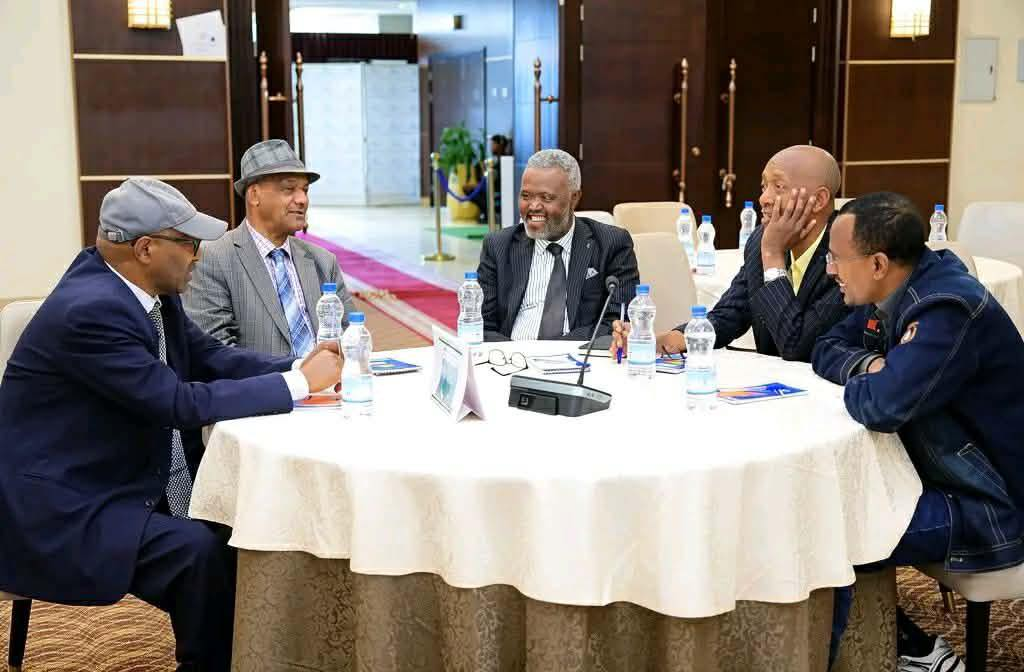
February 26, 2026 (Addis Ababa) – In a significant gathering of Oromo intellectuals and civic leaders, a five-day conference convened under the symbolic call “Harmeen Oromiyaa waamti” (“Mother Oromia summons you”) has concluded with urgent appeals for political accountability and truth-based dialogue to address the region’s deepening challenges.
The meeting brought together scholars and thought leaders for intensive deliberations on the political crisis affecting Oromia and its implications for Ethiopia as a whole. Participants engaged in what they described as “in-depth, truth-based discussions” regarding Oromo political challenges, outlining potential solutions they believe would benefit the broader population.
Kedir Bullo, one of the participants, reflected on the gathering’s significance in an interview following the conference. “When the call went out that ‘Mother Oromia summons you,’ this is how we responded,” Bullo said. “We convened to hold in-depth, truth-based discussions regarding Oromo political challenges, and we outlined solutions that would benefit our people.”
However, Bullo expressed uncertainty about whether the recommendations would translate into meaningful action. “I do not know what the politicians have done [with these recommendations],” he stated, highlighting a recurring gap between intellectual deliberation and political implementation that has frustrated many civic initiatives in the country.
The scholar emphasized the personal significance of participation. “Personally, I feel a sense of honor to have fulfilled my civic duty by spending five days with these scholars, discussing matters concerning both our people and the country with a deep sense of solidarity,” Bullo said.
Context of Crisis
The gathering occurs against a backdrop of escalating warnings about Ethiopia’s trajectory. Just days before the conference, the Oromo Liberation Front (OLF) issued a stark statement warning that “gathering clouds of war” continue to hang over Ethiopia, with persistent conflict in Oromia and other regions remaining a major source of security, social, and economic challenges .
According to the OLF statement, political differences remain unresolved, and longstanding conflicts have turned Oromia into what it described as a “recurring arena of war and exploitation” despite the region’s natural wealth, while many residents continue to face economic hardship .
The urgency of these warnings was amplified by a coalition of twenty international and regional human rights and humanitarian organizations, which warned on February 20 that Ethiopia stands “on the brink” of renewed large-scale conflict. The groups cited ongoing fighting between federal forces and the Oromo Liberation Army (OLA), with reports of extrajudicial killings, mass arrests, property destruction, forced conscription, and collective punishment of civilians .
The Human Cost of Insecurity
The conflict’s toll on ordinary citizens has been devastating. A recent investigation by the Associated Press documented widespread abuses in Oromia, where civilians find themselves caught between government forces and armed opposition groups .
Ayantu Bulcha, speaking to AP from Addis Ababa, described how soldiers came to her family’s home in Oromia in early December. Her cousin was shot outside the property, she said, and soldiers took her father and uncle to a nearby field where they were also killed. They had been accused of fighting alongside the OLA—allegations she denies .
Lensa Hordofa, a civil servant from Oromia’s Shewa region, told AP her family faces constant harassment and extortion from armed men, including demands for food and supplies. Her uncle was recently detained and released only after payment of a ransom equivalent to $650. “Movement from place to place has become increasingly restricted,” she said. “It’s almost impossible to travel” .
Media Access Restricted
The conflict has remained largely hidden from public view due to restricted access. Ethiopia limits access to Oromia for journalists and rights groups, meaning the full scope of the humanitarian crisis remains underreported .
Getu Saketa Roro, co-founder of the Human Rights League of the Horn of Africa, noted that “the human rights situation—as well as the overall humanitarian crisis in Oromia—is underreported” .
This information blackout echoes warnings from human rights organizations that shrinking civic space and restrictions on independent reporting are obscuring the scale of violations and weakening early warning and prevention efforts .
Failed Peace Efforts
The call for dialogue from the scholars’ conference comes amid recent failures in formal peace negotiations. The Ethiopian government announced on February 18 that talks with the Oromo Liberation Army had ended without agreement. It was the second time Prime Minister Abiy Ahmed’s government and the OLA had sat down this year aiming to end a five-year insurgency in the restive Oromia region .
National security adviser Redwan Hussein posted on social media: “Due to the intransigence of the other party the talks have come to an end without an agreement. The obstructive approach and unrealistic demands of the other party are the principal reasons why these talks could not succeed” .
The OLA offered a different perspective, stating it had tried “to negotiate a space for a meaningful change in the governance of the Oromia region” during the talks in Dar es Salaam. Spokesman Odaa Tarbii said in a statement: “True to form, the Ethiopian government was only interested in co-optation of the leadership of the OLA rather than beginning to address the fundamental problems that underlie the county’s seemingly insurmountable security and political challenges” .
Economic Paradox
The conflict’s persistence stands in stark contrast to Oromia’s economic potential. The region is central to Ethiopia’s coffee industry, which continues to post strong results nationally. Official data shows Ethiopia earned 1.6 billion dollars from coffee exports in the first five months of the 2025/26 fiscal year, with plans to generate more than 3 billion dollars by exporting about 600,000 tons of coffee during the full year .
Major coffee-producing areas include Jimma, Illubabor, Guji, West Wollega and East Wollega in Oromia—many of which have been affected by insecurity. In Bale Zone, where coffee is grown on more than 68,000 hectares, officials report harvests reaching 93 percent of targets despite challenges .
Yet the benefits of this economic activity have not translated into stability or widespread prosperity. The OLF statement emphasized that despite the region’s natural wealth, many residents continue to face economic hardship .
The Scholar’s Appeal
Against this complex backdrop, the gathering of scholars under the “Mother Oromia” banner represents what participants view as a civic intervention—an attempt to inject intellectual rigor and truth-based analysis into a political environment often characterized by polarization and mutual recrimination.
Bullo’s personal reflection on fulfilling his “civic duty” speaks to a broader sense of responsibility among Oromo intellectuals who see themselves as bridges between grassroots concerns and political decision-makers. The five days of discussion, grounded in what participants describe as commitment to truth and solidarity, produced what they believe are viable solutions.
Whether these solutions will reach political actors—and whether those actors will act upon them—remains an open question. As Bullo noted with evident frustration: “I do not know what the politicians have done [with these recommendations].”
The conference’s conclusion coincides with growing international alarm about Ethiopia’s trajectory. The February 20 letter from human rights organizations warned that “space for de-escalation is rapidly shrinking” and called for sustained international attention, inclusive political solutions, and expanded independent human rights monitoring .
For the scholars who gathered under Mother Oromia’s summons, the path forward requires bridging the gap between intellectual deliberation and political action—ensuring that truth-based analysis does not remain confined to conference halls but translates into the inclusive dialogue and accountability that Ethiopia’s complex crisis demands.
The Silenced Warning Light: Why Muzzling the Media Muzzles Progress

The Silenced Warning Light: Why Muzzling the Media Muzzles Progress
Throughout history, regimes seeking to consolidate power have often reached for the same, seemingly simple tool: the silencing of independent voices. The logic appears seductive—if critical reports are the problem, then removing the reports will remove the problem. Shut down the newspapers, block the websites, jail the journalists, and what’s left? Peace. Or so the theory goes.
But history and political science offer a stark rebuttal. Shutting down independent media does not bring peace, nor does it pave the way for development. It does the opposite. It trades the noisy but necessary process of democracy for a fragile, false tranquility, all while systematically dismantling the very institutions required for a nation to thrive.
This isn’t a matter of opinion; it is a matter of mechanics. To understand why, one must look at the three fundamental roles a free press plays: as a release valve for conflict, as a watchdog for development, and as a bridge to an informed citizenry.
The Mirage of “Silent” Peace
When independent media is shuttered, it creates an illusion of stability. The protests are no longer reported; the opposition voices are no longer broadcast. But this is suppression, not resolution. The underlying grievances of a society—corruption, inequality, ethnic tensions, political marginalization—do not evaporate when they are not mentioned in the news. They simply go underground.
Like steam building in a sealed boiler, these frustrations fester. Without a public, peaceful outlet for discussion and debate, anger accumulates. It has nowhere to go but to explode. The absence of open criticism does not prevent conflict; it prevents the early detection of it. Independent journalists are the first responders of civic society; they spot the small fires of communal strife or the slow leak of government failure before they ignite into a full-blown crisis. By blinding itself to these warnings, a government does not prevent the fire—it just ensures it will be surprised when the house burns down. True peace is not the absence of noise; it is the presence of justice, and justice cannot be served in a silent room.
Building on a Foundation of Sand
Development is often measured in concrete: miles of road built, tons of steel delivered, number of schools constructed. But sustainable development is not just about pouring concrete; it is about building a resilient society. A free press is the quality control inspector for that entire process.
Consider the massive flows of international aid and government revenue meant for public works. Without journalists acting as watchdogs, these funds are a siren song for corruption. Who is watching to ensure the new hospital actually receives its medicine supplies? Who is checking that the bridge was built with proper materials? When the press is muzzled, accountability dies. Corruption thrives in the dark, siphoning off the resources meant to lift people out of poverty, leaving behind shoddy infrastructure and failed public services.
Furthermore, a nation’s leadership cannot make informed decisions if they are trapped in an echo chamber. If the media only offers flattery, policymakers become detached from reality. They never learn that their agricultural program is failing farmers, or that their new tax is crushing small businesses. They make policy based on fantasy, not fact. This leads to stagnation, not development.
This stagnation extends to the population itself. A country’s greatest resource is the ingenuity of its people. A free press exposes citizens to new ideas, diverse perspectives, and rigorous debate. It fosters the critical thinking skills necessary for an innovative, modern workforce. In a closed information space, citizens are rendered passive, their potential untapped. The result is a nation that cannot innovate, cannot adapt, and cannot compete.
The Erosion of Trust and the Rise of the Rumor Mill
Finally, silencing the press robs citizens of their role in the national project. A functioning society requires participants, not just subjects. People cannot make wise decisions about their health, their finances, or their leaders if they are fed a diet of pure propaganda. An informed citizenry is the bedrock of a stable society.
When the state becomes the sole source of truth, trust inevitably erodes. People are not fools; they know when they are being fed a narrative that doesn’t match their reality. This creates a cynical, disengaged public. And in the vacuum left by the absence of trusted, professional journalism, something dangerous always rushes in: rumors, conspiracy theories, and disinformation spread through unofficial channels. These unverified whispers are far more destabilizing and harder to control than any newspaper article ever was.
In the end, we can visualize the nation as a complex, high-performance machine. Independent media is its diagnostic system—the dashboard lights and sensors that tell the driver when the engine is overheating or the oil is low. Shutting down the media is the equivalent of taking a hammer to the “check engine” light.
For a moment, there is silence. The driver enjoys the quiet. But the engine is still overheating. By silencing the warning system, the driver guarantees a catastrophic failure down the road. The machine will not run smoothly, and it certainly will not reach its destination.
If a nation truly seeks peace, it must be willing to hear the voices of its people. If it truly seeks development, it must be willing to shine a light on its flaws. A free and independent press is not a nuisance to be managed; it is the cornerstone upon which both peace and prosperity are built. History has taught us this lesson repeatedly. The only question that remains is whether we are willing to learn it.

The Unbreakable Spirit of Siinqee: Who Is Martha Kuwee Kumsa?

By Dhabessa Wakjira
There is a Oromo saying: “Kuwee jechuun mootii kannisaa ti” — Kuwee means a queen who bends but does not break. Few individuals embody this proverb as profoundly as Martha Kuwee Kumsa, an Oromo scholar, survivor, and siinqee feminist whose life story reads not merely as a biography but as an epic of resistance, resilience, and intellectual defiance.
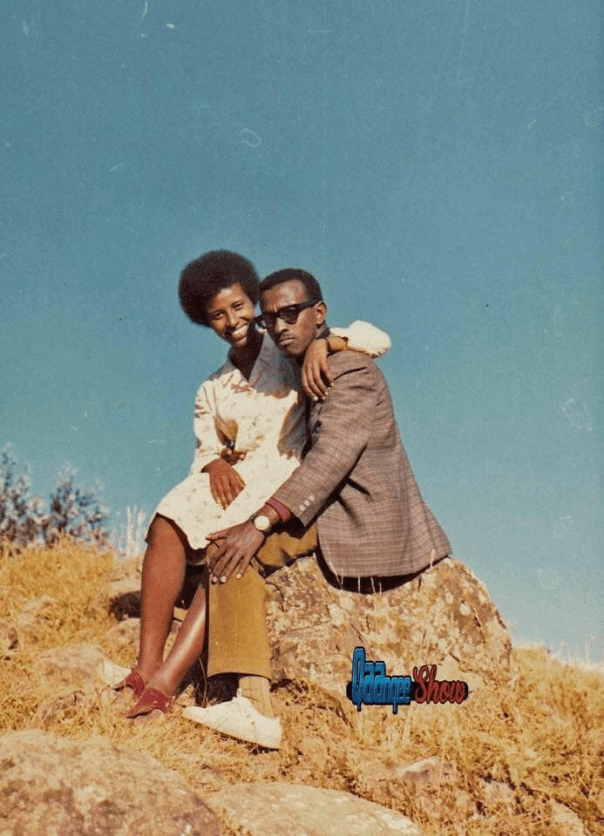
Born around 1955 in Dembidolo, in the Oromia Region of Ethiopia, Martha Kuwee Kumsa carries a name that predestines her for greatness. Her middle name honors an Oromo heroine, and her life’s trajectory would come to mirror the strength of those ancestral women who fought for their people’s dignity. Today, she stands as a full professor at Wilfrid Laurier University in Canada, but the path to that ivory tower was paved with the stones of imprisonment, torture, and exile.
The Revolutionary’s Crucible
When a young Martha moved to Addis Ababa with dreams of becoming an engineer, she could not have anticipated how the 1974 Ethiopian Revolution would reroute her destiny. As universities shuttered, she found her voice not in engineering formulas but in the power of the written word. She trained as a journalist and married Leenco Lata, a chemical engineer who would become a founder of the Oromo Liberation Front.
The Red Terror that followed was Ethiopia’s bloodiest chapter, and it consumed Martha’s world. Her husband was detained four times in six months. The first three times, he returned bearing the scars of torture. The fourth time, he vanished into the maw of the Derg regime’s secret prisons.
What follows in Martha’s story is almost unbearable to contemplate. A young mother, pregnant with her third child, she spent a year turning over dead bodies in the streets of Addis Ababa, searching for her husband’s face among the massacred. She named her baby Goli — meaning “terror” in Oromo — a haunting testament to the moment of his birth. For an entire year, she did not know whether her husband was alive or dead. (He had, in fact, escaped Ethiopia, but this knowledge would not reach her for another decade.)
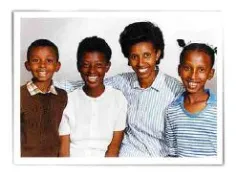
The Prison Years: Ten Years Without Charge
In January 1980, Martha herself was seized by plainclothes security forces. The scene that greeted her at the prison would scar her memory forever: bodies bleeding from mouths, faces disfigured by torture, wounds oozing pus, and a stench so overpowering it seemed to suffocate hope itself.
She was tortured ten times in that first year alone. The foot whipping — a technique designed to inflict maximum pain while leaving victims alive — became her introduction to the Derg’s hospitality. Yet, remarkably, she was never charged with any crime. Her only offense, as Amnesty International and PEN America would later affirm, was her journalism and her advocacy for Oromo women’s rights.
For ten years, Martha Kuwee Kumsa existed in a legal limbo — detained without charge, without trial, without any of the protections that international law supposedly guarantees. But prisons, as it turns out, cannot contain a mind determined to be free. She learned French and Tigrinya from fellow prisoners. She taught biology, geography, and mathematics to other detainees and even to the children of her captors. In one breathtaking act of maternal ingenuity, she faked a dental emergency to secure a brief meeting with her own children.
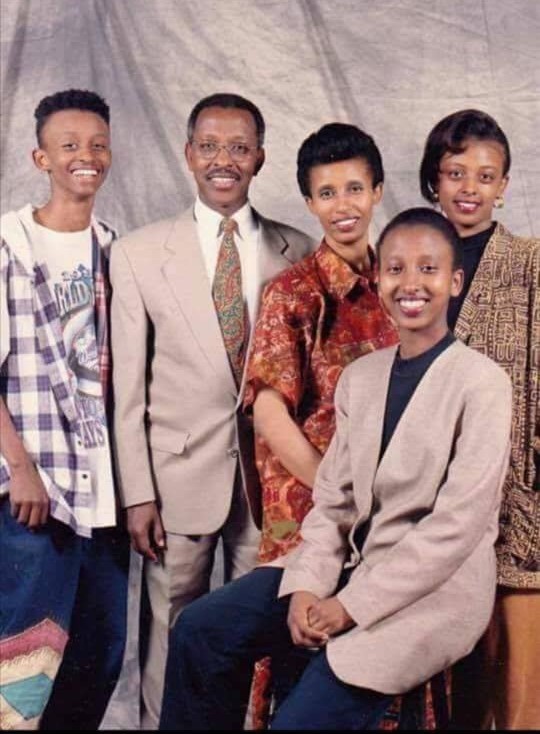
The Liberation of Voice
When Martha was finally released on September 10, 1989, as part of a mass prisoner amnesty, she emerged into a world that had moved on without her. Her children had grown. Her husband, unknown to her, was alive and working in opposition politics. The resistance asked her to join training camps; the government tried to conscript her. Seven months later, she made the impossible choice: walking with her children for two weeks through forests to reach Kenya and, eventually, Canada.
It was in Kenya, just before boarding a flight to a new life, that the phone rang. After eleven years of silence, her husband’s voice came through the receiver. He had survived. He had helped negotiate the EPRDF’s transition to power. He would meet her in Kenya, and then, two days later, she and the children would fly to Canada alone. The family would not be fully reunited until 1996, and even then, political asylum laws would eventually separate them again when Leenco’s armed opposition past made him ineligible for Canadian citizenship.
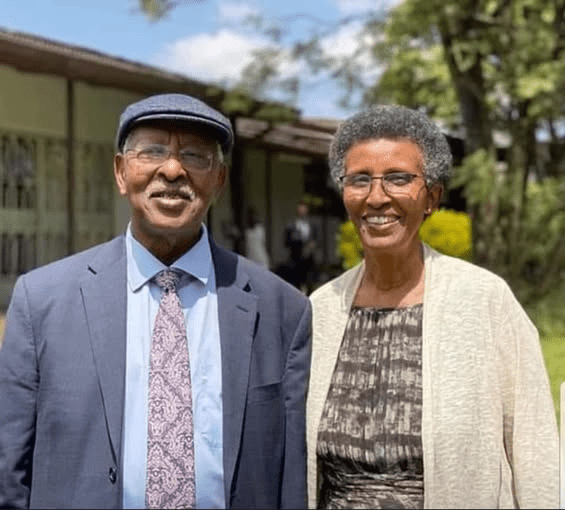
The Scholar-Activist
In Canada, Martha rebuilt herself from the ground up. She earned a bachelor’s degree in social work from York University (1996), a master’s from the University of Toronto (1997), and a PhD from the University of Toronto (2004). She began teaching at Wilfrid Laurier University in 2002 and rose to the rank of full professor.
Her scholarship focuses on Oromo culture, cultural identity, and the adaptation of immigrants — subjects she does not study from a distance but lives in her very bones. But Martha has never been content to remain in the ivory tower. She has remained active with PEN Canada and Amnesty International, speaking worldwide about human rights and freedom of speech.
Siinqee Feminism and the Defense of Youth
Martha’s activism is rooted in siinqee feminism — an Oromo philosophy of womanhood and solidarity that predates Western feminist thought. Siinqee is not merely an intellectual framework; it is a lived practice of mutual protection among Oromo women, a covenant of resistance against all forms of oppression.
This philosophical grounding explains her passionate defense of the Qeerroo and Qarree — the young Oromo activists who led peaceful, grassroots movements that helped overthrow the EPRDF. When pan-Ethiopian feminist Sehin Teferra categorically associated the Qeerroo with violence, Martha pushed back fiercely. Such generalizations, she argued, erase the diversity among young activists and criminalize legitimate protest.
In November 2020, following the assassination of singer Hachalu Hundessa and the subsequent riots, Martha co-authored a piece in The Washington Post that accused Ethiopian federal authorities of orchestrating a wave of repression against Oromos. She documented 9,000 arrests, the raiding of Oromo media offices, and internet shutdowns that created a media monopoly for state-aligned Amharic outlets. She called it “Orwellian misinformation” — a deliberate narrative that painted Oromo victims as perpetrators.
The Queen Who Did Not Break
Today, Martha Kuwee Kumsa lives in Waterloo, Ontario, though her heart remains tethered to Oromia. She has received the 1989 PEN/Barbara Goldsmith Freedom to Write Award, even before her release from prison. She has been honored by Amnesty International. But perhaps her greatest achievement is simpler and more profound: she survived.
She survived the Red Terror. She survived ten years in prison without charge. She survived torture. She survived exile. She survived the separation from her husband and the challenges of raising children in a foreign land while rebuilding a life from nothing. And through it all, she never stopped writing, never stopped advocating, never stopped believing in the power of Oromo women to defy systems of power and reclaim their culture.
Kuwee jechuun mootii kannisaa ti. Kuwee means a queen who bends but does not break. Martha Kuwee Kumsa has been bent by history — bent by dictatorship, by imprisonment, by exile, by loss. But she has never broken. She stands today as a living testament to the unbreakable spirit of siinqee feminism and the enduring power of the human voice when it refuses to be silenced.
In an era when Oromo rights remain contested, when misinformation spreads faster than truth, when young activists are labeled terrorists for demanding justice, Martha’s voice matters more than ever. She reminds us that journalism is not a career but a calling. That feminism is not a Western import but an ancient Oromo practice. That freedom is not granted but claimed.
And that queens, when they refuse to break, can change the world.
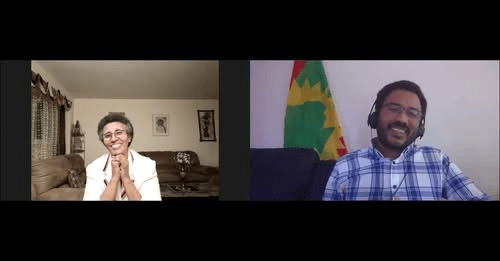
And so we ask again: Who is Martha Kuwee Kumsa?
She is the woman who turned over dead bodies searching for her husband.
She is the woman who named her baby Terror and raised him anyway.
She is the woman who taught mathematics in a torture prison.
She is the woman who walked through a forest to freedom.
She is the woman who built a PhD from the ashes of a decade stolen by the state.
She is the woman who refuses to let Oromo youth be slandered as terrorists.
She is the woman who embodies siinqee feminism in every cell of her being.
She is the queen who bends but does not break.
Kuwee jechuun mootii kannisaa ti.
And her name is Martha.
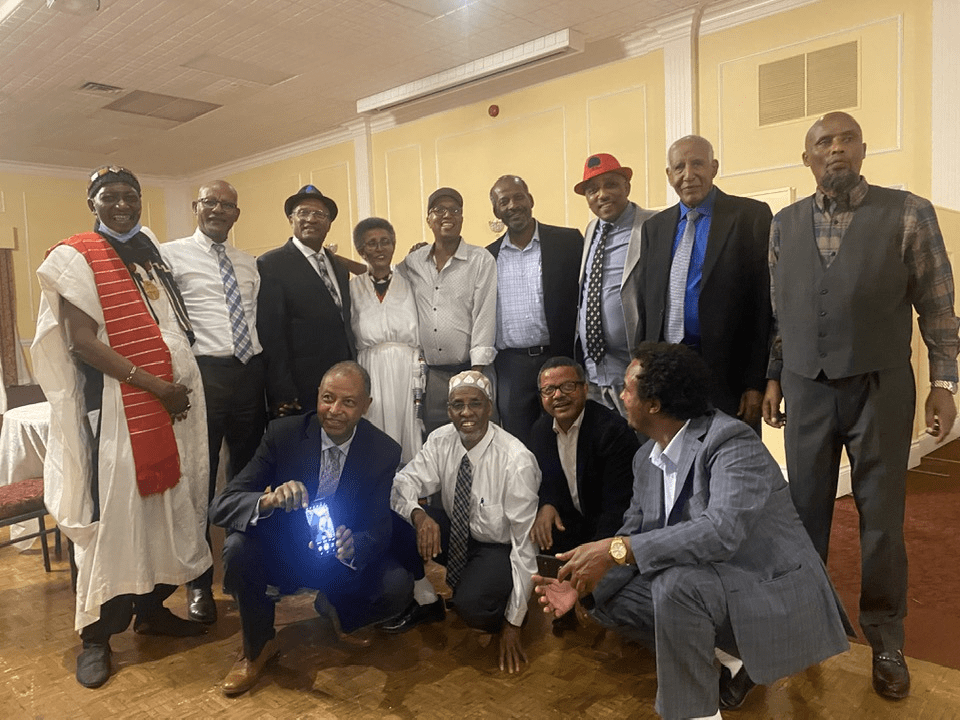
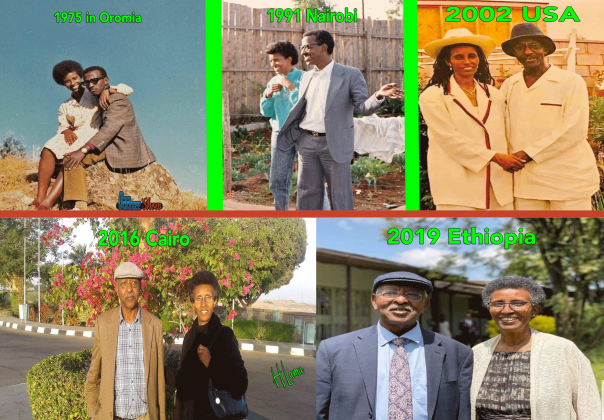
This feature commentary is based on biographical sources including PEN America, Amnesty International, and Martha Kuwee Kumsa’s own writings.

CPJ Denounces Government Crackdown on Addis Standard’s Press Freedom

Ethiopia Revokes Addis Standard’s License Amid Escalating Crackdown on Independent Media
CPJ condemns “retaliation” as authorities silence one of country’s few independent voices ahead of June elections
NAIROBI, February 24, 2026 — The Committee to Protect Journalists (CPJ) has called on Ethiopian authorities to immediately restore the registration of independent outlet Addis Standard after the Ethiopian Media Authority (EMA) revoked its online media registration certificate effective February 24, in the latest blow to press freedom in Africa’s second most populous nation .
“This is not regulation — it is retaliation,” said CPJ Africa Director Angela Quintal. “By weaponizing vague ‘national interest’ and ‘media ethics’ provisions, the Ethiopian Media Authority is silencing independent journalism. Revoking Addis Standard’s license is part of a deliberate campaign to dismantle critical reporting in Ethiopia. Authorities must immediately reinstate the outlet’s registration and end their escalating assault on the press” .
Government Allegations and Outlet’s Response
In a February 24 statement posted on Facebook, the EMA accused Addis Standard of “repeatedly disseminating reports that compromise media ethics, violate Ethiopian laws, and endanger the national interests of the country and its people” . The authority claimed it had issued multiple warnings and that the outlet had failed to take corrective measures before canceling its registration under Ethiopia’s Media Proclamation .
However, Addis Standard Editor-in-Chief Yonas Kedir firmly rejected the decision, stating that the outlet had never received any formal notice of violations from the EMA. He described the claim of “repeated notices” as factually incorrect and said the publisher, JAKENN Publishing PLC, is reviewing legal options to ensure due process is upheld .
The EMA’s statement did not specify which reports or actions formed the basis of the decision . The authority claimed the alleged violations were confirmed through its regulatory oversight activities and were the subject of numerous complaints and tips submitted by members of the public .
A Pattern of Escalating Repression
The move comes amid a widening crackdown on independent media as Ethiopia approaches legislative elections scheduled for early June 2026 . Recent actions against journalists include:
- On February 19, an Agence France-Presse journalist was blocked from traveling to Tigray .
- Authorities declined to renew the accreditation of three Reuters journalists based in Addis Ababa and withdrew the agency’s credentials to cover the African Union Summit, days after Reuters published an investigative report alleging Ethiopia hosts a training camp for Sudan’s Rapid Support Forces .
- In January, the EMA revoked Wazema Radio’s license over alleged reporting irregularities; the station has continued publishing content from abroad .
- In October 2025, the authority suspended the licenses of Deutsche Welle’s local correspondents, two of whom remain permanently barred .
- Four journalists imprisoned for nearly three years now face terrorism charges and potential death sentences, though executions remain rare .
Addis Standard’s History of Government Targeting
Addis Standard, established in 2011 as a monthly magazine and published in Afaan Oromo, Amharic, and English, has faced repeated government harassment over the years . The outlet is one of Ethiopia’s few independent media platforms, with nearly one million followers on X .
The latest revocation is not the first time authorities have moved against the outlet:
In April 2025, Ethiopian police raided the Addis Standard office and the home of one of its senior staff members, briefly detaining three managers for several hours and confiscating multiple electronic devices, including laptops, phones, hard drives, and CPUs. The Committee to Protect Journalists expressed “grave concerns about potential misuse of sensitive data” following the raids .
During the Tigray war in June 2021, Ethiopia’s media regulator suspended Addis Standard, accusing it of advancing the agenda of what it described as a “terrorist group”—an apparent reference to the Tigray People’s Liberation Front (TPLF). At the time, CPJ criticized the move, noting that “for years, Addis Standard has been an important source of critical reporting and commentary on Ethiopia” .
In November 2020, police arrested Medihane Ekubamichael, then product editor at Addis Standard, accusing him of attempting to “dismantle the constitution through violence” .
A Deteriorating Media Landscape
Ethiopia now ranks 145th out of 180 countries in the 2025 Reporters Without Borders (RSF) World Press Freedom Index . According to RSF, the media landscape under Prime Minister Abiy Ahmed, who came to power in 2018, remains “highly polarised and marked by a culture of opinion at the expense of fact-checking” .
The latest actions have raised serious concerns among press freedom advocates about the operating environment for independent journalism ahead of the June elections, as candidate registration and campaign activities are currently underway .
Addis Standard has reported extensively on unrest in Amhara, where rebels have battled federal forces for several years, as well as tensions in Tigray, where a fragile calm risks sliding back into conflict . The outlet’s critical political reporting made it a target, and the latest revocation effectively bars it from operating legally in Ethiopia .
International Condemnation
The CPJ’s condemnation follows similar expressions of concern from diplomatic missions and press freedom organizations. In a joint statement on World Press Freedom Day 2025, 14 diplomatic missions in Addis Ababa warned of a shrinking media and civic space, stressing that a free, pluralistic press is indispensable to democracy and social cohesion, particularly ahead of national elections.
CPJ’s email requests for comment to the Ethiopian Media Authority did not immediately receive a response .
As one observer noted, the revocation of Addis Standard’s license represents not an isolated incident but part of “a troubling pattern of repressive regulatory action against international and independent press” in Ethiopia . With elections approaching and civic space contracting, the future for independent journalism in Ethiopia appears increasingly precarious.
Founded in 2011, Addis Standard is known for critical political reporting, and the latest revocation effectively bars it from operating legally in Ethiopia.

Oromo Students in Sweden Celebrate International Mother Language Day with Pride and Purpose
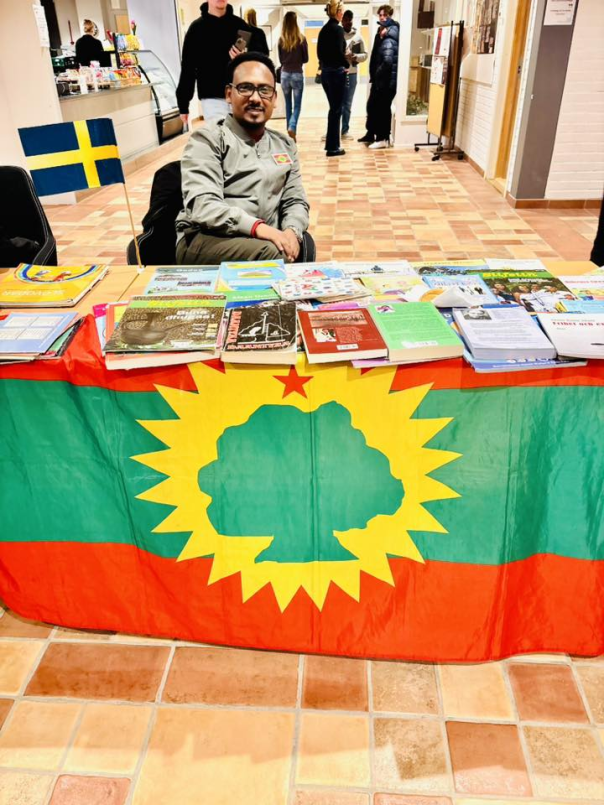
Bromangymnasiet hosts celebration highlighting the importance of preserving and strengthening mother tongues, especially for communities whose linguistic rights have been denied
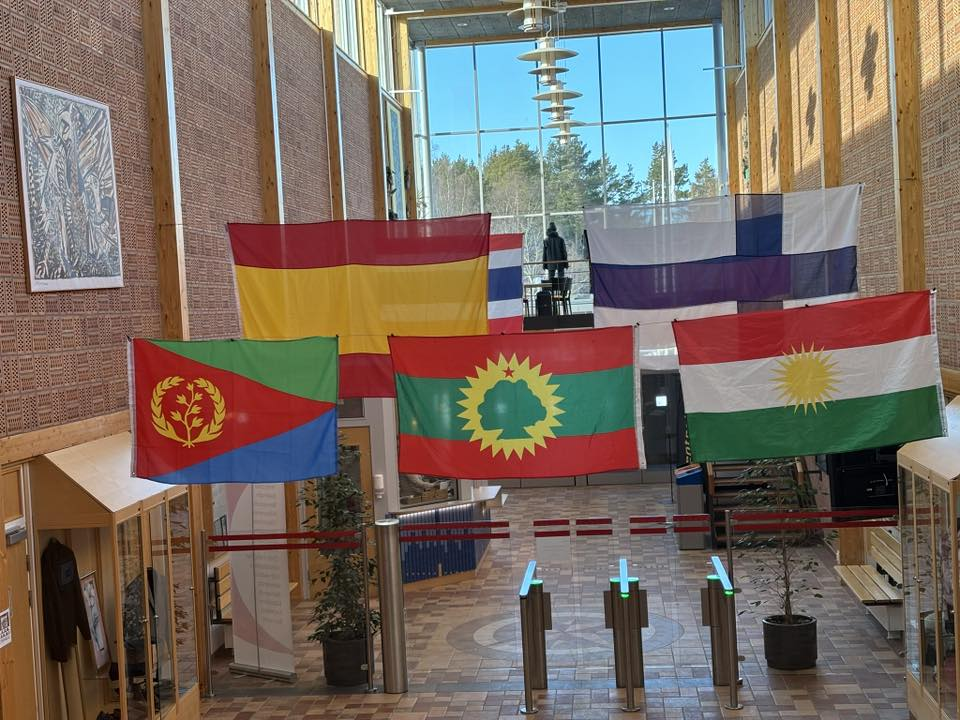
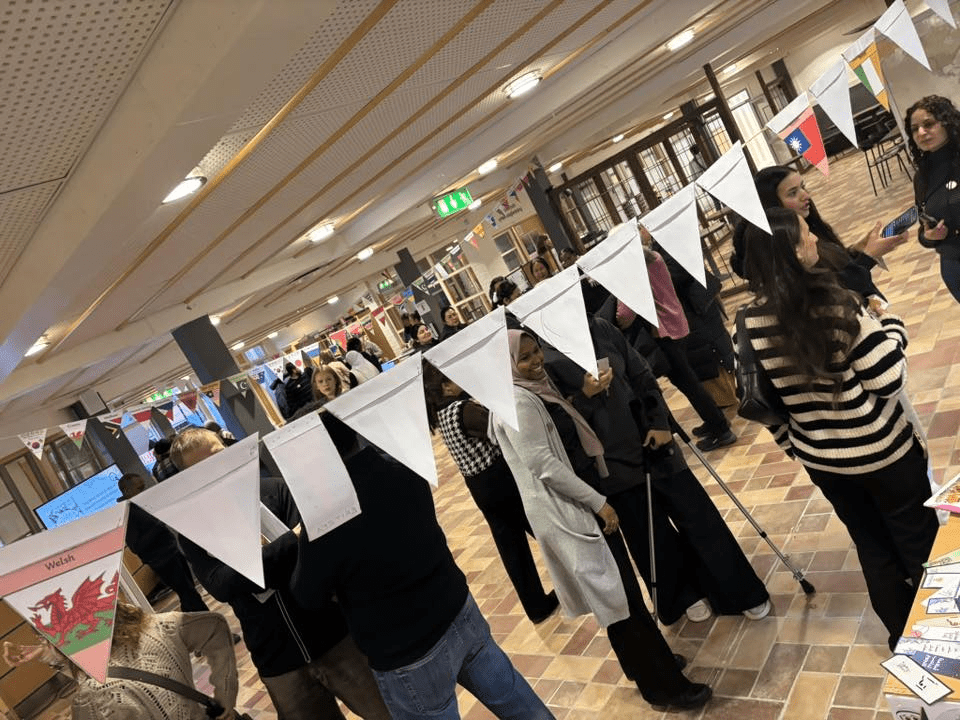
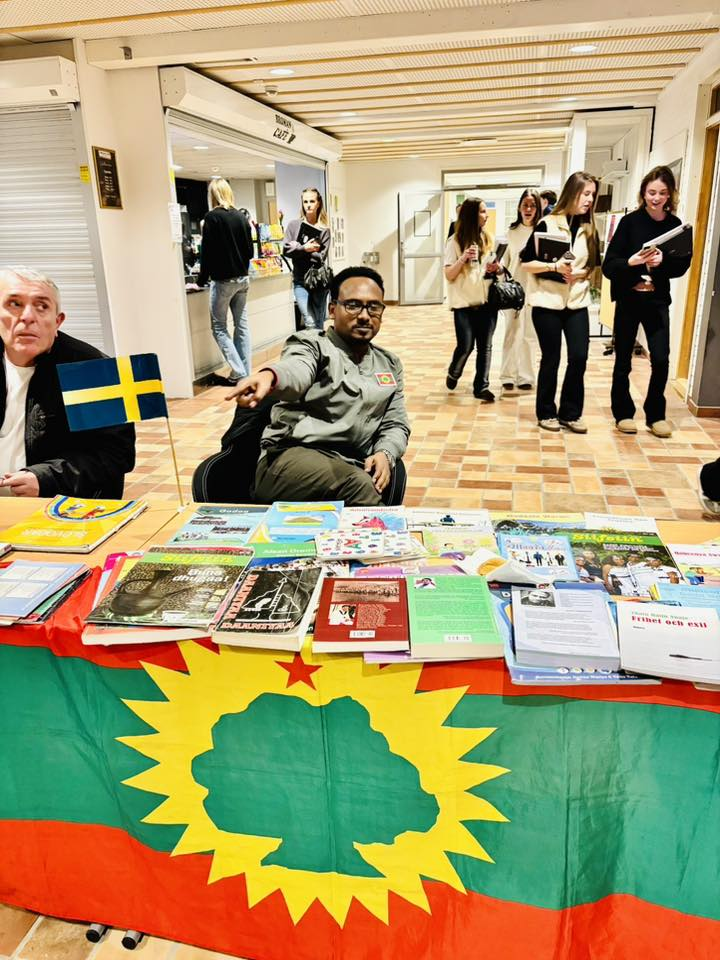
BRO, Sweden — Students and educators at Bromangymnasiet, a secondary school in Sweden, joined the global community in celebrating International Mother Language Day on February 21, recognizing the vital importance of linguistic diversity and the right to learn, write, and speak in one’s mother tongue .
The day, proclaimed by UNESCO in 1999 and observed annually on February 21, holds particular significance for communities whose languages have been marginalized, suppressed, or denied official recognition. For Oromo students at Bromangymnasiet and across the diaspora, the celebration represents both a affirmation of identity and a reminder of ongoing struggles for linguistic rights .
What Is Mother Language?
Mother language—the language a child first learns from their mother and father at birth, the language of their earliest thoughts and expressions—carries profound significance beyond mere communication. It is the medium through which identity is formed, culture is transmitted, and history is preserved .
For communities whose right to use their mother tongue has been violated—who have been denied education in their language, prohibited from publishing in it, or shamed for speaking it—Mother Language Day carries additional weight. It is both celebration and commemoration: celebration of linguistic diversity, commemoration of struggles to preserve languages against overwhelming pressure .
Language Expresses Identity, Culture, and History
As the students at Bromangymnasiet emphasized during their celebration, language is far more than a tool for communication. It is the vessel that carries a people’s identity, their culture, and their history across generations .
When a language dies, something irreplaceable is lost—not just words and grammar, but ways of seeing the world, relationships with nature, forms of humor, styles of prayer, patterns of storytelling, and connections to ancestors. Each language encodes unique knowledge and perspectives that cannot be fully translated into any other tongue .
For Oromo students celebrating in Sweden, this understanding is particularly acute. Many were born in or have grown up in diaspora, navigating between the Oromo language of their homes and communities and the Swedish language of their education and broader society. Maintaining Oromo language proficiency requires conscious effort, community support, and institutional recognition—none of which can be taken for granted.
The Global Context: Languages Under Threat
International Mother Language Day emerges from recognition of a global crisis in linguistic diversity. According to UNESCO estimates:
- More than 40% of the world’s 7,000 languages are currently at risk of disappearing
- A language dies approximately every two weeks
- 40% of the global population lacks access to education in a language they speak or understand
- Indigenous languages are disappearing at alarming rates, taking with them unique knowledge systems and cultural heritage
February 21 was chosen as International Mother Language Day to commemorate the 1952 Bengali Language Movement in Bangladesh, when students in Dhaka were killed by police while demonstrating for recognition of their mother tongue, Bengali. The day thus carries from its origins a connection to struggle—to the understanding that linguistic rights are not given but demanded, and that people have died defending their right to speak their own languages.
Oromo Language: A History of Suppression and Resilience
For Oromo people, the struggle for linguistic rights has been central to the broader struggle for recognition and self-determination. Under successive Ethiopian regimes, the use of Afaan Oromo was severely restricted:
- Education in Afaan Oromo was prohibited for decades
- Publishing in the language was suppressed
- Public use of Afaan Oromo was discouraged and sometimes punished
- Oromo children were educated in Amharic, a language many did not understand
- The Latin script (Qubee) for writing Afaan Oromo was banned, with the Ethiopic script imposed
Despite these pressures, Oromo language survived and has undergone remarkable revitalization since the 1991 change of government. The adoption of Qubee (Latin script) has facilitated writing and publishing. Afaan Oromo is now used in education, media, and government in Oromia. Oromo literature, music, and journalism have flourished.
Yet challenges remain. Within Ethiopia, the status and development of Afaan Oromo continues to be contested. In diaspora, parents struggle to pass the language to children growing up in English, Swedish, or other dominant languages. The work of strengthening Oromo language is ongoing.
Strengthen Our Language and Our Script!
The celebration at Bromangymnasiet carried a clear and powerful message: “Strengthen our language and our script! May Afaan Oromo grow!”
This call encompasses several dimensions:
For Oromo youth in diaspora: It means actively using Afaan Oromo at home, seeking out Oromo-language media, participating in community events where Oromo is spoken, and taking pride in linguistic heritage.
For parents and families: It means speaking Oromo to children from birth, creating environments where Oromo is valued and used, and transmitting not just language but the culture and history it carries.
For communities: It means establishing and supporting Oromo language programs, creating opportunities for youth to use the language, and celebrating linguistic achievements.
For educators and institutions: It means recognizing Oromo language as worthy of study and support, providing resources for Oromo language learning, and respecting students’ linguistic identities.
For advocates: It means continuing to press for full recognition and development of Afaan Oromo in Ethiopia and supporting Oromo language initiatives globally.
Celebration at Bromangymnasiet
The International Mother Language Day celebration at Bromangymnasiet brought together Oromo students and educators to honor their language and reflect on its significance. Activities likely included:
- Readings of Oromo poetry and literature
- Performances of Oromo music
- Discussions about the history and importance of Afaan Oromo
- Presentations on Oromo culture and traditions
- Reflections on the challenges and joys of maintaining Oromo language in diaspora
For students growing up between cultures, such celebrations serve multiple purposes: they affirm that Oromo language matters, that their heritage is worthy of recognition, and that they are part of a global Oromo community that spans continents.
The Universal Message
While the Bromangymnasiet celebration focused particularly on Afaan Oromo, the universal message of International Mother Language Day resonates across all linguistic communities:
- Every language deserves respect and recognition
- Every child deserves education in a language they understand
- Linguistic diversity enriches humanity
- Languages carry knowledge and perspectives that benefit everyone
- The loss of any language diminishes us all
As one student participant reflected: “When we celebrate Mother Language Day, we celebrate not just our own language but the principle that all languages matter. We stand with every community fighting to preserve its mother tongue—whether in Ethiopia, Sweden, or anywhere in the world.”
Looking Forward
The celebration at Bromangymnasiet represents both an ending and a beginning: the end of another year’s observation, and the beginning of renewed commitment to strengthening Afaan Oromo for the year ahead.
For Oromo students in Sweden, the work continues—learning, speaking, reading, and writing in their mother tongue; passing it to younger siblings and future children; advocating for its recognition and support; and ensuring that Afaan Oromo not only survives but thrives in diaspora as well as in the homeland.
As the students themselves declared: “Afaan keenya fi Qubee keenya jabeessaa! Afaan Oromoo haa guddatu!” —”Strengthen our language and our script! May Afaan Oromo grow!”
International Mother Language Day: February 21—celebrating linguistic diversity, honoring struggles for linguistic rights, and committing to strengthen every mother tongue.

Ethiopia Revokes Addis Standard’s License in Latest Blow to Independent Media
Authorities silence critical voice as crackdown on press freedom intensifies ahead of June elections
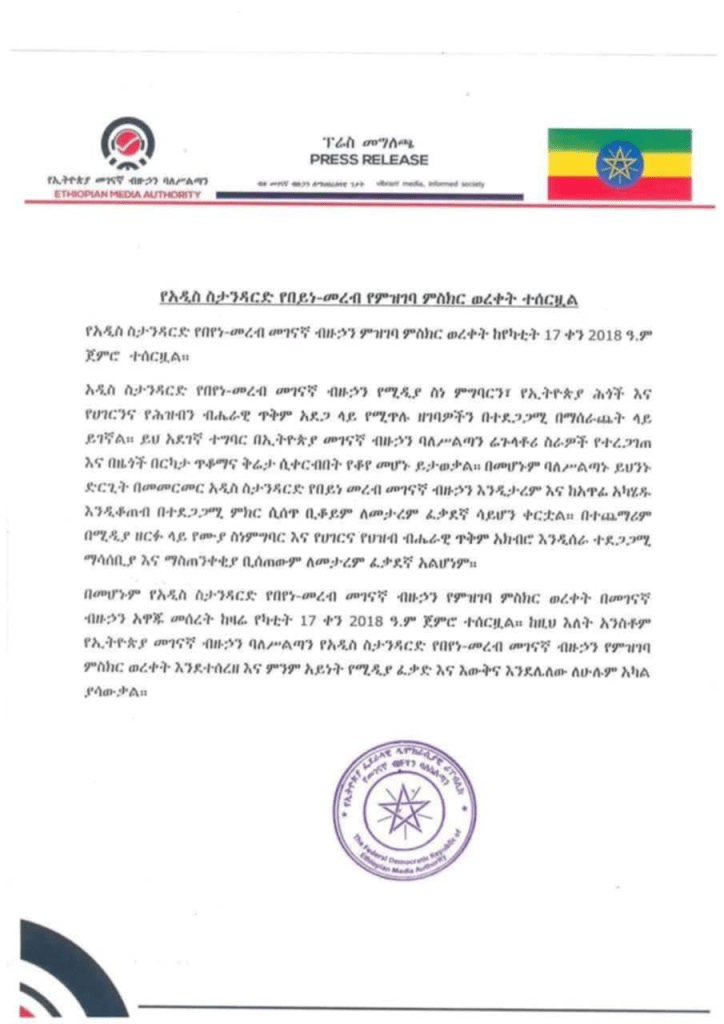
ADDIS ABABA — The Ethiopian Media Authority (EMA) has revoked the online media registration certificate of Addis Standard, one of the country’s most respected independent news outlets, effective February 24, 2026, in a move that press freedom advocates condemn as part of a widening crackdown on independent journalism.
The decision strips Addis Standard of its legal recognition to operate in Ethiopia, citing alleged “repeated violations of media ethics, national laws, and the country’s national interests,” though the Authority’s statement did not specify which reports or actions formed the basis of the decision.
A History of Targeting Independent Media
Addis Standard, established in 2011 as a monthly magazine and published in Afaan Oromo, Amharic, and English, has faced repeated government harassment over the years. The outlet discontinued its print edition in October 2016 in response to censorship, continuing online only, before resuming monthly print editions in 2018.
The latest revocation follows a pattern of escalating pressure on independent media:
- April 2025: Ethiopian police raided Addis Standard’s office and the home of a senior staff member, detaining three managers for several hours and confiscating laptops, phones, and data storage equipment. The Committee to Protect Journalists (CPJ) expressed “grave concerns about potential misuse of sensitive data” following the raids.
- June 2021: During the Tigray war, the EMA suspended Addis Standard, accusing it of advancing the agenda of what it described as a “terrorist group”. CPJ condemned the move, noting that Addis Standard “has been an important source of critical reporting and commentary on Ethiopia”.
- November 2020: Police arrested Medihane Ekubamichael, then product editor at Addis Standard, accusing him of attempting to “dismantle the constitution through violence”.
Editor-in-Chief Rejects Allegations
Responding to the EMA’s announcement, Yonas Kedir, Editor-in-Chief of Addis Standard publications, categorically rejected the Authority’s claims, stating the outlet had never received any formal notices of violations.
“The claim that Addis Standard received repeated notices is factually incorrect. At no point has the Ethiopian Media Authority formally notified Addis Standard newsroom of any prior violations or enforcement actions,” he said.
The publisher, JAKENN Publishing PLC, is reviewing legal options to protect its rights and ensure due process is upheld.
Broader Crackdown on Press Freedom
Addis Standard’s license revocation is not an isolated incident but part of a broader pattern of repression against independent media in Ethiopia, particularly as the country approaches national elections scheduled for June 2026.
Recent actions against media outlets include:
- Wazema Radio (January 2026): The EMA compelled Wazema Media to surrender its operating license, accusing the outlet of reporting contrary to “national interest” and lacking balance. The station has continued publishing content from abroad.
- Reuters (February 2026): The government declined to renew accreditation for three Addis Ababa-based Reuters journalists and withdrew the outlet’s accreditation to cover the African Union Summit, days after Reuters published an investigative report alleging Ethiopia hosts a training camp for Sudan’s Rapid Support Forces (RSF).
- Deutsche Welle (October 2025): The EMA suspended several correspondents working for Deutsche Welle. While most were later reinstated in December, two remain permanently suspended.
- Tesfalem Waldyes (June 2025-present): The founder of Ethiopia Insider remains detained despite a court ordering his release and bail being posted, in what CPJ calls “the Ethiopian government’s disregard for judicial processes and press freedom”.
From Hope to Retrenchment
The crackdown represents a dramatic reversal from the promise of Prime Minister Abiy Ahmed’s early years in power. In May 2019, addressing UNESCO’s World Press Freedom Day in Addis Ababa, Abiy declared a decisive break with Ethiopia’s repressive past, stating: “A democratic Ethiopia cannot be materialized if individuals are imprisoned for generating and sharing their ideas responsibly”.
His government opened more than 200 blocked websites, freed imprisoned journalists, allowed exiled media to return, and initiated reforms of laws long criticized for stifling expression.
Nearly seven years later, that horizon has receded. Ethiopia now ranks 145th out of 180 countries in the 2025 Reporters Without Borders World Press Freedom Index, falling for the first time into the “very serious” category. The Committee to Protect Journalists counts 12 journalists behind bars in Ethiopia, putting it among the worst countries in Africa for jailing journalists.

Legal Architecture of Control
The legal framework governing media has shifted away from the reform spirit of 2019. Amendments to the Media Proclamation in 2025 shifted critical oversight powers from the legislature to the executive, weakening the EMA’s independence in practice.
Meanwhile, the Hate Speech and Disinformation Prevention Proclamation (1185/2020) remain dangerously vague, with undefined terms such as “falsehood,” “hate,” and “national interest” deployed to enable selective enforcement. It is within this legal gray zone that outlets like Addis Standard and Wazema become most vulnerable—not through transparent judicial processes, but through administrative decree.
The Ethiopian Human Rights Commission (EHRC), a state-appointed constitutional body, has formally recommended further revisions to media laws, citing persistent structural flaws.
Election Concerns
The crackdown comes at a particularly sensitive time, as Ethiopia prepares for national elections in June 2026. Candidate registration and campaign activities are currently underway, raising concerns among media observers about the operating environment for independent journalism.
The National Election Board of Ethiopia (NEBE) now requires media organizations to sign a mandatory oath as a condition for accreditation, attaching legal liability for alleged “misinformation” directly to editorial leadership. Critics argue this transforms accreditation into a loyalty test, institutionalizing self-censorship and recasting election coverage from a public duty into a controlled privilege.
As one Addis Standard editorial noted: “Journalism ethics cannot be governed through compulsory oaths; they must be safeguarded through independence, due process, and constitutional protection”.
International Condemnation
International press freedom organizations have condemned Ethiopia’s escalating repression of independent media. Muthoki Mumo, CPJ’s Africa Program Coordinator, called the revocation of Reuters’ credentials “the latest in a troubling pattern of repressive regulatory action against international and independent press in Ethiopia”.
On World Press Freedom Day in 2025, 14 diplomatic missions in Addis Ababa issued a joint statement warning of a shrinking media and civic space, stressing that a free, pluralistic press is indispensable to democracy and social cohesion, particularly ahead of national elections.
The Stakes for Oromo Media and Voices
For Oromo media and those covering Oromo issues, the crackdown carries particular significance. Independent media have been essential platforms for amplifying Oromo voices, documenting human rights abuses, and providing counter-narratives to state-controlled discourse.
Addis Standard’s publication in Afaan Oromo, alongside Amharic and English, made it accessible to Oromo readers seeking news and analysis in their mother tongue. Its silencing represents another closure of space for Oromo expression and information access.
Looking Forward
As Addis Standard reviews its legal options and considers next steps, the broader question remains whether Ethiopia will reverse course on press freedom or continue its trajectory toward increasing repression.
The contradiction is stark: international partners, from Germany and the European Union to multiple diplomatic missions, warn that peace, partnership, and credible elections cannot endure without an open media environment. Yet domestically, legal ambiguity, bureaucratic obstruction, and administrative punishment steadily entrench the opposite trajectory.
For independent media operating in Ethiopia, the message from authorities is increasingly clear: critical journalism will not be tolerated. And for the Ethiopian people, access to information—essential for informed citizenship and meaningful democratic participation—grows ever more constrained.
As one Addis Standard editorial concluded: “Press freedom is not ornamental. It is central to transparency, accountability, and democratic legitimacy. Treating it as a privilege to be withdrawn in the name of ‘national interest’ undermines not only journalists, but the credibility of the political order itself” .
Media is independent. It works to bring out the truth of the people that has been suppressed. The Ethiopian government is silencing the voice of the people, especially when the suppressed truth of oppressed nations is heard—this threatens independent media freedom. It is a major problem for the political and media space when the government intensifies its pressure.

The Importance of Having Heroines and Heroes: Modeling Our Legendary Oromo Leaders
How Oromo traditions of celebrating excellence, bravery, and patriotism shape the struggle for liberation
OROMIA — In every society, heroines and heroes serve as living repositories of collective memory, embodiments of cherished values, and beacons guiding future generations. For the Oromo people, the celebration of heroic figures is not merely a cultural practice but an essential component of maintaining identity, transmitting values, and sustaining the centuries-long struggle for justice and self-determination .
Within the framework of the Gadaa system—one of the world’s oldest indigenous democratic governance structures—the recognition and celebration of excellence has always been central to social and political life. Bravery on the battlefield, patriotism in the face of external threat, deep knowledge of Oromo culture and tradition, and expertise in leadership, organization, and governance were all qualities that earned individuals lasting honor and remembrance .
Recognizing and Celebrating Achievement
The Gadaa system, which UNESCO has recognized as Intangible Cultural Heritage of Humanity, is built upon principles of merit, accountability, and service. Within this framework, those who demonstrated exceptional qualities received public recognition and were elevated as models for others to emulate .
Qualities honored in Gadaa tradition include:
- Bravery (Goromsa): Courage in defending the community and standing for justice
- Patriotism (Biyyummaa): Unwavering commitment to the Oromo people and their land
- Cultural knowledge (Aadaa beekumsa): Deep understanding of Oromo traditions, laws, and history
- Leadership expertise (Hoogganummaa): Skill in guiding communities, resolving disputes, and making wise decisions
- Organizational ability (Qindeeffama): Talent for mobilizing people and resources effectively
- Warfare knowledge (Waraana beekumsa): Strategic and tactical wisdom in defending the nation
These qualities were not abstract ideals but observable characteristics that individuals demonstrated through their actions and service. Communities paid attention, remembered, and passed down stories of exemplary figures from generation to generation.
Rejecting the Leadership of Collaborators
Just as Gadaa tradition celebrates those who uphold its principles, it also provides mechanisms for identifying and rejecting leaders who betray the people’s trust. Central to this is the understanding that not all who seek power deserve to hold it—especially those who have rejected the fundamental principles of Gadaa, Saffu, and social justice .
Saffu, a core Oromo philosophical concept, encompasses the moral order, the proper relationship between humans and the divine, and the ethical framework that governs Oromo society. Leaders who violate Saffu—who place their interests above the community’s, who collaborate with oppressors, who abandon the struggle for justice—forfeit their right to lead, regardless of any formal position they may hold .
The rejection of such leaders is not merely a political act but a moral and spiritual one. It affirms that leadership is not about personal ambition but about service to the people and fidelity to the values that sustain Oromo society. Those who collaborate with systems of domination, who benefit from Oromo oppression while claiming to represent Oromo interests, are recognized for what they are—and rejected accordingly.
Promoting Liberation Knowledge
A crucial dimension of honoring heroines and heroes involves actively promoting what might be called “liberation knowledge” —the wisdom, strategies, and understanding necessary for achieving and maintaining freedom. This requires simultaneously challenging what could be termed “knowledge of domination” —the narratives, ideologies, and assumptions that sustain oppressive systems .
Liberation knowledge includes:
- Understanding Oromo history from Oromo perspectives, not through the lens of conquerors
- Preserving and transmitting Gadaa principles and practices
- Documenting the sacrifices and strategies of past freedom fighters
- Developing political consciousness and critical analysis of power
- Building organizational skills and strategic thinking
Knowledge of domination manifests as:
- Narratives that deny or minimize Oromo suffering and struggle
- Ideologies that justify Oromo subordination within Ethiopian state structures
- Educational systems that erase or distort Oromo contributions
- Media that portrays Oromo resistance as “terrorism” or “instability”
- Historical accounts written by conquerors rather than the conquered
By actively promoting liberation knowledge and challenging dominating narratives, Oromos honor their heroines and heroes not through passive remembrance but through active continuation of their work. Every Oromo child who learns their true history, every activist who understands the strategies of past struggles, every leader who studies the principles of Gadaa—all are participating in the transmission of liberation knowledge that heroines and heroes died to preserve.
Modeling Our Legendary Oromo Leaders
The call to “model our legendary Oromo leaders” is an invitation to active emulation, not passive admiration. It recognizes that heroines and heroes are not meant to be merely remembered but to be imitated—their qualities studied, their strategies understood, their sacrifices honored through similar commitment in our own contexts .
What does it mean to model legendary Oromo leaders?
For activists today: It means studying how past leaders organized communities, built consciousness, and sustained struggle across generations. It means understanding that liberation is a marathon, not a sprint, and that each generation contributes its chapter to an ongoing story.
For community members: It means embodying the values that heroines and heroes exemplified—courage in speaking truth, commitment to justice, generosity toward fellow Oromos, and unwavering fidelity to the cause.
For young people: It means learning the names and stories of those who came before, understanding that freedom was not given but won through sacrifice, and preparing to take up the struggle in forms suited to their time.
For leaders: It means measuring their performance against the standards of Gadaa—justice, service, accountability, wisdom—and recognizing that true leadership is demonstrated through benefit to the people, not accumulation of personal power.
Heroines: The Often-Unsung Pillars
While much attention focuses on male heroes—partly because historical records have often been kept by men—Oromo tradition also celebrates heroines whose contributions have been equally essential to the survival and flourishing of the Oromo nation .
Within the Siinqee tradition, Oromo women have maintained their own institutions of solidarity, mutual protection, and collective action. Women leaders have organized resistance, preserved culture, sustained families through war and displacement, and transmitted Oromo values to children under the most difficult conditions.
Heroines like those who fed and sheltered liberation fighters, who carried weapons and messages across enemy lines, who organized protests and documented abuses, who raised children to know and love their Oromo identity—these women deserve recognition alongside more publicly celebrated figures. Modeling legendary Oromo leaders means honoring and emulating them as well.
The Struggle Continues
The importance of having heroines and heroes ultimately lies in the future, not the past. Heroines and heroes are not museum pieces to be admired from a distance but living presences whose example continues to shape the struggle. Their stories remind us that others have faced challenges as great as or greater than our own—and have overcome through courage, commitment, and faith.
When we model legendary Oromo leaders, we:
- Connect ourselves to a centuries-old tradition of resistance
- Draw strength from those who persevered through worse conditions
- Learn from their successes and their failures
- Transmit to the next generation a usable past
- Affirm that the struggle for Oromo freedom is not a recent invention but an ancestral obligation
Conclusion: Living Legacy
The heroines and heroes of Oromo history are not dead. They live in the songs of protest, in the prayers whispered in churches and mosques, in the dreams of children who grow up knowing their names, in the courage of activists who face down armed security forces, in the determination of elders who continue to teach Gadaa to new generations.
Modeling our legendary Oromo leaders means recognizing that we are not starting from scratch. We stand on the shoulders of giants—women and men who gave everything so that we might live in dignity and freedom. Our task is not to worship them from afar but to continue what they began, to carry forward the struggle in forms suited to our time, and to ensure that future generations will have their own heroines and heroes to model.
As one Oromo elder put it: “Our heroes are still alive, for they live in the hearts and minds of the Oromo people. They live with us in our homes, workplaces, schools, churches, and mosques. When we remember them, when we tell their stories, when we embody their values—they live.”
May we be worthy of those who came before. May we model their courage, their wisdom, and their commitment. May we ensure that the legacy of Oromo heroines and heroes continues through us and through all who come after.
Injifannoon Ummata Oromoo! (Victory to the Oromo People!)




 Advocacy for Oromia