Category Archives: News

Toronto Oromo Community Celebrates New Year with Political Resolve

Feature News: Toronto Oromo Community Marks New Year with Rallying Cry for Strength and Victory
TORONTO, ON – In a powerful confluence of cultural celebration and political resolve, the Oromo community in Toronto gathered this weekend to honor Oromo Liberation Army Day (WBO) and usher in the Oromo New Year, Amajjii 1, 2026.
The event, meticulously organized by the Toronto Chapter (Konya) of the Oromo Liberation Front (OLF), transcended a traditional New Year’s celebration. It served as a strategic council and a rallying point, framed by the theme of strengthening institutions for decisive victory.
The gathering was elevated by the presence and keynote address of Jaal Gamteessaa Boruu, a distinguished member of the OLF’s Shanee Gumii Saba (National Council). His message moved beyond reflection, delivering a focused and urgent directive for the current era.
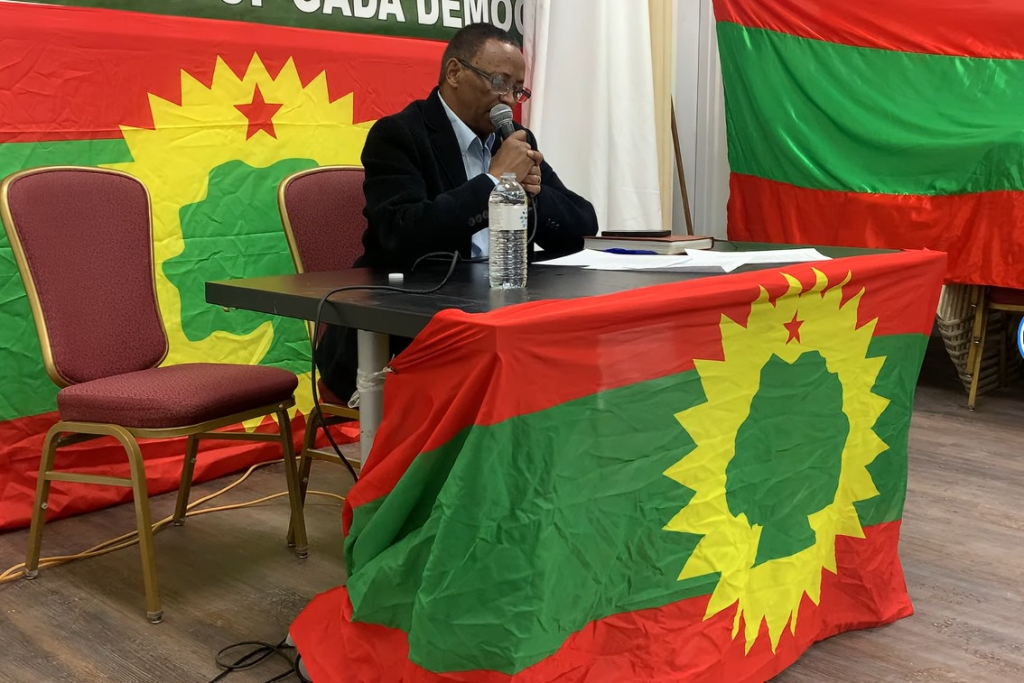
A strengthen our own institution for the Current Struggle
Jaal Gamteessaa framed the event as a modern strengthen our own institution—the traditional Oromo assembly for deep discussion and consensus-building. He wove historical lessons into a present-day imperative, stating that the commemoration of shared history and identity must directly fuel contemporary strategy.
“The history we recount today is not just a memory; it is a blueprint and a source of energy,” he asserted before an attentive audience. “In this specific year, the lesson our history underscores is clear: to defeat the enemy, we must first and foremost strengthen our own institutions. Our unity, our organization, and our structured resolve are the foundations upon which victory is built.”
His speech emphasized that cultural celebrations like WBO and Amajjii are vital for reinforcing the social fabric, but that this fabric must be channeled into a more robust, disciplined, and effective organizational framework. The call was for a tangible, structural fortification of the OLF and affiliated community organizations to meet the challenges ahead.
A Celebration Steeped in Purpose
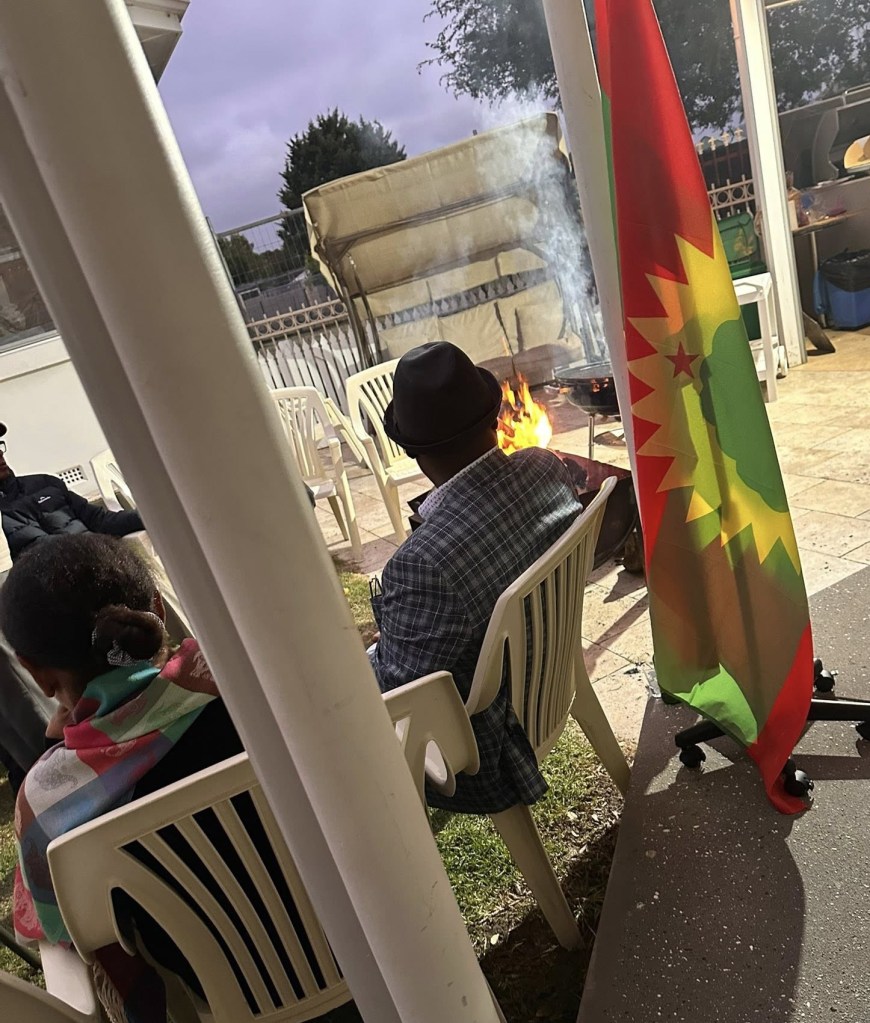
The hall was adorned in the symbolic colors of the Oromo flag, resonating with traditional attires. However, the festive spirit was seamlessly interwoven with a palpable sense of purpose. The communal feast and performances were not just acts of preservation but affirmations of a collective identity that fuels political determination.
“This event beautifully married our soul and our spine,” shared a longtime community activist. “We celebrated our beautiful culture—our soul. And with Jaal Gamteessaa’s message, we reinforced our political backbone. It’s a reminder that our identity is our strength, and that strength must be organized to be effective.”
The successful execution of this dual-purpose event by the OLF’s Toronto Konya highlights the dynamic role of the Oromo diaspora. It acts as a crucial hub not only for cultural sustenance but also for political mobilization, strategic dialogue, and reinforcing transnational support for the cause in Oromia.
As the Oromo people worldwide step into the new year of Amajjii 1, the echo from Toronto is one of unified resolve: a commitment to translate enduring brotherhood, sisterhood and rich heritage into a fortified, organized force for the future.

Commemorating Oromo Liberation: A Virtual Celebration

Feature Commentary: The Virtual Hearth – How a Global Oromo Gathering Forged Unity from Adversity
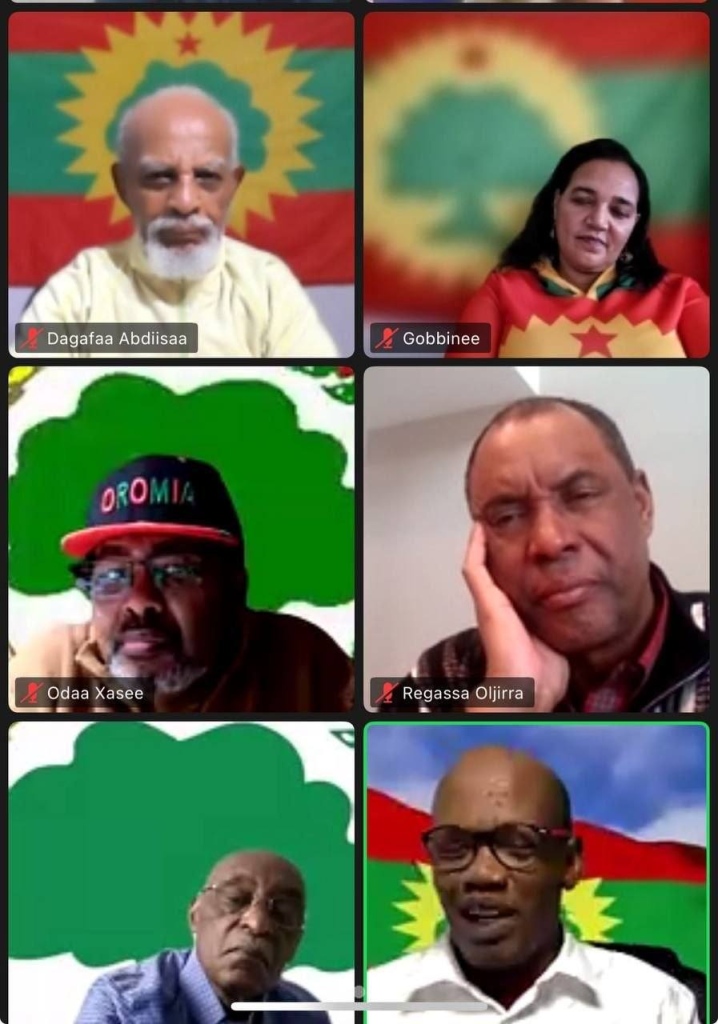
On January 2, 2026, a remarkable convergence took place not in a physical capital, but in the digital ether. The global Oromo community, scattered across continents, logged onto a Zoom call. Their purpose was twofold: to commemorate the 46th anniversary of the Oromo Liberation Army (OLA/WBO) and to celebrate Ayyaana Amajjii 1, the Oromo New Year. This was not merely an online event; it was the lighting of a virtual sacred fire around which a nation-in-exile and its internal vanguard could gather, reflect, and reaffirm a covenant tested by fire.
The gathering’s very format was a testament to resilience. As speakers noted, the OLA’s anniversary and the New Year have always been marked wherever Oromo patriots find themselves—in hidden clearings, in diaspora community halls, and now, in the intimate squares of a video call. This digital assembly, reaching a global stage, was a powerful evolution of that tradition, proving that the spirit of the struggle cannot be quarantined or confined.
The commemoration served as a strategic audit of a challenging year. The year 2025 was framed not as a period of setback, but as one of immense pressure and clandestine endurance. The key revelation was both sobering and defiant: of all the OLF’s offices across Oromia, only the one in Gullalle had managed to reopen after state-led closures. The rest remained shuttered, their assets seized. This single operational office, as described, became a symbol of tenacious survival—a nerve center conducting political “training and mobilization” even under “difficult and oppressive conditions,” preparing for the proverbial “7th round.”
The historical anchor for this resilience was powerfully underscored by participant Jaal Dhugaasaa Bakakkoo, who reminded the assembly of the OLA’s very first commemorated day: January 1, 1980, marking a victory over the Derg (Darg) regime. This was a crucial narrative pivot. It connected the current struggle—of closed offices and digital gatherings—directly to the movement’s foundational moment of armed triumph. It argued that the movement was born from victory in adversity and thus carries that DNA of overcoming long odds.
The most poignant thread was the deliberate passing of the torch. Dr. Daggafaa Abdiisaa’s address cut to the heart of intergenerational duty, telling the youth: “The duty to pursue the goal and objective of the OLF rests upon you, the beloved children of the fallen heroes.” This was more than inspiration; it was a formal transfer of moral obligation, framing the youth not as bystanders but as the sole rightful heirs and executors of an unfinished mission.
The dual nature of the celebration—the martial memory of the OLA with the cultural renewal of Amajjii—fused two core aspects of Oromo identity: the resistance fighter and the cultural citizen. The final message distilled this fusion into a clear directive for 2026: unity (tokkummaa), self-defense against encroachment (daangaa isaa kabachiifatu), and speaking with one unwavering voice (afaan faajjii tokko).
Thus, the Zoom call transcended its pixels. It became a virtual Chaffe (assembly), a space for accountability, historical remembrance, and strategic realignment. From recalling the 1980 battlefield victory to reporting on the solitary open office in Gullalle in 2025, the narrative woven was one of unbroken continuity. The gathering declared that the struggle persists across generations and geographies, adapting its tools—from the gun to the internet, from the forest clearing to the Zoom room—but never altering its ultimate goal: to ensure the Oromo people, united and resolute, finally become the authors of their own destiny in their own land. The virtual hearth may have been extinguished with a click, but the fire it carried burns on.

Global Oromo Diaspora Marks New Year and OLA Anniversary

January 2, 2026, Global Oromo Community Commemorates 46th Anniversary of Oromo Liberation Army (OLA) and New Year
In a powerful display of unity and resolve, the global Oromo diaspora and supporters convened virtually on January 2, 2026, to jointly commemorate two pivotal occasions: the 46th anniversary of the founding of the Oromo Liberation Army (OLA) and the traditional Oromo New Year, Ayyaana Amajjii 1.
The online gathering, organized via Zoom, served as both a solemn remembrance and a strategic assessment. Participants honored the immense sacrifices made over nearly five decades of struggle for Oromo self-determination while analyzing the current status, achievements, and ongoing challenges facing the movement.
Speakers and attendees reflected on the harsh conditions under which the OLA—the armed wing of the Oromo Liberation Front (OLF)—was founded and how its founding day has become a cornerstone of resistance and identity for the Oromo people. The event highlighted how these anniversaries are perennially observed wherever Oromo patriots, OLF members, and supporters of the liberation struggle are found.
A central theme of the commemoration was a call to the younger generation. In a keynote address, Dr. Daggafaa Abdiisaa emphasized the weight of legacy and continuing responsibility, stating to Oromo youth: “The duty to pursue the goal and objective of the OLF rests upon you, the beloved children of the fallen heroes.” This message framed the struggle not as a historical artifact, but as a living mission requiring sustained commitment.
The dual commemoration of Ayyaana Amajjii—a cultural celebration of renewal—with the military anniversary of the OLA underscored a profound narrative: the intertwining of cultural identity and political resistance. It reinforced the idea that the fight for Oromo rights is as much about preserving heritage as it is about achieving political autonomy.
The virtual event allowed for participation from across the globe, demonstrating the widespread and enduring connection of the diaspora to the cause in Oromia. As the movement enters its 47th year, this commemoration served to reaffirm global solidarity, honor a legacy of sacrifice, and rally a new generation to the ongoing pursuit of the Oromo Liberation Front’s objectives.
###
Background Notes:
- On January 1, 1980, the Oromo Liberation Army (OLA) celebrated its first formal day to commemorate a hard-fought victory over the Darg regime’s campaigns.
- This day stands as a testament to the early courage and sacrifice that laid the foundation for the ongoing struggle. We remember, honor, and draw strength from the resilience shown from the very beginning.
- Ayyaana Amajjii 1 marks the Oromo New Year based on the traditional Gadaa calendar.
- The OLA has been engaged in an ongoing armed conflict with the Ethiopian government, fighting for the self-determination of the Oromo people, Ethiopia’s largest ethnic group.
- The Oromo Liberation Front (OLF) is the political organization from which the OLA originated.

Jaal Mulgeetaa Tirfeessaa: Celebrated Recovery After Health Crisis
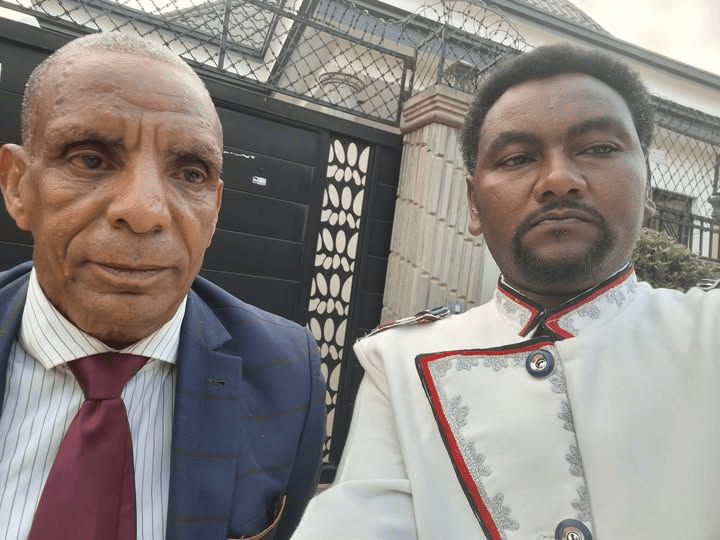
Prominent Oromo Figure Jaal Mulgeetaa Tirfeessaa Recovers After Serious Health Scare, Welcomes New Year
January 2, 2026-Prominent Oromo community leader and activist Jaal Mulgeetaa Tirfeessaa, who suffered a severe health crisis in late 2025, has made a remarkable and joyous recovery. Supporters and colleagues are celebrating his return to full health as he joins family and friends to welcome the new year.
According to close sources, Mulgeetaa’s condition had become critical last year, requiring an emergency eight-hour surgical intervention. Following the procedure, his health remained at a concerning stage for some time, causing widespread anxiety among his community and supporters.
Happily, Mulgeetaa has not only stabilized but has now returned to full health. In a testament to his recovery, he was recently seen publicly meeting with fellow community member Lami Begna to celebrate the dawn of 2026—a moment that has brought immense relief and joy to many who have followed his ordeal.
Jaal Mulgeetaa Tirfeessaa is widely respected and known as “one who has made significant sacrifices for the Oromo people.” His advocacy and work have made him a key figure within the community, making his health a matter of deep concern for many.
The news of his complete recovery has been met with an outpouring of relief and celebration on social media and within community circles. Well-wishers are expressing profound happiness, with many adding the hopeful sentiment: “We continue to pray for his lasting and complete well-being.”
Background:
- Subject: Jaal Mulgeetaa Tirfeessaa, a respected Oromo community leader.
- Event: Recovery from a critical health crisis and emergency surgery in late 2025.
- Current Status: In full health, recently seen celebrating the New Year.
- Community Reaction: Widespread relief, celebration, and continued prayers for his sustained wellness.

Oromo New Year Vigil in Victoria: Honoring Sacrifices and Future Struggles
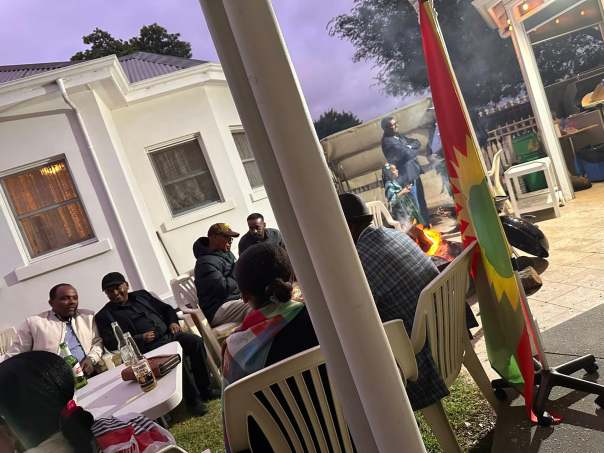
Oromo Community in Victoria Marks New Year’s Eve with Vigil for Fallen Fighters, Vows to Continue Struggle
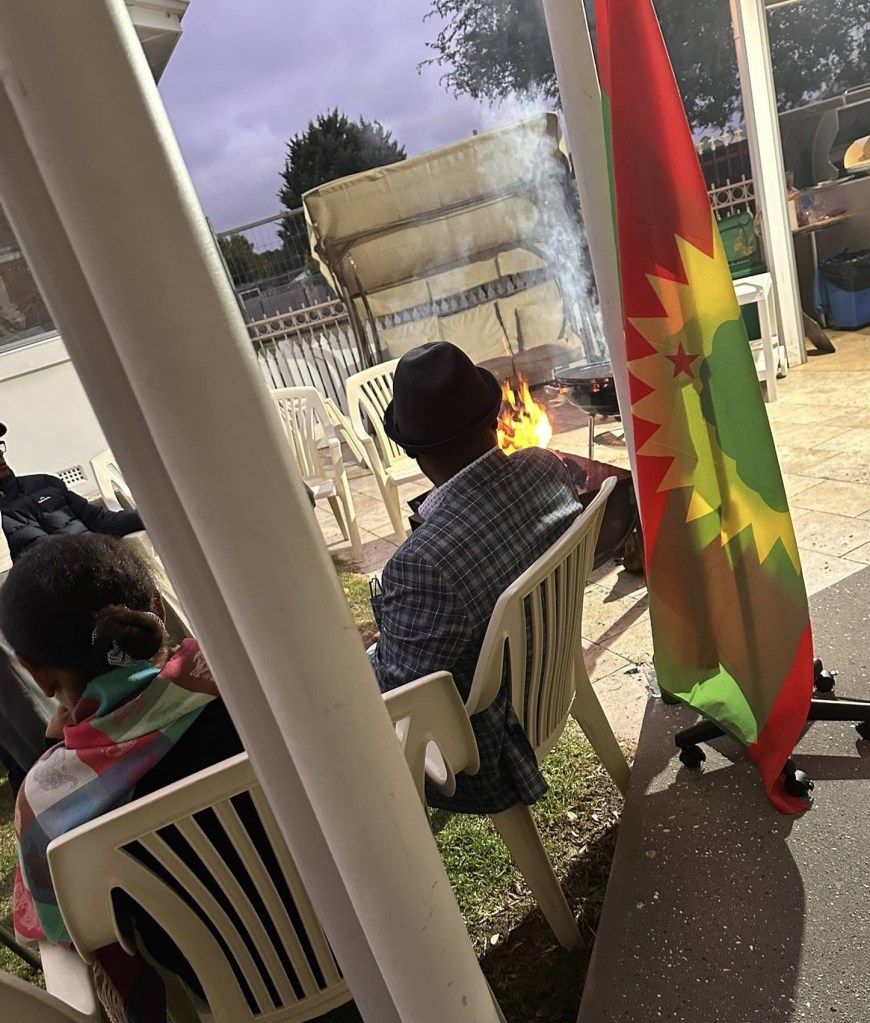
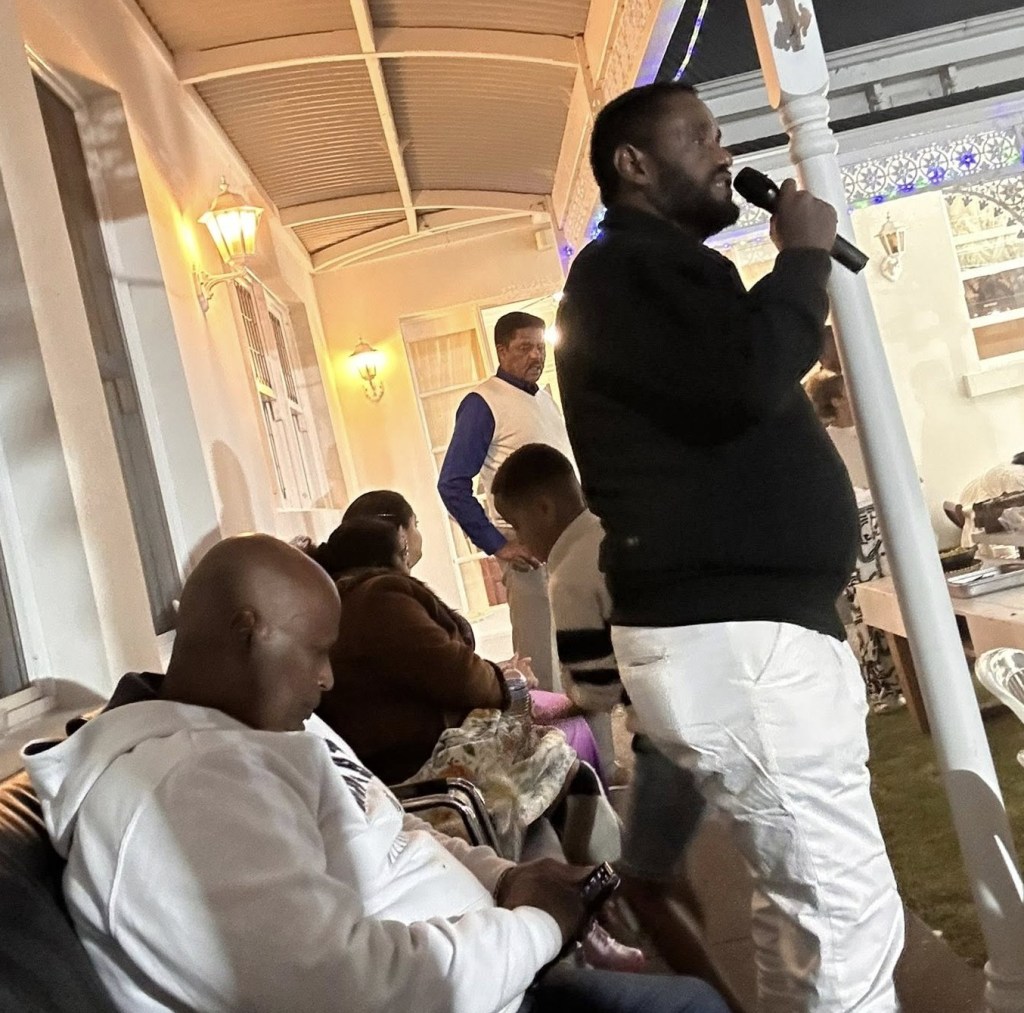
VICTORIA – In a gathering marked by both reflection and resolve, members and supporters of the Oromo Liberation Front (OLF)-Konyaa ABO Victoria convened on December 31, 2025, to usher in the new year. The event, characterized by shared meals and quiet conversation, transcended a typical celebration, becoming a vigil for those lost in the long-running conflict in Ethiopia’s Oromia region.
The atmosphere blended familiar camaraderie with what participants described as a “profound and collective gravity.” Speakers framed the evening as a confluence of two powerful themes: the universal hope of a new beginning and the specific, solemn remembrance of the Oromo Liberation Army (OLA) and its sacrifices since its founding.
The emotional core of the evening was the acknowledgment of those sacrifices. An elder’s voice resonated through the hall with a simple, powerful prayer: “God bless our sons who sacrificed for us.” This sentiment connected the diaspora community directly to the personal losses endured by families across Oromia.
The acknowledgment took on a sharper, more political edge from current Oromo fighters present. One stated plainly, “We were able to come out in the open because of the sacrifices of a few people.” The remark highlighted a perception that their ability to gather publicly was a hard-won space, paid for by others’ lives.
This reflection on the past quickly pivoted to a commitment for the future. Organizers reported that the celebration evolved into a collective covenant. The final, prevailing message to emerge was a call to continue the struggle with the explicit aim of ending the cycle of sacrifice.
“The ultimate honor to the fallen,” a summary of the closing remarks noted, “is not just in remembrance, but in forging a future where such sacrifices are no longer required.” The evening concluded, balancing the joy of community, the sorrow of memory, and a reinforced determination to continue their political journey.
The OLF, and its armed wing the OLA, have been engaged in a protracted conflict with the Ethiopian federal government, fighting for what they describe as the self-determination and rights of the Oromo people, Ethiopia’s largest ethnic group. The event in Victoria underscores how the diaspora community remains deeply engaged with the political and human cost of the ongoing situation in Oromia.
###
About OLF-Konyaa ABO Victoria: A chapter representing the views and objectives of the Oromo Liberation Front within the Oromo diaspora community in Victoria.
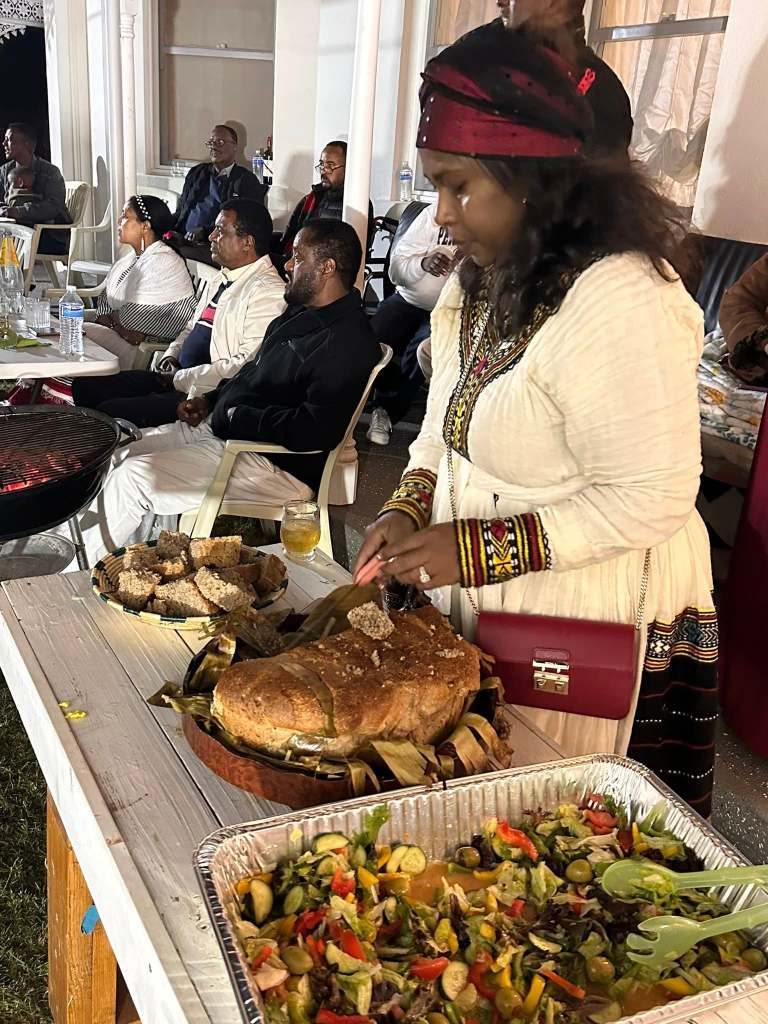

A Vigil Marked by Memory, Forged in Resolve
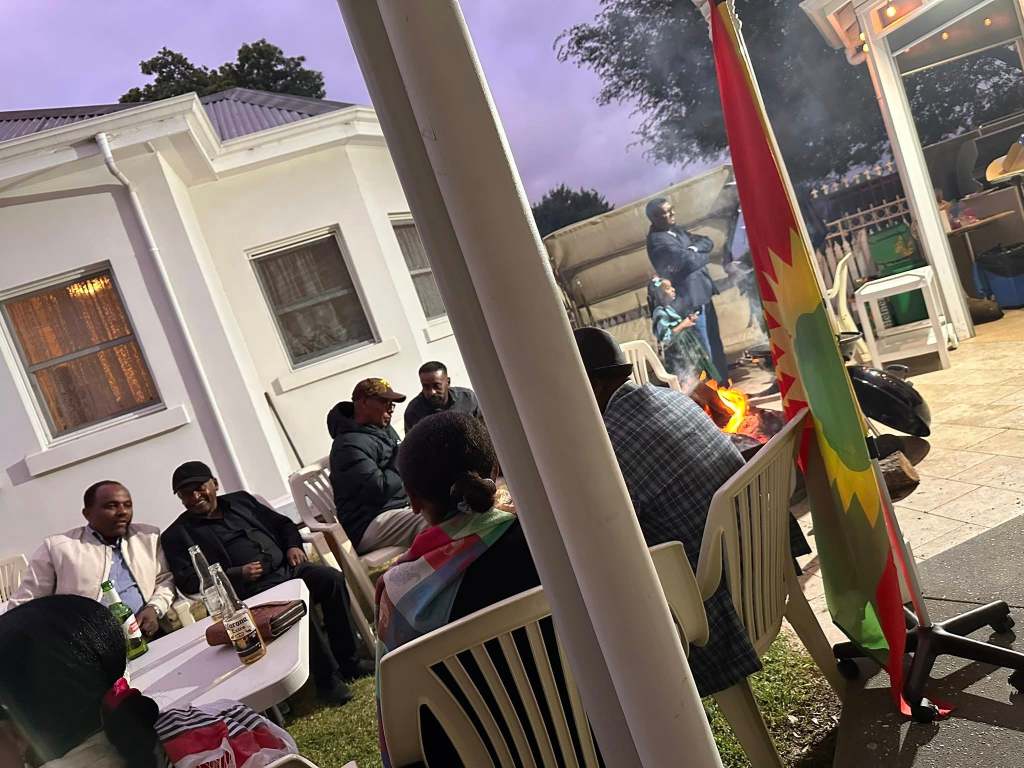
Feature Commentary
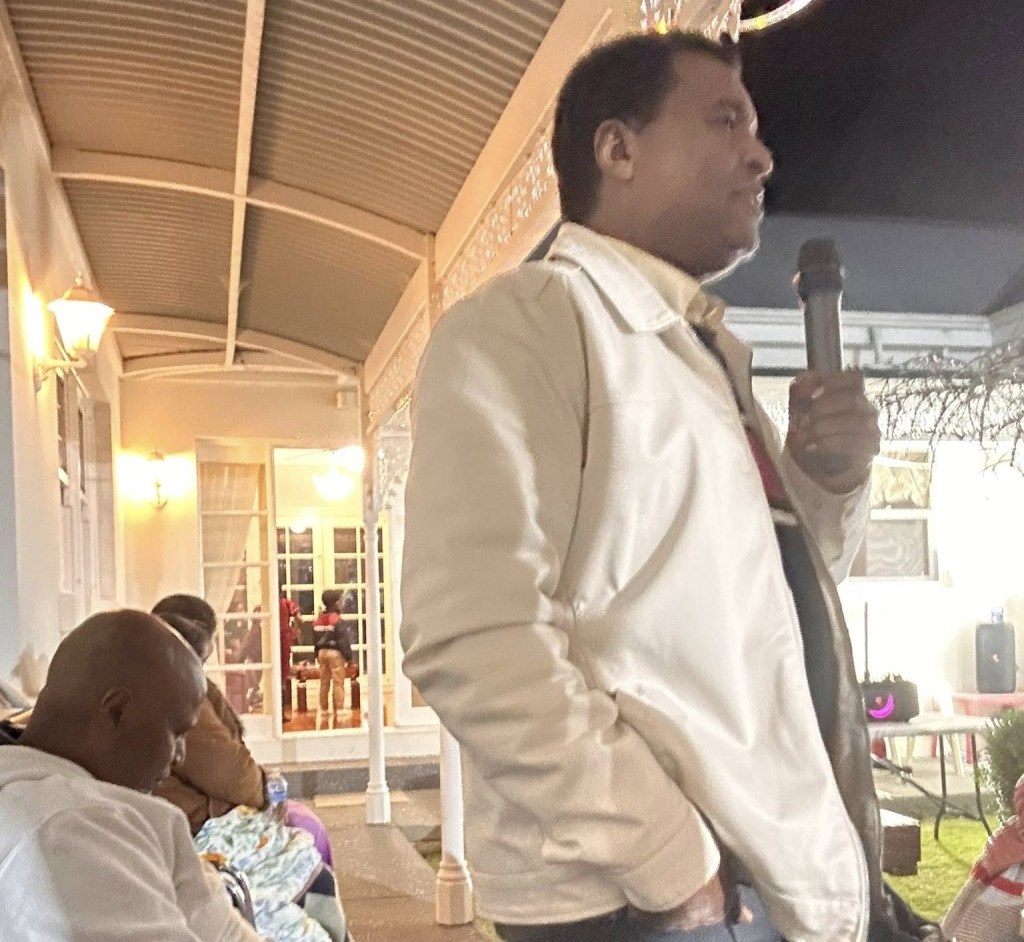
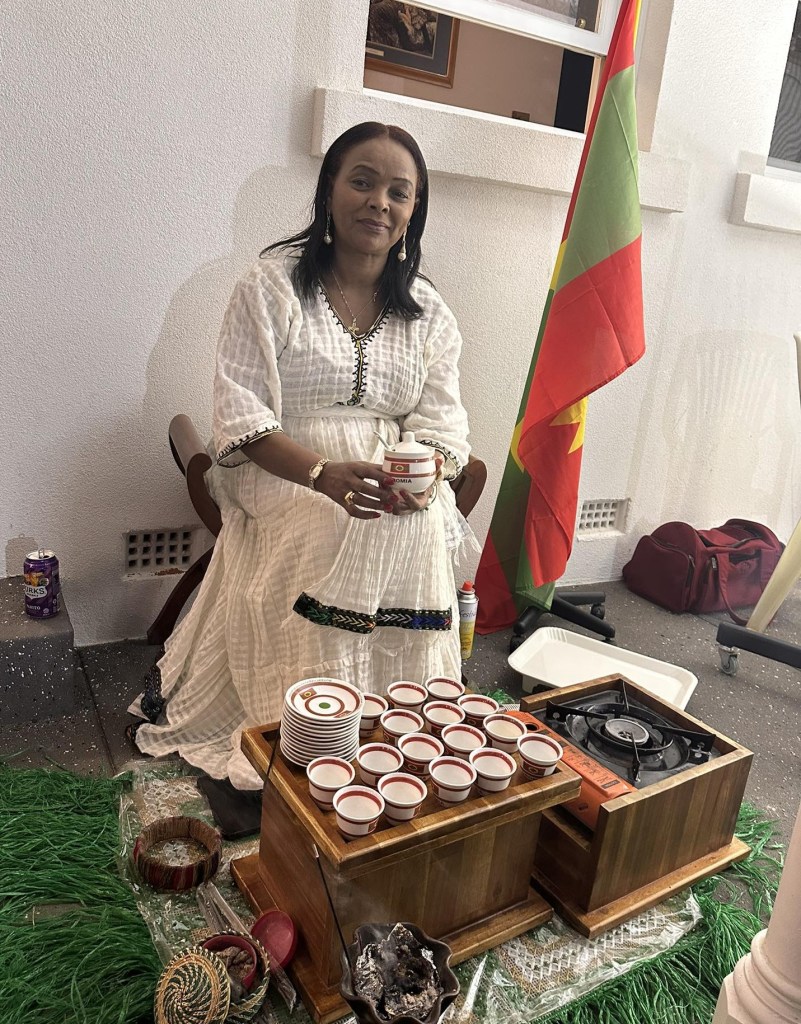
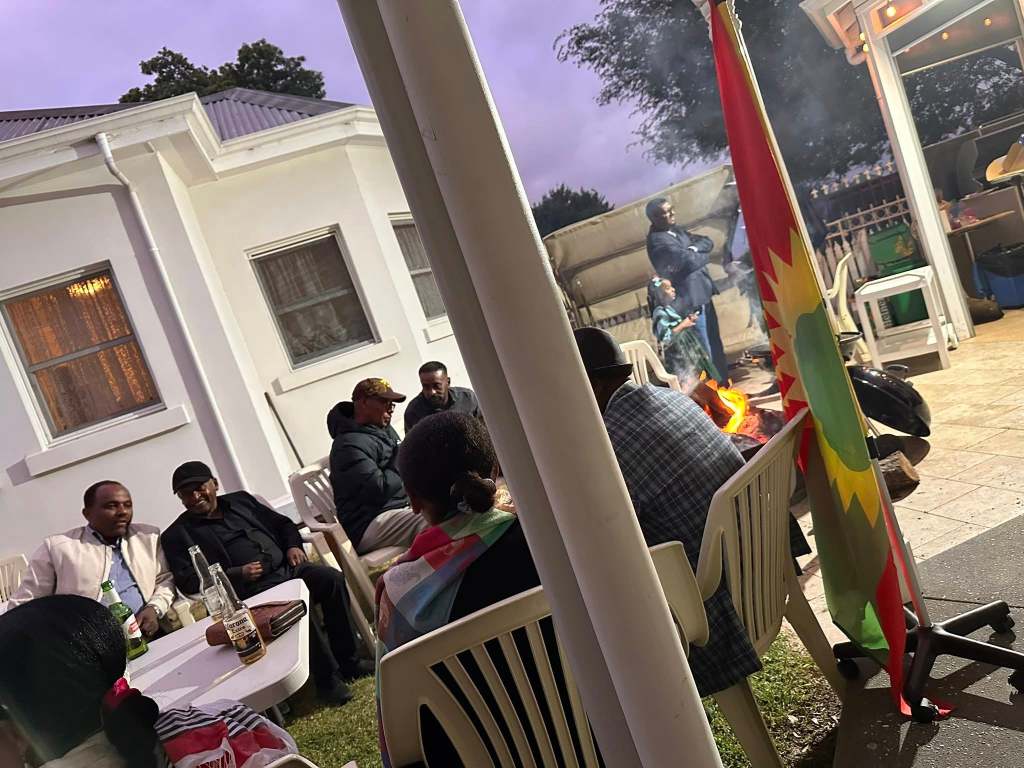
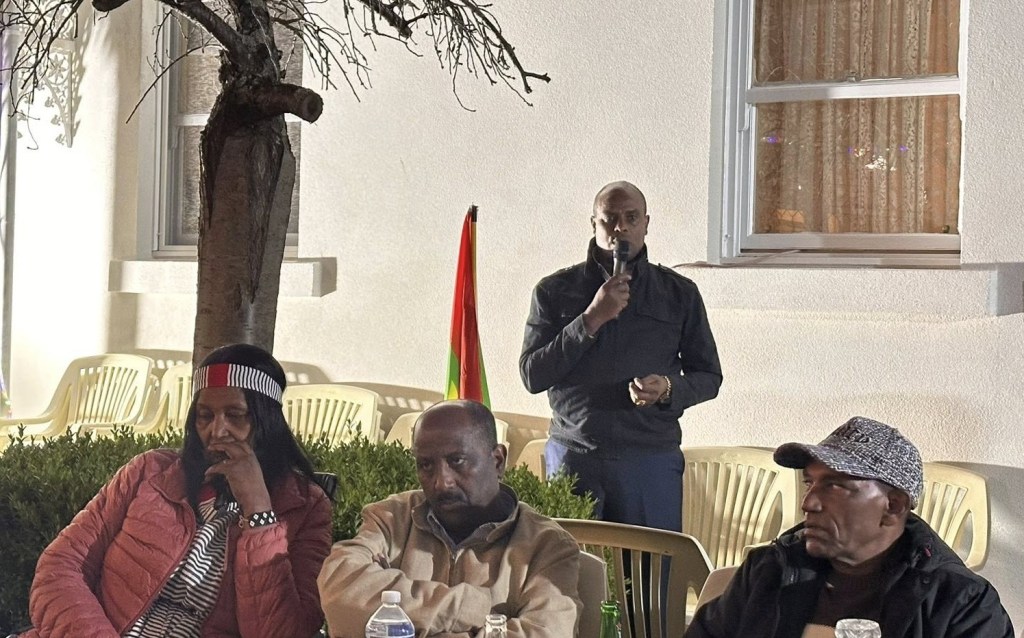
Last night, a community gathered. On the surface, it was a familiar scene: shared food, murmured conversations, the easy laughter of comrades. But to be in that room was to feel a profound undercurrent, a collective gravity that transformed a simple New Year’s Eve gathering into something far more potent—a vigil of resilience and a strategic recalibration of purpose.
Members and supporters of the Oromo Liberation Front (OLF)-Konyaa ABO Victoria marked the eve of January 2026 not just with celebration, but with conscious remembrance. The traditional wishes for peace and happiness, exchanged warmly, hung in the air with a distinctive weight. Here, these are not platitudes but goals etched in the stone of a long and costly struggle.
As one speaker powerfully framed it, the evening existed at a confluence of two powerful streams of consciousness: the universal hope that accompanies a turning calendar, and the specific, solemn memory of the Oromo Liberation Army (OLA)—its founding and its ongoing sacrifice. This duality defined the night.
The true heartbeat of the evening was not in anticipation of the new year, but in acknowledgment of the price already paid. It was heard in the voice of an elder, weathered by time and loss, who offered a simple, devastating prayer: “God bless our sons who sacrificed for us.” This was more than sentiment; it was a benediction that connected every person in the room to countless homes across Oromia, binding them with a thread of raw, personal loss.
This acknowledgment was then echoed with the hardened clarity of those on the front lines. An Oromo fighter’s statement reframed the entire gathering’s reality: “We were able to come out in the open because of the sacrifices of a few people.” In one sentence, he articulated that their very presence—their ability to convene, to speak, to organize—was not a given, but a space hard-won, purchased with the lives of others. It was a stark recognition of a debt that cannot be repaid, only honored through action.
And it is here that the evening’s true significance crystallized. The celebration evolved, organically and inevitably, into a covenant. The warmth of camaraderie became a crucible for renewed determination. The final, prevailing message that emerged from both gratitude and grief was a call to action: the struggle must continue to put an end to the sacrifices.
This is a critical evolution in narrative. It moves beyond remembrance as passive honor. It defines the ultimate tribute to the fallen not merely in memory, but in the relentless pursuit of a future where such sacrifices are rendered unnecessary. It is a strategy born of sorrow, aiming for its own obsolescence.
The gathering closed, then, holding a powerful tension in balance: the genuine joy of sustained community, the deep sorrow of collective memory, and the unwavering steel of a resolve hardened by both. They did not just usher in a new year; they reaffirmed a promise, forged in the memory of the old.


Gujii Adoolaa’s Reeddee Ardaa Jilaa Tournament Ignites Community Spirit

News: Gujii Adoolaa’s “Reeddee Ardaa Jilaa” Tournament Sparks Community Celebration and Competition
Gomboba, Oromia – In a vibrant display of community spirit and youth engagement, Gujii Adoolaa’s Reeddee Ardaa Jilaa sports tournament kicked off today in Gomboba. The event, centered around the traditional game of Hookkuu (a hockey-like sport), is drawing enthusiastic participation from across the area.
The opening ceremony was highlighted by a special match for elementary school children, adding a festive and inclusive atmosphere to the proceedings. However, the spirit of friendly competition took center stage as the tournament formally began.
The focus of the day was a decisive match officiated by Murtii Doorii Galaanaa Ciraa. In a thrilling and closely contested game, the Woddeessaa team emerged victorious, earning a commendable win on the field.
In a unique and celebratory local tradition following the match, supporters of the Daballee team, though disappointed by the loss, engaged in the customary practice of “qooxoo saaquu”—a playful and symbolic act of good-naturedly pursuing their rivals. This tradition underscores the deep-rooted cultural context of the tournament, where competition is balanced with communal bonds and customary expressions of sportsmanship.
The Reeddee Ardaa Jilaa tournament is seen as a significant event for Gomboba, promoting physical activity, preserving traditional games, and strengthening social ties within the community. The tournament is expected to continue with further matches in the coming days.


The Unfinished Symphony of the Oromo Struggle
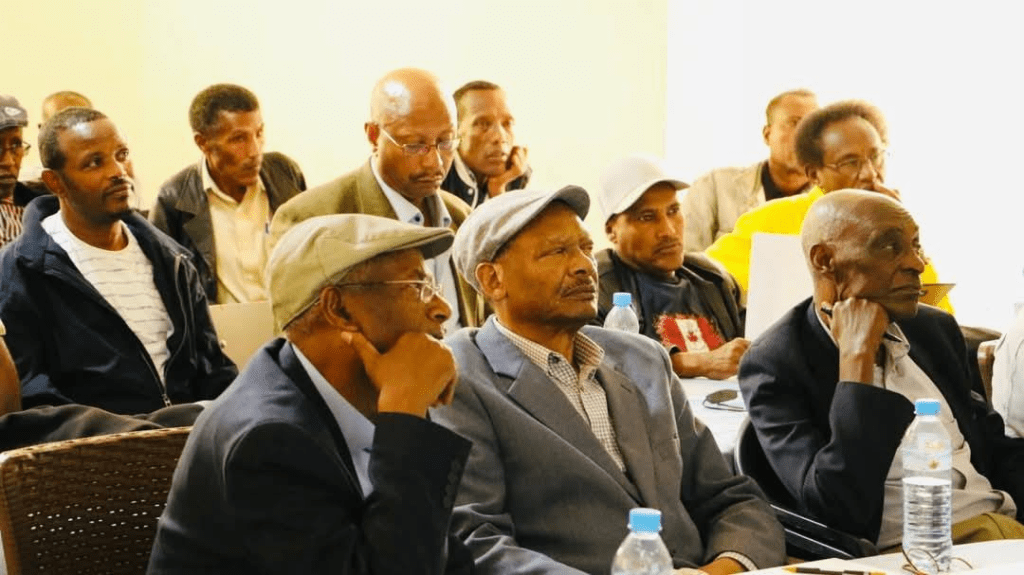
Feature Commentary:
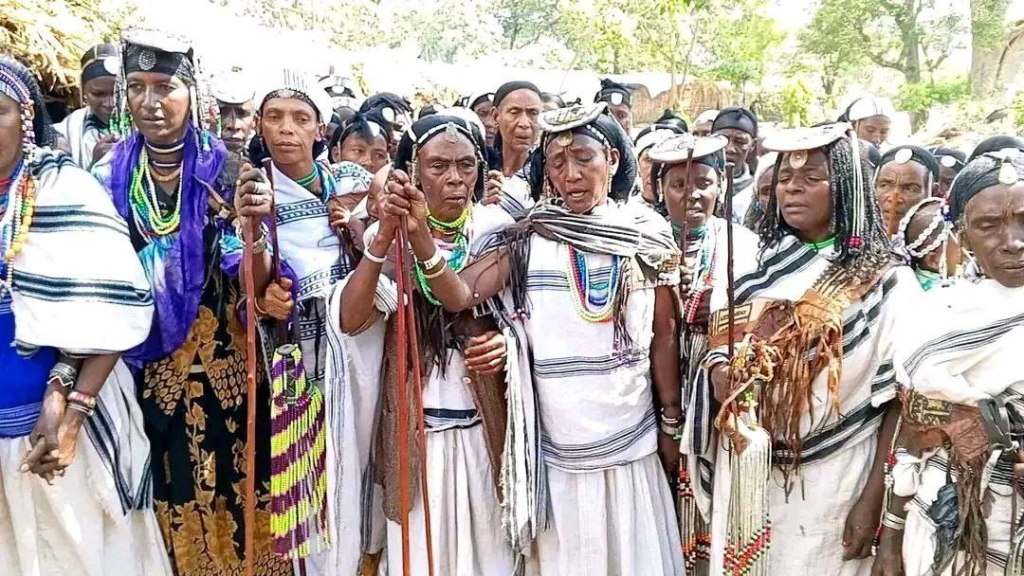
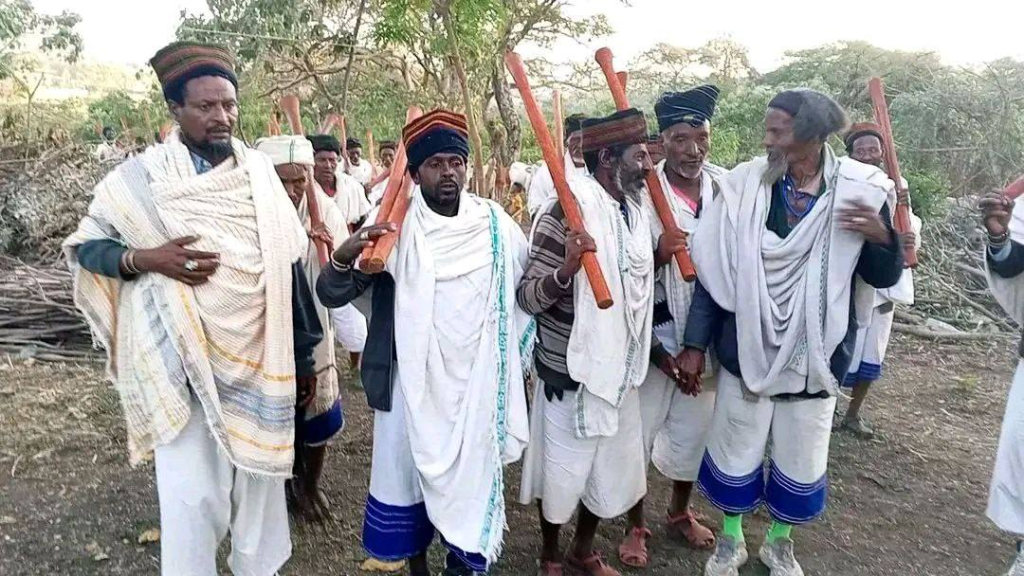
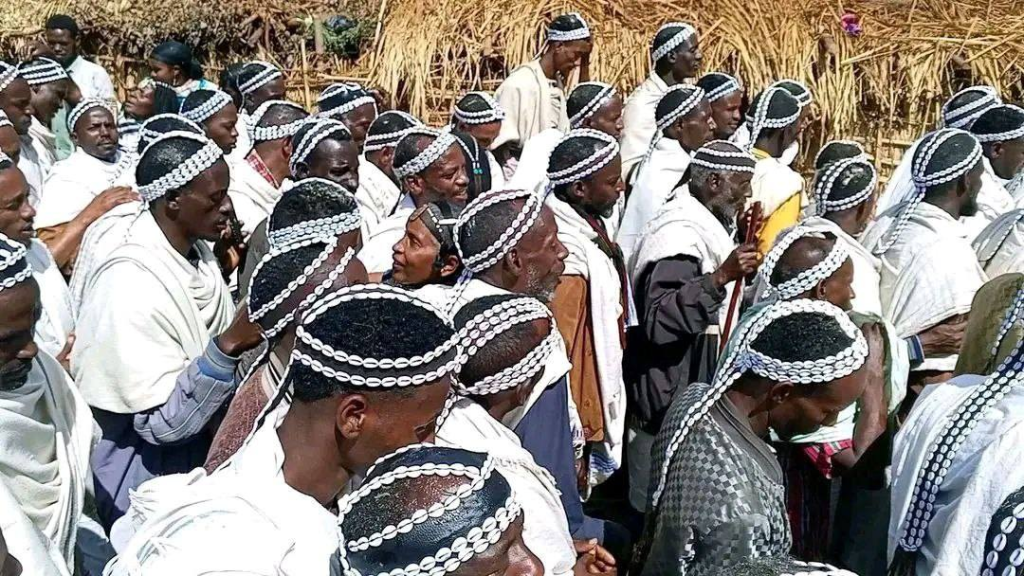
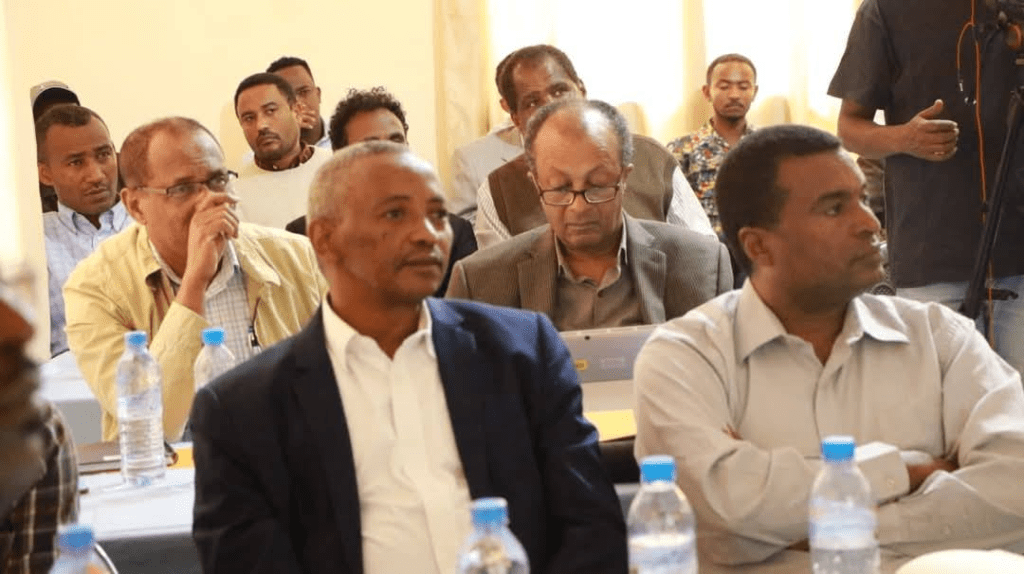
This conference was a gathering convened by the Oromo Liberation Front (OLF) in 2017 on matters of governing Oromia. Among the attendees, some have since passed on, becoming memories. Others have strayed from the cause they came for, abandoning the Oromo freedom struggle. Yet others, who entered the struggle with purpose and vision, hold firm to their commitment, sharing in both the grief and the triumphs of their people.
This is not just a recounting of a meeting; it is a stark and powerful metaphor for the very anatomy of a long and arduous liberation movement. It lays bare the divergent paths that unfold when a theoretical struggle meets the harsh, grinding reality of the fight.
The Crucible of Commitment
Every movement begins with a conference—a moment of unity, shared vision, and fiery resolve. But time is the great sifter. As the text so poignantly notes, it separates the comrades from the converts, the steadfast from the sidelined. Some, unable to bear the weight when the goal seems distant, disengage. Their exit is a quiet tragedy, a dissolution of energy.
Others pay a steeper price—the ultimate sacrifice of life or limb, a permanent scar etched into the heart of the nation they sought to free. Theirs is a sacred debt, a “guarantee” written in blood for the cause.
The True Test: When the Ground Shakes
However, the most revealing—and perhaps most painful—test comes not in the planning chamber, but “when the struggle erupts on the ground.” This is the moment of truth. Here, some who falter do not merely step back; they cross over. They become tools for the enemy, turning their knowledge and erstwhile passion against their former allies. This betrayal cuts deepest, for it weaponizes intimacy.
And then, there are those who “enter the fray.” They are the bearers of the vision. Theirs is the generational task: to grasp the core objective and ideology, to nurture it, to teach it to the next generation, and to march it, however slowly and painfully, toward its destination. They are the sustainers, the living bridge between the dream of yesterday and the reality of tomorrow.
A Legacy of Fire and the Imperative of Peace
The commentary concludes with a sobering and urgent reality check. The Oromo freedom struggle, forged through such sacrifice and complexity, has reached a critical juncture. Yet, the “security problem” raging within Oromia today is a glaring indicator that the final, sustainable peace for the Oromo people and all residents of Oromia is not yet secured.
The closing line, “May there be peace for the Oromo and the peoples of Oromia,” is therefore not a gentle benediction, but a pressing demand. It acknowledges that the symphony of struggle, with its movements of unity, betrayal, sacrifice, and resilience, is unfinished. The final movement must be one of lasting and just peace. Until that peace is composed and lived, the sacrifices of those who entered the fray—the ones who held fast, the ones who fell, and even the legacy of those who faltered—remain an unresolved echo in the heart of the nation.

Celebrating Guyyaa Amajjii: Oromo New Year 2026
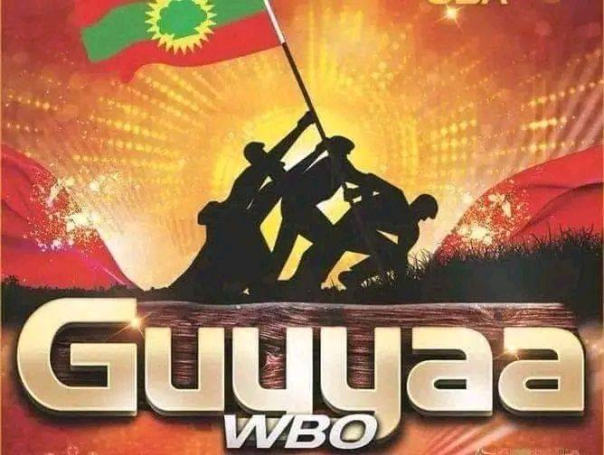
Oromo Communities Worldwide Unite to Welcome 2026 with “Amajjii Day” Celebrations
Melbourne – On Thursday, January 1st, 2026, Oromo communities across the globe will come together for a unique and culturally significant dual celebration. This day marks not only the universal New Year but also the Oromo cultural observance of Guyyaa Amajjii, the first day of the month of Amajjii in the traditional Oromo calendar.
The synchronized celebration highlights the enduring strength and vibrancy of Oromo culture in the diaspora. From Minneapolis and Toronto to Melbourne and Nairobi, community centers and gathering halls are preparing to host events that weave together festive New Year’s hope with deep-rooted Oromo traditions.
A Day of Reflection and Renewal
Guyyaa Amajjii is more than a date; it is a day of planning, counsel, and renewal within the Oromo worldview. It is a traditional time for communities and families to gather, offer guidance to the youth, discuss communal well-being, and set intentions for the month and season ahead. By merging this observance with the global New Year, organizers aim to foster a powerful moment of collective reflection and forward-looking aspiration for the Oromo people everywhere.
Celebrating Heritage and Future
The events, organized by local Oromo community associations, are expected to feature a rich tapestry of activities:
- Traditional Oromo music and dance performances.
- Poetry recitals and storytelling, emphasizing the values of peace and community.
- Speeches from elders and youth, bridging generations.
- Communal meals, symbolizing unity and shared blessing.
“The simultaneous celebration of our New Year and our traditional Amajjii Day is a beautiful symbol of who we are,” said one community organizer. “We carry our ancient Gadaa principles with us into the future, no matter where we are in the world. This day is about honoring our past, assessing our present, and stepping into 2026 with collective strength and clear purpose.”
A Global Tapestry
Major celebrations are planned in cities with significant Oromo diaspora populations, including but not limited to:
- Minneapolis/St. Paul, USA
- Toronto, Canada
- Melbourne, Australia
- London, UK
- Nairobi, Kenya
- Stockholm, Sweden
This global, coordinated observance serves as a testament to the unbroken chain of Oromo identity and the community’s commitment to preserving its cultural heritage while actively engaging with the modern world.
About the Oromo People:
The Oromo are one of the largest ethnic groups in East Africa, primarily inhabiting Oromia in Ethiopia, with significant populations in Kenya and a global diaspora. Their traditional governance system, the Gadaa system, is recognized by UNESCO as an Intangible Cultural Heritage of Humanity.

Oromo Community in Minnesota Celebrates Shared Heritage with “Eebba Addooyyee” Ceremony
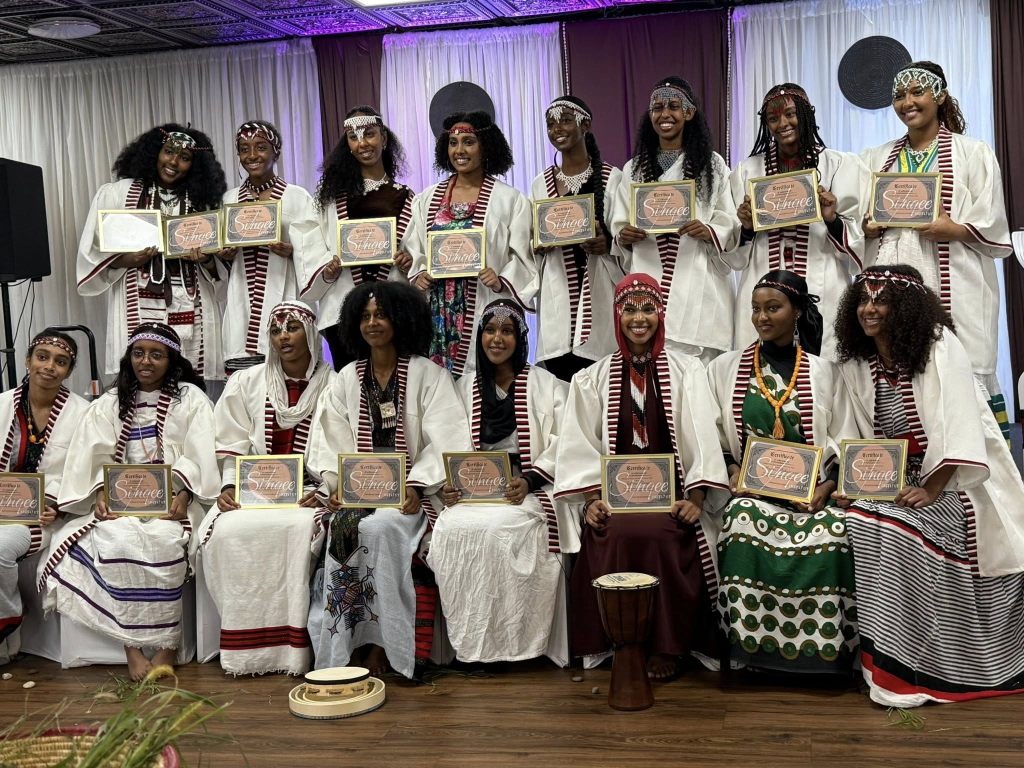
August 28, 2025 | Minneapolis, Minnesota, USA
MINNEAPOLIS/ST. PAUL, MN – The Oromo diaspora in the Twin Cities came together in a powerful display of cultural resilience and unity on Thursday for the “Eebba Addooyyee” ceremony. The event, focused on the concept of brotherhood within Oromummaa (Oromo national identity), served as a communal space for sharing both joy and sorrow, reinforcing the deep social bonds that sustain the community far from its homeland.
The ceremony was anchored by a keynote address from the esteemed Professor Kuwee Kumsa, founder of the Siinqee Institute, an organization dedicated to empowering Oromo women. Professor Kumsa’s lecture delved into the philosophical and practical significance of collective mourning and celebration as pillars of Oromo social structure and identity preservation.
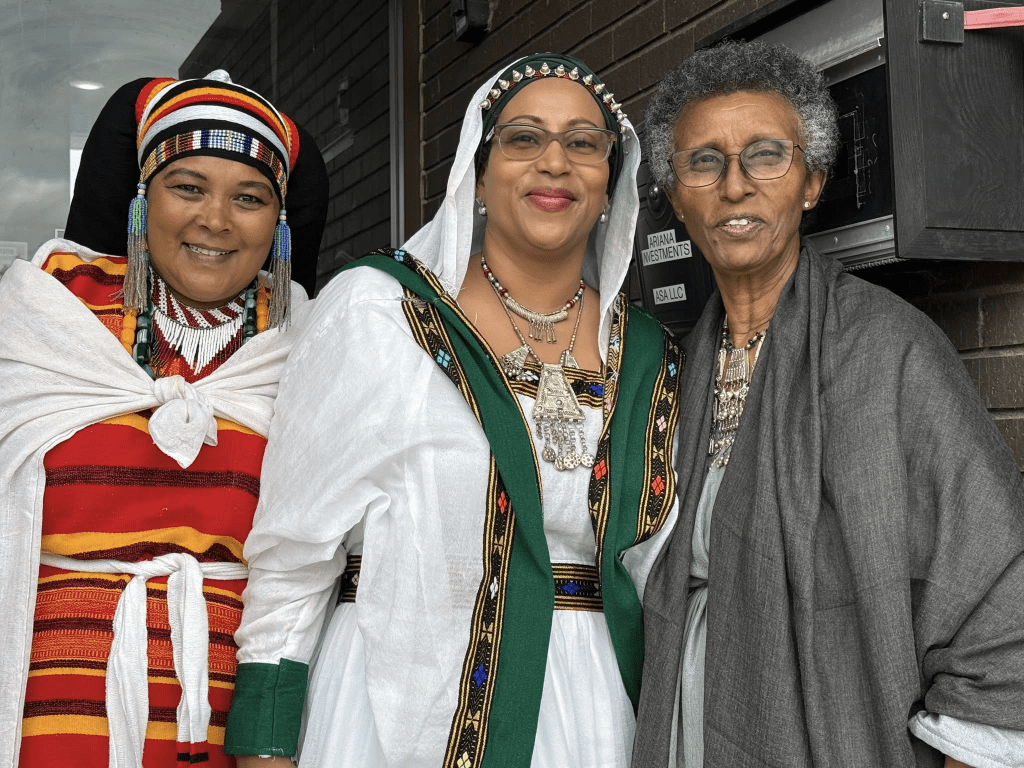
“The ‘Eebba Addooyyee’ is more than a ritual; it is the living practice of our interconnectedness,” Professor Kumsa told attendees. “In times of happiness and grief, it is this shared space that reminds us of who we are and fortifies us for the challenges ahead.”
The event, held in the Lakkuu area (encompassing Minneapolis and St. Paul), drew a large and engaged crowd from across the Oromo community, underscoring the importance of such cultural practices in the diaspora.
A Model for Diaspora Engagement
Community organizers and observers noted the event’s significance as a model for successful cultural preservation abroad. “From the perspective of Oromo diaspora media, this work represents a great example and a positive experience,” said one local media representative. “It shows how our traditions can adapt and thrive, providing a vital touchstone for younger generations born outside Oromia.”
Event Coverage Available
Full coverage of the “Eebba Addooyyee” ceremony, including Professor Kuwee Kumsa’s full address and community reactions, will be available for viewing. The public can access the content through ODM (Oromo Diaspora Media) social media platforms and on Channel 16.
Viewers are encouraged to engage with the coverage by sharing their thoughts and reflections in the comments sections.
About the Organizers:
The event was coordinated by local Oromo community associations in Minnesota, in collaboration with cultural scholars. The Singee Institute, founded by Professor Kuwee Kumsa, focuses on research, advocacy, and community programs aimed at strengthening the role and voice of Oromo women in society.
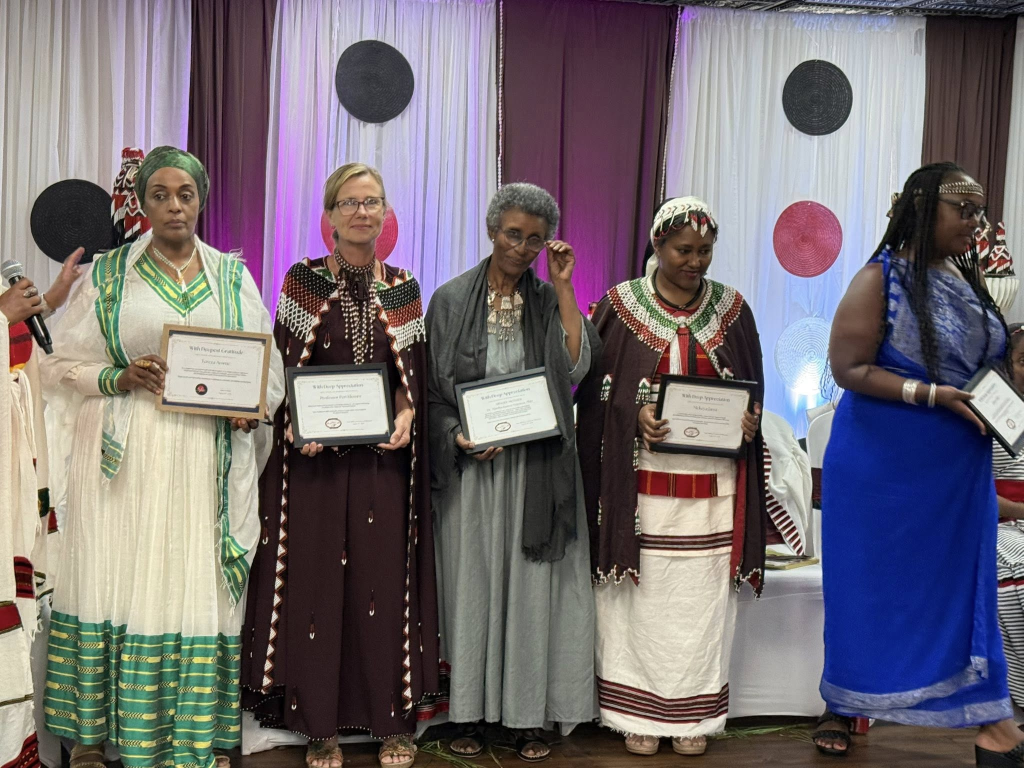




 Advocacy for Oromia