

Sons of Maccaa Celebrate Buttaa Ceremony: A Milestone of Generational Passage
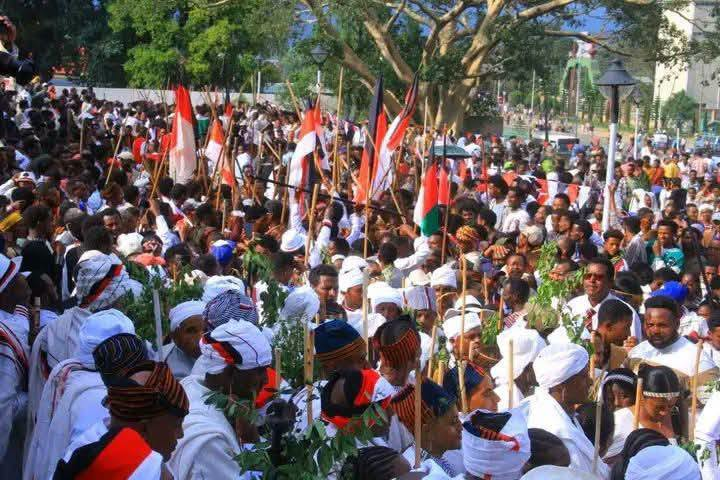
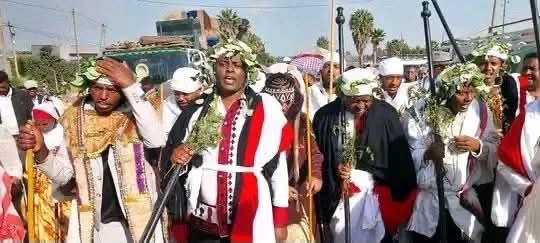
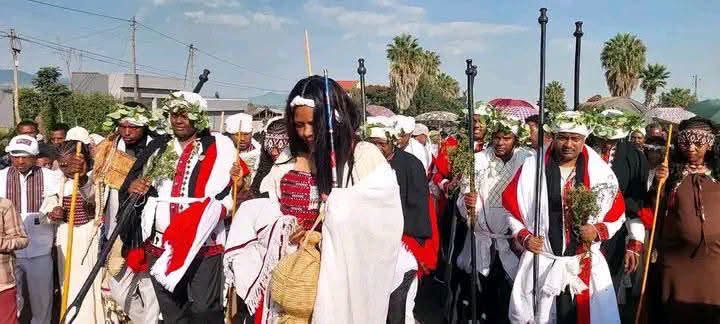
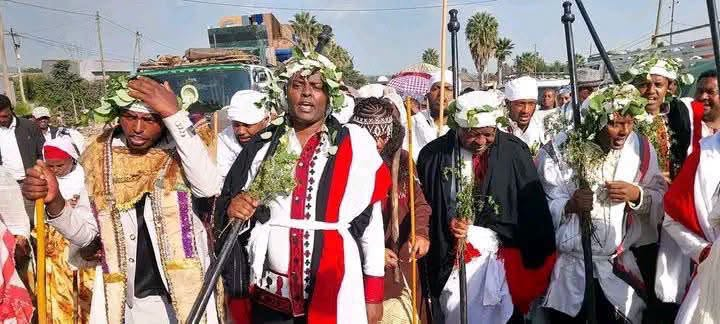
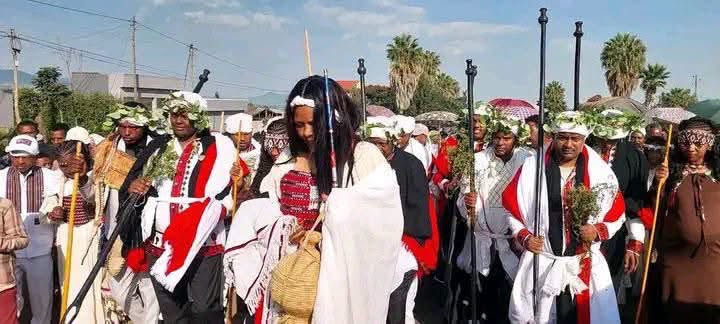
Oromia, Ethiopia — In a powerful display of cultural continuity and ancestral reverence, the Gadaa-Hortee sons of Maccaa — members of the Gadaa Birmajii grade — have successfully completed the sacred Buttaa ceremony, marking a significant milestone in their journey through the ancient Oromo Gadaa system.
The occasion was marked with blessings and congratulations: “Baga 80 akaakayyuu fi 40 abbaa keessanii geessanii sirna buttaa qaluu nagaan oofkaltan!” — Congratulations on safely reaching the Buttaa ceremony, having honored the eighty grandfathers and forty fathers who came before you.
The Significance of Buttaa
The Buttaa ceremony is a pivotal ritual within the Gadaa system, symbolizing the formal transition of power and responsibility from one generation to the next. For the sons of Maccaa in the Birmajii grade, this ceremony represents their readiness to assume leadership roles and carry forward the duties entrusted to them by their ancestors.
The numbers referenced — eighty grandfathers and forty fathers — speak to the deep ancestral lineage that the Gadaa system honors. Each generation stands on the shoulders of those who came before, and the Buttaa ceremony is a moment of connection between past, present, and future.
Honoring the Sacred Elements
The congratulatory message continues with a blessing that honors the visible and invisible elements of the ceremony:
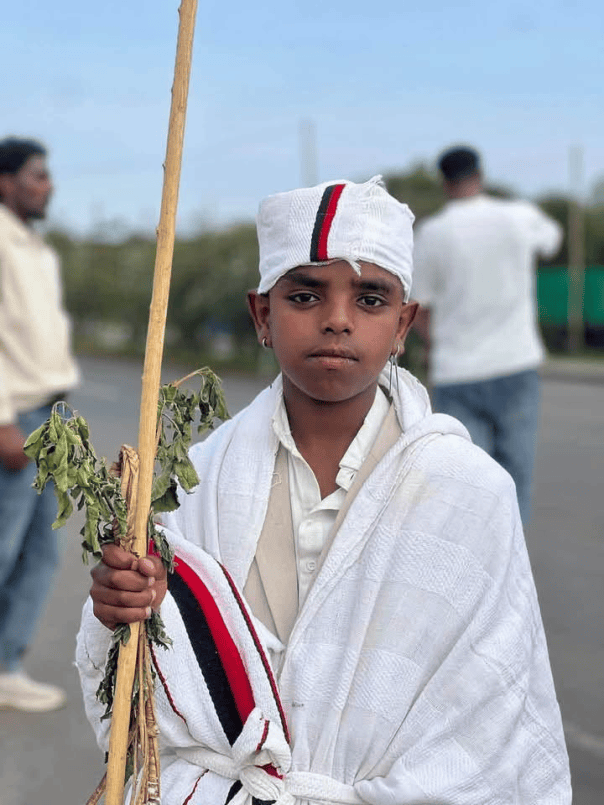
“Haaduu kofa keessanii, dhugoo gurra keessanii fi ruufa mataa keessanii hunda baga oofkaltan!”
This translates to: “Congratulations on all — the grass at your door, the grass in your ears, and the grass on your head!”
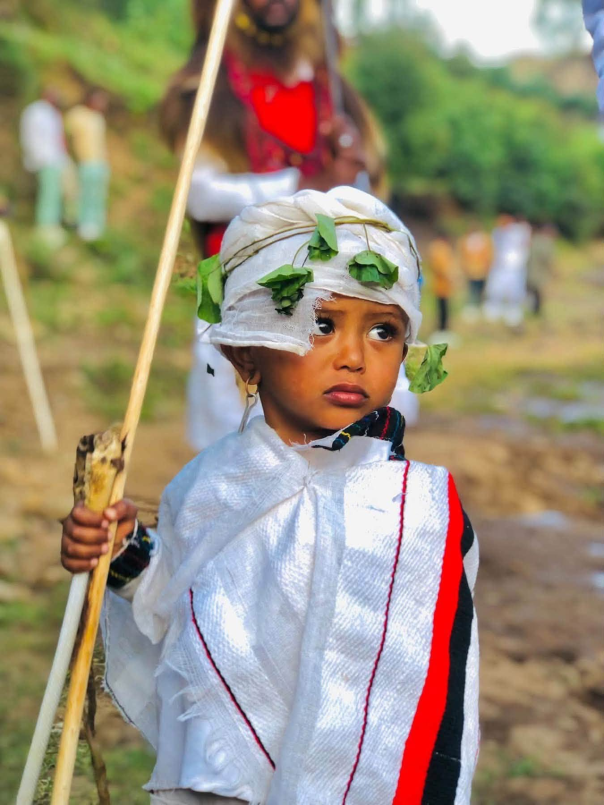
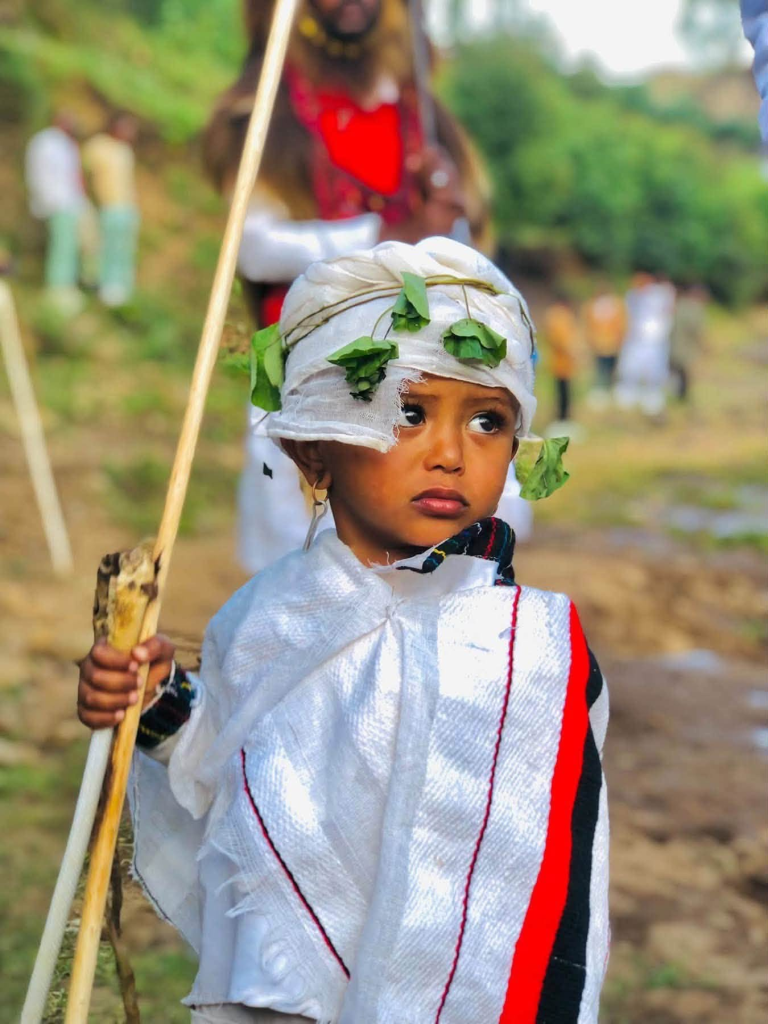
These elements — haaduu kofa (grass at the door), dhugoo gurra (grass in the ears), and ruufa mataa (grass on the head) — are sacred symbols within the Gadaa system. Fresh green grass represents life, renewal, and the presence of Waaqa (God). Wearing or carrying grass during Gadaa ceremonies signifies that the individual is in a state of peace, purity, and readiness to receive blessings.
The reference to grass at different parts of the body and home also reflects the holistic nature of the Gadaa system — it encompasses every aspect of life, from the threshold of one’s home to the crown of one’s head.
A Community Celebration
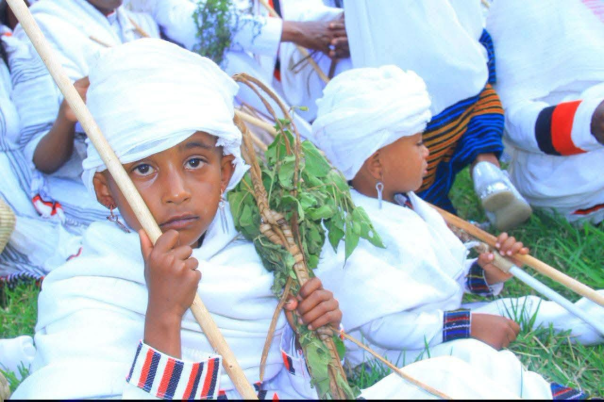
The Buttaa ceremony is not merely an individual achievement — it is a communal celebration. The Gadaa-Hortee sons of Maccaa have completed this rite together, reinforcing the bonds of brotherhood and shared responsibility that define the Gadaa system.
The ceremony involved the ritual cutting of the buttaa (a symbolic act of clearing and preparing the way), the enactment of laws that will govern the next eight years, and the formal transfer of authority from the outgoing Gadaa grade to the incoming one.
Blessings for Abundance
The message concludes with a powerful blessing:
“Gadaan quufa fi gabbina! Gabbis Waaq!”
“May Gadaa bring fullness and abundance! May Waaq bless!”
This prayer invokes the dual blessings of material prosperity and spiritual completeness. In the Oromo worldview, quufa (fullness) and gabbina (abundance) are not merely economic concepts — they represent a state of harmony in which the community is whole, at peace, and aligned with divine will.
A Living Tradition
The successful completion of the Buttaa ceremony by the Gadaa-Hortee sons of Maccaa is a testament to the resilience and vitality of the Gadaa system. Despite centuries of suppression and the pressures of modernization, the Oromo people continue to pass down this ancient tradition from generation to generation, unbroken and undiminished.
As the sons of Maccaa step into their new roles, they carry with them the blessings of eighty grandfathers and forty fathers — a lineage of wisdom, courage, and commitment that stretches back through time.
Baga oofkaltan! Gadaan quufa fi gabbina! Gabbis Waaq!
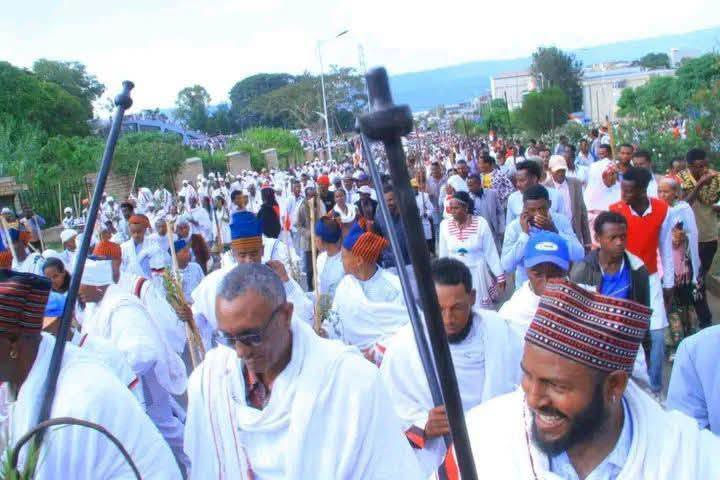

Irreechaa: The Annual Oromo Thanksgiving and Prayer to Waaqa
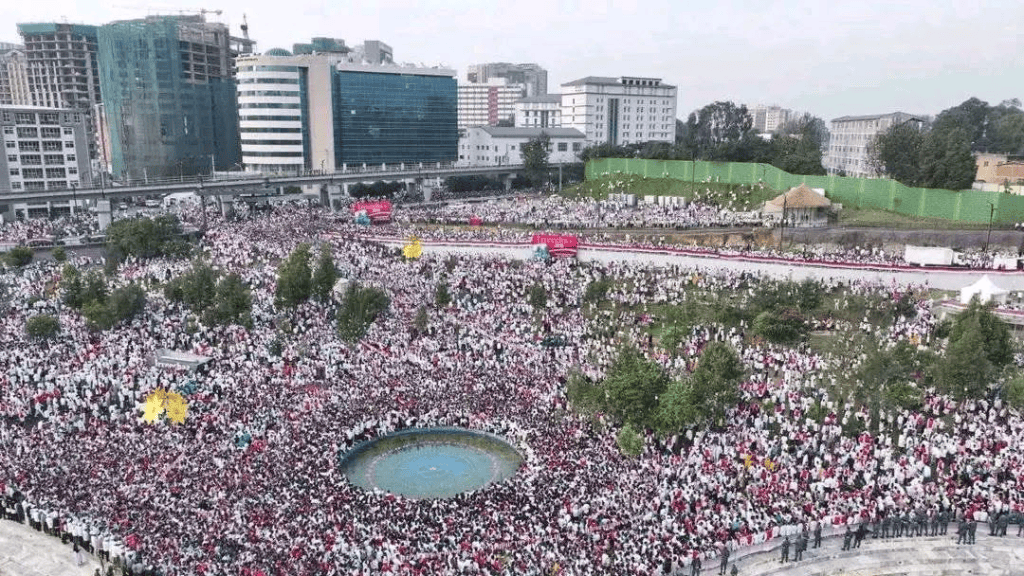
Oromia, Ethiopia — Across the highlands and lowlands of Oromia, and in Oromo communities scattered across the globe, millions gather each year to celebrate Irreechaa — the annual Thanksgiving Day and prayer of the Oromo people. It is a festival of gratitude, renewal, and unity, deeply rooted in the spiritual and cultural life of the Oromo nation.
A Celebration of Gratitude
Irreechaa is celebrated for all things that Waaqaa has done for people — bringing rain, peace, health, fertility, abundance, and the beautiful weather they have obtained. It is a time to pause, reflect, and give thanks for the blessings of the past year.
The festival is not merely a ritual; it is an expression of the Oromo people’s profound connection to the divine and to the natural world. Every drop of rain, every harvest, every moment of peace is recognized as a gift from Waaqaa, and Irreechaa is the community’s collective response of gratitude.
Welcoming the New Season
Moreover, the Oromo people celebrate Irreechaa not only to thank God but also to welcome the new season of plentiful harvests after the dark rainy season. It is a celebration that associates with nature and all creatures — a reminder that humanity is part of a larger web of life, bound to the rhythms of the earth and the skies.
Irreechaa marks the transition from Ganna (the rainy season) to Birraa (the spring) — a time when the land awakens, flowers bloom, and the promise of abundance fills the air. It is a festival of hope, a celebration of renewal, and a welcome to the new year.
Sacred Sites of Ritual
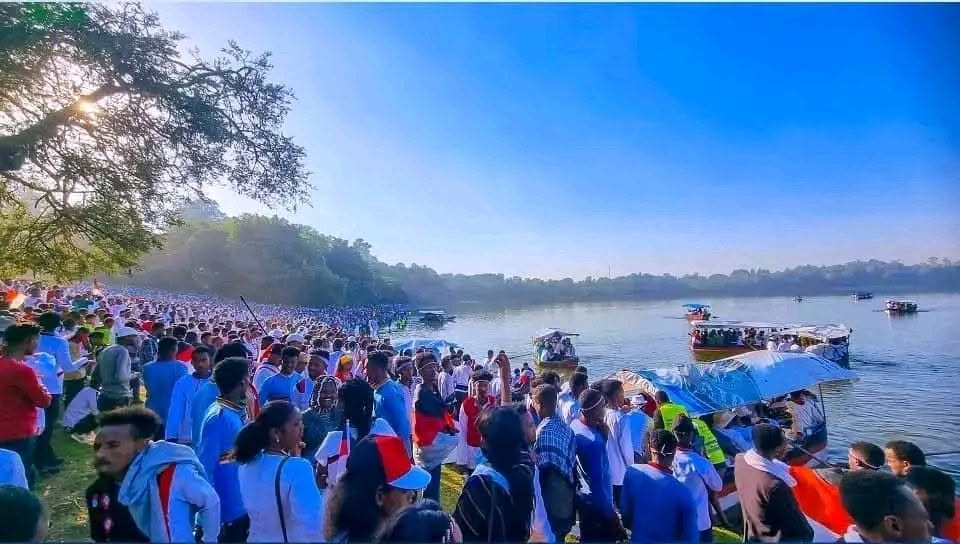
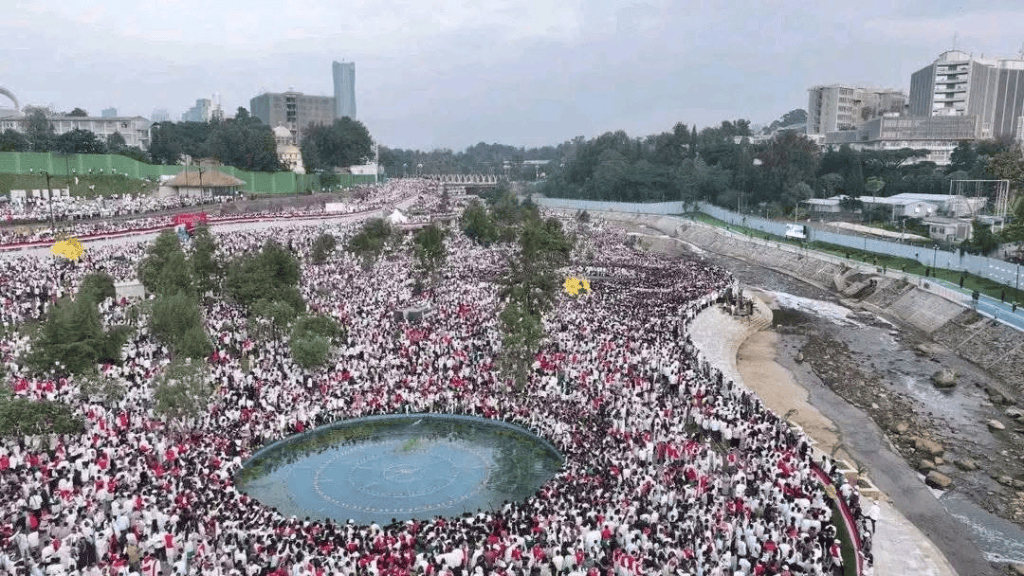
The Irreechaa ritual is conducted at different places; mainly, it takes place in two major areas: Irreechaa Malkaa (at the side of a river) and Irreechaa Tulluu (on a mountain). These two types of Irreechaa are formal and represent the most common sites of ritual among the Oromo people everywhere.
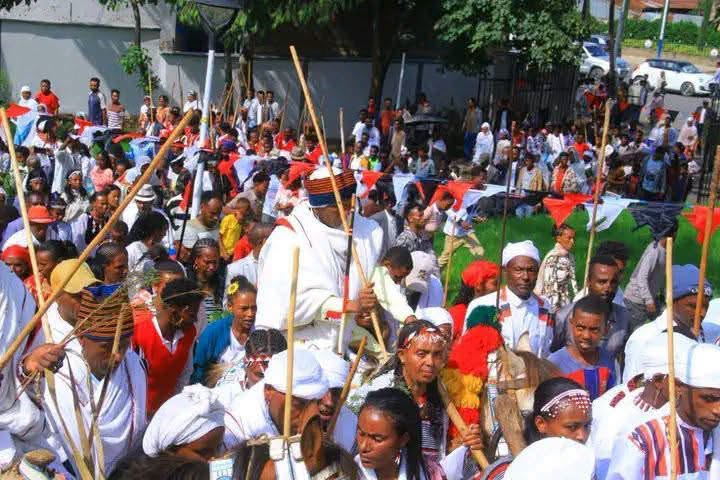
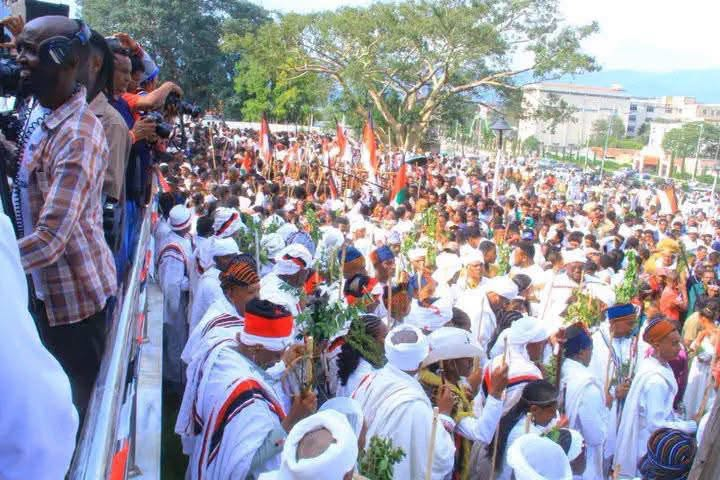
At Irreechaa Malkaa, communities gather at the water’s edge — rivers, lakes, and streams — to dip fresh green grass and flowers into the water, symbolizing purification, renewal, and thanksgiving. The water carries their prayers to Waaqaa, and the grass represents the life and fertility that the community seeks.
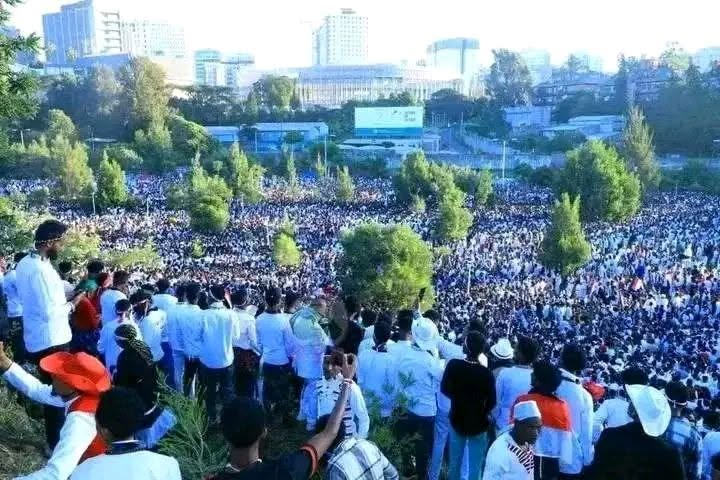
At Irreechaa Tulluu, communities ascend mountains and hills to pray and give thanks at higher ground — closer to the heavens, closer to Waaqaa. The mountain symbolizes strength, endurance, and the elevated spirit of a people who have weathered many storms.
Both forms of Irreechaa are sacred, and both are observed with deep reverence, traditional songs, and communal participation.
A Tradition Passed Down Through Generations
Irreechaa has been celebrated by the Oromo for generations. It has survived years of oppression and systemic subjugation, preserved in the hearts of the people and passed down to the present generation. Today, it stands as a testament to the resilience of Oromo culture and the unbreakable spirit of the Oromo nation.
A Festival for All
Irreechaa is not only for the Oromo people. It is a celebration that welcomes all — a festival of peace, unity, and gratitude that transcends boundaries of ethnicity, religion, and geography. The Oromo people, found across the world, are known for celebrating Irreechaa together in a shared and unified manner, and they extend an open invitation to all who wish to join.
A Living Heritage
Irreechaa is more than a festival. It is a living heritage — a bridge between the past and the future, between the human and the divine, between the individual and the community. It is a day of thanksgiving, a day of prayer, and a day of joy.
As the green grass is dipped into the water and the songs rise to the heavens, the Oromo people affirm once again their faith in Waaqaa, their love for their culture, and their hope for the year to come.
Baga Irreechaa! Baga Birraa!
Source: Oromo Cultural Heritage
Gadaa: The Living System That Raises Generations Through Word and Deed
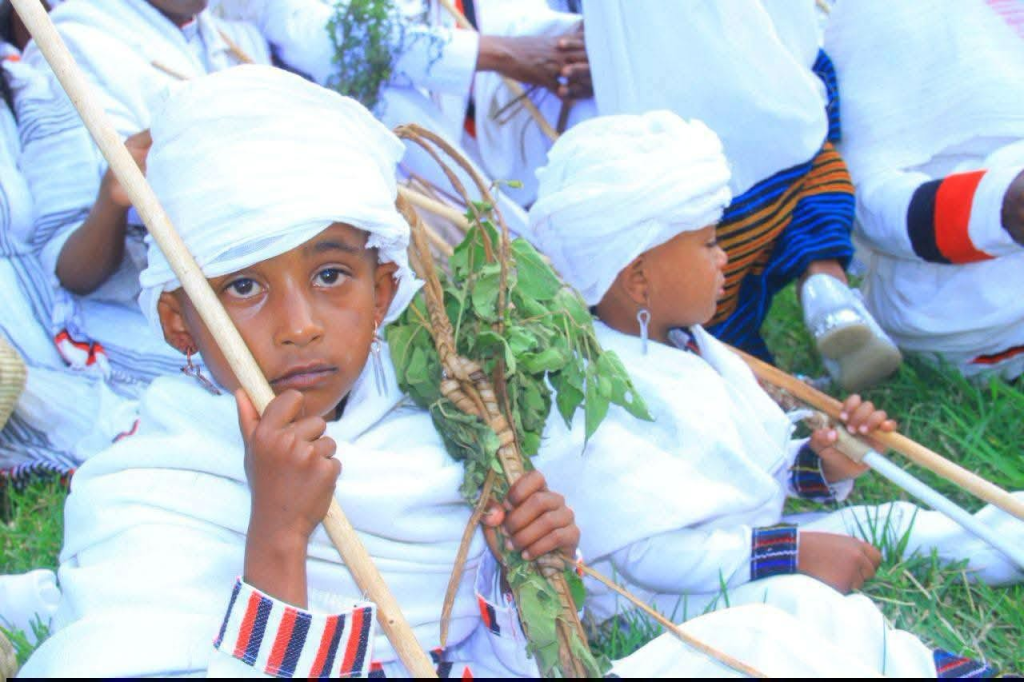
West Shawa, Oromia — In a world where ancient traditions often fade beneath the weight of modernity, the Gadaa system of the Oromo people stands as a testament to endurance, democracy, and cultural resilience. As the Oromo saying goes: “Gadaan sirna ittiin jechaa fi gochaan dhaloota guddisanii dha” — Gadaa is the system through which generations are raised by word and by deed. And today, that system has emerged from the threat of extinction and reached the present generation, unbroken and vibrant.
Sons of Liiban Maccaa Carry the Torch
The sons of Liiban Maccaa — Walisoo, Amayyaa, and Kuttaayee — are actively fulfilling their duties within Gadaa Birmajii, ensuring that the ancient Oromo Gadaa system is passed down from generation to generation, unbroken and undiminished. Their commitment is not merely ceremonial; it is a living covenant with their ancestors and their descendants.
These communities, located across Central Oromia, West Shawa, and Southwest Shawa, have preserved the Gadaa system without interruption. From father to son, from elder to youth, the sacred knowledge and responsibilities of Gadaa are transmitted with reverence and precision.
A Model of Democracy Without Conflict
“Gadaan Mallattoo Dimokiraasii Morkii tokko malee Aangoo Waliif dabarsanii kennanidha” — Gadaa is the symbol of democracy, a system in which power is transferred peacefully, without conflict or bloodshed.
This principle lies at the heart of the Gadaa system. Every eight years, leadership transitions from one Gadaa grade to the next — a process rooted in consensus, ritual, and mutual respect. There are no coups, no violence, no contested successions. There is only the orderly, sacred transfer of responsibility from one generation to the next.
It is a democratic tradition that predates many modern political systems, and it continues to function today, guided by the wisdom of elders and the participation of the community.
Preparation for the Transfer of Power
The Sirna Oofkaltii Tumaa Gadaa Birmajii is currently in full preparation across various locations in the West Shawa Zone. Over the coming eight years, those in the Birmajii grade will prepare to receive authority from the Gadaa Roobalee — the outgoing grade — and assume the responsibilities of leadership.
The purpose of this program is clear: “Kaayyoon Sirna Sagantaa Kanaas Gadaan Birmajii Gadaa Roobalee irraa Aangoo fudhachuun Waggoottan 8 itti Aanu Bulchuuf ofkaltii keessa darbaa jiraachuu ibsameera.” The Birmajii Gadaa is preparing to take power from the Roobalee Gadaa and to govern for the next eight years. This preparation is not merely administrative — it is spiritual, cultural, and communal.
The Journey to the River
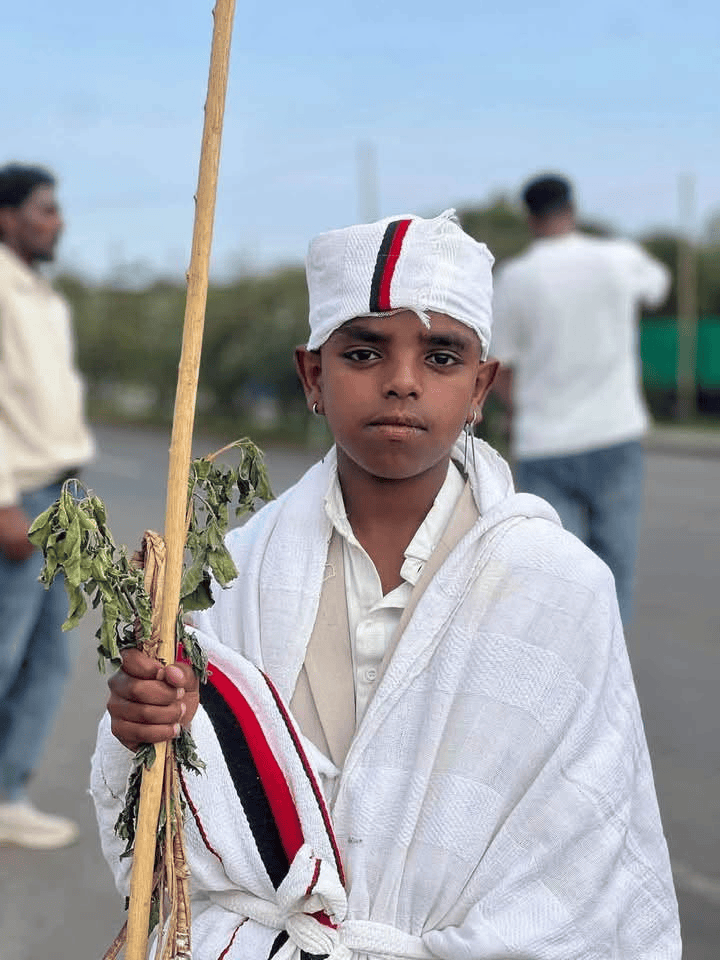
The process has now reached a significant milestone. “Imalli gara malkaa deemuun tumaa ittiin bulmaata waggoota 8 dhufanii adeemsifameera.” The delegation has journeyed to the river, where the laws and rituals that will govern the next eight years have been formally enacted.
The journey to the water — the malkaa — is rich with symbolism. Water represents purification, renewal, and the continuity of life. By enacting the laws at the river’s edge, the community affirms that the Gadaa system is rooted in nature itself, in the eternal rhythms of the earth and the heavens.
A Blessing of Abundance
The message concludes with a powerful blessing: “Gadaan Quufaa Gabbina Oofkalchi Waaq.” May Gadaa bring fullness, abundance, and prosperity. May Waaqa bless the work of those who uphold this sacred tradition.
It is a prayer not only for material prosperity but for spiritual completeness — for a community that is whole, united, and at peace with itself and its Creator.
A Heritage That Endures
The Gadaa system is more than a cultural relic. It is a living, breathing institution that continues to shape the lives of millions of Oromo people. It teaches democracy, accountability, environmental stewardship, and respect for elders. It binds generations together in a chain of duty and blessing.
The sons of Liiban Maccaa — Walisoo, Amayyaa, and Kuttaayee — are not merely preserving the past. They are building the future, one ritual at a time, one generation at a time.
Baga oofkaltan!
Source: Community Report

Gadaa Elders Announce Dates for Irreechaa 2019: A Call for Unity, Gratitude, and Peace
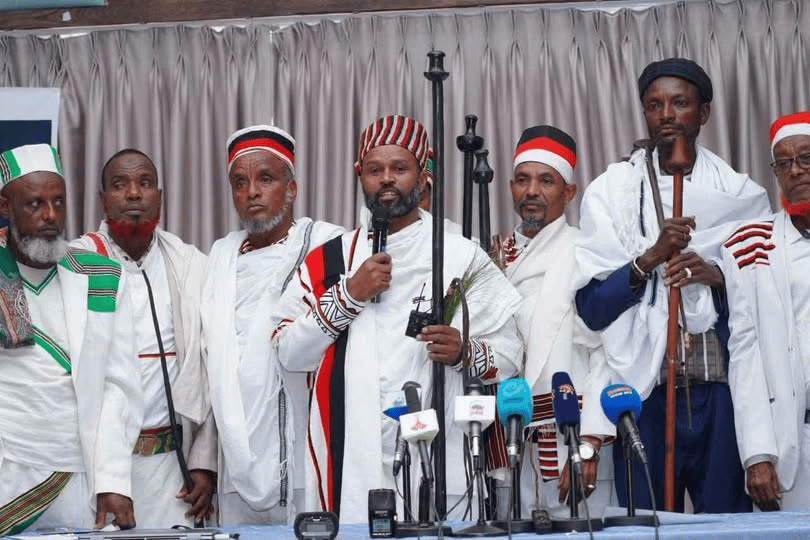
Finfinnee, Oromia — The Assembly of Gadaa Elders of Oromia has officially announced the dates for the celebration of Irreechaa, one of the most sacred and widely observed festivals of the Oromo people. In a statement released to the public, the elders confirmed that Irreechaa at Hora Finfinnee will be celebrated on September 23, while Irreechaa at Hora Harsadee will take place on September 24, 2019.
Irreechaa is a centuries-old thanksgiving festival celebrated at the banks of rivers and lakes, most notably at Hora Finfinnee (Lake Finfinnee) and Hora Harsadee (Lake Harsadee). It marks the end of the rainy season and the beginning of a new year in the Oromo calendar — a time of renewal, reflection, and communal gratitude to Waaqa (God) for blessings received.
A Festival of Thanksgiving and Hope
In their statement, the Gadaa elders emphasized the profound meaning of Irreechaa, describing it as a celebration of thanksgiving, hope, unity, love, reconciliation, and renewal. “Irreechaa is a festival of gratitude, hope, unity, love, reconciliation, and rebirth,” the elders declared. “Therefore, all Oromo people, as well as all nations, nationalities, and peoples of our country and the entire world, are invited to honor Irreechaa together with the Oromo people.”
The invitation extends beyond the Oromo nation itself, reflecting the festival’s universal message of peace and togetherness. Irreechaa has long served as a gathering point for people of all backgrounds — a day when differences are set aside and communities join hands in celebration and prayer.
A Call to Preserve Tradition
The elders also stressed the importance of observing Irreechaa according to its longstanding customs, traditions, and sacred norms (safuu). “Irreechaa at Hora Finfinnee and Hora Harsadee will be celebrated on September 23 and 24, 2019, respectively,” the statement read. “Like other Irreechaa celebrations, it will be observed in accordance with the culture, tradition, and sacred order of Irreechaa.”
The Gadaa system, a traditional democratic governance structure of the Oromo people recognized by UNESCO as intangible cultural heritage, plays a central role in organizing and preserving the festival’s rituals. The elders’ announcement underscores their continued role as custodians of Oromo culture and tradition.
A Warm Invitation to All
In closing, the Assembly of Gadaa Elders extended a heartfelt invitation to all Oromo people to welcome visitors with the warmth and hospitality for which the Oromo are known. “Therefore, we call upon all Oromo people to receive every guest who comes to them with the culture, tradition, and hospitality of our people,” the elders urged.
The message is clear: Irreechaa is not merely a festival — it is a living expression of Oromo identity, faith, and community. As the dates approach, anticipation is building across Oromia and beyond, with preparations underway at Hora Finfinnee and Hora Harsadee.
For the Oromo people, Irreechaa 2019 promises to be a time of collective renewal — a moment to give thanks, seek reconciliation, and reaffirm the bonds that unite them as one people.
Source: Assembly of Gadaa Elders of Oromia

Sons of Liiban Maccaa Carry the Gadaa Birmajii Torch: A Legacy Passed from Generation to Generation
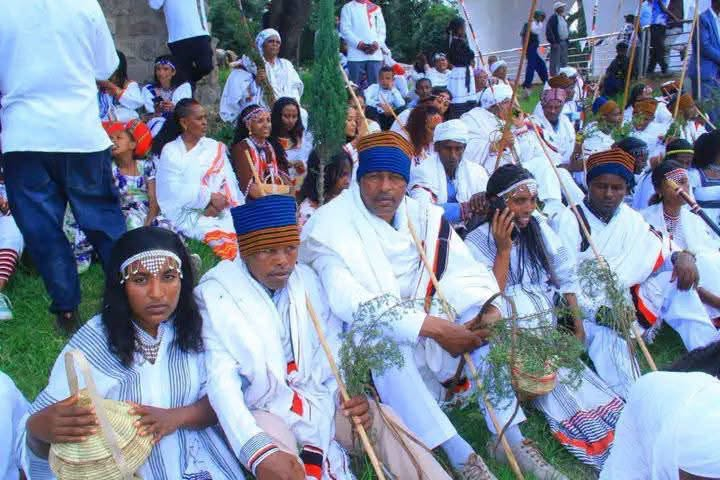
Central Oromia— In the heartlands of Central Oromia, across the highlands of West Shawa and Southwest Shawa, a sacred flame continues to burn. The sons of Liiban Maccaa — Walisoo, Amayyaa and Kuttaayee — are actively fulfilling their duties within Gadaa Birmajii, ensuring that the ancient Oromo Gadaa system is passed down from generation to generation, unbroken and undiminished.
A System That Never Sleeps
The Gadaa system, recognized by UNESCO as an Intangible Cultural Heritage of Humanity, is the traditional democratic, social, and spiritual governance structure of the Oromo people. It organizes society into age sets and generational grades, each with distinct roles, responsibilities, and rights. Among these, the Birmajii grade represents a critical stage — a time when young men prepare for leadership, defend their community, and uphold the sacred norms of Oromo life.
What sets the sons of Liiban Maccaa apart is their unwavering dedication. In Central Oromia, West Shawa, and Southwest Shawa, these communities have preserved the Gadaa system without interruption, carrying it forward across generations with reverence and pride.
The Seven Who Hold the Jila
Among the three sons of Liiban, it is the seven from the Horii lineage of Kuttaayee who hold the Jila Gadaa — the sacred leadership and ritual responsibility of the grade. Their duty is profound and their journey demanding.
The Gadaa group of Roobalee sets out to receive Baallii (Alangee) — the symbolic transfer of power and responsibility that marks the transition into Birmajii. This transfer is not merely ceremonial; it is a covenant. It binds the incoming generation to the duties of leadership, protection, and service to the community.
Rain, Blessing, and Endurance
In the Oromo worldview, rain is a sign of blessing — a gift from Waaqa (God) that nourishes the land and its people. Yet even when the rains come, the Roobalee do not rest. They sing in the rain, and they do not allow the abundance of milk and prosperity to distract them from their sacred mission.
“The Roobalee sing along with the rain, and the abundance of milk and success has not made us forget our duty,” the report recounts. “Whether in good times or hard times, they have seen it through.”
The message is clear: Birmajii is not a fair-weather calling. It demands endurance, sacrifice, and faithfulness — in seasons of plenty and in seasons of want.
A Call of Honor and Blessing
The words of the community ring with pride and blessing:
“The Birmajii have taken the Alangee and are preparing to complete their covenant — today they have cut the buttaa. May the news of your deeds reach the ears of those who need to hear it. Congratulations on reaching the fourfold blessing of your fathers and the eightfold blessing of your grandfathers. You have accomplished what was asked of you — and you make us proud.”
The “fourfold blessing of the fathers” and the “eightfold blessing of the grandfathers” speak to the deep ancestral roots of the Gadaa system — a chain of blessing and responsibility that stretches back through time, linking each generation to those who came before.
The closing blessing, “Ginna milkii ciisaa” — a wish for peace, prosperity, and rest — crowns the message with the hope that the labor of the Birmajii will bring abundance and tranquility to the community.
A Living Heritage
The sons of Liiban Maccaa are not merely preserving a tradition — they are living it. Every ritual, every journey, every song in the rain is an act of cultural survival and spiritual renewal. In a world that often pressures communities to abandon their heritage, these young men stand firm, proving that the Gadaa system remains a vibrant and vital force.
Their story is a reminder that culture is not a museum piece. It is alive — carried in the feet that walk to receive the Alangee, in the voices that sing with the rain, and in the hearts of a generation determined to honor its ancestors.
Baga oofkaltan!

Oromo Advocacy Group Rejects Pan-Ethiopian Alliance, Citing Historical Erasure and Political Opportunism

By Staff Reporter
A prominent Oromo advocacy organization has formally rejected the newly formed “Ethiopian Peoples’ Forces Alliance for Survival,” accusing the coalition of failing to acknowledge the historical suffering of the Oromo people and of engaging in political opportunism rather than genuine problem-solving.
In a detailed statement released on 21 September 2026, Advocacy for Oromia outlined its objections to the alliance, which was established on 10/2019 E.C. (Ethiopian Calendar) and claims to represent a broad coalition of Ethiopian peoples against the current government.
The Alliance’s Platform
The Ethiopian Peoples’ Forces Alliance for Survival presents itself as a unified front against what it describes as a regime that has institutionalized national and religious divisions. Its stated objectives include removing the current government through “any means necessary,” establishing a transitional government, ensuring security for all citizens, and rebuilding the economy. The alliance explicitly calls for the right to self-determination for seven major national groups: Oromo, Amhara, Tigray, Afar, Somali, Benishangul-Gumuz, and Gambella.
The alliance’s rhetoric is sweeping: “We have reached a point where we must unite to save ourselves and our country,” reads its preamble, which accuses the current regime of fueling conflicts, engaging in widespread human rights violations, and pushing the country to the brink of disaster.
The Oromo Rejection
Advocacy for Oromia, however, sees the alliance as fundamentally flawed. In its statement, the organization argues that the coalition’s generic language about “immense suffering” and “widespread displacement” deliberately avoids naming the Oromo people as specific victims of systemic oppression.
“The harm includes, but is not limited to, land dispossession, political marginalization, cultural suppression, and economic exploitation under successive Ethiopian regimes—the imperial era, the Derg regime, the EPRDF administration, and continuing under the current government,” the statement reads. “This omission is not accidental; it reflects a deliberate refusal to centre Oromo historical trauma within the alliance’s political framework.”
The advocacy group further accuses the alliance of refusing to accept the reality of systemic oppression inflicted upon the Oromo people by past regimes. Rather than demanding accountability for historical wrongs, the alliance frames the current crisis as a departure from an otherwise acceptable trajectory—a framing that Advocacy for Oromia rejects outright.
A Question of Strategy
At the heart of the dispute lies a fundamental strategic disagreement within Ethiopian opposition politics: whether to prioritize unity against a common enemy or to insist upon historical justice as a precondition for any alliance.
The alliance positions itself as a broad-based coalition, calling for unity among Ethiopia’s diverse national groups to confront a shared adversary. Its document lists self-determination for multiple peoples and declares that “the unity of the Ethiopian peoples is paramount.”
Advocacy for Oromia, however, argues that without acknowledging past wrongs, any coalition risks reproducing the same structural injustices that have historically subjugated the Oromo people. “Formal recognition of Oromo rights within a reformed Ethiopian state is insufficient,” the statement asserts. “What is required is transformative justice that addresses the structural legacy of Oromo dispossession and abuses.”
The “Survival” Critique
The advocacy group also takes issue with the alliance’s very name. In the original Oromo statement, Advocacy for Oromia notes that the alliance is called “Survival”—a designation the group argues reveals its limited and inadequate scope.
“The alliance is named ‘Survival,’ which reveals its limited and inadequate scope,” the statement reads. “It is not founded to genuinely resolve the country’s problems, but rather to engage in political maneuvering and gamesmanship.”
This critique suggests that the alliance’s focus on mere survival—bare existence—falls far short of the Oromo struggle for liberation, justice, and systemic transformation.
Political Opportunism Alleged
The most serious charge leveled by Advocacy for Oromia is that the alliance is a vehicle for political opportunism. The group points to the alliance’s inclusion of multiple ethnic groups and its call for armed struggle as evidence of a framework that “superficially accommodates Oromo demands while failing to address the fundamental historical injustice against the Oromo people.”
“This framework offers only formal recognition, not substantive transformation,” the statement argues.
Advocacy for Oromia explicitly rejects any pan-Ethiopian initiative that does not subordinate itself to Oromo nationalist priorities, describing the alliance’s refusal to do so as exposing it “as a vehicle for political opportunism rather than a genuine instrument for liberating the Oromo people.”
An Unresolved Contradiction
The advocacy group also highlights what it sees as a contradiction within the alliance’s logic. The alliance’s stated objective is to remove the current regime—which Advocacy for Oromia notes is itself a product of past systems of Oromo oppression.
“If the alliance succeeds in dismantling the current order, does that not constitute a form of accountability?” the statement asks rhetorically. “Removal without acknowledgment and redress is insufficient. True liberation requires not merely a change of personnel but a reckoning with the structural foundations of Oromo subjugation.”
The Broader Context
The rejection of the alliance reflects long-standing tensions within Ethiopian opposition politics. The Oromo people, Ethiopia’s largest national group, have historically experienced marginalization and dispossession under successive regimes. The emergence of Oromo nationalist movements—both peaceful and armed—has challenged the centralized Ethiopian state, demanding greater autonomy, self-determination, and historical justice.
The Ethiopian Peoples’ Forces Alliance for Survival appears to be an attempt to bridge these divides, bringing together diverse national groups under a common banner. But Advocacy for Oromia’s rejection suggests that such efforts will face significant obstacles, particularly when they require subordinating specific historical grievances to a broader, more generic narrative of national suffering.
The Unanswered Question
The statement from Advocacy for Oromia leaves an important question unresolved: can Oromo liberation be achieved through alliance with other Ethiopian peoples, or does it require a separate, Oromo-centred path?
The group clearly leans toward the latter, but does not fully grapple with the strategic costs of that position—including potential isolation, the difficulty of achieving liberation without allies, and the risk of perpetuating the very divisions that have historically weakened Ethiopian opposition movements.
For now, Advocacy for Oromia’s rejection of the alliance stands as a clear statement of its position: any coalition that does not explicitly centre Oromo historical suffering and commit to its redress cannot be trusted.
Advocacy for Oromia formally rejects the “Ethiopian Peoples’ Forces Alliance for Survival” as an unsuitable vehicle for the liberation and advancement of the Oromo people.
Rejection of the “Ethiopian Peoples’ Forces Alliance for Survival” from an Oromo Nationalist View
Advocacy for Oromia hereby issues this formal statement to articulate its categorical rejection of the so-called “Ethiopian Peoples’ Forces Alliance for Survival.” This rejection is grounded in a thorough analysis of the alliance’s foundational assumptions, its treatment of Oromo historical grievances, and its strategic objectives. Advocacy for Oromia concludes that the aforementioned alliance is not beneficial for the Oromo people, and this statement sets forth the reasons for that conclusion.
I. Failure to Acknowledge the Historical Suffering of the Oromo People
The alliance does not genuinely believe in or acknowledge the harm that has persisted for years against the Oromo people. This harm includes, but is not limited to, land dispossession, political marginalization, cultural suppression, and economic exploitation under successive Ethiopian regimes—the imperial era, the Derg regime, the EPRDF administration, and continuing under the current government.
While the alliance document employs generic language regarding “immense suffering,” “widespread displacement,” and “destruction and death,” it conspicuously avoids naming the Oromo people as a specific victim of systemic oppression. This omission is not accidental; it reflects a deliberate refusal to centre Oromo historical trauma within the alliance’s political framework.
Advocacy for Oromia maintains that any political coalition that does not explicitly acknowledge and centre the specific historical grievances of the Oromo people is inherently suspect and cannot be trusted to advance Oromo national interests.
II. Refusal to Accept the Wounds of Past Systems of Oppression
The alliance refuses to accept the reality of systemic oppression inflicted upon the Oromo people by and current regimes. This refusal manifests in the alliance’s framing of the current crisis as a departure from an otherwise acceptable historical trajectory, rather than as the culmination of centuries of Oromo subjugation.
The alliance positions itself as a broad-based coalition against the current regime, while declining to demand accountability for past systems. This approach reflects a fundamental strategic disagreement within Ethiopian opposition politics: whether to prioritize unity against a common enemy or to insist upon historical justice as a precondition for any alliance.
Advocacy for Oromia unequivocally adopts the latter position. Without acknowledging past wrongs, any coalition risks reproducing the same structural injustices that have historically subjugated the Oromo people. Formal recognition of Oromo rights within a reformed Ethiopian state is insufficient; what is required is transformative justice that addresses the structural legacy of Oromo dispossession and abuses.
III. Political Opportunism Rather Than Genuine Problem-Solving
The alliance is not founded to solve the empire’s problems but rather to play political games. This is the most serious charge against the alliance, and Advocacy for Oromia asserts it without equivocation.
The alliance’s inclusion of multiple national groups, its call for armed struggle, and its specific demands for self-determination for various peoples—Amhara, Oromo, Tigray, Afar, Somali, Benishangul-Gumuz, and Gambella—collectively constitute an ethnic-federal framework that superficially accommodates Oromo demands while failing to address the fundamental historical injustice against the Oromo people. This framework offers only formal recognition, not substantive transformation.
Advocacy for Oromia rejects any pan-Ethiopian initiative that does not recognize Oromo nationalist priorities. The alliance’s refusal to do so exposes it as a vehicle for political opportunism rather than a genuine instrument for liberating the Oromo people.
IV. The Contradiction Within the Alliance’s Logic
The alliance’s stated objective is to remove the current regime—which is itself a product of past systems of Oromo oppression. If the alliance succeeds in dismantling the current order, does that not constitute a form of accountability?
Advocacy for Oromia answers unequivocally: removal without acknowledgment and redress is insufficient. True liberation requires not merely a change of personnel but a reckoning with the structural foundations of Oromo subjugation. The alliance’s failure to commit to such a reckoning renders its objectives inadequate for the Oromo struggle.
V. Conclusion
Advocacy for Oromia articulates a coherent Oromo nationalist position: any political alliance that does not explicitly centre Oromo historical suffering and commit to its redress cannot be trusted.
The critique is strongest in its insistence on historical specificity—generic calls for “survival” and “democracy” can obscure rather than address ethnic-specific oppression. However, the statement is weakest in its lack of concrete evidence for the “political games” charge and in its implicit rejection of broad-based coalition politics.
The underlying question remains unresolved: can Oromo liberation be achieved through alliance with other Ethiopian peoples, or does it require a separate, Oromo-cantered path? Advocacy for Oromia clearly leans toward the latter, but does not fully grapple with the strategic costs of that position.
Therefore, Advocacy for Oromia formally rejects the “Ethiopian Peoples’ Forces Alliance for Survival” as an unsuitable vehicle for the liberation and advancement of the Oromo people.
Advocacy for Oromia
21 September: 2026

Victoria’s Superpower? Diversity!
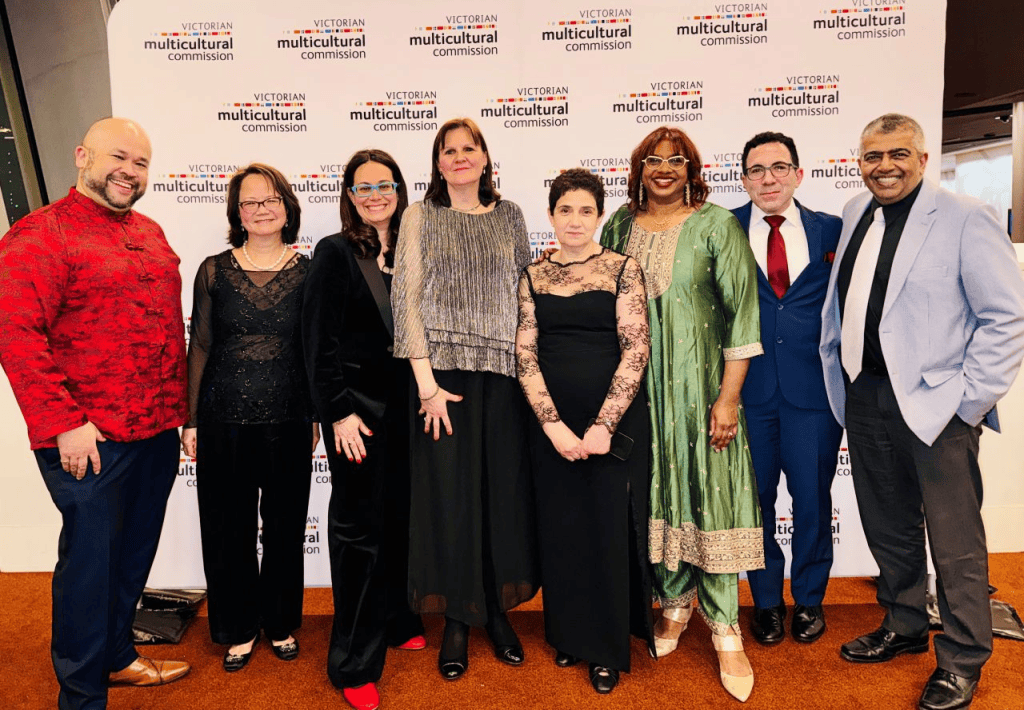
AMES Australia staff and board members joined hundreds of community leaders, advocates, changemakers and government representatives at the Premier’s Multicultural Gala Dinner over the weekend, coming together to celebrate this year’s theme: Stories of Us.
The theme honours the unique journeys, ancestry and migration stories that shape Victoria’s vibrant multicultural community — the threads of lived experience that weave together to form the fabric of one of the world’s most diverse societies.
Beyond the Glitter
Beyond the suits, saris, speeches and selfies, the night was really about one thing: the people helping make Victoria one of the most multicultural and connected places in the world.
It was a celebration not of ceremony, but of contribution — of the countless individuals and communities whose stories, struggles and successes have built the Victoria of today.
The Power of the Shared Table
For AMES Australia, the evening carried a deeper message about how a truly multicultural society thrives.
“The best ideas don’t happen in isolation,” the organisation reflected. “They happen when different cultures, experiences and perspectives come together around the same table.”
That spirit of connection — of diverse voices sharing space, stories and vision — was at the heart of the night’s proceedings, a living demonstration of what social cohesion looks like in practice.
“That’s the kind of future we’re here for,” AMES Australia said.
A Conversation Brought to Life
The organisation extended its gratitude to the Victorian Multicultural Commission for bringing the conversation to life, praising the Commission’s achievements and expressing optimism for what lies ahead.
“We cherish what you have achieved and look forward to what Multicultural Victoria will bring,” AMES Australia said.
A Continuing Story
The Premier’s Multicultural Gala Dinner is more than an annual event — it is a recognition that Victoria’s greatest strength lies in its diversity, and that the stories of its people, in all their richness and variety, are the stories that will carry the state forward.
As the evening’s theme reminded all who gathered: these are Stories of Us — shared, celebrated, and still being written.
#AMES #AMESAustralia #VMC #Premier #GalaDinner #Victoria #Diversity #SocialCohesion

Oromo Youth and Elders Rally in The Hague, Protest Killings and Rights Abuses in Ethiopia
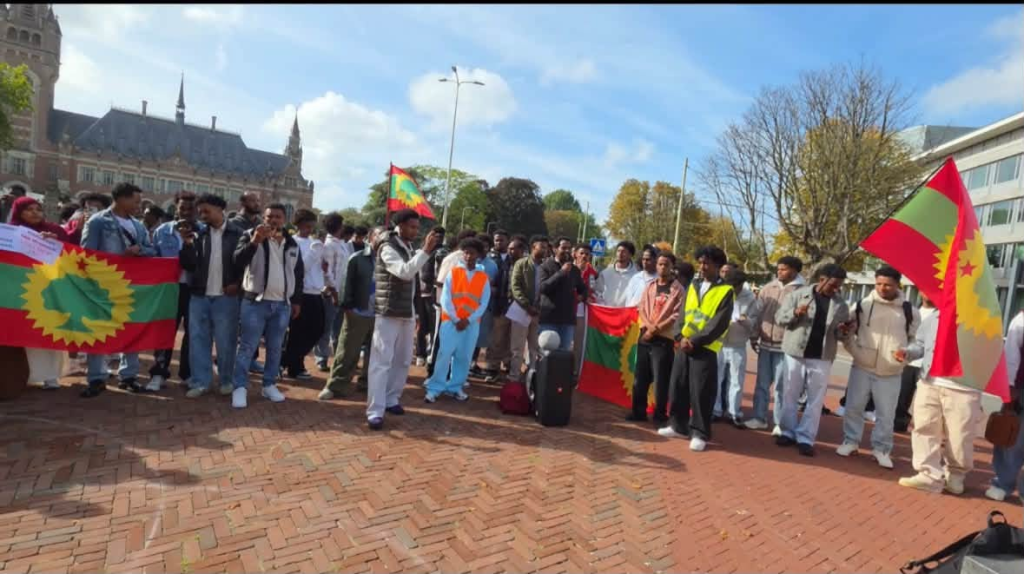
The Hague, Netherlands — Oromo youth and many members of the older generation living in the Netherlands took to the streets yesterday in a powerful demonstration, raising their voices in support of the Oromo people in Ethiopia and protesting against the killings and human rights violations being committed against innocent civilians.
The demonstration, held on 18 September 2026 in The Hague (Den Haag), brought together generations of the Oromo diaspora — young activists standing shoulder to shoulder with elders — united in their demand for justice and an end to the suffering of their people.
A Government Accused
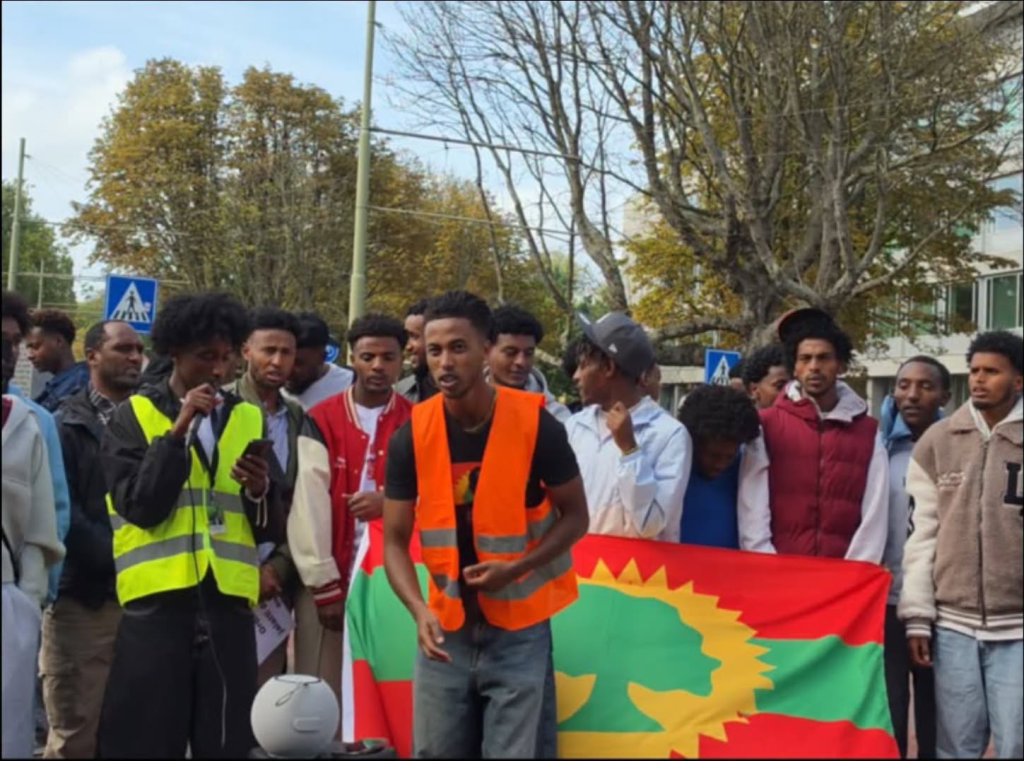
Protesters directed sharp criticism at the government of Prime Minister Abiy Ahmed, accusing it of using the name of the Oromo people while Oromos are being killed and left to suffer. The demonstrators voiced their rejection of what they described as a government that claims to represent the Oromo while failing to protect them.
Among the slogans and demands raised during the demonstration were urgent calls for the government to stop forcing young people into military service and to halt the killing of innocent civilians.
Targeted for Politics
The demonstrators also protested against what they described as the targeting and killing of people for political reasons — a practice they say has claimed the lives of countless innocent Oromos.
The rally was marked by the presence of both the youth and the older generation, a visible sign of the unity and shared commitment of the Oromo diaspora across generations. Their message was clear: the killings must stop, human rights must be respected, and the voices of the Oromo people must be heard.
A Diaspora’s Voice
The Hague demonstration is the latest in a series of protests by the Oromo diaspora across Europe and beyond, as communities abroad continue to speak out against the violence and repression they say their people face at home.
For those who gathered in The Hague, the protest was more than a political statement — it was an act of solidarity with families and communities in Ethiopia, and a declaration that the Oromo people’s struggle for justice, dignity, and freedom will not be silenced.

Addis Ababa University Mechanical Engineering Class of 1978 Celebrates 40th Graduation Anniversary
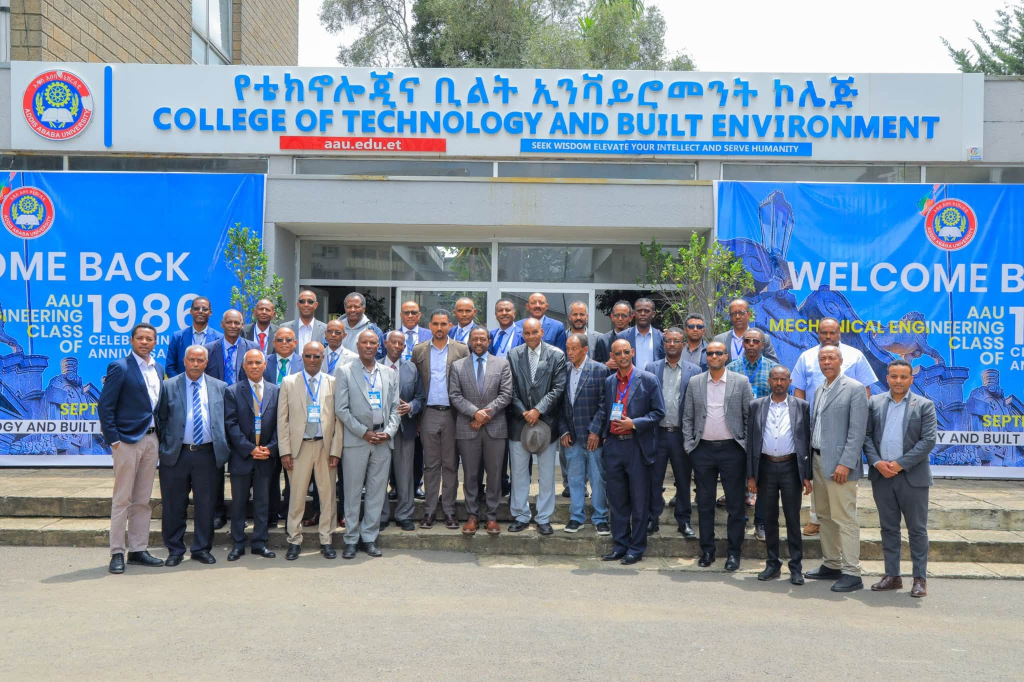
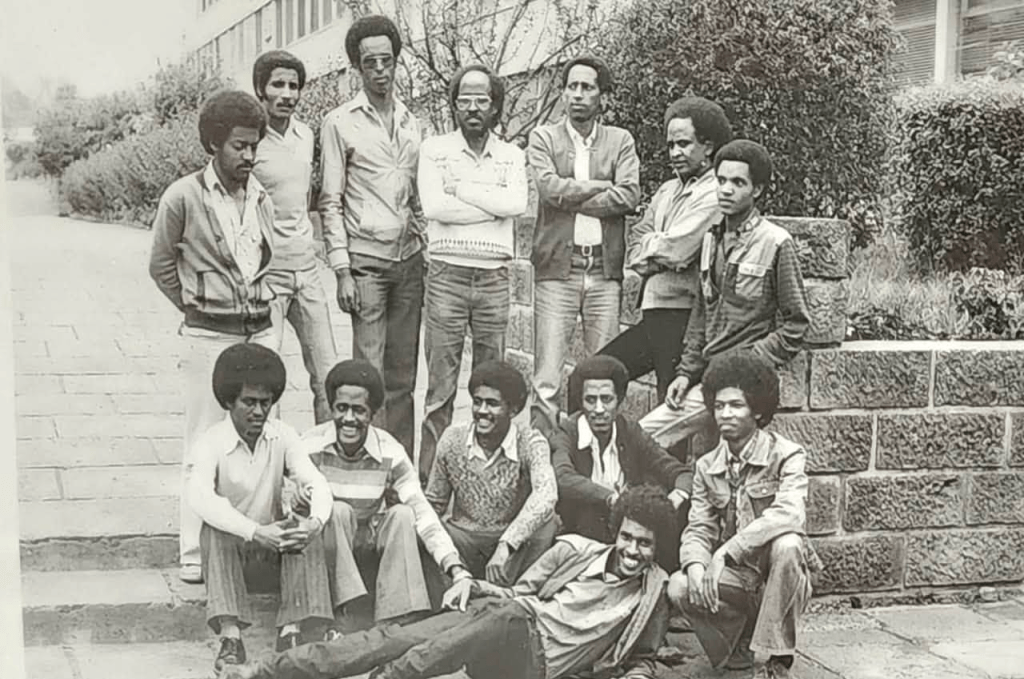
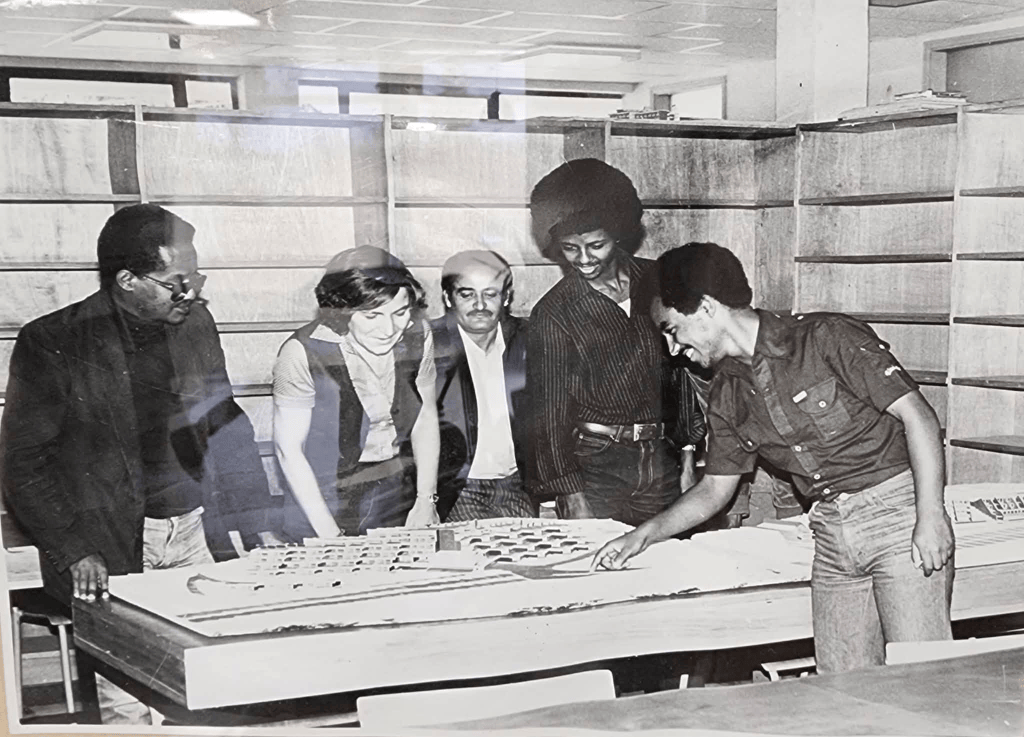
Addis Ababa, Ethiopia — Graduates of the 1978 Ethiopian calendar Mechanical Engineering class from Addis Ababa University’s College of Technology reunited after four decades to celebrate their 40th graduation anniversary in a special programme filled with reflection, nostalgia, and renewed commitment to collaboration.
The event brought together alumni who had not seen one another in forty years, offering a unique opportunity to relive memories, renew friendships, and discuss ways to contribute to their alma mater and the next generation of engineers.
A Warm Welcome from the University
Addressing the gathering, Dr. Samuel Kifle, President of Addis Ababa University, extended a heartfelt welcome to the returning graduates.
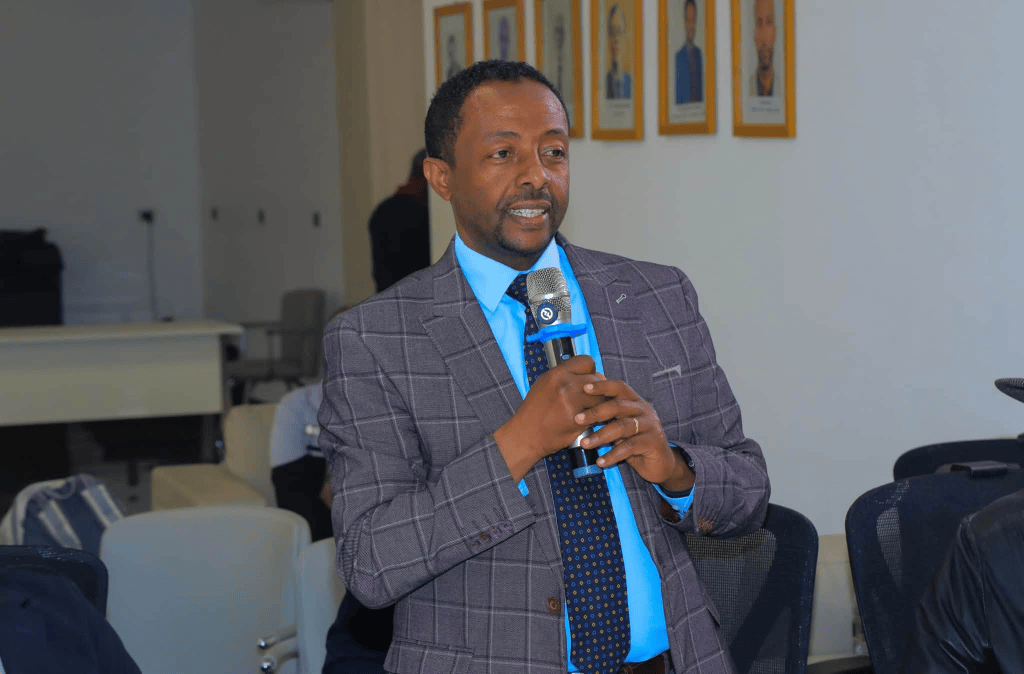
He called upon the alumni to share the professional and life experiences they have accumulated over the past four decades with current students, and to support the university’s ongoing development efforts.
The President’s message underscored the invaluable role that seasoned graduates play in bridging the gap between academic learning and real-world practice.
Strengthening Ties Between Alumni and University
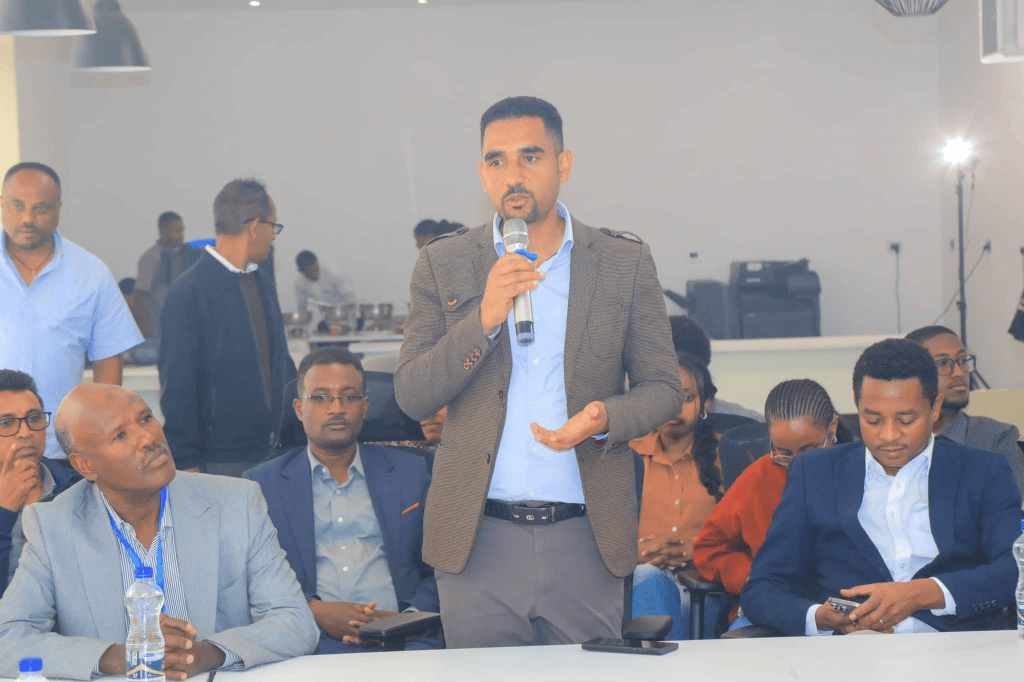
During the discussion, key themes emerged around deepening the connection between alumni and the university’s transformation process. Participants explored ways to strengthen collaboration in:
- Research and innovation — leveraging alumni expertise to advance cutting-edge projects
- University-industry linkages — building bridges between academia and the professional world
- Student career development — mentoring and guiding the next generation of engineers
- Institutional development — supporting the university’s growth and modernisation efforts
The conversation reflected a shared desire among the graduates to give back to the institution that shaped their careers and to ensure that future generations benefit from their collective wisdom.
A Nostalgic Return to Campus
The programme concluded with the alumni touring new facilities and developments at the university, as well as visiting the main campus — a poignant return to the grounds where their professional journeys began four decades ago.
For many, walking through the halls and seeing the changes that have taken place since their graduation was an emotional experience, evoking memories of their student days and the bonds they formed.
The Enduring Value of Alumni Networks
The 40th anniversary celebration highlights the enduring strength of alumni networks and their potential to contribute meaningfully to higher education. As Addis Ababa University continues its transformation journey, the engagement of its graduates — particularly those with decades of experience in industry and public life — will remain a vital asset.
The reunion served as a powerful reminder that the connection between a university and its graduates does not end at commencement. Rather, it evolves into a lifelong partnership built on shared history, mutual respect, and a common commitment to excellence.
Looking Ahead
As the Class of 1978 Mechanical Engineering graduates return to their respective roles, they carry with them renewed connections and a strengthened sense of purpose. Their willingness to engage with their alma mater signals a promising future for collaboration between Addis Ababa University and its alumni community.
For the university, the event was more than a celebration of the past — it was an investment in the future, one built on the experience, wisdom, and generosity of those who once walked its halls as students and now return as esteemed graduates.
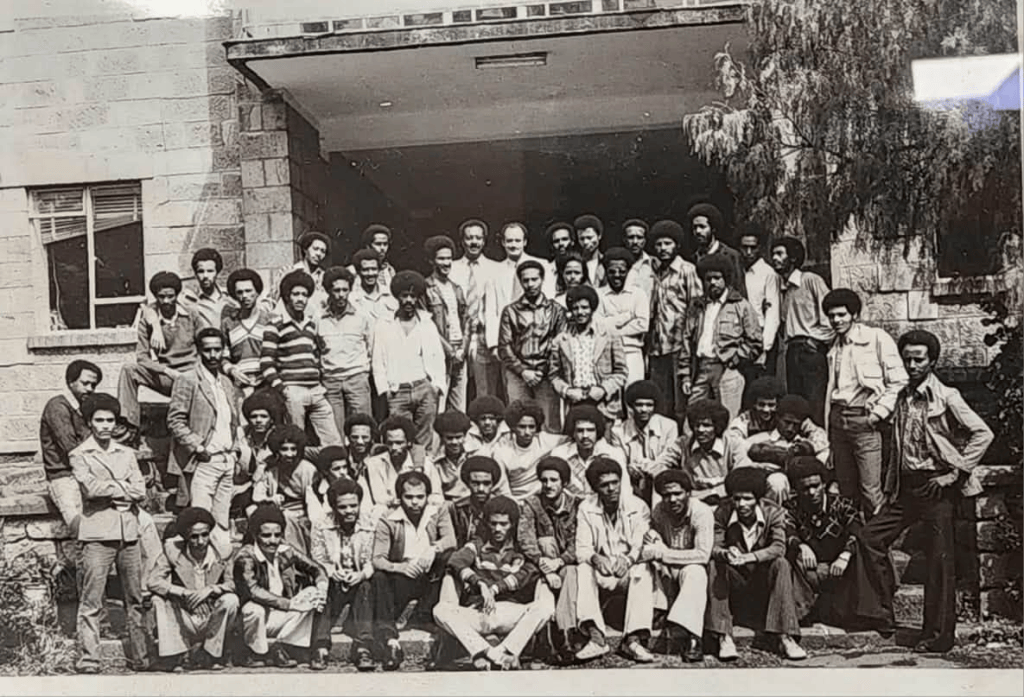
The 40th anniversary celebration stands as a testament to the lasting bonds formed at Addis Ababa University and the enduring spirit of its alumni community.






