
The Name and the Narrative: Reclaiming Oromo Identity Beyond “Habesha”
In the complex tapestry of the Horn of Africa, few threads are as deeply woven—or as fiercely contested—as the question of identity. For centuries, labels have been applied, histories have been written, and narratives have been constructed, often by those in power. But what happens when a people rise to say, “That name is not ours”?
A powerful statement from within the Oromo community cuts to the very heart of this question: “Habashaan jecha eenyummaa Oromoo ibsuu miti. Oromoon Habashaa miti.” This translates to: “‘Habesha’ does not express Oromo identity. An Oromo is not Habesha.” This is not a simple rejection of a label; it is a profound declaration of a distinct historical narrative, a reclamation of selfhood, and a bold assertion of a people’s independent journey through time and across the land they call home.
The Power of a Name
The term “Habesha” has historically served as a broad, unifying identifier for the peoples of the Ethiopian highlands, often associated with the ancient Aksumite civilization, the Orthodox Christian faith, and Semitic languages. For many, it is a term of pride, symbolizing a shared, ancient heritage.
However, for the Oromo people—the largest ethnic group in Ethiopia—this label often feels foreign and exclusionary. The assertion “Oromoon Habashaa miti” directly challenges the notion that “Habesha” is an all-encompassing term for all Ethiopians. Instead, it argues that the term is culturally and historically specific to a particular group and that it has been inaccurately and unfairly imposed upon the Oromo nation.
This rejection is a vital act of self-affirmation. It is a declaration that Oromo identity, with its own ancient traditions, its own language (Afaan Oromo), and its own sophisticated governance system (the Gadaa system), is independent and deserving of recognition on its own terms. It is a way of saying, “We are not a footnote in someone else’s history; we have our own story to tell.”
A Shared Journey: Revisiting the Origins
The second part of the statement offers a specific historical perspective on this shared geography: “Habashaan jecha Yaman irraa warra Abyssinia ofiin jedhan waliin gara biyya Oromoo-Oromiyaatti dhufee dha.” (“Habesha came to the land of Oromo-Oromia from Yemen together with those who call themselves Abyssinian.”)
This presents a powerful and deliberate counternarrative to the dominant historical accounts of the region. By asserting that both the ancestors of the “Abyssinians” and the Oromo people migrated into the region from a shared origin, this perspective challenges the traditional narrative that often places one group as indigenous and the other as later arrivals.
This framing redefines the historical relationship between the two communities. It moves the Oromo from a position of being perceived as “others” or “newcomers” in their own homeland to being co-architects of the region’s history. It suggests a shared, albeit not necessarily harmonious, arrival and cohabitation, thereby establishing an equal and ancient claim to the land of Oromia. This is a crucial point, as it aims to dismantle historical hierarchies and assert that the Oromo are not intruders but are, in fact, foundational to the region’s story.
The Land of Oromia: More Than a Place
This assertion of identity is intrinsically tied to a specific territory: Oromia. This vast and diverse region, stretching from the highlands to the lowlands, is the historic and ancestral homeland of the Oromo people. By connecting the narrative of arrival directly to “the land of Oromo-Oromia,” the statement anchors Oromo identity in a tangible, sacred geography.
It is a powerful reminder that identity is not an abstract concept; it is rooted in the mountains, rivers, and plains where a people’s history was lived and written. For the Oromo, the struggle for identity is inseparable from the struggle for their cultural, political, and territorial rights within Oromia. Declaring that the “Habesha” came to their land, and not the other way around, is a profound reclamation of both history and territory.
A Continuing Dialogue
The statement provided is a potent contribution to an ongoing and essential conversation about identity, history, and power in the Horn of Africa. It challenges the monolithic narratives that have often dominated the national discourse and demands a more inclusive, accurate, and multi-vocal understanding of the past.
For the Oromo people, the declaration “Oromoon Habashaa miti” is not an act of division, but one of definition. It is a call to be seen, understood, and respected on their own terms. It opens a vital dialogue about how history is written, who gets to write it, and how we can build a future that honors the full and complex story of all the peoples in the region. The debate over identity is far from settled, but it is a debate that is crucial for any nation seeking to forge a just and inclusive future.

A Giant Returns to the Soil: Abbaa Gadaa Liiban Jaldessa Laid to Rest in Areero (1967-2026)
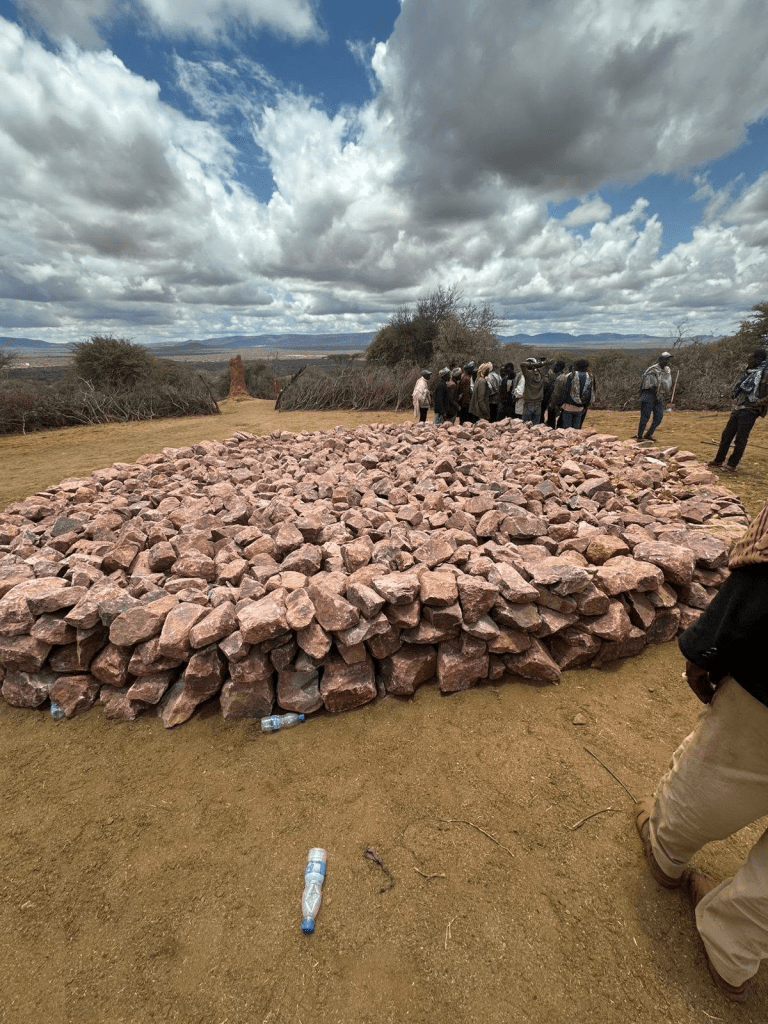
The plains of Areero, under the vast and unyielding sky of Borana, fell silent. The echoes of cattle bells and the murmur of the wind through ancient acacia trees seemed to pause, as a community—and indeed, a nation—gathered to bid farewell to one of its greatest sons. Abbaa Gadaa Liiban Jaldessa, the 69th custodian of the sacred Gadaa staff and a revered guardian of Oromo law, was laid to rest in his homeland on a somber day that marked the end of an era.
At the age of 59, the leader whose life was a testament to the enduring strength of indigenous governance passed away on December 29, 2026, while receiving medical treatment in Addis Ababa. His death sent a wave of profound grief—a Rifuu—from the highlands of Ethiopia to the savannahs of Kenya, a sorrow felt by all who knew the weight of his wisdom and the depth of his commitment.
A Life of Service to the Gadaa
Liiban Jaldessa was more than a leader; he was the embodiment of the Gadaa system’s highest ideals. As the 69th Abbaa Gadaa, he was a living constitution, a judge, a father, and a protector of the Borana people. His life was dedicated to the preservation and advancement of the ancient Oromo governance system, which for centuries has stood as one of the world’s most sophisticated indigenous democracies.
Gadaa elders and scholars who paid tribute to him spoke of a man of unwavering principle. He was described as a “pillar of the community,” a leader whose influence extended far beyond the ceremonial. His tenure was marked by a fierce dedication to justice, the protection of Oromia’s historic boundaries, and the strengthening of the social fabric that binds Oromo communities across the borders of Ethiopia and Kenya.
Reviving the Ancient Assembly
Among his most significant achievements was the revival of the Dibbee Eeldalloo Assembly, a crucial Gadaa institution that had lain dormant for several generations. This assembly is not merely a meeting; it is the heart of Oromo democracy, where elders and community members gather to deliberate on matters of law, peace, and the future of the people.
By breathing new life into this ancient forum, Abbaa Gadaa Liiban ensured that the voice of the people would continue to be heard. He re-established a critical channel for justice and reconciliation, reaffirming that true governance is not imposed from above but emerges from the collective wisdom of the community. This act alone cemented his legacy as a unifier and a visionary.
A Leader for All
The attendance at his funeral was a powerful testament to the reach of his influence. Gadaa leaders from across the region stood alongside government officials, and a vast sea of public mourners from both Ethiopia and Kenya came to pay their final respects.
A notable presence was that of Marsabit Governor Mohamed Mohamud Ali, whose attendance underscored the cross-border significance of Abbaa Gadaa Liiban’s work. Governor Ali honored the leader’s immense contributions to fostering peaceful and cooperative relations between communities living on either side of the national border. He called on all who were present to uphold Liiban’s legacy of unity, emphasizing that the bonds he forged should be sustained and strengthened for generations to come.
This intergovernmental and cross-border presence highlighted a profound truth: Abbaa Gadaa Liiban was not just a leader of the Borana, but a symbol of peace and cooperation for the entire region.
A Legacy Etched in the Land
Abbaa Gadaa Liiban Jaldessa left behind a large and proud family—50 children, 13 sons and 37 daughters—who carry his name and his spirit into the future. But his true legacy is woven into the very fabric of the Oromo nation.
He was a man who stood firm in the face of challenges, who walked the length of disputed borders to assert his people’s claims, and who worked tirelessly to ensure that the “Habesha” label would not diminish the proud, independent identity of his people. He believed in the Gadaa’s power to resolve conflict, its wisdom to guide the community, and its resilience to survive through the ages.
As the earth of Areero received his body, the community received his spirit. His final message, his Dhaamsa, is a call to action: to remain united, to uphold the law, and to continue the struggle for justice and recognition.
The Farewell of a Nation
The burial ceremony in Areero was more than a funeral; it was a declaration. It was a declaration that the Gadaa system lives on, that its leaders are honored, and that its traditions will not fade into history. It was a declaration that the Oromo people, from the plains of Borana to the hills of Kenya, stand together.
In the words of the elders who mourned him, “Mataan Dhalootaa Lafa Ga’e Du’aan Lafa Hinhanqatu”—”The head of a generation that has touched the ground does not leave the ground empty.” Abbaa Gadaa Liiban Jaldessa touched the ground with his life, and his legacy will continue to grow from the soil of his homeland.
The son of Borana has returned to his ancestors. But for his people, he is not gone. He has become a star in their sky, a voice in their council, and a timeless guide for the path ahead.

UNDERSTANDING THE TRAUMA TREE
Why Addressing Symptoms Alone Isn’t Enough
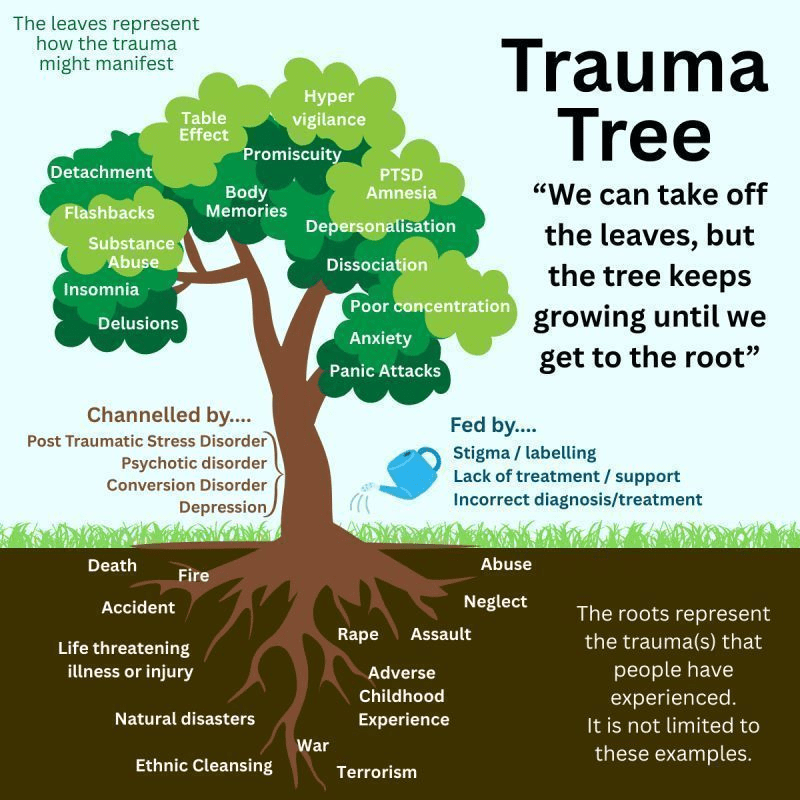
🌳 “We can take off the leaves, but the tree keeps growing until we get to the root.”
This powerful metaphor reveals a truth that modern mental health care is only beginning to fully embrace: that true healing from trauma requires more than just managing symptoms. It demands that we dig deeper—right down to the roots.
The numbers tell a sobering story. Research shows that 70% of individuals experience trauma at some point in their lives. Yet for far too many, the path to recovery remains frustratingly elusive. Why? Because we have been treating the leaves while ignoring the roots.
THE LEAVES – HOW TRAUMA MANIFESTS
Trauma does not announce itself with a single, obvious signal. Instead, it manifests in a tangled canopy of symptoms that can be as bewildering as they are debilitating.
Hypervigilance and anxiety – The body remains on high alert, scanning for danger even in the safest environments. The nervous system, once triggered, struggles to return to calm.
Flashbacks and nightmares – The past refuses to stay in the past. Traumatic memories intrude without warning, forcing the individual to relive moments of terror again and again.
Panic attacks and dissociation – The mind and body disconnect. Some feel as though they are watching themselves from outside their own body. Others experience overwhelming waves of terror that seem to come from nowhere.
Depression and emotional numbing – Feeling nothing becomes a defence mechanism. The heart hardens to protect itself, but in doing so, it also loses the capacity for joy, connection, and hope.
Substance abuse and insomnia – Sleep becomes a battleground. Substances offer a temporary escape, but they also deepen the wound, creating a cycle of dependency that further obscures the underlying pain.
These are the leaves. They are visible. They are painful. And they demand attention.
But treating symptoms alone leads to temporary relief—not true healing. The leaves may be trimmed, but the tree continues to grow, fed by hidden forces beneath the surface.
WHAT FEEDS THE TREE – BARRIERS TO HEALING
If the leaves are symptoms, what nourishes the tree and keeps it alive? What prevents healing from taking root?
Stigma and labelling – Society often reduces trauma survivors to their symptoms. “You’re just anxious.” “You’re depressed.” “You need to get over it.” These labels, however well-intentioned, can become self-fulfilling prophecies. They define the person by their struggle rather than their resilience.
Lack of trauma-informed treatment – Many therapeutic approaches still focus on managing behaviour rather than understanding its origins. Without a framework that acknowledges the pervasive impact of trauma, treatment can feel like rearranging deck chairs on the Titanic.
Misdiagnosis and limited support – Trauma symptoms often mimic other conditions. Depression, anxiety disorders, and even ADHD can be misdiagnosed when the root cause—trauma—remains unidentified. Limited access to appropriate mental health services compounds the problem, leaving many to navigate their recovery alone.
These are the soil conditions that allow the trauma tree to thrive. Change the soil, and you change the tree.
THE ROOTS – ORIGINAL TRAUMA
To truly heal, we must go where the pain began.
Childhood abuse and neglect – The earliest wounds often cut the deepest. When a child’s developing brain is exposed to chronic stress or betrayal, it shapes the architecture of their nervous system, setting patterns that persist into adulthood.
Accidents and medical trauma – A single moment can change everything. Car crashes, serious injuries, and terrifying medical procedures can leave lasting psychological scars that are often overlooked.
War, terrorism, and violence – For survivors of conflict, the trauma is not a single event but a sustained assault on the sense of safety and humanity. The effects ripple across generations.
Natural disasters and grief – Loss on a massive scale, whether through earthquake, flood, or pandemic, shatters the illusion that we are safe in our world. Grief becomes complicated when it is intertwined with collective trauma.
Systemic oppression and discrimination – For marginalised communities, trauma is not an isolated experience but a chronic reality. Racism, sexism, homophobia, and other forms of oppression create ongoing wounds that demand healing at both the individual and societal levels.
These are the roots. They are deep. They are tangled. And they are often hidden from view.
But evidence shows trauma-informed interventions address both the symptoms AND the root causes, leading to real recovery and improved wellbeing for those struggling with PTSD, anxiety, and depression.
THE PATH TO ROOT-LEVEL HEALING
True healing requires a shift in perspective. It means moving from “What is wrong with you?” to “What happened to you?” It means recognising that symptoms are not weaknesses but adaptations—the mind’s way of protecting itself from overwhelming pain.
Trauma-informed care offers a different approach. It asks:
- Safety first – Healing cannot begin without a sense of physical and emotional safety.
- Choice and control – Trauma strips away agency. Recovery restores it.
- Collaboration – Healer and client walk together, not as expert and patient, but as partners.
- Trustworthiness – Transparency and consistency rebuild the trust that trauma shattered.
- Empowerment – The goal is not to fix the person but to help them reclaim their strength.
READY TO FINALLY ADDRESS TRAUMA AT THE ROOTS?
The journey to healing is not easy. It is not linear. But it is possible.
For those ready to begin, the “You Are Not Broken” Trauma Healing Workbook for Beginners offers a gentle, evidence-based guide to genuine emotional healing. Designed by trauma therapists, this workbook provides:
- Practical exercises for understanding trauma responses
- Grounding techniques for managing symptoms
- Guided reflections to explore the roots of pain
- A compassionate framework for self-discovery and recovery
The leaves can be trimmed. The soil can be nourished. The roots can be healed.
Start your journey today.
#TraumaHealing #TraumaInformedCare #MentalHealthRecovery #PTSD #EmotionalHealing
Image Credit – Unknown
📖 Featured Article
Understanding the Trauma Tree: A Clinical Perspective
The metaphor of the trauma tree is more than poetic imagery—it is grounded in neuroscience and clinical practice. When trauma occurs, it impacts the brain’s fear circuitry, particularly the amygdala, hippocampus, and prefrontal cortex. The “leaves” we see—hypervigilance, flashbacks, dissociation—are direct expressions of this rewired nervous system.
Treating only these symptoms without addressing the underlying trauma is like repeatedly taking painkillers for a broken leg. The pain may temporarily subside, but the bone remains unhealed.
Trauma-informed therapy, by contrast, works to rewire the brain’s response to threat. Through approaches such as EMDR, somatic experiencing, and cognitive processing therapy, individuals can process traumatic memories, integrate them into their life story, and reduce their power over the present moment.
The “roots” of trauma often lie in attachment wounds—relationships that should have been safe but were instead a source of danger. Healing these roots involves rebuilding the capacity for trust, connection, and self-compassion.
Remember: You are not broken. You are wounded. And wounds, with the right care, can heal.
This article is part of a series on trauma-informed mental health care. For more resources, follow our page and join the conversation on trauma recovery, resilience, and healing.

Candlelight vigil for Nepal flood victims
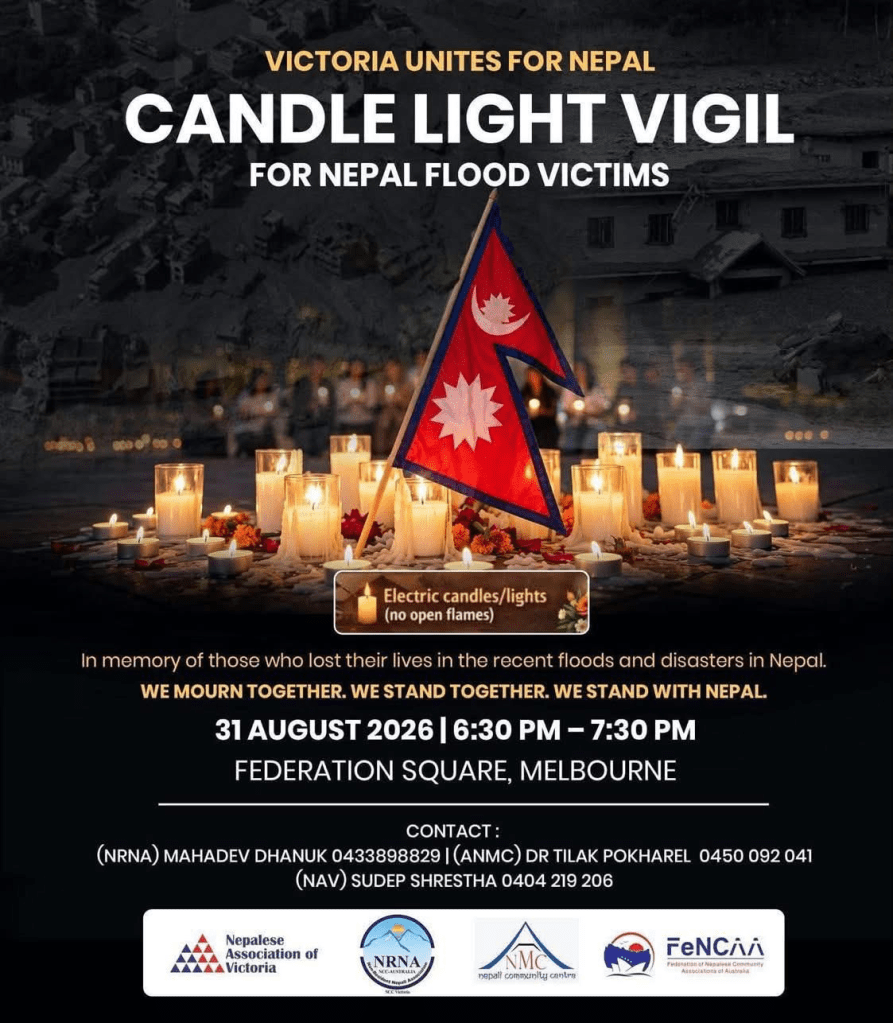
VICTORIA UNITES FOR NEPAL
Candlelight vigil for Nepal flood victims
(ONA, 31 August 2026)-Melbourne will tonight open its heart to the people of Nepal as the city hosts a candlelight vigil at Federation Square, honouring the hundreds of lives lost in the catastrophic floods that have devastated the Himalayan nation.
The vigil, organised with the support of the Victorian Multicultural Commission, will see Victorians of all backgrounds gather to remember those who have perished, pray for the missing, and stand in solidarity with the grieving Nepali community.
“WE MOURN TOGETHER. WE STAND TOGETHER.”
The recent flooding in Nepal and surrounding regions has unleashed an unimaginable tragedy. Flash floods and landslides tore through the Bhotekoshi and Trishuli river basins, sweeping away entire communities along the Nepal-China border . The death toll continues to mount—now exceeding 547 confirmed fatalities—with more than 1,473 injured and over 900 still unaccounted for .
For Victoria’s growing Nepali community, this is not a distant disaster. It is personal. It is family. It is home.
A COMMUNITY IN MOURNING
The Victorian Multicultural Commission, standing in solidarity with Victoria’s Nepali community and the people of Nepal, has encouraged all Victorians to join tonight’s vigil.
“Let’s work together, let’s pray together, and let’s go through this pain together,” said Dr Tilak Pokhrel, president of the Australian Nepalese Multicultural Centre, in a heartfelt appeal to the community .
For many in the diaspora, the anguish is compounded by the agonising wait for news. Community members are checking the news every hour, desperately hoping for word from missing relatives and friends . The Australian government has confirmed that 39 Australians remain unaccounted for, including trekkers and tourists caught in remote valleys .
THE TRAGEDY UNFOLDS
The scale of the disaster is staggering. Many of the missing were on a pilgrimage to Mount Kailash in Tibet—a sacred site for Hindus, Buddhists, and followers of other faiths—when the flash floods struck without warning . Survivors have described walls of black water, 60 to 70 feet high, rushing toward them like a tsunami .
One Indian-American couple who narrowly escaped described watching the water approach their tour bus—”It was not water, it looked like a forest fire,” they recalled. They jumped from the bus moments before it was swept away, spending the night in a goat shed before being rescued by helicopter the next day .
Rescue operations continue, with emergency services working tirelessly in extremely difficult conditions. The Caritas Nepal relief organisation has reported that many main bridges and roads have been destroyed, making access to survivors extraordinarily challenging . Even relief teams have been ordered to retreat to safety as the threat of further flash floods persists .
GLOBAL OUTPOURING OF SOLIDARITY
The tragedy has touched hearts around the world. From candlelight vigils in Boston to prayer gatherings in India’s border towns, communities everywhere are standing with Nepal .
Here in Melbourne, tonight’s vigil at Federation Square will be a powerful testament to that global solidarity. Members of the public are invited to gather from 6:30pm to 7:30pm, bringing candles and open hearts to remember those lost and pray for those affected .
“TOGETHER WE ARE STRONGER”
The emotional toll on the diaspora is immeasurable. “We can’t go through this alone,” said Aloonee Adhikari, a Nepali community member in the United States. “When we get to get together like this, it gives us a sense of empowerment that at least we can sit there and pray for them, even if we’re not there” .
Her words resonate across oceans. Tonight, they will echo in Melbourne.
As the Victorian Multicultural Commission reminds us: We mourn together. We stand together.
EVENT DETAILS
Date: Monday 31 August 2026
Time: 6:30pm–7:30pm
Venue: Federation Square, Melbourne
The vigil is a chance for all Victorians—regardless of background or faith—to show the Nepali community they are not alone. It is a moment to transform grief into action, compassion into solidarity.
In the words of one community leader: “One candle, one community, one Nepal. For those we lost, for those who are suffering, for those who are still hoping—together we are stronger, for Nepal and for humanity” .
Come. Light a candle. Stand with Nepal.

The Borana Gadaa System Loses a Distinguished Leader: Former Abbaa Gadaa Liban Jaldesa Passes
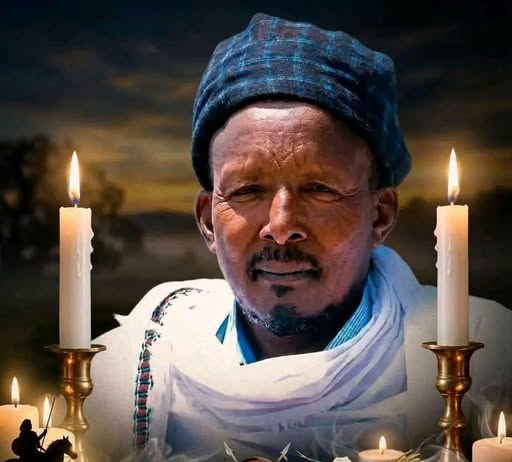
A Legacy of Cultural Stewardship and Resilience Leaves a Lasting Mark
By Daandii Ragabaa
(ONA, Finfinne, 29 August 2026) – The Oromo nation and the Borana community are mourning the loss of a respected cultural leader. Liban Jaldesa, who served as the 69th Abbaa Gadaa of the Borana from 2002 to 2009, has passed away, leaving behind a profound legacy of service to his community.
His tenure marked a significant period in the history of the Borana Oromo, where he played a pivotal role in strengthening the Gadaa institution and promoting the laws, culture, and traditions of his people . The Gadaa system, which he represented, is a sophisticated and indigenous framework of governance recognized by UNESCO as an intangible cultural heritage of humanity. It is a system that embeds a deeply egalitarian social fabric, where democratic power is transferred from one class to another every eight years .
The Weight of the Bullukoo: Leadership in a Time of Challenge
The role of an Abbaa Gadaa is one of profound responsibility. An Abbaa Gadaa is not merely a political figure but the custodian of the community’s soul, tradition, and future. The Gadaa system regulates social, political, economic, and religious life, and the leader is expected to be a competent orator, deeply skilled in the laws and customs of his people .
During his tenure, Liban Jaldesa was a steady hand during a period of immense challenge. The Borana, a predominantly pastoralist community inhabiting southern Ethiopia and northern Kenya, faced acute pressures including changing weather patterns and rising resource scarcity .
As an elder and oral historian once noted about the Gadaa leadership: “The system strictly interrogates a candidate’s lineage and ancestral record. It examines whether the past Gadaa terms of your family brought prosperity, timely rains, abundance, sovereignty, and peace.” Liban Jaldesa carried this weight of expectation, navigating his community through the complexities of a changing world while striving to uphold the sacred principles of Gadaa.
A Living Democracy: The Gadaa Tradition
The Gadaa system he served is a testament to the Oromo people’s ancient commitment to democratic governance. It organizes society into age grades, with each grade moving through a life cycle—from Dabballee (childhood) to Gammee (youth), and ultimately to leadership roles like Kuusa and Gadaa .
To select the Abbaa Gadaa, an extensive evaluation and vetting process called the “Baannattoo” system is conducted, functioning as a traditional electoral campaign for public servants . The son of a previous Abbaa Gadaa would convene his peers for the Wal-argii (Grand Gathering) to build peer acquaintance and deliberate on traditional matters before a new leader could be invested .
As a leader during such a time, Liban Jaldesa’s role was central to this process of cultural transmission and societal continuity.
A Nation Mourns, a Legacy Endures
The passing of Liban Jaldesa is a profound loss. His leadership is described as an enduring part of Borana history and cultural heritage . His wisdom and service are expected to continue inspiring future generations.
His death marks the end of an era, but the principles of the Gadaa system—democracy, community, and resilience—that he represented continue to guide the struggle and shape the future of the Oromo people.
The Oromian News Agency joins the Borana Oromo community in expressing our deepest condolences. We honour his memory and the immense contribution he made to preserving the cultural identity of his people.
Waaqni Ekeraa isaa nagaan haa qubachiisu! May God rest his soul in eternal peace.

A Cry for Justice: The Unfolding Crisis in Oromia
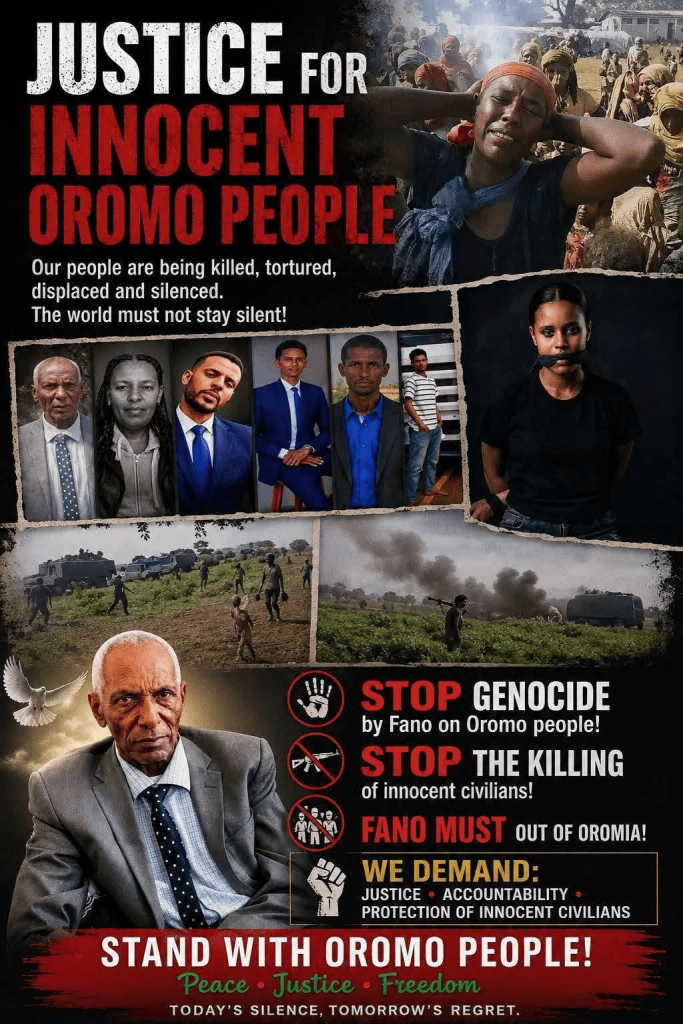
As violence escalates in Ethiopia’s most populous region, a growing chorus of voices is demanding accountability, protection, and peace for the Oromo people.
The plea is urgent and uncompromising: “Stop the killing of Oromo civilians! Stop violence against the Oromo people! Fano must leave Oromia!” These calls reflect a deep-seated crisis that has gripped the Oromia region, where civilians find themselves caught in the crossfire of multiple armed conflicts.
The Human Toll of Conflict
Recent reports paint a harrowing picture of the violence unfolding across Oromia. The Ethiopian Human Rights Commission (EHRC) has documented atrocities including killings, bodily injuries, abductions, displacement, and destruction of property in the Arsi Zone of Oromia . The violence is not isolated—it reflects a broader pattern of human rights abuses across multiple regions, including Amhara and Tigray .
In one particularly devastating incident, armed men killed more than 20 civilians in Oromia. Local civil servants reported that Fano militants attacked civilians “with swords and guns” in the Nono district, approximately 110 kilometers southwest of Addis Ababa, resulting in 25 deaths including women and children, with four more later dying in hospital . A regional security official confirmed that Fano militants had been active in the region for four years, “taking advantage of opportunist moments to launch attacks against civilians and loot property”.
The Humanitarian Crisis
The violence has created a severe humanitarian crisis. The United Nations reports that 3.2 million children are out of school due to the conflict . Hospitals and clinics have been attacked—in 2023, the International Committee of the Red Cross reported that “almost all” of 42 health posts in Oromia’s Beji area had been looted or destroyed . Aid organizations have struggled to distribute supplies, leading to severe malnutrition .
Civilians describe a terrifying reality. One woman from Oromia’s Shewa region told of her family facing constant harassment and extortion from armed groups, with her uncle detained until a 100,000 Ethiopian birr ransom was paid . A coffee farmer from Wollega has been unable to return home for three years due to the security situation, with his harvest stolen by armed fighters .
A Call for Justice and Peace
The demands for justice and protection are clear. As one civil servant noted, the situation “has worsened in recent years” . The Red Cross has warned that the current clashes have “devastating consequences” for civilians, particularly in remote areas, noting that “Oromia doesn’t make the headlines, yet civilians continue to be deeply affected by violence” .
The call for Fano to leave Oromia reflects the reality that multiple armed groups are active in the region, each contributing to the suffering of civilians. For the Oromo people, the demand is simple but profound: protection, justice, and accountability for those who have committed atrocities.
Without decisive action, the cycle of impunity and violence will continue to erode Ethiopia’s stability and legitimacy . The international community, regional bodies, and Ethiopian authorities face a critical choice: allow the violence to continue, or take meaningful steps to protect civilians and bring perpetrators to justice.

OLF Leadership Engages in High-Stakes Consultations Amid Oromo Unity Push
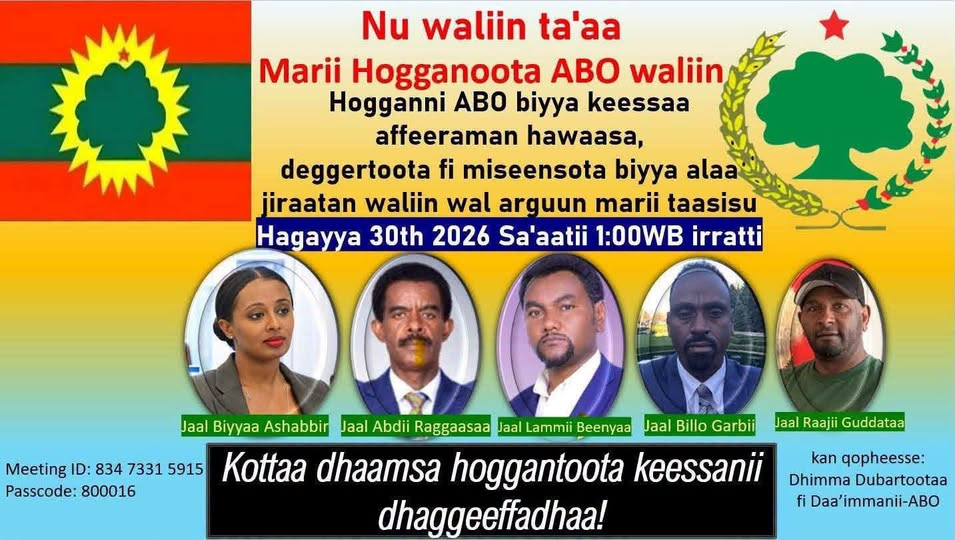
(Finfinne, Oromia)– As Ethiopia’s political landscape grows increasingly volatile, the Oromo Liberation Front (OLF) has convened a series of high-level meetings with its leadership cadres, grassroots members, and traditional institutions—a strategic push to consolidate Oromo unity in the face of mounting security threats and political uncertainty.
A Call for Unity and Vigilance
The most recent consultations, held at the party’s headquarters in Gullalle, brought together Qondaaltota (junior leaders), Dabballoota (cadres), and the general membership for extensive deliberations. Senior OLF leader Jaal Abdii Raggaasaa—who also serves as Member Secretary-General—addressed members with a stark message on the nature of the struggle: that commitment, not temporary strength, determines victory .
“Some individuals enter the organization (Irbuu) but then exploit it—seeking personal benefit rather than serving the people’s cause. When such people exist, it is they themselves who suffer the consequences, not ABO and not others.”
— Jaal Abdii Raggaasaa, OLF Senior Leader
Abdii emphasized that the work of building the Oromo nation extends beyond Ethiopia’s borders—stretching into the diaspora wherever Oromos reside . He stressed that grassroots organizing, beginning “from the village level,” remains essential to lasting political change .
Leadership’s Resolve: “We Must Speak as ABO”
Reflecting on the inevitable challenges facing liberation movements, Abdii offered a sobering reflection:
“In the struggle ABO is waging, even if we face extinction—if we are reduced to just one person—we must speak as ABO. We must not hide ourselves. We may face extinction, but we must not retreat into silence.”
Jaal Yaasoo Kabbabaa Hordofa, another OLF official, reinforced this determination, declaring that “OLF is the center of Oromo peace.” He noted that if OLF participates in elections this year, it will mark the first and largest chapter in Oromo electoral history—an opportunity that must be seized, not as a preference but as an obligation for all members .
Political Prisoners and the Demand for Justice
The OLF has consistently demanded the immediate release of political prisoners who continue to suffer in detention without due process, calling upon both Abbaa Gadaas and religious authorities to actively work toward restoring security in Oromia .
Following the announcement of the 7th General Election results—which saw the ruling Prosperity Party secure a parliamentary majority and OLF fail to win any seats despite fielding 163 candidates—the party issued a pointed critique .
“The OLF once again firmly reiterates that the situation in Oromia and across Ethiopia cannot be resolved merely by declaring an election victory; rather, to prevent worse outcomes, an inclusive, genuine, and transparent dialogue must be conducted without wasting further time.”
The front noted that while it had filed formal grievances with the National Election Board regarding electoral infractions, it does not believe the board investigated these appeals “with the necessary depth, fairness, and justice” .
A Call for Oromo Political Unity
The OLF’s leadership has also renewed its call for all Oromo political organizations to work together to shorten the path to liberation, stating that this is “the most important time” for coordinated action . The executive committee has emphasized that while some previously allied groups have disrupted cooperation due to shifting political dynamics, they must realize that their moves should serve the broader Oromo interest .
The OLF also reiterated its support for the People’s Alliance for Freedom and Democracy (PAFD) and the transitional roadmap presented at the February 2018 London conference. The party calls on all stakeholders—including political elites, academics, and the international community—to contribute to an all-inclusive transitional process that offers a long-term political solution .
The Broader Context: Conflict and Fragility
The leadership’s renewed unity push comes as violence escalates in western Oromia. ACLED data shows that Fano militias—linked to the Amhara Fano National Movement—have increased their activities in Oromia’s Horo Guduru, Kellem, East, and West Wollega zones by 80% since January 2026 . This follows the establishment of the Wollega Fano Bizamo Command in December 2024, which has since fallen under the broader Tsimdo movement—a coalition reportedly aligned with the Tigray People’s Liberation Front (TPLF) and Eritrea, aiming to remove the Ethiopian government.
Amnesty International released a report in August 2026 titled “Because I am Oromo,” alleging that Ethiopia’s government has “ruthlessly targeted” its largest ethnic group—subjecting thousands of Oromos to unlawful killings, torture, and enforced disappearance . The government has denied the allegations.
Looking Forward
The OLF’s consultations reflect a movement at a crossroads—seeking to navigate electoral rejection, internal cohesion, and external threats while maintaining its decades-long commitment to self-determination. As one participant at the February meeting put it: “An awakened nation is built, and the built is united.”
Whether that unity can withstand the mounting pressures—from state security forces, inter-ethnic violence, and international geopolitical maneuvering—remains the central question facing the Oromo struggle today.

Oromia: our history, our struggle and our future
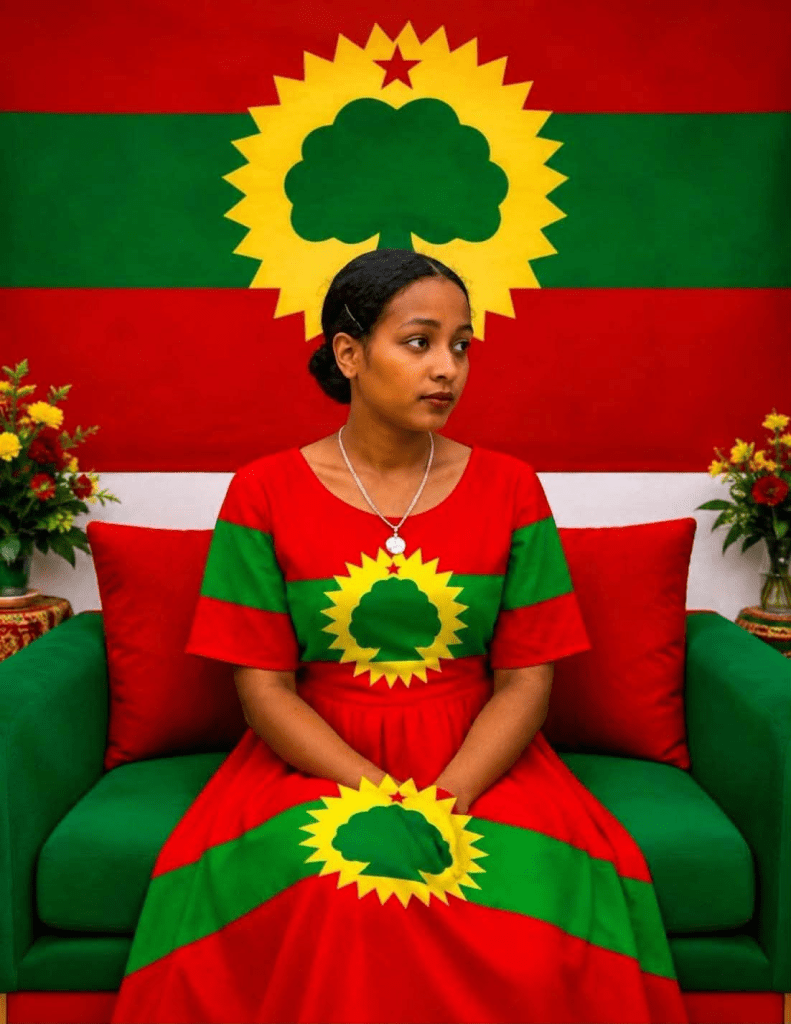
The history of the Oromo people is a profound narrative of resistance, resilience, and a continuing struggle for self-determination. This journey is marked by a distinct cultural identity, a long history of political marginalization, and an ongoing effort to shape a prosperous future.
 Our History: Identity, Conquest, and Resistance
The Oromo have a distinct cultural and political identity, traditionally organized under the Gadaa system, an indigenous egalitarian and democratic governance model . However, this autonomy faced a major turning point in the late 19th century during the “Ethiopian imperial conquest,” when Oromo territories were incorporated into the Ethiopian Empire through a process that many Oromo scholars characterize as colonization and subjugation .
This political domination continued through subsequent regimes, creating a deep-seated grievance centered on marginalization and exploitation by successive central governments .
 Our Struggle: Liberation, Protest, and Political Action
The struggle for liberation is multifaceted, taking political and social forms:
· Political Movements: The Oromo Liberation Front (OLF) has been the primary political vehicle, fighting for nearly half a century to liberate Oromo society from what it describes as “Abyssinian/Ethiopian settler colonialism” .
· Mass Protests: In 2014, a wave of protests erupted, driven by a generational “distributive crisis” and articulated through demands for ethnic self-determination against perceived domination by the Tigray People’s Liberation Front (TPLF). These protests were significantly coordinated by the diaspora via social media and satellite TV .
· Fragile State Relations: The current federal system, while recognizing ethnic regions, has often seen the Oromo regional government as lacking legitimacy, making the state’s control more contested here than in other areas . A tangible symbol of this tension is the ongoing dispute over land and expansion around Addis Ababa, which is geographically an enclave within Oromia .
 Our Future: Development, Autonomy, and Uncertainty
The future is a delicate mix of economic potential and political uncertainty:
· Economic Aspiration: The development of the Gada Special Economic Zone near Addis Ababa, inspired by Chinese economic models, signals an economic future based on industry, trade, and job creation .
· Persistent Conflict: The reality of current instability is stark. The Chinese Embassy warns its citizens against traveling to many parts of Oromia, particularly the western zones and areas north of the A4 and A3 highways, due to “extremely high” or “high” risk .
· Uncertain Path: The struggle for autonomy continues through both political and armed movements like the Oromo Liberation Army (OLA) . While significant economic development is planned, the path forward remains deeply insecure for many within the region.
The Oromo journey is one of leveraging a proud heritage to build a future of self-determination and prosperity, yet it navigates the deeply complex and often violent currents of Ethiopian state politics.
I hope this overview provides a balanced perspective. If you are interested in a specific aspect—such as the Gadaa system, the role of the diaspora, or the details of the current conflict—please let me know, and I can explore it further.

OBITUARY: Liiban Jaldeessaa Liiban, Respected 69th Abbaa Gadaa of the Borana, Passes Away in Finfinne
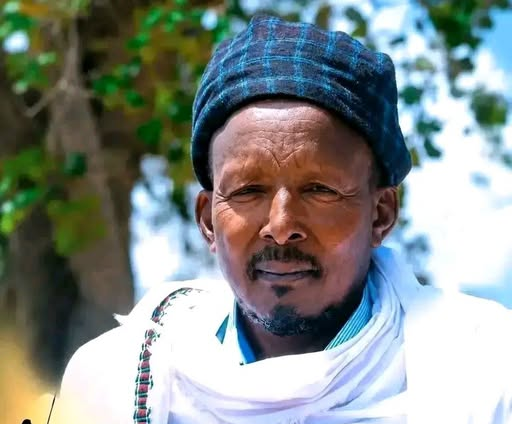
A Pillar of Oromo Heritage and Custodian of the Gadaa Tradition Has Left Us
By Dhabessa Wakjira
(ONA, Finfinne, Oromia) – The Oromo nation is mourning the loss of a distinguished elder and leader. Liiban Jaldeessaa Liiban, the 69th Abbaa Gadaa of the Borana, has passed away in Finfinne while receiving medical treatment. He was a revered figure who led his community from 2000 to 2008.
His leadership was defined by the principles of the Gadaa system, an indigenous institution recognized by UNESCO as a masterpiece of intangible cultural heritage . As Abbaa Gadaa, he was a central figure in a system that regulates not only the political and social life of the Oromo but also its religious and judicial matters. The role is one of immense responsibility, characterized by democratic principles, checks and balances, and a commitment to restorative justice.
A Legacy Rooted in Tradition and Resilience
The Abbaa Gadaa is the elected traditional leader within the Borana Oromo Gadaa system, a governance structure where authority is transferred through established eight-year cycles . The Gadaa system is more than a political institution; it is a way of life. It organizes the community into age grades, manages natural resources, resolves conflicts, and ensures the preservation of cultural values.
The role of an Abbaa Gadaa is complex. They are expected to be competent orators, skilled in the comprehension of laws and customs, and must demonstrate exceptional leadership qualities throughout their lives before assuming the role . As an ethical leader, an Abbaa Gadaa is tasked with ensuring peace, mobilizing the community for development projects like digging wells, and showing sympathy for the poor .
During his tenure, Liiban Jaldeessaa Liiban navigated a period in which a significant majority of respondents perceived substantial challenges, including changes in average rainfall and an increase in soil erosion . His leadership was a steady hand during difficult times, guiding his community with wisdom and resilience.
The Gadaa System: A Democratic Tradition
The Gadaa system, which Liiban Jaldeessaa Liiban so ably represented, is one of the most sophisticated indigenous governance systems in the world . It operates on principles of democracy, accountability, and the peaceful transfer of power. The system is structured around five classes (Gadaa grades) that succeed each other every eight years, ensuring that leadership is never concentrated in one individual or group for too long .
As the 69th Abbaa Gadaa, Liiban Jaldeessaa Liiban was a living embodiment of this ancient tradition. His leadership was not merely a position but a sacred duty—a responsibility to uphold the laws, customs, and values of his people.
A Nation Mourns
His passing is a significant loss for the Borana community and the wider Oromo nation. The Oromian News Agency extends its deepest condolences to his family and all who were touched by his leadership. His legacy as a keeper of the Gadaa tradition and a leader of his people will be remembered.
As is the custom during times of passing, the Oromo community reflects on the words of solace: “Waaqi lubbuu isaa nagaan haa boqochiisu” (May God rest his soul in peace).
The Oromo nation has lost a pillar of its heritage, but the principles of the Gadaa system—democracy, community, and resilience—that he represented, continue to guide the struggle and shape the future of the Oromo people.
Injifannoon Ummata Oromoo!
Waaqi lubbuu isaa nagaan haa boqochiisu!
This obituary is dedicated to the memory of Liiban Jaldeessaa Liiban, a leader, elder, and custodian of Oromo tradition.

Preserving the Sacred: Gadaa Elders Call for Authentic Celebration of Goobee and Shinooyyee
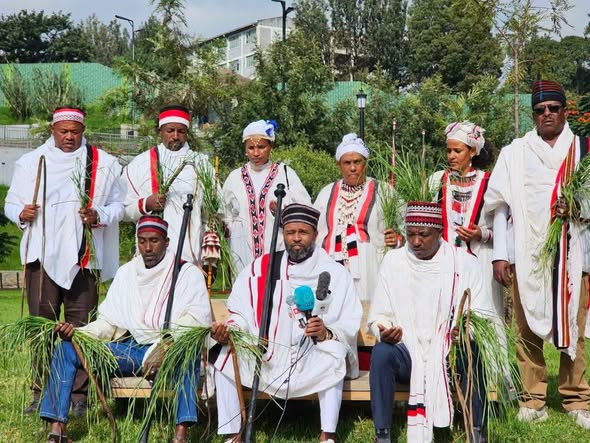
A Timeless Tradition at Risk of Losing Its Cultural Soul
By Dhabessa Wakjira
In the lush landscapes of Oromia, as the dark, rainy season gives way to the bright days of spring, a sacred celebration stirs. Goobee and Shinooyyee—the traditional games of young men and women—are more than a cultural event. They are a profound expression of Oromo identity, a living connection to the Gadaa system, and a thanksgiving to Waaqa (God) for the renewal of life.
But as these festivals have grown in popularity, the elders of the Gadaa system are raising a critical concern: the celebrations must remain rooted in their ancient customs and traditions.
The Voice of the Elders
The Abbootii Gadaa Tuulamaa—the Gadaa leaders of the Tulama Oromo—have issued a clear and urgent message. The Goobee and Shinooyyee festivities must be conducted “without abandoning the original culture and traditions.” This is not a mere suggestion; it is a call to protect the very soul of the tradition.
According to the elders, the primary purpose of these celebrations is to welcome the season of Birraa (spring). The games are not simply for entertainment; they are a heartfelt expression of love, a plea for blessings, and a prayer for hope, peace, and unity among the Oromo people. The specific rituals and protocols of Goobee and Shinooyyee are designed to channel the community’s collective spirit toward these goals.
The Rituals and Their Purpose
The Gadaa leaders described the Goobee and Shinooyyee celebrations as a structured, age-specific rite. The games are considered an act of love and blessing, involving prayers to God and expressions of good hope.
Goobee is the festival for young men, while Shinooyyee is for young women. Both are celebrations of spring’s arrival and the feelings of hope and love it brings, but they follow distinct traditional paths:
- Shinooyyee: The night before the main celebration, unmarried girls traditionally prepare the qunnii (grass) in their homes and sleep with it overnight. On the festival day, they carry it to the home of a respected elder, where they receive blessings. They then go from house to house, passing on the qunnii and spreading blessings throughout the community.
- Goobee: Similarly, the young men’s games are governed by specific cultural protocols designed to honor the community’s elders and the traditional order.
A Tradition Under Pressure
The concern voiced by the Abootii Gadaa is that the festival’s deep meaning is being diluted. They observe that “from time to time, individuals are performing un-cultural acts,” a practice that threatens to corrupt the sacred nature of the celebration. By emphasizing the traditional roles—requiring that participants be unmarried and adhere to the age-old customs—the elders are seeking to preserve the festival’s core purpose.
They have also clarified that the games are open to everyone, including married couples and older community members, but the central ritual is the purview of the youth, who are at the specific life stage for this rite of passage.
A Celebration of Unity and Identity
Despite these concerns, the Abootii Gadaa affirmed that Goobee and Shinooyyee are central pillars of Oromo cultural identity. The elders explained that while the festivities may have different names in different parts of Oromia, they are “a common culture for all Oromo people.” This shared heritage serves as a powerful unifier, strengthening social bonds and ensuring the continuity of Oromo history for future generations.
Conclusion: A Call to Protect the Heritage
The message from the Abbootii Gadaa Tuulamaa is a resounding call to action. As the Oromo people continue to revive and celebrate their cultural heritage, the essence of these traditions must not be lost. The authenticity of Goobee and Shinooyyee must be protected, ensuring that they remain a “game of love, blessing, prayer to God, and good hope.”
The elders are not simply guarding a memory; they are nurturing a living tradition that defines the identity of a people.





 Advocacy for Oromia