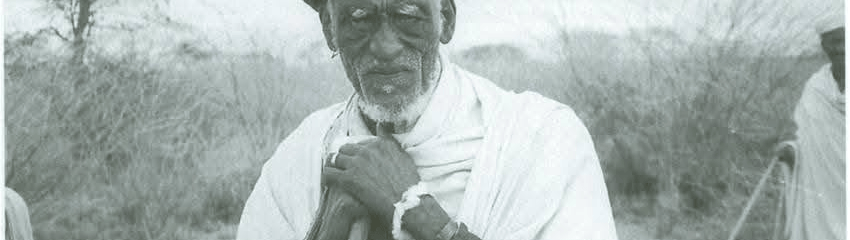

Irreechaa Celebrated in Peace and Unity, Advocacy for Oromia Says, Pledging to Nurture the Festival’s Message of Reconciliation
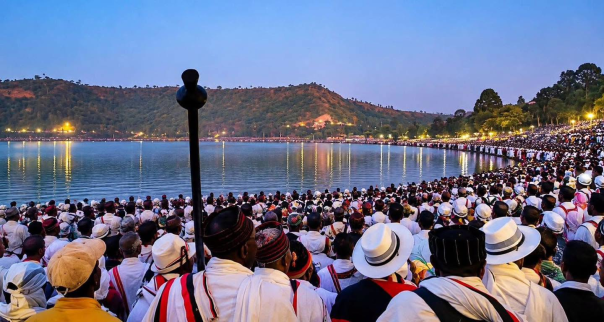
Advocacy group praises security forces, community members, and government structures for ensuring a peaceful celebration of the Oromo thanksgiving festival amid a national climate of conflict and hatred
(October 4, 2026)-Advocacy for Oromia has expressed deep satisfaction with the peaceful and beautiful celebration of Irreechaa, the revered Oromo thanksgiving festival, praising all parties who contributed to its success and vowing to continue nurturing the ancient tradition as a source of peace, reconciliation, and prosperity.
In a statement released on October 4, 2026, the advocacy group said it was “greatly delighted that the Irreechaa festival has been celebrated in a beautiful and peaceful manner,” and extended its gratitude to all those who played a role in ensuring the festival unfolded peacefully.
Irreechaa, one of the most significant cultural and spiritual festivals of the Oromo people, is widely recognized as a celebration of thanksgiving, reconciliation, love, peace, and unity. The statement noted that millions of people gathered in unity in Finfinnee (Addis Ababa), Bishoftu, and across the world, reaffirming the festival’s enduring power to bring communities together.
Gratitude Amid a Challenging National Climate
The statement placed particular emphasis on the significance of the peaceful celebration given the current situation in the country. “Above all, at a time when the situation in our country is filled with conflict and hatred, we wish to express our heartfelt gratitude to the security organs and police who participated, and to our community who provided support and assistance, in ensuring that the Irreechaa festival, which began in peace, was also concluded in peace in Oromia,” the group stated.
Advocacy for Oromia also extended its appreciation to government structures, community organizations, and individual community members who played a major role in facilitating the celebration.
A Festival That Has Endured Through Hardship
The statement highlighted the resilience of Irreechaa, noting that the festival has continued over the years “despite oppression and pressure from systems.” The group expressed hope that Irreechaa will continue to proclaim and sustain reconciliation, peace, love, and unity into the future.
“Advocacy for Oromia wishes to declare that it will work in every possible way to nurture and expand this Irreechaa festival, which is a source of peace and reconciliation, and a means of well-being and prosperity,” the statement read.
The group concluded with a prayer for the nation: “May reconciliation, restitution, and peace be upon our country and our people!”
A Continuing Commitment
The statement underscores Advocacy for Oromia’s ongoing commitment to promoting the cultural heritage of the Oromo people and advocating for peace and reconciliation in the region. As Irreechaa continues to draw millions of celebrants each year, the group’s pledge to protect and expand the festival reflects its broader mission of fostering unity and well-being among Oromo communities at home and abroad.
— Advocacy for Oromia, October 4, 2026

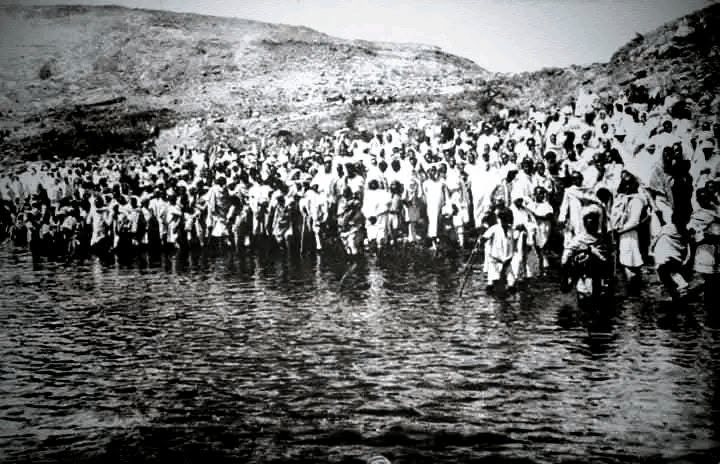
Rare Historical Photograph Surfaces: Irreecha Bishooftuu at Hora Harsadii, 1936
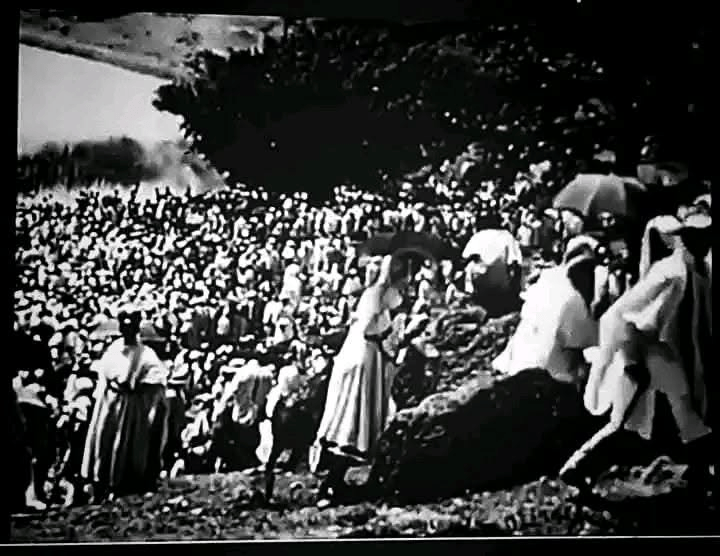
A glimpse into the past — a beautiful historical picture you may have never seen before.
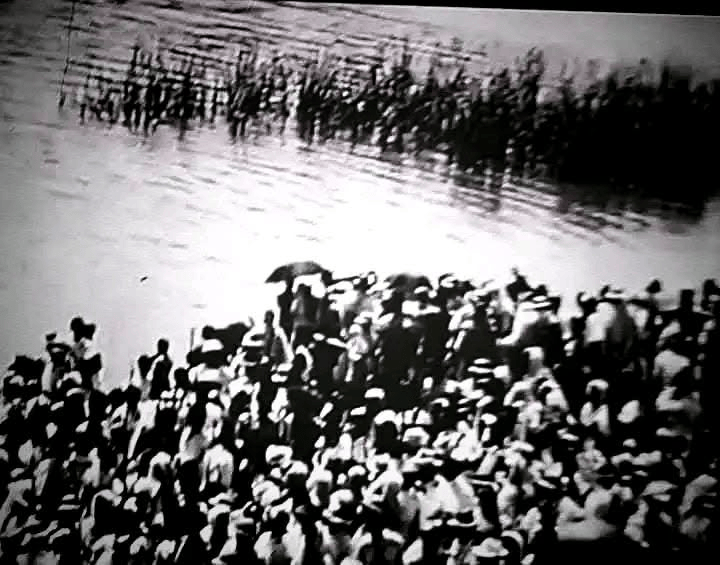
A remarkable historical photograph has resurfaced, offering a rare window into one of the Oromo people’s most sacred traditions. The image, said to date back to 1936 G.C., captures the Irreecha Bishooftuu celebration at Hora Harsadii — the same shores where millions gather today.
The picture shows Oromo worshippers gathered at the water’s edge, dressed in traditional white garments, their hands raised in prayer and thanksgiving. Elders stand alongside young men, their faces turned toward the lake, carrying green grass and flowers — the timeless symbols of Irreecha. The scene is strikingly similar to the celebrations held nearly a century later.
A Tradition That Outlived Empires
1936 was a pivotal year in the region’s history. It was the year Italian forces occupied Ethiopia, beginning a five-year occupation that would bring immense suffering to the Oromo people and all Ethiopians. Yet even in the shadow of war and colonization, Irreecha continued.
The photograph is a testament to the resilience of Oromo culture. Empires rose and fell. Borders shifted. Governments changed. But the Oromo people never stopped gathering at the water to give thanks to Waaqa.
“This image reminds us who we are,” said one Oromo elder upon viewing the photograph. “Our ancestors stood at this same water, raised their hands to the same sky, and gave thanks for the same blessings. We are their children. Nothing has broken that chain.”
Hora Harsadii: A Sacred Place Across Generations
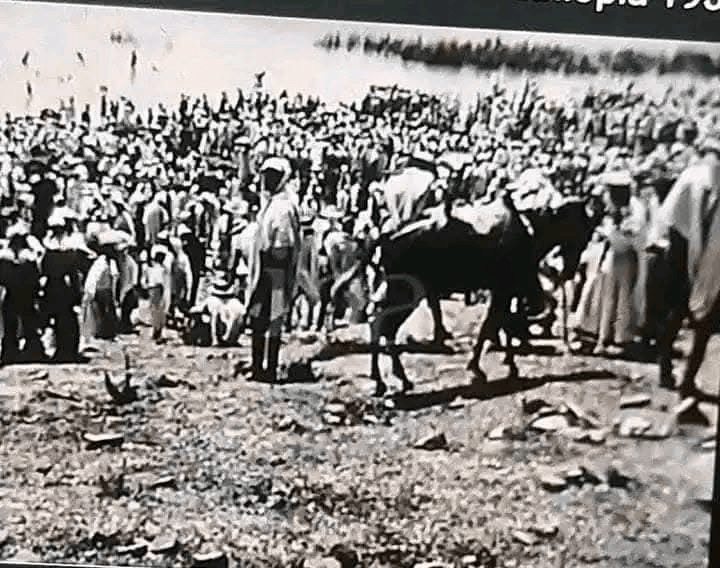
Hora Harsadii — Lake Harsadii — has been a site of Irreecha celebration for generations. Located in Oromia, the lake holds deep spiritual significance for the Oromo people. It is here that millions gather each year for Irreecha Bishooftuu, the great thanksgiving festival marking the end of the rainy season.
The 1936 photograph captures the festival in a simpler time — before the massive crowds, before the global attention, before the political significance that Irreecha carries today. What remains unchanged is the essence of the celebration: gratitude, community, and faith.
A Picture Worth a Thousand Years
Historical photographs of Irreecha are rare. For much of the 20th century, Oromo cultural and religious practices were suppressed, and documentation of traditional ceremonies was limited. Images like this one are precious — not only as historical records but as symbols of cultural survival.
For younger Oromo, both at home and in the diaspora, the photograph is a powerful connection to their heritage. Shared widely on social media with the hashtags #Oromia and #Bishooftu_Irreecha, it has sparked conversations about identity, resilience, and the importance of preserving cultural memory.
“Beautiful historical picture you may have never seen before ❤️” reads the caption accompanying the image — and for many, that is exactly what it is. A discovery. A reminder. A gift from the ancestors.
From 1936 to 2026: The Journey Continues
Ninety years after that photograph was taken, Irreecha Bishooftuu at Hora Harsadii has grown into Africa’s largest Oromo cultural festival, drawing millions from Ethiopia and around the world. The green grass still waves. The songs still rise. The hands still reach toward the sky.
The more things change, the more they stay the same.
As one commenter wrote beneath the photograph: “Our grandparents prayed here. Our parents prayed here. We pray here. And our children will pray here. Irreecha is forever.”
#Oromia #Bishooftu_Irreecha #HoraHarsadii #Irreecha2026 #OromoHeritage
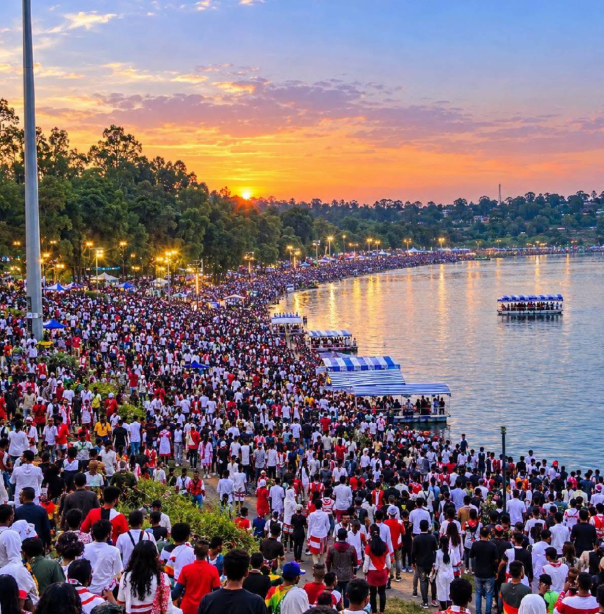
Africa’s Largest Oromo Cultural Festival Underway: Irreecha Draws Millions in a Celebration of Identity, Peace, and Unity
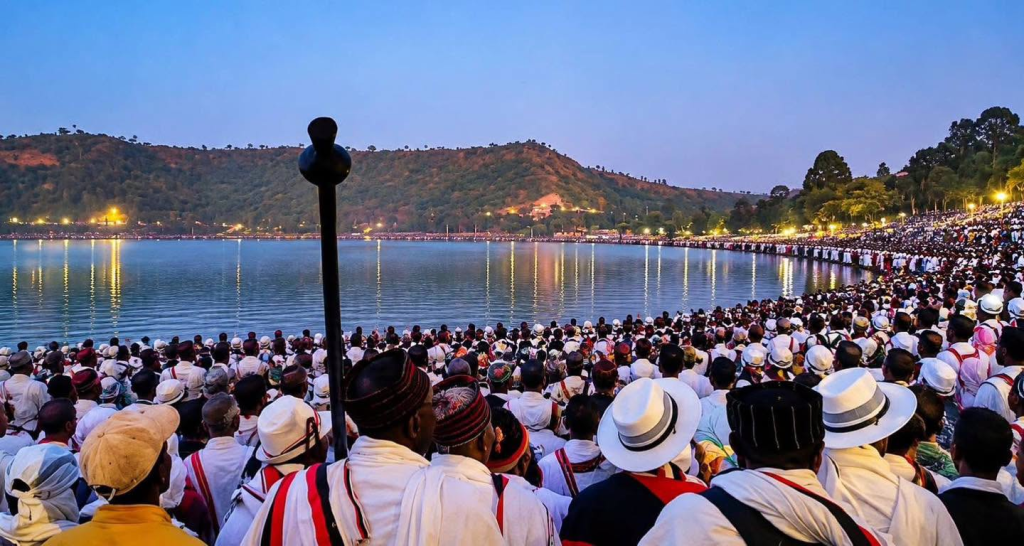
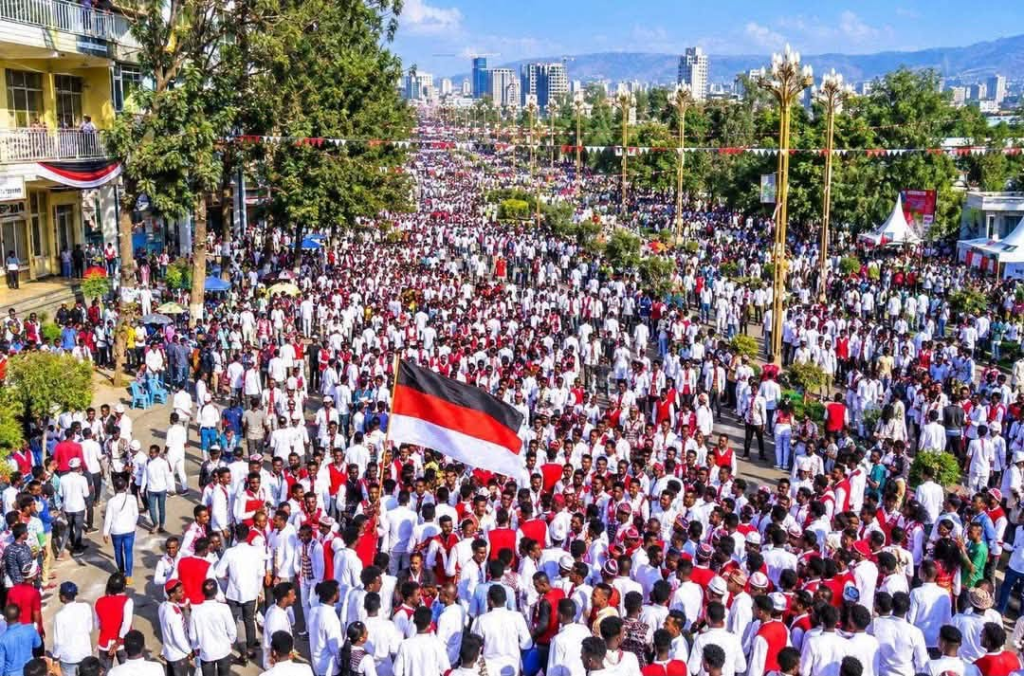
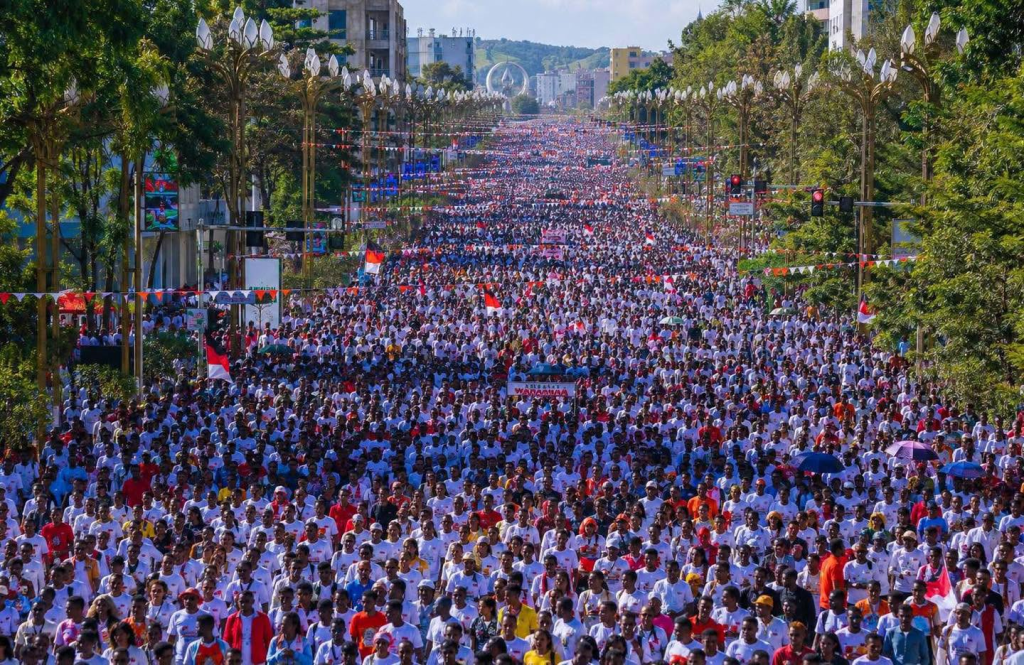
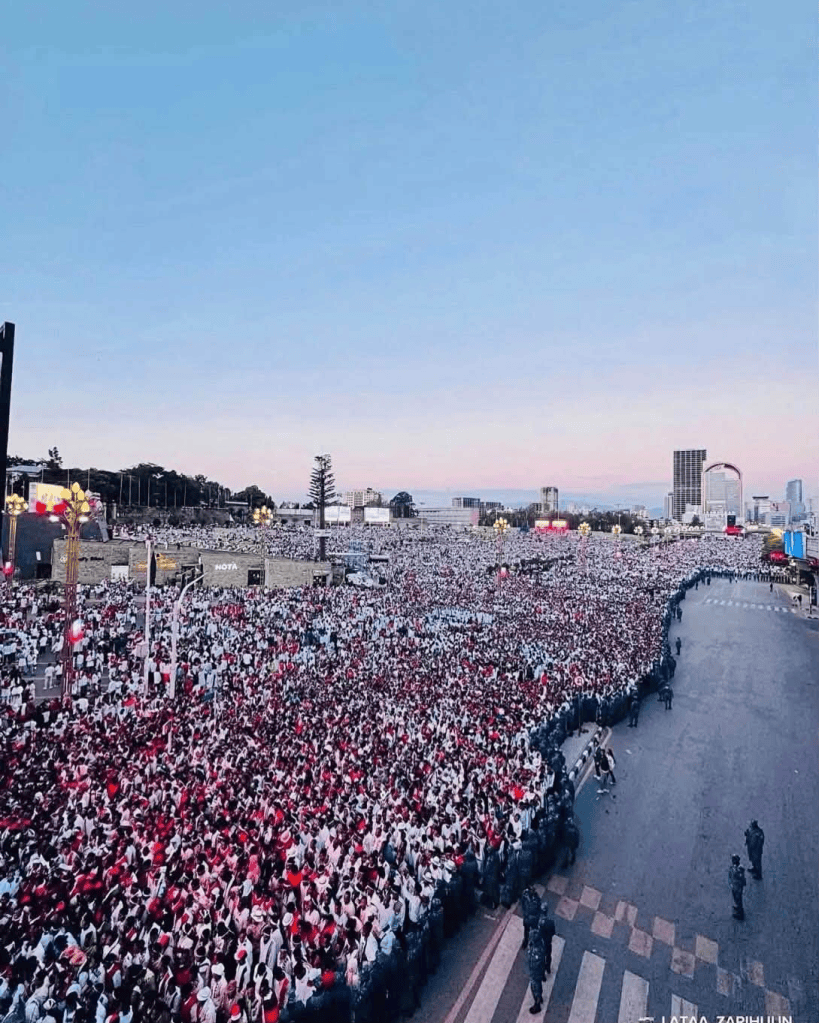
(ONA, HARSADII, OROMIA, 4 OCTOBER 2026) — The shores of Lake Harsadii have come alive once again. From the early hours of the morning, waves of people dressed in vibrant traditional attire have been converging on the celebration grounds, their voices rising in song, their hands lifted in gratitude. Africa’s largest Oromo cultural festival — Irreecha — is underway, and the scale of it is nothing short of breathtaking.
Millions have gathered for Irreecha Bishooftuu, the great thanksgiving festival that marks the end of the rainy season and the beginning of a new year in the Oromo calendar. The air is thick with the scent of fresh grass and flowers, the sound of drums, and the unmistakable energy of a people united in celebration.
More Than a Festival
For the Oromo people, Irreecha carries a deeper meaning beyond celebration. It is a powerful symbol of peace, love, reconciliation and unity, bringing together people from different communities and generations.
It is a time to give thanks to Waaqa — God — for the blessings of the past year and to seek favour for the year ahead. It is a time to mend relationships, to forgive, and to renew the bonds that hold the community together. Old and young, rich and poor, from the cities and from the countryside — all stand side by side at the water’s edge, equal before their Creator.
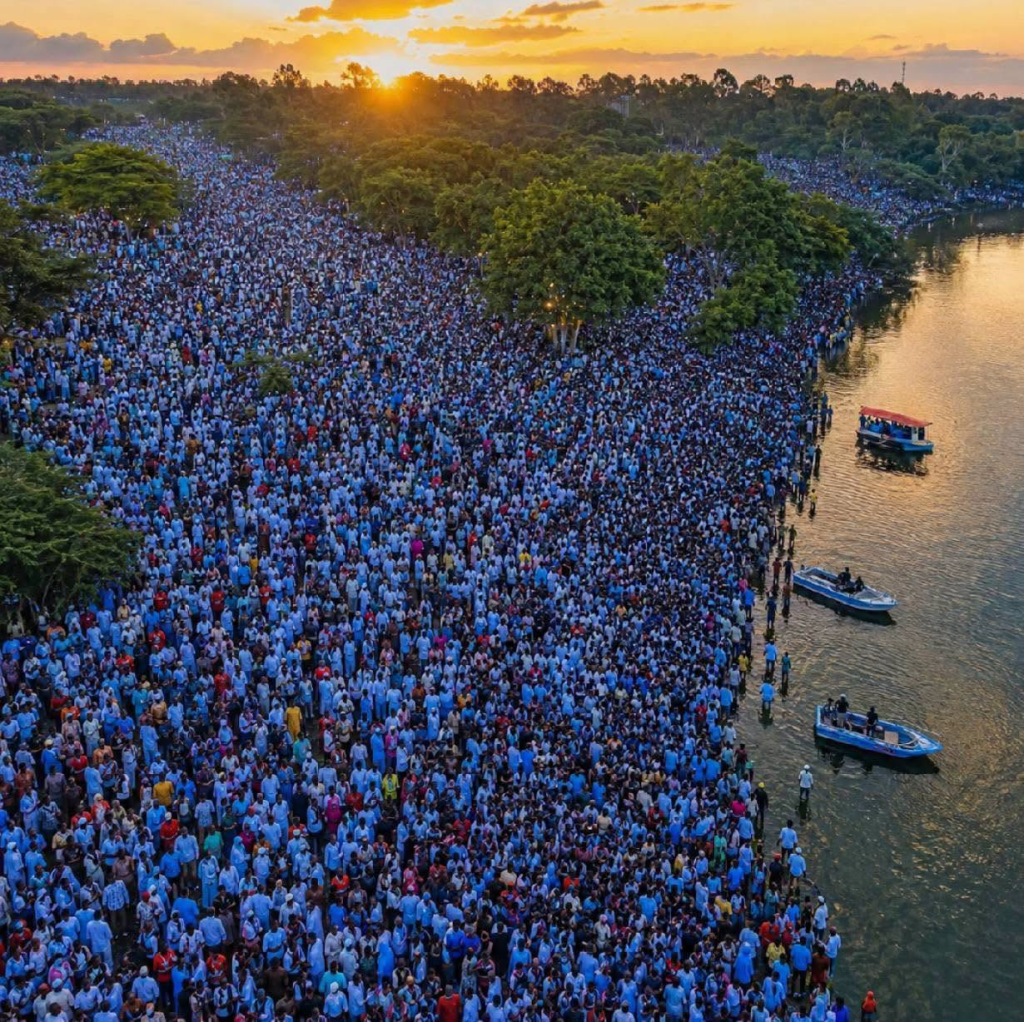
Participants carry fresh green grass and flowers, traditional symbols associated with Irreecha, as they express gratitude and seek blessings for the year ahead. The green stems represent fertility, life, and the enduring hope of a people connected to the land of their ancestors. As they dip their offerings into the water and raise their hands to the sky, the collective prayer of millions rises as one voice.
A Living Heritage
The festival also provides an important platform for preserving and showcasing Oromo language, traditions, music, clothing and cultural heritage.
Throughout the celebration grounds, the richness of Oromo culture is on full display. Women in handwoven garments of red, white, and black walk gracefully through the crowds. Men in traditional shirts and shawls beat drums and blow horns that echo across the water. Poets recite verses in Afaan Oromo, singers perform songs passed down through generations, and elders share stories and wisdom with the young.
For many in the diaspora, Irreecha is a lifeline — a way to stay connected to their roots, to teach their children the language and customs of their people, and to feel part of something larger than themselves. This year, delegations have traveled from across Ethiopia and from countries around the world, including Kenya, the United States, Canada, Australia, and the Middle East, to take part in the celebration.
A Message of Peace
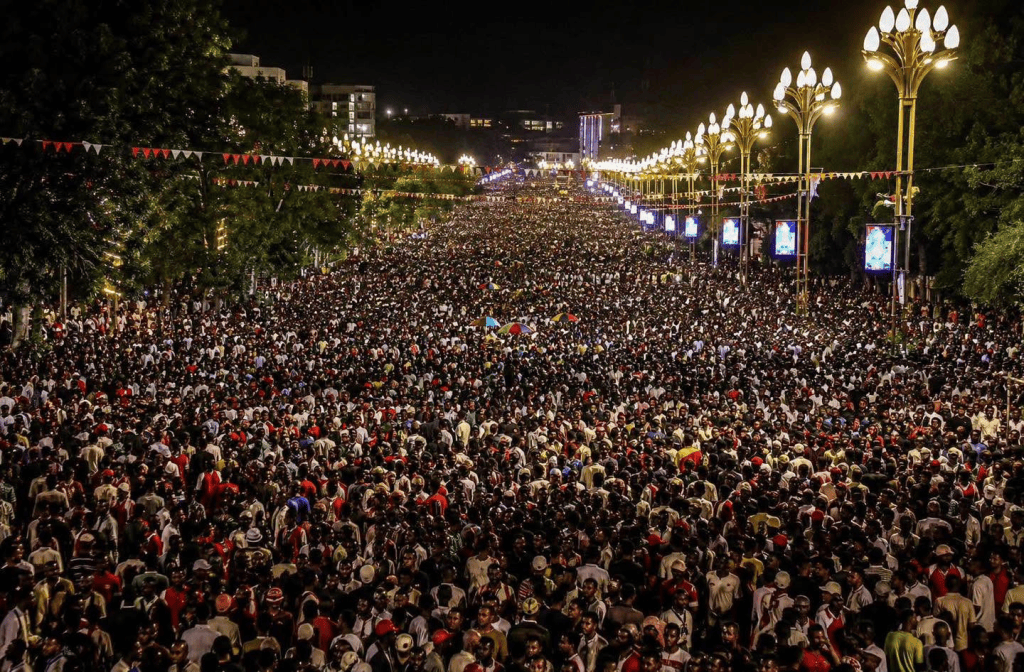
As colourful crowds fill the celebration grounds, Irreecha continues to stand as a powerful expression of Oromo identity and cultural pride, while promoting the values of peace, unity and togetherness.
In a region that has known its share of hardship, the message of Irreecha resonates more deeply than ever. The festival is a reminder that peace is not merely the absence of conflict, but the presence of justice and mutual respect. It is a call to reconciliation — between individuals, between communities, and between generations.
“We come here to give thanks, but also to recommit ourselves to peace,” said one elder, standing near the water’s edge. “Irreecha teaches us that we are one people. If we stand together, no force can divide us.”
Organizers emphasized that Irreecha belongs to all Oromo, regardless of where they live or their station in life. The festival’s message, they said, is one that the whole world can learn from: that gratitude, unity, and respect for one’s heritage are the foundations of a strong and peaceful society.
A Celebration That Continues to Grow
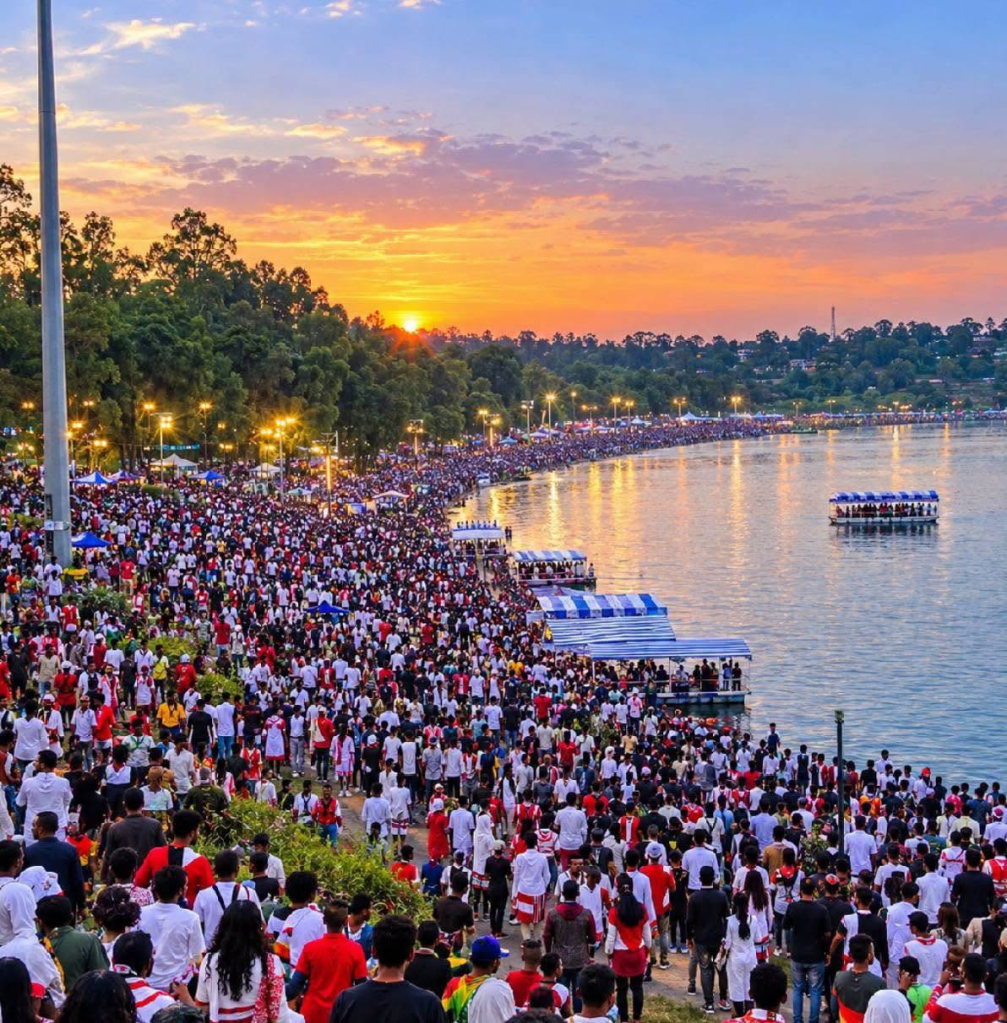
Each year, Irreecha grows larger. What began as a traditional thanksgiving ceremony has become a global symbol of Oromo identity and resilience. It is now recognized as one of the largest cultural gatherings in Africa, drawing millions to its shores and capturing the attention of the world.
Yet at its heart, Irreecha remains what it has always been — a simple act of gratitude. A people gathered by the water. Hands raised to the heavens. A prayer for peace.
As the sun sets over Lake Harsadii and the crowds begin their journey home, the spirit of Irreecha goes with them. The green grass may wither, but the blessings sought and the bonds forged will endure until the waters rise again next year.
Happy Irreecha Bishooftuu. May peace, unity, and blessings be upon us all.

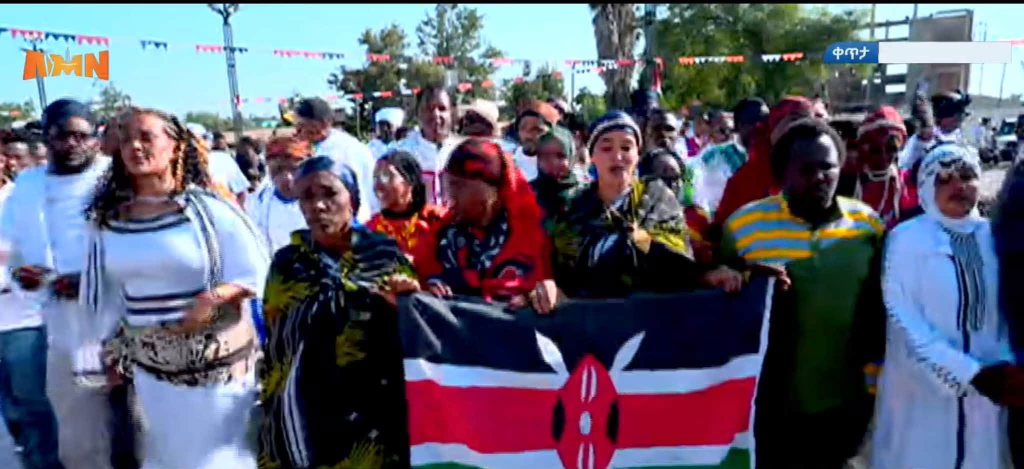
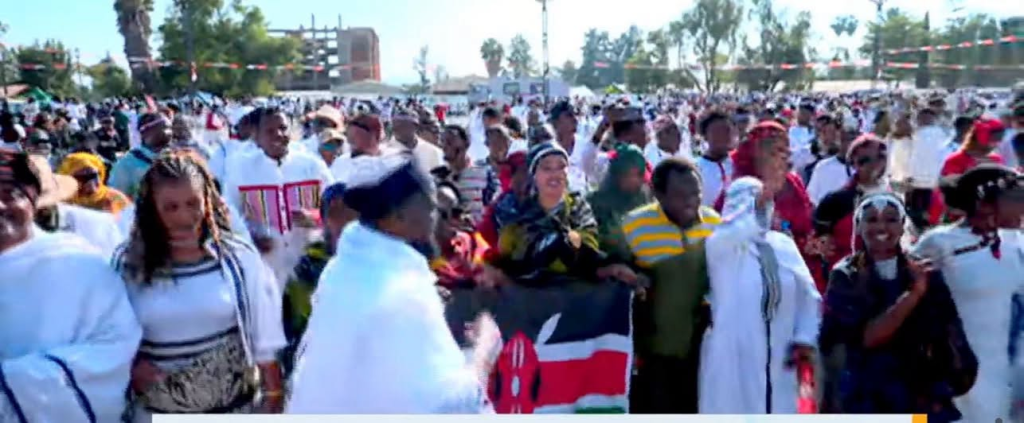
From Kenya with Love: Our Brothers and Sisters Who Journeyed Home for Irreecha Bishooftuu 2026
By Dhabessa Wakjira
HARSADII, OROMIA — The morning sun had barely touched the shores of Lake Harsadii when the first buses rolled in from the south. Dust rose from the unpaved roads, horns blared in celebration, and the unmistakable rhythm of drums began to echo across the water. Among the thousands gathered for Irreecha Bishooftuu 2026, a special group stood out — not because of their dress or their language, but because of the distance they had traveled to be here.
They came from Kenya.
“Kunneen firoottan keenya Keeniyaa: Irreecha Bishooftuu, Harsadii (2026) irratti hirmaatanii dha,” the announcement rang out across the grounds — “These are our brothers and sisters from Kenya who have come to participate in Irreecha Bishooftuu, Harsadii 2026.” The words were met with thunderous applause, ululations, and the waving of green flags that stretched as far as the eye could see.
For the Oromo community in Kenya, the journey to Irreecha is more than a trip. It is a homecoming.
A Bond That Crosses Borders
Irreecha is the great thanksgiving festival of the Oromo people — a celebration of the end of the rainy season, a moment to give thanks to Waaqa (God) for peace, fertility, and the bounty of the earth. Held along the shores of lakes and rivers, it draws millions of Oromo from Ethiopia and across the globe. But the Oromo nation does not end at Ethiopia’s borders. In Kenya, Oromo communities have lived for generations, preserving their language, their customs, and their faith.
This year, that connection was on full display at Harsadii.
“We have always known we are one people,” said one elder from Kenya, his voice thick with emotion as he stood near the water’s edge. “But to stand here, on this soil, with our brothers and sisters — it is something else. It is a healing.”
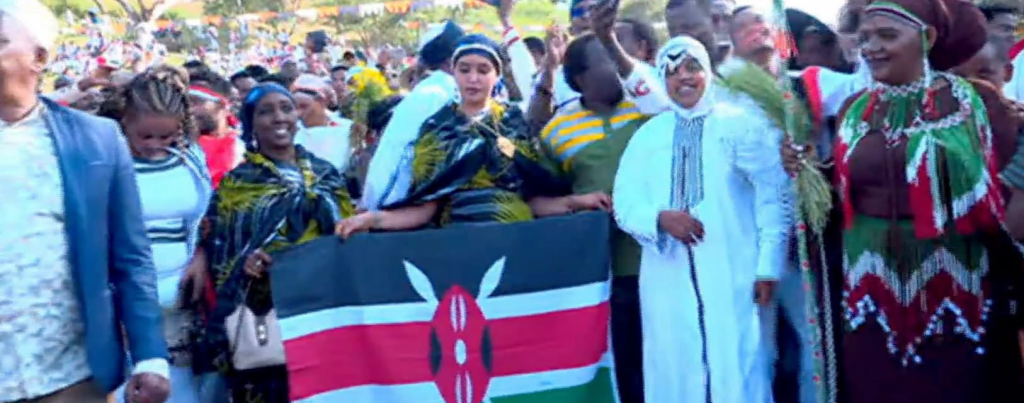
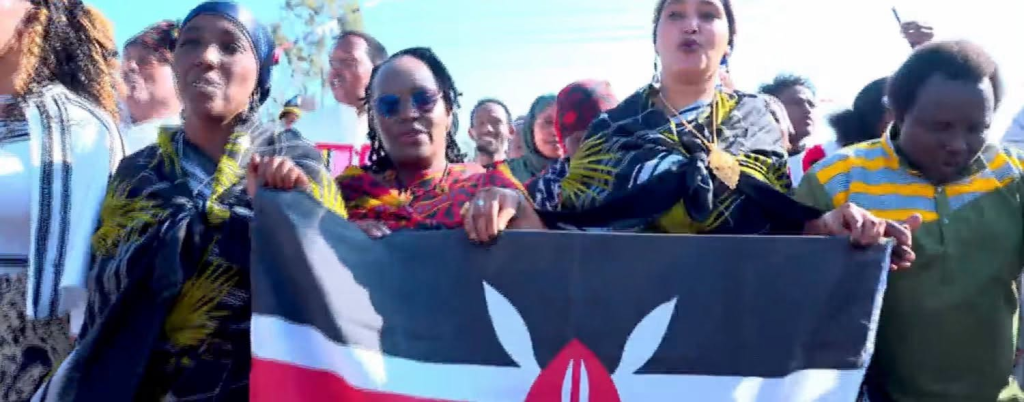
The delegation from Kenya arrived in colorful traditional attire, carrying green branches and singing songs passed down through generations. They joined the procession to the lake, participated in the rituals of thanksgiving, and shared in the communal feast that followed. For many, it was their first time experiencing Irreecha on Ethiopian soil — and for some, it was a return to the land of their ancestors.
A Celebration of Unity
The presence of the Kenyan delegation was a powerful reminder that Irreecha is not just an Ethiopian festival. It is an Oromo festival — and the Oromo are one people, bound by language, history, and a shared love for their land and their Creator.
Organizers of this year’s Irreecha Bishooftuu emphasized the significance of the Kenyan participation. “Irreecha is a celebration of peace and unity,” one organizer said. “When our brothers and sisters from Kenya join us, it shows the world that we are strong together. It shows that our culture knows no borders.”
Throughout the day, the Kenyan visitors were welcomed with open arms. Elders exchanged blessings. Young people danced together, their feet moving to the same beat. Women shared stories and laughter. And as the sun set over Harsadii, the crowd stood as one, raising their hands in thanksgiving.
A Message of Hope
For the Oromo in Kenya, the journey to Irreecha is also a statement — a declaration that they remain connected to their roots, their identity, and their people. In a world where borders often divide, Irreecha serves as a bridge.
“We are here to show our children where they come from,” said a Kenyan mother, her daughter clutching her hand. “We are here to teach them that they belong. That they are Oromo. That they are home.”
As the celebration drew to a close, the words of the announcement echoed in the hearts of all who heard them: “Kunneen firoottan keenya Keeniyaa.” These are our brothers and sisters from Kenya. And they came home.
Happy Irreecha Bishooftuu 2026. May peace, unity, and blessings be upon us all.

Abbaa Gadaas Lead Grand Blessing Ceremony as They Begin Their Journey to Hora Arsadi: A Spectacle of National Significance
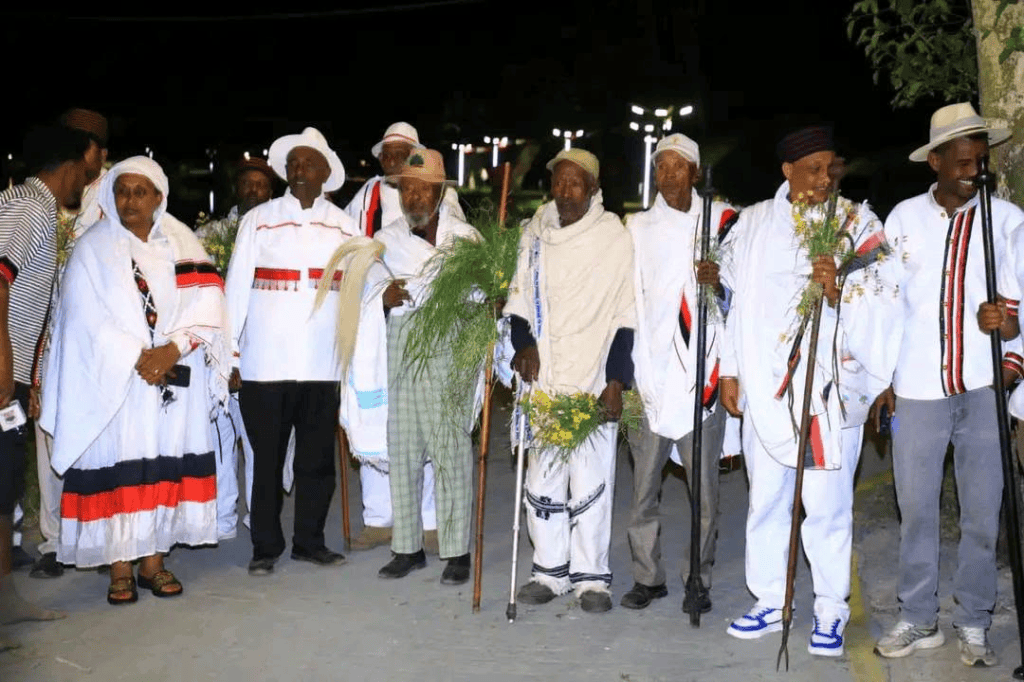
(Finfinnee, Oromia, 4 October 2026)-In a breathtaking display of spiritual devotion and cultural pride, the Abbaa Gadaas — the traditional leaders of the Oromo Gadaa system — performed their sacred blessing ritual and set off toward Hora Arsadi, transforming a festival procession into a profound statement of national unity, reconciliation, and hope.
The Procession Begins
The moment arrives. The Abbaa Gadaas — custodians of an ancient democratic and spiritual system recognized by UNESCO as an Intangible Cultural Heritage of Humanity — have completed their blessing ceremony. Now, they begin their journey toward Hora Arsadi, the sacred waters where millions will gather for Irreechaa.
But this is no ordinary procession. What unfolds is a spectacle that transcends celebration itself. It is a living testament to a deeper national meaning — one that speaks to every Ethiopian, regardless of ethnicity, language, or faith.
As the Abbaa Gadaas move toward the water, their qotee — the traditional staff of office — held high, their voices raised in prayer and blessing, they are not merely leading a festival. They are leading a nation toward reconciliation.
Irreechaa: More Than a Cultural Treasure
Irreechaa is the great festival of thanksgiving to Waaqa — the Creator — observed by the Oromo people for thousands of years. But to describe it as merely a cultural celebration would be to miss its profound significance.
Irreechaa is a banquet of peace, love, and reconciliation where all Ethiopians gather as one.
It is a time when divisions dissolve. When grievances are set aside. When the shared humanity of all people is recognized and honored. When the nation remembers that it is not a collection of separate peoples but a single family.
This is what makes Irreechaa exceptional. It is not just a festival of one people. It is a gathering of all peoples — a national moment of unity that transcends the boundaries of ethnicity and region.
The Blessing at Hora Arsadi
The image is unforgettable.
The Abbaa Gadaas stand at the edge of Hora Arsadi, their qotee held in their hands, their voices rising in a chorus of blessing. They are not just speaking to the crowd before them. They are speaking to the entire nation.
The message they declare is a call for forgiveness and unity directed at all the peoples of Ethiopia.
It is a call that echoes across the waters. It is a call that rises above the noise of politics and division. It is a call that says: We are one. Let us be reconciled. Let us forgive one another. Let us stand together.
When the Abbaa Gadaas invoke peace, they are not performing a ritual. They are issuing a national invitation. And the invitation is extended not only to the Oromo people but to every Ethiopian, of every background, in every corner of the country.
The Beauty of Ethiopia’s Diversity
The greatness of a nation is measured by the mosaic created when different cultures, languages, and values come together.
This is Ethiopia. A nation of extraordinary diversity. A nation of many peoples, many tongues, many traditions. And yet, a nation that finds its strength precisely in this diversity — in the beauty of its multicolored fabric.
When citizens from different corners of the country gather at Irreechaa, they do something remarkable. They transcend their differences. They clothe themselves in traditional garments. They stand together in unity.
This is what the festival shows. Not a nation divided by its diversity, but a nation strengthened by it. Not a people separated by their differences, but a people enriched by them.
At the water’s edge, the Ethiopian people demonstrate their unity and their strength. They show that they can overcome their differences and come together in a single act of thanksgiving. They show that the fabric of the nation is not frayed but woven — tightly, beautifully, inextricably.
Building a Prosperous and Peaceful Tomorrow
The national vision is clear. It is a vision of an Ethiopia that is prosperous and peaceful. An Ethiopia that has moved beyond division and conflict. An Ethiopia that has learned to love rather than hate, to unite rather than separate, to forgive rather than remember grievances.
The spirit of Irreechaa is part of this vision. It is a manifestation of this vision. It is the concrete expression of the national consensus and understanding that we must build together.
To build this tomorrow, we must first create national consensus. We must eliminate hatred. We must plant love. We must begin from a foundation of shared respect and mutual understanding.
The Irreechaa values — peace, reconciliation, brotherhood — are not abstract ideals. They are the building blocks of a new Ethiopia. And the Abbaa Gadaas, as they move toward the water, are the living embodiment of these values.
A Festival Where Grudges Are Forgotten and Enemies Reconcile
Among all Ethiopian festivals, Irreechaa holds a unique distinction.
It is a celebration where grudges are forgotten. Where revenge is abandoned. Where the quarrelsome are reconciled.
The festival requires that participants set aside their resentments before approaching the sacred waters. It demands that reconciliation be pursued before thanksgiving can be offered. It insists that love be chosen over hate.
This is why Irreechaa is not merely a celebration. It is a spiritual technology — an ancient mechanism for healing the wounds of a divided community.
And it is because of this that we need the values of this festival now more than ever.
Why We Need Irreechaa Now More Than Ever
Our nation has faced challenges. We have known conflict. We have known division. We have known the pain of fractured relationships and unhealed wounds.
But we also have a national vision — a vision of a great Ethiopia, a prosperous Ethiopia, a peaceful Ethiopia. And to achieve that vision, we need Irreechaa more than we ever have before.
We need its spirit of reconciliation. We need its call for forgiveness. We need its insistence on unity. We need its reminder that we are all one people, gathered at the same water, seeking the same blessings.
The challenges we face are not insurmountable. The division we experience is not permanent. The hatred we encounter is not the final word. But to overcome these things, we must embrace the values that Irreechaa embodies. We must practice reconciliation. We must choose forgiveness. We must build unity.
The Abbaa Gadaas, as they descend toward the water, show us the way.
The Lesson of Humility, Gratitude, and Peace
The Abbaa Gadaas demonstrate a path that is humility, gratitude, and peace.
They do not come with power. They come with humility.
They do not demand. They give thanks.
They do not divide. They unite.
The path they walk is a great lesson for all of us who seek to build national consensus. It teaches us that leadership is not about dominance but about service. It teaches us that gratitude is the foundation of community. It teaches us that peace is not simply the absence of war but the presence of reconciliation.
The Abbaa Gadaas, as they walk toward the water, are not just leading a ceremony. They are teaching a nation. They are showing us what leadership looks like. They are demonstrating what reconciliation requires.
Walking the Path of Peace
And now, the invitation comes to all of us.
The values of Irreechaa — peace, reconciliation, brotherhood — must penetrate our hearts. They must not remain at the water’s edge when the festival ends. They must travel home with us. They must enter our homes, our workplaces, our communities, our politics.
We must support one another. We must respect one another. We must receive our differences as gifts.
This is how we will show the greatness of Ethiopia in practice. Not through words, but through actions. Not through declarations, but through relationships.
The Abbaa Gadaas have shown us the way. They have walked the path of humility, gratitude, and peace. They have shown us that it is possible to set aside differences and come together in a common celebration of life.
Now, it is our turn.
A Nation United at the Water’s Edge
As the Abbaa Gadaas reach Hora Arsadi, as the blessings are pronounced and the prayers rise, as the waters receive the gratitude of millions, we are all witnesses.
We witness a festival that is more than a festival.
We witness a celebration that is more than a celebration.
We witness a nation, diverse and beautiful, coming together in a single act of thanks.
The Abbaa Gadaas have led the way. The invitation has been extended. The path is clear.
Now, we must all follow.
Let the spirit of Irreechaa enter every heart. Let reconciliation take root in every community. Let unity become the foundation of our national life.
Let us build a prosperous and peaceful Ethiopia together — one act of reconciliation at a time, one relationship at a time, one heart at a time.
Baga Irreechaa nagaan geessan.
May the Irreechaa arrive in peace.
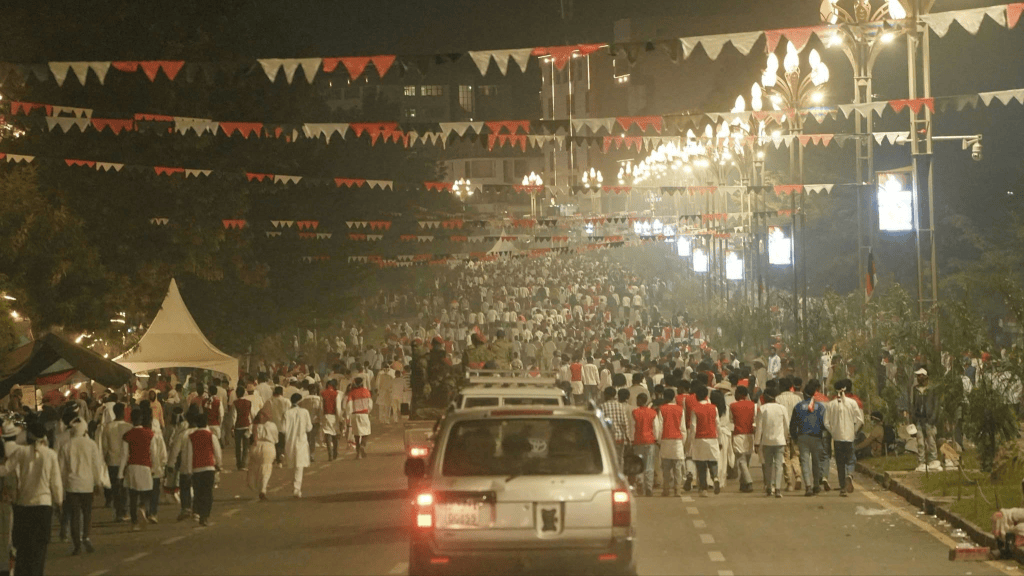
#Irreechaa #AbbaaGadaa #HoraArsadi #Ethiopia #NationalUnity #Reconciliation #Peace #Forgiveness #GadaaSystem #OromoHeritage #NationalConsensus #ProsperousEthiopia #PeacefulEthiopia

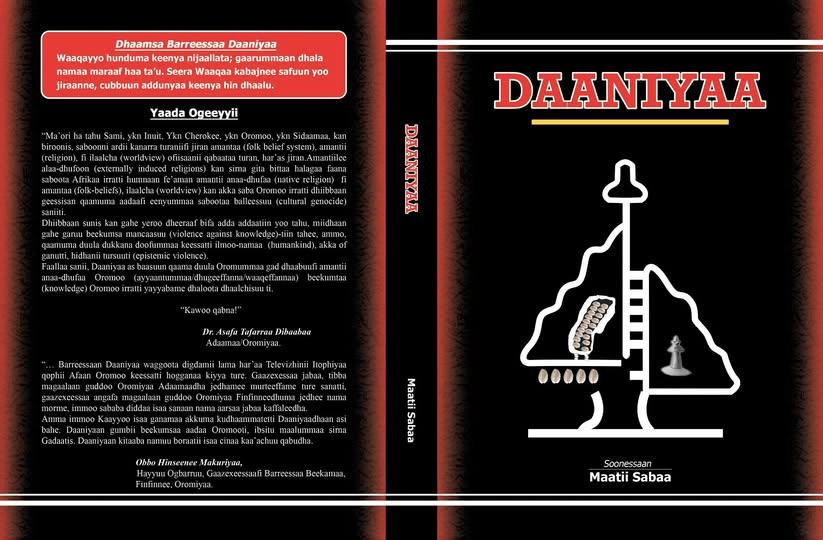
🔥 JUST RELEASED: The First Written Sacred Text of Waaqeffannaa
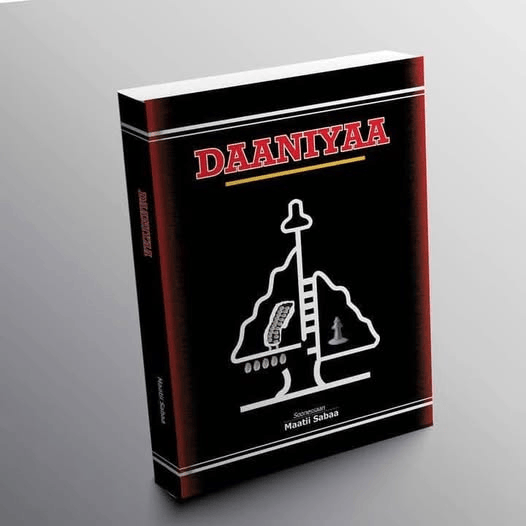
DAANIYAA — The Spiritual Constitution of the Oromo People Has Arrived
✨ A Historic Moment for Oromo Spirituality, Culture & Identity ✨
For generations, the sacred teachings of Waaqeffannaa — the indigenous religion of the Oromo people — lived in the hearts of elders, in the rhythm of prayers facing the rising sun, in the whispers of the Odaa tree, and in the waters of Hora Arsadi.
Now, for the first time, these teachings are written.
📖 DAANIYAA — authored by Maatii Sabaa — is the foundational written sacred text of Waaqeffannaa. It is more than a book. It is a spiritual constitution. It is a cultural treasure. It is a declaration of identity.
🌍 WHAT IS DAANIYAA?
Daaniyaa is the first written sacred text of Waaqeffannaa — the ancient, monotheistic faith of the Oromo people. It preserves and codifies:
✅ Belief in Waaqa Tokkicha — The One God, omnipresent, omnipotent, directly accessible to every believer without intermediaries
✅ Safuu — The moral and spiritual order; ethical conduct, social justice, and spiritual balance
✅ Ayyaana — The divine spirit and ancestral connection that binds the Oromo people to Waaqa and to their heritage
✅ Reverence for Nature — The eco-theology of Waaqeffannaa; stewardship of land, water, and all creation
✅ Sacred Rituals — Irreechaa, daily prayers (Kadhaa Waaqaa), rites of passage (Mokii), and sacred oath-taking (Arfaasaa)
✅ Prohibitions — Against killing sacred animals, cutting sacred trees, and breaking oaths
📚 WHY DAANIYAA MATTERS
Daaniyaa is not just a religious text. It is a tool of preservation, education, and decolonization.
🔹 Preserves Oral Traditions — Documents rituals, philosophy, and teachings that were passed down orally for millennia
🔹 Strengthens Oromo Identity — Promotes Afaan Oromo in religious practice and connects spirituality to cultural pride
🔹 Educates Future Generations — A foundation for scholars, students, and all who seek to understand Waaqeffannaa’s ethics and philosophy
🔹 Counters Historical Suppression — A powerful act of cultural resistance and spiritual reclamation
🔹 Environmental Stewardship — Teaches ecological balance and respect for the natural world
🌿 THE RITUALS WITHIN
Daaniyaa describes the sacred practices that have sustained the Oromo people for thousands of years:
🌊 Irreechaa — The thanksgiving festival celebrated twice a year at sacred waters like Hora Arsadi; offerings of milk, honey, and water; prayers led by Qallu (priests) and elders; communal dancing symbolizing unity
🌅 Kadhaa Waaqaa — Daily prayers facing east at sunrise, with raised hands and chanted prayers
🌳 Sacred Symbols — The Odaa (sycamore tree), water, and the colors green and white, signifying peace and divinity
🤝 Arfaasaa — Sacred oath-taking to resolve conflicts and restore harmony
💚 WHO IS THIS BOOK FOR?
Daaniyaa is for:
📌 Oromo people seeking to reconnect with their spiritual roots
📌 Students and scholars researching indigenous African religions
📌 Followers of Waaqeffannaa who want a written foundation for their faith
📌 Anyone interested in African spirituality, decolonization, and cultural preservation
📌 Future generations who deserve to inherit their heritage in written form
🗣️ A MESSAGE TO THE OROMO PEOPLE
For too long, our spiritual heritage was passed down only through spoken word. For too long, our traditions were at risk of being lost. For too long, we were told our religion had no scripture.
That changes now.
Daaniyaa is here. It is written. It is ours.
This is not just a book. It is a homecoming. It is a reclamation. It is a gift to our children and our children’s children.
📖 GET YOUR COPY TODAY
DAANIYAA — The Foundational Written Sacred Text of Waaqeffannaa
Author: Maatii Sabaa
Available now.
🔗 Elellee bookstore, located in front of the bus station in Finfinne
📧 +251 91 164 1066
🙏 GALATOOMAA — THANK YOU
We give thanks to Waaqa Tokkicha for this moment.
We give thanks to Maatii Sabaa for this work.
We give thanks to all who have preserved our traditions through generations.
And we give thanks to you — for being part of this historic moment.
📢 SHARE THIS POST
Help us spread the word. Share this announcement with your family, your friends, your community.
Let the world know: Waaqeffannaa has a written text. The Oromo people have a spiritual constitution. And its name is DAANIYAA.
#Daaniyaa #Waaqeffannaa #Oromo #Oromia #Ethiopia #Irreechaa #Safuu #Ayyaana #WaaqaTokkicha #OromoSpirituality #IndigenousFaith #AfricanSpirituality #Decolonization #CulturalPreservation #MaatiiSabaa #NewBook #SacredText #SpiritualConstitution #OromoHeritage #AfaanOromo
🌟 BAGA DAANIYAA GEENYE! 🌟
The written word of Waaqeffannaa has arrived!
📌 PIN THIS POST
📌 TAG A FRIEND WHO NEEDS TO SEE THIS
📌 FOLLOW US FOR MORE UPDATES
Daaniyaa: Preserving the past. Empowering the present. Guiding the future.

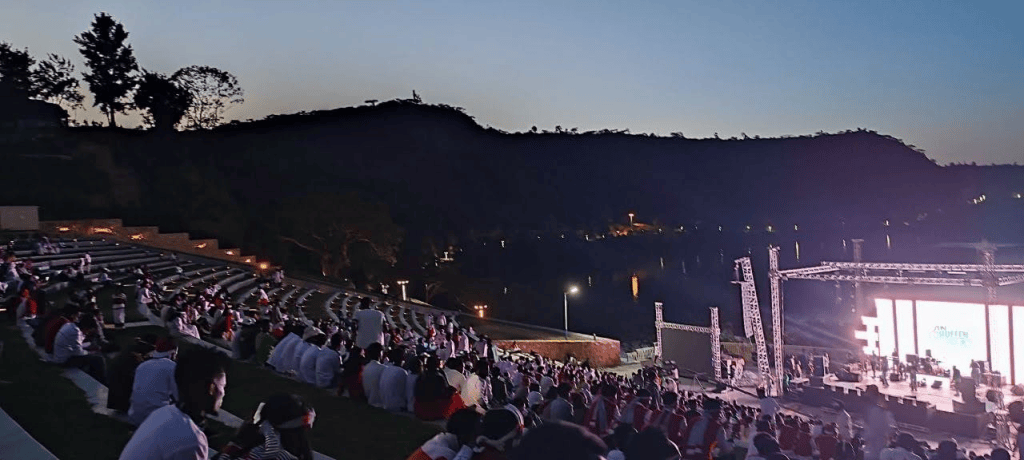
A City Adorned in Splendor: Bishooftuu Prepares to Welcome Irreechaa on October 4, 2026
By Dhabessa Wakjira
BISHOOFTUU — There is a palpable rhythm in the air of Bishooftuu these days, a heartbeat that grows louder and more resonant with each passing sunrise. The city, located in the heart of Oromia, has undergone a breathtaking transformation. The streets are lined with fresh greenery, the roundabouts are manicured to perfection, and the vibrant colors of the Oromo flag— black, red, and white—flutter proudly from every corner.
Bishooftuu is not just preparing for a holiday; it is dressing for a grand reunion. The city is adorning itself in its finest attire to welcome the vibrant, spiritual, and cultural phenomenon that is Irreechaa.
With the grand celebration slated for Onkoloolessa 4, 2026 (October 4, 2026), a spirit of anticipation and joy has gripped the local community. The phrase on everyone’s lips is one of optimism and peace: “Bishooftuu, Harsadiin bifa kanaan miidhagdee Irreechaa gaafa Onkoloolessa 4, 2026 simachuuf eeggachaa jirti. Nagaan itti dhiyaadha!” (Bishooftuu, adorned in this beauty, is waiting to welcome Irreechaa on October 4, 2026. May it approach us in peace!)
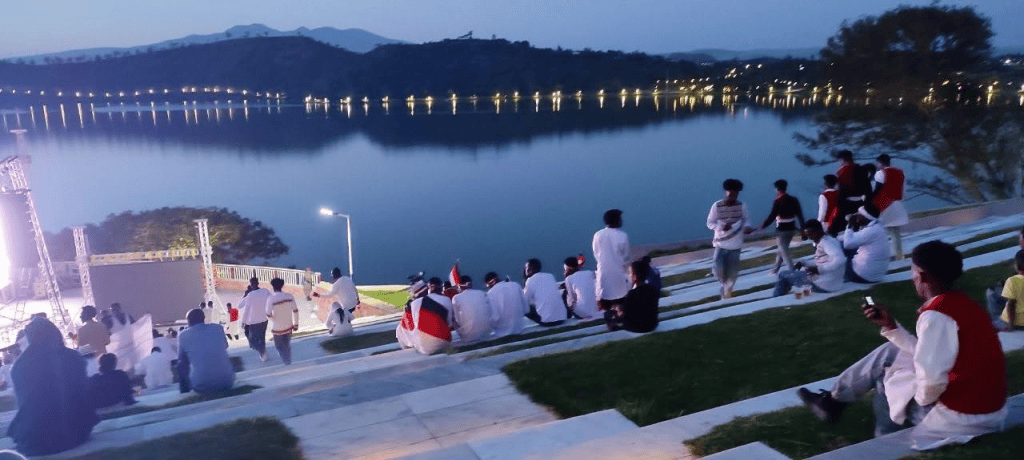
A City Transformed
The physical beauty of Bishooftuu is currently a sight to behold. The local administration and community members have joined hands in a massive beautification campaign. The “Harsadiin” (beautification) efforts are evident in the blooming flowers along the main arteries, the newly painted curbstones, and the meticulous cleaning of public spaces.
It is a visual embrace of the values that Irreechaa represents: gratitude, renewal, and the celebration of life. Elders sit under the shade of trees discussing the history of the festival, while the youth engage in the energetic preparations for the Shaggooyyee (the traditional songs and dances performed during the Thanksgiving).
The Significance of Irreechaa
Irreechaa is more than just a festival for the Oromo people; it is a sacred Thanksgiving ceremony. Celebrated at the end of the rainy season, it marks the transition from the dark, wet months (Bona) to the bright, fertile season of harvest and blooming flowers (Birraa). It is a time to thank Waaqa (God) for the blessings of the past year and to ask for peace and prosperity in the year to come.
While the main celebration at Hora Arsadi (Lake Arsadi) in Bishooftuu is the focal point for many, it is a spiritual journey that unites millions. The waters of Lake Arsadi are considered sacred, and the act of dipping greenery into the water symbolizes cleansing and renewal.
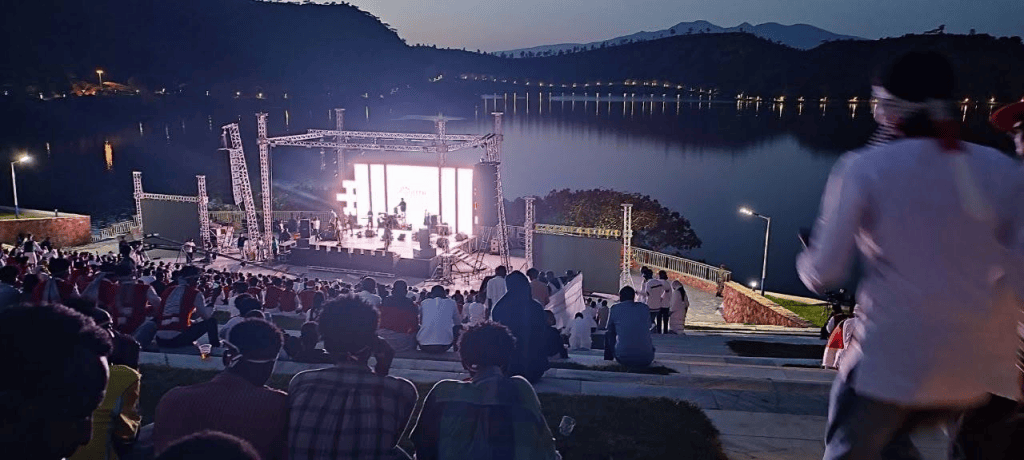
A Call for Peace
The upcoming celebration in 2026 carries a profound message. As the city waits with open arms, the underlying prayer is for harmony. The slogan, “Nagaan itti dhiyaadha!” (May it approach in peace), serves as a reminder that the true beauty of Irreechaa lies not just in the physical decorations, but in the safety and unity of the people.
Community leaders are emphasizing that Bishooftuu is ready to host the world. Hotels are refurbishing their rooms, transport networks are being optimized, and cultural troupes are rehearsing their best routines. The city is extending an invitation to all Oromos and friends of Oromia to come and witness a celebration that honors tradition while looking toward a bright future.
A Date with Destiny
As the sun sets over Bishooftuu, casting a golden glow on the newly adorned streets, the anticipation is palpable. The city has opened its heart. It has put on its best clothes.
The stage is set for October 4, 2026. Bishooftuu is ready. Are you?
Nagaan itti dhiyaadha!
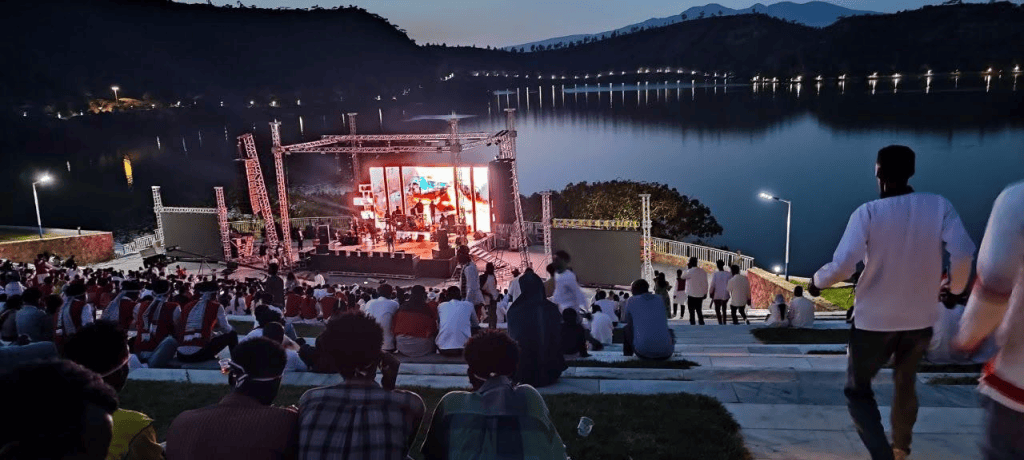

The Sacred Rite of Irreechaa: Fresh Grass, Yellow Flowers and the Waters of Blessing
How Oromos carry keelloo and fresh grass to the riverbanks, dip them into the water, and renew their covenant with Waaqa
By Staff Writer
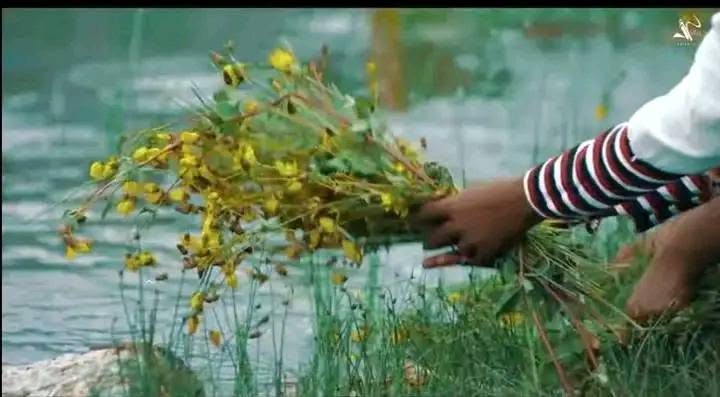
At the heart of the Irreechaa festival lies a ritual of profound simplicity and immense spiritual depth. Long before the songs reach their peak and the crowds swell along the riverbanks, Oromo elders, mothers and youth begin their journey toward the water. In their hands they carry daraaraa keelloo — yellow flowers — and marga jiidhaa — fresh, green grass.
These are not decorative items. They are sacred emblems of life, fertility, peace and gratitude. And when they are dipped into the flowing water as part of the irreeffannaa rite, they become instruments of blessing for the entire community.
Daraaraa Keelloo: The Yellow Flower of Blessing
The keelloo — a bright yellow flower that blooms in the Oromo landscape, particularly in the season surrounding Irreechaa — holds a special place in Oromo spiritual and cultural life. Its yellow color symbolizes light, hope, warmth and the radiance of the sun after the long, dark rainy season. It is the color of ayyaana — blessing and divine favor.
During Irreechaa, the keelloo is gathered with care. Young men and women often collect the flowers in the early morning, singing traditional songs as they go. The flowers are then carried to the riverside, where they will be used in the central act of the celebration. The keelloo is also used in other Oromo rituals and is associated with joy, celebration and the beauty of creation.
For Oromos, the keelloo is more than a flower. It is a visible sign of Waaqa’s goodness — a reminder that after hardship comes renewal, and that the earth itself rejoices with the people.
Marga Jiidhaa: Fresh Grass as the Symbol of Life
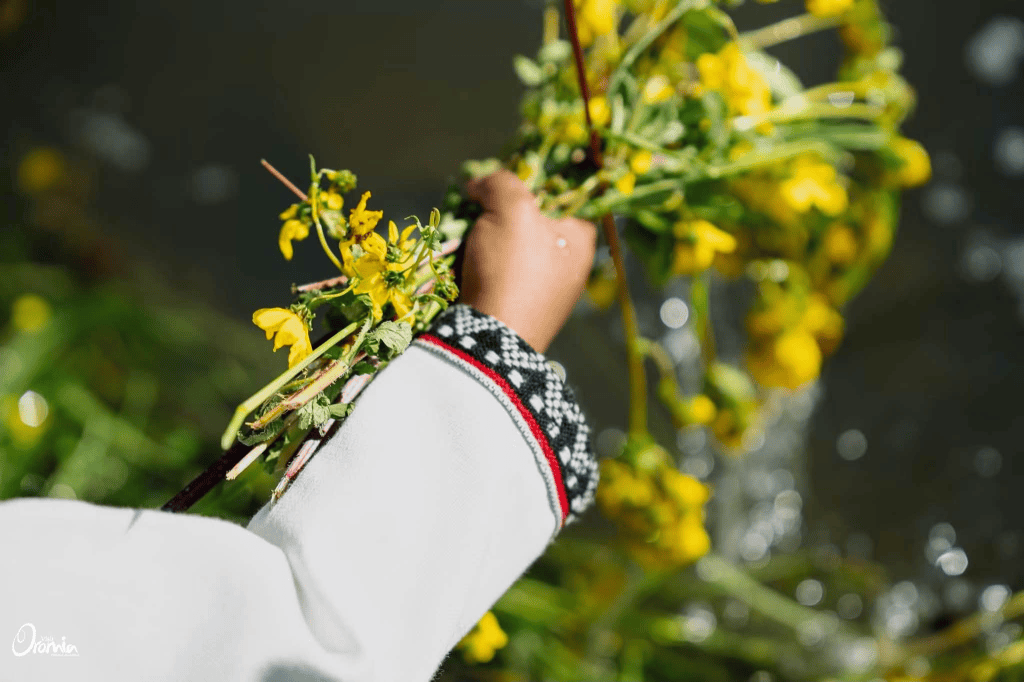
Marga jiidhaa — fresh, moist grass — is equally central to the Irreechaa ritual. In Oromo culture, green grass is the universal symbol of peace, life, fertility and well-being. It is used in ceremonies of reconciliation, in blessings, and in prayers for abundance. When elders wish to bless someone, they may sprinkle fresh grass or hold it as they speak words of peace.
At Irreechaa, the grass is gathered in bundles. It is often mixed with the keelloo flowers, creating a combined emblem of life and blessing. The grass must be fresh and green — a sign that the land has received rain and that the season of abundance has arrived.
The Journey to the Malkaa: Walking Together to the Water
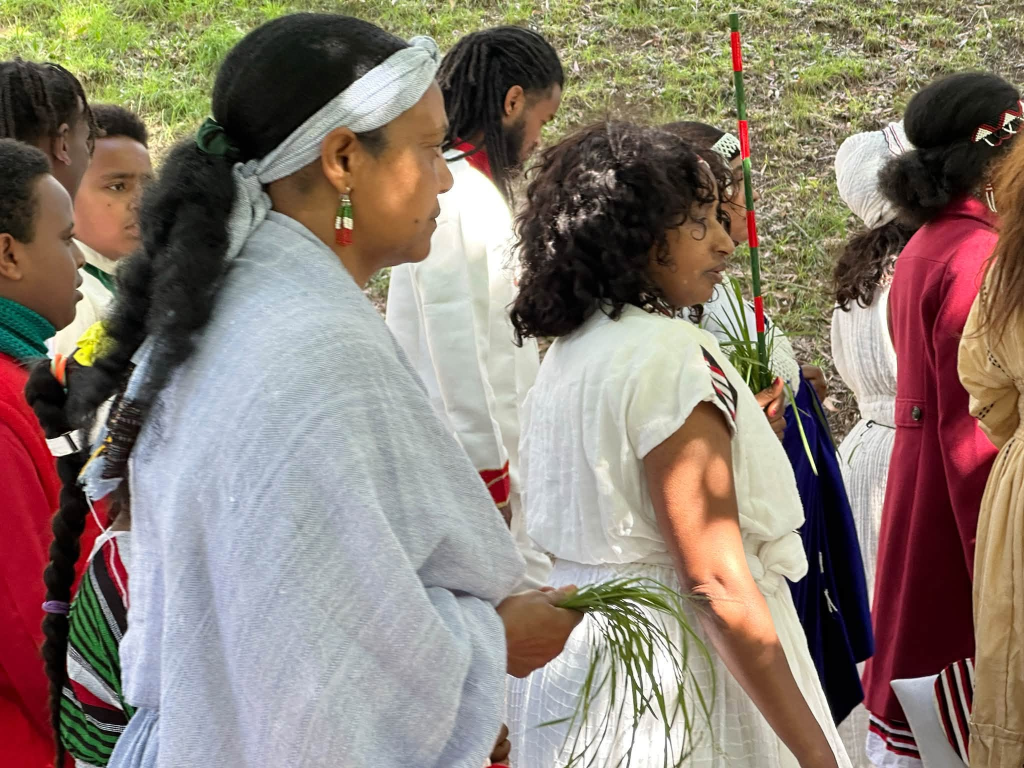
When the time comes, the community moves toward the malkaa — the riverbank, lakeshore or sacred water body. This journey is itself a ritual. People walk together, often dressed in their finest traditional attire, singing songs of praise and gratitude. The movement toward the water is a movement toward purification, renewal and encounter with Waaqa.
The choice of water is significant. In Oromo cosmology, water is the source of life, a symbol of purity and a channel of blessing. Rivers and lakes are understood as sacred spaces where the spiritual and physical worlds meet. To stand by the water during Irreechaa is to stand at the threshold of the divine.
Cuuphaa: Dipping the Grass and Flowers into the Water
At the water’s edge, the central rite unfolds. The participants — often led by the Haadha Siinqee, Qaalluu figures, elders and the Abbaa Gadaa — approach the water with the keelloo and fresh grass in hand.
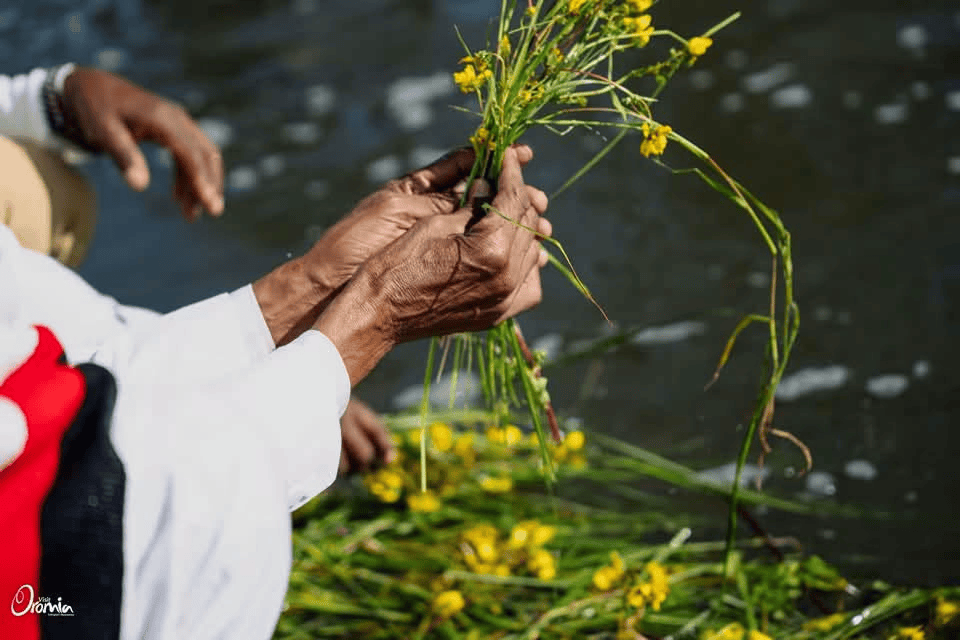
They then dip the grass and flowers into the water (cuuphaa). This act of immersion is rich with meaning:
- Thanksgiving: It is an offering of gratitude to Waaqa for the gift of rain, fertility and life. The water is the visible blessing, and the grass and flowers are the visible response of the people.
- Purification: The dipping represents a cleansing of the community — a washing away of the impurities, grievances and misfortunes of the past year.
- Renewal of Covenant: It symbolizes the renewal of the covenant between Waaqa, the people and the earth. The relationship is restored and made fresh for the coming season.
- Blessing and Sprinkling: After dipping, the participants often sprinkle the water from the grass and flowers upon themselves, upon others, and upon the ground. This sprinkling is a gesture of blessing, conveying peace and fertility to all present.
Some accounts describe the water being sprinkled on the participants’ heads and faces, a ritual act that marks them with divine favor. Others describe the grass being passed through the water and then carried back to the community as a sign of peace.
The Irreeffannaa Prayer: Words Said Over the Water
The dipping is accompanied by prayer and invocation. The irreeffannaa — the act of giving thanks and blessing — is spoken aloud by elders and ritual leaders. Words of gratitude are offered for the rains, for the harvest, for the health of families and livestock, for the peace of the land. Prayers are also lifted for the year ahead: for continued fertility, for protection from disaster, and for harmony among all peoples.
The community responds with “Irreechaa!” — a joyful affirmation and invocation of blessing. The sound of the word itself carries the meaning of “thank you” and “may it be blessed.”
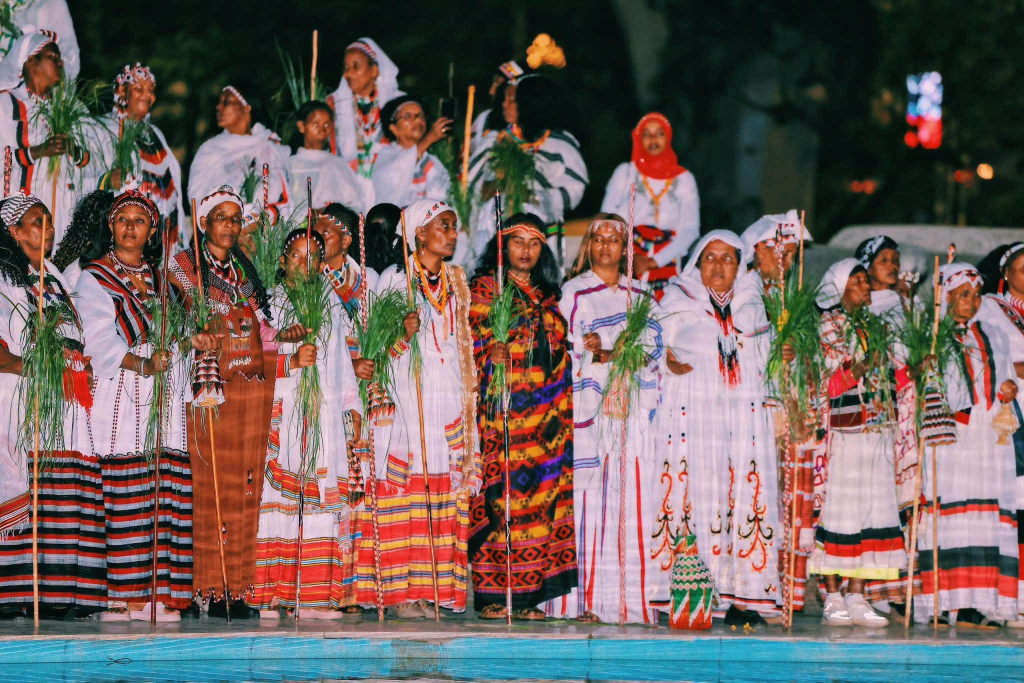
A Ritual That Connects All Creation
The Irreechaa water rite is a profound expression of Oromo cosmology — the understanding that human beings, the earth, the waters, the plants and the divine are all interconnected. By carrying the flowers and grass to the water, dipping them in, and offering them up, the Oromo people enact their belief that gratitude, peace and life itself flow from the sacred relationship between Waaqa and creation.
The daraaraa keelloo and the marga jiidhaa are therefore not merely objects. They are prayers made visible. The water is not merely water; it is the medium of blessing. And the act of dipping is not merely a gesture; it is a covenant renewed — a promise of peace, a plea for abundance, and a song of thanks to the source of all life.
At the riverbank, with flowers in hand and water flowing, the Oromo people stand as they have stood for generations: grateful, humble and connected to the sacred rhythm of the earth. And when they raise their voices and dip the green grass into the water, they declare to the world that life is a gift — and that gratitude is the way to honor it.
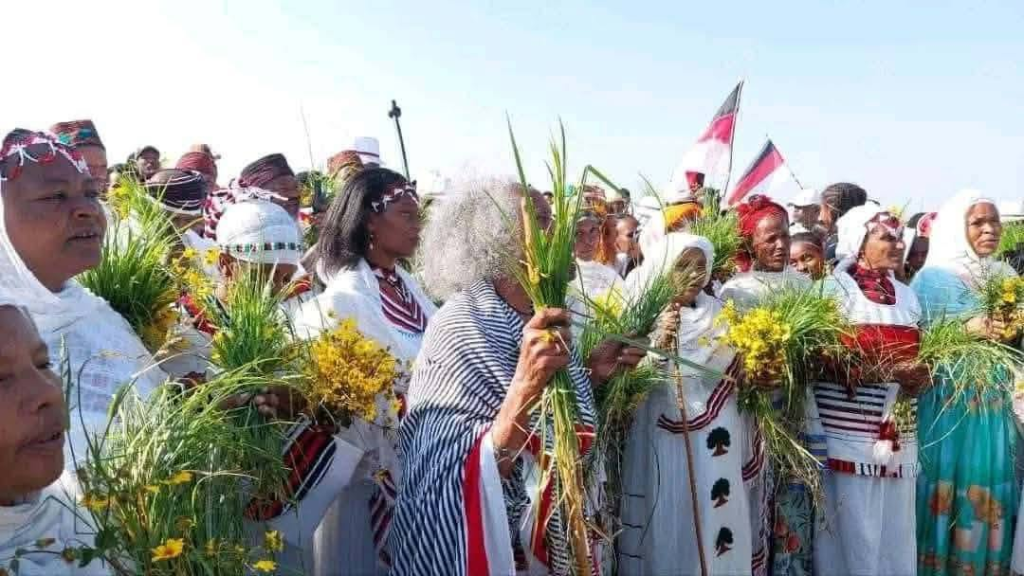

Irreechaa: The Power of Oromia Has Arrived — This Year’s and Forever
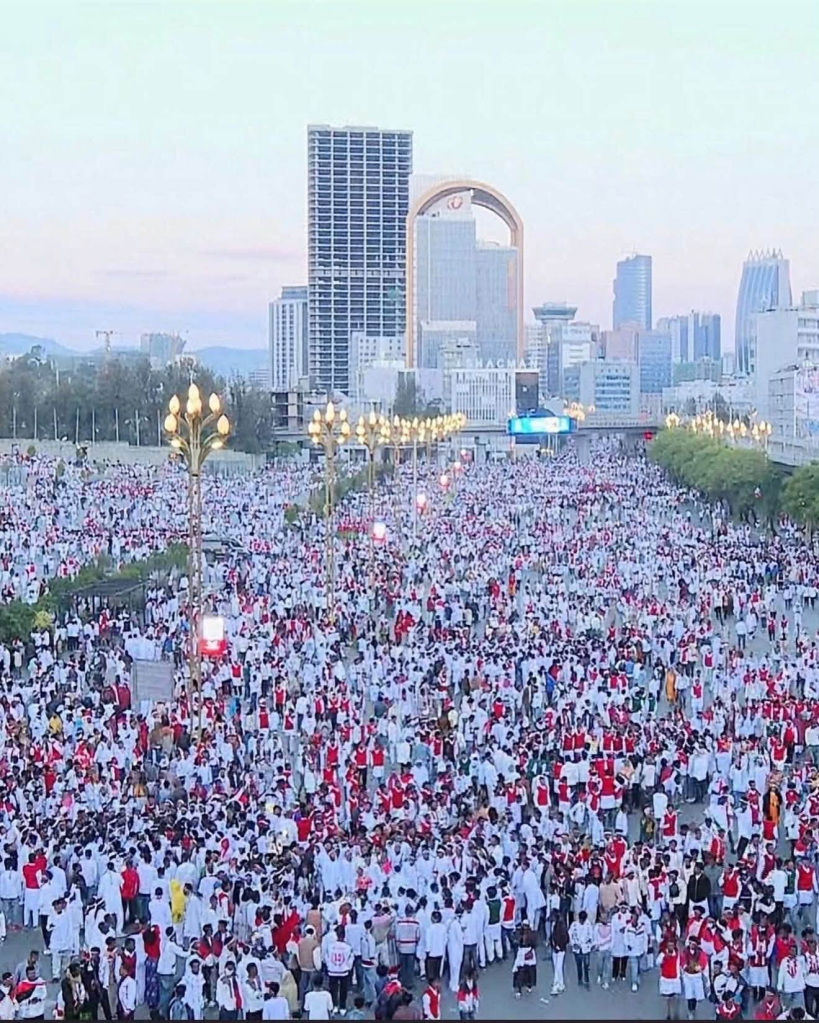
In a passionate reflection on the 2019 E.C. Irreechaa celebration at Hora Finfinnee, one voice captures what millions felt: a festival that is not merely thanksgiving but the very power of a people — their unity, their identity, their unbreakable spirit.
“Irreechaa is IRREE — the POWER of Oromia. And it has arrived. This year’s. And forever.”
A Voice from the Water’s Edge
There are testimonies that transcend reporting. They are not journalism, not analysis, not commentary. They are witness — the raw, unfiltered voice of someone who was there, who saw, who felt, who was changed.
What follows is such a testimony. Shared in the aftermath of the 2019 E.C. Irreechaa celebration at Hora Finfinnee, it is a reflection on what Irreechaa means — not in theory, but in lived experience. Not as a cultural artifact, but as a living force.
The author writes not as a detached observer but as a participant, a beneficiary, a son of Oromia who found in Irreechaa something he had been searching for his entire life.
This is his testimony.
“Irreechaa — The Power of Oromia! We Have Arrived!”
The message begins with a declaration — not a greeting, not a description, but a proclamation:
“Irree/Humna Oromoo! Baga geenye! Kan baranaa-kan bara egeree!!!!!”
“Irree — the Power of Oromia! We have arrived! This year’s — and forever’s!!!!!”
This is the language of victory. Not victory over an enemy, but victory over erasure. Victory over silence. Victory over the forces that sought to sever a people from their sacred traditions.
The author continues:
“Irreecha Bara kanaa kan Hora Finfinnee Irreeffannee Ofkolleerra! Galata Waaqaa!”
“This year’s Irreechaa at Hora Finfinnee — we celebrated it and we found ourselves! Thanks be to Waaqa!”
Ofkolleerra — “we found ourselves.” This is the heart of the testimony. Irreechaa is not just a festival one attends. It is a place where a people rediscover who they are. At the sacred waters of Hora Finfinnee, in the heart of what is now Addis Ababa, the Oromo people reclaimed not just a celebration but their own identity.
“Galata warra waan kana asiin gahaniif, warra kanaaf gumaachan hundumaaf!!!!!”
“Thanks to all who made this possible, to all who sacrificed for this!!!!!”
Gratitude extends in every direction — to Waaqa, to the ancestors, to those who struggled and sacrificed so that Irreechaa could be celebrated freely at its ancestral site.
A Teacher’s Prophecy
The testimony then turns to memory — a story from a classroom, years ago:
“Gaafan kutaa 9 baradhu — waggaa 26n har’aa dura, bariisaan Seenaa tokko, barsiisaa Tameen, ‘Yoo ofbaruu feetani Irreeessa Hora Harsadii dhaqaa; Waldaa Maaccaa fi Tuulamaa dhaqaa’ nuun jedhu ture!”
“When I was in Grade 9 — 26 years ago — a History teacher, Teacher Tame, used to tell us: ‘If you want to know yourselves, go to Irreechaa at Hora Arsadi; go to the Maaccaa and Tuulama assemblies!'”
Twenty-six years ago, in a classroom in Oromia, a teacher planted a seed. He told his students that if they wanted to understand who they were, they needed to go to Irreechaa. They needed to go to the traditional assemblies. They needed to encounter their own culture, their own history, their own people.
That teacher understood something profound: identity is not taught in textbooks alone. It is experienced. It is felt. It is lived in community, at sacred sites, in rituals that stretch back thousands of years.
And now, twenty-six years later, his student testifies:
“Dhuguma waan Oromoo fi Oromummaa baay’eesaa bakka tokkotti dubbatu waraabamees dubbatamees hindhumnetu Irreeessan ifa: Gootummaa, jaalala, Huyyummaa, Safuu, Tokkummaa, xiiqii, Miidhagina, Walqixxummaa, Abdii, …”
“Truly, what speaks of Oromia and Oromummaa in one place — written and spoken — is nowhere else but Irreechaa: Heroism, love, abundance, Safuu (moral order), unity, excitement, beauty, equality, hope, …”
This is the curriculum of Irreechaa. Not subjects to be studied, but virtues to be embodied. At the water’s edge, the Oromo people do not learn about heroism — they become heroes. They do not study love — they practice it. They do not read about unity — they experience it.
“Anis isan hanga har’aa DHEEBOTAA turef argadheen LAMMATA dhaladhera!”
“I, too, found what I had been searching for until today — and I was born twice!”
LAMMATA dhaladhera — “I was born twice.” This is the language of conversion, of transformation, of rebirth. Irreechaa is not just an event one attends. It is an experience that changes you. The author came to Irreechaa searching. He left reborn.
“Waan ofii argachuu maaltu namaaf gaharee? Galaana Gammachuu daakeen quufaa oole!”
“What is greater than finding oneself? I have been satisfied by an ocean of joy!”
There is no greater gift, the author suggests, than self-discovery. And Irreechaa, for the Oromo people, is the place where that discovery happens. It is an ocean of joy — galaana gammachuu — that satisfies the deepest human longing.
The Grief of Loss and the Joy of Return
The testimony then takes a poignant turn — a memory of what was lost:
“‘EE AADAAN BADDE GALTE…’ kanammoo bara Yuunivarsiitii Gondaritti Irreeffanne waggaa 20n dura ittiin weedifne.”
“‘Oh, culture, you are lost…’ — that was the song we sang when we celebrated Irreechaa 20 years ago at Gondar University.”
Twenty years ago, Irreechaa was celebrated in exile — far from the sacred waters, far from the ancestral sites, in a university far from home. The song they sang was a lament: “Oh, culture, you are lost.”
It was a cry of grief. A recognition that something precious had been taken. A people separated from their sacred traditions, forced to celebrate in foreign places, singing songs of loss.
But now — now the tone has changed. The same people who sang “culture is lost” are now singing “we have arrived.” The same people who celebrated in exile are now celebrating at Hora Finfinnee. The same people who mourned are now rejoicing.
This is the arc of the Oromo story. Grief transformed into joy. Exile transformed into return. Loss transformed into reclamation.
Irreechaa as the Power of Existence
The testimony then expands into a philosophical reflection on the nature of power and existence:
“Irreechi IRREE/HUMNA Oromooti!”
“Irreechaa is the IRREE — the POWER — of Oromia!”
This is the central claim. Irreechaa is not just a festival. It is power. It is the force that holds a people together, that sustains them through hardship, that enables them to survive and thrive in a world that often seeks their destruction.
The author continues:
“Eeyyeen, Dhimmi ijoon addunyaa lubbuu qabeeyyii tokko dhimma JIRAACHUUti.”
“Yes, the fundamental issue for all living beings in the world is the matter of EXISTENCE.”
This is the philosophical foundation. Before anything else — before politics, before economics, before culture — there is the question of existence. Will we survive? Will we continue? Will we be here tomorrow?
“Addunyaa dorgommii fi butee/kuffisee darbaa kana keessatti kuun jiraachuuf kuunimmoo daangaa darbee kaan dhaalee/balleessee dhuunfachuuf kaata.”
“In this world of competition and struggle, some strive to live, while others seek to cross boundaries, destroy others, and possess exclusively.”
The world is divided, the author observes. There are those who seek simply to live — to exist, to survive, to thrive in peace. And there are those who seek to dominate — to cross boundaries, to destroy others, to possess what is not theirs.
“Kan madaalaan jiraachuuf jedhus kan daangaa darbuun dhaalee ofittummaan jiraachuu fedhus mala ittisaa fi mala irra aanu garagaraa fayyadamu.”
“Those who seek to live in balance and those who seek to live by crossing boundaries and possessing selfishly use different means of defense and offense.”
This is the human condition. The struggle between those who seek harmony and those who seek domination. The struggle between madaala — balance, justice, proportionality — and daangaa darbuu — boundary-crossing, transgression, domination.
“Kanneen keessa tokko, inni guddaa-guddichi HUMNA/IRREE dha.”
“Among these means, the greatest of the great is POWER — IRREE.”
Power is the fundamental currency of existence. Without power, a people cannot defend themselves. Without power, a people cannot survive. Without power, a people cannot thrive.
“Humni waan baay’ee qaba: … Tokkummaanis Humna- Isa amma Oromoon Irreechaan dhimma itti bahaa jiru kana.”
“Power has many dimensions: … And unity is power — the power that Oromia is now utilizing through Irreechaa.”
This is the insight. Irreechaa is not just a celebration of unity. It is the mechanism of unity. It is the technology by which a scattered, fragmented, oppressed people become one. And in becoming one, they become powerful.
“Irreechi dirree barnootaati, kan Abdiitis, kunneenis humna, sanuu warra BU’UURAA fi HUNDEE ta”ani.”
“Irreechaa is a field of learning, of hope, and these are power — the power of the ROOT and the FOUNDATION.”
Irreechaa is education. It is hope. It is the root and foundation of Oromo identity. And these things — learning, hope, identity — are not soft, abstract ideals. They are power. They are the force that enables a people to survive, to resist, to thrive.
“Irreechi kanaaf tikfama, kanaafiis leellifama!”
“Irreechaa is planned for this, and for this it is beloved!”
Irreechaa is not spontaneous. It is tikfama — planned, organized, intentional. It is a deliberate act of community-building. And because of this, it is leellifama — beloved, cherished, celebrated.
The Weapon of War and Peace
The testimony now turns to one of its most powerful images:
“Meeshaa LOLAA fi ARAARAA keenyadha- HAADUU QARA LAMAA!”
“It is our weapon of WAR and PEACE — a DOUBLE-EDGED SWORD!”
Irreechaa is a weapon. This is not a metaphor to be taken lightly. In a world of struggle, a people needs weapons. But Irreechaa is a unique weapon — a double-edged sword that serves both war and peace.
“Diina Oromootti gamu ni cira, waan Oromoo fi Oromummaaf tolummoo ni gabbisa!”
“It destroys what is harmful to Oromia, and it strengthens what is beneficial for Oromia and Oromummaa!”
The sword cuts both ways. It destroys the enemy — not necessarily a human enemy, but the forces that harm Oromia: division, self-hatred, cultural erasure, despair. And it strengthens the friend — the forces that benefit Oromia: unity, pride, cultural revival, hope.
Irreechaa is a weapon that heals as it cuts. It destroys what is harmful and cultivates what is beneficial. It is a sword that serves both war and peace.
The Enemy’s Strategy and Irreechaa’s Defense
The testimony then offers a profound analysis of how enemies destroy a people:
“Diinni gaafa Saba tokko nyaachuuf abbalu dura qorqalbii sabichaaf tolu kanneen akka aadaa/Galaana jiruu fi jireenyaa cabsee afaanfajjeessa, jaamaa ulee jalaa fuudhan godha, waan sabichaaf tolu xureessee itti ajeessee madda saalfii/kan itti qaanfatan godheeti kan isaa waan ajaa’ibaa fakkeessee gowwoomsa-kanaan sakaalee/gaadi’ee garboomfata/ergamtuu godhata!”
“When an enemy wants to devour a people, it first destroys the spirit of the people — it breaks their culture, their way of life, their language; it makes them blind and takes away their staff; it turns what is beneficial for the people into something harmful, a source of suffering; it makes what belongs to the people seem strange, and by deception it turns them into tools, riding them and making them serve!”
This is a devastating analysis of cultural imperialism. The enemy does not attack with weapons first. It attacks with culture. It destroys language. It breaks traditions. It blinds the people to their own heritage. It takes away their staff — their support, their foundation, their means of walking upright.
Then, having blinded them, the enemy turns what was beneficial into something harmful. It makes the people’s own culture seem strange to them. It deceives them into serving the enemy’s purposes. It rides them like animals.
This is how a people is destroyed — not by armies, but by the erasure of identity. Not by violence, but by cultural annihilation.
“Irreechi keenya kana nurraa cabsuuf/ittisuuf Dawaa/qorsa ta”an keessaa isa tokkodha. …”
“Our Irreechaa is one of the remedies/preventions against this breaking and prevention. …”
Irreechaa is the antidote. It is the medicine — dawaa — that heals the wounds of cultural erasure. It is the prevention — qorsa — that stops the enemy’s strategy before it succeeds.
When a people gathers at the sacred waters, when they sing the ancient songs, when they speak their language, when they practice their traditions, when they remember who they are — the enemy’s strategy fails. The blindness is lifted. The staff is restored. The people see again.
This is why Irreechaa is so important. It is not just a festival. It is resistance. It is survival. It is power.
The Final Proclamation
And so the testimony ends as it began — with a declaration:
“Ammas BAGA GEENYE, KAN BARANAA KAN BARA EGEREE!!!!!”
“Again, WE HAVE ARRIVED — THIS YEAR’S AND FOREVER’S!!!!!”
The repetition is intentional. This is not just a report. It is a proclamation. It is a declaration of victory. It is a statement of faith.
The Oromo people have arrived. Not just this year, but forever. Irreechaa has been celebrated. Not just at Hora Finfinnee, but in the hearts of millions. The power of Oromia has been renewed. Not just for a season, but for all time.
The Testimony of a People
This testimony — raw, passionate, unpolished — is not just one person’s reflection. It is the voice of a people.
It is the voice of those who were told their culture was lost and found it again at the water’s edge.
It is the voice of those who were taught in classrooms twenty-six years ago to seek their identity at Irreechaa — and who finally found it.
It is the voice of those who celebrated in exile, singing songs of grief, and now celebrate at home, singing songs of joy.
It is the voice of those who understand that Irreechaa is not just a festival but a weapon — a double-edged sword that destroys what harms and strengthens what heals.
It is the voice of those who know that existence itself is the fundamental struggle, and that unity is power, and that Irreechaa is the mechanism by which a scattered people become one.
It is the voice of those who have been reborn at the water’s edge and cannot stop testifying to what they have seen.
Baga Geenye — We Have Arrived
The Oromo proclamation echoes across the waters:
Baga geenye! Kan baranaa — kan bara egeree!
We have arrived! This year’s — and forever’s!
Irreechaa is the power of Oromia.
Irreechaa is the unity of a people.
Irreechaa is the weapon of war and peace.
Irreechaa is the medicine against cultural erasure.
Irreechaa is the place where a people finds itself.
Irreechaa is the ocean of joy that satisfies the deepest longing.
Irreechaa is the double-edged sword that destroys harm and cultivates good.
Irreechaa is the root and foundation of identity.
Irreechaa is the field of learning and hope.
Irreechaa is the power that enables a people to exist, to survive, to thrive.
Irreechaa is the testimony of a people who were told they were lost and found themselves at the water’s edge.
Baga geenye! Kan baranaa — kan bara egeree!
We have arrived! This year’s — and forever’s!
#Irreechaa #Oromia #IrreeHumnaOromoo #BagaGeenye #PowerOfUnity #CulturalResistance #HoraFinfinnee #Thanksgiving #Renewal

Culture Without Borders: Beautiful Messages from World Embassies for Irreechaa
From Paris to Delhi, from Washington to Canberra, diplomatic missions across Ethiopia send warm wishes to the Oromo people and all who celebrate the ancient festival of thanksgiving — proof that Irreechaa’s beauty now resonates far beyond the waters of Hora Arsadi.
Finfinnee, Ethiopia — October 3, 2026
The Colors of Celebration, the Voices of the World
The fields have shimmered with the colors of the season. The grass glistens with moisture. All of creation has been adorned with the richness of the harvest — and now, the Irreechaa festival has raised its head high.
Irreechaa is the reflection of gratitude to creation, the sign of reconciliation, and the expression of the unity of the Oromo people. On this day, the Oromo people, adorned in traditional dress, gather at the water’s edge with songs and prayers to give thanks to Waaqa, the Creator.
But this year, something remarkable has happened. The beauty of this tradition, the hospitality of this season, has been recognized far beyond Oromia’s borders. Diplomats and ambassadors from various countries stationed in Ethiopia have expressed their love and respect by extending messages of welcome and congratulations.
These diplomatic messages are testimony that the development, growth, and reach of Oromo culture has crossed national boundaries and is now receiving international recognition and honor.
Here are the beautiful messages that have arrived from embassies around the world.
Part One: European Embassies
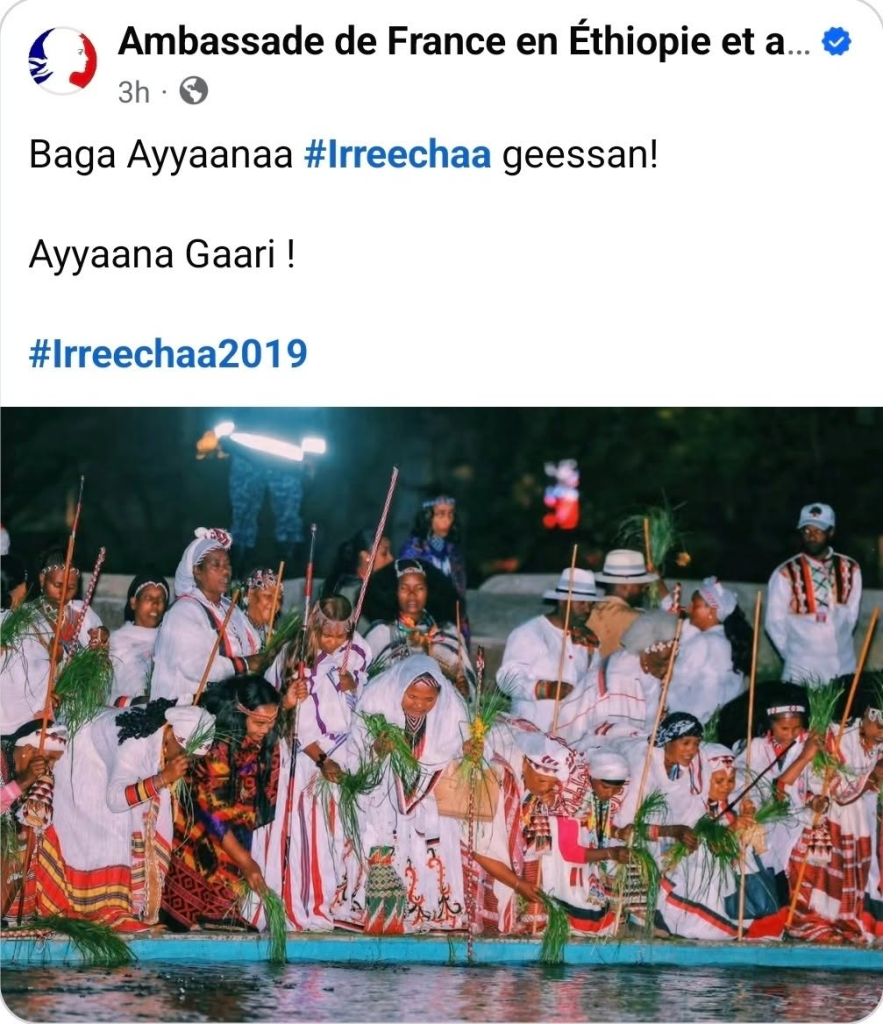
France: “Baga Ayyaanaa Irreechaa Geessan!”
The French Embassy opened its message in the Oromo language itself — a gesture of profound respect that did not go unnoticed.
“Baga Ayyaanaa Irreechaa geessan! Ayyaana Gaari!”
“May you arrive at the Irreechaa festival in peace! Good celebration!”
By beginning in Afaan Oromo, the French diplomatic mission demonstrated not merely courtesy but genuine cultural reverence. To speak to a people in their own language is to honor them. To greet them in their own tongue on their most sacred day is to say: We see you. We respect you. We celebrate with you.
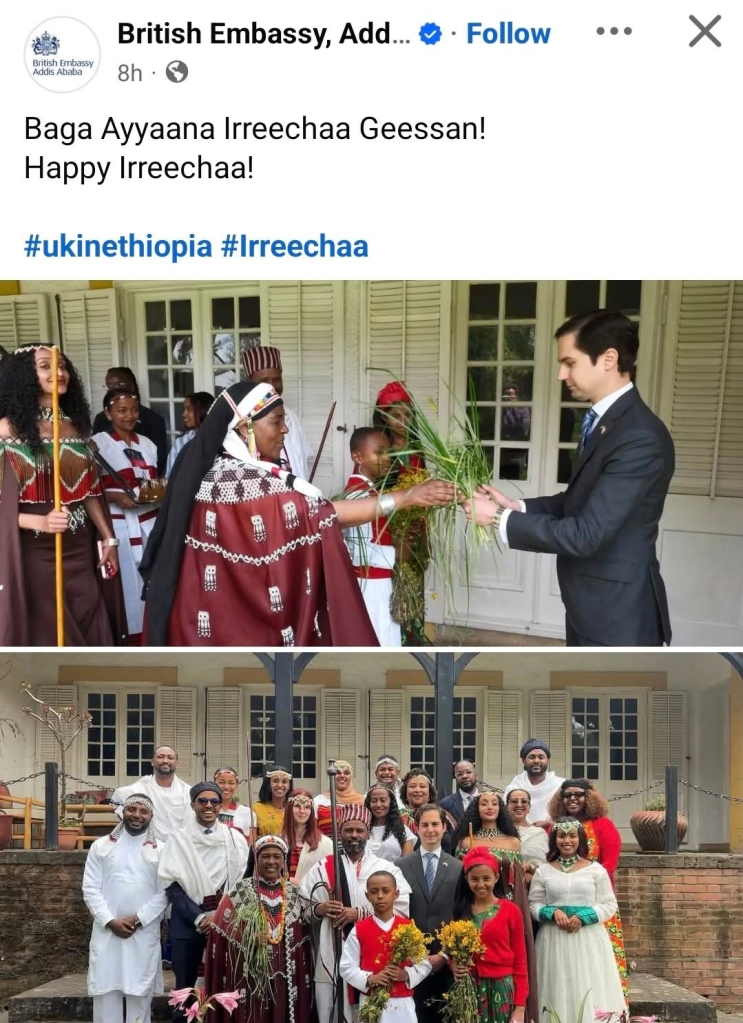
British Embassy: “Happy Irreechaa!”
The British Embassy offered a message both concise and concrete:
“Baga Ayyaana Irreechaa Geessan! Happy Irreechaa!”
The dual-language greeting — Oromo and English — reflects the bridge-building nature of the festival itself. Brief, warm, and direct, the message shared in the joy of a people celebrating their heritage.
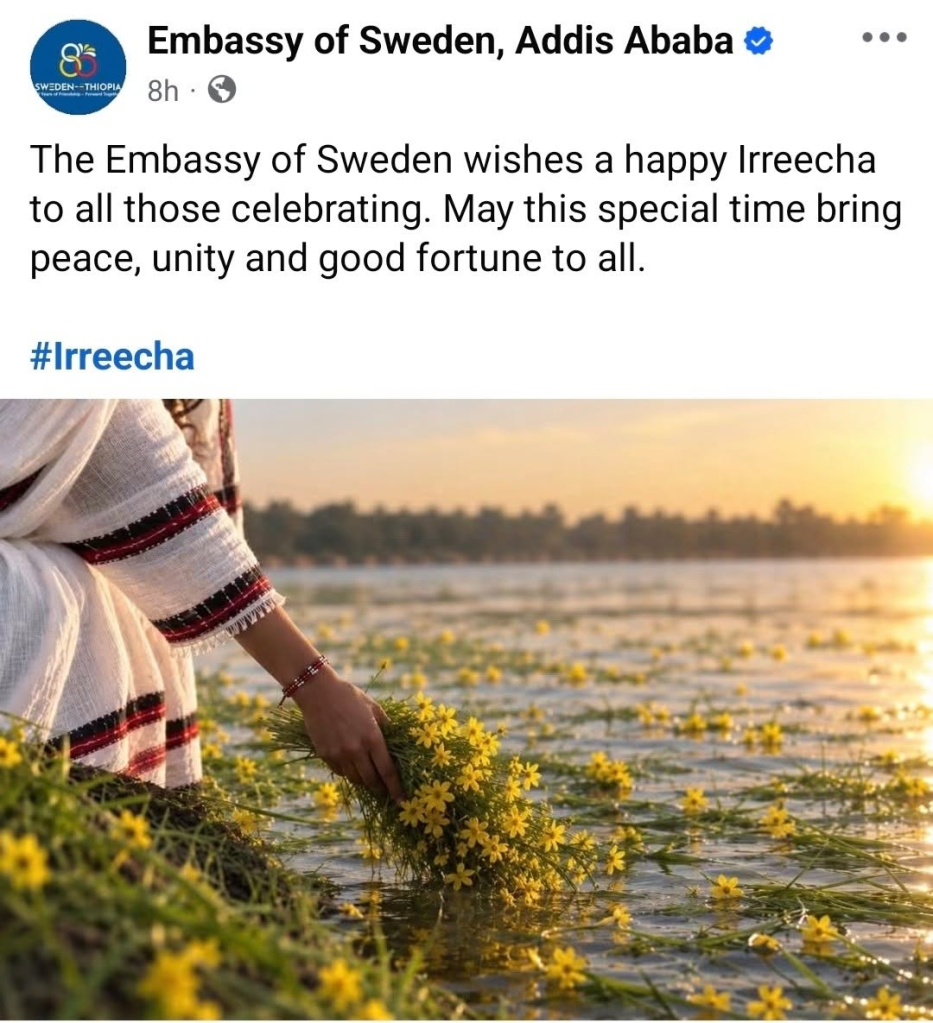
Sweden: A Wish for Peace and Unity
The Swedish Embassy conveyed its respects through a written message, expressing its hope that this time may bring peace, unity, and good fortune to all. Sweden’s message reflected the values that Irreechaa itself embodies — nagaa (peace), tokkummaa (unity), and carraa gaarii (good fortune).
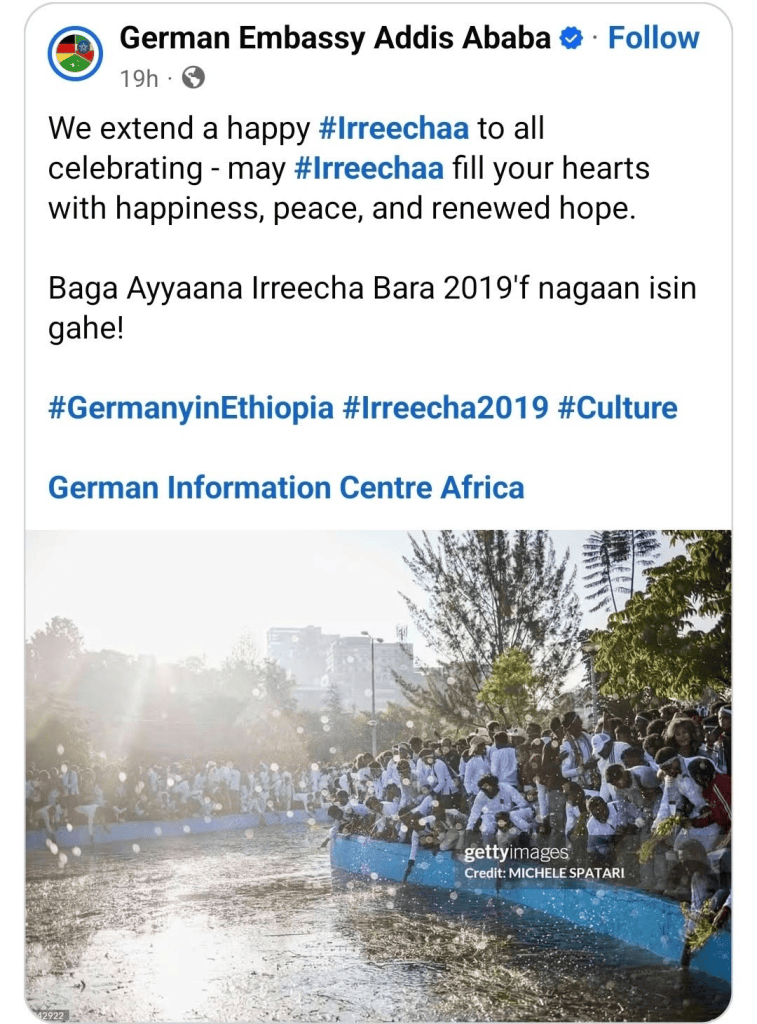
Germany: “May Irreechaa Fill Your Hearts”
The German Embassy shared a message of remarkable beauty:
“May #Irreechaa fill your hearts with happiness, peace, and renewed hope.”
The German message captured the essence of the festival — not merely a celebration of the past, but a renewal of hope for the future. Happiness, peace, and renewed hope — this is what Irreechaa offers, not only to the Oromo people but to all who encounter it.
Part Two: North American and Australian Embassies
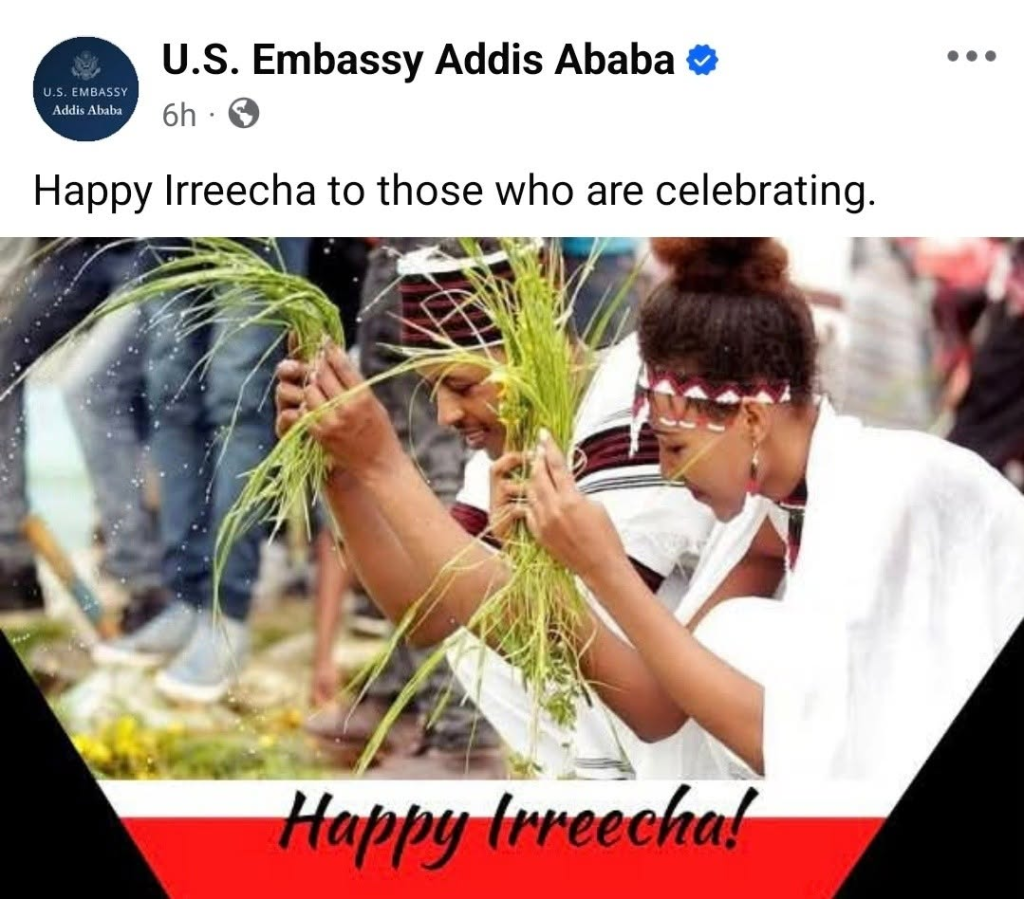
United States: “Happy Irreecha to Those Who Are Celebrating”
The United States Embassy extended its wishes to all citizens and communities honoring the festival:
“Happy Irreecha to those who are celebrating.”
The American message was inclusive and direct — acknowledging the festival and extending goodwill to all who participate. It is a recognition that Irreechaa belongs not only to the Oromo people but to all who value gratitude, community, and renewal.
Australian Embassy: A Warm Wish from the Southern Hemisphere
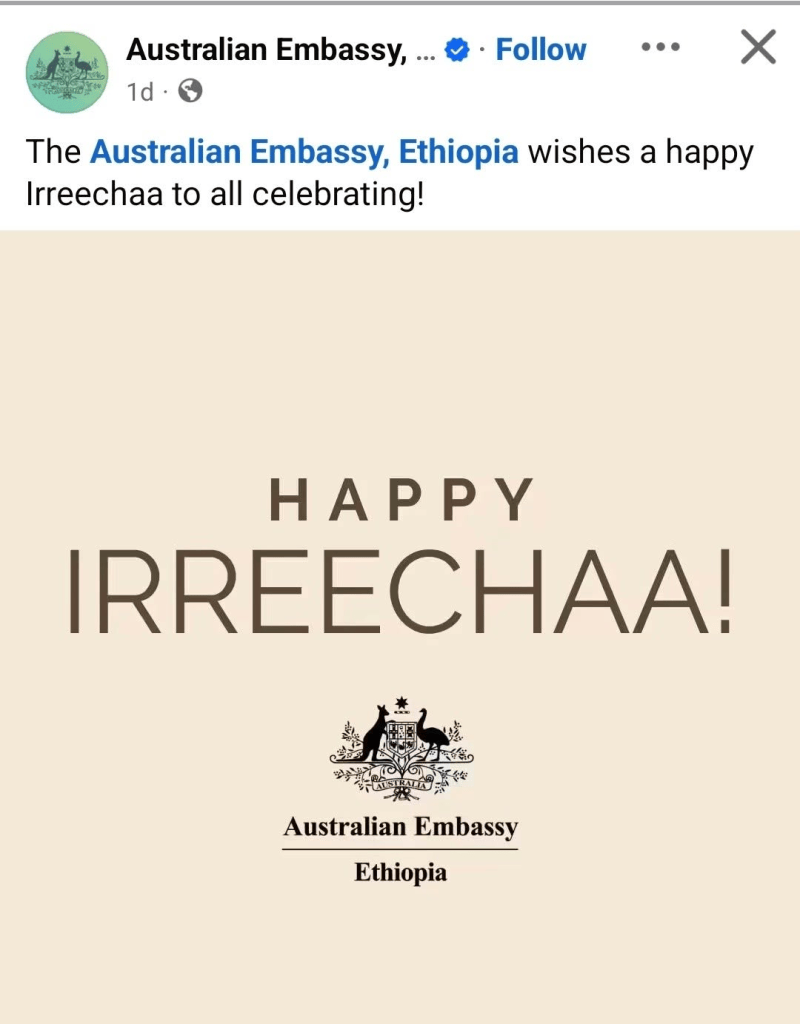
The Australian Embassy in Ethiopia shared its message on its social media page:
“The Australian Embassy, Ethiopia wishes a happy Irreechaa to all celebrating!”
Short, warm, and heartfelt — the Australian message joined the chorus of international voices honoring the festival. From the southern hemisphere, a wish of joy traveled north to the waters of Hora Arsadi.
Part Three: Asian Embassies
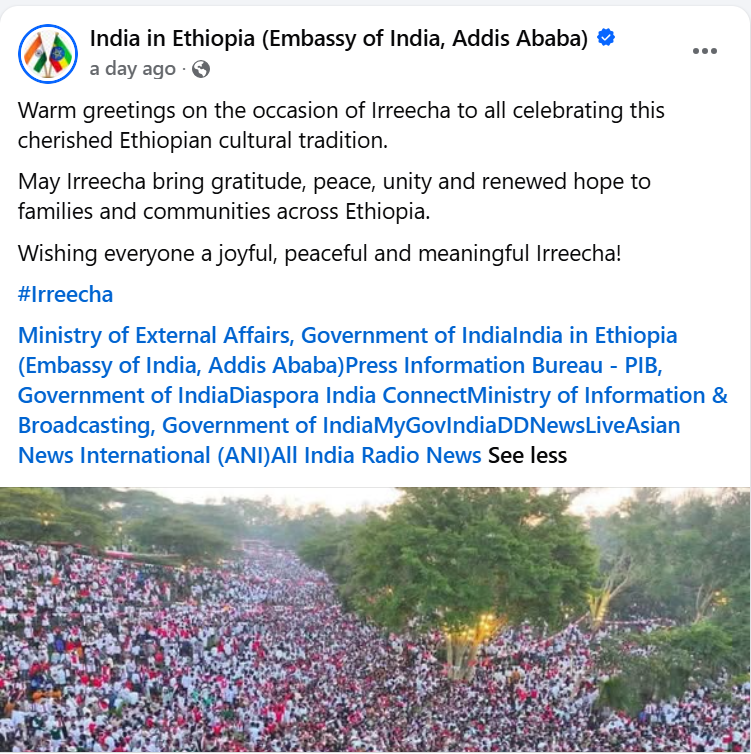
India: Honoring the Beautiful Culture of Ethiopia
The Embassy of India expressed its profound respect for Ethiopia’s beautiful culture, wishing that Irreechaa may bring gratitude, peace, unity, and new hope to all families and communities.
“Irreechaa bring gratitude, peace, unity, and new hope to all families and communities.”
India’s message demonstrated how much it values the culture and traditions of its neighbor — a recognition that transcends geography and speaks to the universal language of respect.
The Meaning of These Messages
What do these diplomatic messages tell us? Two profound truths emerge.
International Recognition: Irreechaa Has Crossed Borders
Irreechaa has now transcended national boundaries. It has reached the status of a great cultural and traditional festival honored by the world.
This is not a small thing. For a festival that was once suppressed, that was once forbidden, that was once celebrated in exile with songs of grief — to now receive official recognition and warm wishes from embassies around the world is a testament to the resilience of the Oromo people and the universal beauty of their traditions.
Irreechaa belongs to the Oromo people. But its message — gratitude, reconciliation, unity, peace — belongs to all humanity. And the world is beginning to recognize this.
The Message of Unity: Words That Repeat
In all the messages, words like peace, unity, gratitude, and new hope are repeated. This repetition confirms that the meaning of this festival is profound.
These are not random diplomatic formalities. They are the recognition of something real. When embassy after embassy, from different continents and different cultures, uses the same words — peace, unity, gratitude, hope — they are testifying to something they have seen and admired in Irreechaa.
Irreechaa is not just a festival of the Oromo people. It is a festival of values that the world needs. And the world is taking notice.
The Warmth of Recognition
There is something deeply moving about these messages. They are not required. No one compelled these embassies to send greetings. They did so because they wanted to — because they recognized something beautiful and wanted to honor it.
From France, speaking in Oromo. From Germany, wishing renewed hope. From India, honoring the culture of Ethiopia. From Australia, sending joy across continents.
These messages are more than diplomatic courtesy. They are a form of recognition — the acknowledgment that Irreechaa is a treasure, not just for the Oromo people, but for the world.
And for a people who have so often been marginalized, so often been told that their culture was lost, so often been forced to celebrate in exile — this recognition means everything.
A Festival Without Borders
The title of the original report captures it perfectly: “Aadaa Daangaa Hin Qabne” — Culture Without Borders.
Irreechaa has no borders. It cannot be contained within national boundaries. It cannot be limited to a single people or a single language. Its message — gratitude to the Creator, reconciliation with one another, unity as a people, peace as a way of life — speaks to something universal in the human heart.
And now the world is speaking back. From embassies on every continent, the message is coming: We see you. We honor you. We celebrate with you.
Your Turn: Share Your Thoughts
The original report ends with questions for the reader — and we extend them to you:
Which of these messages from the various embassies created the most special feeling in you? Which one impressed you most?
Where and how are you celebrating this year’s Irreechaa?
Share your thoughts with us. Share your stories. Share your joy.
Because Irreechaa is not just a festival to be observed. It is a festival to be lived. And when we share our experiences of it — with our neighbors, with our nation, with the world — we participate in the very unity that Irreechaa creates.
Irreechaa Without Borders
The festival has arrived. The embassies have spoken. The world has recognized.
Irreechaa is no longer a local celebration. It is a global testimony. It is a declaration that the Oromo people — their culture, their traditions, their values — are here to stay, and that what they offer the world is something the world desperately needs.
Gratitude. Reconciliation. Unity. Peace. Hope.
These are the gifts of Irreechaa. And this year, the world has said thank you.
Baga Ayyaana Irreechaa Geessan!
Happy Irreechaa to all who are celebrating!
Irreechaan nagaa, jaalalaa fi tokkummaa haa ta’u!
May this year’s Irreechaa be one of peace, love, and unity!
#Irreechaa #AadaaDaangaaHinQabne #CultureWithoutBorders #Irreechaa2026 #Oromia #Ethiopia #Diplomacy #GlobalRecognition #PeaceAndUnity
Source: Sofumer Media ·






