
A Heartfelt Thank You: Family Finds Strength in Community’s Love as Ruphael’s Tombstone Is Unveiled
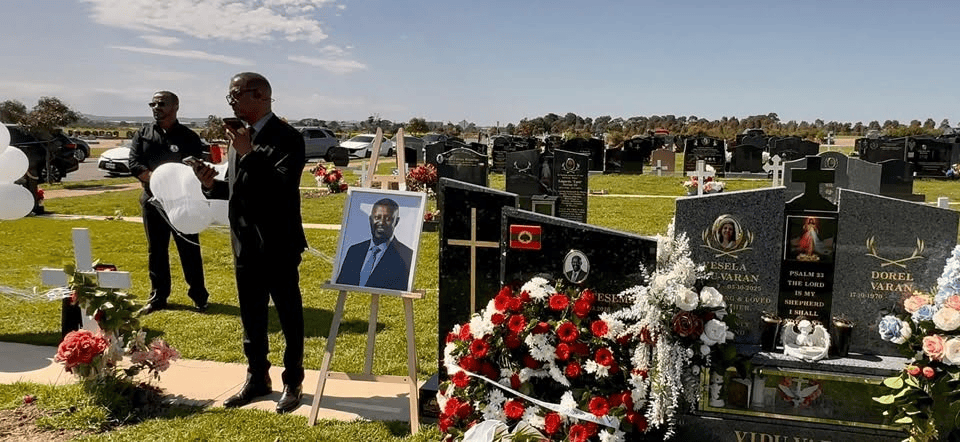
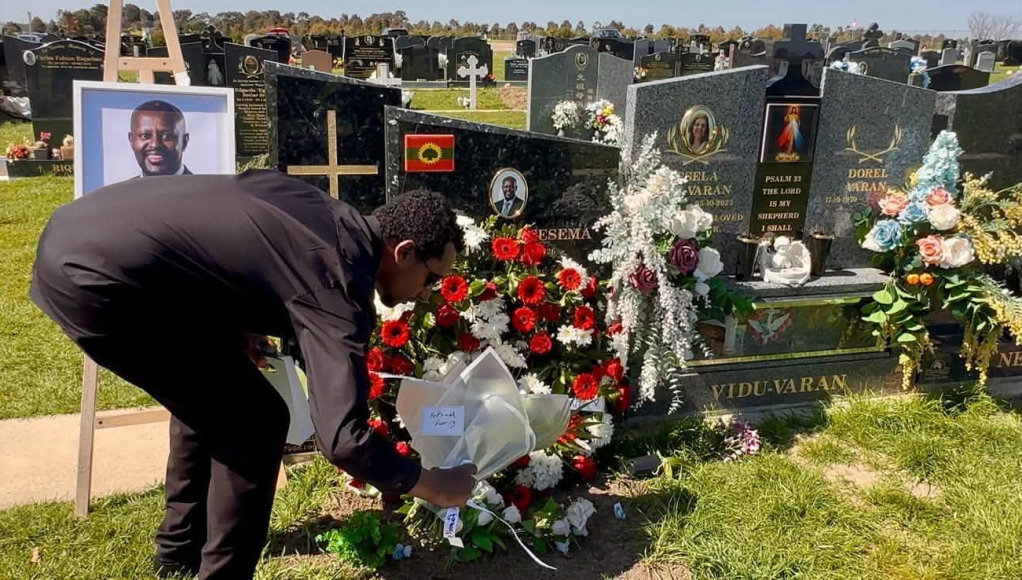
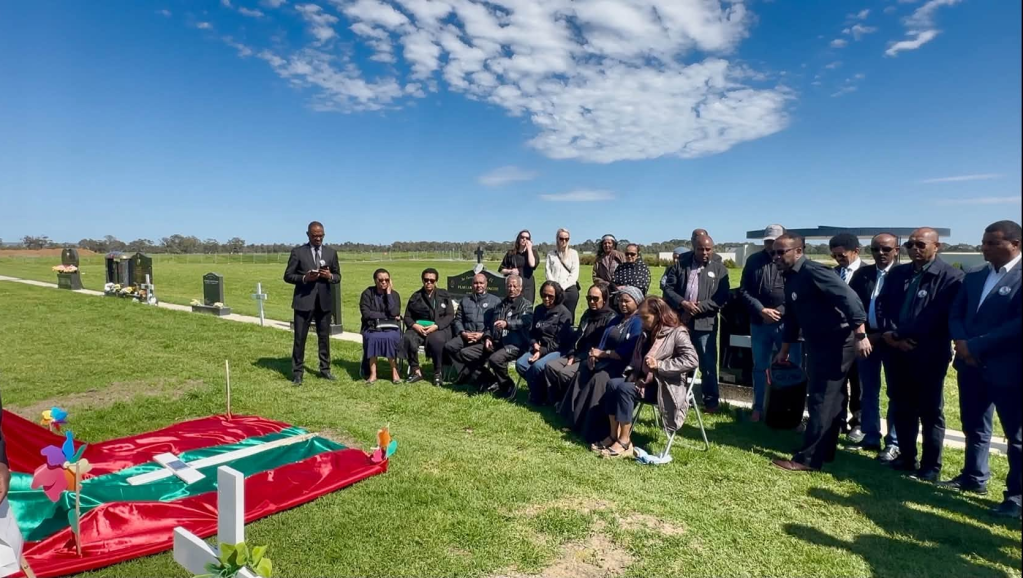
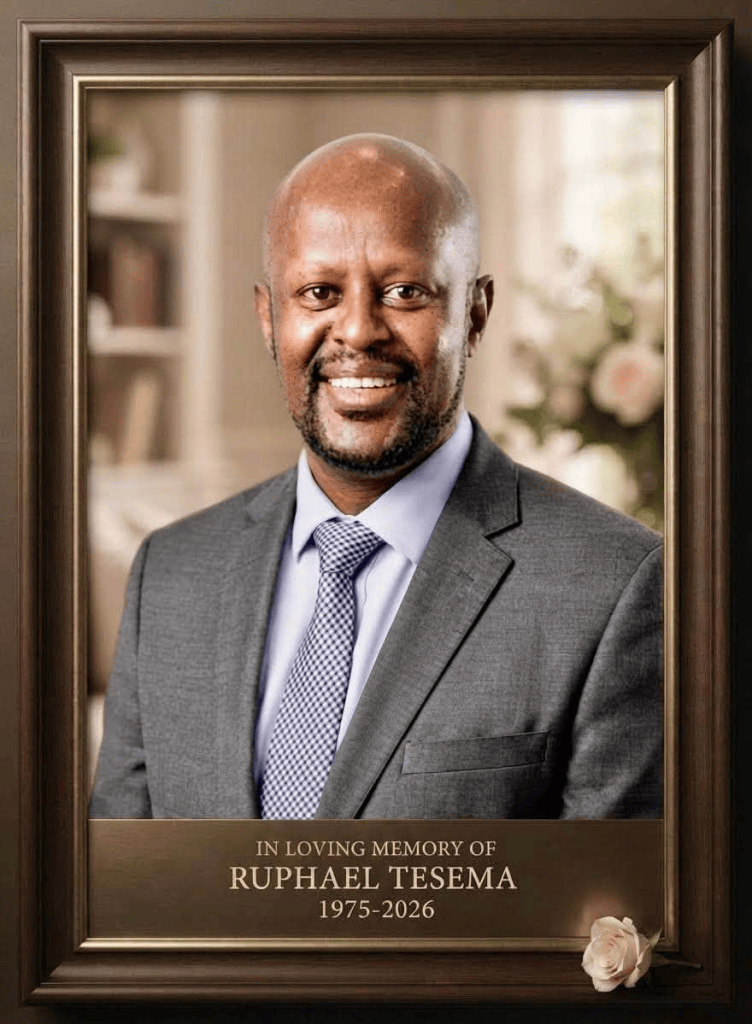
In a deeply moving tribute to a life cherished and never forgotten, a grieving family marked a significant milestone this week — the completion and inauguration of the tombstone for their beloved Ruphael.
In an emotional message shared with family, friends, and community members, the family expressed their deepest and most sincere gratitude to everyone who stood by them throughout what they described as a painful journey.
“Today marks a significant milestone as we successfully completed and held the final inauguration and unveiling of the tombstone for our beloved Ruphael,” the family said.
A Community That Carried Them Through Darkness
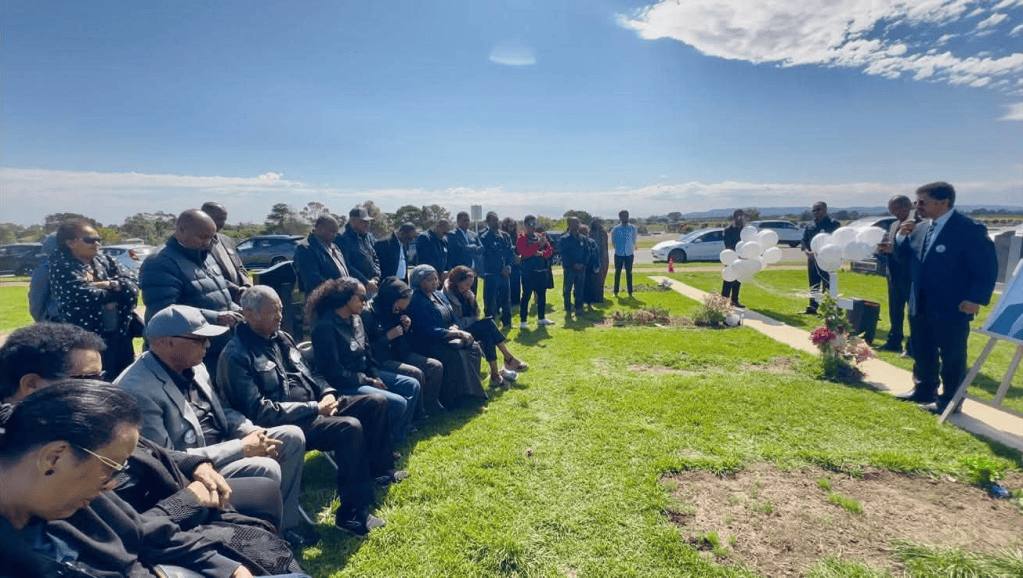
To their communities, the family extended profound thanks for unwavering financial, emotional, and physical contributions. The message painted a picture of a community that refused to let one of its own grieve alone — standing together from the very first day of mourning to the final act of remembrance.
“Your collective generosity, love, and solidarity from the very beginning of the funeral until the completion of the tombstone have carried us through our darkest days,” they wrote.
The statement underscored how the support of an entire community — sustained over months of grief and healing — transformed an unbearable loss into a shared burden, lightened by collective compassion and unwavering presence.
The Comfort of Presence and Shared Memory
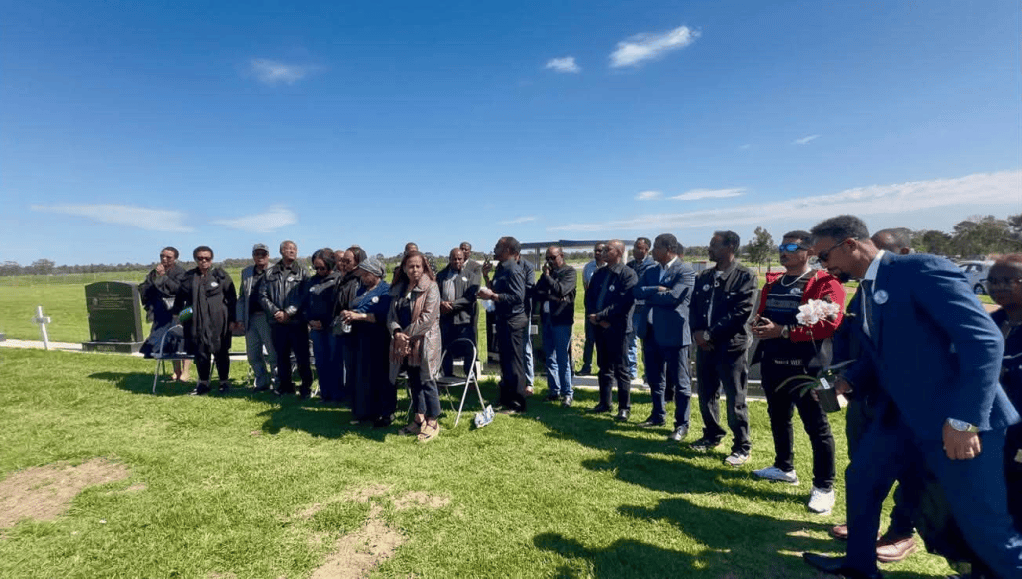
To all who attended the final inauguration and unveiling ceremony, the family offered their gratitude from the bottom of their hearts. Their words captured the profound comfort that comes not from grand gestures, but from simple presence.
“Your presence brought us comfort, strength, and a shared space to honor Ruphael’s cherished memory,” the family said. “Knowing that we do not walk this path alone, and seeing how deeply Ruphael was loved by all of you, means more to us than words can ever express.”
The ceremony became more than a formal conclusion to mourning — it was a collective affirmation that Ruphael’s memory lives on in the hearts of all who knew and loved them.
A Blessing Returned for Kindness Shown
The family closed their message with a blessing for all who showed kindness and compassion: “May God bless you and your families abundantly for your kindness and compassion.”
The unveiling marked not only the completion of a tombstone but the enduring bond between a family and the community that walked beside them every step of the way — a powerful testament to the strength found in solidarity, and to the truth that grief shared is grief diminished.
In their darkest days, this family discovered what so many communities strive to embody: that no one should have to carry loss alone, and that love — expressed through presence, generosity, and collective memory — endures far beyond the grave.
Oromo Community in London Celebrates Irreecha with Joy, Reflection, and Hope
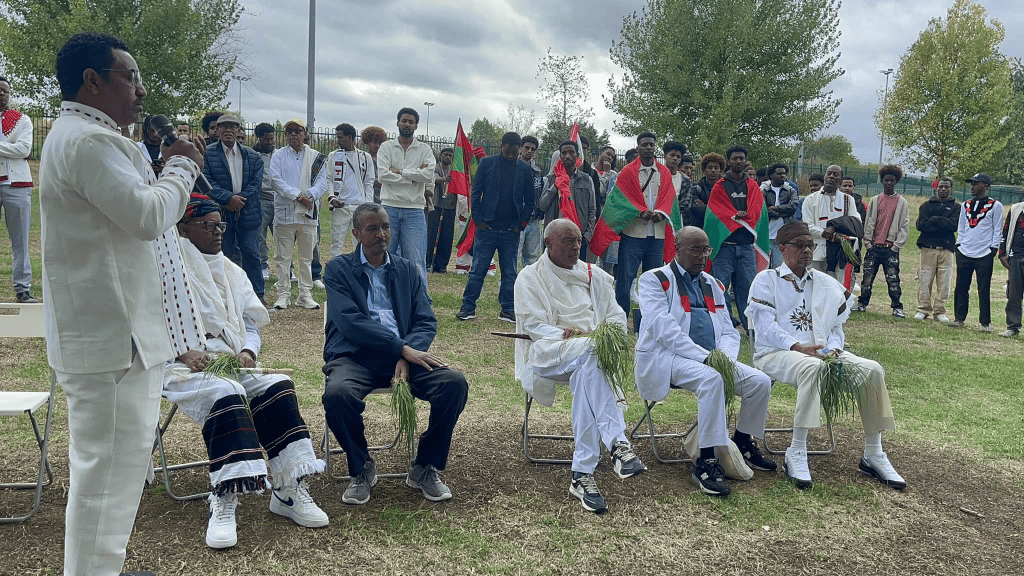
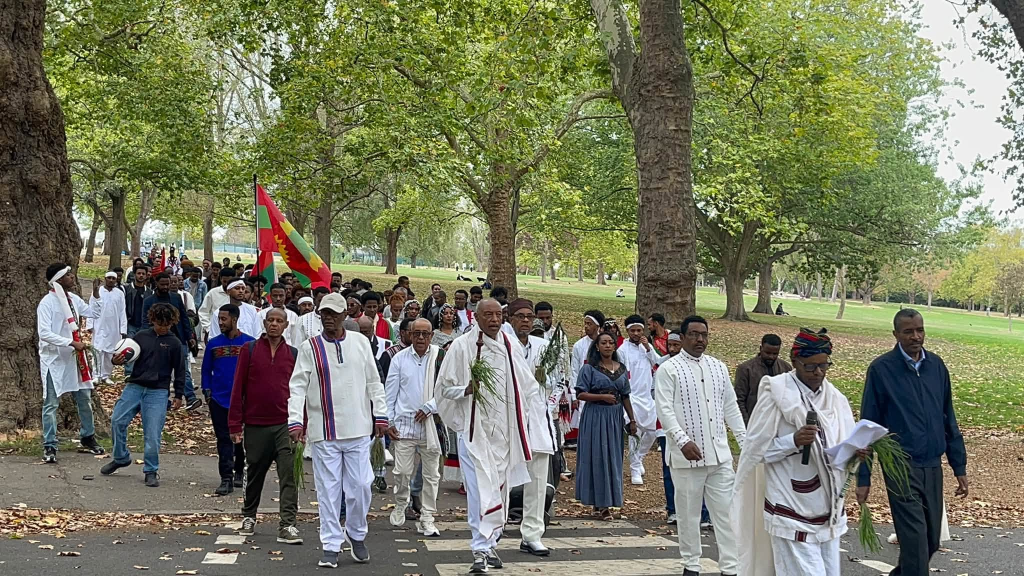
London, UK — The Oromo community in the United Kingdom gathered in London on 19 September 2026 to celebrate Irreecha, the sacred Oromo Thanksgiving festival, in a vibrant display of culture, faith, and unity.
The celebration, organised by Hawaasa Oromoo biyya UK – London, brought together Oromo families and friends from across the United Kingdom for a day of gratitude, reflection, and cultural pride.
A Celebration Rooted in Gratitude
Irreecha is one of the most beautiful and meaningful parts of Oromo culture. It is a time when the Oromo people come together to give thanks to Waaqa for life, peace, rain, harvest, family, and the blessings of the past season.
More than just a celebration, Irreecha is an expression of gratitude, unity, reconciliation, hope, and renewal. People gather in nature, often near rivers and lakes, carrying fresh green branches and flowers as symbols of life, abundance, and renewal.
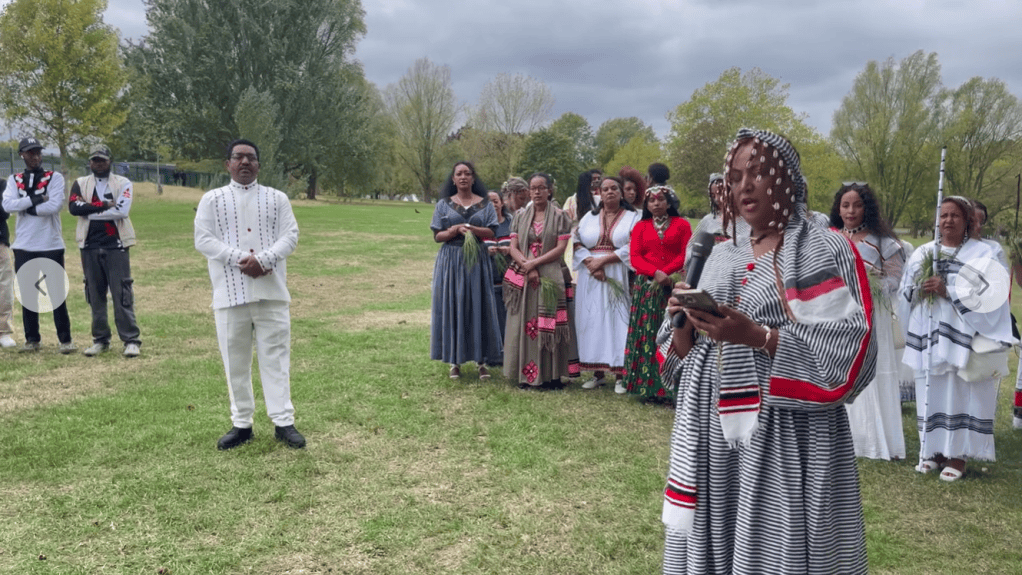
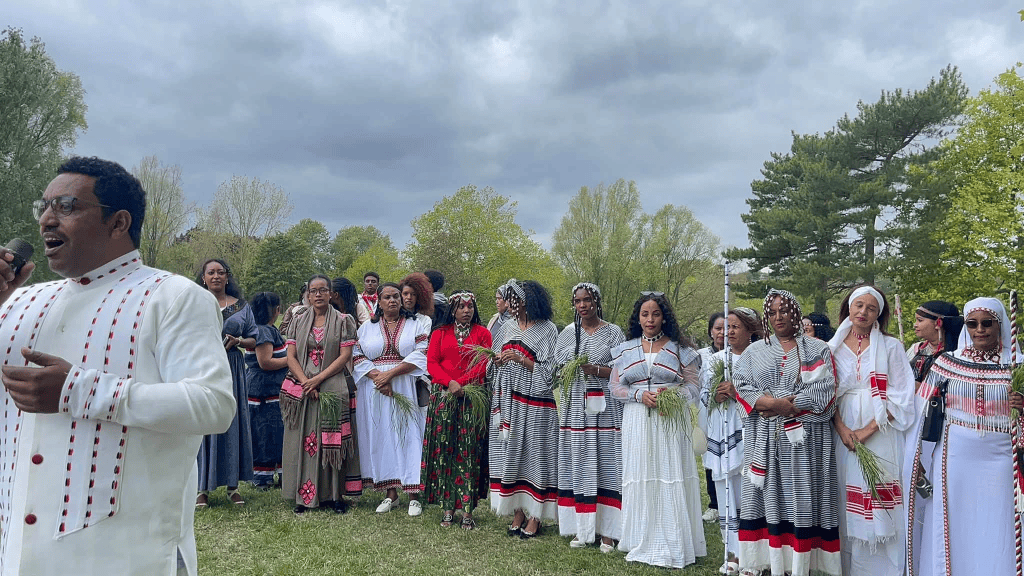
Through prayers, songs, traditional clothing, and cultural expressions, communities celebrate together and give thanks for the blessings of creation.
A Time for Reflection and Remembrance
During the London celebration, speakers reflected on the journey of Irreecha and the sacrifices made to elevate the festival to its current standing. It was noted that great effort and dedication were required to bring Irreecha to the level of recognition it enjoys today.
The community also paused to remember the tragic events of 2016 at Arsadi, where lives were lost during Irreecha celebrations. Those who gathered were reminded that the sacrifices made that day will never be forgotten — a solemn moment that underscored the resilience and determination of the Oromo people.
Strengthening Bonds and Building Unity
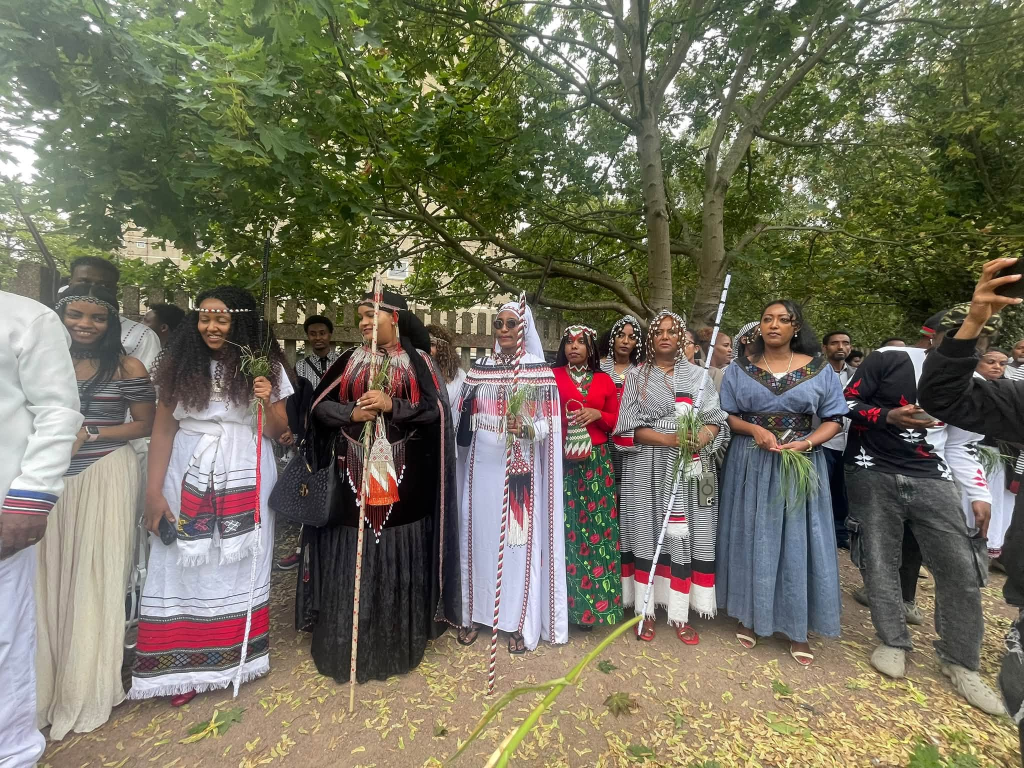
Irreecha is also a time to strengthen relationships, forgive one another, resolve differences, and look toward the future with hope. The celebration reflects the deep Oromo understanding that human beings are connected to one another, to the land, and to the natural world.
In London, this spirit of unity was on full display as community members came together in traditional attire, sharing prayers, songs, and fellowship. Elders, youth, and children alike participated in the festivities, ensuring that the traditions of their ancestors continue to thrive in the diaspora.
A Message of Peace and Hope
As the celebration drew to a close, heartfelt wishes were extended to Oromo communities around the world:
“May this Irreecha bring peace to our hearts, unity to our communities, prosperity to our families, and hope for the generations to come.”
The gathering concluded with the traditional blessings that echo across Oromo celebrations everywhere:
“Happy Irreecha! 🌿 🙏🏾 🌳”
“Irreecha nagaan! 🌳”
“Horaa bulaa, deebanaa! ❤️💚❤️”
Irreecha: A Tradition That Transcends Borders
Irreecha remains a powerful symbol of Oromo identity, connecting millions of people across Ethiopia and the global diaspora. From the shores of Lake Hora Arsadi in Bishoftu to community halls and parks in London, Melbourne, Minneapolis, and beyond, the festival continues to unite Oromo people in gratitude, hope, and shared heritage.
As the Oromo community in London demonstrated, Irreecha is not merely a tradition of the past — it is a living, breathing celebration of faith, resilience, and the enduring bonds of community.
Irreecha nagaan! 🌿

Victorian Multicultural Commission Acknowledges Yom Kippur, Extends Best Wishes to Jewish Community
The Victorian Multicultural Commission (VMC) has acknowledged Yom Kippur, Judaism’s holiest day, extending its best wishes to all those observing the sacred occasion across Victoria and beyond.
In a statement shared with the community, the Commission described Yom Kippur as “a sacred day of reflection, repentance and renewal.”
A Time for Introspection and Renewal
For those observing, Yom Kippur is a time for introspection, prayer, and seeking forgiveness. The day, which follows a 25-hour period of fasting and intensive prayer, is dedicated to atonement and reconciliation — both with God and with fellow human beings.
The Commission acknowledged the profound spiritual significance of the day, recognising it as a period when Jewish communities around the world come together in solemn reflection and heartfelt prayer.
Celebrating Faith and Diversity
The Victorian Multicultural Commission extended its best wishes to all those marking this significant day, noting the importance of faith, understanding, and respect in our diverse community.
The statement reflects the Commission’s ongoing commitment to fostering interfaith harmony and celebrating the rich tapestry of cultures and religions that make up Victoria’s multicultural society.
A Message of Respect
In a gesture of solidarity and respect, the Commission concluded its message with the traditional Hebrew greeting:
“G’mar Chatimah Tovah”
This phrase, which translates to “May you be sealed for a good [year] in the Book of Life,” is a customary greeting exchanged during Yom Kippur, expressing hope for a blessed and prosperous year ahead.
About Yom Kippur
Yom Kippur, also known as the Day of Atonement, is the most solemn and holy day in the Jewish calendar. It concludes the Ten Days of Repentance that begin with Rosh Hashanah, the Jewish New Year.
Observant Jews spend the day in synagogue, engaging in prayer and reflection, and abstaining from food, drink, and other physical comforts. The day is dedicated to seeking forgiveness for sins committed against God and fellow human beings, and to making resolutions for the year ahead.
A Community United in Respect
The Victorian Multicultural Commission’s acknowledgment of Yom Kippur serves as a reminder of the importance of recognising and respecting the diverse faith traditions that enrich our community. In a world often divided by differences, such gestures of understanding and goodwill help build bridges of mutual respect and appreciation.
To all those observing Yom Kippur, the Commission extends its warmest wishes for a meaningful and peaceful day.
G’mar Chatimah Tovah.

African Union Sounds Alarm Over Red Sea Escalation, Warns of Regional Fallout
The African Union Commission has expressed deep concern over the recent military escalation in the Red Sea region, condemning attacks on Saudi Arabian territory and international maritime navigation while warning that the crisis threatens to engulf the African continent.
In a strongly worded statement issued from its headquarters in Addis Ababa, the Commission condemned attacks carried out by the Houthis against civilian targets and economic infrastructure in Saudi Arabia, as well as attacks and threats against commercial shipping in the Red Sea.
Holy Sites Must Be Protected
The Commission expressed particular concern over reports of attempted attacks targeting Makkah and other holy cities of the Kingdom of Saudi Arabia.
“It stresses that holy sites, as well as civilians and pilgrims visiting them, must be fully protected and must under no circumstances become targets of military action,” the statement read.
The warning underscores the gravity of a conflict that has already disrupted one of the world’s most critical maritime corridors and now threatens sites of immense religious significance to millions of Muslims worldwide.
Freedom of Navigation at Risk
The Commission strongly reaffirmed the principle of freedom of navigation in the Red Sea and through the Bab el-Mandeb Strait, in accordance with international law.
“Any action aimed at obstructing or threatening navigation along this strategic maritime route poses a serious risk not only to the littoral States, but also to international trade, global supply chains, energy security and African economies,” the Commission warned.
The Bab el-Mandeb Strait is a narrow waterway between Yemen and the Horn of Africa that serves as a gateway for a substantial portion of global trade — including oil shipments and commercial goods — traveling between Europe, Asia, and Africa. Disruption to this route has far-reaching consequences for economies worldwide.
A Strategic Interest for Africa
The Commission underscored that the security of the Red Sea and the Bab el-Mandeb Strait is a major strategic interest for Africa, particularly for the States of the Horn of Africa and the Red Sea littoral States.
For countries such as Djibouti, Eritrea, Somalia, Sudan, and Egypt, the stability of this waterway is not merely a matter of international concern but a direct national interest. These nations rely on the Red Sea for trade, energy imports, and economic connectivity.
Warning Against Regionalization
The Commission warned against the risk of a further regionalization of the ongoing confrontations in the Middle East, whose security, humanitarian, and economic consequences would directly affect the African continent.
This warning reflects growing fears that what began as a localized conflict could spiral into a broader regional confrontation, drawing in multiple actors and destabilizing an already fragile neighborhood.
Call for Immediate De-escalation
The Commission called for:
- The immediate cessation of attacks against civilians, civilian and economic infrastructure, and commercial shipping
- Respect for freedom of navigation in accordance with international law
- Urgent de-escalation to prevent further hostilities
The Commission reiterated the need to prioritize dialogue and political avenues in order to prevent a further expansion of hostilities and preserve peace, security, and stability throughout the Red Sea region.
A Continent Watching Closely
The African Union’s intervention highlights the continent’s deep stake in the stability of the Red Sea corridor. With global supply chains already strained by multiple crises, any prolonged disruption to this strategic route would have severe implications for African economies — from soaring import costs to delayed humanitarian aid.
The Commission’s statement serves as both a warning and a call to action, urging all parties to step back from the brink and pursue diplomatic solutions before the situation escalates beyond control.
As the world watches the Red Sea with growing anxiety, the African Union has made its position clear: peace, stability, and respect for international law must prevail.
Media Inquiries
For media inquiries, please contact:
Mr. Nuur Mohamud Sheekh
Spokesperson of the AUC Chairperson
African Union Commission
Email: SheekhN@AfricanUnion.org
Addis Ababa, Ethiopia

From Guerrilla Fighters to Election Contenders: Inside the OLF’s Historic Political Transition
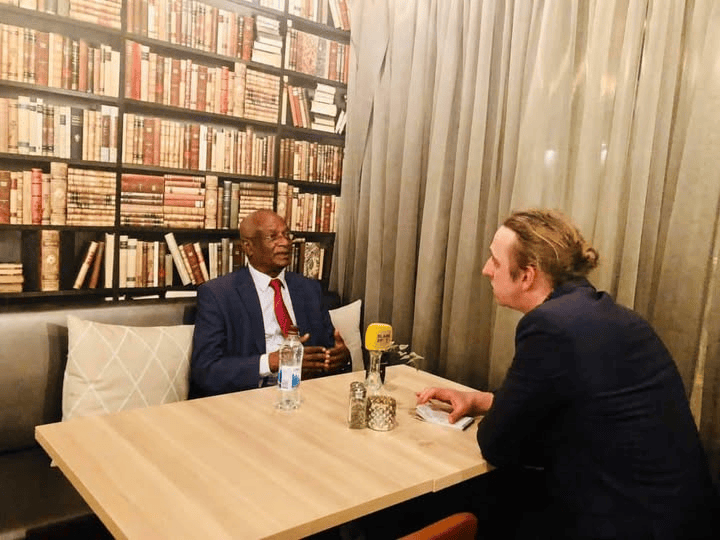
For over four decades, the Oromo Liberation Front (OLF) waged an armed struggle from the forests of southern Ethiopia. Today, its chairman Dawud Ibsa Ayana is preparing for a different kind of battle — one fought at polling stations rather than on frontlines. In a rare interview with Swedish journalist Martin Schibbye of The Blankspot, the OLF leader opens up about the challenges, compromises, and cautious hopes shaping his movement’s unprecedented entry into electoral politics.
A Movement Transformed
The guerrilla group was allowed to return to Ethiopia in 2018 as part of newly-appointed Prime Minister Abiy Ahmed’s sweeping reforms. After decades of operating as an underground liberation army, the OLF now finds itself navigating the complex terrain of formal politics — registering as a political party, forming alliances, and preparing to contest elections it believes it can win.
The interview takes place at Scandic Hotel in Skärholmen, Sweden, where a wedding party’s music competes with the conversation. Dawud Ibsa Ayana, settling into a room with bookish wallpaper, appears eager to speak. For years, journalists had to venture into guerrilla-controlled territories to understand OLF’s positions — a reality that meant the movement’s struggle was either misunderstood or entirely unknown to the outside world.
A Personal History Forged in Struggle
Dawud Ibsa Ayana’s story is inseparable from the organization he leads. He studied at Haile Selassie I University in the 1970s, where he became involved in the student movement and eventually rose to its leadership. In the late 1970s, he was elected to the OLF Central Committee and imprisoned shortly afterward by the Ethiopian regime.
After his release, he fled to Sudan, combining statistics studies with military training. Back in Ethiopia, he led the OLF platoon that initiated armed struggle in Welega province. Arrested again, he was poisoned, tortured, and imprisoned without trial until 1986, when he rejoined the rebel army and resumed his work on the Central Committee.
Throughout interviews from that era, he remained firmly convinced that once free elections were permitted, the OLF would win and form the backbone of Ethiopia’s next government.
From Armed Struggle to Political Arena
The path to electoral politics has not been straightforward. “A few years ago I had not thought that we would prepare for such a situation,” Dawud admits. “What a choice!”
The Berlin Wall fell. The Soviet Union collapsed. But in the wooded parts of southern Ethiopia, Dawud and his comrades fought a war that, for many rebels, was older than themselves.
The historical context is profound. The Ethiopian emperor of the 20th century, from the Amhara people group, had colonized the Oromo people’s wealthy home territories during the same era European powers colonized the rest of Africa. While other countries eventually gained independence, the Oromo people — one of the largest ethnic groups in Africa — did not.
The popular revolution that swept away the Mengistu dictatorship in 1991 also failed to resolve the region’s fundamental conflict with central power.
The Decision to “Play the Game”
When Ethiopian Prime Minister Abiy Ahmed received the Nobel Peace Prize in 2019, he was rewarded primarily for peace with Eritrea. More forgotten, but perhaps more important for Ethiopia’s future, was peace with local rebel groups — including the OLF.
Dawud believes the TPLF survived because the regime understood that growing protests were directed at their own party and that they had to “reform” the country to continue governing.
“I put ‘reforms’ in quotes because they were forced to release prisoners. It was nothing they wanted to do. There was no amnesty,” he says. “We are not completely happy about the situation, but we decided to ‘play the game.'”
Was it a difficult decision? “It was a tough decision absolutely, but we had no choice. The TPLF created confusion and the outside world thought this was a genuine change, so we were then forced to ‘play the game’ because the government said they would invite exile organizations and remove the stamp of terror. If we had not taken the chance, we would have been branded as those who ‘destroyed the peace’ or ‘nihilists.'”
The Unresolved Question of the Disappeared
When the OLF and Ethiopian government settled down after decades of armed conflict, one major stumbling block was the OLF members who had disappeared over the years.
“We presented a list of 300-400 names and wanted answers: are these people living or are they dead?”
They did not receive a straight answer, but they agreed that criminals responsible for human rights violations on both sides should be tried. The OLF suggested a commission be appointed. The idea was not rejected but was postponed until after the election.
“If the choice goes well, this will be a priority for us,” Dawud says. “Whether we agree on a South African reconciliation model or a personal arrangement remains to be seen.”
Obstacles and Harassment
The movement’s problematic relationship with state powers did not end when they laid down their weapons. Even registering their party was delayed — it took over a year after the peace agreement to formalize.
“Since we brought home our soldiers from Eritrea in September 2018, we have had a tough time. The government has obstructed and hampered our work, they have closed down our local offices which we have opened and over 20,000 of our members have been imprisoned for short or longer periods.”
The areas where the movement has encountered most difficulties are in Ambo and the southwestern parts of the Oromo region.
“Here are the large garrisons of the Ethiopian army and in these, several members have been detained for months without a trial, often under torture-like conditions. Not only former soldiers, but also farmers, young people and teachers have been taken from the entire Oromo region to these places.”
He believes the purpose is to weaken the party ahead of the August 2020 elections.
In mid-February 2020, Amnesty International issued a report showing that 75 members of OLF had been arrested at the beginning of the new year. The human rights organization noted it was “inadvertent that opposition politicians were so close to the impending election.” Amnesty warned that what was happening was a trend break that risked undermining both the newly won organization and freedom of expression in the country.
Amnesty also noted that several local offices opened by OLF were stormed by police, and several OLF members had been killed. Journalists working for the satellite TV channel Oromia News Network (OMN) had also had their vehicles and equipment broken.
The government itself believes it is fighting the Oromo Liberation Army (OLA), an splinter group from the OLF that did not accept the peace agreement but continued the armed struggle.
Electoral Hopes and Fears
Despite the difficulties, Dawud remains confident. The OLF has formed electoral alliances with other organizations such as the Oromo Federalist Congress and the Oromo National Party.
“We are confident that we will win a majority regionally and significantly with the seats in the national parliament,” he predicts.
But the party’s concern is now about the time leading up to the election, and it is not only the OLF that is worried about developments in the region.
Dawud is concerned about how local militias and “soldiers taking orders from political parties” will act during the upcoming election movement.
“Will they continue to harass and arrest our members or will the government discipline them?” he asks.
Another test is the upcoming staffing of polling stations and the question of voters’ sympathies. During the TPLF era, many organizations that called themselves “civil society” were in fact fronts for the ruling party.
“We will closely monitor the election authority’s staffing at village level so that they recruit independent administrators and volunteers.”
If the situation continues to escalate, the question arises as to whether it is possible to hold elections at all.
“No, today it is not possible to hold free elections in the areas that are under emergency conditions and are controlled by the military’s command post,” Dawud says.
The Question of Minority Rights
When asked about activist and journalist Eskinder Nega’s claims of ethnic cleansing in the Oromo region aimed at expelling non-Oromos, Dawud is dismissive.
“It is not surprising that Eskinder exploits this and travels around the world, warning the UN that Oromo’s youth, querroos, are terrorists, but it must stand for him. But if you are going to talk about the matter: the situation of Amharas in the Oromo region he is wrong, that they would be forced to flee is nonsense.”
According to him, recent reports of attacks on civilian students are not something for which his organization has responsibility.
“OLF operated in the region for 40 years while tens of thousands of civilians from the Amharic region lived in the area, but they were not attacked by OLF. We fought against the Ethiopian army, never against the Amharas people, their houses or homes.”
He points out that in several of the region’s largest cities there have always been 100,000 Amharas and that there are also officers and generals from the Amharan region within OLF’s ranks.
“Why would any of us attack innocent young students? To say that is an attack on us.”
So in a future Oromo region, where they own a majority of the seats, will the rights of minorities be guaranteed?
“Undoubtedly! It has been black and white in our political program since 1976: OLF respects the rights of minorities. They have the right to choose and to candidate and run their own affairs in Parliament. Why after 27 years would we have changed now? We are crystal clear in this regard.”
The Path Forward
Although OLF now faces a roadmap, its struggle has always been about two things: creating political consciousness among the population and pursuing independence.
When the OLF was formed, the aim was to fight against oppression in all its forms and to give the inhabitants of the region the political confidence to stand up for themselves. The main issues were also that the region and its inhabitants had the right to self-determination and to their own country.
When the Ethiopian Constitution was written after Mengistu was overthrown in 1991, a section on the right to self-determination was enrolled. The movement chose to participate in the transitional government with the goal of creating a democratic Ethiopia and not pushing the issue of independence.
But shortly thereafter, the transitional government collapsed and OLF chose — or was forced, depending on how one looks at it — into the forest again.
So how does OLF today view the demand for an independent state?
“It was OLF’s position previously to work for it. But at present we understand that it is not something we can demand from the Ethiopian state because it is not capable of giving it to us,” Dawud replies.
Just as in 1991-1992, people have been chosen to participate in the democratization process with the goal of seeing a democratic Ethiopia.
“We have chosen to play down our own historic demand for independence and prioritized the democratization of Ethiopia as a federation, a country with several states, several nations, living in peace. We wanted to and then we want to give this a chance again.”
According to him, it is a “pragmatic move” based on the analysis that today’s Ethiopian state formation would not respect a fully independent Oromo.
“What happens in the future, it lies in the future, there are of course several Eritrea-like opportunities to jump off, if they were so rigid that they do not accept self-determination, under this Ethiopian umbrella.”
Land Reform and Economic Vision
If everything goes the way of the election, a priority issue will be land reform in the region.
“Land ownership is the central political issue for us. Land that was formerly owned by feudal lords in the region is now owned by the government and because the people do not own the land they use, they also have no control over their lives.”
The goal is a land reform where users take over ownership. But Dawud emphasizes that previous owners should be compensated.
“Such a process is complex and in order for no one to be deceived by banks or investors, we also want to set up a control authority to monitor how land is sold and bought in the region.”
Areas that are now agricultural areas may also be considered for future industrial areas.
“Industrialization will be a ‘game changer’ for the area and mean that we are moving from an agrarian economy to a more mixed one. In this upcoming development, we welcome private companies and investors, but we have a social democratic view of society and want central functions such as communications, education, infrastructure, healthcare to be taken care of by the general public.”
A Question of Acceptance
Political self-confidence is high, and despite harassment and imprisoned party members, Dawud believes they will soon be the victors of the election.
But the question he ponders a lot is whether the ruling party will hand over power.
“Will the election be peaceful? Will the result be accepted? We don’t know that yet – but we want to show the outside world that we are for peace and for free elections. Then it becomes clear who is breaking this. We have our fears that the result will not be accepted.”
The Role of International Observers
In his work on the formal elections, Dawud believes countries such as Sweden have a big role to play — both with independent election observers and knowledge. He also points out that foreign states that have supported Abiy Ahmed’s reforms have a responsibility for the process and for pushing the government so that the military stays away during the electoral movement.
“We expect that Sweden does not accept that anyone abuses power, but ensures that it becomes a free, genuine choice in which the people can choose their representatives.”
Conclusion
The OLF’s journey from armed insurgency to electoral politics represents one of the most significant political transformations in contemporary Ethiopia. Whether that transformation succeeds — and whether the movement’s hopes for democratic change are realized — remains to be seen. What is clear is that the coming months will be decisive, not only for the OLF but for the future of Ethiopia’s fragile democratic experiment.
For a movement that fought for over 40 years, the ballot box may prove to be the most challenging battlefield of all.
This article is based on an interview by Martin Schibbye, originally published by The Blankspot on February 20, 2020.

Multicultural and Multifaith Victoria: A New Independent Voice for Diverse Communities
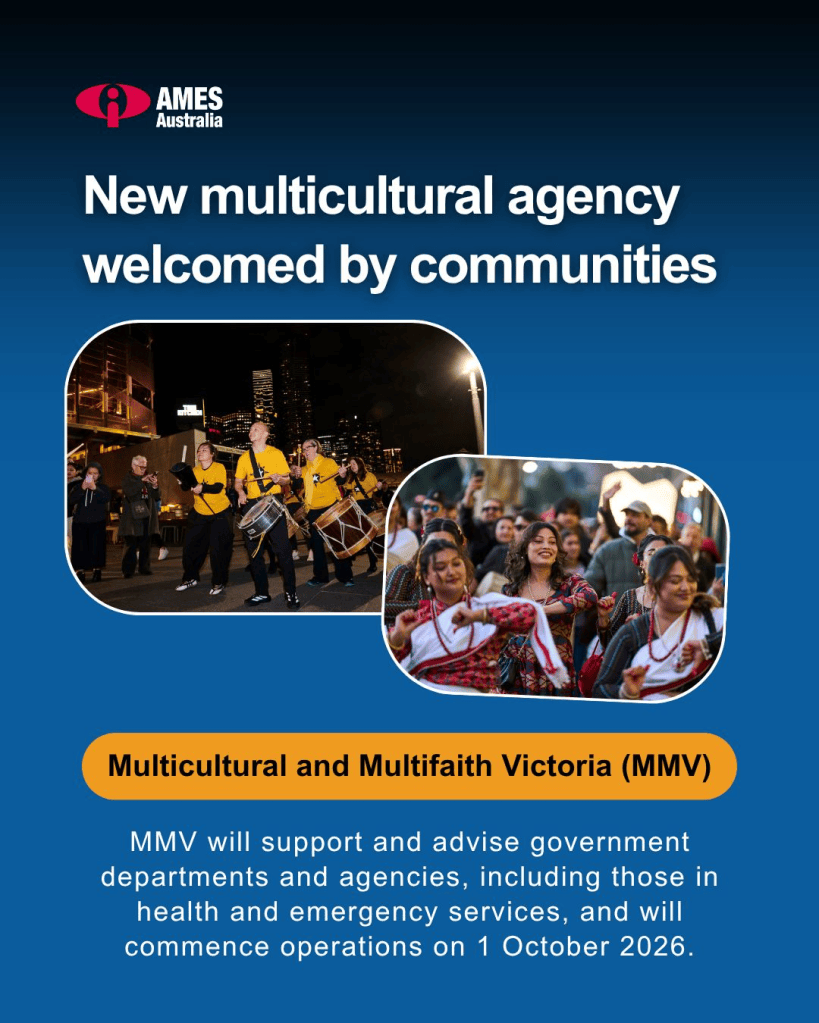
Victoria’s multicultural groups and communities have welcomed the creation of Multicultural and Multifaith Victoria, a new agency aimed at giving diverse communities a stronger voice in government, according to AMES Australia.
The government says the new agency will ensure diverse communities have an independent voice in government to influence policies and programs. Multicultural and Multifaith Victoria will support and advise government departments and agencies, including health and emergency services, and it will commence operations on 1 October 2026.
A Significant Step for Multicultural Victoria
The establishment of Multicultural and Multifaith Victoria marks a major development in how the Victorian Government engages with its diverse communities. For decades, multicultural communities have sought greater representation and a more direct channel to influence the decisions that affect their lives. This new agency is designed to be that channel.
The agency will serve as an independent body, providing advice and support to government departments and agencies across a range of portfolios. Its mandate includes ensuring that the needs and perspectives of multicultural and multifaith communities are considered in the development and delivery of policies and programs — particularly in critical areas such as health and emergency services.
What the Agency Will Do
Multicultural and Multifaith Victoria is expected to play a central role in:
- Advising government on policies and programs affecting diverse communities
- Ensuring independent representation for multicultural and multifaith voices within government
- Supporting government departments and agencies, including health and emergency services, to better serve diverse communities
- Strengthening community engagement and participation in civic life
By embedding these functions within a dedicated agency, the government aims to move beyond consultation toward genuine partnership with the communities it serves.
Commencing 1 October 2026
The agency will officially commence operations on 1 October 2026, a date that marks the beginning of a new chapter in Victoria’s approach to multicultural affairs. Communities and stakeholders are encouraged to stay informed as the agency takes shape and begins its work.
A Welcome Development
The creation of Multicultural and Multifaith Victoria has been welcomed by Victoria’s multicultural groups and communities, who see it as a positive step toward greater inclusion and representation. AMES Australia, a longstanding advocate for multicultural communities, has highlighted the significance of this development.
For communities that have long called for a stronger voice in government, the new agency represents both recognition and opportunity — a chance to shape the policies and programs that impact their daily lives.
Looking Ahead
As Victoria continues to grow as one of the world’s most diverse societies, the establishment of Multicultural and Multifaith Victoria signals a commitment to ensuring that diversity is not only celebrated but actively represented in the corridors of power.
The agency’s success will ultimately be measured by how well it amplifies community voices, influences meaningful change, and helps build a Victoria where every community feels seen, heard, and valued.
To read more about Multicultural and Multifaith Victoria, visit the link shared by AMES Australia.
#AMES #AMESAustralia #Victoria #MMV #VictorianGovernment

Irrecha Australia: Celebrating Culture, Community and Gratitude Across a Continent
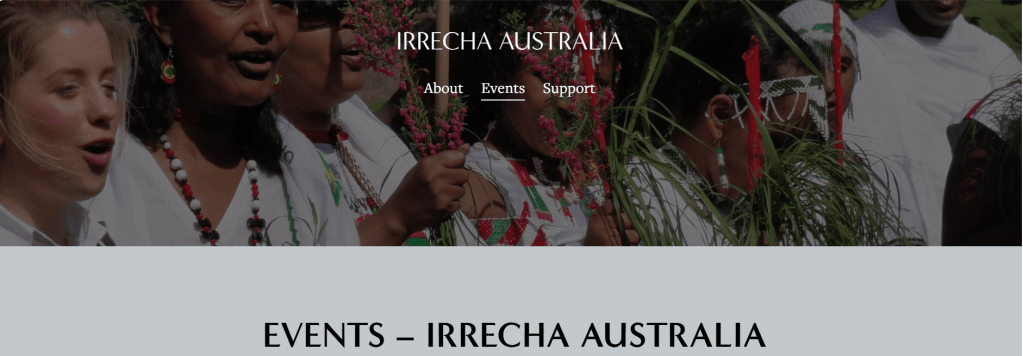
What began as small community gatherings among Oromo families in Australia has blossomed into vibrant national festivals that now draw together elders, youth, and friends from across multicultural Australia — all in the spirit of thanksgiving.
At the heart of this growing movement is Irrecha Australia, a registered non-profit organization dedicated to honoring the Oromo people’s cherished thanksgiving tradition. Rooted in a deep reverence for nature, gratitude, and unity, the celebration has traveled thousands of kilometers from East Africa to find new life on Australian soil.
A Tradition of Thanksgiving Carried Across Continents
Irrecha is one of the most significant cultural and spiritual traditions of the Oromo people, celebrated as an expression of gratitude for nature’s bounty, peace, and community well-being. For Oromo Australians, the festival serves as both a connection to their ancestral homeland and a living, breathing practice passed down through generations.
What was once observed in modest gatherings has expanded into large-scale national festivals, reflecting the growth and vitality of the Oromo diaspora in Australia. These events have become cherished occasions where culture, faith, and community intersect.
Building an Inclusive Home for Culture
As a registered non-profit, Irrecha Australia has committed itself to preserving and promoting Oromo cultural heritage while creating inclusive spaces for learning and celebration. The organization places particular emphasis on empowering young people, equipping the next generation to carry traditions forward with pride and confidence.
Through its work, Irrecha Australia ensures that Oromo culture is not merely remembered but actively practiced, shared, and celebrated — in classrooms, community halls, and festival grounds alike.
A Vision for Multicultural Australia
The organization’s vision extends beyond the Oromo community itself. Irrecha Australia envisions a nation where Oromo culture thrives as an integral part of Australia’s diverse identity — a culture that enriches the broader society and contributes to the country’s multicultural fabric.
“Through festivals, education, and community initiatives, we strengthen connections, honour our heritage, and celebrate a way of life rooted in gratitude, resilience, and unity,” the organization states.
Gratitude, Resilience, and Unity
At a time when cultural preservation and community cohesion are increasingly valued, Irrecha Australia’s mission resonates with a wider Australian audience. Its festivals serve as a bridge — connecting generations, welcoming neighbors of all backgrounds, and demonstrating how heritage can flourish in a new home while remaining faithful to its roots.
For Oromo Australians and their friends across the country, Irrecha is more than a festival. It is a statement of identity, a celebration of survival and resilience, and an invitation to share in a tradition built on gratitude.
To learn more about Irrecha Australia’s festivals, educational initiatives, and community programs, follow the organization’s official channels or contact its team directly. Irrecha Australia

Dandenong Harmony Square: Oromo Community Honors Ilfinash Qanno with Love and Reverence
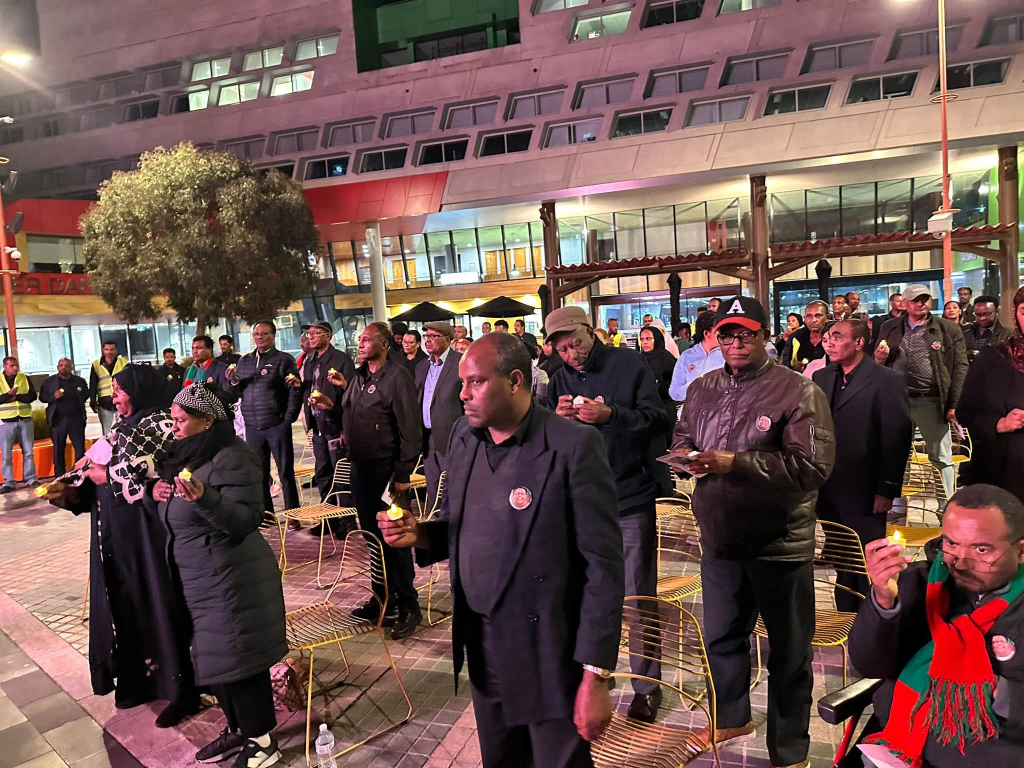
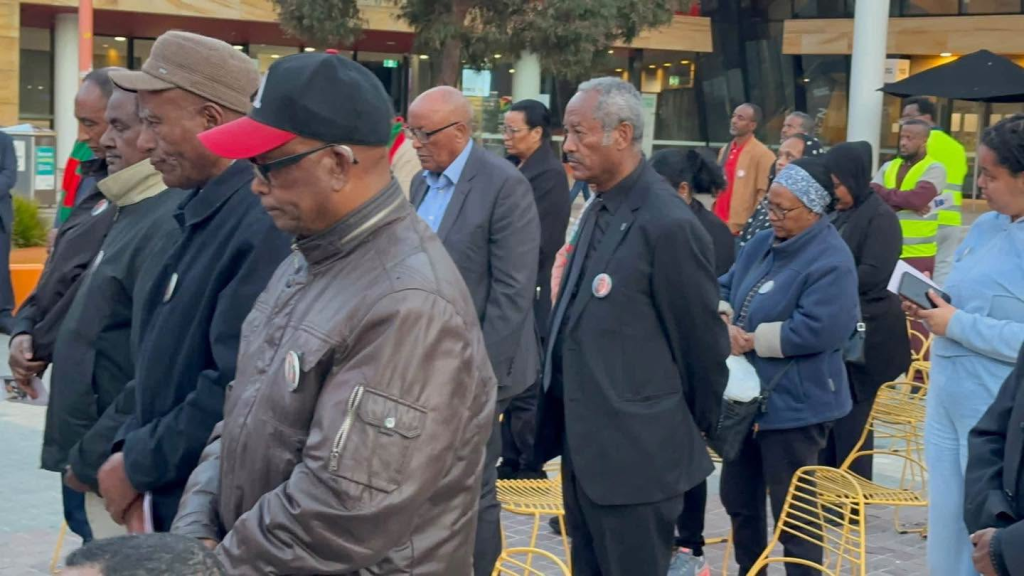
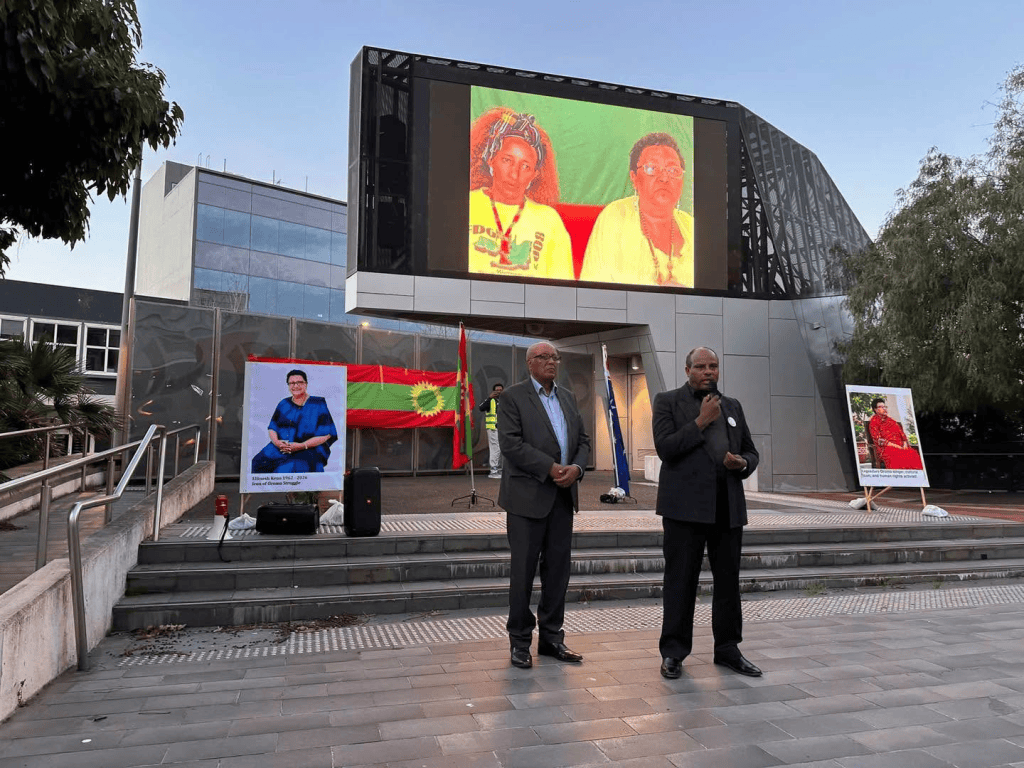
DANDENONG, Victoria — At 5 PM on September 12, 2026, Dandenong Harmony Square became the emotional heart of Melbourne’s Oromo diaspora. The Oromo Community in Melbourne Australia convened a solemn and deeply affectionate commemorative gathering to mourn the passing of legendary artist and freedom fighter Ilfinash Qanno, who died in Finfinnee on September 6. Hundreds of community members and friends assembled to express their profound respect and enduring remembrance for the woman known as “the voice of resistance.”
Grief Transformed into Celebration
From the outset, the commemoration was invested with a meaning that transcended mere mourning. In the days leading up to the event, Oromo advocacy groups in Melbourne called upon the community to transform sorrow into a celebration of Ilfinash’s life. “What she left us is not despair, but a radiant legacy,” the organizers wrote in a statement. “We must draw strength from her and from the spirit of those who came before us, and renew our commitment to the cause she defended throughout her life.”
That spirit permeated the entire gathering at Harmony Square. Participants wove together song, recitation, and remembrance to sketch the portrait of a woman who belonged not only to the stage but to the deepest conscience of a people. As the Oromo community in Minnesota expressed in its own condolence message, Ilfinash “dedicated her extraordinary talents throughout her life to expressing Oromo identity, history, language, aspiration, and resilience — often at tremendous personal cost.”
From Nekemte to Finfinnee: A Voice That Would Not Be Silenced
Ilfinash Qanno was born in 1962 in Nekemte, Oromia, and later moved to Finfinne. Her artistic career began amid the cultural revival of the Oromo renaissance, but it quickly became inseparable from political awakening. In 1976, at a historic cultural performance in Finfinnee, she electrified the audience with a single line: “Qawwee malee maaltu bilisa nu baasa?” — “Without a gun, what will set us free?” From that moment, she bound her destiny irrevocably to the Oromo liberation struggle.
Her music was never merely entertainment. In an era when Afaan Oromo expression and Oromo identity were brutally suppressed, her songs became vessels of memory, defiance, and collective aspiration. She drew on Oromo oral traditions, proverbs, and geerarsa — the traditional praise poetry of Oromo warriors — fusing cultural roots with political consciousness in songs such as “WBO Koo Maaloo Ree,” “Yaa Lammii Koo,” and “Geerarsa.”
The price was devastating. She was imprisoned multiple times under the Derg regime and subsequent governments. According to Oromo human rights documentation and accounts from fellow prisoners, she endured extraordinarily brutal treatment in detention — including having her head forcibly shaved with broken glass. This violence was not merely physical torture; it was a calculated assault on a woman who stood through her voice. Yet as she later reflected, her physical frailty could not simply be attributed to age — the prison gates had opened, but the imprisonment never truly left her body.
She Opened the Road for Oromo Women
Ilfinash’s significance extends far beyond the label of “protest singer.” The Oromo community in Melbourne emphasized in its tribute her role as a pioneer of Oromo women in public life: in an era when restrictive expectations severely constrained women’s participation in public affairs, she challenged both political oppression and social convention, carving out space for those who would follow. “Her courage created possibilities for generations of Oromo artists and women,” the organization wrote.
This dimension was invoked repeatedly at the Harmony Square gathering. For many young Oromo women present, Ilfinash was not merely a name to be honored but a stance to be inherited: the conviction that women have the right not only to sing but to stand at the forefront of struggle.
A Final Resting Place: Ambo’s Loyalty Repaid
Ilfinash Qanno ultimately chose Ambo as her final resting place. It was not an arbitrary decision. In 1992, she was captured alongside comrades in fighting near Ambo and detained at the Kerchele detention center. When elements within the regime discussed whether to execute her, the people of Ambo answered with collective action: they pooled money to bribe the prison commander, and the weight of popular will made the authorities afraid to act.
She never forgot. When her life approached its end, she did not choose to return to her birthplace but to the city whose people had once ransomed her life through their courage. Ambo’s people had refused to let her die; she answered that debt with eternal rest among them.
The Voice Has Fallen Silent; The Song Endures
Ilfinash Qanno left behind more than ten albums and an auditory archive dispersed across Oromo diaspora communities worldwide. Her cassette tapes once crossed borders she herself could not cross; her melodies passed from mouth to mouth through the cracks of prohibition and imprisonment.
The commemoration at Dandenong Harmony Square was the echo of that archive on another continent. When Oromo diaspora members sing her songs in a public square in a foreign land, they are doing more than remembering a person. They are enacting the very truth Ilfinash proved with her life: that a people’s language, memory, and identity are worth defending — and can be defended.
The voice has fallen silent. The song endures.

Addis Standard Wins NED Democracy Award 2026

WASHINGTON — The National Endowment for Democracy (NED) honored the Addis Standard, Ethiopia’s leading independent news outlet, with its 2026 Democracy Award for Freedom of the Press at a ceremony held Wednesday evening at George Washington’s Mount Vernon estate.
The award, presented as part of NED’s commemoration of America’s 250th anniversary, recognized the publication’s founder and editor-in-chief, Tsedale Lemma, for a career defined by telling the stories of overlooked communities, reporting on abuses others would prefer hidden, and preserving evidence of crimes that could one day lead to accountability.
“When conflict and repression made independent reporting both dangerous and difficult, Addis Standard continued to pursue the truth—bringing vital coverage from Ethiopia to readers at home and around the world,” NED said in its citation .
National Democratic Institute Board Member Alice Albright presented the award to Lemma on behalf of the newsroom, honoring journalists who, in NED’s words, “give citizens the trusted information they need to understand their country and help shape its future” .
The recognition comes after a year of intensifying pressure on the outlet. In April 2025, Ethiopian police raided its office and the home of a senior staff member, briefly detaining three managers and confiscating electronic equipment. In February 2026, the Ethiopian Media Authority revoked the publication’s online media registration certificate, citing “repeated violations” of media laws. The publisher, JAKENN Publishing PLC, has contested the decision as unlawful, and the case remains before the Federal High Court.

Lemma founded Addis Standard in February 2011 as a monthly magazine, building it into one of the most influential independent voices in Ethiopian media history . She began her journalism career in 2000, working as a senior reporter at the now-defunct Addis Tribune before leaving the field in 2005 amid post-election turmoil to serve as a communications and political advisor at the Israeli Embassy in Addis Ababa. She returned to journalism in 2011 with the launch of Addis Standard .
In 2014, The Africa Report named her one of the continent’s 50 Rising Stars .
NED’s Democracy Award is presented annually to individuals and organizations advancing democratic freedoms in the face of repression. Other 2026 recipients included the Syrian Center for Media and Freedom of Expression, Russian anti-war clergy initiative Friede Allen, Burma’s Spring Revolution organizers, and imprisoned Cuban dissidents Félix Navarro, Luis Manuel Otero Alcántara, and Maykel Castillo Pérez .
“The yearning for freedom that launched our nation 250 years ago remains one of the most powerful forces in the world today,” said NED Board Chairman Peter Roskam. “This year’s honorees embody the courage and persistence required to defend those rights in their own communities” .

Birraa: The Oromo Season of Hope, Renewal, and Prosperity

In Oromo culture, Birraa is more than a season—it is a symbol of hope, renewal, and prosperity. It is a time when the land awakens, communities gather, and hearts are filled with optimism for what lies ahead.
As the rains ease and the fields turn green, Oromos across the homeland and the diaspora are welcoming Birraa — the season of renewal and abundance. It is a time deeply rooted in Oromo tradition, culture, and spirituality, marking the transition from the rainy season to a period of growth, flowering, and new beginnings.
A Season Rooted in Tradition
For generations, Birraa has held a special place in Oromo life. It is the season when the land is at its most fertile, when crops begin to flourish, and when communities come together in celebration of nature’s bounty. It is a time of hope—a reminder that after every rainy season, the sun returns, and with it, new life.
In Oromo culture, Birraa represents:
Hope – The promise of a brighter tomorrow and renewed possibilities.
Renewal – The awakening of nature and the human spirit alike.
Prosperity – The abundance that follows patience, hard work, and faith.
“Baga Birraan Isiniif Barihe!”
This beautiful Oromo greeting captures the essence of the season:
“Baga Birraan isiniif barihe!”
It is a wish that the Birraa season may dawn brightly upon you—bringing hope, blessings, and prosperity. It is a phrase exchanged among family, friends, and neighbours, carrying with it the warmth and generosity that define Oromo culture.
A Time of Community and Connection
Birraa is not only a celebration of nature—it is a celebration of community. Families gather, stories are shared, and traditions are passed down from generation to generation. It is a time to strengthen bonds, express gratitude, and look forward together.
For Oromos in the diaspora, Birraa is also a moment of connection to the homeland—a reminder of the land, the people, and the culture that shaped them, no matter how far they may be from home.
Celebrating Birraa Around the World
From the highlands of Oromia to cities across Australia and beyond, Oromos are marking the season with joy and pride. Whether through gatherings, cultural performances, or simple acts of sharing, the spirit of Birraa transcends borders and unites Oromos wherever they are.
A Message of Hope for All
In a world often marked by challenges and uncertainty, Birraa offers a powerful message: that hope endures, that renewal is always possible, and that prosperity follows those who persevere.
May this Birraa season bring blessings to all Oromos and to all who celebrate the beauty of nature’s cycles.
Happy Birraa season!
Baga Birraan isiniif barihe!






