Blog Archives

Fostering Peace Through National Dialogue Strategies

National dialogue is a crucial process for fostering peace, reconciliation, and development within a country, especially in contexts marked by conflict, division, or significant political change. It offers an opportunity for diverse stakeholders to engage in constructive discussions aimed at addressing pressing issues and establishing a shared vision for the future. Here are fifteen essential points regarding the requirements of national dialogue:
### 1. **Inclusivity of Stakeholders**
For a national dialogue to be credible and effective, it must include a broad range of stakeholders. This includes government representatives, opposition parties, civil society organizations, community leaders, youth, women, and marginalized groups. Inclusion ensures that the perspectives and needs of all segments of society are considered, fostering a more comprehensive understanding of the issues at hand.
### 2. **Clear Objectives and Scope**
National dialogues should have clearly defined objectives and a well-articulated scope. Stakeholders need to agree on what they aim to achieve, whether it be conflict resolution, constitutional reforms, or social cohesion. Clear objectives help guide discussions and decisions, ensuring that the dialogue remains focused and productive.
### 3. **Facilitation by Neutral Parties**
An impartial facilitator is essential to ensure that discussions are fair, balanced, and focused. Neutral parties, such as international organizations or respected non-governmental organizations (NGOs), can play a pivotal role in guiding the process, mediating disputes, and maintaining an atmosphere of trust and respect.
### 4. **Safe and Respectful Environment**
A conducive environment is necessary for open and honest dialogue. Participants must feel safe to express their views without fear of retribution or discrimination. This requires measures to ensure security, confidentiality, and respect for differing viewpoints, which can help build trust among participants.
### 5. **Access to Information**
Informed dialogue is critical for effective discussions. Stakeholders should have access to relevant information and data that can help frame the issues being discussed. This may include socio-economic statistics, legal frameworks, and historical context. Providing participants with comprehensive information allows for more informed decision-making.
### 6. **Time for Reflection and Discussion**
National dialogues are often complex and cover sensitive topics. Sufficient time should be allocated for participants to reflect on discussions and engage in meaningful dialogue. Rushed processes can lead to misunderstandings and inadequate resolutions. Allowing for ample discussion time is crucial for developing consensus and understanding.
### 7. **Commitment to Dialogue Principles**
All participants must commit to the principles of dialogue, including transparency, honesty, and respect. Upholding these principles fosters a productive atmosphere where stakeholders can share and debate ideas without animosity. A commitment to constructive dialogue helps mitigate conflict and polarization.
### 8. **Support from Leadership**
National dialogue often requires strong support from political, social, and community leaders. Their endorsement can enhance legitimacy and motivate broader participation. Leadership must also model inclusive behavior, demonstrating a commitment to engaging all stakeholders in the dialogue process.
### 9. **Focus on Root Causes**
Effective national dialogue should aim to address the root causes of conflicts or divisions rather than merely treating the symptoms. This requires thorough analysis and discussion of underlying issues, such as inequality, historical grievances, or systemic injustice. Addressing these root causes is vital for achieving lasting solutions.
### 10. **Mechanisms for Implementation and Follow-up**
Post-dialogue, there should be clearly defined mechanisms for implementing the agreements reached. Participants must agree on how to turn discussions into actionable items and ensure accountability. Follow-up processes, such as regular reviews and assessments, help maintain momentum and allow stakeholders to address any challenges that arise.
### 11. **Conflict Resolution Frameworks**
National dialogues should be underpinned by conflict resolution frameworks that provide guidelines for managing disputes and disagreements. Such frameworks can help mitigate tensions during discussions and facilitate the resolution of contentious issues. Establishing clear procedures for resolving conflicts can support a more stable dialogue environment.
### 12. **Resource Allocation and Training**
Sufficient resources, both financial and human, are essential for the successful execution of a national dialogue. This includes funding for logistics, training for participants in negotiation and dialogue skills, and support for outreach activities. Ensuring that resources are available helps to legitimize the process and guarantees that participants are equipped for effective engagement.
### 13. **Public Engagement and Awareness**
Involving the broader public and raising awareness about the national dialogue is crucial for its legitimacy. Engaging citizens through media, public forums, and social platforms ensures that the dialogue resonates with societal concerns and aspirations. This public dimension can also enhance accountability, as citizens become stakeholders in the process and its outcomes.
### 14. **Cultural Sensitivity**
National dialogues must be sensitive to the cultural contexts in which they occur. Understanding local customs, languages, and traditions is vital for fostering inclusive dialogue. Cultural sensitivity can enhance communication, build trust among participants, and lead to more meaningful engagement in discussions.
### 15. **Continuous Evaluation and Adaptation**
Finally, national dialogues should be dynamic processes that allow for continuous evaluation and adaptation. Stakeholders should regularly assess the dialogue’s progress, identify areas for improvement, and adjust their approaches as needed. By remaining flexible and responsive, the dialogue can better address evolving challenges and contribute to sustained peace and development.
### Conclusion
National dialogue is a vital mechanism for building consensus, addressing grievances, and paving the way for a more unified society. While the requirements for an effective national dialogue are multifaceted, ensuring inclusivity, clarity, safety, and commitment among participants forms the foundation for success. By adhering to these principles and practices, countries facing division and conflict can harness national dialogue as a powerful tool for fostering peace, stability, and social cohesion. The key lies in recognizing the value of each participant’s voice and collectively working towards a shared vision for the future.

Empowering Oromos: Actions by the Australian Community

The Oromo community in Australia has a unique opportunity and responsibility to support their counterparts in Oromia, Ethiopia. Given their collective experience, cultural background, and the socio-political dynamics of Oromia, the Australian Oromo community can engage in several initiatives. Here are ten vital actions that they can undertake to improve the welfare and status of the Oromo people in Oromia:
### 1. **Advocacy and Awareness Raising**
The Oromo community in Australia can engage in advocacy efforts to raise awareness about the issues faced by Oromos in Ethiopia. This includes educating the Australian public and government officials about human rights abuses, political suppression, and socio-economic challenges faced by Oromos in Oromia. Hosting workshops, seminars, and cultural events can effectively disseminate this information, encouraging a broader understanding and potential support for Oromo causes.
### 2. **Establishing Partnerships with NGOs**
Collaborating with non-governmental organizations (NGOs) that focus on human rights and development in Ethiopia can amplify the impact of initiatives. The Oromo community can support NGOs working directly in Oromia by providing funding, volunteer services, and logistical support. This partnership can ensure that projects are culturally sensitive and aligned with the needs of the local population.
### 3. **Cultural Exchange Programs**
Initiating cultural exchange programs between the Oromo community in Australia and Oromia can foster mutual understanding and solidarity. Through cultural festivals, art exhibitions, and oral history projects, both communities can share their traditions, challenges, and triumphs. Such programs not only strengthen ties between the diaspora and the homeland but can also serve as a platform for preserving Oromo heritage.
### 4. **Educational Support and Scholarships**
Education is a powerful tool for social change. The Australian Oromo community can establish scholarship programs to support Oromo students in Oromia who face financial barriers to education. They can also partner with educational institutions in Australia to create opportunities for Oromo students from Oromia to study abroad, learn new skills, and gain exposure that they can bring back to their communities.
### 5. **Health Initiatives**
Access to healthcare remains a significant challenge in many parts of Oromia. The Oromo community in Australia can organize fundraising efforts to support health initiatives, including clinics, maternal health services, and mental health programs in Oromia. Collaborating with healthcare professionals in Australia to share knowledge and resources can also enhance healthcare delivery in their homeland.
### 6. **Economic Development Projects**
To support sustainable development in Oromia, the Australian Oromo community can invest in economic development projects. This could include microfinance programs for small businesses, agricultural cooperatives, or vocational training programs. By empowering individuals and providing them with the tools to succeed, the community can help lift families out of poverty and enhance local economies.
### 7. **Promoting Political Engagement**
Encouraging political awareness and engagement among the Oromo community in Australia is crucial. They can organize information sessions on how to participate in political processes, both locally and in relation to Ethiopia. By engaging in public discussions and lobbying efforts, they can advocate for policies that support democracy and human rights in Oromia.
### 8. **Documentation of Human Rights Abuses**
Establishing a documentation project to collect testimonials and evidence of human rights abuses against Oromos in Ethiopia is vital. This can serve as a resource to inform international bodies, human rights organizations, and policymakers. By creating a repository of stories and data, they can amplify the voices of those who have suffered, ensuring that these issues receive the attention they deserve.
### 9. **Support for Refugees and Asylum Seekers**
Many Oromos have sought refuge in Australia due to persecution in Ethiopia. The Australian Oromo community can provide support for fellow Oromos navigating the complexities of the refugee process, offering legal assistance, social integration programs, and mentorship. By creating a welcoming environment, they can help enhance the chances of successful settlement for refugees.
### 10. **Strengthening Community Bonds**
Finally, the Oromo community in Australia must prioritize strengthening their internal community bonds. By fostering a sense of unity and shared purpose, they can mobilize resources and support more effectively. Regular community gatherings, cultural celebrations, and dialogue platforms can help reinforce a shared identity and commitment to improving conditions for Oromos in Oromia.
### Conclusion
The Oromo community in Australia holds a significant position to make a difference in the lives of their counterparts in Oromia. Through advocacy, education, health initiatives, economic support, and cultural exchange, they can contribute to building a stronger, more empowered Oromo community both at home and abroad. By leveraging their skills, resources, and passion, the Australian Oromo community can be instrumental in achieving lasting positive change for the Oromo people in Ethiopia. Their commitment to these efforts not only benefits Oromos in Oromia but also enriches the cultural landscape of Australia and reinforces the importance of global solidarity.
Advocacy for Oromia: Using Oromo Strengths to develop resilience
The past two years have been difficult times for our entire community. In a way, the unexpected breakdown of the culture of physical contact was a serious problem. The introduction of online meetings that represented this culture was another problem for some members of our community. This was also a major challenge for us, Advocacy for Oromia, as an organization. That was when we were paying for free without using our office.
We are not yet completely out of the pandemic; but now that it is being resolved to some extent, it is good to look back. One of the problems we faced during the pandemic is the problem of straightforward information. Due to the abundance of information, it was not easy to find information for the Oromo community. It was a difficult time until the Australian government began to prepare and disseminate information on the subject. We have had a lot of trouble getting accurate information that is professionally translated and disseminated.
This problem had caused our society to become depressed and mentally disturbed. During this time, our volunteers have played a significant role in getting the community to improve their digital literacy and come together online. The emergency grant from the government to make this work a success has also helped us to strengthen the strength of our organization and our volunteers. In particular, the grant given to us through the government on this issue has helped us to provide accurate and up-to-date information to our community. Therefore, we would like to express our sincere gratitude to the government bodies who have been and are still working tirelessly to minimize the pandemic problem and improve the hopes of the entire community.
One of the methods used by Advocacy for Oromia and the Team of the organization during the pandemic is Oromo strengths. Oromo strengths are the Oromo culture and society that they use to cope in times of trouble and evil. We used to celebrate Oromo festivals- Irreechaa- together in person, online with family and encourage each other by sharing how we celebrated and our experiences. This is so that no one feels lonely. It also made it easier for everyone to share up-to-date information and help each other. Another strengths we have been used was health and social professionals who are members of the Oromo community to ensure that the community receives accurate information in its own language.
To address the problems caused by the pandemic, stress, interruptions, and anxiety, it was our duty to continue to strengthen our existing program, Oromo Mental Health. The event used to be a physical gathering and discussion that I was celebrating. During a pandemic, this was not possible. Therefore, in all the existing programs, our organization has done and succeeded in educating the community about mental illness and how to treat and receive treatment. The program is still ongoing.
Since the pandemic, we have celebrated two encouraging events together; We have successfully celebrated the Spring Festival in June and the Spring Festival in early October. Our community is also very happy to see us come together to celebrate the festival physically and face to face through difficult times; children, youth, elderly and mothers have expressed their delight. This is a success we have seen.
But this success was not unique to our organisation; of our community, of our volunteers, of the government and various bodies who have given us support and cooperation. Advocacy for Oromia needs support from all quarters to continue its work to help and develop the community. Since working together is the foundation of organisational value, our doors are open to work with all those who help and develop the community.
Four Oromo volunteers have received volunteer recognition awards for the first time.
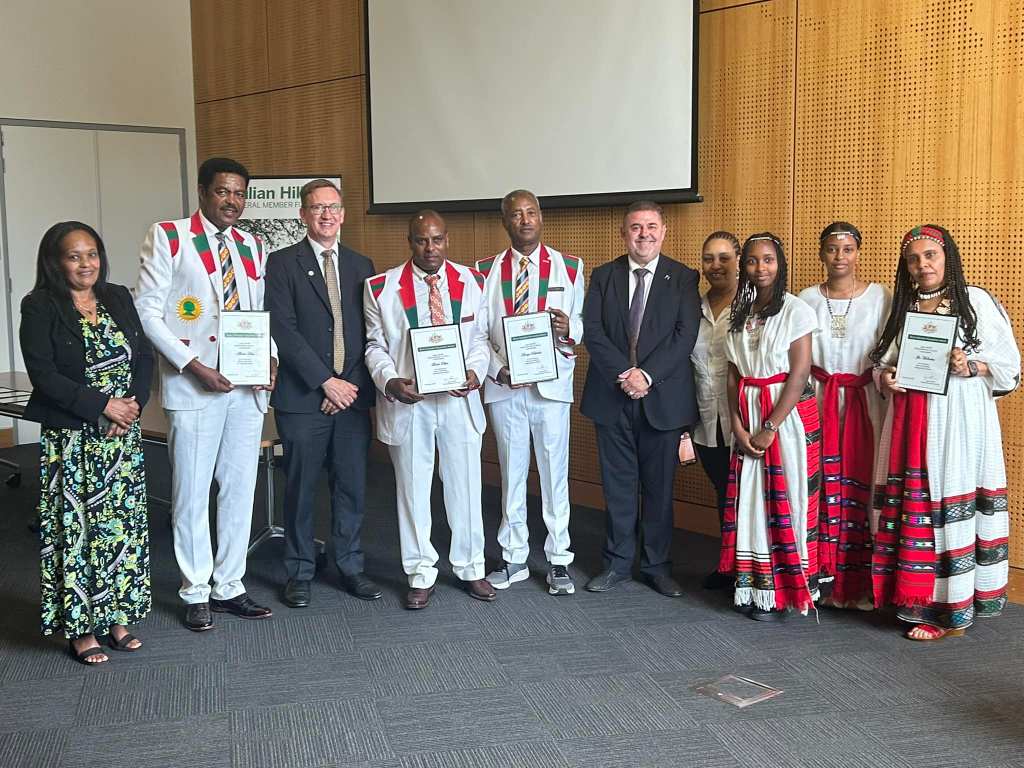
Four Oromo volunteers who have been serving the Oromo community for many years have received volunteer recognition awards for the first time.
These four volunteers have contributed to the continuous development of Oromo community relations.
Mr. Abdataa Homaa has been donating his knowledge, skills, resources and money as the chairman of the Irreecha organising committee for over 20 years.
Mr. Daanyee Dafarshaa, on his part, was recognized as the coordinator of the Irreecha education committee for his tireless sacrifice of knowledge, time, energy and resources for the development of the commubity.
Ad Iftu Midhaqsa, on her part, encouraged the Oromo women to contribute their knowledge, resources and time to promote their social and cultural resources.
Mr. Banti Oliqa, on his part, contributed great knowledge and experience to the volunteer work as an example for the next generation by organizing the funds raised by the community for the purpose of the Irreecha festival.
The four volunteers were nominated for volunteer recognition by the Advocacy for Oromia Association.
Advocacy for Oromia would like to thank the Bruce Awards branch for the recognition of these volunteers 2024.

Irreecha is a powerful expression of Oromo identity, a testament to Oromo connection, and a celebration of Oromo rich culture.
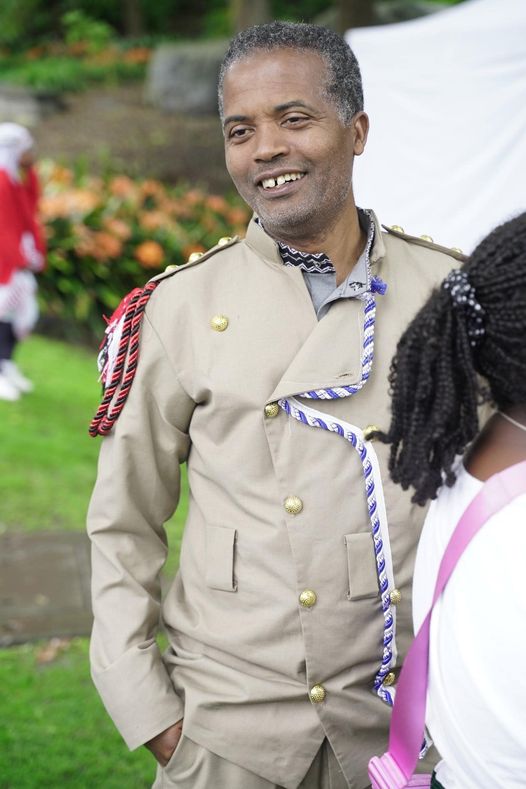
By Aliye Geleto- speech for Melbourne Irreecha festival based on Identity, connection, culture love, respect and trust. (Melbourne, 29/09/2024)
Ladies and Gentlemen,
Distinguished Guests,
Fellow Oromos and Friends,
It is with immense joy and pride that we gather here today to celebrate the Irreecha Festival, a vibrant and deeply meaningful tradition that transcends borders and unites us in our shared heritage. Irreecha is more than a festival; it is a powerful expression of our identity, a testament to our connection, and a celebration of our rich culture.
Identity
Irreecha is a cornerstone of Oromo identity. It is a time when we come together to honor our ancestors, celebrate our heritage, and reaffirm our commitment to our cultural values. This festival is a living testament to the resilience and strength of the Oromo people. Despite the challenges and adversities we have faced, Irreecha reminds us of who we are and where we come from. It is a celebration of our collective identity, one that is rooted in history, enriched by tradition, and strengthened by our unity.
Connection
Irreecha is also a celebration of connection. It brings together Oromos from all walks of life, from different corners of the world, to share in the joy and gratitude of this special occasion. It is a time to reconnect with family, friends, and our broader community. Through Irreecha, we strengthen the bonds that tie us together, fostering a sense of belonging and solidarity. This connection extends beyond our immediate community, as we welcome friends and allies who join us in this celebration, sharing in the spirit of unity and mutual respect.
Culture
Our culture is the heart of Irreecha. It is reflected in the vibrant colors of our traditional attire, the rhythmic beats of our music, and the graceful movements of our dances. It is in the stories we tell, the prayers we offer, and the blessings we receive. Irreecha is a celebration of the richness and diversity of Oromo culture, a culture that is alive and thriving. It is a time to honor our traditions, celebrate our achievements, and look forward to the future with hope and optimism.
As we celebrate Irreecha today, let us remember the significance of this festival. Let us embrace our identity with pride, strengthen our connections with love, and celebrate our culture with joy. Let us carry the spirit of Irreecha with us, not just today, but every day, as we continue to build a future that honors our past and inspires generations to come.
Ladies and Gentlemen,
Distinguished Guests,
Fellow Oromos and Friends,
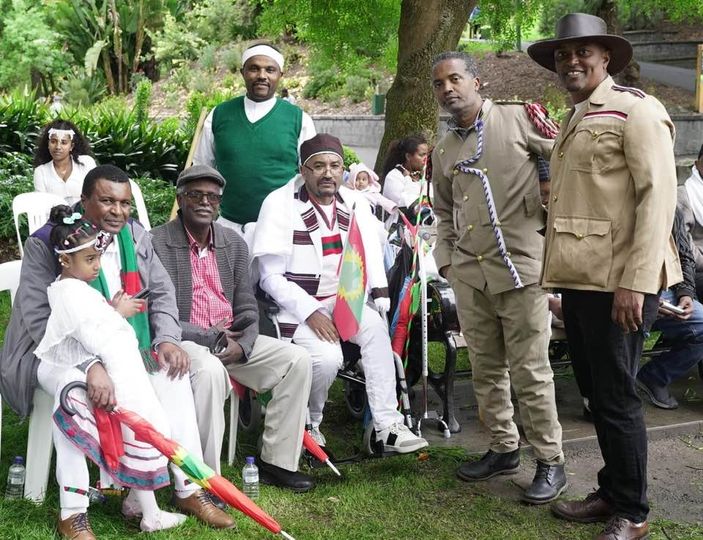
Today, we gather to celebrate Irreecha, a festival that embodies the essence of our community and our shared values. As we come together in this joyous occasion, let us reflect on the pillars that uphold our unity: love, respect, and trust.
Love
Irreecha is a celebration of love. It is a time when we express our deep affection for our heritage, our culture, and our people. Love is the foundation of our community, the force that binds us together. It is through love that we support one another, celebrate each other’s successes, and stand by each other in times of need. Let us continue to nurture this love, spreading kindness and compassion in all that we do.
Respect
Respect is at the heart of Irreecha. It is a time to honor our ancestors, our traditions, and the wisdom that has been passed down through generations. Respect for our culture and for each other is what strengthens our community. It is through respect that we acknowledge the diversity within our community and embrace the richness it brings. Let us continue to show respect in our actions and words, fostering an environment where everyone feels valued and heard.
Trust
Trust is the glue that holds our community together. It is built on the foundation of honesty, integrity, and mutual understanding. Trust allows us to work together towards common goals, to support each other, and to build a future that is bright and promising. Let us continue to build and maintain trust within our community, ensuring that we can rely on each other in all circumstances.
As we celebrate Irreecha today, let us remember the importance of love, respect, and trust. These values are not just for today, but for every day. They are the guiding principles that will help us navigate the challenges of life and celebrate its joys. Let us carry the spirit of Irreecha with us, spreading love, showing respect, and building trust in all that we do.
Thank you, and Happy Irreecha!

Remembering Girma Gamada: A Pillar of Oromo Volunteerism
How do we remember Girma Gamada?
Girma Gamada was born and raised in Oromia. When he was young, however, the political situation did not allow him to serve his countrymen. The passion and passion for promoting Oromo and Oromummaa did not disappear from him. Instead, this charity left the country with Girma and became an example of Oromo Volunteerism.
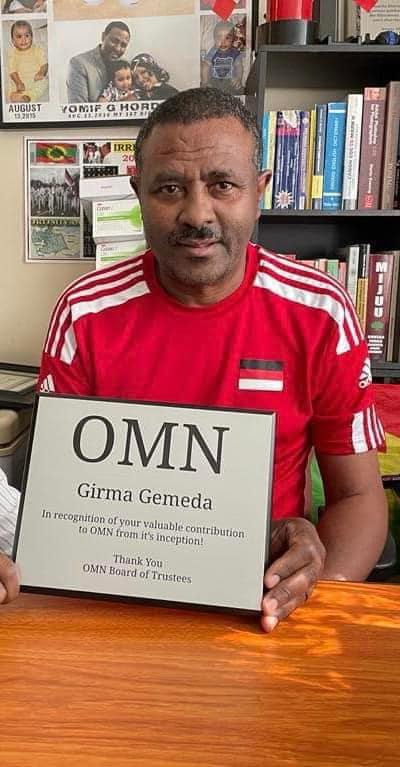
GIRMA GAMADAA: An Example of Oromo Volunteerism
Volunteerism is doing good for the community. This culture is to do work that benefits the community and the country. Everyone has the ability to be kind; but not everyone works beyond their own existence and livelihood for the benefit of other communities. But people who are born with this gift cannot hide themselves. When they get this opportunity, they start doing things that will promote and promote their nation.
We can take Girma Gammada as an example of the people that Oromo had like this, and lost in a short time.
Girma was exiled from Oromia for political reasons and lived in exile in Nairobi, Kenya. He then settled in Toronto, Canada. From then on, he started working to address the shortage of Oromo through advertising and information. In a short time, he promoted Oromo songs in various ways and made various posters.
He also made it known in the community by preparing advertisements for festivals and events.
He was doing advertising for various Oromo associations. He contributed greatly to the recognition and growth of the Waqeffannaa association by preparing many posters. He has been contributing to the international recognition and growth of the Irreecha festival.
He was involved in all Oromo structures such as OMN, sports associations and community building. He has done a basic job to make the history of the Oromo fighters like Jaal Bureyessso known to the Oromo people and follow their fancy.
Jawar Mohammed recalled Girma’s contribution to OMN as highly dedicated. “It is devastating to hear of the passing of Girma Gemda. We have lost a true friend and a selfless servant of our community. Girma was one of the most committed and consistent people I had the privilege to work with for more than a decade. He was with us from day one, through all the ups and downs. May you rest in peace, brother. My heartfelt condolences to his family and the Toronto community.”
Since arriving from Oromia, almost 20 years ago, Girma has been serving customers with his friendly and informative approach to seafood selections.
It is with heavy hearts that we inform you that Girma has been diagnosed with ALS (Amyotrophic Lateral Sclerosis or Lou Gehrig’s disease), a rare and life-altering condition. ALS is a neurological disease that affects the motor neurons; motor neurons are the nerve cells in the brain and spinal cord that control voluntary muscle movement. This diagnosis means that Girma can no longer work and provide for his family as he once did.
It also means he can no longer continue his volunteer work as a graphic designer for the Oromo Community Center or pursue his passion for photography. Girma’s photography skills were evident in his coverage of the Toronto Waterfront Marathon, Afrofest Toronto and African Fashion Week Toronto.
For people like Hawwinee Alamayehu, Girma was a brotherly advisor. “A patriot, a strong professional, a hero of man, for me to lose you from my own good brother is a strong sorrow beyond words.”
Girmaan was an adult who was strong in many ways. Tulluu Liiban testified to the achievements of Girma Gamada who will be well remembered by the community. “Girma Hordofa Gemeda, who has been a shining star in promoting the Oromo cause through his creative works over the past 2 decades, passed away untimely in North America and beyond hoped he would recover from his illness Unfortunately this humble and clean human being is gone capacity He has been rendering his works for free with passion.
” Moreover, Girma has designed promotional pieces including printable materials such as T-Shirts, caps, banners, artifacts, logos etc. He has also contributed to the design and editing of choreographies and photography. Girma has recorded and documented a number of vital events in Oromo, in videos and pictures. He has designed events, stages and presented auction items for free for community fundraisers. His Lega Xaafoo Studio is based in Toronto, Canada. Girma will be greatly missed because of his invaluable contributions and commitment to the Oromo people throughout his life.”
Girma was being treated for a neurological disease. However, he could not be cured by treatment. He passed away on July 4,2024. Girmaan was the father of one child; condolences to his wife and child.
Girmaan is not with us today. His voluntaristic work will live with us forever. People like Birhanu Olana are remembering him as very committed Oromo professional.”Girman was a strong Oromo son. He was a strong cameraman and graphics expert that he was helping us day and night when we were looking for such professionals and he never asked us for payment for his services.”




 Advocacy for Oromia