The Forgotten Anchor: Obbo Yonaataan’s Sacrifice and the Debt Oromo Owes Its Heroes
By Daandii Ragabaa
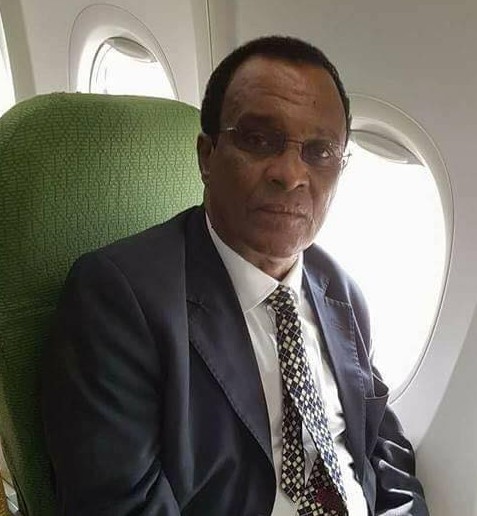
He once held immense power. A high-ranking official within the Oromiya regional state apparatus, he was a man with a comfortable life, a respected position, and a future paved with privilege. But in 2001, Obbo Yonaatoon made a choice that would strip everything away—and make him a legend.
He joined the struggle.
Today, decades later, that same hero lives without a home of his own. Without a car. Without the support his decades of sacrifice deserve. This is his story.
From the Inside to the Underground
Before the rebellion, there was the system. Obbo Yonaataan was no ordinary civil servant. He held a powerful mandate within the Oromiya regional government, serving as the head of the Oromiya Justice Bureau (ittigaafatamaa biiroo haqa Oromiyaa). He was inside the very apparatus that, at the time, was built upon the political architecture of the Woyyee regime (the EPRDF-led government).
But power did not blind him to injustice. In 2001, witnessing the deepening oppression of the Oromo people, he made a decision that few in his position would dare. He abandoned the system. He abandoned his safety. And he crossed over to the armed struggle, joining the Oromo Liberation Front (ABO).
For the Oromo liberation movement, this was more than a recruitment. It was an inspiration. When a man of Obbo Yonaataan’s rank—someone who had seen the inner workings of the regime, who had tasted the comforts of power—voluntarily leaves it all behind to face the wilderness, the bullets, and the exile, it sends a thunderclap through the ranks of ordinary fighters.
“He became a source of energy for many,” recalls one comrade who served alongside him. “If he could leave everything, then the cause must be worth everything.”
The Eritrean Years and the Long Road to Cairo
Obbo Yonaataan’s defection had a ripple effect. Once he joined the ABO’s leadership structure, his example encouraged many other Woyyee-era officials and soldiers to abandon the regime and join the liberation struggle. In the training camps and political offices of Eritrea—where the OLF had a significant presence at the time—his name became synonymous with principled defection.
But exile is never kind. After years in Eritrea, the political winds shifted. Obbo Yonaataan, like many others, was forced to move again, this time to Cairo, Egypt. There, he lived in conditions that were, by any measure, difficult and sorrowful (haalaan gaddisiisaa fi ulfaataa). A man who once directed justice for millions now navigated the precarious life of a political refugee—without status, without resources, and far from home.
And yet, he never broke. Through every danger that befell the Oromo people, he remained a voice of clarity. Through every wave of repression, displacement, and massacre, he documented, he organized, and he bore witness.
The Return: An Unfinished Homecoming
When Dr. Abiy Ahmed came to power and extended a general amnesty to exiled opposition groups, Obbo Yonaataan was among those who chose to return. He believed, perhaps hopefully, that a new Ethiopia had opened its doors. He came back to Oromiya, not as a powerful official, but as a returning soldier who had given his prime years to the cause.
But the homecoming has not been kind.
Today, Obbo Yonaataan lives without adequate support. He does not own a private house. He does not own a car. The very system he once served, and then fought against, has not seen fit to honor his sacrifice. The comrades who still struggle remember him. But material support—the kind that would allow an aging revolutionary to live out his years with dignity—has been slow or nonexistent.
A Call to the Wealthy and the Faithful
The author of this reflection, speaking to Daandii Ragabaa, makes a pointed and urgent appeal.
“People like Obbo Yonaataan need encouragement and support,” the source argues. “They serve as a good example for those who wish to join the struggle in the future. When the younger generation sees that revolutionary heroes are abandoned, what message does that send?”
The message is clear: The Oromo nation, and particularly the wealthy Oromo business class and diaspora elite, must remember.
“When we talk about building a nation, we do not only build roads and offices,” the appeal continues. “We build memory. We build gratitude. The Oromo wealthy (abbootiin qabeenyaa Oromoo) must remember people like Obbo Yonaataan. That is what we demand.”
The Fighter’s Quiet Dignity
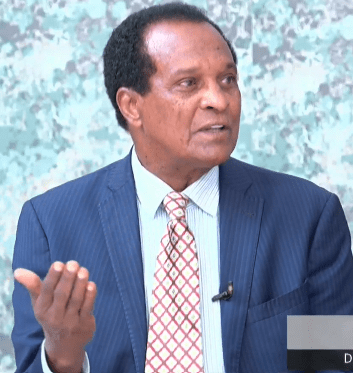
What makes Obbo Yonaataan’s story even more remarkable is his silence. He does not march in protest. He does not give bitter interviews. He lives quietly, having offered his time, his skills, and his experience to the Oromo struggle without demanding a receipt.
But history demands that receipts be kept.
The struggle is not only about the future. It is also about honoring those who mortgaged their present for that future. Obbo Yonaataan gave up a life of power for a life of purpose. Now, in his twilight years, it is the Oromo people’s turn to show that purpose is not ungrateful.
“Qabsaawaan ni kufa, qabsoon itti fufa” – The fighter may fall, but the struggle continues. But before the next fighter falls, let them know that their nation will be there to catch them.

Posted on May 11, 2026, in Aadaa, Events, Finfinne, Information, News, Oromia, Press Release, Promotion. Bookmark the permalink. Leave a comment.




 Advocacy for Oromia
Leave a comment
Comments 0