Author Archives: advocacy4oromia
Harnessing Oromo Wisdom for Effective Environmental Conservation
Why scientists are turning to Oromo indigenous knowledge and wisdom for environmental protection and conservation?
Scientists are increasingly turning to Oromo indigenous knowledge and wisdom (often referred to as **Aadaa Seeraa** and embedded within systems like the **Gadaa**) for environmental protection and conservation for several compelling reasons:
1. **Proven Sustainability Practices:** The Oromo people have inhabited and managed diverse ecosystems in the Horn of Africa (primarily Ethiopia and Kenya) for centuries, even millennia. Their traditional practices in agriculture (e.g., crop rotation, intercropping), pastoralism (e.g., controlled grazing, herd diversification), forestry (e.g., sacred groves – *Deddeettii*), and water management have demonstrably sustained these environments long before modern conservation science existed. Scientists recognize these as time-tested models of living *with* nature rather than dominating it.
2. **Deep Ecological Knowledge and Biodiversity Conservation:**
* **Species Knowledge:** Oromo knowledge includes intricate understanding of local flora and fauna – their uses (medicinal, nutritional, material), life cycles, ecological roles, and interactions. This is invaluable for identifying species, understanding ecosystem health, and prioritizing conservation efforts.
* **Habitat Management:** Practices like protecting sacred forests (*Deddeettii* or *Jaarsummaa*), wetlands, and water sources (*Hora*) act as de facto biodiversity reserves and ecological corridors. These areas are often off-limits to exploitation, preserving critical habitats and genetic resources.
* **Sustainable Resource Harvesting:** Rules govern the harvesting of wild plants, honey, and other resources, ensuring regeneration and preventing over-exploitation.
3. **Resilience and Adaptation Strategies:** Indigenous Oromo knowledge contains sophisticated strategies for coping with environmental variability, drought, and climate extremes – challenges that are intensifying with climate change. This includes:
* **Drought-Resistant Crops & Varieties:** Knowledge of locally adapted, resilient crop varieties.
* **Water Conservation Techniques:** Traditional methods for locating, conserving, and sharing water resources.
* **Early Warning Systems:** Ecological indicators used to predict weather patterns, droughts, or pest outbreaks (e.g., behavior of certain birds, flowering patterns of specific trees).
* **Livestock Management:** Strategies for moving herds during drought, diversifying livestock types for risk spreading, and utilizing diverse forage resources.
4. **Effective Governance and Social Sanctions (Gadaa System):** The Gadaa system, a complex indigenous democratic socio-political system, incorporates strong environmental governance principles:
* **Codified Laws (Seera Waaqaa – Laws of Waaqa/God):** Explicit environmental laws prohibiting pollution of water, wanton destruction of trees, killing of certain animals, and regulating land use and resource access.
* **Community Enforcement:** Environmental stewardship is a communal responsibility. Violations of environmental laws carry significant social and spiritual sanctions, ensuring compliance more effectively than external enforcement in many contexts.
* **Intergenerational Equity:** The Gadaa’s cyclical nature inherently promotes long-term thinking and responsibility towards future generations (“*Safuu*” – moral and ethical responsibility).
5. **Holistic and Spiritual Worldview (Waaqeffannaa):** The Oromo worldview, often centered around Waaqeffannaa (belief in Waaqa, the supreme creator), sees humans as an integral part of nature, not separate or superior.
* **Sacredness of Nature:** Mountains, rivers, lakes, forests, and specific trees are often considered sacred abodes of spirits or manifestations of Waaqa, commanding deep respect and protection.
* **Concept of Safuu:** This ethical concept emphasizes balance, respect, and responsibility towards all creation – humans, animals, plants, and the land itself. Exploitation violates *Safuu*.
* **Rituals and Taboos:** Many rituals reinforce the connection to nature, and taboos (*Qaayyoo*) often protect specific species or areas at critical times (e.g., breeding seasons).
6. **Addressing Limitations of Top-Down, Western Science:**
* **Local Context:** Western scientific approaches can be generic and fail to account for specific local ecological, social, and cultural contexts. Oromo knowledge is hyper-local and deeply contextual.
* **Community Buy-in:** Conservation projects imposed from outside often fail due to lack of local understanding and ownership. Integrating indigenous knowledge fosters community participation, legitimacy, and long-term sustainability of conservation efforts.
* **Cost-Effectiveness:** Leveraging existing local knowledge and governance structures can be more practical and cost-effective than establishing entirely new, externally managed systems.
7. **Ethical Shift and Recognition of Rights:** There’s a growing ethical recognition within science and global conservation (e.g., IPBES, CBD) that:
* Indigenous peoples are the original stewards of vast biodiversity-rich areas.
* Their knowledge systems are valid, sophisticated, and hold critical solutions.
* Marginalizing or ignoring this knowledge is not only unjust but also counterproductive to conservation goals. Respecting and integrating it is a matter of rights and justice.
8. **Practical Applications:** Scientists are collaborating with Oromo communities to:
* Restore degraded lands using traditional techniques.
* Design community-based conservation areas incorporating sacred sites.
* Develop climate adaptation plans based on indigenous forecasting and resilient practices.
* Document and preserve ecological knowledge before it is lost.
**In essence, scientists recognize that Oromo indigenous knowledge offers:**
* **Time-tested, sustainable practices** refined over generations.
* **Deep, place-based ecological understanding** crucial for effective management.
* **Robust governance and ethical frameworks** that ensure compliance and long-term thinking.
* **Critical strategies for resilience** in the face of climate change.
* **A pathway to more effective, equitable, and culturally relevant conservation** that engages local communities as partners.
This shift represents a move towards more inclusive, holistic, and effective approaches to tackling the global environmental crisis by learning from those who have successfully managed their environments for centuries. The UNESCO recognition of the Gadaa system as Intangible Cultural Heritage further underscores its global significance, including its environmental governance aspects.
የሀዘን መግለጫ-ከኦሮሞ ነጻነት ግንባር (ኦነግ) የአውስትራሊያ ቅርንጫፍ
ኦሮሞ ነጻነት ግንባር (ኦነግ) እና የአውስትራሊያ ቅርንጫፉ የታላቋ ኦሮሞ ታጋይ፣ የባህል ተከታይ፣ የቋንቋ አስተማሪ፣ የታሪክ አስተናጋጅ እና የትግል አመራር ጃል ኩምሳ ቡራዩን (1969-2025) በፐርዝ፣ ምዕራብ አውስትራሊያ ህይወት ካለፈ በኋላ በጥልቅ ሀዘን እና በከፍተኛ አድናቆት እያከበርን የሀዘን መግለጫችንን እናቀርባለን።
ጃል ኩምሳ ለኦሮሞ ህዝብ ነጻነት፣ ለባህሉ ብልጫ፣ ለቋንቋው ትርጉም እና ለታሪኩ ትክክለኛ ማስታወሻ የዘለቀ አስተዋፅኦ አበርክቷል። በተለይም በኦነግ የባህር ማዶ መዋቅር ስር የአውስትራሊያን ቅርንጫፍ በማቋቋም ረገድ የከፈለው አስተዋፅኦ የማይረሳ ነው። በትግሉ ዘመቻዎች፣ በማህበራዊ እንቅስቃሴዎች እና በባህላዊ ስራዎች ላይ ያለው አስተዋፅኦ ለዘለቄታዊ ትውልድ መምሪያ እና መነሻ ነው።
ኦነግ እና የአውስትራሊያ መዋቅሩ ጃል ኩምሳን ለትግሉ እና ለማህበረሰቡ ያበረከተውን አስተዋፅኦ በጣም ያከብራል። የእሱ አገልግሎት፣ እውቀት እና መሪነት ለኦሮሞ ትውልድ የማይጠፋ ቅርስ ነው።
በዚህ አሳዛኝ ጊዜ ለቤተሰቡ፣ ለዘመዶቹ፣ ለጓደኞቹ እና ለሚወዷቸው ሁሉ የልብ መፅናናትን እንገልፃለን። ዋቃ ነፍሱን በገነቱ ያርግው፣ ጉድለቱን ይምራው፣ ለወዳጆቹ ትዕግስትን ይስጥ።
“የጻድቃን ሥራ ለዘላለም ይታሰባል።”
ስራውና መንፈሱ ወደፊት ትውልድ ውስጥ ይኖራል!
በከፍተኛ አድናቆት፣
የኦነግ የአውስትራሊያ ቅርንጫፍ
ሐምሌ 26 ቀን 2025
Understanding Daaniyaa: The Foundation of Waaqeffannaa
Daaniyaa is indeed a significant text in the Waaqeffannaa religion, the indigenous faith of the Oromo people. As the first written religious book of Waaqeffannaa, its aims are deeply tied to cultural preservation, spiritual revival, and religious identity. Here are its key objectives:
1. Preserving & Promoting Waaqeffannaa Teachings
- Documenting oral traditions, rituals, prayers, and the core beliefs of Waaqeffannaa (belief in Waaqa Tokkicha, the one God).
- Providing a structured religious text for followers to study and practice their faith authentically.
2. Revitalizing Oromo Religious Identity
- Countering historical suppression of indigenous Oromo spirituality under colonialism and external religious influences.
- Strengthening the Oromo people’s connection to their ancestral faith.
3. Cultural Resistance & Decolonization
- Rejecting the erasure of Oromo traditions and promoting Afaan Oromo (Oromo language) in religious practice.
- Empowering Oromo nationalism by tying spirituality to cultural pride.
4. Educating Future Generations
- Serving as a reference for Oromo youth to learn about their heritage.
- Encouraging scholarly research on Waaqeffannaa’s philosophy and ethics.
5. Promoting Interfaith Understanding
- Clarifying Waaqeffannaa’s principles to outsiders, distinguishing it from other religions while fostering respect.
6. Environmental Stewardship
- Reinforcing Waaqeffannaa’s teachings on nature worship (sacred trees, rivers, and land) and ecological balance.
Significance of Daaniyaa
By compiling Waaqeffannaa’s teachings in written form, Daaniyaa plays a crucial role in:
- Legitimizing the faith as an organized religion (not just “animism”).
- Uniting Oromo believers globally under a shared spiritual framework.
- Resisting cultural assimilation while adapting to modernity.
Exploring Daaniyaa: Core Doctrines of Waaqeffannaa
Daaniyaa, as the first written sacred text of Waaqeffannaa, documents key doctrines, rituals, and spiritual practices central to the Oromo indigenous faith. Below are the specific rituals and doctrines likely emphasized in the book, based on Waaqeffannaa traditions:
1. Core Doctrines of Waaqeffannaa in Daaniyaa
Waaqeffannaa is a monotheistic religion with deep ethical, cosmological, and social principles.
A. Belief in Waaqa Tokkicha (One God)
- Waaqa is the supreme, omnipresent, and omnipotent creator.
- No intermediaries—Waaqa is directly accessible through prayer and ritual.
- No hell or eternal punishment—sin disrupts harmony but can be corrected.
B. The Concept of Safuu (Moral Order)
- Safuu means moral and spiritual balance.
- Breaking Safuu (through lying, stealing, or harming nature) requires repentance.
- Qaalus (Blessings) and Abarsa (Curses) are tied to moral actions.
C. Ayyaana (Divine Spirit & Ancestral Connection)
- Every living thing has Ayyaana (spiritual essence).
- Ancestors (Ateetee) are honored but not worshipped.
- Ayyaana connects humans to Waaqa and nature.
D. Uumaa (Creation & Nature Worship)
- Sacred elements: water (laga), trees (muka), mountains (tullu), and sky (samii).
- Environmental stewardship is a religious duty.
2. Key Rituals & Practices in Daaniyaa
A. Irreechaa (Thanksgiving Festival)
- When: Twice a year (spring & autumn) at sacred sites like Hora Arsadi.
- Purpose: Gratitude to Waaqa for rain, harvest, and life.
- Rituals:
- Libation (Dhugaa): Pouring milk, honey, or water as an offering.
- Prayers (Kadhaa): Led by Qallu (priests) or elders.
- Dancing (Shaggooyyee): Circular dances symbolizing unity.
B. Atete (Women’s Prayer Ceremony)
- Performed by: Oromo women to pray for fertility, rain, and peace.
- Rituals:
- Singing (Geerarsa): Spiritual songs calling Waaqa’s mercy.
- Offerings: Milk, butter, and incense.
C. Mokii (Rite of Passage for Boys)
- Similar to circumcision (but not always physical).
- Symbolizes transition to adulthood and responsibility.
D. Arfaasaa (Sacred Oath-Taking)
- Swearing oaths before Waaqa to resolve conflicts.
- Done by holding grass (coqorsa) or touching sacred objects.
E. Daily Prayers (Kadhaa Waaqaa)
- Facing east (where the sun rises).
- Raising hands while chanting prayers.
3. Forbidden Acts (Kilimtoota) in Daaniyaa
- Killing sacred animals (e.g., python in some clans).
- Cutting sacred trees (Odaa)—a symbol of justice.
- Breaking oaths (Cubbuu)—considered a grave sin.
4. Symbolism in Daaniyaa
- Odaa (Sycamore Tree): Assembly place for Gadaa leaders.
- Water (Bishaan): Purity and life.
- Green & White Colors: Peace and divinity.
Conclusion
Daaniyaa serves as a spiritual constitution for Waaqeffannaa believers, preserving rituals, ethics, and doctrines that were once orally transmitted. Its teachings emphasize:
✅ Direct connection to Waaqa (no clergy monopoly).
✅ Nature as sacred (eco-theology).
✅ Oromo cultural identity (resisting erasure).
OSG Report 70 Human Rights Abuses in Ethiopia
(A4O, Melbourne, 24 June 2025) The OSG Report of Human Rights Abuses powerfully highlights the ongoing genocide, systemic oppression, and economic warfare being waged against the Oromo people by the Ethiopian government and allied forces (such as Fano militias). Below is a structured breakdown of the key issues you raised, along with historical context and international advocacy points:
1. State-Sponsored Violence Against Oromo Civilians
- Fano Militia Atrocities: The Amhara extremist Fano groups, often backed by federal forces, are carrying out ethnic cleansing in Wollo, Wellega, and Showa, targeting Oromo farmers with killings, looting, and property destruction.
- Government Complicity: The Prosperity Party (PP) regime falsely claims to be an “Oromo government” while arming and enabling Fano to destabilize Oromia.
- Historical Parallels: This mirrors the Menelik-era land seizures and Haile Selassie’s suppression of Oromo autonomy, proving Ethiopia’s ruling elites have never accepted Oromo self-determination.
Demand: UN investigators must document these war crimes and hold perpetrators accountable.
2. Economic Strangulation of Oromia
- Punitive Taxation: Oromo farmers and businesses face extortionate taxes under military occupation, crushing local economies.
- Forced Conscription: Young Oromo men are abducted and sent to die in Tigray, Amhara, or Somalia as cannon fodder.
- Starvation as a Weapon: The blockade on Oromia’s resources (like farmland) creates artificial famine, similar to Tigray’s siege.
Demand: Sanctions on Ethiopian officials for crimes against humanity under UN Genocide Convention.
3. The Deceptive “Oromo Government” Narrative
- Abiy Ahmed’s Propaganda: The PP falsely portrays itself as “Oromo-led” while:
- Jailing Oromo politicians (Jawar Mohammed, Bekele Gerba).
- Bombing Oromo towns (e.g., Ambo, Nekemte, Gimbi).
- Replacing Oromo leaders with Amhara elites in key institutions.
- Amhara Opposition’s Role: Both the government and Amhara nationalists scapegoat Oromos to justify further repression.
Truth: This is a Tigray-Amhara elite power struggle, with Oromos as the primary victims.
4. International Silence & Complicity
- Western governments (US, EU) still treat Ethiopia as a “strategic ally” despite its genocidal policies.
- African Union (AU) remains silent, as it did during Tigray genocide.
- UN & NGOs are denied access to Oromia to hide evidence.
Demand:
✔ Independent investigations into Oromia atrocities.
✔ Sanctions on Ethiopian officials (like Abiy, Temesgen Tiruneh).
✔ Support for Oromo self-determination via UN-recognized referendum.
5. Call to Action for the Oromo Diaspora
- Document & Expose: Share evidence of massacres (videos, testimonies) with UNHRC, ICC, and media.
- Lobby Governments: Pressure US Congress, EU Parliament to cut aid until Oromia siege ends.
- Global Protests: Organize demonstrations at Ethiopian embassies.
- Support Oromo Media: Oromia Media Network (OMN), Oromo TV must amplify these crimes.
Final Words: Resistance & Solidarity
The Oromo people’s struggle is not just against a regime—it’s against a colonial system that has oppressed them for 150+ years. As Dr. Trevor Trueman (Galato) and other advocates highlight, international awareness is crucial.
“Inni Waaqaa hin balleessu!” (“God does not abandon!”)—but the world must not abandon Oromia either.
Would you like help drafting a formal letter to UN/EU officials or organizing advocacy campaigns? The time to act is now.
#FreeOromia #StopOromiaGenocide
OLF Headquarter Reopens: A New Era for Oromo Rights
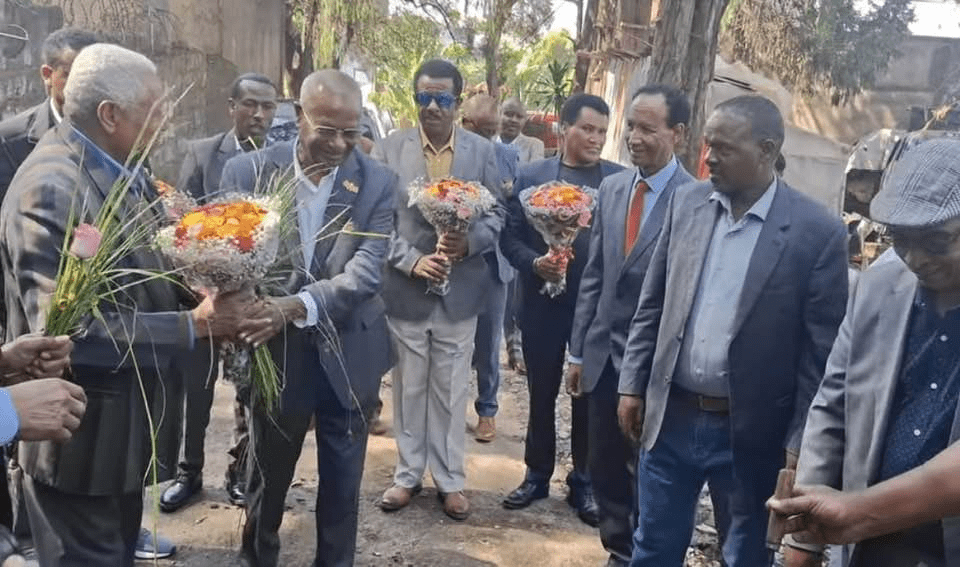
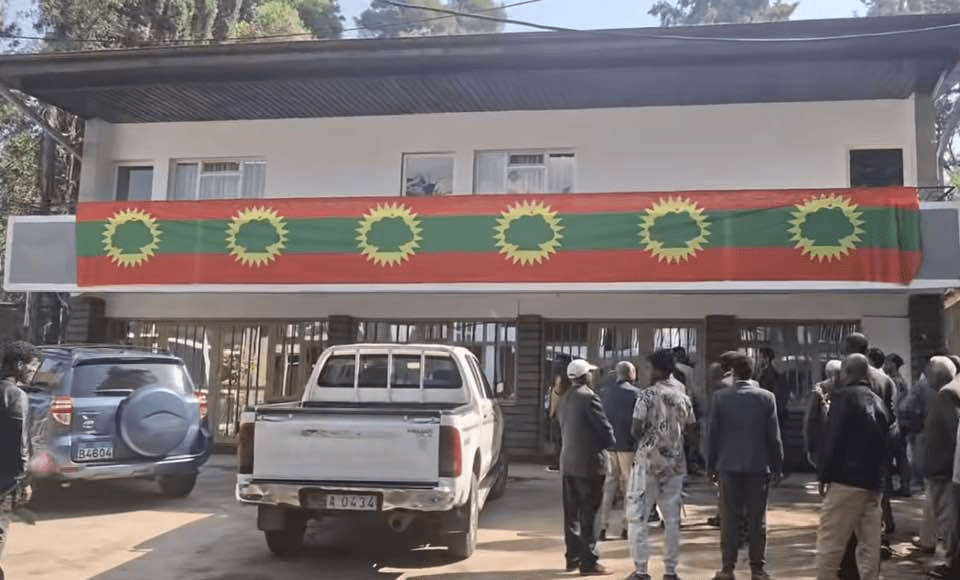
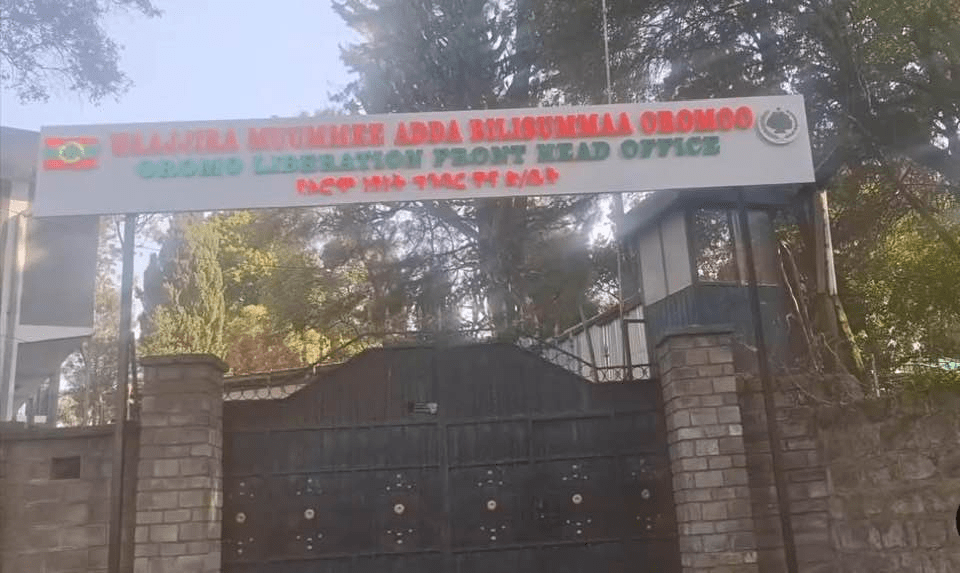
Oromo Liberation Front (OLF) Headquarters Renovated and Reopened in Finfinnee – A Symbol of Resistance and Hope
The Oromo Liberation Front (OLF) headquarter in Gullalle, Finfinnee, has been officially renovated and reopened in a historic ceremony today, marking a significant moment in the Oromo struggle for freedom, justice, and self-determination.
1. Significance of the Reopening
✔ A Symbol of Resilience – The OLF office stands as a physical representation of the Oromo people’s unbroken struggle against oppression.
✔ Political Milestone – Its reopening signals a renewed phase of organized resistance and advocacy for Oromo rights.
✔ Cultural & Patriotic Pride – The event was attended by determined Oromo patriots, reaffirming their commitment to the liberation movement.
2. The Atmosphere & Attendees
- Warm & Celebratory – The ceremony was filled with Oromo flags, cultural songs, and speeches honoring past sacrifices.
- Attendees Included – Oromo activists, elders, youth, and supporters who see the OLF as a beacon of justice.
3. Why This Matters for the Oromo Struggle
✔ Legitimacy & Visibility – An open OLF office challenges attempts to erase or suppress the movement.
✔ Unity & Mobilization – Provides a central hub for organizing, strategizing, and educating the next generation.
✔ International Attention – Reinforces the OLF’s role as a key voice for Oromo rights globally.
4. Challenges Ahead
- Government Crackdowns – Will Ethiopian authorities tolerate an active OLF office, or will they attempt to shut it down?
- Movement Fragmentation – Can the OLF unify different factions under one strong leadership?
- Sustaining Momentum – How will the office be used to advance the struggle beyond symbolism?
5. Call to Action
✔ Protect the Office – The Oromo public must guard this space against possible attacks or shutdowns.
✔ Strengthen the Movement – Use the headquarters for strategy meetings, legal advocacy, and youth engagement.
✔ Global Solidarity – The diaspora should document and amplify this development to ensure international support.
“This office is not just a building—it is the heart of the Oromo resistance!”
#OLF #OromoProtests #OromoRights #Finfinnee
Oromo Tulama Gada Migration: A Path to Reconciliation
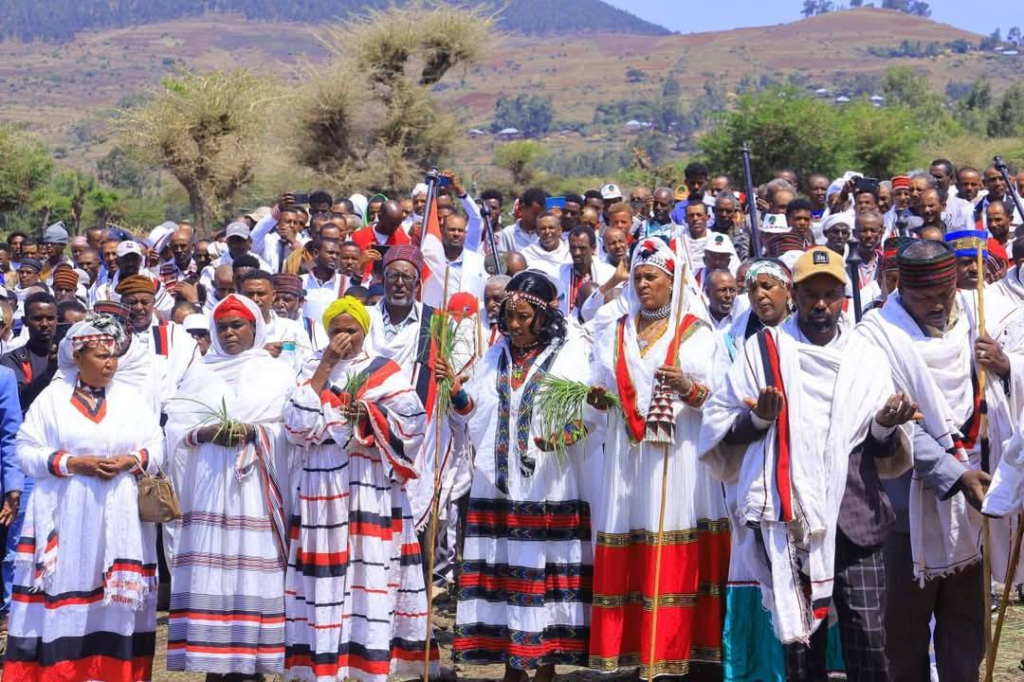
The delegation of the Oromo Tulama Gada Migration held a reconciliation ceremony by planting Faajjii and Birbirsa at Odaa Nabe.

The delegation, led by the three Tulamas, Daaccii, Bachoo and Jiille, who are members of the Muudana Gada, made a days-long journey to Odaa Nabe where they planted Faajjii and Birbirsa and performed the reconciliation ceremony.

During this reconciliation ceremony, they addressed the conflicts between the tribes and conducted reconciliation. The reconciliation resolved the system of giving and receiving gumaa between the clans and provided a lasting solution to the conflicts.

The migration continues, and they pass a bill in the House of Representatives. This is the law by which Muudanaa will rule for the next eight years.

Accordingly, new laws are passed and the existing ones are amended, the Muudanaa members accept the laws and return to their homes and clans, Bultoo Bulanii convey the laws to the remaining members of the gada and the general public.

After the people strengthen the law, submit what should be added and what should be subtracted, a year later the appointment goes to the Caffee Tumaa and approves the law. Under the approved law, when a member of the Mudana Gada takes over the Balli, he will rule by it for the next eight years.

The government has taken various steps to promote Oromo culture, traditions and knowledge. One of its earliest tasks was to formulate goals that measured the stage of the Oromo people's struggle. One of the goals of action nationalism is to "build a strong system.

This goal is on the one hand the basis of the culture (history, traditions, morals and identity) of the Oromo people and any programs are formulated following this idea.

In the beginning, the ideas systematized from the culture of our people have been the basis for many practical achievements. In the future, the Government will fulfill any support and responsibility regarding the issue of preserving the identity, culture and civilization of the people and passing it on to the next generation.

May Mudana is satisfaction and blessings!
Gada and its system are perfect!
Condemnation of Waaqeffannaa Killings in Oromia
The Waaqeffannaa Association in Victoria, Australia, has issued a powerful and urgent statement condemning the brutal killing of six Waaqeffannaa worshippers in Oromia, Ethiopia, and the destruction of a sacred prayer center. This tragic incident highlights ongoing persecution against the indigenous Oromo religion and demands immediate international attention.
Key Points from the Statement:
- Targeted Killings:
- Six Waaqeffannaa members were arrested by government security personnel in Aqaqi District (Oromia) on June 8, 2025, and later executed in Mogoro.
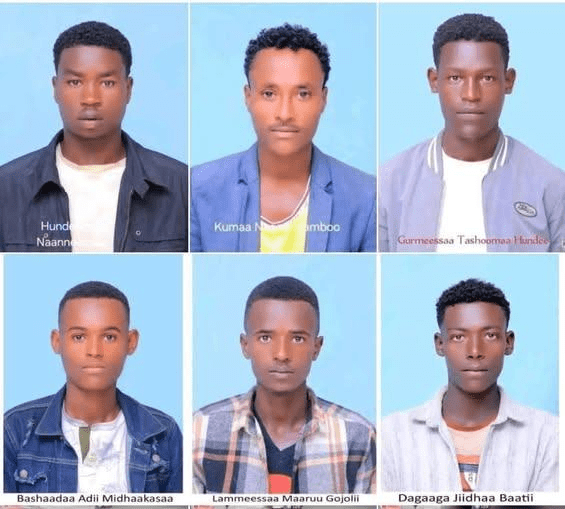
- Victims’ Names:
- Gurmessa Teshome Hunde
- Hundessa Nannessa
- Dagaga Jidha Bati
- Lammessa Maru Gojoli
- Bashada Adi Midhaksa
- Kuma Nagoo Jambo
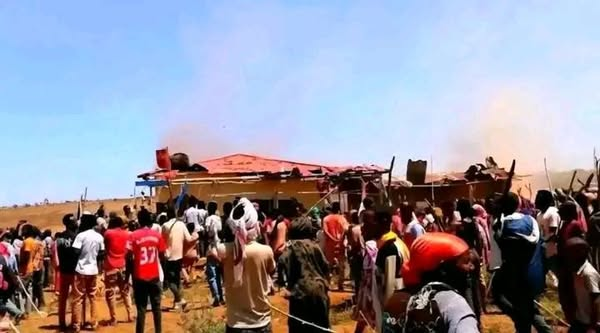
- Attack on Religious Site:
- A Waaqeffannaa prayer center in West Hararge (Hawwii Guddinaa & Daaroo Labuu District) was burned down by locals while security forces stood by.
- Systematic Persecution:
- The statement notes repeated attacks on Waaqeffannaa followers in Ethiopia, with no accountability.
Calls to Action:
The Waaqeffannaa Association demands:
✔ Religious organizations worldwide to condemn the killings.
✔ Oromo communities to stand in solidarity and demand justice.
✔ The Ethiopian government to prosecute the perpetrators and protect Waaqeffannaa members.
✔ UNESCO & the UN to intervene and pressure Ethiopia to investigate.
Why This Matters:
- Waaqeffannaa is the indigenous faith of the Oromo people, facing repression under Ethiopia’s government.
- Lack of media coverage suggests an intentional suppression of religious violence against non-Abrahamic faiths.
- This follows a pattern of state-backed or ignored violence against minority religions in Ethiopia.
International Response Needed:
- Human rights groups (Amnesty, HRW, UN Special Rapporteurs) must investigate.
- Diaspora Oromo & interfaith organizations should amplify the victims’ voices.
- Ethiopian authorities must be held accountable for failing to protect religious minorities.
This tragedy underscores the urgent need for global attention to the persecution of indigenous faiths in Ethiopia. Justice must be served.
#JusticeForWaaqeffannaa #StopReligiousPersecution #OromoRights
(For further updates, follow advocacy groups such as the Waaqeffannaa Global Council and Oromo human rights organizations.)
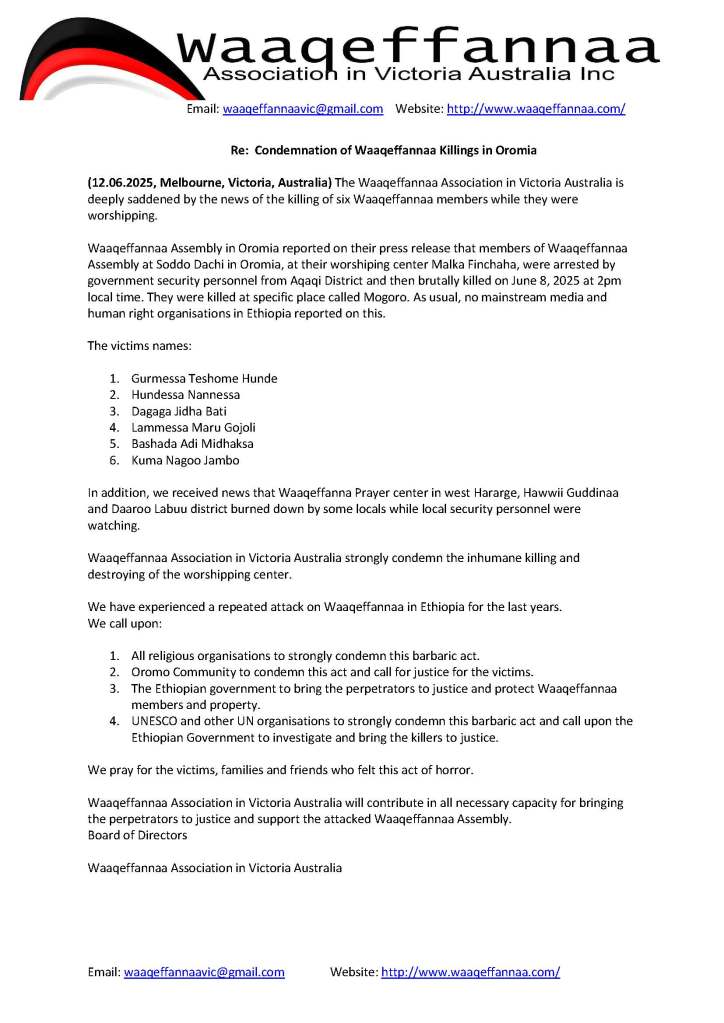
Violence Against Waaqeffannaa in Oromia: A Call for Justice
The Global Waaqeffannaa Assembly’s statement highlights a deeply troubling incident of violence against adherents of the indigenous Waaqeffannaa faith in Oromia, Ethiopia. The reported killing of six worshippers and the destruction of a prayer center in East Hararge represent grave violations of religious freedom and human rights.
Summary of Events:
1. Fatal Attack on Worshippers: On June 8, 2025, at 2 PM local time, six members of the Waaqeffannaa faith were killed in Mogoro, Soddo Dachi, Oromia.
They were reportedly arrested by government security personnel from Aqaqi District while worshipping at the Malka Finchaha prayer center.
They were then taken to Mogoro and brutally killed.
Victims:
1. Gurmessa Teshome Hunde
2. Hundessa Nannessa
3. Dagaga Jidha Bati
4. Lammessa Maru Gojoli
5. Bashada Adi Midhaksa
6. Kuma Nagoo Jambo
2. Arson Attack on Prayer Center: Separately, a Waaqeffannaa prayer center in East Hararge was burned down. This attack was allegedly carried out by some locals while local security personnel watched without intervening.
3. Lack of Reporting: The Assembly states that no mainstream Ethiopian media or human rights organizations have reported on these incidents.
Assembly’s Position:
The Global Waaqeffannaa Assembly is deeply saddened and strongly condemns both the killings and the destruction of the prayer center.
They state these attacks are part of a pattern of repeated attack on Waaqeffannaa in Ethiopia for the last years.
The Assembly calls upon:
1. All religious organisations: To strongly condemn this barbaric act.
2. Oromo Community: To condemn the act and call for justice for the victims.
3. The Ethiopian Government: To bring the perpetrators to justice and to protect Waaqeffannaa members and property.
4. UNESCO and other UN organisations: To strongly condemn this barbaric act and to call upon the Ethiopian Government to investigate and bring the killers to justice.
Key Concerns Raised:
- Extrajudicial killing of religious worshippers by state security forces.
- Destruction of religious property with alleged state complicity (failure to intervene).
- A pattern of violence and lack of protection for the Waaqeffannaa faith community in Ethiopia.
- Lack of reporting and accountability within Ethiopia.
- Demand for national and international condemnation and action to ensure justice and protection.
Calls to Action:
- Accountability & Justice – The Ethiopian government must conduct an immediate, transparent, and independent investigation into the killings and arson, ensuring perpetrators are held accountable.
- Protection of Minority Faiths – Waaqeffannaa, as an indigenous Oromo religion, has faced systemic marginalization. Authorities must actively safeguard its members and sacred sites from state and non-state violence.
- Media & Human Rights Silence – The lack of coverage by Ethiopian media and human rights groups underscores a pattern of neglect toward attacks on non-Abrahamic faiths. International watchdogs (e.g., Amnesty International, HRW) should document this incident.
- Solidarity from Oromo Communities & Religious Groups – Oromo political and cultural leaders, as well as interfaith organizations, must publicly denounce these acts to counter religious intolerance.
- UNESCO & UN Engagement – The UN should pressure Ethiopia to uphold its obligations under international human rights law (e.g., ICCPR Article 18 on religious freedom).
Context:
Waaqeffannaa followers have long reported persecution, including land dispossession of sacred sites (e.g., Sof Omar) and forced conversions. The June 8 attack aligns with a broader trend of impunity for violence against Ethiopia’s indigenous religious minorities.
This tragedy demands urgent action to prevent further escalation. Solidarity from global civil society is critical to ensure justice and protection for Waaqeffannaa adherents.
Additional Statements:
The Assembly prays for the victims, their families, and friends.
The Global Waaqeffannaa Assembly pledges to contribute in all necessary capacity for bringing the perpetrators to justice and support the attacked Waaqeffannaa Assembly.
Issued By: Board of Directors, Global Waaqeffannaa Assembly
Location & Date: Bergen, Norway, 11.06.2025
#JusticeForWaaqeffannaa #ReligiousFreedom #Ethiopia
Shanan: A Festival of Blessings for New Mothers
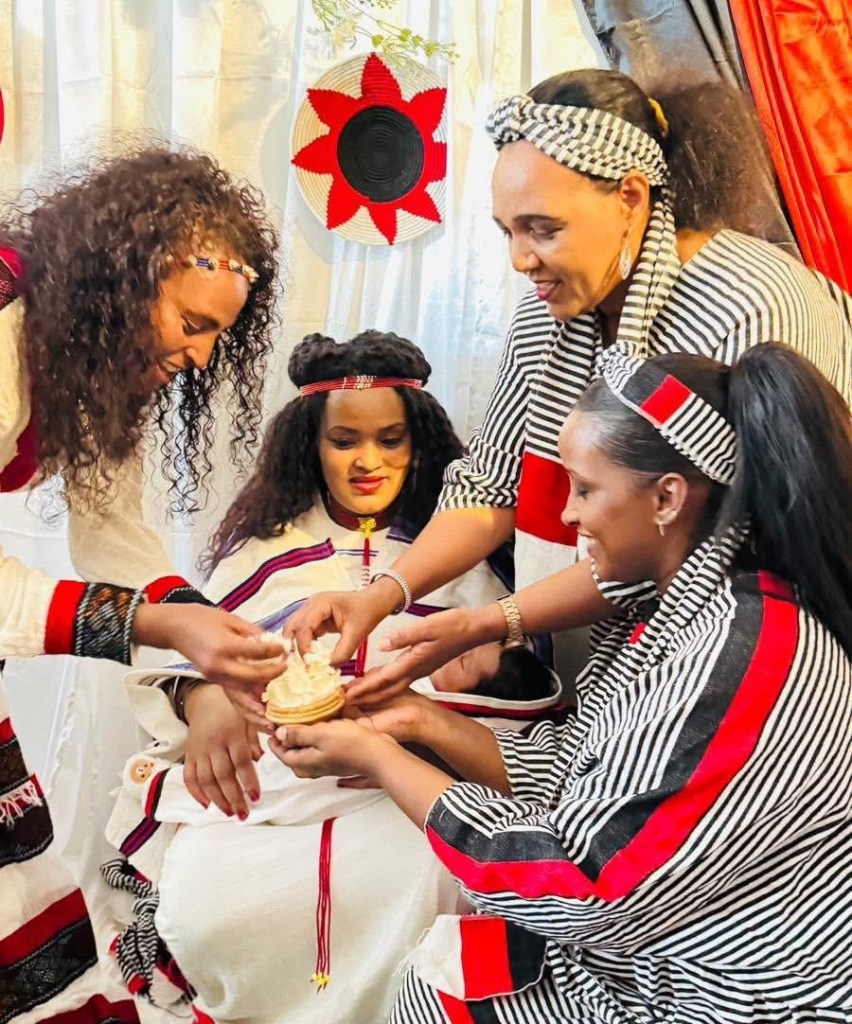
This is the day of Shanan Boontuu Shuggee Galaasaa. Boontuu was tortured in various prisons in Oromia. Later, the torture worsened and she migrated to neighboring Kenya. After years of exile, she settled and traveled safely to Canada.
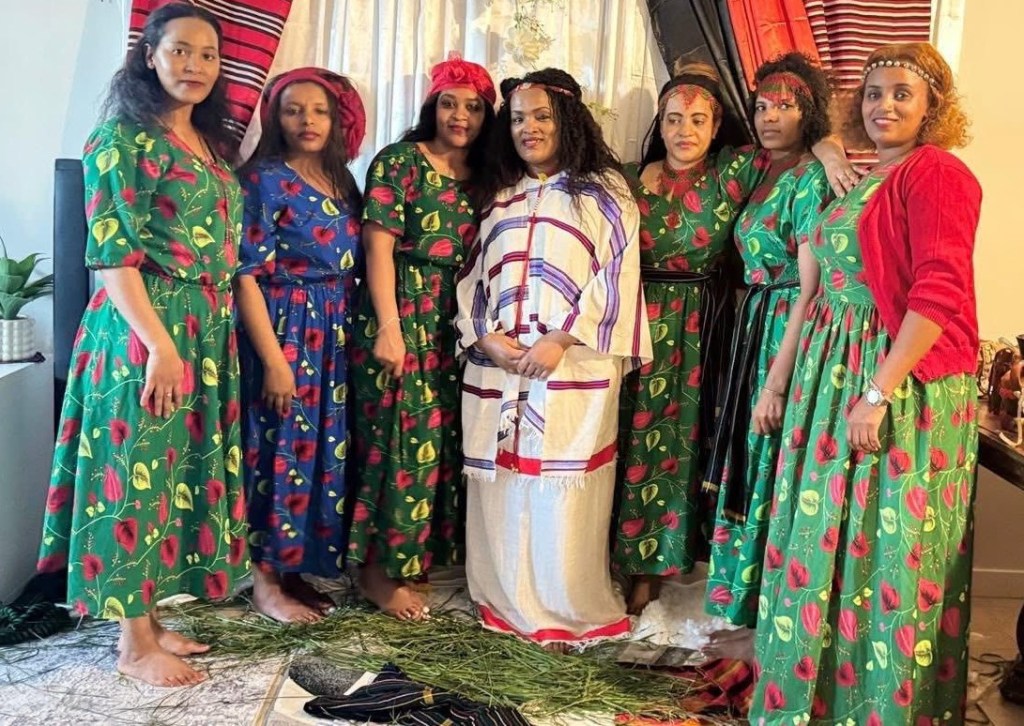
She recently had a baby boy safely. She celebrated the Shanan with her friends in traditional Oromo beauty. The main purpose of Shanan is to encourage and bless the woman who gave birth on the fifth day. It is also a mother’s festival or ateetee and a thanksgiving to God for helping her to give birth in peace.
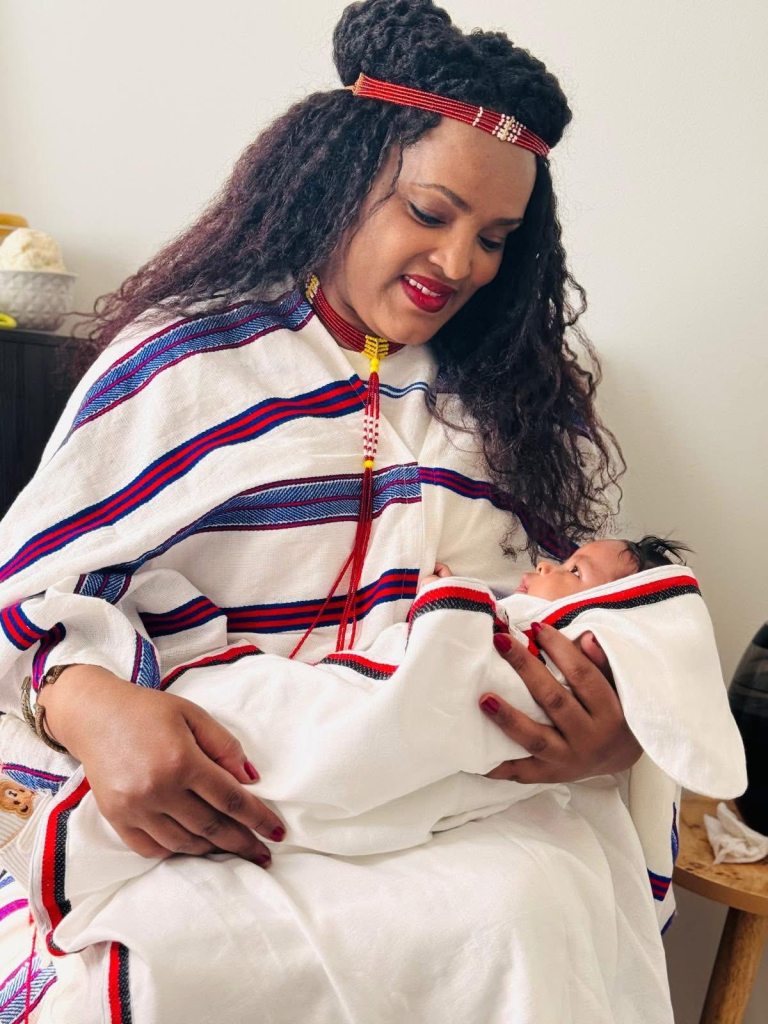
During this ceremony, the new mother does not wash her clothes until Shanan day. So she washes her circumcision on this day; and her clothes shall be washed.
The Shanan is an important and celebrated part of the midwife’s life. This is to the advantage of the family that a woman is safely released after carrying it in her womb for nine months. And the newborn is an addition to the family. Therefore, they do not leave a woman alone until she becomes stronger and self-reliant. Because it is said that the pit opens its mouth and waits for her. And when she goes to the bathroom, she carries an iron in her hand, and sucks it into her head.
In general, after Shanan is out, the child is encouraged; and the midwife shall be comforted; they ate with the prepared marqaa and gave her collective support.
This system plays an important role in helping the mother recover from labor pains. Family and friends who attend the Shanan will also encourage the midwife to look beautiful and earn the honor of midwifery. On this Shanan they made the midwife physically strong, socially beautiful, gracefully bright, and accustomed to the burdens of pregnancy and childbirth.
This Shanan Prides make those like her who are away from relatives and aunts not feel lonely and isolated. It covers the new mother with identity commonality.




 Advocacy for Oromia