Author Archives: advocacy4oromia

Ramadan 2026 Begins: A Month of Fasting, Reflection, and Community for Muslims Worldwide
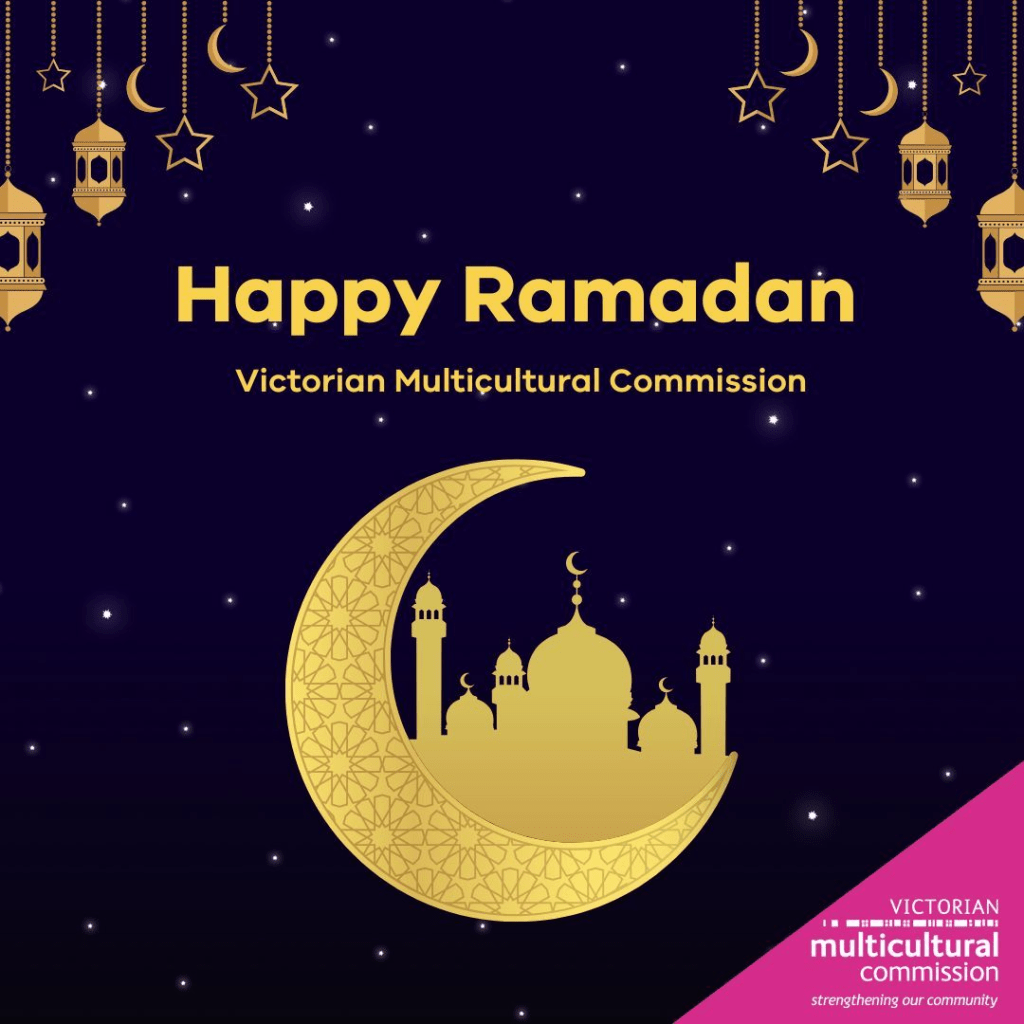
Victorian Multicultural Commission extends warm wishes as holy month commences
MELBOURNE, Australia — This week marks the beginning of Ramadan, the holiest month in the Islamic calendar, observed by Muslims around the world as a sacred period of fasting, prayer, and spiritual reflection. The crescent moon sighting ushers in approximately 30 days of devotion during which the faithful will abstain from food, drink, and other physical needs from dawn until sunset .
Ramadan commemorates the month in which the Quran was first revealed to the Prophet Muhammad, making it a time of heightened religious significance for the global Muslim community. For the world’s approximately 1.8 billion Muslims, the month represents an opportunity for profound spiritual renewal and connection with the divine .
Spiritual Significance and Practice
From first light until sunset, fasting—known as sawm—is practiced to strengthen faith, cultivate self-discipline, and foster empathy, generosity, and care for others . The daily fast serves multiple purposes: it reminds believers of those less fortunate who experience hunger not by choice, teaches patience and humility, and creates space for increased devotion through prayer and Quranic recitation.
Each day’s fast begins with a pre-dawn meal called suhoor and ends with iftar, the evening meal with which Muslims break their fast. Iftar is often a communal affair, bringing families and communities together and extending to neighbors, friends, and those in need. The practice of sharing meals with the less fortunate exemplifies Ramadan’s emphasis on generosity and social responsibility .
Beyond abstaining from physical sustenance, Ramadan calls Muslims to refrain from negative behaviors such as gossip, arguing, and ill feelings, directing focus instead toward spiritual growth, charitable acts, and strengthening community bonds. The month is also a time for personal growth and spiritual renewal, as believers seek to draw closer to God through increased prayer and reflection .
Community and Connection
Ramadan is traditionally a time when community bonds deepen significantly. Mosques fill for nightly Taraweeh prayers, extended congregational prayers offered only during this month. Families and friends gather for iftar meals, and communities organize shared meals for those who may be alone or in need .
The emphasis on generosity finds expression in increased charitable giving, or zakat—one of the five pillars of Islam. Many Muslims choose to pay their annual charity during Ramadan, believing the rewards for good deeds are multiplied during the holy month. Food drives, community iftars, and fundraising for humanitarian causes all see significant increases during Ramadan .
Victorian Multicultural Commission Extends Wishes
In Victoria, Australia, the Victorian Multicultural Commission has recognized the significance of Ramadan and the values it represents, including compassion, devotion, and connection. In a statement marking the beginning of the month, the Commission extended warm wishes to all observing this sacred time .
“We extend our warm wishes to all who are observing this sacred month and hope it brings peace, wellbeing and a strong sense of belonging across Victoria,” the Commission stated .
Victoria is home to a diverse Muslim population representing numerous cultural backgrounds, including significant communities with Turkish, Lebanese, Pakistani, Afghan, Bangladeshi, Somali, and Indonesian heritage, among others. For these communities, Ramadan provides an opportunity to maintain cultural and religious traditions while contributing to Victoria’s multicultural fabric.
Observance Across Australia
Across Australia, approximately 800,000 Muslims will observe Ramadan this year, with significant communities in Melbourne, Sydney, Brisbane, and Perth. Islamic councils and local mosques have announced prayer schedules and iftar programs, many of which welcome non-Muslim neighbors and friends to share in the evening meal as an opportunity for interfaith understanding and community connection .
Major mosques, including Melbourne’s Islamic Council of Victoria and Sydney’s Lakemba Mosque precinct, anticipate thousands of worshippers for nightly prayers and community iftars. Local councils in areas with significant Muslim populations have adjusted services and schedules to accommodate observers.
The Rhythm of Ramadan Days
For those observing, Ramadan transforms daily rhythms. Mornings begin early with suhoor before dawn, followed by morning prayers. The workday continues with fasting, requiring focus and energy management. Afternoon hours can be particularly challenging as energy levels dip, but the approaching sunset brings anticipation of breaking the fast.
At sunset, the adhan—call to prayer—signals time for iftar. Traditionally, dates and water or juice are consumed first, following the example of the Prophet Muhammad, before the main meal. After evening prayers, many Muslims head to mosques for Taraweeh, which can include recitation of significant portions of the Quran.
The final ten days of Ramadan hold special significance, marking the period when the first revelations of the Quran were sent down. During these nights, Muslims increase their devotion, with some engaging in itikaf—spiritual retreat in the mosque—to focus entirely on worship. One of these nights is Laylat al-Qadr, or the Night of Power, described in the Quran as “better than a thousand months.”
Eid al-Fitr: The Celebration Ahead
The conclusion of Ramadan will be marked by Eid al-Fitr, the festival of breaking the fast, expected to fall in late March depending on the lunar sighting. The day begins with a special prayer service followed by celebrations that include feasting, gift-giving, and gatherings with family and friends. Eid is a time of joy and gratitude, marking the successful completion of the month’s spiritual journey .
For businesses, schools, and community organizations across Victoria, awareness of Ramadan and its practices supports inclusion and understanding. Many workplaces accommodate observing employees with flexible hours or designated prayer spaces, recognizing the significance of the month.
A Message of Shared Values
The Victorian Multicultural Commission’s message emphasizing compassion, devotion, and connection highlights how Ramadan’s core values resonate beyond the Muslim community. In an increasingly diverse society, recognition and respect for religious observances strengthen social cohesion and mutual understanding .
As Muslims across Victoria and around the world begin this month of fasting and prayer, the wishes for peace, wellbeing, and belonging extend across communities, reflecting the universal aspirations that Ramadan represents.
Ramadan Mubarak to all observing this holy month.

Oromo Diaspora Honors Pivotal Figures in Virtual Memorial
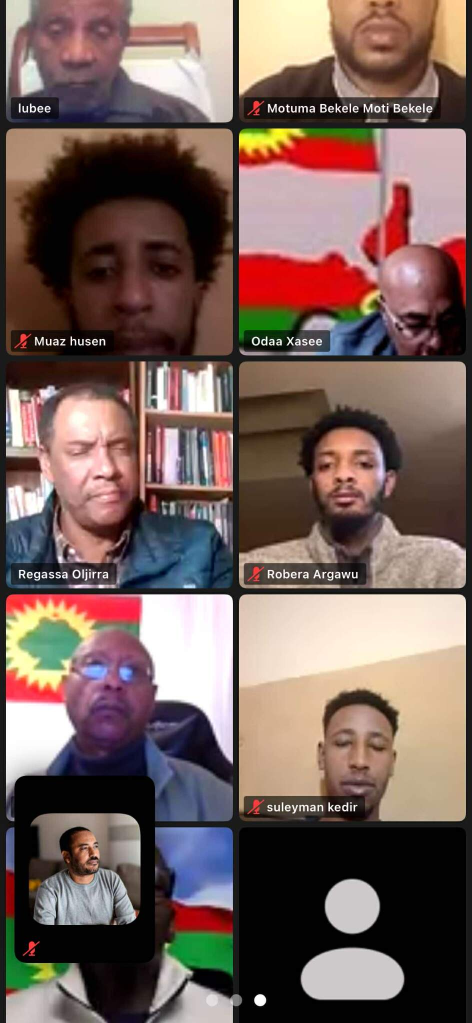
Diaspora gathers online to celebrate “towering figure” of Oromo liberation struggle
WASHINGTON, D.C. — The Oromo Liberation Front (OLF) convened a virtual memorial service Sunday, February 15, 2026, via Zoom to honor the life and legacy of a pivotal figure in the Oromo struggle for self-determination. The event, scheduled for 2:00 PM Eastern Time, brought together members of the Oromo diaspora, elders (Hayyoota), and human rights advocates from across the United States to celebrate a “towering figure” whose contributions to truth, justice, and the Oromo people have left an indelible mark on the movement .
A Moment of Collective Reflection
While the OLF’s announcement referred to the subject as a “towering figure,” Sunday’s service forms part of a broader moment of reflection for the organization, which has recently focused on honoring the intellectual giants who shaped Oromo nationalism. Just days earlier, on February 7, 2026, the OLF held a ceremony at its headquarters in Gullallee, Finfinnee to honor the late Professor Asmarom Legesse and Professor Hamdesa Tuso .
Professor Asmarom Legesse was celebrated during that gathering for his groundbreaking anthropological work, particularly his research on the indigenous Gadaa system, a traditional democratic governance structure. His seminal book, Gada: Three Approaches to the Study of African Society, is credited with bringing Oromo culture and governance to the global academic spotlight . During the February 7 ceremony, OLF Chairman Jaal Dawud Ibsa led tributes that highlighted the power of scholarship in the national struggle, emphasizing the need to “reclaim historical truth” .
Echoes of Recent Commemorations
Sunday’s virtual service in Washington appeared to be a continuation of this season of remembrance, extending honor to another key architect of the movement. Given the context of recent OLF commemorations, the event echoed the sentiments expressed at the February 7 gathering, where leaders praised the “unforgettable mark” left by the movement’s forebears and called upon the younger generation (dhaloota) to carry their unfinished work forward .
The Intellectual Foundations of the Struggle
Scholars note that the OLF, founded in the early 1970s, emerged from clandestine efforts by Oromo nationalists to build a movement that combined armed struggle with a strong intellectual and cultural foundation. Historians point to figures like Baro Tumsa, described in a recent 2024 biography as the “Principal Architect of the Oromo Liberation Front,” who worked to unite nationalists from diverse backgrounds in the face of oppression .
The intellectual tradition honored in these memorials reflects the OLF’s distinctive character as a movement that understood liberation not merely as a military objective but as a project of cultural and historical reclamation. The scholars being remembered devoted their lives to excavating Oromo history, philosophy, and governance traditions that had been suppressed or denied during decades of imperial rule.
A Solemn Duty
The invitation released by the OLF framed the event as an obligation owed to those who sacrificed for the cause. “This is the least we can do for a life so profoundly devoted to truth, justice, and our people,” the statement read .
That sentiment resonated throughout Sunday’s virtual gathering, as participants reflected on the personal and collective debts owed to the generation that built the movement. The Zoom format, necessitated by the geographic dispersal of the Oromo diaspora across North America, nonetheless allowed for meaningful connection and shared remembrance.
Diaspora Engagement
The service drew participants from across the United States, reflecting the strength and commitment of the Oromo diaspora community. Washington D.C. has long been a center of Oromo organizing and advocacy, hosting numerous cultural, political, and commemorative events over the decades. The virtual format expanded access to Oromos unable to travel to the nation’s capital while maintaining the solemnity appropriate to the occasion.
Elders (Hayyoota) played a prominent role in the proceedings, as is traditional in Oromo culture when honoring the departed. Their presence underscored the intergenerational nature of both the struggle itself and the responsibility to transmit its history and values to those who will carry it forward.
Preserving and Transmitting History
Sunday’s memorial service also served an educational function, introducing younger participants to figures whose contributions may not be widely known outside dedicated scholarly or activist circles. The emphasis on the intellectual and cultural foundations of the Oromo struggle provides context for understanding the movement’s character and objectives.
As participants reflected on the “towering figure” being honored, they also considered the broader legacy of Oromo intellectuals and organizers who built the institutions and articulated the vision that sustains the struggle today. The February 7 ceremony honoring Professors Legesse and Tuso, followed by Sunday’s virtual gathering, creates a season of remembrance that reinforces collective memory and identity.
Continuing Resonance
The service served as a poignant reminder of the ongoing resonance of the Oromo liberation struggle and the individuals who laid its intellectual and political groundwork. Even as the movement addresses contemporary challenges, these commemorative moments affirm continuity with the founders and the principles they established.
For the Oromo diaspora, separated by geography but united by commitment to their people’s cause, such gatherings provide opportunities for connection, reflection, and renewed dedication. The Zoom platform, while different from in-person assembly, enabled participation from Oromos who might otherwise be unable to join such commemorations, expanding the circle of remembrance.
Looking Forward
As Sunday’s virtual memorial concluded, participants carried forward not only memories of the individual being honored but also renewed commitment to the values and objectives that defined their life’s work. The call issued at the February 7 ceremony—for the younger generation (dhaloota) to carry forward the unfinished work of the movement’s founders—resonated across both gatherings.
The Oromo struggle continues, shaped by those who built its foundations and sustained by those who carry their legacy. Sunday’s virtual memorial service from Washington D.C. ensured that another “towering figure” received the honor due, while strengthening the connections that bind the Oromo people across continents and generations.
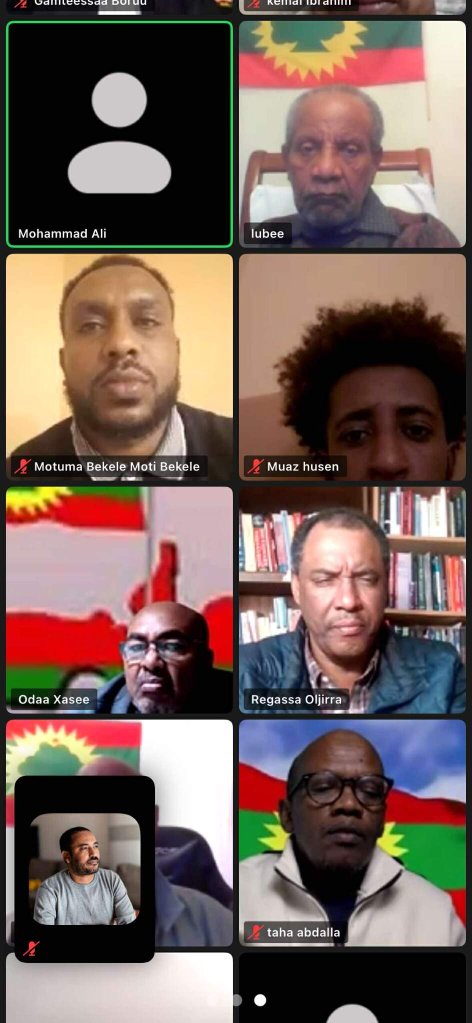

Celebrating 36 Years of Operation Fenkil in Eritrea
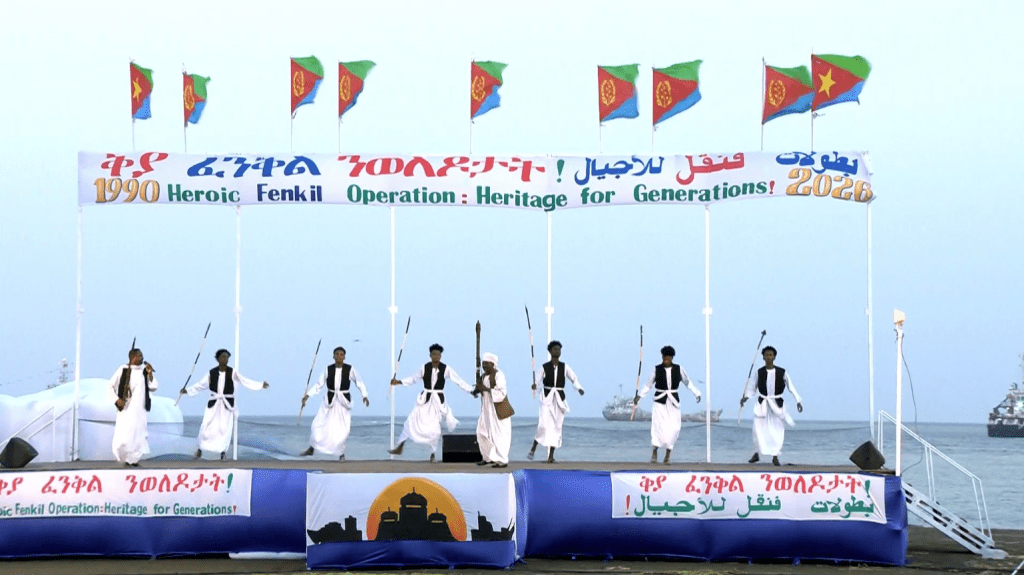
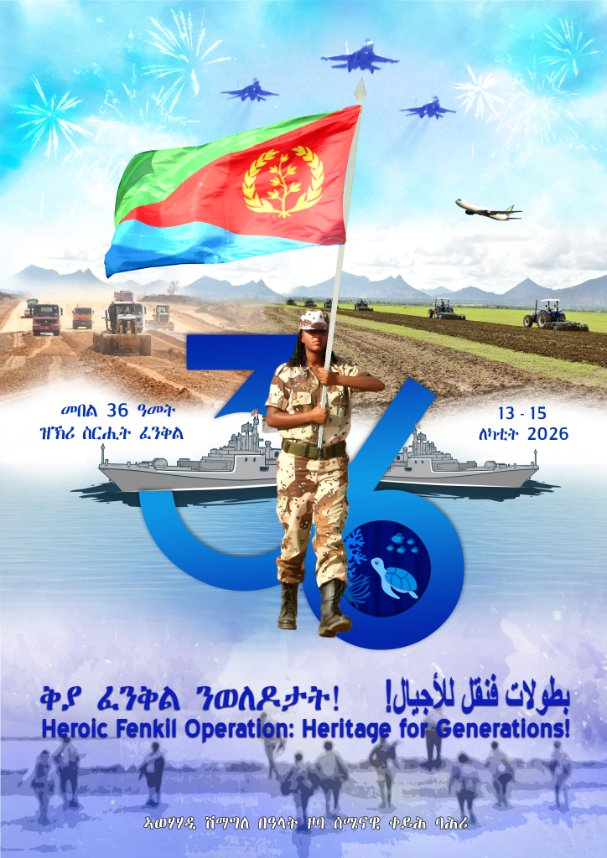
“Heroic Fenkil Operation: Heritage for Generations” celebrated as national symbol of liberation struggle
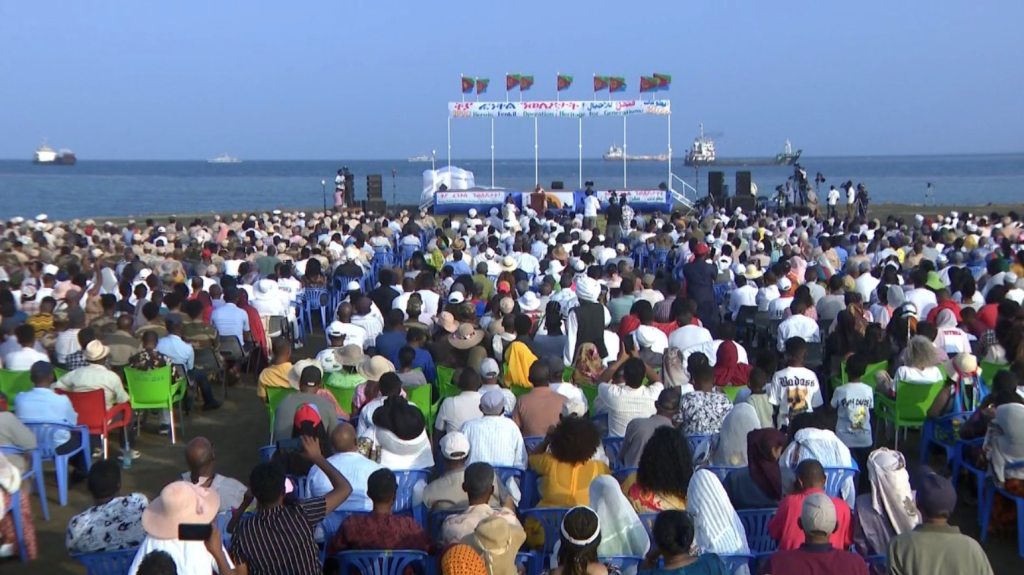
MASSAWA, Eritrea — The seashore of the historic port city of Massawa came alive today with patriotic fervor as Eritrea officially commemorated the 36th anniversary of Operation Fenkil, the decisive military offensive that liberated the strategic Red Sea port from Ethiopian occupation in 1990.
The official ceremony, held under the theme “Heroic Fenkil Operation: Heritage for Generations,” was broadcast live across the nation by Eritrean Television and Radio Dimtsi Hafash, bringing the celebration to every corner of the country. President Isaias Afwerki attended the event, joined by ministers, government and PFDJ officials, army commanders, religious leaders, and numerous nationals who gathered to honor this pivotal moment in Eritrea’s liberation history .
A Legacy of Heroism and Perseverance
Ms. Asmeret Abraha, Governor of the Northern Red Sea Region, delivered the keynote address, emphasizing the enduring significance of Operation Fenkil in the national consciousness. “The history of Operation Fenkil is a history of heroism, resolve, and perseverance of the Eritrean people and freedom fighters that will be remembered by future generations,” she declared to the assembled crowd .
The Governor drew direct connections between the sacrifices of the past and the development priorities of the present. She highlighted that national development programs being carried out in coordination with the public, members of the Defense Forces, construction companies, and other stakeholders represent the continuation of the Fenkil spirit. These programs, she noted, are based on “active and conscious public participation” and founded on “the pillars of social justice,” which together constitute the main message of the commemoration event .
Naval Power and Cultural Celebration
A dramatic highlight of the ceremony featured Fast Patrol Boats operated by female members of the Eritrean Naval Force, showcasing the integration of women into all aspects of national defense and the ongoing strength of Eritrea’s maritime capabilities .
The celebration wove together military display and cultural expression, with performances depicting the history of Operation Fenkil, praising the Eritrean people and freedom fighters, and conveying messages to adversaries. The artistic presentations also carried a message of social solidarity, encouraging support for disadvantaged citizens and families of martyrs who made the ultimate sacrifice for national liberation .
Week-Long Commemoration Activities
The 36th anniversary observance extends well beyond today’s official ceremony, encompassing a diverse array of activities designed to engage all sectors of society:
- Youth Week, organized in collaboration with the National Union of Eritrean Youth and Students, providing platforms for young Eritreans to connect with their national heritage
- Sports competitions celebrating physical fitness and team solidarity
- Photo exhibitions documenting the historic operation and its place in Eritrean history
- General knowledge contests testing understanding of the liberation struggle
- Children’s programs ensuring the youngest generation learns about this heritage
- The Fenkil Award ceremony recognizing contributions to national development and preservation of Fenkil values
- Seminars and community gatherings fostering discussion and reflection on the operation’s significance
Historical Significance of Operation Fenkil
Operation Fenkil, launched in February 1990, stands as one of the most decisive military campaigns of Eritrea’s 30-year war for independence from Ethiopia. The operation’s success in capturing Massawa, Eritrea’s second-largest city and primary port, dealt a crippling blow to Ethiopian forces and their Soviet-backed military apparatus. The victory severed critical supply lines and provided the Eritrean People’s Liberation Front (EPLF) with a strategic stronghold that would prove instrumental in the final push toward liberation in 1991.
Military historians note that the operation demonstrated the tactical sophistication of EPLF forces, combining conventional warfare with the guerrilla expertise honed during years of struggle. The capture of Massawa’s port facilities and the nearby islands fundamentally altered the strategic calculus of the war, opening new supply routes for the liberation forces while denying them to the enemy.
Fenkil in National Memory
For Eritreans, Fenkil represents more than a military victory—it embodies the resilience and determination that carried the nation through decades of struggle. The operation’s anniversary has become an annual opportunity to honor the martyrs who fell during the campaign and to transmit the values of sacrifice and national unity to younger generations.
The presence of female naval personnel in today’s ceremony carried particular resonance, reflecting how the liberation struggle transformed gender roles and established women as equal participants in national defense and development. During the armed struggle, women comprised approximately one-third of EPLF fighters, and their descendants continue to serve in all branches of the national defense forces.
Development as Continuation of Struggle
Governor Asmeret’s emphasis on development programs as the “main message” of the commemoration reflects a consistent theme in contemporary Eritrean national discourse: that the task of building the nation continues the work of liberating it. The “active and conscious public participation” she referenced draws direct parallels to the mass mobilization that sustained the armed struggle.
Infrastructure development in and around Massawa holds particular significance. The port city, once a major Ottoman and Italian colonial center, suffered extensive damage during the liberation war and has been the focus of ongoing reconstruction and modernization efforts. Development programs in the Northern Red Sea Region aim to restore Massawa’s historic role as a commercial hub while improving living conditions for its residents.
Transmitting Heritage to Generations
This year’s theme, “Heroic Fenkil Operation: Heritage for Generations,” explicitly frames the commemoration as an exercise in intergenerational transmission. With Eritrea’s population increasingly composed of young people born after independence, the challenge of conveying the lived experience of the struggle to those who did not witness it has become a national priority.
The variety of activities scheduled throughout the commemoration period—from children’s programs to youth competitions to general knowledge contests—reflects a deliberate strategy to engage different age groups through formats appropriate to their experiences and interests. The participation of the National Union of Eritrean Youth and Students in organizing Youth Week activities ensures that young people are not merely passive recipients of historical information but active participants in shaping how that history is remembered and transmitted.
A Nation Remembers
As the sun set over the Massawa seashore, the site where liberation fighters stormed ashore 36 years ago, the gathered nationals departed with renewed commitment to the values Fenkil represents. The ceremony, blending solemn remembrance with celebration of national achievements, reinforced the bonds that unite Eritreans across generations and regions.
For the families of martyrs, whose sacrifices were specifically honored in today’s proceedings, the commemoration offered public recognition of losses that can never be fully compensated. For the veterans of the liberation struggle in attendance, it provided validation that their efforts are remembered and valued. And for the young people participating in the week’s activities, it opened a window onto the experiences that shaped the nation they have inherited.
The 36th anniversary commemoration of Operation Fenkil continues through the coming days, ensuring that this pivotal moment in Eritrean history receives the reflection and celebration it deserves, and that its lessons and values continue to inform Eritrea’s national journey.

Exploring Indigenous Peacemaking at the 2026 Oromo Conference
Oromo Studies Association Honors Legacy of Prof. Hamdessa Tuso with Mid-Year Conference on Conflict Resolution and Peace-Building
Scholars and researchers invited to explore indigenous peacemaking traditions at University of Minnesota gathering
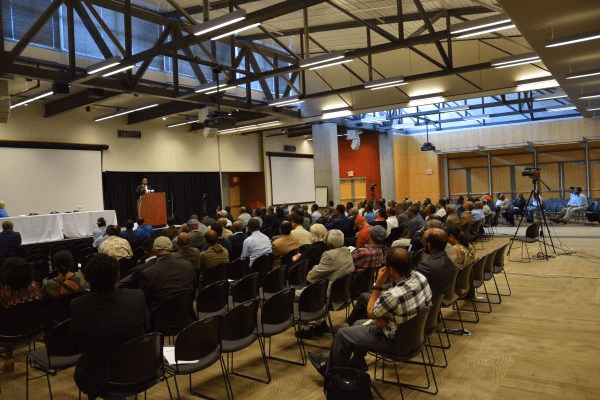
MINNEAPOLIS — The Oromo Studies Association (OSA) has issued a call for papers and panels for its 2026 Mid-Year Conference, scheduled for April 11-12 at the University of Minnesota Medical Center’s West Bank campus. This year’s gathering carries special significance as it will honor the life and legacy of Professor Hamdessa Tuso, a founding member of OSA and a towering figure in the study of indigenous conflict resolution mechanisms .
Under the theme “Conflict Resolution & Peace-Building: Honoring the Life and Legacy of Prof. Hamdessa Tuso,” the conference invites scholars, researchers, and community leaders to submit abstracts exploring the rich traditions of peacemaking that have sustained Oromo society for generations. The event will take place at 2450 Riverside Ave, Minneapolis, MN 55454.
A Life Devoted to Indigenous Peacemaking
Professor Hamdessa Tuso, who passed away on November 22, 2025, in Winnipeg, Manitoba, dedicated his life to studying and teaching about African indigenous conflict resolution processes . His scholarly work emphasized that indigenous forms of peacemaking—long dismissed by Western academics as “irrelevant and backward tribal rituals”—contain sophisticated mechanisms for building lasting peace .
Dr. Tuso earned his Ph.D. in Conflict Resolution and Peacebuilding from Michigan State University in 1981 and served in distinguished academic roles across North America, including as Professor of Peace and Conflict Studies at the University of Manitoba and as a faculty member at Nova Southeastern University . His landmark work, “Creating the Third Force: Indigenous Processes of Peacemaking,” which he co-edited with Maureen P. Flaherty, presented the Oromo Gadaa system as a global model for conflict resolution .
In that seminal volume, Tuso contributed chapters including “Indigenous processes of conflict resolution: neglected methods of peacemaking by the new field of conflict resolution” and “Ararra: Oromo indigenous processes of peacemaking,” establishing a scholarly foundation for understanding how Oromo traditional institutions can address contemporary conflicts .
Conference Theme and Significance
The conference announcement highlights the Oromo people’s historical role as “the anchoring population that cemented the coexistence of peoples of various creeds” and “guarantors of peace, stability and justice everywhere its rule prevailed.” According to the call for papers, historical accounts indicate that before the precolonial era, the Oromo managed to create alliances with neighboring tribes, transforming former rivals into partners.
The announcement also addresses historical challenges to Oromo recognition: “Since the formation of Ethiopia as an empire State, the Oromo people were brutally oppressed, marginalized, dehumanized and the contributions of the Oromo to maintaining peace and stability in the horn of Africa were denied the due recognition they deserved in history.”
It was not until the early 1970s that organized scholarly attention began to reveal “the hidden truth that the Oromo in fact are custodians of indigenous institutions of governance that guarantees equality of all its citizens, rule of law, justice and fairness for all living things and the environment.”
The conference draws on core Oromo values of Nagaa (peace) and Araara (reconciliation)—traditional principles that guide conflict resolution when disputes arise between groups and individuals. As the call for papers notes, “The Oromo Land is therefore rightly described as the sea of blessings, where elders call for peace to prevail over everything living and the environment.”
Call for Submissions
OSA invites abstracts for individual paper presentations, posters, panels, and roundtables addressing the conference theme and the following sub-themes:
- Indigenous Oromo institutions: exploring the mechanisms of peacebuilding and conflict resolution
- Mitigating intra-ethnic conflicts in Ethiopia, the Horn of Africa and elsewhere globally: lessons learned from other settings
- Building peace and resolving conflicts among the Oromo and neighboring nations and nationalities (such as Somali, Afar, Sidama) past, present, and future
- Federalization and exclusion of Oromo cities Harar, Dire Dawa, Jigjiga: case studies of the impact of forced division on Oromo approaches to peacebuilding and stability
- Dedicated Panel: Remembering the Life and Legacy of Prof. Hamdesa Tuso — welcoming reflections on how he approached the study of conflict resolution
- Examining women’s leadership in traditional Oromo peacebuilding and conflict resolution
- Transmitting the wisdom of peacebuilding to the younger generation in a time of intense war, violence and undermining of culture
Other topics will be considered, but priority will be given to abstracts relevant to the theme and sub-themes.
Submission Guidelines
Individual Papers or Posters: Submissions should include a 200-300 word abstract providing 1) title, 2) specific contribution to the theme, 3) evidence on which the presentation is based, and 4) brief findings or conclusions. Authors must include names, country of residence, affiliation, field of specialization, and contact information (email and WhatsApp).
Panels: Panels consist of four members of a pre-assembled group. Proposals should include the panel title and brief biographies of each panel member with academic credentials or community roles.
Roundtables: Roundtables bring together qualified scholars and prominent personalities moderated to discuss a specific topic, book, or research finding. Submissions should include the roundtable title, relevance to the conference theme, moderator information, and speakers’ names with contact details.
The deadline for submission is March 10, 2026, at midnight. Acceptances will be notified on a rolling basis, with final notices made by March 21. All submissions should be sent to: oromostudiesassociation@gmail.com
A Legacy of Scholarship and Advocacy
Professor Tuso’s contributions extended far beyond academia. He was among the earliest pioneers of the Arsi Basic School movement, helping ignite a culture of learning across Arsi in Oromia at a time when education itself was considered a revolutionary act . He championed Tokkumaa Oromoo (Oromo unity) and stood firmly against what he termed “the colonization of the Oromo mind.”
His service included organizing the Oromo Committee for Immigration and Refugees (OCIR) in the 1980s, helping secure asylum for thousands of Oromos in the United States at a time when the U.S. government had restricted asylum for Ethiopians . He also participated in the 1991 London Peace Conference, advocating for a just political reordering of Ethiopia .
As a founding force behind the Oromo Studies Association and its first president, Tuso nurtured generations of scholars committed to researching and preserving Oromo history and culture . The upcoming conference represents a continuation of that mission, bringing together researchers to explore how indigenous wisdom can address contemporary challenges.
For scholars of peace and conflict studies, African studies, and indigenous governance systems, the April conference offers a unique opportunity to engage with Oromo intellectual traditions at a moment of both remembrance and renewal.

Victorian Multicultural Commission Celebrates New ECCV Leadership

Melbourne, VIC – The Victorian Multicultural Commission (VMC) has extended its warm congratulations to Silvia Renda following her election as the new Chair of the Ethnic Communities’ Council of Victoria (ECCV).
Ms. Renda, a former VMC Commissioner, brings a wealth of experience to the role, having demonstrated a longstanding dedication to advancing the rights, representation, and wellbeing of multicultural communities across the state. The VMC highlighted that her previous tenure as Commissioner has left a “lasting impact on Victoria,” marking her as a seasoned advocate for social cohesion.
In a statement released this week, the Commission also praised the election of Jennifer Huppert to the position of ECCV Secretary. Ms. Huppert, also a former VMC Commissioner, is recognized for her continued commitment to community advocacy within the state’s diverse sector.
The VMC emphasized that the election of these two familiar figures to key leadership positions signals a strong future for cross-organizational collaboration.
“We are thrilled to see Silvia and Jennifer take on these vital roles within the ECCV,” the Commission stated. “We look forward to working closely with them as we continue our shared commitment to a harmonious, inclusive, and socially cohesive Victoria—a state where every community feels valued and heard.”
The Ethnic Communities’ Council of Victoria is the peak body for multicultural communities in the state, advocating for policies and services that support Victoria’s rich cultural diversity. The VMC, as a government-appointed body, serves as a vital link between multicultural communities and the Victorian Government.
The alignment between the two organizations, now strengthened by the shared history of the new ECCV leadership, is expected to bolster advocacy efforts for multicultural communities in the year ahead.

Melbourne’s Oromo Community Gathers to Honour the Enduring Wisdom of Professor Asmarom Legesse
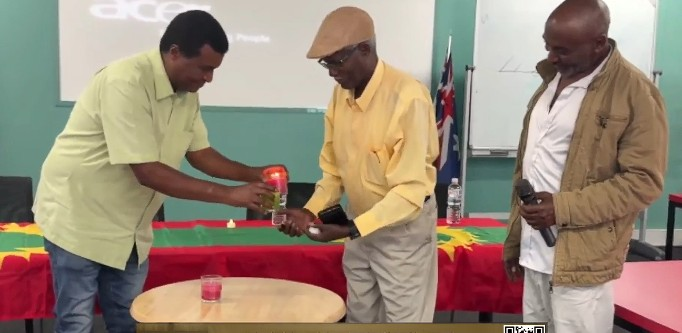
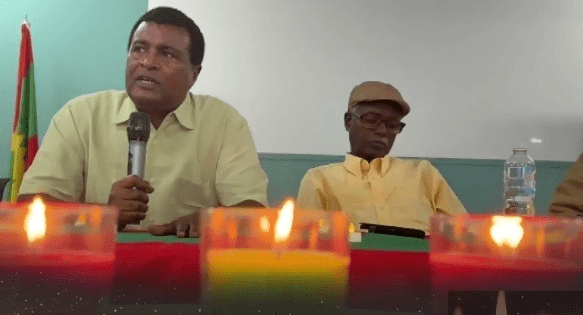
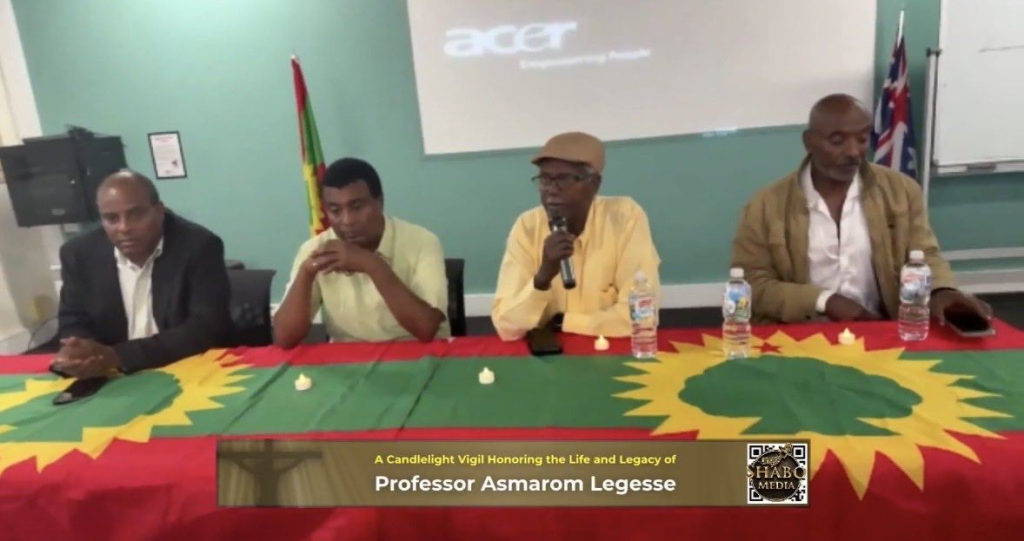
MELBOURNE – In a quiet corner of Melbourne’s bustling CBD, the soft glow of candlelight illuminated a profound legacy on Saturday evening. The Oromo community in partnership with the OLF Victoria Chapter, hosted a heartfelt candlelight vigil to honor the life and indelible contributions of the late Professor Asmarom Legesse.
Held at the Ross House Association on Flinders Lane, the gathering transformed the modest meeting space into a sanctuary of memory and reverence. From 5:30 pm, members of the Victorian Oromo diaspora, students, and community elders came together for an evening steeped in reflection, prayer, and cultural pride.
The vigil served as a poignant tribute to a man whose intellectual light guided generations. Professor Legesse, a distinguished anthropologist and Eritrean-born scholar of Oromo heritage, dedicated his life to preserving and interpreting the ancient Gadaa system—a traditional, indigenous system of governance recognized by UNESCO as a Masterpiece of the Oral and Intangible Heritage of Humanity.
For the Oromo people, Professor Legesse’s work was more than academic; it was an act of preservation. At a time when Oromo history and identity were systematically suppressed, his tireless research provided the scholarly foundation that validated the sophistication and democratic principles of Oromo culture for the world.
“It was an evening of reflection, prayer, and light as we commemorate his life,” a spokesperson for the organizers told those gathered. “Professor Legesse’s tireless dedication to the Oromo people and his preservation of the Gadaa System has left an indelible mark on our history.”
Attendees held candles high, their flames symbolizing the knowledge passed down through the ages—knowledge that Professor Legesse meticulously documented in seminal works like Gada: Three Approaches to the Study of African Society. The flickering lights also represented the hope that his teachings will continue to guide the Oromo struggle and identity for generations to come.
The atmosphere was one of communal mourning mixed with quiet celebration, as speakers shared anecdotes of the professor’s commitment and clarity. For the younger generation of the diaspora, the event was a vital connection to a homeland many have only heard about through the lens of their parents and scholars like Legesse.
As the vigil concluded, the message was clear: while the man may be gone, his wisdom must never fade.
LET HIS WISDOM SHINE ETERNALLY.

Ethiopia to Introduce Mandatory Premarital Training to Combat Rising Divorce Rates

ADDIS ABABA — In a landmark move to address the nation’s soaring divorce rates, Ethiopia’s Ministry of Women and Social Affairs has announced plans to implement mandatory premarital training certification before any couple can legally wed.
The new regulation, slated to take effect next year, would require all prospective couples to complete and obtain a premarital training certificate before entering into marriage, according to ministry officials.
A Response to Alarming Statistics
The announcement comes on the heels of concerning data from the Addis Ababa City Civil Registration and Residence Service Agency, which revealed that divorce rates have skyrocketed by 54 percent compared to previous years. With over 20 million families currently in Ethiopia, the stability of the family unit has become a pressing national concern.
“We have prepared training manuals to address this problem,” said Mr. Tesfaye Robele, Chief Executive for Elderly and Family Affairs at the Ministry of Women and Social Affairs. “The primary cause for many marital breakdowns is the lack of awareness and understanding about what marriage truly entails.”
Collaborative Approach with Religious Institutions
In a nation where marriage is deeply intertwined with religious and cultural traditions, the ministry is taking a collaborative approach to implementation. Officials emphasize that the new system will be developed in consultation with religious institutions and community elders, ensuring respect for diverse cultural and faith-based marriage traditions.
“We are working in consultation with religious institutions and elders,” Mr. Tesfaye confirmed. “We have made preparations to implement this system next year.”
Beyond Certification: Creating a Support Network
The premarital certification requirement is just one component of a broader strategy to strengthen Ethiopian families. The ministry also announced the establishment of a joint forum bringing together various institutions working on family issues.
According to Mr. Tesfaye, this forum aims to fill gaps in family management practices and will provide recommendations and guidance to the government on necessary actions to support family stability.
“We must begin the journey toward national change starting from the family,” the official emphasized, highlighting the fundamental role that stable households play in broader societal development.
Implementation Timeline
Ministry officials indicate that preparations are currently underway, with the goal of launching the mandatory training program within the next year. The specific curriculum content, duration of training, and implementation mechanisms are expected to be finalized following consultations with religious and community leaders.
As Ethiopia grapples with rapidly changing social dynamics, this proactive approach to marriage preparation represents a significant intervention aimed at strengthening the foundational unit of society—the family.
The initiative signals the government’s recognition that healthy marriages are not just private matters but contribute substantially to national stability and development.
This feature examines Ethiopia’s innovative approach to addressing rising divorce rates through mandatory premarital education and certification.

Celebrating 27 Years of Love: An Oromo Couple’s Journey of Resilience and Devotion
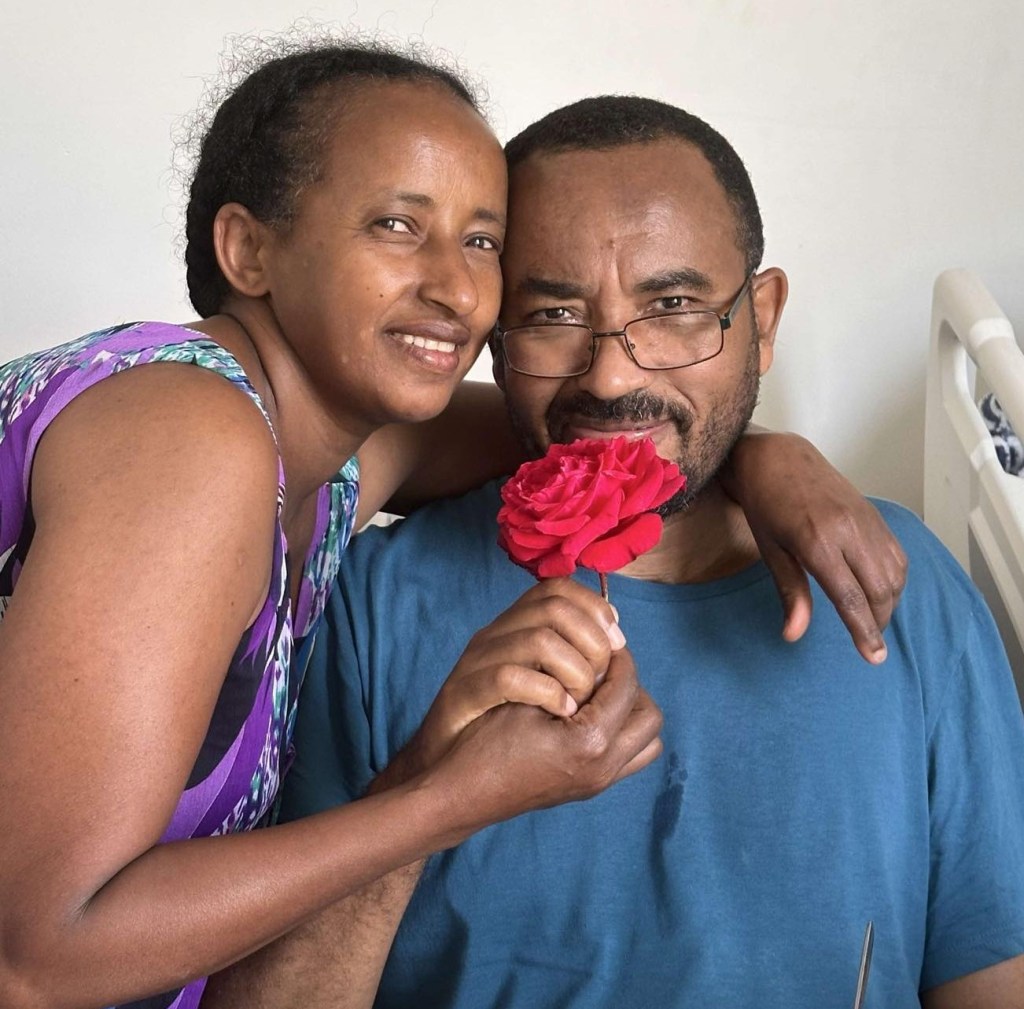
Melbourne, Australia — In a world where relationships are often tested by adversity, one couple’s remarkable 27-year journey together stands as a powerful testament to enduring love, faith, and unwavering commitment.
“Twenty-seven years ago, I made the decision to choose you as my partner,” reflects the husband, his voice filled with emotion as he shares their story. “These years have been incredibly meaningful, filled with purpose and blessings.”
The couple’s decades-long union has weathered storms that would challenge even the strongest of bonds. From periods of sickness to other profound hardships, they have faced numerous trials that have tested the foundation of their relationship.
“We have passed through many challenges, including illness and various difficulties,” he recounts, acknowledging the obstacles that have marked their shared path. Yet rather than breaking them, these challenges have forged an even stronger connection between them.
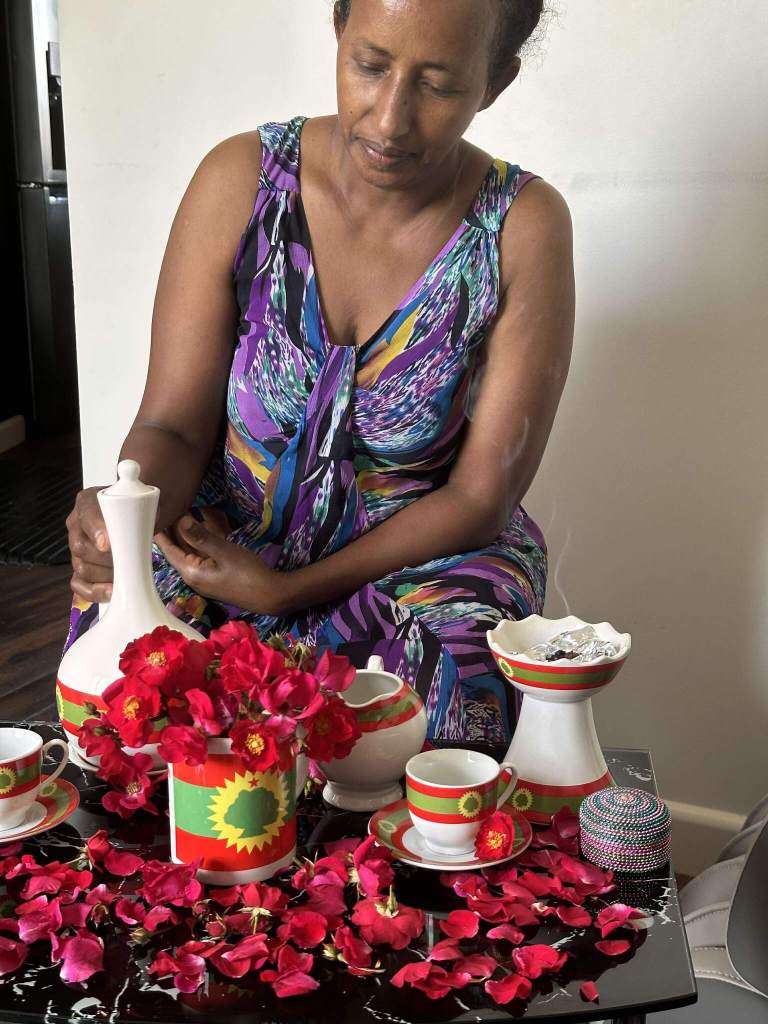
At the heart of their enduring partnership lies a deep spiritual foundation. With profound gratitude, the husband acknowledges the divine guidance that has carried them through their darkest moments. “Thanks be to God who helped us endure every burden and brought us to this day,” he expresses, his faith serving as an anchor throughout their journey.
Perhaps the most beautiful revelation emerging from their 27-year odyssey is the nature of love itself. “My love for you grows deeper every day,” he declares, offering a powerful reminder that authentic love is not static but dynamic—strengthening and deepening with each passing year, each shared trial, and each moment of mutual support.
The couple’s story resonates as a universal celebration of marital commitment, offering hope and inspiration to others navigating the complexities of long-term relationships. In an era of increasing disconnection, their testimony stands as a beacon of what is possible when two people choose each other—not just once, but every single day for 27 years.
As they mark this milestone anniversary, their message is simple yet profound: “My dear, I love you more than ever!”
Their journey reminds us all that while love may begin with a choice, it endures through daily commitment, shared faith, and the quiet determination to stand together regardless of what challenges may come.
—
This feature celebrates the universal values of love, commitment, and resilience that transcend cultural boundaries and inspire us all.

Ethiopia Marks 14th World Radio Day with a Focus on Diversity and Community Service

ADDIS ABABA — Ethiopia joined the global community today in celebrating the 14th World Radio Day under the theme “Radio and Artificial Intelligence.” In a message marking the occasion, the Ethiopian Media Authority (EMA) highlighted the medium’s indispensable role in serving the nation’s diverse population and reaffirmed its commitment to supporting the sector’s growth.
“Happy World Radio Day to all radio journalists, editors, leaders, and listeners across our nation!” declared Haimanot Zelake, Director General of the Ethiopian Media Authority, in a statement released to the press .
The global observance, celebrated annually on February 13, has a rich history. The concept was initiated by the Spanish Radio Academy, and the formal proposal was presented to UNESCO in 2010. It was proclaimed by UNESCO in 2011 and subsequently adopted by the United Nations General Assembly in 2012, with February 13 chosen to commemorate the establishment of United Nations Radio in 1946 . This year marks the 14th time the day has been celebrated worldwide .
The Enduring Power of Radio in Ethiopia
In her message, Director General Zelake underscored the unique and vital role radio plays in Ethiopia’s specific context. As a low-cost and accessible medium, radio remains the primary source of information, education, and entertainment for communities across the country, effectively serving as a cornerstone for public discourse and democratic engagement .
“Radio plays a unique role in informing, educating, and entertaining the public,” Zelake stated. “Given our national context, its importance is extremely high, serving as a key source of information in almost all areas.”
The Ethiopian Media Authority, empowered by its founding legislation, views radio as essential for guaranteeing the public’s right to information and ensuring media accessibility . The Authority’s mandate includes licensing, monitoring, and supporting media outlets to create an enabling environment for them to flourish.
A Growing and Diverse Radio Landscape
The Director General provided an encouraging update on the state of the industry, highlighting a significant expansion in the number of radio stations operating under the Authority’s license. Currently, Ethiopia is home to a vibrant mix of 57 radio stations, comprising:
- 31 Public radio stations
- 10 Community radio stations
- 11 Commercial radio stations
- 5 Educational radio stations
This diverse media landscape ensures that a multitude of voices and perspectives are represented, catering to the varied interests of the Ethiopian populace. “Radio stations operate by taking into account the diverse thoughts and interests of society,” Zelake emphasized.
Amplifying Community Voices
A key focus of the Authority’s work, as outlined in the message, is the expansion and strengthening of community radio. These stations are vital for reaching remote and vulnerable groups, giving a platform to the illiterate, women, youth, and marginalized communities to participate in public debate .
Haimanot Zelake stressed that beyond issuing licenses, the Authority is actively creating support frameworks to help community stations thrive. This support is crucial for ensuring that Ethiopia’s nations, nationalities, and peoples can use their languages and promote their cultures and values. The Director General reiterated that the Authority’s commitment to this cause will continue to be strengthened.
“As we celebrate this day, I want to reaffirm that the Authority’s support in this regard will continue to be strengthened,” she said. “The role of radio in enabling nations, nationalities, and peoples to use their own languages and promote their culture and values is immense.” .
As Ethiopia celebrates this World Radio Day, the message from the EMA is clear: radio is not a dying medium but a resilient and evolving force for unity, information, and community empowerment, and its growth will continue to be a national priority.

General Damisse Bulto: The Forgotten Eagle of Ethiopia’s Skies
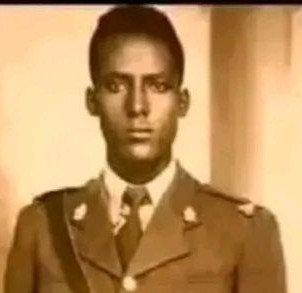
Personal Profile
Who was General Damisse Bulto? 💔
The question lingers, suspended in grief and memory. For those who knew him, he was a son of Ada’a Berga, a herdsman turned warrior, an aviator who painted his nation’s future across African skies. For those who have forgotten—or were never taught—he is a ghost in the military archives, a name erased from official histories, a body moved in secret.
This is his story.
From the Pastoral Plains
General Damisse Bulto Ejersa was born in 1926 in Ada’a Berga District, West Shewa, to his mother Adde Ayyee Jiraannee and his father Mr. Bultoo Ejersa. From childhood, he knew the weight of responsibility. While other boys played, young Damisse tended his family’s cattle, moving through grasslands that would later seem impossibly distant from the jet streams he would one day command.
But the open fields that raised him also gave him his first taste of horizons. A boy who watches the sky from the earth learns to dream of flight.
When he reached the appropriate age, Damissae traveled to Finfinne to study at the Medhanealem School. It was there, in the capital’s classrooms, that a military recruitment announcement changed everything. The Makonnen School was calling for cadets. Without informing his family, the young man enlisted—and stepped onto a path that would define the rest of his life.
The Making of a Makonnen
Three years of intensive training transformed the cattle herder’s son into a disciplined officer. By 1946, as Lieutenant Colonel, he received orders that would carry him far from Ethiopian soil.
The Korean Peninsula was aflame. The Cold War’s first hot conflict had drawn nations from across the globe into its crucible. Ethiopia, under Emperor Haile Selassie, committed troops to the United Nations forces. Among them was Damissae Bultoo—a young commander representing his ancient empire on a distant battlefield.
He served with distinction. He returned alive. He completed his consecration ceremony. And then his nation called again.
Ethiopia had no air force to speak of. The Emperor, modernizing his military, sought to build one from the cockpit up. Damissae was selected for training in Israel, where he learned the arts of aerial warfare from one of the world’s most capable air arms. He returned home a pilot—and soon, commander of the famed “Flying Leopard” squadron.
Wars and Recognitions
The 1950s and 1960s were decades of fire. When Somalia challenged Ethiopia’s territorial integrity, General Damisse took to the skies. In 1955 and again in 1957, he flew combat missions against Somali forces, his Leopards drawing blood across the Ogaden skies.
Emperor Haile Selassie took notice. The young man from Ada’a Berga, who had once watched clouds from cattle pastures, now received medals and commendations from the Lion of Judah himself. He rose through the ranks: Colonel in 1969, Brigadier General in 1972, Major General in 1977.
Each promotion marked not merely personal advancement but the trajectory of a man who had dedicated his entire existence to the defense and dignity of his nation.
The Dream of Oromia
Yet General Damisse’s patriotism was not uncritical. He loved Ethiopia—but he also saw its failures. He served the empire—but he also dreamed of liberation for his own people.
When the Derg seized power, when Mengistu Hailemariam’s Red Terror washed Ethiopian cities in blood, General Damisse made his choice. He would not merely serve. He would resist.
The plan was audacious, befitting an airman accustomed to thinking in three dimensions. On the morning of December 8, 1981, Mengistu was scheduled to depart for East Germany. General Damisse and his co-conspirators intended to shoot down the dictator’s aircraft—or, alternatively, divert it to Eritrea and capture the leader himself. A single blow to decapitate the Derg and open the path for Oromia’s liberation.
But conspiracies breathe thin air in authoritarian states. Fellow air force officers, when approached, hesitated. Some refused outright. The plot faltered, then collapsed. No missile was fired. No aircraft was diverted. No dictator fell.
The dream of an Oromo political order, forged in that moment of daring, remained unrealized.
The Exile and the Grave
What follows is contested, obscured, deliberately forgotten.
What is known: General Damisse was killed. The commander of the Flying Leopards, the veteran of Korea and Ogaden, the man who had received medals from an emperor’s hand, died at the hands of fellow officers—or of the regime they served.
His body was initially interred in Asmara, within the compound of the Catholic Church of St. Isteqs. Eritrea, then still part of Ethiopia, received the fallen general in silence. His grave marked nothing more than a name, a date, a vanished life.
But even the dead are not beyond the reach of politics.
Years later, after Eritrea had separated, after Asmara had become foreign soil, General Damisse’s remains were exhumed. They traveled south, across the border his squadron had once defended, back to the capital city where a cattle herder’s son had first dreamed of flight.
Today, they say, he rests in Finfinne. Within the compound of St. Joseph’s Church. A man displaced even in death, his final resting place known to few, visited by fewer still.
What Remains
General Damisse Bulto left no political testament. No memoirs. No public confessions or private apologies. He left only the record of his service—the medals, the missions, the promotions—and the whispered memory of a plot that failed.
To Ethiopian military history, he is an embarrassment: a decorated commander who turned against the state. To Oromo nationalists, he is a martyr: a patriot who understood that love of nation and love of people could not be separated. To his family, he is simply gone—a father, a grandfather, a name spoken in prayers.
And to the young men and women of Ada’a Berga, who still tend cattle beneath the same skies he once watched, he is a question without answer.
Who was General Damisse Bulto?
The cattle know. The grass knows. The wind that moves across the West Shewa highlands remembers the boy who became an eagle.
But the archives are silent. The grave is quiet. And the dream he died for remains, like his body, displaced—waiting for a nation that has not yet decided whether to claim him.
💔
The author acknowledges the family of General Damisse Bulto and surviving members of the Ethiopian Air Force who provided information for this profile, many of whom spoke on condition of anonymity.





 Advocacy for Oromia