Author Archives: advocacy4oromia

Oromo Assembly 2025: A New Era for Peace and Unity
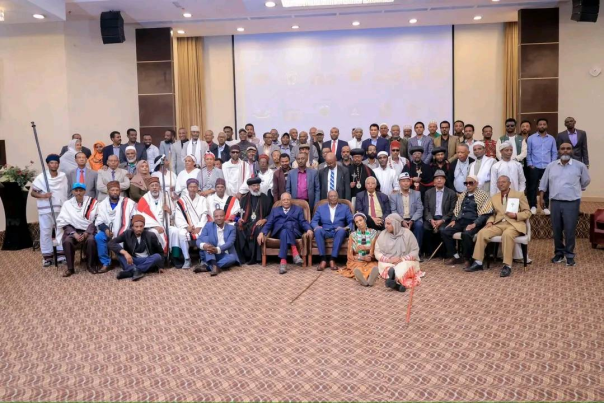
This comprehensive four-day discussion held by various Oromo community organizations, the Oromo Liberation Front (OLF), and the Oromo Federalist Congress (OFC) at Ilili Hotel from February 19 to February 22, 2025, represents a significant effort to address the political, military, and socio-economic crises facing the Oromo people. The resolutions and agreements reached during this meeting reflect a collective commitment to achieving lasting peace, justice, and stability in Oromia. Below is a summary of the key points and their implications:
1. Establishing and Maintaining Peace
- Recognition of Historical Injustices: The delegation acknowledged that the Oromo people have been deprived of justice and freedom since the Nafxanya system, leading to ongoing instability. The OLF and OFC have committed to ending the war in Oromia and establishing sustainable peace.
- Interim Transitional Government: Until democratic elections can be held, an Interim Transitional Government of Oromia will be established, inclusive of all relevant political parties and stakeholders. This government will focus on delivering essential public services and ensuring stability.
- Integration of the Oromo Liberation Army (OLA): The OLA will be integrated into the political and administrative framework of the Interim Transitional Government, ensuring its role in maintaining law, order, and territorial integrity.
2. Resolving the Issues of Addis Ababa (Finfinnee) and Oromia’s Borders
- Addis Ababa (Finfinnee): The delegation affirmed that Addis Ababa historically and legally belongs to the Oromo people and should be administered by the Oromia government.
- Reclaiming Oromo Territories: Territories such as Wallo, Dire Dawa, Matakkal, Moyale, and Madda Walabu, which were forcibly separated from Oromia, will be reclaimed through legal and diplomatic means.
3. Strengthening Oromo Unity and Institutional Development
- Revitalization of the Gadaa/Siinqee System: The Gadaa/Siinqee system, as the foundation of Oromo governance and unity, will be studied and revitalized to align with contemporary realities. This system will serve as the governing framework for the Oromo people.
4. Rights of Non-Oromo Nations and Nationalities in Oromia
- Protection of Minority Rights: The OLF and OFC committed to ensuring that all ethnic groups residing in Oromia can live without fear and that their rights are fully protected, drawing on the historical inclusivity of the Gadaa system.
5. Relations Between the Oromia Government and the Federal Government
- Addressing Federal Imbalances: The delegation highlighted the lack of rule of law, underrepresentation of Oromos in federal institutions, and the absence of autonomy in key federal institutions. The OLF and OFC will work to ensure that Oromo rights and interests are respected at the federal level.
Participants in the Joint Assembly
The meeting included a wide range of Oromo organizations and traditional institutions, such as:
- Council of Oromia’s Gadaa Leaders
- Macca and Tulama Association
- Irkoo 1976 (Traditional Council of Elders)
- Yaa’ii Ganyaa Harooreessaa (Siinqee Women’s Council)
- Council of Abbaa Dhugaa (Abbaa Muudaa/Ayyaantuu Institution)
- Wayyooma Anaajinaa (Dirree Sheek Huseen Council)
- Wayyooma Soof Umar (Judiciary Council)
- Nagummaa Dambii (Sayidii Alfaqii Religious Council)
- Oromia National Elders Council
- Academia and University Scholars Council
- Teessoo Magarsaa Badhaasaa (Oromia Synod Council – Pheexiroos Seat)
- Makaana Yesus Church Council of Ethiopia
- Dhugeeffannaa Uumaa (Waaqeffannaa Faith Organization)
- Yuba 1st Council (Human and Civil Rights Advocacy Group)
- Waahilan Waltajjii (Yuba 4th Council)
- Yaa’aa Haaromsa Finfinnee (Addis Ababa Oromo Community Council)
Final Commitment
The OLF and OFC have been entrusted with implementing the agreements reached during the assembly. The participating organizations pledged their full support to ensure the realization of these resolutions.
Signed by:
Delegation of Oromo Community Organizations & Oromo Political Organizations (OLF & OFC)
February 22, 2025 – Finfinnee (Addis Ababa)
Implications and Significance
This meeting marks a pivotal moment in the Oromo struggle for justice, freedom, and self-determination. By addressing critical issues such as peace, governance, territorial integrity, and minority rights, the resolutions aim to create a foundation for lasting stability and prosperity in Oromia. The inclusion of diverse Oromo organizations and traditional institutions underscores the unity and collective determination of the Oromo people to overcome their challenges.
The success of these agreements will depend on the commitment of the OLF, OFC, and the broader Oromo community to work together, as well as the willingness of external stakeholders, including the Ethiopian federal government, to engage constructively with these efforts. If implemented effectively, these resolutions could pave the way for a more inclusive, just, and peaceful future for the Oromo people and all communities in the region.
Oromo Assembly: Path to Peace and Stability
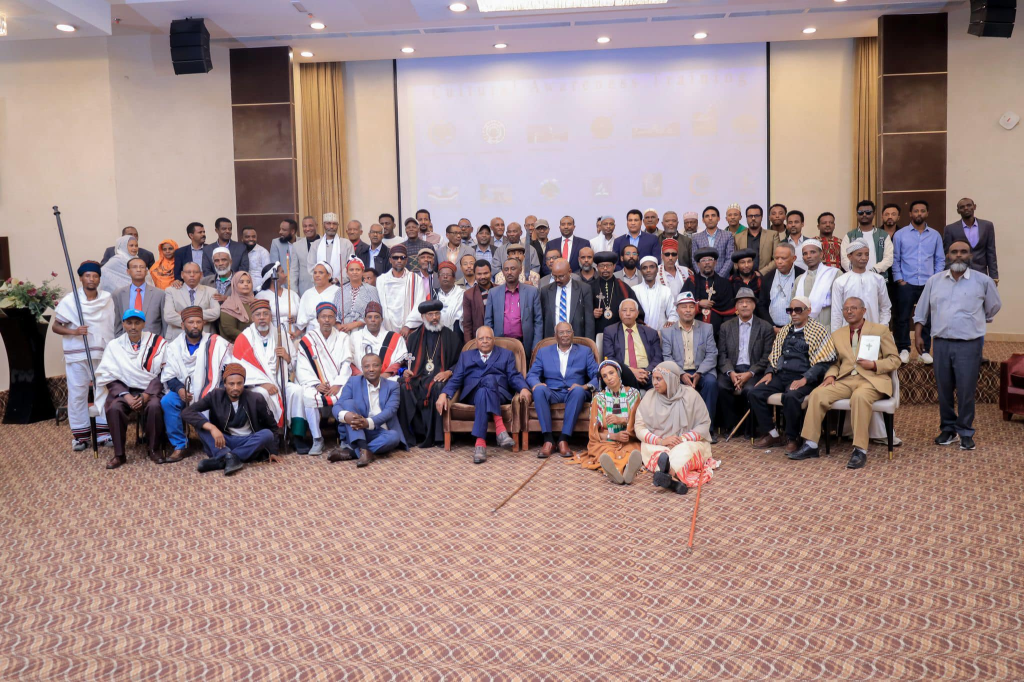
Joint Assembly Discussion Agreement
A delegation of various Oromo community organizations, the Oromo Liberation Front (OLF), and the Oromo Federalist Congress (OFC) held an extensive four-day discussion at Ilili Hotel from February 19 to February 22, 2025.
The purpose of the discussion was to seek solutions for the ongoing political and military crises in Oromia and the challenges affecting the livelihood of the Oromo people.
During these discussions, we thoroughly analyzed the dire situation in Oromia, where human lives are being lost daily, people are struggling to make a living, and the community is facing severe instability, leaving them uncertain about their future.
To ensure lasting peace and stability for the Oromo people, we have reached the following agreements:
1. On Establishing and Maintaining Peace
a. The delegation of various Oromo community organizations participating in this meeting recognized that the Oromo people have been deprived of justice and freedom since the fall under the Nafxanya system. Consequently, they have continued to live in instability and conflict. We agreed that for sustainable peace and stability, the justice and freedom of the Oromo people must be fully restored.
To achieve this, the OLF and OFC have taken responsibility for doing everything within their capacity to ensure the cessation of war in Oromia and the establishment of lasting peace.
b. The delegation acknowledged the necessity of providing a fundamental political and administrative solution to Oromia’s crisis.
To this end, the OLF and OFC are entrusted with ensuring that, until the Oromo people democratically elect their own government, an Interim Transitional Government of Oromia is established. This government should include all relevant political parties and stakeholders and should be capable of delivering essential public services.
c. Recognizing the significant role of the Oromo Liberation Army (OLA) in securing peace in Oromia, the OLF and OFC have taken responsibility for integrating the OLA into the political and administrative framework of the Interim Transitional Government of Oromia. This ensures that the army will be accountable for maintaining law and order, as well as protecting Oromia’s territorial integrity.
2. Resolving the Issues of Addis Ababa (Finfinnee) and Oromia’s Borders
a. The delegation unanimously recognized that Addis Ababa (Finfinnee) historically and legally belongs to the Oromo people and is the capital city of Oromia. Thus, the OLF and OFC have committed to ensuring that the city is officially administered by the Oromia government.
b. Acknowledging that several Oromo territories, including Wallo, Dire Dawa, Matakkal, Moyale, and Madda Walabu, have been forcibly separated from Oromia due to various administrative decisions, the OLF and OFC have taken responsibility for reclaiming these territories in accordance with international and national legal frameworks.
3. Strengthening Oromo Unity and Institutional Development
a. The delegation recognized the Gadaa/Siinqee system as the foundation of Oromo unity and governance in political, economic, social, and cultural aspects. The OLF and OFC have been entrusted with thoroughly studying and revitalizing the Gadaa system to align it with contemporary realities, ensuring that it becomes the governing system for the Oromo people.
4. Rights of Non-Oromo Nations and Nationalities in Oromia
a. Understanding that the Gadaa system historically provided a framework for peaceful coexistence among different communities, the OLF and OFC have committed to ensuring that all ethnic groups residing in Oromia can live without fear and that their rights are fully protected.
5. Relations Between the Oromia Government and the Federal Government
a. The delegation acknowledged the lack of rule of law within the Federal Government, the underrepresentation of Oromos in federal institutions despite their population size and contributions, and the absence of autonomy in federal institutions such as the judiciary, federal police, and defense forces.
The OLF and OFC have committed to addressing these issues and ensuring that the Oromo people’s rights and interests are respected at the federal level. Participants in the Joint Assembly The following Oromo organizations and traditional institutions participated in the discussions:
1. Council of Oromia’s Gadaa Leaders
2. Macca and Tulama Association
3. Irkoo 1976 (Traditional Council of Elders)
4. Yaa’ii Ganyaa Harooreessaa (Siinqee Women’s Council)
5. Council of Abbaa Dhugaa (Abbaa Muudaa/Ayyaantuu Institution)
6. Wayyooma Anaajinaa (Dirree Sheek Huseen Council)
7. Wayyooma Soof Umar (Judiciary Council)
8. Nagummaa Dambii (Sayidii Alfaqii Religious Council)
9. Oromia National Elders Council
10. Academia and University Scholars Council
11. Teessoo Magarsaa Badhaasaa (Oromia Synod Council – Pheexiroos Seat)
12. Makaana Yesus Church Council of Ethiopia
13. Dhugeeffannaa Uumaa (Waaqeffannaa Faith Organization)
14. Yuba 1st Council (Human and Civil Rights Advocacy Group)
15. Waahilan Waltajjii (Yuba 4th Council)
16. Yaa’aa Haaromsa Finfinnee (Addis Ababa Oromo Community Council) Final Commitment
The OLF and OFC have been entrusted with implementing the agreements reached in this assembly. The Oromo community representatives at this meeting have pledged to provide full support for the realization of these resolutions.
Signed by:
Delegation of Oromo Community Organizations & Oromo Political Organizations (OLF & OFC) February 22, 2025 – Finfinnee (Addis Ababa)
Marking Adulthood: Robera Abdeta’s 18th Birthday Importance
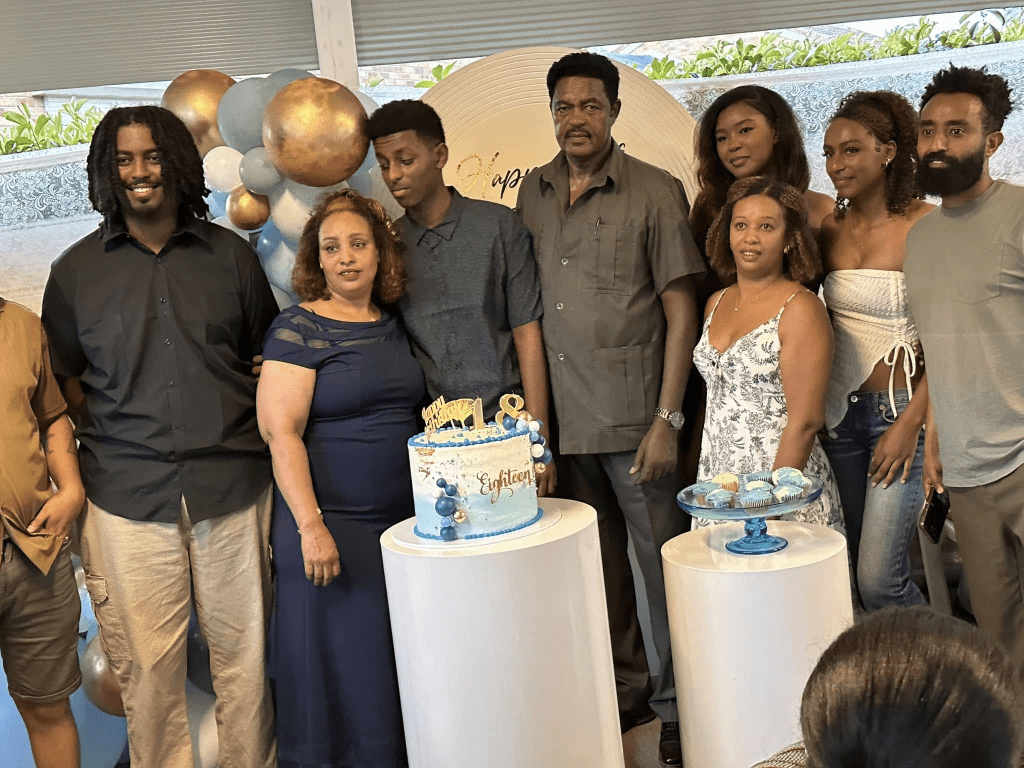
Robera Abdeta’s 18th birthday marks a significant milestone, not only for him but also for his family, friends, and the broader Oromo community. Turning 18 is often seen as a transition into adulthood, a moment filled with hope, responsibility, and celebration. For Robera, this day was made even more special by the presence and blessings of his loved ones, including his family, siblings, friends, and relatives.
In Oromo culture, such celebrations are deeply rooted in communal values, where the collective joy of the community amplifies the significance of individual milestones. The blessings from Oromo elders and fathers carry profound cultural and spiritual weight, symbolizing the passing of wisdom, guidance, and good fortune to the younger generation. These blessings are not just personal but are seen as a way to strengthen the bonds within the community and ensure its continuity.
The presence of family, brothers, sisters, and friends highlights the importance of kinship and solidarity in Oromo society. Such gatherings are not merely social events but are also opportunities to reinforce cultural identity and shared values. For Robera, this day likely represents a moment of reflection on his journey so far and the responsibilities that come with adulthood.
The celebration also underscores the role of the Oromo community in nurturing and supporting its youth. By coming together to celebrate Robera’s 18th birthday, the community reaffirms its commitment to guiding and empowering the next generation. This day, therefore, is not just about Robera as an individual but also about the collective aspirations of his family and community for his future.
In essence, Robera Abdeta’s 18th birthday is a celebration of growth, unity, and cultural heritage. It is a day that encapsulates the love, hope, and blessings of his family and community, marking the beginning of a new chapter in his life as a young adult within the Oromo tradition.
Celebrating Life: The Significance of Shanan Day
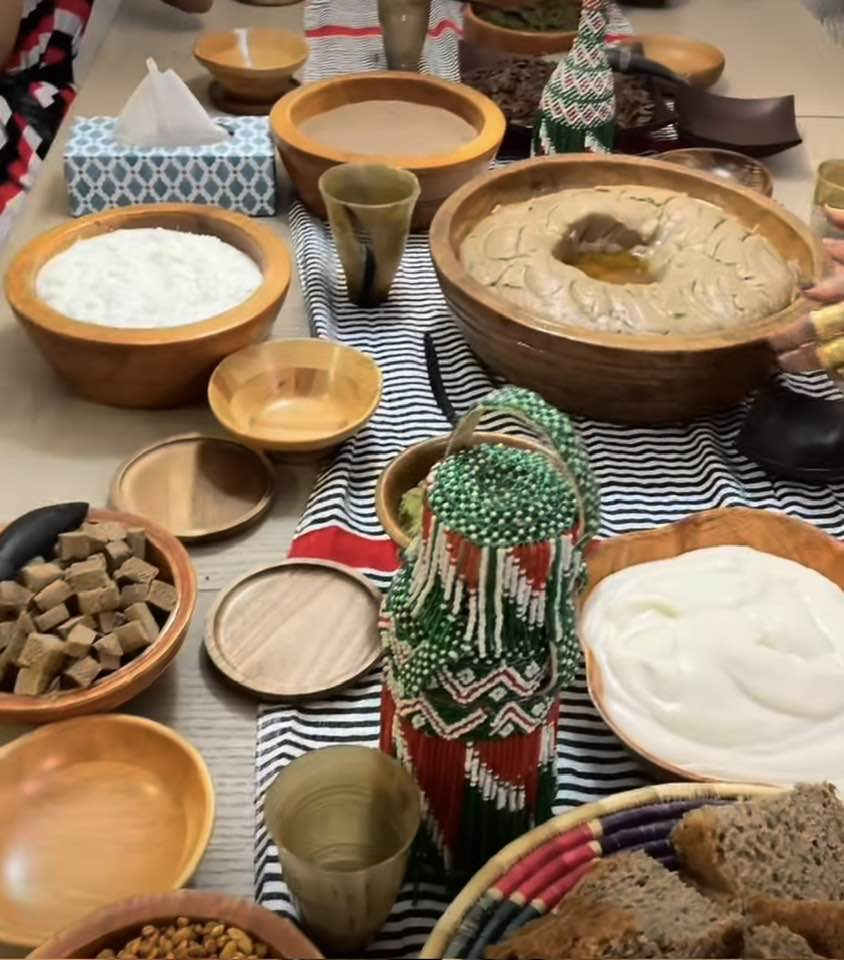
The Shanan culture (the fifth-day postpartum celebration) in Oromo tradition is indeed a profound and multifaceted practice that holds deep cultural, social, and spiritual significance. One of its most beautiful aspects is the special care and respect given to midwives, who play a critical role in ensuring the safe delivery of the newborn and the well-being of the mother. This tradition reflects the Oromo people’s gratitude, love, and reverence for midwives, as well as their acknowledgment of the divine role in the miracle of childbirth.
Special Care and Services for Midwives:
- Expression of Gratitude:
- Midwives are honored for their skill, dedication, and care during childbirth. The services and gifts they receive on the shanan day are a way of expressing heartfelt thanks for their role in bringing new life into the world.
- This gratitude extends beyond the immediate family, as the community recognizes the midwife’s contribution to the well-being of society.
- Rituals of Respect:
- On the shanan day, midwives are often given special seats of honor during the celebrations. They may be presented with gifts such as clothing, food, or other tokens of appreciation.
- Elders and family members may offer prayers and blessings for the midwife, asking for God’s favor and protection in their life and work.
- Thanksgiving to God:
- The shanan day is not only about honoring the midwife but also about giving thanks to Waaqa (God) for the safe delivery of the child and the health of the mother. The midwife is seen as an instrument of God’s will, and their work is celebrated as a divine blessing.
- Prayers and rituals performed during the shanan day often include expressions of gratitude to God for guiding the midwife and ensuring a successful childbirth.
- Cultural Significance:
- The shanan culture reinforces the importance of midwives in Oromo society. It highlights their role as guardians of life and health, ensuring that their knowledge and skills are respected and preserved.
- By honoring midwives, the Oromo people pass down the values of care, compassion, and community support to future generations.
Why the Shanan Culture is Popular:
- Celebration of Life:
- The shanan day is a joyous occasion that celebrates the miracle of birth and the continuation of life. It brings families and communities together to share in the happiness of a new beginning.
- Community Bonding:
- The shanan culture strengthens social ties by fostering a sense of unity and shared responsibility. It reminds the community that the well-being of the mother and child is a collective concern.
- Cultural Preservation:
- The shanan day is an important tradition that preserves Oromo cultural identity. It reflects the community’s values, beliefs, and practices, ensuring that they are passed down to future generations.
- Healing and Recovery:
- The shanan day provides a structured period for the mother to recover from childbirth, both physically and emotionally. The support and care she receives during this time are crucial for her well-being.
- Spiritual Connection:
- The shanan culture emphasizes the spiritual dimension of childbirth, acknowledging the role of God in the creation of life. It is a time for prayer, reflection, and thanksgiving.
- Empowerment of Women:
- By honoring midwives and mothers, the shanan culture celebrates the strength and resilience of women. It highlights their central role in the family and community, fostering a sense of pride and empowerment.
Conclusion:
The Shanan culture is a beautiful and meaningful tradition that embodies the values of gratitude, respect, and community. By honoring midwives and celebrating the miracle of birth, the Oromo people reaffirm their commitment to preserving their cultural heritage and supporting one another. This tradition is not only a celebration of life but also a powerful reminder of the importance of love, care, and unity in building a strong and resilient community.
Fayyaa fi nagaa! (Health and peace!) 🙏
Oromia Community Unites at Joint Conference 2025
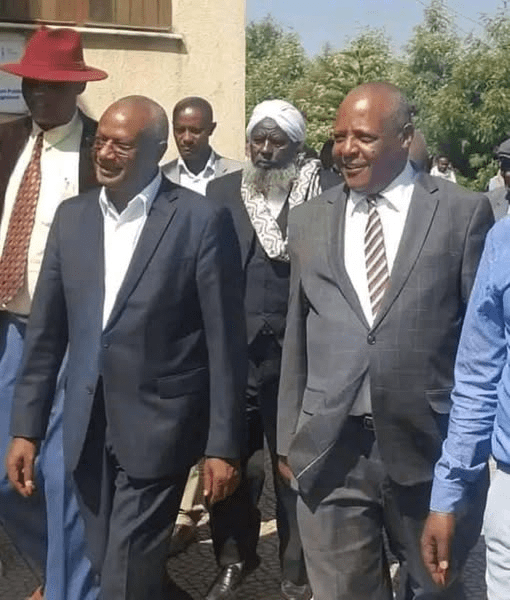
The forum entitled “Joint Conference “organized by the OLF and OFC started in Finfinnee, Oromia.
The first ever conference in history, the Joint Conference of the ABO (OLF) and KFO (OFC) will involve all sections of the community to discuss the current situation with the people.
The Joint Conference is being attended by Abbots of Gadaa, religious leaders, scholars from various Universities, past and present yubboota- (retired elders) and those who have not been involved in the political movement before.
Although the Joint Conference of the ABO and KFO will officially start on January 19, 2025, they have been meeting for the past three months to discuss the success of the Conference.
The Joint Conference will discuss the importance of MCBNO (OTNG) and the situation of human rights violations in Oromia as well as the independence of the borders of Oromia.
The Joint Conference was attended by more than 100 delegates representing various delegations including ABO and KFO leaders.
The joint conference of the ABO and KFO which started on January 19/2025 is expected to pass major decisions.
The forum is said to be the first in history to be held in this manner and the forum is closed to any media.
Understanding Shanan Day in Oromo Culture
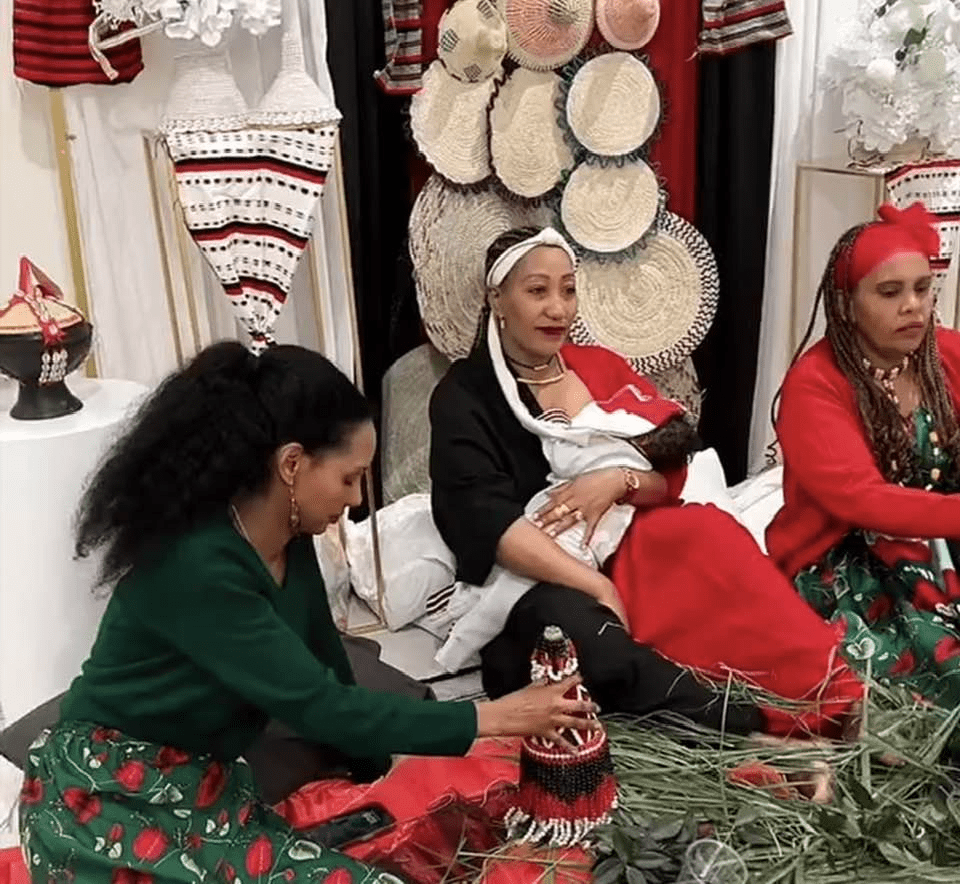
In Oromo culture, the **shanan day** (the fifth day after childbirth) is a deeply respected and cherished tradition. This day holds significant cultural, social, and emotional importance for the mother, the newborn, the family, and the community. It is a time of celebration, healing, and bonding, rooted in the values of care, support, and communal love.

Significance of the Shanan Day in Oromo Culture:

1. Celebration of New Life:
   - The shanan day marks the arrival of a new life into the family and the community. It is a time to celebrate the miracle of birth and the continuation of the family lineage.
   - The newborn is welcomed with blessings, prayers, and rituals that reflect the community's hopes for the child's future.

2. Family Blessings and Support:
   - On this day, the mother and child receive blessings from elders, family members, and the community. These blessings are believed to bring protection, health, and prosperity to the newborn.
   - Relatives and friends gather to show their love and support, reinforcing the communal bonds that are central to Oromo culture.

3. Healing and Recovery:
   - The shanan day is also a time for the mother to recover from the physical and emotional challenges of childbirth. The community's support during this period is crucial for her well-being.
   - Traditional practices, such as special meals, herbal remedies, and rest, are often provided to help the mother regain her strength.

4. Role of Midwives:
   - Midwives play a vital role during the shanan day and the entire childbirth process. Their knowledge and skills are highly valued, and they are often honored during the celebrations.
   - The shanan day serves as both a **prevention** and **intervention** measure, as midwives ensure the mother and child are healthy and provide guidance on postpartum care.

5. Cultural Rituals and Traditions:
   - The shanan day is marked by various cultural rituals, such as the preparation of special foods, the sharing of gifts, and the performance of traditional songs and dances.
   - These rituals not only celebrate the newborn but also reinforce the cultural identity and continuity of the Oromo people.

6. Community Bonding:
   - The shanan day brings the community together, fostering a sense of unity and shared responsibility. It is a reminder that the well-being of the mother and child is a collective concern.
   - The love and sympathy shown by relatives and friends during this time strengthen social ties and create a supportive environment for the family.

Benefits of the Shanan Day:

- For the Mother: The shanan day provides emotional and physical support, helping her recover from childbirth and adjust to her new role as a parent.
- For the Newborn: The blessings and rituals performed on this day are believed to ensure the child's health, happiness, and prosperity.
- For the Community: The celebration reinforces cultural values, promotes unity, and highlights the importance of collective care and responsibility.
- For Midwives: The shanan day recognizes their essential role in childbirth and postpartum care, ensuring their knowledge and skills are respected and preserved.

Conclusion:
The **shanan day** is a beautiful and meaningful tradition in Oromo culture, reflecting the community's deep respect for life, family, and communal support. It is a time to celebrate new beginnings, honor the sacrifices of mothers, and strengthen the bonds that hold the community together. By preserving and cherishing this tradition, the Oromo people continue to pass down their values and wisdom to future generations. **Fayyaa fi nagaa!** (Health and peace!)
A Legacy of Empowerment: Oromo Inauguration Day Insights
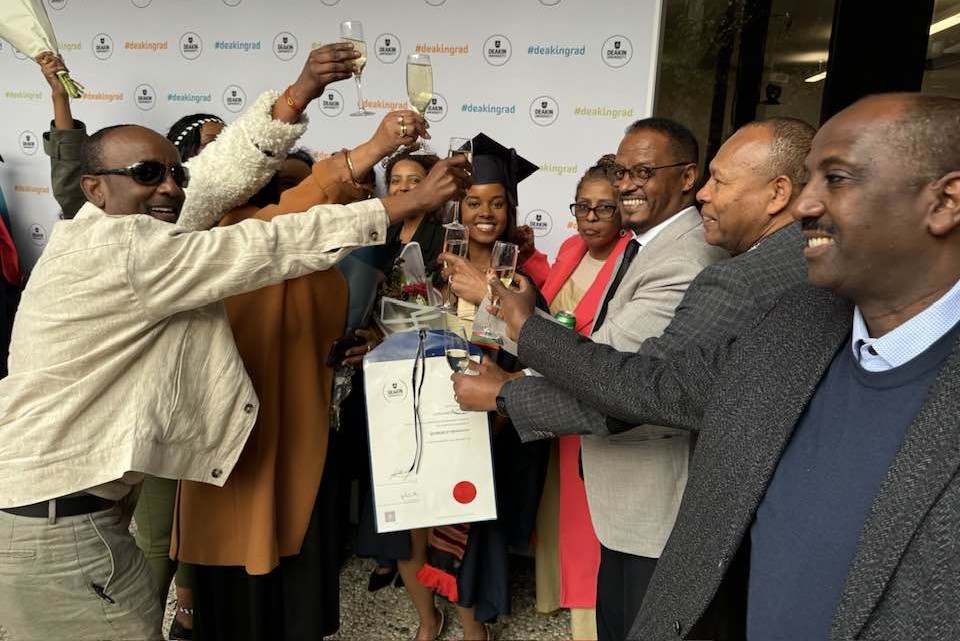
The inauguration day is a profoundly significant and honorable occasion, not just for the immediate family but for the entire Oromo community. It is a celebration of sacrifice, resilience, and the collective effort to uplift future generations. Specifically, honoring families like Latii Habte Tolessa Bechere’s, who have dedicated their time and resources to educate their children despite not having the opportunity to educate themselves, is a powerful testament to the values of perseverance, love, and community.
Why This Inauguration Day is a Great Success:
- Celebration of Sacrifice:
- Families like Latii Habte Tolessa Bechere’s represent the countless parents who have prioritized their children’s education over their own aspirations. Their sacrifices are the foundation of this success, and the inauguration day is a moment to honor their selflessness.
- This day serves as a reminder that education is a collective journey, often built on the sacrifices of those who came before.
- A Milestone for the Family:
- The inauguration day marks the culmination of years of hard work, dedication, and perseverance. It is a celebration of the family’s unwavering commitment to ensuring their children’s success.
- For the children, it is a moment of pride and achievement, knowing that their accomplishments are a direct result of their family’s support and sacrifices.
- A Victory for the Oromo Community:
- The success of one family is a success for the entire Oromo community. It demonstrates the power of education as a tool for empowerment and progress.
- This inauguration day inspires others in the community to value education and invest in the future of their children, reinforcing the idea that collective effort leads to collective success.
- Preserving Cultural Values:
- The Oromo community places great importance on family, community, and education. This inauguration day is a reflection of these values, showcasing how cultural traditions and modern achievements can coexist and strengthen one another.
- It is also an opportunity to celebrate Oromo identity and resilience, reminding the community of their shared history and aspirations.
- A Legacy of Empowerment:
- Families like Latii Habte Tolessa Bechere’s are creating a legacy of empowerment. By prioritizing education, they are breaking cycles of poverty and opening doors for future generations.
- This inauguration day is a reminder that education is not just an individual achievement but a communal one, with the potential to transform entire communities.
A Message to the Family and Community:
To Latii Habte Tolessa Bechere and the family, this inauguration day is a testament to your unwavering commitment, love, and sacrifice. Your efforts have not only brought success to your family but have also inspired the entire Oromo community. This day is a celebration of your resilience and a reminder of the power of education to create lasting change.
To the Oromo community, this inauguration day is a call to continue supporting one another, valuing education, and working together to uplift future generations. It is a reminder that every sacrifice made for the sake of education is a step toward a brighter, more empowered future.
In conclusion, this inauguration day is not just a personal milestone but a communal triumph. It is a celebration of the past, present, and future—a day to honor sacrifices, celebrate achievements, and inspire hope for generations to come. Fayyaa fi nagaa! (Health and peace!)
Oromo Elders Association’s Tesfaye Defa Honored by Victoria
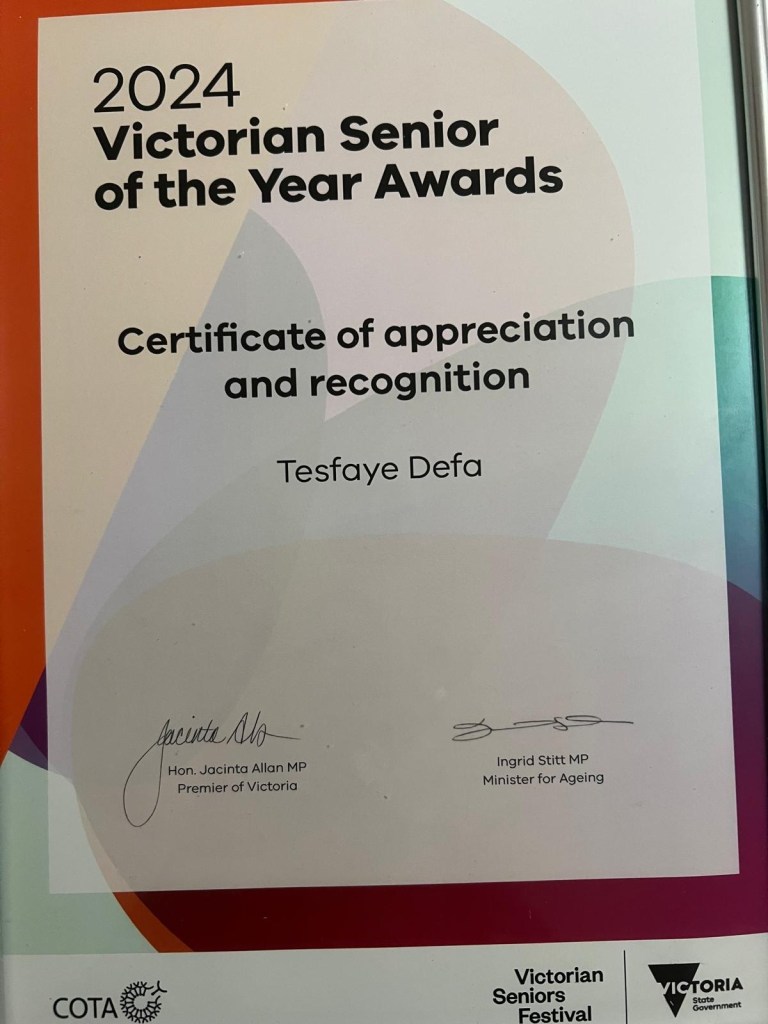
Mr Tesfaye Defa, Secretary of the Oromo Elders Association of Australia has been awarded the 2024 Elderly Award by the Victorian Government.

Mr. Tesfaye Defa, as the Secretary of the Oromo Elders Association of Australia, being awarded the 2024 Elderly Award by the Victorian Government is a significant recognition of his contributions and dedication to his community. Such awards often highlight the efforts of individuals who have made a positive impact on society, particularly in supporting and uplifting their communities.

The Oromo Elders Association of Australia likely plays a crucial role in preserving cultural heritage, providing support to the Oromo community, and fostering connections among its members. Mr. Defa's work in this capacity would have been instrumental in achieving these goals, making him a deserving recipient of this honor.

This award not only celebrates his individual achievements but also shines a light on the importance of elder contributions in maintaining cultural identity and community cohesion, especially within diaspora communities. Congratulations to Mr. Tesfaye Defa on this well-deserved recognition!
Shanan Ceremony: Celebrating Motherhood in Oromo Culture
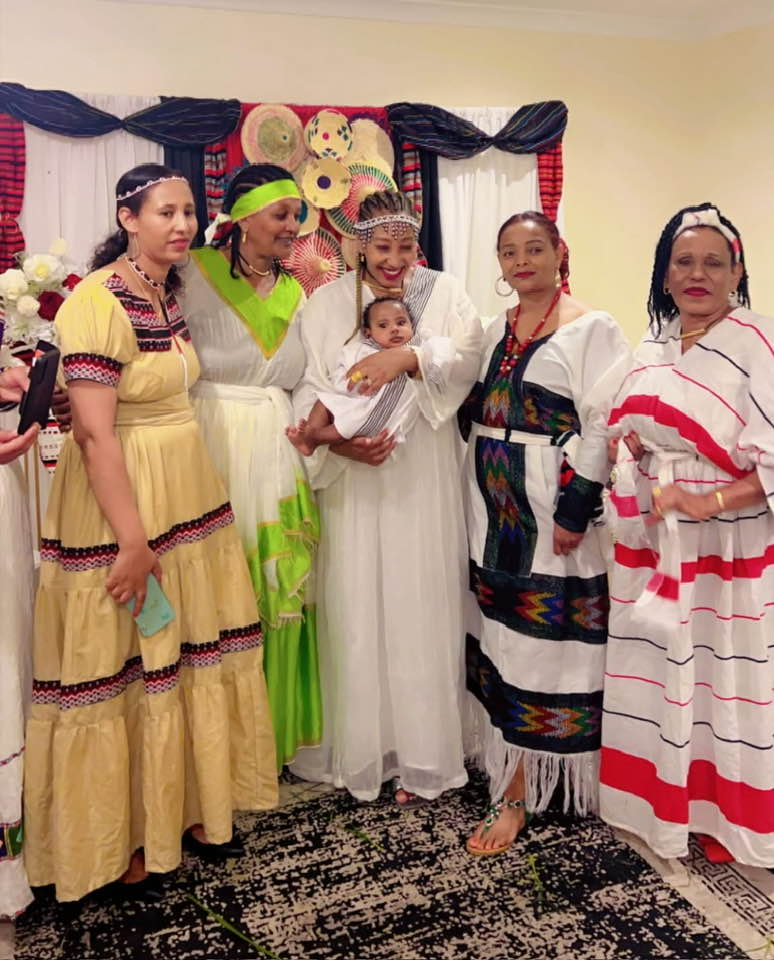
The shanan tradition, observed on the fifth day after a woman gives birth, is a beautiful and culturally significant practice among the Oromo people and other communities in Ethiopia. This tradition involves family, neighbors, and friends gathering to celebrate the mother, offer blessings, and provide her with marqaa (a traditional nutritious food). The shanan ceremony not only strengthens the mother physically and emotionally but also reinforces her social standing and respect within the community. Here’s an exploration of how this tradition benefits the mother and strengthens societal bonds:
Cultural Significance of Shanan
- Celebration of Motherhood:
- The shanan ceremony is a celebration of the mother’s strength and resilience in childbirth. It acknowledges the physical and emotional challenges she has endured and honors her role in bringing new life into the world.
- This celebration helps the mother feel valued and respected, boosting her morale and confidence.
- Community Support:
- The gathering of family, neighbors, and friends demonstrates the community’s collective support for the mother. It reinforces the idea that childbirth is not just an individual experience but a communal event.
- This support system is crucial for the mother’s well-being, as it provides her with emotional comfort and practical assistance.
- Nutritional Care with Marqaa:
- Marqaa, a traditional Oromo food made from barley or other grains, is prepared and served to the mother during the shanan ceremony. This nutritious food helps her regain strength and recover from the physical toll of childbirth.
- The preparation and sharing of marqaa symbolize the community’s care and concern for the mother’s health.
How Shanan Strengthens the Mother
- Physical Recovery:
- The nutritious marqaa food provides essential nutrients that aid the mother’s recovery, helping her regain energy and strength after childbirth.
- The communal focus on her well-being ensures that she receives the care and attention she needs during this critical period.
- Emotional Support:
- The presence of loved ones and the blessings offered during the shanan ceremony provide emotional comfort to the mother. This support helps alleviate feelings of isolation or postpartum stress.
- The mother feels loved and appreciated, which contributes to her mental and emotional well-being.
- Encouragement and Motivation:
- The words of encouragement and blessings from elders and community members inspire the mother to embrace her new role with confidence and resilience.
- This encouragement helps her endure the challenges of motherhood and strengthens her resolve to care for her child.
How Shanan Increases the Mother’s Respect in Society
- Recognition of Her Role:
- The shanan ceremony publicly acknowledges the mother’s vital role in the family and community. It highlights her strength, sacrifice, and contribution to the continuity of the community.
- This recognition elevates her status and earns her respect from others.
- Cultural Validation:
- By participating in the shanan tradition, the mother is validated as an integral part of her cultural heritage. This connection to tradition enhances her sense of identity and belonging.
- The ceremony reinforces the cultural values of motherhood, family, and community, which are deeply respected in Oromo society.
- Strengthening Social Bonds:
- The gathering of family and friends during shanan strengthens social bonds and fosters a sense of unity within the community.
- The mother’s role as a central figure in this celebration further solidifies her importance and respect within the social fabric.
- Intergenerational Connection:
- The shanan ceremony often involves elders who share wisdom, blessings, and traditional knowledge with the mother. This intergenerational connection reinforces cultural continuity and respect for elders.
- The mother, in turn, becomes a link between generations, further enhancing her respected position in society.
Broader Implications of Shanan
- Preservation of Cultural Heritage:
- The shanan tradition is an important part of Oromo cultural heritage. By continuing this practice, the community preserves its traditions and passes them on to future generations.
- This cultural preservation strengthens the community’s identity and resilience.
- Promoting Maternal Health:
- The focus on the mother’s well-being during shanan highlights the importance of maternal health and postpartum care. This traditional practice aligns with modern efforts to improve maternal and child health outcomes.
- The communal support system ensures that the mother receives the care she needs during the postpartum period.
- Empowerment of Women:
- The shanan ceremony empowers women by celebrating their strength and resilience in childbirth. It reinforces the idea that motherhood is a respected and honored role in society.
- This empowerment contributes to the overall well-being and confidence of women in the community.
Conclusion
The shanan tradition is a powerful and meaningful practice that strengthens the mother physically, emotionally, and socially. By celebrating her strength, providing nutritious food, and offering communal support, the shanan ceremony enhances the mother’s well-being and increases her respect in society. This tradition also reinforces cultural values, strengthens social bonds, and promotes maternal health, making it an essential part of Oromo heritage. As communities continue to practice and honor shanan, they ensure the preservation of their cultural identity and the empowerment of women in their society.
Why Renaming Landmarks Matters for Oromia

The call to rename structures, regions, and landmarks in **Oromia**—such as **Shawaa (Shewa)**, **Wallaggaa (Wollega)**, **Baalee (Bale)**, and **Harargee (Harar)**—with their original Oromo names is a significant step toward **cultural reclamation**, **decolonization**, and the affirmation of Oromo identity. These names, often imposed during periods of external domination, reflect a history of marginalization and erasure of Oromo culture. Replacing them with their authentic Oromo names is not just a symbolic act but a necessary move to restore the Oromo people’s connection to their land, history, and heritage. Here’s a deeper exploration of this issue:
—
### **Historical Context**
1. **Imperial and Colonial Legacy**:
– Many of the names used today for regions and landmarks in Oromia were imposed during the expansion of the Ethiopian Empire under Emperor Menelik II in the late 19th century.
– These names often replaced or overshadowed the original Oromo names, contributing to the erasure of Oromo identity, language, and history.
2. **Cultural Suppression**:
– The imposition of foreign names was part of a broader effort to suppress Oromo culture and assimilate the Oromo people into a centralized Ethiopian identity.
– This cultural suppression has had lasting effects on the Oromo people’s sense of identity and belonging.
3. **Resistance and Reclamation**:
– The Oromo people have a long history of resisting external domination and fighting for their rights, including the right to preserve and celebrate their culture. Renaming structures and regions is part of this ongoing struggle for recognition and justice.
—
### **Why Renaming Matters
1. **Cultural Identity**:
– Names are deeply tied to cultural identity. Restoring Oromo names helps reclaim and celebrate the rich history, language, and traditions of the Oromo people.
– It affirms the Oromo people’s connection to their land and heritage.
2. **Decolonization**:
– Renaming is an act of decolonization, challenging the legacy of imperialism and asserting the Oromo people’s right to define their own identity and history.
– It is a way to dismantle systems of oppression and reclaim autonomy.
3. **Historical Justice**:
– Restoring Oromo names is a form of historical justice, correcting the injustices of the past and honoring the contributions of the Oromo people to their land and society.
4. **Empowerment and Pride**:
– Renaming fosters a sense of pride and empowerment among the Oromo people, particularly the younger generation, by connecting them to their roots and cultural heritage.
—
### **Examples of Renaming**
1. **Shawaa (Shewa)**:
– The region known as **Shewa** (or Shawaa) has deep historical significance for the Oromo people. Restoring its original Oromo name would honor its Oromo heritage and history.
2. **Wallaggaa (Wollega)**:
– **Wallaggaa** is one of the major regions of Oromia. Reclaiming its Oromo name reinforces its identity as an integral part of Oromo land and culture.
3. **Baalee (Bale)**:
– **Baalee** is a historically significant region for the Oromo people, known for its resistance against external domination. Restoring its Oromo name would acknowledge its Oromo roots and contributions.
4. **Harargee (Harar)**:
– **Harargee** is a historically significant region for the Oromo people. Restoring its Oromo name would acknowledge its Oromo roots and contributions.
—
### **Challenges and Considerations**
1. **Political Will**:
– Renaming requires political will and support from both the Oromo people and the Ethiopian government. It may face resistance from those who benefit from the status quo.
2. **Awareness and Education**:
– Raising awareness about the importance of renaming and educating the public about Oromo history and culture is essential for gaining widespread support.
3. **Practical Implementation**:
– Renaming involves practical considerations, such as updating maps, official documents, and signage. This process requires coordination and resources.
4. **Inclusivity**:
– The renaming process should be inclusive, involving Oromo communities, elders, historians, and cultural experts to ensure that the restored names are accurate and meaningful.
—
### **Steps Toward Renaming**
1. **Community Engagement**:
– Engage Oromo communities, elders, and cultural leaders in discussions about renaming to ensure that the process is inclusive and respectful of local traditions.
2. **Historical Research**:
– Conduct thorough research to identify the original Oromo names and their meanings, ensuring accuracy and authenticity.
3. **Advocacy and Awareness**:
– Raise awareness about the importance of renaming through education, media, and public campaigns to build support for the initiative.
4. **Policy and Legislation**:
– Advocate for policy changes at the regional and national levels to officially recognize and implement the restored Oromo names.
5. **Celebration of Oromo Culture**:
– Use the renaming process as an opportunity to celebrate Oromo culture, history, and contributions through festivals, educational programs, and public events.
—
### **Conclusion**
The call to remove foreign-imposed names like **Shawaa**, **Wallaggaa**, **Baalee**, and **Harargee** and replace them with their original Oromo names is a powerful act of cultural reclamation and decolonization. It is a step toward restoring the Oromo people’s identity, history, and connection to their land. By honoring Oromo names, we acknowledge the resilience and contributions of the Oromo people and affirm their right to self-determination and cultural preservation. This effort is not just about changing names—it is about reclaiming a legacy and building a future rooted in justice, pride, and unity.




 Advocacy for Oromia