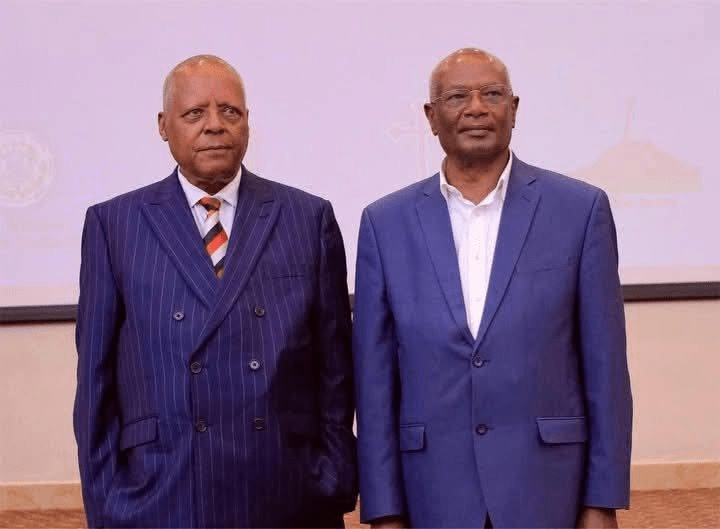
Respecting and listening to one’s elders and taking their advice is following the same system that the Oromo culture used to rule each other yesterday by the Elder and Younger. Therefore, these two Oromo elders, Jaal Dawud Ibsa and Prof. Merera Guddina deserve great care and respect.
The above statement underscores the deep-rooted cultural value of respecting and listening to elders within the Oromo community. This tradition is not only a hallmark of Oromo culture but also a reflection of the Gadaa system, a democratic and egalitarian governance structure that has guided the Oromo people for centuries. Here’s a deeper exploration of the significance of honoring elders like Jaal Dawud Ibsa and Prof. Merera Gudina, and how this practice aligns with Oromo cultural and historical traditions:
1. The Role of Elders in Oromo Culture
Elders hold a revered position in Oromo society. They are seen as custodians of wisdom, tradition, and justice. Their role includes:
Guiding the Community: Elders provide counsel on important matters, from conflict resolution to community development.
Preserving Culture: They pass down oral histories, traditions, and cultural practices to younger generations.
Upholding Values: Elders embody and promote core Oromo values such as safuu (respect), nagaa (peace), and bilisummaa (freedom).
2. The Gadaa System and Intergenerational Harmony
The Gadaa system is a traditional Oromo governance structure that emphasizes equality, democracy, and the harmonious coexistence of different age groups. Key aspects include:
Elder-Younger Relationship: The Gadaa system fosters mutual respect between elders and younger members of the community. Elders provide guidance, while younger members contribute energy and innovation.
Collective Decision-Making: Decisions are made through consensus, with elders playing a central role in mediating discussions and ensuring fairness.
Cyclical Leadership: Leadership roles rotate among age groups, ensuring that wisdom and experience are balanced with fresh perspectives.
3. Honoring Jaal Dawud Ibsa and Prof. Merera Gudina
Jaal Dawud Ibsa and Prof. Merera Gudina are exemplary figures who embody the values of wisdom, leadership, and service to the Oromo community. Their contributions deserve recognition and respect:
Jaal Dawud Ibsa: As a prominent Oromo leader and intellectual, Jaal Dawud Ibsa has dedicated his life to advocating for the rights and dignity of the Oromo people. His insights and leadership continue to inspire generations.
Prof. Merera Gudina: A respected academic and political figure, Prof. Merera Gudina has played a pivotal role in advancing Oromo causes and promoting democratic governance. His scholarship and activism have made a lasting impact.
4. The Importance of Listening to Elders
Respecting and listening to elders is not just a cultural tradition but also a practical approach to navigating life’s challenges. Elders offer:
Wisdom and Experience: Their life experiences provide valuable lessons and guidance for younger generations.
Moral Compass: Elders help uphold ethical standards and cultural values, ensuring the continuity of the community’s identity.
Conflict Resolution: Their role as mediators helps maintain peace and harmony within the community.
5. Challenges and the Way Forward
While the tradition of honoring elders remains strong, modern challenges such as urbanization, globalization, and political instability can strain intergenerational relationships. To preserve this valuable tradition:
Intergenerational Dialogue: Encourage open and respectful communication between elders and younger generations.
Cultural Education: Teach younger Oromos about the importance of the Gadaa system and the role of elders in their history and culture.
Support for Elders: Ensure that elders are cared for and respected, both within families and at the community level.
Conclusion
Respecting and listening to elders like Jaal Dawud Ibsa and Prof. Merera Gudina is a timeless Oromo tradition that reflects the wisdom and values of the Gadaa system. By honoring their contributions and heeding their advice, we not only preserve our cultural heritage but also build a stronger, more united community. Let us continue to cherish and uphold this tradition, ensuring that the wisdom of our elders guides us toward a future of peace, justice, and prosperity.
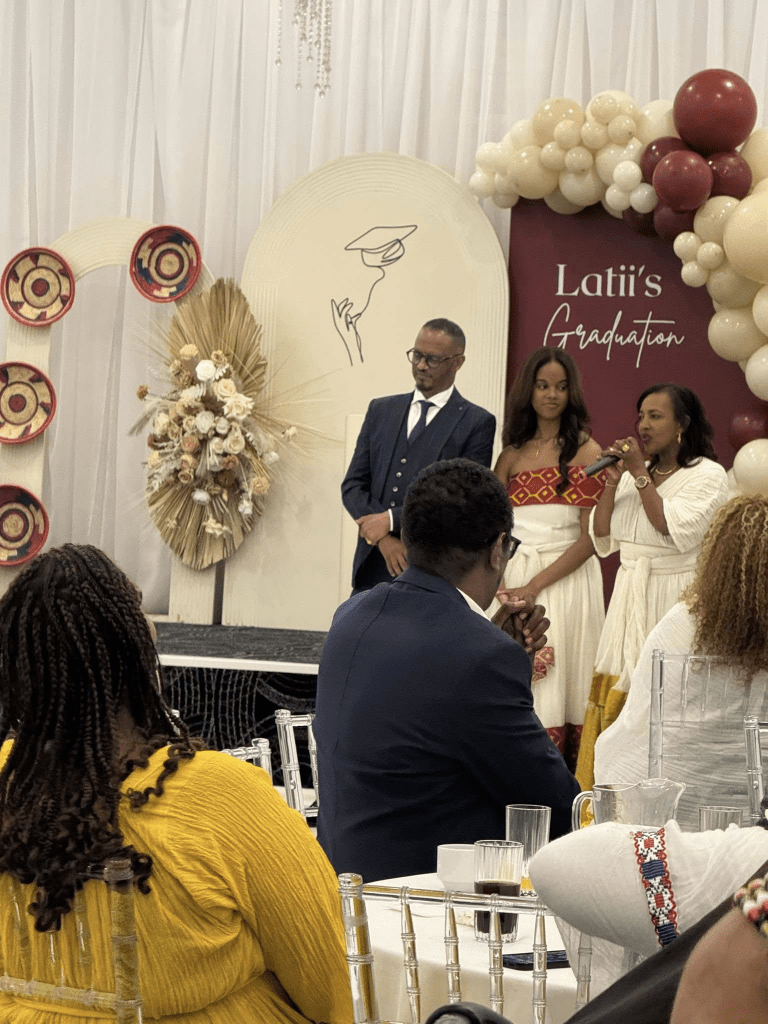
Nothing makes every family happier than seeing their children learn and receive the blessings of family, relatives and community. Yesterday was a special day for Mrs. Gannati and Mr. Habtee Bachare for celebrating their daughter’s, Latii Habtee Bacharee, graduation day. The day was not the only one to be blessed as a family. It is a day to thank all those who have raised their children with them. It is a day of blessing for the family and the blessing of the entire Oromo community.
The above passage beautifully captures the joy, pride, and communal spirit that comes with celebrating a child’s graduation. It highlights the importance of family, community, and shared blessings in the Oromo culture. Here’s a deeper reflection on the themes and significance of this special occasion:
1. Family Joy and Pride
The graduation of a child is a moment of immense pride and happiness for any family. It represents the culmination of years of hard work, dedication, and support.
Achievement: Graduation is a significant milestone that symbolizes academic success and the beginning of new opportunities.
Parental Pride: For parents like Mrs. Gannati and Mr. Habtee Bachare, seeing their daughter Latii graduate is a testament to their love, guidance, and sacrifices.
2. Community and Shared Blessings
In Oromo culture, achievements are not just individual or familial—they are communal. The graduation day is a celebration for the entire community, reflecting the interconnectedness of Oromo society.
Collective Effort: Raising a child is seen as a collective responsibility, involving not just parents but also relatives, neighbors, and the broader community.
Gratitude: The day is an opportunity to express gratitude to all those who contributed to the child’s upbringing, whether through guidance, encouragement, or practical support.
3. Cultural Values
The celebration of Latii’s graduation embodies key Oromo cultural values, such as:
Safuu (Respect): Respect for the efforts of the graduate, her family, and the community that supported her.
Nagaa (Peace): The harmony and unity that come from celebrating together as a community.
Bilisummaa (Freedom): Education is seen as a pathway to freedom, empowerment, and self-determination.
4. A Day of Blessings
The graduation day is not just a personal achievement but also a day of blessings for the family and the entire Oromo community.
Spiritual Significance: Blessings from elders, family members, and the community are an integral part of Oromo celebrations, symbolizing hope, prosperity, and goodwill.
Inspiration: Latii’s success serves as an inspiration to other young Oromo individuals, encouraging them to pursue their dreams and contribute to their community.
5. The Role of Education
Education is highly valued in Oromo culture as a means of empowerment and progress. Latii’s graduation is a reminder of the transformative power of education.
Empowerment: Education equips individuals with the knowledge and skills to improve their lives and contribute to their communities.
Legacy: By investing in education, families and communities create a legacy of opportunity and success for future generations.
6. Celebration and Togetherness
The graduation celebration is a time for joy, reflection, and togetherness. It strengthens family bonds and reinforces the sense of community.
Shared Joy: The happiness of the family is amplified by the presence and support of relatives and community members.
Cultural Traditions: The celebration likely includes traditional Oromo customs, such as blessings, music, dance, and feasting, which enrich the experience and connect it to cultural heritage.
Conclusion
The graduation of Latii Habtee Bacharee is more than just a personal achievement—it is a celebration of family, community, and cultural values. It reminds us of the importance of education, the power of collective effort, and the joy that comes from shared blessings. As Latii embarks on the next chapter of her life, she carries with her the love, support, and hopes of her family and the entire Oromo community.
Congratulations to Latii, her family, and the Oromo community! May this achievement be the beginning of many more successes and blessings. 🎓✨ Nagaa fi bilisummaaf! (For peace and freedom!)
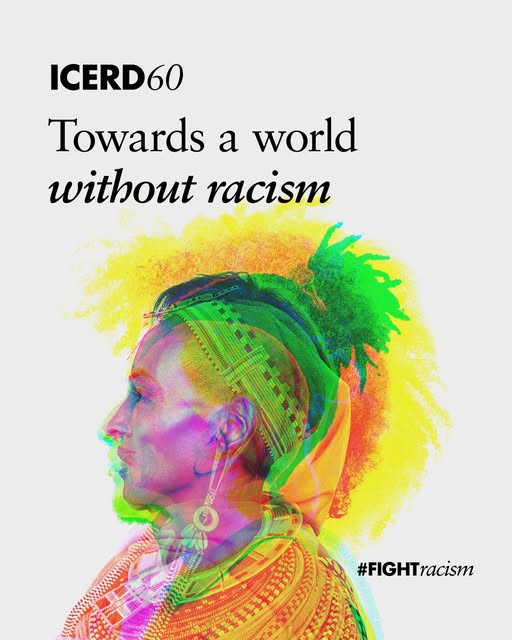
The vision of a world without racism is a powerful and aspirational goal that requires collective effort, awareness, and action. Racism, in all its forms, undermines human dignity, perpetuates inequality, and divides communities. Building a world free from racism involves addressing its root causes, challenging discriminatory practices, and fostering inclusivity and understanding. Here’s a roadmap for moving toward this vision:
1. Education and Awareness
Education is the foundation for combating racism. By raising awareness about the history, impact, and manifestations of racism, we can foster empathy and understanding.
In Schools: Integrate anti-racism education into curricula, teaching students about the history of racism, its consequences, and the importance of diversity and inclusion.
In Communities: Organize workshops, seminars, and discussions to educate people about systemic racism, implicit bias, and privilege.
In Media: Promote accurate and inclusive representation of all racial and ethnic groups in movies, TV shows, and news outlets.
2. Challenging Systemic Racism
Systemic racism is embedded in institutions, policies, and practices. Addressing it requires structural changes and accountability.
Policy Reforms: Advocate for policies that promote equity, such as criminal justice reform, fair housing laws, and equal employment opportunities.
Economic Justice: Address racial disparities in wealth, income, and access to resources through initiatives like affirmative action, minority business support, and universal healthcare.
Legal Accountability: Strengthen laws and enforcement mechanisms to combat hate crimes, discrimination, and racial profiling.
3. Promoting Inclusion and Representation
Inclusion ensures that everyone, regardless of race or ethnicity, has a voice and a seat at the table.
Diverse Leadership: Encourage diversity in leadership positions across sectors, including government, business, and education.
Cultural Celebrations: Celebrate the contributions of all racial and ethnic groups through festivals, heritage months, and public art.
Safe Spaces: Create spaces where marginalized communities can express themselves, share their experiences, and feel valued.
4. Building Empathy and Solidarity
Empathy and solidarity are essential for bridging divides and fostering unity.
Intercultural Dialogue: Facilitate conversations between people of different racial and ethnic backgrounds to build understanding and trust.
Allyship: Encourage individuals to become allies by standing up against racism, amplifying marginalized voices, and supporting anti-racism initiatives.
Community Engagement: Promote collaboration between diverse communities to address shared challenges and celebrate shared successes.
5. Addressing Implicit Bias
Implicit bias refers to the unconscious attitudes and stereotypes that influence our behavior. Tackling it requires self-reflection and intentional action.
Training Programs: Implement bias training in workplaces, schools, and law enforcement to help individuals recognize and address their biases.
Self-Education: Encourage individuals to educate themselves about racism and reflect on their own biases and privileges.
Accountability: Hold individuals and institutions accountable for discriminatory actions and practices.
6. Global Collaboration
Racism is a global issue that requires international cooperation and solidarity.
International Advocacy: Support global initiatives like the United Nations’ International Decade for People of African Descent and other efforts to combat racism worldwide.
Cross-Cultural Exchange: Promote cultural exchange programs and partnerships that foster mutual understanding and respect.
Human Rights: Advocate for the protection of human rights and the elimination of racial discrimination in all countries.
7. Celebrating Progress
While the journey toward a world without racism is ongoing, it’s important to celebrate progress and recognize the efforts of those working toward this goal.
Role Models: Highlight the achievements of anti-racism activists, leaders, and organizations.
Success Stories: Share stories of communities and individuals who have overcome racism and built inclusive societies.
Hope and Inspiration: Use these stories to inspire others to join the movement and believe in the possibility of change.
Conclusion
A world without racism is not just a dream; it is a necessity for a just, equitable, and peaceful society. Achieving this vision requires commitment, courage, and collaboration from individuals, communities, and nations. By educating ourselves, challenging systemic racism, promoting inclusion, and building empathy, we can move closer to a world where everyone is valued and respected, regardless of their race or ethnicity.
Let us all take action, big or small, to dismantle racism and create a future where diversity is celebrated, and equality is a reality. Together, we can build a world without racism. 🌍✊🏿✊🏾✊🏽✊🏼✊🏻
World Water Day, observed on March 22, is a global initiative dedicated to raising awareness about the importance of freshwater and advocating for the sustainable management of water resources. The theme for World Water Day varies each year, but the core message remains the same: water is essential for life, development, and a sustainable future. Here’s why water matters and how we can work toward water security:
Why Water Matters
Essential for Life: Water is fundamental to human survival, health, and well-being. Access to clean water and sanitation is a basic human right.
Global Health: Clean water is critical for preventing waterborne diseases, improving hygiene, and ensuring public health.
Food Security: Agriculture depends on water for irrigation and livestock. Water scarcity threatens food production and access.
Energy Production: Water is essential for generating energy, including hydropower, cooling thermal power plants, and producing biofuels.
Ecosystems and Biodiversity: Freshwater ecosystems support a wide range of plant and animal species. Protecting water resources is vital for maintaining biodiversity.
Climate Change Resilience: Water management plays a key role in adapting to climate change, mitigating droughts, and reducing the impact of extreme weather events.
Challenges to Water Security
Water Scarcity: Over 2 billion people live in countries experiencing high water stress. Climate change, population growth, and overuse are exacerbating the problem.
Pollution: Industrial waste, agricultural runoff, and untreated sewage contaminate water sources, making them unsafe for consumption and harmful to ecosystems.
Inequitable Access: Marginalized communities, including women and children, often bear the brunt of water scarcity and lack of sanitation facilities.
Climate Change: Changing rainfall patterns, melting glaciers, and rising sea levels are disrupting water availability and quality.
How to Achieve Water Security
Sustainable Water Management: Implement policies and practices that promote efficient water use, conservation, and equitable distribution.
Invest in Infrastructure: Build and maintain water infrastructure, such as dams, pipelines, and treatment plants, to ensure reliable access to clean water.
Protect Ecosystems: Safeguard wetlands, rivers, and aquifers to maintain healthy water cycles and biodiversity.
Promote Water-Saving Technologies: Encourage the use of drip irrigation, rainwater harvesting, and water-efficient appliances.
Combat Pollution: Enforce regulations to reduce industrial and agricultural pollution, and invest in wastewater treatment.
Raise Awareness: Educate communities about the importance of water conservation and sustainable practices.
Support Global Initiatives: Collaborate with international organizations, governments, and NGOs to address water challenges on a global scale.
The Role of the United States and Global Partners
The United States and its partners play a crucial role in advancing water security through:
Funding and Innovation: Investing in research, technology, and infrastructure to improve water management and access.
Diplomacy and Collaboration: Working with other nations to address transboundary water issues and promote sustainable practices.
Humanitarian Efforts: Providing aid and support to communities facing water scarcity and sanitation challenges.
World Water Day in Action
On World Water Day, individuals, organizations, and governments come together to:
Advocate for Change: Call for policies and actions that ensure access to clean water for all.
Educate and Inspire: Raise awareness about water issues and inspire people to take action in their communities.
Celebrate Progress: Highlight success stories and innovations in water management and conservation.
Conclusion
Water is one of the world’s most vital resources, and its security is essential for addressing global challenges like climate change, health, food security, and energy. On World Water Day, let us reaffirm our commitment to protecting and preserving this precious resource for current and future generations. By working together, we can build a sustainable future where everyone has access to clean, safe water.
Water is life. Let’s protect it! 💧🌍 #WorldWaterDay
The International Day of Forests, celebrated on March 21, is a global observance dedicated to raising awareness about the importance of forests and trees for the health of our planet and the well-being of future generations. The theme “Protect our forests, protect our future” underscores the critical role forests play in sustaining life on Earth. Here’s why forests matter and how we can contribute to their protection:
Why Forests Matter
Biodiversity Hotspots: Forests are home to more than 80% of terrestrial species, including plants, animals, and microorganisms. Protecting forests means safeguarding this incredible biodiversity.
Climate Regulation: Forests act as the Earth’s lungs, absorbing carbon dioxide and releasing oxygen. They play a vital role in mitigating climate change by storing carbon and regulating global temperatures.
Water Cycle Support: Forests influence the water cycle by absorbing rainfall, reducing runoff, and replenishing groundwater. They help prevent soil erosion and maintain the quality of freshwater sources.
Livelihoods and Economies: Over 1.6 billion people depend on forests for their livelihoods, including food, medicine, and fuel. Forests also contribute to economies through timber, tourism, and other industries.
Cultural and Spiritual Significance: Forests hold deep cultural and spiritual value for many communities around the world. They are often seen as sacred spaces and are integral to traditional practices and identities.
Threats to Forests
Despite their importance, forests face numerous threats, including:
Deforestation: The clearing of forests for agriculture, logging, and urban development is a major driver of forest loss.
Illegal Logging and Poaching: Unregulated activities degrade forests and harm wildlife.
Pollution: Air and water pollution can damage forest health and disrupt ecosystems.
How to Protect Our Forests
Support Sustainable Practices: Choose products certified by organizations like the Forest Stewardship Council (FSC), which promote responsible forest management.
Reduce, Reuse, Recycle: Minimize paper and wood consumption by reducing waste, reusing materials, and recycling.
Plant Trees: Participate in tree-planting initiatives or support organizations that work to restore forests.
Advocate for Policies: Support policies and legislation that protect forests, promote reforestation, and combat illegal logging.
Raise Awareness: Educate others about the importance of forests and the need to protect them. Use social media, community events, or school programs to spread the message.
Support Indigenous Communities: Indigenous peoples are often the best stewards of forests. Support their rights and efforts to protect their lands.
Combat Climate Change: Take action to reduce your carbon footprint, such as using renewable energy, conserving water, and supporting clean energy policies.
The Role of Forests in Oromia
In Oromia, forests are not only vital for the environment but also deeply intertwined with the culture and livelihoods of the Oromo people. The Oromo Gadaa system emphasizes the importance of living in harmony with nature, and traditional practices like Irreecha (thanksgiving festival) celebrate the connection between people and the natural world. Protecting forests in Oromia is essential for preserving biodiversity, supporting communities, and maintaining cultural heritage.
Conclusion
The International Day of Forests is a reminder that forests are indispensable to life on Earth. By protecting our forests, we are safeguarding our future—ensuring clean air, fresh water, biodiversity, and a stable climate for generations to come. Let us all take action, big or small, to protect and restore these precious ecosystems. Together, we can make a difference.
On the evening of July 15, 1996, from Washington DC, it began, “This is the Voice of America Radio program in Afaan Oromoo…”. For 29 years VOA Afaan Oromoo told the world the truth about the Oromo and Oromia! It seems like the message is a mix of reflections on the Voice of America (VOA) Afaan Oromoo program and some personal thoughts about uncertainty and integrity. Let me break it down and respond to the key points:
— 1. Voice of America (VOA) Afaan Oromoo The **VOA Afaan Oromoo** program has been a vital source of news and information for the Oromo people and the world about the struggles, culture, and aspirations of the Oromo nation. For 29 years, it has played a crucial role in amplifying the voices of the Oromo people, sharing their stories, and shedding light on the injustices they have faced.
– Significance: – VOA Afaan Oromoo has been a platform for truth-telling, especially during times when the Oromo people faced repression and marginalization. – It has helped preserve and promote the **Afaan Oromo language** and culture, contributing to the Oromo people’s sense of identity and pride. – The program has connected the Oromo diaspora with their homeland, providing updates on political, social, and cultural developments in Oromia.
– Legacy: – The program’s commitment to integrity and truth-telling has made it a trusted source of information for millions of Oromo people worldwide. – It has played a role in raising global awareness about the Oromo struggle for freedom, justice, and self-determination.
—
2. Uncertainty and Integrity Your message also touches on themes of **uncertainty** and **integrity**, which seem to reflect personal reflections or struggles. Here’s a brief interpretation:
– Uncertainty: Life often presents us with situations where the path forward is unclear. It’s natural to feel unsure about what to do or how to proceed. In such moments, seeking guidance from trusted friends, mentors, or community members can provide clarity and support.
– Integrity: Integrity is about staying true to your values and principles, even when faced with challenges or uncertainty. It is a quality that builds trust and respect, both in personal relationships and in broader societal contexts. As the VOA Afaan Oromoo program has demonstrated, integrity in communication and action is invaluable.
— 3. Gratitude and Connection Your message ends with a note of gratitude, which is a powerful way to acknowledge the support and connection we receive from others. Whether it’s the VOA Afaan Oromoo program or the friends and community around us, these connections provide strength and hope.
— Conclusion The VOA Afaan Oromoo program has been a beacon of truth and integrity for the Oromo people, and its legacy will continue to inspire future generations. As we navigate uncertainty in our own lives, we can draw strength from the values of integrity, community, and perseverance that programs like VOA Afaan Oromoo embody.
Thank you for sharing your thoughts, and may we all continue to seek truth, uphold integrity, and support one another in times of uncertainty. **Nagaa fi bilisummaaf!** (For peace and freedom!)
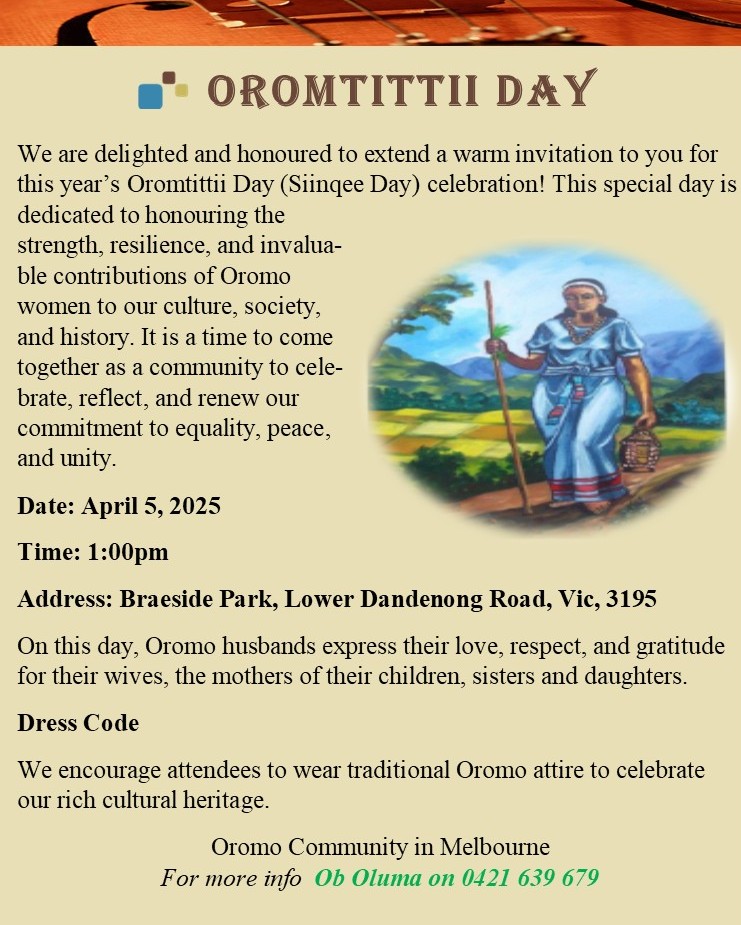
We are delighted and honored to extend a warm invitation to you for this year’s Oromtittii Day (Siinqee Day) celebration! This special day is dedicated to honoring the strength, resilience, and invaluable contributions of Oromo women to our culture, society, and history. It is a time to come together as a community to celebrate, reflect, and renew our commitment to equality, peace, and unity.
Event Details
Date: April 5, 2025
Time: 1:00pm
Venue: Braeside Park, Lower Dandenong Road, Vic, 3195
What to Expect
Cultural Performances: Traditional music, dance, and poetry celebrating Oromo heritage.
Guest Speakers: Inspiring speeches from community leaders, activists, and elders.
Traditional Attire: A showcase of beautiful Oromo cultural clothing.
Food and Refreshments: Enjoy traditional Oromo dishes and beverages.
Networking and Community Building: Connect with fellow attendees and celebrate our shared identity.
Why Attend?
Oromtittii Day is more than just a celebration; it is a reaffirmation of the vital role women play in our society. It is an opportunity to:
Honor the legacy of Oromo women as leaders, peacemakers, and caregivers.
Celebrate the Siinqee institution, a symbol of women’s strength and unity.
Strengthen community bonds and inspire future generations.
Dress Code
We encourage attendees to wear traditional Oromo attire to celebrate our rich cultural heritage.
Join Us
Your presence will make this celebration even more meaningful. Let us come together to honor the past, celebrate the present, and inspire the future. We look forward to celebrating this special day with you!
With warm regards,
Oromo community in Melbourne/Oromo Women Association/Advocacy for Oromia
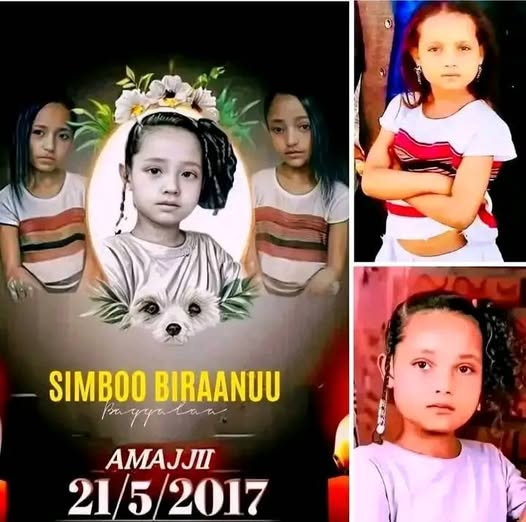
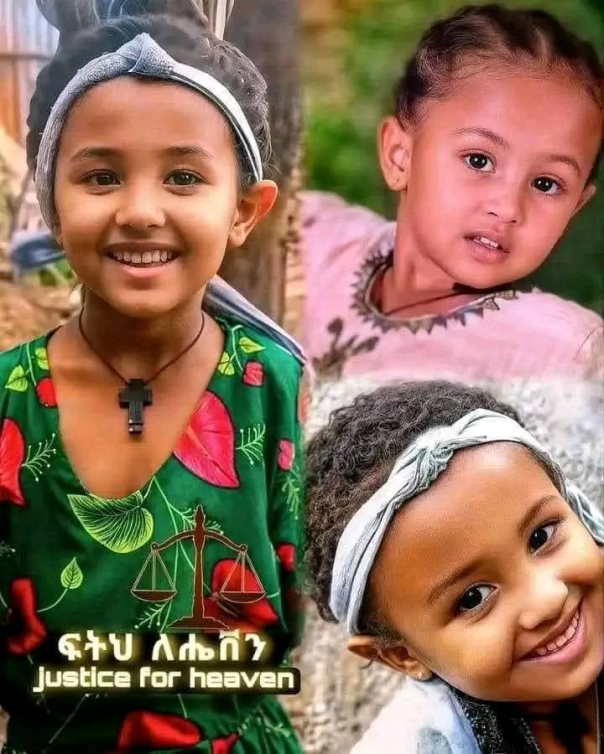
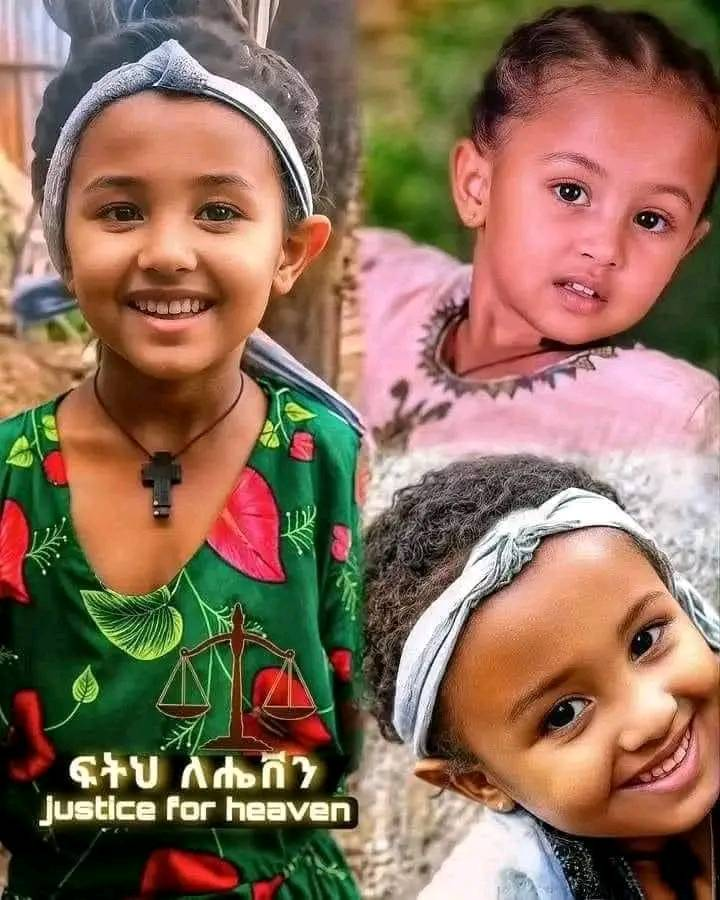
In a country where such children and thousands of women are tortured and killed in horrific conditions, we are in a country where there is no responsibility and grief for the injuries of its citizens. It is with great sadness that we celebrate International Women’s Day. In such a situation, it is a shame to celebrate only one day for women. Yet it is important for all women to say happy Women’s Day. Despite the difficulties we are in, celebrating this day helps us to celebrate the victories we have achieved and to work harder to solve the problems I have.
Your message is deeply moving and highlights the harsh realities faced by women and children in a context of violence, neglect, and systemic injustice in Oromia/Ethiopia. It underscores the bittersweet nature of celebrating International Women’s Day in such circumstances, where the day serves as both a reminder of the struggles women endure and a call to action for change. Here’s a refined and expanded version of your message, emphasizing resilience, solidarity, and the need for continued advocacy:
A Reflection on International Women’s Day in the Face of Adversity
In a country where countless women and children are subjected to unimaginable violence, torture, and loss, celebrating International Women’s Day is fraught with sadness and anger. A nation that fails to take responsibility for the suffering of its citizens, that turns a blind eye to the pain and grief of its people, is a nation in crisis.
It is heartbreaking to mark this day when so many women and girls continue to endure horrific conditions, their voices silenced, their lives cut short, and their potential stifled. In such a reality, dedicating just one day to celebrate women feels inadequate, even shameful, when the struggle for justice, equality, and safety is a daily battle.
Yet, even in the face of these challenges, we must pause to say Happy Women’s Day. Not because the struggles have ended, but because we must honor the resilience, courage, and strength of women who continue to fight for a better future. Celebrating this day is an act of defiance—a reminder of the victories we have achieved, no matter how small, and a commitment to work even harder to address the injustices that persist.
Why We Celebrate Amidst the Pain
To Honor Resilience: We celebrate to recognize the strength of women who endure unimaginable hardships and still rise to fight for their rights and the rights of others.
To Amplify Voices: This day is an opportunity to amplify the voices of women who are often silenced, ensuring their stories are heard and their struggles acknowledged.
To Inspire Action: Celebrating Women’s Day reminds us of the work that remains to be done. It is a call to action for all of us to stand in solidarity with women and demand justice, equality, and accountability.
To Celebrate Victories: Despite the challenges, women have achieved remarkable victories in various fields. This day allows us to celebrate those achievements and draw inspiration from them.
A Call to Action
On this International Women’s Day, let us not only celebrate but also recommit ourselves to the fight for a world where:
Women and children are safe from violence and oppression.
Governments and institutions are held accountable for their failures to protect their citizens.
Gender equality is not just a dream but a reality.
Every woman and girl has the opportunity to thrive, free from fear and discrimination.
Let us use this day to reflect on the progress we have made, no matter how small, and to renew our determination to address the challenges that remain. Together, we can create a future where every day is a celebration of women’s rights, dignity, and freedom.
Happy International Women’s Day to all the courageous women who continue to fight, survive, and inspire. Your strength gives us hope, and your resilience fuels our determination to create a better world.
This message balances the somber reality of the struggles faced by women with a hopeful call to action, emphasizing the importance of solidarity, advocacy, and resilience. It is a reminder that even in the darkest times, celebrating Women’s Day is an act of resistance and a step toward change. 🌟
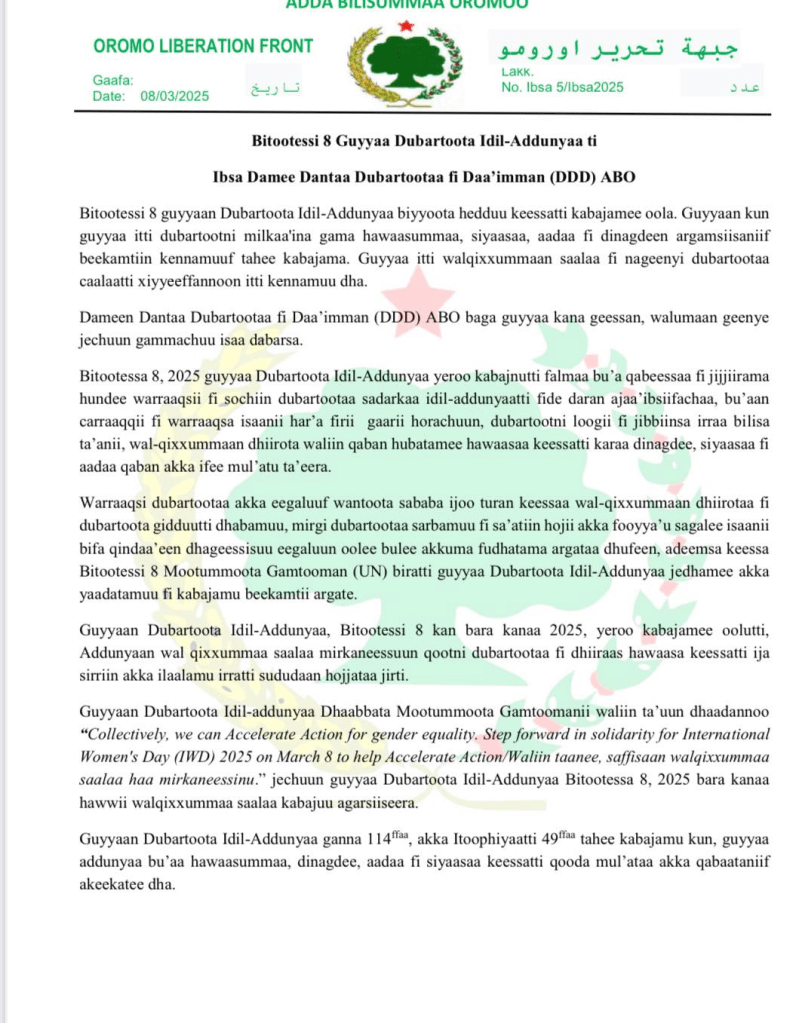
March 8 is International Women’s Day in many countries. The day is celebrated to recognize women for their social, political, cultural and economic achievements. It is a day when gender equality and women’s safety are given more attention. The Women and Children’s Interests Branch of the OLF congratulates everyone on this day and explores how to commemorate March 8.
This is a powerful and important message from the Women and Children’s Interests Branch of the OLF (Oromo Liberation Front) in honor of International Women’s Day (March 8). The day is a global celebration of women’s achievements and a call to action for gender equality and women’s safety. Here’s a refined and expanded version of your message, along with ideas for commemorating the day:
International Women’s Day Message from the Women and Children’s Interests Branch of the OLF
On March 8, International Women’s Day, we celebrate the social, political, cultural, and economic achievements of women around the world. This day is a reminder of the ongoing struggle for gender equality, women’s safety, and the empowerment of women and girls in all spheres of life.
The Women and Children’s Interests Branch of the OLF extends its heartfelt congratulations to all women, especially Oromo women, who have been at the forefront of the liberation struggle, advocating for justice, equality, and freedom. Your resilience, courage, and leadership inspire us all to continue fighting for a better future.
As we commemorate this day, let us reflect on the progress made and the challenges that remain. Let us renew our commitment to creating a world where every woman and girl can live with dignity, safety, and equal opportunity.
How to Commemorate March 8: Ideas for Action
Amplify Women’s Voices: Share stories of Oromo women and women worldwide who have made significant contributions to their communities and liberation struggles. Use platforms like social media, community gatherings, or webinars to highlight their achievements.
Advocate for Gender Equality: Organize discussions, workshops, or campaigns focused on gender equality, women’s rights, and the elimination of gender-based violence.
Support Women-Led Initiatives: Promote and support businesses, organizations, and projects led by women, particularly those in marginalized communities.
Educate and Empower: Host educational events that empower women and girls with skills, knowledge, and resources to thrive in their personal and professional lives.
Celebrate Women’s Culture: Showcase the cultural contributions of women through music, art, poetry, and storytelling. Celebrate the rich traditions of Oromo women, such as the Siinqee institution, which symbolizes unity and resistance.
Demand Justice and Safety: Advocate for policies and practices that ensure the safety and protection of women and girls, both in times of peace and conflict.
Global Solidarity: Build alliances with women’s movements worldwide to strengthen the global fight for gender equality and women’s liberation.
A Call to Action
This International Women’s Day, let us honor the sacrifices and achievements of women by taking concrete steps toward a more just and equitable world. Together, we can break barriers, challenge stereotypes, and create a future where every woman and girl can thrive.
Happy International Women’s Day! #IWD2025 #GenderEquality #OromoWomen #WomenInStruggle #DDD_OLF
This message and the accompanying ideas for action can help inspire meaningful engagement and celebration of International Women’s Day, while also addressing the ongoing challenges faced by women, particularly in the context of the Oromo liberation struggle. Let’s make March 8 a day of reflection, celebration, and action! 🌟
Advocacy for Oromia was established in 2010 with the purpose of enabling and empowering Oromo people by providing accurate and timely information that will help to make better choices to create the kind of future in which they wish to live.
It also provides information focus on the major issues facing us in the 21st century and it is going to try and bring a balanced approach with factual information that is positive and solution based.
The website has been in operation for the last nine years with the mission of promoting and advancing causes of Oromo people through advocacy, community education, information service, capacity building, awareness raising and promotion.
The website is also the official site of Advocacy for Oromia Association in Victoria Australia Inc., a non-profit organisation, registered under the Associations Incorporation Reform Act 2012 in Victoria as April 2014.
Our team already had considerable community development experience and expertise. Our various projects helped to develop our confidence and the capacity of our agency. Our team used every gained knowledge, skills and experiences as an opportunity to design and develop new approaches, to documenting progress, supporting positive employment outcomes, liaising with community stakeholders, and conduct evaluation.
Advocacy for Oromia is devoted to establishing Advocacy for Oromia organisation to close the gaps where we can stand for people who are disadvantaged and speaking out on their behalf in a way that represents the best interests of them. We are committed to supporting positive settlement and employment outcomes for Victoria’s Oromo community.
Advocacy for Oromia Office
Addresses:
39 Clow St,
Dandenong VIC 3175
=====================
247-251 Flinders Lane
Melbourne VIC 3000
Activities Address
Springvale Neighbourhood House Inc
Address: 46-50 Queens Ave, Springvale VIC 3171
Postal Address:
P. O. Box 150
Noble Park, Vic 3174
With your support, we can continue to help community build a better future.
Advocacy for Oromia Mental Health Program
The aim of the program is to improving the mental health and well-being of Oromo community in Victoria. It aims to assist those experiencing, mental ill-health, their families and carers of all ages within this community to address the social determinants of mental health for Oromo community. It helps:
Identify and build protective factors,
Reduce stigma and discrimination
Build capacity for self-determination
Better understand mental wellbeing, mental ill-health and the impacts of trauma
The goal of the project is to increase mental health literacy of Oromo community that aims:
To assist people with mental health issues
To increase the capacity of mental health worker
To better understand mental wellbeing
To provide mental health education and information
To address the social and cultural causes of mental health issues
Advocacy for Oromia will organise information session, women performance, radio programs, culturally adopted conversations on Oromo Coffee Drinking ceremony, providing training for mental health guides and forum and producing educational materials on the selected groups and geographical area.
Human Rights Education Program
The Human Rights Education Program is a community based human rights program designed to develop an understanding of everyone’s common responsibility to make human rights a reality in each community.
Human rights can only be achieved through an informed and continued demand by people for their protection. Human rights education promotes values, beliefs and attitudes that encourage all individuals to uphold their own rights and those of others.
The aim of the program is to build an understanding and appreciation for human rights through learning about rights and learning through rights. We aimed at building a universal culture of human rights. Thus, we aimed:
To build an understanding and appreciation for human rights through learning about rights and learning through rights.
To build capacities and sharing good practice in the area of human rights education and training
To develop human rights education and training materials and resources
The goal of the project is to increase human rights literacy of Oromo community that aims:
To better understand human rights
To increase the capacity of human rights worker
To analyse situations in human rights terms
To provide human rights education and information
To develop solidarity
To strategize and implement appropriate responses to injustice.
The ultimate goal of education for human rights is empowerment, giving people the knowledge and skills to take control of their own lives and the decisions that affect them.
Human rights education constitutes an essential contribution to the long-term prevention of human rights abuses and represents an important investment in the endeavour to achieve a just society in which all human rights of all persons are valued and respected.
Advocacy for Oromia will organise information session, performance, radio programs, culturally adopted conversations on Oromo Coffee Drinking ceremony, providing training for Human Rights guides and forum and producing educational materials on the selected groups and geographical area.
Community Safety Program
The program aims to strengthen existing collaborations and identify opportunities for the development of partnerships aimed at community safety and crime prevention activities. This approach seeks to improve the individual and collective quality of life by addressing concerns regarding the wider physical and social environment. Importantly, community safety means addressing fear of crime and perceptions of safety as without this any actions to address the occurrence of crime and anti-social behaviour are of less value.








 Advocacy for Oromia