Author Archives: advocacy4oromia
Honoring Oromo Traditions at the 2025 Irreecha Festival
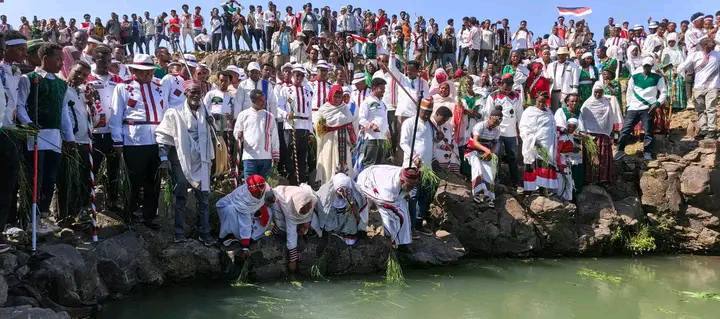
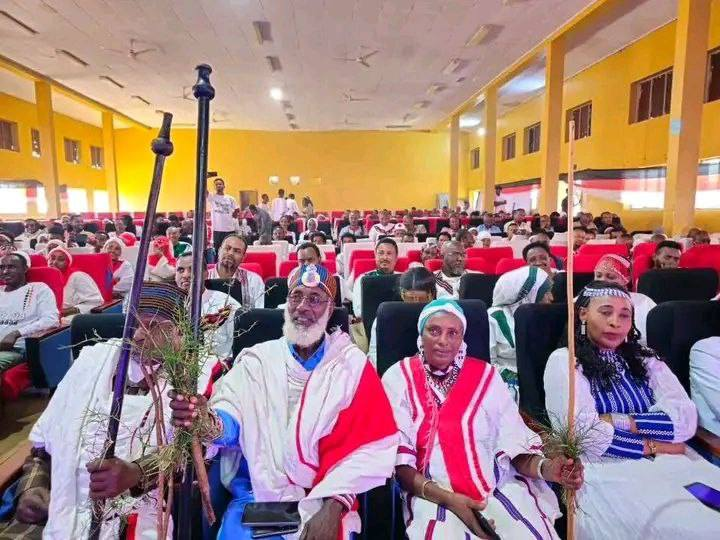
November 2, 2015 – The 2025 Irreecha festival was celebrated at the historic site of Malka Alaltuu.
This follows last year’s celebration, which was held in the village of Kabii Goloolcha within the Darraa district.
The event was honored by the presence of distinguished guests, including the Governor of Darra District, Mr. Masfin Taayyee, and the Head of the District’s Prosperity Party Office, Mr. Masfin Yeshaanaw.
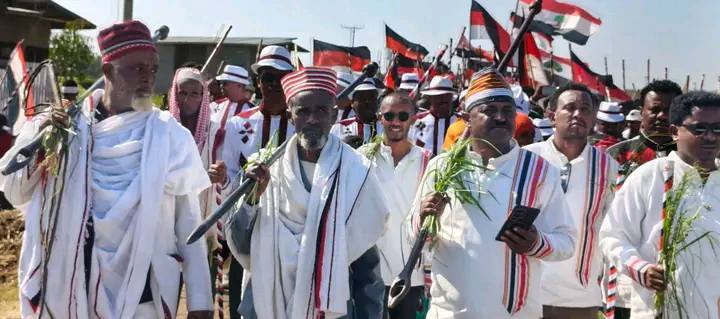
The festival at Malka Alaltuu was conducted in a manner faithful to Oromo tradition and ethics.
The ceremony was held in the presence of Abbootii Gada, Siinqee mothers, and the wider community, who gathered to observe this important cultural celebration.

Commissioner Lelise Dhugaa: A Catalyst for Oromia’s Tourism

Commissioner Lelise Dhugaa is more than a leader; she is a transformative force. Her legacy in establishing and advancing Oromia’s tourism sector is a testament to her vision, intellect, and unwavering dedication.
Her Key Achievements Include:
- Founding a New Sector: She was the first to prepare and submit the proposal for the establishment of the Oromia Tourism Commission. Her idea was not only accepted but successfully realized.
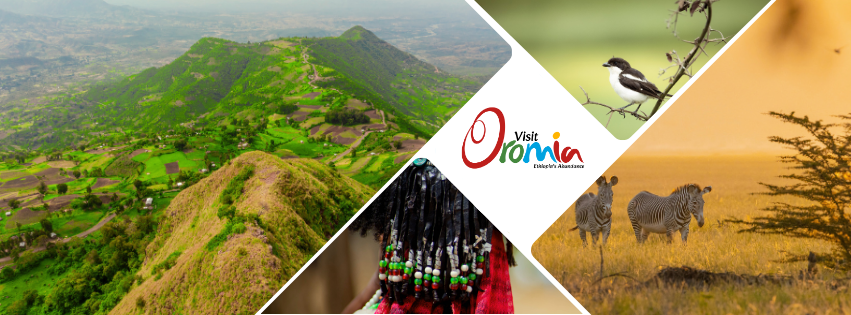
- Launching “Visit Oromia”: Under the new commission, she launched the “Visit Oromia” initiative. This platform brought unprecedented attention to natural wonders like the mountains of Bale, Salale, Arsi, and Iluu Abbaa Boor, as well as the Suba Forest.
- Unifying Professionals: She successfully mobilized a wide range of experienced professionals—including cameramen, media experts, artists, and models—from both public and private sectors to collectively promote Oromia.
- Creating a Cultural Symbol: She institutionalized “Oromia Tourism Week” to precede the annual festival, featuring panel discussions and promotional events. This initiative created new opportunities, encouraging Oromo girls to develop skills in beauty and modeling through a celebrated annual competition that promoted Oromia’s culture.
- Promoting Hidden Gems: Countless previously unknown natural and artificial parks across Oromia were identified and promoted to a wider audience.
- Recognizing Contributors: She ensured that the camera professionals, park guards, tour guides, drivers, and artists who played a crucial role in showcasing Oromia’s image and beauty were recognized and celebrated, setting a precedent for future generations.
- Elevating Oromia Globally: Through her work, the God-given heritage, tourist attractions, culture, and identity of the Oromo people have gained recognition on the world stage. The resulting tourism income has directly benefited our region.
- Driving Development: Her office identified, researched, and promoted hidden tourist attractions, linking tourism directly to infrastructure development.
- Securing UNESCO Recognition: She played a major, indispensable role in the UNESCO listings for the Bale Mountains, Irreecha, and the Gada System over the past five to six years.
Commissioner Lelise is not only a skilled leader but also a woman of profound wisdom. Academically, she is a formidable intellectual. In a country where establishing a new commission is a monumental challenge, she not only created a new sector but achieved 101% success.
Overall, Commissioner Lelise Dhugaa has firmly established Oromia as a center of tourism. She successfully redirected tourist traffic that once flocked only to the north, ensuring our region received its rightful share of attention. For this, this generation praises and thanks her.
She is a strong woman whose discipline and honor reflect the dignity of all Oromo mothers. Though I do not know her personally, she carries the grace and strength of my own mother—a person whom Allah has adorned with every virtue.
I was profoundly shocked to learn of her illness. Mom… we need you. You are more valuable to Oromo and Oromia than gold. We pray for your swift and complete recovery, so you may finish the vital work you have started. May no evil befall you. May God restore you to perfect health.
For further info visit: https://www.facebook.com/visitoromia

Tribute to Mr. Nagaasaa Ayyaanaa: A Legacy of Oromo Pride
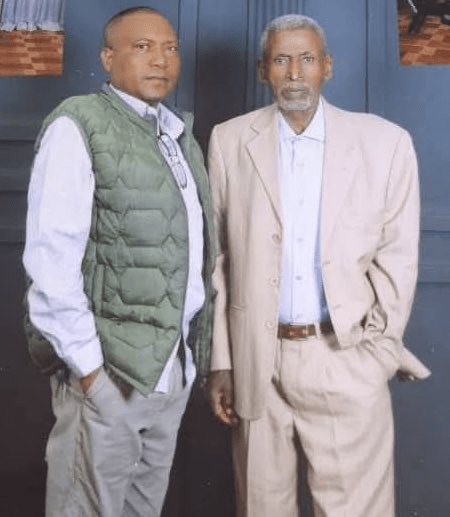
It is in the blood of this family to fight. Born of fighters, they were raised for the struggle. They have chosen a path of self-sacrifice, dedicating their lives to the cause of Oromo glory and accepting personal hardship for the freedom of their people. Their sole purpose is to keep Oromia and the Oromo spirit alive. And while all things must begin, a legacy such as this never loses its power.
In this spirit, we share a brief tribute to Mr. Nagaasaa Ayyaanaa, the brother of the late #Kennasaa_Ayyaanaa, who passed away this week.
Mr. Nagaasaa Ayyaanaa was born in 1949 to Ayyaanaa Alabee Sekkaa and Dammee Bookaa Nadhii. In a household that raised both strong men and cattle, he was one of fifteen children. He was a man deeply rooted in Oromo culture and morals, a respected nationalist beloved by his community.
He was also the brother of Jaal Kennasaa Ayyaanaa. Because of this, and due to his own association with ABO leadership, Nagaasaa was imprisoned and tortured. His brother, Jaal Kennasaa, himself a monumental figure in the Oromo liberation struggle led by the ABO, endured immense adversity, great sacrifice, and severe torture in prison, which has left his health in a deeply worrying state to this day.
May Mr. Nagaasaa rest in peace, his grave filled with honey. We extend our deepest condolences to Jaal Kennasaa and the entire Ayyaanaa family.
Position Statement of the Oromo Liberation Front (OLF)
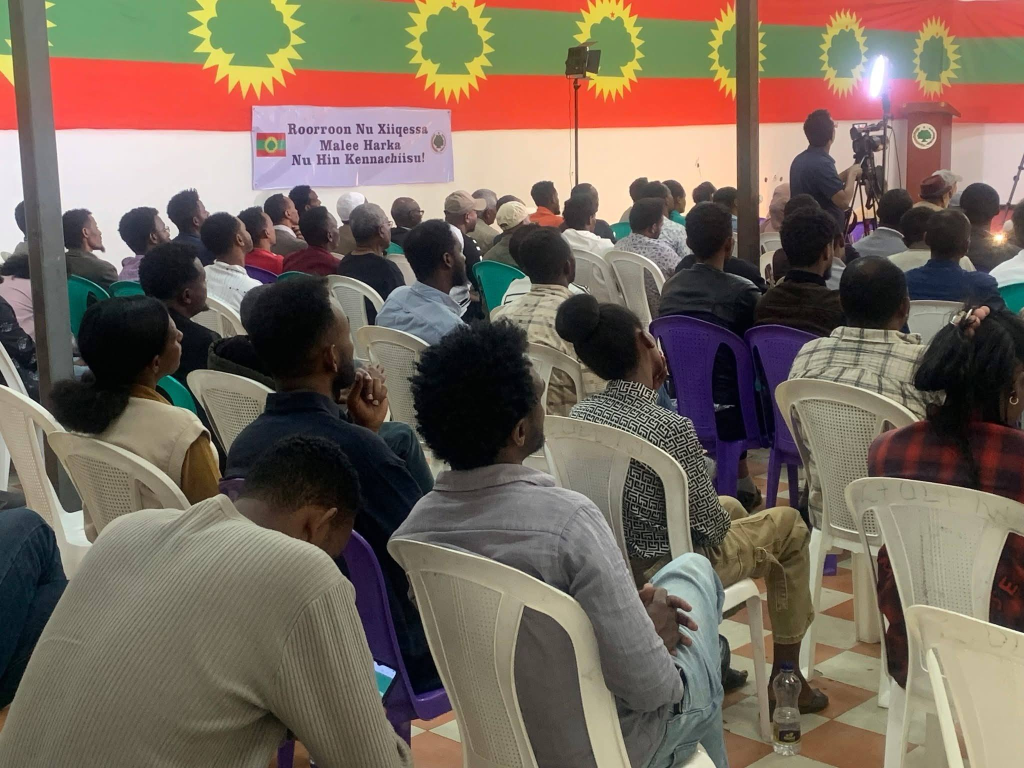
We, the members of the Oromo Liberation Front (OLF), convened in a two-day meeting on October 25 and November 1, 2025, at our headquarters in Gullalle.
Our deliberations have produced this five-point position statement concerning the past, present, and future of our party, the critical situation in Ethiopia, and ongoing developments in the African region and the world at large.
1) The Imperative for Peace and Justice
The pursuit of peace for the Oromo people is paramount. We unequivocally condemn the crimes against humanity perpetrated against the Oromo in recent years. We hold the government responsible for a systematic campaign of torture, employing tactics such as extrajudicial killings, forced displacement—notably through the Somali Special Forces in the East—and persecution under various pretexts across the nation.
The Oromo people possess an inalienable right to human rights and self-determination, equal to all peoples of the world. We therefore demand the establishment of an independent international body to investigate the wave of killings committed against the Oromo people over the past seven years, which continues unabated, including the assassination of our comrade, Jaal Battee Urgeessaa.
2) The Inviolability of Oromia’s Borders
The land of Oromia is the ancestral homeland of the Oromo people, whose presence spans centuries. All violations of Oromia’s established borders must cease immediately. The territorial integrity of Oromia is non-negotiable and must be respected unconditionally.
3) The Demand for Political Freedom
The current regime has deliberately closed the political arena and obstructed the lawful activities of the Oromo Liberation Front. This repression has perpetuated the subjugation of our people and illegally prevented our party from engaging with its constituents.
We demand the immediate and unconditional reopening of all OLF offices nationwide. Our party must be guaranteed the freedom to operate, to communicate its political program openly, and to dialogue directly with the people. OLF leadership must be free to travel, to conduct public forums, and to educate without hindrance. We further call for an end to the arbitrary arrests of our members and supporters, and for the immediate restoration of fundamental freedoms for media and civil society organizations.
4) The Sacred Unity of the Oromo People
We condemn in the strongest terms any and all attempts to fragment the Oromo people for transient political advantage. The unity of the Oromo is sacrosanct, forged by the ultimate sacrifice of our Shinigga heroes. It is a legacy built with their blood and bones, and it will not be weakened, bargained away, or destroyed.
5) A Renewed Vow and Final Resolution
In conclusion, and to fully achieve the aims and objectives of our struggle, we solemnly renew our vows to the Oromo cause. We reaffirm our acceptance of the duty before us and declare this position statement to be our final and resolute decision.
Victory to the Masses!
Members of the Oromo Liberation Front (OLF)
November 1, 2025
Finfinnee

Irreecha: A Celebration of Unity and Cultural Heritage
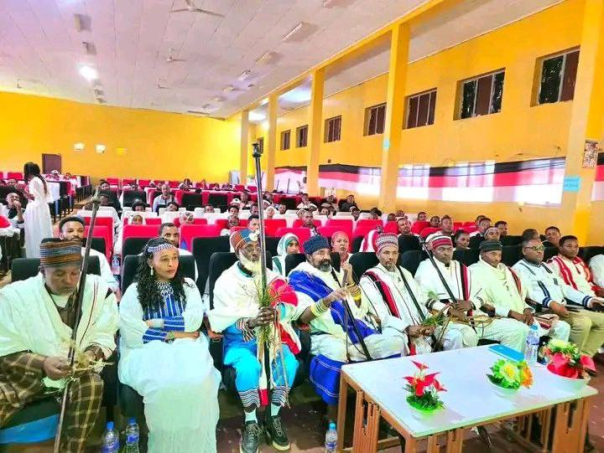
Panel Discussion Highlights Irreecha’s Role in Unity and Cultural Renaissance
In a prelude to the upcoming Malka Daabana Irreecha festival, a panel discussion was held at Birbirsa Lakkuu in the Bunnoo Beddellee district, focusing on the festival’s profound significance and the importance of cultural preservation.
Irreecha, celebrated as the greatest tradition of the Oromo people, was emphasized as a powerful symbol of reconciliation and unity. Panelists reflected on the long-standing efforts to protect and develop these traditions, which have been underway for over 150 years.
Key officials and spiritual leaders underscored the collective responsibility to safeguard this heritage:
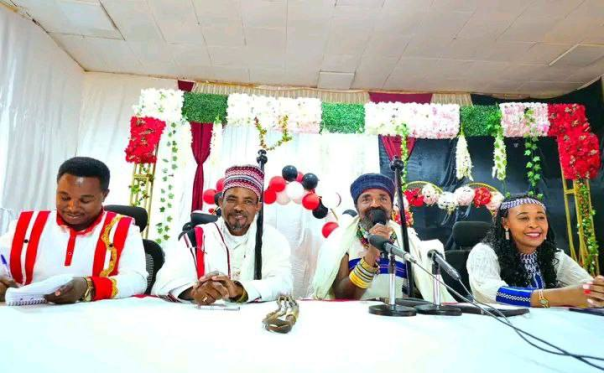
Mrs. Tigist Andaargee, District Culture and Tourism Officer, stated that cultural reforms are being implemented to address the breakdown in Oromo traditions and ensure their proper practice.
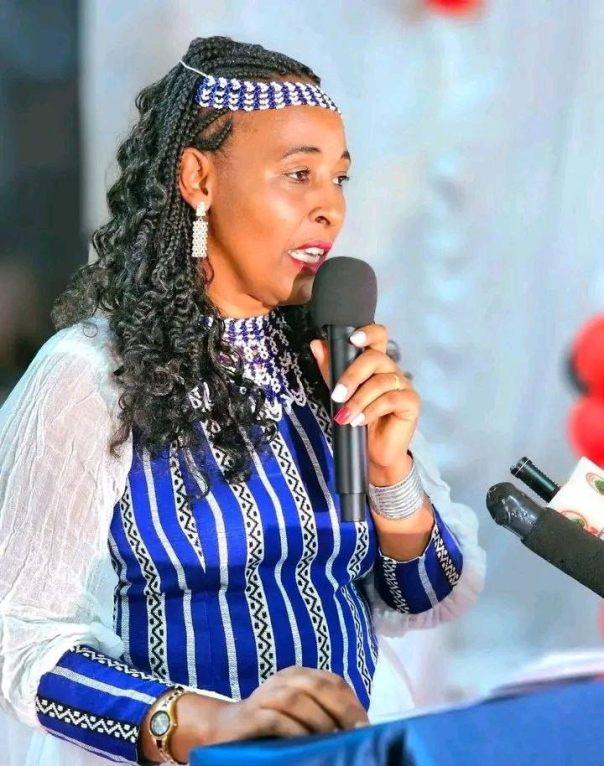
Xilaahun Lammaa, Deputy Governor of the district, called for all-party cooperation to ensure the Irreecha festival is celebrated in a warm, beautiful, and authentic manner.
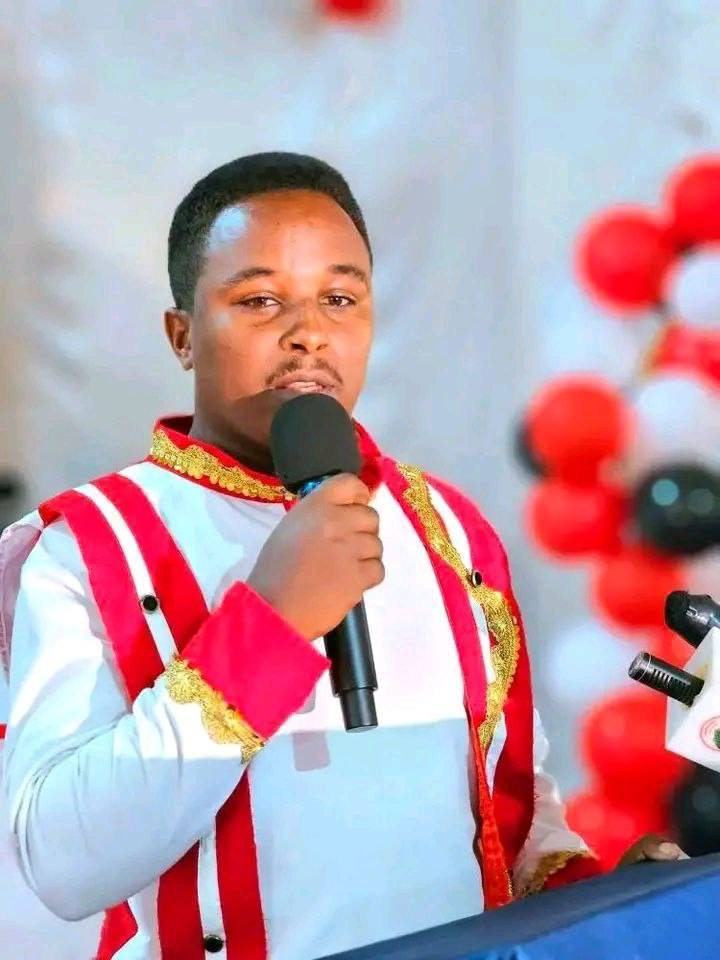
Goobanaa Hoolaa, Deputy Collector of the Oromo Gadaa Union and Abbaa Gadaa Tuulamaa, urged the Oromo people to celebrate Irreecha in a spirit of unity and harmony to foster reconciliation.
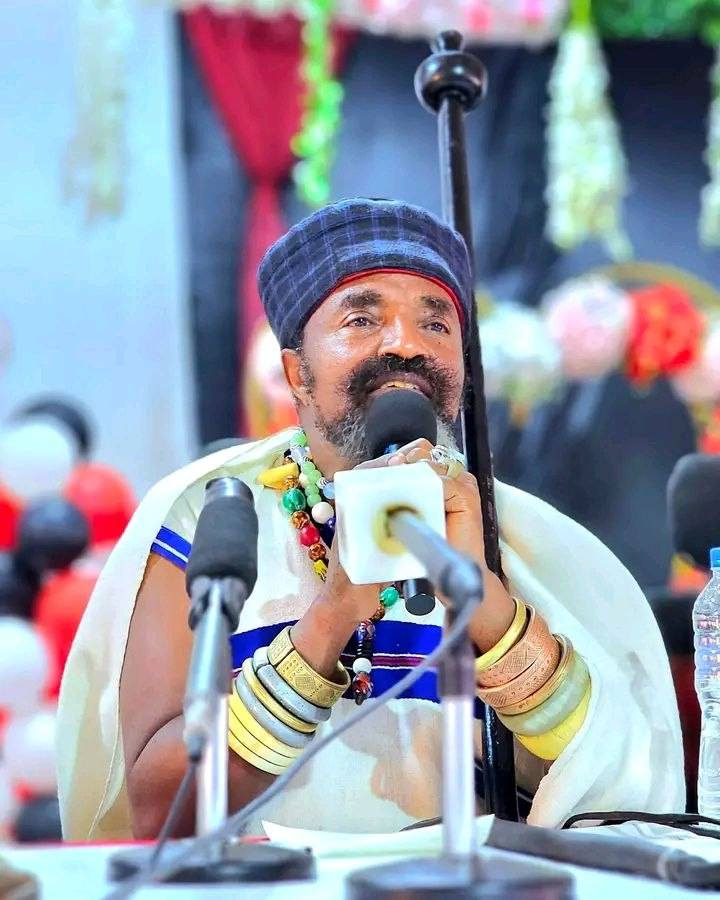
Warqinaa Tarreessaa, Coordinator of the Oromo Abbootii Gadaa Association and Abbaa Gadaa Maccaa, delivered a closing charge, stating, “The Oromo should continue to build on the traditions and systems they have started.” He noted that while the development of Oromo culture is at a promising beginning, everyone must play their part in its continued growth.
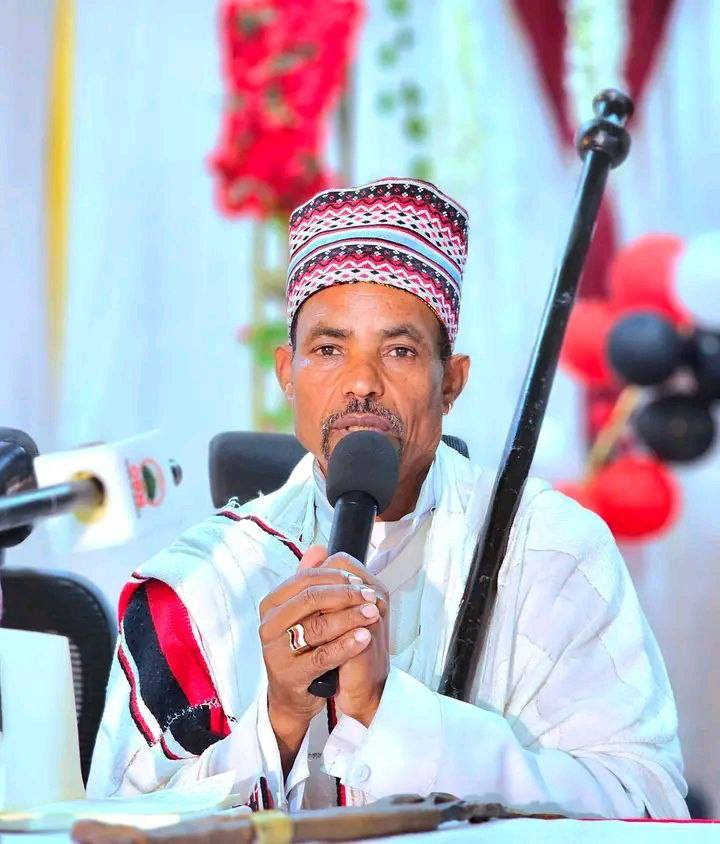
The discussion concluded with a unified resolve to honor the past while actively building a vibrant future for Oromo cultural traditions.
Ethiopia’s Red Sea Dilemma: A One-Sided Perspective
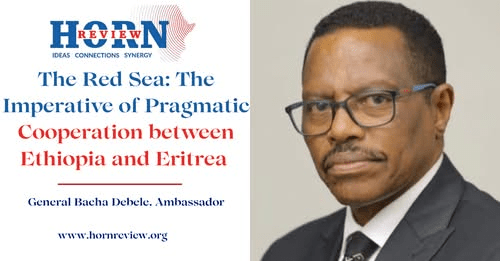
General Bacha Debele’s article presents a characteristically Ethiopian nationalist perspective on the Red Sea issue, skillfully blending pragmatic language with a deep-seated narrative of historical grievance and a thinly veiled threat. While it calls for cooperation, its foundational premises are so fundamentally one-sided and dismissive of Eritrean sovereignty that they ultimately undermine its own stated goal.
Here is a counter-analysis of its core arguments:
1. On the “Existential Imperative” and Historical Grievance:
- The Article’s Claim: Ethiopia’s need for sea access is an “existential imperative” due to an “unjust” deprivation in 1993. It challenges the legal legitimacy of its loss of Assab and frames the issue as a demand for “historical truth.”
- The Counter-Response: This framing is the primary obstacle to cooperation. It resurrects the central ideological conflict that led to a 30-year war. The 1993 Eritrean independence referendum was conducted with overwhelming international recognition and Ethiopian consent. To now question its legal and moral foundation is to question the very basis of Eritrea’s statehood. For Eritrea, this is not a negotiating point; it is a non-starter. An “existential imperative” for one nation cannot be pursued by threatening the existential sovereignty of another. True pragmatism would accept the 1991-1993 settlement as the immutable foundation for all future talks, not as a subject for “continuous reflection” and re-litigation.
2. On the Portrayal of Eritrea and Its Leadership:
- The Article’s Claim: Eritrea is a “stagnant,” “closed,” “totalitarian” state, a “political relic” whose leadership is isolated, illegitimate, and betrays its own people.
- The Counter-Response: This ad hominem attack on President Isaias and the Eritrean state is not a basis for diplomacy; it is a provocation. Regardless of the accuracy of these criticisms, using them as a preamble to a call for “cooperation” is deeply disingenuous. It positions Ethiopia as both judge and interested party, demanding partnership from a regime it simultaneously declares morally and politically bankrupt. A genuine pragmatist would engage with the state as it is, not as they wish it to be, and would avoid inflammatory language that guarantees a defensive and hostile response.
3. On the Accusations and the “Burden of Restraint”:
- The Article’s Claim: Ethiopia has shown “maximum restraint” while Eritrea “recklessly” undermines it by supporting insurgents and engaging in illicit activities. It places the entire “burden of maintaining stability” on Ethiopia.
- The Counter-Response: This narrative completely inverts the recent history of the region. From an Eritrean and regional perspective, it was Ethiopia under Abiy Ahmed that unilaterally tore up the foundational 2018 peace agreement by reigniting the Tigray conflict in 2020, drawing Eritrea into a devastating war. The article’s portrayal of Ethiopia as the perpetual victim of Eritrean aggression ignores this pivotal context. The claim of “restraint” rings hollow to those who witnessed the consequences of that conflict. The “burden of stability” is a shared one, and Ethiopia’s own actions have been the single greatest destabilizing factor in the Horn in recent years.
4. On the Nature of “Pragmatic Cooperation”:
- The Article’s Claim: The solution is “pragmatic, mutually beneficial cooperation,” which it defines as joint ventures in ports and logistics.
- The Counter-Response: The article’s concept of “pragmatism” is entirely transactional and self-serving. It proposes cooperation on Ethiopian terms, predicated on Ethiopia’s needs, while demanding Eritrea abandon its core security posture. For Eritrea, which fought a long war for sovereignty, security is paramount. Its “isolation” is, from its perspective, a defensive necessity against a much larger and historically dominant neighbor that has never fully accepted its separation. True pragmatism would require Ethiopia to first provide irreversible security guarantees and demonstrate through sustained action that it respects Eritrea’s sovereignty unconditionally. Only then could talks about port access be credible.
Conclusion:
General Bacha’s article, despite its polished language, is not a genuine offer of partnership. It is an ultimatum disguised as diplomacy. It tells Eritrea: “Your state is a failed relic, your leader is a tyrant, your independence is legally questionable, and you are a source of instability. Now, please grant us sovereign access to your coast for our existential needs.”
This approach is destined to fail. It reinforces every Eritrean suspicion about Ethiopian hegemony. If Ethiopia sincerely desires Red Sea access, it must abandon the language of historical grievance and moral superiority. It must:
- Formally and unequivocally reaffirm the borders established in 1993.
- Engage in quiet, respectful diplomacy without public preconditions and inflammatory rhetoric.
- Acknowledge its role in regional instability and work to rebuild decimated trust.
The “defining moment” for the Horn of Africa is not whether Eritrea capitulates to Ethiopian demands, but whether Ethiopia can evolve beyond a neo-imperial mindset that views its neighbors as extensions of its own national destiny. Until it does, the Red Sea will remain not a conduit for shared prosperity, but a moat guarding against a past Eritrea will never accept again.
The Evolution of ODF: From Independence to Self-Determination
How has ODF’s platform evolved since its founding?
The platform of the Oromian Defense Force (ODF), often associated with the Oromo Liberation Front (OLF) and the Oromo Liberation Army (OLA), has evolved significantly since its founding. While the core principle of national self-determination for the Oromo has remained constant, the specific vision and political tactics have adapted to changing conditions in Ethiopia.[1][2][3]
Early Objectives: Independence and Liberation
At its founding in 1973, the OLF/ODF’s primary goal was achieving full independence for Oromia, framed as liberation from what was perceived as Abyssinian (Amhara) colonial rule. This initially included calls for the creation of a sovereign Oromo state outside of Ethiopia, accompanied by armed struggle against the government.[2][4][1]
Evolution to Self-Determination Within a Federal Ethiopia
Over time, especially after Ethiopia’s regime change in 1991, the OLF began shifting toward the idea of national self-determination—asserting the right of the Oromo to decide, through a democratic process, whether to remain within a restructured, truly federal Ethiopia or pursue independence. The platform emphasized voluntary union with other nations based on equality and mutual respect rather than enforced secession.[1][2]
Engagement and Withdrawal from Federal Politics
The OLF participated in Ethiopia’s transitional government after the fall of the Derg regime in 1991, indicating willingness to cooperate with broader Ethiopian movements. However, citing harassment and political exclusion, the OLF soon withdrew, reinforcing its orientation toward armed struggle and political autonomy.[5][1]
Shift Toward Democratization and Inclusive Struggle
By the 2010s and especially after 2012, some OLF factions voiced a willingness to work for democracy and freedom within Ethiopia rather than outright secession. This broadening of goals to include justice, democratization, and inclusion emerged more strongly during the Abiy Ahmed era.[3][5][1]
Recent Developments: Unity, Decentralization, and Peace
Recent ODF and OLA documents highlight continued emphasis on:
– Self-determination and responsive government via democratic means[3]
– Economic sovereignty and development for the Oromo people[3]
– Socio-cultural rights: language, culture, local governance[3]
– The possibility of a political union with other Ethiopian groups based on voluntary association and equality, rather than either forced unity or imposed independence[2][1]
– Openness to negotiation and peaceful resolution, alongside continued resistance to central state repression[6][3]
Factional Complexity
The evolution of the ODF’s platform has also included internal splits, such as the division between the OLF and the OLA over armed resistance and disarmament processes. These reflect broader debates within Oromo nationalism regarding practical versus maximalist goals, and engagement versus resistance, as Ethiopia’s political context has shifted.[5][6]
Overall, the ODF’s platform evolved from calls for independence to a nuanced program of self-determination, democratization, and potential federal partnership—adapted to challenges and opportunities presented by Ethiopian politics since the 1970s.[1][2][5][3]
Sources
[1] Oromo Liberation Front – Wikipediaen.wikipedia.org › wiki › Oromo_Liberation_Front https://en.wikipedia.org/wiki/Oromo_Liberation_Front
[2] Mission – Oromo Liberation Front https://oromoliberationfront.org/english/mission/
[3] A BRIEF POLITICAL MANIFESTO https://www.fnnmedia.org/media/images/OLA_Brief_Manifesto.pdf
[4] Political program of Oromia Liberation Front- O.L.F – FINFINNE MEDIA http://samsondoya.blogspot.com/2013/08/political-program-of-oromia-liberation.html
[5] Country policy and information note: Oromos, the … https://www.gov.uk/government/publications/ethiopia-country-policy-and-information-notes/country-policy-and-information-note-oromos-the-oromo-liberation-front-and-the-oromo-liberation-army-ethiopia-march-2022-accessible
[6] About the Oromo Liberation Army | OLF-OLA https://www.olf-olahq.org/about
[7] Open Dialogue Foundation https://en.wikipedia.org/wiki/Open_Dialogue_Foundation
[8] Clark Anna 2010, ‘Politicians Using History’, Wiley https://opus.lib.uts.edu.au/bitstream/10453/14057/1/2009008262.pdf
[9] The good old days: how nostalgia clouds our view of … https://theconversation.com/the-good-old-days-how-nostalgia-clouds-our-view-of-political-crises-52309
[10] Oromo Liberation Army – Wikipedia https://en.wikipedia.org/wiki/Oromo_Liberation_Army

Oromo Forces: New Democratic Strategies After 2018
How did 2018 peace deal alter ODF political goals?
The 2018 peace deal fundamentally shifted the political goals of the Oromian Defense Force (ODF) and its allied groups, most notably the Oromo Liberation Front (OLF) and Oromo Liberation Army (OLA), from an emphasis on armed struggle and potential secession toward renewed engagement with federal politics, negotiation, and peaceful transformation within Ethiopia.[11][12]
Emphasis on Negotiation and Peaceful Participation
Following the 2018 peace deal—brokered as part of a broader national reconciliation—the ODF and OLF renounced armed resistance, returned to Ethiopia from exile, and announced a willingness to pursue Oromo objectives through legal, peaceful, and democratic means. This marked a crucial shift from decades of armed opposition to dialogue and electoral participation.[12]
Commitment to Justice and Democratic Reform
The ODF and its political allies reoriented their platform around justice and democratization rather than outright independence. They advocated for dialogue aimed at ending repression, safeguarding human rights, and building an inclusive federal system. The peace deal made negotiation over Oromo grievances, state autonomy, and fair power-sharing a central feature of their demands.[13][12]
Internal Divisions and New Strategies
The peace process also brought internal tensions—some factions supported disarmament and rapprochement with the government, while others (notably the OLA) argued the federal government failed to meet peace commitments, thus resuming armed resistance. Nevertheless, the declared political track for mainstream ODF/OLF post-2018 prioritized peaceful reform and legal advocacy within Ethiopia’s system.[14][15]
Dialogue on Self-Determination
Post-deal, political demands have been reframed around a self-determination process via constitutional and democratic mechanisms, rather than unilateral secession. The goals moved toward ensuring meaningful autonomy for Oromia and broad democratic reforms to benefit all Ethiopians, as opposed to exclusive focus on armed struggle for independence.[11][12]
In summary, the 2018 peace agreement redefined ODF political goals—shifting them from militant separatism to a platform emphasizing peaceful negotiation, democratic participation, and structural reform of the Ethiopian state.[15][12][14][11]
Sources
[1] Is South Sudan’s Peace Deal Falling Apart Again? https://www.internationalaffairs.org.au/australianoutlook/is-south-sudans-peace-deal-falling-apart-again/
[2] Death by Peace: How South Sudan’s Peace Agreement … https://africanarguments.org/2022/01/death-by-peace-how-south-sudans-peace-agreement-ate-the-grassroots/
[3] BRIEFING: All you need to know about South Sudan’s … https://www.thenewhumanitarian.org/analysis/2018/08/14/briefing-all-you-need-know-about-south-sudan-s-new-power-sharing-accord
[4] Why South Sudan’s attempts at peace continue to fail https://theconversation.com/why-south-sudans-attempts-at-peace-continue-to-fail-126846
[5] The last peace deal for South Sudan? https://issafrica.org/iss-today/the-last-peace-deal-for-south-sudan
[6] South Sudan’s peace deal at risk of collapse without … https://www.ohchr.org/en/press-releases/2025/06/south-sudans-peace-deal-risk-collapse-without-stronger-regional-action-warns
[7] South Sudan’s shaky peace is at risk of collapse. Can it be … https://www.chathamhouse.org/2025/04/south-sudans-shaky-peace-risk-collapse-can-it-be-saved
[8] South Sudan president signs peace deal with rebel leader https://www.aljazeera.com/news/2018/9/12/south-sudan-president-signs-peace-deal-with-rebel-leader
[9] The shaky peace deal in South Sudan https://www.freiheit.org/sub-saharan-africa/shaky-peace-deal-south-sudan
[10] Landmark South Sudan deal offers hope, but trust ‘still … https://news.un.org/en/story/2018/09/1019242
[11] Mission – Oromo Liberation Front https://oromoliberationfront.org/english/mission/
[12] Country policy and information note: Oromos, the … https://www.gov.uk/government/publications/ethiopia-country-policy-and-information-notes/country-policy-and-information-note-oromos-the-oromo-liberation-front-and-the-oromo-liberation-army-ethiopia-march-2022-accessible
[13] Peace—and justice—remain elusive in Oromia https://www.ethiopia-insight.com/2024/10/17/peace-and-justice-remain-elusive-in-oromia/
[14] Oromo Liberation Front – Wikipediaen.wikipedia.org › wiki › Oromo_Liberation_Front https://en.wikipedia.org/wiki/Oromo_Liberation_Front
[15] About the Oromo Liberation Army | OLF-OLA https://www.olf-olahq.org/about

Oromian Defense Force: Goals for Justice and Autonomy
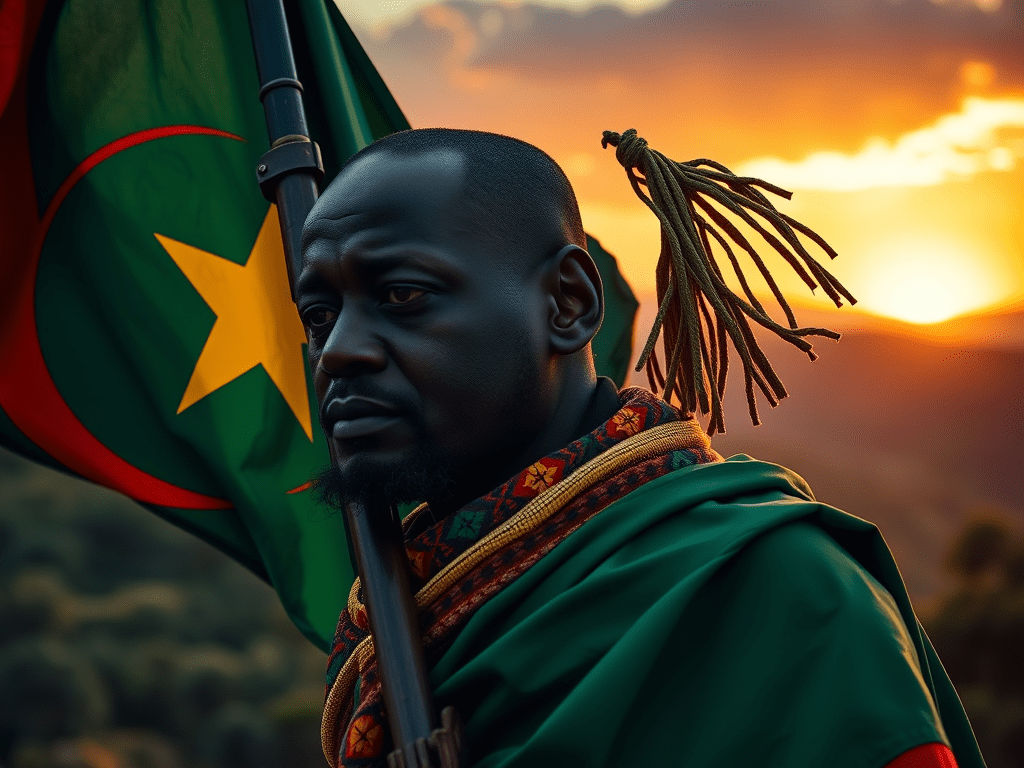
What are ODF’s stated goals and political demands?
The stated goals and political demands of the Oromian Defense Force (ODF)—also associated with the Oromo Liberation Front (OLF) and its armed wing, the Oromo Liberation Army (OLA)—focus on national self-determination, justice, and inclusive governance for the Oromo people in Ethiopia.[1][2][3]
Stated Goals
– **National Self-Determination:** The ODF aims to secure the inalienable right of the Oromo people to determine their own political status and govern their affairs, free from external manipulation and systemic oppression.[2][3]
– **End Oppression and Exploitation:** The movement is fundamentally committed to ending historical and ongoing political, economic, and cultural domination faced by Oromos under successive Ethiopian regimes.[2]
– **Democratic Rights:** The ODF calls for establishing a system where democratic rights, including political participation, civil liberties, and equality before the law, are fully guaranteed for all citizens.[2]
– **Cultural and Linguistic Rights:** It demands protection and promotion of the Oromo language, culture, and traditions as essential aspects of Oromo identity.[1][2]
Political Demands
– **Establishment of a Federal System:** ODF advocates for a genuine federal structure that grants real autonomy and self-rule to regional states, particularly Oromia, while allowing voluntary union with other Ethiopian peoples based on equality and mutual respect.[1][2]
– **Professional and Inclusive Security Forces:** The ODF’s proposals include a national defense force that is non-partisan, professional, and reflective of the country’s demographics, plus regional National Guards under civilian control for internal security.[1]
– **Ending Political Repression:** Official demands include the cessation of arbitrary arrests, extrajudicial killings, and suppression of Oromo political leaders, activists, and civilians.[4]
– **Justice and Power-Sharing:** The ODF has sought equitable power-sharing arrangements at the federal level and called for accountable, inclusive governance in all of Ethiopia.[4]
– **Peaceful Negotiation and Reconciliation:** The movement is open to dialogue and peaceful negotiation, provided these processes address core Oromo grievances and guarantee enforceable commitments to justice and autonomy.[4][2]
Overall, the ODF’s political program centers on recognition, autonomy, equity, and comprehensive reforms to empower the Oromo people within Ethiopia’s political landscape.[3][2][4][1]
Sources
[1] ADDA DEMOKRAATAWAA OROMO (ADO) … https://zelalemkibret.wordpress.com/wp-content/uploads/2013/07/adda-demokraatawaa-oromo.pdf
[2] Mission – Oromo Liberation Front https://oromoliberationfront.org/english/mission/
[3] Objective of The Oromo Liberation Front is national self- … https://www.facebook.com/OLFinfo/posts/objective-of-the-oromo-liberation-front-is-national-self-determination-for-the-o/1681980898611603/
[4] Peace—and justice—remain elusive in Oromia https://www.ethiopia-insight.com/2024/10/17/peace-and-justice-remain-elusive-in-oromia/
[5] Ethiopia Advancing Toward Capable, Modern Military https://www.ena.et/web/eng/w/eng_6899789
[6] 53 https://www.eisa.org/storage/2023/05/2022-journal-of-african-elections-v21n2-transformative-power-oromo-protests-ethiopia-resilience-political-change-eisa.pdf
[7] Military Operations Intensify in Amhara, Oromia as Peace … https://borkena.com/2025/04/21/ethiopia-military-operations-intensify-in-amhara-oromia-as-peace-dialogue-faces-hurdles/
[8] “Will We Really Have Peace?”: OFC Calls For End To … https://www.thereporterethiopia.com/42840/
[9] Oromo Liberation Army https://en.wikipedia.org/wiki/Oromo_Liberation_Army
[10] Country policy and information note: Oromos, the … https://www.gov.uk/government/publications/ethiopia-country-policy-and-information-notes/country-policy-and-information-note-oromos-the-oromo-liberation-front-and-the-oromo-liberation-army-ethiopia-march-2022-accessible
Understanding the Oromia Defence Force (ODF) and Its Role
Why Oromian Defense Force-ODF necessary and important?
The term “Oromia Defence Force” is commonly used to refer to the Oromo Liberation Army (OLA), an armed group fighting in the Oromia region of Ethiopia. The OLA, distinct from the now-defunct Oromo Liberation Front (OLF), has engaged in guerrilla warfare and is known for its alliance with the Tigray People’s Liberation Front (TPLF) against the Ethiopian federal government. The conflict is complex, involving clashes with the Ethiopian National Defense Force (ENDF) and reports of violence against civilians by all parties.
Key aspects of the OLA
Impact: The conflict has led to significant violence and displacement, with reports of thousands of people killed in clashes and attacks.
The Oromian Defense Force (ODF), represented prominently by groups such as the Oromo Liberation Army (OLA), is considered necessary and important primarily to protect the rights, self-determination, and security of the Oromo people in Ethiopia. Historically, Oromia’s indigenous defense mechanisms have evolved to resist political exclusion, economic exploitation, and cultural marginalization, functioning within both traditional frameworks like the Gadaa system and modern liberation movements.[1][2][3][4]
Goals: The OLA states it is fighting for the rights of the Oromo people, with some reports indicating goals to achieve independence and overthrow the current government.
Conflict: The group is engaged in an armed conflict with the Ethiopian government and its forces, which has included taking control of towns and fighting in various parts of Oromia.
Alliances: The OLA has formed alliances, most notably a military partnership with the Tigrayan rebels, which was announced in 2021.
Accusations: The OLA has been accused of human rights violations, including attacks on civilians, though the group has denied some of these claims. The Ethiopian government designated the OLA as a terrorist group in May 2021.
Historical context: A splinter group that refused to disarm after the OLF was removed from a terrorist list in 2018, the OLA is the successor to a long-standing armed movement formed in the 1970s.
Defense of Rights and Sovereignty
The ODF’s central role is to ensure Oromos can freely determine their political future and establish governance responsive to their community. This necessity arose from a long history of systemic oppression and a lack of autonomy under various Ethiopian regimes, making self-defense structures vital for safeguarding basic freedoms.[4][1]
Security and Protection
With ongoing regional instability, the ODF defends the Oromo population from violence perpetrated by state and non-state actors, especially in the absence or perceived failure of federal security forces. The dissolution of regional special forces and controversial federal interventions have made localized defense more critical for community survival and resilience.[5]
Cultural and Social Empowerment
The ODF supports socio-cultural rights, fighting against marginalization, and upholding the Oromo identity. It mobilizes not only militarily but also ideologically, drawing strength from community participation and moral legitimacy among Oromos. Activists emphasize the necessity for a united movement to preserve language, values, and collective security, especially as diaspora resources grow.[6][7]
Political Leverage and Defense
The ODF functions as both a deterrent and a negotiating force, influencing balance-of-power dynamics within Ethiopia. Its continued existence sustains Oromo representation amidst competing ethnic interests and shifting alliances, preserving a critical, independent voice in national affairs.[7][8]
Traditional Legitimacy
Rooted historically in the Gadaa system, the ODF symbolizes continuity in indigenous governance, promoting peace, security, and self-rule while resisting exploitation. Its importance is also recognized in academic and cultural discussions as a means of upholding democratic principles and Oromo sovereignty.[2]
In summary, the ODF is seen as both a practical and symbolic bulwark for protecting Oromo communities’ political, social, and cultural futures, while enabling the pursuit of peace, security, and empowerment within Ethiopia.[1][2][4][6]
Sources
[1] A BRIEF POLITICAL MANIFESTO https://www.fnnmedia.org/media/images/OLA_Brief_Manifesto.pdf
[2] Copyright © 2023 The Author(s): This work is licensed under a Attribution-NonCommercial 4.0 International (CC BY-NC 4.0) https://isrgpublishers.com/wp-content/uploads/2023/10/ISRGJAHSS2032023.pdf
[3] Mission – Oromo Liberation Front https://oromoliberationfront.org/english/mission/
[4] Country policy and information note: Oromos, the … https://www.gov.uk/government/publications/ethiopia-country-policy-and-information-notes/country-policy-and-information-note-oromos-the-oromo-liberation-front-and-the-oromo-liberation-army-ethiopia-march-2022-accessible
[5] EPO November 2023 Monthly: An Evolving Conflict … https://acleddata.com/update/epo-november-2023-monthly-evolving-conflict-environment-oromia
[6] THE OROMO NATION: TOWARD MENTAL LIBERATION … https://advocacy4oromia.org/article/the-oromo-nation-toward-mental-liberation-and-empowerment/
[7] OLF-OLA, the Northern Alliances, and the Oromo Cause https://oromia.today/olf-ola-the-northern-alliances-and-the-oromo-cause/
[8] Conflict in Ethiopia | Global Conflict Tracker https://www.cfr.org/global-conflict-tracker/conflict/conflict-ethiopia
[9] OLF is the immune system of the Oromo nations https://advocacy4oromia.org/oromia/olf-is-the-immune-system-of-the-oromo-nations/
[10] Analyzing Why Ethiopia Launched a New Military … https://futureuae.com/clients.tar.bz2/Mainpage/Item/9780/fano-militia-analyzing-why-ethiopia-launched-a-new-military-operation-in-the-amhara-region






