Author Archives: advocacy4oromia
The Significance of Odaa Nabee for Oromo Culture
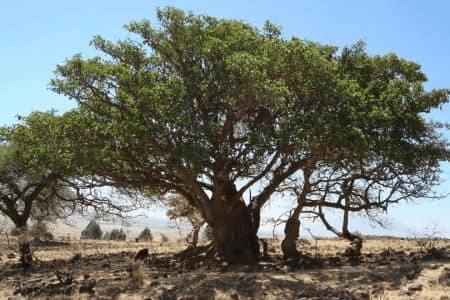
Sacred sites like Odaa Nabee hold profound cultural, spiritual, historical, and political significance for the Oromo people. These sites are not just physical locations but are deeply intertwined with the identity, values, and collective memory of the Oromo nation. Here are the key reasons why sacred sites like Odaa Nabee are important to the Oromo people:
1. Spiritual and Religious Significance
- Connection to Waaqeffannaa (Oromo Traditional Religion): Odaa Nabee and other sacred sites are central to the Oromo traditional religion, Waaqeffannaa, which is based on the worship of Waaqa (God). These sites are considered holy places where the Oromo connect with the divine, perform rituals, and seek blessings.
- Symbol of Unity with Nature: Sacred sites are often located in natural settings, such as under large sycamore trees (Odaa), symbolizing the Oromo belief in the interconnectedness of humans, nature, and the divine.
2. Historical and Cultural Importance
- Center of the Gadaa System: Odaa Nabee is historically known as one of the major centers of the Gadaa system, the Oromo’s indigenous democratic governance system. It served as a meeting place where Oromo leaders gathered to make decisions, resolve conflicts, and pass laws.
- Cultural Heritage: Sacred sites are repositories of Oromo history, traditions, and knowledge. They are living symbols of the Oromo’s ancient civilization and their enduring cultural practices.
3. Symbol of Oromo Identity and Unity
- National Identity: Odaa Nabee and other sacred sites are powerful symbols of Oromo identity and unity. They represent the Oromo people’s shared history, values, and aspirations.
- Resistance and Resilience: During periods of colonization and oppression, sacred sites became symbols of resistance and resilience. They served as rallying points for the Oromo people to defend their land, culture, and rights.
4. Political Significance
- Center of Governance: Historically, Odaa Nabee was a political hub where the Oromo practiced their democratic Gadaa system. It symbolizes the Oromo’s commitment to democracy, justice, and egalitarianism.
- Modern Political Symbolism: Today, sacred sites like Odaa Nabee continue to hold political significance as symbols of Oromo self-determination and resistance against marginalization and oppression.
5. Environmental and Ecological Value
- Sacredness of Nature: The Oromo regard sacred sites as part of their natural heritage. These sites are often located in ecologically significant areas, such as forests, rivers, or mountains, reflecting the Oromo’s deep respect for the environment.
- Conservation: Sacred sites are protected and preserved as part of the Oromo’s traditional ecological knowledge, contributing to biodiversity conservation and sustainable land use.
6. Social and Community Functions
- Gathering Spaces: Sacred sites serve as communal spaces where the Oromo come together for ceremonies, festivals, and social gatherings. They strengthen social bonds and foster a sense of belonging.
- Conflict Resolution: Traditionally, sacred sites were used as places for mediation and conflict resolution, guided by the principles of the Gadaa system and Araara (reconciliation).
7. Educational Role
- Transmission of Knowledge: Sacred sites are centers for the transmission of Oromo knowledge, including history, governance, spirituality, and environmental stewardship. Elders and leaders use these spaces to teach younger generations about their heritage.
- Cultural Revival: In the face of modernization and cultural erosion, sacred sites play a crucial role in reviving and preserving Oromo traditions and values.
8. Symbol of Freedom and Liberation
- Odaa Nabee as a Symbol of Liberation: Odaa Nabee, in particular, is a symbol of freedom and liberation for the Oromo people. It represents their struggle for autonomy, justice, and recognition of their rights.
- Inspiration for Activism: Sacred sites inspire contemporary Oromo activists and movements, such as the Oromo Protests and the Qeerroo youth movement, in their fight for equality and self-determination.
9. Connection to Ancestors
- Ancestral Ties: Sacred sites are seen as places where the living can connect with their ancestors. They are spaces for honoring the past and seeking guidance from those who came before.
- Cultural Continuity: By maintaining and visiting these sites, the Oromo people ensure the continuity of their cultural and spiritual practices across generations.
10. Global Recognition and Advocacy
- Cultural Heritage Preservation: Sacred sites like Odaa Nabee are increasingly recognized as part of humanity’s cultural heritage. Advocacy for their protection raises awareness about the Oromo people’s history and contributions to global civilization.
- Solidarity and Support: The importance of these sites fosters solidarity among the Oromo diaspora and garners support from global communities for Oromo cultural and political causes.
Conclusion
Sacred sites like Odaa Nabee are not merely physical locations; they are the heart and soul of the Oromo people. They embody their spirituality, history, culture, and political aspirations. Protecting and honoring these sites is essential for preserving the Oromo identity, promoting social justice, and ensuring the continuity of their unique heritage for future generations. For the Oromo, these sacred sites are a testament to their resilience, unity, and enduring connection to their land and traditions.
Exploring Oromo Studies Association’s Contributions to Global Knowledge

The Oromo Studies Association was founded in 1992 to encourage research and study on Oromo issues. Since then, many studies have been presented that have promoted the knowledge and experience of Oromo and have made it known to the world. What is the role of this association in promoting and promoting Oromo issues?
The Oromo Studies Association (OSA) has played a pivotal role in promoting and advancing Oromo issues since its founding in 1992. As a scholarly organization dedicated to the study of Oromo history, culture, language, politics, and society, the OSA has been instrumental in fostering research, raising awareness, and advocating for the rights and recognition of the Oromo people. Below are the key roles and contributions of the OSA in promoting Oromo issues:
1. Encouraging Research and Scholarship
The OSA has been a driving force in encouraging and supporting academic research on Oromo issues. By providing a platform for scholars, researchers, and intellectuals, the OSA has contributed to the growth of knowledge about the Oromo people.
- Conferences and Symposia:
The OSA organizes annual conferences and symposia where scholars present research papers on a wide range of topics related to the Oromo people. These events facilitate the exchange of ideas and the dissemination of knowledge. - Publications:
The OSA publishes journals, books, and conference proceedings that document and share research findings. These publications serve as valuable resources for scholars, students, and the general public. - Research Grants:
The OSA provides grants and funding opportunities to support research projects focused on Oromo issues, encouraging new and innovative studies.
2. Raising Global Awareness
The OSA has played a crucial role in raising global awareness about the Oromo people, their history, and their struggles. By bringing Oromo issues to the attention of the international community, the OSA has helped to amplify Oromo voices on the global stage.
- International Collaboration:
The OSA collaborates with universities, research institutions, and human rights organizations around the world to promote Oromo studies and advocate for Oromo rights. - Advocacy and Outreach:
Through its conferences, publications, and online presence, the OSA educates the global community about the challenges faced by the Oromo people, including political repression, cultural marginalization, and human rights violations.
3. Preserving and Promoting Oromo Culture and Language
The OSA is deeply committed to preserving and promoting Oromo culture, language, and traditions. This work is essential for maintaining Oromo identity and ensuring that future generations have access to their cultural heritage.
- Cultural Research:
The OSA supports research on Oromo cultural practices, traditions, and history, helping to document and preserve this knowledge for future generations. - Language Advocacy:
The OSA promotes the use of Afaan Oromoo (the Oromo language) in academic and public spheres. This includes advocating for the inclusion of Afaan Oromoo in educational curricula and media. - Cultural Events:
The OSA organizes cultural events, such as music, dance, and art exhibitions, to celebrate and showcase Oromo culture.
4. Advocating for Oromo Rights and Justice
The OSA has been a strong advocate for the rights and justice of the Oromo people. Through its research and advocacy efforts, the OSA has highlighted the political, social, and economic challenges faced by the Oromo community.
- Human Rights Advocacy:
The OSA documents and reports on human rights abuses against the Oromo people, bringing these issues to the attention of international organizations and policymakers. - Policy Recommendations:
The OSA provides evidence-based policy recommendations to governments, NGOs, and international bodies to address the needs and concerns of the Oromo people. - Solidarity and Support:
The OSA works in solidarity with other marginalized groups and social justice movements to advocate for equality, justice, and self-determination.
5. Building a Network of Scholars and Activists
The OSA has created a vibrant network of scholars, activists, and community leaders who are dedicated to advancing Oromo issues. This network fosters collaboration, knowledge-sharing, and collective action.
- Mentorship and Support:
The OSA provides mentorship and support to young scholars and activists, helping to build the next generation of leaders in Oromo studies and advocacy. - Community Engagement:
The OSA engages with Oromo communities around the world, ensuring that its work is grounded in the needs and aspirations of the people it serves.
6. Documenting Oromo History and Contributions
The OSA has played a critical role in documenting the history and contributions of the Oromo people, challenging historical narratives that have marginalized or erased Oromo voices.
- Historical Research:
The OSA supports research on Oromo history, including the Gadaa system, Oromo resistance movements, and the contributions of Oromo leaders and intellectuals. - Countering Misrepresentation:
By producing accurate and comprehensive research, the OSA counters misrepresentations and stereotypes about the Oromo people, promoting a more nuanced and respectful understanding of their history and culture.
7. Promoting Education and Empowerment
The OSA is committed to promoting education and empowerment within the Oromo community. By providing access to knowledge and resources, the OSA helps to empower individuals and communities to advocate for their rights and achieve their goals.
- Educational Programs:
The OSA organizes workshops, seminars, and training programs to educate community members about their rights, history, and culture. - Scholarships and Fellowships:
The OSA offers scholarships and fellowships to support Oromo students and scholars in their academic pursuits.
Conclusion
The Oromo Studies Association has been a cornerstone in the promotion and advancement of Oromo issues since its founding in 1990. Through its research, advocacy, and community engagement, the OSA has made significant contributions to the preservation of Oromo culture, the promotion of Afaan Oromoo, and the advocacy for Oromo rights and justice. By fostering a global network of scholars and activists, the OSA has amplified Oromo voices and brought international attention to the struggles and aspirations of the Oromo people. Its work continues to inspire and empower the Oromo community, ensuring that their history, culture, and contributions are recognized and celebrated.
Understanding Waaqeffannaa: The Oromo Belief System

Waaqeffannaa is the religion by which human beings believe in one God and live by it since ancient times. This is the religion by which the Oromo know the Waaqaa (God) and live by the laws of God and conduct their lives well. Followers of Waaqeffannaa believe that if they know God’s laws and live by them, everything will be in harmony. This article teaches how Waaqeffannaa is guiding the existence and life of human beings and how human existence and life can be better if they know and live by the laws of God.
Waaqeffannaa is the traditional Oromo religion, deeply rooted in the belief in one supreme God, Waaqa. It is a spiritual and cultural system that has guided the Oromo people for centuries, shaping their worldview, values, and way of life. Waaqeffannaa emphasizes harmony with nature, respect for creation, and adherence to the laws of Waaqa. Below is an exploration of how Waaqeffannaa guides human existence and life, and how living by its principles can lead to a better and more harmonious life:
1. Belief in One God (Waaqa)
- Monotheism: Waaqeffannaa is a monotheistic religion, centered on the belief in one omnipotent, omnipresent, and omniscient God, Waaqa. This belief unites the Oromo people and provides a spiritual foundation for their lives.
- Creator and Sustainer: Waaqa is seen as the creator of the universe and the sustainer of all life. Followers of Waaqeffannaa believe that Waaqa governs the natural order and the moral laws that guide human behavior.
2. Laws of Waaqa (Seera Waaqa)
- Moral and Ethical Guidance: The laws of Waaqa provide a moral and ethical framework for living a righteous life. These laws emphasize truth, justice, respect, and harmony.
- Harmony with Nature: Waaqeffannaa teaches that humans must live in harmony with nature, as it is a creation of Waaqa. This includes respecting the environment, animals, and all living beings.
- Social Harmony: The laws of Waaqa promote social cohesion, emphasizing the importance of community, mutual respect, and collective well-being.
3. Principles of Waaqeffannaa
- Truth (Dhugaa): Truth is a central principle of Waaqeffannaa. Followers are encouraged to live honestly and uphold truth in all aspects of life.
- Justice (Murtii): Waaqeffannaa advocates for justice and fairness, ensuring that individuals and communities are treated equitably.
- Respect (Kabajaa): Respect for elders, nature, and fellow human beings is a core value in Waaqeffannaa. This fosters a culture of mutual respect and dignity.
- Peace (Nagaa): Waaqeffannaa promotes peace and harmony, both within individuals and in the broader community.
4. Rituals and Practices
- Prayer and Meditation: Followers of Waaqeffannaa engage in prayer and meditation to connect with Waaqa and seek guidance. These practices help individuals align their lives with the laws of Waaqa.
- Ceremonies and Festivals: Waaqeffannaa includes various ceremonies and festivals, such as Irreecha (thanksgiving festival), which celebrate the blessings of Waaqa and reinforce communal bonds.
- Offerings and Sacrifices: Offerings and sacrifices are made to Waaqa as a sign of gratitude and devotion. These practices symbolize the followers’ commitment to living in harmony with Waaqa’s laws.
5. Waaqeffannaa and Human Existence
- Guidance for Life: Waaqeffannaa provides a comprehensive guide for living a meaningful and fulfilling life. By following the laws of Waaqa, individuals can achieve spiritual, emotional, and social well-being.
- Balance and Harmony: Waaqeffannaa teaches that living in accordance with Waaqa’s laws brings balance and harmony to one’s life. This includes maintaining a healthy relationship with oneself, others, and the environment.
- Purpose and Meaning: Waaqeffannaa gives life purpose and meaning by connecting individuals to a higher power and a greater cosmic order. This fosters a sense of belonging and direction.
6. Benefits of Living by Waaqa’s Laws
- Inner Peace: Living in alignment with Waaqa’s laws brings inner peace and contentment, as individuals feel connected to a higher purpose.
- Strong Communities: Waaqeffannaa fosters strong, cohesive communities built on mutual respect, justice, and shared values.
- Environmental Stewardship: By emphasizing harmony with nature, Waaqeffannaa encourages sustainable living and environmental conservation.
- Moral Integrity: Adhering to the principles of Waaqeffannaa cultivates moral integrity, honesty, and ethical behavior.
7. Challenges and Preservation
- Modernization and Globalization: Waaqeffannaa faces challenges from modernization and globalization, which can erode traditional beliefs and practices.
- Preservation Efforts: Efforts are being made to preserve and promote Waaqeffannaa, including documenting its teachings, celebrating its festivals, and educating younger generations about its values.
Conclusion
Waaqeffannaa is more than a religion; it is a way of life that guides the Oromo people in their relationship with Waaqa, nature, and each other. By adhering to the laws of Waaqa, followers of Waaqeffannaa strive to live in harmony, achieve inner peace, and build strong, just communities. In a world facing numerous challenges, the principles of Waaqeffannaa offer timeless wisdom for creating a better and more harmonious existence.
Impact of Soolanee on Oromo Cinema and Literature
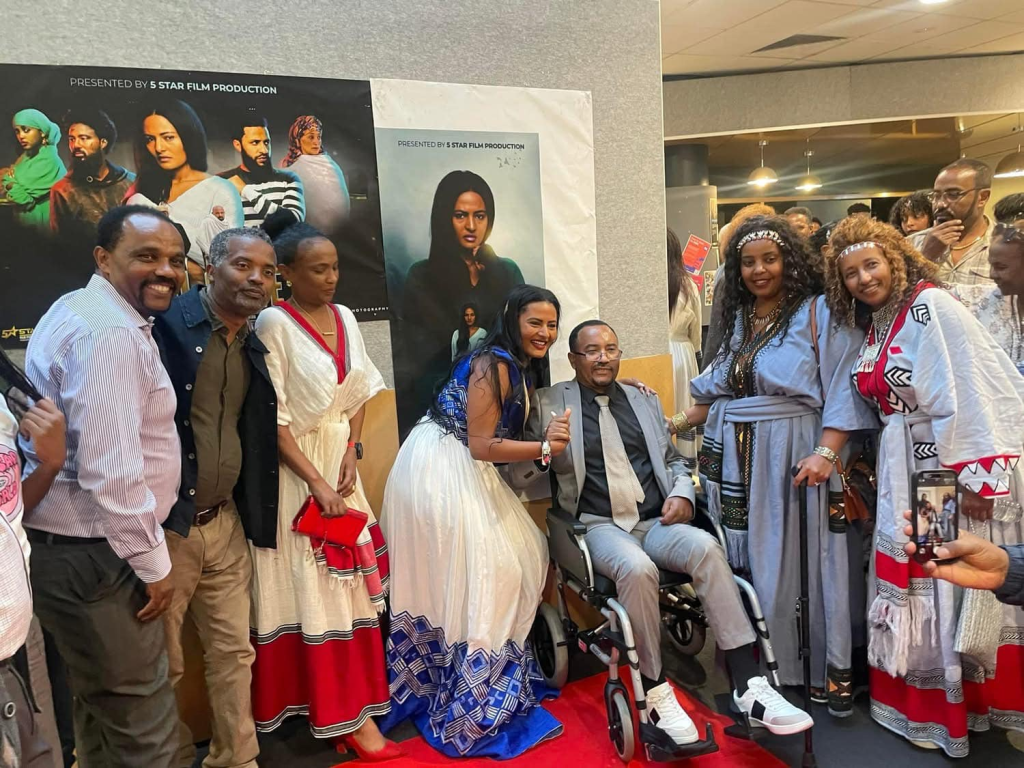
Recently, Soolanee-a film by writer and director Keeyeron Dereje was screened in Melbourne on December 28, 2024.
At the beginning of the film, Keyeron told of her many difficult and emotional ups and downs. She talked about how teamwork was done in Soolanee and how it was included in the history of the Oromo family.
Soolanee: Truth, Freedom, Justice, Faith, Sin, Deceit, Goodness, Oppression, Equality, Resistance, Sexual Assault, love etc. are accompanied by key messages.
Toltu Tufaa gave the opening speech at the beginning of the film based on Oromo folklore. “Our folklore reflects our identity, and the story of this film reflects the wisdom inherited by our ancestors.” “Keyron’s efforts to promote our folklore and identity by making Soolanee are remarkable,” Toltu said.
The audience of the film said that Keeyeron deserves to be appreciated for her contribution to the development of the Oromo arts.
As is well known, the Oromo art, especially film, is still in its infancy. It is understandable that it takes a lot of work to make the Oromo language competitive in the films produced in Ethiopia and at the same time it needs the support of the people. Oromo people are expected to encourage those who are engaged in what promotes the language in every way to ensure the development of their language.
The film is a good portrayal of the situation and life of the Oromo, especially the Oromo struggle and the struggle for justice and equality. What role will this modern film play in promoting and advancing Oromo literature?
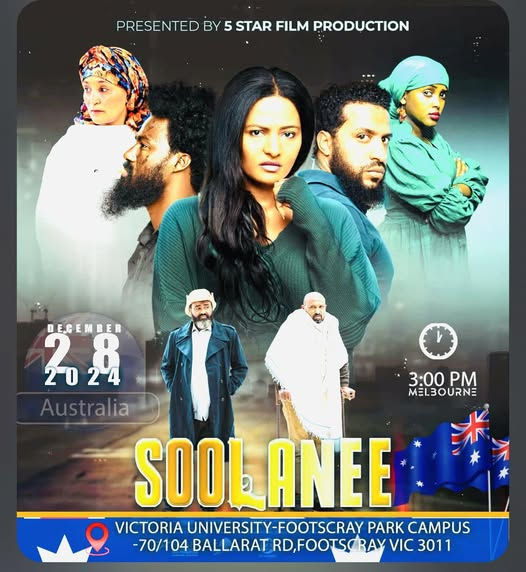
The screening of Soolanee, a film by writer and director Keeyeron Dereje, in Melbourne represents a significant milestone in the development of Oromo cinema and its contribution to Oromo literature and cultural expression. The film, which explores themes such as truth, freedom, justice, faith, oppression, resistance, and love, is a powerful medium for storytelling and cultural preservation. Here’s how Soolanee and similar modern films can play a transformative role in promoting and advancing Oromo literature:
1. Preserving and Promoting Oromo Folklore
- Cultural Heritage: Films like Soolanee bring Oromo folklore and oral traditions to life, preserving them for future generations. As Toltu Tufaa highlighted in her opening speech, folklore reflects Oromo identity and ancestral wisdom.
- Modern Storytelling: By adapting traditional stories and themes into modern cinematic formats, filmmakers like Keeyeron Dereje make Oromo literature more accessible and engaging for contemporary audiences.
2. Raising Awareness of Oromo History and Struggles
- Historical Narratives: Films can depict the historical and ongoing struggles of the Oromo people, such as their fight for justice, equality, and self-determination. Soolanee’s portrayal of Oromo life and resistance contributes to a deeper understanding of these issues.
- Global Reach: Screening films like Soolanee internationally helps raise awareness about the Oromo struggle and culture on a global stage, fostering solidarity and support.
3. Strengthening Oromo Language and Identity
- Language Promotion: Films produced in Afaan Oromo help promote the language and make it more competitive in the Ethiopian and global film industries. This encourages the use of Afaan Oromo in creative and professional contexts.
- Cultural Pride: By showcasing Oromo culture, values, and traditions, films like Soolanee instill pride in Oromo identity and encourage younger generations to embrace their heritage.
4. Inspiring New Forms of Artistic Expression
- Innovation in Literature: Films can inspire writers to explore new themes and styles in Oromo literature, blending traditional storytelling with modern techniques.
- Interdisciplinary Collaboration: The success of Soolanee demonstrates the potential for collaboration between filmmakers, writers, and artists, fostering a vibrant Oromo arts community.
5. Addressing Social Issues
- Themes of Justice and Equality: Films like Soolanee tackle critical social issues such as oppression, resistance, and sexual assault, sparking conversations and encouraging activism within the Oromo community.
- Empathy and Understanding: By portraying the lived experiences of the Oromo people, films can foster empathy and understanding among diverse audiences, both within Ethiopia and internationally.
6. Encouraging Oromo Filmmaking and Literature
- Role Models: Filmmakers like Keeyeron Dereje serve as role models for aspiring Oromo artists, demonstrating that it is possible to create high-quality, meaningful works in Afaan Oromo.
- Community Support: The positive reception of Soolanee highlights the importance of community support for Oromo artists. Encouraging and funding such projects can lead to the growth of Oromo cinema and literature.
7. Building a Global Oromo Arts Movement
- Diaspora Engagement: The screening of Soolanee in Melbourne shows how the Oromo diaspora can play a key role in promoting Oromo arts and literature globally.
- Cultural Exchange: Films like Soolanee facilitate cultural exchange, introducing Oromo stories and perspectives to international audiences and fostering cross-cultural dialogue.
8. Educational Value
- Teaching Tool: Films can be used as educational tools to teach Oromo history, culture, and language in schools and community programs.
- Documenting History: Films like Soolanee document the experiences and struggles of the Oromo people, creating a valuable archive for future generations.
9. Economic and Professional Opportunities
- Job Creation: The growth of Oromo cinema creates opportunities for actors, writers, directors, and technicians, contributing to the economic development of the Oromo community.
- Professional Development: Supporting Oromo filmmakers helps build a skilled and experienced workforce in the film industry.
10. Inspiring Hope and Resilience
- Stories of Resistance: Films like Soolanee highlight the resilience and determination of the Oromo people, inspiring hope and solidarity within the community.
- Positive Representation: By portraying Oromo characters and stories in a positive light, films challenge stereotypes and promote a more nuanced understanding of Oromo identity.
Conclusion
Films like Soolanee play a transformative role in promoting and advancing Oromo literature by preserving folklore, raising awareness of Oromo history and struggles, strengthening the Oromo language, and inspiring new forms of artistic expression. They also address social issues, encourage community support, and build a global Oromo arts movement. By supporting filmmakers like Keeyeron Dereje and celebrating their contributions, the Oromo community can ensure the continued growth and development of Oromo literature and cinema.
Sarbamoota Mirgoota Namaa 2018-2025

Bara Abiy Ahmed ajjeechaa, hidhaa, dhabamsiisamaa fi dararanii olaanaa qabsaa’ota Oromoo roorroo sirnichaa balaaleffatan irratti raawataamaa jira. Dhiitaan mirgoota namoomaa dangaa hin qabne guyyuu gahaa jira. Yeroo kun ta’aa jirutti sirni PP naasuu fi rifaatuu tokko illee agarsiisaa hin jiru. Galmeen keenya sarbamoota mirgoota namoomaa baroota torban darban (2018-2025) keessatti raawatamaa jiru akkanatti yaadata.
Bara Abiy Ahmed mootummaa irratti argamu keessatti, roorroon mirgoota namoomaa qabsaa’ota Oromoo fi ummata Oromoo irratti raawwatamaa jira. Kunis ajjeechaa, hidhaa, dhabamsiisamaa, fi dararaa olaanaa of keessaa qaba. Yeroo kana keessatti, sirni Prosperity Party (PP) naasuu fi rifaatuu tokko illee agarsiisaa hin jiru. Galmeen sarbamoota mirgoota namoomaa baroota 2018–2025 keessatti raawwatamaa jiru akka armaan gadii yaadata:
1. Ajjeechaa Olaanaa
- Ajjeechaa Murnaa: Qabsaa’ota Oromoo fi hogganoota hawaasaa, akka Hachalu Hundessa, kan ajjeefaman ykn ajjeesan irratti hojjetan, akka yaadatamu.
- Ajjeechaa Ummataa: Ummata Oromoo, gaaffii mirgaa fi haqaa isaa dhiyeessaa jiru, ajjeechaa fi hidhaa irratti raawwatamaa jira. Fakkeenyaaf, naannoo Wollega, Guji, fi Borana keessatti ajjeechaa fi hidhaan ummata irratti raawwatamaa jira.
2. Hidhaa fi Dhabamsiisamaa
- Hidhaa Murnaa: Qabsaa’ota Oromoo, hogganoota siyaasaa, fi dargaggoota Oromoo (Qeerroo) hidhamuu fi dhabamsiisuu irratti raawwatamaa jira. Kana keessatti, namoonni hedduun murtii hin argatin ykn murtii hin qabneen hidhamuu isaanii yaadatama.
- Dhabamsiisamaa: Qabsaa’ota Oromoo fi hogganoota hawaasaa dhabamsiisuu irratti raawwatamaa jira. Kunis namoonni hedduun bakka isaanii hin beekkamanitti hidhamuu fi dararaa irratti raawwatamaa jira.
3. Dararaa fi Kkf.
- Dararaa Hidhaa Keessatti: Namoonni hidhaman dararaa fi kkf. irratti raawwatamaa jira. Kunis dararaa qaamaa, dararaa sammuu, fi dararaa haala hidhaa hamaa keessatti argamu of keessaa qaba.
- Haala Hidhaa Hamaa: Namoonni hidhaman haala hidhaa hamaa keessatti argamu. Kunis bakka hidhaa hamaa, qilleensa hamaa, fi qorannoo fayyaa hin qabne keessatti argamu of keessaa qaba.
4. Dhiitaan Mirgoota Namaa
- Dhiitaan Mirgoota Namaa: Dhiitaan mirgoota namaa, akka mirga hawaasaa, mirga siyaasaa, fi mirga qabeenyaa, irratti raawwatamaa jira. Kunis ummata Oromoo irratti raawwatamaa jira.
- Dhiitaan Mirga Qabeenyaa: Ummata Oromoo irraa qabeenya isaa fi lafa isaa dhiisuun mirga qabeenyaa irratti raawwatamaa jira.
5. Sirna PP fi Naasuun Isaa
- Sirna PP: Sirni Prosperity Party (PP) naasuu fi rifaatuu tokko illee agarsiisaa hin jiru. Kunis roorroo fi dhiitaan mirgoota namaa irratti raawwatamaa jiru.
- Naasuun Hin Jiru: Sirni PP naasuun fi rifaatuu tokko illee agarsiisaa hin jiru. Kunis roorroo fi dhiitaan mirgoota namaa irratti raawwatamaa jiru.
6. Galmee Sarbamoota Mirgoota Namaa
- Galmee Sarbamoota Mirgoota Namaa: Galmeen sarbamoota mirgoota namaa baroota 2018–2025 keessatti raawwatamaa jiru akka armaan gadii yaadata:
- Ajjeechaa: Qabsaa’ota Oromoo fi ummata Oromoo ajjeechaa irratti raawwatamaa jira.
- Hidhaa: Qabsaa’ota Oromoo, hogganoota siyaasaa, fi dargaggoota Oromoo hidhamuu irratti raawwatamaa jira.
- Dhabamsiisamaa: Qabsaa’ota Oromoo fi hogganoota hawaasaa dhabamsiisuu irratti raawwatamaa jira.
- Dararaa: Namoonni hidhaman dararaa fi kkf. irratti raawwatamaa jira.
- Dhiitaan Mirgoota Namaa: Dhiitaan mirgoota namaa, akka mirga hawaasaa, mirga siyaasaa, fi mirga qabeenyaa, irratti raawwatamaa jira.
7. Yaada Dhiyeessuu
- Yaada Dhiyeessuu: Ummata Oromoo fi qabsaa’ota Oromoo yaada dhiyeessuu fi falmatuuf dhiibbaa guddaa qaba. Kunis mirgoota isaanii fi haqaa isaanii eeguu fi falmatuuf dhiibbaa guddaa ta’a.
- Falmatu: Ummata Oromoo fi qabsaa’ota Oromoo falmatuuf dhiibbaa guddaa qaba. Kunis mirgoota isaanii fi haqaa isaanii eeguu fi falmatuuf dhiibbaa guddaa ta’a.
8. Qabsoo fi Falmatu
- Qabsoo: Ummata Oromoo fi qabsaa’ota Oromoo qabsoo mirgoota isaanii fi haqaa isaanii eeguu irratti hirmaachuu danda’a. Kunis mirgoota isaanii fi haqaa isaanii eeguu fi falmatuuf dhiibbaa guddaa ta’a.
- Falmatu: Ummata Oromoo fi qabsaa’ota Oromoo falmatuuf dhiibbaa guddaa qaba. Kunis mirgoota isaanii fi haqaa isaanii eeguu fi falmatuuf dhiibbaa guddaa ta’a.
Bara Abiy Ahmed mootummaa irratti argamu keessatti, roorroon mirgoota namoomaa qabsaa’ota Oromoo fi ummata Oromoo irratti raawwatamaa jira. Kunis ajjeechaa, hidhaa, dhabamsiisamaa, fi dararaa olaanaa of keessaa qaba. Yeroo kana keessatti, sirni Prosperity Party (PP) naasuu fi rifaatuu tokko illee agarsiisaa hin jiru. Galmeen sarbamoota mirgoota namoomaa baroota 2018–2025 keessatti raawwatamaa jiru akka armaan gadii yaadata. Ummata Oromoo fi qabsaa’ota Oromoo mirgoota isaanii fi haqaa isaanii eeguu fi falmatuuf dhiibbaa guddaa qaba. Kunis mirgoota isaanii fi haqaa isaanii eeguu fi falmatuuf dhiibbaa guddaa ta’a.

Human Rights Violations in Ethiopia (2018-2025): A Critical Overview
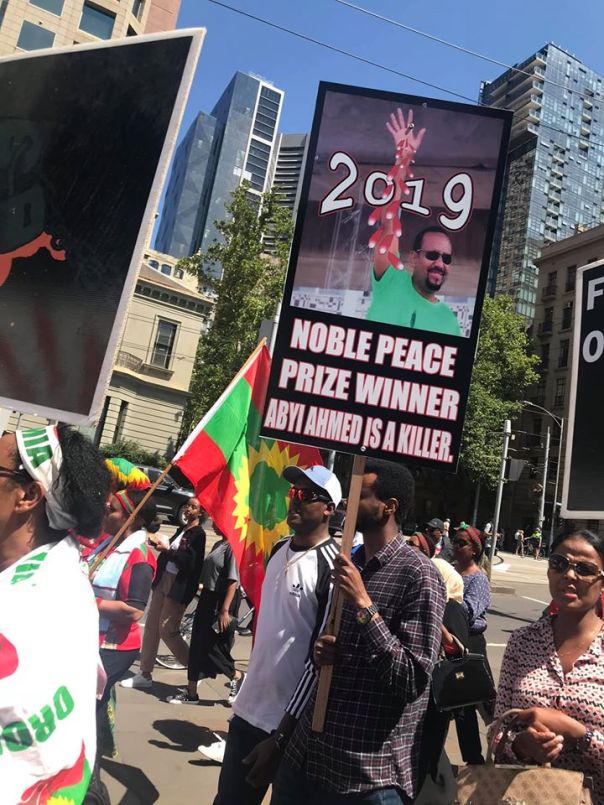
Under Abiy Ahmed, high-level killings, arrests, disappearances and tortures are being committed against Oromo fighters who condemn the regime’s oppression. Unlimited human rights violations are happening every day. While this is happening, the PP regime is not showing any panic. Our record of human rights violations over the past seven years (2018-2025) is as follows.
The period from 2018 to 2025 under Prime Minister Abiy Ahmed‘s leadership has been marked by significant human rights violations against the Oromo people and other marginalized groups in Ethiopia. Despite initial hopes for reform and peace following Abiy’s rise to power in 2018, his government has been accused of perpetuating systemic oppression, particularly against Oromo activists, fighters, and civilians. Below is a summary of the human rights violations committed during this period, based on available reports and testimonies:
1. Extrajudicial Killings
- Targeted Assassinations: High-profile Oromo leaders, activists, and cultural figures have been assassinated, including Hachalu Hundessa, a prominent Oromo musician and activist, whose killing in June 2020 sparked widespread unrest.
- Massacres: Security forces have been implicated in massacres of Oromo civilians, particularly in regions like Wollega, Guji, and Borana, where armed conflict and resistance to the government are prevalent.
- Killings of Oromo Fighters: Members of the Oromo Liberation Army (OLA) and other Oromo resistance groups have been targeted in military operations, often resulting in civilian casualties.
2. Arbitrary Arrests and Detentions
- Mass Arrests: Thousands of Oromo activists, journalists, and opposition figures have been arbitrarily arrested under the pretext of maintaining national security. Many are held without charge or trial.
- Targeting Leaders: Prominent Oromo political leaders, such as Jawar Mohammed, Bekele Gerba, and others, have been detained multiple times, often under questionable legal grounds.
- Crackdown on Protests: Peaceful protests by Oromo youth (Qeerroo) and other groups have been met with violent crackdowns, leading to mass arrests and detentions.
3. Enforced Disappearances
- Abductions: Oromo activists and fighters have been abducted by security forces, with their whereabouts often unknown for extended periods. Families are left without information or recourse.
- Intimidation Tactics: Enforced disappearances are used as a tool to intimidate and silence dissent within the Oromo community.
4. Torture and Inhumane Treatment
- Torture in Detention: Detainees, including Oromo fighters and activists, have reported being subjected to torture, including beatings, electric shocks, and psychological abuse.
- Prison Conditions: Many Oromo prisoners are held in overcrowded and unsanitary conditions, with limited access to medical care or legal representation.
5. Suppression of Media and Free Speech
- Censorship: Independent media outlets, particularly those reporting on Oromo issues, have been shut down or heavily censored. Journalists face harassment, arrest, and intimidation.
- Internet Shutdowns: The government has frequently imposed internet shutdowns in Oromia to prevent the spread of information about protests, killings, and human rights violations.
6. Militarization and Violence in Oromia
- Military Operations: The government has launched large-scale military operations in Oromia, targeting the Oromo Liberation Army (OLA) and other resistance groups. These operations have resulted in widespread civilian casualties and displacement.
- Ethnic Violence: The government has been accused of fueling ethnic tensions, leading to violence between communities. Oromo civilians have often been caught in the crossfire.
7. Displacement and Humanitarian Crisis
- Forced Displacement: Military operations and ethnic violence have displaced hundreds of thousands of Oromo civilians, many of whom live in dire conditions in internally displaced persons (IDP) camps.
- Humanitarian Access Blocked: The government has restricted access to humanitarian organizations, exacerbating the suffering of displaced and vulnerable populations.
8. Lack of Accountability
- Impunity: Security forces and government officials implicated in human rights violations have not been held accountable. Investigations into killings, torture, and other abuses are rare or nonexistent.
- Judicial Harassment: The judicial system has been used to target Oromo activists and opposition figures, with politically motivated charges and unfair trials.
9. International Response
- Global Condemnation: Human rights organizations, including Amnesty International and Human Rights Watch, have documented and condemned the abuses committed against the Oromo people.
- Diaspora Advocacy: The Oromo diaspora has played a crucial role in raising awareness about the human rights situation, lobbying international bodies like the United Nations and the African Union to take action.
10. The Role of the Prosperity Party (PP)
- Continuation of Repression: The Prosperity Party (PP), led by Abiy Ahmed, has continued the repressive policies of previous regimes, targeting dissent and opposition within the Oromo community.
- Lack of Panic: Despite widespread condemnation and evidence of human rights violations, the PP regime has shown no signs of panic or willingness to address the grievances of the Oromo people.
Conclusion
The period from 2018 to 2025 has been marked by severe human rights violations against the Oromo people, including extrajudicial killings, arbitrary arrests, torture, and enforced disappearances. Despite initial hopes for reform under Abiy Ahmed, his government has perpetuated systemic oppression, targeting Oromo activists, fighters, and civilians. The lack of accountability and the regime’s refusal to address these issues have deepened the crisis, leaving the Oromo people to continue their struggle for justice, equality, and self-determination. The international community and human rights organizations must continue to document these abuses and pressure the Ethiopian government to end its campaign of violence and repression.
VOA Afaan Oromo: Elevating Oromo Political Awareness

VOA Afaan Oromo (Voice of America Afaan Oromo) has played a significant role in raising political awareness within the Oromo community, both in Ethiopia and across the diaspora. As a trusted source of news and information, VOA Afaan Oromo has provided a platform for the Oromo people to access critical information, engage in political discourse, and advocate for their rights. Here’s how VOA Afaan Oromo has contributed to raising political awareness in the Oromo community:
1. Providing Reliable and Unbiased News
Breaking News: VOA Afaan Oromo has consistently reported on political developments, human rights issues, and social challenges affecting the Oromo people. This has kept the community informed about critical events in real time.
Unbiased Reporting: By offering balanced and objective coverage, VOA Afaan Oromo has built trust among its audience, making it a go-to source for accurate information.
2. Amplifying Oromo Voices
Community Stories: VOA Afaan Oromo has highlighted the stories of ordinary Oromo people, including their struggles, aspirations, and achievements. This has given a voice to those who are often marginalized or ignored by mainstream media.
Interviews and Discussions: The platform has hosted interviews with Oromo activists, politicians, scholars, and community leaders, providing insights into the political and social issues facing the Oromo people.
3. Educating the Community
Political Education: Through its programs, VOA Afaan Oromo has educated the Oromo community about their rights, the Ethiopian political system, and the importance of civic engagement.
Historical Context: The radio station has provided historical context for current events, helping listeners understand the roots of political and social issues affecting the Oromo people.
4. Promoting Advocacy and Activism
Coverage of Protests and Movements: VOA Afaan Oromo has extensively covered Oromo protests, such as the 2014–2018 Oromo protests, and other movements advocating for justice, equality, and self-determination.
Encouraging Civic Participation: By reporting on elections, political processes, and grassroots activism, VOA Afaan Oromo has encouraged the Oromo community to participate in shaping their future.
5. Connecting the Diaspora
Global Reach: VOA Afaan Oromo has connected the Oromo diaspora with events and issues in Ethiopia, fostering a sense of unity and shared purpose.
Diaspora Advocacy: The platform has amplified the voices of Oromo diaspora activists, who play a crucial role in advocating for the rights of the Oromo people on the international stage.
6. Exposing Human Rights Violations
Documenting Abuses: VOA Afaan Oromo has reported on human rights violations against the Oromo people, including extrajudicial killings, arrests, and displacement. This has brought international attention to these issues.
Holding Authorities Accountable: By shedding light on injustices, VOA Afaan Oromo has pressured governments and institutions to address the grievances of the Oromo community.
7. Fostering Dialogue and Debate
Panel Discussions: VOA Afaan Oromo has hosted panel discussions and debates on pressing political and social issues, encouraging critical thinking and dialogue within the community.
Listener Engagement: The radio station has provided a platform for listeners to call in, share their views, and engage with experts and leaders.
8. Supporting Cultural Identity
Promoting Afaan Oromo: By broadcasting in Afaan Oromo, the station has reinforced the importance of the Oromo language and culture, which are central to the community’s identity and political consciousness.
Cultural Programs: VOA Afaan Oromo has also featured cultural programs that celebrate Oromo traditions, history, and values, fostering pride and unity.
9. Countering Misinformation
Fact-Based Reporting: In a media landscape often plagued by misinformation, VOA Afaan Oromo has provided fact-based reporting, helping the Oromo community make informed decisions.
Debunking False Narratives: The station has countered false narratives and propaganda that seek to undermine the Oromo struggle for justice and equality.
10. Inspiring Hope and Resilience
Stories of Resistance: VOA Afaan Oromo has shared stories of Oromo resistance and resilience, inspiring the community to continue fighting for their rights.
Positive Change: By highlighting progress and positive developments, the station has given hope to the Oromo people, even in challenging times.
Conclusion
VOA Afaan Oromo has been a vital source of information, education, and inspiration for the Oromo community. By providing reliable news, amplifying Oromo voices, and promoting advocacy and activism, the radio station has significantly raised political awareness among the Oromo people. Its role in connecting the diaspora, exposing human rights violations, and fostering dialogue has strengthened the community’s ability to advocate for justice, equality, and self-determination. VOA Afaan Oromo continues to be a beacon of hope and a powerful tool for empowerment in the Oromo struggle.
How BBC Afaan Oromo Empowers Oromo Political Awareness

BBC Afaan Oromo has been a critical platform for raising political awareness within the Oromo community, both in Ethiopia and across the diaspora. Through its radio broadcasts and online content, BBC Afaan Oromo has provided reliable news, educational programs, and a space for dialogue, empowering the Oromo people to engage with political and social issues. Here’s how BBC Afaan Oromo has contributed to raising political awareness:
1. Providing Accurate and Timely News
- Breaking News: BBC Afaan Oromo has consistently reported on political developments, human rights issues, and social challenges affecting the Oromo people. Its timely and accurate reporting has kept the community informed about critical events.
- Global Perspective: By covering both local and international news, BBC Afaan Oromo has helped the Oromo community understand how global events impact their lives and struggles.
2. Amplifying Oromo Voices
- Community Stories: BBC Afaan Oromo has highlighted the experiences, struggles, and achievements of ordinary Oromo people, giving a voice to those often marginalized by mainstream media.
- Interviews and Features: The platform has hosted interviews with Oromo activists, politicians, scholars, and community leaders, providing insights into the political and social issues facing the Oromo people.
3. Educating the Community
- Political Education: Through its programs, BBC Afaan Oromo has educated the Oromo community about their rights, the Ethiopian political system, and the importance of civic engagement.
- Historical Context: The station has provided historical context for current events, helping listeners understand the roots of political and social issues affecting the Oromo people.
4. Promoting Advocacy and Activism
- Coverage of Protests and Movements: BBC Afaan Oromo has extensively covered Oromo protests, such as the 2014–2018 Oromo protests, and other movements advocating for justice, equality, and self-determination.
- Encouraging Civic Participation: By reporting on elections, political processes, and grassroots activism, BBC Afaan Oromo has encouraged the Oromo community to participate in shaping their future.
5. Connecting the Diaspora
- Global Reach: BBC Afaan Oromo has connected the Oromo diaspora with events and issues in Ethiopia, fostering a sense of unity and shared purpose.
- Diaspora Advocacy: The platform has amplified the voices of Oromo diaspora activists, who play a crucial role in advocating for the rights of the Oromo people on the international stage.
6. Exposing Human Rights Violations
- Documenting Abuses: BBC Afaan Oromo has reported on human rights violations against the Oromo people, including extrajudicial killings, arrests, and displacement. This has brought international attention to these issues.
- Holding Authorities Accountable: By shedding light on injustices, BBC Afaan Oromo has pressured governments and institutions to address the grievances of the Oromo community.
7. Fostering Dialogue and Debate
- Panel Discussions: BBC Afaan Oromo has hosted panel discussions and debates on pressing political and social issues, encouraging critical thinking and dialogue within the community.
- Listener Engagement: The radio station has provided a platform for listeners to call in, share their views, and engage with experts and leaders.
8. Supporting Cultural Identity
- Promoting Afaan Oromo: By broadcasting in Afaan Oromo, the station has reinforced the importance of the Oromo language and culture, which are central to the community’s identity and political consciousness.
- Cultural Programs: BBC Afaan Oromo has also featured cultural programs that celebrate Oromo traditions, history, and values, fostering pride and unity.
9. Countering Misinformation
- Fact-Based Reporting: In a media landscape often plagued by misinformation, BBC Afaan Oromo has provided fact-based reporting, helping the Oromo community make informed decisions.
- Debunking False Narratives: The station has countered false narratives and propaganda that seek to undermine the Oromo struggle for justice and equality.
10. Inspiring Hope and Resilience
- Stories of Resistance: BBC Afaan Oromo has shared stories of Oromo resistance and resilience, inspiring the community to continue fighting for their rights.
- Positive Change: By highlighting progress and positive developments, the station has given hope to the Oromo people, even in challenging times.
11. Online Presence and Accessibility
- Digital Platforms: BBC Afaan Oromo’s online presence, including its website and social media channels, has made its content accessible to a global audience. This has expanded its reach and impact.
- Interactive Content: The platform’s use of multimedia, such as videos, podcasts, and infographics, has made complex political issues more accessible and engaging for the Oromo community.
Conclusion
BBC Afaan Oromo has been a vital source of information, education, and inspiration for the Oromo community. By providing reliable news, amplifying Oromo voices, and promoting advocacy and activism, the platform has significantly raised political awareness among the Oromo people. Its role in connecting the diaspora, exposing human rights violations, and fostering dialogue has strengthened the community’s ability to advocate for justice, equality, and self-determination. BBC Afaan Oromo continues to be a beacon of hope and a powerful tool for empowerment in the Oromo struggle
Shanan: Maatii fi Dubartoota Oromoo Jajjabeessu

Akka aadaa Oromootti dubartiin deessee gaafa guyyaa shanaffaa maatii, ollaa fi hiriyoon walitti dhufanii deessuu jajjabeessu. Qophiin kun ‘shanan’ jedhama. Shanan irratti eebbii fi kunuunsi nyaata ‘marqaa’ deessuuf godhamu akka jajabaattee kaatuu fi eela da’umsaa akka dandamattu ni jajjabeessu. Aadaa kun deessuu akkamiin akka jabeessuu fi kabajaa hawaasa keessatti qabdu akkamiin akka guddisu baarruun kun explore godha.
Aadaa Shanan aadaa Oromoo keessatti dubartoota deessuu fi maatiilee isaanii jajjabeessuuf qophii guddaa qaba. Guyyaa shanaffaa booda dubartoonni ilmaan dhalatan, maatiin, ollaan, fi hiriyoonni walitti dhufuun dubarticha deessuu jajjabeessu. Qophiin kun, akka Shanan jedhamutti, eebbii, kunuunsa, fi nyaata marqaa of keessaa qabuun dubarticha eela da’umsaa fi dhimma dhaloota irratti akka jabaatu fi akka dandamattu ishee jajjabeessu. Aadaa kana keessatti hawaasni Oromoo akkaataa armaan gadii dubartoota deessuu jajjabeessuun isaanii fi kabajaa hawaasa keessatti isaanii akka guddisu taasisa:
1. Jajjabeessuu Fi Qaamaa Eegumsa
- Nyaata Marqaa: Nyaanni marqaa, kan akka buddeen, marqaa, fi nyaata biroo, qaama deessichaa akka jabaatu fi akka fooyyeessuuf gargaara. Nyaanni kun qaama ishee akka fooyye’e fi akka jabaate godhuuf gargaara.
- Eegumsa Qaamaa: Hawaasni kun dhimma hojii manaafi ilmaan ishee irratti hojjachuun, dubartichaa eega dhalootaa fi qaama ishee akka fooyyeessuuf carraaqqii godha.
2. Jajjabeessuu Sammuu Fi Dhammuunaa
- Eebbii Fi Jajjabeessuu: Shanan irratti hawaasni eebbii fi kaffaltiiwwan dabarsuun dubarticha akka jabaatu fi akka dandamattu ishee jajjabeessu. Kunis sammuu ishee akka jabaatu fi dhimma dhalootaa irratti akka dandamattu ishee gargaara.
- Dhiifama Dhammuunaa: Dhammuunni booda dhalootaa (postpartum stress) kan akka sammuu hin qabne fi dhiphina sammuu irraa eegumsa argachuun ishee ni danda’ama.
3. Hawaasa Waliin Walqunnamtii
- Tokkummaa Hawaasaa: Shanan qophii maatii, ollaa, fi hiriyootaa walitti dhufuun tokkoommaa hawaasaa fi walii gitaa jabeessu. Kunis hawaasni akka walitti amanamuu fi walii gitaa qaban taasisa.
- Ogeeyyii Aadaa: Jaarsolii fi ogeeyyii aadaa eebbii fi aadaa dhalootaa dabarsuun, hawaasni aadaa fi ogbarruu isaa akka hin balleessine taasisa.
4. Kabajaa Fi Sadarkaa Hawaasa Keessatti
- Kabajaa Dhalootaa: Shanan irratti hawaasni dubarticha dhaloota dhalachuuf qabattee fi dhimma dhalootaa irratti akka dandamatte ishee kabaju. Kunis kabajaa fi sadarkaa ishee hawaasa keessatti guddisa.
- Murtii Fi Ibsa Adunyaa: Qophii Shanan kun murtii fi ibsa adunyaa hawaasaa keessatti dubartoonni dhaloota dhalachuun hawaasaa fi sanyii isaa irratti qooda guddaa qaban ibsuu dha.
5. Aadaa Fi Ogbarruu Oromoo Ittisu
- Aadaa Oromoo: Shanan aadaa Oromoo keessatti qophii guddaa qabu, kan hawaasni aadaa fi ogbarruu isaa akka ittisu taasise. Kunis aadaa Oromoo akka hin balleessine fi akka hawaasa irraa hawaasatti dabarfamu taasisa.
- Ogbarruu Fi Aadaa: Shanan irratti ogbarruu fi aadaa dhalootaa dabarsuun, hawaasni aadaa fi ogbarruu isaa akka hin balleessine taasisa.
6. Dhimma Dubartootaa Hawaasa Keessatti
- Qooda Dubartootaa: Shanan irratti hawaasni qooda dubartootaa hawaasa keessatti akka guddataa fi kabajaa argatu taasisa. Kunis dubartoonni hawaasa keessatti dhimma isaanii akka guddataa fi kabajaa argatan taasisa.
- Walqixxummaa Jinsii: Hawaasni kun dhimma dubartootaa fi qooda isaanii hawaasa keessatti akka guddataa fi kabajaa argatu taasisa.
Qorannoowwan Keessaa:
Aadaa Shanan aadaa Oromoo keessatti qophii guddaa qabu, kan dubartoota deessuu fi maatiilee isaanii jajjabeessuuf gargaaru. Kunis akkaataa armaan gadii dubartoota deessuu jajjabeessuun isaanii fi kabajaa hawaasa keessatti isaanii akka guddisu taasisa:
- Eegumsa Qaamaa: Nyaata marqaa fi eegumsa qaamaa dubarticha akka jabaatu fi akka fooyyeessuuf gargaara.
- Jajjabeessuu Sammuu: Eebbii fi kaffaltiiwwan dubarticha akka jabaatu fi akka dandamattu ishee jajjabeessu.
- Tokkummaa Hawaasaa: Qophii maatii, ollaa, fi hiriyootaa walitti dhufuun tokkoommaa hawaasaa fi walii gitaa jabeessu.
- Kabajaa Fi Sadarkaa: Dubarticha dhaloota dhalachuuf qabattee fi dhimma dhalootaa irratti akka dandamatte ishee kabaju.
- Aadaa Fi Ogbarruu: Aadaa Oromoo fi ogbarruu isaa akka ittisu fi akka hin balleessine taasisa.
Aadaa Shanan kun hawaasni Oromoo akka walitti amanamuu fi walii gitaa qaban taasisee, dubartoota deessuu jajjabeessuun isaanii fi kabajaa hawaasa keessatti isaanii akka guddisu gargaara.
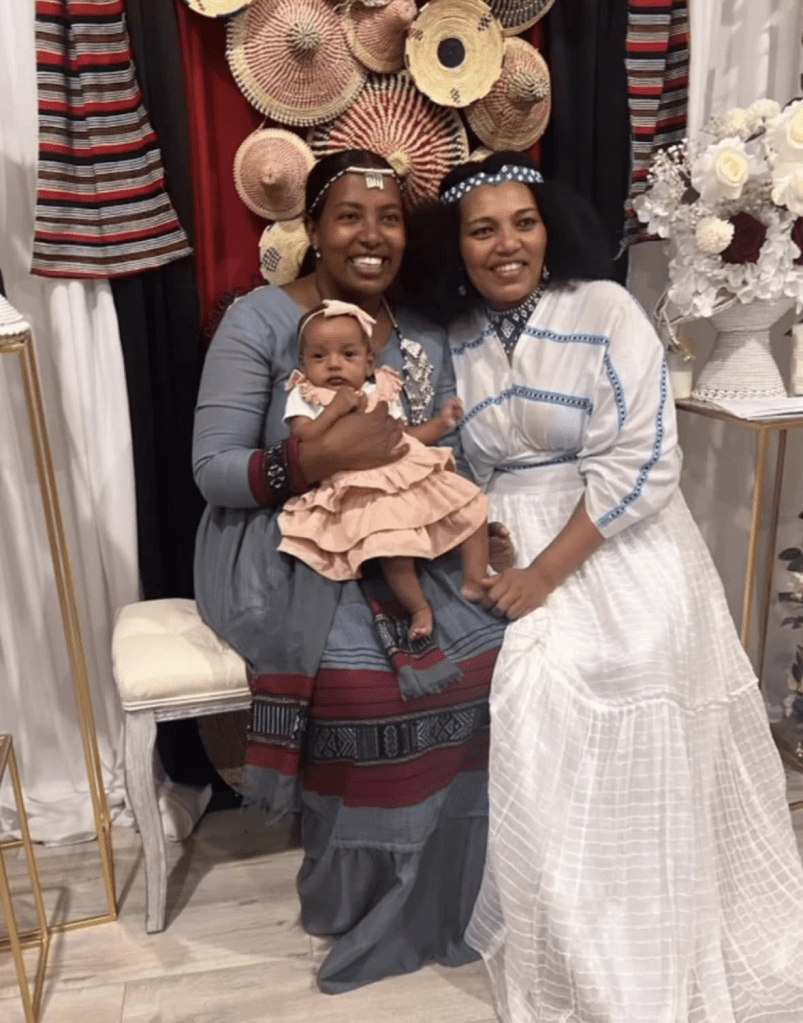
Shanan: Strengthening Community Bonds Through Motherhood Rituals
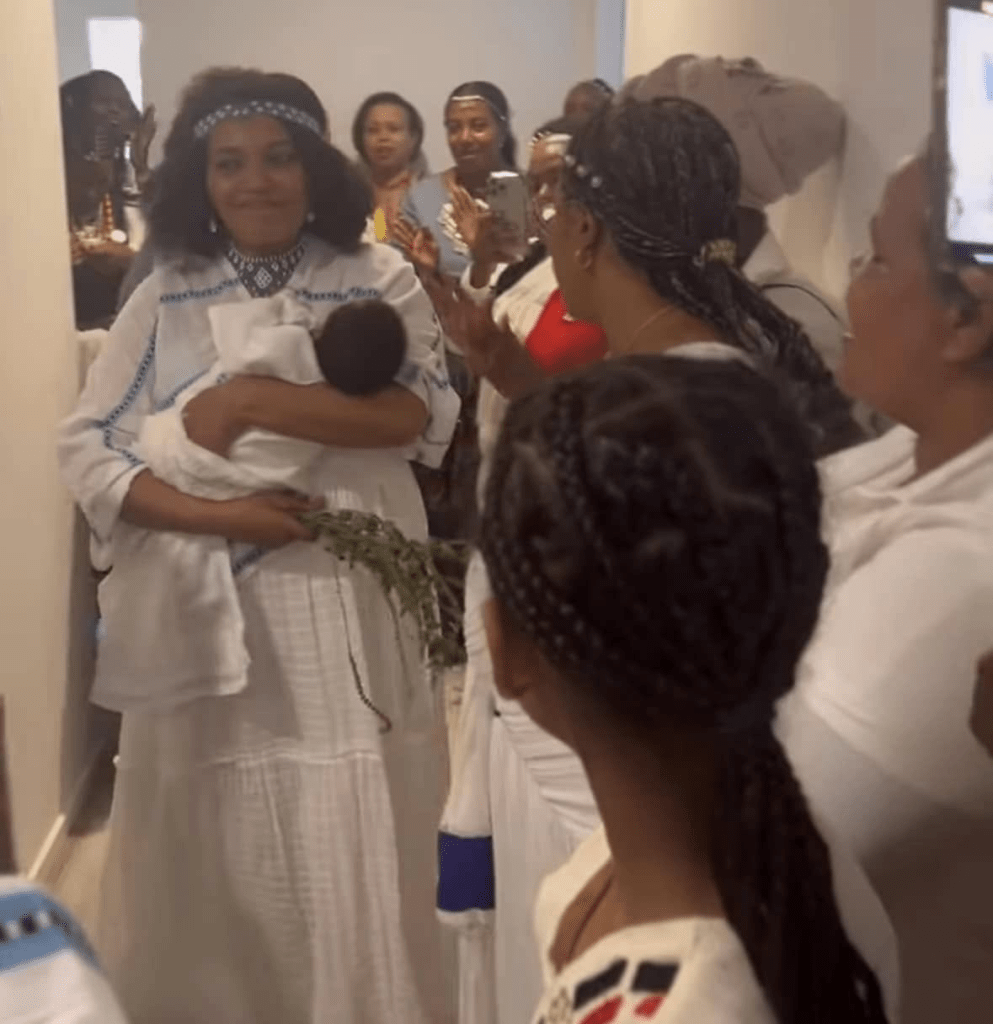
Traditionally, on the fifth day after a woman gives birth, family, neighbors and friends gather to encourage her to give birth. This arrangement is called ‘Shanan’. On the Shanan, the blessings and care of the ‘marqaa’ food for delivery will be served and they encourage the midwife to get up strong and endure the pain of childbirth. This article explores how this culture strengthens the mother and increases her respect in society.
The Shanan tradition, observed on the fifth day after a woman gives birth, is a deeply rooted cultural practice among the Oromo people and other communities in Ethiopia. This ritual, which involves family, neighbors, and friends gathering to support the new mother, plays a significant role in strengthening the mother emotionally, socially, and culturally. It also enhances her respect and status within the community. Here’s an exploration of how the Shanan culture strengthens the mother and increases her respect in society:
1. Emotional and Psychological Support
- Encouragement and Motivation: During the Shanan, the community gathers to encourage the mother, acknowledging the physical and emotional challenges of childbirth. This collective support helps her feel valued and strengthens her mental resilience.
- Alleviating Postpartum Stress: The presence of loved ones and their words of encouragement can reduce feelings of isolation, anxiety, or postpartum depression, which are common after childbirth.
2. Physical Recovery and Nourishment
- Provision of ‘Marqaa’ Food: The special food served during Shanan, known as marqaa, is often nutrient-rich and designed to aid the mother’s recovery. This traditional practice ensures that the mother receives the necessary nourishment to regain her strength.
- Rest and Care: The Shanan tradition emphasizes the importance of rest for the new mother. By taking over household chores and childcare responsibilities, the community allows her to focus on healing and bonding with her newborn.
3. Strengthening Social Bonds
- Community Solidarity: The gathering of family, neighbors, and friends during Shanan reinforces social bonds and demonstrates the collective responsibility of the community in supporting its members. This fosters a sense of belonging and unity.
- Intergenerational Connection: Elders often share wisdom and advice during Shanan, passing down cultural knowledge and parenting practices to younger generations. This strengthens cultural continuity and intergenerational relationships.
4. Cultural Recognition and Respect
- Celebration of Motherhood: The Shanan ritual celebrates the mother’s role in bringing new life into the community. By honoring her during this event, the community acknowledges the sacrifices and challenges of childbirth, elevating her status and respect.
- Recognition of Strength and Endurance: The tradition highlights the mother’s strength and resilience in enduring the pain of childbirth. This recognition reinforces her value and dignity within the society.
5. Empowerment Through Ritual
- Ritual as a Source of Strength: The Shanan ceremony is not just a social event but also a cultural ritual that empowers the mother. The blessings, prayers, and traditional practices performed during Shanan are believed to provide spiritual and emotional strength.
- Affirmation of Identity: By participating in this culturally significant event, the mother reaffirms her identity and connection to her heritage, which can be a source of pride and empowerment.
6. Promoting Gender Roles and Equality
- Valuing Women’s Contributions: The Shanan tradition underscores the importance of women’s roles in society, particularly as mothers and caregivers. This recognition can contribute to a broader appreciation of women’s contributions in other areas of life.
- Community Responsibility: While the mother is the focus of the Shanan, the event also highlights the shared responsibility of the community in supporting mothers and families, promoting a sense of collective care and equality.
7. Preserving Cultural Heritage
- Transmission of Traditions: The Shanan ritual is an important cultural practice that preserves and transmits Oromo traditions to future generations. By participating in this event, the community ensures that these values and practices are not lost.
- Cultural Pride: The celebration of Shanan fosters cultural pride and identity, not only for the mother but for the entire community. It reinforces the importance of cultural practices in maintaining social cohesion.
Conclusion:
The Shanan tradition is a powerful cultural practice that strengthens the mother emotionally, physically, and socially while increasing her respect and status within the community. By providing support, nourishment, and recognition, this ritual highlights the collective responsibility of the community in caring for its members. It also preserves cultural heritage and promotes gender equality by valuing women’s roles and contributions. Through Shanan, the Oromo people demonstrate the enduring importance of community, tradition, and respect in strengthening individuals and society as a whole.