Author Archives: advocacy4oromia
“Think locally, act globally”
Hello everyone;
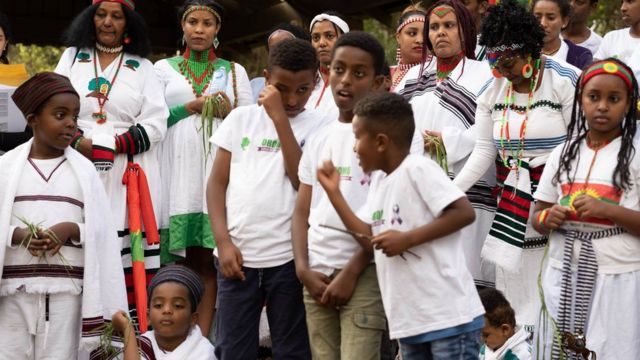
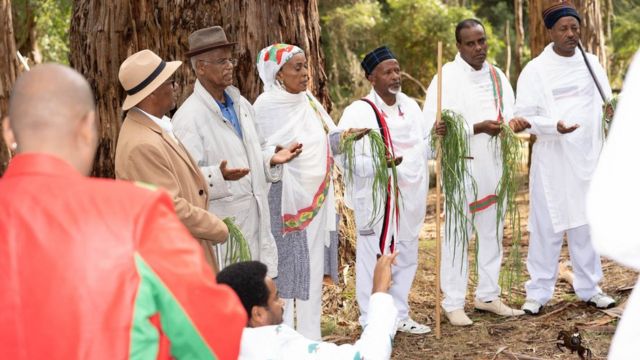
Today: April 15 is Oromo Martyrs Day. It is an occasion to remember all our martyr’s work for the country’s freedom, peace, unity, progress and welfare.
Advocacy for Oromia calls upon you-all, Oromos, to rededicate yourselves to our national cause: Kaayyoo Oromoo. An Oromo national cause which does not accept a degenerate standard, the standard of most, but one that is determined by dedication, character, & deeds.
Dedication- completely to our Oromo cause
Character: The doing of what is right, just, honorable under all circumstances.
Deeds: Action in support of our national cause.
Let’s value our Kaayyoo Oromoo by not forgetting the sacrifices of the martyrs. It’s time for us to unite and fight any kind of domination that affects our national Kaayyoo!
Let us pray and fight to make every subsequent 15 April a happy Remembrance Day!
Let us remember our martyrs’ work for freedom, peace, and goodwill!!.
“Think locally, act globally”
Advocacy for Oromia
Victoria Police gets new traffic cameras to nab motorists using mobile phones or not wearing seat belts from 700m away
VICTORIA Police has started using futuristic new traffic cameras to nab drivers who text, talk or tweet on mobile phones.
Camera operators can zoom in and snap offending drivers from 700m away — long before motorists spot the camera.
Mobile phone users caught by the hi-tech traffic cameras will be hit with a $433 fine and get four demerit points.
IMPORTANT FOR SAFETY OR TOO INTRUSIVE? Tell us in the comments below.
The new cameras will also be used to detect and fine drivers and passengers who aren’t wearing seat belts, as well as motorists driving carelessly by doing such things as applying make-up or eating at the wheel.
Top traffic cop Robert Hill yesterday confirmed the new hi-tech cameras will be out in force from today in what will be Victoria Police’s longest and biggest ever Easter road blitz.

Police ready to pull over drivers caught out with news road safety cameras. Picture: David CairdSource: News Limited
“We received the technology last week. We have trained our members and we are now deploying the technology across Victoria,” he told the Herald Sun.
Speeding, drink, drug and distracted drivers will be busted by thousands of police on patrol and hundreds of fixed and mobile traffic cameras during the record Easter blitz.
Assistant Commissioner Hill said the new cameras to tackle driver distraction were a welcome addition to the arsenal of other detection devices that will be used during the Easter crackdown, which will run for 13 days from today.
Because the new cameras are mobile they can be moved and set up quickly in many locations — so motorists never know where or when they will pop up.
“I drive the Monash Freeway to and from work and what I see in congested traffic are people taking their eyes off the road, being distracted and looking at their mobile phones,” assistant commissioner Hill said.

Officers operating the new camera in Prahran. Picture: David Caird Source: News Limited
“These irresponsible drivers are putting themselves and others at risk and that’s a concern to Victoria Police.
“This new piece of technology is a way of combating that.
“With these cameras we can see from 700m away who is distracted and who is not concentrating.
“We can see them before they can see us.
“We don’t need to actually see them holding their mobile phone for them to be breaching the road rules.

Brooke Richardson was killed after texting while driving. Source: Supplied
“So if someone is clearly distracted by taking their eyes off the road and looking at their mobile phone on their lap, whether it be texting or whatever, they could still be infringed for offences such as using a hand held mobile phone while driving, careless driving or failing to have proper control of a vehicle.”
The Herald Sun has also discovered speed camera commissioner Gordon Lewis is recommending the State Government buy an even more sophisticated version of the new cameras Victoria Police has just started using.
IMPORTANT FOR SAFETY OR TOO INTRUSIVE? Tell us in the comments below.
Mr Lewis last week made the recommendation in a letter to Police Minister Kim Wells after attending a UK road safety conference, where he was briefed on the car-mounted cameras police in Manchester, England, are using to target mobile phone use in particular.
Victoria Police has already sent a team of officers to Manchester to watch the cameras in operation.
Assistant commissioner Hill yesterday said they would be a valuable addition to the road safety tools available in Victoria, but it was a matter for the State Government to decide whether or not to buy them.

New traffic cameras in action in England with the cameras mounted on the roof. Source: HeraldSun
Mr Lewis said he was impressed by how good a deterrent to dangerous driver behaviour the UK car-mounted cameras are.
“I would like the State Government to consider their introduction here,” Mr Lewis told the Herald Sun yesterday.
“Using a mobile phone while driving and failing to wear a seat belt are already offences. What I propose is a process designed to assist in the detection of these offences.
“I believe I speak for the great majority of motorists when I say that road users are utterly intolerant of the menace created by drivers who are either distracted by the use of a mobile phone or, perhaps worse, devoting their attention to texting.
“Once the telescopic camera is deployed the operator can view oncoming traffic at a distance, with the ability to pivot the camera about the telescopic arm as well as zoom in to get a clear view of what is happening inside the vehicle.
“I am not alone when I say I am sick and tired of having distracted drivers immobile at green lights in front of me, or threatening to rear-end me, because of lack of attention.

The camera mounted on the roof is controlled by a joystick and screen on the centre dashboard.Source: HeraldSun
“Driving is a full time occupation, not a part time responsibility to be squeezed in while steering a mobile telephone box.
“Our roads will be safer with improved detection of mobile phone use and better enforcement of the wearing of seat belts.”
Even without the new cameras, almost 80,000 drivers in Victoria were last year fined more than $29 million for mobile phone and seat belt offences.
The UK camera system Mr Lewis is recommending is used to automatically send fines out to drivers in the same way Victoria’s speed and red light camera system already works.
Victoria Police is using a similar camera, with the same capability as those police in Manchester are using, but a legislative change would be needed for them to be used to automatically issue fines.
Instead, police in Victoria are mounting the new cameras on tripods and using officers in patrol cars to immediately intercept and fine offending drivers.
IMPORTANT FOR SAFETY OR TOO INTRUSIVE? Tell us in the comments below.
The traffic cameras Mr Lewis is recommending for use in Victoria sit on top of extendible poles fitted to the roof of cars.
They are controlled from inside the car by a camera operator who uses a joystick to rotate them through 360 degrees, extend them to a height of 3.6m and zoom in to get close-up views of offending drivers.
Because the spy cameras are attached to the roof of a car they can be moved and parked just about anywhere.
The UK camera cars are marked police vehicles, but, if introduced in Victoria, it is possible the cameras would be fitted to unmarked cars as mobile speed camera cars used here are unmarked.
Police Minister Kim Wells yesterday said the traffic camera car technology being recommended by Mr Lewis would be evaluated.
“Victoria is considered internationally to be a leader in road safety and always interested in potential advances in road safety technology,” he told the Herald Sun.
“When assessing new technology, Victoria Police and the Department of Justice consider whether the technology is appropriate and compatible for local enforcement and its potential to make Victorian roads safer.

Victoria Police with the new cameras in action in Prahran. Picture: David Caird Source: News Limited
“There are approximately 2000 pre-approved mobile camera sites across Victoria, which together with Victoria Police on-the-spot enforcement sends a strong message to Victorians that they can be caught anywhere, anytime.”
A Victorian TAC campaign against driver distraction was launched last year by Vicki Richardson, whose daughter Brooke, 20, died in December 2012 when her car hit a tree just moments after she had been texting.
Ms Richardson made an emotional public appeal to motorists not to be tempted to use a mobile phone while driving.
“It’s just not worth cutting a life short,” Ms Richardson said.
Mr Lewis yesterday said the presence of cameras to detect drivers using mobile phones would help prevent tragedies like the senseless death of Brooke Richardson.
The Victorian Government’s latest road safety action plan claims texting increases the risk of a crash or near-crash by up to 15 times for car drivers and more than 20 times for truck drivers.
It also claims 80 per cent of crashes and 65 per cent of near crashes involve driver inattention in the few seconds prior to the onset of the crash or near crash.
The 2013-2016 plan also revealed almost half of all truck drivers killed during the past three years were not wearing a seat belt and that wearing a seatbelt doubles the chances of surviving a serious crash.
Assistant commissioner Hill said the new camera to detect driver distractions — known as the Ranger camera — was just one of the techniques officers will use to capture irresponsible drivers during the high risk Easter and Anzac Day holiday period.

The mounted car camera in use in England. Source: HeraldSun
He said police from Highway Patrol, general duties and specialist areas would be saturating Victorian Roads in a bid to reduce road trauma.
“This is one of the most significant road policing operations conducted in this state over the Easter period,” assistant commissioner Hill said.
“History tells us that we experience significant trauma on our roads during the Easter holiday break.
“Over the past five years, 1385 people have suffered as a result of 1018 collisions on Victorian roads. That means 22 people have been killed, 528 have suffered life threatening or life changing injuries and 835 suffered minor injuries.
“As a community, we need to more to reduce the pain and suffering. We all have a role to play to reduce the risks on our roads.
“We know that during this time people will be travelling to see family and friends, they will be on unfamiliar roads, driving long distances with distractions in the car. These factors are what result in terrifying collisions. My message is plan your trip, take regular rest breaks and stay alert and focused.
“We’ll be doing what we can to ensure that people behaviour responsibly.
“We will be using the Ranger. We know motorists are quick to put their phone down and put their seatbelt on when they see a police car. With this long lens camera, we will see them first.
“During this long weekend there are a lot of people riding dirt bikes off road. We’ll be watching this closely because it causes high levels of trauma.
“We’ll be on the roads intercepting drivers, enforcing the road rules and you can expect to be breathalysed during your trip.”
keith.moor@news.com.au
Our healing is tied to the healing of our people.
My father and his generation started struggling against injustice when they were youth. We are now raising awareness on the atrocities committed against our people. Our healing is tied to the healing of our people. As long as our people are in shackles in Oromia, we cannot be free here.
I was born in Canada. My father is Oromo from Oromia, Ethiopia. My mother is East Indian from Guyana. I come out of a confluence of all these wonderful cultures. Growing up in multicultural Toronto, my boundaries are far more fluid than what these rigid cultural identities define…I am Hindu by religion but I also appreciate other religions, including the Oromo culture and spirituality of Irreecha.
Born in multicultural Canada from two recent immigrants, culture has played a large part in the making of my identity. Being a part of two historically oppressed peoples, I have seen injustice…we Oromos have yet to find an identifiable niche in Canadian society. The indigenous Oromo people have been tortured, oppressed, and silenced for centuries in Ethiopia. This is the course of history that Oromos here in Canada and around the world have been trying to change, and this is a challenge in which I am entirely engulfed…Oromos must take their rightful place in the world. This is an issue of equity and justice…this sense of doing justice brought me to OCAYA. I looked at the injustice our youth are suffering and committed to alleviating the community suffering.
I regret that I did not grow up speaking my father’s native tongue. But I am taking Afaan Oromo classes now and I’m pursuing it with passion. I value my culture so much; that’s why a deeper understanding of Afan Oromo is very important to me. Growing up, I felt like an outsider who did not belong in any culture, whether it is Oromo, Guyanese, or Canadian. I felt the alienation very deeply. It is like the gut wounds we try to address in our healing program of HAC. Actually HAC was primarily for me as it healed me from the violence of cultural alienation and connected me to my culture. OCAYA became my home where I felt I belonged and where I got to learn about my culture. It fostered within me an increased sense of self that I knew translated across my peers.
In our HAC programs, we really do a great deal of healing and connecting. We actively and creatively engage a great many of our children to keep them off the streets and out of harm’s way…when we learn our people’s language and culture, we are healing ourselves by connecting back to what has been violently taken away from us. When we organize Irreecha celebrations and recognition events and bring together the entire community, we nurture a sense of community healing.
The recent Arab Spring inspired me beyond belief. Nothing makes me happier than seeing youth take leadership in the struggle against injustice, getting rid of tyrants, and changing their societies for the better. My father and his generation started struggling against injustice when they were youth. We are now raising awareness on the atrocities committed against our people. Our healing is tied to the healing of our people. As long as our people are in shackles in Oromia, we cannot be free here.
B.K. is a human rights activist based in Canada.
*The following piece was first published in Songs of Exile by Kuwee Kumsa. With permission, we are reproducing it here as part of the series on young Oromos in the diaspora.Send a message to oromusings@gmail.com or on twitter @oromusings to add your experience and perspective to the series*
Memorial Day of the Oromo Martyrs
By Leenjiso Horo | April 13, 2014
The legacy of heroes is the memory of a great name and the inheritance of a great example
–Benjamin Disraeli
The 15th day of April/Ebla is the Memorial Day of the Oromo Martyrs. For this, on this day of April, we come together to commemorate the fallen Oromo heroes and heroines. This day has been designated as the Memorial Day of Oromo Martyrs at the meeting of the National Council (Gumii Sabaa) of Oromo Liberation Front held in 1984. Since then, the Oromo have been observing this Memorial Day and it has gained widespread acceptance and popular support among the Oromo people and the Oromo nationals in the Diaspora. This day is popularly known as Guyyaa Yaadannoo Gootoota Oromoo.
Every nation has a day set aside for the remembrance of those who gave their lives for the defense of their country; for freedom, liberty and dignity of their people. This is also true for the Oromo nation. For the Oromo, Guyyaa Gootoota Oromoo is especially important and significant for two reasons. One is for no other people have given so many martyrs in the defense of their country and nation for over a century consistently without giving up the struggle and without failing to sacrifice their precious lives. The struggle and sacrifice are still continuing. The second significance of this day, as noted above, is this: on this day of 15th of April 1980, the whole leadership of the OLF was murdered by a splinter group of Somalia Army while this leadership was on a diplomatic mission to Somalia. Such a massacre of a whole leadership of an organization is the first in history.
Throughout our long history of occupation, each time an Oromo man, woman, or child stood up against the colonialist, he or she is brutally murdered. Every Oromo man, woman, or child who refused to give up his/her name, religion, language, national identity has been ridiculed, humiliated, despised, castigated, and denied opportunities. So, it is these nationals as a whole that through their resistance to colonial occupation and through their fighting against it that pulled the Oromo nation one step back from the abyss of extinction. These nationals chose death over betrayal of the struggle for independence of Oromiyaa. Hence, these martyrs form the core of Oromo history. They are the ones who bravely and selflessly with determination defended and still defending our existence as a nation and as a people. It is these nationals who fought and still fighting for the independence of Oromiyaa even to the point of giving up their own lives so that we could continuously have before us example of self-sacrifice which would serve to encourage us to preserve ourselves today and our country for future generation.
The legacy of our martyrs is a sacred obligation for each and every one of us to fight for our country to liberate, defend and protect it. But the question to be raised is this: have we Oromo nationals at the present time lived up to this obligation? It is clear that some nationals do indeed lived up to this obligation, while others not. It is also true some Oromo have fulfilled or fulfilling this obligation more thoroughly than others. Today, as it always has been, is the call of the time that all Oromo nationals fulfill their obligation so as to expel the enemy from their country-Oromiyaa.
This Martyrs Day is meant to commemorate the Oromo heroes and heroines who had fallen in the defense of and in liberation struggle of Oromiyaa beginning with its colonization to the present and to commemorate those who had been massacred by the successive Abyssinian colonial regimes. Throughout the history of colonization of Oromiyaa, massacres and persecutions have been with the Oromo people. Today, under the Tigrayan occupation army the massacres and persecutions of the Oromo have surpassed that of its predecessors combined. The Oromo people have been targeted for a total annihilation. Along with this, the plunder, the stealing and the looting of Oromo resources and the environmental degradation in Oromiyaa and mutilation of Oromiyaa itself have been undertaken. These are unparalleled in the history of colonial occupation of Oromiyaa.
Here are the names of heroic leadership who were murdered on the 15th of April 1980:
1. Magarsaa Barii (nom de guerre Barisoo Waabi)-Secretary-General of the OLF;
2. Demise Tacaane (nom de guerre Gadaa Gammadaa);
3. Abboma Mitikku (non de guerre Abbaa Xiqii);
4. Yiggazu Banti(nom de guerre Doori Barii);
5. Falmataa Gadaa (aka. Umar, Caccabsaa);
6. Fafamaa Doyyoo;
7. Irrinaa Qacale(non de guerre Dhiba);
8. Dhaddachaa Mul’ataa;
9. Dhaddachaa Boruu and
10. Marii Galan.
One really needs to understand that 15th day of April is the commemoration of these martyrs as well as the past, the present, and the future martyrs. On this day, we think of martyrs; retell their stories and their heroic did and remember their names. It is also a day for the inheritance of their great examples. In the light of their sacrifices, we must make a firm commitment for which these patriotic nationalists gave their lives. This is the only fitting way to commemorate our martyrs. For this, we must be determined to preserve the very things for which they gave up their lives- the independence of Oromiyaa, the liberty, dignity and honour of their people.
In this struggle of ours, we must understand that in the condition we are in now, the international community will not note us. It no longer remembers what we say at forums, and meetings. Our letters to Presidents, Prime Ministers, the Secretary-General of UN, Senators, Congressmen and women, Governors, Mayors, and to the Editors of Newspapers and the Media outlets do not mean anything to them. We must learn lessons from Cambodia, Rwanda, Darfur, Bosnia and etcetera. Genocides were committed in these countries while the international community was watching on. Despite these, some Oromo nationals are still foolishly penning their hopes on the international community particularly on western countries. These Oromo nationals miserably failed to understand that the Tigrayan regime is client of the western governments. For this, they do not pay attention to us, but international community can never avoid our direct action if we fight; if we build uncontested liberation military might and make the empire ungovernable, then and only then, everybody will pay attention to us. We are in a protracted national liberation struggle. We have to earn the name liberation by our action. We have to make sure that the Oromiyaa’s soil burn the enemy feet and the Oromiyaa’s air burn the enemy faces. The Oromo roads have to be hostile to the enemy. We must make Oromiyaa a graveyard of the enemy-the TPLF. For these, we must fight on the ground-in the valleys, plains and villages everywhere across Oromiyaa. No Oromiyaa land be left for the enemy to walk on. “Once we have a war,” remarked Ernest Hemingway, “there is only one thing to do. It must be won. For the defeat brings worse things than any that can ever happen in war.” We are the living example of the conquest. The success of Amhara at the Berlin Conference of 1884/85 was followed with Tigrayan success at the London Conference of 1991. Both Conferences facilitated the conditions for the Abyssinians for the conquest of Oromiyaa. With the Berlin Conference, over five million Oromo were exterminated; many sold into slavery; the land was taken away and the remaining Oromo population became landless-tenants and their institutions were destroyed.
A century later, in a political maneuver at the London Conference of 1991, the TPLF grabbed opportunity to occupy Oromiyaa and has become master over it. With this, the use of violence, disrespect for the Oromo nation, illegal method of acquiring Oromo properties, and killings of Oromo become the Tigrayan methods of rule. This is what the Tigrayan regime of TPLF is and has been. Long before arriving in Oromiyaa, the Tigrayan elites saw the control of Oromiyaa and the annihilation of Oromo as its only option to rule the Ethiopian empire. For this, as soon as it entered Oromiyaa, it disrespected our people, threatened and endangered their wellbeing and then it resorted to widespread wave of annihilation throughout Oromiyaa. Then, by the law of conquest, it began grabbing Oromo land, creating and securing settlement sights for Tigrayans and other non-Oromo from across the empire in Oromiyaa, while evicting the Oromo population from their lands to make way for the newly arriving settlers. This has been organized by the Tigrayan elites who stand to gain from the crimes against the Oromo people. These heinous crimes committed in Oromiyaa against the Oromo people are all perpetrated with planning, organization and access to the empire resources including weapons, budgetary, distention facilities and mass media.
In London Conference, the “Oromo delegates” lost in the battlefield of the game of politics, whereby rivals maneuver for control of the issues and outcomes, practicing a brutal form of politics in which loss often equals death. The Oromo loss is attributed to those who went to the London Conference on their own without securing authorization from the collective leadership of the Oromo Liberation Front, its members, supporters, and the Oromo people. Because of this failure, the Tigrayans grabbed the opportunity to win and enter Oromiyaa. This led to a renewed wave of Oromo genocide and mutilation of Oromiyaa by the Tigrayan regime of Meles Zenawi. This must be reversed sooner than later. The TPLF must be expelled from Oromiyaa and its leaders must be brought to justice for the genocide they committed on the Oromo people.
For over a century, the Oromo patriotic nationalists had been sacrificed their lives for independence fighting against Abyssinian colonial occupation of Oromiyaa and many are still sacrificing in the struggle. Therefore, it is for us the living, rather, to dedicate ourselves here and now to the unfinished cause for which our heroes and heroines those who had fought and fallen and those who are still fighting have thus far so nobly advanced. It is rather for us the living to dedicate ourselves to the great task standing before us-that from those honored martyred we take increased devotion to the cause for which they gave the last full measure of devotion-that we here and now decisively resolve that those who martyred shall not have martyred in vain-that this great nation of ours shall have a birth of new Oromiyaa-an independent Democratic Republic of Oromiyaa-and that independent Oromiyaa shall establish an independent government of the people, by the people, for the people of Oromiyaa.
The lesson of Oromo martyrs is the love of Oromiyaa, identification with it; loyalty to the Oromo nation and determination to fight for independence if necessary unto death. This is what the brave sons and daughters of Oromiyaa had done in their fight against the occupier of their country. These patriotic nationalists brought Oromiyaa to light and put it on the map through their sacrifice and action. They embody great virtues; they stand for great principles; they illustrate noble qualities. It is for these, the colonialist guns and swords, its prisons, tortures, and the killings could not kill their spirit of fighting and their love for their people and country. Kidnappings, arrests, persecutions, concentration camps, secret cells, and the death squads did not deter them from their struggle for independence. All these, strengthened their attachment to the love of their country and people and so strengthened their resolve to fight for the independence of their country and for freedom, liberty, justice, and dignity of their people. History teaches us that no amount of arrests, persecutions, killings, rapes, tortures and plundering can stop a nation that is determined to struggles for their liberation and human dignity. And so nothing can stop the Oromo nation and their nationalists from the struggle for the independence of their country-Oromiyaa. These are the lessons to be learned from the Oromo martyrs and should indelibly be written upon minds of present generation and the new generations to come.
There is only one thing which can be dangerous to the liberation of Oromiyaa and to the Oromo national existence as a nation. That is the indifference of our own nationals to the cause of their people. Other than this, nothing an outsider can do will ever permanently harm us, but the collaboration with the colonialist against independence of Oromiyaa and the attitude of indifference and neglect on the part of some of our own fellow nationals to the Oromo national liberation struggle will surely be the dangerous ones. Such individuals are those whose spirits are broken, determination effaced and their courage fled. Such are individuals that lick the enemy hand that smite them. These individuals are the profiteers in the blood of their people. And they are dangerous to the national liberation struggle.
For a national liberation struggle to be successful first it needs strong organization; it needs nationalists with high spirit, determination, and courage to fight. Second, it needs unity of members and leaders on common objective; along with these there must be internal peace, political stability and a unified central leadership and command with common vision. To win a war without these is impossible.
“Culullee dhibbaa mannaa Risaa tokko wayya,” says the Oromo proverb. Metaphorically speaking it means, strong organization is better than hundred weak ones. Looking back at the Oromo history, we see this to be true. During the war of Oromiyaa conquest in the late nineteenth-century, there were many Oromo kingdoms and many regional Abbaa Duulaas/Defense Ministers. Each of them was not strong enough by themselves. On the other hand, they did not unite to stand against the enemy. Consequently, they were defeated one by one by the Army of king Menelik. Again, in 1991 there were five Oromo political organizations against one Tigrayan organization-the TPLF. All of them were unable to stop the TPLF from entering Oromiyaa. Again, after it entered Oromiyaa, they were unable to expel it from their country. The reason was simply there was no unity among Oromo political organizations.
The saddest of all is, most of the leadership of the Oromo political organizations are living in exile. Leadership in exile is a wrong model of leadership. Even during the dark days of Dergue regime, no Oromo political leadership ever left the country to live in exile. This is first time in the history of the Oromo national liberation struggle for the leadership to be in exile. History teaches us that no a Liberation Movement has ever liberated its country from colonial occupation without its leadership embedded within it. Moreover, never in history a leadership has ever liberated its country from foreign occupation from exile. Hence, it is vitally important for the Oromo political organizations to re-visit and re-examine the mistakes they made in the past so as to rectify them and unite the organizations into one-single whole with unified Central leadership and command. And the Politico-Military leadership should be in the country. Let this Memorial Day of the Oromo Martyrs guide us in this direction.
On this Memorial Day of Oromo Martyrs, let us dedicate ourselves to the struggle for independence of Oromiyaa in unity and harmony. Let us be worthy of the example of our martyrs. Let us honour their memory in this most suitable way by preserving the very ideas, values, principles and goal for which these Oromo nationalists martyred for-the independence of Oromiyaa.
Finally, I would like to say this, that it is also important to set the Oromo Genocide Memorial Day or Guyyaa Yaadannoo Sannyii Duguuggaa Oromoo aside for the remembrance of those millions of Oromos exterminated by the colonialist regime of King Menelik II during his war of colonial conquest of Oromiyaa. To establish such a Memorial Day for the victims of genocide is important. We do not have to wait until independence to set a day for observation. Such a Memorial Day will lead to greater unity among the nations and nationalities who were the victims of genocide of King Menelik II of Abyssinia. Let us do our part first.
Oromiyaa Shall Be Free!
April 15, 2014: Oromo Heroes and Heroines Day
By Ibsaa Guutama*
An Oromo hero/heroine is one who effects change or dedicated one’s life to change Oromo life with his/her determination and sacrifice. An Oromo hero/heroine is known for bravery, generosity and wisdom, and never flinches in the face challenges and temptations. An Oromo hero/heroine is a patriot for whom the national cause and the love of the people stand first, rather than personal interests. Oromiyaa has produced numberless heroes and heroines for whose sake Oromos have started walking with heads raised. A nation without a hero cannot express its feelings even when it is hurt. It is afraid of aggravating the already worst situation. But, if it has a hero to guide it, fear and pain will no further intimidate it. That is what Oromo heroes and heroines have done. They have helped their people to attain political consciousness, and recognize their identity and rights pertaining to it. That is why the enemy pursues them. The number of unknown Oromo heroes and heroines; those who have become meals for birds of prey; those who are suffering under enemy captivity; and those who are disappeared and not searched for is greater than the known ones. For all, we owe a lot. We remember Oromo Heroes’/Heroines’ Day to show our gratitude for their contributions and also to help the new generation learn from their patriotism.
Oromo youth started discussion about the liberation of their country in the 60’s; in the seventies, they came out with the vanguard of the Oromo liberation movement, the OLF. Hearing that the grand people, after a century of oppression, are coming out organized to fight for their liberation, there were commotions in all enemy camps. When Zaid Barree and Darg, with their allies, went to war, they hated and feared the Oromo movement more than each other. They attacked it from both sides and fatigued it, but were unable to wipe it out. The brave Oromo raised havoc both enemies never expected. Because war had weakened them, it was decided that ten members of the leadership go to Somalia, and look for help and consultation. But, an unexpected catastrophe betook them on April 15, 1980. From then on, it was decided that April 15 be remembered as Oromo Heroes’/Heroines’ Day for past, present and future.
How do we remember our heroes and heroines? One is meeting each year as usual, and preparing songs, dances, poems, reading materials, arts that reflect the occasion, and sing and dance together in their honor. On that day, we renew our vows to continue the struggle they had started to the finish. By doing so, we appease the spirit of our heroes and our ancestors. Not only that, we will also discuss how we can strengthen the struggle based on future plan of action, not on emotion-scratching handout-seeking annual presentations. This day will give us the opportunity to reflect where we started, and where we have reached now and to assess conditions in which our people find themselves at present and what to do next. We may also hear more about our heroes and heroines.
We appreciate and honor not only heroes that passed away, but also those who survived and are still heating up the struggle with people they initially agitated to rise. Heroes fallen in Ogaden did not budge for the gun pointed at their forehead and give up their unity and national pride for life in return. They stood together with courage and determination to the end, and paid the ultimate sacrificed for their nation. They were entered into the same grave holding to their nation’s dawnkaayyoo without religion and tribe dividing them. Pushing back personal comfort and family interest for the sake of the fatherland, they taught us what firmness on objective, generosity, commitment and determination means. When we remember our martyred heroes and heroines and those who are still languishing in enemy’s captivity, we should also not forget that they like us have old parents, children without support and someone they love to care for.
Honor and glory for the fallen heroines and heroes; liberty equality and freedom for the living and nagaa and araaraa for the Ayyaanaa of our fore parents!
* Ibsaa Guutama is a member of the generation that drew the first Political program of the OLF.
Neglected Identity – A Special Issue of Biftuu – Barii: Seenaa as Sanait
By Seenaa Jimjimo* | April 10, 2014
Even though my story is not as compelling and thrilling as the story of “Chaltu as Helen,” I still find it perplexing to see some Oromos introduce themselves in two characters. Perhaps, you are wondering what I am referring to. Let me take you through the story. It was just this past Sunday; I ran into a beautiful young Oromo woman. Just after she had walked in through the doors with her husband, she introduced herself to me with a typical Habesha name. I couldn’t pronounce her name, but I introduced myself as well. With excitement on her face, she told me her real name was … (let me just say, another typical Oromo name). Now, I am not in any way denigrating her for falling short of stating her real name to herHabesha friends; I was rather heartbroken and saddened by the fact this happened too often.
It is no surprise to me, as it is no surprise to you, that there are too many Oromo men and women who simply want to blend with Habesha identities easily by neglecting who they are. In fact, I have no problem using the name Ethiopia to define where you have come from. I understand it is the easiest and shortest thing to say to non-Ethiopians, and to receive warm welcome from your best “Habesha” friends, whom some of us dearly want.
However, have you considered the other side, the damages you are causing? Perhaps not; if you have done that, I believe that you will most likely make a better choice. The simple statement of your Ethiopianizationdoes not only renounce your Oromummaa, but it also leads you to lose the priceless opportunity to teach your true identity to others. Your statement makes you to acknowledge that you are indeed just another Habesha from that country. Remember the notion of “Ethiopianization” will force you to lose the noble opportunity of becoming a role model to the young generation, that looks up to you and to your peers, to claim who they are as Oromos. You know more than anyone, your people and your nation were (are being) persecuted and killed for simply being Oromos. In fact, most us come to this country claiming the Ethiopian government persecuted our parents or us ourselves.
I recommend each Oromo person to speak your mother tongue aroundHabeshas. For some reason, the best-friend, whom you have known too well, will show you their different side, the side you have never thought they have in them; perhaps, you already know that, maybe that is why you want to avoid bringing up your identity. For me, I have seen it too many times;Habeshas acting surprised that I am an Oromo, and that I don’t speak their language, or even worst, giving me the “eye” because I have announced I am proud to be an Oromo.
On the other hand, I’m a witness to the changes in the country so calledEthiopia. It was just eight years ago that the Ethiopian embassy staffer thought it was funny an Oromo person requested for a translator. Eight years later, I have witnessed great changes and pride to be an Oromo. Here at home, where I have lived for over half of my life, I have met so many young Habesha men who claim to be mixed/half-Oromos. Perhaps, some of these men are motivated to get my number; nevertheless, it makes me happy to know that the once-illegal identity has finally become a popular thing. I just want to acknowledge those changes have come with so much blood and struggle of the Oromo.
While our battles are far from being over, I would like to state that I understand the argument some of us (Oromos) make. Some of us will say, “Our problem is not with the name Ethiopia, rather the Ethiopian government, or even worst, not the Ethiopians, rather their leaders.” I say to you that the name Ethiopia and the government are one and the same. Whether it is the Tigrayan or the Amhara leaders, or their kin foot-soldiers, all have committed the same crimes against the Oromo. When their leaders mutilated and murdered our innocent men and women in such places as Aannolle and Calanqoo, their kin foot-soldiers supported them. Even today, over a century later, their kin foot-soldiers celebrate the leader that had committed numerous crimes against humanity against the Oromo people. Habeshas want the millions of Oromo lives lost by their genocide to be forgotten; our identity to be lost so we can accept Ethiopianization to become Amharas when they dream wildly. Remember, not a century ago, but today, Oromos are still being persecuted for simply being born as Oromos.
Amazingly, here in the West, far away from home, they still seem to control some of us with their spell. The American saying goes, “if it looks like a pig, smells like a pig and tastes like a pig, chances are ‘it is a pig’.” Remember, if we talk like them; dress like them or name our kids like them, then we have become them. The difference between them and us is just our culture, language and religions. With so much complexity in modern religions; truly, it is just our culture and language that differentiate us. In 2014, Habeshas expect us and our kids to speak their language. When we don’t, they ask “Why?!” – as if we are one and the same; worse, they make us feel inferior as we have failed to learn some important language. More importantly, we fail to ask them how come they don’t speak Afan Oromo when they were born and raised with Oromian milk and honey. What happens to the audacity, learning the culture and language of the country you reside? Of course, that does not apply to the Habeshas; they are the “chosen.”
The hardcore that I seem …
To give you an example of my experience, which had led me to who I am today, I would like to take you back to the Spring of 2013. As a last year graduate student in small town Illinois, I ran into a group of students – some of whom I knew, and others new faces. As I got close to the group of students, I noticed an unfamiliar face speaking directly at me in the language that seemed too familiar. Shortly after he had finished his statement, I told him that I did not speak that language. Angry and disappointed as he was, he walked away really fast. Everyone in the group (six people to be exact) smiled. Two second later, he returned with more of his language. Again, I said to him, “no offense, but I think I have told you I do not speak that language.” A good friend of mine, who knew me for almost three years, said, “I told you; she is not an Ethiopian; she is an Oromo.” Surprised and amused, he started laughing.
My colleagues and friends were so surprised by his act; they asked if we knew each other. While I understood my colleague’s confusion, I knew too well what his real aches were. I walked away with a smile on my face, saying to my friend, “clearly, he has a problem.” My friends shook their heads in agreement. Later that evening, two of my colleagues told me some of the things he was saying about me. He said, “He knows I speak the language, but I am trying to act American.” What he did not realize was that those people knew me, way long before he came, and everyone who had a chance to interact with me either as a classmate or a Student Representative (a Senator at Large) knew that I was always Oromo. Even though he failed to learn I was Oromo from his fellow classmates, the following week I taught him a lesson he would never forget. I am sure he had taken the lesson well, and he would never violate anyone else’s identity.
We are in America – the land of the free. It should not be up to someone, like the guys I mentioned, to tell us who we are. No one should define you; that time has passed. We should never alter our identity to please someone, and become something we are not. To some of us, it is time we face our darkest fear. There are far too many of us that believe in being Oromo, but continue to claim someone else’s identity. Our reasons might be different, perhaps many, but if not now, then when? Always remember, you can only overcome your fear only by facing it. To go back to my “little friend,” he later tried to tell me that he was in fact an Oromo from his dad’s side. He didn’t speak the language because he was born and raised in “Addis.” I think we all know what that means.
If you have read this far, you are probably wondering why I am writing about this now. I guess my answer would be, it is because of my recent encounter with the young Oromo lady whom introduced herself asHabesha, I mentioned above, and the place this month holds in my heart. I am not sure if everyone knows what the month of April represents. As the saying goes, it is no brainer to know little about your history. April 15th is the day all Oromos should remember. It is Oromo Martyrs’ Day, or the day we commemorate those who had fallen while paving the path to freedom for us. If you cannot celebrate this day for whatever reason, it is your duty to remember the men and women who sacrifices their precious lives to survive our identity, which we enjoy today. It is your responsibility to educate your fellow Oromos and non-Oromos what this day means to you and your people. The best way to represent your identity is through culture; culture is best kept by practice. As an Oromo, if we cannot agree on everything politically, I am certain that we can all come together to celebrate the national April 15th.
Happy “Guyya Gootata Oromoo!”
——————
* Seenaa Jimjimo is an Oromo Activist and can be reached at sjimjimo@gmail.com
AFO urges to uphold Human Rights of Refugees in Kenya
(Advocacy for Oromia, Press Release, 9 April 2014) Advocacy for Oromia requests the Government of Kenya to ensure that the law enforcement agencies to uphold the rights of all those arrested and to treat them in a humane and non-discriminatory manner.
The press release also emphasizes the need of internal investigations for the breach of the police department orders as issued by the department.
Advocacy for Oromia understands the security concerns of the Government of Kenya and the steps taken to protect the people who live in the country including asylum-seekers and refugees.
As the government does its search to secure the country, at the same time, they have to “to uphold the rights of all those arrested and to treat them in a humane and non-discriminatory manner.” to respect the International law and human rights.
Advocacy for Oromia has been informed that those arrested are held at various police stations as well as at the Kasarani Stadium in a very poor harsh condition.
Press Release Advocacy for Oromia
AANOLEE: ‘A TRAGEDY ON WHICH ETHIOPIAN SOURCES ARE SILENT’
(OPride) – Hundreds of thousands gathered in Hetosa, Arsi zone of Oromia, the largest of Ethiopia’s nine federal states, for the unveiling of the Aanolee Cultural Center on April 6, 2014, local media reported.
The cultural center houses the Oromo Martyrs’ memorial monument, an ethnographic museum and a mural. Standing several inches on top of a tomb, the monument shows a severed hand stretched upward holding a women’s breast, also severed. It is erected as a tribute to the Arsi Oromo whose hands and breasts were mutilated by 19th century Ethiopian emperor Menelik II.
Located 150kms from the capital Addis Ababa, Aanolee is a site steeped in Oromo history. As Madda Walaabuu stood as the cradle and greatness of the Oromo, Aanolee came to represent its humiliation. For centuries, the Oromo were organized under an egalitarian Gadaa system. It was at Aanolee that power transfer took place among generations of Arsi Abba Gadaa leaders under Odaa Rooba, one of the five Gadaa Oromo assemblies.
In late 19th century, roughly at the same time as the scramble for Africa, emperor Menelik II set out to forcibly incorporate independent Oromo territories into his “nascent empire.” Having conquered the Wollo, Tulama and other Oromo tribes, Menelik faced a fierce resistance from the Arsi.
The Arsi were not new to their Amhara neighbors to the north. In their encounters in battle, the Arsi did not consider their future nemesis to be much of a contender. The Arsi had, as they still do, much respect, both in war and in peace, for their southern neighbors – particularly the Sidama who are known for their fiercely warrior tradition. Besides, the Amhara did not then know how to ride horses, and the Arsi did not see any reason to be worried about loosing in battle to them. When news came that an invading army was arriving, the Arsi simply asked, “Is this the Sidama?” When told it was not, the Arsi scoffed, lowering their guards.
When Menelik’s army of conquest, equipped with modern firearms acquired from western powers, arrived in early 1880s, the Arsi was in for a rude surprise. However, buoyed by a tradition that bestowed Wayyooma (an almost sacred high honor) accorded to those distinguished in war as in peace, the Arsi waged a valiant war of resistance. The Arsi repeatedly ambushed and kept Menelik’s forces at bay for six years between 1880-86 — winning all 38 running battles. In one instance, in 1885, after Arsi warriors wiped out his elite imperial guard in a nightly ambush at the battle of Doddota near Mount Albasso, Menelik was forced to flee for life, leaving behind his wife and Negarit (the imperial drum). Menelik’s remaining soldiers, awed by the bravery of their opponents, reportedly sung: Doddota ye wandoochu bootaa (Doddota land of the brave).
On Sep. 6, 1886, the ferocious Arsi fighters succumbed to Menelik’s state of the art of the arts armaments with their spears and shields outmatched. An armistice was declared after an estimated 12,000 Oromo fighters, who faced off against a superior force led by general Ras Darge, perished in a single day battle. The Arsi “suspended their struggle to save whatever could be saved,” according to Oromo historian Abbas H. Gnamo, author of a recently published book, “Conquest and Resistance in the Ethiopian Empire, 1880-1974 – The Case of the Arsi Oromo.”
But the suspension of open hostility did not end Menelik’s appetite to crush and humiliate the Arsi. In 1887, Menelik’s forces came back to avenge their repeated defeat at the hands of local Oromo fighters and to terrorize the remaining populace into total submission. Ahead of a scheduled Buttaa event, a power transfer ceremony under the Gadaa system, Ras Darge called for a meeting to “make peace” with the Arsi and “deliberate” on future administrative matters. Thousands gathered at Aanolee. Aanolee was strategically chosen because it was a symbolic site of Arsi power and what is reverently referred to as Arsooma, a custom by which the Arsi Oromo made laws, deliberated on war and peace, elected their leaders and settled their inter and intra clan disputes — the super glue that held the Arsi tightly together.
Menelik’s scheme was to divide the Arsi so as to dismantle their Gadaa government structure and communal unity. Along with other Oromo speakers who served the system, the emperor enlisted local elders such as Tuke Mama and Bitee Dilaato. Mama was installed as the interim governor of sort. But the Arsi refused, not least citing the fact that Mama had outlived his Gadaa and was by then a Gadamojji (way past the retirement age under the age-based Gadaa grades).
The debate then centered on “qubaan moo lubaan bulla” — whether to accept Menelik’s rule or maintain their Gadaa structures. The proud Arsi chose the latter. Menelik himself then arrived to deliver the ultimatum that they would be annihilated if they don’t accept his rule. The Arsi was not ready to do so even long after accepting inevitable military defeat. The Arsi insisted on maintaining their Gadaa while accepting, even if begrudgingly, Menelik as a king. “Nugusummaa fudhannee, seeraa keennan bula,” they proclaimed according to local elders.
In what was to go down in Oromo history as Harmaaf Harka Muraa Aannolee, Ras Darge and Menelik’s army ordered those in attendance at the “peace” gathering to enter a narrow pass one by one. “The right hands of all male that entered were cut off on orders of Ras Darge. The Shoans tied the hand they cut to the neck of the victim. In the same manner, the right breasts of the women were also cut and tied to their necks,” according Gnamo. “As a further form of humiliation, fear and terror, the mutilated breasts and hands were tied around the necks of the victims who were then sent back home.”
As a result, all the men and women who went to Aanolee, the estimates ranging from a low of a thousand to thousands more, returned short of their right hands and right breasts.
That was not all. The local Abbaa Gadaas, the highest-ranking Arsi officials, including those in line to take the reign of power, were castrated. Menelik’s soldiers cut the tongues of those who spoke out against Abyssinian invasion. They went door to door collecting cultural artifacts, including Boku, Caaccuu, waraana, wonte, Siinqee and other relics. In a bid meant to destroy and remove Oromo culture from the people’s psyche, the artifacts were torched. It burned for eight straight days, according to descendants of the survivors.
Arsi oral historiography is replete with the story of the tragedy of the cold-blooded massacre at Aanolee. Told and retold by grandmothers and grandfathers for generations since, Aanolee served to this day as a symbol of Oromo resistance against Abyssinian expansion and its continuing legacy of subjugation. The Arsi saga of the 1880s gave birth to two stories — that of Aanolee and Lenjisoo Diigaa. According to Gnamo, Leenjiso was instrumental in organizing the Arsi resistance against Menelik’s invading army.
Among the Arsi, mention the word Aanolee and the blood of the Arsi boils and its trauma curdles into a rock of determination to see to it that justice is restored. Talk about the bravery of Lenjisoo and the knowledge of the massacre of Aanolee becomes a clarion call for spirited action against injustice and the willingness to pay whatever cost is necessary to re-empower the Oromo and relive the glory of its past patriotism and bravery.
Lenjisoo’s bravery was so well known that one of his earliest Geerarsa’s became part of the Arsi folklore. Gnamo writes,
Koloobni gadi gatee
Abeetni guddifatee
Waan boru biyyaa tayuu
Waan boru Arsii tayuu
Leenjoon ardhumaa mul’dhifatee.
Which means:
Forsaken by the Kollobaa, reared by the Abeeta, What he will do tomorrow for the country What he will do for the Arsi Leenjiso showed it all today.
The fall of the Arsi marked a turning point in Abyssinia’s southern conquest. Although Menelik’s imperial army faced furious resistance at Cali Calanqo, in Eastern Oromia, by that time, a vast swath of the Oromo country was already annexed.
The Aanolee memorial was constructed with a cost of 20 million birr, according to the Oroma Culture and Tourism Bureau. The monument stands erect as a reminder of the tragedy about which, in the words of Gnamo, “Ethiopian history was largely silent.” Even today, some right-wing Ethiopianists, akin to holocaust deniers, claim the incident was a fiction. Aanolee stubbornly stands to remind Ethiopia’s rulers, who refuse to deal with mounting Oromo grievances, that the Oromo issue remains an open wound, a latent volcano — with only the day and time of its eruption uncertain.